

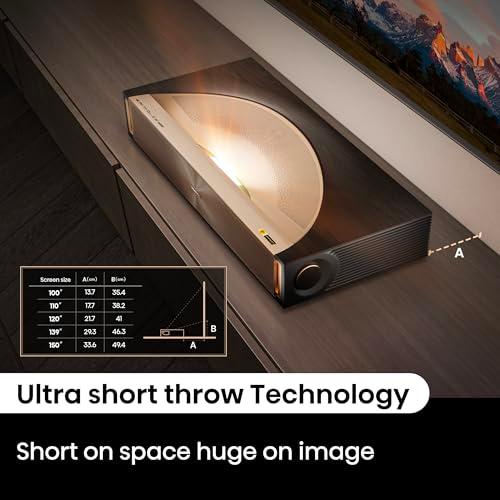
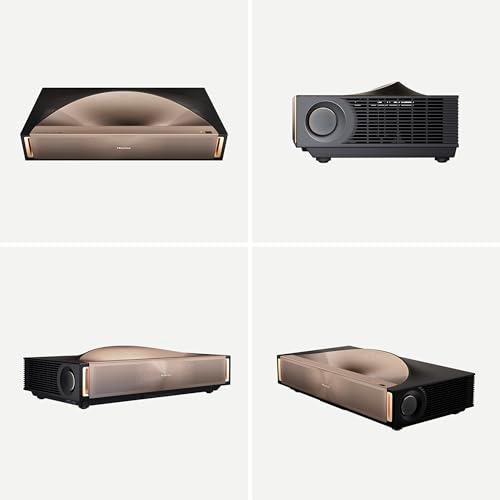
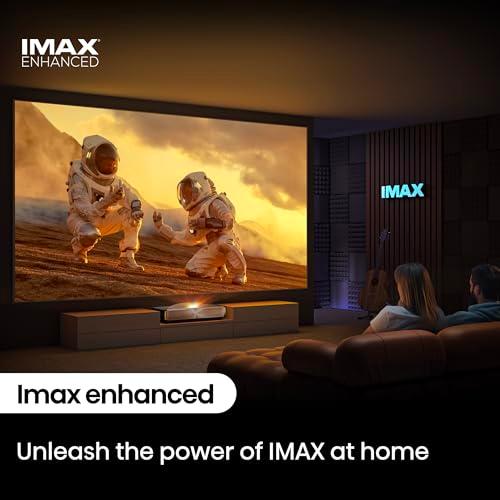


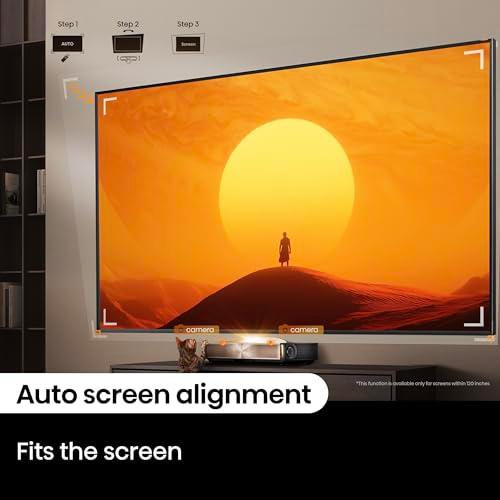
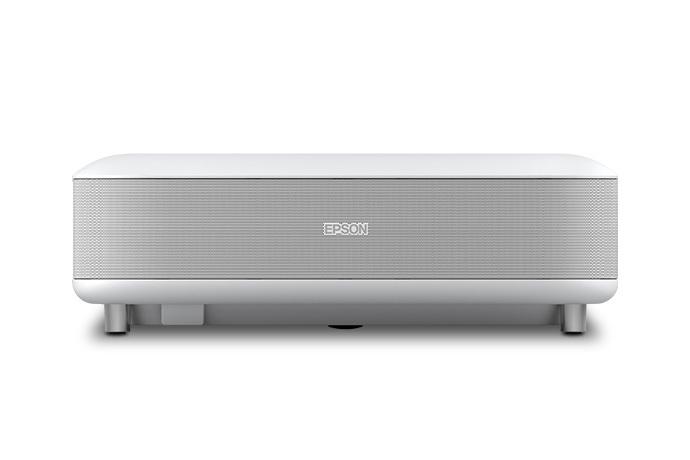
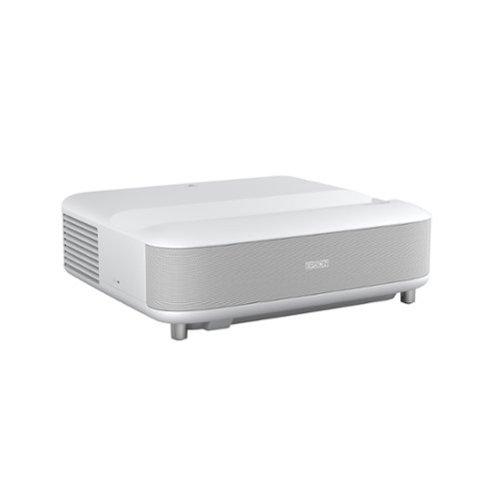


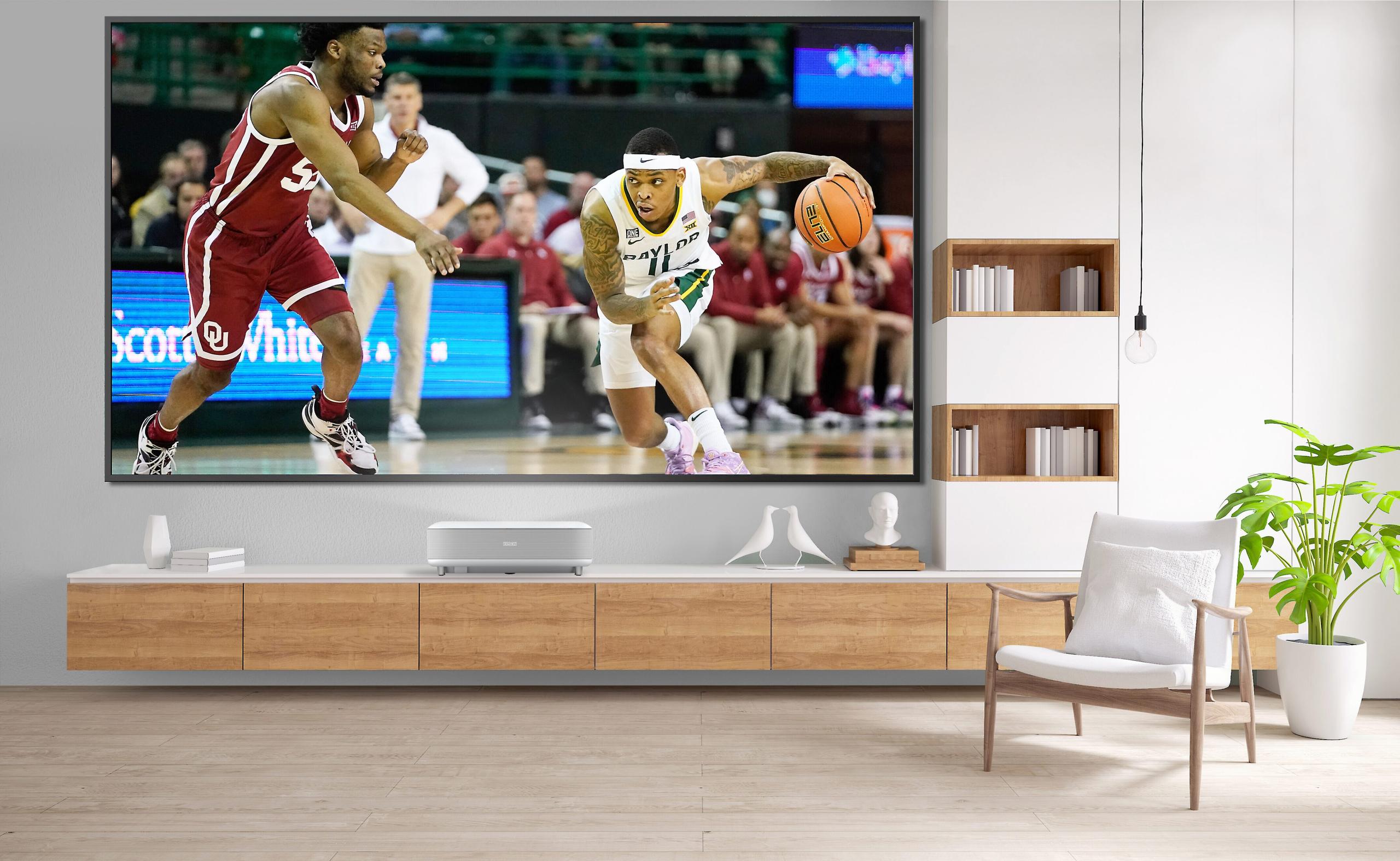
Ultra short throw projectors have revolutionized home entertainment by bringing cinema-sized screens to living rooms without the complexity of traditional projection setups. Instead of mounting a projector on your ceiling and running cables across the room, these innovative devices sit just inches from your wall and beam massive images upward at an extreme angle. It's like having a 100-inch TV that takes up no more space than a soundbar.
The technology has matured significantly over the past few years, with 2023-2025 representing a particularly exciting period for UST projectors. We're seeing brighter laser light sources, better color accuracy, integrated smart TV platforms, and sophisticated audio systems that eliminate the need for multiple components. This evolution has created distinct tiers in the market, from budget-friendly options to premium flagship models that rival the best traditional home theater projectors.
Two projectors that perfectly illustrate this market divide are the Hisense L9Q and the Epson EpiqVision Ultra LS650. Released in 2025 and 2023 respectively, they represent very different philosophies: the Hisense prioritizes cutting-edge performance regardless of cost, while the Epson focuses on delivering excellent value for typical living room use.
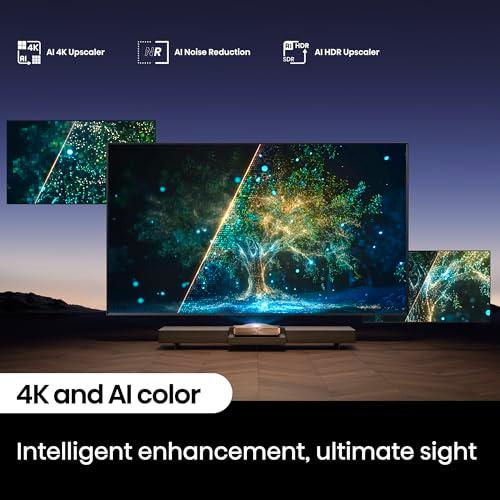
Before diving into comparisons, it's worth understanding the fundamental technologies that make these projectors tick. The Hisense L9Q uses DLP (Digital Light Processing) technology, where millions of tiny mirrors on a chip flip back and forth to create images. More specifically, it uses a 0.47-inch DMD (Digital Micromirror Device) chip that employs pixel shifting—essentially moving the image slightly between frames to create more apparent detail than the physical chip can produce. This technique allows the Hisense to achieve true 4K resolution with 8.3 million distinct pixels.
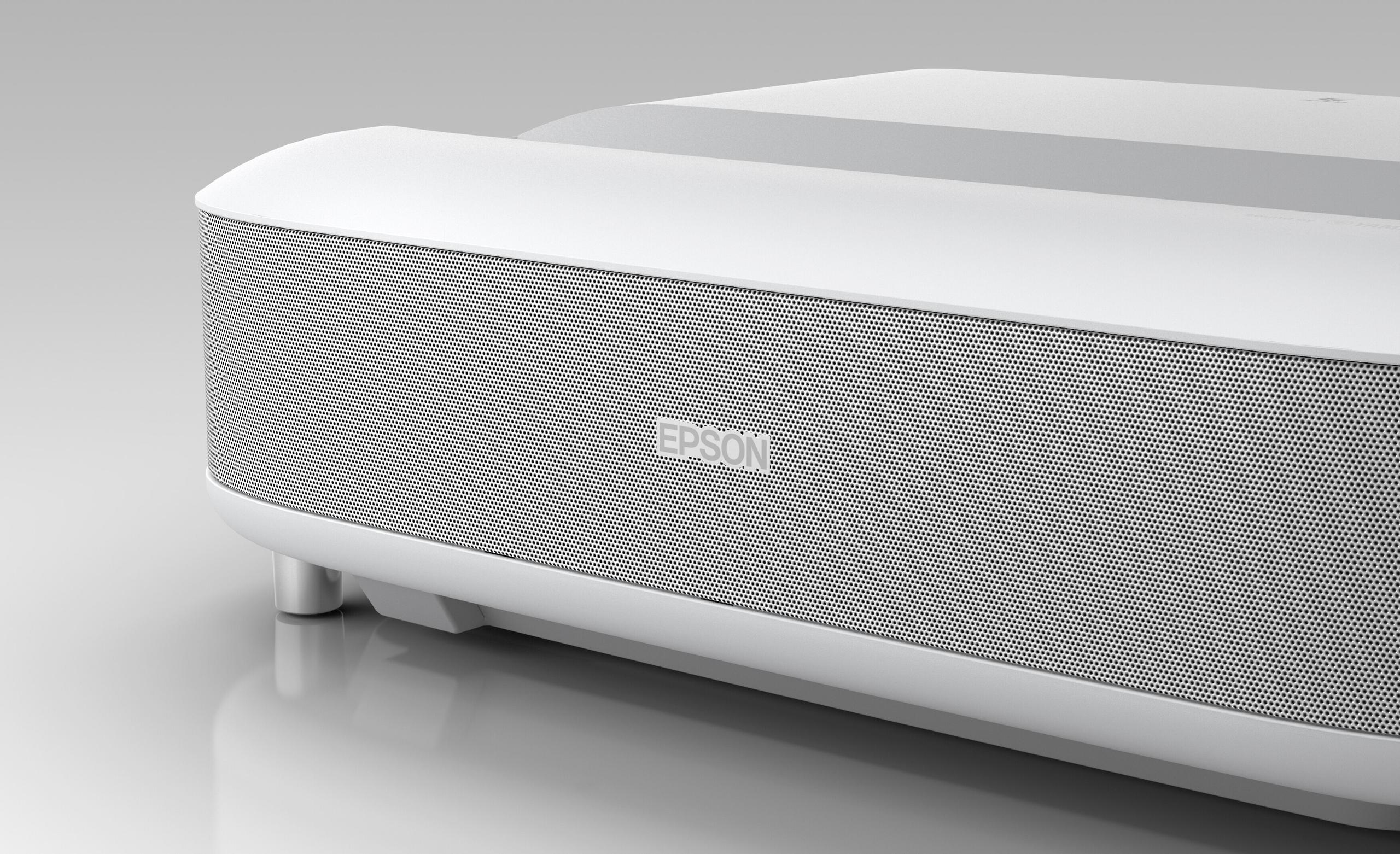
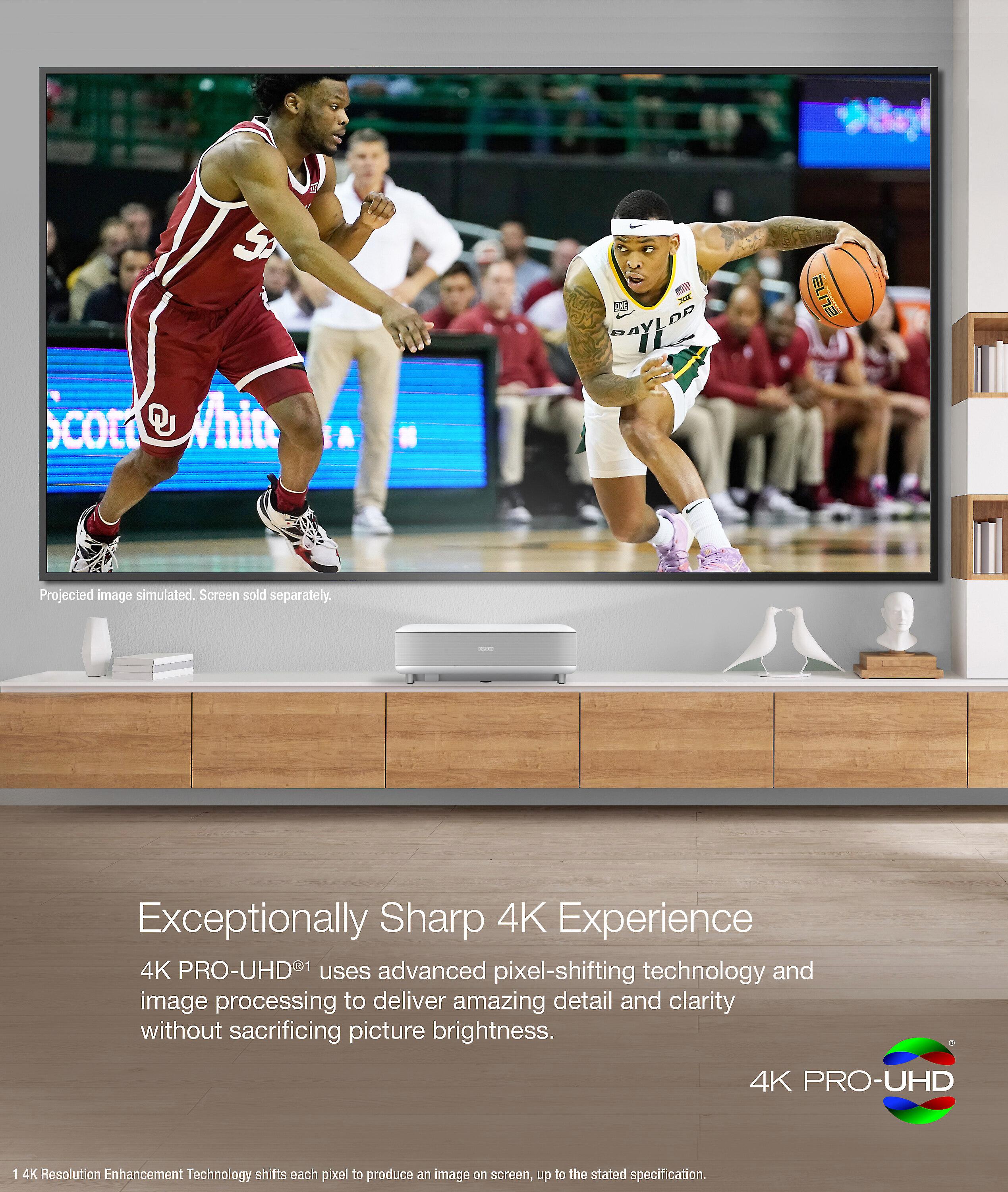
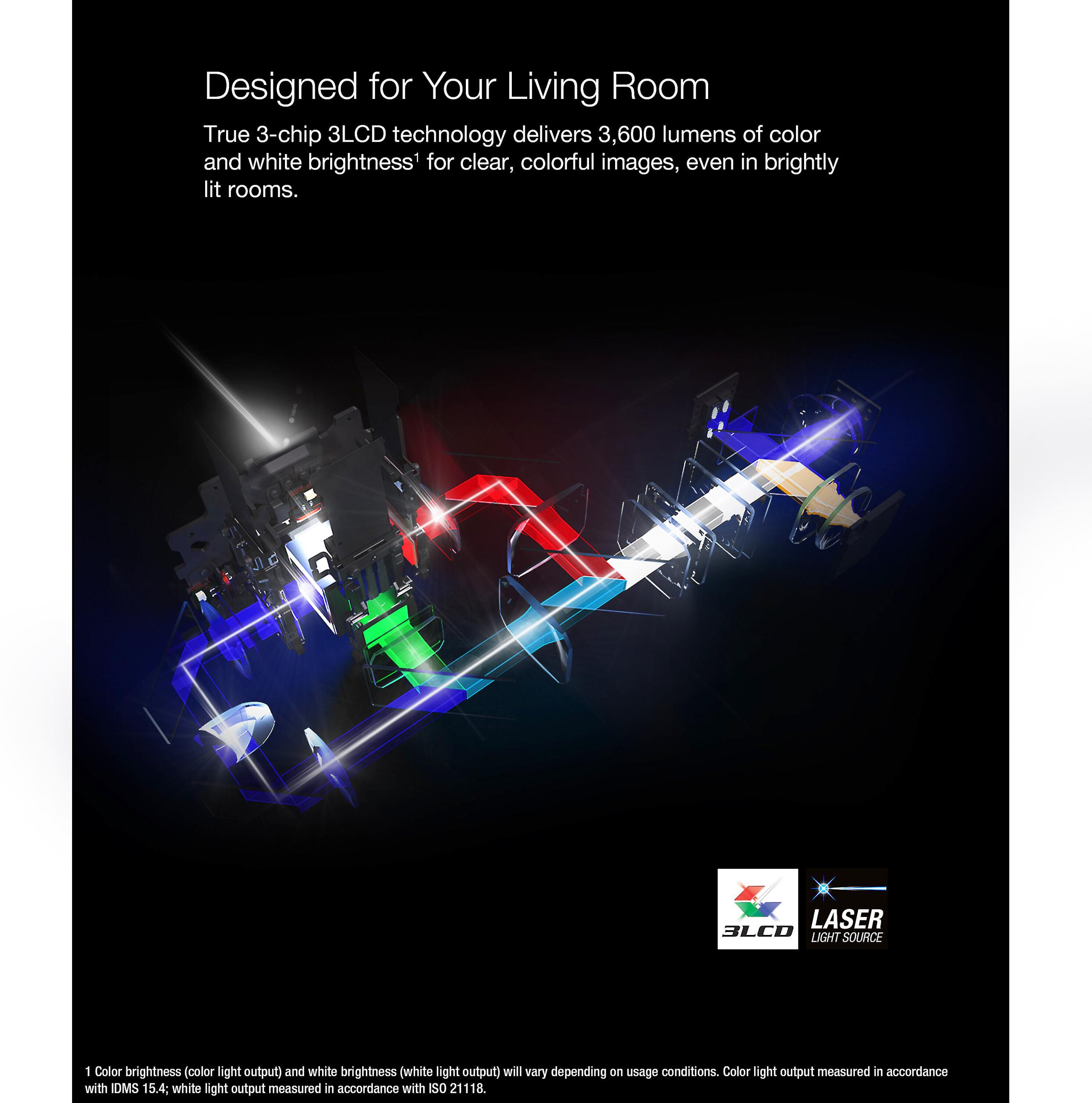
The Epson LS650 takes a completely different approach with 3LCD technology. Instead of mirrors, it uses three separate LCD panels—one each for red, green, and blue light—that work together to create the final image. This projector uses what Epson calls "4K PRO-UHD," which pixel-shifts from a native 1080p resolution to display approximately 4.1 million pixels—about half of what's required for true 4K certification.
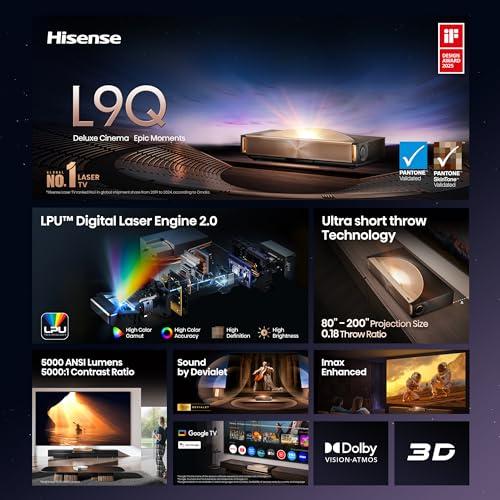
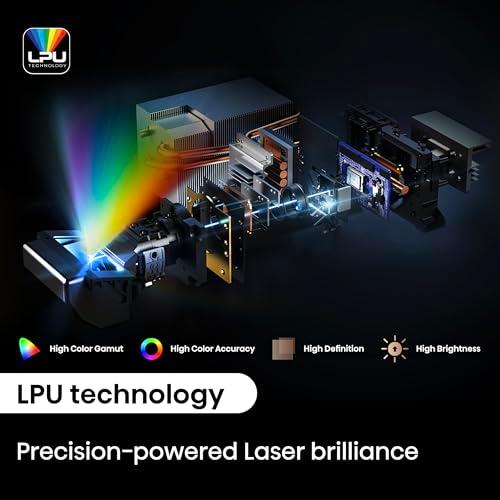
The laser light sources also differ significantly. The Hisense L9Q employs a triple laser system with separate red, green, and blue lasers, eliminating the spinning color wheel that single-chip DLP projectors typically need. This results in more accurate colors and eliminates the rainbow effect that some people notice with DLP projectors. The Epson LS650 uses a more conventional blue laser that excites phosphors to create other colors—similar to how many LED TVs work.
Brightness is arguably the most critical specification for ultra short throw projectors because they're designed to work in living rooms with ambient light, not darkened home theaters. The difference between these two projectors in this regard is substantial and represents one of the biggest factors in their price disparity.
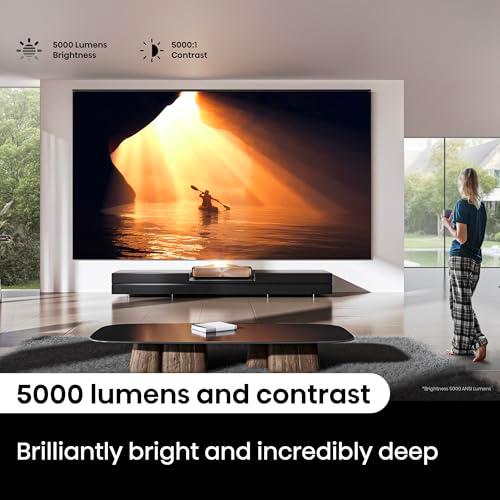
The Hisense L9Q produces an impressive 5,000 ANSI lumens, making it one of the brightest consumer projectors available. ANSI lumens is the industry standard for measuring projector brightness, taking into account both the brightest and darkest areas of the image. This exceptional brightness means you can watch content comfortably even with windows open during the day—something that would wash out most traditional projectors.
In contrast, the Epson LS650 delivers 3,600 ISO lumens. While this might seem significantly lower, it's still quite bright for a projector in this price range. The key advantage of the Epson's 3LCD technology is that it produces equal amounts of color and white brightness, whereas single-chip DLP projectors often have lower color brightness than their white brightness specifications suggest.
From our research into user experiences and professional reviews, the brightness difference is noticeable in practical use. The Hisense L9Q handles bright rooms with large windows without breaking a sweat, while the Epson LS650 performs best in rooms with controlled lighting—think typical evening TV viewing rather than daytime watching.
For most families, the Epson's brightness is perfectly adequate for living room use. However, if you have a particularly bright room or want to use screen sizes larger than 120 inches, the Hisense's extra brightness becomes essential. Brightness doesn't scale linearly with screen size—doubling the screen diagonal requires four times the brightness to maintain the same perceived image quality.
The resolution story between these projectors is more nuanced than the specifications might suggest. While the Hisense L9Q technically delivers true 4K with its pixel-shifting DLP chip, and the Epson LS650 uses enhanced 1080p, the real-world difference isn't as dramatic as you might expect for typical viewing distances.
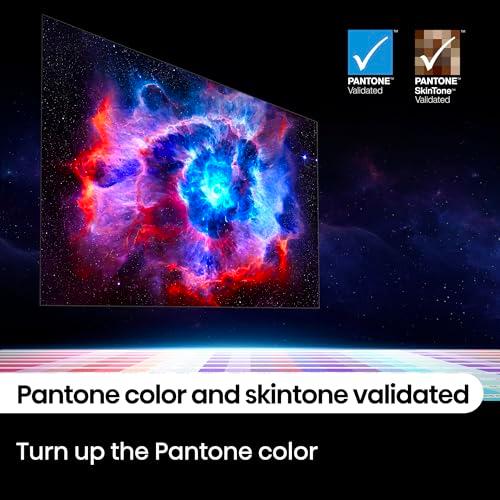
Where the Hisense truly excels is color performance. Its triple laser system covers 110% of the BT.2020 color space—the wide color standard used for 4K HDR content. More importantly, this color accuracy is Pantone validated, meaning colors appear exactly as content creators intended. This professional-grade color accuracy is particularly noticeable in nature documentaries, animated films, and any content with vibrant, saturated colors.
The Epson LS650 delivers excellent color reproduction through its 3LCD technology, but it covers a more standard color gamut. However, its 10-bit color processing helps create smoother color gradients, reducing the banding that can appear in sunset skies or other gradual color transitions.
Contrast—the difference between the brightest whites and deepest blacks—is where both projectors face the inherent limitations of ultra short throw design. The Hisense L9Q achieves a respectable 5,000:1 native contrast ratio, while the Epson LS650 claims a dramatic 2,500,000:1 dynamic contrast ratio. The key word here is "dynamic"—this number comes from automatically adjusting the laser brightness, whereas the Hisense's figure represents actual simultaneous contrast within the same frame.
In practical terms, neither projector will deliver the deep blacks of an OLED TV, but both provide perfectly watchable contrast for most content. The Hisense has a slight edge in this area, particularly in darker scenes.
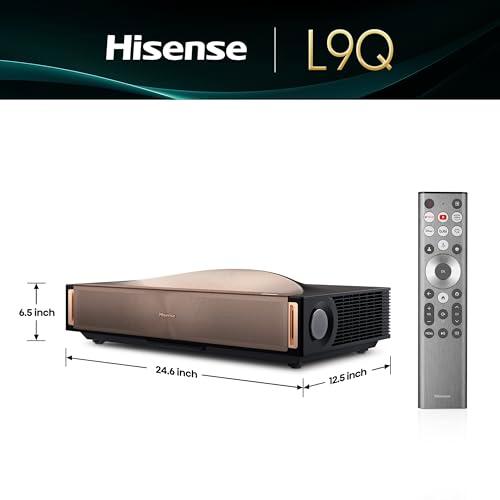
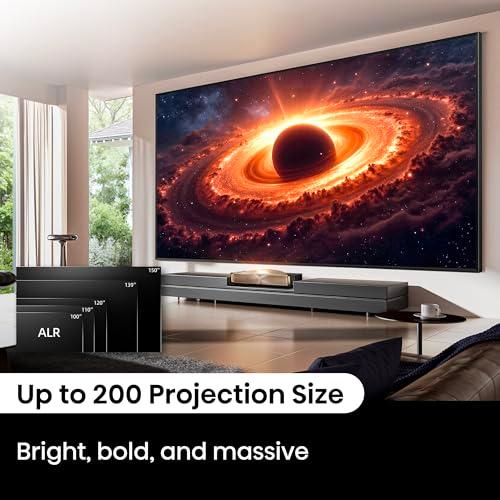
One of the most compelling aspects of UST projectors is their ability to create massive images in compact spaces. The Hisense L9Q supports screen sizes from 80 to 200 inches with its ultra-short 0.18:1 throw ratio. This means it can create a 100-inch image while sitting just 5.4 inches from the wall—closer than most soundbars.
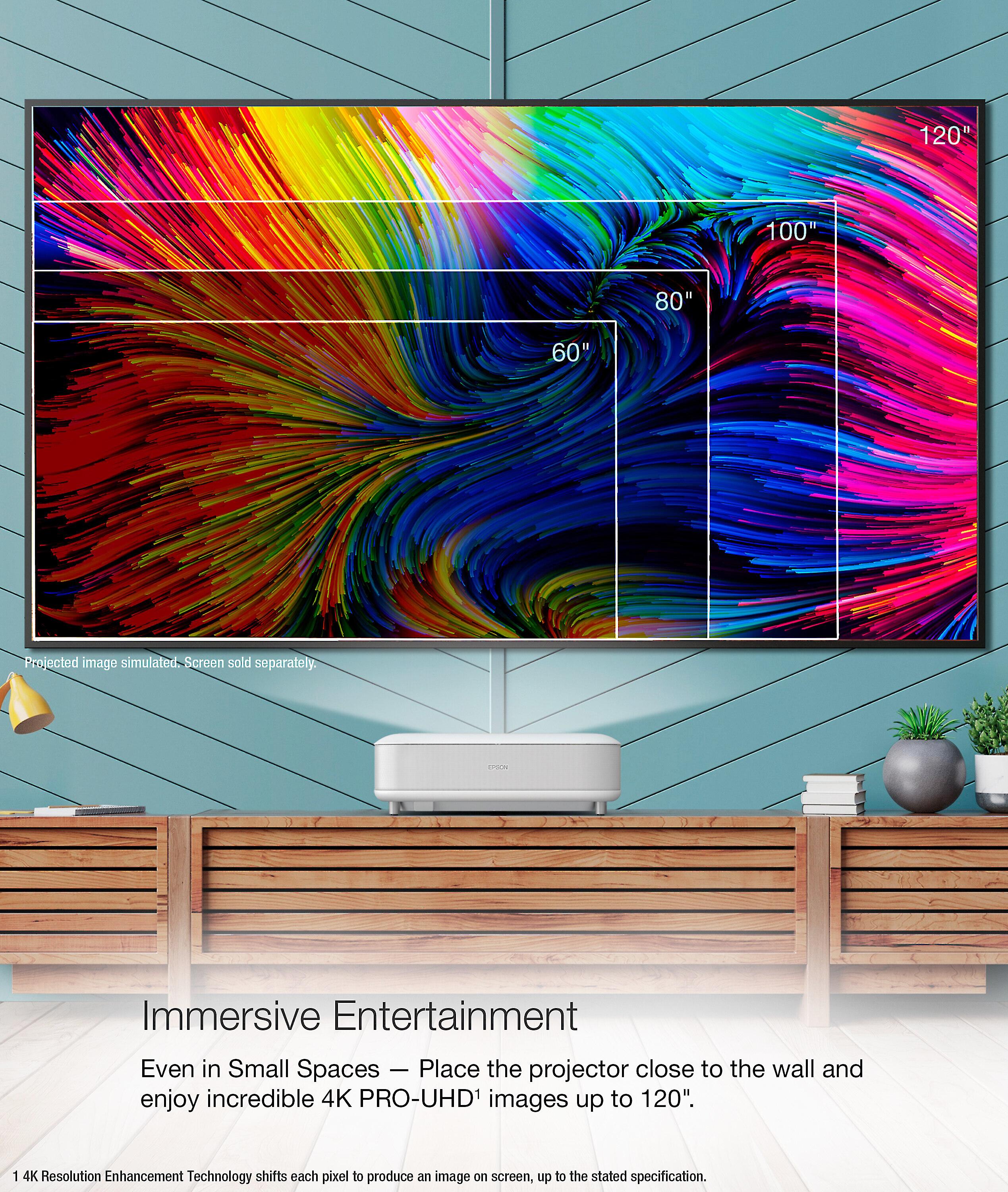
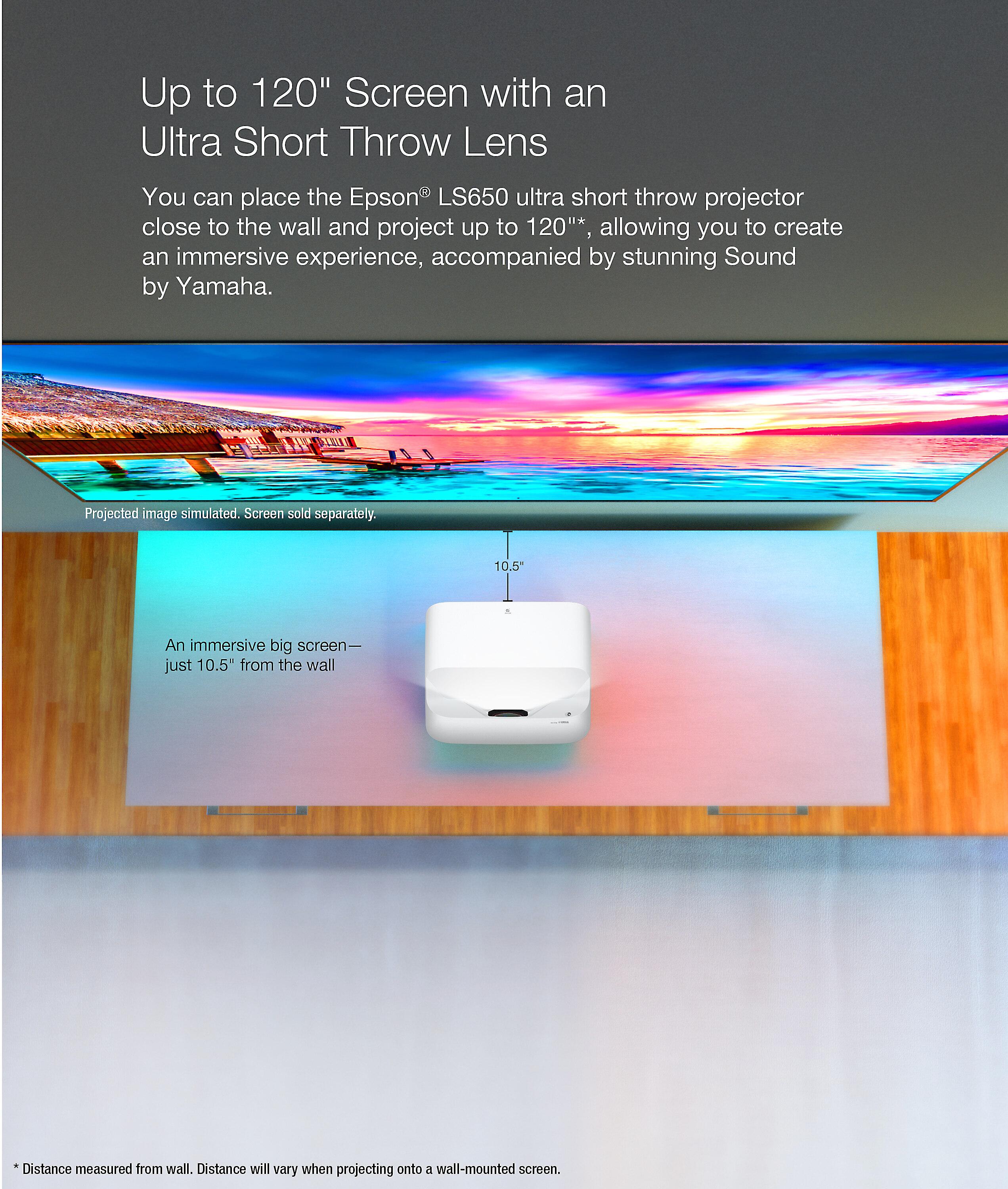
The Epson LS650 handles screens from 60 to 120 inches with a 0.28:1 throw ratio, requiring about 24 inches from the wall for a 100-inch image. While this is still impressively short compared to traditional projectors, it's noticeably longer than the Hisense.
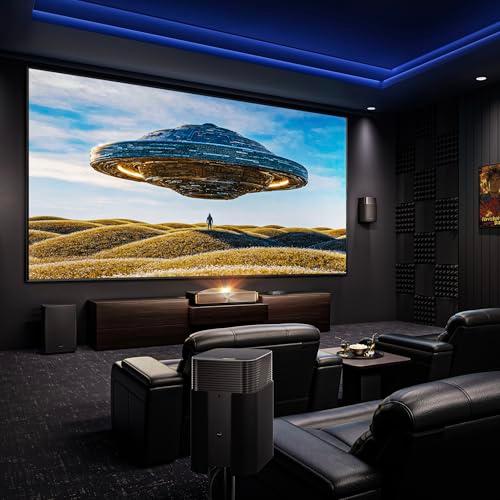
For most living rooms, the Epson's screen size range is perfectly adequate. A 100-120 inch screen already dwarfs even the largest practical TVs. However, if you're building a dedicated home theater or have a particularly large space, the Hisense's ability to create truly massive 150-200 inch images becomes compelling.
The shorter throw ratio also provides more installation flexibility. With the Hisense L9Q, you can place it on a narrow console or even mount it very close to the wall, while the Epson LS650 requires a bit more depth in your furniture or cabinet.
Traditionally, projector audio has been an afterthought—weak speakers that barely suffice for basic dialogue. Both of these projectors break that mold, but to very different degrees.
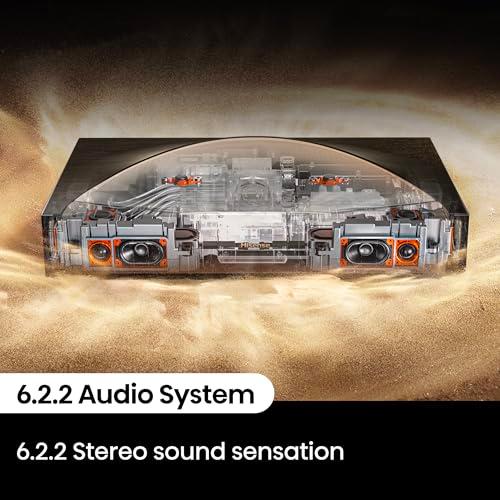
The Hisense L9Q features a 116-watt 6.2.2-channel sound system developed in partnership with Devialet, a respected French audio company. This isn't just marketing speak—the system includes multiple drivers arranged to create genuine surround sound, complete with up-firing speakers for Dolby Atmos height effects and dedicated subwoofers for low-frequency impact. The tuning, inspired by the Opéra de Paris, actually delivers room-filling sound that can replace a dedicated sound system for many users.
The Epson LS650 includes a Yamaha-designed 50-watt 2.1 virtual surround system. While this is far more capable than typical projector audio, it's designed more for convenience than audiophile-level performance. It's perfectly adequate for casual viewing but will leave serious movie watchers wanting more.
Based on user reviews and professional assessments, the audio difference is one of the most immediately noticeable distinctions between these projectors. The Hisense can genuinely provide a complete entertainment solution, while the Epson works best as part of a system that includes external audio.
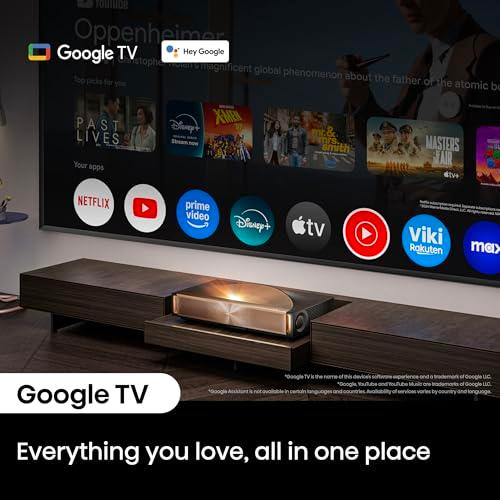
Modern UST projectors need to function as smart TVs, and both projectors handle this responsibility differently. The Hisense L9Q runs Google TV, providing access to the full Google Play Store ecosystem and native support for Netflix, Disney+, Prime Video, and virtually every major streaming service. The interface is responsive and familiar to anyone who's used modern Android TV devices.
The Epson LS650 uses Android TV 11, which is similar but with some limitations. Most notably, it lacks native Netflix support, requiring users to connect an external streaming device for this crucial service. While this isn't a deal-breaker—most people have streaming devices anyway—it's an inconvenience that the Hisense avoids.
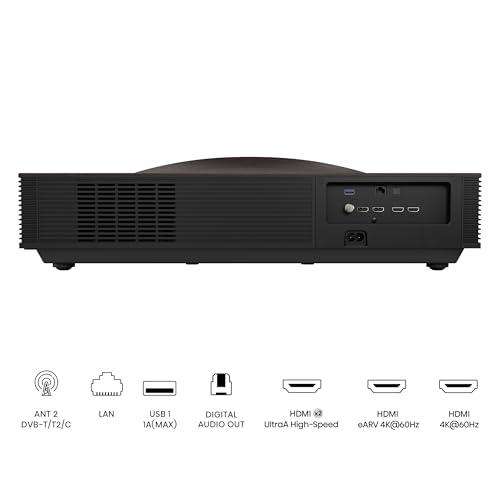
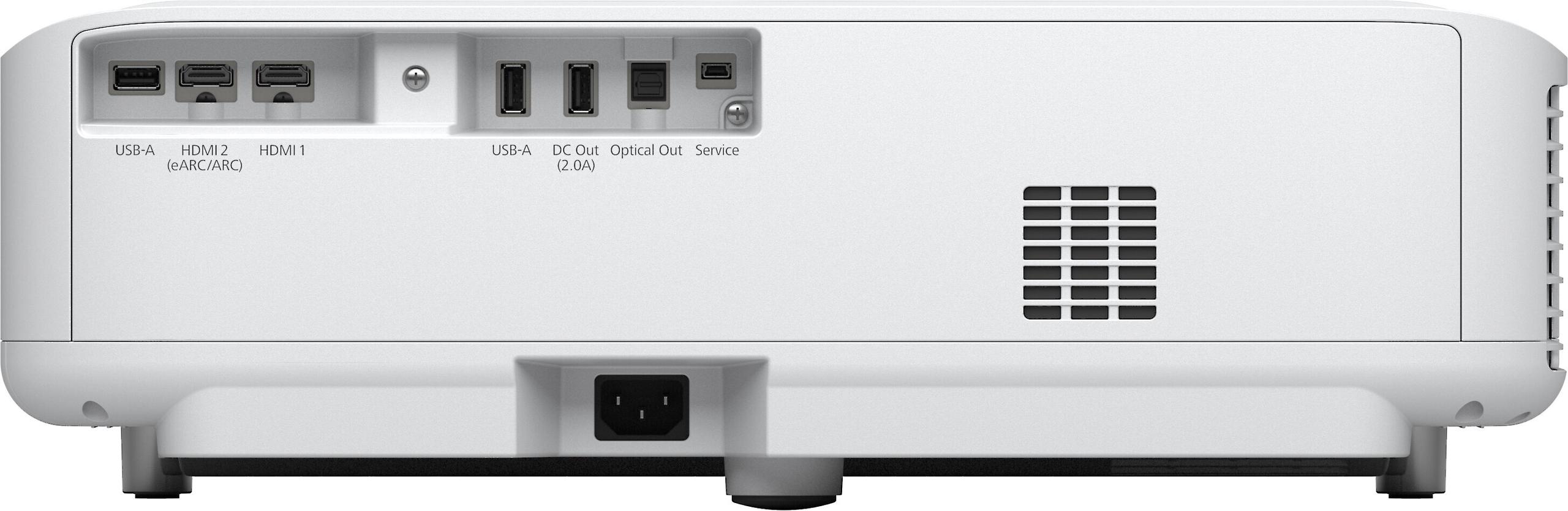
Connectivity also favors the Hisense L9Q significantly. It offers four HDMI ports (two HDMI 2.1, two HDMI 2.0b) with support for eARC audio return, plus Wi-Fi 6E and Bluetooth 5.3 for the latest wireless standards. The Epson LS650 provides two HDMI 2.0 ports with basic connectivity options.
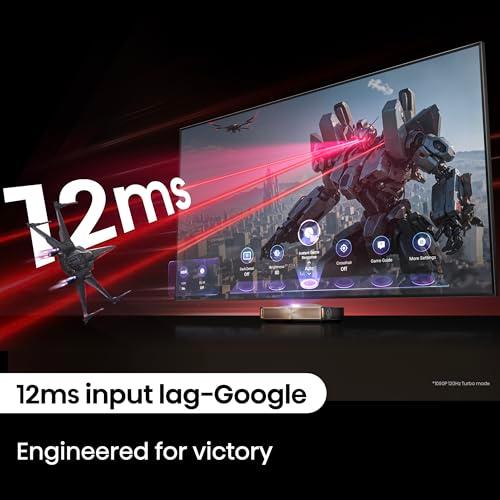
For gaming enthusiasts, the Hisense's HDMI 2.1 ports enable 4K gaming at 120Hz with features like Auto Low Latency Mode (ALLM), while its dedicated game mode reduces input lag to just 12 milliseconds—excellent for responsive gaming on massive screens.
High Dynamic Range (HDR) content delivers brighter highlights, deeper shadows, and more vibrant colors than standard video. The Hisense L9Q supports all major HDR formats: HDR10, HDR10+, Dolby Vision, and HLG. Dolby Vision, in particular, is considered the premium HDR format, with content mastered specifically for optimal playback on compatible displays.
The Epson LS650 supports HDR10 and HLG but lacks both HDR10+ and Dolby Vision. While this doesn't prevent it from displaying HDR content, it means some content won't look as good as it could, and you're less future-proofed as more Dolby Vision content becomes available.
At the time of writing, these projectors occupy very different price tiers, with the Hisense L9Q commanding a premium that's roughly two to three times higher than the Epson LS650. This price difference reflects their different target markets and feature sets.
The Epson LS650 represents exceptional value for families wanting to replace a large TV with something even larger. It delivers 90% of the UST projector experience at a fraction of the cost of flagship models. For typical living room use—watching Netflix in the evening, family movie nights, casual gaming—it provides everything most people need.
The Hisense L9Q targets enthusiasts and dedicated home theater builders who want the absolute best performance regardless of cost. Its premium pricing reflects cutting-edge laser technology, professional color validation, flagship audio, and maximum flexibility in screen sizes and room conditions.
The Epson LS650 makes the most sense for families making their first foray into large-screen projection. It's ideal if you're currently considering a 75-85 inch TV but want something larger, if your room has moderate lighting conditions, if you're sensitive to DLP rainbow effects, or if you plan to add external audio anyway. Its 3LCD technology eliminates the rainbow artifacts some people notice with DLP projectors, making it particularly suitable for households where multiple people will be watching.
The Hisense L9Q justifies its premium pricing for specific use cases: if you have a particularly bright room that challenges most projectors, if you want screen sizes larger than 120 inches, if professional color accuracy matters for your viewing or work, if integrated premium audio is important, or if you're building a dedicated home theater where budget is less constrained than performance.
Both projectors succeed brilliantly in their intended roles. The Epson LS650 democratizes large-screen entertainment, bringing UST projection to mainstream budgets without significant compromises in typical use cases. Its 3LCD technology, solid brightness, and reliable Epson build quality make it an excellent choice for most families.
The Hisense L9Q represents the current pinnacle of UST projection technology. Its triple laser system, exceptional brightness, true 4K resolution, and integrated premium audio create an experience that rivals dedicated home theater setups while maintaining the convenience of UST installation.
Ultimately, your choice should align with your budget, room conditions, and how seriously you take home entertainment. The Epson offers outstanding value and performance for typical use, while the Hisense provides flagship performance for those who demand the very best. Both will deliver experiences that make traditional TVs feel small by comparison—the question is whether you need the absolute best or just something very, very good.
| Hisense L9Q Triple Laser Ultra Short Throw Projector | Epson EpiqVision Ultra LS650 4K Ultra Short Throw Laser Projector |
|---|---|
| Brightness - Most critical spec for daytime viewing and large screens | |
| 5,000 ANSI lumens (exceptional for bright rooms and massive screens) | 3,600 ISO lumens (excellent for typical living room conditions) |
| Display Technology - Affects color accuracy and rainbow effects | |
| DLP with triple laser (RGB), eliminates color wheel artifacts | 3LCD with blue laser phosphor, no rainbow effect for sensitive viewers |
| Resolution - Impact on fine detail and text clarity | |
| True 4K (3840x2160) via 0.47" DLP chip with pixel shifting | 4K PRO-UHD (4.1M pixels), enhanced 1080p with pixel shifting |
| Color Performance - Critical for vibrant, accurate image reproduction | |
| 110% BT.2020 color gamut, Pantone validated for professional accuracy | Standard color gamut with 10-bit processing, excellent 3LCD color consistency |
| Screen Size Range - Determines maximum viewing experience | |
| 80-200 inches (exceptional flexibility for any room size) | 60-120 inches (perfect for typical living room TV replacement) |
| Throw Ratio - How close projector sits to wall | |
| 0.18:1 (100" image from 5.4" away, ultra-compact placement) | 0.28:1 (100" image from ~24" away, still very short throw) |
| Integrated Audio System - Quality of built-in speakers | |
| 116W 6.2.2-channel Devialet system with Dolby Atmos (replaces soundbar) | 50W Yamaha 2.1 virtual surround (adequate but may need external audio) |
| HDR Format Support - Future-proofing for premium content | |
| HDR10, HDR10+, Dolby Vision, HLG (comprehensive format support) | HDR10, HLG only (missing Dolby Vision and HDR10+) |
| Smart TV Platform - Streaming capabilities and app selection | |
| Google TV with full Netflix support and Google Play Store | Android TV 11 without native Netflix (requires external streaming device) |
| Gaming Performance - Input lag and high refresh rate support | |
| 12ms input lag, HDMI 2.1 with 4K/120Hz and ALLM support | Basic gaming support, HDMI 2.0 connectivity |
| Connectivity Options - Number and type of ports for devices | |
| 4 HDMI ports (2x HDMI 2.1, 2x HDMI 2.0b), eARC, Wi-Fi 6E | 2 HDMI 2.0 ports with eARC, standard Wi-Fi |
| Contrast Performance - Depth of blacks and overall image pop | |
| 5,000:1 native contrast (excellent simultaneous light/dark detail) | 2,500,000:1 dynamic contrast (good but relies on automatic adjustments) |
| Laser Lifespan - Long-term maintenance costs | |
| 25,000+ hours (roughly 10+ years of typical use) | 20,000 hours (8-10 years of typical use) |
| Target User - Who this projector is designed for | |
| Home theater enthusiasts wanting flagship UST performance | Families seeking excellent value for large-screen entertainment |
| Best Use Case - Where each projector excels | |
| Bright rooms, massive screens (150-200"), premium integrated audio needs | Living room TV replacement, controlled lighting, budget-conscious buyers |
The Hisense L9Q is significantly brighter at 5,000 ANSI lumens compared to the Epson LS650's 3,600 ISO lumens. This makes the Hisense L9Q better for rooms with lots of windows or ambient light, while the Epson LS650 works well for typical living room lighting conditions.
The Hisense L9Q delivers true 4K resolution with superior color accuracy covering 110% of the BT.2020 color space and Pantone validation. The Epson LS650 uses 4K PRO-UHD (enhanced 1080p) but offers excellent 3LCD color consistency without rainbow effects that some people see with DLP projectors.
The Hisense L9Q supports massive 80-200 inch screens and can sit just 5.4 inches from the wall for a 100-inch image. The Epson LS650 creates 60-120 inch screens and needs about 24 inches from the wall for a 100-inch display, which is still excellent for most living rooms.
The Hisense L9Q features a premium 116W 6.2.2-channel Devialet sound system with Dolby Atmos that can replace a soundbar. The Epson LS650 has a decent 50W Yamaha 2.1 system that's adequate for casual viewing but most users will want external speakers for serious movie watching.
The Hisense L9Q runs Google TV with full Netflix support and access to all major streaming services. The Epson LS650 uses Android TV but lacks native Netflix support, requiring an external streaming device like Apple TV or Fire Stick for Netflix viewing.
The Hisense L9Q is superior for gaming with 12ms input lag, HDMI 2.1 ports supporting 4K/120Hz, and Auto Low Latency Mode. The Epson LS650 has basic gaming support through HDMI 2.0 ports but lacks the advanced gaming features of the Hisense L9Q.
The Hisense L9Q supports all major HDR formats including Dolby Vision, HDR10+, HDR10, and HLG for maximum compatibility with premium content. The Epson LS650 supports HDR10 and HLG but lacks Dolby Vision and HDR10+ support.
The Epson LS650 provides exceptional value for families wanting large-screen entertainment without premium pricing. The Hisense L9Q justifies its higher cost with flagship performance, professional color accuracy, and premium integrated audio for enthusiasts who want the best possible experience.
The Epson LS650 uses 3LCD technology that completely eliminates rainbow effects, making it ideal for viewers sensitive to this issue. The Hisense L9Q uses DLP technology with a triple laser system that minimizes but doesn't completely eliminate potential rainbow artifacts.
The Hisense L9Q offers superior connectivity with 4 HDMI ports (2 HDMI 2.1 and 2 HDMI 2.0b) plus eARC support. The Epson LS650 provides 2 HDMI 2.0 ports with eARC, which is adequate for most setups but more limiting for users with multiple devices.
The Hisense L9Q excels in dedicated home theater setups with its ability to create massive 150-200 inch screens, professional color accuracy, premium Devialet audio system, and comprehensive HDR support. The Epson LS650 works well for home theaters but is better suited for living room entertainment.
The Hisense L9Q uses advanced triple laser technology with separate red, green, and blue lasers for superior color accuracy and 25,000+ hour lifespan. The Epson LS650 uses a more traditional blue laser phosphor system with a 20,000 hour lifespan, which is still excellent but not as advanced as the Hisense L9Q's triple laser setup.
We've done our best to create useful and informative comparisons to help you decide what product to buy. Our research uses advanced automated methods to create this comparison and perfection is not possible - please contact us for corrections or questions. These are the sites we've researched in the creation of this article: chrismajestic.com - shop.hisense-usa.com - tomsguide.com - valueelectronics.com - techradar.com - whathifi.com - youtube.com - projectorscreen.com - projectorscreen.com - hisense-usa.com - youtube.com - projectorcentral.com - youtube.com - hisense-usa.com - manuals.plus - shop.avispl.com - hisense-usa.com - techradar.com - youtube.com - projectorscreen.com - news.epson.com - projectorcentral.com - projectorreviews.com - avsforum.com - projectorcentral.com - news.epson.com - audiogeneral.com

Privacy Policy
Terms and Conditions - Affiliate Policy
Home Security
© Copyright 2008-2026.
11816 Inwood Rd #1211, Dallas, TX 75244