

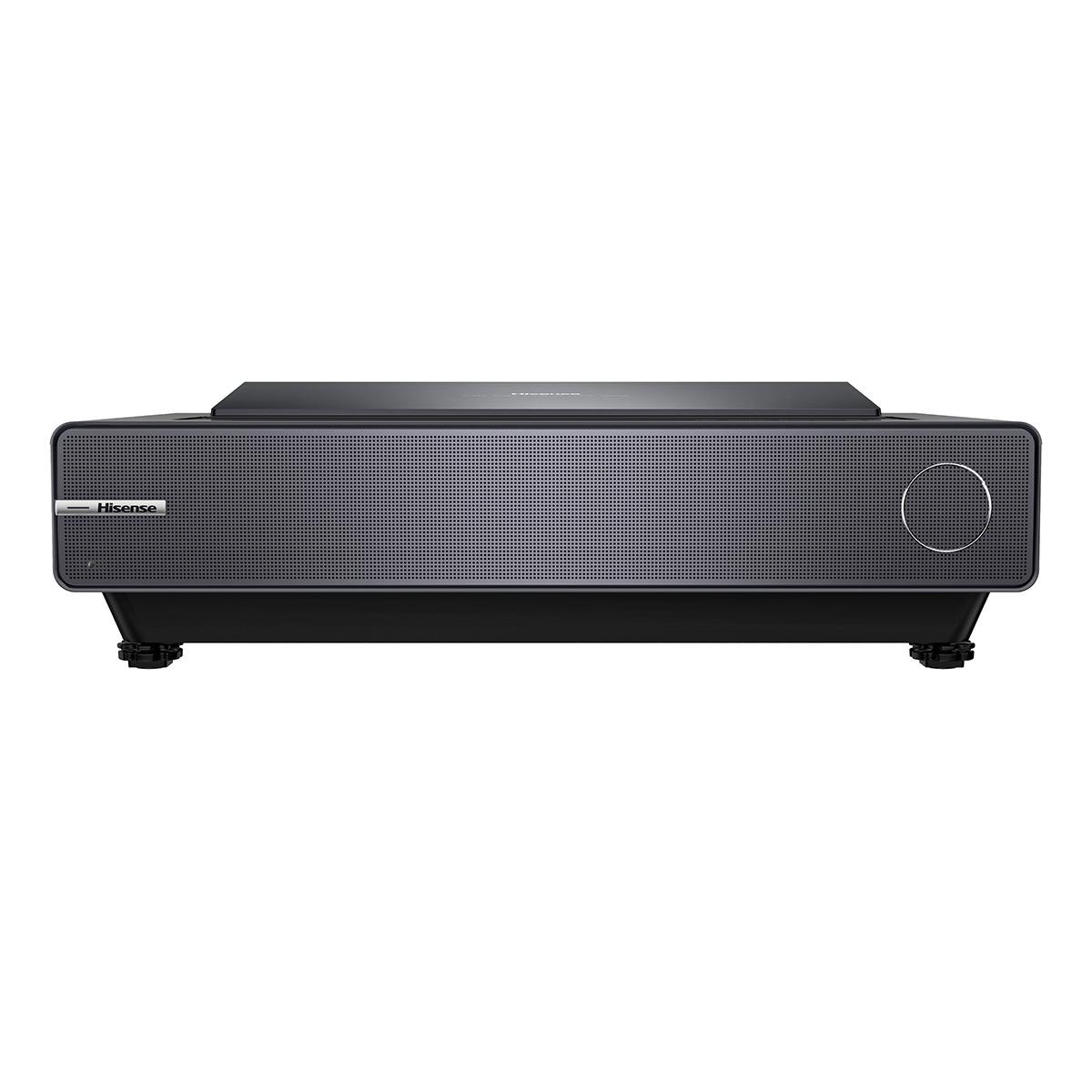
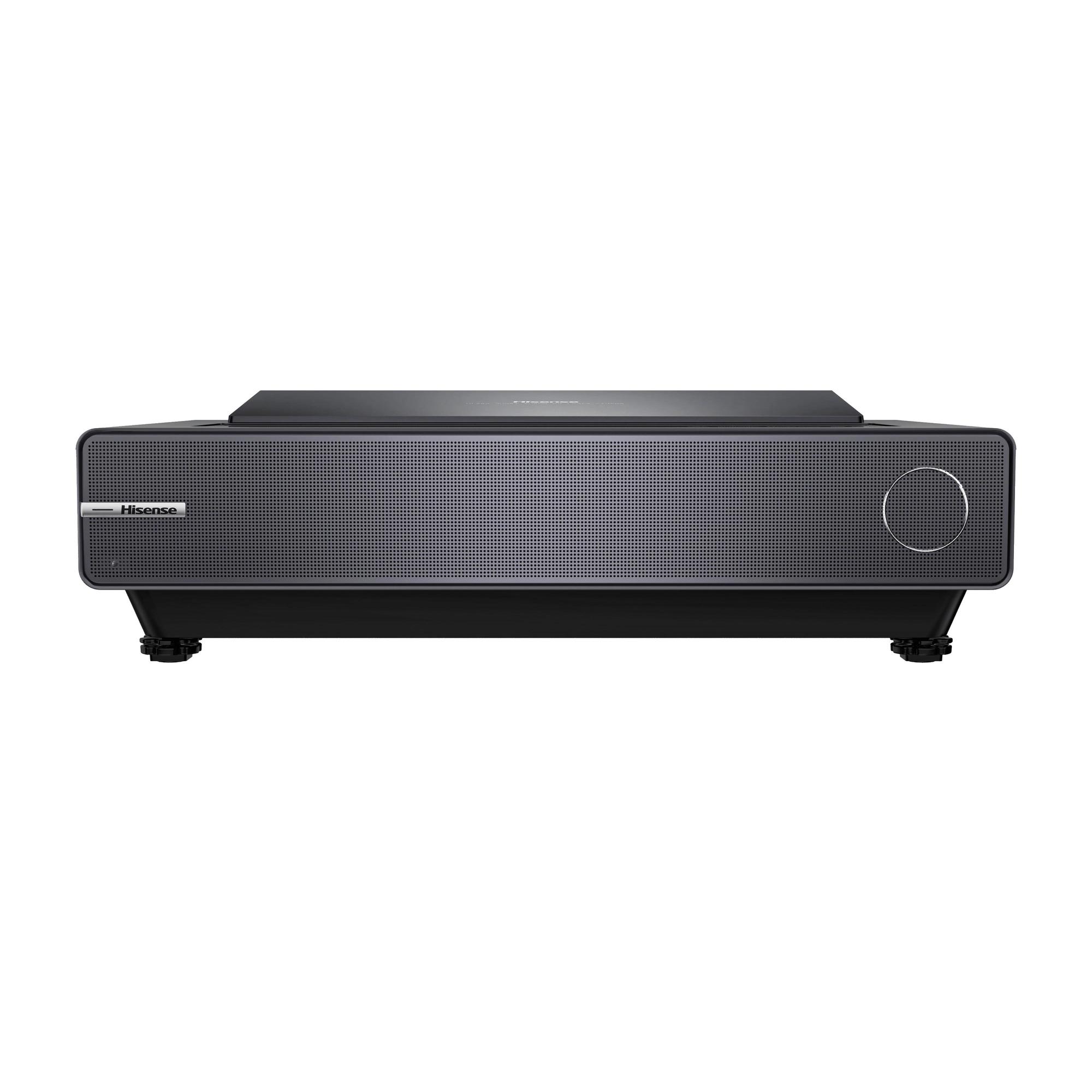
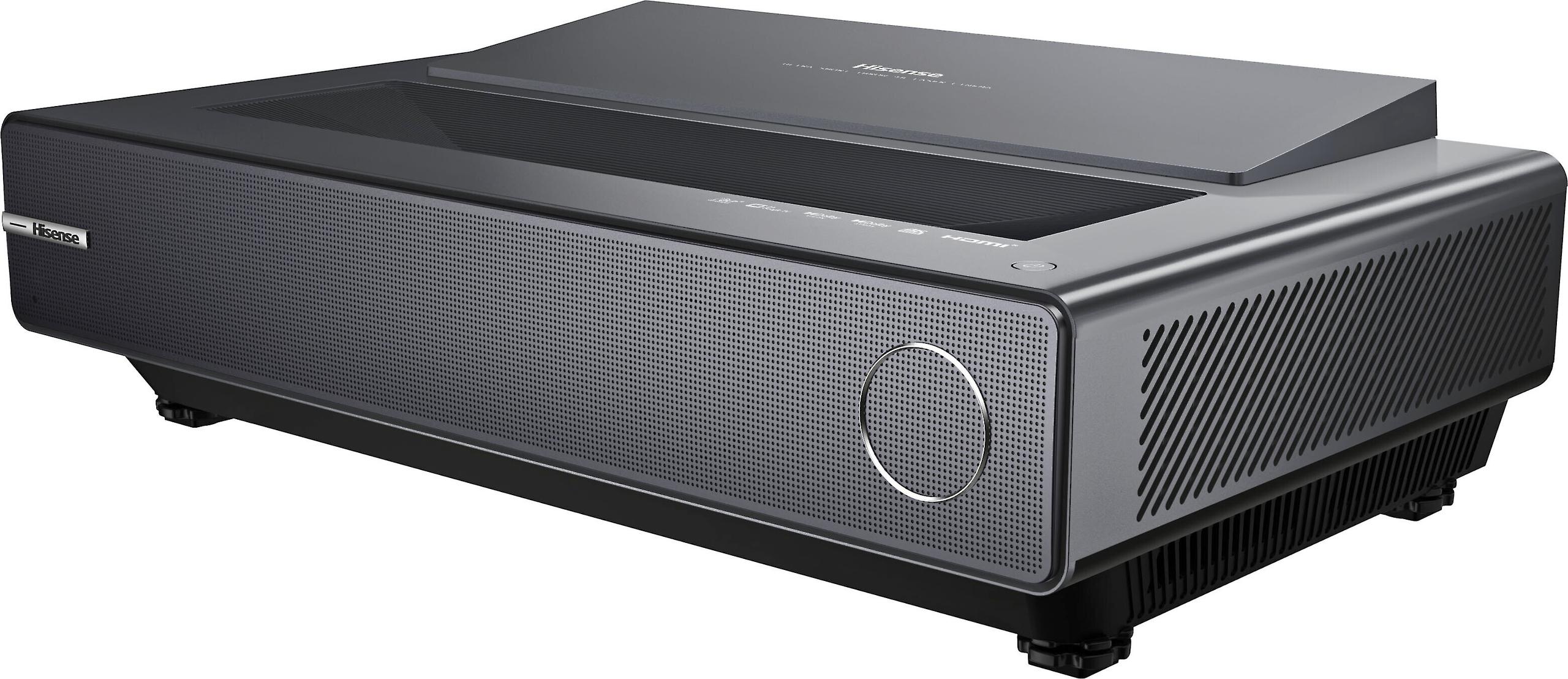
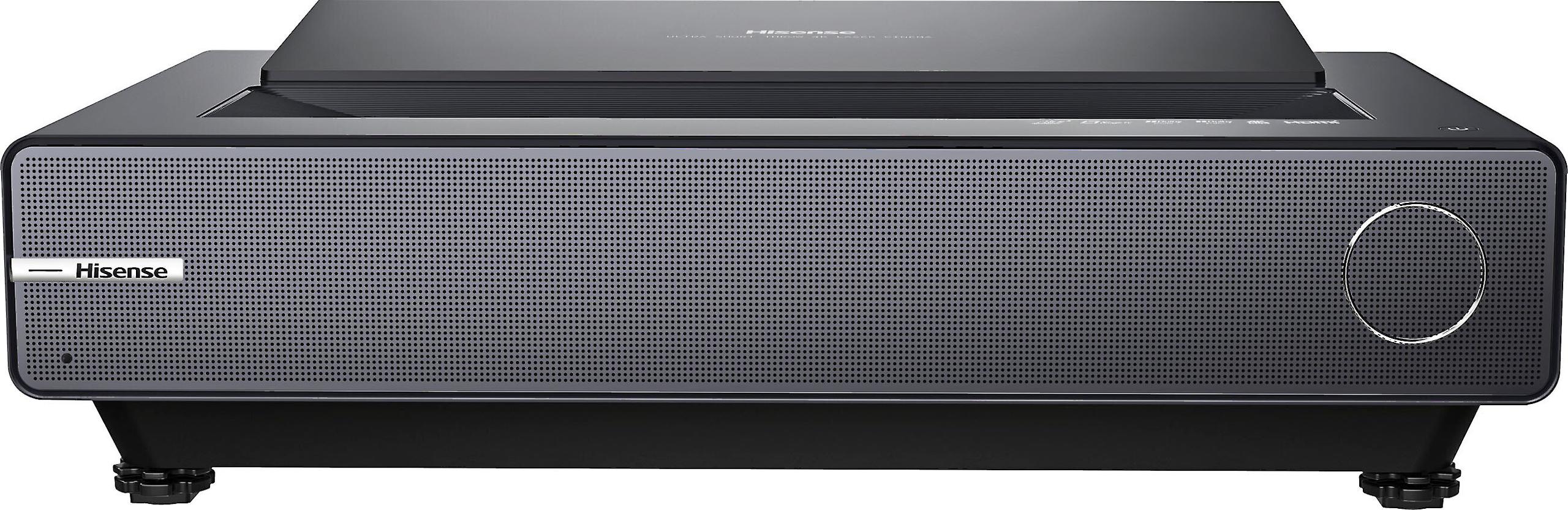
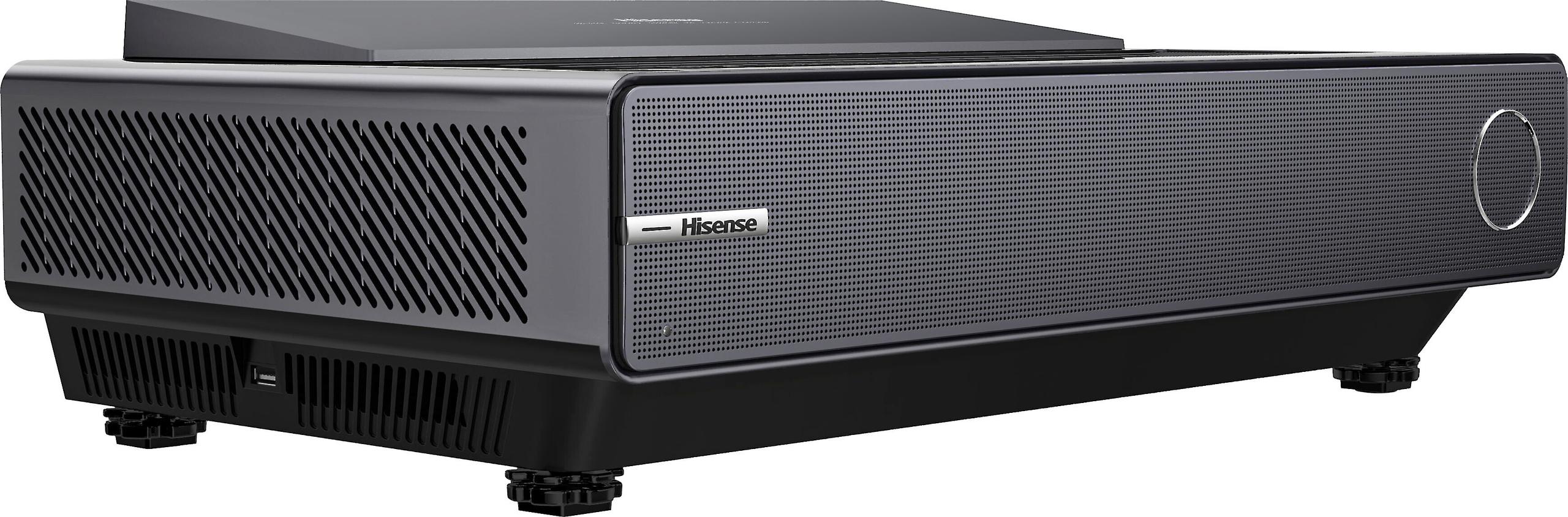
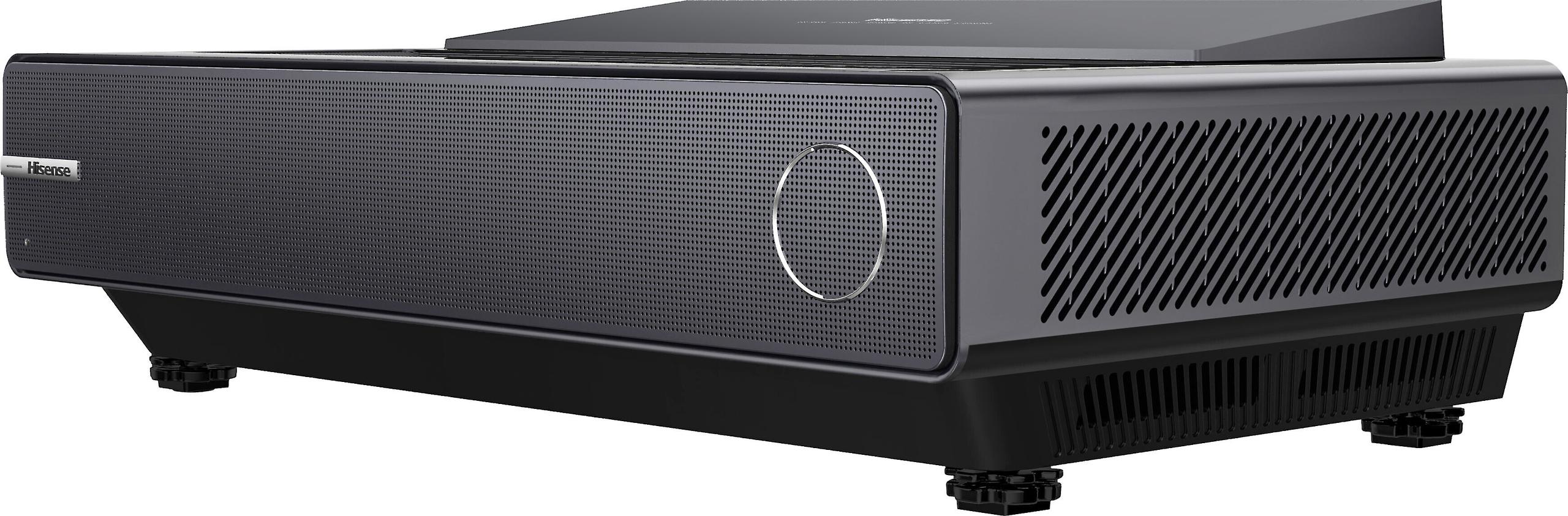
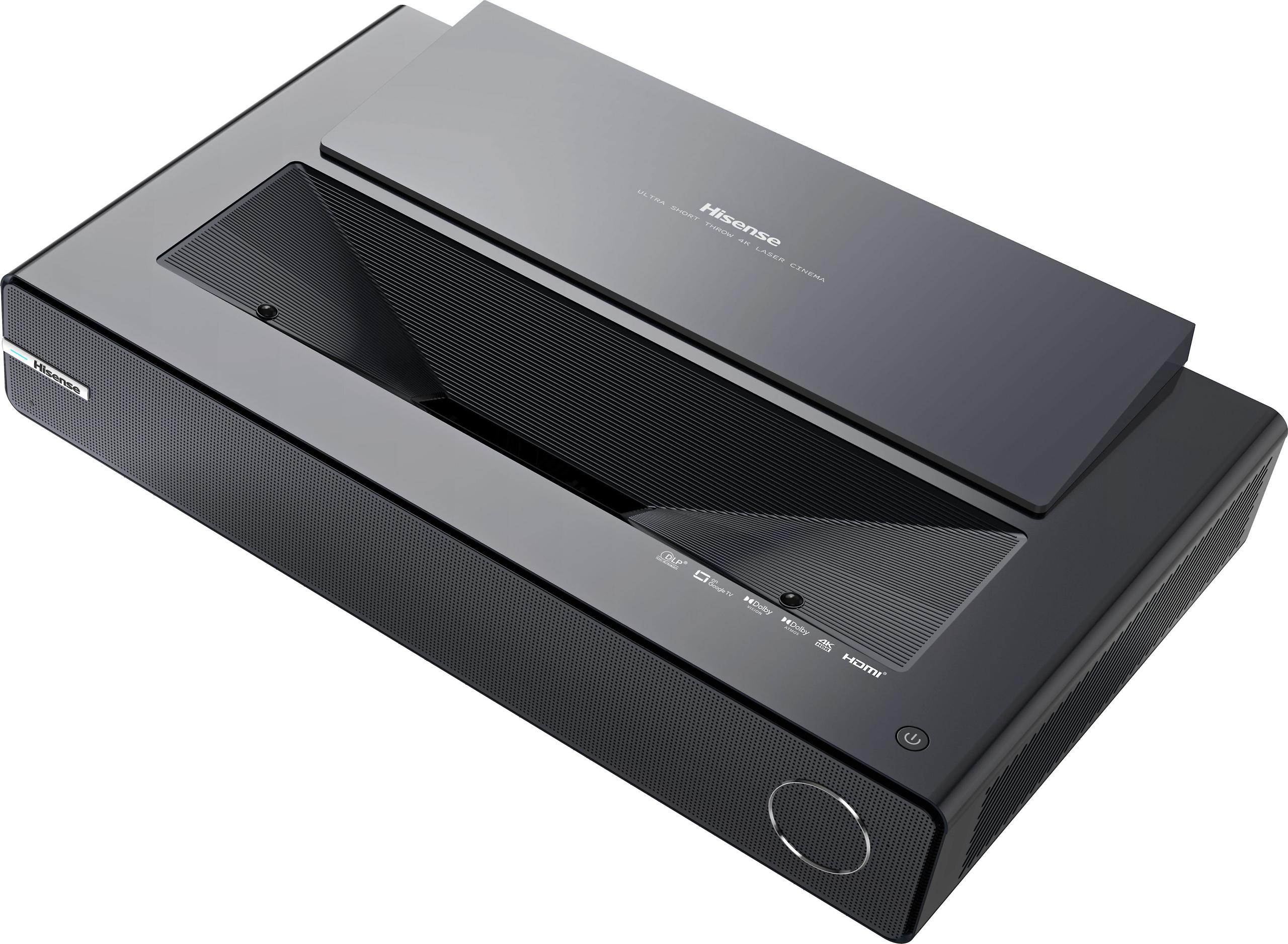
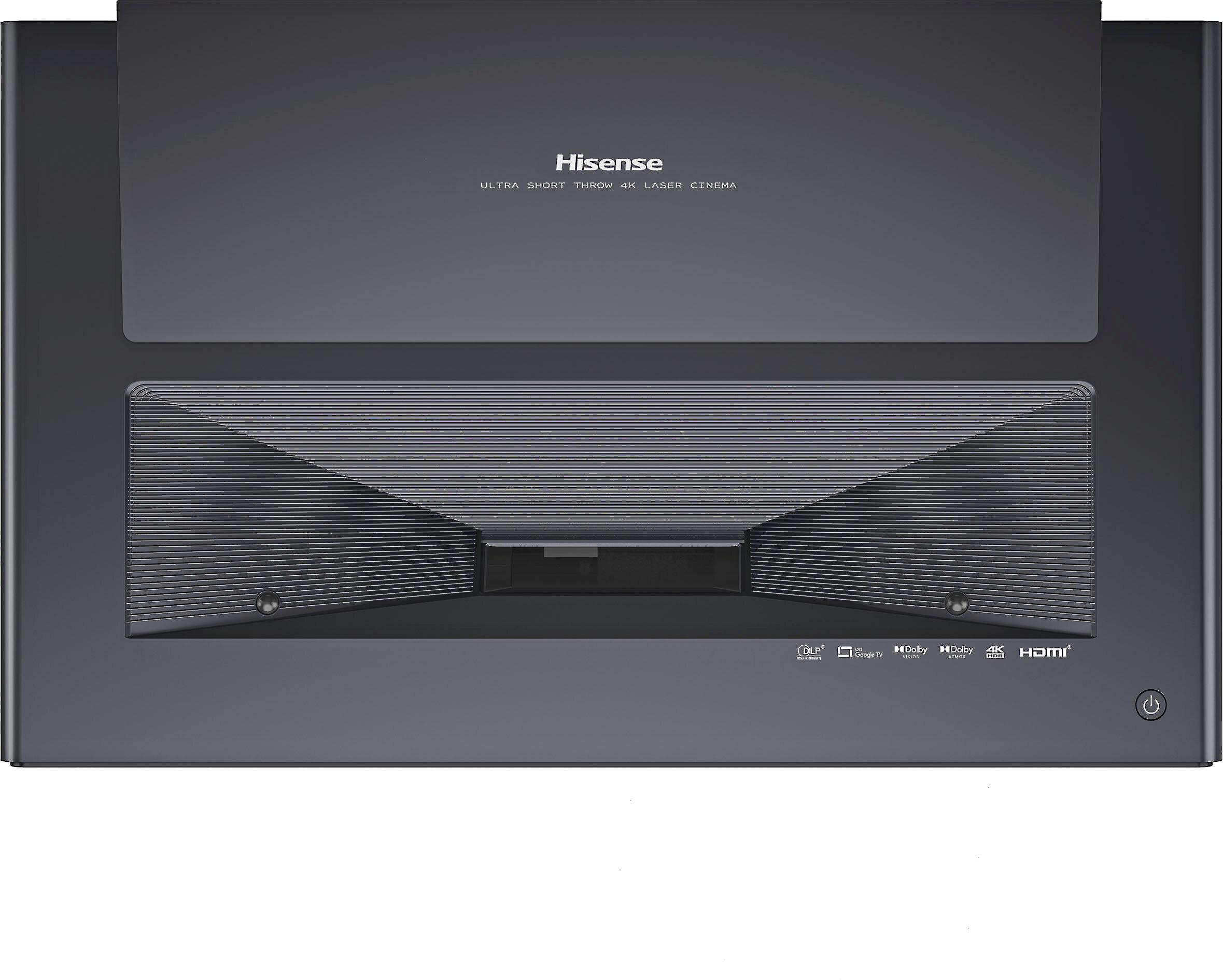

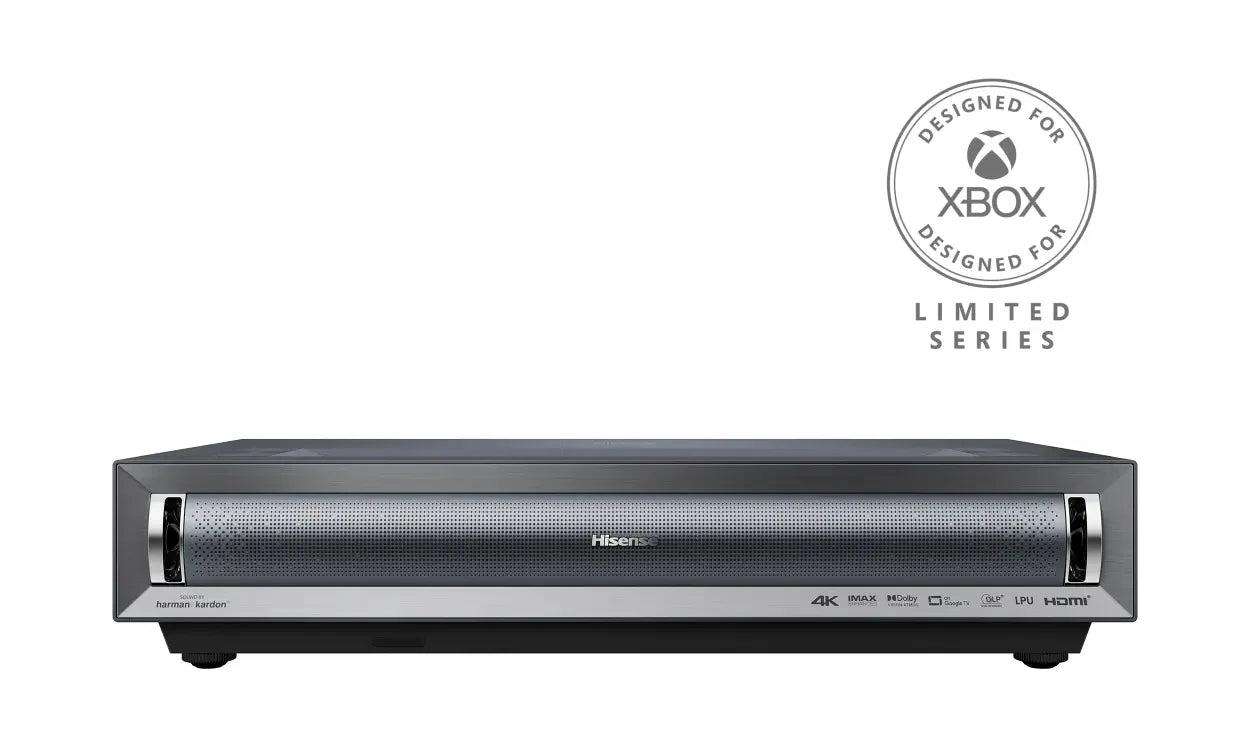
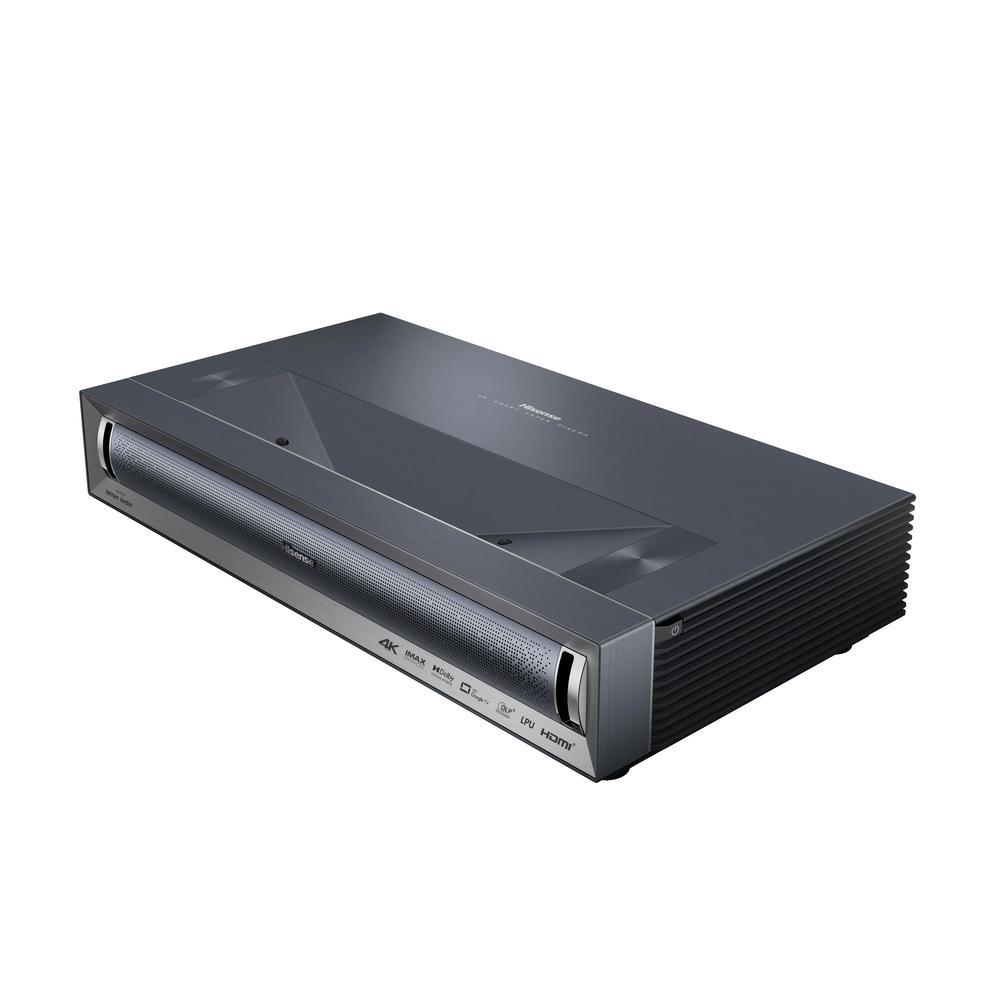
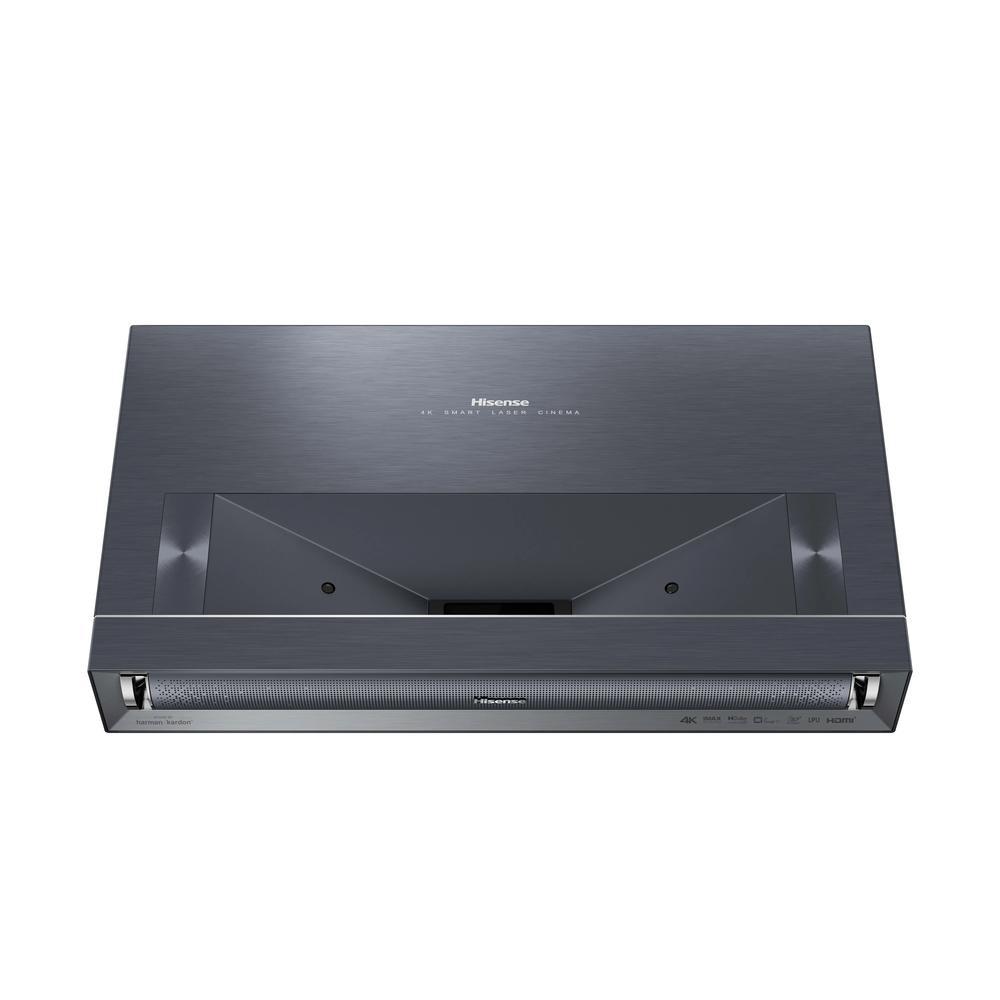
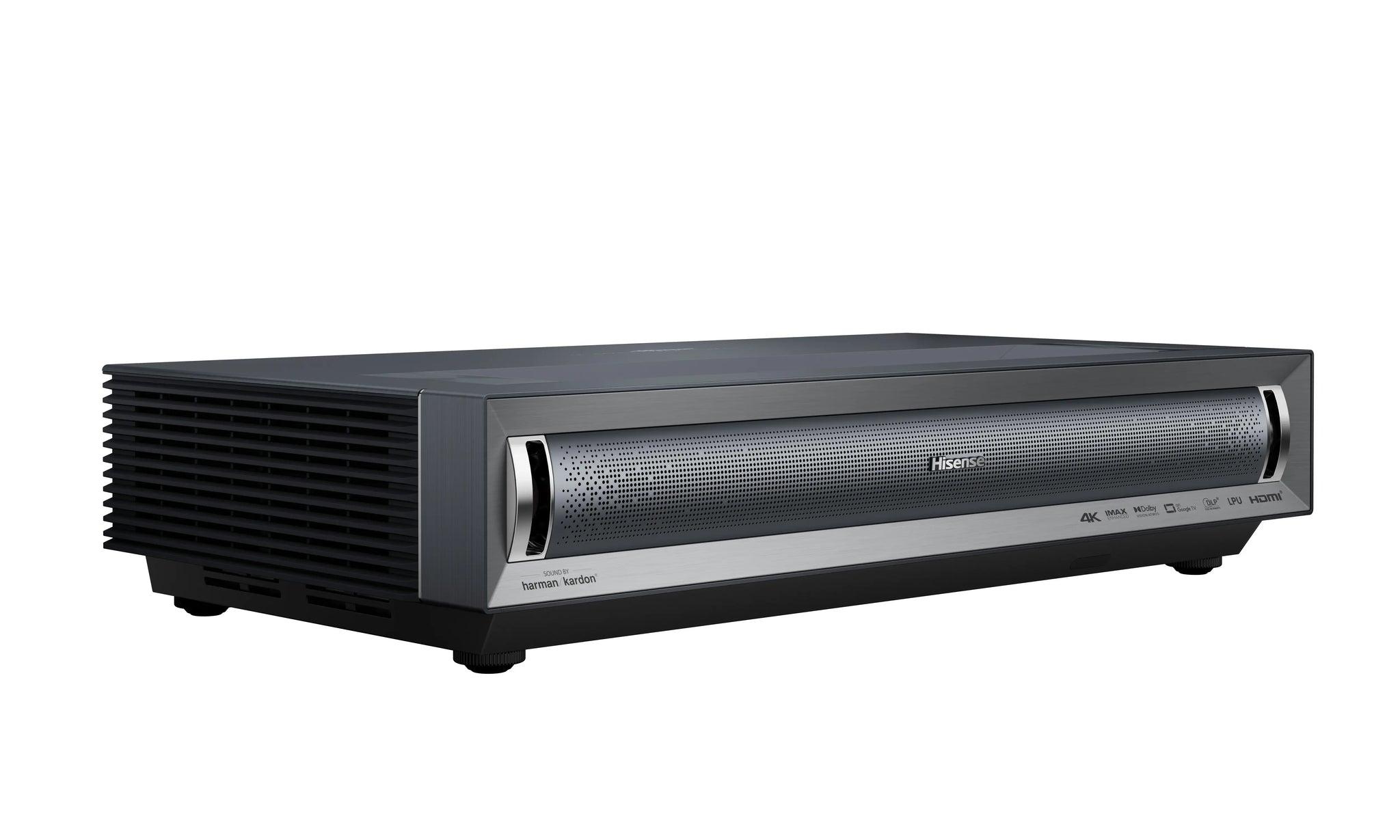
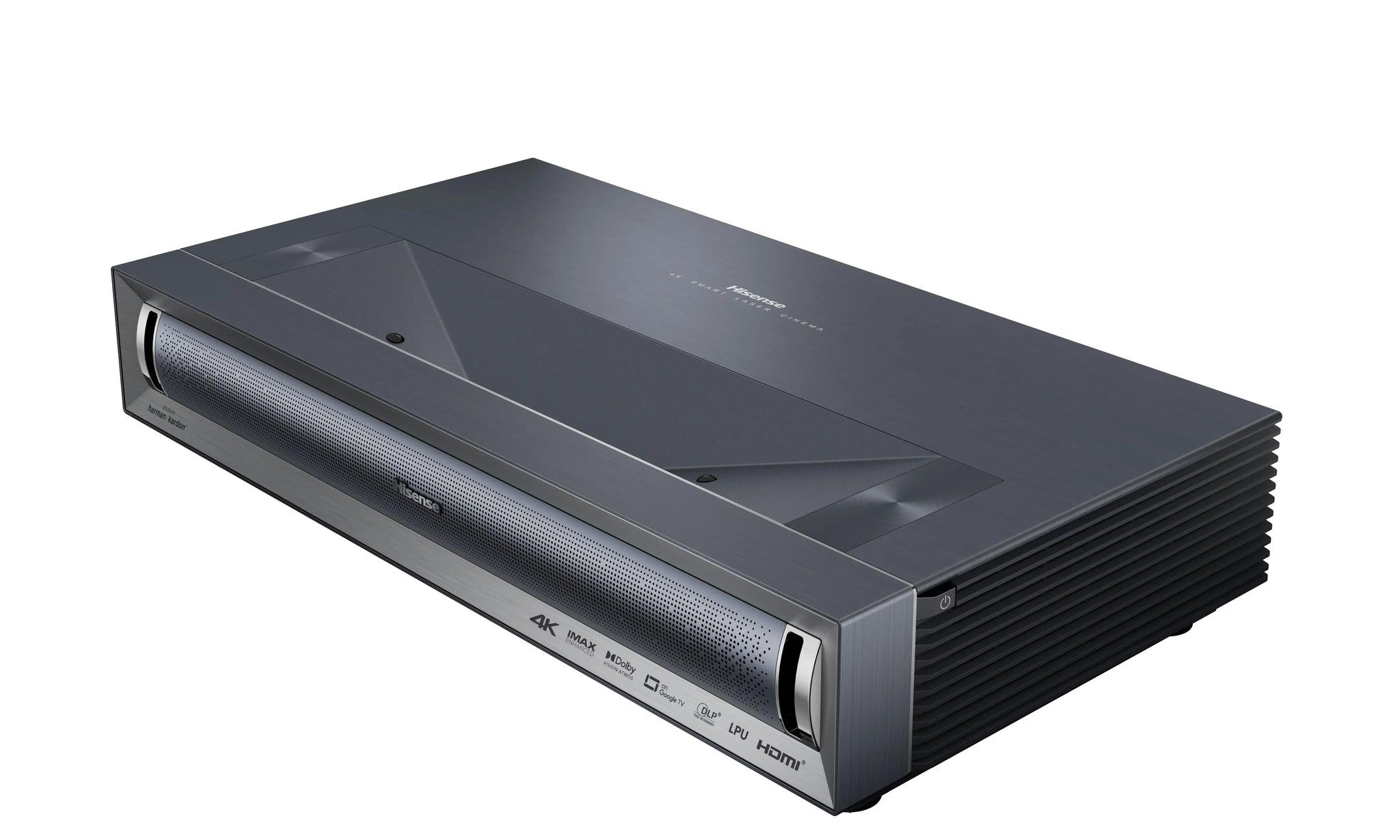
Ultra short throw projectors have revolutionized home entertainment, and Hisense's latest offerings showcase exactly why. These aren't your grandfather's projectors that needed to be mounted on the ceiling with cables running everywhere. Instead, both the Hisense PX3-PRO and PX2-PRO sit just inches from your wall while delivering massive 100+ inch images that would make most TVs look tiny.
The beauty of ultra short throw (UST) technology lies in its practicality. You can walk in front of these projectors without casting shadows on the screen, and they eliminate the complex installation headaches that come with traditional projectors. But with Hisense releasing the PX3-PRO in 2024 as an upgrade to the 2023 PX2-PRO, the question becomes: are the improvements worth the extra cost?
Before diving into comparisons, it's worth understanding what makes UST projectors special. Traditional projectors use a "throw ratio" - essentially how far they need to be from the screen relative to the image width. A standard projector might need to be 8-12 feet away to create a 100-inch image. Ultra short throw projectors achieve the same size from just 6-12 inches away.
This proximity magic happens through sophisticated lens systems and mirrors that bend and shape the light at extreme angles. The trade-off is that UST projectors are typically more expensive than traditional models with similar brightness, but they offer unmatched convenience for living room installations.
The key considerations when evaluating any UST projector include brightness (measured in ANSI lumens), color accuracy, contrast ratio, and how well they handle ambient light. Since most people use these in living rooms rather than dedicated theater rooms, real-world performance in less-than-perfect lighting conditions matters enormously.
Both the PX3-PRO and PX2-PRO use Hisense's TriChroma laser technology, which represents a significant advancement over traditional lamp-based projectors. Instead of using a single white light source filtered through color wheels, TriChroma systems use three separate lasers - red, green, and blue - to create images.
This approach offers several advantages. Laser light sources last around 25,000 hours compared to 2,000-4,000 hours for traditional lamps. They also maintain consistent brightness and color accuracy throughout their lifespan, whereas lamp-based projectors gradually dim and shift color temperature as they age.
The TriChroma setup achieves exceptional color gamut coverage - both models exceed 100% of the BT.2020 color space. To put this in perspective, most TVs struggle to hit 90% of this standard. This wide color gamut means more vibrant, lifelike colors, especially in HDR content where the expanded color range really shines.
Both projectors use Texas Instruments DLP chips with pixel-shifting technology called XPR. The native resolution is actually 1080p, but the chip shifts each pixel four times per frame to create a 4K image. While purists might prefer native 4K, the pixel-shifting approach works remarkably well and is virtually indistinguishable from true 4K in normal viewing conditions.
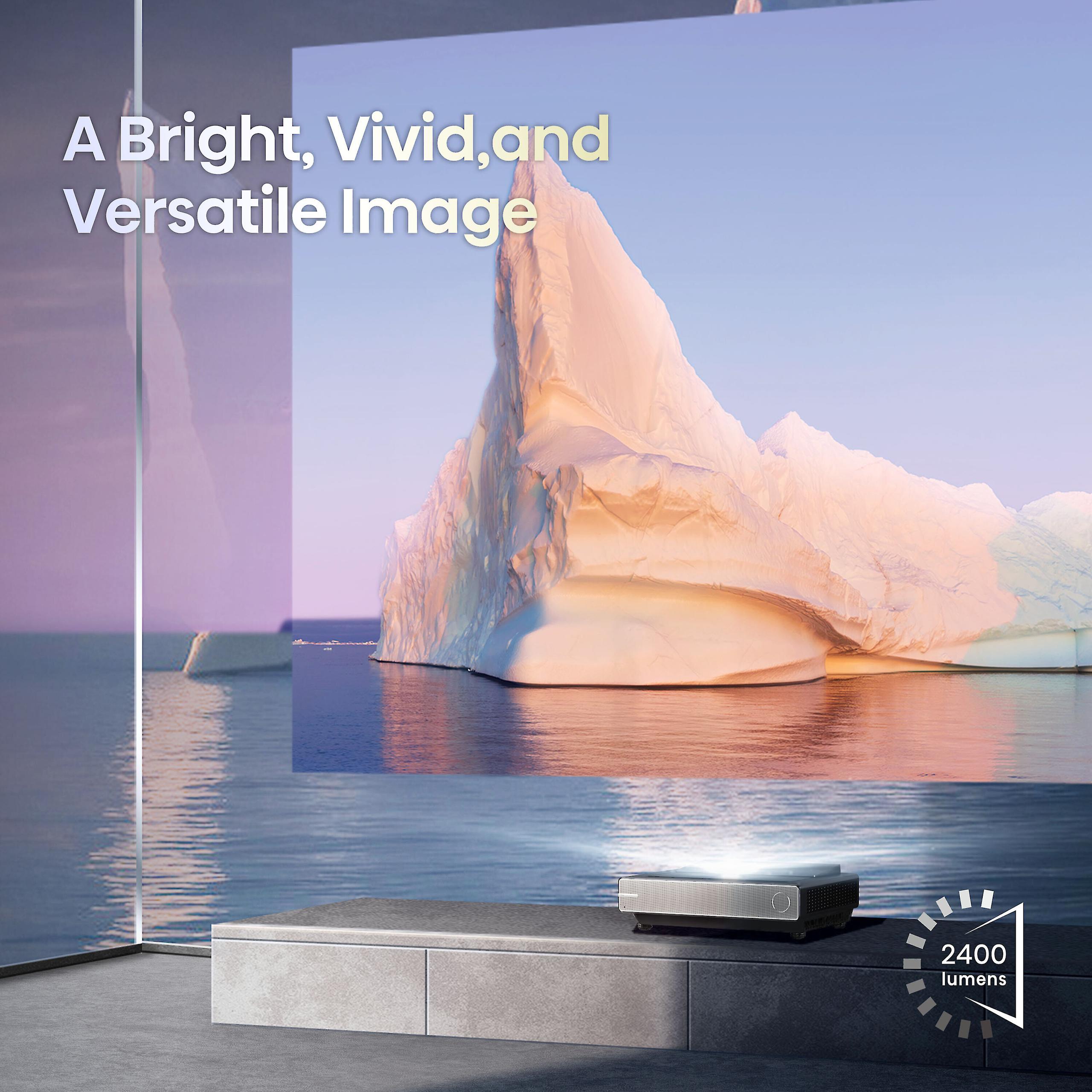
This is where the PX3-PRO establishes its most significant advantage. With 3,000 ANSI lumens compared to the PX2-PRO's 2,400 lumens, the newer model delivers 25% more brightness. In the UST projector world, this isn't just a nice-to-have improvement - it's transformative for real-world usability.
Here's why brightness matters so much: most people use these projectors in living rooms with some ambient light. Windows, ceiling lights, and even light-colored walls all compete with the projected image. Based on extensive user feedback and expert reviews, 2,400 lumens works well in darker environments but can look washed out during daytime viewing or in brightly lit rooms.
The PX3-PRO's 3,000 lumens pushes it into a different performance category. Users report significantly better daytime viewing and the ability to use the projector in rooms with more ambient light without the image looking faded or gray. For many buyers, this brightness advantage alone justifies the price difference.
The contrast ratio also improves with the PX3-PRO, measuring over 4,000:1 compared to the PX2-PRO's 3,000:1 specification. Higher contrast means deeper blacks and more detailed shadow areas, which becomes especially important when watching HDR content that relies on brightness extremes to create impact.
One area where many projector buyers underestimate the impact is audio quality. Since these are typically all-in-one entertainment solutions, the built-in speakers matter more than they would on a traditional projector that's usually paired with a dedicated sound system.
The PX3-PRO features 50-watt Harman Kardon speakers with Dolby Atmos support, compared to the PX2-PRO's 30-watt system. This isn't just about volume - the Harman Kardon partnership brings significantly better audio engineering, with clearer dialogue, better bass response, and more spatial audio effects.
User reviews consistently highlight this audio upgrade as one of the most noticeable improvements between the models. Many PX3-PRO owners report that the built-in audio is good enough that they delayed or cancelled plans to buy external speakers. For the PX2-PRO, while the audio is adequate, most users eventually add a soundbar or external speakers for the full cinematic experience.
Dolby Atmos support in both models means the audio can create a sense of three-dimensional sound space, with effects that seem to come from above and around you. However, the PX3-PRO's more powerful drivers make this spatial audio more convincing and immersive.
Gaming capabilities represent another area where the generation gap becomes apparent. The PX3-PRO includes support for high refresh rates, including a 1080p/240Hz mode that caters to competitive gamers and next-generation consoles.
Both models maintain low input lag - the delay between when you press a button and see the result on screen. This is crucial for gaming, especially fast-paced titles where milliseconds matter. However, the PX3-PRO optimizes this performance across more resolution and refresh rate combinations.
For casual gaming, the PX2-PRO handles everything perfectly well. But if you own a PlayStation 5, Xbox Series X, or high-end gaming PC, the PX3-PRO's advanced gaming features become more valuable. The ability to game at 240Hz on a 120+ inch screen creates an experience that no traditional TV can match.
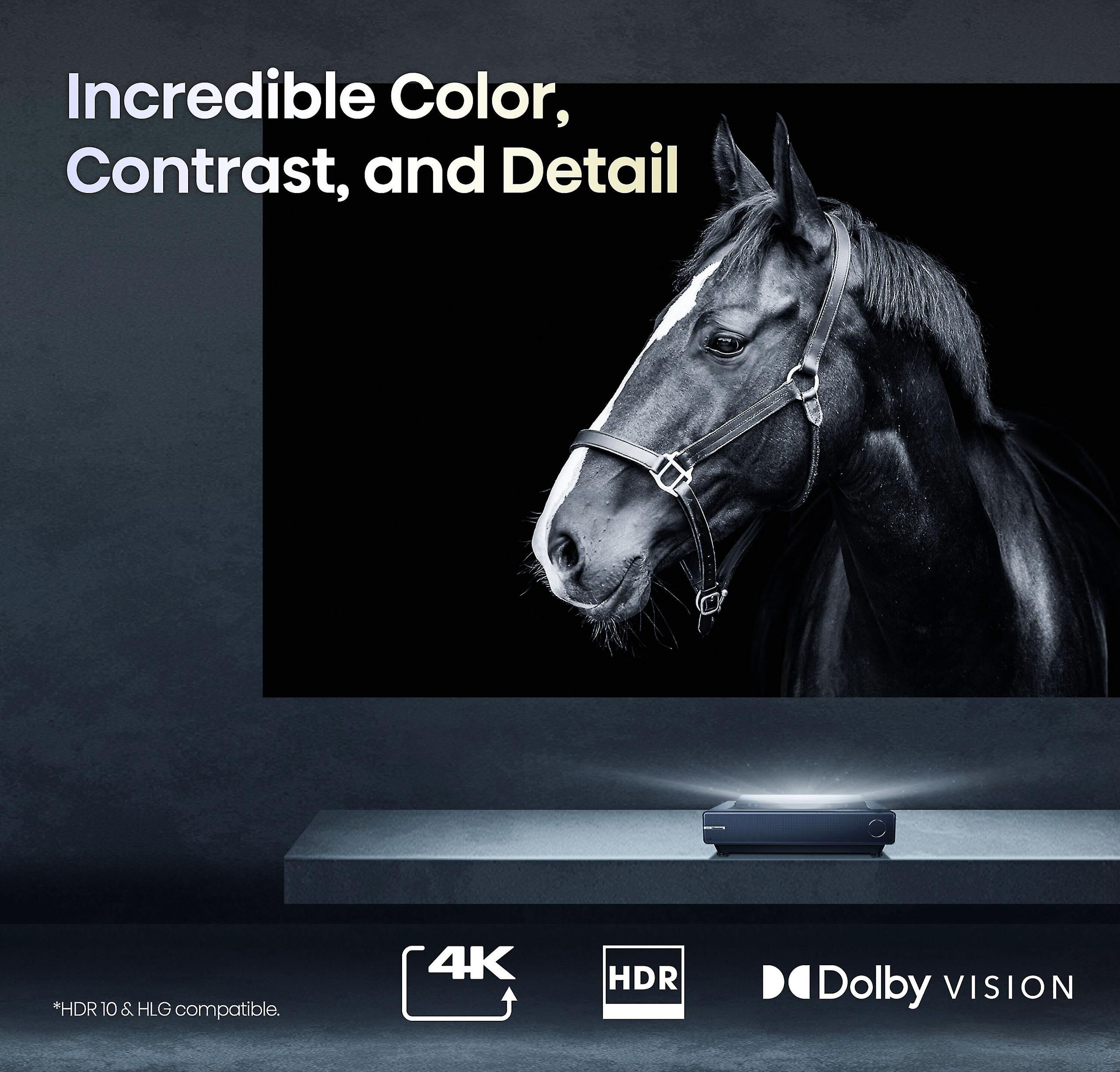
High Dynamic Range (HDR) content represents the biggest visual improvement in modern entertainment, and both projectors handle it well, though with some differences. HDR expands both the brightest and darkest parts of images, creating more realistic contrast and color depth.
The PX2-PRO supports HDR10 and Dolby Vision, covering the most common HDR formats you'll encounter on streaming services and Blu-ray discs. The PX3-PRO adds HDR10+ support, which provides dynamic metadata that adjusts HDR settings scene-by-scene rather than using static settings for entire movies.
More significantly, the PX3-PRO includes IMAX Enhanced certification - it's actually the first UST projector to achieve this designation. IMAX Enhanced ensures the projector can properly display movies shot with IMAX cameras, maintaining the expanded aspect ratios and enhanced audio that make these films special.
Color accuracy shows subtle improvements with the PX3-PRO, achieving 110% of BT.2020 color space compared to 107% for the PX2-PRO. While this difference is small, it contributes to slightly more vibrant and accurate colors, particularly in demanding content like nature documentaries or animated films.
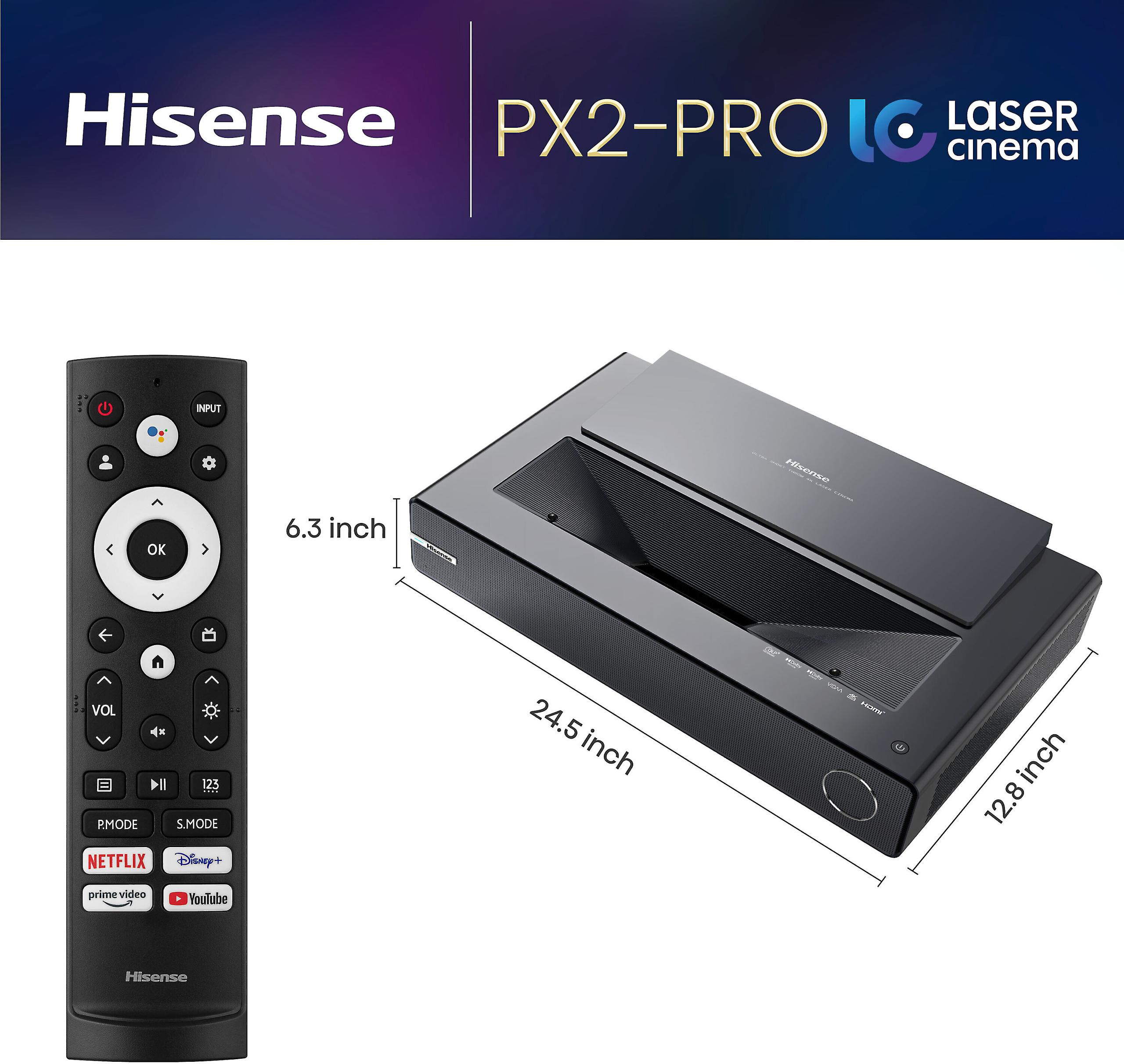
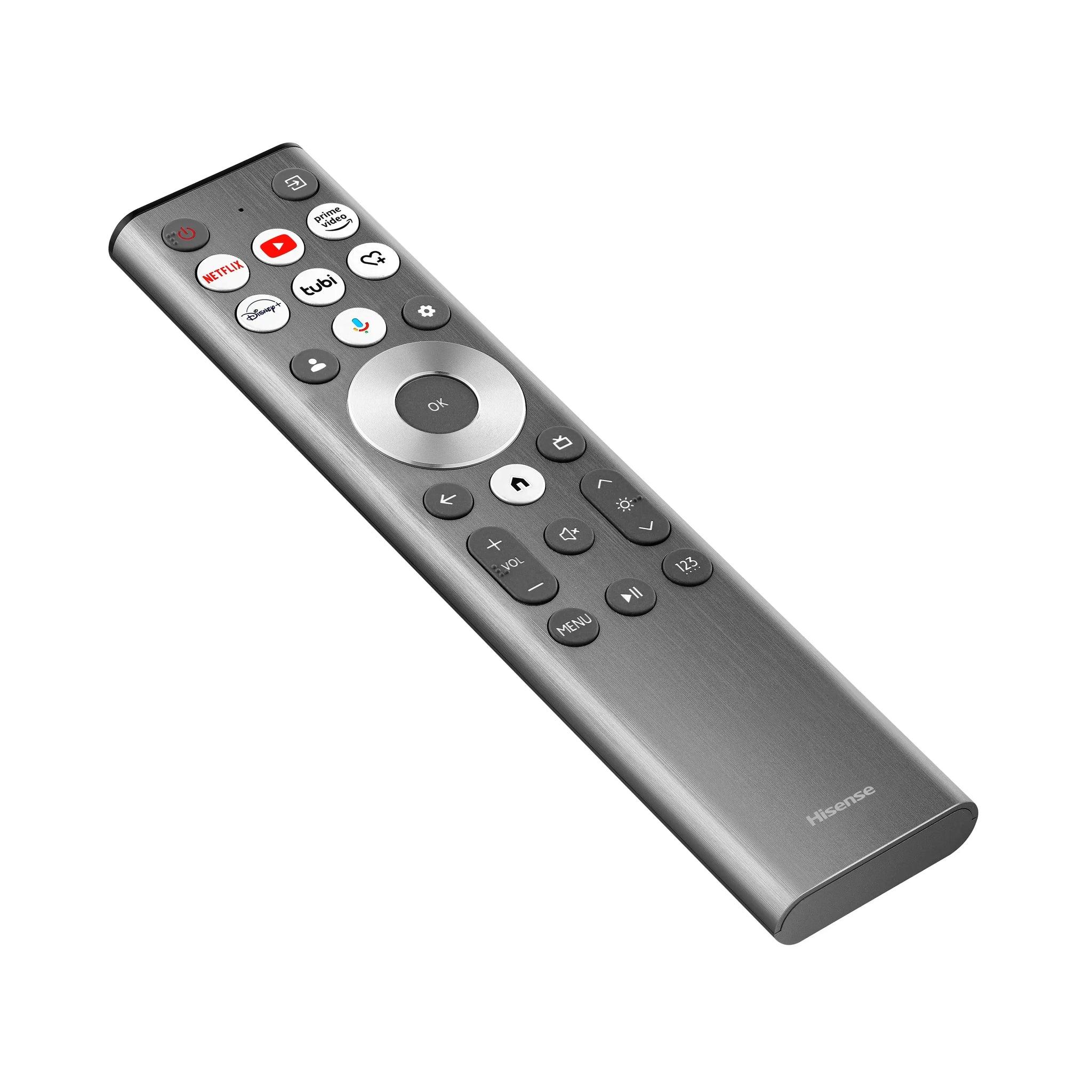
Both projectors run Google TV, which provides access to all major streaming services including Netflix, Amazon Prime Video, Disney+, and YouTube. The interface is responsive and well-integrated, reducing the need for external streaming devices.
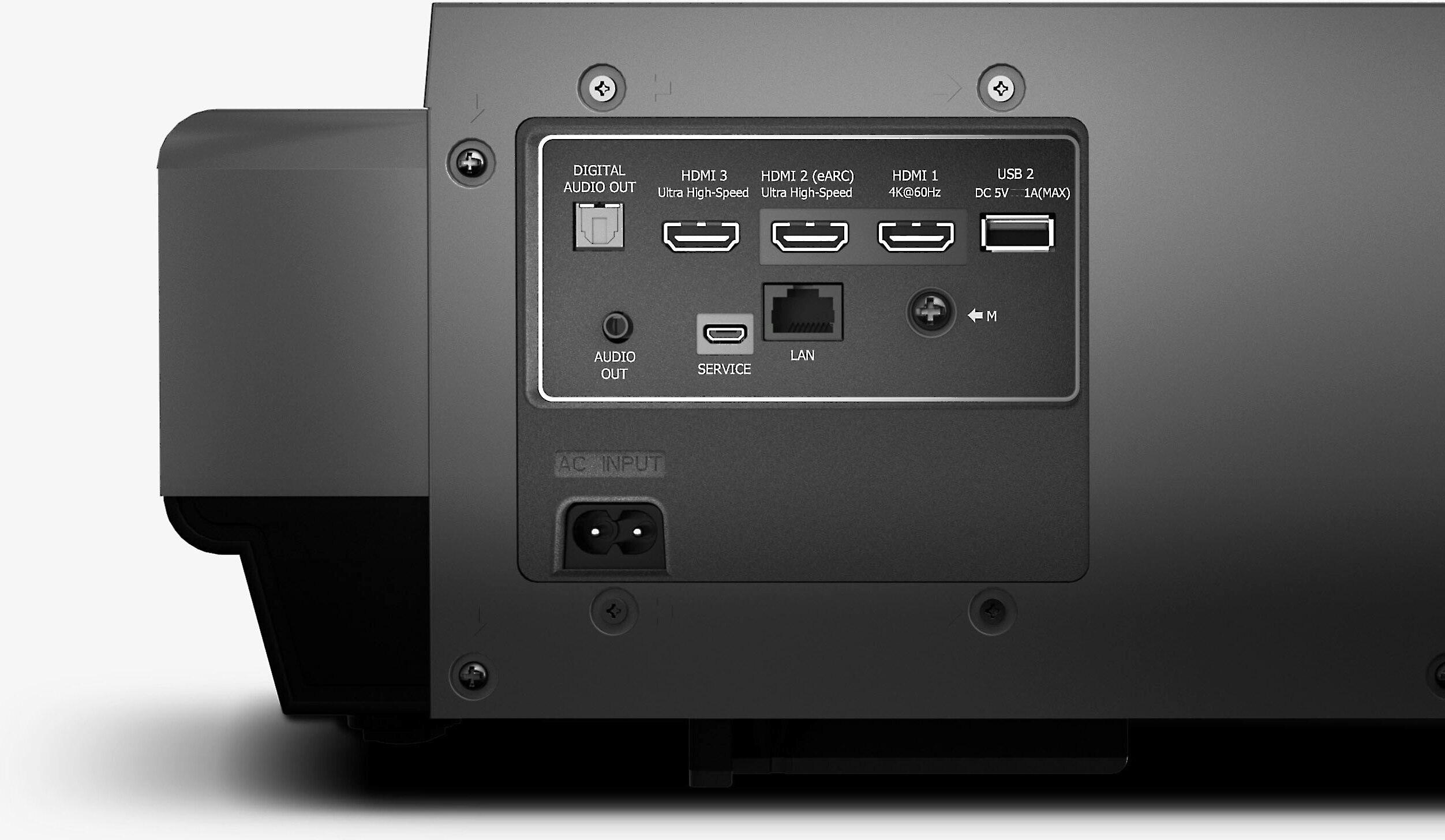
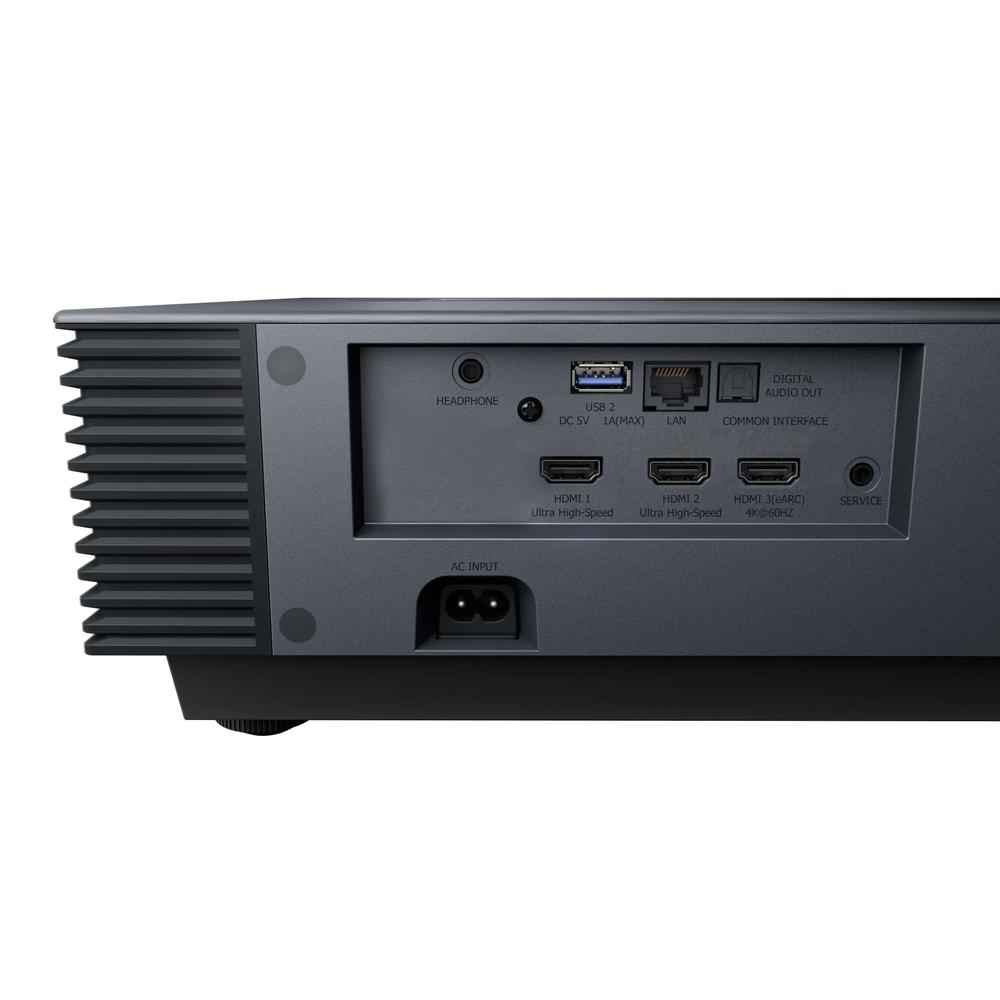
Connectivity options are generous on both models, with multiple HDMI ports including HDMI 2.1 support for next-generation gaming consoles and high-bandwidth 4K content. The PX3-PRO includes full 48Gbps HDMI 2.1 ports that support all the latest gaming features like Variable Refresh Rate (VRR) and Auto Low Latency Mode (ALLM).
One practical advantage of the Google TV platform is voice control through Google Assistant. You can search for content, adjust settings, and control smart home devices using voice commands, which feels natural when you're settled in for a movie night.
The PX3-PRO offers a wider projection range of 80-150 inches compared to the PX2-PRO's 90-130 inches. This flexibility matters more than you might expect - being able to go smaller (80 inches) helps in compact rooms, while the larger maximum (150 inches) enables truly cinematic experiences in bigger spaces.
Both projectors include automatic geometry correction, though user reports suggest this feature works better in ideal conditions than in challenging room layouts. Manual adjustment options provide fine-tuning capabilities for perfectionists who want optimal screen alignment.
The physical design of both units is relatively compact for UST projectors, but they're still substantial devices that need stable, level surfaces. Built-in adjustable feet help with initial setup, though many users eventually invest in dedicated UST projector stands for optimal positioning.
At the time of writing, the PX3-PRO commands a premium of roughly 15-20% over the PX2-PRO. This price difference reflects meaningful improvements across multiple areas: brightness, audio quality, gaming features, and HDR support.
For most buyers, the decision comes down to how much the brightness and audio upgrades matter in their specific situation. If you have a dedicated home theater room with controlled lighting, the PX2-PRO delivers outstanding value. Its 2,400 lumens work beautifully in darker environments, and the overall image quality rivals much more expensive projectors.
However, if you're planning to use the projector in a living room with ambient light, the PX3-PRO's extra brightness becomes essential rather than optional. Similarly, if you want to avoid buying external speakers, the superior Harman Kardon audio system helps justify the price premium.
The PX2-PRO makes perfect sense for buyers who prioritize value and have appropriate viewing environments. It's ideal for dedicated home theaters, basement entertainment rooms, or any space where you can control lighting. The image quality is exceptional, and the price point makes it accessible to more buyers exploring UST projectors for the first time.
Choose the PX3-PRO if you need maximum flexibility in room conditions, want the best possible gaming experience, or prefer to avoid additional audio equipment purchases. The brightness advantage alone makes it worth considering if your viewing room has challenging lighting conditions.
Serious gamers with next-generation consoles should lean toward the PX3-PRO for its advanced gaming features. The high refresh rate support and optimized input lag make it future-proof for gaming developments over the next several years.
Both projectors represent excellent examples of how UST technology has matured. The PX2-PRO offers tremendous value for buyers who understand its strengths and limitations, while the PX3-PRO provides meaningful improvements that justify its premium for users who will benefit from them.
The brightness difference is the most important factor for most buyers. If you're unsure whether 2,400 lumens will work in your space, visiting a showroom or checking return policies becomes crucial. However, if your room allows for darker viewing conditions, the PX2-PRO delivers 90% of the premium experience at a more accessible price point.
For the majority of living room installations where ambient light is a reality, the PX3-PRO's extra brightness and superior audio make it the better long-term investment. The combination of practical improvements and future-proofing features creates a projector that will remain satisfying for years to come.
| Hisense PX3-PRO | Hisense PX2-PRO |
|---|---|
| Brightness - Most critical factor for daytime and ambient light viewing | |
| 3,000 ANSI lumens (excellent for bright rooms and daytime use) | 2,400 ANSI lumens (good for controlled lighting, may struggle in bright rooms) |
| Audio System - Determines if you need external speakers | |
| 50W Harman Kardon front-firing speakers with Dolby Atmos | 30W speakers with Dolby Atmos (adequate but many users add soundbars) |
| Projection Size Range - Flexibility for different room sizes | |
| 80-150 inches (wider range accommodates more room layouts) | 90-130 inches (covers most home theater needs) |
| HDR Support - Enhanced contrast and color in premium content | |
| HDR10, HDR10+, Dolby Vision, IMAX Enhanced certification | HDR10, Dolby Vision (missing HDR10+ dynamic metadata) |
| Gaming Performance - Important for console and PC gaming | |
| Up to 1080p/240Hz, optimized for PS5/Xbox Series X | Standard gaming performance, good input lag |
| Color Gamut Coverage - Affects color vibrancy and accuracy | |
| 110% BT.2020 (slightly more vibrant colors) | 107% BT.2020 (still excellent color reproduction) |
| Contrast Ratio - Impact on black levels and shadow detail | |
| 3,000:1 native, measures over 4,000:1 (deeper blacks) | 3,000:1 native (good but not as deep) |
| Release Year & Value Position | |
| 2024 model with latest features (premium pricing) | 2023 model offering excellent value (more budget-friendly) |
| Smart Platform - Streaming and app ecosystem | |
| Google TV with voice control and full app support | Google TV with voice control and full app support |
| Laser Light Source Lifespan - Long-term ownership costs | |
| 25,000 hours TriChroma RGB laser (no maintenance) | 25,000 hours TriChroma RGB laser (no maintenance) |
The biggest difference is brightness - the Hisense PX3-PRO delivers 3,000 ANSI lumens compared to the PX2-PRO's 2,400 lumens. The newer PX3-PRO also features significantly better 50W Harman Kardon speakers versus 30W speakers, wider projection range (80-150 inches vs 90-130 inches), and enhanced gaming features including 240Hz support.
The Hisense PX3-PRO is much better for bright rooms thanks to its 25% higher brightness output. While the PX2-PRO works well in controlled lighting, the PX3-PRO maintains excellent image quality even with ambient light from windows or ceiling fixtures, making it ideal for living room installations.
The Hisense PX3-PRO is superior for gaming, especially with next-gen consoles. It supports up to 1080p/240Hz refresh rates and includes optimized settings for PlayStation 5 and Xbox Series X. While the PX2-PRO handles casual gaming well, serious gamers will appreciate the PX3-PRO's advanced features.
Both projectors use identical TriChroma RGB laser technology and 4K pixel-shifting for excellent picture quality. The PX3-PRO has slightly better color coverage (110% vs 107% BT.2020) and higher contrast ratio for deeper blacks, but the differences are subtle. The brightness advantage is more noticeable in real-world viewing.
For dedicated home theaters with controlled lighting, the PX2-PRO provides excellent performance at better value. However, if you want maximum impact and the best possible audio without external speakers, the PX3-PRO creates a more premium theater experience with its brighter output and superior sound system.
We've done our best to create useful and informative comparisons to help you decide what product to buy. Our research uses advanced automated methods to create this comparison and perfection is not possible - please contact us for corrections or questions. These are the sites we've researched in the creation of this article: shop.hisense-usa.com - avsforum.com - youtube.com - projectorcentral.com - avsforum.com - youtube.com - projectorreviews.com - avsforum.com - projectorcentral.com - en.heimkinowelten.de - dreamediaav.com - bestbuy.com - walmart.com - hisense-usa.com - techradar.com - youtube.com - shop.hisense-usa.com - shop.hisense-usa.com - electronicexpress.com - projectorreviews.com - projectorscreenstore.com - crutchfield.com - walmart.com - avsforum.com

Privacy Policy
Terms and Conditions - Affiliate Policy
Home Security
© Copyright 2008-2026.
11816 Inwood Rd #1211, Dallas, TX 75244