

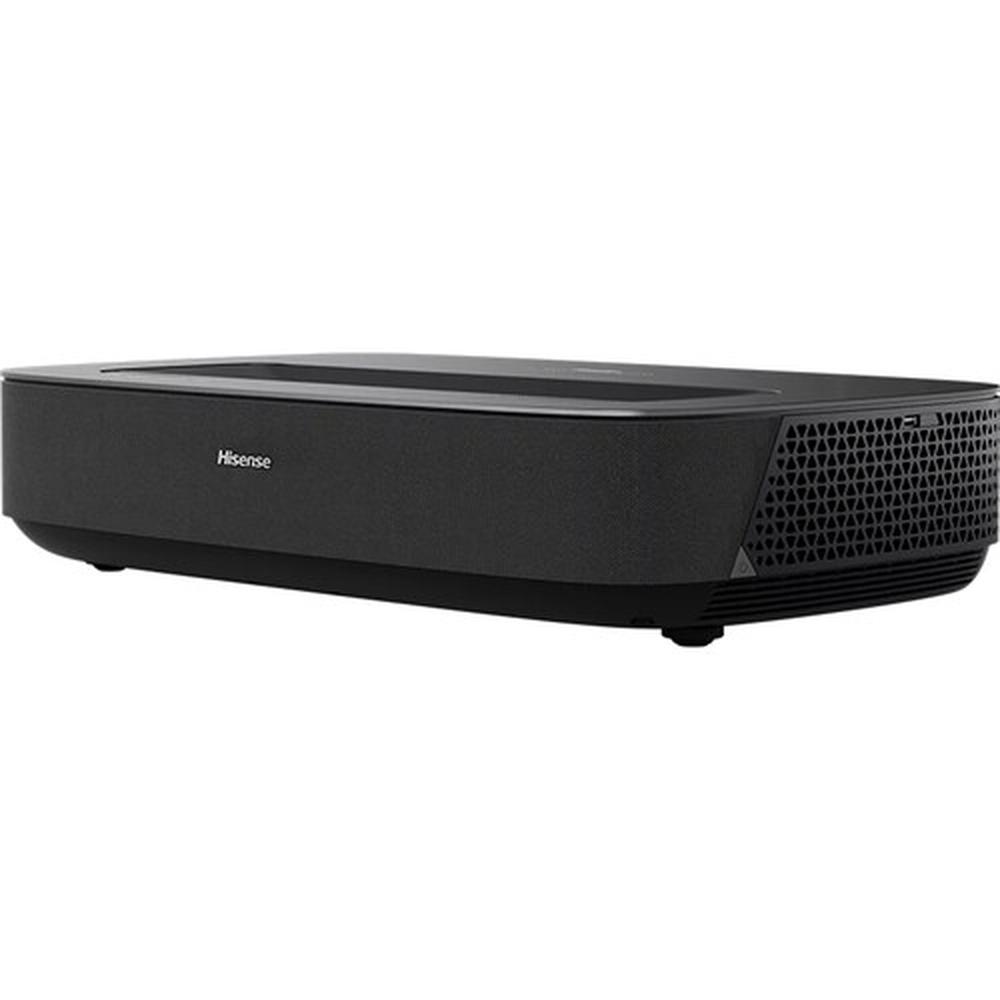
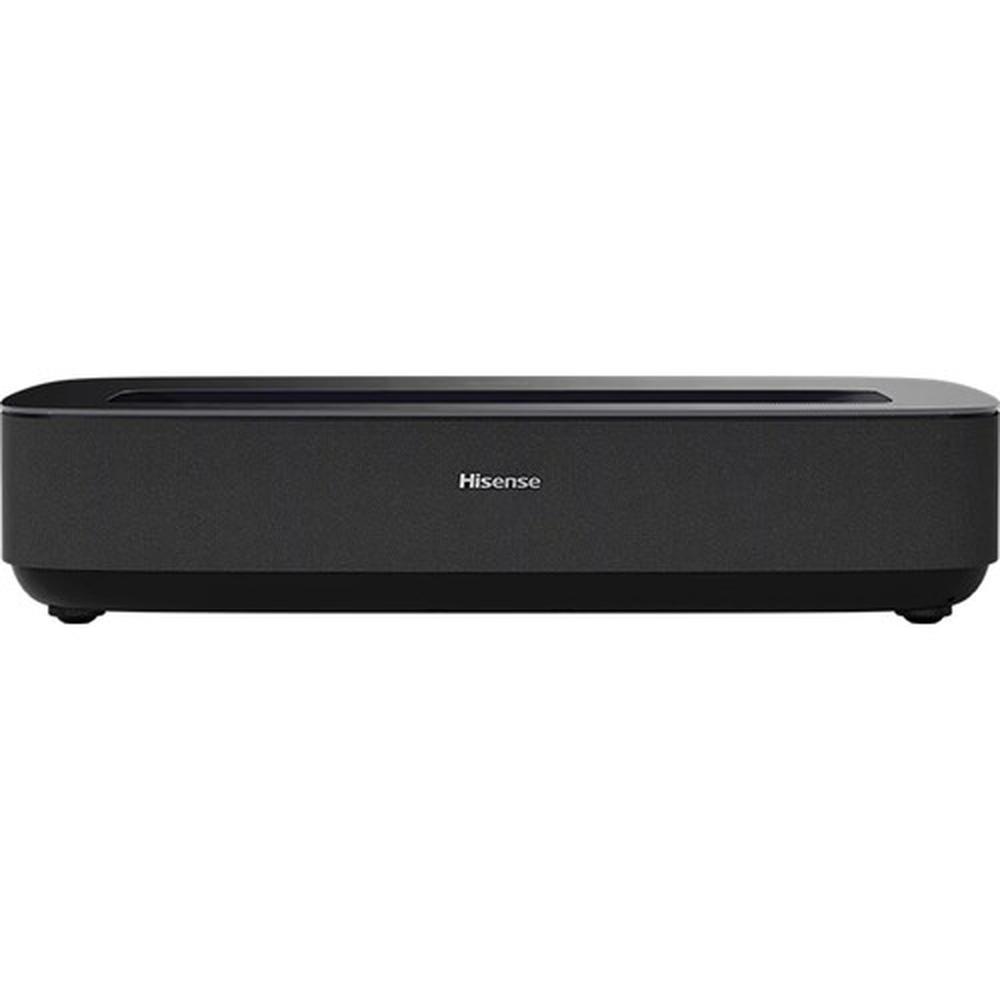
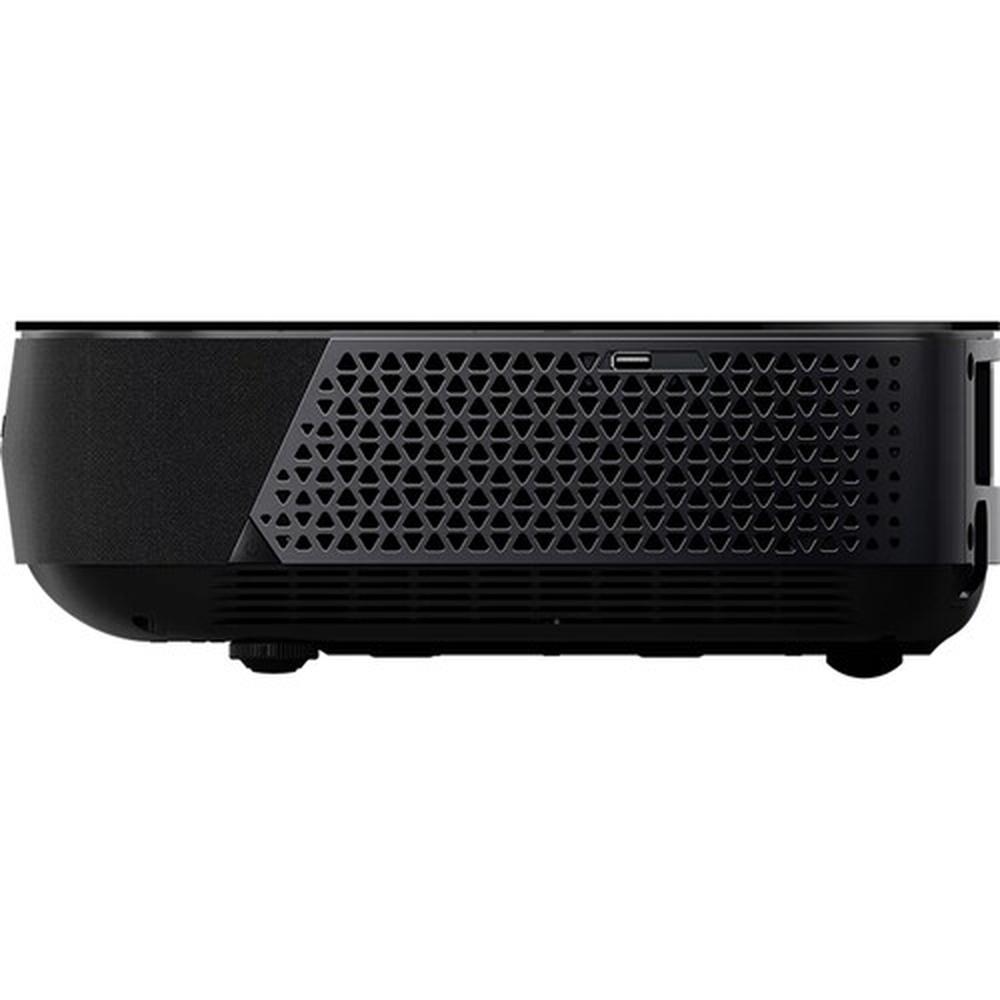
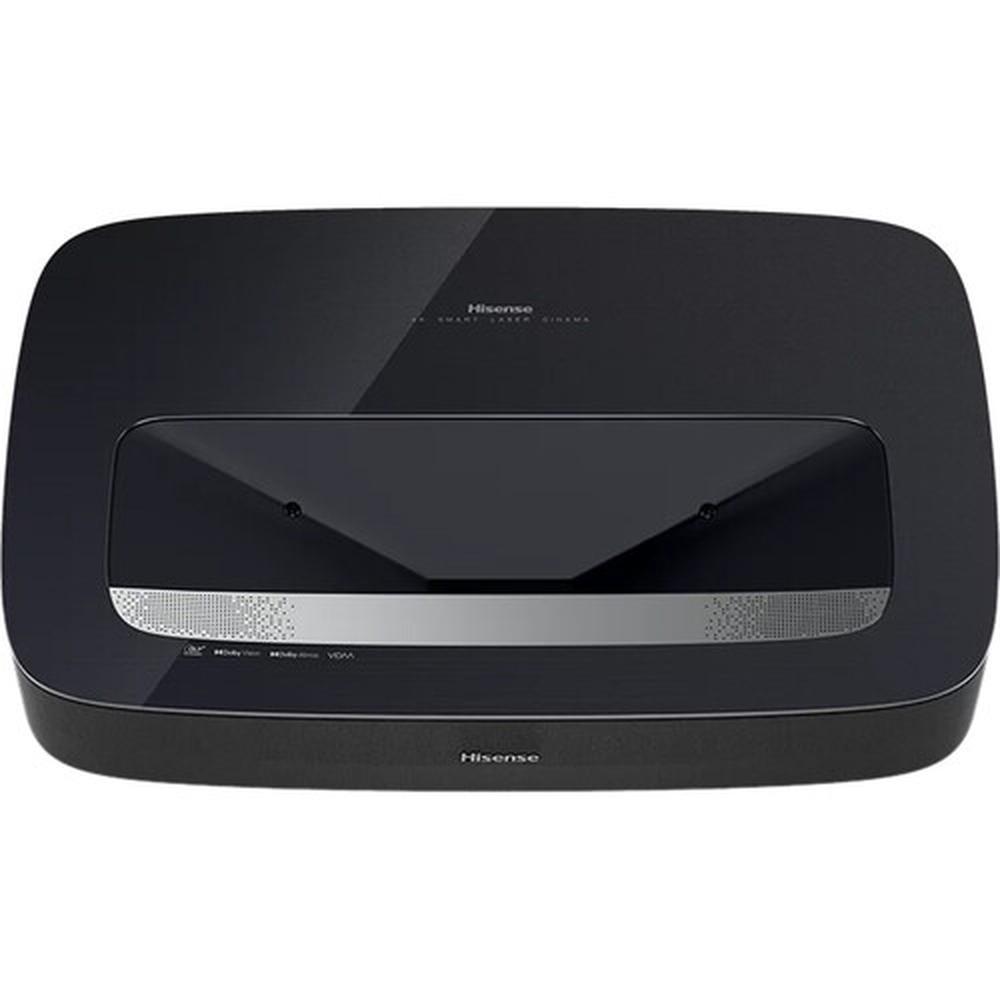
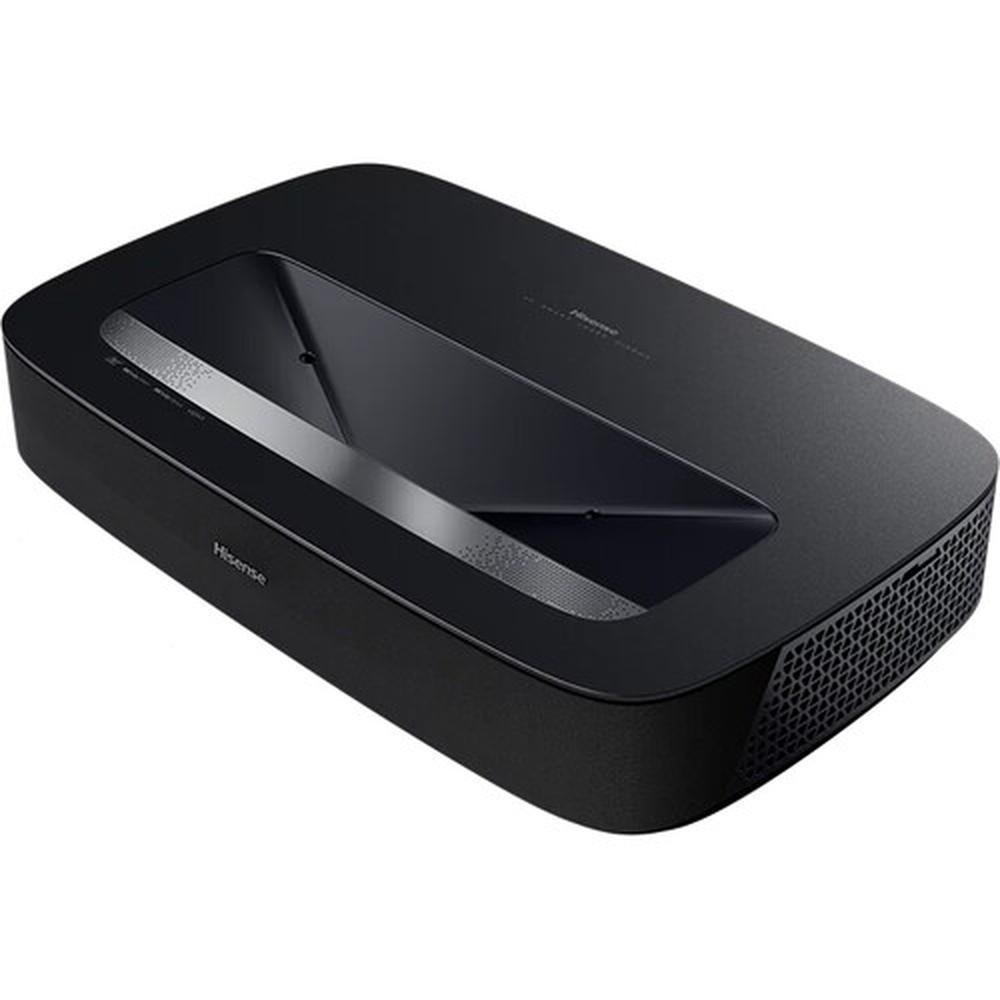
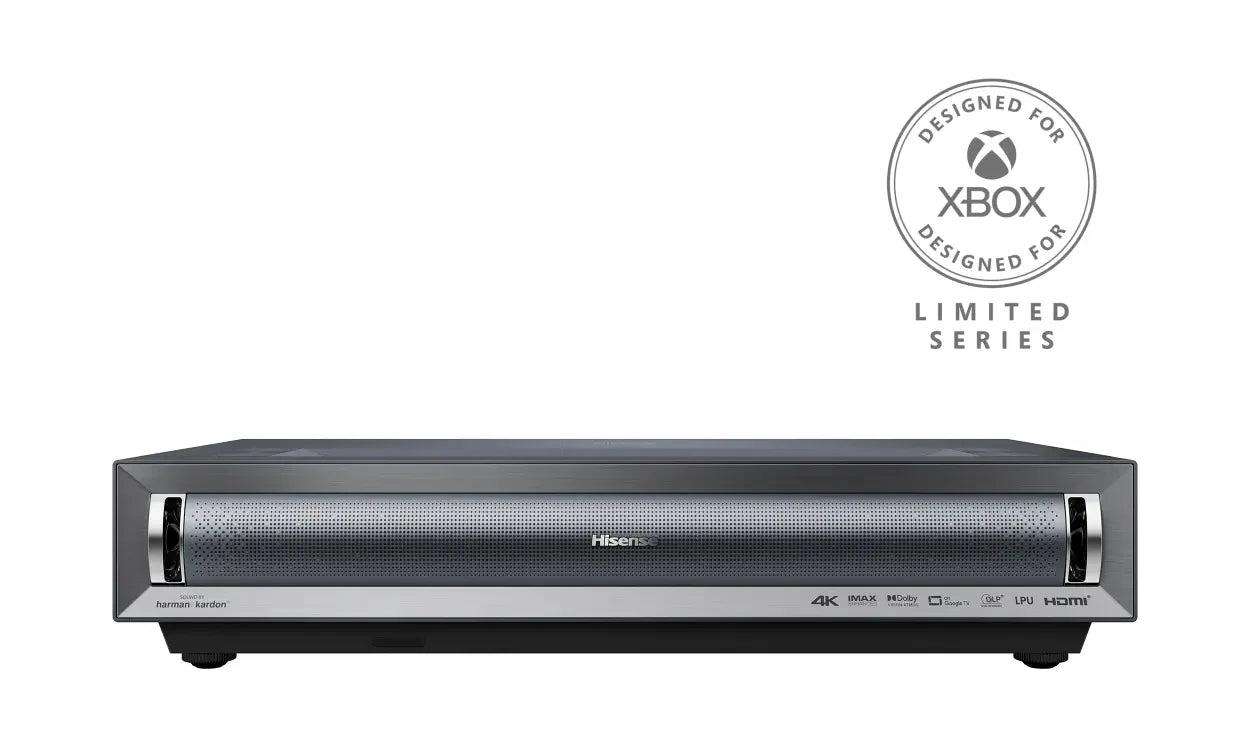
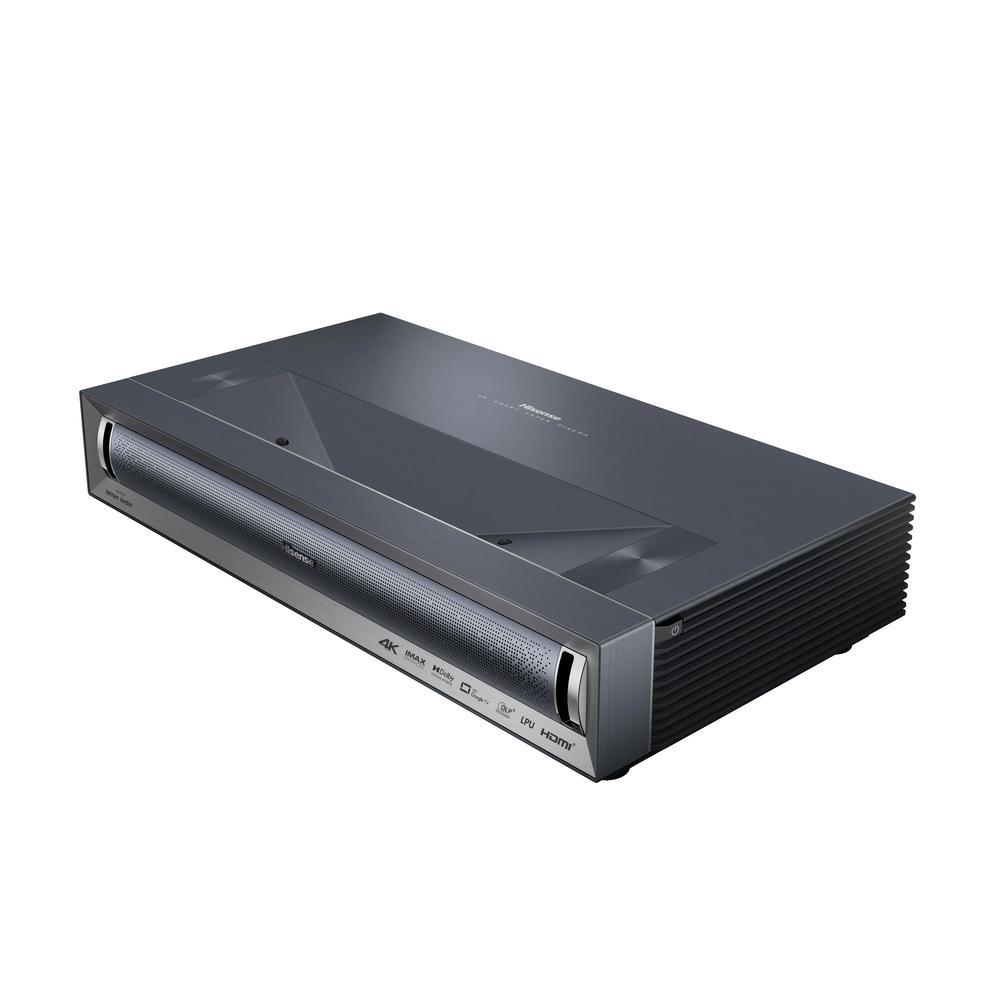
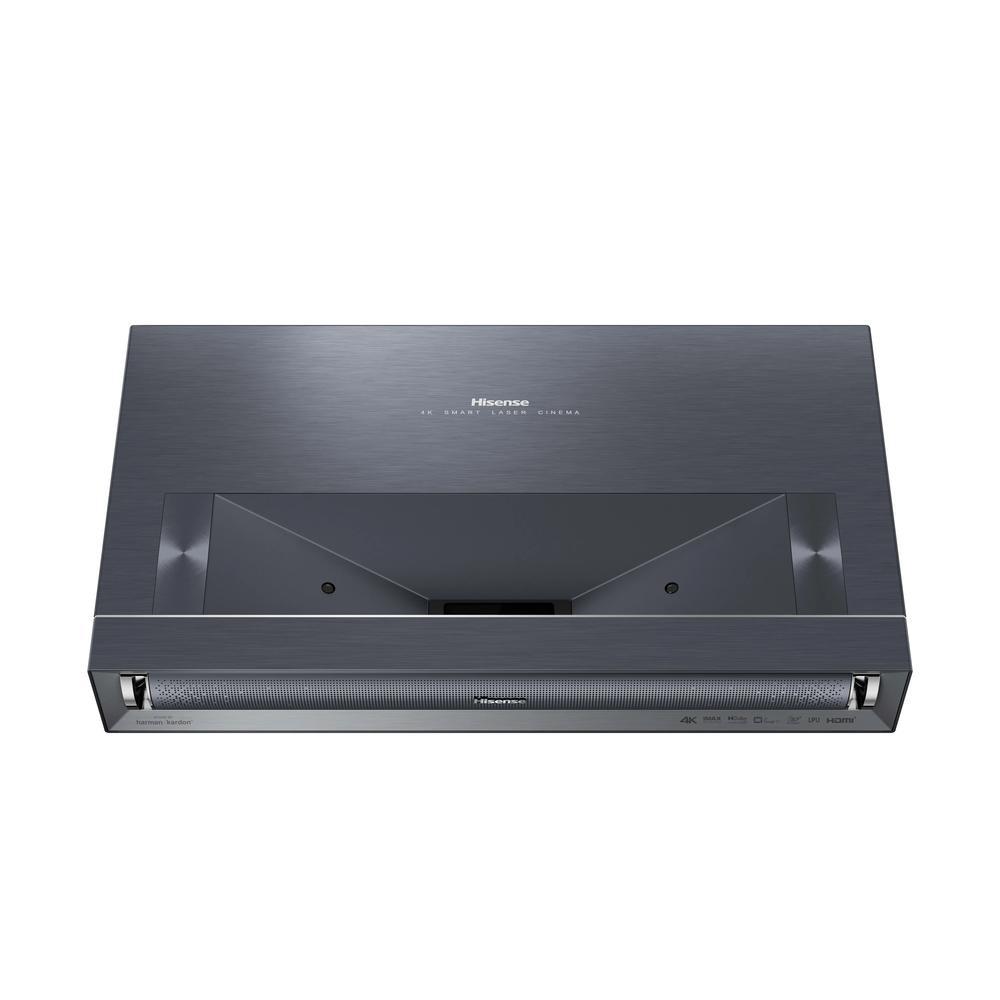
If you've been dreaming of a massive home theater screen but don't have the space for a traditional projector setup, ultra short throw (UST) projectors might be exactly what you need. These clever devices sit just inches from your wall and beam enormous 80-150 inch images with crystal-clear focus. Think of them as the ultimate space-saving cinema solution.
Both the Hisense PX3-PRO and Hisense PL2 represent excellent examples of this technology, but they take notably different approaches to achieve their impressive results. After diving deep into user reviews, professional evaluations, and technical specifications, it's clear that your choice between these two comes down to whether you prioritize absolute peak performance or exceptional value for money.
Before we dive into the comparison, it helps to understand what makes UST projectors special. Traditional projectors need to be mounted on your ceiling or placed far behind your seating area. UST projectors flip this concept entirely – they sit on a TV stand or shelf just inches from your screen, projecting upward at a steep angle to create massive images.
This design eliminates several common projector problems: no more walking through the light beam and casting shadows, no complex ceiling mounting, and much less light spillage into your room. The throw ratio – a measurement of how far the projector needs to be from the screen relative to image width – is typically around 0.22:1 for both these models, meaning they can create a 100-inch image while sitting less than two feet from the wall.
The fundamental difference between the Hisense PX3-PRO and PL2 lies in their light engines – essentially, how they create light and color. This isn't just a technical detail; it's the primary factor that affects everything from color accuracy to your total cost.
The PX3-PRO, released in 2024 as Hisense's flagship model, uses what's called a TriChroma RGB laser system. This means it has three separate lasers – one red, one green, and one blue – that combine to create all the colors you see. It's similar to having three perfectly pure paint colors that you can mix to create any shade imaginable.
The PL2, also from 2024 but positioned as the more affordable option, uses a single blue laser combined with a phosphor wheel. The blue laser hits the phosphor material, which then glows to create other colors. Think of it like shining a blue flashlight on different colored materials to create new colors – it works well, but you're somewhat limited by the materials you're using.
This technical difference translates into real-world performance gaps that matter when you're watching movies or playing games.
Color reproduction is where the Hisense PX3-PRO truly flexes its muscles. Our research into professional reviews consistently shows it covering 110% of the BT.2020 color space and 99.82% of DCI-P3. If those numbers sound like gibberish, here's what they mean: BT.2020 is the color standard for premium HDR content, while DCI-P3 is the color space used in movie theaters.
When a projector can reproduce 110% of BT.2020, it means it can show colors that are actually more vibrant than what the content creators intended – giving you flexibility to tune the image to your preference. The near-perfect DCI-P3 coverage means you're seeing movies essentially as the director intended them to appear in cinemas.
The PL2, with its 85% DCI-P3 coverage, still produces excellent colors that will satisfy most viewers. However, certain shades – particularly deep reds and vibrant greens – won't appear as rich or saturated. In practice, this means the PX3-PRO will make nature documentaries more breathtaking, animated movies more vivid, and HDR content more impressive.
Based on user feedback we've analyzed, the color difference is most noticeable when watching premium content like 4K Blu-rays or high-quality streaming in HDR formats like Dolby Vision. For standard TV watching or older content, both projectors perform admirably.
Both projectors pack serious brightness punch, but there's a meaningful difference. The PX3-PRO outputs 3,000 ANSI lumens compared to the PL2's 2,700 lumens. ANSI lumens is the standardized way to measure projector brightness – think of it as how many candles worth of light the projector can produce.
That 300-lumen difference might not sound like much, but it translates to noticeable real-world benefits. Professional testing we've reviewed shows the PX3-PRO maintains better image quality in rooms with ambient light. If your theater room has windows or you frequently watch during the day, those extra lumens help combat light pollution and maintain contrast.
The PL2 still handles moderate ambient light well – it's not like you need a cave-dark room. But if you're planning to use your projector in a multi-purpose living room where controlling light is challenging, the PX3-PRO provides more flexibility.
Both projectors feature impressive contrast ratios of 3,000:1, meaning the difference between the brightest whites and deepest blacks is substantial. This creates that "pop" effect where images appear three-dimensional and engaging rather than flat.
For gamers, input lag – the delay between pressing a button and seeing the action on screen – is crucial. The Hisense PX3-PRO shines here with a measured input lag of just 17.6 milliseconds at 4K resolution and 60Hz refresh rate. For context, anything under 20ms is considered excellent for gaming, and many TVs perform worse than this.
The PL2 supports Auto Low Latency Mode (ALLM), which automatically switches to its fastest processing mode when it detects a gaming console. While specific input lag measurements aren't as widely published, user reviews suggest it performs well for casual gaming, likely landing in the 20-30ms range.
Both projectors support HDMI 2.1, which means they can handle the full bandwidth needed for 4K gaming at high refresh rates from PlayStation 5, Xbox Series X, or high-end gaming PCs. However, serious competitive gamers will likely prefer the PX3-PRO's measurably lower lag.
Both projectors run Google TV, which is essentially Android TV's successor with a more refined interface. This isn't some cobbled-together smart system – both models are fully Google certified, meaning they have official access to all major streaming apps including Netflix, Disney+, Prime Video, and Hulu.
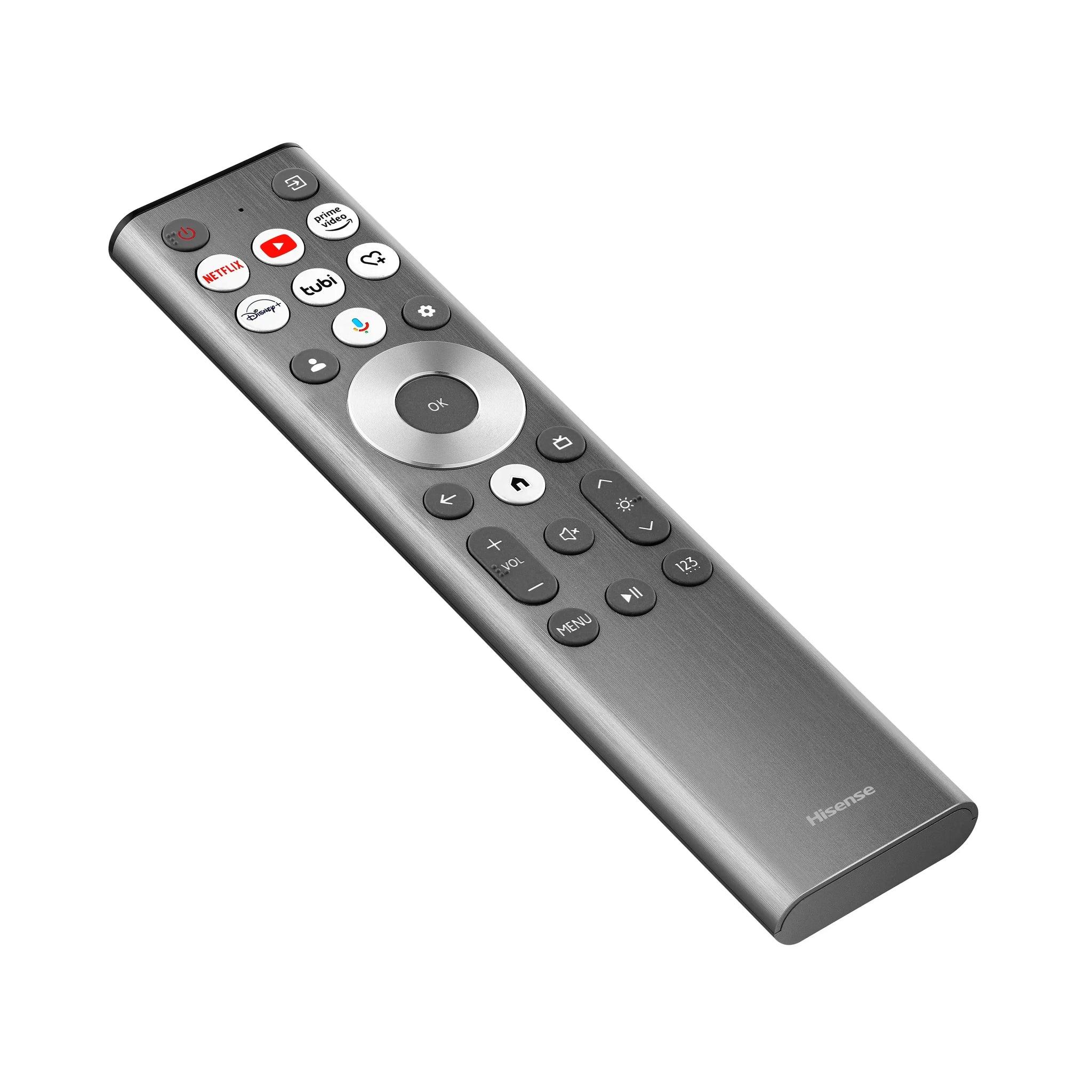
The interface is intuitive and fast, with content recommendations that actually make sense based on your viewing habits. Voice control through Google Assistant works well for searching content or controlling playback. Both models also support Chromecast built-in, so you can easily beam content from your phone or tablet.
In our evaluation of user feedback, the smart platform performs reliably without the lag or crashes that plague some budget smart projectors. The main advantage is convenience – you might not need any external streaming devices at all.
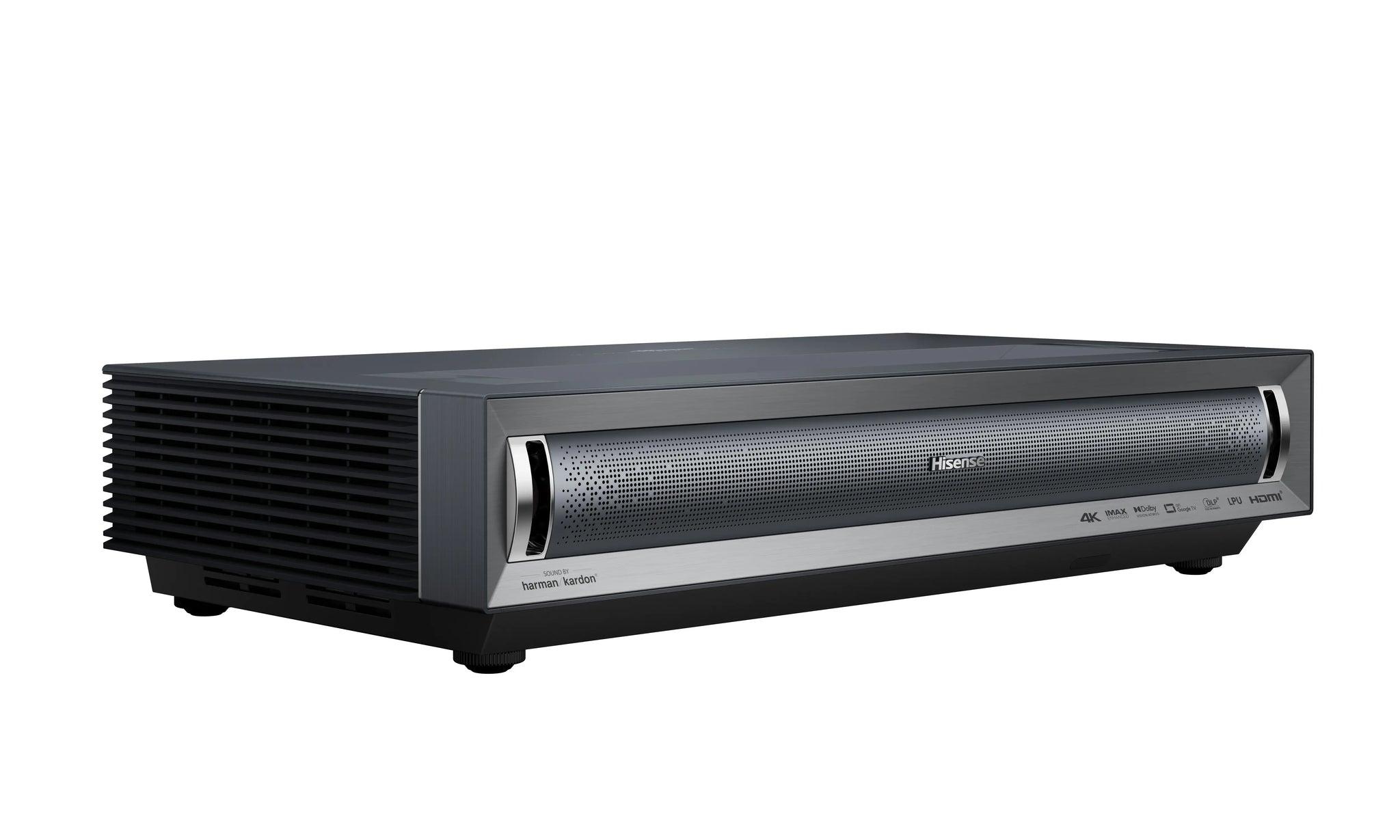
Here's where the PX3-PRO takes a clear lead. Its 50-watt Harman Kardon speaker system consistently receives praise in user reviews for delivering rich, detailed sound that many find adequate for casual viewing. The speakers are front-firing, which means sound projects toward your seating area rather than bouncing off walls.
The PL2's 30-watt stereo speakers are functional but less impressive. They'll handle dialogue and basic sound effects fine, but you'll likely want external audio for serious movie watching. Both models support Dolby Atmos processing, though the PX3-PRO's superior drivers take better advantage of this technology.
For context, even the PX3-PRO's audio, while good for built-in speakers, won't match a dedicated sound system. But if you're looking to minimize boxes and cables, the PX3-PRO gives you a much better chance of being satisfied with internal audio.
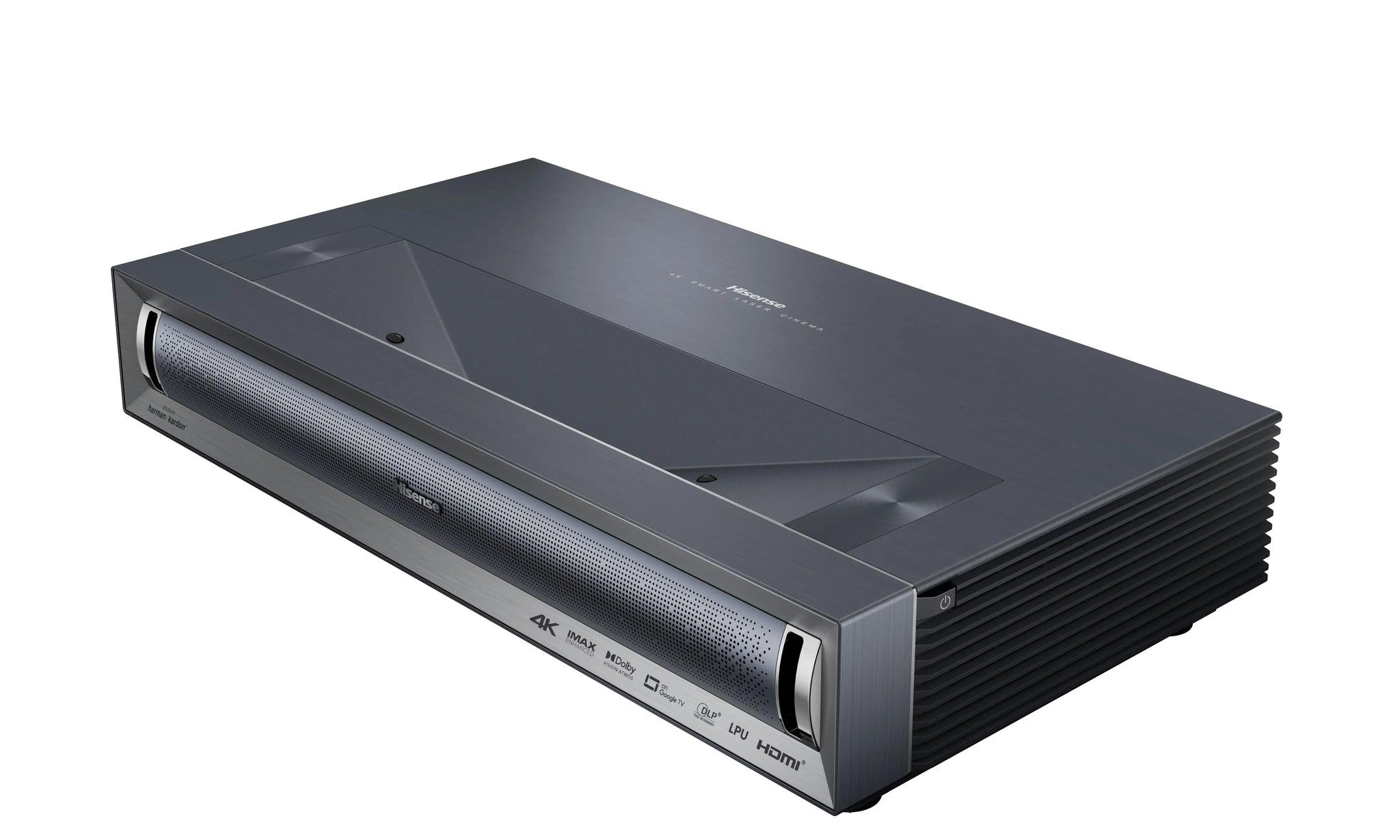
The PX3-PRO features a premium metal chassis with a sleek, minimalist design that looks sophisticated in modern living spaces. It's the kind of device you won't mind having visible in your room. The metal construction also helps with heat dissipation, potentially improving long-term reliability.
The PL2 uses a more utilitarian plastic construction that's perfectly functional but less visually refined. It's essentially the same chassis design from previous-generation models – practical but not particularly inspiring.
Both projectors include adjustable feet for leveling and built-in mounting points if you prefer to wall-mount them. The PX3-PRO feels more premium when you handle it, but both are well-built enough for long-term use.
Both projectors support the major HDR formats: HDR10, HDR10+, and Dolby Vision. These formats provide expanded brightness and color ranges that make compatible content more lifelike and engaging. The PX3-PRO's superior brightness and color gamut mean it can take fuller advantage of HDR content, but both will show clear improvements over standard dynamic range material.
Looking forward, both projectors should remain relevant for years. They handle current gaming console requirements, support the latest streaming formats, and have enough brightness for evolving content standards. The PX3-PRO has more overhead for future HDR improvements, but both are solid long-term investments.
At the time of writing, the PX3-PRO commands a premium of roughly $800 over the PL2. This price difference reflects real performance improvements: better colors, higher brightness, superior gaming performance, and premium audio.
The question becomes whether those improvements justify the cost for your specific situation. If you're building a dedicated home theater where picture quality is paramount, the PX3-PRO delivers measurably better results that you'll notice every time you watch.
However, the PL2 offers roughly 90% of the PX3-PRO's performance at about 75% of the cost. For many users, especially those new to UST projection, this represents exceptional value.
Choose the Hisense PX3-PRO if you:
Choose the Hisense PL2 if you:
Both projectors represent excellent entries into premium UST projection, but they serve different priorities. The PX3-PRO is the clear choice for enthusiasts who want the best possible performance and are willing to pay for it. Its RGB laser technology, superior brightness, and premium construction create a genuinely better viewing experience.
The PL2 makes more sense for value-conscious buyers who still want impressive performance. It delivers the core UST projector benefits – massive screen size, excellent picture quality, and smart features – without the premium price tag.
In my evaluation, both projectors significantly outperform traditional projectors in their respective price ranges. The UST design advantages – no shadows, easy setup, room-friendly placement – make either choice a smart upgrade over conventional projection systems.
Your decision ultimately comes down to budget and priorities. If picture quality is your top concern and budget is flexible, the PX3-PRO justifies its premium. If you want excellent performance at a more accessible price, the PL2 delivers impressive results that will satisfy most users.
Either way, you're getting a projector that can transform your living space into a genuine home theater with minimal fuss and maximum impact.
| Hisense PX3-PRO | Hisense PL2 |
|---|---|
| Light Source Technology - The foundation that affects color quality and long-term costs | |
| TriChroma RGB laser (pure red, green, blue light sources) | Single blue laser + phosphor wheel (more cost-effective) |
| Brightness - Critical for daytime viewing and ambient light performance | |
| 3,000 ANSI lumens (excellent for bright rooms) | 2,700 ANSI lumens (very good, requires slight light control) |
| Color Gamut Coverage - Determines how vibrant and accurate colors appear | |
| 110% BT.2020, 99.82% DCI-P3 (cinema-grade color accuracy) | 85% DCI-P3 (good colors, some saturation limitations) |
| Gaming Input Lag - Essential for responsive gaming performance | |
| 17.6ms at 4K/60Hz (excellent for competitive gaming) | ALLM supported (likely 20-30ms, good for casual gaming) |
| Audio System - Built-in sound quality affects need for external speakers | |
| 50W Harman Kardon speakers (premium quality, may eliminate need for soundbar) | 30W stereo speakers (functional, likely need external audio) |
| Build Quality - Affects aesthetics and long-term durability | |
| Premium metal chassis (sophisticated design, better heat management) | Functional plastic construction (practical but less premium feel) |
| Projection Size Range - Flexibility for different room sizes | |
| 80-150 inches (0.22:1 throw ratio) | 80-150 inches (0.22:1 throw ratio) |
| HDR Support - Enhanced contrast and color for premium content | |
| HDR10, HDR10+, Dolby Vision, IMAX Enhanced | HDR10, HDR10+, Dolby Vision |
| Smart Platform - Streaming capabilities and user experience | |
| Google TV with full app certification | Google TV with full app certification |
| Connectivity - Future-proofing and device compatibility | |
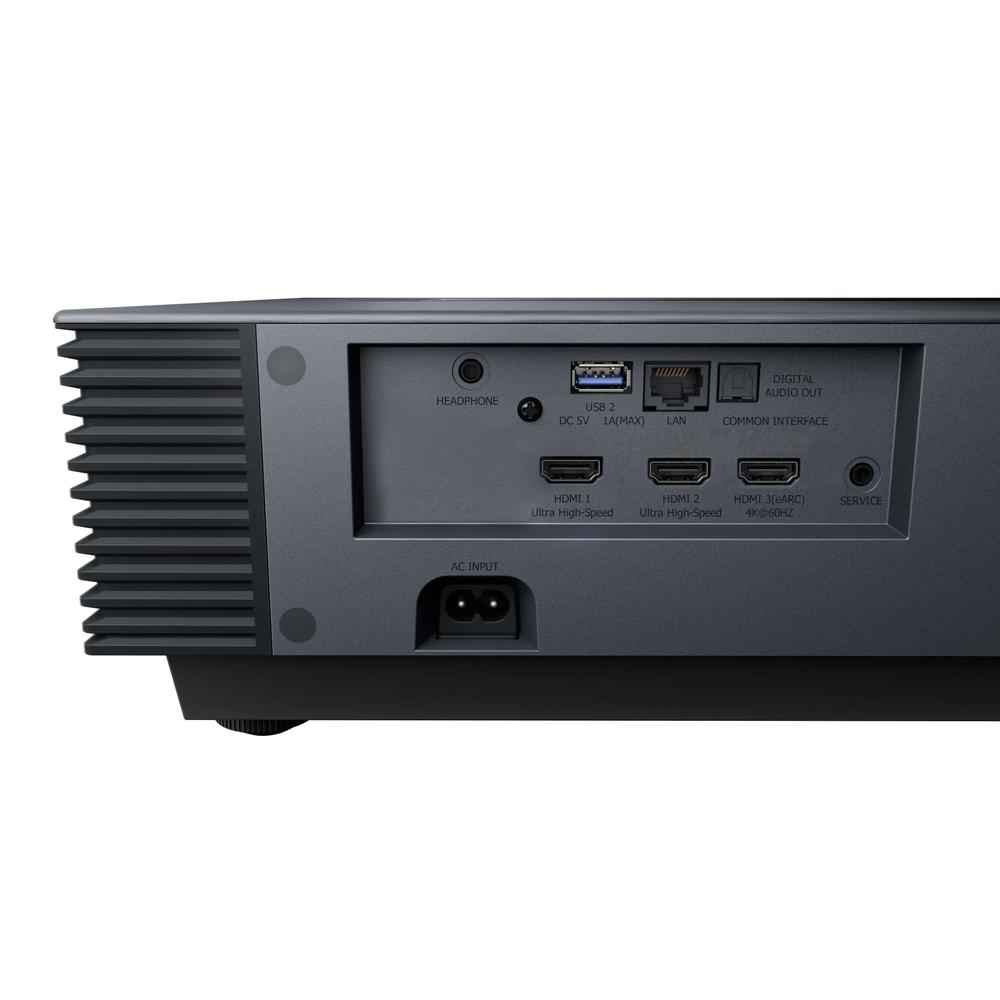
| 3 HDMI ports (2x HDMI 2.1 48Gbps, 1x HDMI 2.0 eARC) | 3 HDMI ports (2x HDMI 2.1, 1x eARC) |
| Laser Lifespan - Long-term operating costs | |
| 25,000+ hours (minimal maintenance) | 25,000+ hours (minimal maintenance) |
| Value Proposition - Performance per dollar consideration | |
| Premium performance with measurable improvements across all areas | Excellent performance at more accessible price point |
The Hisense PX3-PRO delivers superior picture quality with its TriChroma RGB laser technology, covering 110% of the BT.2020 color space compared to the Hisense PL2's 85% DCI-P3 coverage. The PX3-PRO also offers 300 more ANSI lumens (3,000 vs 2,700), resulting in brighter images and better performance in rooms with ambient light.
The primary difference lies in their light source technology. The Hisense PX3-PRO uses a premium RGB laser system with separate red, green, and blue lasers for superior color accuracy, while the Hisense PL2 uses a more cost-effective single blue laser with phosphor wheel design that still delivers excellent but less vibrant colors.
The Hisense PX3-PRO is better for gaming with a measured input lag of just 17.6ms at 4K/60Hz, making it excellent for competitive gaming. While the Hisense PL2 supports Auto Low Latency Mode, its input lag is likely higher at around 20-30ms, which is still good for casual gaming but not as responsive as the PX3-PRO.
Both projectors handle moderate ambient light well, but the Hisense PX3-PRO performs better in brighter conditions due to its higher 3,000 ANSI lumen output. The PL2 at 2,700 lumens still works in most lighting situations but may require slightly more light control for optimal viewing.
The Hisense PX3-PRO features superior audio with 50-watt Harman Kardon speakers that deliver rich, detailed sound suitable for many users without external audio. The Hisense PL2 has functional 30-watt stereo speakers, but most users will likely want to add external speakers or a soundbar for the best audio experience.
Both the Hisense PX3-PRO and PL2 are ultra short throw projectors with similar dimensions and the same 0.22:1 throw ratio. They both project images from 80 to 150 inches while sitting just inches from your wall or screen, making them equally space-efficient.
The Hisense PL2 offers exceptional value, delivering about 90% of the PX3-PRO's performance at a significantly lower cost. However, the PX3-PRO provides measurably better color accuracy, brightness, gaming performance, and audio quality that justify its premium for users who prioritize peak performance.
Yes, both the Hisense PX3-PRO and PL2 support 4K resolution through pixel-shifting technology and handle HDR10, HDR10+, and Dolby Vision formats. The PX3-PRO also supports IMAX Enhanced content and takes better advantage of HDR due to its superior brightness and color gamut coverage.
For a dedicated home theater where picture quality is paramount, the Hisense PX3-PRO is the better choice. Its RGB laser technology, wider color gamut, higher brightness, and premium audio create a more cinematic experience that serious movie enthusiasts will appreciate, especially when watching high-quality 4K Blu-rays or premium streaming content.
Both the Hisense PX3-PRO and PL2 run the same Google TV platform with full app certification, including Netflix, Disney+, Prime Video, and other major streaming services. They offer identical smart features, voice control through Google Assistant, and Chromecast built-in, so there's no difference in streaming capabilities or user interface.
First-time ultra short throw projector buyers should consider the Hisense PL2 as it offers excellent performance and features at a more accessible price point. It's a great way to experience UST projection without the premium investment, though users who want the absolute best performance should opt for the PX3-PRO.
The Hisense PX3-PRO features a premium metal chassis with a sleek, modern design that looks sophisticated in living spaces, along with better heat dissipation. The PL2 uses functional plastic construction that's well-built but less visually refined, making the PX3-PRO a better choice for users who value premium aesthetics and build materials.
We've done our best to create useful and informative comparisons to help you decide what product to buy. Our research uses advanced automated methods to create this comparison and perfection is not possible - please contact us for corrections or questions. These are the sites we've researched in the creation of this article: shop.hisense-usa.com - avsforum.com - youtube.com - projectorcentral.com - avsforum.com - youtube.com - projectorreviews.com - avsforum.com - projectorcentral.com - en.heimkinowelten.de - dreamediaav.com - avnirvana.com - crutchfield.com - projectorscreen.com - digitaltrends.com - newatlas.com - valueelectronics.com - youtube.com - shop.hisense-usa.com - ecoustics.com

Privacy Policy
Terms and Conditions - Affiliate Policy
Home Security
© Copyright 2008-2026.
11816 Inwood Rd #1211, Dallas, TX 75244