

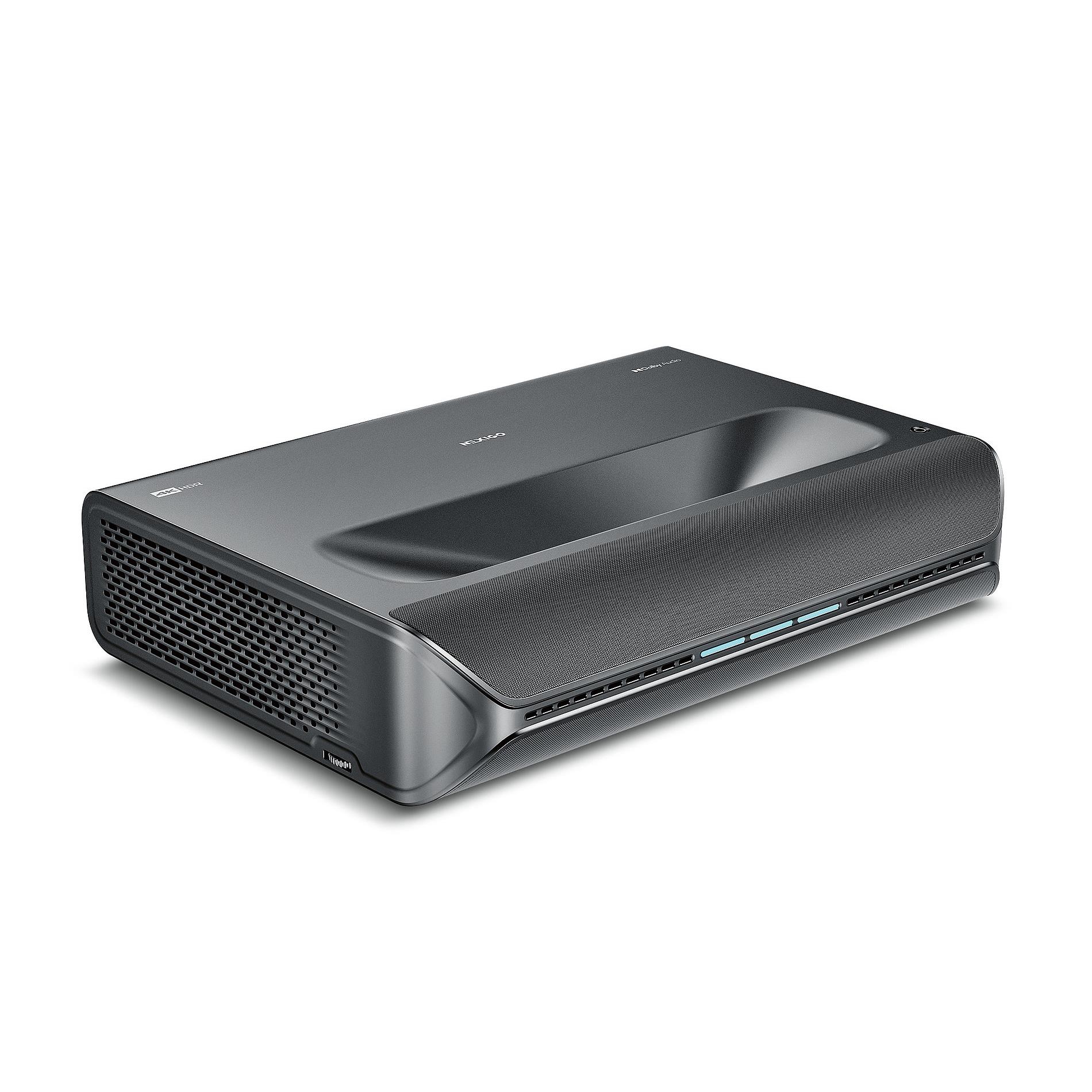
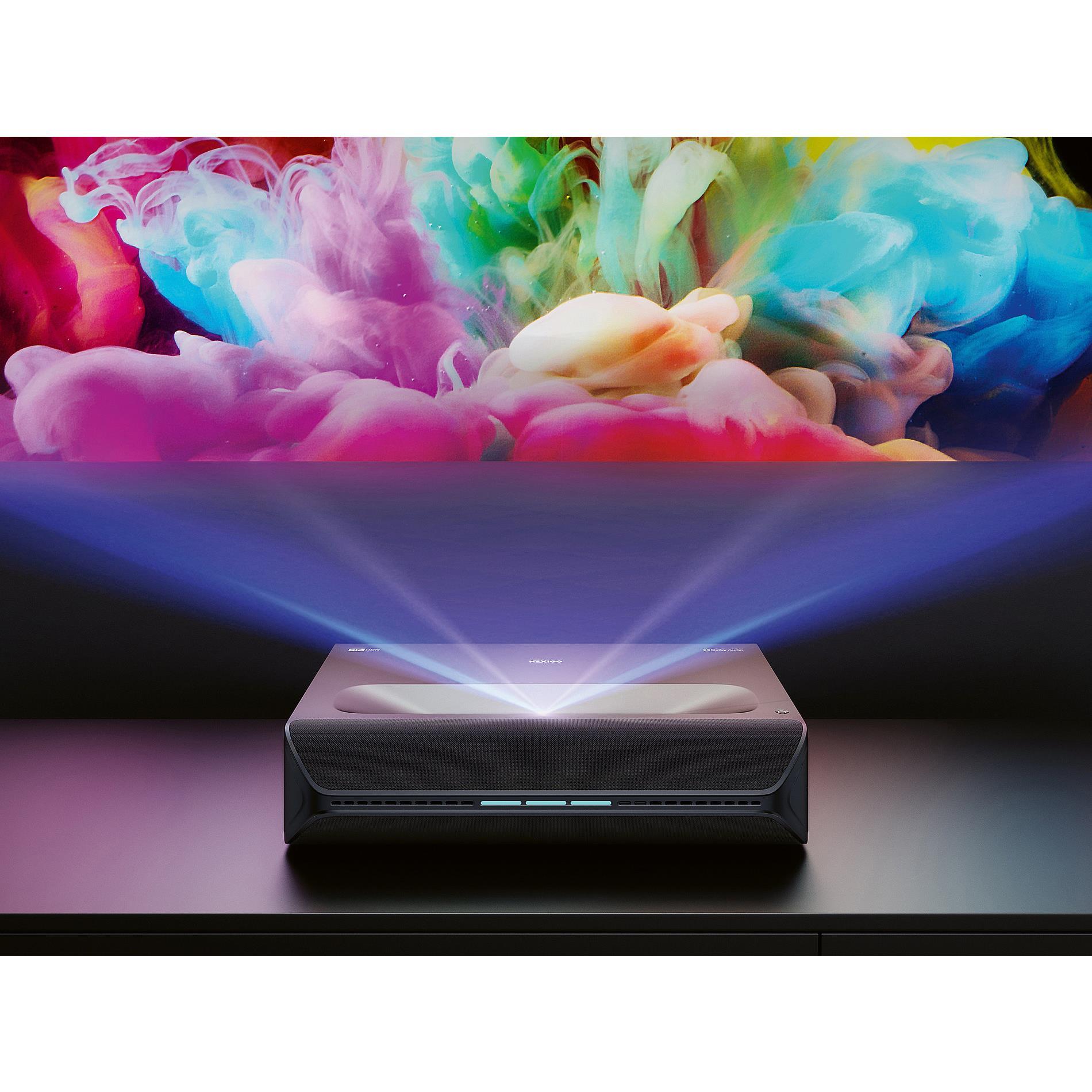
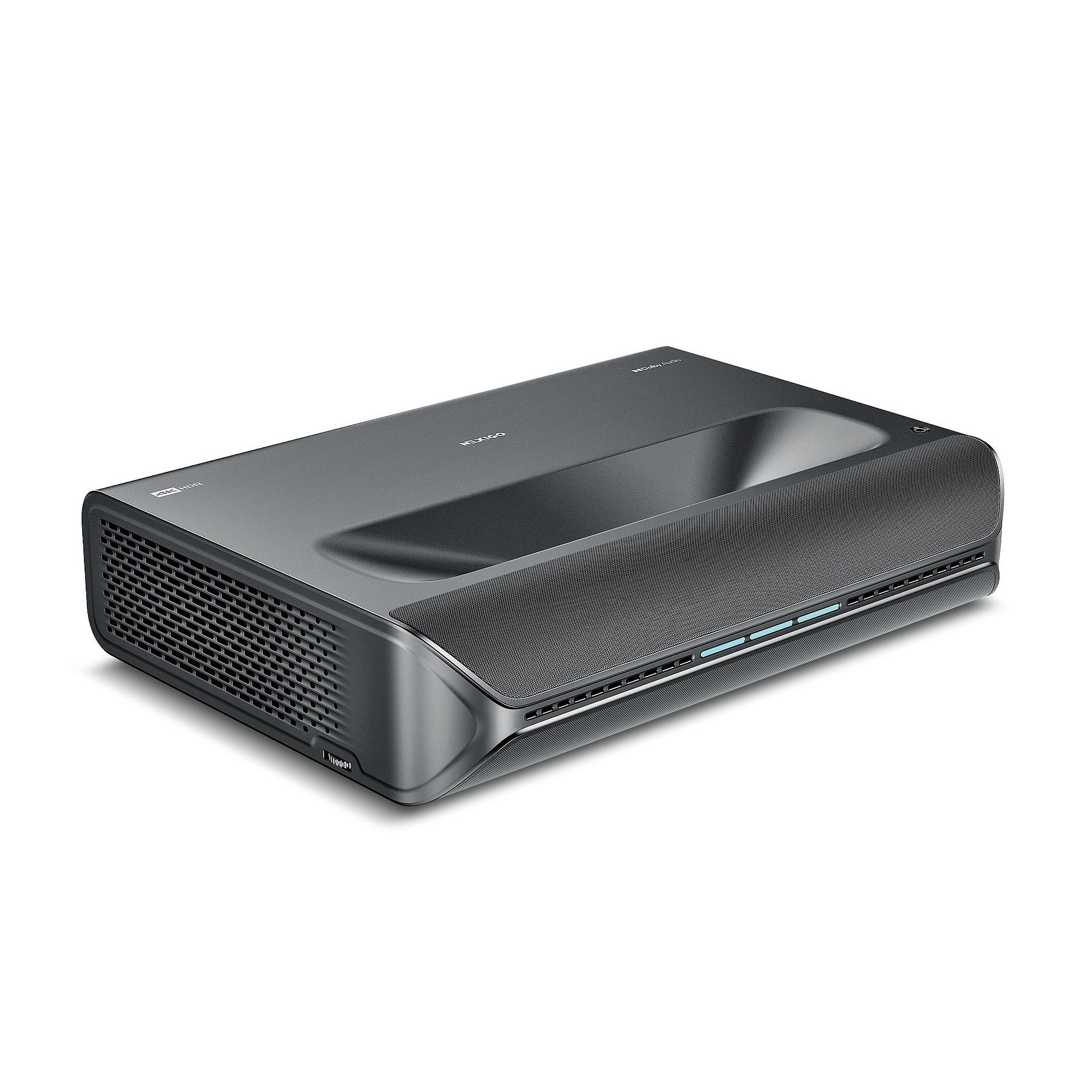
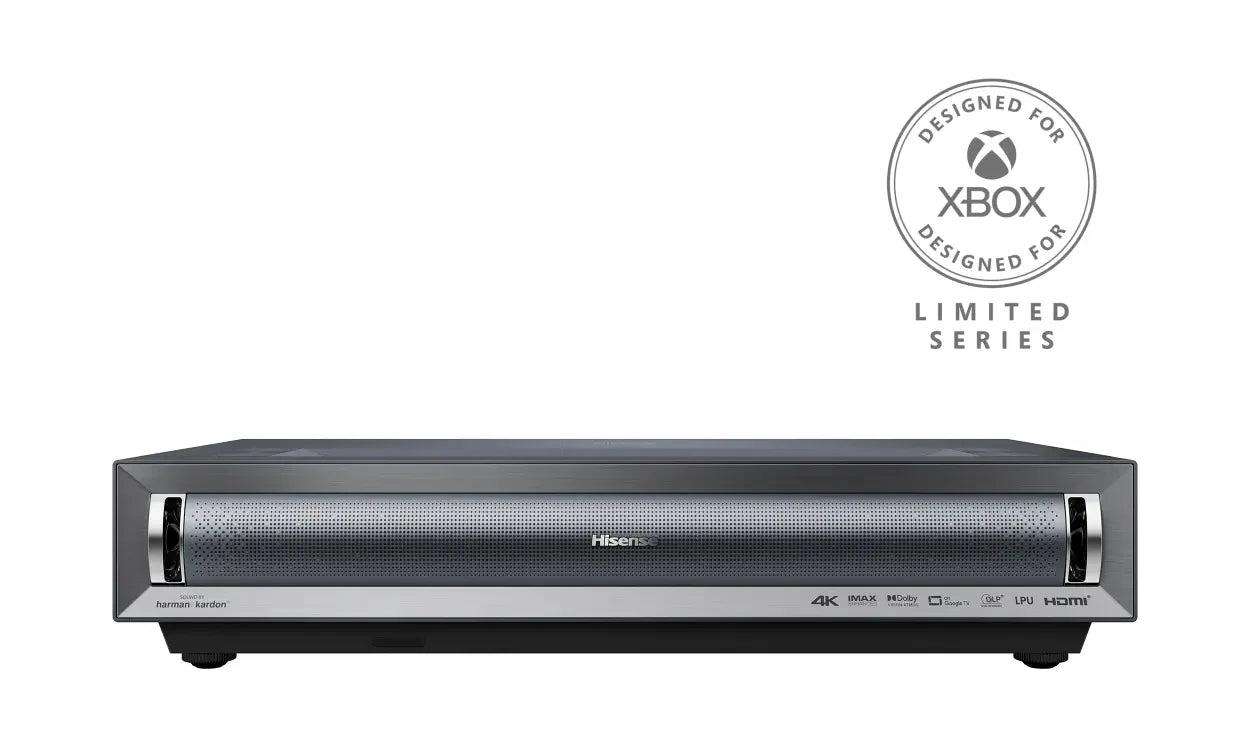
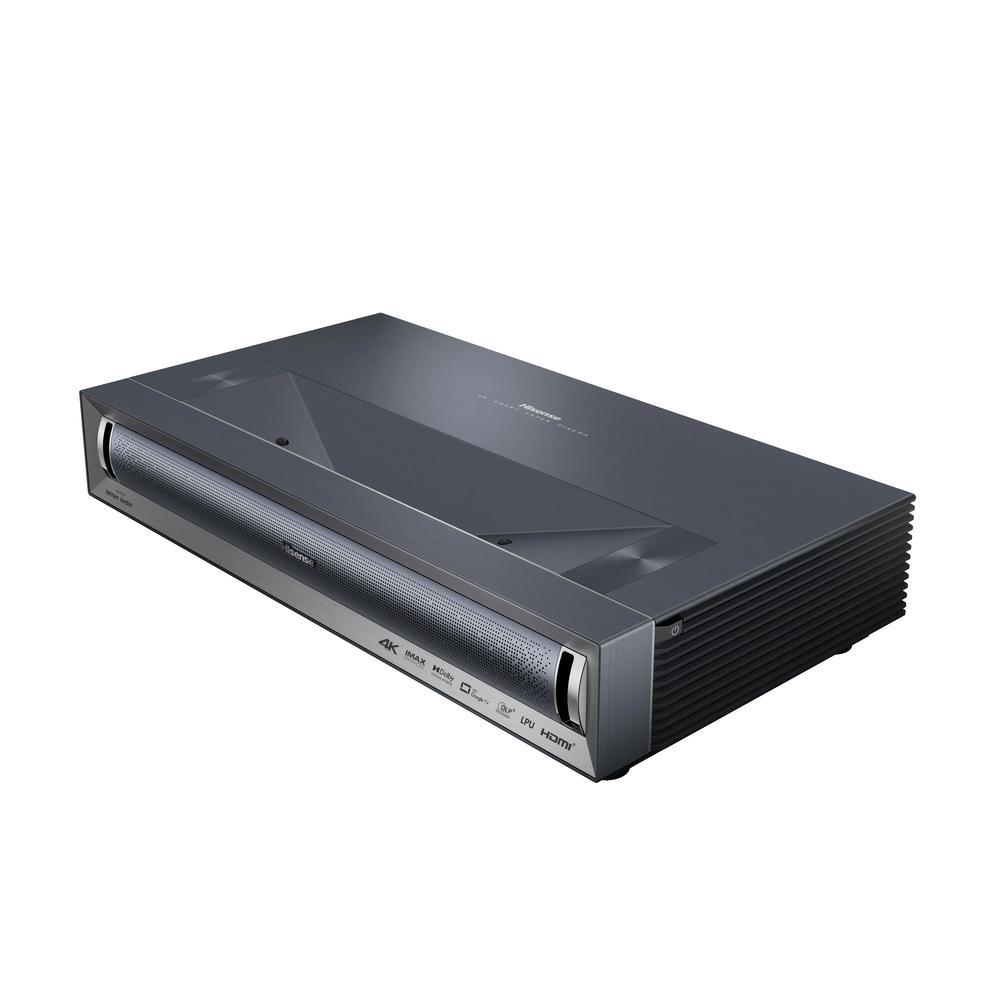
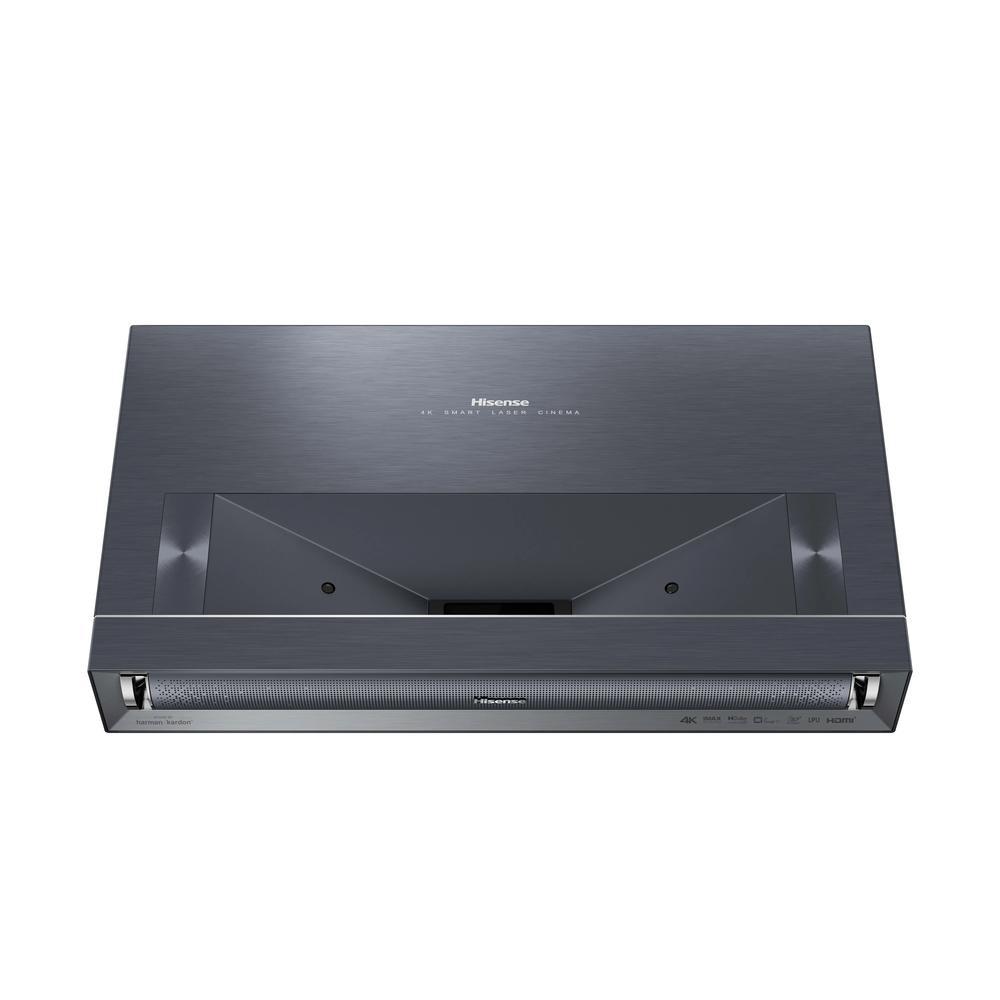
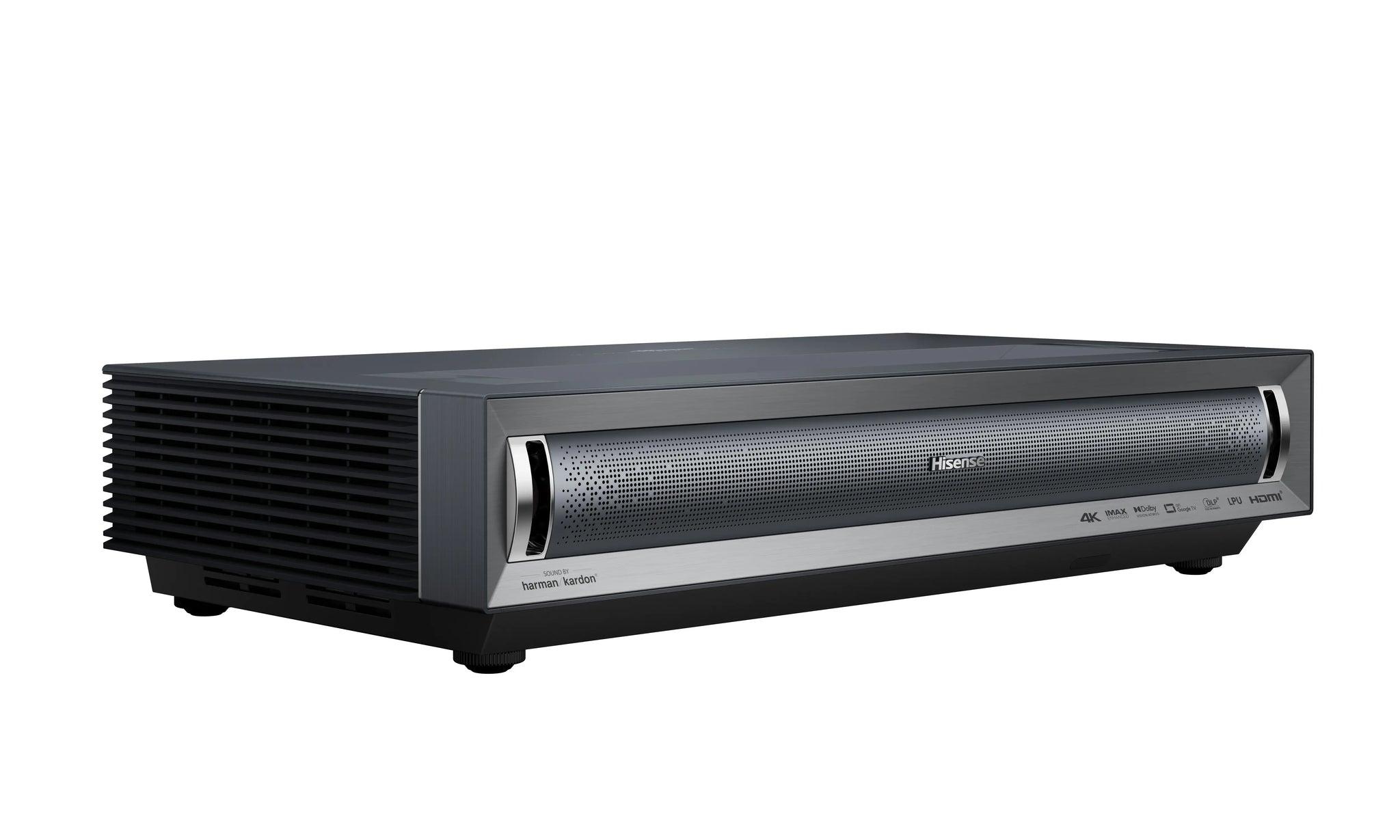
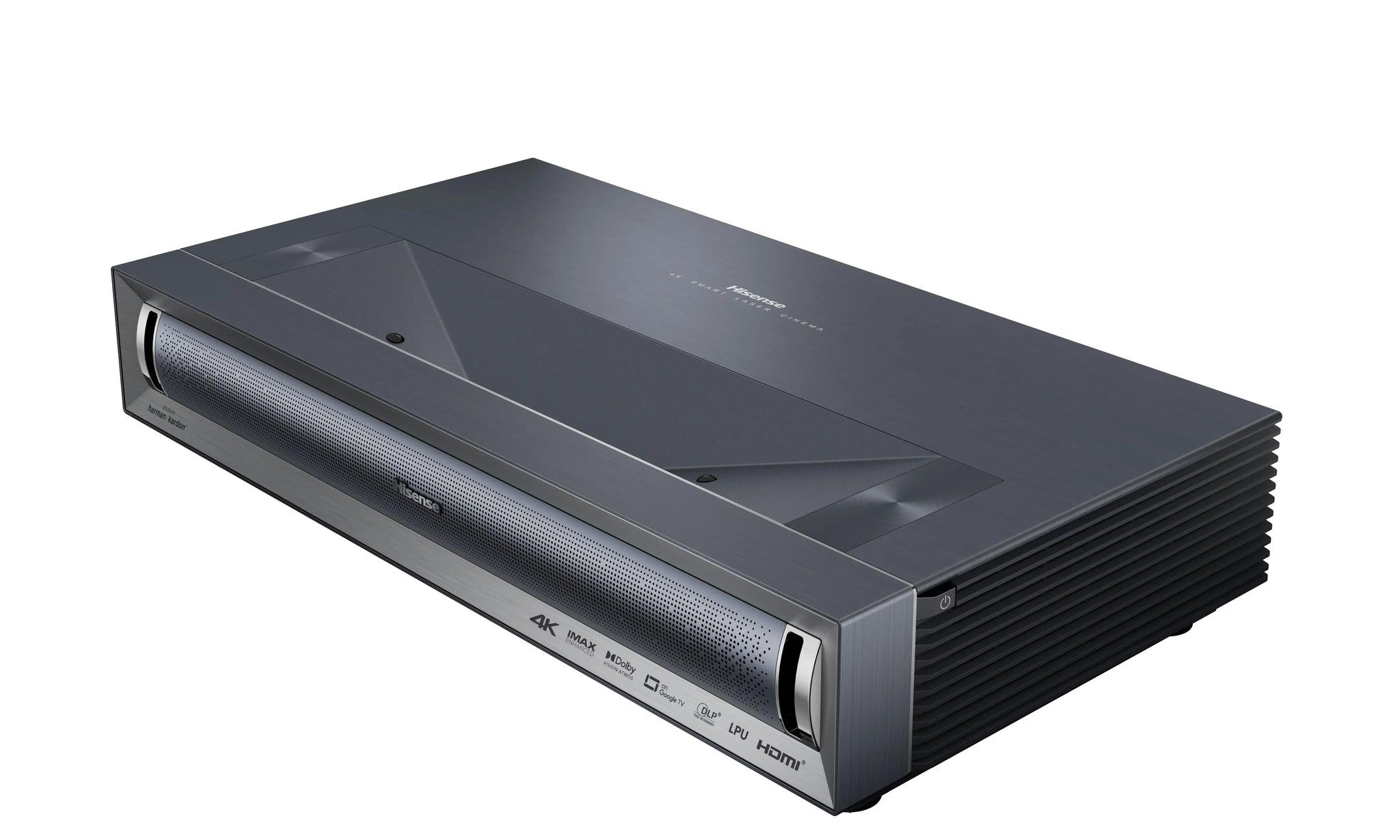
The days of massive, bulky televisions dominating your living room are numbered. Ultra short throw (UST) projectors have emerged as the ultimate space-saving solution, capable of beaming stunning 100+ inch images from just inches away from your wall. Think of them as the projector equivalent of a sleek sports car – compact, powerful, and designed to deliver maximum impact with minimal footprint.
These aren't your grandfather's basement projectors that require dark rooms and ceiling mounts. Modern UST projectors use advanced laser light sources and sophisticated optics to create bright, vibrant images that can compete with premium televisions even in well-lit rooms. The technology has matured rapidly since 2020, with manufacturers perfecting laser engines, improving color reproduction, and integrating smart TV platforms directly into the projectors.
Today, we're comparing two standout models that represent different philosophies in this exciting category: the premium Hisense PX3-PRO and the value-focused NexiGo Aurora Pro. Both launched in 2023 as part of the latest generation of UST projectors, but they take distinctly different approaches to winning your living room.
Ultra short throw projectors work through complex optical engineering that bends and focuses light at extreme angles. Unlike traditional projectors that need 8-10 feet of throw distance, UST models use specially designed lenses and mirrors to project massive images from under two feet away. This means you can place them on a TV stand or mount them just inches from your wall – no ceiling installation required.
The "4K" designation here is particularly important to understand. Both projectors use a technique called pixel shifting, where a 1080p chip (the actual component that creates the image) rapidly moves each pixel multiple times to create additional detail points. Texas Instruments' XPR technology shifts pixels four times, effectively quadrupling the resolution to achieve that coveted 3840 x 2160 pixel count. While purists debate whether this equals "native" 4K, the visual results are impressive and nearly indistinguishable from true 4K displays in real-world viewing.
When evaluating projectors, brightness measured in ANSI lumens becomes crucial because it determines how well your projector performs with ambient light. Think of lumens like the horsepower of the projector world – more generally means better performance in challenging conditions.
The Hisense PX3-PRO leads here with 3,000 ANSI lumens compared to the NexiGo Aurora Pro's 2,400 lumens. That 600-lumen difference might not sound massive, but it translates to roughly 25% more brightness – enough to make a noticeable difference in rooms with large windows or bright overhead lighting.
Our research into user experiences reveals this brightness advantage becomes most apparent during daytime viewing. The Hisense PX3-PRO maintains vibrant colors and sharp contrast even with curtains open, while the Aurora Pro performs best with some light control. Both projectors excel in evening viewing conditions, but if you plan to watch during bright afternoon hours, the Hisense's extra brightness provides valuable flexibility.
The laser light sources in both projectors represent a significant upgrade from older lamp-based systems. These RGB triple laser engines (using separate red, green, and blue lasers) deliver consistent brightness for 20,000+ hours without degradation, eliminate the rainbow effect common in single-chip DLP projectors, and provide instant on/off capability.
Color reproduction separates good projectors from great ones, and this is where these models show their distinct personalities. Both use sophisticated laser technology, but they achieve different results.
The Hisense PX3-PRO delivers exceptional color gamut coverage, reaching 110% of the demanding BT.2020 color space. To put this in perspective, BT.2020 represents the color standard for 4K content and covers a much wider range of colors than the older Rec.709 standard used for regular HD content. Achieving 110% coverage means this projector can display colors that exist beyond what most content creators can even encode – it's future-proofing at its finest.
Expert reviews consistently praise the PX3-PRO's color accuracy out of the box, meaning you get excellent results without needing professional calibration. This accuracy stems from Hisense's advanced processing algorithms that analyze and adjust colors in real-time, ensuring that skin tones look natural and landscapes appear vibrant without oversaturation.
The NexiGo Aurora Pro takes a different approach, focusing on contrast performance rather than absolute color gamut. Its native contrast ratio of nearly 4,000:1 (as measured in professional reviews) significantly exceeds the Hisense's 3,000:1. Contrast ratio represents the difference between the brightest white and deepest black the projector can produce – higher numbers mean better detail in dark scenes and more realistic images overall.
The Aurora Pro's Dynamic Laser Dimming technology pushes this advantage further, effectively doubling the contrast to 6,000:1 in optimal conditions. This technology works by adjusting the laser output based on image content, dimming the entire light source during dark scenes to achieve deeper blacks. While this can occasionally cause slight brightness fluctuations during rapid scene changes, the result is notably superior performance in darkroom viewing.
Gaming performance has become increasingly important as more people use large displays for console and PC gaming. Input lag – the delay between pressing a button and seeing the result on screen – becomes critical for competitive gaming, while support for high refresh rates ensures smooth motion in fast-paced games.
The NexiGo Aurora Pro clearly wins this category with impressive specifications that rival dedicated gaming monitors. Its 9ms input lag at 1080p 240Hz approaches what you'd expect from a high-end gaming display, while even its 4K 60Hz input lag of 17.8ms remains excellent for projector standards. Support for 1080p at 240Hz refresh rates means competitive gamers can prioritize fluid motion over ultimate resolution.
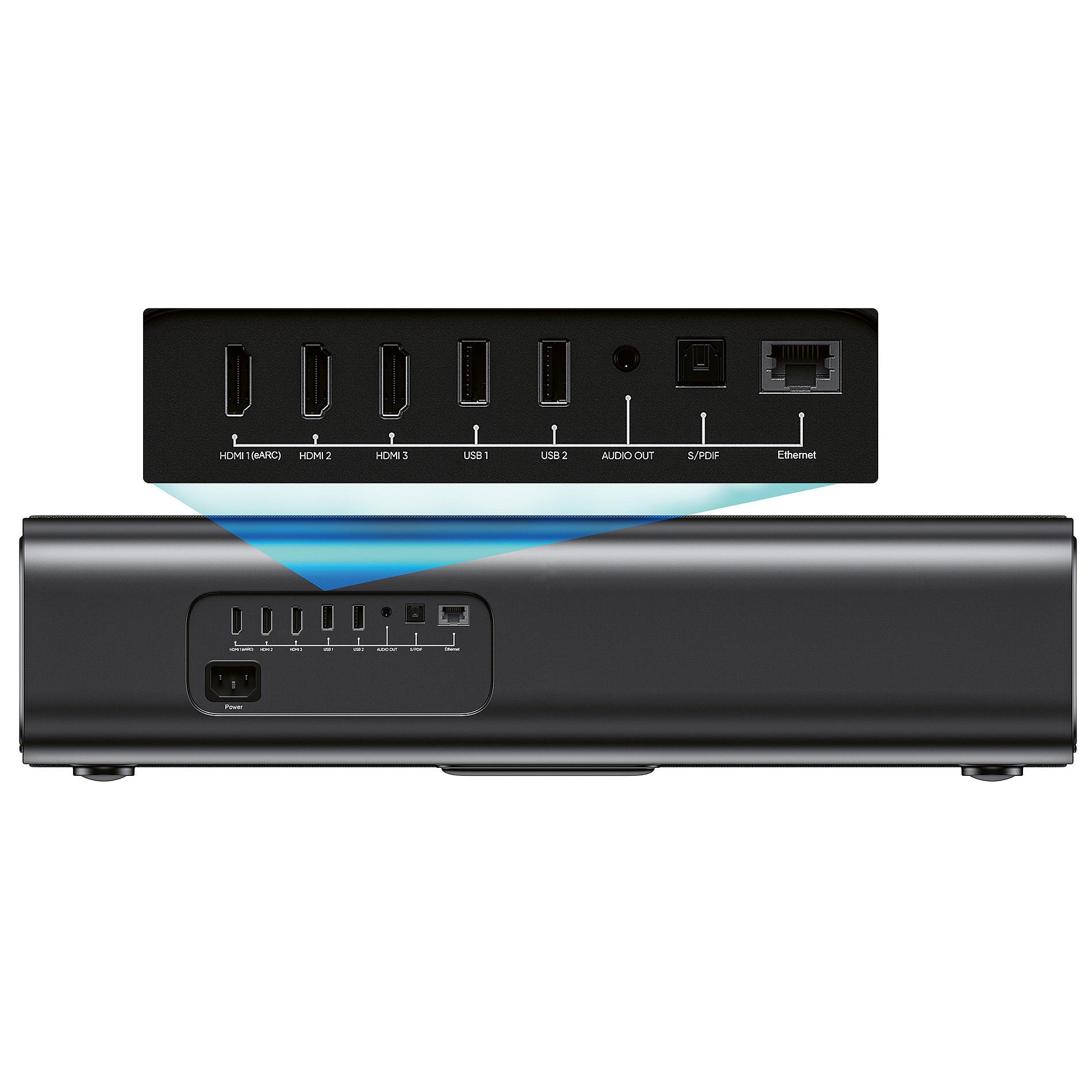
The Aurora Pro's three HDMI 2.1 ports provide full bandwidth support for next-generation consoles like the PlayStation 5 and Xbox Series X, handling 4K 120Hz input signals (though displaying them at 4K 60Hz due to processing limitations). This future-proofs the projector as more games support higher refresh rates.
In contrast, the Hisense PX3-PRO focuses more on cinematic gaming experiences rather than competitive performance. While it includes HDMI 2.1 support and handles modern console gaming well, its strength lies in delivering beautiful visuals for story-driven games and movies rather than minimizing input lag for competitive advantages.
The integration of smart TV platforms directly into projectors represents one of the biggest advances of recent years, eliminating the need for external streaming devices in many cases.
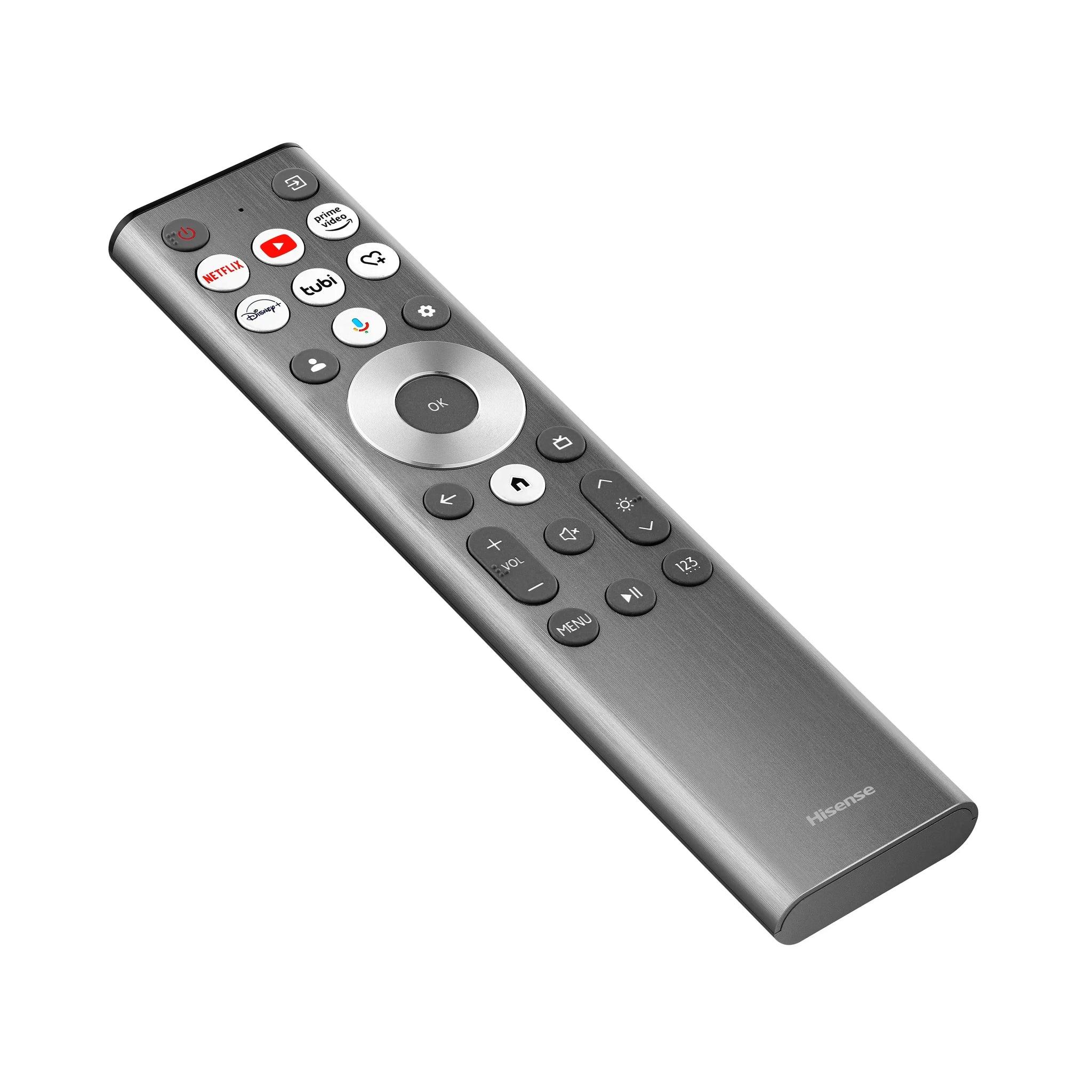
The Hisense PX3-PRO includes full Google TV integration, providing native access to Netflix, Disney+, Amazon Prime Video, and other major streaming services. This isn't just a basic Android TV implementation – it's the same polished Google TV experience found on premium televisions, complete with personalized recommendations, voice control via Google Assistant, and regular updates.
Google TV's interface organizes content from multiple services into a unified browsing experience, making it easy to discover new shows regardless of which platform they're on. The included remote supports voice commands for searching content or controlling smart home devices, turning your projector into a central entertainment hub.
The NexiGo Aurora Pro takes a more basic approach with an Android 9-based system that requires sideloading major streaming apps. While it includes excellent wireless connectivity (WiFi 6 and Bluetooth 5.2) and supports Miracast and AirPlay for streaming from phones and tablets, the smart platform feels less polished than Hisense's implementation.
This difference significantly impacts day-to-day usability. The PX3-PRO can replace your TV and streaming device completely, while the Aurora Pro works best when paired with a dedicated streaming device like an Apple TV or NVIDIA Shield.
Both projectors include surprisingly capable built-in audio systems that can eliminate the need for separate soundbars in many installations.
The Hisense PX3-PRO features 50-watt front-firing Harman Kardon speakers with Dolby Atmos processing. The Harman Kardon partnership brings professional audio tuning that provides clear dialogue and reasonable bass response for a built-in system. The front-firing design projects sound toward listeners rather than reflecting it off walls, improving clarity and reducing echo effects.
The NexiGo Aurora Pro counters with a 60-watt system using four dedicated drivers: two 15-watt woofers for bass response and two 15-watt tweeters for high-frequency detail. This configuration provides more total power and better frequency separation than most built-in projector audio systems.
User reviews suggest the Aurora Pro's audio system delivers superior bass response and overall volume, making it better suited for action movies and gaming. However, the PX3-PRO's Harman Kardon tuning provides more refined sound quality that works better for dialogue-heavy content and music.
Both projectors excel at installation simplicity, but subtle differences affect their suitability for different rooms.
The NexiGo Aurora Pro offers a slightly shorter throw ratio of 0.23:1, meaning it can sit closer to the wall for the same image size. This can be crucial in smaller rooms where every inch of space matters. Both projectors can create 80-inch images from under four inches away and scale up to 150-inch displays – sizes that would cost tens of thousands of dollars in traditional television form.
The Aurora Pro also includes comprehensive 3D support for all known formats, appealing to enthusiasts who still enjoy 3D gaming and movies. The Hisense PX3-PRO omits 3D capability, reflecting the general industry move away from the format.
Setup involves placing the projector on a TV stand or coffee table, connecting power and sources, and running a brief calibration routine. Both projectors include adjustable feet for leveling and keystone correction to ensure perfectly rectangular images even with slight placement variations.
At the time of writing, these projectors occupy different value segments, with the Hisense PX3-PRO commanding a premium of several hundred dollars over the Aurora Pro.
The NexiGo Aurora Pro represents exceptional value for performance-focused users. You get 90% of the visual quality, superior gaming capabilities, and excellent contrast performance while saving significant money. This savings could fund a premium sound system or leave budget for a larger screen or projector mount.
The Hisense PX3-PRO justifies its premium through superior brightness, best-in-class color accuracy, and seamless smart TV integration. If you value convenience, plan to use the projector in bright rooms, or want the absolute best color reproduction available, the premium feels justified.
Choose the Hisense PX3-PRO if you're building a premium home theater experience where image quality and convenience matter most. Its superior brightness makes it ideal for rooms with lots of windows, while the integrated Google TV platform provides the polished smart TV experience most users expect in 2024. This projector excels for families who want a simple, high-quality solution that works well for everything from Netflix marathons to movie nights.
The NexiGo Aurora Pro makes more sense for enthusiasts who prioritize specific performance characteristics over absolute convenience. Gamers will appreciate the low input lag and high refresh rate support, while movie lovers benefit from the superior contrast and deep black levels. If you already own preferred streaming devices or don't mind a slightly more complex setup, the Aurora Pro delivers exceptional performance at a more accessible price point.
Both projectors represent the current state-of-the-art in ultra short throw projection, offering massive screen experiences that transform any living room into a personal cinema. The technology has matured to the point where these projectors can genuinely replace premium televisions for many users, providing larger images with impressive quality and surprisingly reasonable prices for the screen size you receive.
The choice ultimately depends on your priorities: premium convenience and brightness with the Hisense, or superior gaming performance and value with the NexiGo. Either way, you're getting a glimpse into the future of home entertainment.
| Hisense PX3-PRO | NexiGo Aurora Pro |
|---|---|
| Brightness - Critical for daytime viewing and bright rooms | |
| 3,000 ANSI lumens (excellent for bright living rooms) | 2,400 ANSI lumens (good but needs some light control) |
| Color Gamut - Determines color accuracy and vibrancy | |
| 110% BT.2020 coverage (industry-leading color reproduction) | 107% BT.2020 coverage (excellent but slightly less vibrant) |
| Native Contrast Ratio - Affects black levels and image depth | |
| 3,000:1 (good dark scene detail) | 3,909:1 measured (superior black levels and contrast) |
| Dynamic Contrast Enhancement | |
| Standard processing | Dynamic Laser Dimming boosts to 6,000:1 (exceptional dark room performance) |
| Gaming Input Lag - Essential for competitive gaming | |
| Standard projector lag (casual gaming friendly) | 9ms at 1080p 240Hz, 17.8ms at 4K 60Hz (gaming monitor level performance) |
| Gaming Refresh Rates - Smoothness for fast-paced games | |
| 4K 60Hz, 1080p 120Hz standard support | 1080p 240Hz support (competitive gaming advantage) |
| Smart TV Platform - Built-in streaming convenience | |
| Full Google TV with native Netflix, Disney+, Prime Video | Android 9 system requiring app sideloading for major services |
| Audio System - Built-in sound quality | |
| 50W Harman Kardon front-firing speakers (refined sound) | 60W 4-driver system with dedicated woofers/tweeters (more power and bass) |
| HDR Support - Enhanced contrast and color for premium content | |
| HDR10+, Dolby Vision, IMAX Enhanced certification | HDR10, HDR10+, HLG, Dolby Vision (comprehensive but no IMAX) |
| 3D Content Support - For 3D movie and gaming enthusiasts | |
| No 3D support | Full 3D format support (rare advantage for 3D content lovers) |
| Connectivity - Ports and wireless features | |
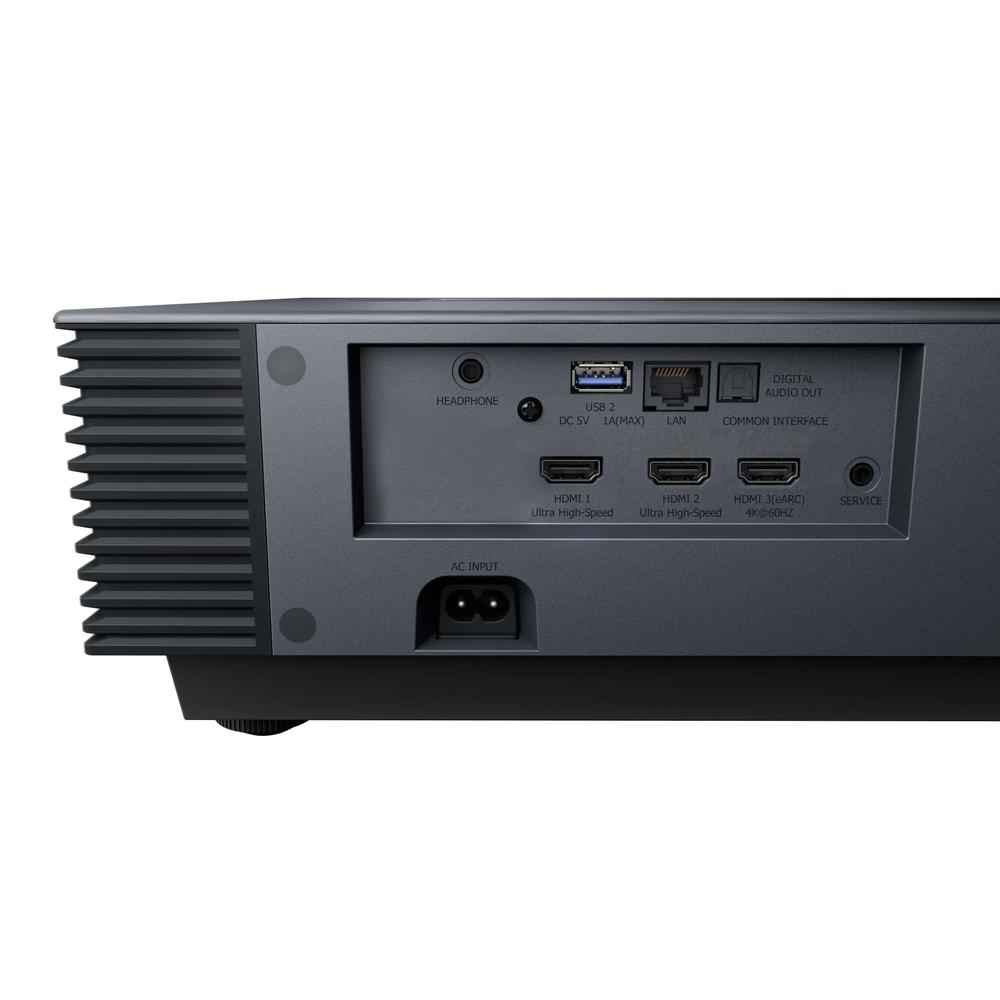
| 3 HDMI ports (2x HDMI 2.1), WiFi 6e | 3 HDMI 2.1 ports with eARC, WiFi 6, Bluetooth 5.2 |
| Light Source Lifespan - Long-term reliability | |
| 20,000+ hour RGB laser (maintenance-free) | 25,000+ hour RGB triple laser (slightly longer rated life) |
| Throw Distance - Space requirements for installation | |
| Ultra-short throw, 80-150" images from <18" away | 0.23:1 throw ratio (can sit slightly closer to wall) |
| Overall Value Positioning | |
| Premium all-around performer with convenience features | Performance-focused with superior gaming and contrast at lower cost |
The Hisense PX3-PRO is better for bright rooms with its 3,000 ANSI lumens compared to the NexiGo Aurora Pro's 2,400 lumens. This 25% brightness advantage makes the Hisense PX3-PRO more suitable for daytime viewing and rooms with large windows or overhead lighting.
The NexiGo Aurora Pro is significantly better for gaming with ultra-low input lag of 9ms at 1080p 240Hz and 17.8ms at 4K 60Hz. It also supports 1080p at 240Hz refresh rates for competitive gaming, while the Hisense PX3-PRO focuses more on cinematic quality than gaming performance.
The Hisense PX3-PRO includes full Google TV with native Netflix, Disney+, and Amazon Prime Video apps. The NexiGo Aurora Pro uses an Android 9 system that requires sideloading major streaming apps, making the Hisense much more convenient for streaming.
The NexiGo Aurora Pro has superior contrast with a measured native contrast ratio of 3,909:1 and Dynamic Laser Dimming that boosts it to 6,000:1. This provides deeper blacks and better dark scene detail compared to the Hisense PX3-PRO's 3,000:1 contrast ratio.
The Hisense PX3-PRO features 50W Harman Kardon front-firing speakers with refined audio tuning, while the NexiGo Aurora Pro offers 60W total power with four dedicated drivers (woofers and tweeters). The Aurora Pro provides more bass and volume, while the Hisense offers better overall sound quality.
The Hisense PX3-PRO delivers superior color accuracy with 110% BT.2020 color gamut coverage and better out-of-box calibration. While the NexiGo Aurora Pro offers 107% BT.2020 coverage, the Hisense provides more vibrant and accurate colors, especially for HDR content.
Both projectors can effectively replace large TVs by projecting 80-150 inch images from just inches away from the wall. The Hisense PX3-PRO works better as a complete TV replacement due to its integrated Google TV platform, while the NexiGo Aurora Pro typically works better paired with external streaming devices.
The NexiGo Aurora Pro offers better value for performance-focused users, delivering superior gaming capabilities and contrast performance at a lower price point. The Hisense PX3-PRO justifies its premium through higher brightness, better color accuracy, and convenient smart TV integration.
Only the NexiGo Aurora Pro supports 3D content with comprehensive format compatibility. The Hisense PX3-PRO does not include 3D support, reflecting the general industry move away from 3D technology.
Both projectors use ultra-short throw technology and can sit within 18 inches of the wall to create large images. The NexiGo Aurora Pro has a slightly shorter 0.23:1 throw ratio, allowing it to sit marginally closer to the wall than the Hisense PX3-PRO for the same image size.
For dedicated home theaters with controlled lighting, the NexiGo Aurora Pro excels with superior contrast and deep blacks. For multipurpose living rooms that double as home theaters, the Hisense PX3-PRO is better due to its higher brightness and integrated streaming capabilities.
The main difference is their focus: the Hisense PX3-PRO prioritizes overall brightness, color accuracy, and smart TV convenience for general use, while the NexiGo Aurora Pro emphasizes gaming performance, contrast quality, and value for enthusiasts who want specific performance advantages.
We've done our best to create useful and informative comparisons to help you decide what product to buy. Our research uses advanced automated methods to create this comparison and perfection is not possible - please contact us for corrections or questions. These are the sites we've researched in the creation of this article: shop.hisense-usa.com - avsforum.com - youtube.com - projectorcentral.com - avsforum.com - youtube.com - projectorreviews.com - avsforum.com - projectorcentral.com - en.heimkinowelten.de - dreamediaav.com - projectorreviews.com - thesmarthomehookup.com - nexigo.com - projectorscreen.com - avsforum.com - rtings.com - projectorcentral.com - youtube.com - rtings.com - avsforum.com - avsforum.com

Privacy Policy
Terms and Conditions - Affiliate Policy
Home Security
© Copyright 2008-2026.
11816 Inwood Rd #1211, Dallas, TX 75244