

We'd like to thank ProjectorScreen.com for their assistance with our projector evaluations and testing. Their yearly shoot-out, extensive selection and helpful attitude makes our life easier when we need to dig in a little more.
If you’ve ever dreamed of swapping your TV for a true big-screen setup—but don’t want a ceiling-mounted projector or a jungle of cables—the ultra short throw (UST) category is probably already on your radar. And if it isn’t, this year’s UST Projector Showdown makes a strong case for why it should be.
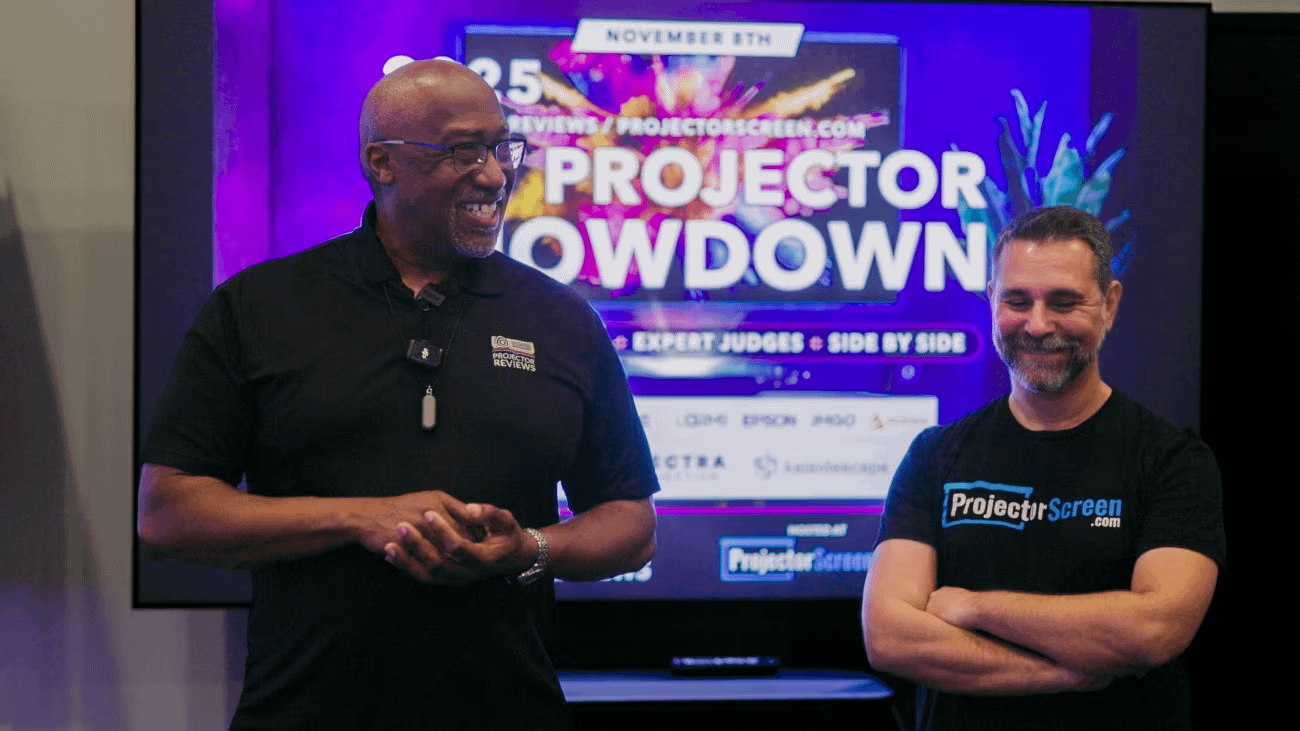
Held at ProjectorScreen’s new headquarters in Riverdale, New Jersey, the 2025 event brought together eight of the most talked-about UST projectors on the market—ranging from under $2,700 to just under $6,000—for a full day of judging, testing, and side-by-side comparisons. The goal wasn’t marketing fluff or staged demos. It was a real, controlled evaluation designed to answer a simple question:
Which UST projector gives buyers the best picture, best value, and best overall experience in 2025?
And after nearly nine hours of testing—from bright room scenes to pitch-black movie shots—the judges walked away with some clear winners, a few surprises, and plenty of insights for anyone trying to pick the right projector for their home.
A lot of companies claim to have “the best” projector, but real comparisons are rare. That’s what sets this event apart.
Here’s what makes it credible:
In short: same room, same lighting, same screen, same content. If one projector looked better than another, it earned it.
The organizers tested each projector in:
There were also tests aimed at revealing visual flaws, things like rainbow effects on DLP projectors, laser speckle, and color banding.
Each judge scored categories like:
Then, the judges voted on four real-world categories buyers actually care about:
It wasn’t just about raw specs—how the image looked mattered just as much.
Here’s the lineup, along with price and rated brightness:
*The Nexigo competed but was withdrawn late due to firmware issues affecting performance, so it wasn’t included in final scoring.
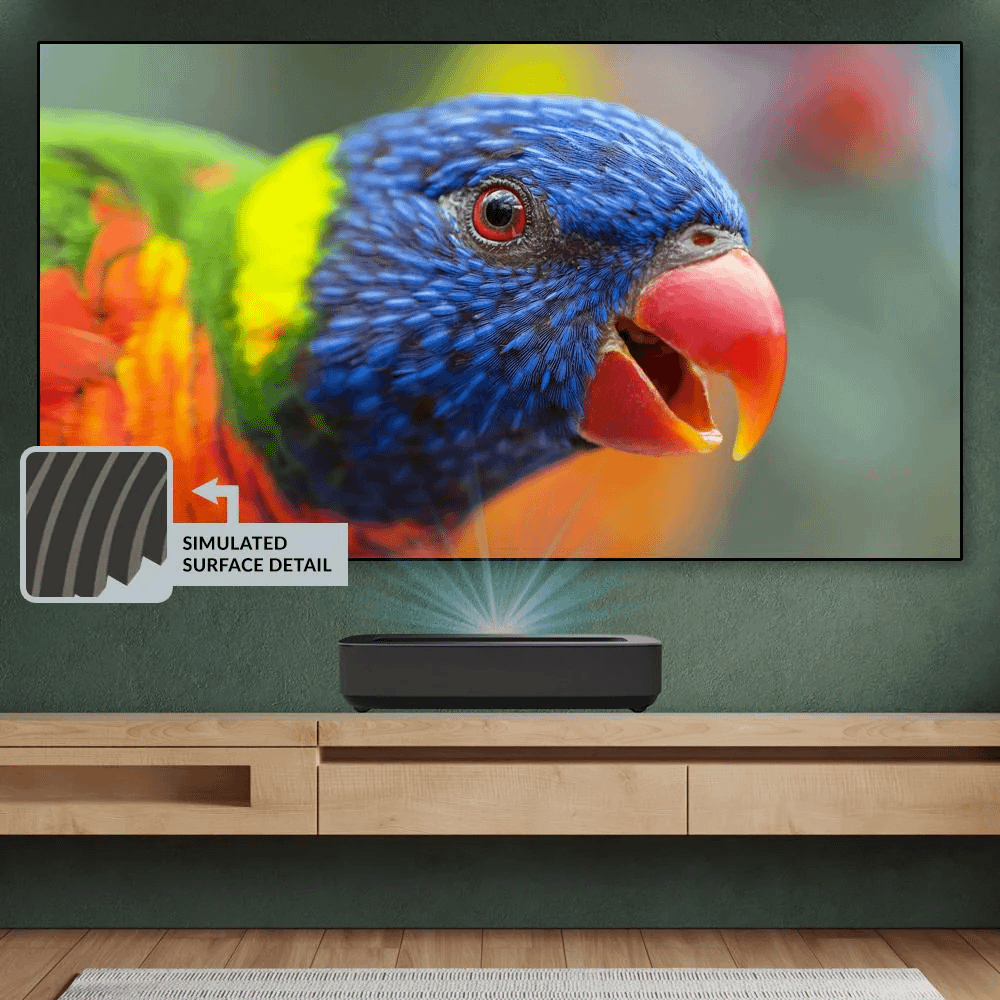
Most models used triple-laser light engines, while the Epson used a single-laser LCD system and the XGIMI Aura 2 used a hybrid laser/LED approach. All were rated for 20,000+ hours of use—meaning no bulb swaps for years.
One of the biggest performance factors this year was brightness. Since UST projectors often live in living rooms—not dark home theaters—brightness can make or break the picture.
There were also imaging differences:
These tech differences showed up clearly in the judging.
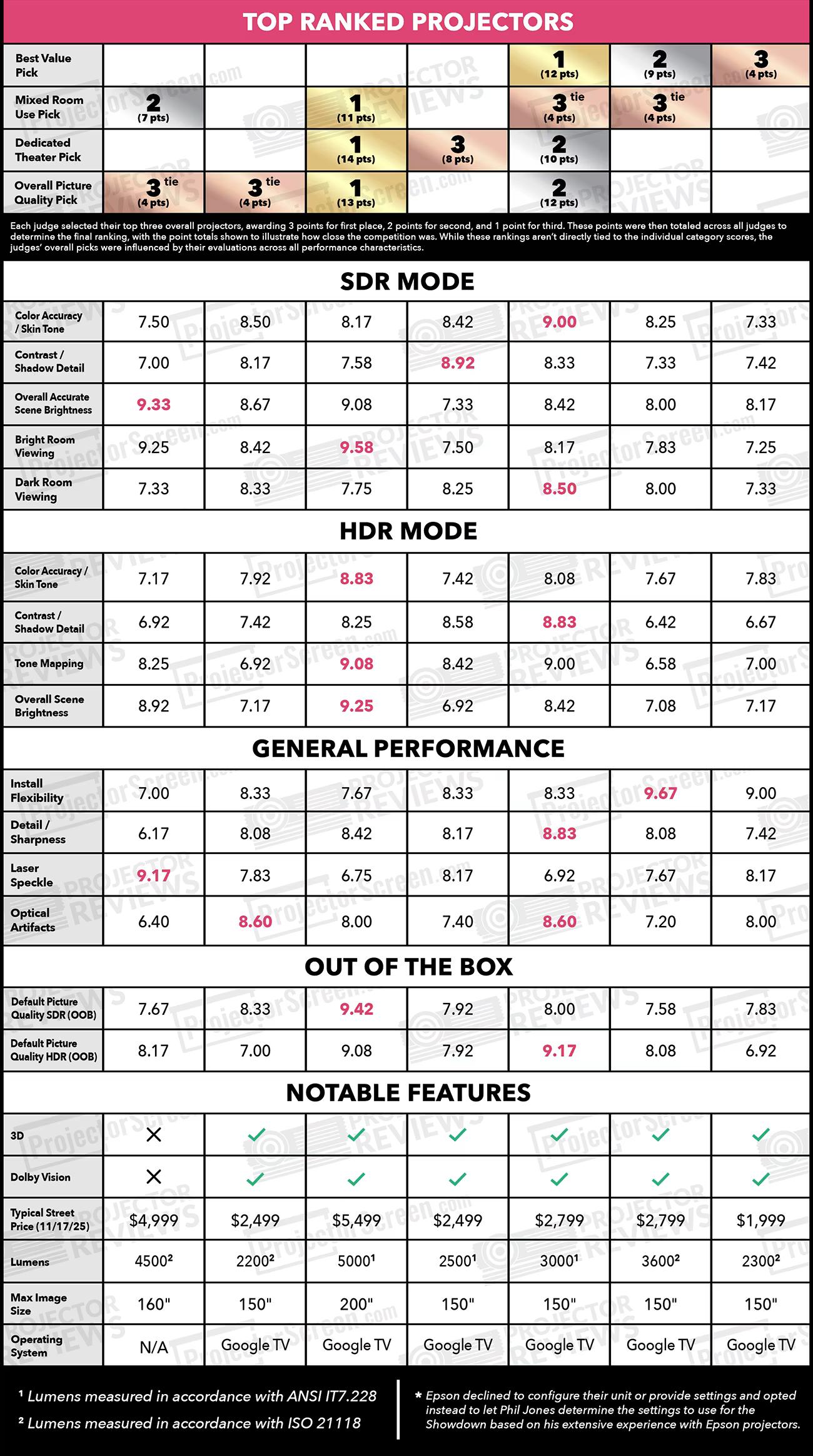
Let’s jump straight to the headline results:
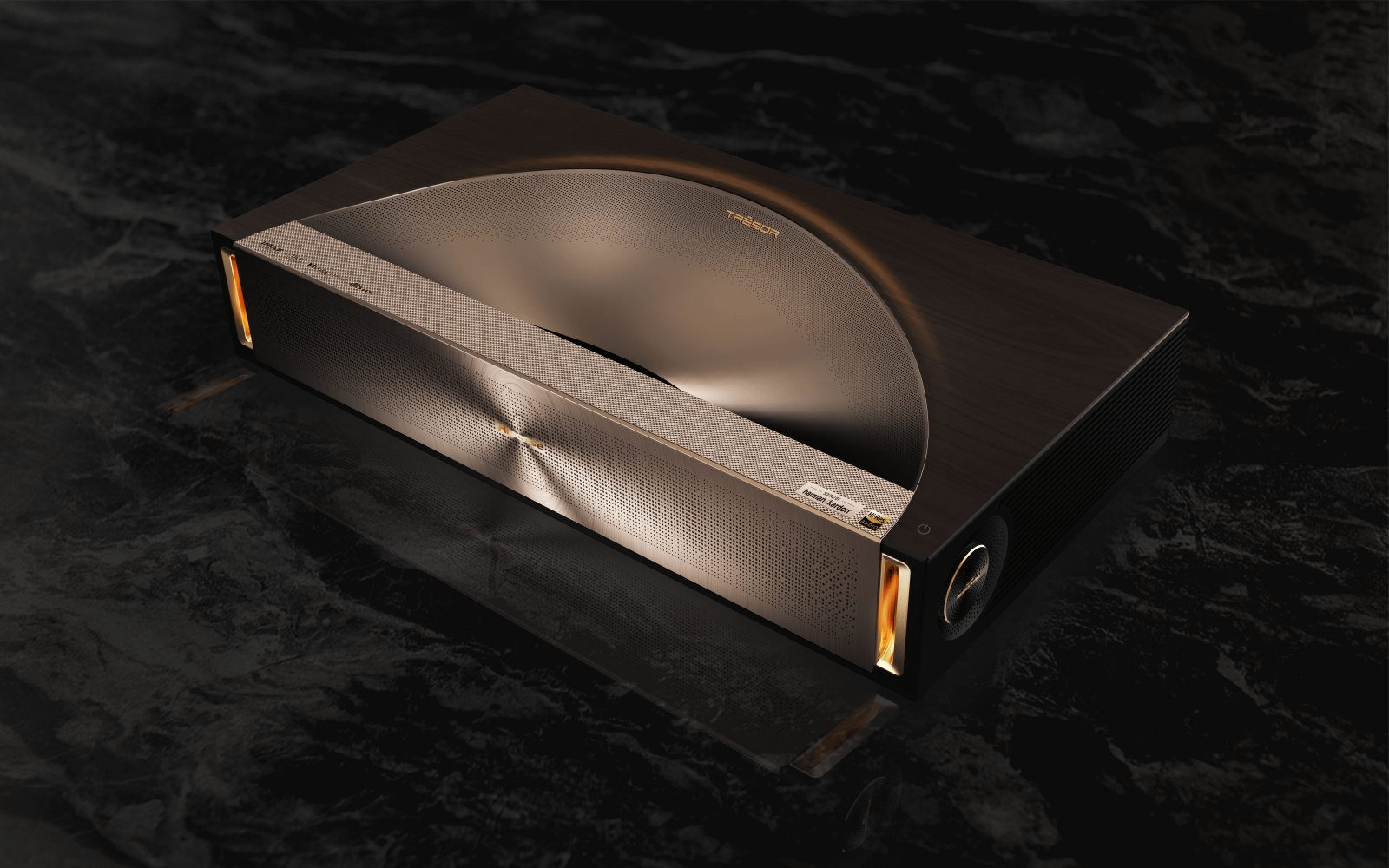
The L9Q didn’t just win—it dominated. Even though its measured contrast didn’t match marketing claims, its brightness created a punchy, dynamic image that impressed every judge.
The PX3 Pro wasn’t far behind, and two very different projectors—Formovie and Epson—tied for third. The Formovie offered a premium cinematic look at a lower price, while the Epson earned respect for its bright, clean image without rainbow effects.
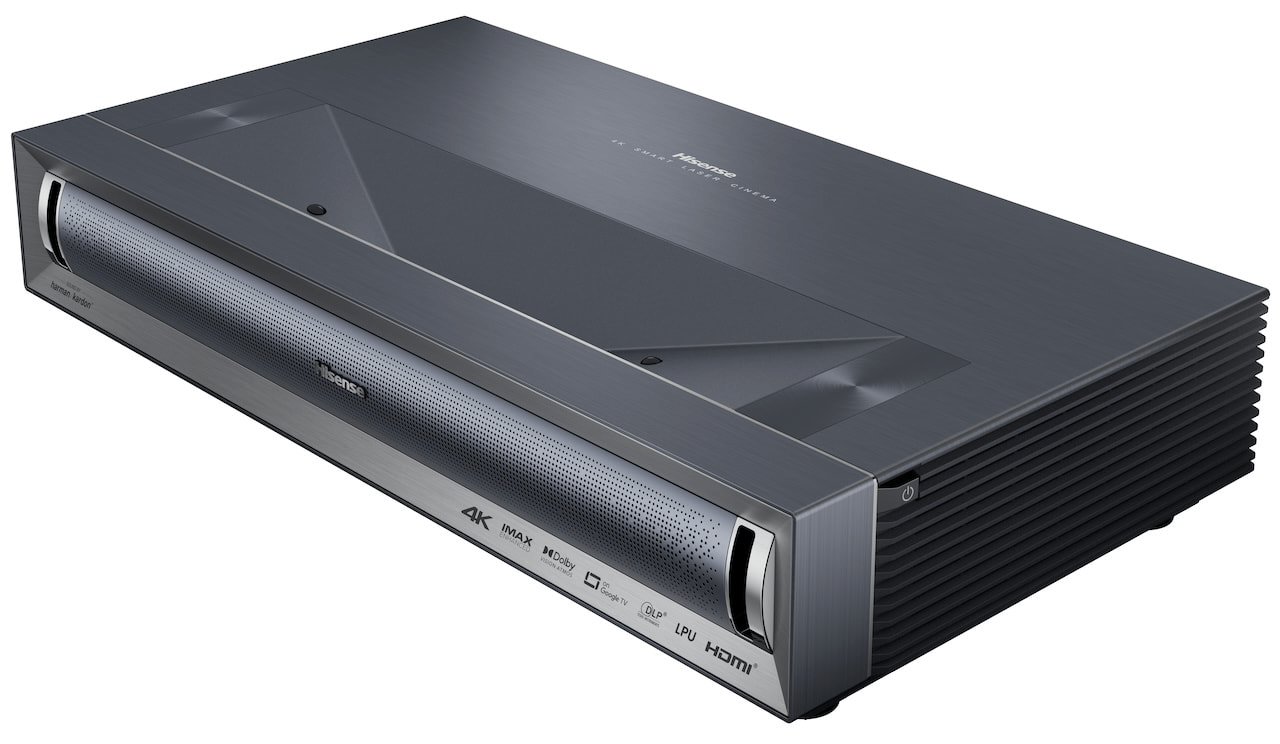
The PX3 Pro was the only projector to earn a judges’ pick in all four categories, and it took the value crown thanks to strong picture quality at a mid-range price.
JMGO’s first-time entry surprised everyone, landing second for value thanks to bright output and great flexibility. The Aura 2 rounded out the top three as the lowest-priced model, offering a solid overall experience.
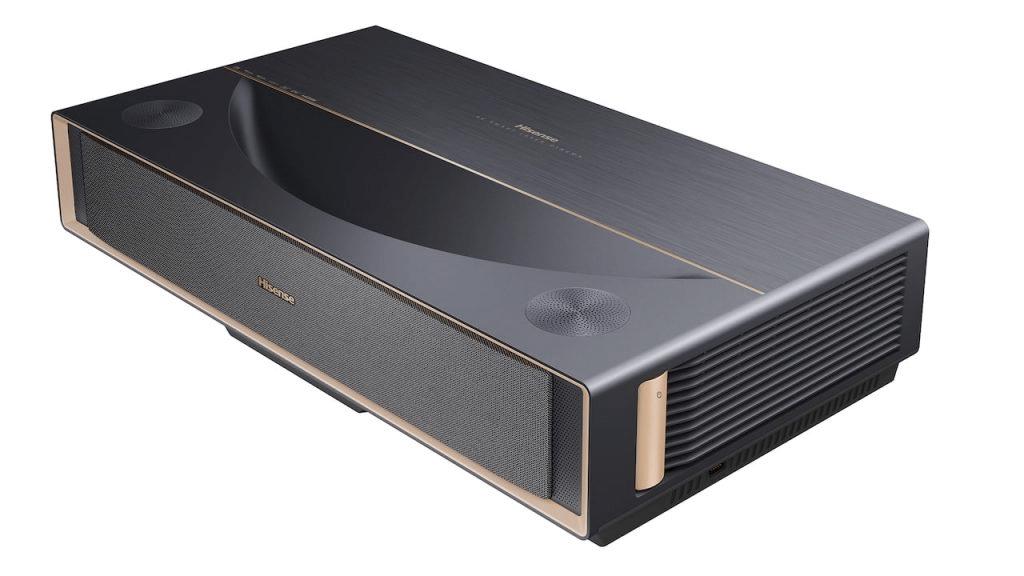
Hisense swept this category. Interestingly, the PT1—known for strong contrast—still landed behind its brighter siblings. The takeaway? In real home theater setups, brightness plays a bigger role in perceived contrast than most people expect.
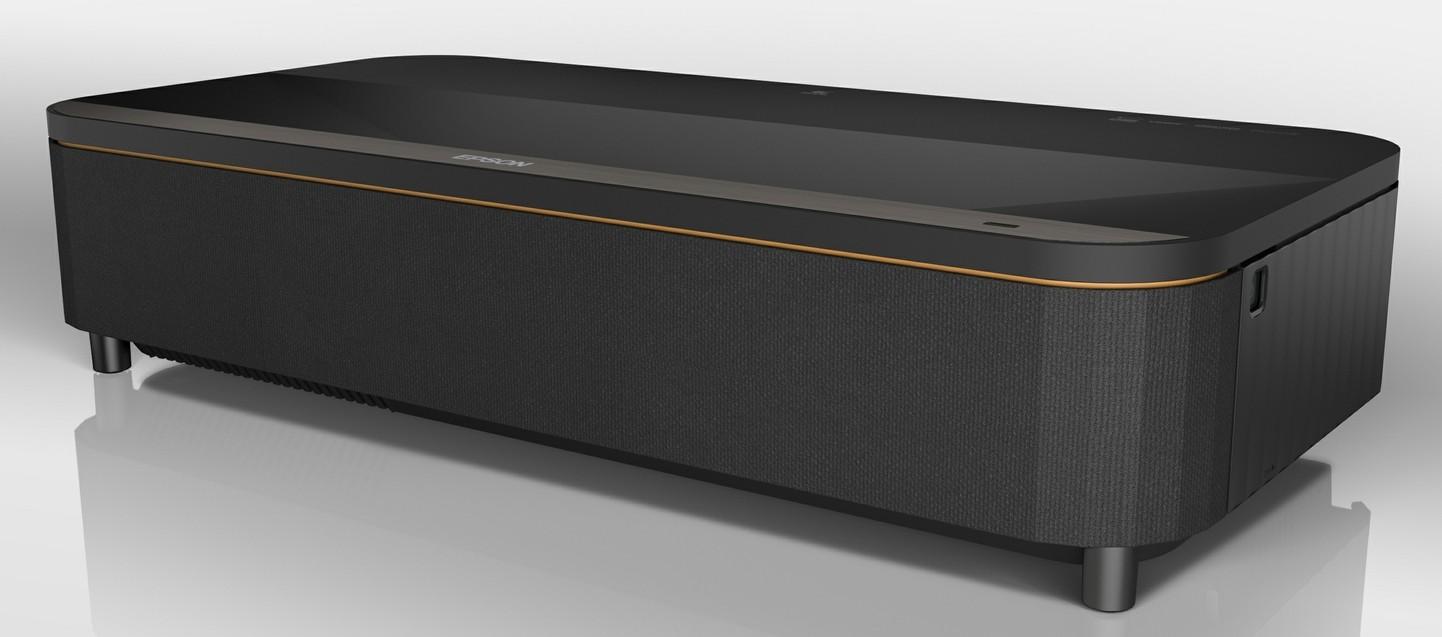
If your living room isn’t a cave, these are the ones to look at. The Epson QS100 stood out for its extremely high brightness and lack of rainbow artifacts, making it a great everyday display.
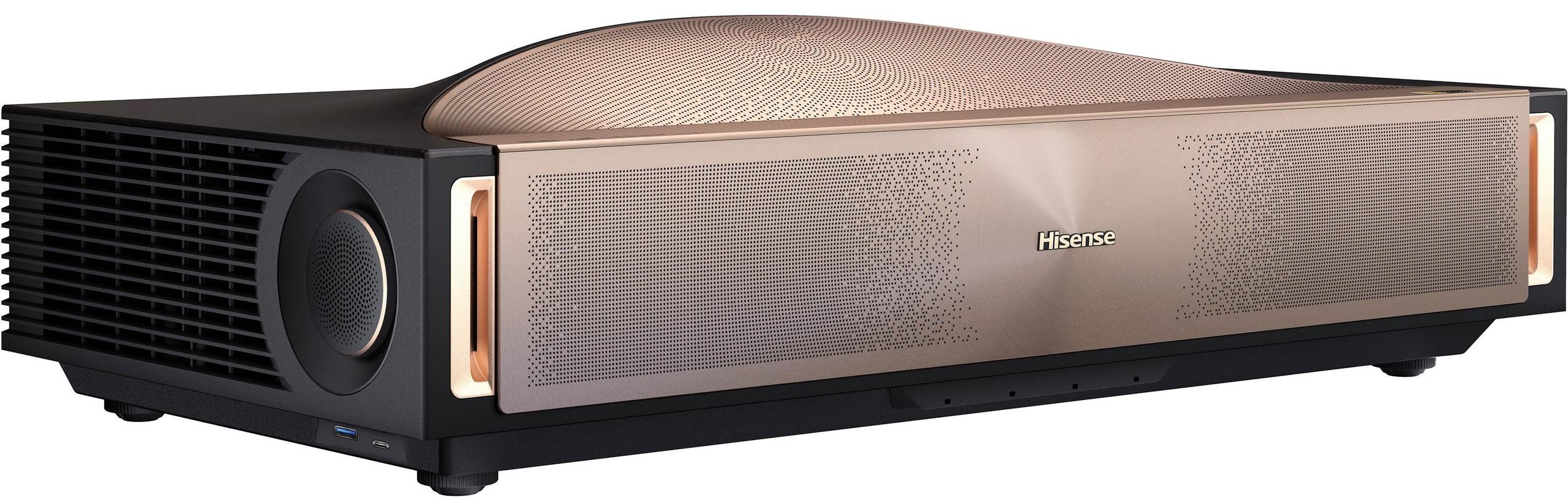
The only real knock? Price. It didn’t receive a single vote for value because, at nearly $6,000, it’s a premium play. But if money isn’t a dealbreaker, it’s the one to beat.
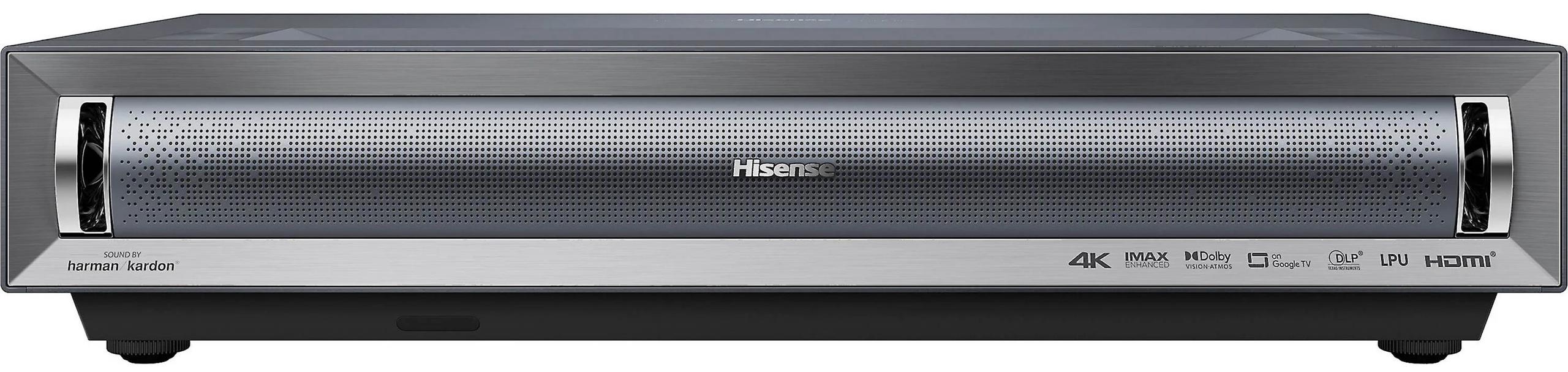
If you want high-end performance without top-tier pricing, this is the sweet spot.
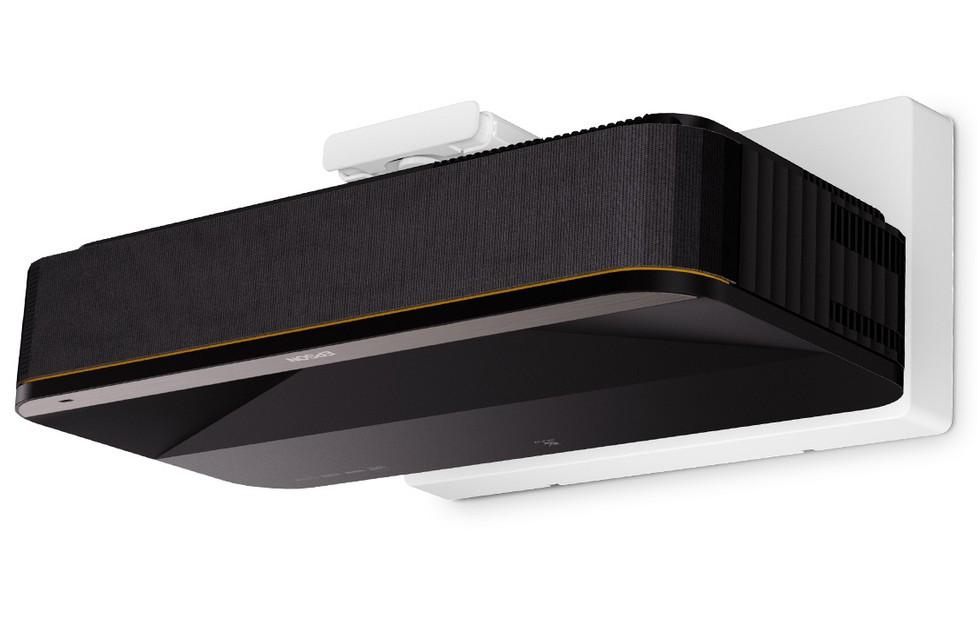
The only LCD model delivered:
It does give up some sharpness due to its half-resolution pixel shift, but in bright rooms it still shined.
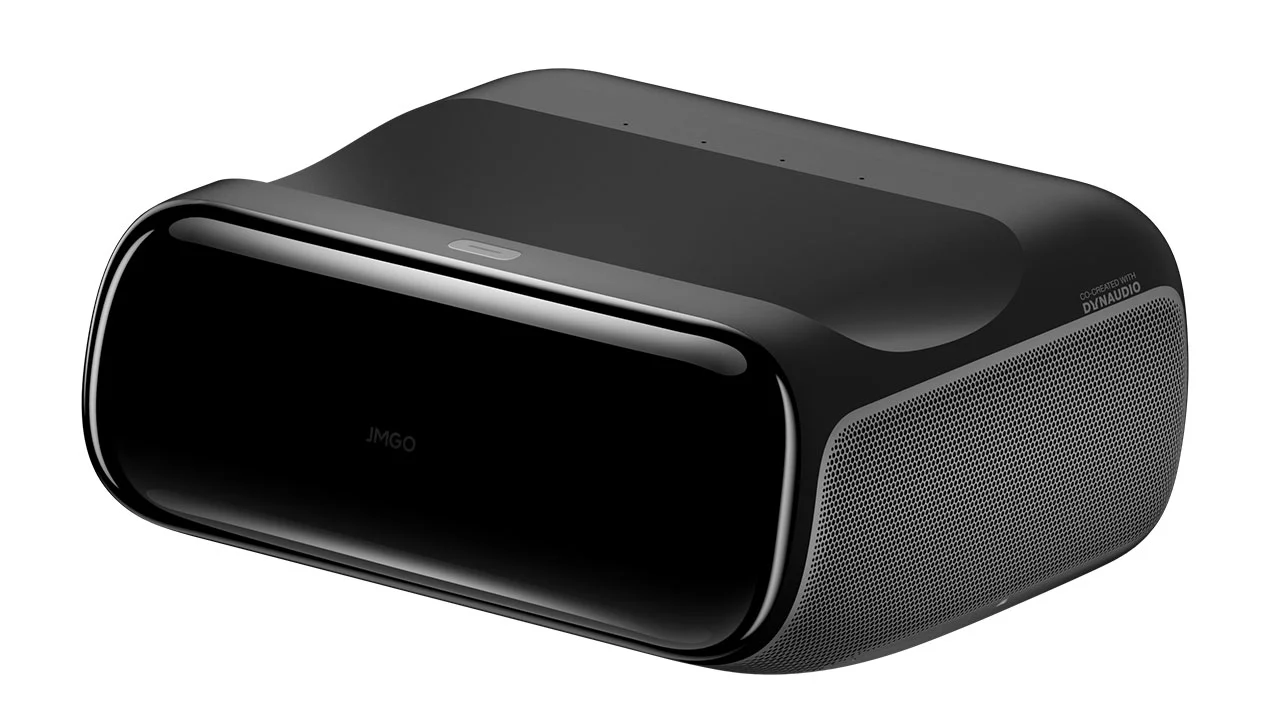
Despite early firmware bugs, it landed:
Portable, bright, and easy to set up—this one has upside as software improves.
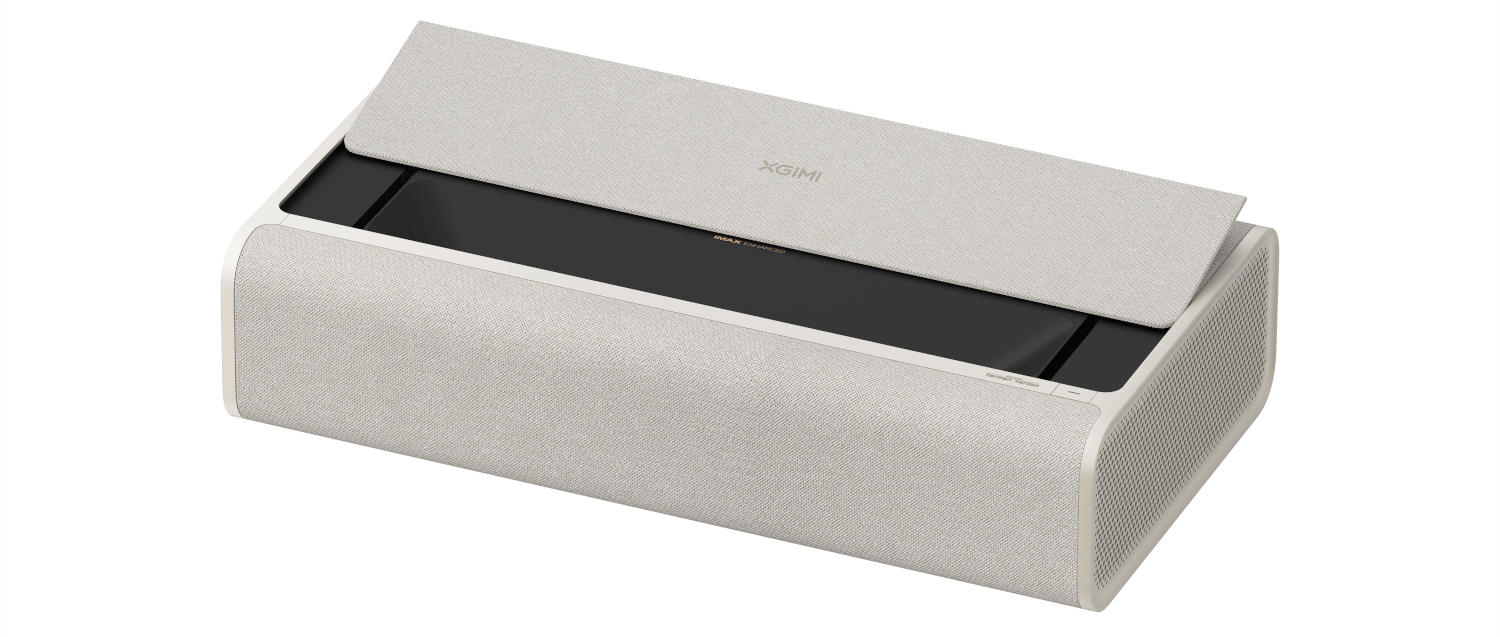
As the lowest-priced model:
Not the brightest or sharpest, but a good entry point for newcomers.
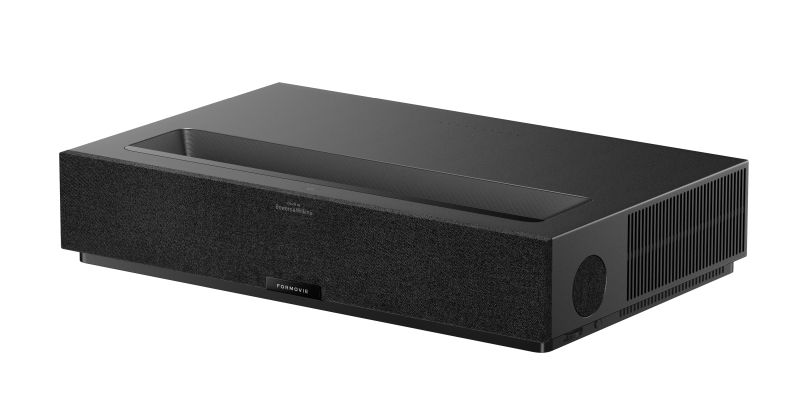
A returning favorite, it tied for third in overall picture quality and remained a premium option for cinematic image performance—even if it didn’t top the value list this year.
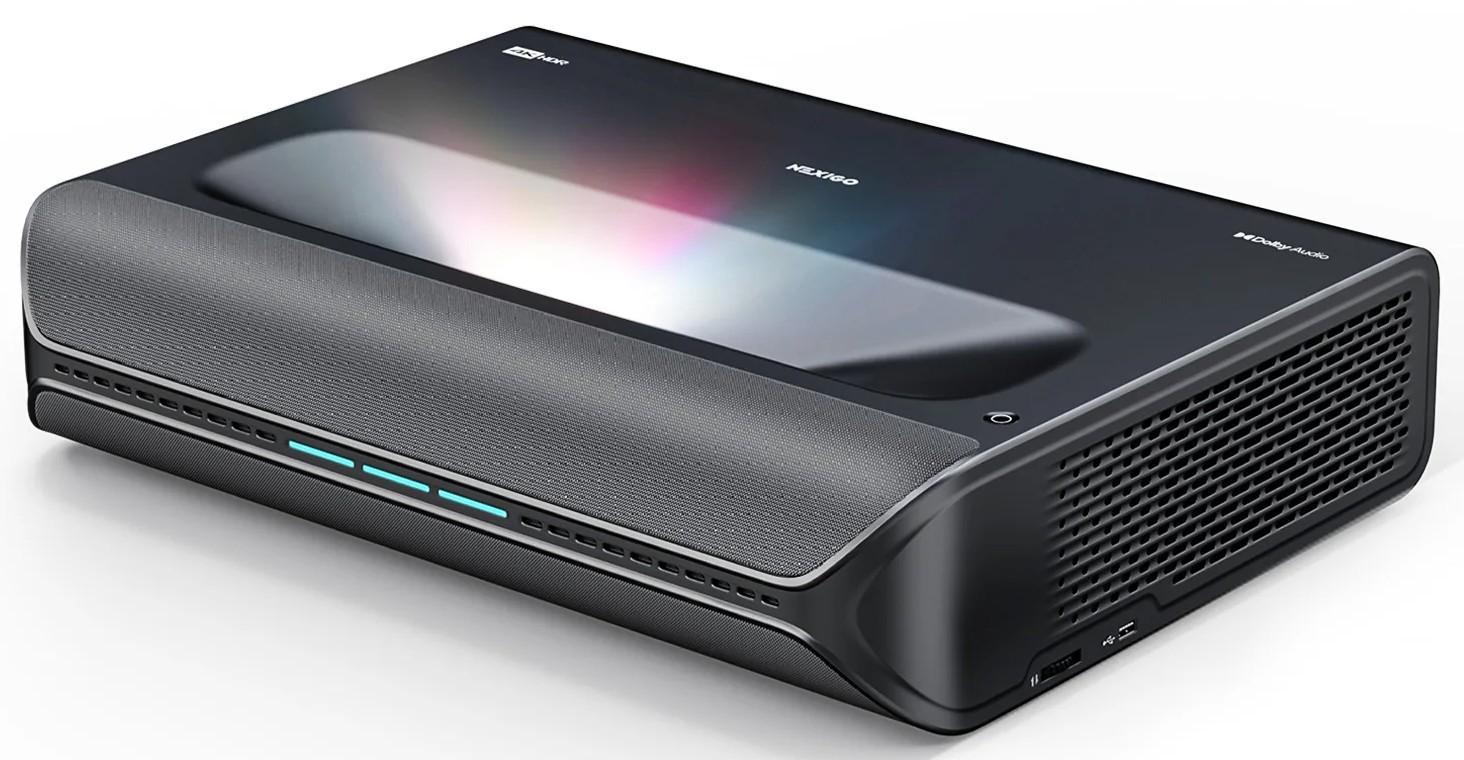
Though withdrawn due to firmware mismatch, judges and organizers made it clear: this wasn’t a reflection of the product’s real potential. It may have ranked high—especially in home theater performance—had it been evaluated properly.
If you’re shopping for a UST projector, here’s the simple breakdown:
UST projectors are gaining traction because they solve the biggest headaches of traditional projection:
And with laser light sources rated for over a decade of use, maintenance is minimal.
The 2025 showdown shows just how far this category has come. Brightness is up, color is better, and prices are more competitive, even at the high end.
This year’s showdown wasn’t just about crowning winners—it gave buyers a clear roadmap. Whether you’re building a serious theater or replacing a living-room TV, there’s now a UST projector tailored to that specific use.
And while the Hisense L9Q emerged as the overall star, the broader story is even more exciting: UST projection isn’t niche anymore. It’s a real, mainstream option for anyone who wants the movie-theater experience at home—without remodeling their living room.
If the 2025 showdown proved anything, it’s this:
Big-screen living is more accessible, more flexible, and more impressive than ever.



Privacy Policy
Terms and Conditions - Affiliate Policy
Home Security
© Copyright 2008-2026.
11816 Inwood Rd #1211, Dallas, TX 75244