

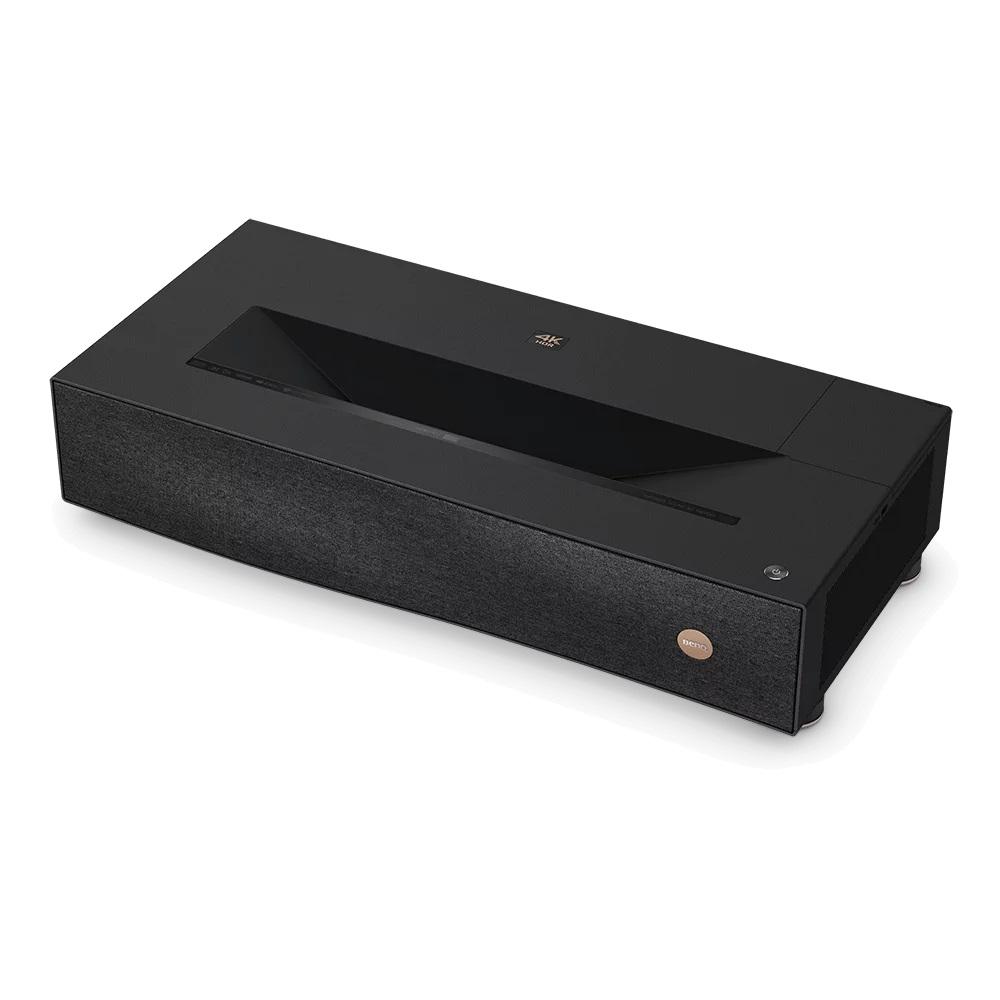
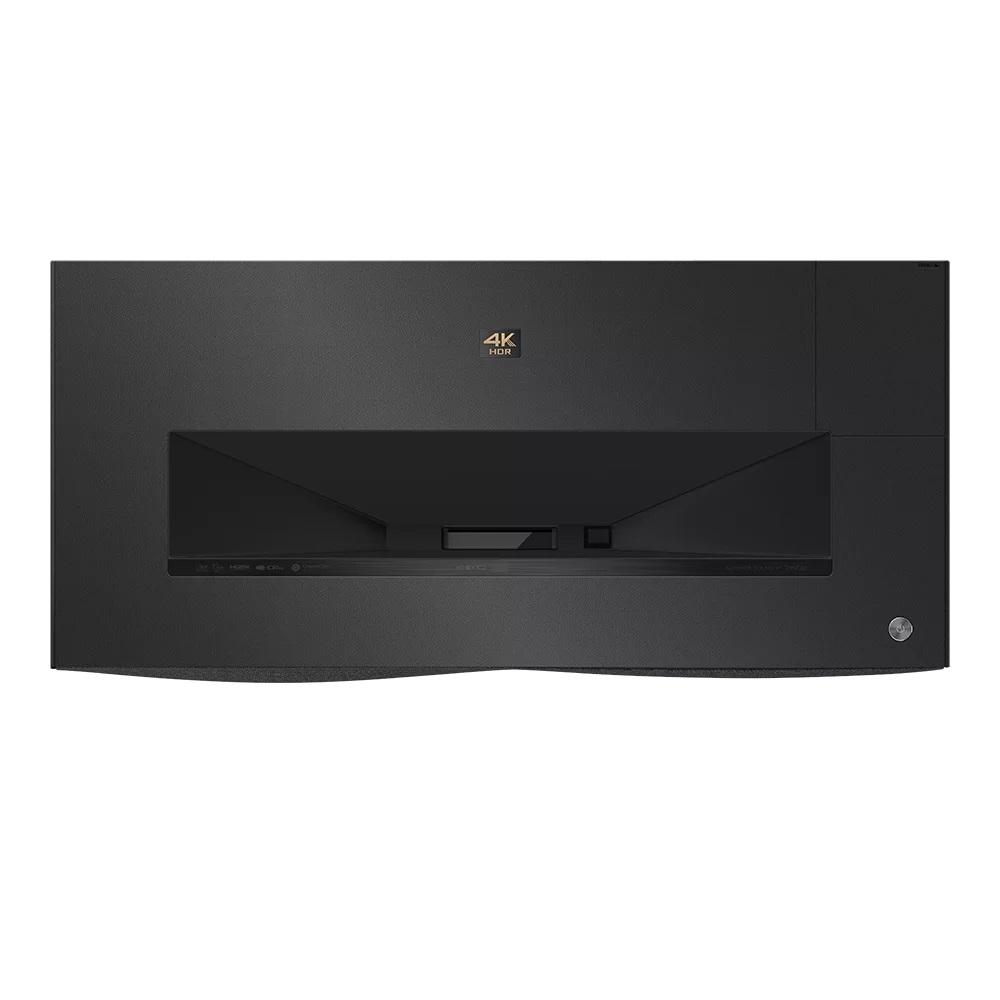
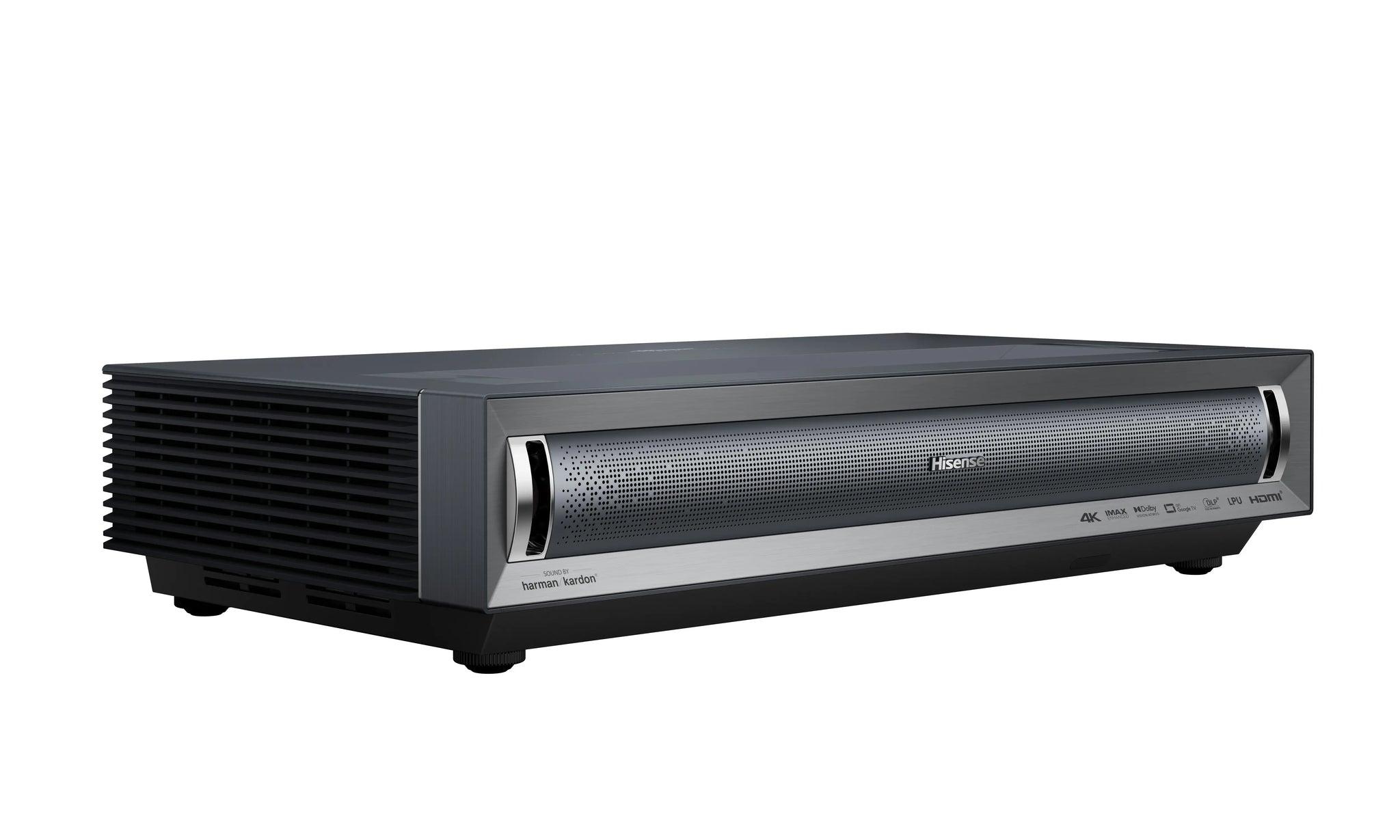
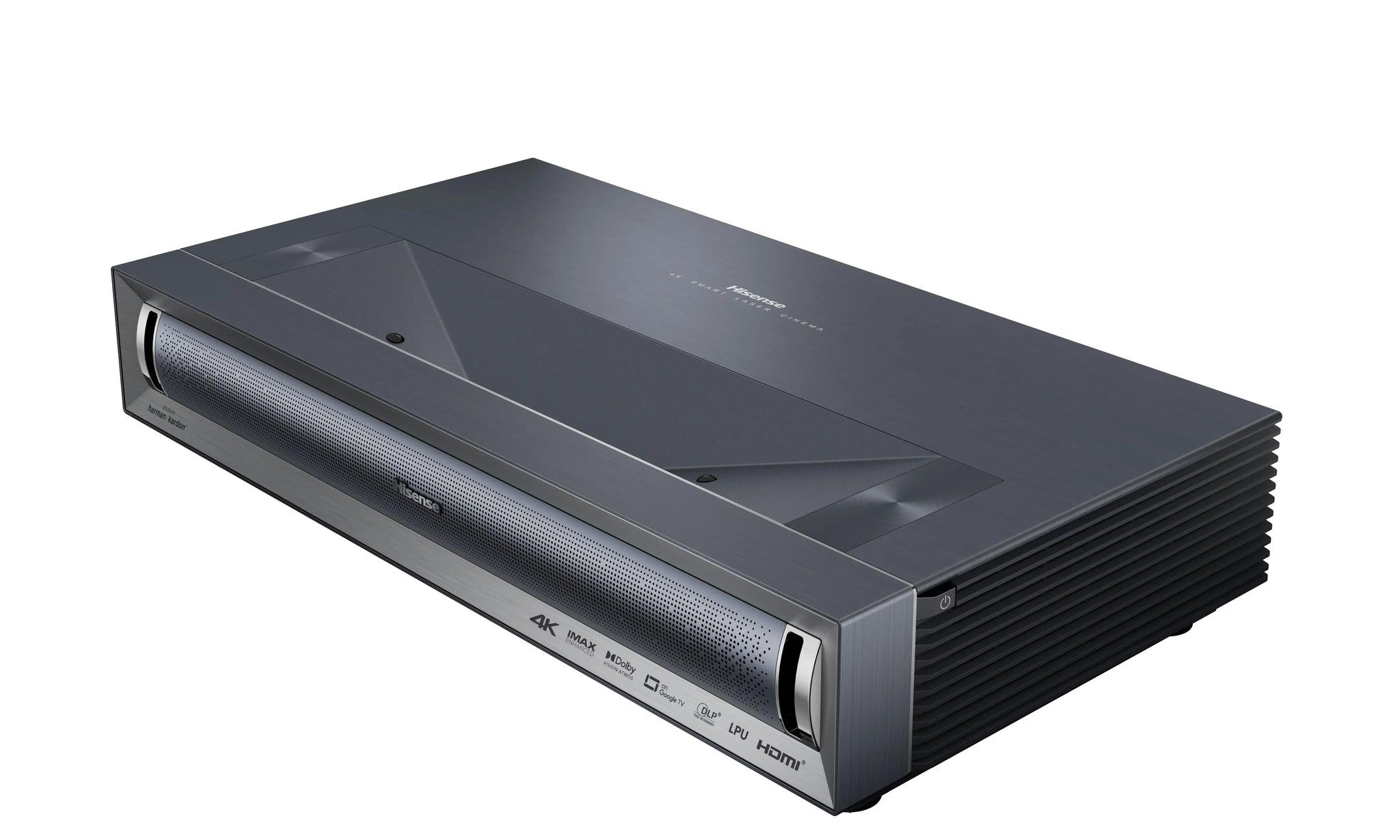
When you're looking to transform your living room into a home theater without the hassle of ceiling mounts and complicated installations, ultra short throw (UST) projectors offer an elegant solution. These innovative devices sit just inches from your wall while projecting massive 100+ inch images that make traditional TVs look tiny. But with prices reaching well into the thousands, choosing the right one matters.
The two standout contenders in 2024's UST market are the Hisense PX3-PRO and the BenQ V5000i. Both represent the cutting edge of laser projection technology, but they take notably different approaches to delivering that big-screen experience. After extensive research into user experiences and expert reviews, it's clear these projectors serve different priorities – and understanding those differences is crucial for making the right choice.
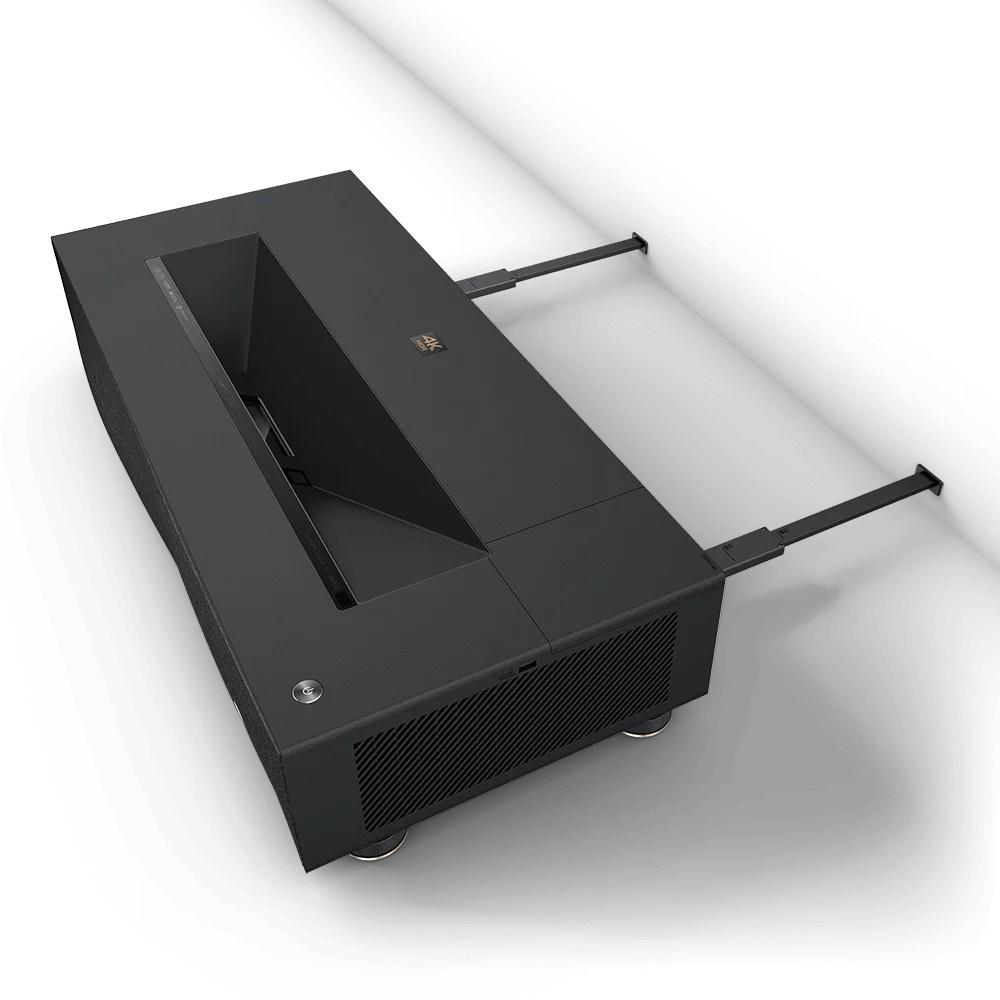
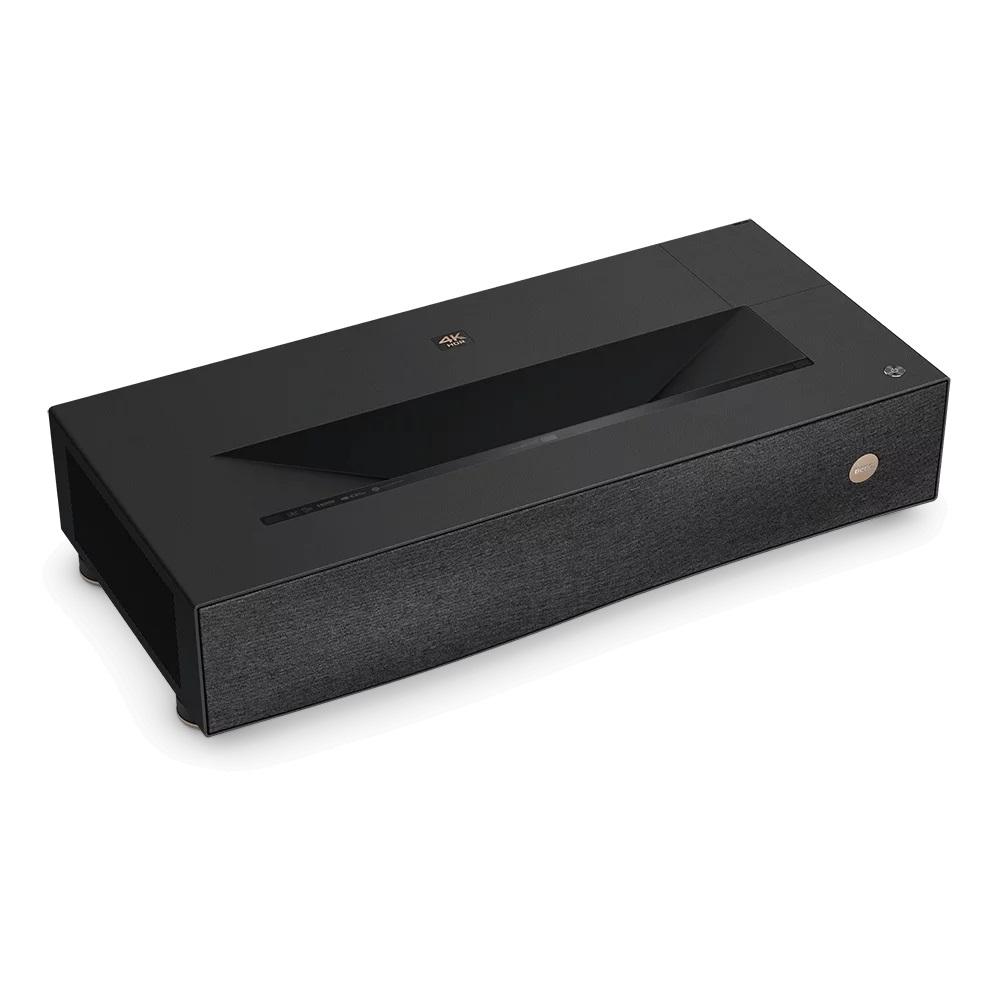
Ultra short throw projectors solve one of traditional projection's biggest problems: placement. Instead of mounting a projector on your ceiling and running cables across the room, UST projectors use special ultra-wide-angle lenses and sophisticated light engines to project upward at steep angles. This means they can sit on a TV stand or low cabinet, just 6-12 inches from your wall, while still filling that entire wall with a brilliant image.
The technology behind this magic involves complex optical engineering. Traditional projectors have throw ratios (the distance needed to create a certain screen size) of around 1.5:1 or higher. UST projectors achieve ratios as low as 0.2:1, meaning they need only about 2 inches of distance for every 10 inches of screen width. It's this optical achievement that makes living room projection practical for most homes.
But UST projectors face unique challenges. Because they sit so close to the screen and project at extreme angles, they're more susceptible to showing dust, imperfections, or slight misalignments. They also need to be incredibly bright to overcome ambient room lighting, since most people won't be using them in dedicated dark theaters. This is where laser light sources become essential.
Both the Hisense PX3-PRO and BenQ V5000i use laser light sources, but they implement this technology differently – and those differences matter significantly for picture quality.
The BenQ V5000i uses what's called a "true RGB triple laser" system. This means it has separate red, green, and blue lasers that combine to create the full spectrum of colors. Think of it like having three incredibly precise, powerful flashlights, each producing a pure primary color. When these combine, they can reproduce colors with exceptional accuracy and vibrancy. Nichia, a premium laser manufacturer, supplies these components, which contributes to the BenQ V5000i's reputation for color accuracy.
The Hisense PX3-PRO also employs a triple laser setup with its TriChroma RGB system, but our research suggests it uses a slightly different implementation. Both approaches deliver excellent color reproduction, but the BenQ V5000i's system tends to provide more natural, film-accurate colors straight out of the box, while the Hisense PX3-PRO leans toward more vivid, punchy colors that many users prefer for everyday viewing.
The practical result? The Hisense PX3-PRO covers an impressive 110% of the BT.2020 color space – that's the ultra-wide color gamut used for 4K HDR content. The BenQ V5000i covers 98% of the DCI-P3 cinema standard and 95% of BT.2020. While these numbers might seem to favor Hisense, the BenQ's more conservative approach often translates to better color accuracy in real-world viewing.
Brightness is absolutely critical for UST projectors because they're designed for living rooms, not dark theaters. Both projectors deliver impressive light output, but with different philosophies.
The Hisense PX3-PRO puts out 3,000 ANSI lumens, which represents a significant 25% increase over its predecessor. This extra brightness helps it perform well even with ambient lighting – think about watching a movie on a Saturday afternoon with some natural light in the room. Our research into user experiences suggests this brightness advantage is noticeable and appreciated, especially for daytime viewing or rooms that can't be completely darkened.
The BenQ V5000i delivers 2,500 ANSI lumens, which might seem like a disadvantage on paper. However, brightness isn't just about raw numbers. The BenQ's RGB laser system tends to distribute that brightness more evenly across colors, particularly in reds, which can appear dim on some laser projectors. This means that while scenes with lots of bright content might not pop quite as much as on the Hisense, skin tones and warm colors often look more natural.
For most home theater applications, both projectors provide sufficient brightness. The Hisense PX3-PRO has the edge for bright room viewing, while the BenQ V5000i optimizes its output for better color balance.
If gaming is a priority, the BenQ V5000i is the clear winner, and it's not particularly close. Input lag – the delay between when you press a button and when the action appears on screen – is crucial for responsive gaming, especially in competitive titles.
The BenQ V5000i delivers exceptional gaming performance with input lag as low as 8.7 milliseconds at 1080p when running at 240Hz. Even at 4K resolution running at 60Hz, it maintains just 17.9ms of input lag. To put this in perspective, anything under 20ms is considered excellent for gaming, and under 10ms puts you in enthusiast territory. Many dedicated gaming monitors struggle to match these numbers.
The projector also supports variable refresh rates up to 240Hz at 1080p and includes Auto Low Latency Mode (ALLM), which automatically detects when you're gaming and switches to optimized settings. It features full HDMI 2.1 support, meaning it can handle 4K gaming at 120Hz from the latest PlayStation 5 and Xbox Series X consoles.
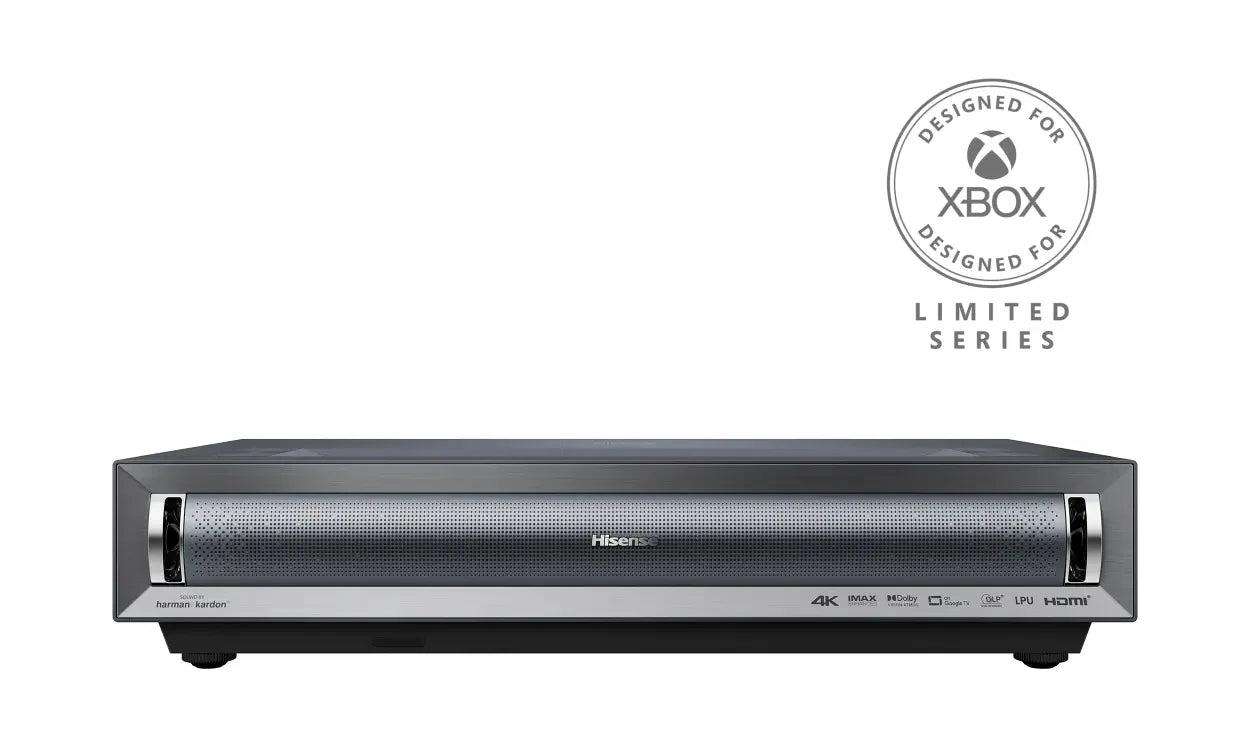
The Hisense PX3-PRO is certified as "Designed for Xbox Limited Series," which sounds impressive, but in practice, it doesn't match the BenQ's gaming performance. While it's certainly usable for gaming, competitive players will notice the difference. However, the Hisense does offer IMAX Enhanced certification – it's actually the first projector to receive this designation – which can make single-player games and movies more immersive.
High Dynamic Range (HDR) content represents one of the biggest advances in home entertainment over the past decade, and both projectors handle it well, but differently.
The Hisense PX3-PRO supports both HDR10+ and Dolby Vision, two competing HDR standards. Dolby Vision is generally considered superior because it includes dynamic metadata – information that tells the projector exactly how to display each scene for optimal contrast and color. This means a bright explosion doesn't wash out a dark dialogue scene that follows it. HDR10+ offers similar benefits but with less widespread content support.
The BenQ V5000i supports HDR10+ but not Dolby Vision. However, it compensates with its HDR-PRO Local Contrast Enhancer technology, which divides the image into 1,000 zones and adjusts each independently. This creates better contrast between bright and dark areas within the same scene, partially making up for the lack of Dolby Vision's scene-by-scene optimization.
For home theater enthusiasts, the Hisense PX3-PRO's Dolby Vision support is a significant advantage. Netflix, Disney+, and Apple TV+ all offer extensive Dolby Vision libraries, and the difference is noticeable on quality content.
Both projectors include substantial built-in audio systems, which is important since many UST buyers want a complete entertainment solution without additional speakers.
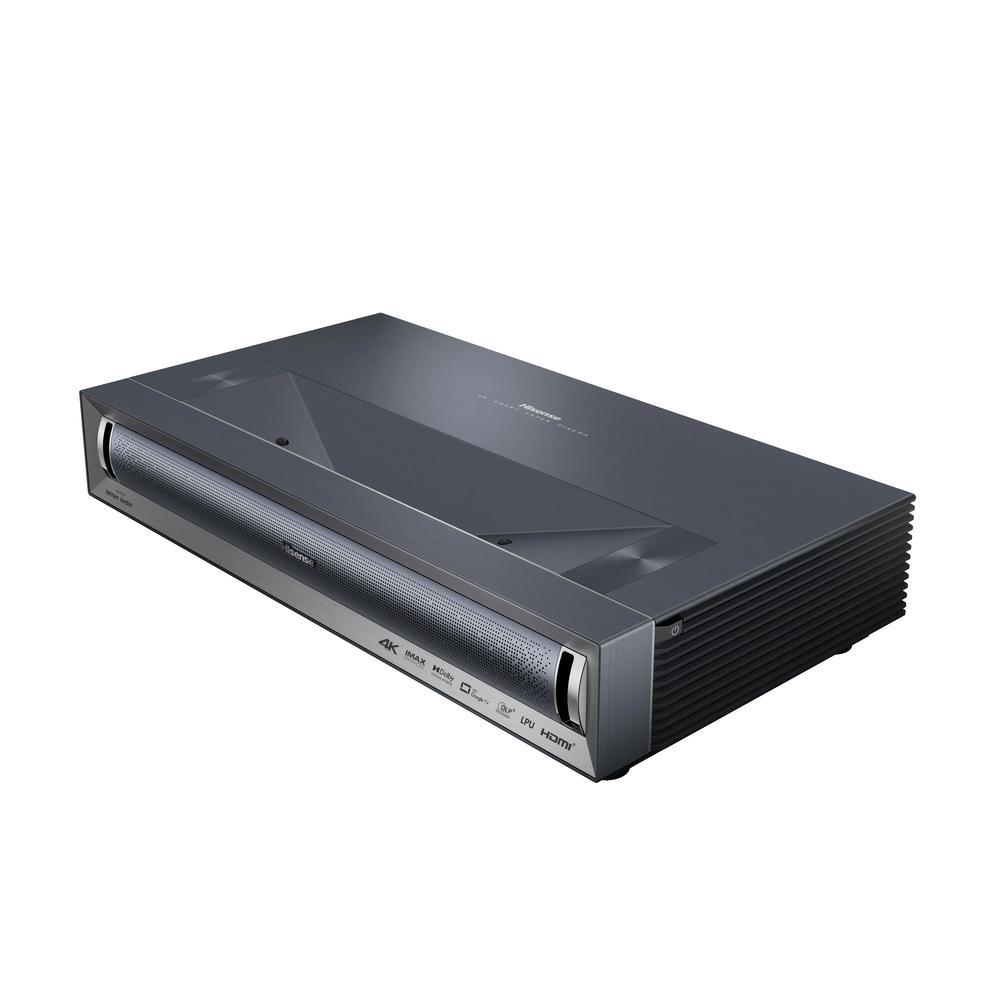
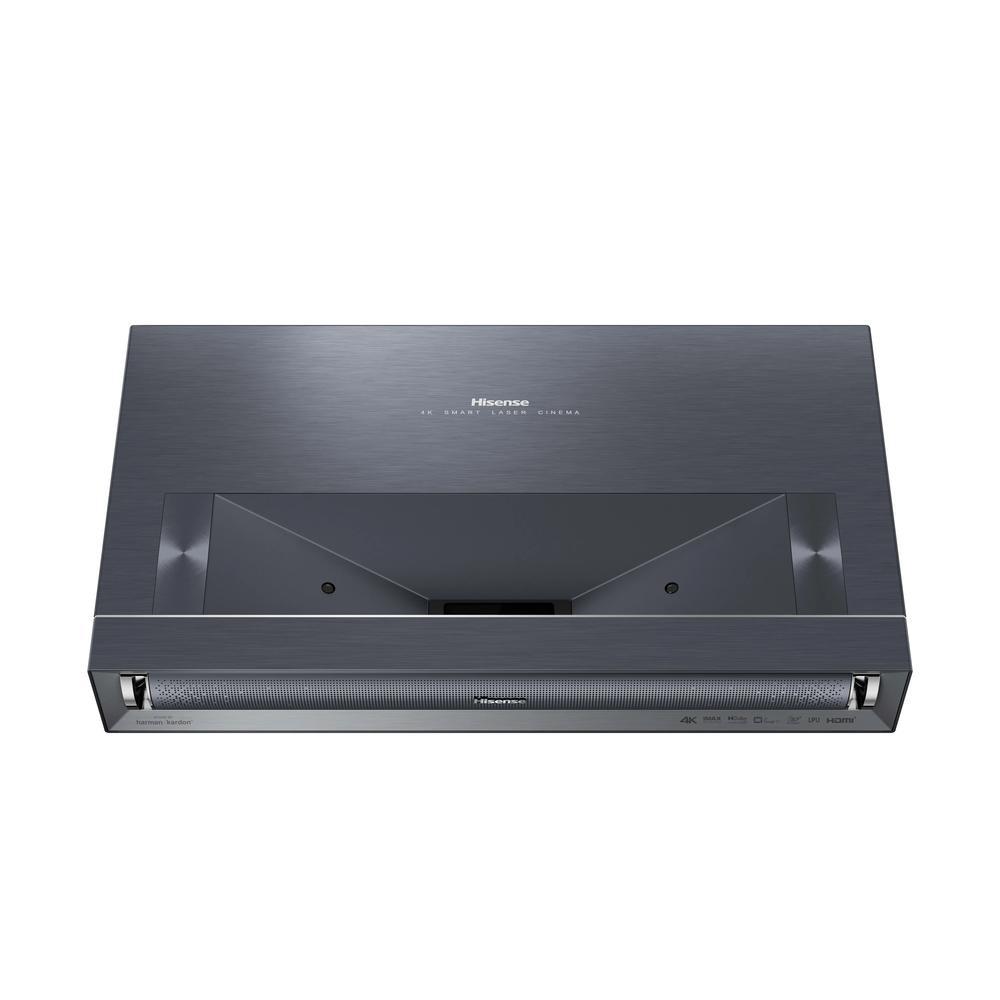
The Hisense PX3-PRO features 50-watt Harman Kardon speakers with Dolby Atmos processing. Harman Kardon has a strong reputation in audio, and the front-firing speaker design projects sound effectively into the room. The Dolby Atmos processing creates a sense of three-dimensional sound, with effects that seem to come from above and around you. While it won't replace a dedicated surround sound system, it's genuinely impressive for built-in projector audio.
The BenQ V5000i includes a 40-watt Trevolo sound system with Dolby and DTS compatibility. The audio quality is solid and certainly adequate for casual viewing, but it doesn't quite match the Hisense's speaker quality or power. The difference is most noticeable with action movies or music content where the extra power and audio processing become apparent.
Both systems support external audio connections, so you can always add a soundbar or full surround system later. But for buyers who want good audio out of the box, the Hisense PX3-PRO has a clear advantage.
Modern projectors need to be smart devices, and both offer comprehensive streaming capabilities, though with different approaches.
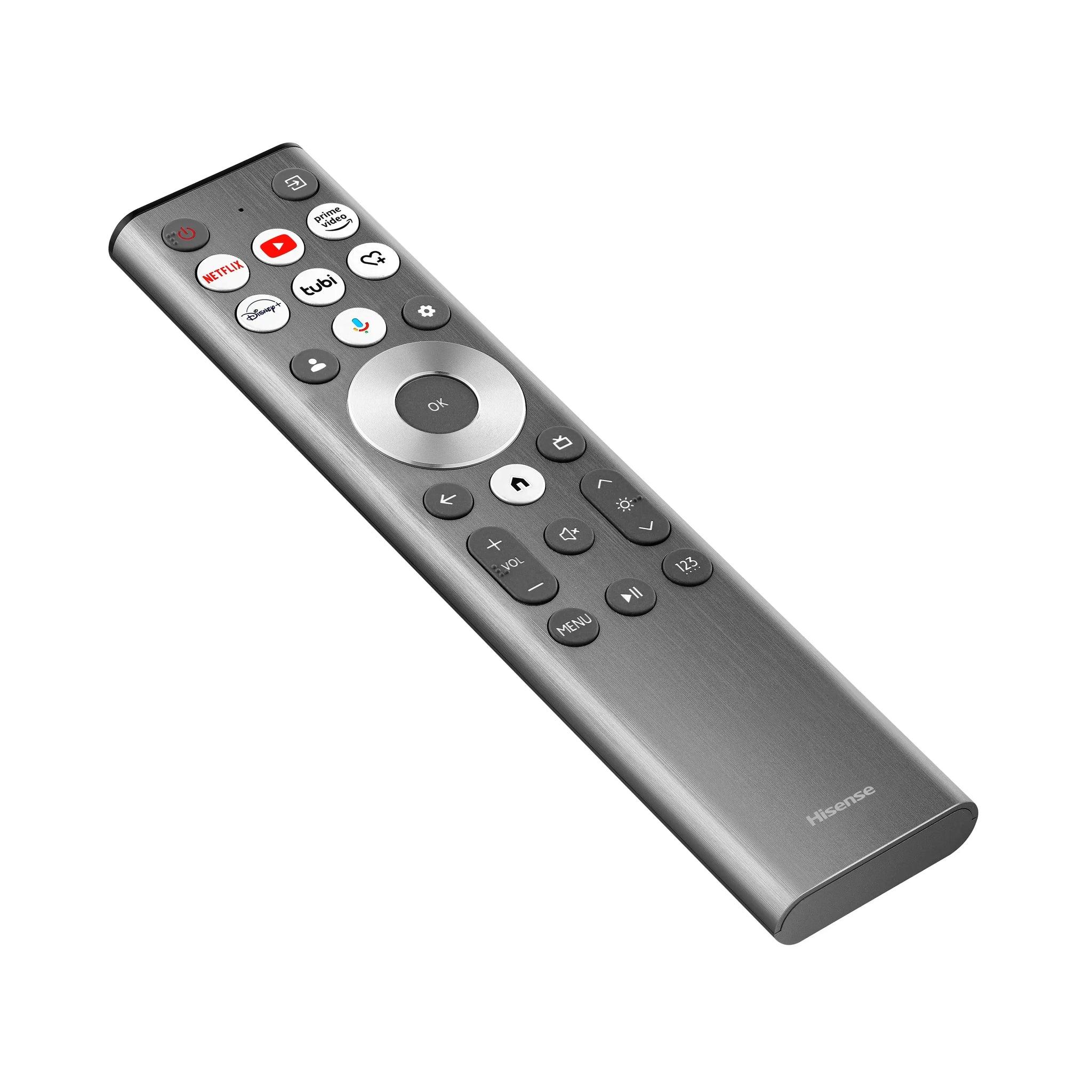
The Hisense PX3-PRO runs Google TV, which has become one of the most polished smart TV platforms. It aggregates content from multiple services, offers personalized recommendations, and includes full access to major streaming apps including Netflix (which isn't available on all projector platforms). The interface is intuitive and fast, making it easy to jump between live TV, streaming apps, and connected devices.
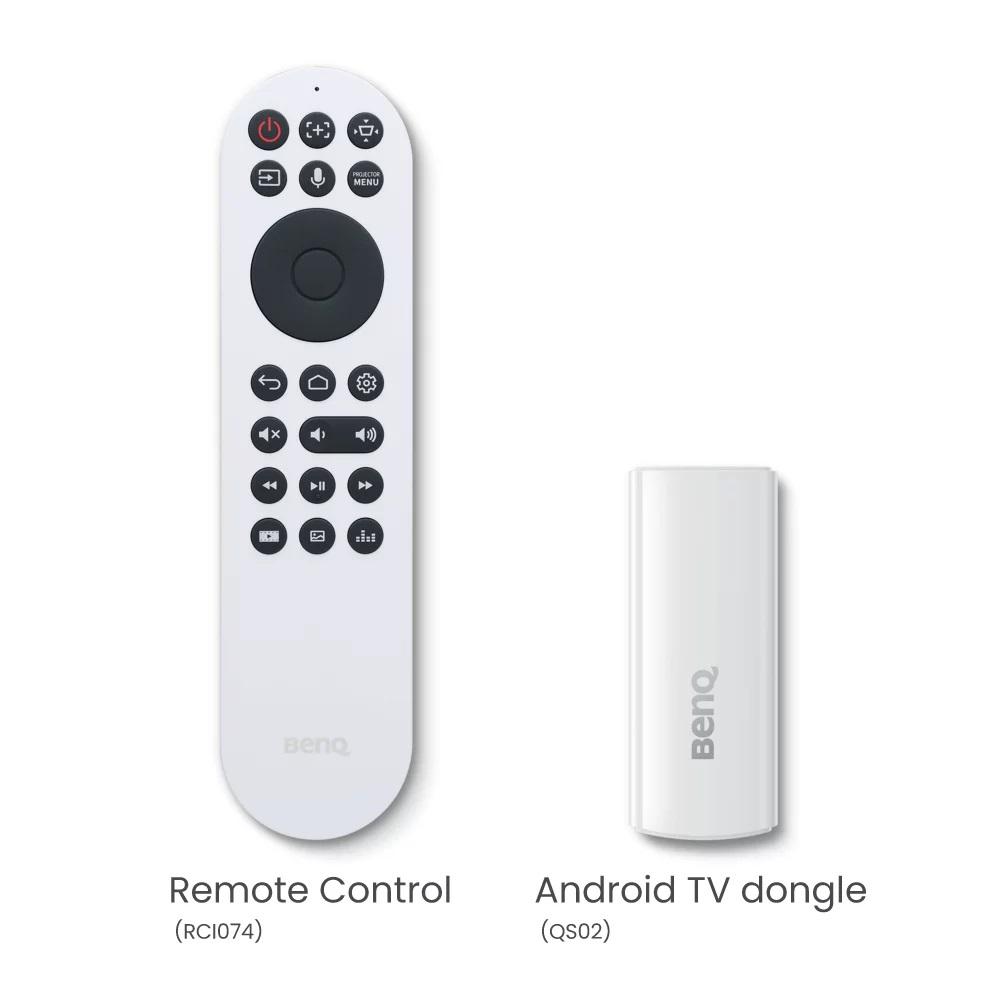
The BenQ V5000i uses Android TV 11, which provides similar functionality but with a less refined interface. Android TV tends to be more customizable but also more complex. App availability is excellent, though some users report occasional performance hiccups compared to Google TV's smoother operation.
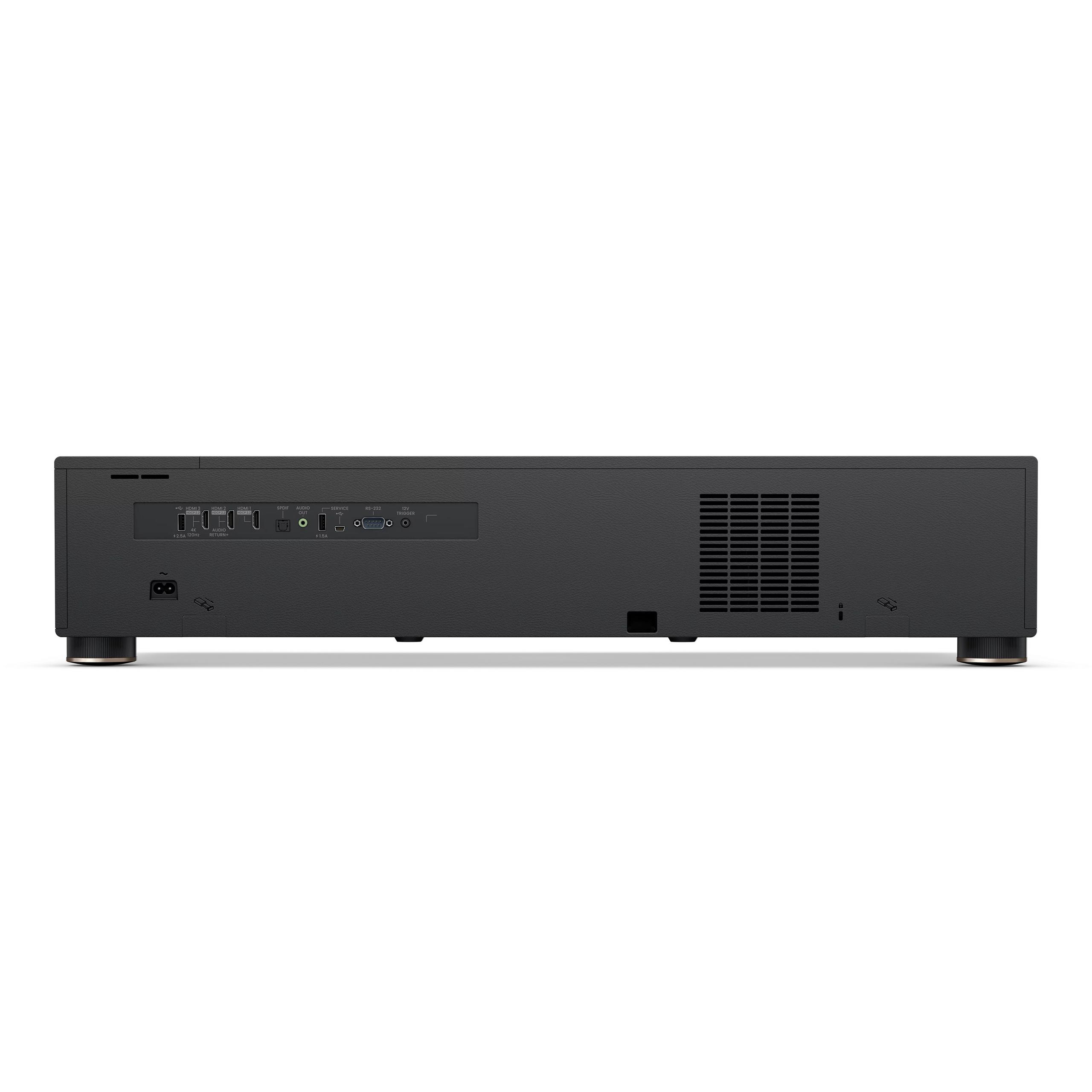
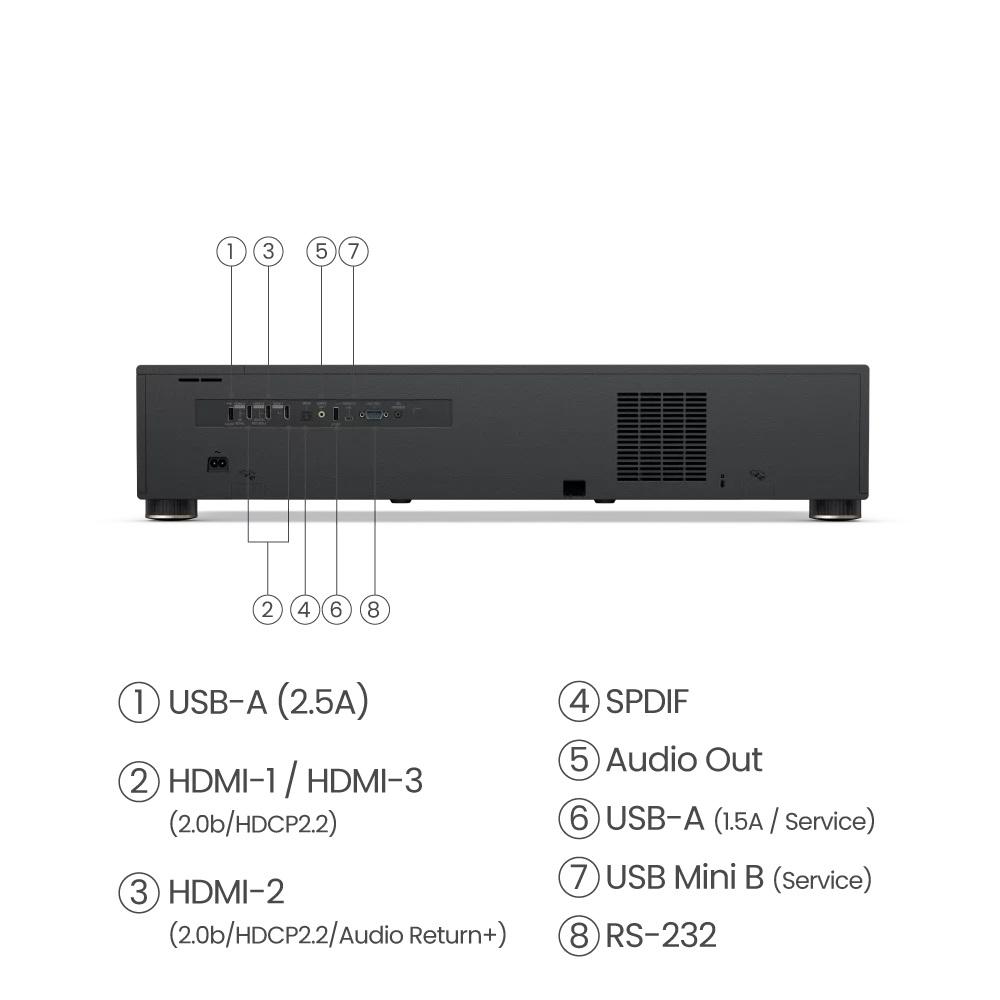
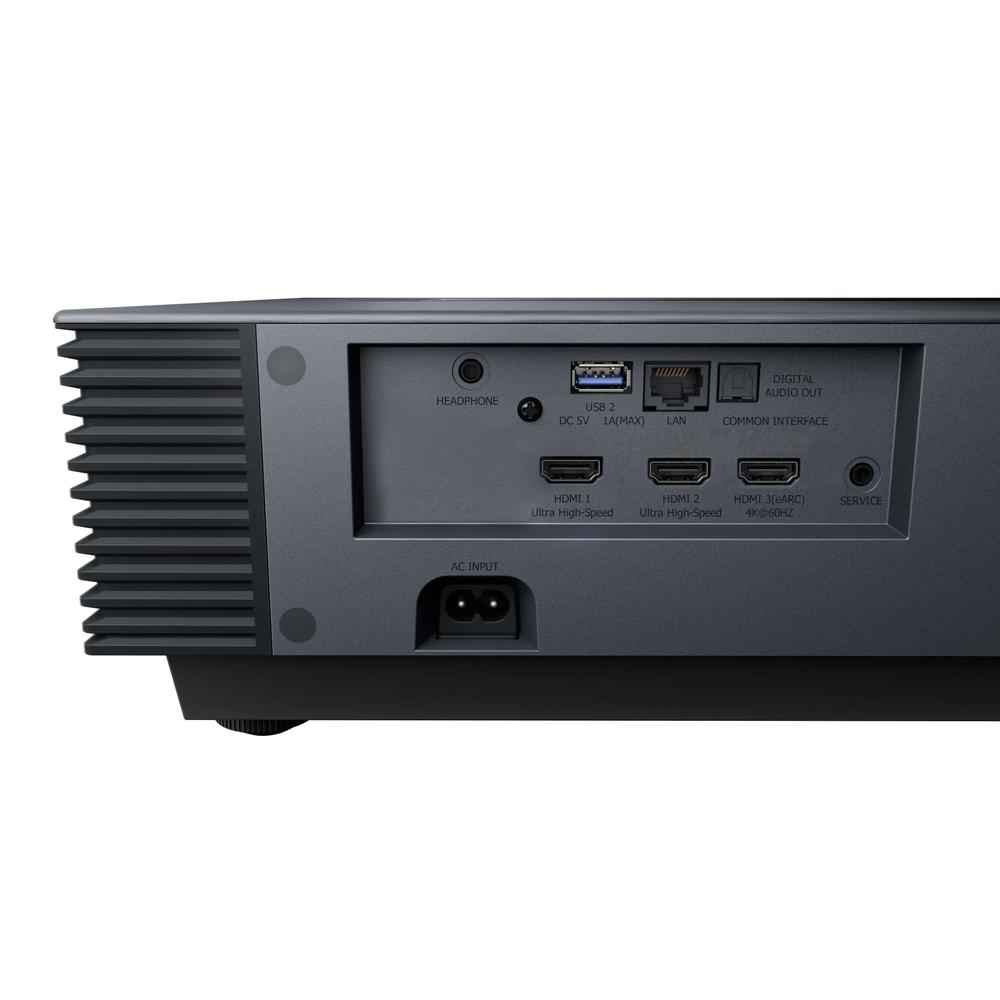
For connectivity, both projectors are well-equipped. The Hisense PX3-PRO offers three HDMI ports (two HDMI 2.1 and one HDMI 2.0 with eARC), while the BenQ V5000i provides similar options with additional professional connections like RS-232C for integration with home automation systems.
This is where the Hisense PX3-PRO shows a significant advantage. It can project images from 80 inches up to 150 inches, offering tremendous flexibility for different room sizes and preferences. The BenQ V5000i is limited to a 100-inch maximum screen size, which could be restrictive for larger rooms or users who want the biggest possible image.
Both projectors include adjustable feet for leveling and keystone correction to handle slight misalignments, but the Hisense's wider size range makes it more adaptable to different installations. If you're dreaming of a 120-inch or larger image, the Hisense is your only option between these two.
Based on extensive research into user reviews and professional evaluations, both projectors deliver excellent real-world performance, but with different strengths.
The Hisense PX3-PRO consistently receives praise for its out-of-the-box image quality, ease of setup, and overall value proposition. Users particularly appreciate the bright, vibrant colors and the convenience of Google TV. The Dolby Vision support makes a noticeable difference with premium streaming content, and the larger screen size options satisfy users wanting truly massive images.
The BenQ V5000i earns high marks for color accuracy and gaming performance. Users who prioritize precise, film-accurate colors tend to prefer it, and gamers consistently highlight its responsive performance. The RGB laser system produces particularly natural skin tones and better color consistency across different content types.
Both projectors handle motion well, which is crucial for sports and action content. The BenQ V5000i includes MEMC (Motion Estimation and Motion Compensation) processing that reduces judder, while the Hisense PX3-PRO relies more on its high refresh rate capabilities.
The choice between these projectors depends largely on your priorities and use cases.
Choose the Hisense PX3-PRO if you:
Choose the BenQ V5000i if you:
Both projectors represent excellent choices in the premium UST market, but they serve different audiences. The Hisense PX3-PRO offers superior overall value with its combination of brightness, features, and competitive pricing. It's the better choice for most home theater applications, especially if you watch a lot of streaming content or want flexibility in screen size.
The BenQ V5000i justifies its premium pricing for specific use cases, particularly gaming and applications requiring precise color reproduction. If you're serious about gaming or color accuracy, the extra cost may be worthwhile.
For most buyers setting up a family entertainment space, the Hisense PX3-PRO provides the better balance of performance, features, and value. Its brighter output, larger screen capabilities, and superior audio make it more versatile for everyday use. However, enthusiasts with specific needs – particularly gamers – will find the BenQ V5000i's specialized performance capabilities worth the additional investment.
The UST projector market continues evolving rapidly, with both companies pushing brightness, color accuracy, and smart features forward. Either choice will deliver a dramatically superior experience compared to traditional TVs, transforming your living room into a true home theater. The key is matching the projector's strengths to your specific priorities and usage patterns.
| Hisense PX3-PRO | BenQ V5000i |
|---|---|
| Brightness - Critical for daytime viewing and bright rooms | |
| 3,000 ANSI lumens (excellent for well-lit rooms) | 2,500 ANSI lumens (good for controlled lighting) |
| Light Source Technology - Affects color accuracy and longevity | |
| TriChroma RGB laser (vibrant colors, wide gamut) | True RGB triple laser by Nichia (natural, accurate colors) |
| Gaming Input Lag - Essential for responsive gaming | |
| Standard gaming performance (adequate for casual play) | 8.7ms at 1080p@240Hz, 17.9ms at 4K@60Hz (exceptional for competitive gaming) |
| Maximum Screen Size - Determines installation flexibility | |
| 80-150 inches (excellent for large rooms) | Up to 100 inches (limited for bigger installations) |
| HDR Support - Important for streaming and 4K content quality | |
| HDR10+ and Dolby Vision (premium streaming experience) | HDR10+ only (good but missing Dolby Vision content) |
| Audio System - Matters if not using external speakers | |
| 50W Harman Kardon with Dolby Atmos (superior built-in sound) | 40W Trevolo system (adequate audio quality) |
| Smart Platform - Daily usability and app availability | |
| Google TV (streamlined interface, full Netflix support) | Android TV 11 (more customizable but less polished) |
| Color Gamut Coverage - Affects color vibrancy and accuracy | |
| 110% BT.2020 (wider color range, more vivid) | 98% DCI-P3, 95% BT.2020 (more accurate, natural colors) |
| Gaming Features - Specialized gaming capabilities | |
| IMAX Enhanced, Xbox certification (immersive but not competitive-focused) | HDMI 2.1, ALLM, up to 240Hz support (built for serious gaming) |
| Contrast Enhancement - Improves dark scene detail | |
| Native 3,000:1 contrast ratio | HDR-PRO with 1,000-zone local enhancement |
| Value Proposition - Overall cost-to-feature ratio | |
| Better overall value with more features for less money | Premium pricing justified mainly for gaming performance |
The BenQ V5000i is significantly better for gaming with ultra-low input lag of just 8.7ms at 1080p@240Hz and 17.9ms at 4K@60Hz. It supports up to 240Hz refresh rates and includes Auto Low Latency Mode for console gaming. The Hisense PX3-PRO is adequate for casual gaming but can't match the BenQ's competitive gaming performance.
The Hisense PX3-PRO produces 3,000 ANSI lumens compared to the BenQ V5000i's 2,500 ANSI lumens. This 500-lumen advantage makes the Hisense better for bright rooms and daytime viewing, while both projectors perform well in controlled lighting conditions.
The Hisense PX3-PRO supports screen sizes from 80 to 150 inches, offering much more flexibility than the BenQ V5000i, which is limited to a maximum of 100 inches. If you want a massive home theater screen larger than 100 inches, the Hisense is your only option.
Only the Hisense PX3-PRO supports Dolby Vision along with HDR10+, providing better compatibility with premium streaming content from Netflix, Disney+, and Apple TV+. The BenQ V5000i supports HDR10+ but lacks Dolby Vision support, though it compensates with advanced local contrast enhancement technology.
The Hisense PX3-PRO features superior 50-watt Harman Kardon speakers with Dolby Atmos processing, delivering significantly better audio quality than the BenQ V5000i's 40-watt Trevolo system. For users who don't want external speakers, the Hisense provides a much better audio experience.
The Hisense PX3-PRO runs Google TV, which offers a more streamlined interface and full Netflix app support. The BenQ V5000i uses Android TV 11, which is more customizable but less polished. Both provide access to major streaming services, but the Hisense's platform is generally more user-friendly.
The BenQ V5000i uses a true RGB triple laser system by Nichia that provides more natural, film-accurate colors straight out of the box. While the Hisense PX3-PRO covers a wider color gamut (110% BT.2020), the BenQ typically delivers more accurate color reproduction for critical viewing.
Both projectors excel for home theater, but serve different needs. The Hisense PX3-PRO is better for general home theater use with its Dolby Vision support, brighter output, and superior audio. The BenQ V5000i is ideal for dedicated home theaters where color accuracy and gaming performance are priorities.
Both the Hisense PX3-PRO and BenQ V5000i are designed for easy ultra-short throw installation, sitting just inches from your wall. The Hisense offers more flexibility with its wider screen size range, while both include keystone correction and auto-focus features for simple setup.
The Hisense PX3-PRO offers three HDMI ports (two HDMI 2.1 and one HDMI 2.0 with eARC) plus USB and network connections. The BenQ V5000i provides similar HDMI 2.1 support with additional professional connections like RS-232C for home automation integration.
The Hisense PX3-PRO generally offers better overall value with more features, higher brightness, superior audio, and Dolby Vision support at a lower price point. The BenQ V5000i commands a premium specifically for its exceptional gaming performance and color accuracy capabilities.
The Hisense PX3-PRO performs better in bright rooms due to its higher 3,000 ANSI lumen output compared to the BenQ V5000i's 2,500 lumens. Both can handle some ambient light, but the Hisense maintains better image quality when you can't completely darken the room.
We've done our best to create useful and informative comparisons to help you decide what product to buy. Our research uses advanced automated methods to create this comparison and perfection is not possible - please contact us for corrections or questions. These are the sites we've researched in the creation of this article: shop.hisense-usa.com - avsforum.com - youtube.com - projectorcentral.com - avsforum.com - youtube.com - projectorreviews.com - avsforum.com - projectorcentral.com - en.heimkinowelten.de - dreamediaav.com - projectorscreen.com - projectorscreen.com - avsforum.com - techradar.com - projectorreviews.com - projectorcentral.com - digitaltrends.com - digitaltrends.com - ooberpad.com

Privacy Policy
Terms and Conditions - Affiliate Policy
Home Security
© Copyright 2008-2026.
11816 Inwood Rd #1211, Dallas, TX 75244