

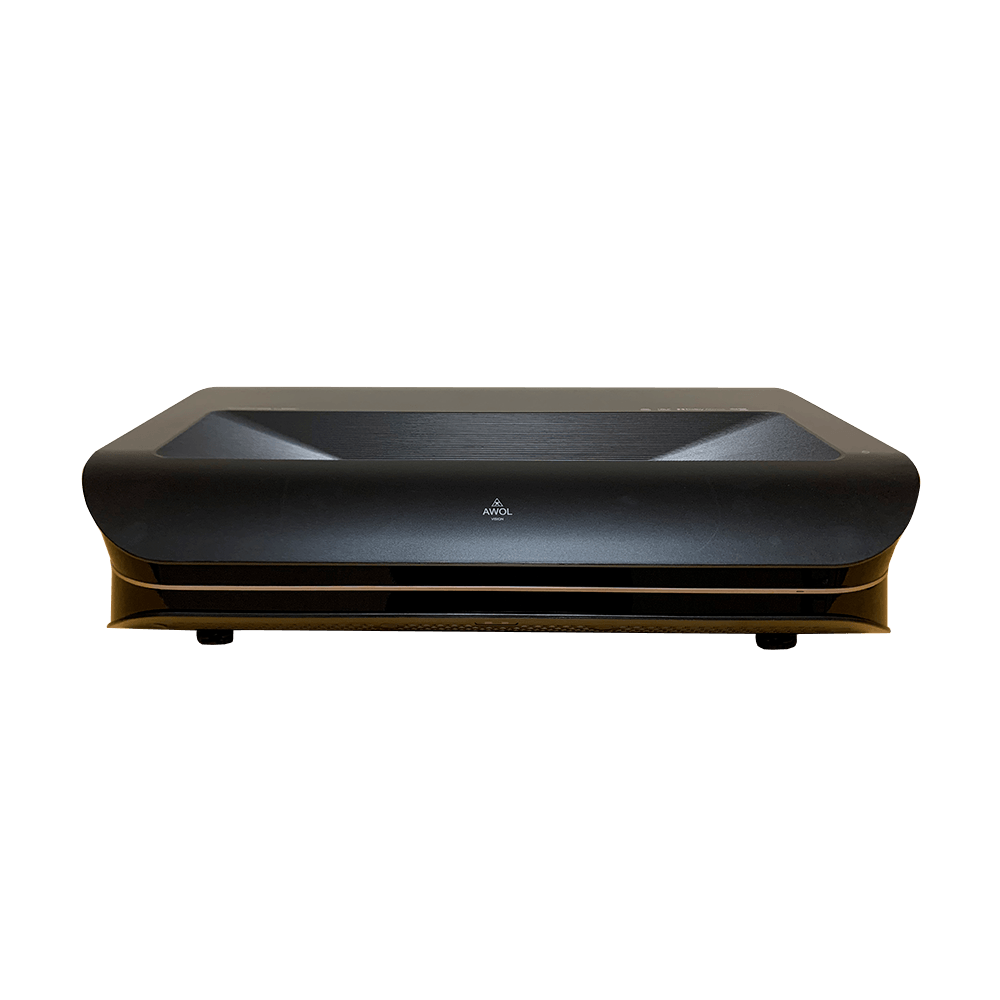
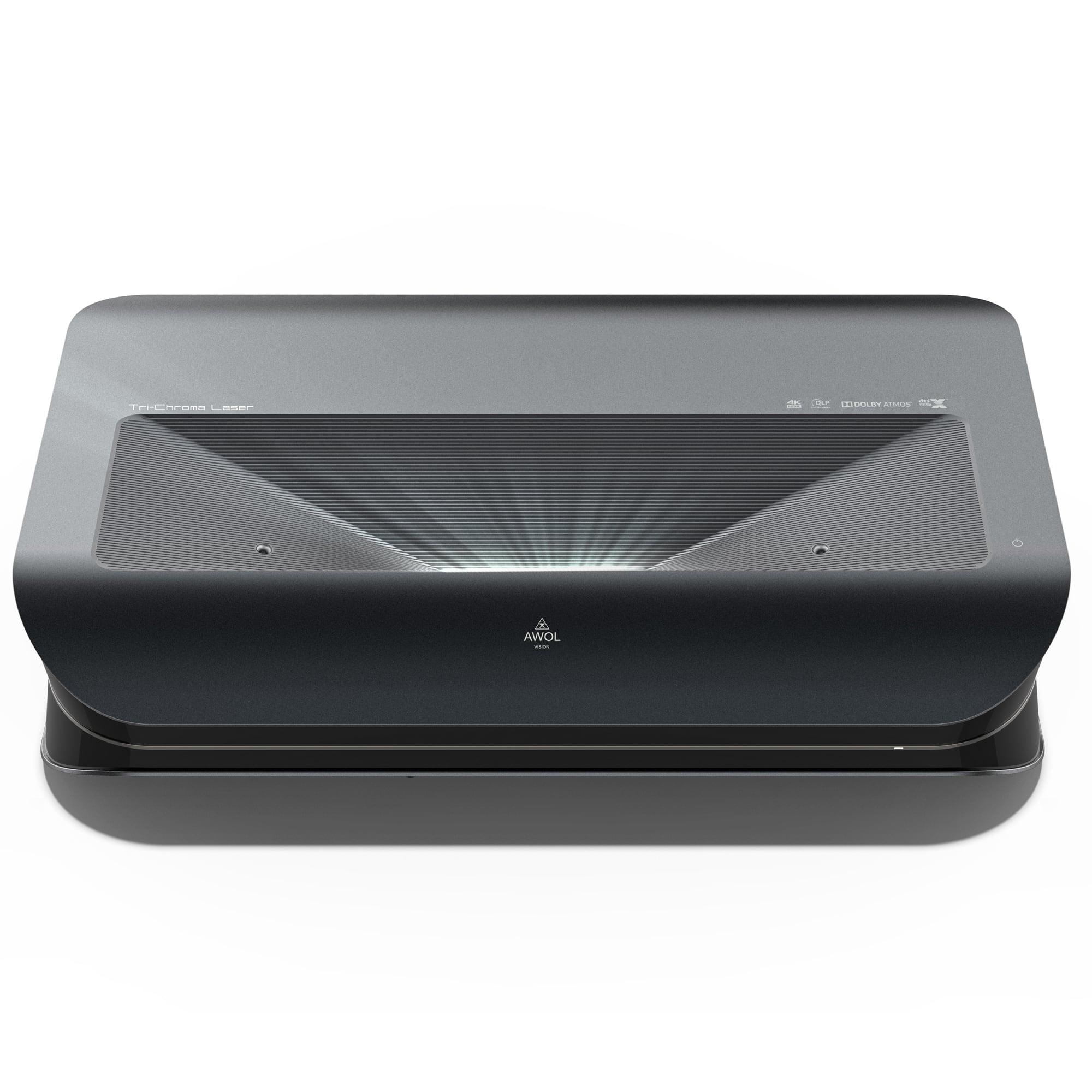
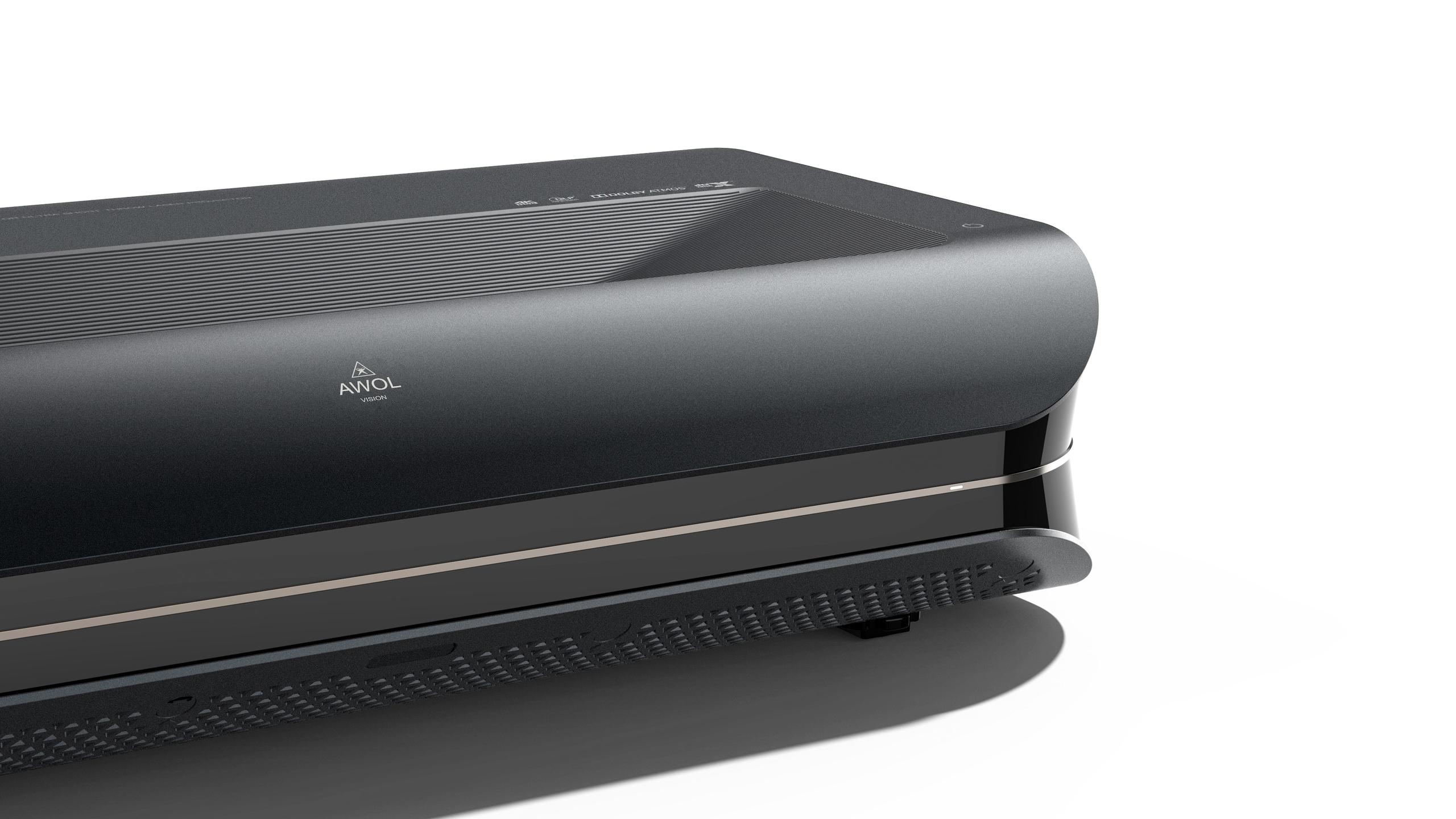
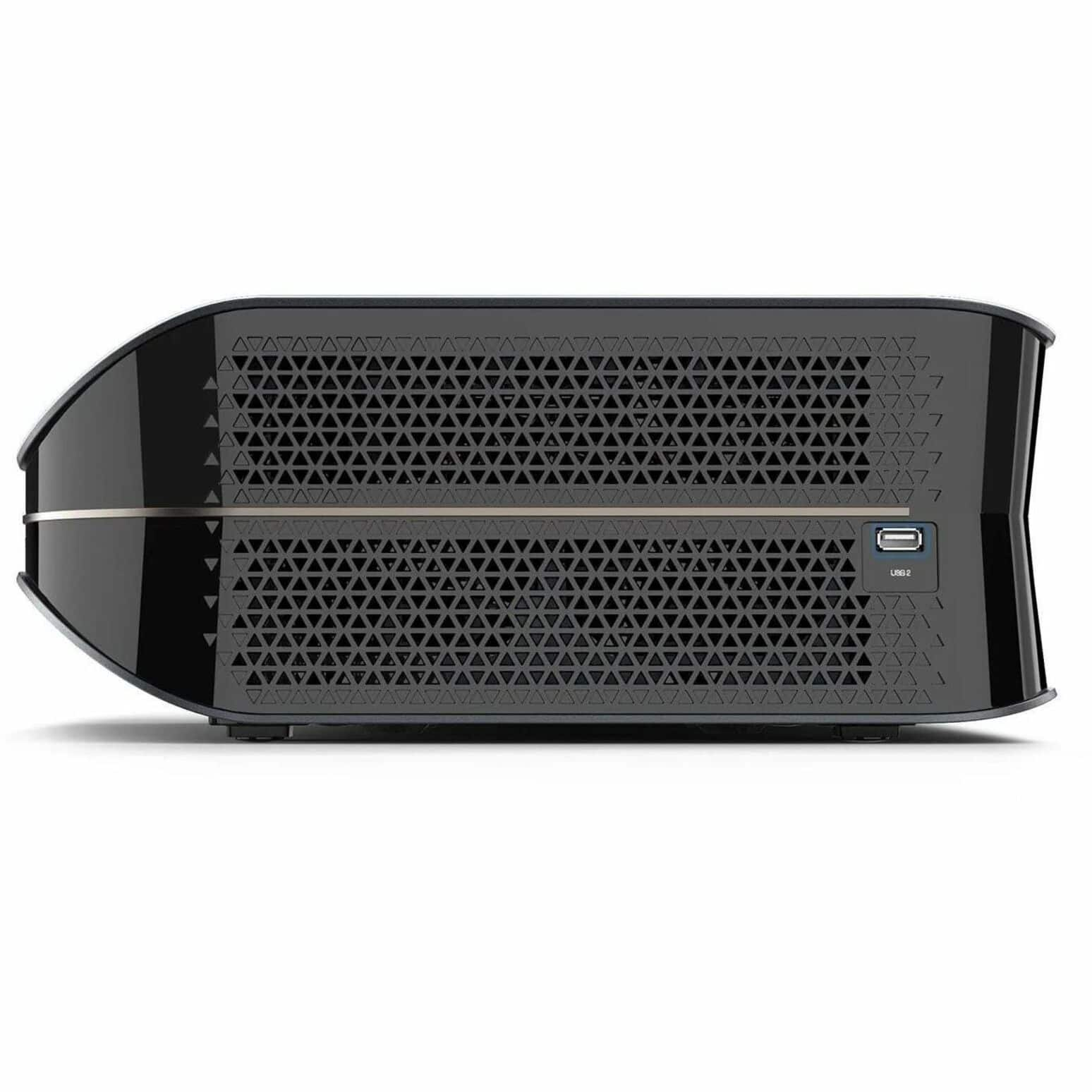
Walking into someone's living room and seeing a massive 120-inch screen where you'd expect a TV always catches you off guard. Ultra Short Throw (UST) projectors have revolutionized home entertainment by delivering cinema-sized images without the installation hassles of traditional projectors. Today we're comparing two standout models: the Hisense PX3-PRO and the AWOL Vision LTV-3500 Pro, both released in 2023 during a particularly competitive year for UST technology.
These aren't your grandfather's projectors. Both use cutting-edge laser light engines that can sit just inches from your wall to create images that dwarf any consumer TV. The question is: should you prioritize premium performance or exceptional value?
Before diving into specifics, let's demystify what makes UST projectors special. Traditional projectors need to sit across the room, creating shadows when people walk by and requiring ceiling mounts. UST projectors flip this concept entirely – they sit right against your wall or screen, using specialized ultra-wide angle lenses to create huge images from minimal distances.
The "throw ratio" tells the story here. While normal projectors might have a 1.5:1 throw ratio (meaning they need 1.5 feet of distance for every foot of screen width), UST projectors operate at around 0.25:1. This means you can get a 100-inch image with the projector sitting just 10 inches from the wall.
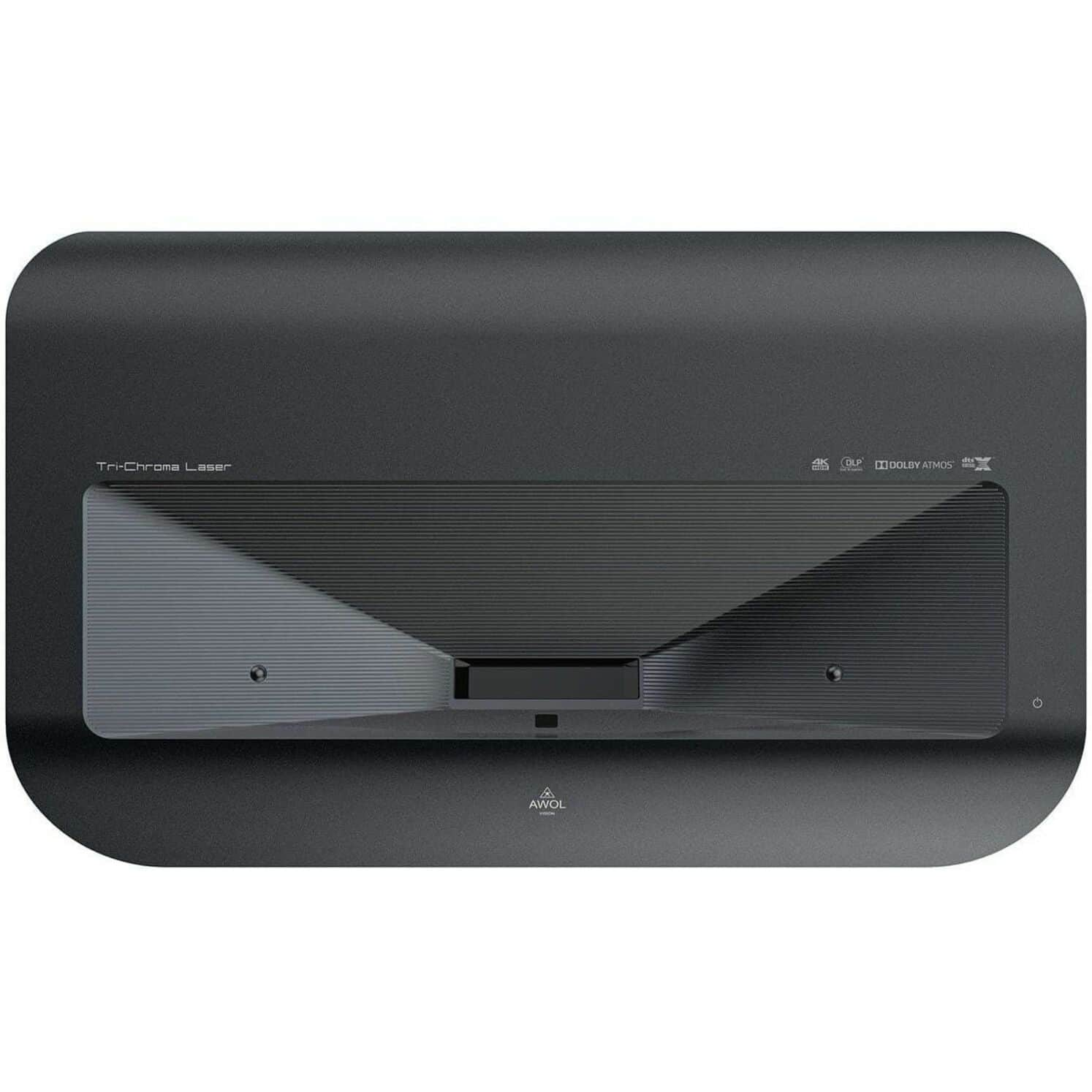
Both the Hisense PX3-PRO and AWOL Vision LTV-3500 Pro represent the current pinnacle of this technology, using tri-laser light sources instead of traditional lamp-based systems. These lasers don't just last longer (typically 20,000+ hours versus 2,000-5,000 for lamps) – they produce significantly wider color ranges and maintain consistent brightness throughout their lifespan.
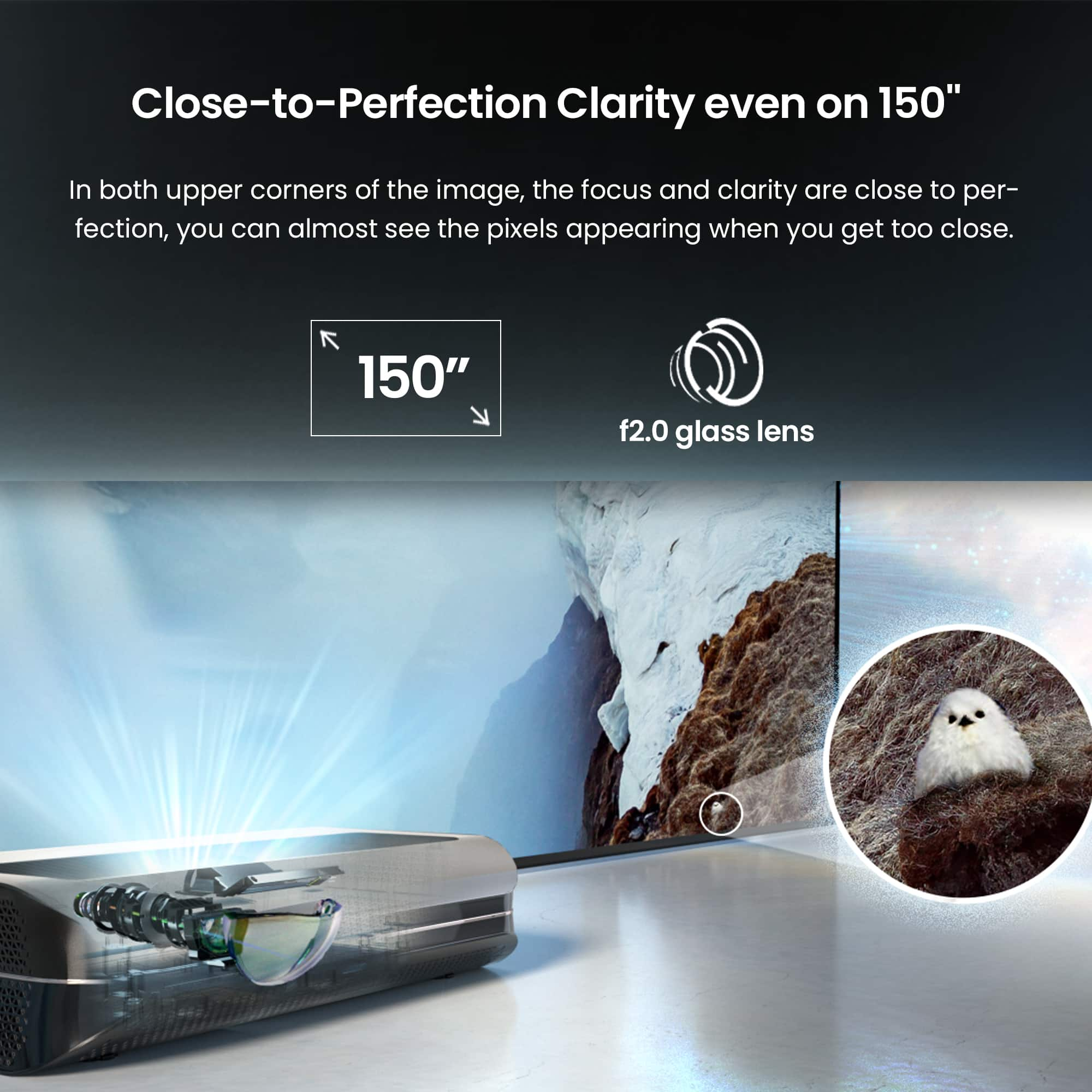
Both projectors deliver true 4K UHD resolution (3840 x 2160 pixels), but they achieve this through different approaches. The AWOL Vision LTV-3500 Pro uses a 0.47-inch DLP chip with XPR (eXpanded Pixel Resolution) technology, which rapidly shifts each pixel four ways to create the full 4K image. Think of it like a magician's sleight of hand – the chip moves so fast your eye sees a complete 4K picture.
The Hisense PX3-PRO employs similar Texas Instruments XPR 4-way pixel shifting, but our research into user experiences suggests slightly different tuning approaches. The practical result? Both deliver impressively sharp images that satisfy even pixel-peeping enthusiasts, though some reviewers note the Hisense produces particularly crisp text and fine details.
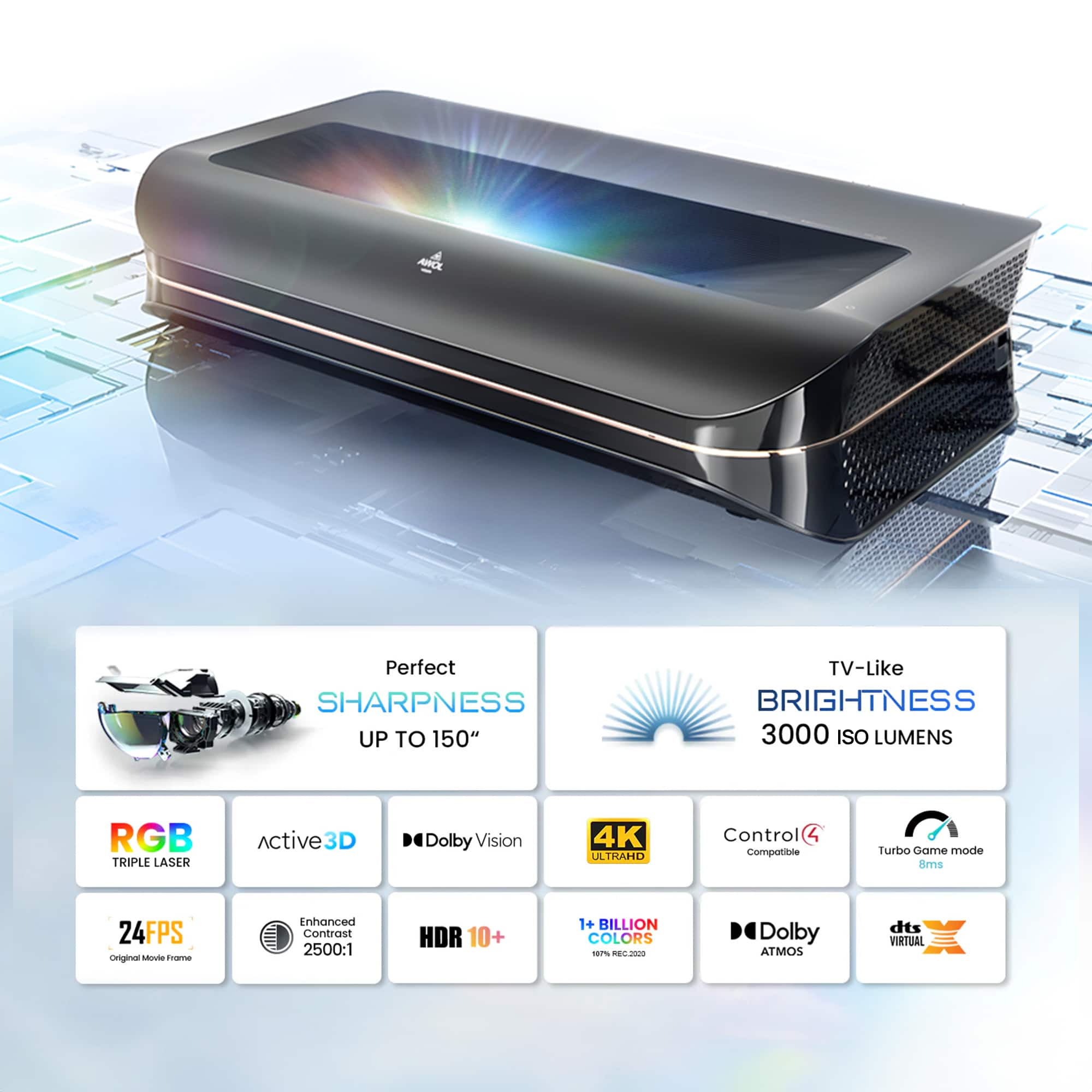
Here's where the two projectors start showing their personalities. The AWOL Vision LTV-3500 Pro claims 3,500 peak lumens, with measured performance around 3,300 ANSI lumens in optimal settings. The Hisense PX3-PRO rates at 3,000 ANSI lumens but measures closer to 2,669 lumens in testing.
Why does this matter? Every additional lumen helps combat ambient light. In a bright living room with windows, that extra 600+ lumens from the AWOL Vision translates to noticeably better image visibility during daytime viewing. However, this advantage diminishes significantly in darker, more controlled environments where both projectors excel.
The brightness story gets more nuanced when you consider viewing modes. The Hisense PX3-PRO achieves its best color accuracy in modes that sacrifice some brightness, while the AWOL Vision LTV-3500 Pro maintains more consistent brightness across different picture settings. This makes the AWOL more versatile for various lighting conditions.
Both projectors use tri-laser light sources, which represent a significant advancement over older lamp or LED-based systems. Traditional projectors struggle to reproduce certain colors – particularly deep reds and vivid greens – because their light sources have inherent limitations. Lasers eliminate these constraints.
The Hisense PX3-PRO covers an impressive 110% of the BT.2020 color space, which is the ultra-wide color standard used for HDR content. More importantly for everyday viewing, it achieves 99.82% coverage of the DCI-P3 color space used by most streaming services and movies. This translates to incredibly lifelike skin tones and vibrant, natural-looking colors.
The AWOL Vision LTV-3500 Pro covers 107% of BT.2020, slightly less than the Hisense on paper but still exceptional in practice. What's interesting is how each projector handles color calibration out of the box. User reviews consistently praise both for arriving well-calibrated, though the Hisense seems to have a slight edge in color accuracy without manual adjustment.
Here's where projector technology faces its biggest challenge: creating true blacks. Unlike OLED TVs that can turn pixels completely off, projectors always emit some light. The Hisense PX3-PRO achieves a native contrast ratio exceeding 3,000:1, which is excellent for the category. In practice, this means dark movie scenes retain detail without looking washed out.
The AWOL Vision LTV-3500 Pro takes a different approach with its "Enhanced Black Level" technology. Rather than relying solely on native contrast, it uses frame-by-frame laser dimming to dynamically adjust brightness based on scene content. When a scene has both bright explosions and dark shadows, the system intelligently dims the lasers for dark areas while maintaining brightness for highlights.
This creates an interesting trade-off. The Hisense provides more consistent, predictable contrast that some purists prefer, while the AWOL Vision can achieve more dramatic contrast in certain scenes at the cost of some potential artifacts during rapid scene changes.
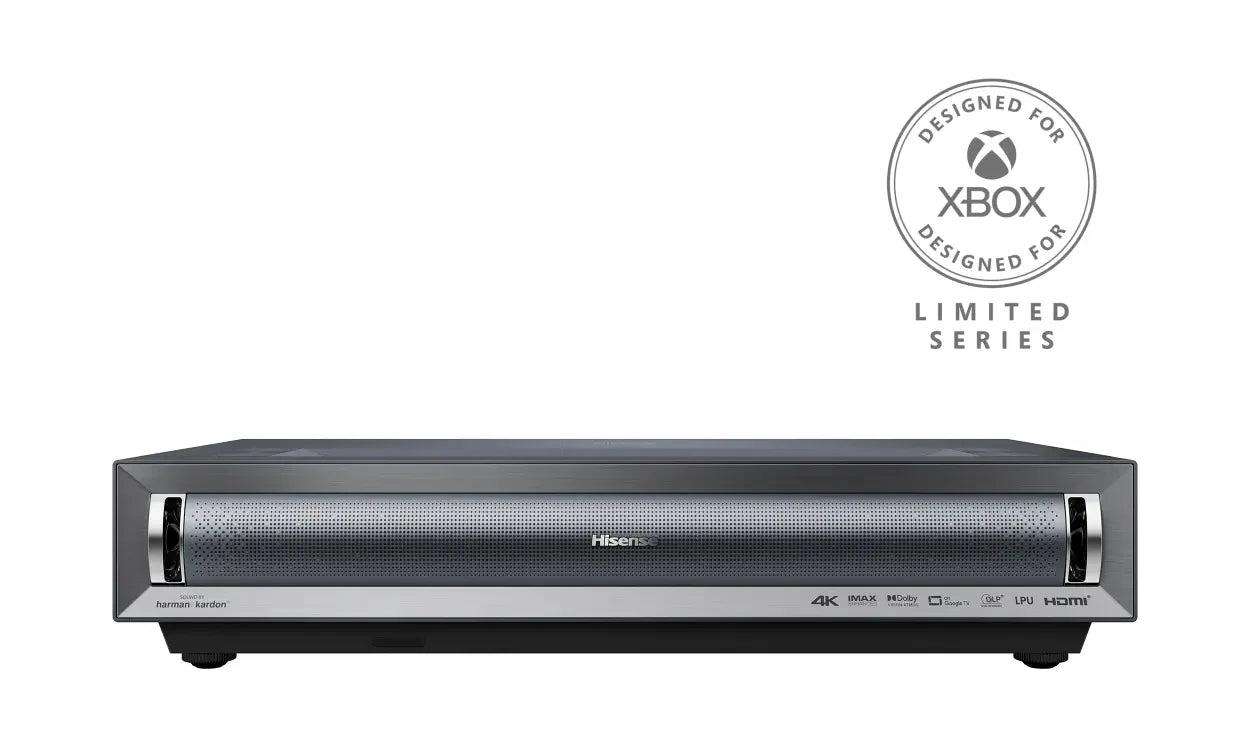
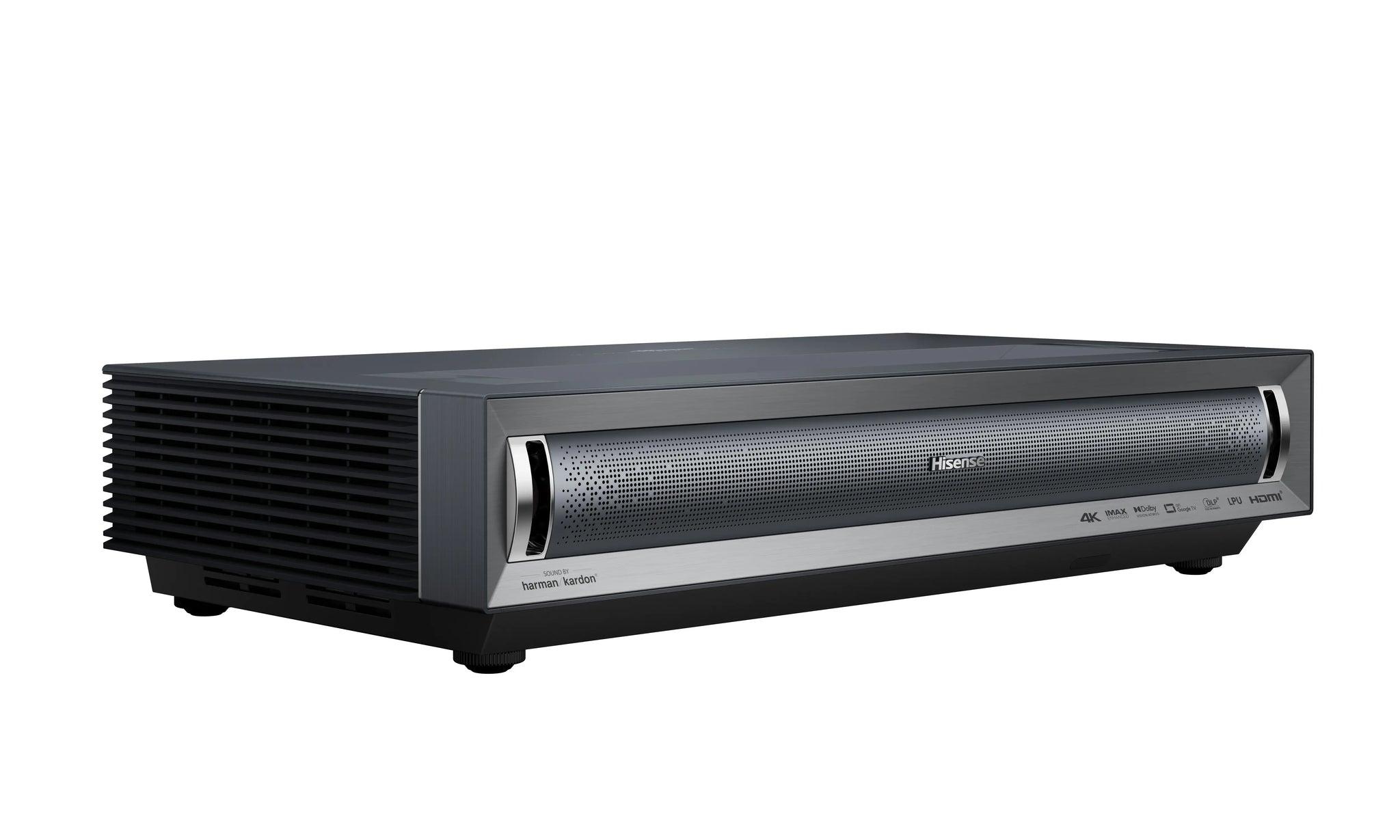
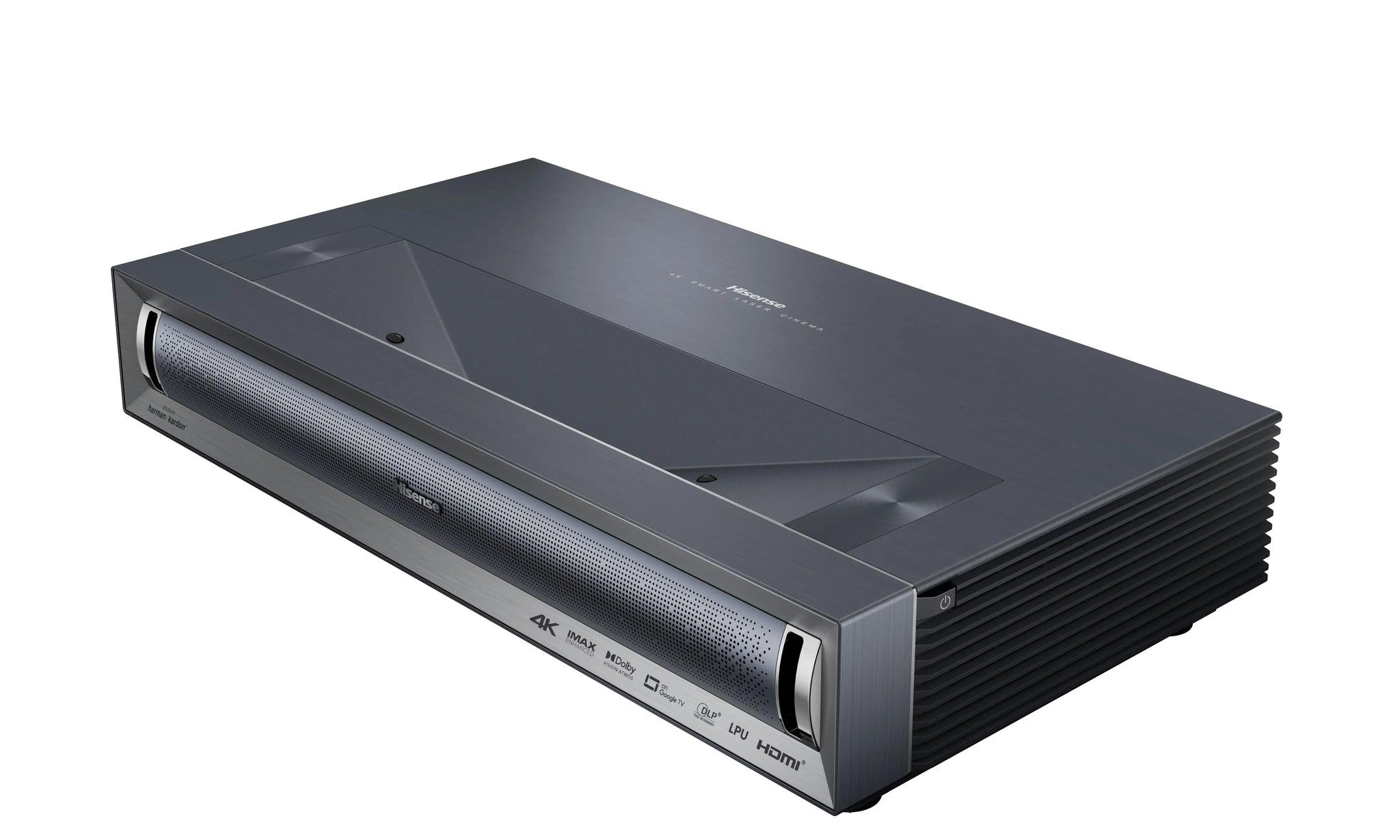
Both projectors support the major HDR formats – HDR10, HDR10+, and Dolby Vision – but implement them differently. The Hisense PX3-PRO carries IMAX Enhanced certification, making it the first UST projector to achieve this designation. This means IMAX-formatted content (available on Disney+ and select Blu-rays) receives special optimization for color, contrast, and sound.
The AWOL Vision LTV-3500 Pro lacks IMAX certification but compensates with more aggressive HDR tone mapping. In side-by-side comparisons described in reviews, the AWOL often produces more dramatic HDR highlights, though sometimes at the expense of subtle shadow detail.
For most content, both excel at HDR reproduction. Netflix's Dolby Vision shows like "Stranger Things" display with impressive dynamic range on either projector. The choice often comes down to preference: do you want the more cinematic, filmmaker-intended presentation of the Hisense, or the more aggressive, eye-catching HDR of the AWOL Vision?
Modern gaming demands have pushed projector manufacturers to optimize for input lag – the delay between controller input and on-screen response. The AWOL Vision LTV-3500 Pro clearly targets gamers with its dedicated Turbo Game mode, achieving 8ms input lag at 1080p resolution with 120Hz refresh rate. For 4K gaming, it maintains respectable 15ms lag.
The Hisense PX3-PRO supports gaming but doesn't publish specific latency figures, suggesting it's optimized more for movie watching than competitive gaming. Both projectors support ALLM (Auto Low Latency Mode), automatically switching to game modes when connected consoles are detected.
For context, anything under 20ms feels responsive for most gaming, while competitive players often seek sub-10ms performance. The AWOL Vision clearly wins for serious gaming, while the Hisense remains perfectly adequate for casual gaming sessions.
The Hisense PX3-PRO integrates 50-watt Harman Kardon speakers with Dolby Atmos processing. Harman Kardon's audio expertise shows – the system produces surprisingly full sound with clear dialogue and reasonable bass response for built-in speakers. The front-firing design helps with clarity since sound projects toward viewers rather than reflecting off surfaces.
The AWOL Vision LTV-3500 Pro counters with a 36W stereo system supporting both Dolby Atmos and DTS:X. While lower powered, it includes Bluetooth connectivity for easy pairing with external soundbars or speakers. The audio quality receives praise for clarity, though it lacks the fuller sound signature of the Hisense system.
Both projectors' audio systems work well for casual viewing, but serious home theater enthusiasts will likely pair either with dedicated sound systems. The Hisense offers better standalone audio, while the AWOL Vision provides more flexibility for audio expansion.
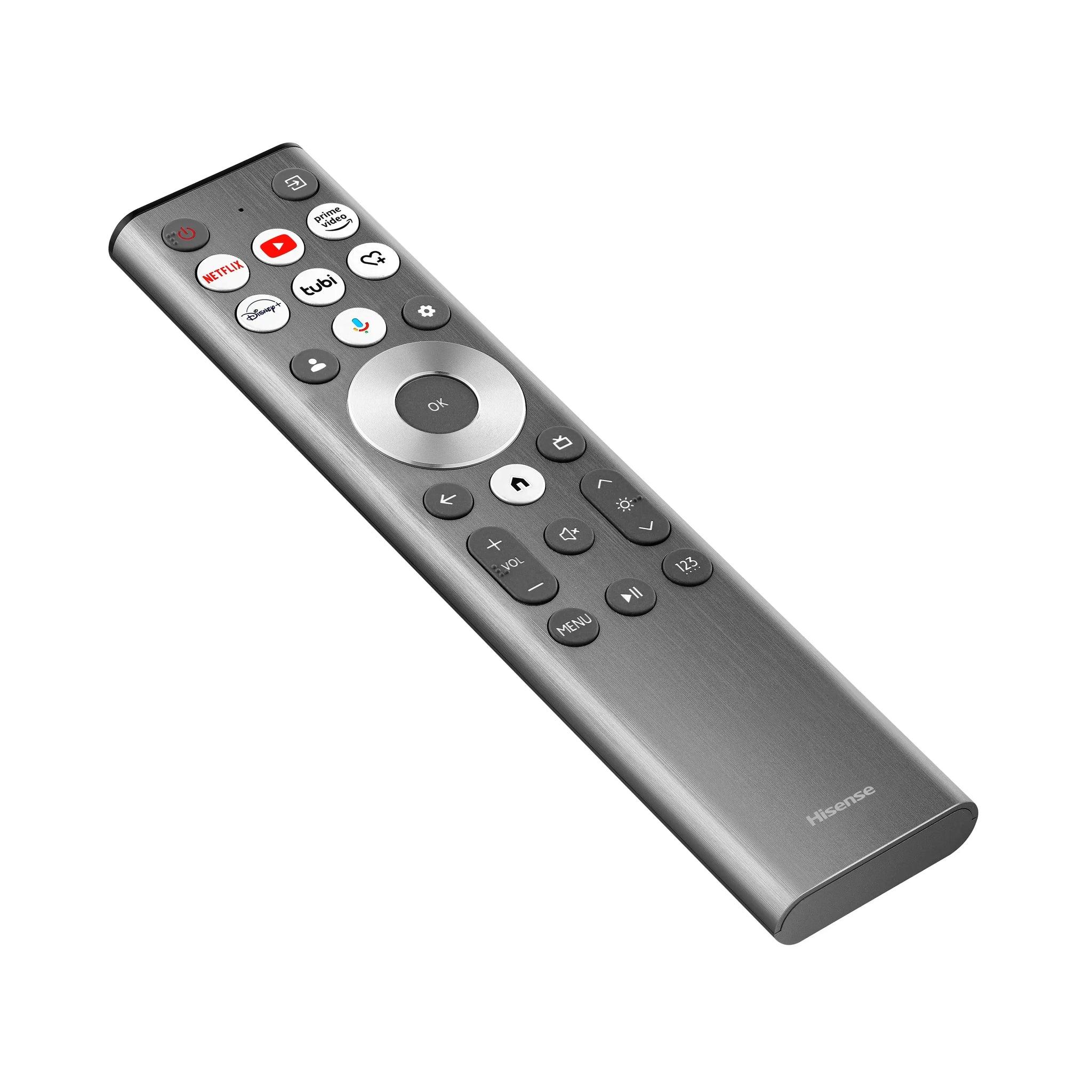
The smart platform battle reveals philosophical differences. The Hisense PX3-PRO runs Google TV natively, providing seamless access to all major streaming services including Netflix, which often restricts availability on non-certified devices. The interface feels familiar to Android TV users and responds quickly to navigation.
The AWOL Vision LTV-3500 Pro takes a hybrid approach, running Android 9.0 as a base but including a bundled Amazon Fire TV Stick 4K Max for primary streaming duties. This seems redundant initially, but it ensures compatibility with all streaming services and provides upgrade flexibility as streaming requirements evolve.
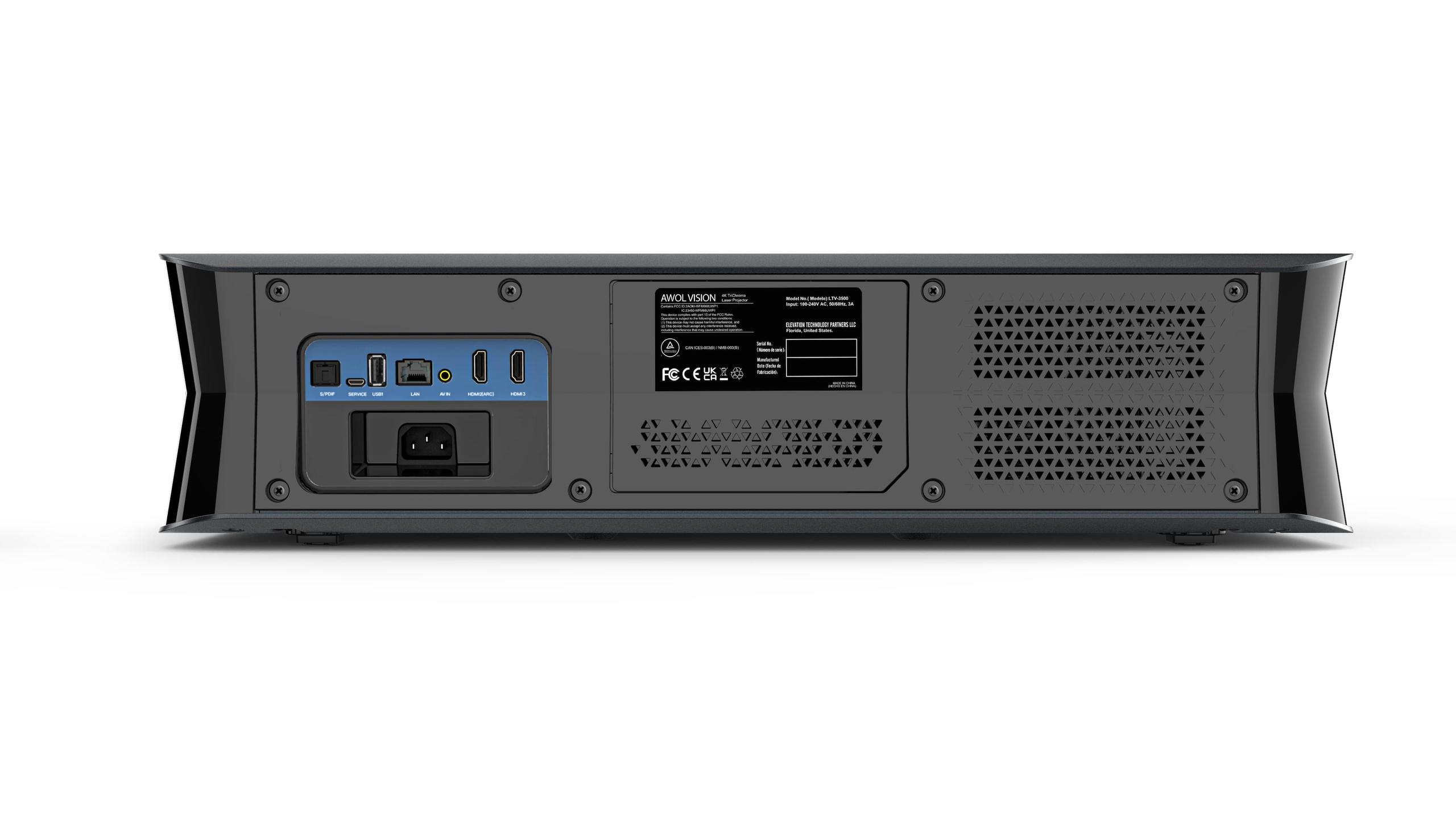
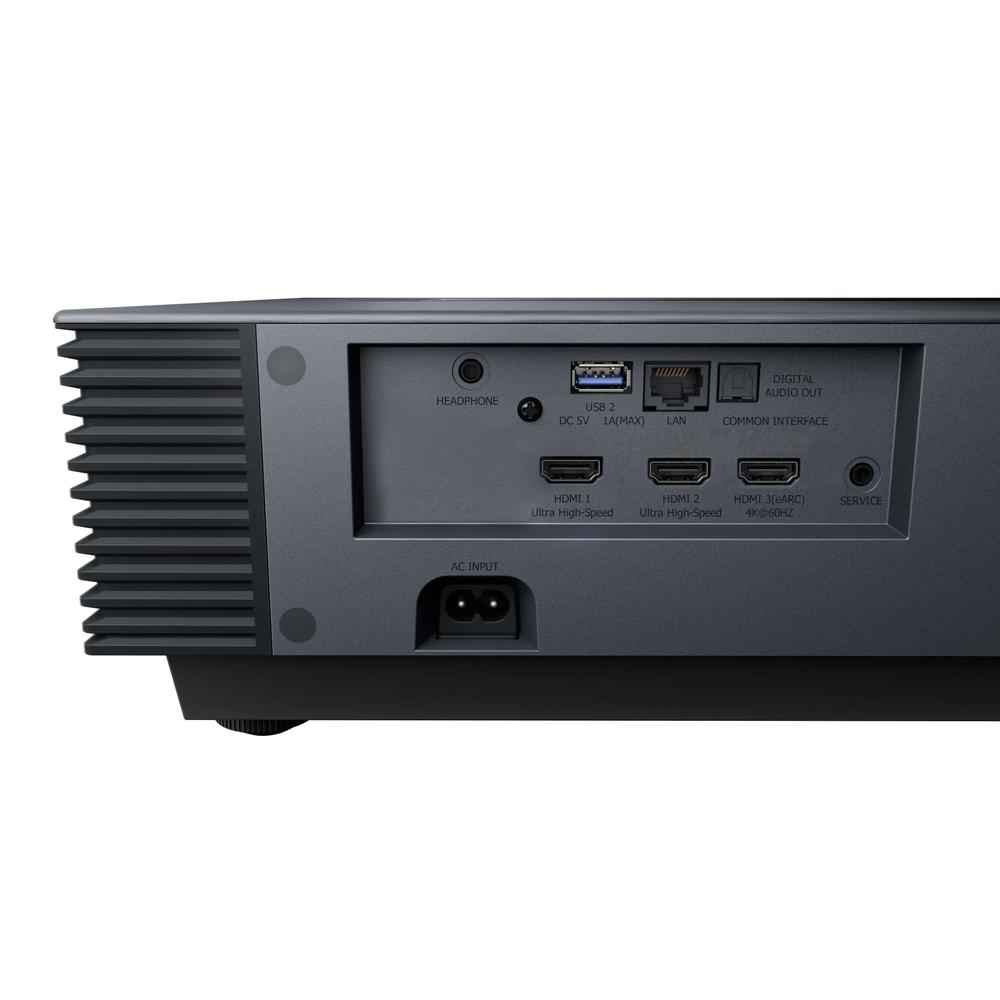
For connectivity, both offer comprehensive options including multiple HDMI ports, USB connections, and network capabilities. The Hisense provides two full 48Gbps HDMI 2.1 ports plus one HDMI 2.0 with eARC, making it excellent for gaming consoles and high-end audio systems. The AWOL Vision includes similar connectivity with additional focus on smart home integration through Control4 compatibility.
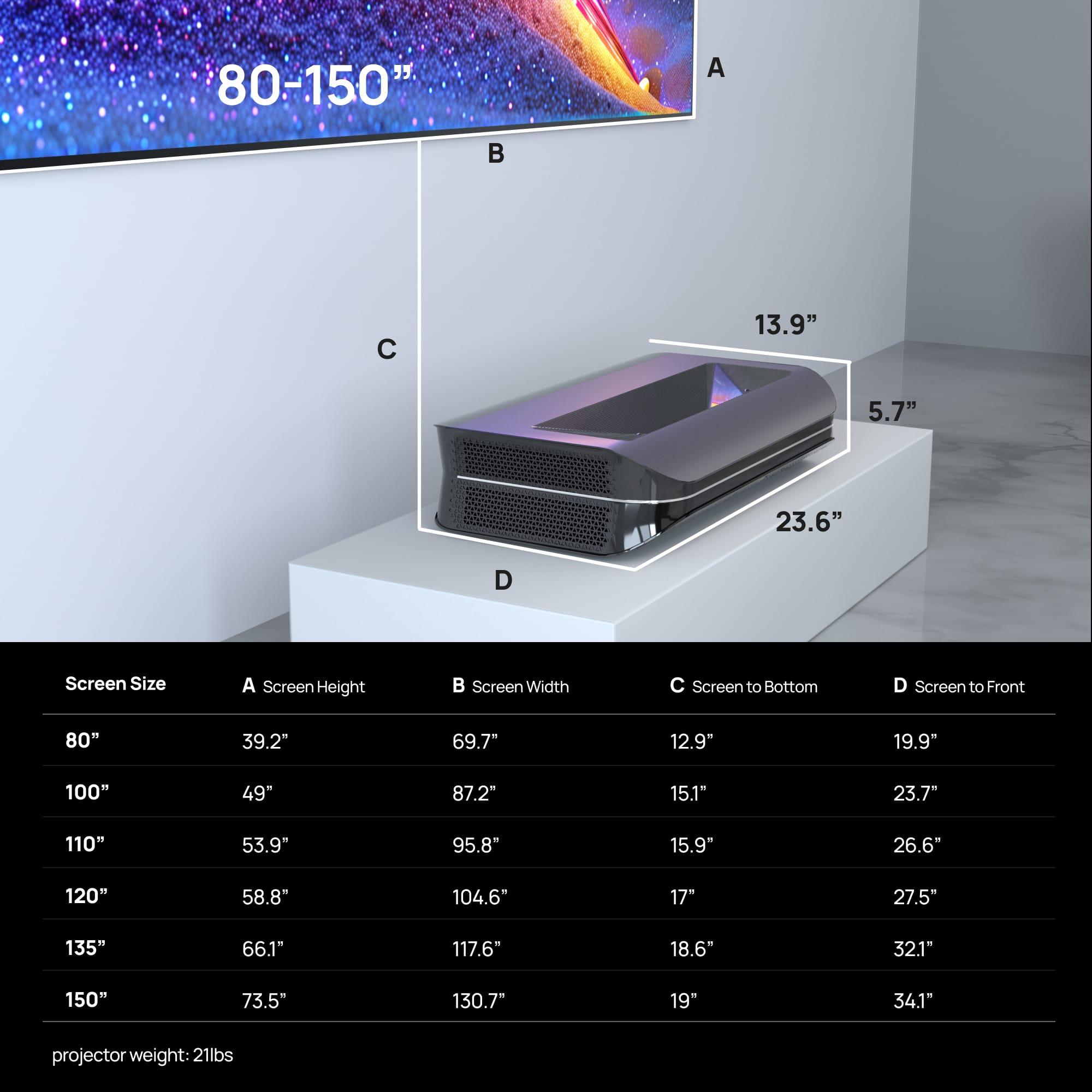
UST projectors promise easier installation than traditional models, and both deliver on this front. Each weighs around 20 pounds and includes adjustable feet for leveling on entertainment centers. The ultra-short throw design means positioning tolerance is more forgiving than traditional projectors – small adjustments don't dramatically affect image alignment.
Screen pairing deserves consideration. Both projectors work with standard white walls in darker rooms, but dedicated ALR (Ambient Light Rejecting) screens significantly improve performance in brighter environments. These screens cost $500-2000+ depending on size and quality, representing an additional investment that particularly benefits the brighter AWOL Vision in ambient light situations.
Daily operation feels more like using a premium TV than traditional projectors. Both start up quickly (under 30 seconds), respond to remote commands reliably, and integrate well with universal remotes and smart home systems.
At the time of writing, the Hisense PX3-PRO costs significantly less than the AWOL Vision LTV-3500 Pro – roughly $2,000 difference in typical retail pricing. This positions them in different market segments despite similar capabilities.
The Hisense represents exceptional value, delivering roughly 90% of premium UST performance at approximately 60% of the cost. For most users, the performance differences don't justify the premium unless specific features like maximum brightness or advanced gaming capabilities are priorities.
The AWOL Vision targets users who want the absolute best UST experience and have the budget to support it. The measurably superior brightness, documented gaming performance, and enhanced black level technology justify the premium for demanding users, particularly those with challenging room conditions or specific use case requirements.
Choose the Hisense PX3-PRO if you want premium UST projection without premium pricing. It excels in controlled lighting environments, offers exceptional color accuracy, and includes unique features like IMAX Enhanced certification. The superior built-in audio system and Google TV integration provide additional value. This projector suits movie enthusiasts who prioritize accurate, cinematic reproduction over raw brightness.
Choose the AWOL Vision LTV-3500 Pro if maximum performance justifies the premium cost. Its superior brightness handles challenging ambient light better, making it ideal for bright living rooms or very large screens. The advanced gaming features appeal to serious gamers, while smart home integration serves tech-savvy users. This projector suits those who want the best available UST performance regardless of cost.
Both projectors represent the current state-of-the-art in UST projection, but serve different audiences. The Hisense PX3-PRO democratizes premium projection technology, offering exceptional performance at accessible pricing. The AWOL Vision LTV-3500 Pro pushes technical boundaries for users who demand the absolute best.
For most buyers, the Hisense provides better value – the performance differences rarely justify doubling the investment. However, if you have a bright room, prioritize gaming, or simply want the best available technology, the AWOL Vision delivers measurably superior performance where it counts most.
The UST projector market continues evolving rapidly, with both manufacturers pushing improvements annually. Either choice provides years of exceptional home theater enjoyment, transforming any room into a personal cinema that rivals commercial theaters. The real winner? Anyone ready to experience the magic of cinema-sized projection at home.
| Hisense PX3-PRO | AWOL Vision LTV-3500 Pro |
|---|---|
| Brightness - Critical for overcoming ambient light and larger screen sizes | |
| 3,000 ANSI lumens rated (2,669 measured) | 3,500 ANSI lumens rated (3,300 measured) |
| Native Contrast Ratio - Determines black level depth without dynamic processing | |
| 3,000:1 (measured over 4,000:1) | 2,500:1 with Enhanced Black Level technology |
| Color Gamut Coverage - Affects color vibrancy and accuracy | |
| 110% BT.2020, 99.82% DCI-P3 | 107% BT.2020 color standard |
| Gaming Performance - Input lag for responsive console gaming | |
| Standard gaming support (specific lag not published) | 8ms at 1080p/120Hz, 15ms at 4K in Turbo Game mode |
| HDR Support - Enhanced dynamic range for premium content | |
| HDR10+, Dolby Vision, IMAX Enhanced certified | HDR10, HDR10+, HLG, Dolby Vision |
| Audio System - Built-in sound quality and power | |
| 50W Harman Kardon speakers with Dolby Atmos | 36W stereo system with Dolby Atmos and DTS:X |
| Smart Platform - Streaming service access and interface quality | |
| Native Google TV with Netflix certification | Android 9.0 base + bundled Fire TV Stick 4K Max |
| HDMI Connectivity - Gaming console and high-end device support | |
| Two HDMI 2.1 (48Gbps) + one HDMI 2.0 with eARC | Multiple HDMI ports with ALLM support |
| Throw Ratio - Distance needed from wall for 100" image | |
| Ultra-short throw (approximately 10 inches) | 0.25:1 fixed ratio (10 inches for 100" screen) |
| Smart Home Integration - Compatibility with automation systems | |
| Standard smart TV controls and universal remote support | Control4 certified integration for professional systems |
| Laser Lifespan - Long-term reliability and maintenance | |
| 25,000+ hours tri-laser light source | 25,000 hours tri-laser light source |
| Screen Size Range - Optimal projection sizes | |
| 80-150 inches recommended | 80-150 inches with motorized screen rise feature |
The AWOL Vision LTV-3500 Pro is significantly better for bright rooms due to its higher measured brightness of 3,300 ANSI lumens compared to the Hisense PX3-PRO's 2,669 lumens. This extra brightness helps overcome ambient light from windows and room lighting, making daytime viewing more enjoyable on the AWOL Vision LTV-3500 Pro.
Both projectors deliver excellent 4K picture quality, but with different strengths. The Hisense PX3-PRO offers superior color accuracy with 110% BT.2020 coverage and better native contrast at 3,000:1. The AWOL Vision LTV-3500 Pro provides brighter images and uses Enhanced Black Level technology for dynamic contrast adjustment.
The AWOL Vision LTV-3500 Pro is clearly superior for gaming, offering documented 8ms input lag at 1080p/120Hz and 15ms at 4K in its Turbo Game mode. The Hisense PX3-PRO supports gaming but doesn't specify its latency performance, making the AWOL Vision the better choice for serious gamers.
The Hisense PX3-PRO has superior built-in audio with 50W Harman Kardon speakers compared to the AWOL Vision LTV-3500 Pro's 36W system. However, the AWOL Vision offers more flexibility with Bluetooth connectivity for external speakers. Both support Dolby Atmos processing.
The Hisense PX3-PRO offers exceptional value, delivering about 90% of the performance at significantly less cost than the AWOL Vision LTV-3500 Pro. Unless you specifically need maximum brightness or advanced gaming features, the Hisense PX3-PRO provides better price-to-performance ratio.
Yes, both projectors provide comprehensive streaming access. The Hisense PX3-PRO runs native Google TV with certified Netflix support, while the AWOL Vision LTV-3500 Pro includes a bundled Fire TV Stick 4K Max for streaming services. Both approaches work well for accessing all major streaming platforms.
Both are ultra-short throw projectors that sit approximately 10 inches from the wall to create a 100-inch image. The AWOL Vision LTV-3500 Pro has a fixed 0.25:1 throw ratio, while the Hisense PX3-PRO offers similar ultra-short throw performance, eliminating shadows and installation complexity.
For dedicated home theaters with controlled lighting, the Hisense PX3-PRO excels with superior color accuracy, better native contrast, and IMAX Enhanced certification. For multi-purpose living room theaters, the AWOL Vision LTV-3500 Pro's higher brightness and gaming features make it more versatile.
The Hisense PX3-PRO supports HDR10+, Dolby Vision, and is IMAX Enhanced certified. The AWOL Vision LTV-3500 Pro supports HDR10, HDR10+, HLG, and Dolby Vision. Both handle premium HDR content excellently, with the Hisense offering unique IMAX optimization.
Both the Hisense PX3-PRO and AWOL Vision LTV-3500 Pro use tri-laser light sources rated for 25,000+ hours of operation. This translates to roughly 10-15 years of typical use without needing lamp replacements, making both projectors excellent long-term investments.
The AWOL Vision LTV-3500 Pro offers superior smart home integration with Control4 certification for professional automation systems. The Hisense PX3-PRO provides standard smart TV controls and universal remote compatibility, making the AWOL Vision better for advanced smart home setups.
Both the Hisense PX3-PRO and AWOL Vision LTV-3500 Pro work optimally with 80-150 inch screens. The AWOL Vision's higher brightness makes it better suited for the larger end of this range, while the Hisense excels with 100-120 inch screens in controlled lighting environments.
We've done our best to create useful and informative comparisons to help you decide what product to buy. Our research uses advanced automated methods to create this comparison and perfection is not possible - please contact us for corrections or questions. These are the sites we've researched in the creation of this article: shop.hisense-usa.com - avsforum.com - youtube.com - projectorcentral.com - avsforum.com - youtube.com - projectorreviews.com - avsforum.com - projectorcentral.com - en.heimkinowelten.de - dreamediaav.com - projectorjunkies.com - digitaltrends.com - youtube.com - avsforum.com - dreamediaav.com - awolvision.de - projectorreviews.com - bhphotovideo.com - youtube.com - projectorjunkies.com

Privacy Policy
Terms and Conditions - Affiliate Policy
Home Security
© Copyright 2008-2026.
11816 Inwood Rd #1211, Dallas, TX 75244