

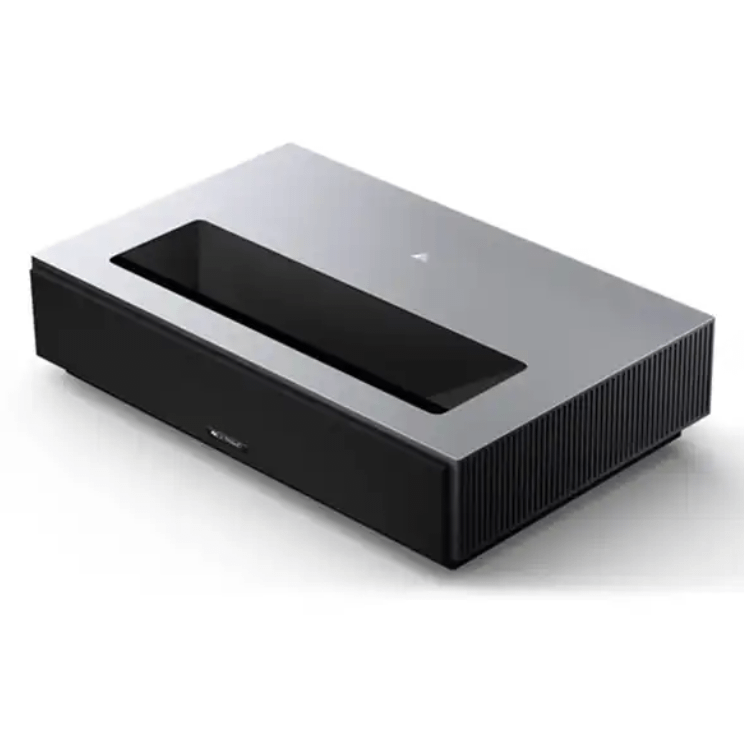
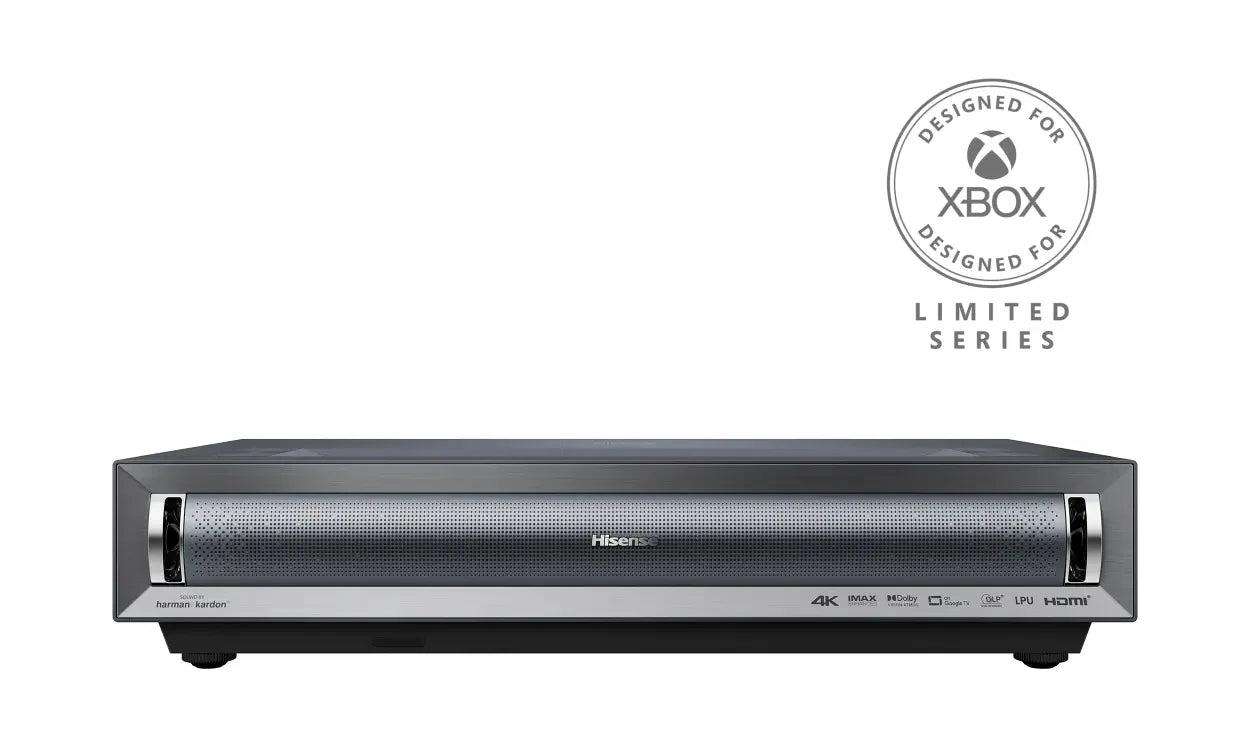
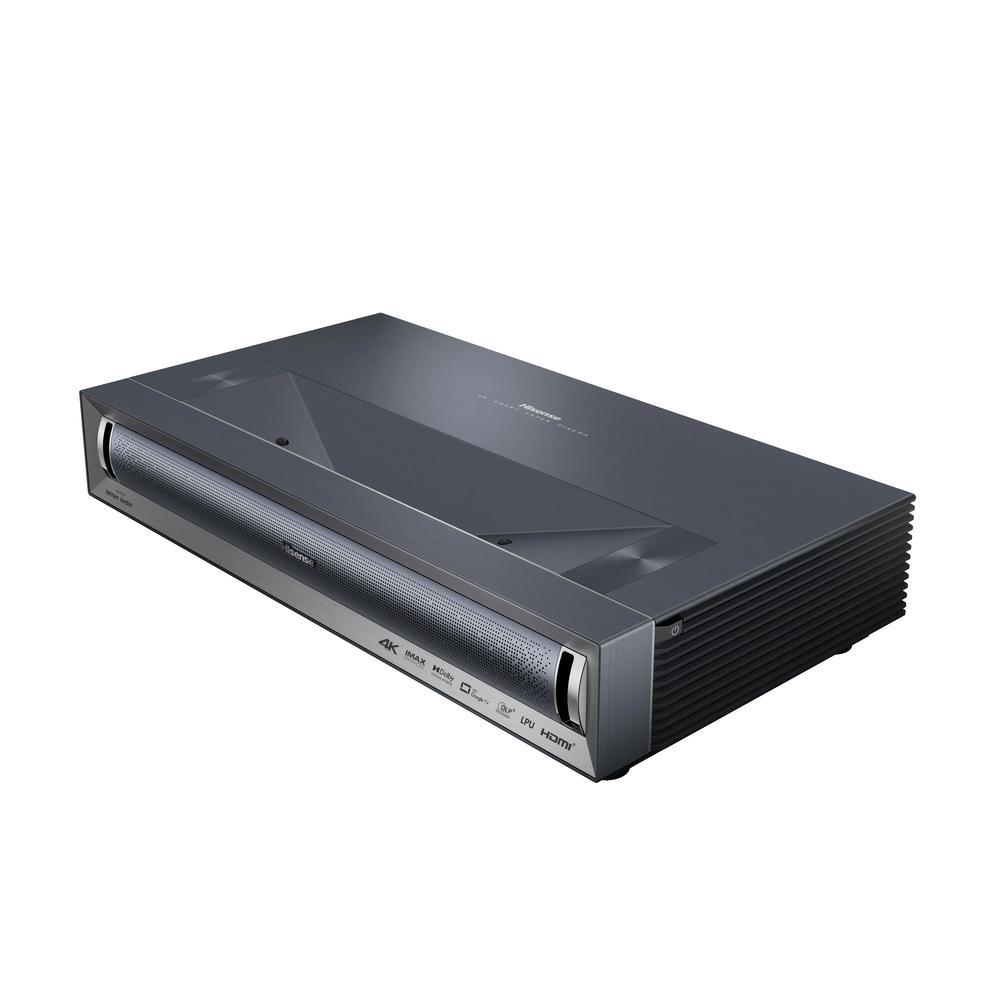
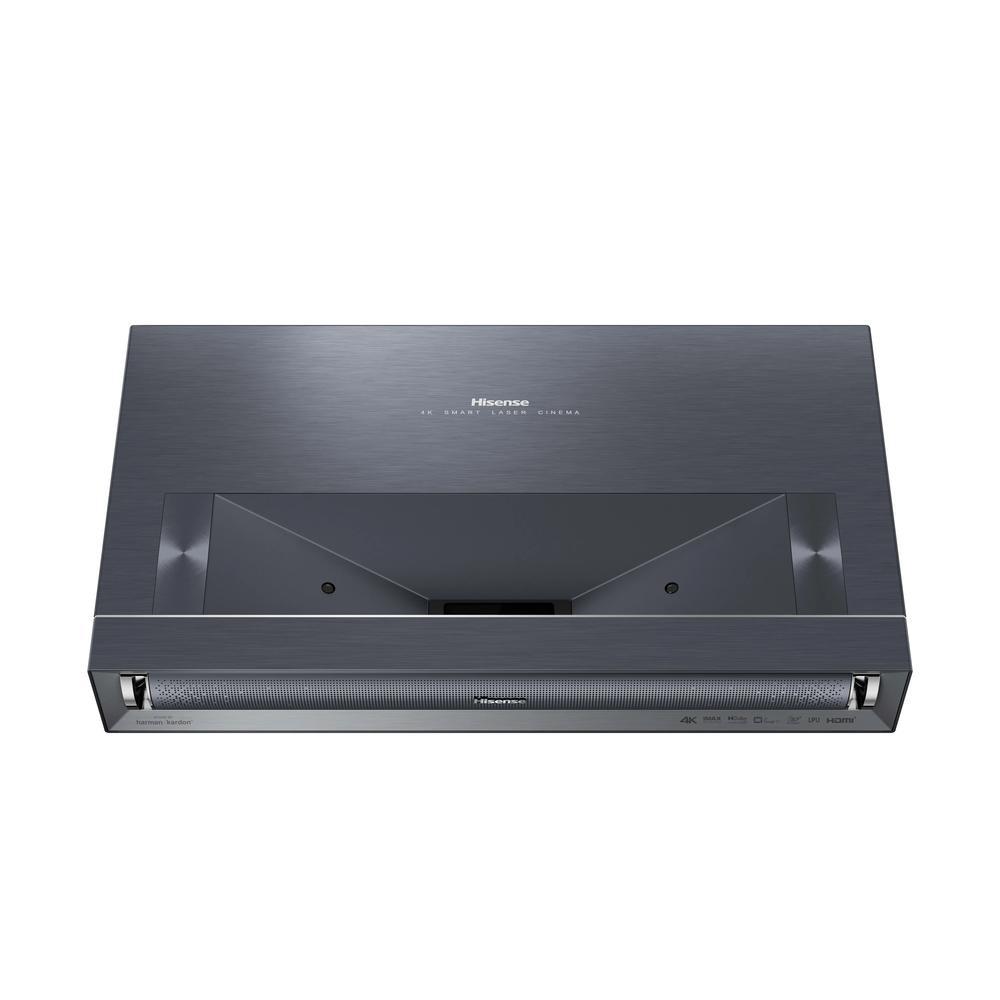
If you've been dreaming of a massive 100+ inch screen in your living room without the hassle of ceiling-mounted projectors or dark theater rooms, ultra short throw (UST) projectors might be exactly what you need. These remarkable devices sit just inches from your wall, yet beam enormous images that make your biggest TV look tiny. The technology has exploded in popularity over the past few years, and two standout models have caught our attention: the Hisense PX3-PRO and the Formovie 4K Max.
Both projectors launched in 2024, representing the latest generation of laser projection technology. What makes this comparison particularly interesting is how these two devices take completely different approaches to solving the same problem – creating cinema-quality images in your living space.
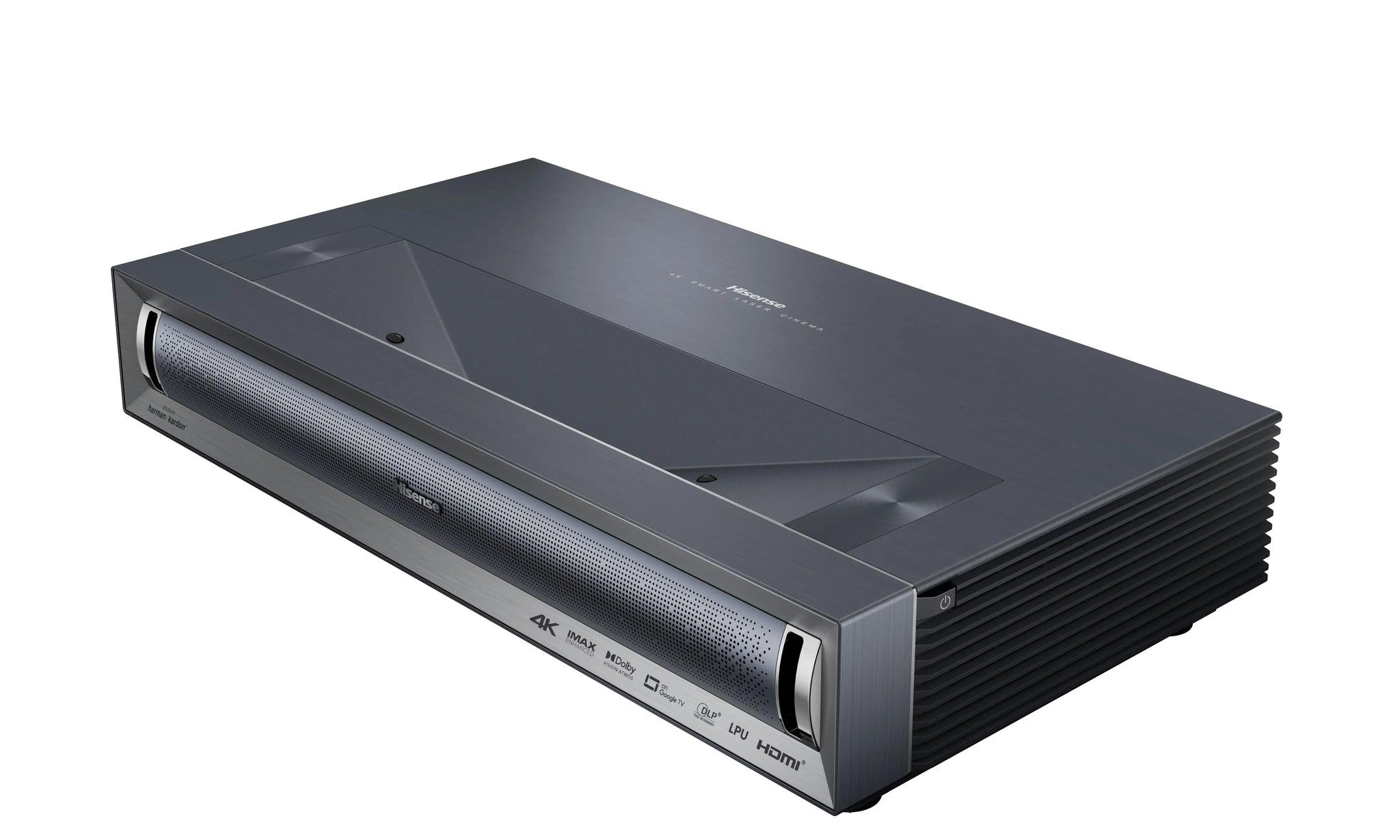
Before diving into the specifics, let's talk about what makes UST projectors special. Traditional projectors need to be mounted on your ceiling or placed far back in the room, often requiring 10-12 feet to create a 100-inch image. Ultra short throw projectors flip this concept entirely – they use specialized optics and mirrors to create that same massive image from just 8-10 inches away from the wall.
This positioning advantage is huge for real-world use. You can place a UST projector on your TV stand, coffee table, or a low cabinet. No more tripping over cables, no ceiling mounts to install, and no "projector shadow" when someone walks between the device and screen. It's this practicality that's made UST projectors the fastest-growing segment in home theater.
The key considerations when evaluating any UST projector include brightness (measured in ANSI lumens – essentially how well it fights ambient light), color accuracy (how true-to-life the colors appear), throw ratio (how close it can sit to the wall), and smart features (built-in streaming and connectivity options).
The Hisense PX3-PRO and Formovie 4K Max represent fundamentally different philosophies in laser projection technology, and understanding these differences is crucial to making the right choice.
The Hisense PX3-PRO uses what's called a TriChroma RGB laser system. This means it has three separate lasers – one red, one green, one blue – that work together to create every color you see on screen. Think of it like having three perfectly tuned spotlights that can instantly adjust their intensity to create any color imaginable. This approach delivers exceptional color accuracy because each primary color is generated directly by its own dedicated laser.
The Formovie 4K Max, on the other hand, uses a single blue laser combined with a spinning color wheel and ALPD (Advanced Laser Phosphor Display) technology. Here's how it works: the blue laser hits phosphor materials that convert some of the blue light into red and green light. A rapidly spinning wheel with different color segments then filters this light to create the full spectrum of colors. It's like having one powerful light source that gets transformed and filtered to create all the colors you need.
Both approaches have merit, but they lead to very different performance characteristics that matter enormously in real-world use.
When it comes to UST projectors, brightness often determines whether you'll actually enjoy using the device or end up frustrated with washed-out images. This is where the Formovie 4K Max makes its strongest case with an impressive 4,500 ANSI lumens compared to the Hisense PX3-PRO's 3,000 ANSI lumens.
That 1,500-lumen difference translates to about 50% more brightness – a substantial advantage that's immediately noticeable in moderately lit rooms. Based on our research into user experiences, projectors with 4,000+ lumens can maintain good image quality even with some ambient light from windows or lamps, while 3,000-lumen projectors typically require more controlled lighting conditions.
This brightness advantage makes the Formovie 4K Max particularly appealing for family rooms, living spaces with large windows, or any room where you can't achieve perfect light control. However, this extra brightness comes with trade-offs that become apparent when we look at color performance.
Here's where the Hisense PX3-PRO's TriChroma RGB laser system shows its strength. Our analysis of expert reviews reveals that the Hisense PX3-PRO covers an impressive 110% of the BT.2020 color space and 99.82% of the DCI-P3 cinema standard. In practical terms, this means the projector can display colors that are deeper, more saturated, and more accurate than what most displays can achieve.
The Formovie 4K Max, with its single laser and color wheel approach, covers 100% of the Rec.709 color space – which is good, but noticeably more limited. Rec.709 is the standard for regular HD content, while BT.2020 is the much wider standard for premium HDR content. If you're planning to watch a lot of 4K HDR movies from Netflix, Disney+, or Ultra HD Blu-rays, this color gamut difference becomes significant.
There's also the "rainbow effect" to consider. Some people are sensitive to brief rainbow-like flashes that can occur with single-laser, color wheel systems like the one in the Formovie 4K Max. The Hisense PX3-PRO's triple laser system completely eliminates this potential issue since it doesn't rely on a spinning color wheel.
Based on consensus expert opinions, the Hisense PX3-PRO delivers noticeably more accurate skin tones, deeper blacks, and more vibrant colors – particularly important for movie enthusiasts who want that cinema-quality experience.
Gaming on projectors has become increasingly popular, and both devices offer solid gaming features, though the Hisense PX3-PRO takes a clear lead in this area.
The Hisense PX3-PRO supports refresh rates up to 240Hz at 1080p resolution and includes ALLM (Auto Low Latency Mode), which automatically switches the projector to its fastest response mode when it detects a gaming console. It's even certified as "Designed for Xbox Limited Series," indicating Microsoft has tested and approved its gaming performance.
The Formovie 4K Max includes MEMC (Motion Estimation and Motion Compensation) technology, which uses software to create intermediate frames between the original frames, making motion appear smoother. While this sounds good, MEMC can actually increase input lag – the delay between pressing a button and seeing the action on screen – which is problematic for competitive gaming.
For serious gamers, especially those with Xbox Series X, PlayStation 5, or high-end PC setups, the Hisense PX3-PRO's gaming optimization provides a noticeable advantage in responsiveness and performance.
One area where the Formovie 4K Max excels is maximum screen size capability. While the Hisense PX3-PRO tops out at 150 inches, the Formovie 4K Max can project up to 200 inches. However, this advantage is more theoretical than practical for most users.
In typical living rooms, screen sizes between 100-120 inches represent the sweet spot where the image is large enough to be immersive without overwhelming the space. At these common sizes, both projectors perform similarly in terms of image sharpness and positioning flexibility.
The Formovie 4K Max's slightly better throw ratio (0.23:1 vs 0.25:1) means it can sit about an inch closer to the wall for the same screen size – a minor but potentially useful advantage in very tight spaces.
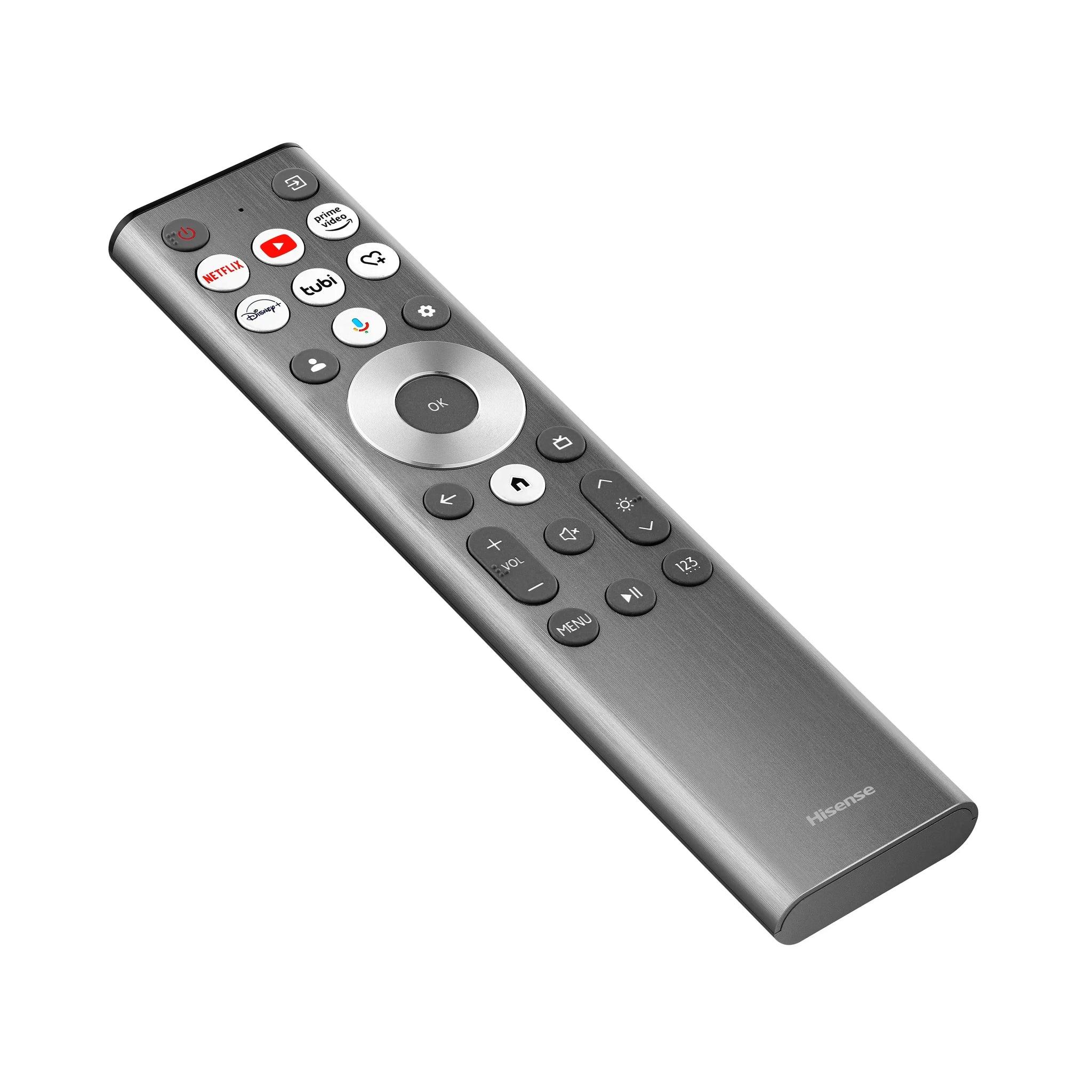
The smart platform experience differs significantly between these projectors. The Hisense PX3-PRO includes fully integrated Google TV, providing direct access to Netflix, Disney+, Amazon Prime Video, and virtually every other streaming service through native apps. The interface is responsive, and the content recommendations work well based on user feedback.
The Formovie 4K Max takes a different approach, shipping with FengOS as its base system but including an external Amazon Firestick for the US market. While this adds complexity to setup, it does provide flexibility – you can easily upgrade to newer streaming devices as they become available.
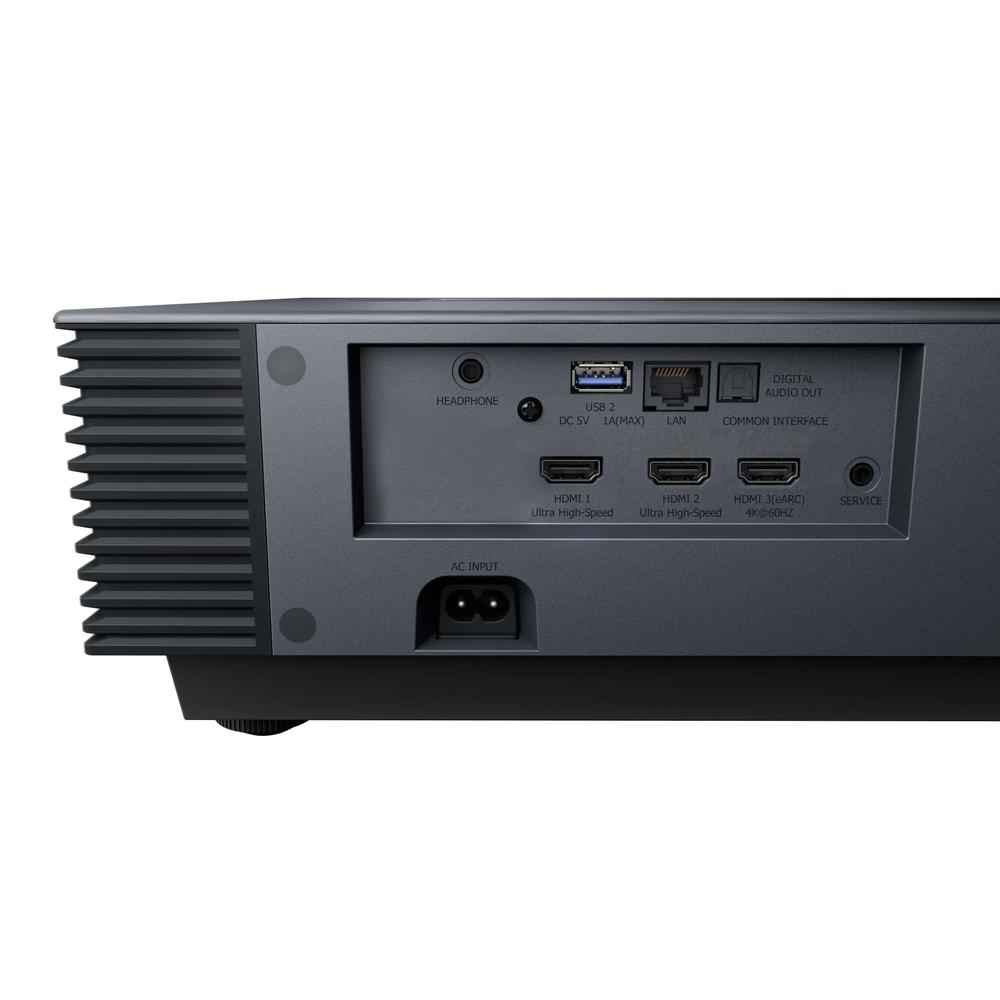
For connectivity, the Hisense PX3-PRO offers three HDMI ports with two being full 48Gbps HDMI 2.1 ports, crucial for high-refresh gaming and future 8K content. The Formovie 4K Max provides standard HDMI connectivity that's adequate for current needs but may be more limiting as devices evolve.
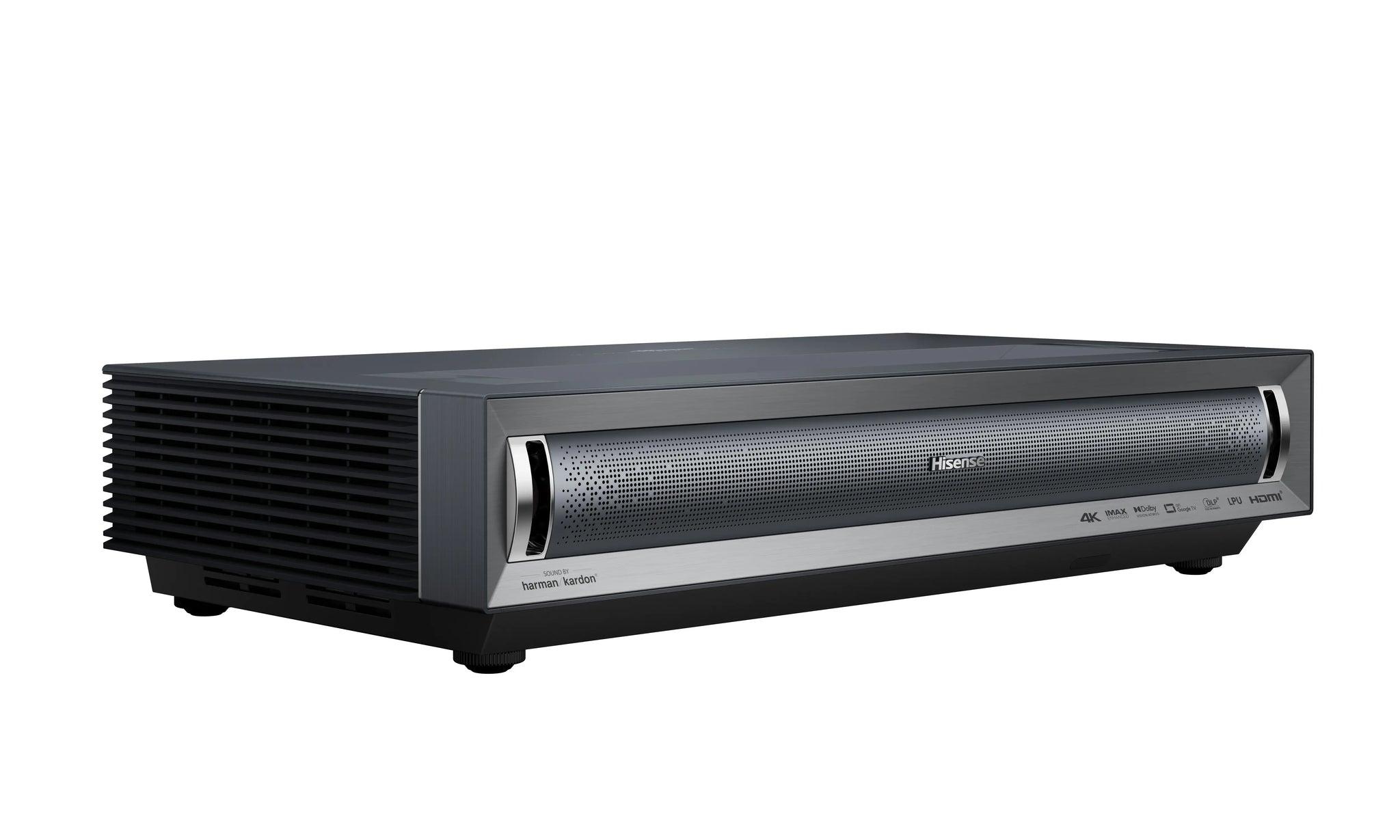
Both projectors include substantial built-in audio systems, though with different approaches. The Hisense PX3-PRO features a 50-watt Harman Kardon speaker system with front-firing drivers and Dolby Atmos support. User reviews consistently praise its clarity and power, with many noting it eliminates the need for a separate soundbar in medium-sized rooms.
The Formovie 4K Max includes dual 20-watt speakers tuned by Bowers & Wilkins. While the brand association is impressive, the lower power output becomes apparent in larger rooms or when competing with ambient noise.
Based on our research into user experiences, the Hisense PX3-PRO's audio system provides better dialogue clarity and fuller sound, though serious audiophiles will likely want to add a dedicated sound system regardless of which projector they choose.
High Dynamic Range (HDR) content – which provides enhanced contrast and color depth – has become increasingly important as streaming services expand their premium offerings. The Hisense PX3-PRO supports HDR10+, Dolby Vision, and even IMAX Enhanced formats, covering virtually all premium content available today.
The Formovie 4K Max supports HDR10+ and HLG but lacks Dolby Vision support. Dolby Vision is becoming the premium HDR standard, used extensively by Netflix, Disney+, and Apple TV+ for their highest-quality content. Without Dolby Vision support, you're missing out on the enhanced color and contrast these services offer.
At the time of writing, both projectors fall into the premium UST category, with the Formovie 4K Max carrying a price premium of roughly $200 over the Hisense PX3-PRO. This pricing dynamic makes the value equation interesting.
The Hisense PX3-PRO delivers superior color technology (which typically commands higher prices), better gaming features, integrated smart platform, superior audio, and comprehensive HDR support at a lower price point. From a pure value perspective, it offers more advanced technology per dollar spent.
The Formovie 4K Max justifies its premium through exceptional brightness and maximum screen size capability. However, you're also paying for features that may not benefit typical usage scenarios.
After analyzing extensive user feedback and expert reviews, clear usage patterns emerge for each projector.
The Hisense PX3-PRO excels in controlled lighting environments where color accuracy and overall image quality take precedence. It's ideal for dedicated home theaters, basement installations, or living rooms where you can manage ambient light with curtains or blinds. The superior color performance makes movies genuinely cinematic, while gaming features satisfy console enthusiasts.
The Formovie 4K Max shines in challenging lighting conditions where its brightness advantage overcomes ambient light issues. It's the better choice for multi-purpose family rooms with large windows, spaces where light control isn't practical, or installations requiring very large screen sizes.
Both projectors represent 2024 technology, incorporating recent advances in laser projection and smart features. The Hisense PX3-PRO's TriChroma laser system and comprehensive HDR support position it well for future premium content, while its gaming features align with current console capabilities.
The Formovie 4K Max's high brightness and large screen capability provide longevity, though its more limited color gamut and HDR support may feel restrictive as content standards continue advancing.
For most buyers, the Hisense PX3-PRO represents the better overall value and experience. Its superior color technology, comprehensive feature set, and integrated smart platform deliver a more complete home theater solution at a lower price point. The gaming optimizations and audio quality add significant value for households with varied entertainment needs.
Choose the Formovie 4K Max if you have specific requirements that justify its premium: notably bright viewing environments where its 4,500-lumen output is necessary, or installations requiring screen sizes larger than 150 inches.
The brightness difference is real and meaningful, but for most living spaces with reasonable light control, the Hisense PX3-PRO's combination of superior color accuracy, better features, and lower price makes it the more compelling choice. The cinema-quality color reproduction and comprehensive HDR support create a genuinely immersive viewing experience that makes movies and shows look their absolute best.
In the rapidly evolving world of home projection, the Hisense PX3-PRO strikes the optimal balance between cutting-edge technology, real-world performance, and value – making it our recommendation for most buyers considering the ultra short throw projector category.
| Hisense PX3-PRO Projector | Formovie 4K Max Ultra Short Throw Laser Projector |
|---|---|
| Brightness - Critical for daytime viewing and bright rooms | |
| 3,000 ANSI lumens (good for controlled lighting) | 4,500 ANSI lumens (excellent for bright rooms with ambient light) |
| Laser Technology - Affects color accuracy and longevity | |
| TriChroma RGB laser (three separate lasers for superior color) | Single laser with ALPD 3.0 and color wheel (brighter but less color accurate) |
| Color Gamut - Determines how vivid and accurate colors appear | |
| 110% BT.2020, 99.82% DCI-P3 (cinema-quality colors) | 100% Rec.709 (good but more limited color range) |
| Maximum Screen Size - Important for large room installations | |
| Up to 150 inches (suitable for most home theaters) | Up to 200 inches (better for very large spaces) |
| HDR Support - Essential for premium streaming content | |
| HDR10+, Dolby Vision, IMAX Enhanced (comprehensive support) | HDR10+, HLG (missing Dolby Vision for Netflix/Disney+) |
| Gaming Features - Matters for console and PC gaming | |
| Up to 240Hz at 1080p, ALLM, Xbox certified (optimized for gaming) | MEMC motion compensation (may increase input lag) |
| Smart Platform - Affects ease of use and app availability | |
| Integrated Google TV (native Netflix, no external device needed) | FengOS + external Amazon Firestick (extra setup required) |
| Built-in Audio - Important if not using external sound system | |
| 50W Harman Kardon with Dolby Atmos (powerful, clear audio) | Dual 20W Bowers & Wilkins tuned (lower power output) |
| HDMI Connectivity - Future-proofing for new devices | |
| 3 ports (2x HDMI 2.1, 1x HDMI 2.0 with eARC) | Standard HDMI connectivity (adequate for current needs) |
| Throw Ratio - How close projector can sit to wall | |
| 0.25:1 (projects 100" from ~10 inches away) | 0.23:1 (sits slightly closer to wall for same screen size) |
| Rainbow Effect Risk - Matters for sensitive viewers | |
| None (RGB laser eliminates rainbow artifacts) | Possible with color wheel system (some users may notice) |
| Contrast Ratio - Affects black levels and image depth | |
| 3,000:1 native contrast (deep blacks, punchy image) | 3,000:1 native contrast (similar black level performance) |
The Formovie 4K Max is significantly brighter at 4,500 ANSI lumens compared to the Hisense PX3-PRO at 3,000 ANSI lumens. This 50% brightness advantage makes the Formovie 4K Max much better for rooms with ambient light or daytime viewing, while the Hisense PX3-PRO works best in controlled lighting conditions.
The Hisense PX3-PRO delivers superior color accuracy with its TriChroma RGB laser system, covering 110% of the BT.2020 color space and 99.82% DCI-P3. The Formovie 4K Max uses a single laser with color wheel, covering 100% Rec.709, which is good but more limited for HDR content and cinema-quality colors.
The Formovie 4K Max can project up to 200 inches, while the Hisense PX3-PRO maxes out at 150 inches. However, for typical home theater use, both projectors work well at the more common 100-120 inch screen sizes that most people prefer.
The Hisense PX3-PRO is the clear winner for gaming, supporting up to 240Hz refresh rates at 1080p, ALLM (Auto Low Latency Mode), and Xbox certification. The Formovie 4K Max includes MEMC motion processing, but this can actually increase input lag, making it less ideal for competitive gaming.
Both projectors support 4K resolution and HDR, but the Hisense PX3-PRO offers more comprehensive HDR support including HDR10+, Dolby Vision, and IMAX Enhanced. The Formovie 4K Max supports HDR10+ and HLG but lacks Dolby Vision, which is important for premium Netflix and Disney+ content.
The Hisense PX3-PRO features a superior 50-watt Harman Kardon speaker system with Dolby Atmos support, providing clearer dialogue and fuller sound. The Formovie 4K Max has dual 20-watt Bowers & Wilkins tuned speakers, which sound good but may need supplemental audio in larger rooms.
The Hisense PX3-PRO includes fully integrated Google TV with native access to Netflix, Disney+, and other streaming apps. The Formovie 4K Max uses FengOS but ships with an external Amazon Firestick for US users, requiring additional setup for optimal smart features.
The Hisense PX3-PRO generally offers better value, providing superior color technology, gaming features, integrated smart platform, and better audio at a lower price point. The Formovie 4K Max commands a premium mainly for its higher brightness, which may be worth it if you have challenging lighting conditions.
Both projectors can sit very close to the wall, with the Formovie 4K Max having a slight edge at 0.23:1 throw ratio versus the Hisense PX3-PRO at 0.25:1. In practical terms, both can create a 100-inch image from about 8-10 inches away from the wall.
For movie enthusiasts, the Hisense PX3-PRO is the better choice due to its superior color accuracy, wider color gamut, comprehensive Dolby Vision support, and elimination of rainbow effects. These features combine to create a more cinema-like experience, especially for premium HDR content.
The Formovie 4K Max is specifically designed for bright rooms with its 4,500 ANSI lumens, making it suitable for spaces with windows or ambient lighting. The Hisense PX3-PRO works best in rooms where you can control lighting with curtains or blinds, though it can handle moderate ambient light.
Choose the Hisense PX3-PRO for superior color quality, gaming performance, and overall value, especially if you can control room lighting. Choose the Formovie 4K Max if you need maximum brightness for very bright rooms or require screen sizes larger than 150 inches. For most home theater setups, the Hisense PX3-PRO provides the better overall experience.
We've done our best to create useful and informative comparisons to help you decide what product to buy. Our research uses advanced automated methods to create this comparison and perfection is not possible - please contact us for corrections or questions. These are the sites we've researched in the creation of this article: shop.hisense-usa.com - avsforum.com - youtube.com - projectorcentral.com - avsforum.com - youtube.com - projectorreviews.com - avsforum.com - projectorcentral.com - en.heimkinowelten.de - dreamediaav.com - rtings.com - eu.formovie.com - notebookcheck.net - formovie.com - techradar.com - projectorcentral.com - projectorscreen.com - projectorcentral.com - projectorreviews.com - projectorcentral.com - formovie.com

Privacy Policy
Terms and Conditions - Affiliate Policy
Home Security
© Copyright 2008-2026.
11816 Inwood Rd #1211, Dallas, TX 75244