

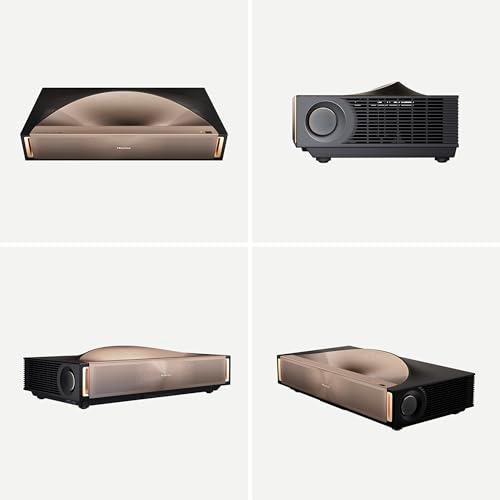
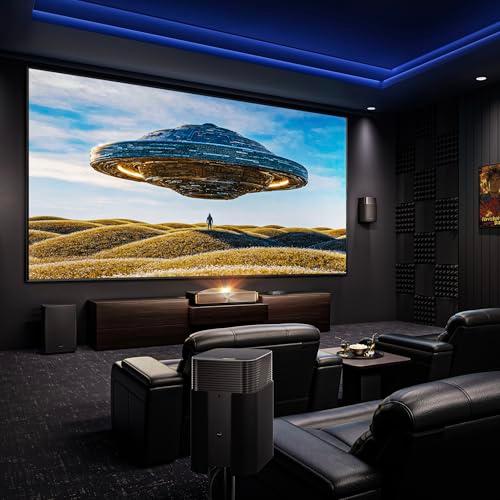
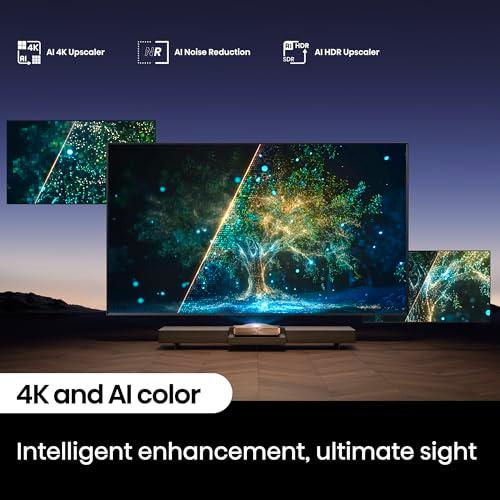
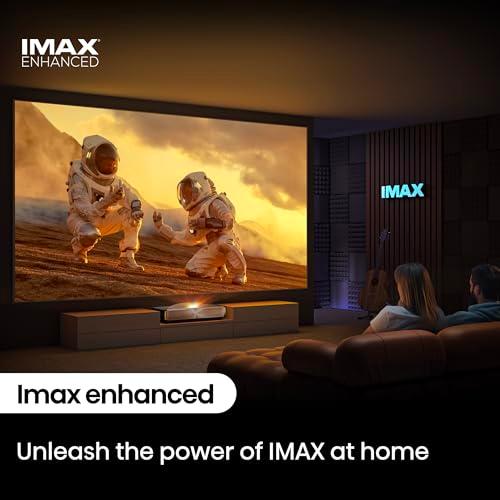

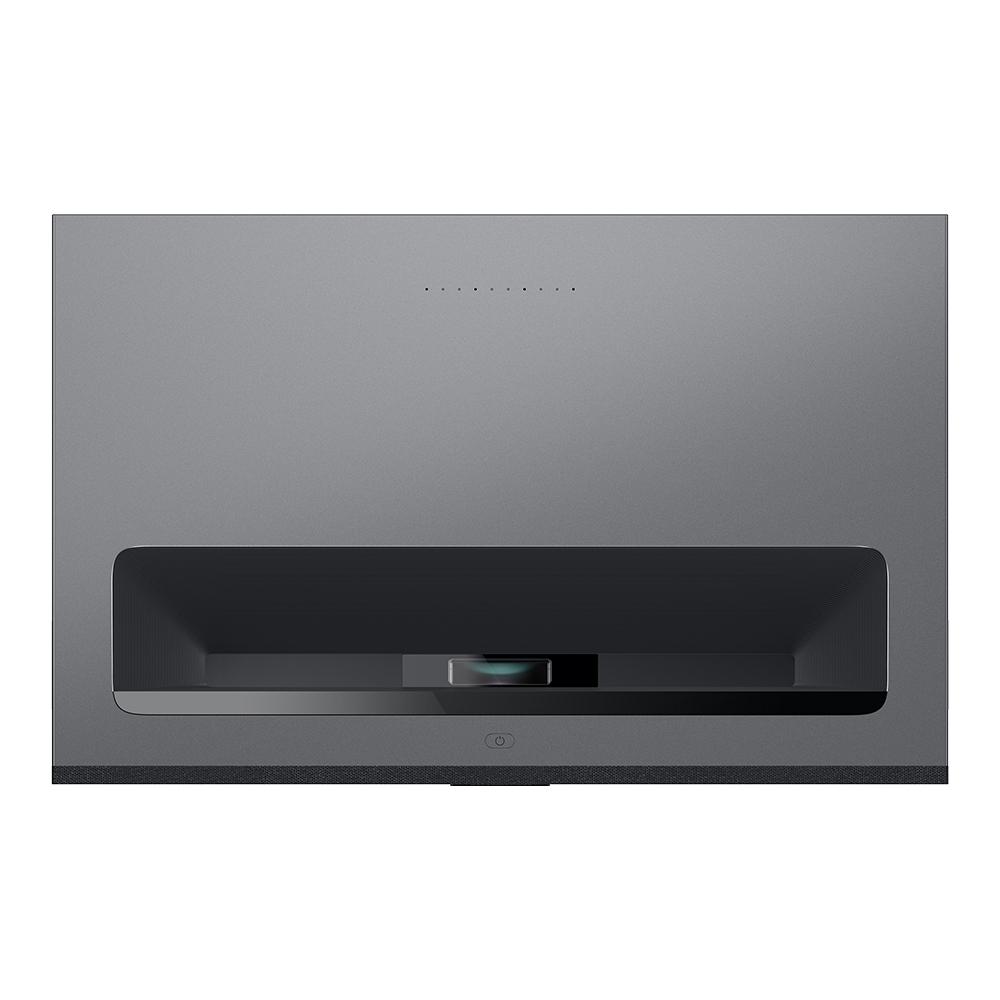
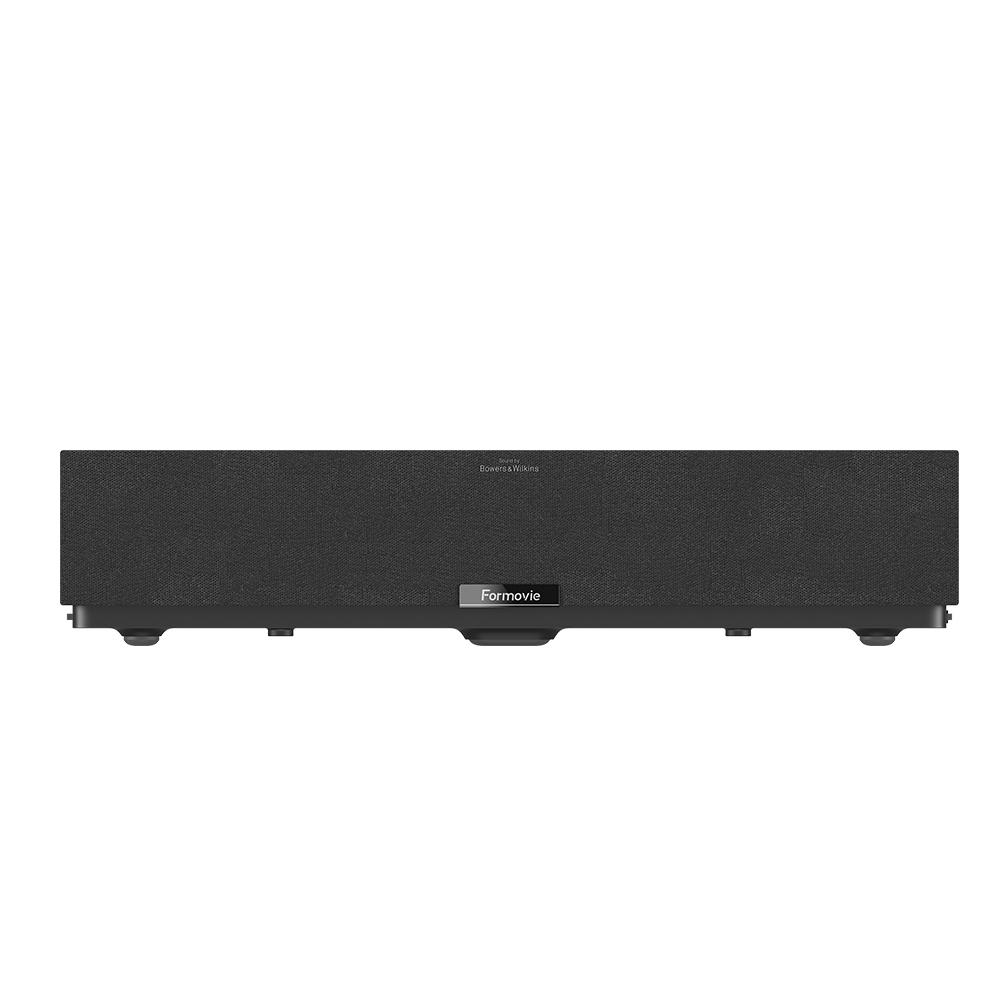
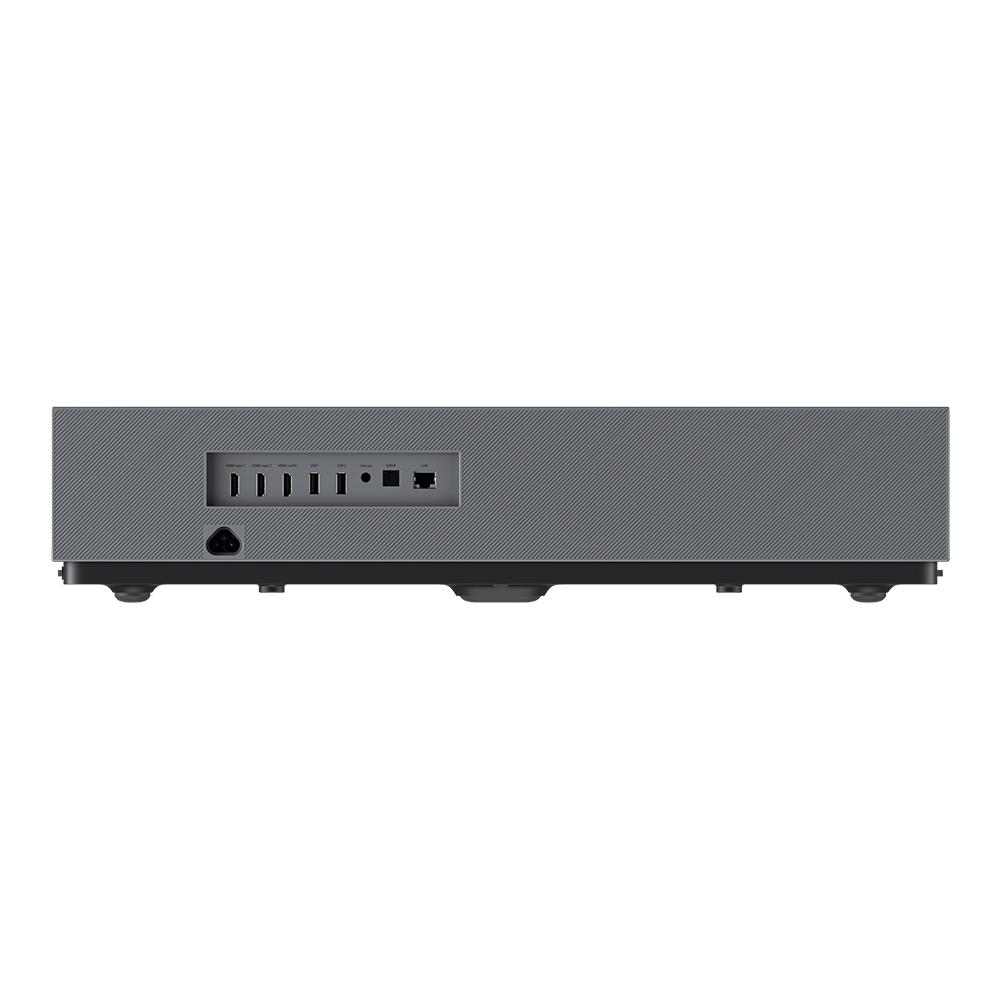
Large-screen entertainment used to mean either a massive, expensive TV or a complex projector setup requiring a dark basement room. Ultra Short Throw (UST) projectors have completely changed this equation, bringing 100+ inch displays into regular living rooms with surprisingly simple installation. These specialized projectors sit just inches from your wall—imagine a sleek sound bar that shoots light upward to create a massive screen above it.
The technology has matured rapidly, with 2024 and 2025 bringing significant improvements in brightness, color accuracy, and built-in audio systems. Two models that represent different approaches to this category are the premium Hisense L9Q and the value-focused Formovie Theater. Understanding their differences will help you choose the right projector for your space and budget.
Before diving into comparisons, it's worth understanding what makes UST projectors special. Traditional projectors need to be mounted on your ceiling or placed far back in the room—a 100-inch screen might require the projector to be 10-12 feet away. UST projectors flip this completely, using specially designed optics to create large images from extremely close distances.
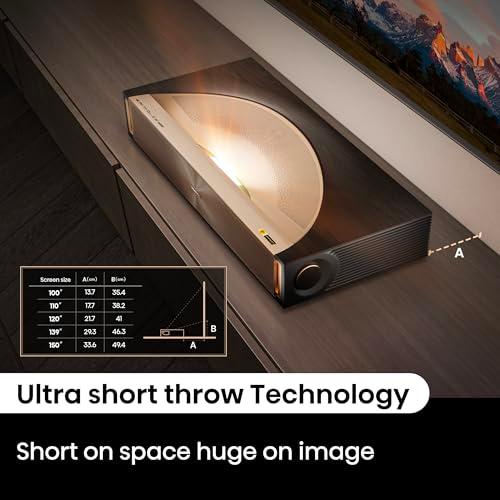
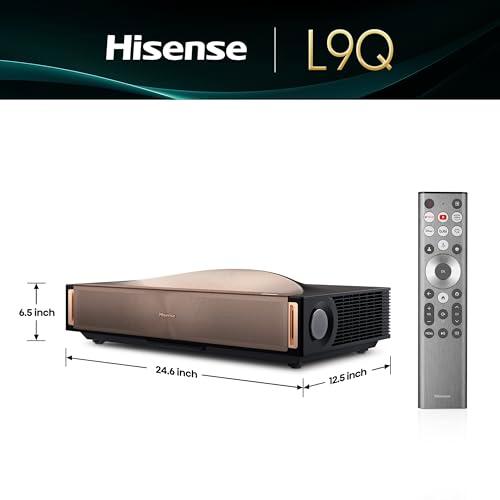
The "throw ratio" describes this relationship—it's the distance from projector to screen divided by the screen width. A traditional projector might have a throw ratio of 1.5:1, meaning it needs 150 inches of distance for a 100-inch wide screen. The Hisense L9Q achieves an incredible 0.18:1 throw ratio, creating that same 100-inch image from just over 5 inches away.
This proximity offers huge advantages: no shadows when people walk by, no ceiling mounting complexity, and no long cable runs. The projector essentially becomes a piece of furniture that happens to create a massive display.
The most critical specification for any UST projector is brightness, measured in ANSI lumens. This number determines whether your projector can overcome room lighting to deliver a watchable image. Traditional home theater projectors might produce 1,500-2,500 lumens and require darkened rooms. UST projectors need to be much brighter because they're competing with living room lighting and potentially reflecting off lighter-colored walls rather than specialized screens.
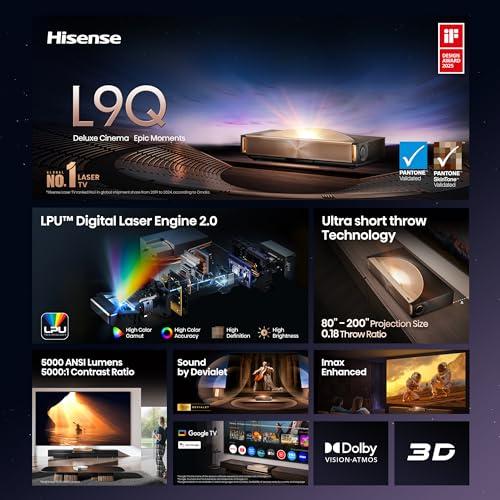
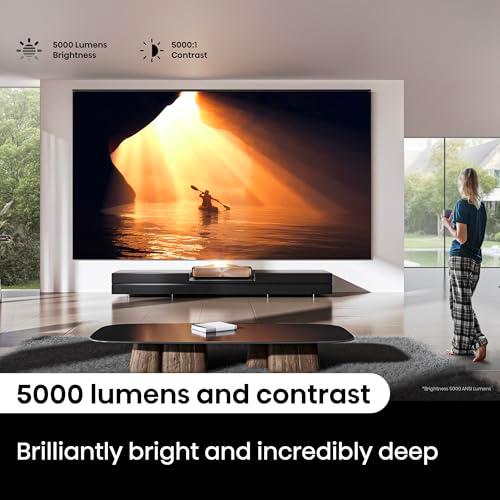
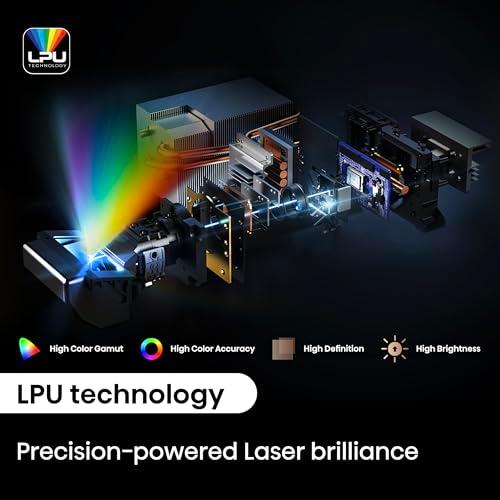
The Hisense L9Q delivers an exceptional 5,000 ANSI lumens using its triple-laser light engine. This isn't marketing fluff—independent testing confirms this output level, making it one of the brightest consumer UST projectors available. In practical terms, this means you can watch content with normal room lighting, curtains open during daytime, and still get a vibrant, contrasty image.
The Formovie Theater, at 2,800 ANSI lumens, represents a more typical brightness level for mid-range UST projectors. This is still quite bright by traditional projector standards and perfectly adequate for controlled lighting conditions. However, the difference becomes apparent in brighter rooms or when using larger screen sizes where the light gets spread over more area.
From our research into user experiences, brightness tolerance varies significantly between individuals and viewing preferences. Some users prefer the slightly more natural contrast that comes with moderate brightness in darker rooms, while others prioritize the flexibility to watch content anytime without adjusting room lighting.
Both projectors use laser light sources, but they approach color reproduction differently, and these differences significantly impact image quality.
The Hisense L9Q employs what Hisense calls their LPU Digital Laser Engine 2.0, which uses separate red, green, and blue lasers (RGB triple-laser). This approach eliminates the color wheel found in many projectors, which spins rapidly to create different colors. Without the spinning wheel, there's no rainbow effect—those brief color flashes some people notice when looking away from DLP projectors.
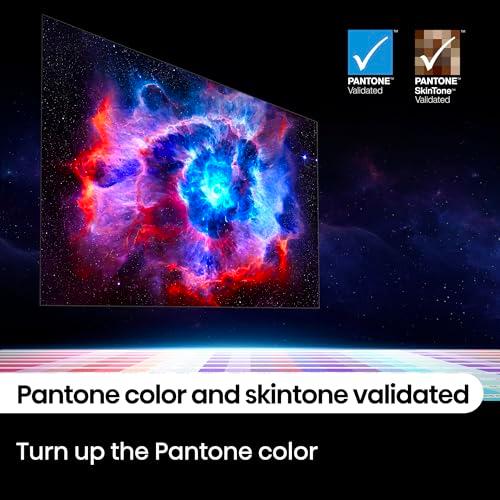
More importantly, the RGB laser approach allows the L9Q to achieve 110% coverage of the BT.2020 color space with Pantone validation. This is professional-grade color accuracy that ensures skin tones look natural, landscapes appear vibrant but realistic, and colors match what content creators intended.
The Formovie Theater uses ALPD 4.0 technology, which is still laser-based but employs a hybrid approach that can include some phosphor elements. It covers 107% of the Rec.2020 color space, which is excellent and very close to the L9Q's performance. However, user reports suggest it may require some calibration out of the box to achieve optimal color accuracy.
The practical difference comes down to consistency and convenience. The Hisense L9Q delivers reference-quality colors immediately, while the Formovie Theater can achieve similar results with some tweaking.
Contrast ratio—the difference between the brightest whites and darkest blacks—determines how punchy and three-dimensional your image appears. This is where UST projectors face a fundamental challenge: achieving high brightness often compromises black levels.
The Hisense L9Q claims a 5,000:1 contrast ratio, which is remarkable considering its extreme brightness. Real-world measurements confirm ratios between 4,100:1 and 4,500:1, which delivers solid blacks without the washed-out appearance common in very bright projectors.
The Formovie Theater, with its 3,000:1 contrast ratio, actually delivers deeper blacks in dark room conditions due to its lower brightness floor. This creates what many describe as a punchier, more dynamic image when ambient light isn't a factor.
This illustrates a key decision point: the L9Q prioritizes versatility across different lighting conditions, while the Formovie Theater optimizes for controlled viewing environments.
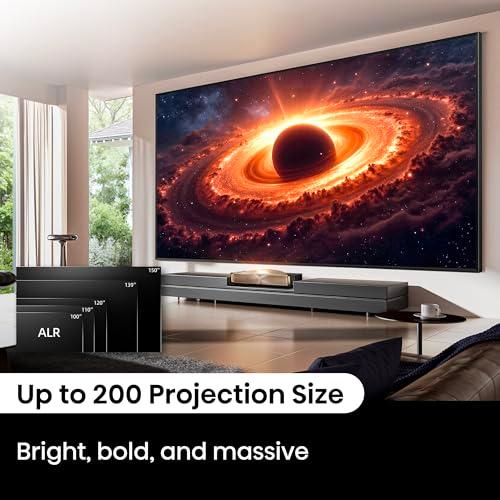
The throw ratio differences translate to real installation advantages. The Hisense L9Q can create a 100-inch image from just 5.4 inches away and supports screens up to 200 inches—useful for those wanting truly massive displays. The Formovie Theater needs 5.5 inches for an 80-inch image and maxes out at 150 inches.
For most living rooms, both projectors offer adequate flexibility, but the L9Q's superior throw ratio provides more installation options and future-proofing for larger spaces.
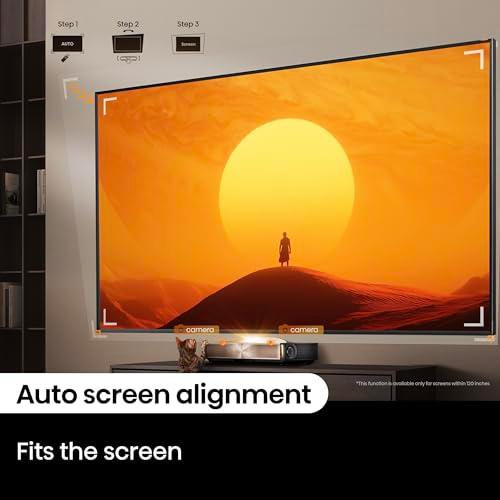
Both projectors include keystone correction to square up the image if the projector isn't perfectly aligned, though getting the initial positioning right is still important for optimal image quality.
One of UST projectors' biggest advantages is eliminating the need for complex audio setups. Both models take this seriously but at different levels.
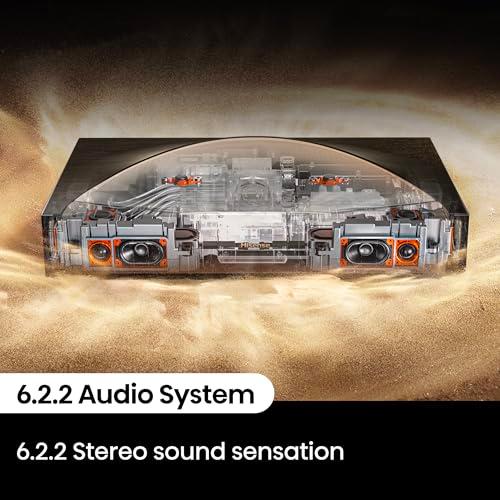
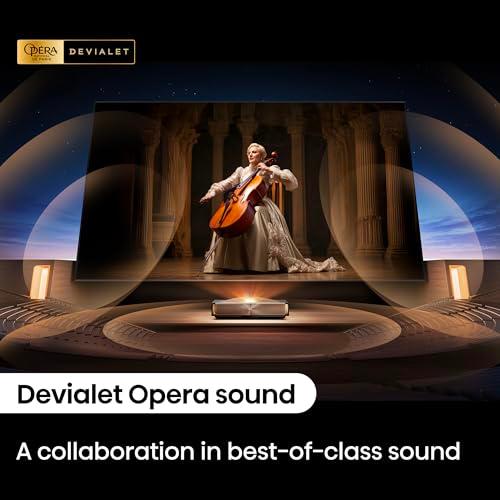
The Hisense L9Q includes a 116W 6.2.2-channel system developed with Devialet, a respected French audio company. This isn't just marketing partnership—it's a genuine surround sound system with upward-firing drivers for Dolby Atmos effects and dual subwoofers for bass response. The system is tuned by the Opéra de Paris, and from user reports, it delivers room-filling sound that eliminates the need for a sound bar or receiver for most viewers.
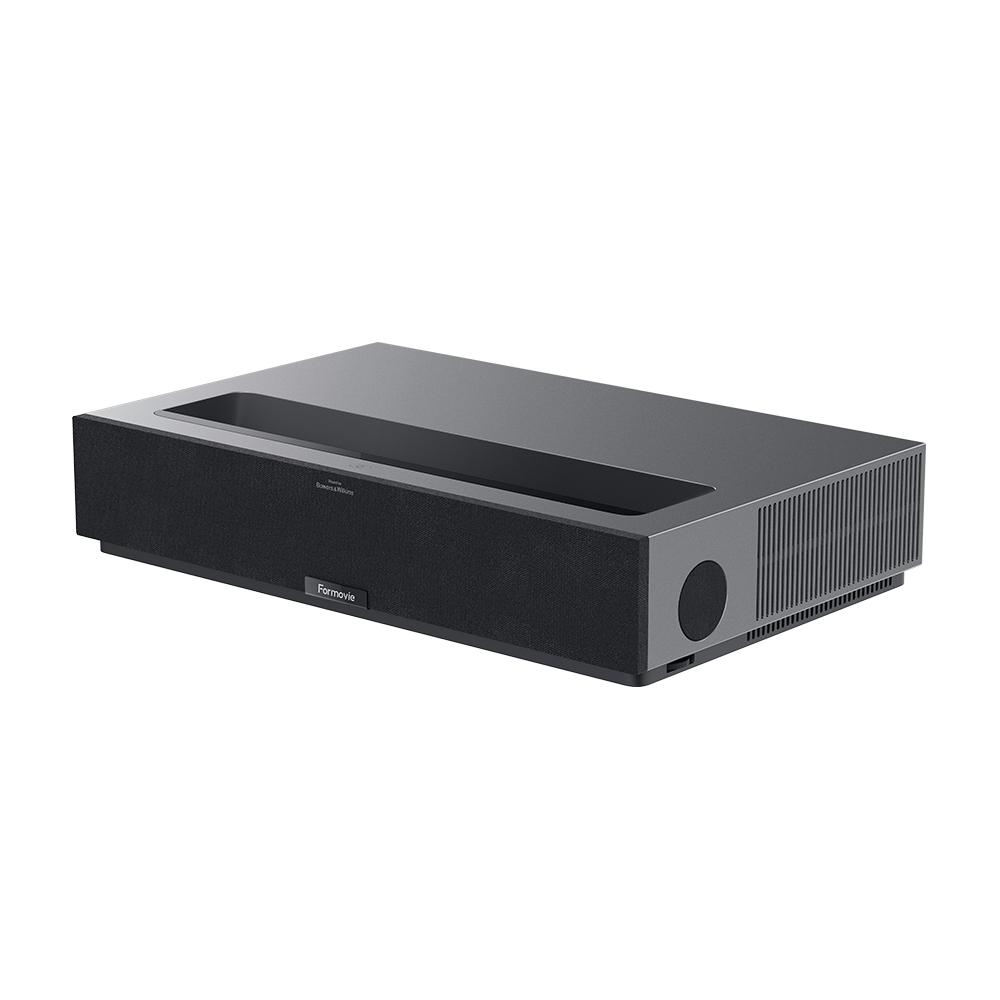
The Formovie Theater provides a 30W Bowers & Wilkins system with Dolby Atmos support. While not as powerful, it's still significantly better than typical built-in TV speakers and adequate for smaller rooms or casual viewing.
The audio difference represents about $1,000-$1,500 worth of external audio equipment, which factors into the overall value equation.
Gaming performance has become increasingly important as UST projectors move into living rooms shared with gaming consoles. Input lag—the delay between controller input and screen response—matters enormously for competitive gaming.
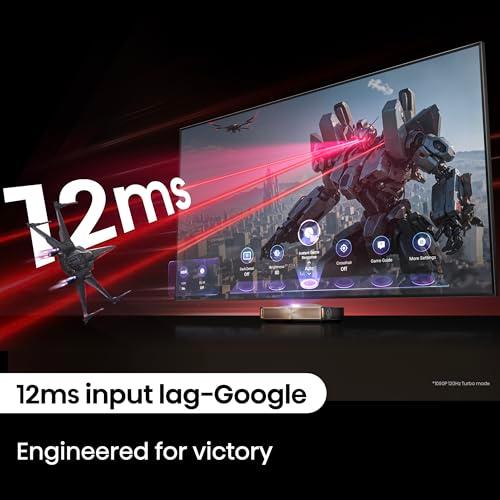
The Hisense L9Q achieves 12ms input lag in Game Mode, which is excellent for a projector and perfectly acceptable for all gaming types. It also includes HDMI 2.1 ports supporting 4K at 120Hz, VRR (Variable Refresh Rate), and ALLM (Auto Low Latency Mode) that automatically switches to gaming mode when it detects a console.
The Formovie Theater supports ALLM and includes gaming features, but it's limited to 4K at 60Hz. For casual gaming, this is fine, but serious gamers will appreciate the L9Q's additional capabilities.
Both projectors include comprehensive smart TV platforms that eliminate the need for external streaming devices for most users.
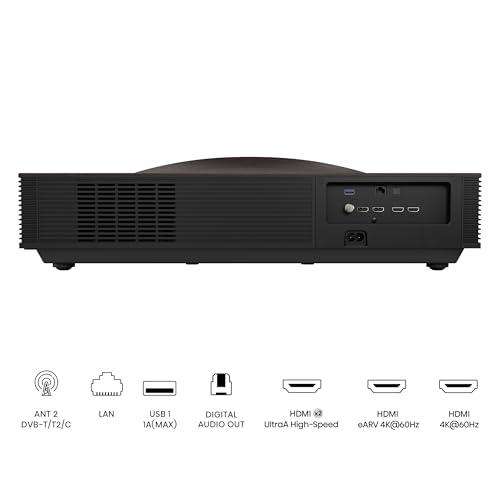
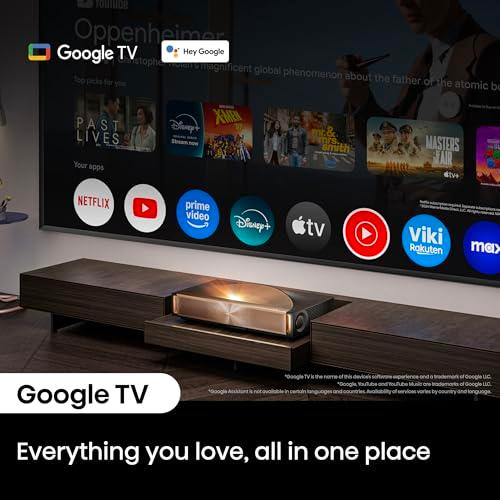
The Hisense L9Q runs Google TV with official certification, ensuring access to all major streaming services including Netflix at full 4K quality. It includes Wi-Fi 6E for faster streaming and more connectivity options including four HDMI ports and an ATSC 3.0 tuner for next-generation over-the-air broadcasts.
The Formovie Theater uses Android TV 11 with Chromecast built-in, providing good app selection though possibly not official Netflix certification. It includes three HDMI 2.1 ports, which should be adequate for most setups.
At the time of writing, these projectors occupy different market segments with the Hisense L9Q positioned as a premium option at roughly $6,000, while the Formovie Theater targets the value segment at around $3,500.
The L9Q justifies its premium through several factors: significantly higher brightness enabling flexible room usage, professional-grade color accuracy, comprehensive audio system, and gaming-optimized features. If you calculate the cost of achieving equivalent brightness and audio with separate components, the premium becomes more reasonable.
The Formovie Theater offers excellent core performance—4K resolution, good color accuracy, and solid audio—at a more accessible price point. For dedicated home theater rooms or users willing to control lighting, it delivers most of the UST experience at significant savings.
Choose the Hisense L9Q if you prioritize maximum flexibility in room lighting, want screens larger than 150 inches, value having comprehensive audio built-in, or need optimal gaming performance. It's ideal for main living rooms with lots of windows, families with varied viewing preferences, or anyone wanting a true all-in-one solution.
The Formovie Theater makes more sense for dedicated viewing rooms, users with existing audio systems, or anyone wanting to enter the UST category without the premium investment. It's particularly appealing for apartment dwellers or anyone prioritizing value while still getting excellent 4K performance.
Both projectors represent the current state of UST technology maturity—either will deliver a dramatically better large-screen experience than comparably priced TVs. The decision ultimately comes down to your specific room conditions, usage patterns, and budget priorities.
The UST projector category continues evolving rapidly, with improvements in brightness, color accuracy, and features arriving regularly. However, both of these 2024/2025 models represent mature technology that should provide years of excellent performance, making either a solid investment in large-screen entertainment.
| Hisense L9Q Triple Laser Ultra Short Throw Projector | Formovie Theater Ultra Short Throw Triple Laser Projector |
|---|---|
| Brightness - Most critical factor for daytime viewing and room flexibility | |
| 5,000 ANSI lumens (excellent for bright rooms and large screens) | 2,800 ANSI lumens (good for controlled lighting conditions) |
| Native Resolution - Image sharpness and detail quality | |
| 4K UHD (3840 x 2160) with pixel-shifting DLP chip | 4K UHD (3840 x 2160) with pixel-shifting DLP chip |
| Color Gamut - Vibrancy and accuracy of colors displayed | |
| 110% BT.2020 with Pantone validation (professional-grade accuracy) | 107% Rec.2020 (excellent but may need calibration) |
| Contrast Ratio - Depth and punchiness of image | |
| 5,000:1 (remarkable for such high brightness) | 3,000:1 (deeper blacks due to lower brightness floor) |
| Maximum Screen Size - How large your display can be | |
| Up to 200 inches (massive cinema-like experience) | Up to 150 inches (still very large for most rooms) |
| Throw Ratio - How close projector sits to wall/screen | |
| 0.18:1 (100" image from 5.4" away - most flexible positioning) | 0.23:1 (80" image from 5.5" away - still very close) |
| Built-in Audio - Eliminates need for external speakers | |
| 116W 6.2.2-channel Devialet system with Dolby Atmos | 30W Bowers & Wilkins system with Dolby Atmos |
| Gaming Performance - Input lag and refresh rate capabilities | |
| 12ms input lag, 4K@120Hz, HDMI 2.1 with VRR/ALLM | ALLM support, 4K@60Hz maximum |
| Smart Platform - Streaming apps and interface quality | |
| Google TV with official Netflix certification | Android TV 11 with Chromecast integration |
| Connectivity Options - HDMI ports and modern features | |
| 4 HDMI ports (2x HDMI 2.1), Wi-Fi 6E, ATSC 3.0 tuner | 3 HDMI 2.1 ports, standard connectivity |
| HDR Support - Enhanced dynamic range for modern content | |
| Dolby Vision, HDR10+, HDR10, HLG, IMAX Enhanced | HDR10, Dolby Vision, HDR10+ |
| Laser Lifespan - Long-term reliability and maintenance | |
| 25,000+ hours (decades of normal use) | Standard laser lifespan (typically 20,000+ hours) |
| Target User - Who should consider this projector | |
| Premium users wanting maximum brightness, large screens, and all-in-one solution | Value-conscious buyers with controlled lighting seeking excellent 4K performance |
The Hisense L9Q is significantly brighter at 5,000 ANSI lumens compared to the Formovie Theater's 2,800 ANSI lumens. This means the L9Q can handle well-lit rooms and daytime viewing much better, while the Formovie Theater works best with controlled lighting or dimmed rooms.
The Hisense L9Q supports screens up to 200 inches, making it ideal for large home theaters or living rooms. The Formovie Theater maxes out at 150 inches, which is still quite large for most home setups but more limited for those wanting a truly cinematic experience.
Both are ultra short throw projectors that sit very close to the screen. The Hisense L9Q has a superior 0.18:1 throw ratio, creating a 100-inch image from just 5.4 inches away. The Formovie Theater needs 5.5 inches for an 80-inch image with its 0.23:1 throw ratio.
The Hisense L9Q features a premium 116W 6.2.2-channel Devialet sound system that can replace most external speakers. The Formovie Theater has a 30W Bowers & Wilkins system that's good quality but less powerful, making it better suited for smaller rooms or use with external audio.
The Hisense L9Q excels for gaming with 12ms input lag, 4K@120Hz support, and HDMI 2.1 features like VRR and ALLM. The Formovie Theater supports ALLM but is limited to 4K@60Hz, making it suitable for casual gaming but not ideal for competitive or next-gen console gaming.
The Hisense L9Q offers professional-grade color with 110% BT.2020 coverage and Pantone validation, delivering accurate colors right out of the box. The Formovie Theater covers 107% Rec.2020, which is excellent but may require calibration for optimal color accuracy.
The Hisense L9Q runs Google TV with official Netflix certification and access to all major streaming apps. The Formovie Theater uses Android TV 11 with Chromecast integration, providing good app selection though potentially without official Netflix support.
The Formovie Theater offers excellent value for those with controlled lighting conditions, delivering solid 4K performance at a lower price point. The Hisense L9Q justifies its premium pricing with superior brightness, audio, and features that eliminate the need for additional equipment.
The Hisense L9Q achieves a remarkable 5,000:1 contrast ratio despite its high brightness. The Formovie Theater has a 3,000:1 contrast ratio but may actually deliver deeper blacks in dark rooms due to its lower brightness floor.
The Hisense L9Q is specifically designed for bright living rooms with its 5,000 ANSI lumens output, allowing comfortable viewing with curtains open and normal room lighting. The Formovie Theater requires more controlled lighting conditions for optimal performance.
Both projectors support modern HDR formats. The Hisense L9Q supports Dolby Vision, HDR10+, HDR10, HLG, and IMAX Enhanced. The Formovie Theater supports HDR10, Dolby Vision, and HDR10+, covering the most important formats for streaming and gaming.
For a dedicated dark home theater room, the Formovie Theater can deliver excellent performance at better value, especially if you have external audio. However, the Hisense L9Q provides more flexibility if you occasionally want to watch with ambient lighting and offers superior built-in audio for a complete all-in-one solution.
We've done our best to create useful and informative comparisons to help you decide what product to buy. Our research uses advanced automated methods to create this comparison and perfection is not possible - please contact us for corrections or questions. These are the sites we've researched in the creation of this article: chrismajestic.com - shop.hisense-usa.com - tomsguide.com - valueelectronics.com - techradar.com - whathifi.com - youtube.com - projectorscreen.com - projectorscreen.com - hisense-usa.com - youtube.com - projectorcentral.com - youtube.com - hisense-usa.com - manuals.plus - shop.avispl.com - hisense-usa.com - techradar.com - projectorcentral.com - rtings.com - formovie.com - projectorreviews.com - projectorcentral.com - projectorscreen.com - projectorcentral.com - nothingprojector.com - formovie.com

Privacy Policy
Terms and Conditions - Affiliate Policy
Home Security
© Copyright 2008-2026.
11816 Inwood Rd #1211, Dallas, TX 75244