

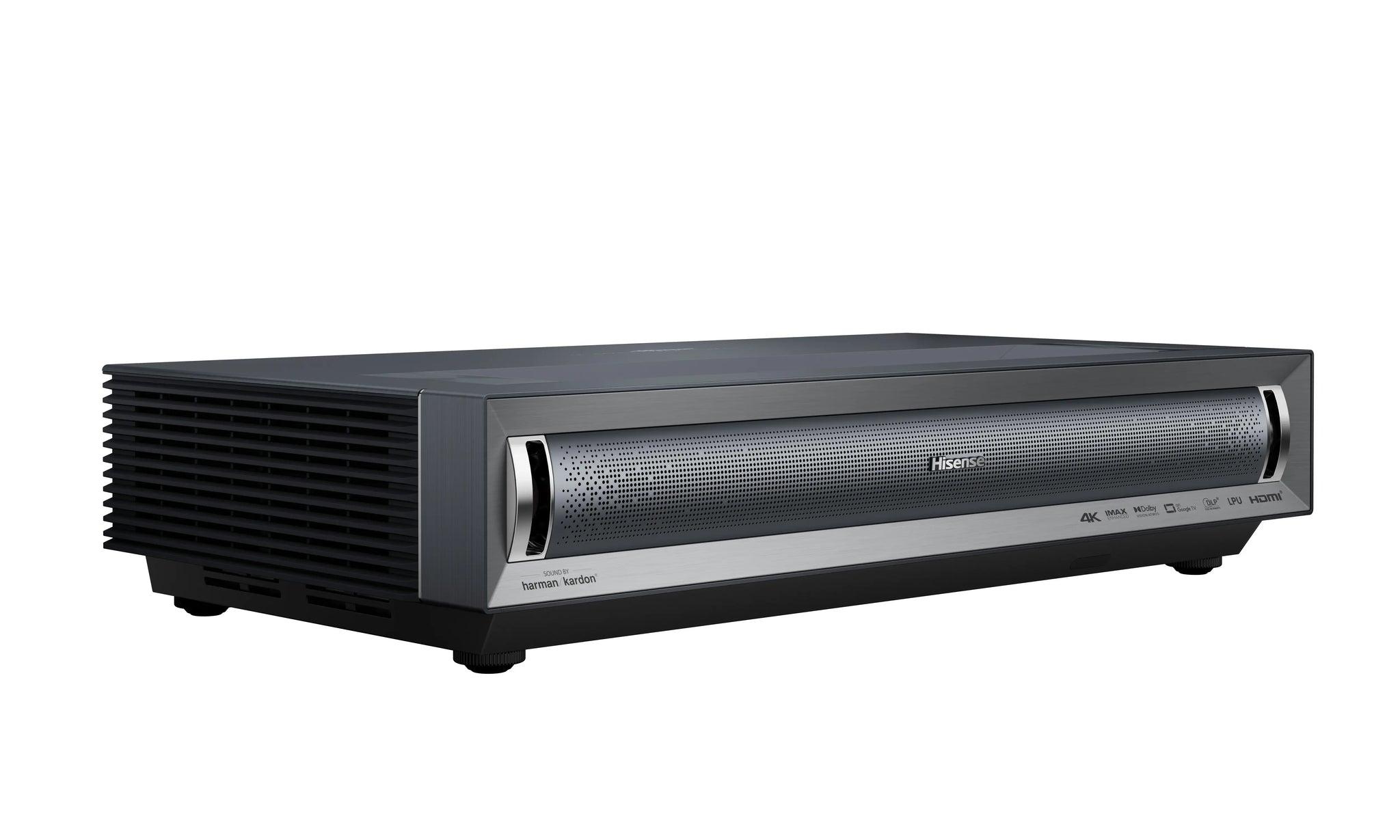
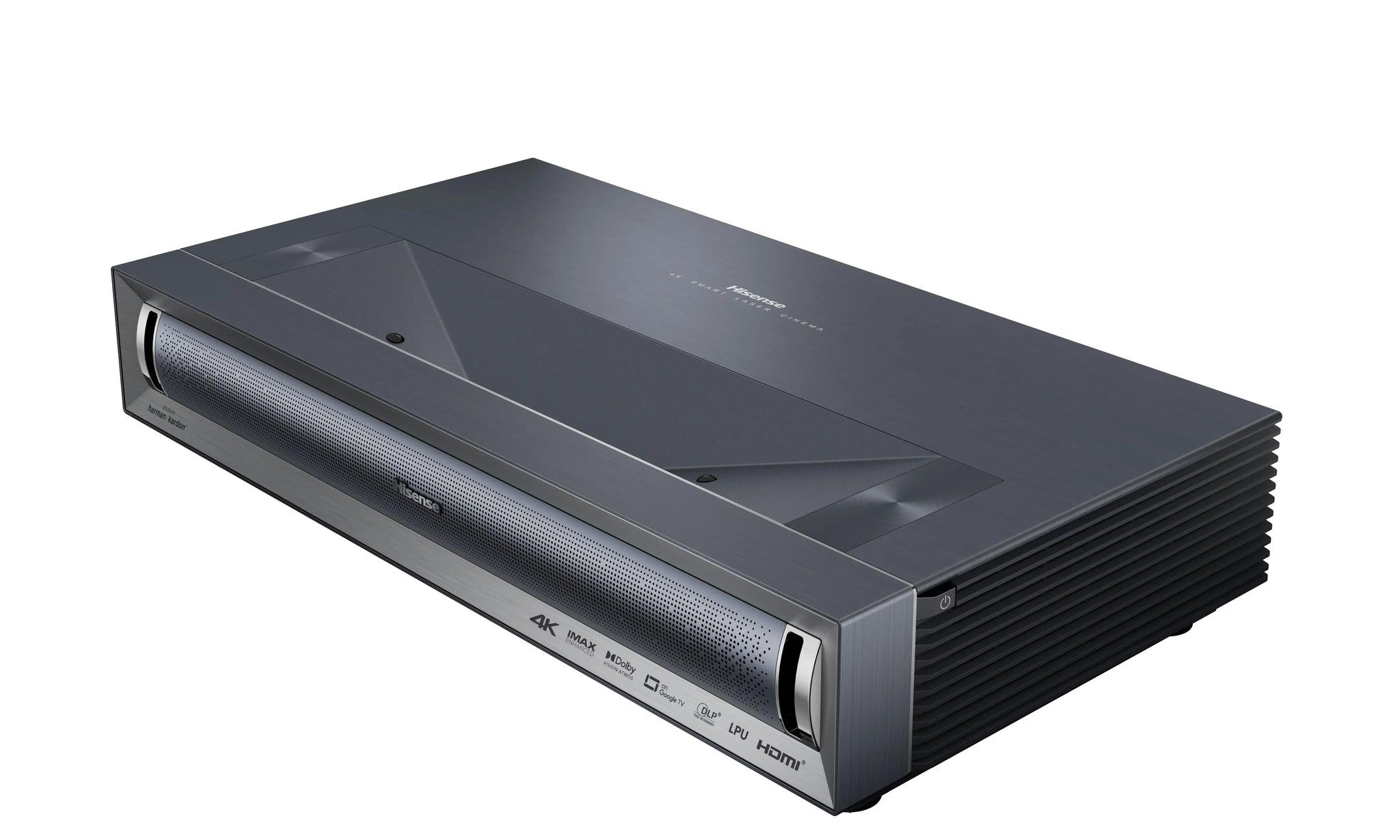
Ultra Short Throw (UST) projectors have revolutionized home entertainment since their mainstream introduction around 2020. These impressive devices can create massive 100+ inch displays while sitting just inches from your wall—no ceiling mounting, no tangled cables running across your room, and no shadows when someone walks by during movie night.
Think of UST projectors as the sweet spot between enormous TVs (which get prohibitively expensive at large sizes) and traditional projectors (which require complex installation). Both the Hisense PX3-PRO and AWOL Vision LTV-3000 Pro launched in 2023-2024, representing the latest evolution in this rapidly advancing technology. But while they might look similar on paper, their approaches to delivering that big-screen experience differ significantly.
Before diving into these specific models, it's worth understanding what separates great UST projectors from mediocre ones. The most critical factor is brightness, measured in either ANSI lumens or ISO lumens (both are standardized measurements, with ISO being slightly more conservative). Unlike traditional projectors used in dark basements, UST projectors need to battle ambient light in your living room.
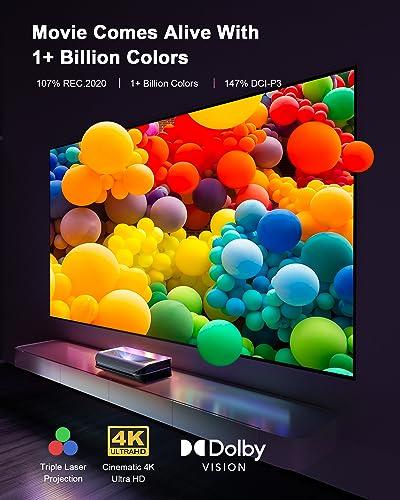
Color performance comes next, determined by both the color gamut (how many colors the projector can display) and color accuracy (how true those colors appear). Modern laser projectors use either single-laser systems with color wheels or tri-color laser systems that combine red, green, and blue lasers directly.
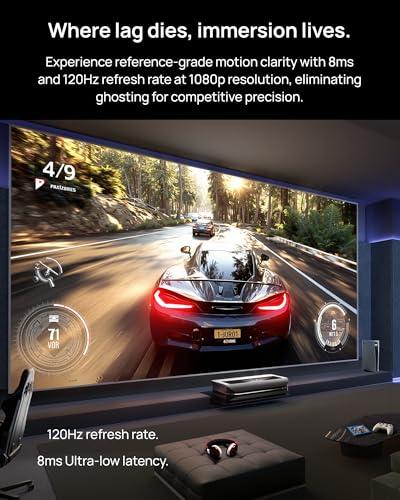
Gaming performance has become increasingly important as these projectors target living room entertainment centers. Input lag—the delay between pressing a button and seeing the result on screen—needs to stay low, while refresh rates determine how smooth motion appears, especially crucial for gaming and sports.
Audio quality matters more for UST projectors than traditional models because they're designed as all-in-one entertainment solutions. Many users hope to avoid buying separate speakers or soundbars, making the built-in audio system a key consideration.
This is where the Hisense PX3-PRO absolutely dominates. Our research into professional reviews and user feedback consistently points to a significant brightness advantage—the Hisense delivers 3,000 ANSI lumens compared to the AWOL Vision's 2,000 ISO lumens. That 50% difference isn't just a number on a spec sheet; it fundamentally changes how you can use these projectors.
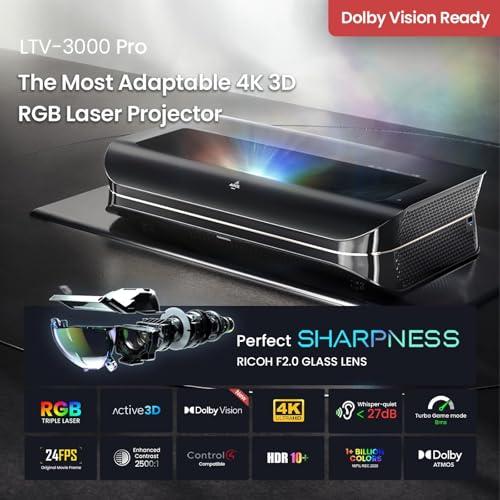
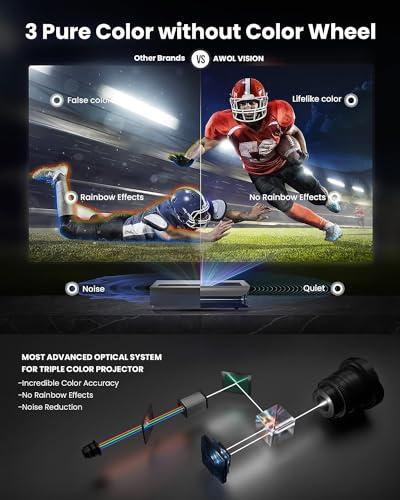
The Hisense uses what's called TriChroma laser technology, which combines three separate lasers (red, green, and blue) to create pure colors without needing a spinning color wheel. This approach not only produces more accurate colors but also enables higher brightness levels. The AWOL Vision uses a similar tri-color laser system, but the output simply isn't as powerful.
In practical terms, the Hisense PX3-PRO handles daytime viewing scenarios that would wash out the AWOL Vision. If your living room has large windows or you typically watch TV with normal lighting, this brightness difference becomes the deciding factor. Even with expensive ambient light rejecting (ALR) screens that help combat room lighting, the extra lumens from the Hisense provide more flexibility in your viewing environment.
However, brightness isn't everything. In a properly darkened room, both projectors deliver excellent image quality. The AWOL Vision becomes much more competitive when you can control your lighting, and some users actually prefer slightly dimmer projectors for late-night viewing comfort.
Color performance tells a more nuanced story. The Hisense PX3-PRO claims 110% coverage of the BT.2020 color space—the current standard for high-quality content. The AWOL Vision hits 107% coverage, so both projectors can display a wider range of colors than most TVs.
But coverage numbers only tell part of the story. Color accuracy—how closely displayed colors match the content creator's intent—depends heavily on factory calibration. Our research into professional reviews suggests the Hisense delivers better out-of-the-box accuracy, meaning colors look correct without requiring expensive professional calibration.
The Hisense also demonstrates superior contrast ratios (3,000:1 versus 2,500:1), which affects how deep blacks appear and how much detail you can see in dark scenes. In practice, this means better performance in dimly lit movie scenes and more realistic shadow detail.
Color wheels, found in single-laser projectors, can create a "rainbow effect"—brief flashes of separated colors when you move your eyes quickly. Both of these tri-laser projectors avoid this issue entirely, providing smoother color reproduction that's easier on the eyes during long viewing sessions.
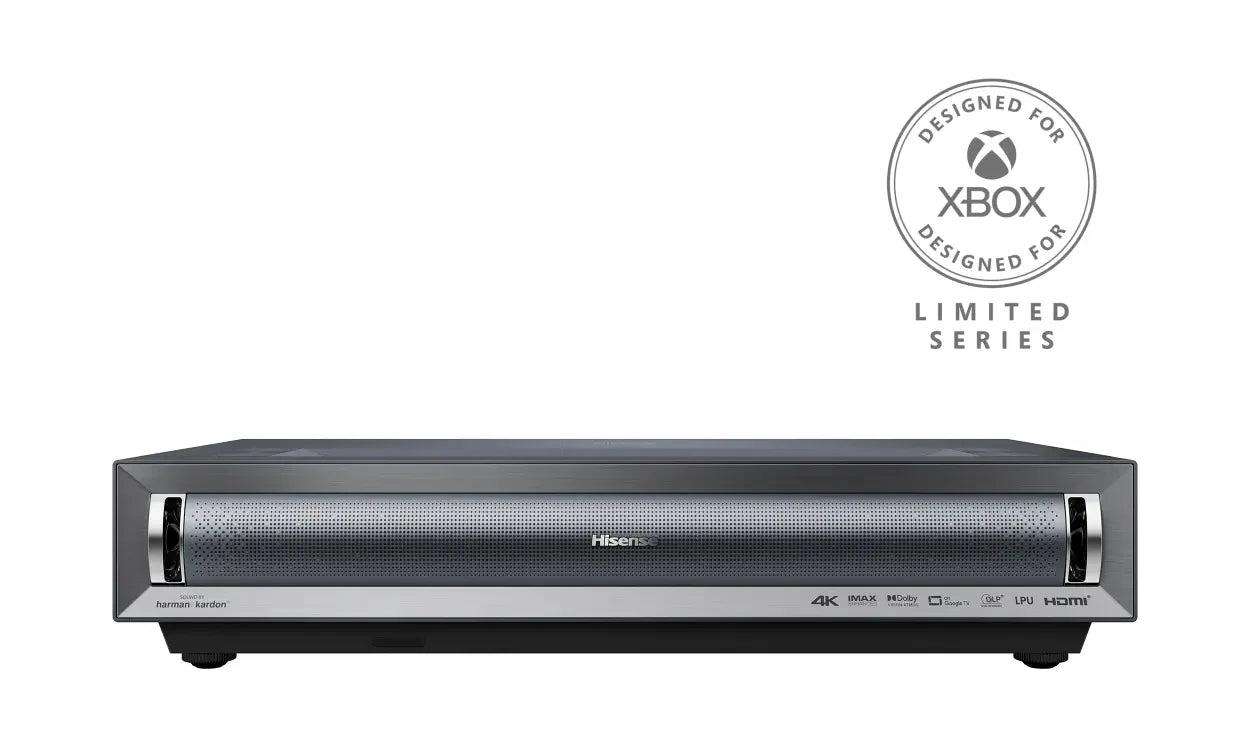
Gaming capabilities showcase the biggest performance gap between these projectors. The Hisense PX3-PRO earned Microsoft's "Designed for Xbox" certification and supports 240Hz refresh rates at 1080p resolution—a feature typically found only in expensive gaming monitors. For 4K gaming, it handles 120Hz refresh rates smoothly.
Input lag measurements, critical for competitive gaming, favor the Hisense significantly. While the AWOL Vision achieves respectable 15ms lag at 4K/60Hz and 8ms at 1080p/120Hz, the Hisense performs even better across all gaming scenarios.
The Hisense also includes advanced gaming features like Variable Refresh Rate (VRR) support, which synchronizes the projector's refresh rate with your gaming console to eliminate screen tearing and stuttering. These features matter enormously if you're planning to use your UST projector for serious gaming, whether that's competitive online play or enjoying the latest single-player adventures.
For casual gaming—think family game nights or occasional sessions—both projectors work fine. But if gaming represents a significant part of your entertainment diet, the Hisense PX3-PRO justifies its existence with these advanced capabilities.
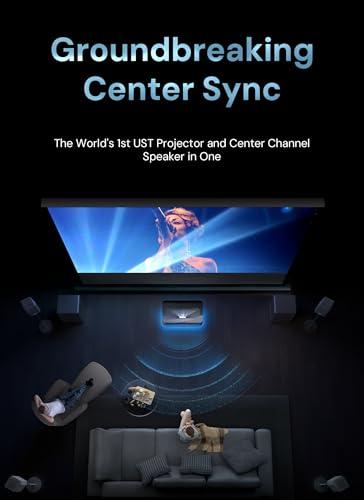
Audio performance often gets overlooked when comparing projectors, but it shouldn't. The Hisense PX3-PRO includes a 50-watt Harman Kardon speaker system with Dolby Atmos support, while the AWOL Vision features a 36-watt dual-speaker setup.
The difference extends beyond mere wattage numbers. Professional reviews consistently praise the Hisense audio system for its fuller sound, better bass response, and higher maximum volume without distortion. The Harman Kardon tuning provides a more balanced soundstage that can adequately fill medium-sized rooms.
Both projectors support Dolby Atmos, which creates virtual surround sound effects from their built-in speakers. However, the more powerful drivers in the Hisense system make this processing more effective. For many users, the Hisense's audio quality might eliminate the immediate need for external speakers or soundbars, potentially saving several hundred dollars in additional equipment.
The AWOL Vision's speakers handle dialogue and basic sound effects adequately, but you'll likely want external audio for action movies or music. This isn't necessarily a drawback if you're planning a full home theater setup anyway, but it affects the total cost of ownership.
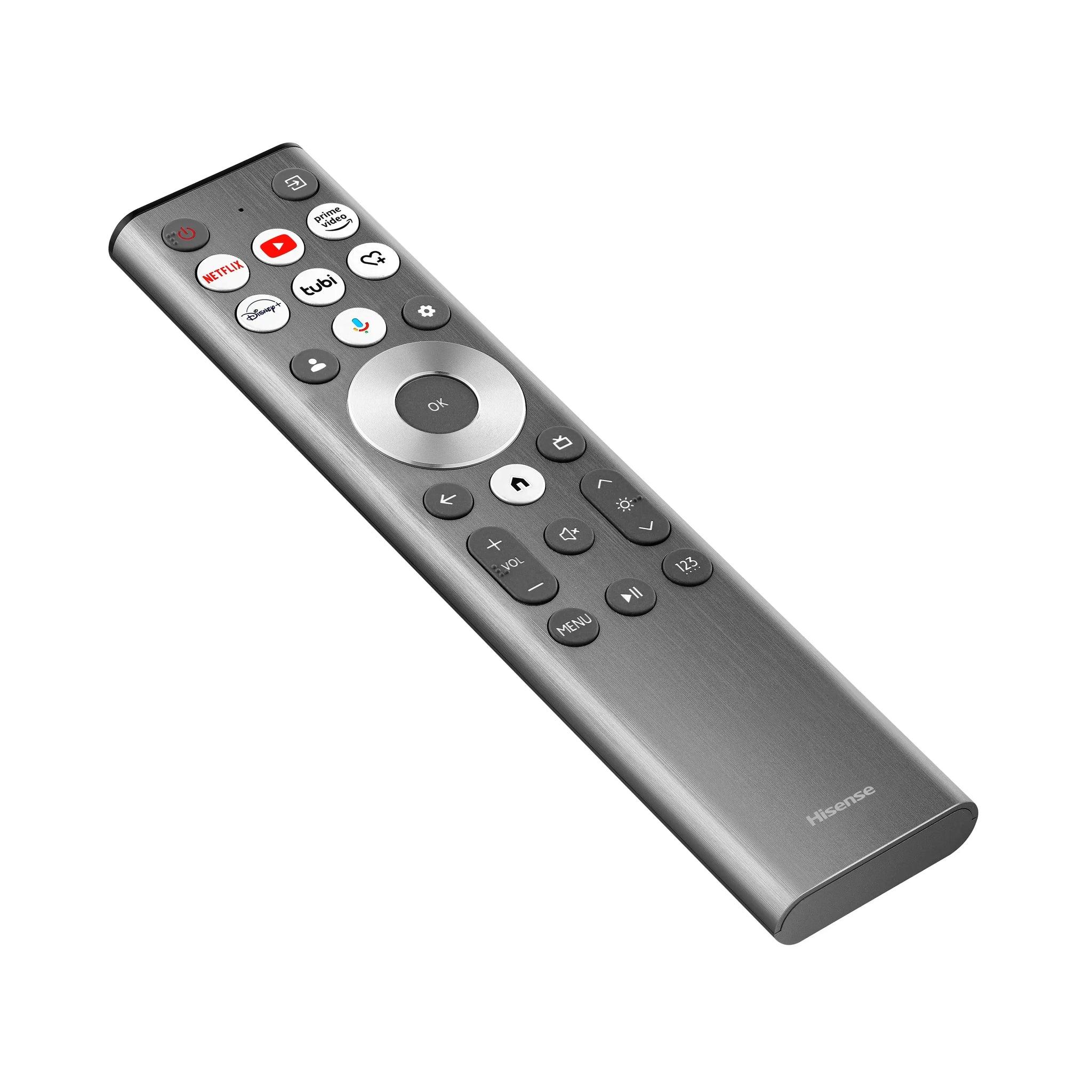
Smart platform integration affects how you'll interact with these projectors daily. The Hisense PX3-PRO runs Google TV natively, providing direct access to Netflix, Disney+, Amazon Prime, and other major streaming services. The interface feels responsive and familiar to anyone who's used recent Android devices or Chromecast products.
The AWOL Vision takes a different approach, running Android OS but including an Amazon Fire TV Stick 4K Max in the box. While this provides access to the same streaming services, it means navigating between two different interfaces—the projector's Android system for settings and the Fire TV interface for content. Some users find this setup confusing, especially when troubleshooting issues.
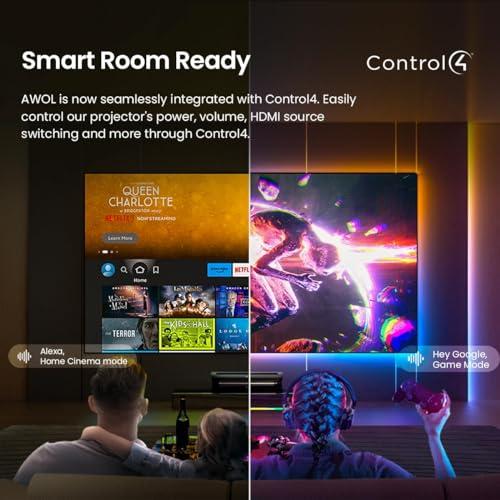
Both projectors support advanced connectivity standards, but the Hisense includes Wi-Fi 6E and Bluetooth 5.3—newer standards that provide better performance and future-proofing. The AWOL Vision compensates with professional integration features, supporting Control4, Crestron, and SAVANT systems popular in custom home installations.
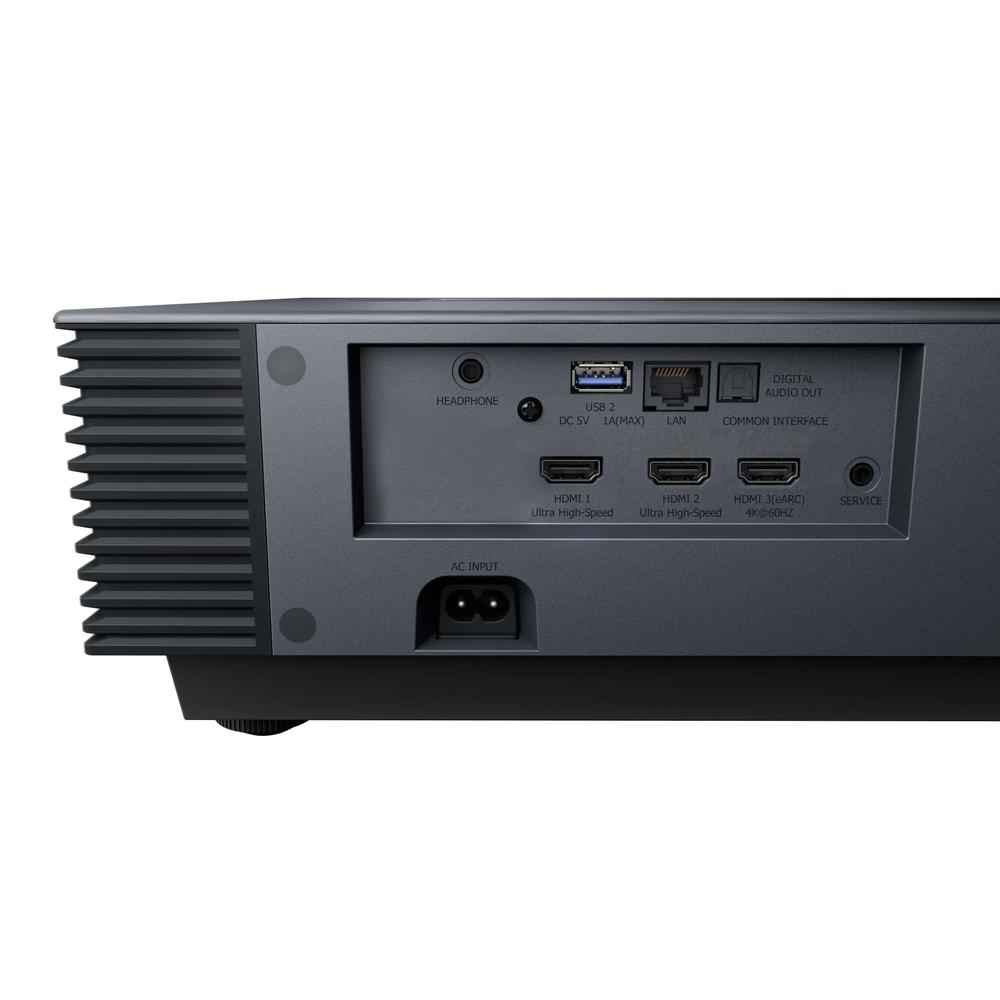
For HDMI connectivity, the Hisense provides three ports with two full 48Gbps HDMI 2.1 connections, crucial for gaming consoles and high-end media players. The AWOL Vision offers three HDMI ports but with less advanced specifications.
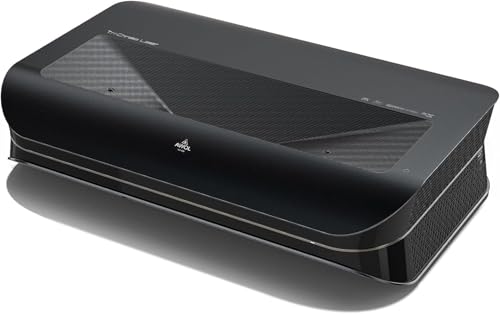
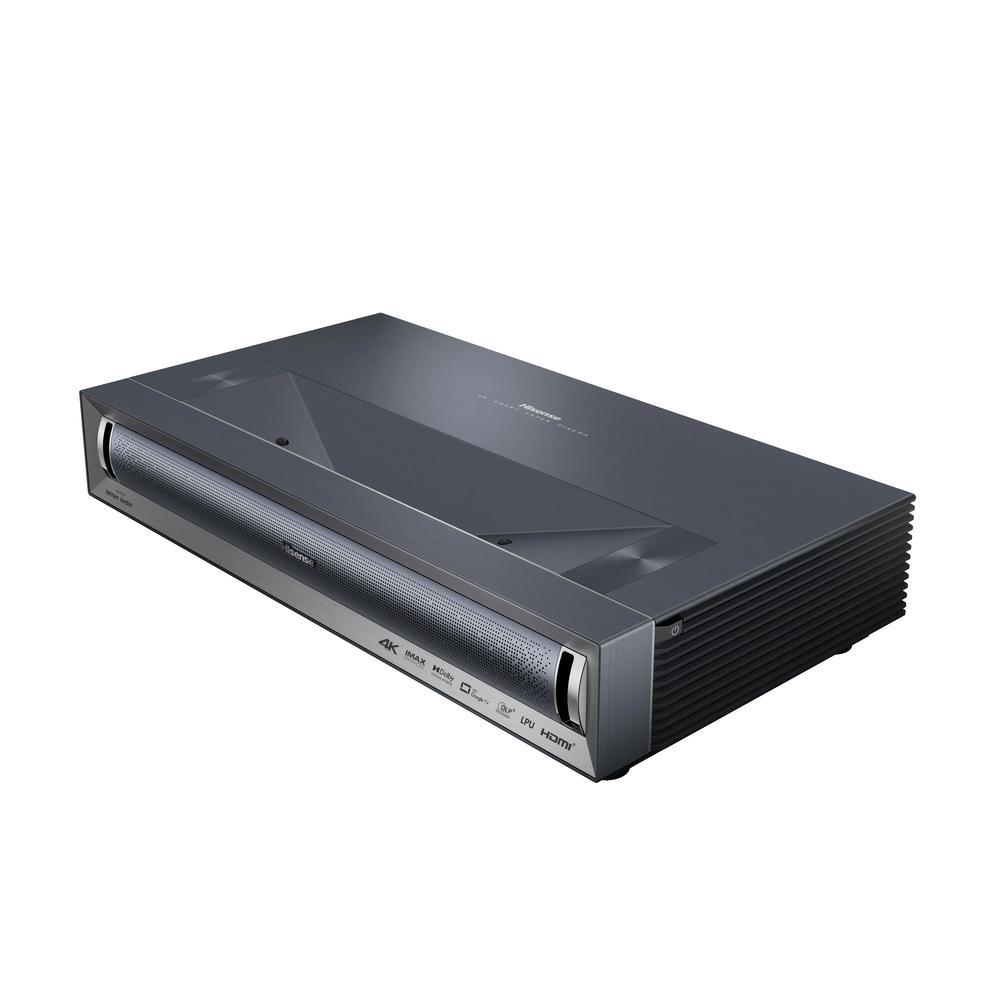
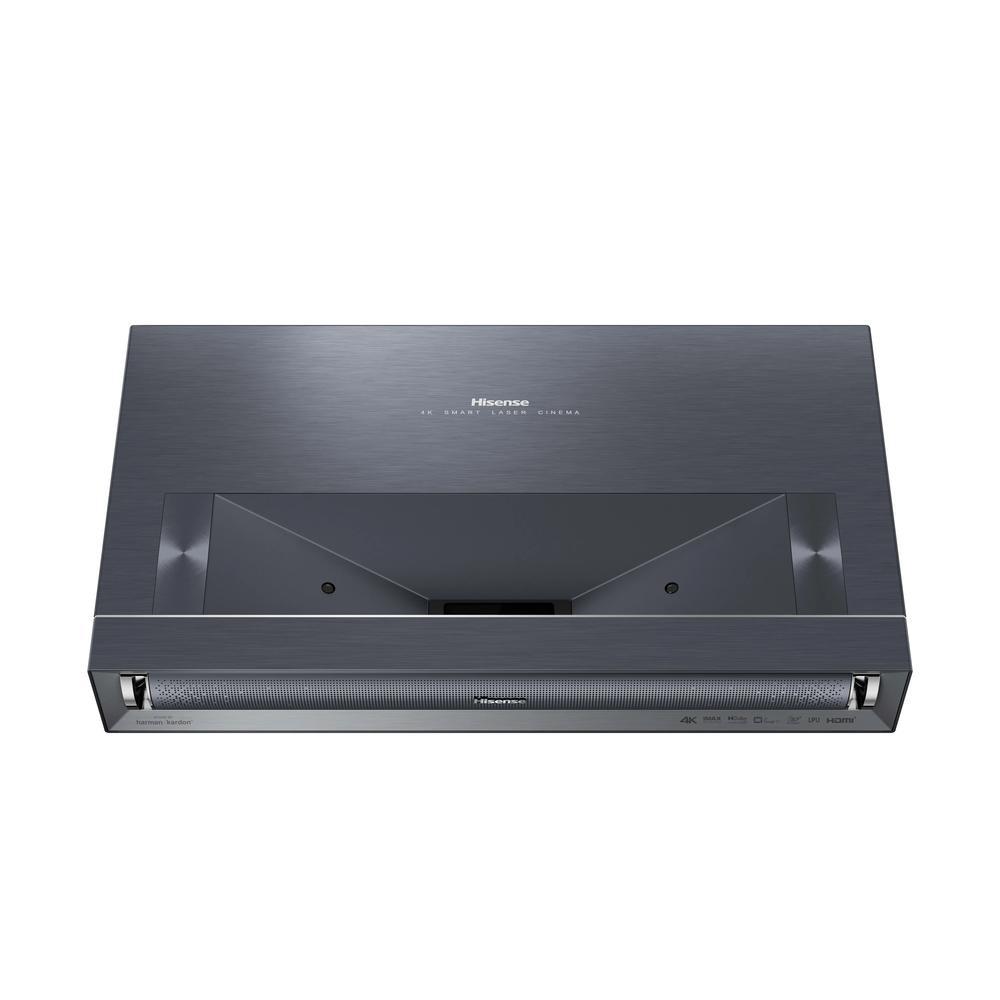
Physical design differences might influence your decision based on your specific setup. The AWOL Vision measures significantly more compact, particularly in height, making it suitable for narrow media consoles or minimalist setups. Its sleek profile often looks better in modern living rooms where aesthetics matter.
The Hisense PX3-PRO carries more bulk and weight, requiring sturdier support but offering more robust build quality. Neither projector requires special mounting—both sit on furniture like oversized cable boxes.
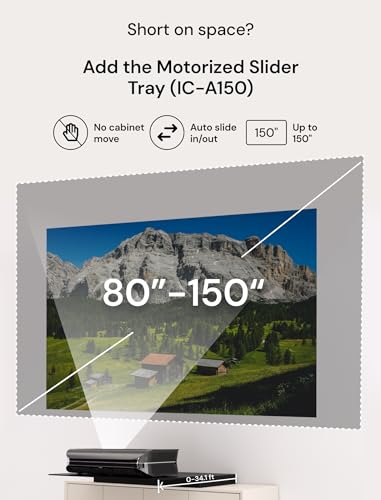
Installation complexity remains minimal for both, but throw ratio differences matter for tight spaces. The Hisense uses a 0.22 throw ratio compared to the AWOL's 0.25 ratio, meaning the Hisense can sit slightly closer to your wall for the same image size. In space-constrained rooms, this could be the deciding factor.
Both projectors include automatic focus and keystone correction, simplifying setup. However, the AWOL Vision offers more advanced geometric correction for challenging installation situations.
At the time of writing, pricing typically favors the Hisense PX3-PRO with a lower launch price despite superior performance in most categories. The AWOL Vision launched at a premium price point but frequently sees significant discounts that improve its value proposition.
When evaluating long-term value, both projectors offer 25,000-hour laser lifespans and comprehensive warranties. The Hisense provides better future-proofing with its advanced HDMI 2.1 implementation and gaming features that will remain relevant as content standards evolve.
The performance-per-dollar calculation clearly favors the Hisense for most users. You're getting significantly higher brightness, better gaming capabilities, superior audio, and comparable smart features at a competitive price point.
Choose the Hisense PX3-PRO if you prioritize daytime viewing capability, gaming performance, or want the best overall value. Its superior brightness makes it more forgiving of room lighting conditions, while the advanced gaming features future-proof your investment. The excellent built-in audio might eliminate your need for additional speakers, further improving the value proposition.
The AWOL Vision LTV-3000 Pro appeals to specific use cases: extremely space-constrained setups where its compact design matters, professional home theater installations requiring integration capabilities, or users who prioritize minimalist aesthetics over maximum performance.
For most home theater enthusiasts, the Hisense PX3-PRO represents the better choice. Its combination of superior brightness, gaming capabilities, and audio performance address the primary reasons people choose UST projectors—creating an impressive big-screen experience without the complexity of traditional projection systems.
Both projectors deliver stunning 4K images that will transform your entertainment experience. However, the Hisense's advantages in key performance areas make it the more versatile choice for varied viewing conditions and entertainment needs. Unless you have specific requirements favoring the AWOL Vision's compact design or professional integration features, the Hisense offers a more compelling overall package.
The UST projector market continues evolving rapidly, but these 2023-2024 models represent mature technology that should serve well for years to come. Either choice will deliver an impressive home theater experience that outshines traditional television at large screen sizes—the Hisense PX3-PRO just does it with better performance and value for most users.
| Hisense PX3-PRO | AWOL Vision LTV-3000 Pro |
|---|---|
| Brightness - Most critical spec for daytime viewing and ambient light handling | |
| 3,000 ANSI lumens (excellent for bright rooms) | 2,000 ISO lumens / 3,000 peak (requires more controlled lighting) |
| Contrast Ratio - Affects black levels and shadow detail in movies | |
| 3,000:1 native contrast (deeper blacks) | 2,500:1 contrast (good but slightly elevated blacks) |
| Color Gamut - Determines color vibrancy and accuracy | |
| 110% BT.2020 coverage with TriChroma laser | 107% BT.2020 coverage with RGB laser |
| Gaming Performance - Critical for console gaming and competitive play | |
| 240Hz at 1080p, 4K@120Hz, Xbox certified | Max 1080p@120Hz or 4K@60Hz, 15ms input lag |
| Audio System - Determines if you need external speakers | |
| 50W Harman Kardon with Dolby Atmos (room-filling sound) | 36W stereo system with Dolby Atmos (adequate for casual use) |
| Smart Platform - Affects daily streaming experience | |
| Google TV native integration (seamless Netflix, Disney+) | Android OS + Fire TV Stick 4K Max (dual interface navigation) |
| Physical Design - Important for media console placement | |
| 21.75"W x 4.88"H x 12.75"D, 25.6 lbs (bulkier) | 23.6"W x 5.7"H x 13.9"D, 21 lbs (more compact profile) |
| Connectivity - Future-proofing and device compatibility | |
| 3 HDMI (2 full 48Gbps HDMI 2.1), Wi-Fi 6E, Bluetooth 5.3 | 3 HDMI ports, standard wireless connectivity |
| Throw Ratio - Distance needed from wall for same image size | |
| 0.22 (can sit closer to wall) | 0.25 (needs slightly more distance) |
| Professional Integration - Important for custom home theater setups | |
| Basic smart home compatibility | Control4, Crestron, SAVANT certified integration |
| HDR Support - Enhanced contrast and color in premium content | |
| HDR10+, Dolby Vision, IMAX Enhanced | HDR10+, Dolby Vision, HDR10, HLG |
| Laser Lifespan - Long-term maintenance costs | |
| 25,000 hours (same as competitor) | 25,000 hours (same as competitor) |
The Hisense PX3-PRO is significantly better for daytime viewing with 3,000 ANSI lumens compared to the AWOL Vision LTV-3000 Pro's 2,000 ISO lumens. This 50% brightness advantage means the Hisense PX3-PRO can handle normal room lighting and large windows much better, while the AWOL Vision requires more controlled lighting conditions for optimal image quality.
The Hisense PX3-PRO dominates gaming performance with 240Hz support at 1080p, 4K@120Hz capability, and Microsoft "Designed for Xbox" certification. The AWOL Vision LTV-3000 Pro is limited to 1080p@120Hz or 4K@60Hz with higher input lag, making the Hisense the clear choice for serious gaming.
The main differences are brightness (3,000 vs 2,000 lumens), gaming capabilities (advanced vs basic), audio quality (50W Harman Kardon vs 36W standard), and design (bulkier vs compact). The Hisense PX3-PRO prioritizes performance while the AWOL Vision LTV-3000 Pro focuses on compact design and professional integration features.
The Hisense PX3-PRO has superior built-in audio with a 50-watt Harman Kardon speaker system that delivers deeper bass and higher volume without distortion. The AWOL Vision LTV-3000 Pro includes a 36-watt system that's adequate for casual viewing but typically requires external speakers for a full home theater experience.
The Hisense PX3-PRO can sit closer to the wall with its 0.22 throw ratio compared to the AWOL Vision LTV-3000 Pro's 0.25 throw ratio. This means the Hisense needs less distance from the wall to achieve the same screen size, making it better for space-constrained setups.
For most home theater setups, the Hisense PX3-PRO is the better choice due to its superior brightness, better contrast ratio (3,000:1 vs 2,500:1), excellent built-in audio, and broader HDR support including IMAX Enhanced. The AWOL Vision LTV-3000 Pro works well in dedicated dark rooms but requires more careful setup and lighting control.
The Hisense PX3-PRO runs Google TV natively with direct access to Netflix, Disney+, and other streaming services. The AWOL Vision LTV-3000 Pro uses Android OS but includes a Fire TV Stick 4K Max, requiring navigation between two different interfaces for settings and content.
The Hisense PX3-PRO typically offers better value with superior brightness, gaming features, audio quality, and connectivity at a competitive price point. While the AWOL Vision LTV-3000 Pro can offer good value when discounted, the Hisense provides more performance per dollar for most users.
Both projectors deliver excellent 4K picture quality with wide color gamuts, but the Hisense PX3-PRO offers 110% BT.2020 coverage versus 107% for the AWOL Vision LTV-3000 Pro. The Hisense also provides better out-of-the-box color accuracy and higher contrast ratios for deeper blacks and better shadow detail.
The AWOL Vision LTV-3000 Pro is more compact at 21 pounds versus the Hisense PX3-PRO's 25.6 pounds, with a lower profile design that fits better on narrow media consoles. Both projectors offer simple installation with automatic focus and keystone correction, but the AWOL Vision wins on space efficiency and aesthetic appeal.
The Hisense PX3-PRO works much better in bright rooms due to its 50% higher brightness output. While both projectors benefit from ambient light rejecting screens, the AWOL Vision LTV-3000 Pro really needs controlled lighting to perform at its best, making the Hisense more versatile for various room conditions.
Choose the Hisense PX3-PRO if you want maximum brightness, gaming performance, better audio, and overall value. Choose the AWOL Vision LTV-3000 Pro if you need a compact design, have a dedicated dark room, require professional smart home integration features, or prioritize minimalist aesthetics over maximum performance.
We've done our best to create useful and informative comparisons to help you decide what product to buy. Our research uses advanced automated methods to create this comparison and perfection is not possible - please contact us for corrections or questions. These are the sites we've researched in the creation of this article: shop.hisense-usa.com - avsforum.com - youtube.com - projectorcentral.com - avsforum.com - youtube.com - projectorreviews.com - avsforum.com - projectorcentral.com - en.heimkinowelten.de - dreamediaav.com - bestbuy.com - projectorcentral.com - rtings.com - techaeris.com - hometechnologyreview.com - awolvision.de - androidcentral.com - awolvision.com - projectorreviews.com - dreamediaav.com - bestbuy.com - youtube.com - youtube.com - awolvisionpro.com - awolvision.com - awolvision.com

Privacy Policy
Terms and Conditions - Affiliate Policy
Home Security
© Copyright 2008-2026.
11816 Inwood Rd #1211, Dallas, TX 75244