

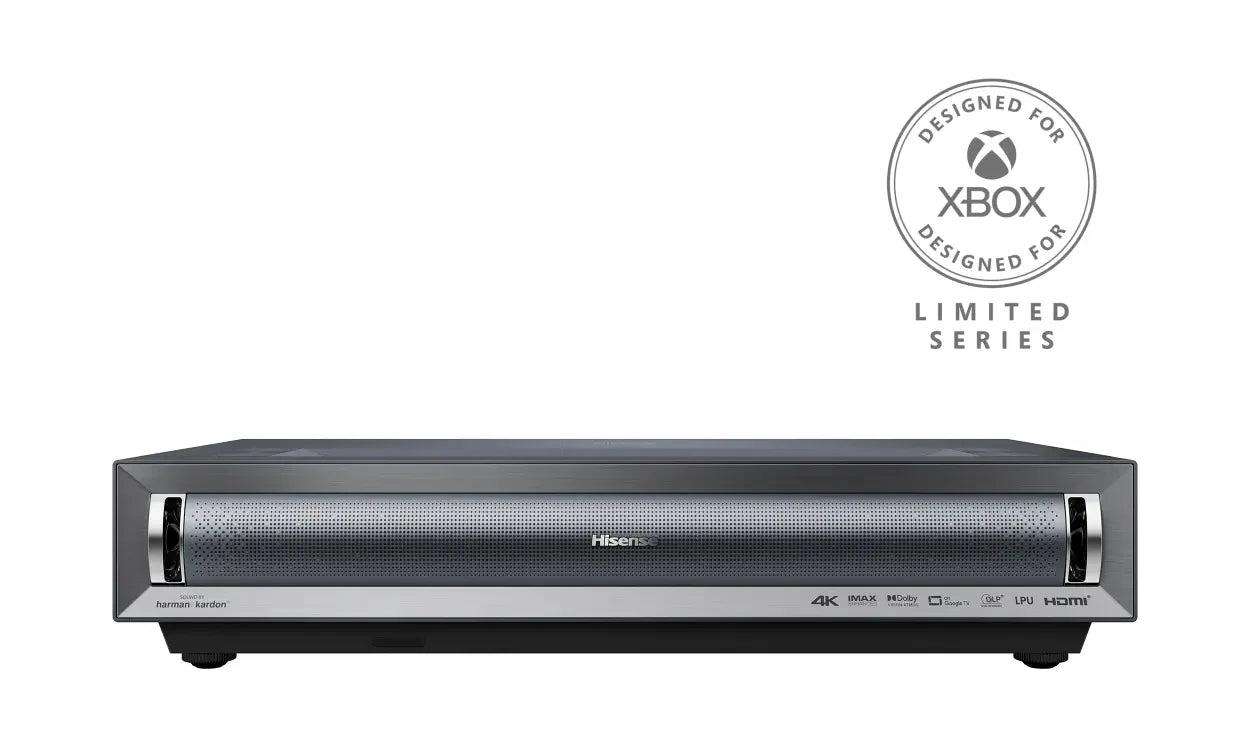
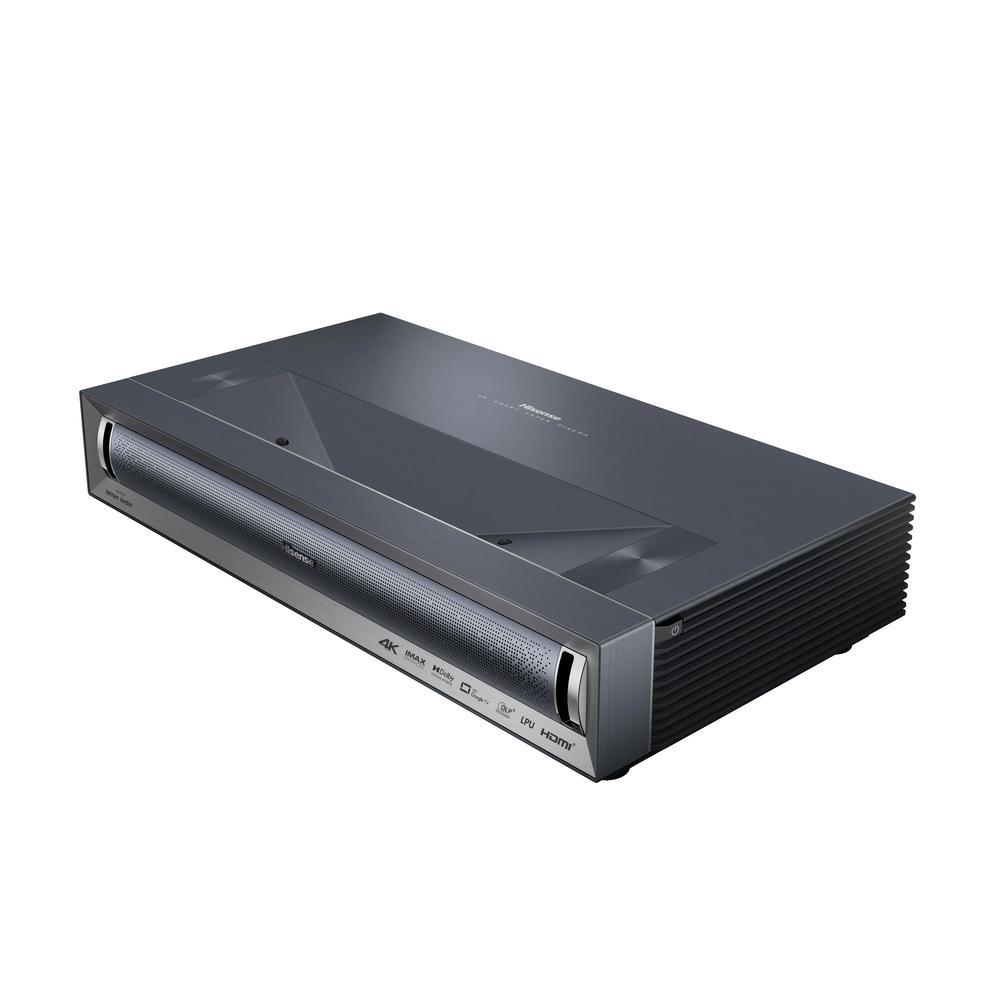
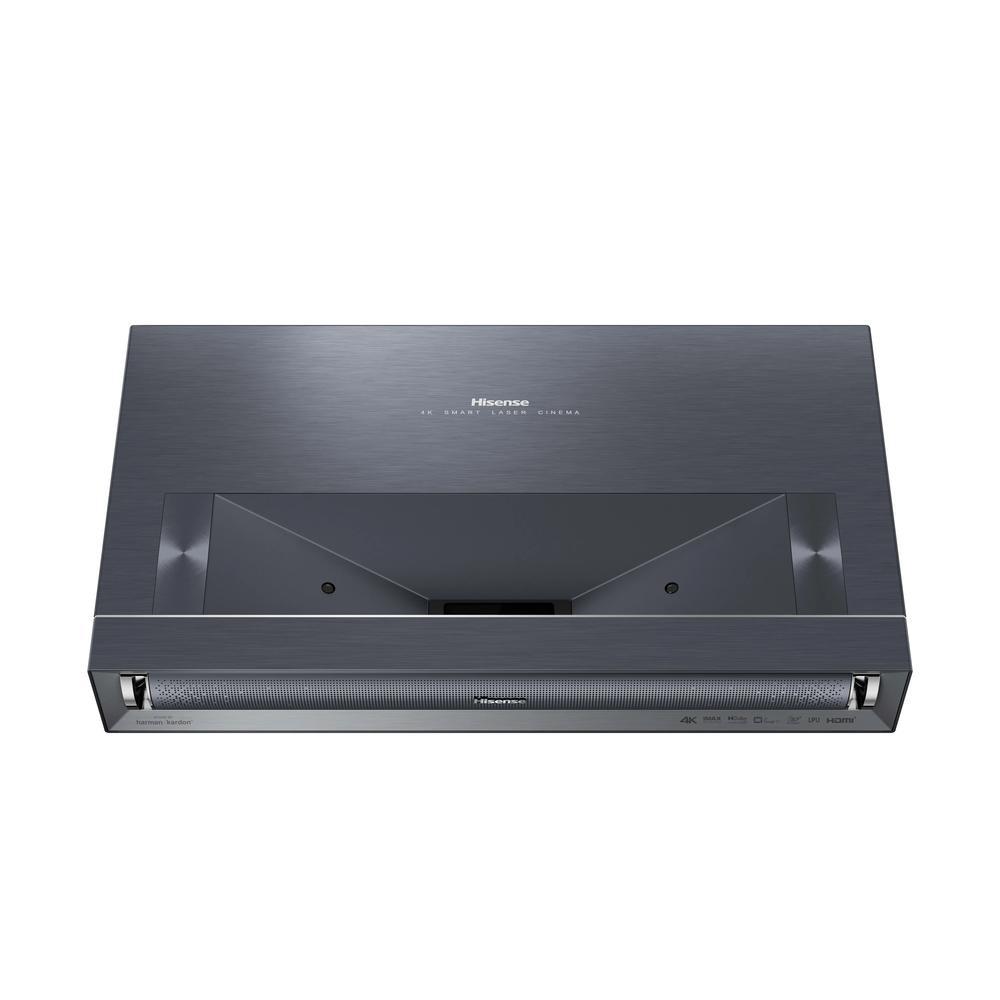
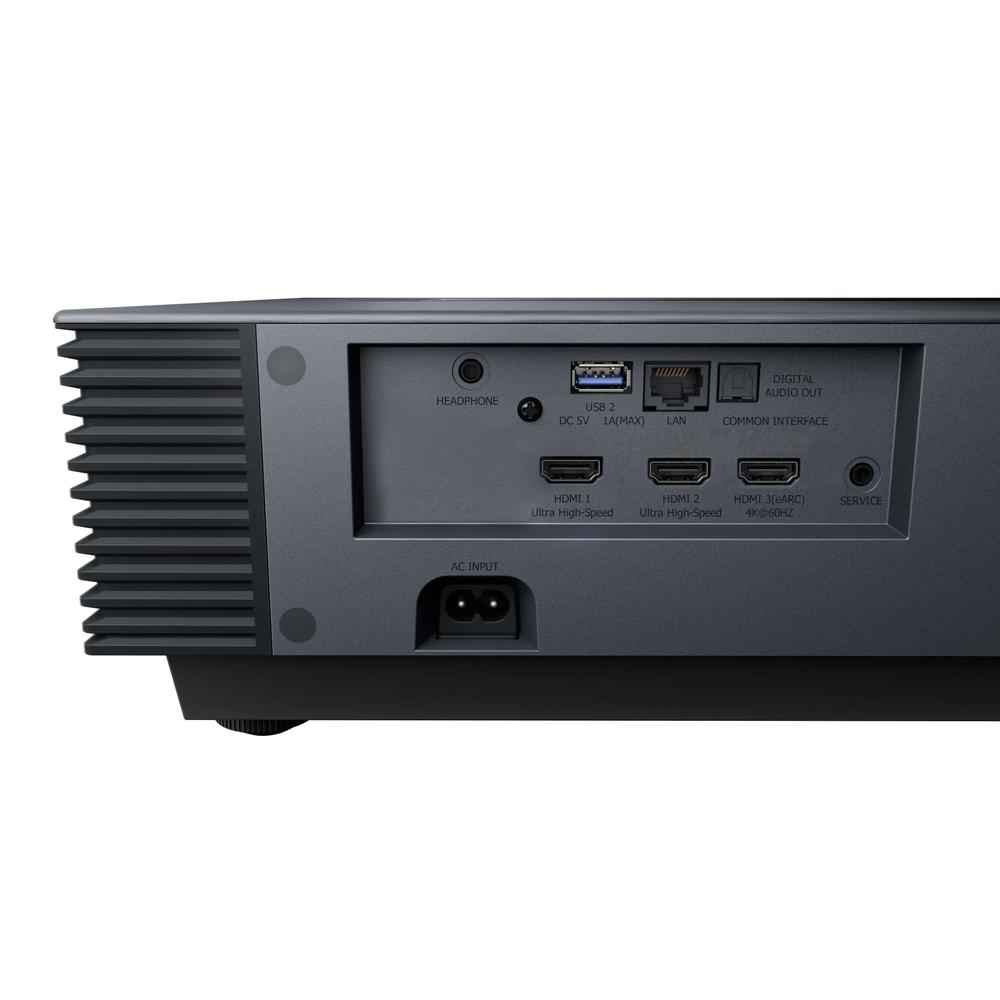
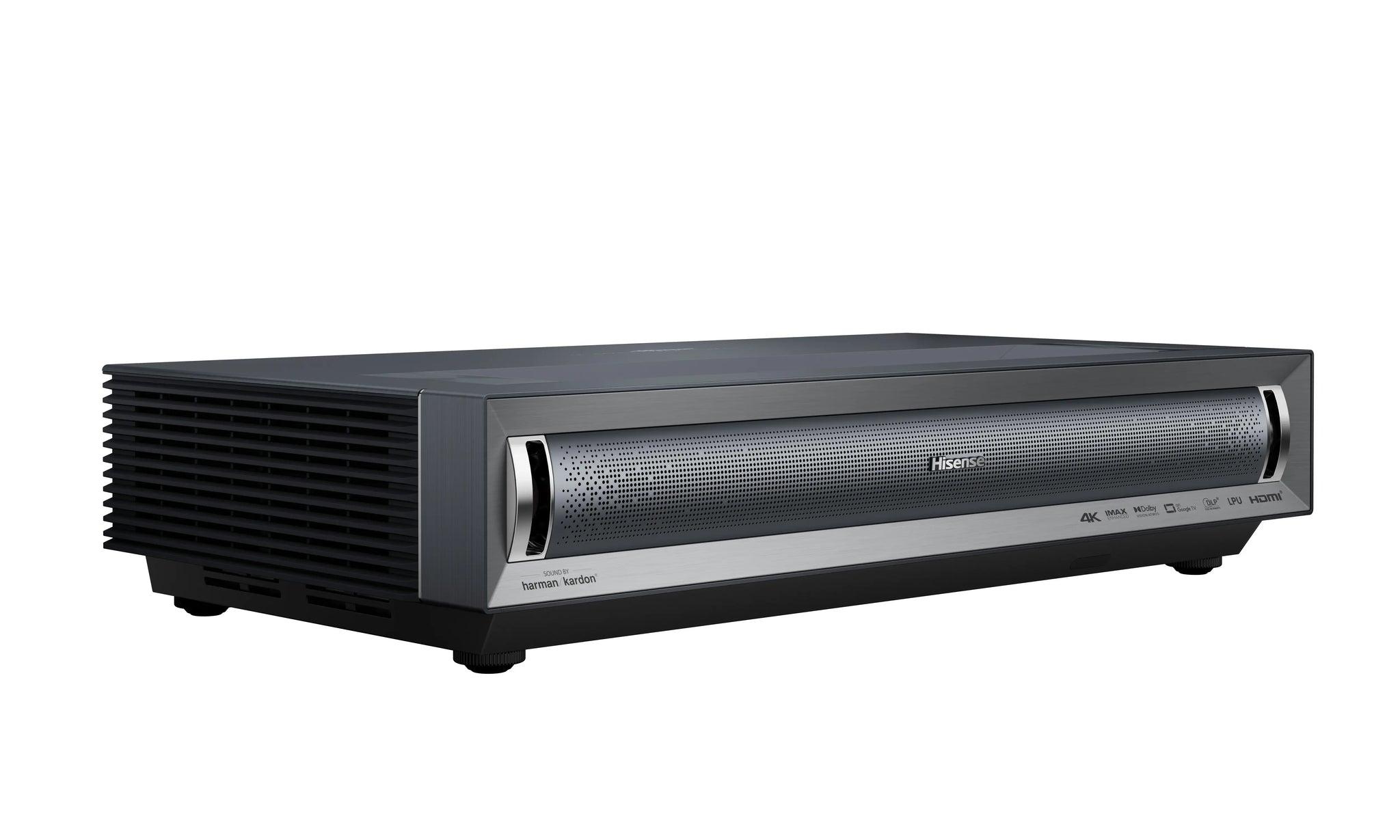
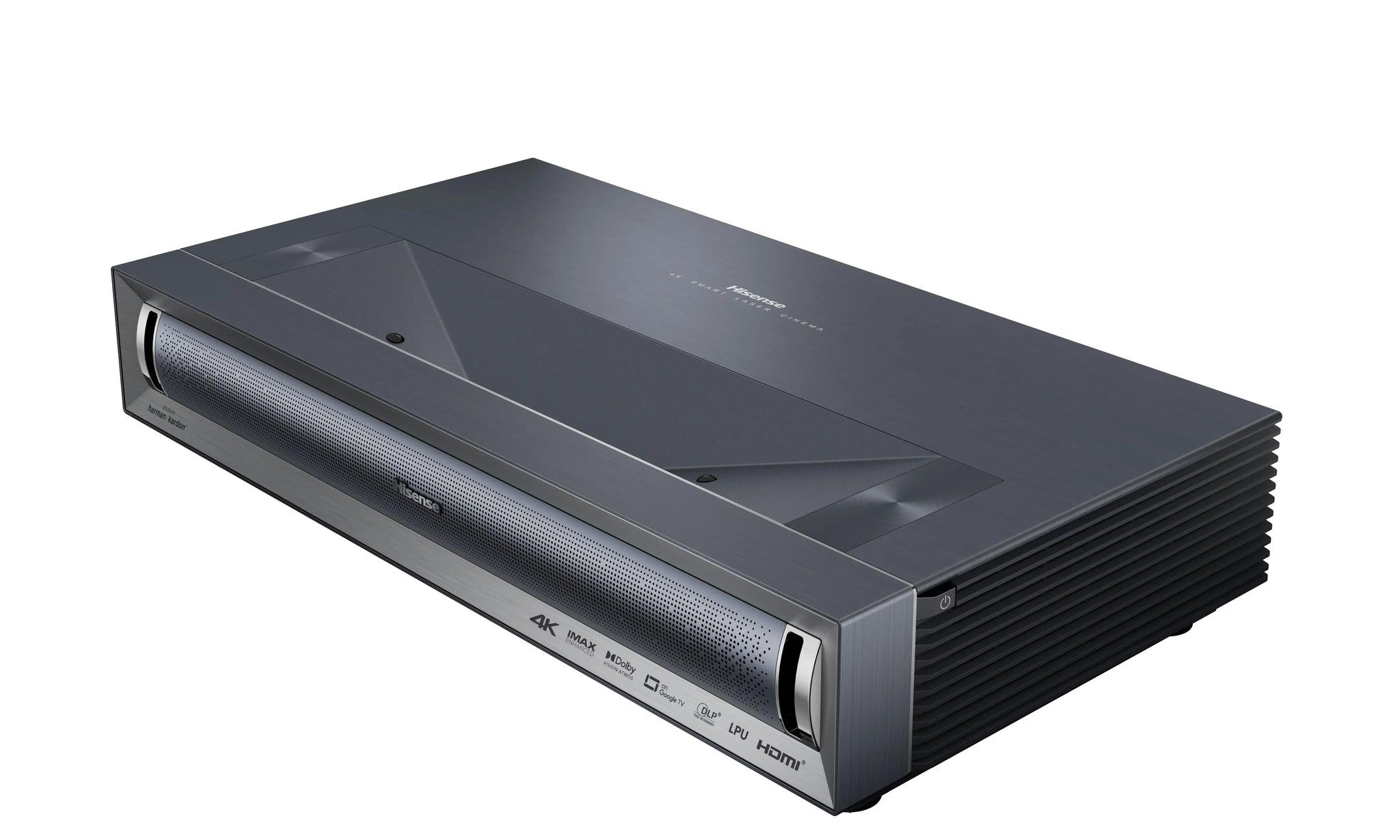
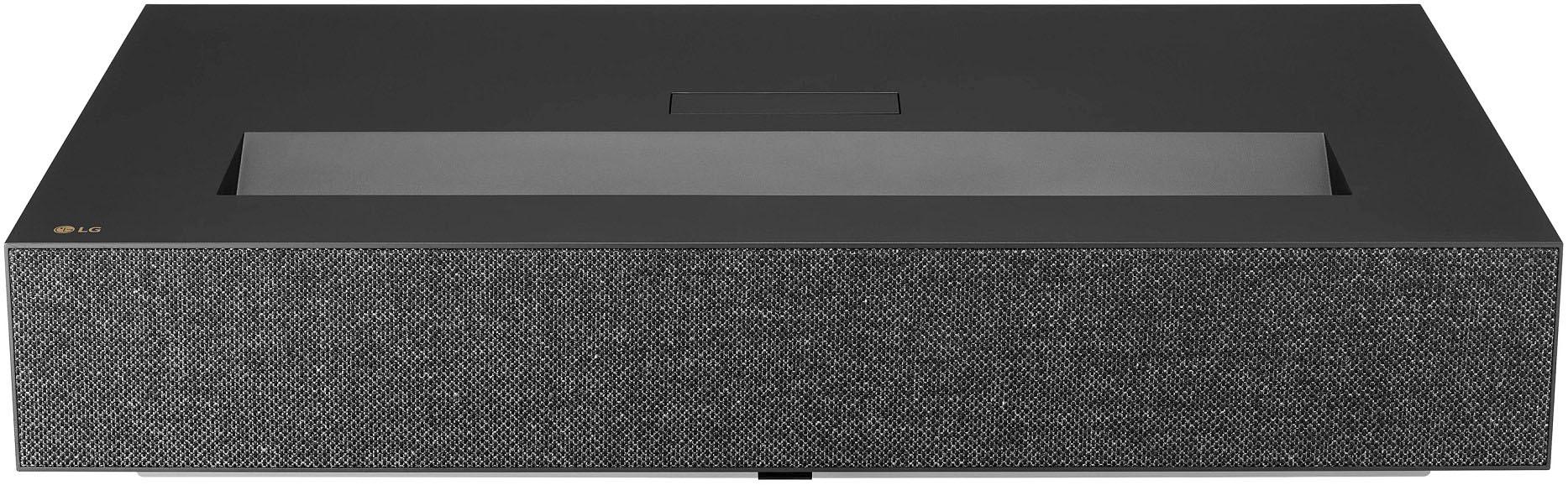
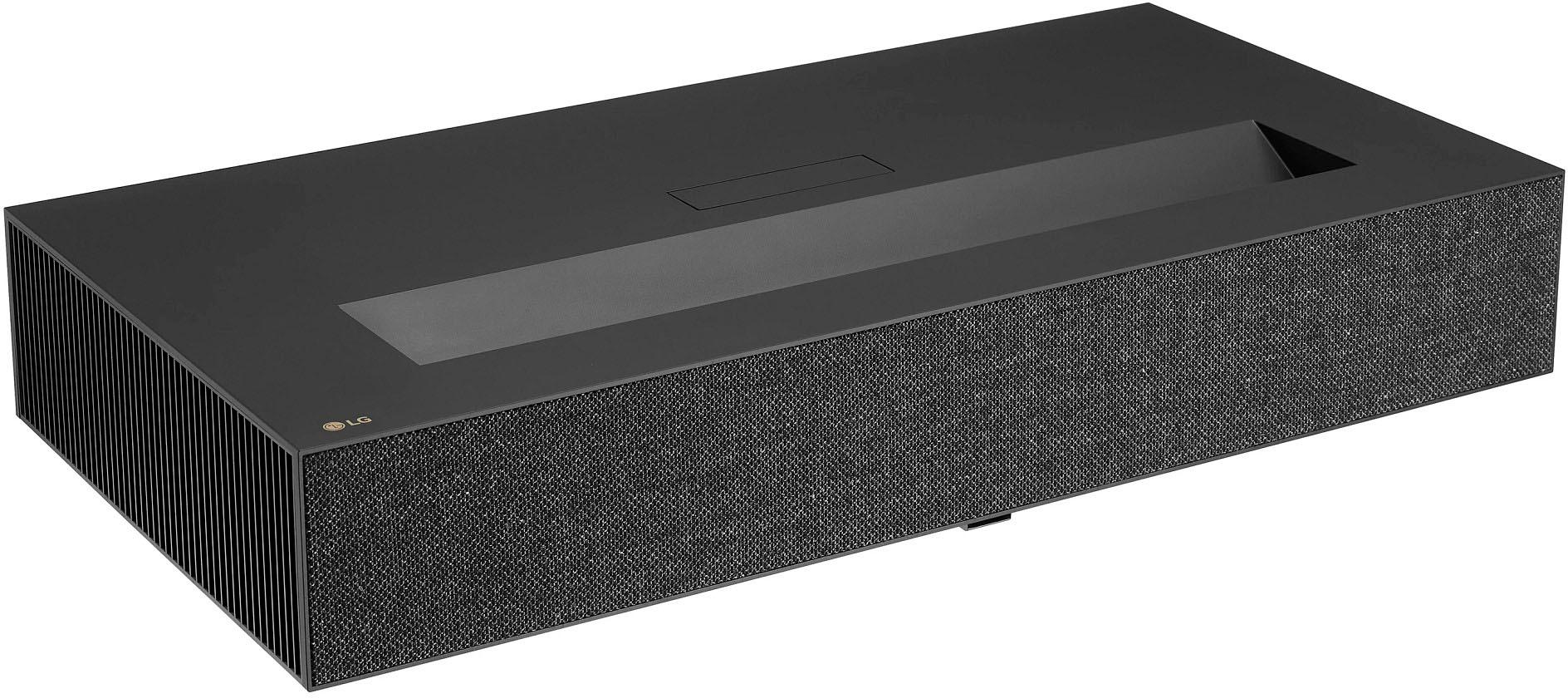
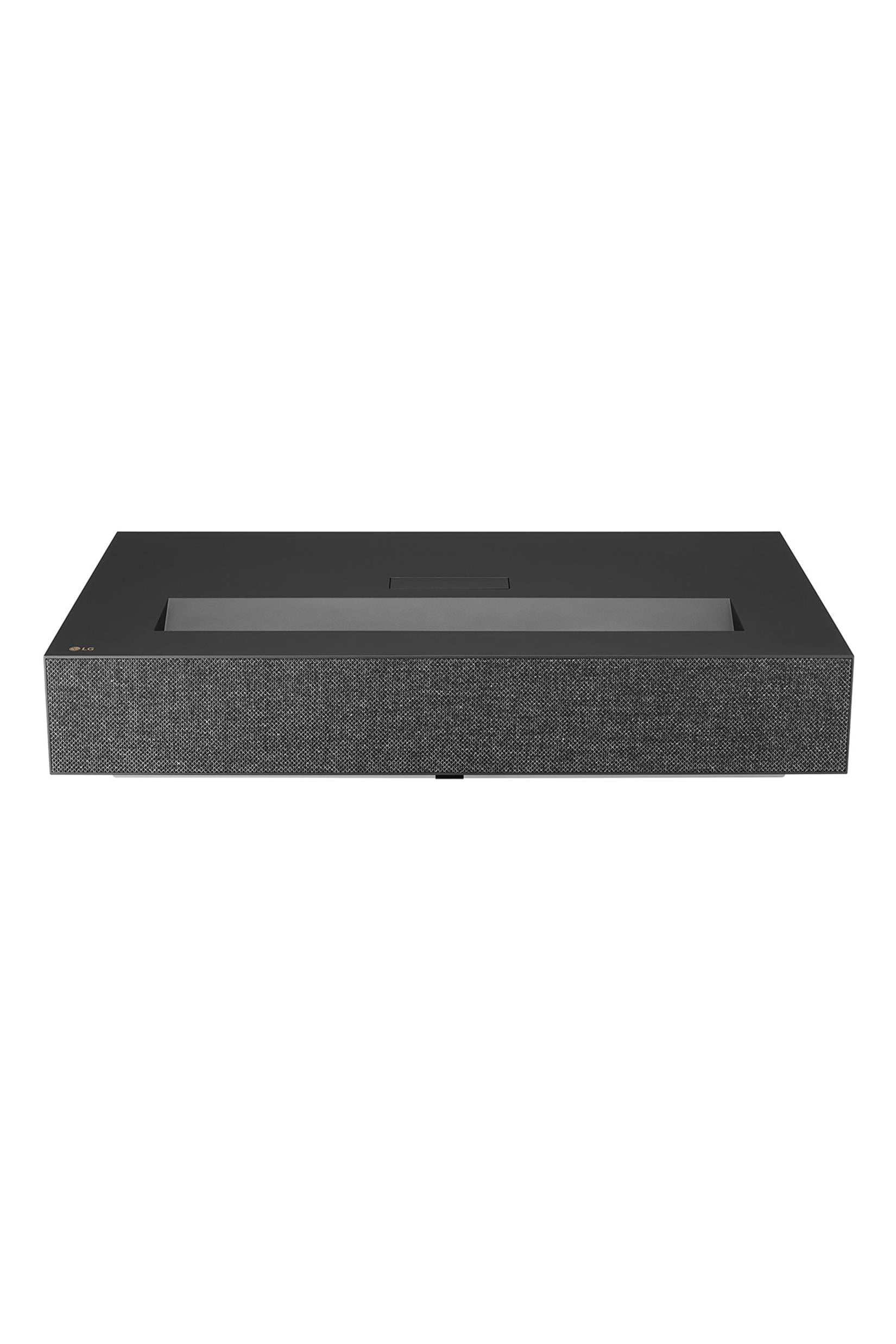
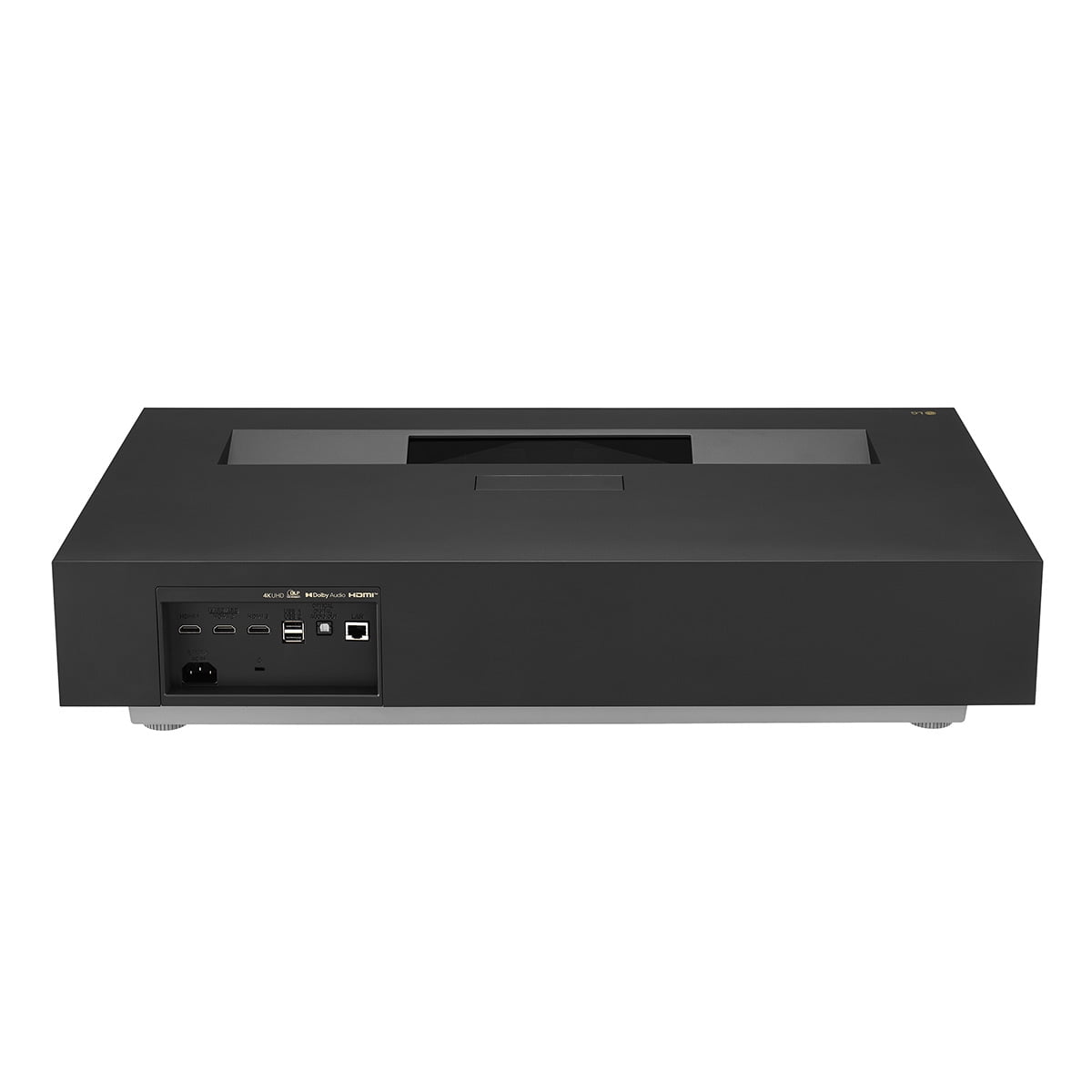
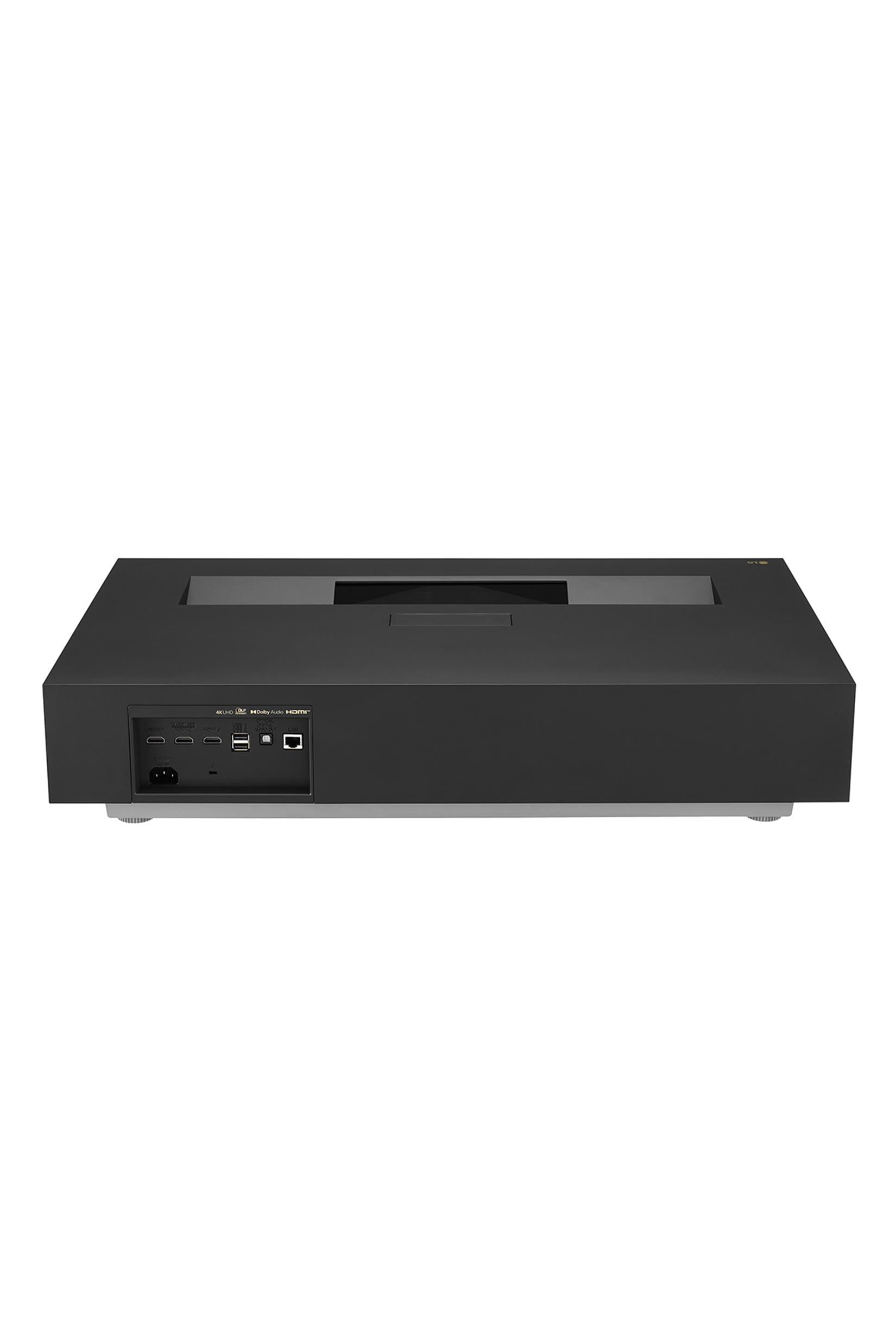
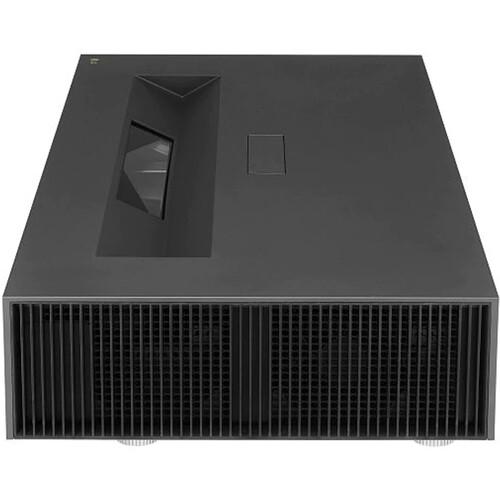
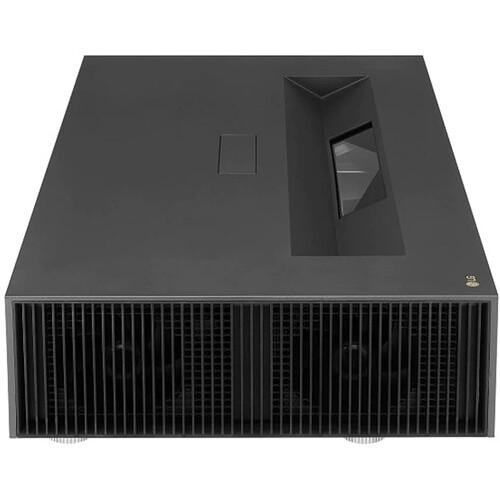
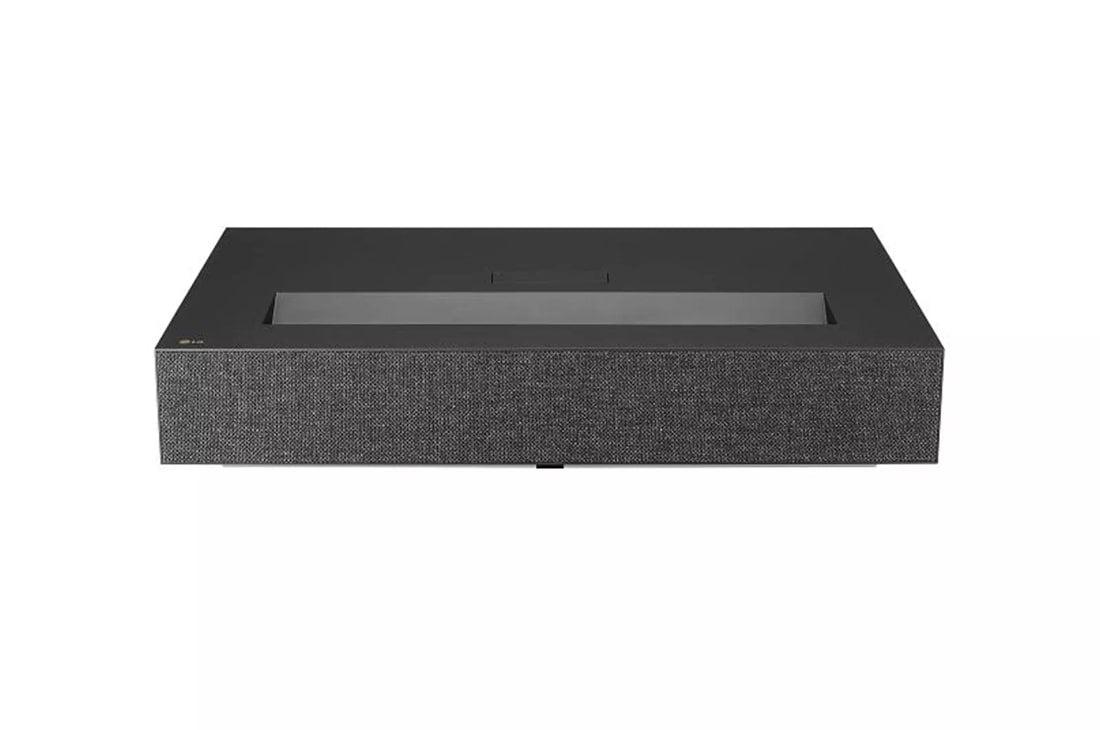
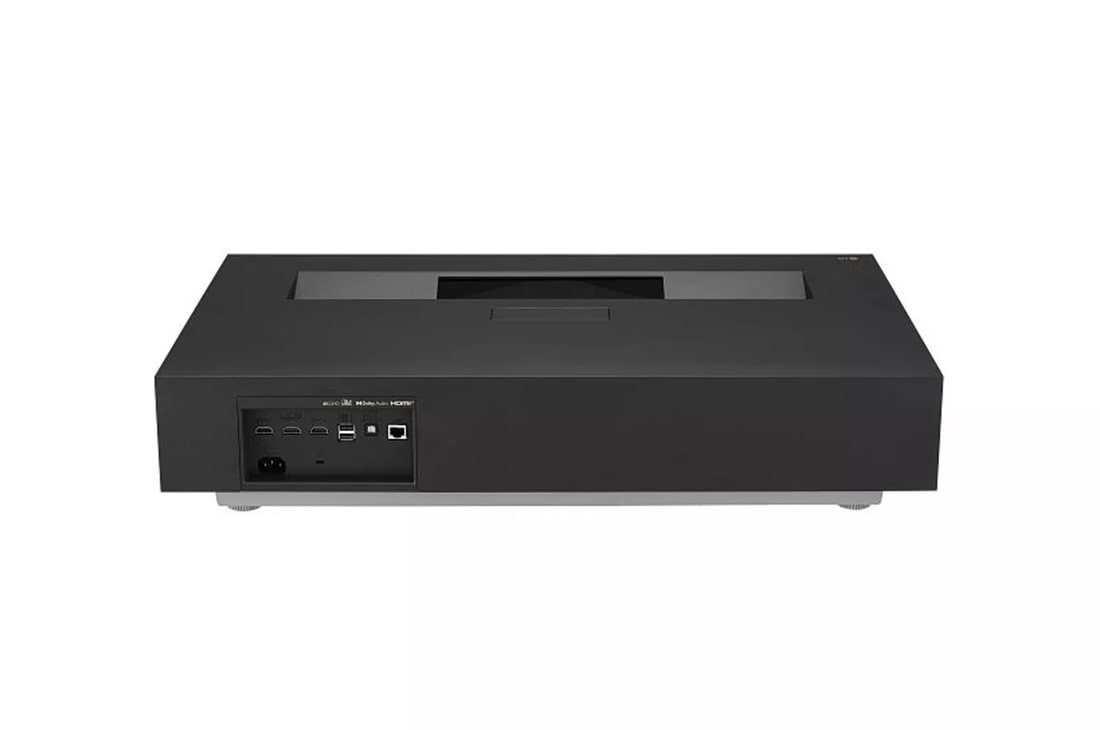
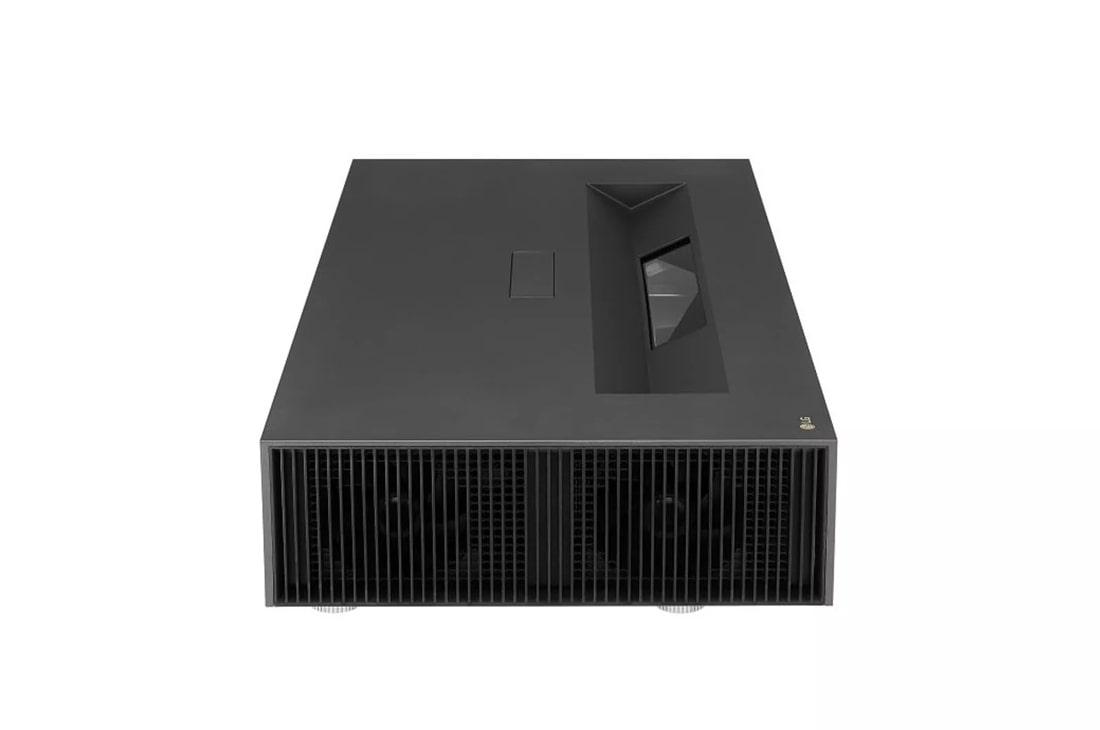
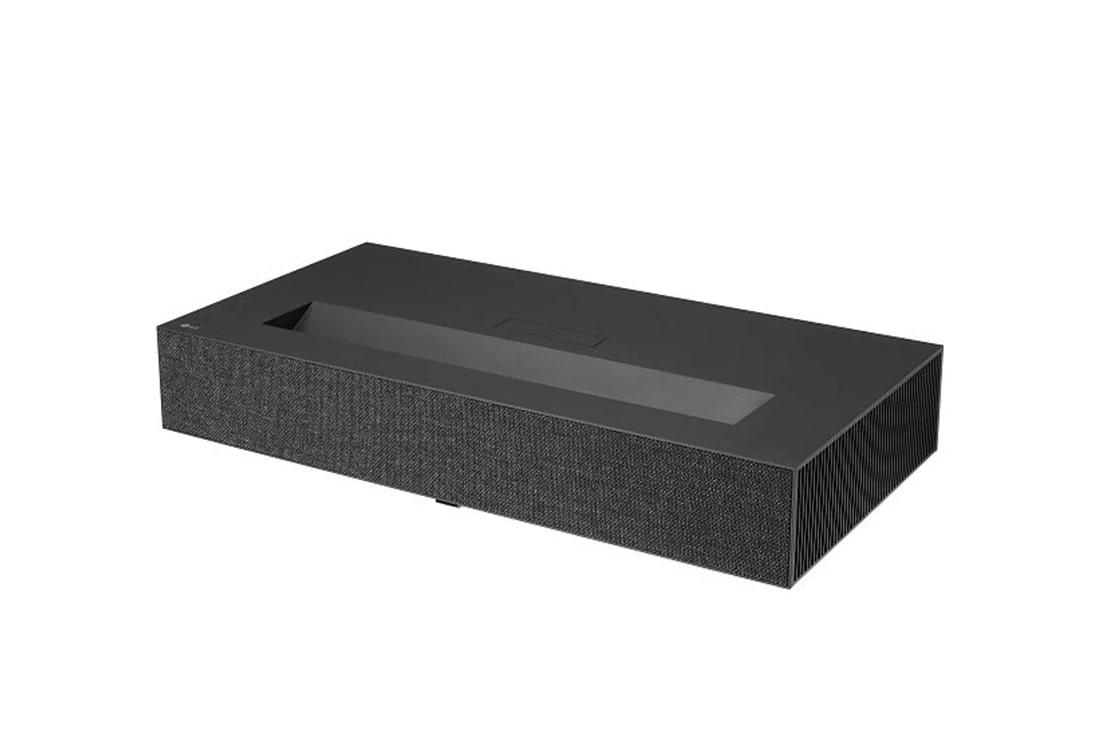
Ultra short throw (UST) projectors have quietly revolutionized home entertainment over the past few years. Unlike traditional projectors that need to be mounted on your ceiling or placed across the room, these laser-powered machines sit just inches from your wall and blast massive 100+ inch images that would cost tens of thousands of dollars to match with a traditional TV. Both the Hisense PX3-PRO and LG CineBeam HU915QB represent the cutting edge of this technology, but they take notably different approaches to achieving cinema-quality results.
Before diving into these specific models, it's worth understanding what makes UST projectors special. The "throw ratio" refers to how far a projector needs to be from the screen relative to the image width. Traditional projectors might have a 1.5:1 ratio, meaning they need to be 1.5 feet away for every foot of screen width. UST projectors achieve ratios as low as 0.19:1, allowing them to create enormous images while sitting practically against your wall.
This magic happens through sophisticated lens systems and digital light processing (DLP) technology. DLP uses millions of tiny mirrors on a chip that flip thousands of times per second to create images. Both projectors discussed here use this technology, but with different chip sizes that significantly impact performance.
The laser light sources in these projectors represent another major advancement. Unlike traditional lamp-based projectors that dim over time and need regular bulb replacements, laser systems maintain consistent brightness for 20,000+ hours while producing more accurate colors and better contrast.
The Hisense PX3-PRO launched in 2023 as Hisense's flagship UST projector, building on years of refinement in the laser projector space. Hisense has been aggressively pushing into premium home theater markets, leveraging their manufacturing scale to offer high-end features at more accessible price points.
The LG CineBeam HU915QB arrived in 2022 as part of LG's professional-grade CineBeam series. LG has positioned this model squarely in the premium market, targeting custom installers and serious home theater enthusiasts who prioritize absolute performance over value considerations.
At the time of writing, the Hisense PX3-PRO typically sells for roughly half the price of the LG HU915QB, making the value equation a central consideration for most buyers.
The most fundamental difference between these projectors lies in their DLP chips. The Hisense PX3-PRO uses a 0.47-inch chip with native 1080p resolution, while the LG HU915QB employs a larger 0.66-inch chip with a native resolution of 2716×1528 pixels.
This might seem like technical minutiae, but chip size dramatically affects performance. Larger chips collect and process more light, resulting in brighter, more detailed images. They also tend to produce smoother gradations and better handle fine details like text or intricate patterns. However, larger chips significantly increase manufacturing costs, explaining much of the price difference between these models.
Both projectors achieve 4K resolution through XPR (eXpanded Pixel Resolution) technology, which rapidly shifts pixels to create the impression of higher resolution. This pixel-shifting approach has become standard in the projector industry because native 4K DLP chips remain prohibitively expensive for consumer products.
The color performance differences between these projectors stem from their distinct laser implementations. The Hisense PX3-PRO uses a true RGB (red, green, blue) TriChroma laser system, with separate laser diodes for each primary color. This approach provides exceptional color accuracy and an incredibly wide color gamut, covering 110% of the demanding BT.2020 color space that represents the future of high-definition content.
The LG HU915QB takes a hybrid approach with its 3-channel laser system, combining dedicated lasers with phosphor conversion for certain colors. While this method can achieve impressive results and tends to be more energy-efficient, it typically can't match the pure color saturation of RGB systems.
In practical terms, this means the Hisense PX3-PRO will display more vivid, accurate colors, particularly in reds and greens where laser-phosphor systems often struggle. If you're someone who notices the difference between a cheap TV's washed-out colors and a premium OLED's vibrant hues, you'll appreciate this distinction.
Both projectors claim 3,000 ANSI lumens of brightness, though real-world measurements typically fall somewhat short of manufacturer specifications. ANSI lumens represent the industry standard for measuring projector brightness, accounting for brightness variations across the entire image rather than just peak output.
The LG HU915QB's larger DLP chip provides more consistent brightness distribution across the image, while its Adaptive Contrast system can dynamically adjust laser output based on scene content. This creates the perception of deeper blacks in dark scenes while maintaining bright highlights.
The Hisense PX3-PRO achieves excellent brightness levels despite its smaller chip, and users consistently report impressive performance even in rooms with ambient light. The RGB laser system's inherent efficiency helps maintain vibrant colors even at high brightness levels.
For most living room environments with some ambient light, both projectors perform admirably. The LG HU915QB has a slight edge in very bright rooms, while the Hisense PX3-PRO often looks more natural due to its superior color accuracy.
High Dynamic Range (HDR) represents one of the most significant improvements in display technology over the past decade. HDR content contains information about both the brightest highlights and darkest shadows in each scene, allowing displays to show images closer to what our eyes see in real life.
The Hisense PX3-PRO supports an impressive array of HDR formats: HDR10, HDR10+, Dolby Vision, and even IMAX Enhanced. Dolby Vision, in particular, represents the premium HDR standard used by Netflix, Apple TV+, and many 4K Blu-rays. The IMAX Enhanced certification means this projector meets IMAX's stringent requirements for color accuracy, contrast, and brightness.
The LG HU915QB supports HDR10, HLG (Hybrid Log Gamma used for broadcast content), and HGiG (HDR Gaming Interest Group standards). While this covers most content, the lack of Dolby Vision support means you won't get the optimal experience from premium streaming services.
The difference becomes apparent when watching content specifically mastered for Dolby Vision. The Hisense PX3-PRO can process the dynamic metadata that tells it exactly how bright or dark each scene should appear, while the LG HU915QB must rely on static tone mapping that provides less precise results.
Modern gaming demands have pushed projector manufacturers to implement features previously found only in gaming monitors. Both projectors include HDMI 2.1 connectivity with support for 4K at 120Hz, Variable Refresh Rate (VRR), and Auto Low Latency Mode (ALLM).
ALLM automatically switches the projector to its fastest processing mode when it detects a gaming console, reducing input lag – the delay between pressing a controller button and seeing the action on screen. Input lag under 50 milliseconds is considered acceptable for casual gaming, while competitive players prefer under 20 milliseconds.
The LG HU915QB typically achieves slightly lower input lag due to its more powerful processing hardware, making it marginally better for competitive gaming. However, the Hisense PX3-PRO still delivers excellent gaming performance that most players will find completely satisfactory.
For gaming enthusiasts, both projectors transform the experience by providing screen sizes that no TV can match. Playing games on a 120+ inch screen creates an immersion level that's difficult to convey in words – it's something you need to experience to truly understand.
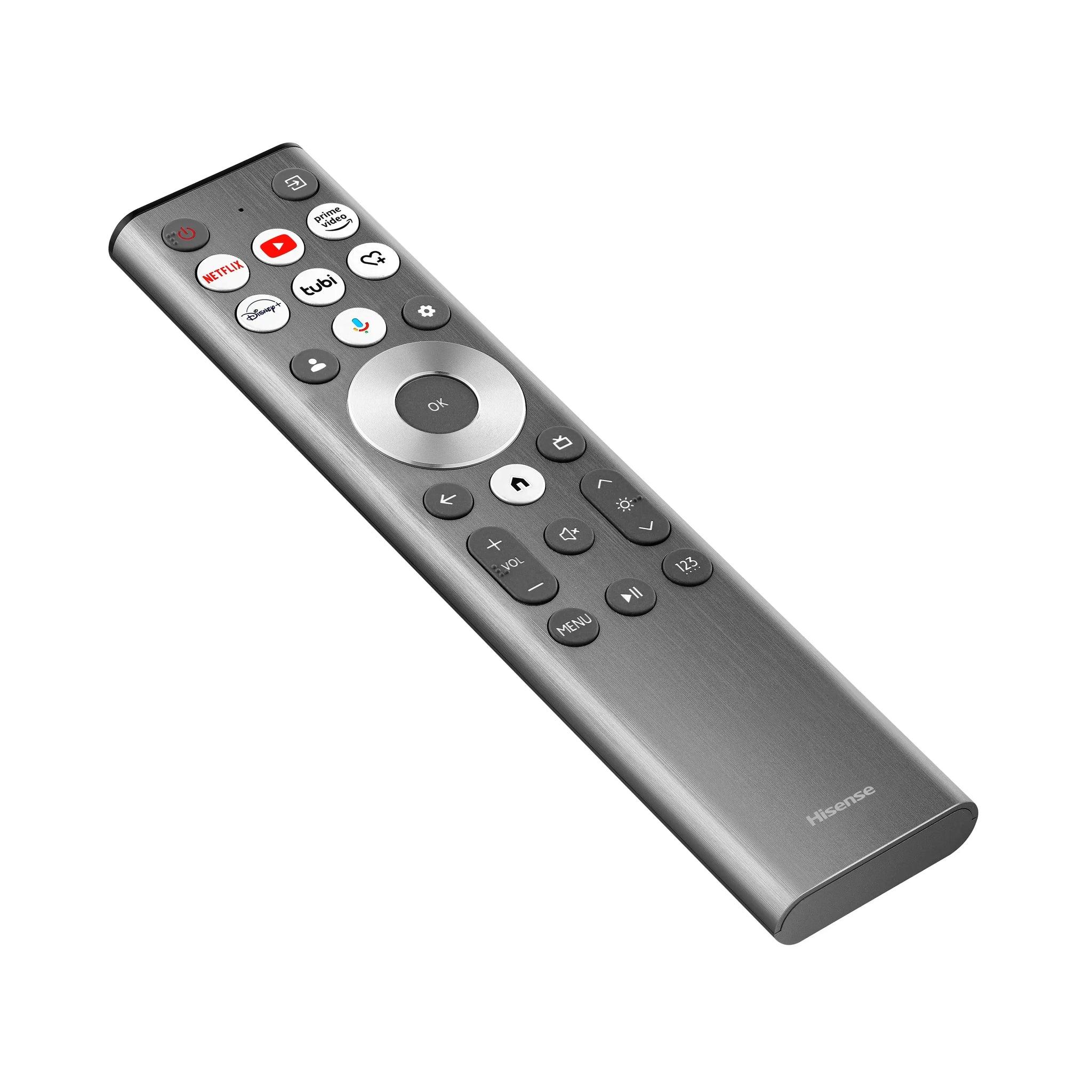
The smart platform battle between these projectors reflects broader industry trends. The Hisense PX3-PRO runs Google TV, which provides access to virtually every streaming service including Netflix, Prime Video, Disney+, and HBO Max. Google TV's interface is clean, fast, and regularly updated with new features and security patches.
The LG HU915QB uses LG's webOS platform, which offers a different but equally capable smart TV experience. However, some streaming services, particularly Netflix, have historically been slower to approve their apps for projector platforms, potentially limiting your options.
Both systems support voice control, screen mirroring from phones and tablets, and integration with smart home systems. The Hisense PX3-PRO's Google TV platform tends to be more universally compatible with Android and iOS devices.
Audio represents a significant differentiator between these models. The Hisense PX3-PRO includes a substantial 50-watt Harman Kardon soundbar built into the projector housing. This front-firing speaker system supports Dolby Atmos and provides surprisingly robust audio that can eliminate the need for additional speakers in many setups.
The LG HU915QB includes a 40-watt 2.2-channel system that's adequate but not exceptional. LG clearly expects users to pair this projector with external audio systems, which aligns with its positioning as a premium product for custom installations.
For most users, the Hisense PX3-PRO's integrated audio solution represents significant added value. The cost and complexity of adding a quality soundbar or surround sound system can easily exceed the price difference between these projectors.
Ultra short throw projectors require careful positioning to achieve optimal results. The LG HU915QB offers a 0.19:1 throw ratio, meaning it can sit slightly closer to the wall than the Hisense PX3-PRO. However, both projectors need to be precisely aligned to avoid keystone distortion – the trapezoidal image distortion that occurs when projectors aren't perfectly perpendicular to the screen.
The Hisense PX3-PRO can project larger images, supporting screen sizes up to 150 inches diagonal. The LG HU915QB typically maxes out around 120 inches, which is still enormous by TV standards but represents a meaningful limitation for users wanting truly massive images.
Both projectors work best with specialized ALR (Ambient Light Rejecting) screens that reflect the projector's light back to viewers while absorbing ambient light from other sources. These screens can cost $1,000-$3,000 depending on size and quality, representing an additional investment to consider.
This area represents the LG HU915QB's strongest advantage. The projector supports professional 3D LUT (Look-Up Table) calibration using Portrait Displays Calman software. This allows custom installers to achieve color accuracy levels that rival professional broadcast monitors.
The calibration process involves measuring the projector's output with specialized equipment and creating custom color correction tables that eliminate any inaccuracies. While this level of precision appeals to serious enthusiasts and professional installers, it requires expensive equipment and expertise that most consumers don't possess.
The Hisense PX3-PRO offers standard consumer-level calibration controls that allow users to adjust color temperature, gamma, and basic color settings. For most users, these controls provide sufficient flexibility to achieve excellent results without professional intervention.
Projector purchases represent long-term investments, making reliability and support important considerations. Both manufacturers offer standard warranties, but their support ecosystems differ significantly.
Hisense has been investing heavily in North American customer support and has expanded their service network considerably. The company's aggressive pricing strategy appears sustainable given their manufacturing scale and vertical integration.
LG brings decades of display technology expertise and an established professional support network. Their higher pricing reflects not just premium components but also the development costs associated with professional-grade features and calibration capabilities.
Laser light sources in both projectors should maintain consistent performance for 20,000+ hours of use, equivalent to watching 4-5 hours daily for over a decade. This longevity eliminates the ongoing bulb replacement costs associated with traditional projectors.
The Hisense PX3-PRO represents the sweet spot for most home theater enthusiasts. Its combination of excellent image quality, comprehensive smart features, and integrated audio creates a complete entertainment solution at a price point that, while not cheap, doesn't require a premium budget. The superior color accuracy and HDR format support make it particularly appealing for users who prioritize image quality.
Choose the Hisense PX3-PRO if you want flagship performance without flagship pricing, need excellent built-in audio, or prefer the flexibility of larger screen sizes. It's ideal for family rooms, basement theaters, or any space where you want an impressive viewing experience without the complexity of a full custom installation.
The LG HU915QB justifies its premium pricing for users who demand absolute best-in-class performance and have the budget to match. Its professional calibration capabilities and slightly superior contrast make it the better choice for dedicated home theaters where image quality takes precedence over value considerations.
Choose the LG HU915QB if you're working with a professional installer, need the deepest possible blacks and contrast, or want a projector that can be calibrated to professional standards. It's best suited for dedicated theater rooms with controlled lighting and external audio systems.
Ultra short throw projectors have matured into legitimate alternatives to large TVs, offering screen sizes that would be impossible or impossibly expensive to achieve otherwise. Both the Hisense PX3-PRO and LG HU915QB deliver exceptional performance, but they serve different segments of the market.
The Hisense PX3-PRO delivers roughly 85-90% of the LG HU915QB's performance at approximately half the cost, making it an exceptional value for most buyers. Its superior color accuracy, comprehensive HDR support, and integrated audio solution create a compelling package that's hard to match.
The LG HU915QB represents the pinnacle of UST projector technology, with professional features and build quality that justify its premium pricing for serious enthusiasts and custom installations.
For most people considering an ultra short throw projector, the Hisense PX3-PRO provides the best combination of performance, features, and value. The LG HU915QB earns its premium only for users who truly need its professional capabilities or want the absolute best performance regardless of cost.
| Hisense PX3-PRO | LG CineBeam HU915QB |
|---|---|
| DLP Chip Size - Larger chips provide better light efficiency and detail resolution | |
| 0.47" chip (smaller, more affordable technology) | 0.66" chip (larger, premium performance) |
| Native Resolution - Both upscale to 4K but different starting points | |
| 1080p native with XPR 4-way pixel shifting | 2716×1528 native with XPR technology |
| Laser Technology - Affects color accuracy and long-term performance | |
| TriChroma RGB laser (separate red, green, blue lasers) | 3-channel laser with phosphor conversion |
| Brightness Output - Critical for ambient light performance | |
| 3,000 ANSI lumens claimed (measured ~2,669) | Up to 3,000 ANSI lumens with better distribution |
| Color Gamut Coverage - Determines how vivid and accurate colors appear | |
| 110% BT.2020, 99.82% DCI-P3 (exceptional coverage) | 100% DCI-P3 (very good but narrower than Hisense) |
| HDR Format Support - More formats mean better streaming compatibility | |
| HDR10, HDR10+, Dolby Vision, IMAX Enhanced | HDR10, HLG, HGiG (missing Dolby Vision) |
| Contrast Performance - Affects black levels and image depth | |
| 3,000:1 native contrast (measured over 4,000:1) | 2,000,000:1 dynamic contrast with laser dimming |
| Smart Platform - Determines app availability and user experience | |
| Google TV with full Netflix certification | LG webOS (app compatibility may vary) |
| Built-in Audio - Can eliminate need for external speakers | |
| 50W Harman Kardon front-firing with Dolby Atmos | 40W 2.2-channel system (adequate but basic) |
| Maximum Screen Size - Determines installation flexibility | |
| Up to 150" diagonal projection | Up to 120" diagonal (estimated) |
| Throw Ratio - How close projector can sit to wall | |
| Standard UST positioning | 0.19:1 (can sit slightly closer to wall) |
| Professional Calibration - Important for custom installations | |
| Consumer-level calibration controls | 3D LUT calibration with Calman AutoCal support |
| Target Market - Affects support and longevity | |
| Premium value for enthusiasts | Professional/custom installation focus |

Privacy Policy
Terms and Conditions - Affiliate Policy
Home Security
© Copyright 2008-2026.
11816 Inwood Rd #1211, Dallas, TX 75244