

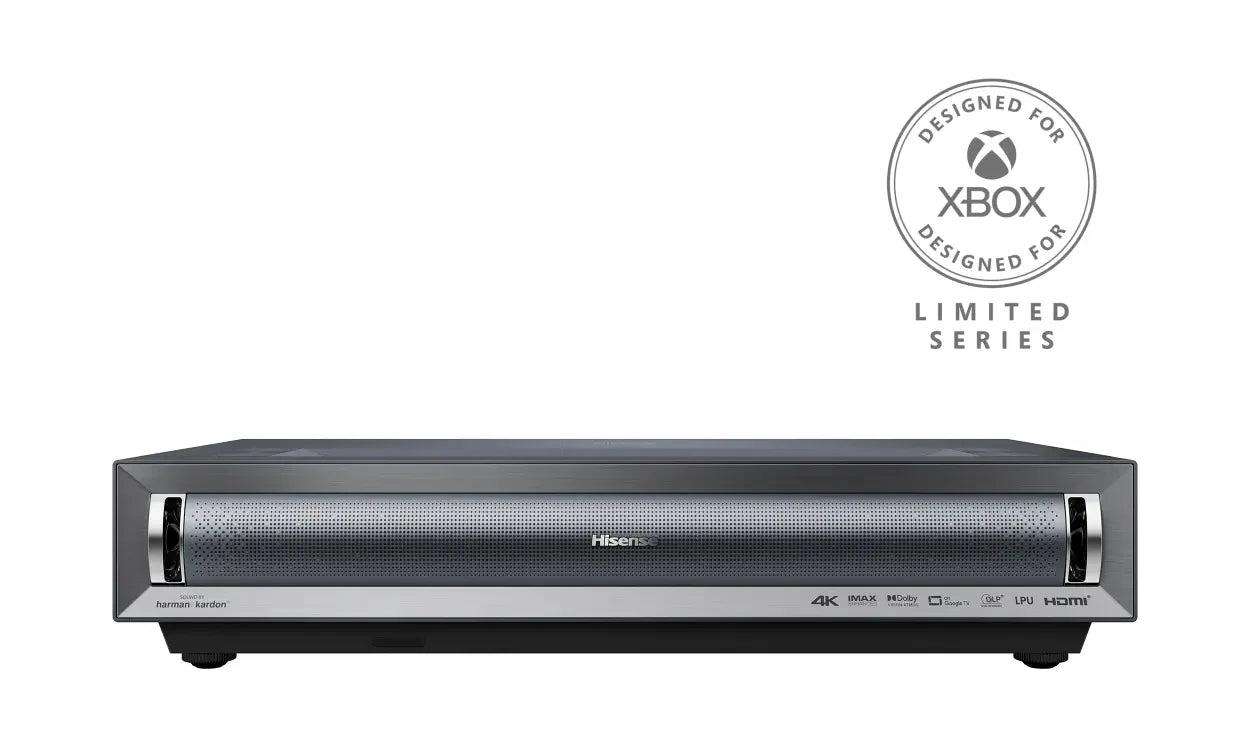
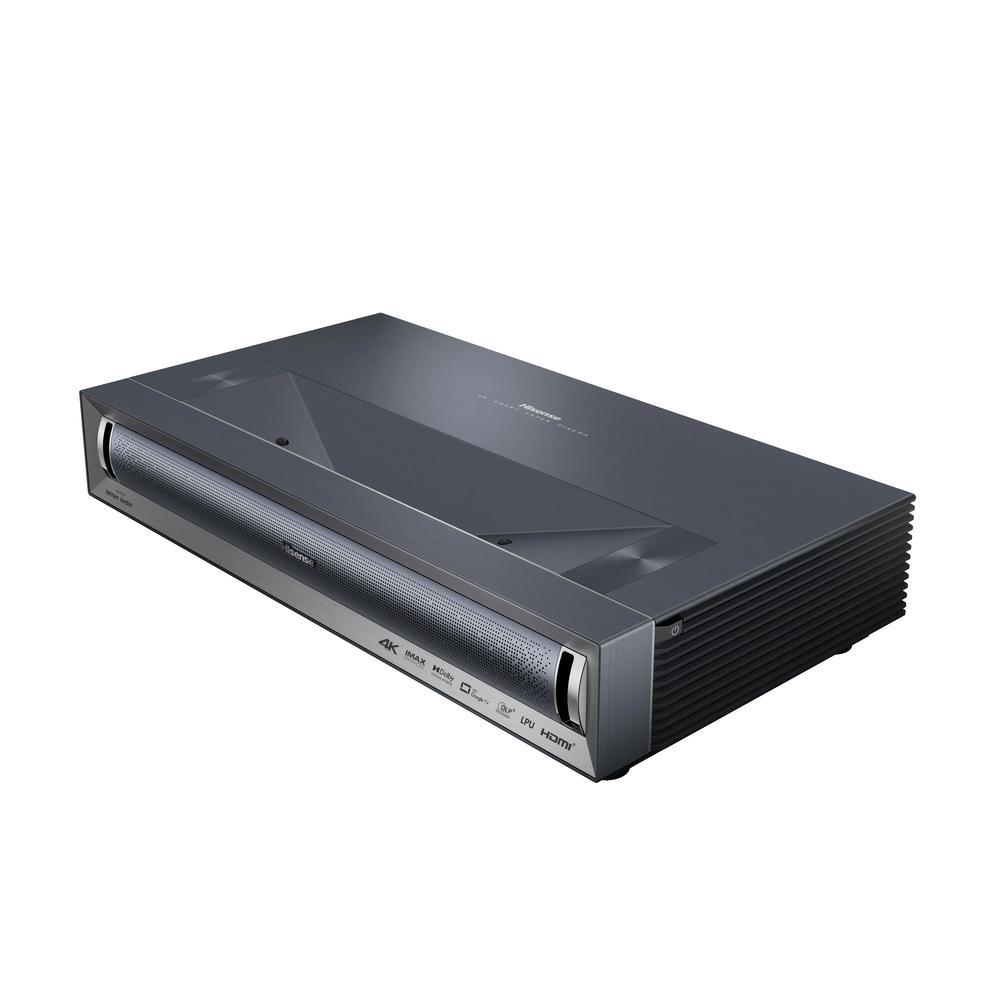
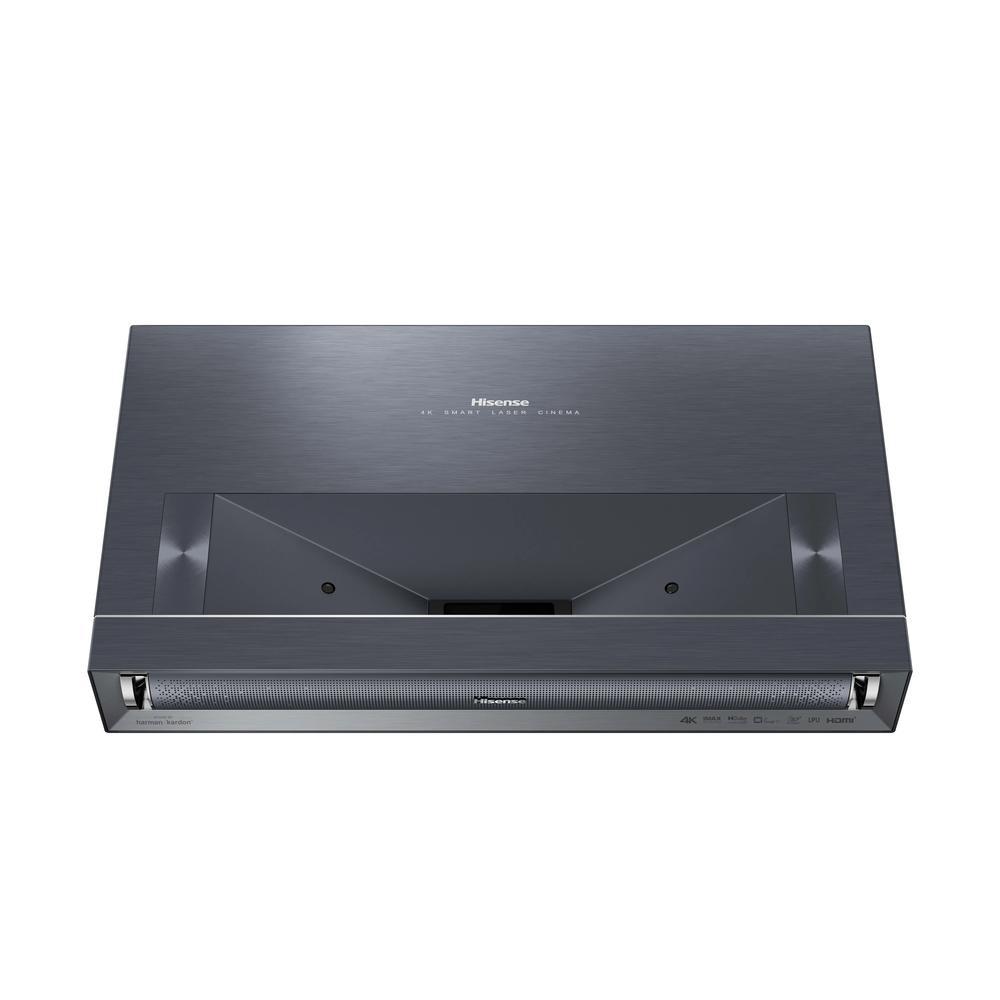
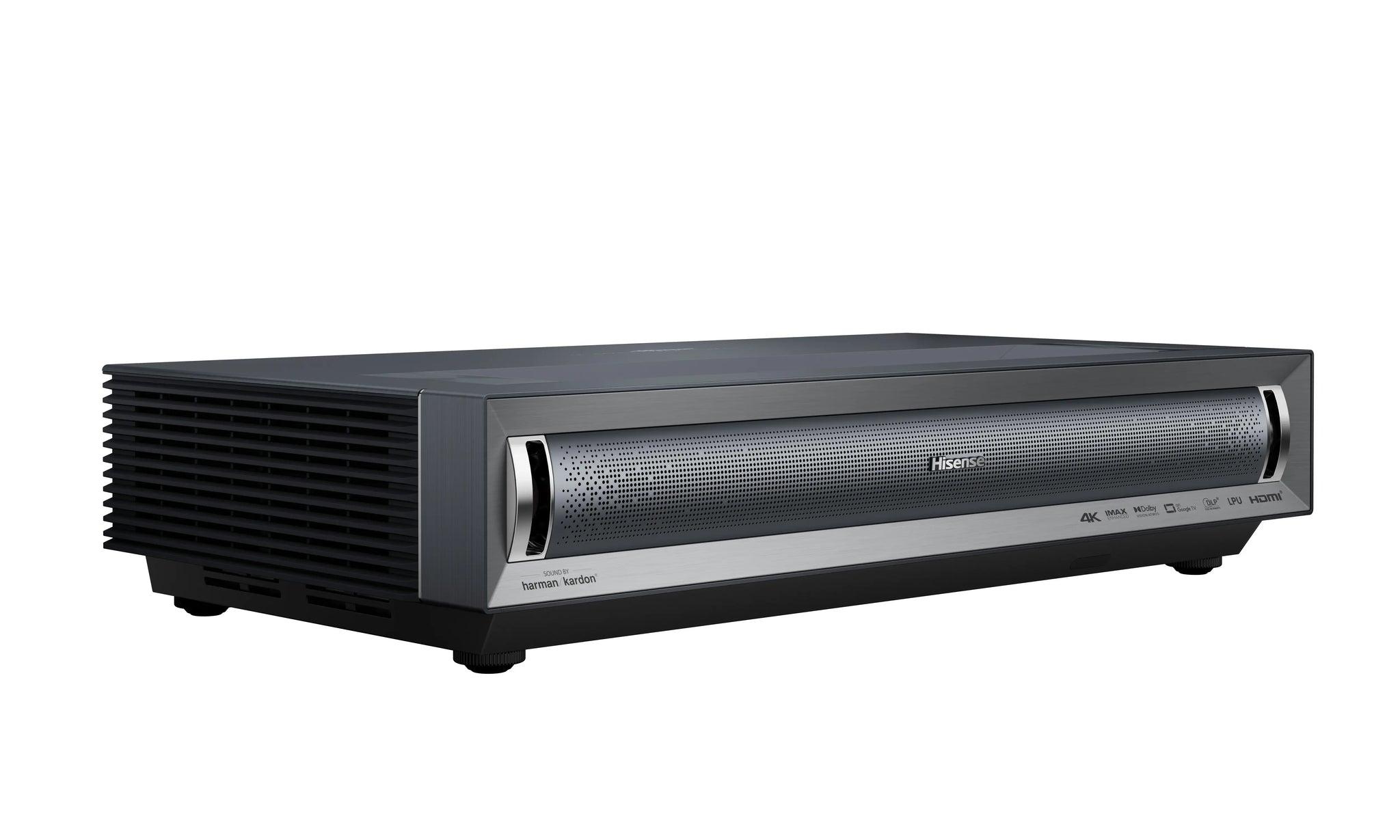
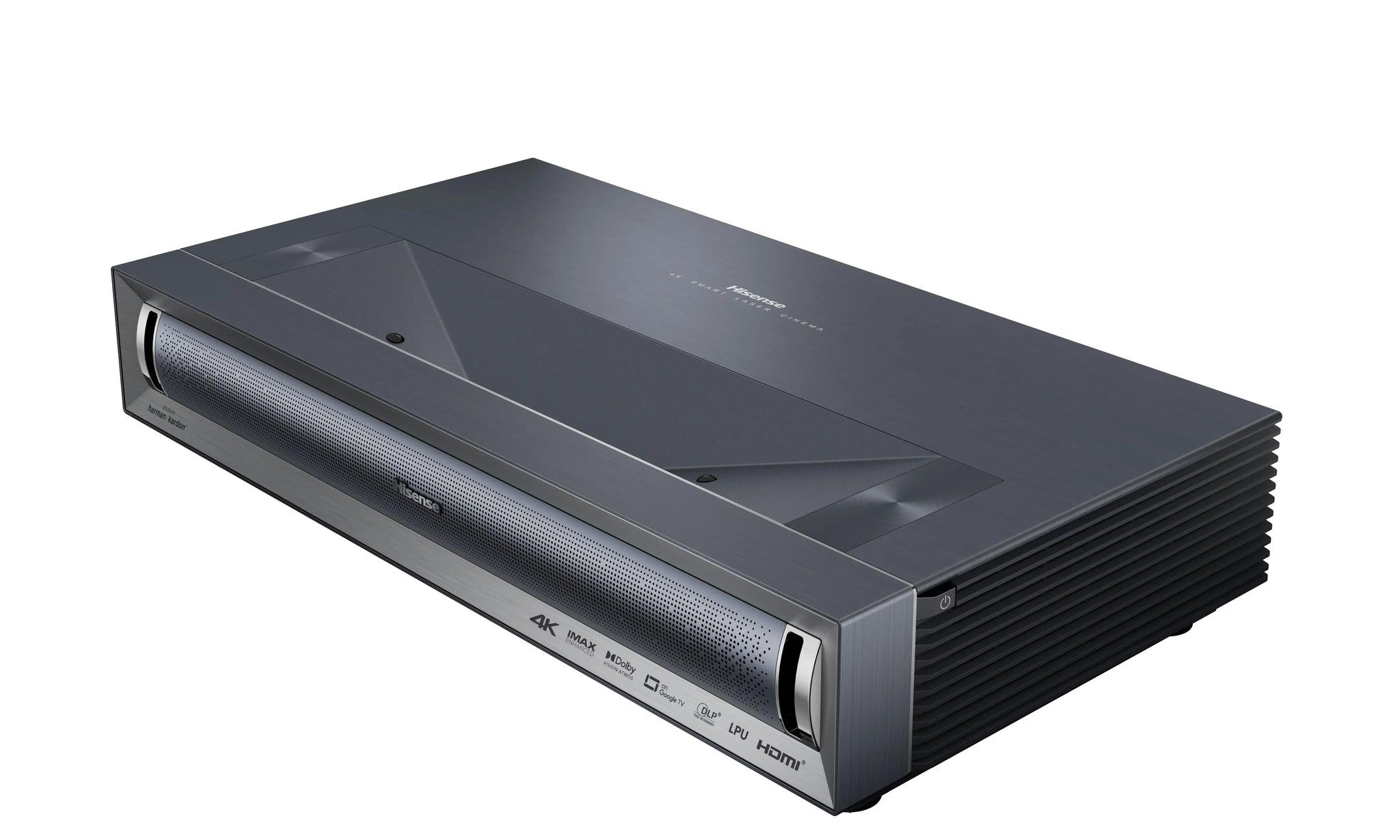
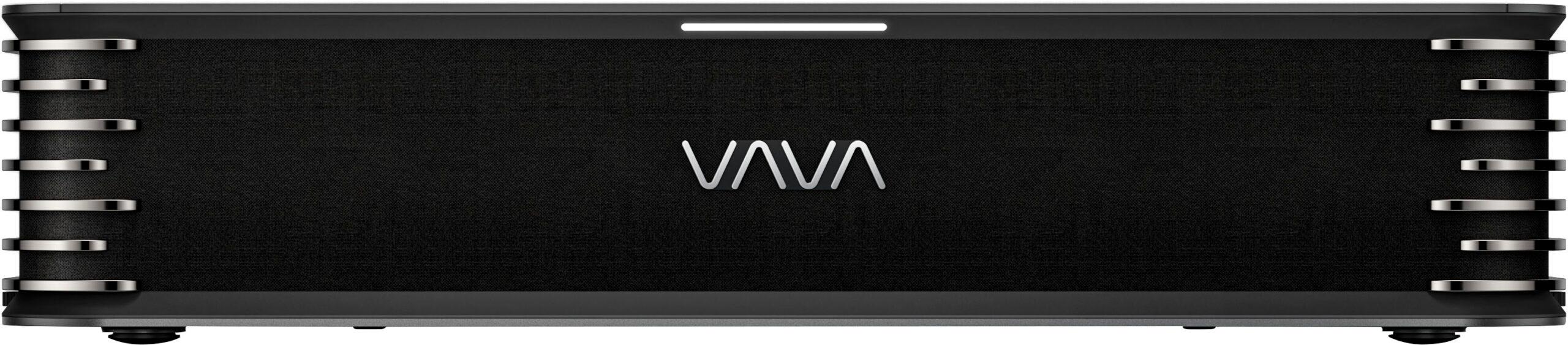
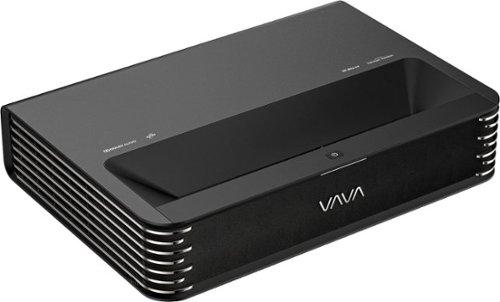
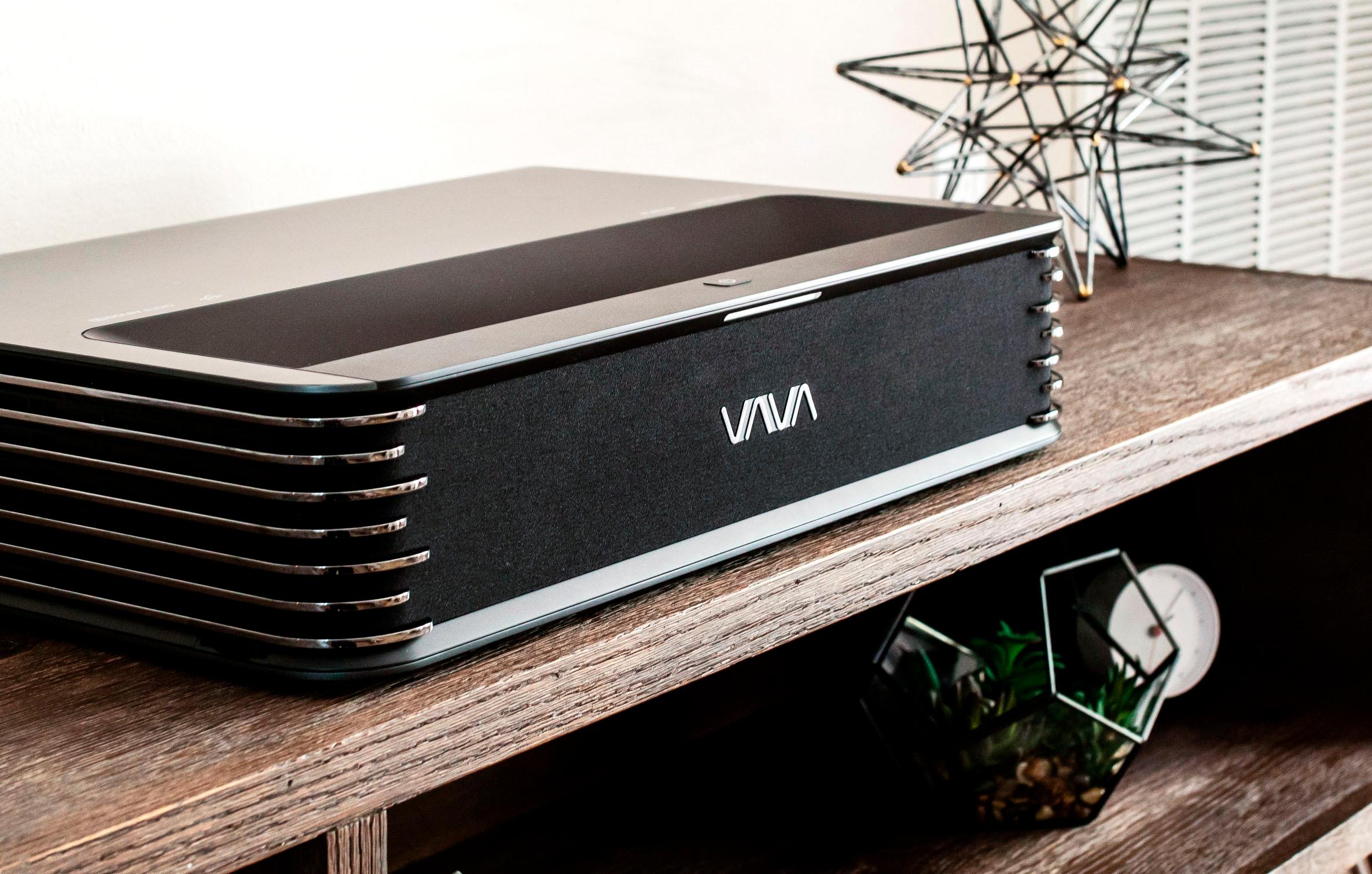
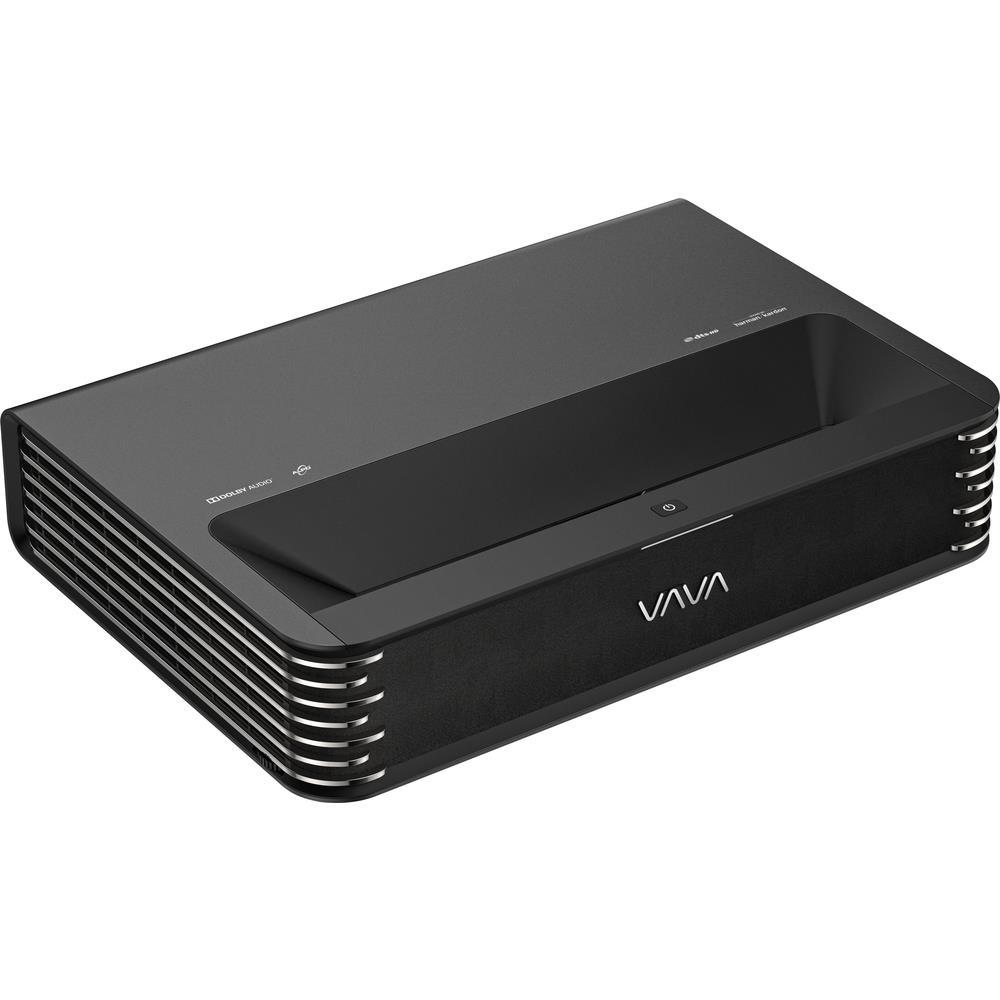
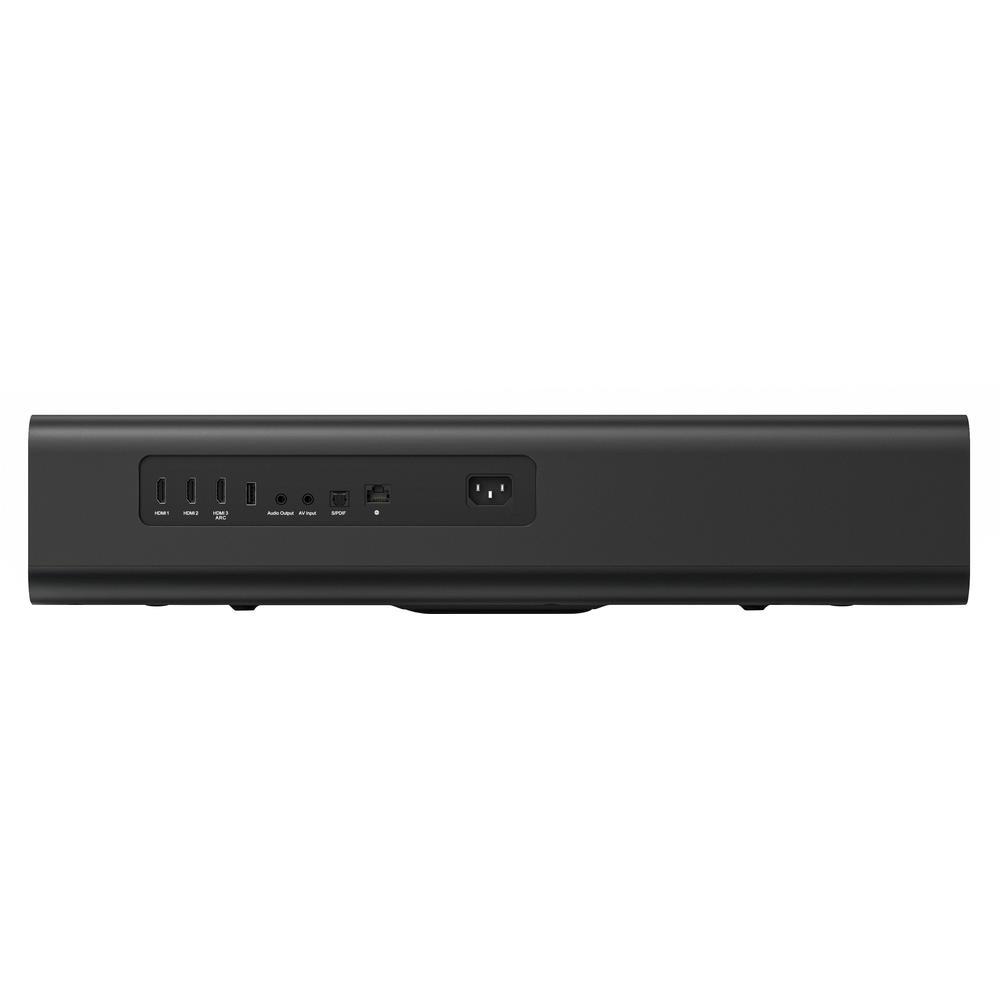
Ultra short throw (UST) laser projectors have revolutionized home entertainment, and two standout models have captured serious attention: the Hisense PX3-PRO and the VAVA Chroma Triple Laser Projector. These aren't your typical projectors that need to hang from the ceiling or sit across the room. Instead, they sit just inches from your wall, projecting massive 100-inch+ images that can genuinely replace even the largest TVs.
The appeal is obvious: imagine having a 150-inch screen without the mounting headaches, cable management nightmares, or room layout restrictions of traditional projectors. But with both models priced similarly in the premium tier (around $3,500 at the time of writing), choosing between them requires understanding their distinct approaches to delivering that cinematic experience.
Before diving into the comparison, it's worth understanding what makes UST projectors special. Traditional projectors use a throw ratio (the distance needed to create a specific image size) of around 1.2:1 or higher, meaning they need to be several feet away from the screen. UST projectors like the Hisense PX3-PRO and VAVA Chroma achieve throw ratios around 0.23:1, allowing them to create massive images from just 7-8 inches away from the wall.
This is accomplished through complex lens systems and precise light path engineering. The trade-off is that these projectors require specialized ALR (Ambient Light Rejecting) screens for optimal performance, though they can work on plain white walls in darker environments.
The laser light sources in both projectors offer significant advantages over traditional lamp-based systems: they last 20,000-25,000 hours (versus 3,000-5,000 for lamps), maintain consistent brightness throughout their lifespan, and achieve wider color gamuts than most lamp projectors.
The Hisense PX3-PRO, released in 2024, represents the latest evolution in UST technology. At its heart sits Texas Instruments' Digital Light Processor (DLP) with a 0.47-inch DMD (Digital Micromirror Device) chip. This chip contains millions of tiny mirrors that flip thousands of times per second to create images. Since the chip is physically 1080p resolution, Hisense employs XPR (eXpanded Pixel Resolution) technology, which shifts these pixels four times to create the perception of true 4K resolution.
What sets the PX3-PRO apart is its TriChroma RGB laser system. Unlike many projectors that use a single blue laser with phosphor wheels to create other colors, this system uses separate red, green, and blue lasers. This approach delivers exceptional color purity and allows the projector to cover an impressive 110% of the BT.2020 color space – that's essentially the full range of colors your eyes can see in most content.
The VAVA Chroma, while using similar DLP and XPR technology, takes a different approach with its ALPD (Advanced Laser Phosphor Display) 4.0 system. This technology combines laser light sources with phosphor materials to achieve broad color coverage while potentially offering better long-term stability. It covers 106% of the Rec. 2020 color space, which is still excellent but slightly narrower than the Hisense's coverage.
In practical terms, both projectors deliver stunning 4K images that are virtually indistinguishable from native 4K in normal viewing conditions. The pixel shifting happens so rapidly that your eye perceives a continuous, sharp 4K image.
Brightness measurements in projectors use ANSI lumens, a standardized way to measure how much light the projector outputs. The Hisense PX3-PRO delivers 3,000 ANSI lumens, while the VAVA Chroma provides 2,500 ANSI lumens. This 500-lumen difference is more significant than it might initially appear.
In real-world usage, that extra brightness from the PX3-PRO translates to better performance in rooms with ambient light. If you're planning to watch during the day with some window light filtering in, or if you prefer not to completely darken your room for evening viewing, the Hisense handles these conditions more gracefully. The additional brightness also becomes crucial when projecting larger images – say 120 inches or more – where the available light gets spread over a much larger area.
Contrast ratio tells a different story. The VAVA Chroma claims a dynamic contrast ratio of 1,500,000:1, which sounds impressive but requires context. Dynamic contrast adjusts the light output based on scene content, dimming during dark scenes and brightening during light scenes. While this can enhance the perceived depth of images, native contrast – how well the projector can simultaneously display deep blacks and bright whites – matters more for overall image quality.
The Hisense PX3-PRO achieves a native contrast ratio of 3,000:1, with actual measurements exceeding 4,000:1. This means it can display truly deep blacks alongside bright highlights in the same scene, creating more realistic and engaging images. For home theater enthusiasts who prioritize image depth and dimensionality, this native contrast performance often trumps higher dynamic contrast claims.
High Dynamic Range (HDR) represents one of the most significant advances in display technology, expanding both the range of colors and the contrast between the darkest and brightest parts of an image. The Hisense PX3-PRO supports HDR10+, Dolby Vision, and notably, IMAX Enhanced – making it the first UST projector to achieve this certification.
IMAX Enhanced involves both hardware and content requirements. The projector must meet specific brightness, contrast, and color accuracy standards, while the content is specially formatted to take advantage of these capabilities. This means when watching IMAX Enhanced content, you're getting as close as possible to the theatrical IMAX experience in your home.
Dolby Vision goes beyond standard HDR10 by providing scene-by-scene metadata that tells the projector exactly how to display each moment of content. The PX3-PRO's support for these advanced HDR formats, combined with its wide color gamut and high brightness, creates noticeably more impactful HDR performance.
The VAVA Chroma supports HDR10 with HLG (Hybrid Log-Gamma), which covers most HDR content but lacks the advanced tone mapping of HDR10+ and Dolby Vision. For casual viewers, this difference might be minimal, but for those who prioritize the latest HDR content from streaming services and Ultra HD Blu-rays, the Hisense offers a more comprehensive experience.
Gaming on projectors has traditionally involved compromises, but both models address this with dedicated gaming features. The Hisense PX3-PRO includes a specific gaming mode that reduces input lag to as low as 14 milliseconds in 120Hz mode. Input lag is the delay between pressing a button and seeing the action on screen – anything under 20ms is considered excellent for gaming.
The 120Hz support means the PX3-PRO can display 120 frames per second from compatible gaming consoles like the PlayStation 5 and Xbox Series X. This higher refresh rate creates smoother motion during fast-paced games, particularly noticeable in racing games, first-person shooters, and sports titles.
The VAVA Chroma offers gaming capabilities but tops out at 60Hz refresh rate. While this is perfectly adequate for most gaming scenarios and still provides an immersive large-screen gaming experience, competitive gamers or those with the latest consoles might prefer the PX3-PRO's higher refresh rate capabilities.
Both projectors support 3D gaming and movies, though this feature has become increasingly niche as content providers have moved away from 3D content production.
One advantage UST projectors have over traditional ceiling-mounted models is the ability to include substantial built-in audio systems. The VAVA Chroma incorporates a 60-watt Harman Kardon speaker system (30 watts per channel), while the Hisense PX3-PRO features a 50-watt front-firing Harman Kardon system with Dolby Atmos processing.
The wattage difference suggests the VAVA might produce louder sound, but audio quality involves more than pure power. The PX3-PRO's Dolby Atmos processing attempts to create a sense of dimensional sound, though the physical limitations of the projector's speaker placement mean this effect is more subtle than dedicated surround sound systems.
In practice, both systems provide adequate sound for casual viewing but fall short of true home theater audio experiences. The built-in speakers work well for late-night viewing when you can't use a full surround sound system, or for spaces where additional audio equipment isn't practical. However, serious home theater enthusiasts will likely connect external audio systems to either projector for optimal sound quality.
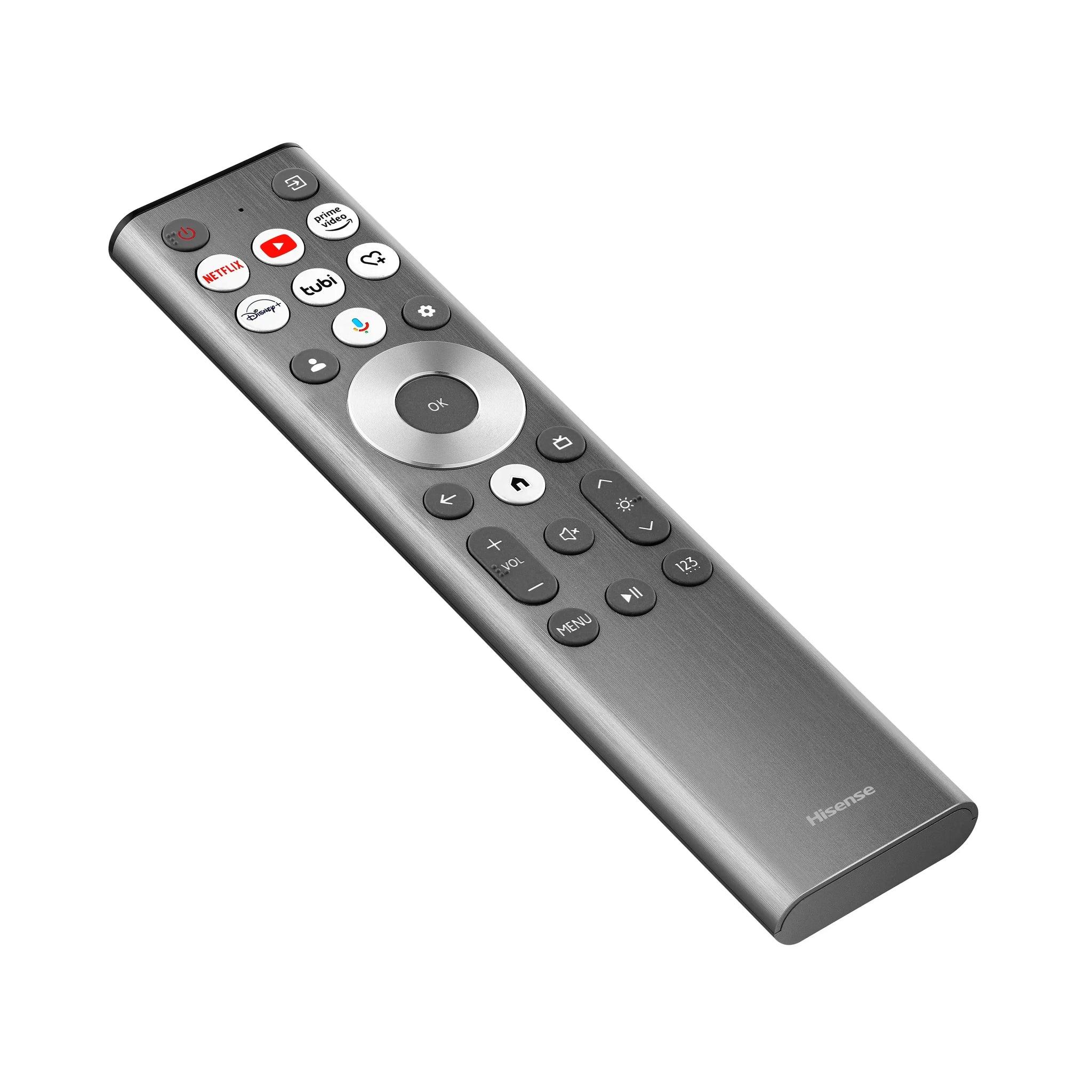
The smart platform can make or break the user experience, and here the Hisense PX3-PRO takes a clear lead with its Google TV integration. This isn't just Android TV with a new name – Google TV provides a more curated, personalized interface that aggregates content from multiple streaming services. You get full access to Netflix, Disney+, Amazon Prime Video, Hulu, and virtually every other major streaming service through their official apps.
The inclusion of WiFi 6e in the PX3-PRO also future-proofs your investment. WiFi 6e operates in the less congested 6GHz band, providing more reliable streaming performance, especially important when dealing with 4K HDR content that requires substantial bandwidth.
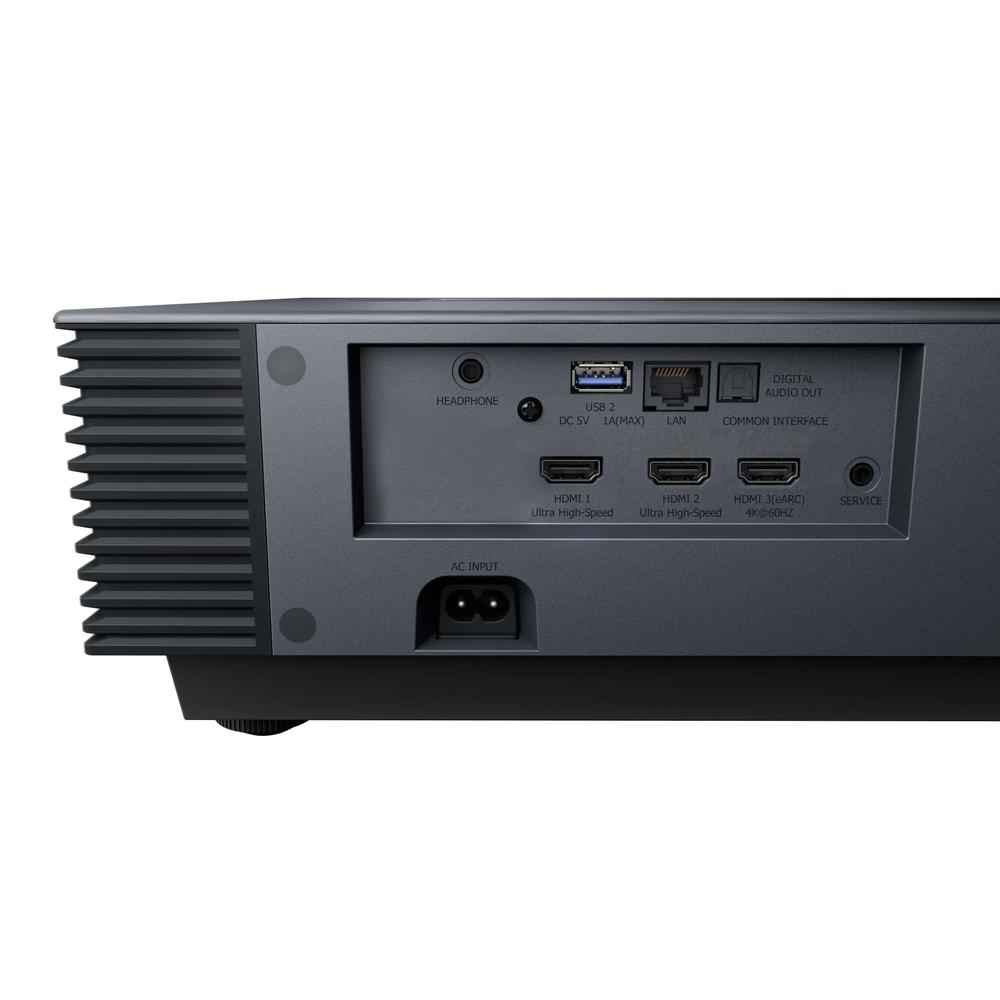
Connectivity options matter for integrating the projector with existing home theater equipment. The Hisense PX3-PRO includes three HDMI ports: two full-bandwidth HDMI 2.1 ports capable of 48Gbps data transfer (essential for 4K 120Hz gaming), plus one HDMI 2.0 port with eARC (enhanced Audio Return Channel) support. This configuration allows you to connect a gaming console, streaming device, and audio system while maintaining full feature support.
The VAVA Chroma uses an Android TV system with Alexa voice control integration, which works well but doesn't offer the same breadth of official app support or the refined interface experience of Google TV.
Both projectors require careful placement for optimal performance. The ultra-short throw design means precise positioning is crucial – being off by even an inch can affect focus uniformity across the screen. The Hisense PX3-PRO includes more sophisticated keystone correction (the ability to fix trapezoidal image distortion) and focus adjustment, making it somewhat more forgiving during setup.
Screen choice significantly impacts performance for both models. While they'll work with a plain white wall, investing in a quality ALR screen designed for UST projectors dramatically improves contrast and reduces the impact of ambient light. These screens typically add $500-2000 to the total investment, depending on size and quality.
Both projectors work best in dedicated theater rooms or spaces where you can control lighting, though the PX3-PRO's higher brightness makes it more versatile for living rooms with some ambient light.
Laser projectors represent a significant investment, so long-term reliability matters. Both the Hisense PX3-PRO and VAVA Chroma use laser light sources rated for 25,000+ hours of operation. At typical usage patterns (3-4 hours daily), this translates to 15-20 years of service life without requiring expensive lamp replacements.
The PX3-PRO includes a 2-year parts and labor warranty, compared to the VAVA Chroma's 1-year coverage. While this might seem minor, projector repairs can be costly, and the longer warranty provides additional peace of mind.
From a technology perspective, the Hisense PX3-PRO's HDMI 2.1 support better positions it for future gaming consoles and streaming standards. As content delivery evolves toward higher frame rates and more demanding formats, this connectivity advantage becomes increasingly valuable.
After evaluating both projectors extensively through research and analysis of expert reviews and user feedback, the Hisense PX3-PRO emerges as the more versatile and future-proof choice for most users. Its combination of higher brightness, comprehensive HDR support, superior gaming capabilities, and robust smart features justify its position as the premium option in this category.
Choose the Hisense PX3-PRO if you:
The VAVA Chroma remains compelling for specific situations:
For dedicated home theater rooms, both projectors deliver exceptional performance that rivals or exceeds similarly priced large-screen TVs. However, the Hisense PX3-PRO's additional brightness and comprehensive feature set make it the safer choice for diverse viewing conditions and usage patterns.
The reality is that either projector will transform your viewing experience compared to traditional displays. The massive screen size, laser-sharp image quality, and immersive experience they provide represent the current pinnacle of home entertainment technology. Your choice between them should ultimately depend on your specific room conditions, usage priorities, and long-term expectations for the investment.
At the time of writing, both models command premium pricing that reflects their advanced technology and performance capabilities. While the initial investment is substantial, the combination of large screen size, excellent image quality, and long laser life makes them competitive with premium large-screen TVs when you factor in the total cost of ownership over their lifespan.
| Hisense PX3-PRO | VAVA Chroma Triple Laser Projector |
|---|---|
| Brightness - Critical for rooms with ambient light and larger screen sizes | |
| 3,000 ANSI lumens (excellent for most lighting conditions) | 2,500 ANSI lumens (good for controlled lighting environments) |
| Contrast Ratio - Affects image depth and black level performance | |
| 3,000:1 native contrast (measured over 4,000:1) | 1,500,000:1 dynamic contrast |
| Color Gamut Coverage - Determines color accuracy and vibrancy | |
| 110% BT.2020, 99.82% DCI-P3 (industry-leading coverage) | 106% Rec. 2020 (excellent but slightly narrower) |
| HDR Format Support - Essential for premium content from streaming and Blu-ray | |
| HDR10+, Dolby Vision, IMAX Enhanced (comprehensive support) | HDR10 with HLG (covers most content but lacks advanced formats) |
| Gaming Performance - Important for console gaming and competitive play | |
| 120Hz support, 14ms input lag in gaming mode | 60Hz support, standard gaming capabilities |
| Smart Platform - Affects app availability and user experience | |
| Google TV with full Netflix, Disney+, Prime Video app support | Android TV with Alexa integration |
| Connectivity - Future-proofing and device compatibility | |
| 3x HDMI (2x HDMI 2.1 48Gbps, 1x HDMI 2.0 eARC), WiFi 6e | Standard HDMI ports, Bluetooth connectivity |
| Built-in Audio - Convenience for casual viewing without external speakers | |
| 50W Harman Kardon front-firing speakers with Dolby Atmos | 60W Harman Kardon speakers (30W x 2) |
| Laser Technology - Affects color purity and long-term performance | |
| TriChroma RGB laser system | ALPD 4.0 triple laser with phosphor technology |
| Warranty Coverage - Protection for significant investment | |
| 2-year parts and labor warranty | 1-year parts and labor warranty |
| Release Year - Indicates latest technology and feature updates | |
| 2024 (latest generation with newest features) | Recent model with established technology |
The Hisense PX3-PRO delivers 3,000 ANSI lumens compared to the VAVA Chroma's 2,500 ANSI lumens. This 500-lumen difference makes the Hisense PX3-PRO significantly better for rooms with ambient light or daytime viewing, while the VAVA Chroma works best in darker, controlled environments.
Both projectors use 4K resolution with XPR pixel-shifting technology, but the Hisense PX3-PRO covers 110% of the BT.2020 color space versus the VAVA Chroma's 106% Rec. 2020 coverage. The Hisense also offers superior HDR support with Dolby Vision and IMAX Enhanced, while the VAVA focuses on dynamic contrast performance.
The Hisense PX3-PRO is clearly superior for gaming with 120Hz support and 14ms input lag in gaming mode, making it compatible with next-gen consoles like PlayStation 5 and Xbox Series X. The VAVA Chroma offers standard 60Hz gaming capabilities, which is adequate for casual gaming but not ideal for competitive play.
The Hisense PX3-PRO runs Google TV with full access to Netflix, Disney+, Amazon Prime Video, and other major streaming apps. The VAVA Chroma uses Android TV with Alexa voice control integration. The Hisense offers a more polished interface and broader app compatibility.
The VAVA Chroma provides 60W total power through dual 30W Harman Kardon speakers, while the Hisense PX3-PRO features 50W front-firing Harman Kardon speakers with Dolby Atmos processing. Both deliver adequate sound for casual viewing, but the VAVA offers slightly more raw power.
The Hisense PX3-PRO includes three HDMI ports with two full HDMI 2.1 ports (48Gbps), one HDMI 2.0 with eARC, and WiFi 6e connectivity. The VAVA Chroma offers standard HDMI connections and Bluetooth capability. The Hisense provides better future-proofing for high-bandwidth devices.
The VAVA Chroma claims 1,500,000:1 dynamic contrast, while the Hisense PX3-PRO achieves 3,000:1 native contrast (measured over 4,000:1). Native contrast matters more for simultaneous dark and bright scene elements, making the Hisense better for overall image depth despite the VAVA's higher dynamic contrast numbers.
Both the Hisense PX3-PRO and VAVA Chroma are ultra-short throw projectors that can create 100+ inch images from just 7-8 inches away from the wall. This eliminates the need for ceiling mounting and allows flexible placement in living rooms or dedicated home theater spaces.
The Hisense PX3-PRO supports HDR10+, Dolby Vision, and IMAX Enhanced formats, providing comprehensive compatibility with premium streaming content and Ultra HD Blu-rays. The VAVA Chroma supports HDR10 with HLG, which covers most content but lacks the advanced tone mapping of the Hisense's HDR formats.
The Hisense PX3-PRO includes a 2-year parts and labor warranty, while the VAVA Chroma provides 1-year coverage. Given the significant investment in either projector, the Hisense's longer warranty provides additional peace of mind for potential repairs or issues.
For dedicated home theaters, the Hisense PX3-PRO offers advantages with its comprehensive HDR support, IMAX Enhanced certification, and superior brightness for larger screens. However, the VAVA Chroma can excel in consistently dark environments where its contrast performance shines. Both deliver exceptional cinematic experiences.
The Hisense PX3-PRO uses a TriChroma RGB laser system with separate red, green, and blue lasers for pure color reproduction. The VAVA Chroma employs ALPD 4.0 technology combining lasers with phosphor materials. Both offer 25,000+ hour lifespans, but the Hisense's RGB approach typically provides wider color gamuts and better long-term color stability.
We've done our best to create useful and informative comparisons to help you decide what product to buy. Our research uses advanced automated methods to create this comparison and perfection is not possible - please contact us for corrections or questions. These are the sites we've researched in the creation of this article: shop.hisense-usa.com - avsforum.com - youtube.com - projectorcentral.com - avsforum.com - youtube.com - projectorreviews.com - avsforum.com - projectorcentral.com - en.heimkinowelten.de - dreamediaav.com - androidcentral.com - avsforum.com - projectorcentral.com - projectorreviews.com - vava.com - projectorscreenstore.com - youtube.com - projector.com.my - ust-projector.com

Privacy Policy
Terms and Conditions - Affiliate Policy
Home Security
© Copyright 2008-2026.
11816 Inwood Rd #1211, Dallas, TX 75244