



Ultra short throw (UST) projectors have revolutionized home entertainment by solving the biggest problem with traditional projectors: space. Instead of mounting a projector on your ceiling or placing it across the room, UST projectors sit just inches from your wall to create massive 100+ inch displays. Think of them as the middle ground between a large TV and a full home theater setup.
The technology has matured rapidly in recent years, with laser light sources replacing traditional bulbs and smart features eliminating the need for external streaming devices. Two projectors perfectly illustrate the current state of this market: the premium Hisense PX3-PRO and the budget-friendly Yaber K300s. Released in 2024 and 2025 respectively, they represent fundamentally different approaches to bringing cinema-sized entertainment into your living room.
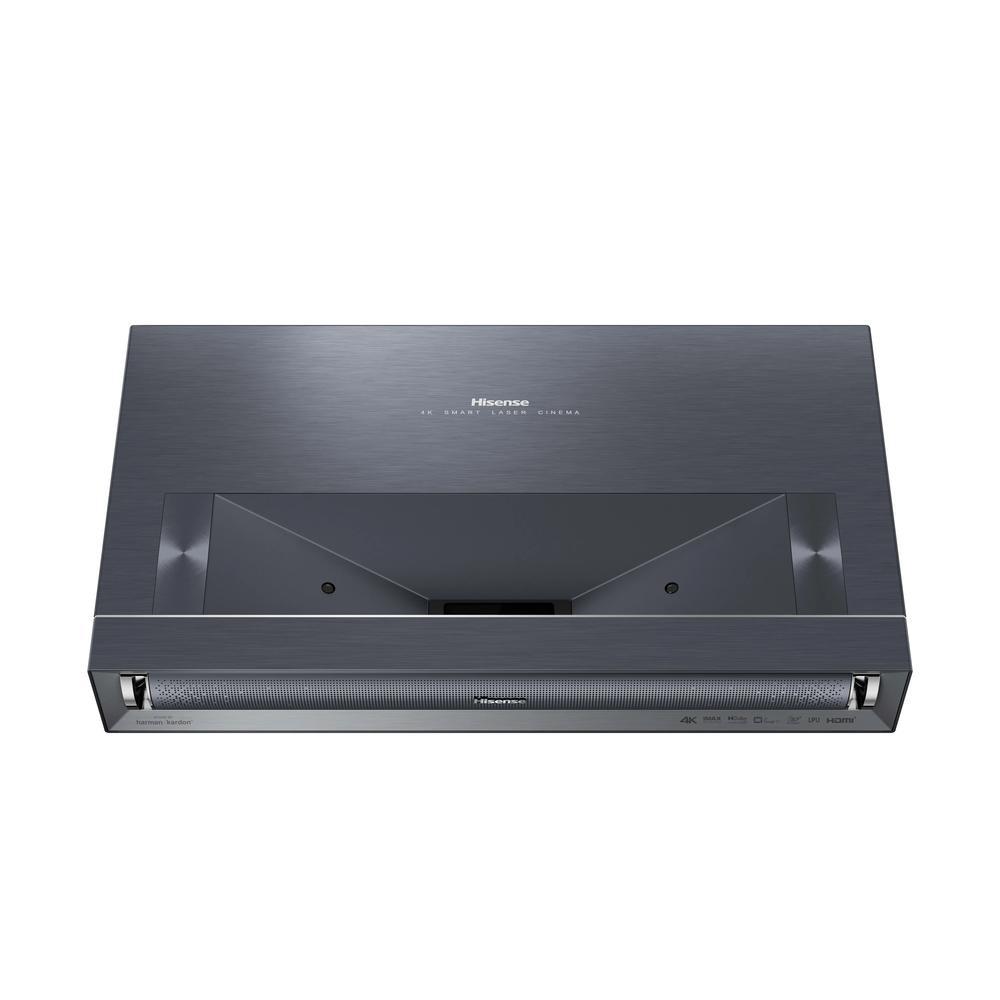
Before diving into specifics, it's worth understanding what makes these projectors special. Traditional projectors use a "throw ratio" that requires several feet of distance for every foot of screen width. UST projectors flip this completely, using specialized ultra-wide-angle lenses and mirrors to create large images from extremely short distances – typically 6 to 24 inches from your wall.
The "laser" part is equally important. Unlike older lamp-based projectors that dim over time and require bulb replacements, laser projectors maintain consistent brightness for 20,000+ hours while producing more accurate colors. Both the Hisense PX3-PRO and Yaber K300s use "RGB triple laser" technology, which means they have separate red, green, and blue lasers mixing together to create every color you see. This is superior to single-laser projectors that rely on color wheels, which can create rainbow artifacts and less accurate colors.
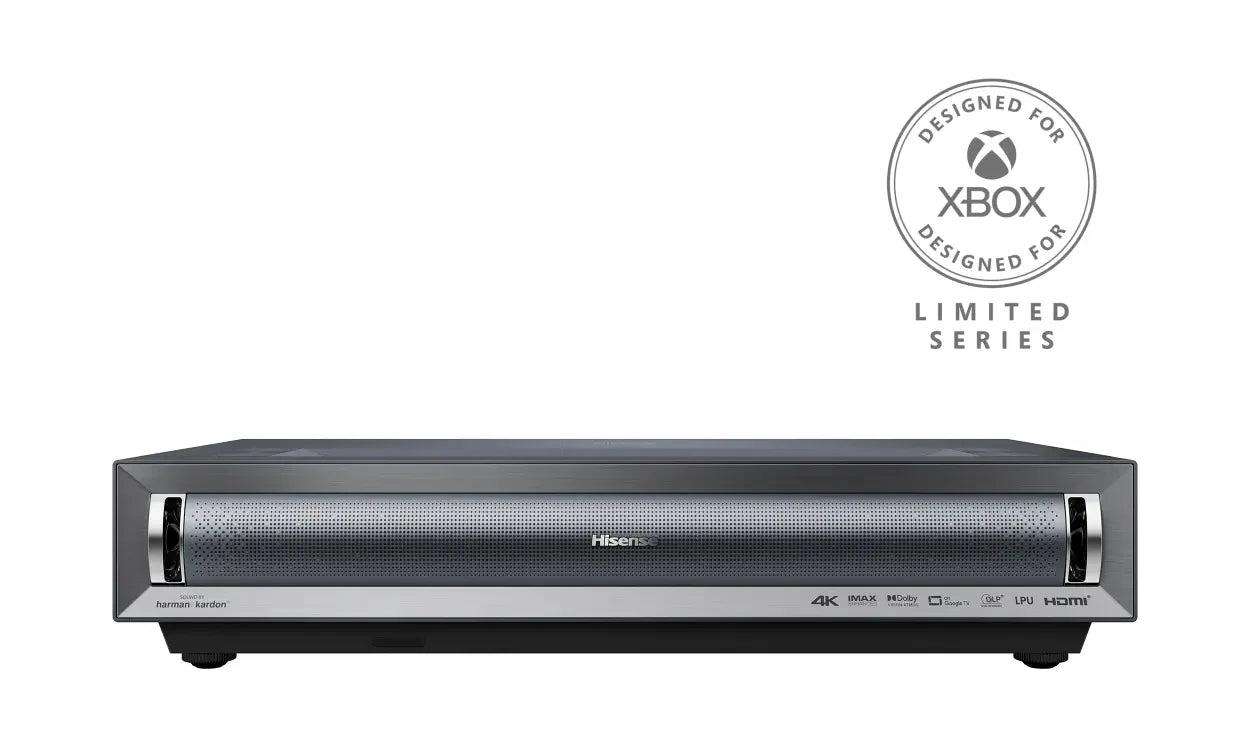
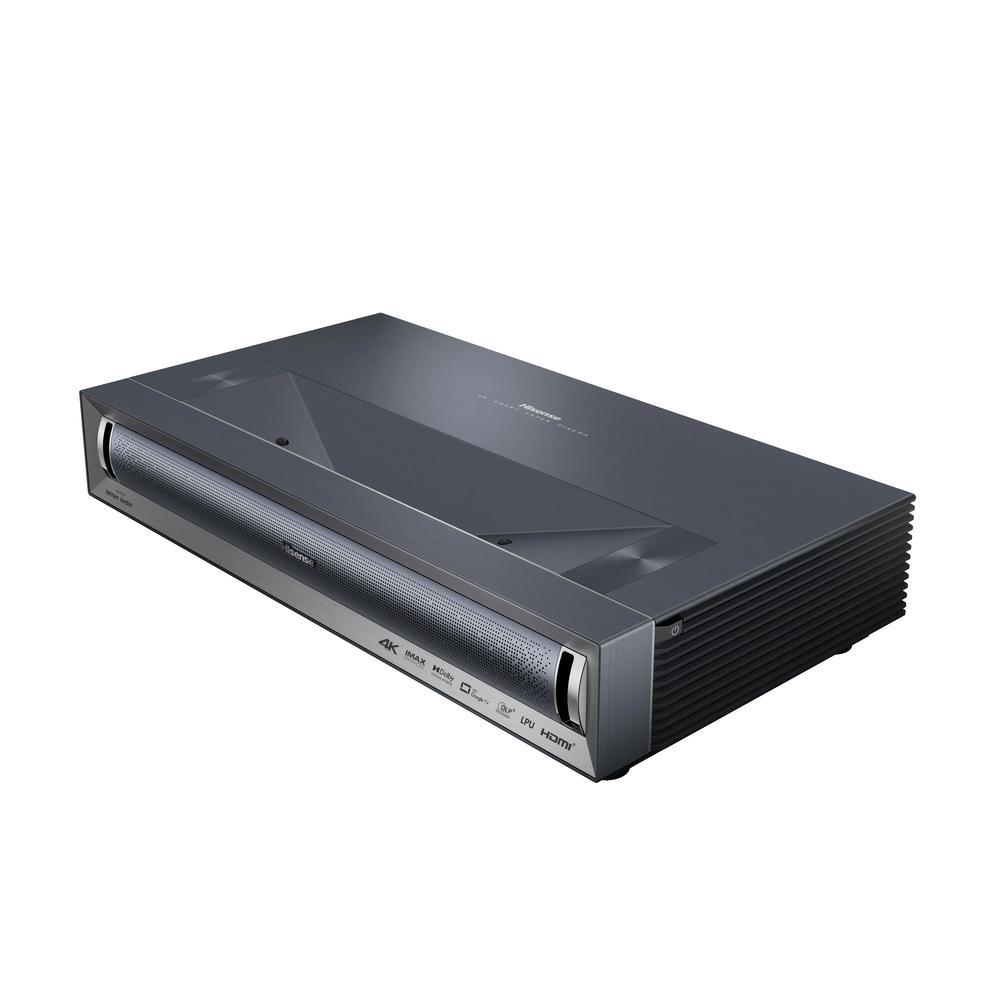
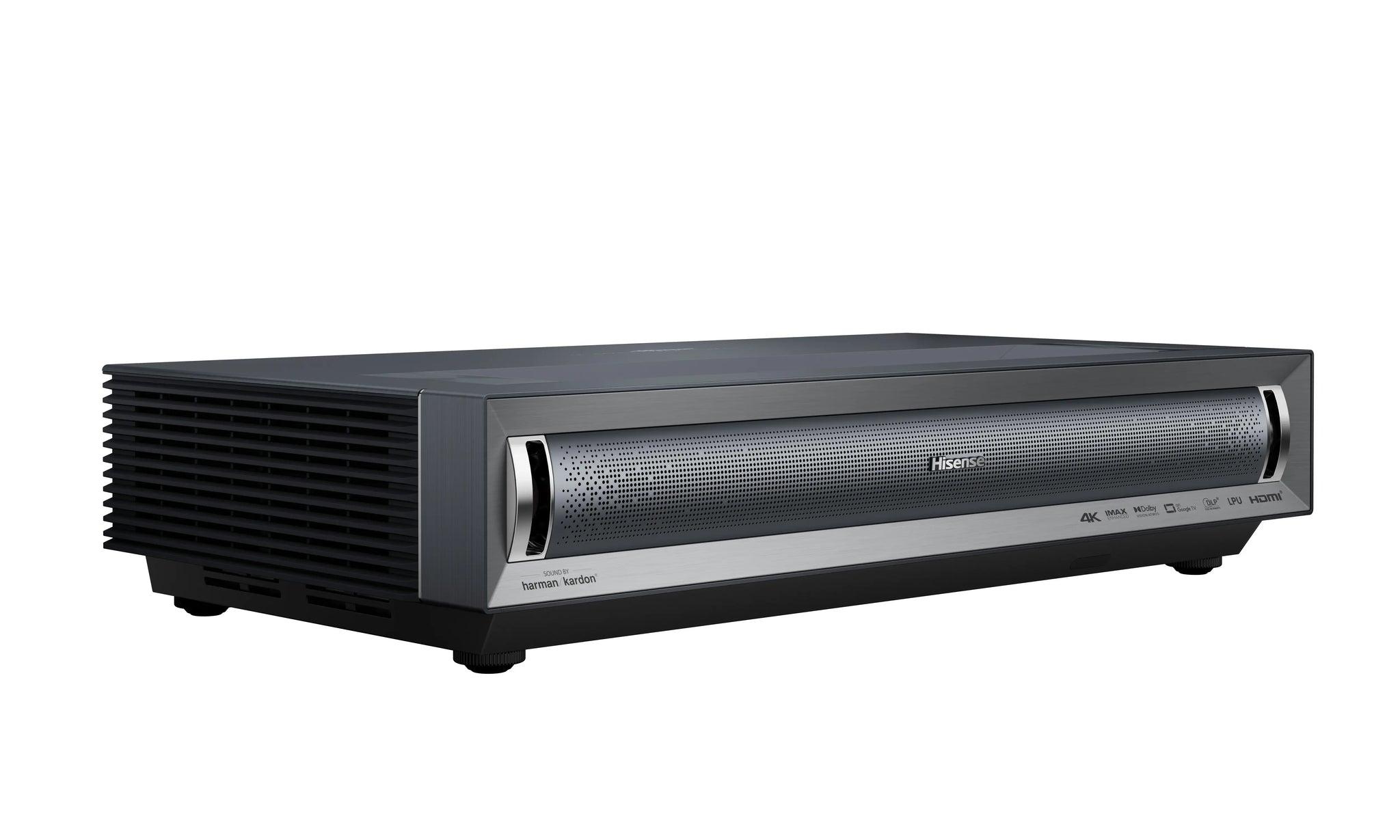
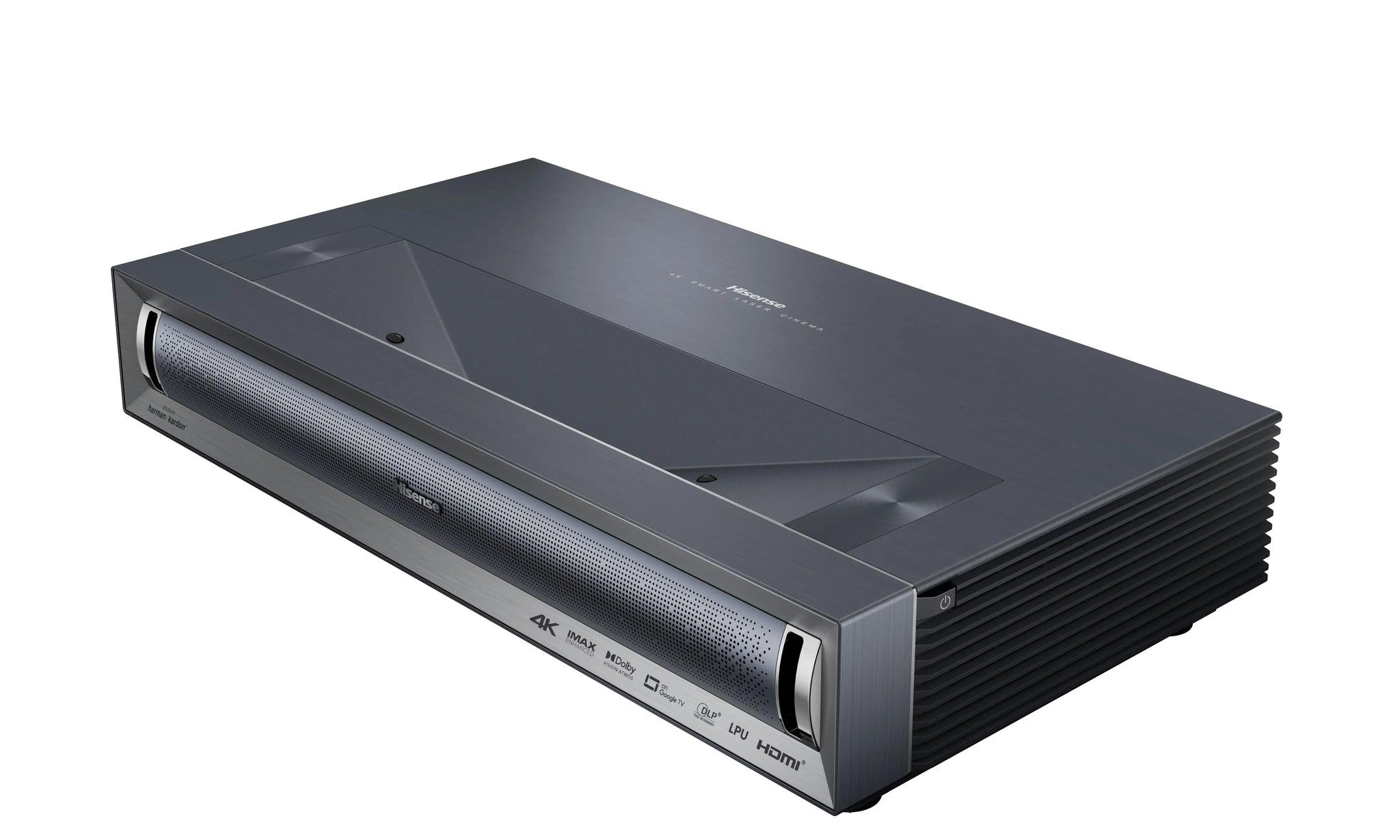
The Hisense PX3-PRO, released in 2024, positions itself as a serious home theater replacement. Its standout feature is true 4K projection – meaning it actually displays 3,840 by 2,160 pixels, the same resolution as premium 4K TVs. This is achieved through Texas Instruments' XPR (eXpanded Pixel Resolution) technology, which uses precise mirror movements to create four times the detail of standard 1080p projection.
What impressed us most in researching this projector is its brightness capability. At 3,000 ANSI lumens (ANSI is the standardized way to measure projector brightness), it can maintain viewable images even with some ambient lighting. For context, most budget projectors struggle with anything above 1,000 ANSI lumens, making them virtually unusable in normally lit rooms.
The PX3-PRO also excels in gaming, supporting 240Hz refresh rates and featuring Auto Low Latency Mode (ALLM). These gaming features matter because they reduce the delay between when you press a controller button and see the action on screen – crucial for competitive gaming. The projector even includes Xbox-specific optimizations, reflecting how gaming has become a primary use case for large-screen projection.
Audio quality gets serious attention too, with 50-watt Harman Kardon speakers supporting Dolby Atmos. Dolby Atmos creates three-dimensional sound by bouncing audio off your ceiling and walls, making explosions feel like they're happening around you rather than just in front of you. This audio system can realistically replace a basic soundbar setup.
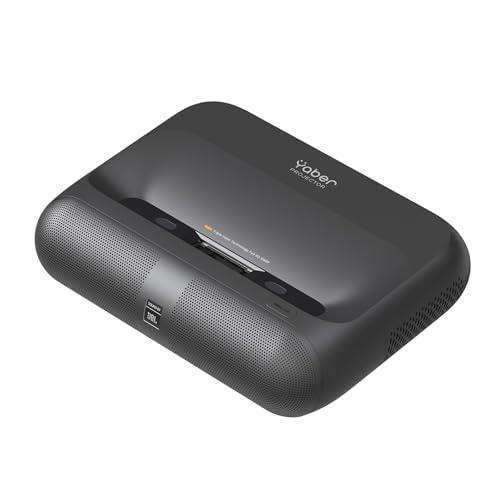
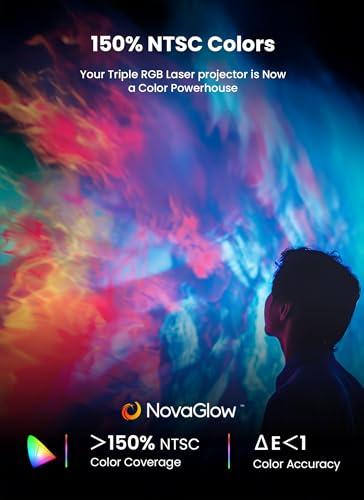
Released in early 2025, the Yaber K300s takes a completely different approach. Instead of competing on premium features, it focuses on making UST laser technology accessible to mainstream buyers. At roughly one-third the cost of the Hisense PX3-PRO, it still delivers genuine triple RGB laser projection with impressive color coverage exceeding 150% of the NTSC color standard.
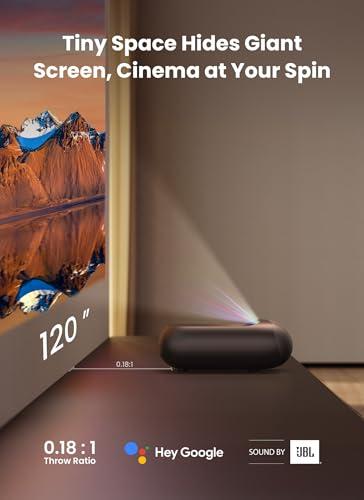
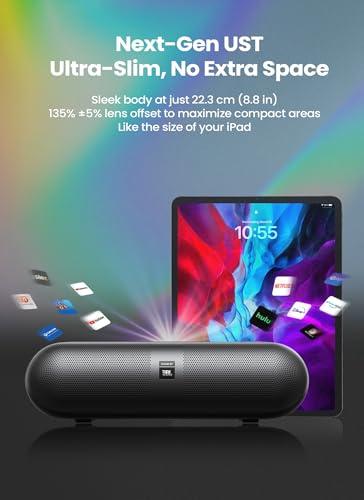
Where the K300s truly shines is portability. Weighing just 4 pounds compared to the PX3-PRO's nearly 20 pounds, it can easily move between rooms or pack for travel. Its throw ratio of 0.18:1 is actually shorter than the Hisense, meaning it can create a 100-inch image from just 9.7 inches away from your wall.
The Yaber includes surprisingly capable dual 15W JBL speakers with Dolby Audio support. While not matching the PX3-PRO's premium audio system, they're adequate for small to medium rooms and eliminate the need for external speakers in many setups.
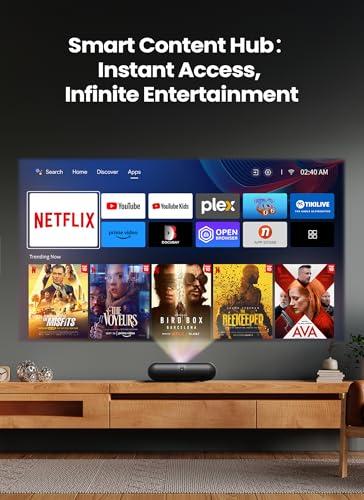
Smart features are comprehensive, with over 7,000 integrated apps including Netflix, YouTube, and Disney+. The inclusion of Wi-Fi 6 and Bluetooth 5.1 ensures fast streaming and easy device connectivity.
The most significant performance difference lies in resolution capability. The Hisense PX3-PRO's true 4K projection delivers four times the pixel density of the Yaber K300s' 1080p output. While the K300s can decode and display 4K content, it downscales everything to 1080p before projection.
In practical terms, this resolution difference is immediately noticeable when viewing text, detailed landscapes, or close-up shots in movies. The PX3-PRO renders individual hair strands, fabric textures, and fine architectural details that appear soft or blurred on the K300s. For sports viewing, the 4K advantage becomes apparent in crowd shots and wide stadium views where individual faces remain distinct rather than becoming a blur of pixels.
However, the K300s shouldn't be dismissed entirely. For viewers sitting 8-10 feet from a 100-inch screen, the 1080p resolution provides perfectly acceptable sharpness for most content, especially movies and TV shows that rely more on motion and storytelling than fine detail.
Brightness represents the second major performance divide. The PX3-PRO's 3,000 ANSI lumens provide significantly more flexibility in room lighting compared to the K300s' 1,000 ANSI lumens. Based on user reviews and professional testing, the Hisense maintains good image quality with moderate ambient lighting – think table lamps or dimmed overhead lights during evening viewing.
The Yaber K300s, while bright enough for its price point, requires darker room conditions for optimal viewing. Users consistently report that it works well with blackout curtains and minimal lighting, but struggles in rooms with significant ambient light or large windows.
This brightness difference becomes more pronounced with larger screen sizes. While both projectors can technically create 120+ inch images, the K300s begins losing impact above 90-100 inches, whereas the PX3-PRO maintains usable brightness up to 150 inches.
Interestingly, both projectors deliver exceptional color performance thanks to their RGB triple laser technology. The PX3-PRO covers 110% of the BT.2020 color space (the current HDR standard), while the K300s exceeds 150% of the older but still relevant NTSC standard.
Professional reviews indicate both projectors produce vibrant, accurate colors that surpass most LED-based projectors regardless of price. The Hisense maintains slightly better color consistency at higher brightness levels, but the Yaber delivers surprisingly punchy, engaging colors that work particularly well for entertainment content.
Gaming represents perhaps the clearest performance differentiation. The PX3-PRO includes features specifically designed for serious gaming: 240Hz refresh rate support, Auto Low Latency Mode, and Xbox Series X optimization. These features reduce input lag (the delay between controller input and screen response) to levels competitive with gaming monitors.
The K300s offers basic gaming capability with input lag under 40 milliseconds – adequate for casual gaming but not competitive enough for fast-paced multiplayer games where every millisecond counts. Most users report satisfactory performance for single-player games and casual multiplayer sessions.
Audio quality often gets overlooked in projector comparisons, but it's crucial for the complete entertainment experience. The PX3-PRO's 50-watt Harman Kardon system with Dolby Atmos support creates genuinely immersive sound that can replace dedicated audio equipment in many setups. The front-firing design ensures clear dialogue and good sound staging.
The K300s' dual 15W JBL speakers punch above their weight class, delivering clear dialogue and decent bass response. While they can't match the Hisense's power and sophistication, they're surprisingly effective for the price point and eliminate the immediate need for external speakers.
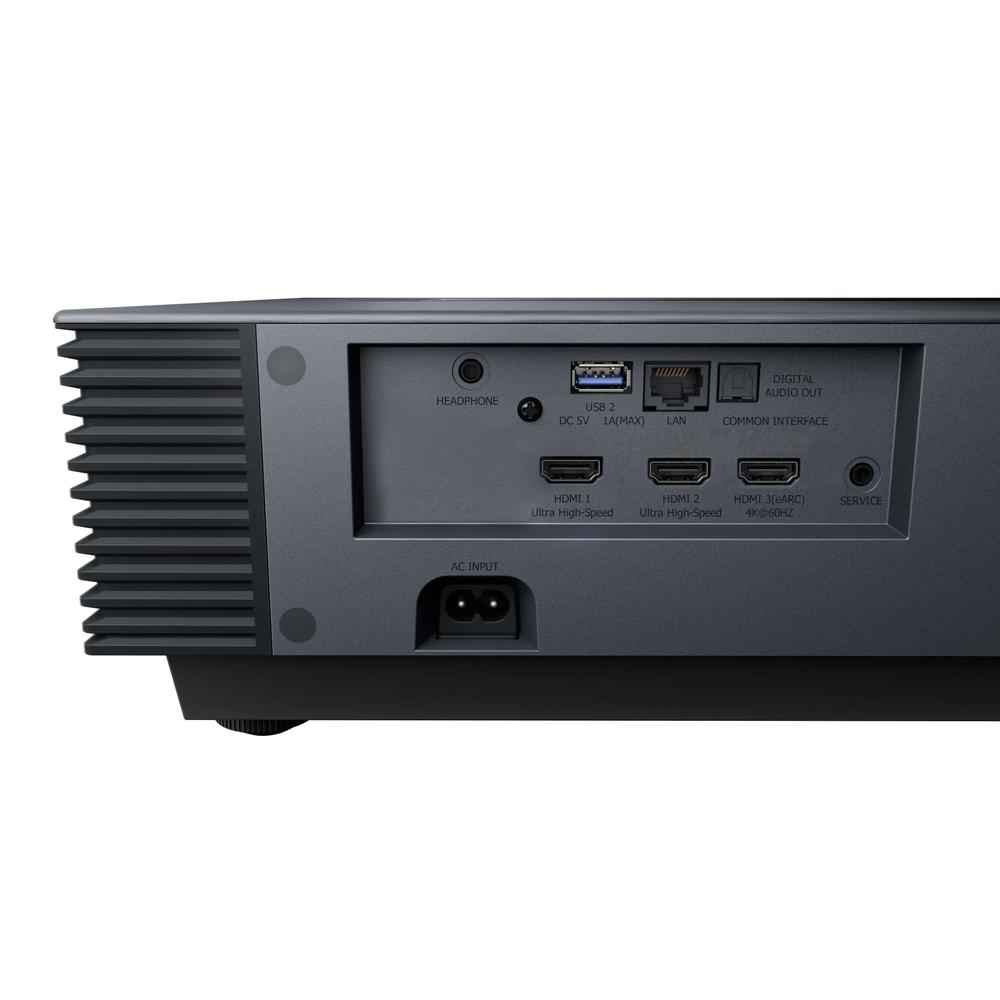
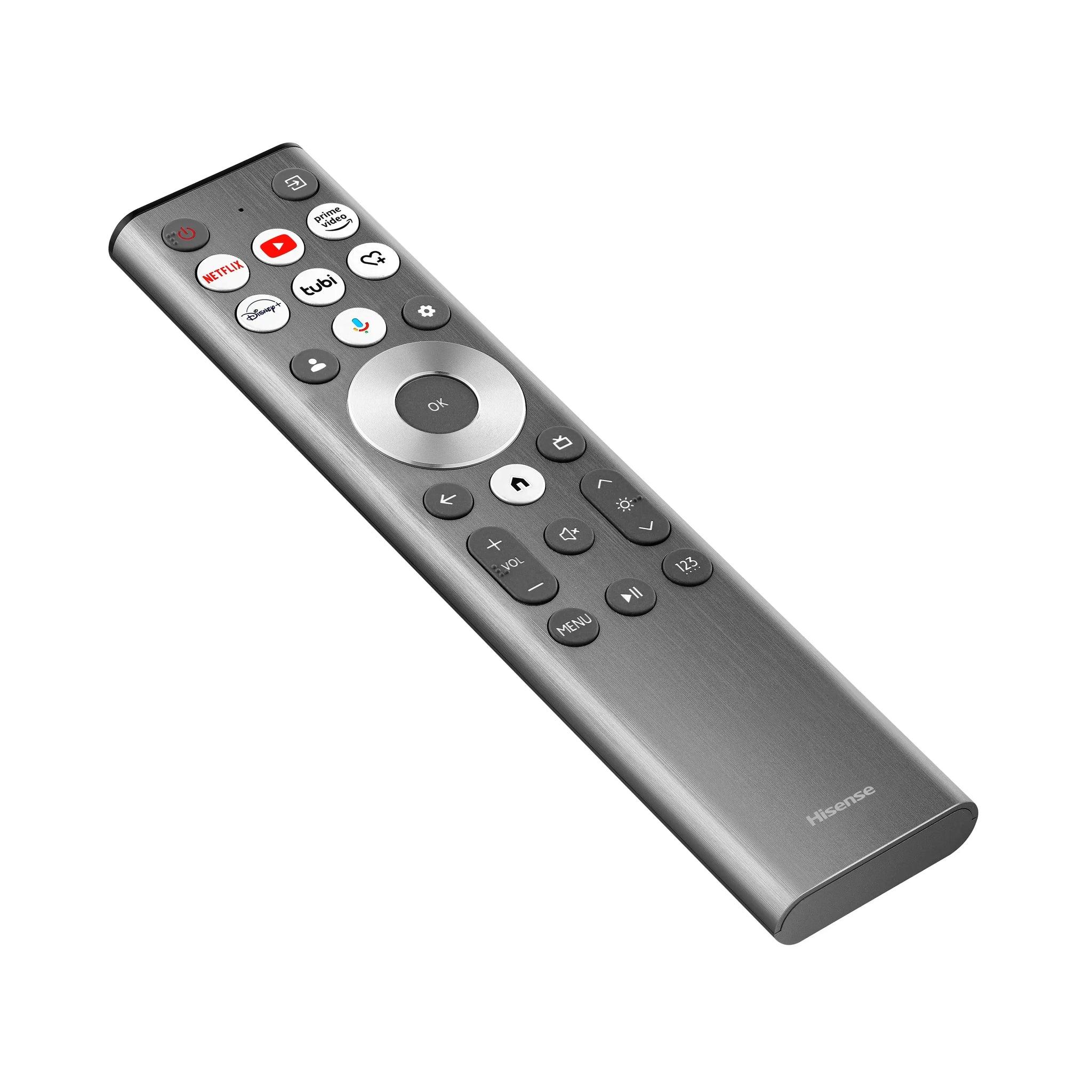
Both projectors include comprehensive smart platforms, but with different approaches. The PX3-PRO uses Google TV, providing access to all major streaming services through authorized applications. Its three HDMI ports (including two HDMI 2.1 ports) offer extensive connectivity for gaming consoles, streaming devices, and other equipment.
The K300s integrates over 7,000 apps directly into its smart platform, including Netflix access – something many projectors still struggle with due to licensing restrictions. Its single HDMI ARC port limits connectivity options but covers most users' basic needs.
The physical differences between these projectors significantly impact installation options. The K300s' 4-pound weight and compact footprint make it suitable for temporary setups, bedroom installations, or situations where the projector might need to move occasionally. Its auto-focus and keystone correction simplify setup for non-technical users.
The PX3-PRO's substantial weight and size require permanent installation planning. However, this heft contributes to stability and reduces vibration that could affect image quality. Setup requires more manual adjustment but offers greater precision for optimizing 4K image quality.
At the time of writing, these projectors occupy distinctly different market segments despite sharing UST laser technology. The Hisense PX3-PRO commands premium pricing justified by true 4K projection, gaming optimization, and professional-grade brightness. For buyers seeking to replace a large TV with projection, it offers comparable image quality with the advantage of massive screen sizes.
The Yaber K300s makes UST laser technology accessible to budget-conscious consumers who previously couldn't afford this category. At roughly one-third the cost of premium alternatives, it delivers 70% of the experience while maintaining excellent color reproduction and smart features.
The Hisense PX3-PRO makes sense for dedicated home theater enthusiasts, serious gamers, and anyone prioritizing image quality above all else. Its 4K capability future-proofs the investment as more 4K content becomes available. The high brightness output works well for family rooms where complete darkness isn't always practical.
The Yaber K300s suits budget-conscious families, apartment dwellers needing portability, and first-time projector buyers testing the waters before committing to premium pricing. It's particularly appealing for viewers primarily consuming streaming content, where 1080p resolution remains perfectly adequate.
Consider the K300s if you're satisfied with 1080p Netflix and Disney+ content, have good room light control, and value the ability to occasionally relocate your projector. Choose the PX3-PRO if you have substantial 4K movie collections, game competitively, need flexibility for moderate ambient lighting, or want a permanent installation that matches premium TV image quality.
These projectors represent the current state of UST laser projection perfectly: the technology has matured enough to offer genuine alternatives to large TVs, but significant price and performance tiers remain. The Hisense PX3-PRO delivers premium home theater experiences with no compromises, while the Yaber K300s democratizes advanced projection technology for mainstream buyers.
The choice ultimately depends on your priorities, room conditions, and budget flexibility. Both projectors succeed in their respective markets, making UST laser projection more accessible and capable than ever before.
| Hisense PX3-PRO | Yaber K300s |
|---|---|
| Native Resolution - Critical for image sharpness and future-proofing | |
| True 4K (3840×2160) with XPR pixel-shifting | 1080p (1920×1080) with 4K decoding only |
| Brightness - Determines room lighting flexibility | |
| 3,000 ANSI lumens (works with moderate ambient lighting) | 1,000 ANSI lumens (requires darker room conditions) |
| Throw Distance - How close to wall for 100" screen | |
| 0.22:1 ratio (approximately 11 inches from wall) | 0.18:1 ratio (just 9.7 inches from wall) |
| Weight - Impacts portability and installation flexibility | |
| 19.8 lbs (permanent installation recommended) | 4.0 lbs (easily portable between rooms) |
| Color Technology - Affects color accuracy and vibrancy | |
| TriChroma RGB laser covering 110% BT.2020 | Triple RGB laser exceeding 150% NTSC |
| Contrast Ratio - Depth of blacks and overall image dimensionality | |
| 3,000:1 native contrast | 1,500:1 native contrast |
| Audio System - Built-in speaker quality and features | |
| 50W Harman Kardon with Dolby Atmos | Dual 15W JBL speakers with Dolby Audio |
| Gaming Features - Performance for console gaming | |
| 240Hz refresh rate, ALLM, Xbox optimization | Standard gaming with ≤40ms input lag |
| Connectivity - Number and type of input ports | |
| 3 HDMI ports (2× HDMI 2.1, 1× HDMI 2.0 eARC) | 1 HDMI ARC port plus USB and wireless |
| Smart Platform - Streaming app availability and performance | |
| Google TV with authorized Netflix and major apps | Smart TV with 7,000+ apps including Netflix |
| Screen Size Range - Maximum recommended projection size | |
| 50-150 inches (optimal brightness maintained) | 40-100 inches (brightness drops on larger screens) |
| Laser Life - Maintenance-free operation duration | |
| 25,000 hours (approximately 12+ years of daily use) | 20,000 hours (approximately 10+ years of daily use) |
| Release Year - Technology generation and feature currency | |
| 2024 (established premium model) | 2025 (latest budget innovation) |
The Hisense PX3-PRO is significantly better for dedicated home theater use due to its true 4K resolution, 3,000 ANSI lumens brightness, and superior contrast ratio of 3,000:1. It delivers cinema-quality images with sharp detail and works well even with moderate ambient lighting. The Yaber K300s is better suited for casual movie viewing in darker rooms.
The primary difference is resolution: the Hisense PX3-PRO offers true 4K projection (3840×2160) while the Yaber K300s provides 1080p native resolution with 4K decoding. The PX3-PRO also delivers three times the brightness at 3,000 ANSI lumens compared to the K300s' 1,000 ANSI lumens.
The Hisense PX3-PRO is superior for gaming with 240Hz refresh rate support, Auto Low Latency Mode, and Xbox Series X optimization. These features reduce input lag for competitive gaming. The Yaber K300s offers basic gaming capability with under 40ms input lag, suitable for casual gaming but not competitive play.
The Yaber K300s works best in darker rooms due to its 1,000 ANSI lumens output. While it can function with some ambient lighting, it requires controlled lighting conditions for optimal image quality. The Hisense PX3-PRO handles bright rooms much better with its 3,000 ANSI lumens brightness.
The Yaber K300s is significantly more portable at just 4 pounds and compact dimensions, making it easy to move between rooms or travel with. The Hisense PX3-PRO weighs nearly 20 pounds and is designed for permanent installation rather than portability.
Yes, both the Hisense PX3-PRO and Yaber K300s include comprehensive smart platforms with Netflix support. The PX3-PRO uses Google TV while the K300s offers over 7,000 integrated apps including all major streaming services.
The Hisense PX3-PRO has superior audio with 50-watt Harman Kardon speakers supporting Dolby Atmos, creating immersive surround sound. The Yaber K300s features dual 15W JBL speakers with Dolby Audio - adequate for smaller rooms but not as powerful or immersive as the PX3-PRO.
Both are ultra short throw projectors requiring minimal distance. The Yaber K300s has a shorter throw ratio at 0.18:1, projecting 100 inches from just 9.7 inches away. The Hisense PX3-PRO needs approximately 11 inches from the wall for a 100-inch image with its 0.22:1 throw ratio.
The Yaber K300s offers exceptional value for budget-conscious buyers, delivering quality UST laser projection at an entry-level price point. The Hisense PX3-PRO provides better value for enthusiasts who prioritize 4K resolution, gaming features, and premium audio, justifying its higher cost with professional-grade performance.
The Hisense PX3-PRO can effectively replace a premium large TV with its true 4K resolution, high brightness, and comprehensive connectivity. The Yaber K300s can replace a standard TV for casual viewing but may not satisfy users accustomed to premium TV image quality due to its 1080p resolution.
The Yaber K300s is ideal for small apartments due to its lightweight, portable design and ultra-short throw distance. Its compact size and ability to create large images from minimal distance makes it perfect for space-constrained living. The Hisense PX3-PRO requires more permanent setup space.
Both projectors use long-lasting laser technology. The Hisense PX3-PRO offers 25,000 hours of laser life while the Yaber K300s provides 20,000 hours. Both represent 10+ years of daily viewing without maintenance, making either projector a long-term investment compared to traditional lamp-based projectors.
We've done our best to create useful and informative comparisons to help you decide what product to buy. Our research uses advanced automated methods to create this comparison and perfection is not possible - please contact us for corrections or questions. These are the sites we've researched in the creation of this article: shop.hisense-usa.com - avsforum.com - youtube.com - projectorcentral.com - avsforum.com - youtube.com - projectorreviews.com - avsforum.com - projectorcentral.com - en.heimkinowelten.de - dreamediaav.com - yaber.com - projectorcentral.com - trendygadget.com - staples.com - youtube.com - projection.center - notebookcheck.net - yaber.ph - wallpaper.com - youtube.com - androidauthority.com - youtube.com - yaber.com - projektoren-datenbank.com - bestbuy.com - tractorsupply.com - digitaltrends.com

Privacy Policy
Terms and Conditions - Affiliate Policy
Home Security
© Copyright 2008-2026.
11816 Inwood Rd #1211, Dallas, TX 75244