

Picture this: you're dreaming of a massive 120-inch screen in your living room, but mounting a traditional projector on the ceiling seems like a nightmare. Enter ultra short throw (UST) projectors—the game-changing technology that can blast enormous images onto your wall while sitting just inches away from it. Think of them as the projector world's answer to "I want a huge screen without the huge hassle."
The Hisense PX3-PRO and Epson QS100 represent two compelling but very different approaches to this technology. Released in 2024 and 2025 respectively, both projectors showcase how far UST technology has evolved, but they're aimed at distinctly different users. Let's dive deep into what makes each one special and help you figure out which one belongs in your home.
Before we get into the specifics, let's establish what makes UST projectors so appealing. Traditional projectors need to be positioned far from the screen—usually 8-12 feet for a 100-inch image. UST projectors flip this concept entirely, using specialized wide-angle lenses and advanced optics to create those same massive images from just 6-12 inches away from your wall.
This proximity eliminates several major headaches: no one walks through the light beam creating shadows, you don't need ceiling mounts or long cable runs, and the projector can sit elegantly on a TV stand or dedicated furniture. The catch? All this convenience typically comes with higher prices and some technical compromises compared to traditional long-throw projectors.
The most critical performance factor for any UST projector is brightness, measured in ANSI lumens. Unlike a basement home theater where you can control every bit of light, UST projectors need to perform in living rooms with windows, lamps, and general ambient light. This makes brightness absolutely crucial—more so than with traditional projectors or TVs.
The Hisense PX3-PRO and Epson QS100 couldn't be more different in their approach to solving the UST equation. Think of the Hisense as the Swiss Army knife—it tries to do everything you need in one sleek package. The Epson, meanwhile, is more like a precision tool designed for one job: projecting the brightest, most accurate image possible.
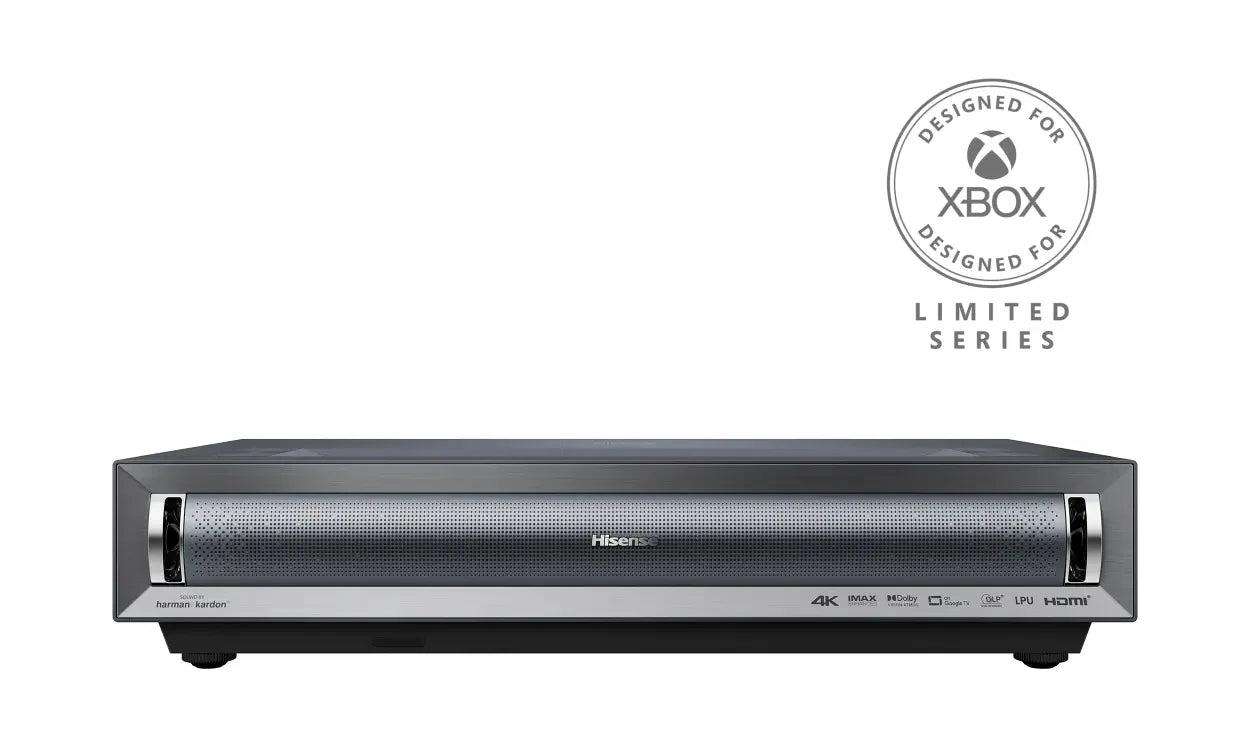
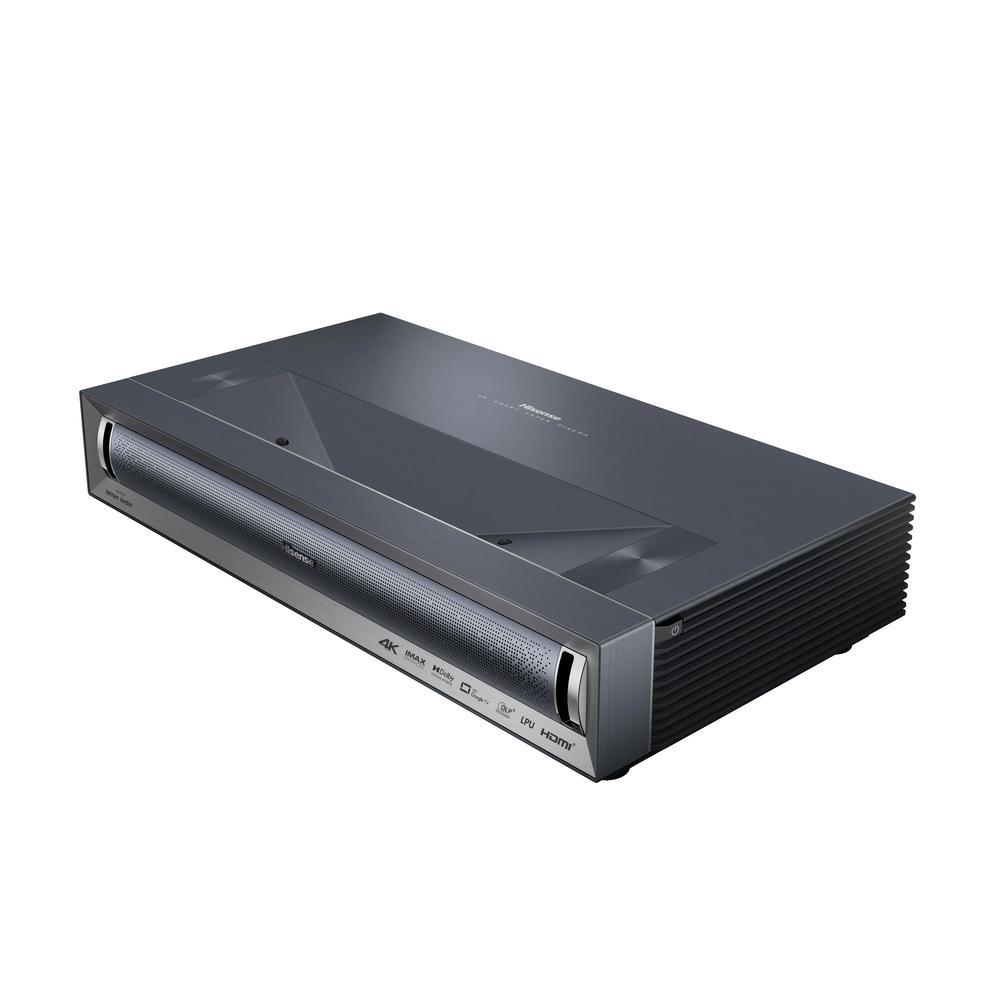
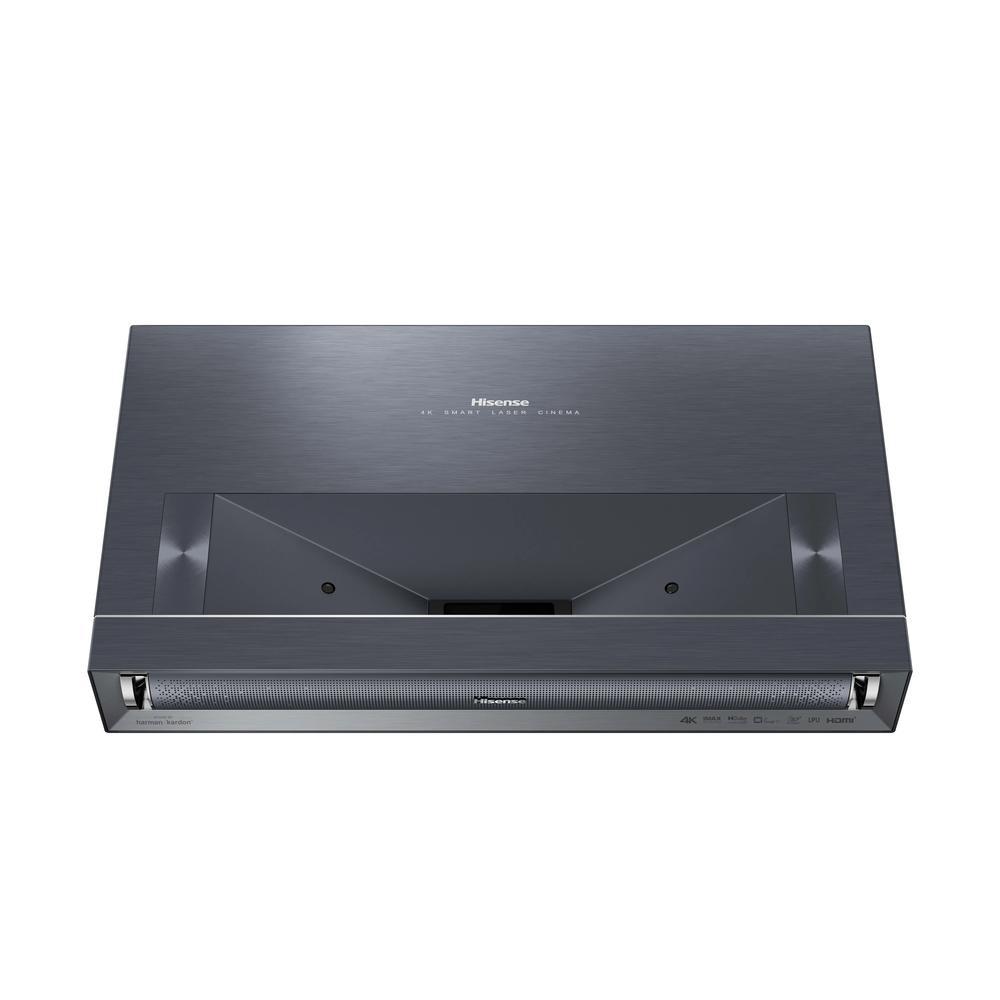
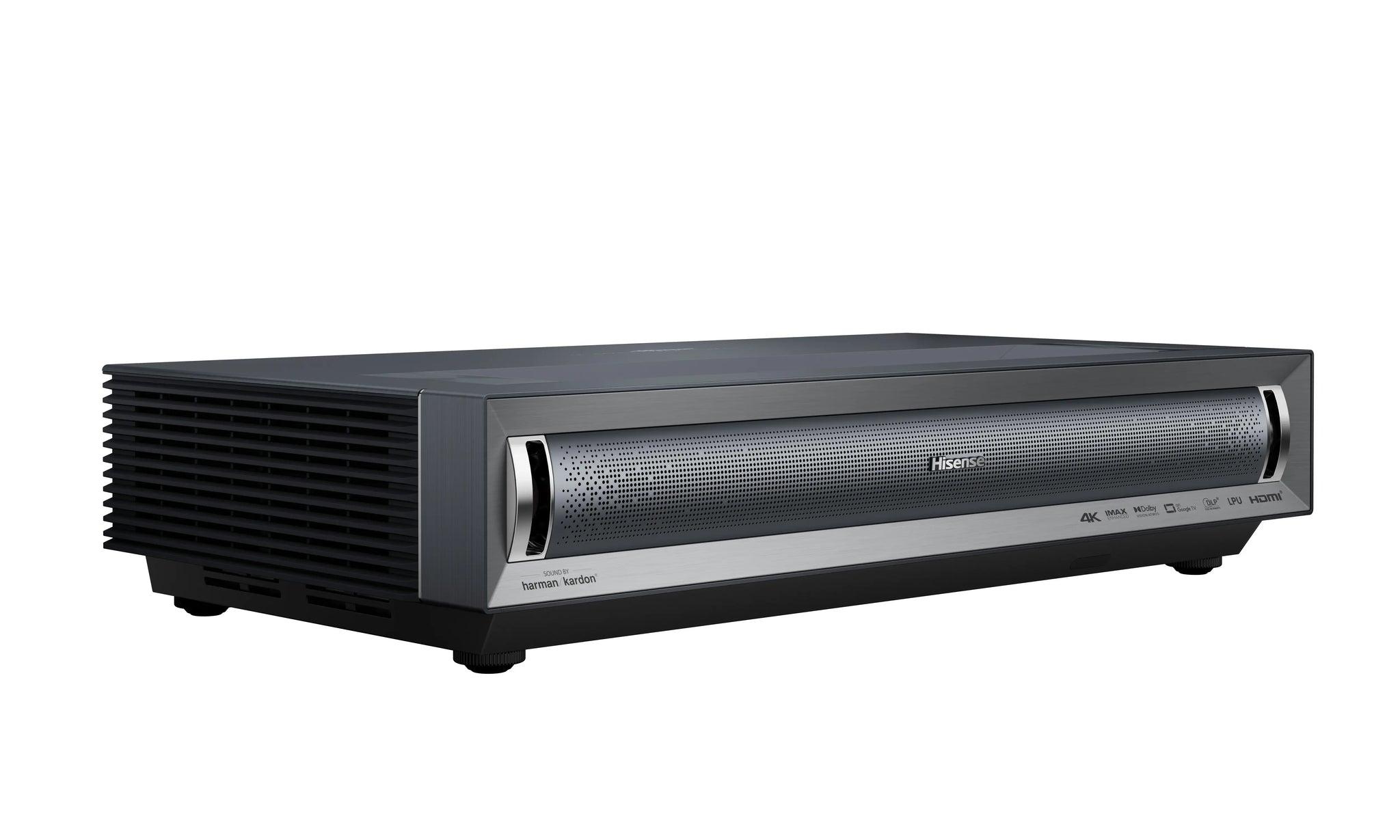
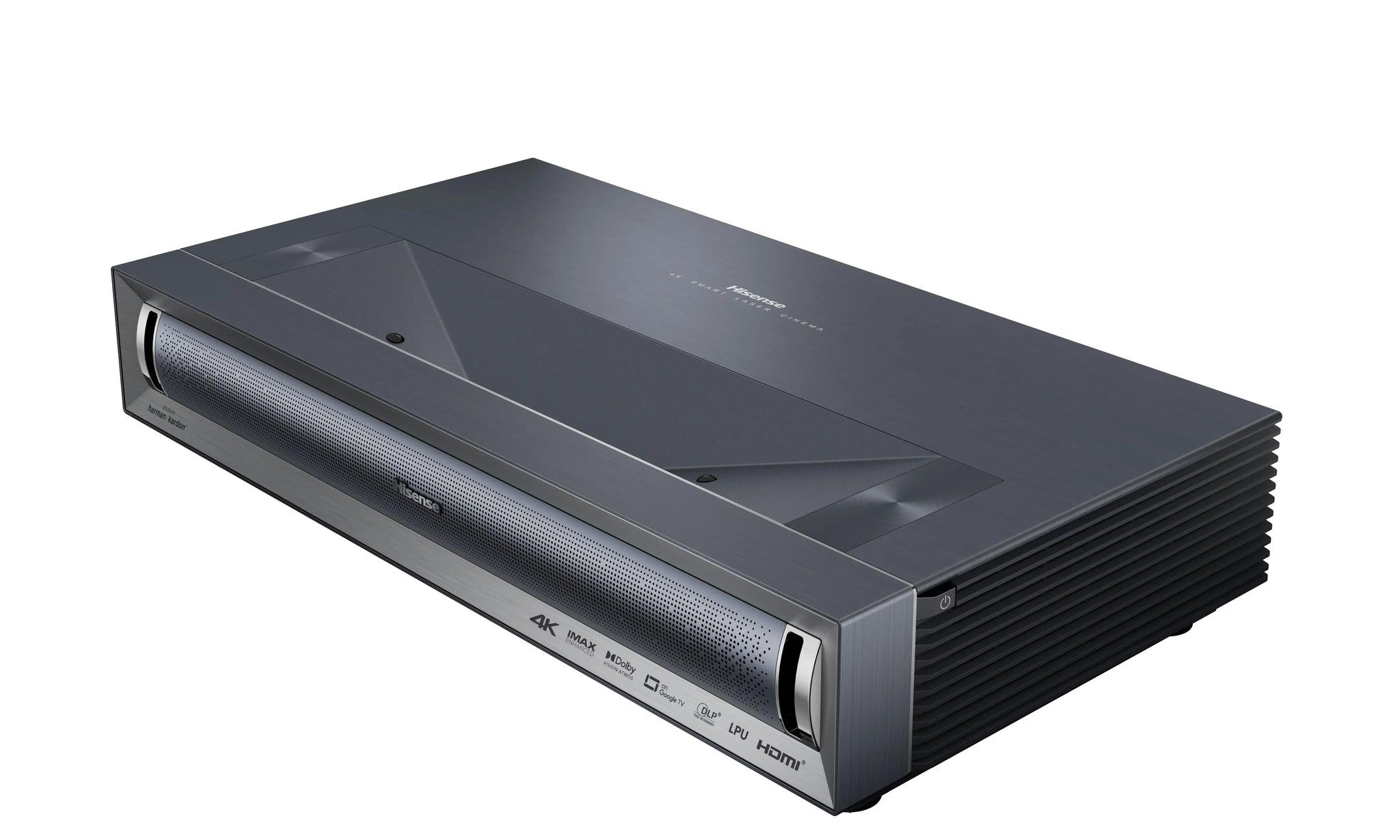
Released in 2024, the PX3-PRO represents Hisense's effort to create the ultimate living room entertainment hub. It includes Google TV built right in, powerful speakers, extensive gaming features, and competitive projection performance—all at a price point that significantly undercuts premium alternatives available at the time of writing.
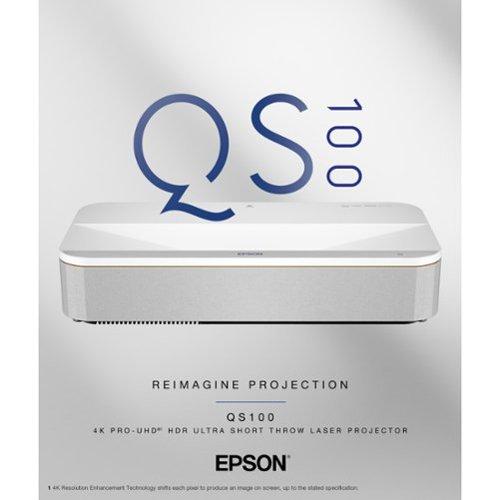
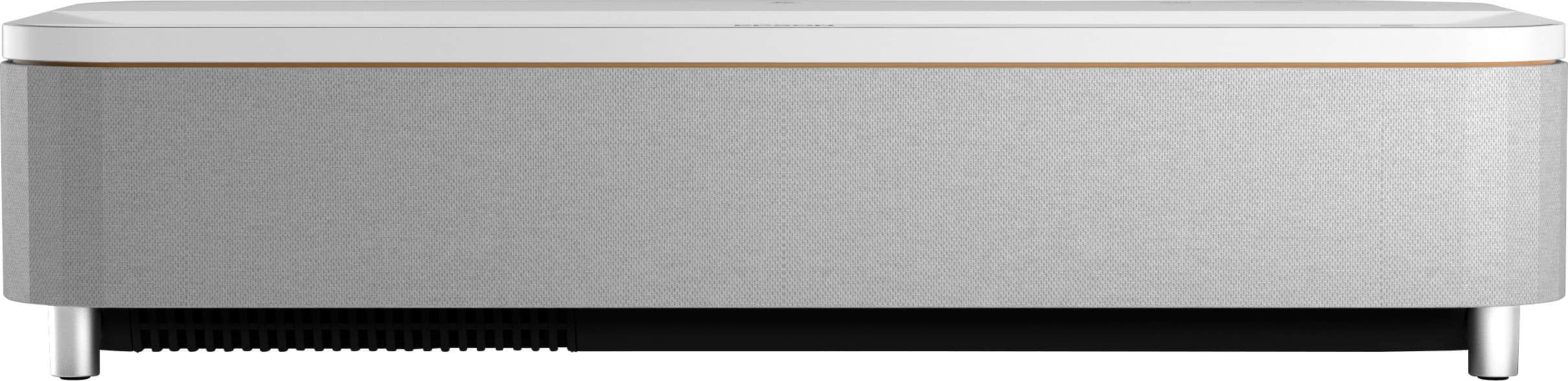
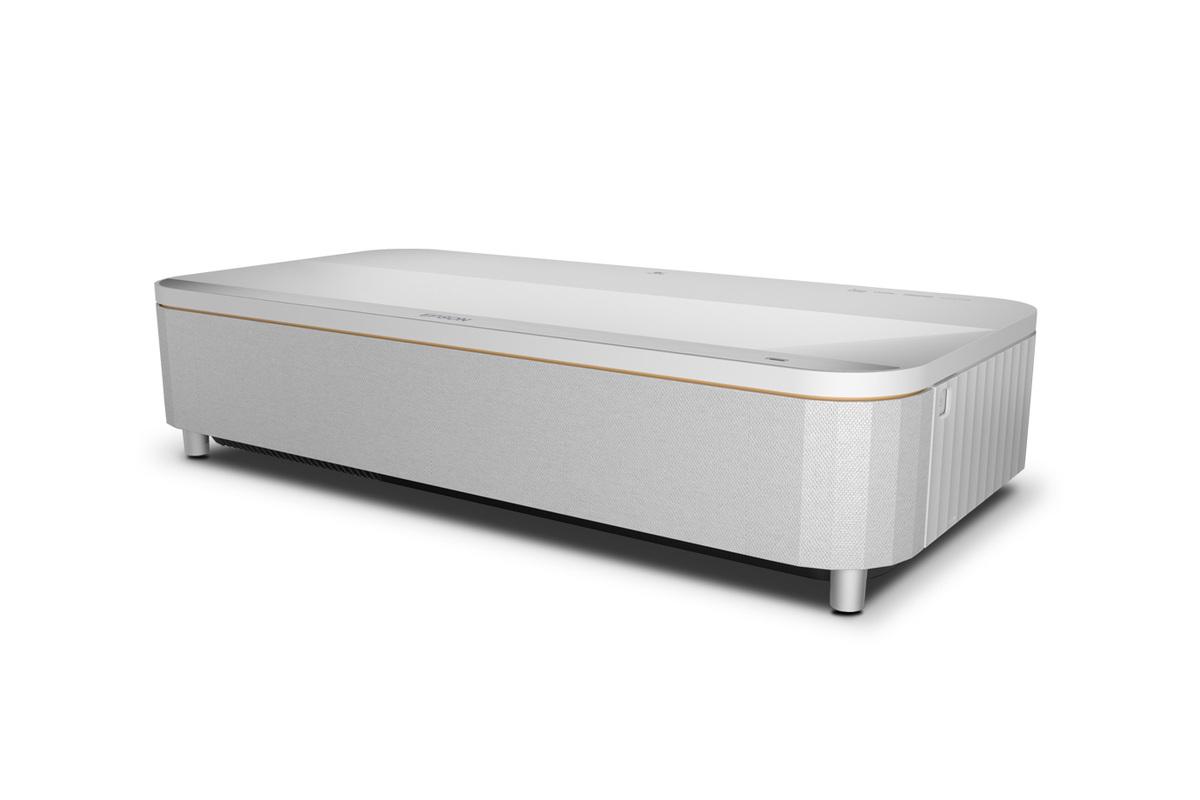
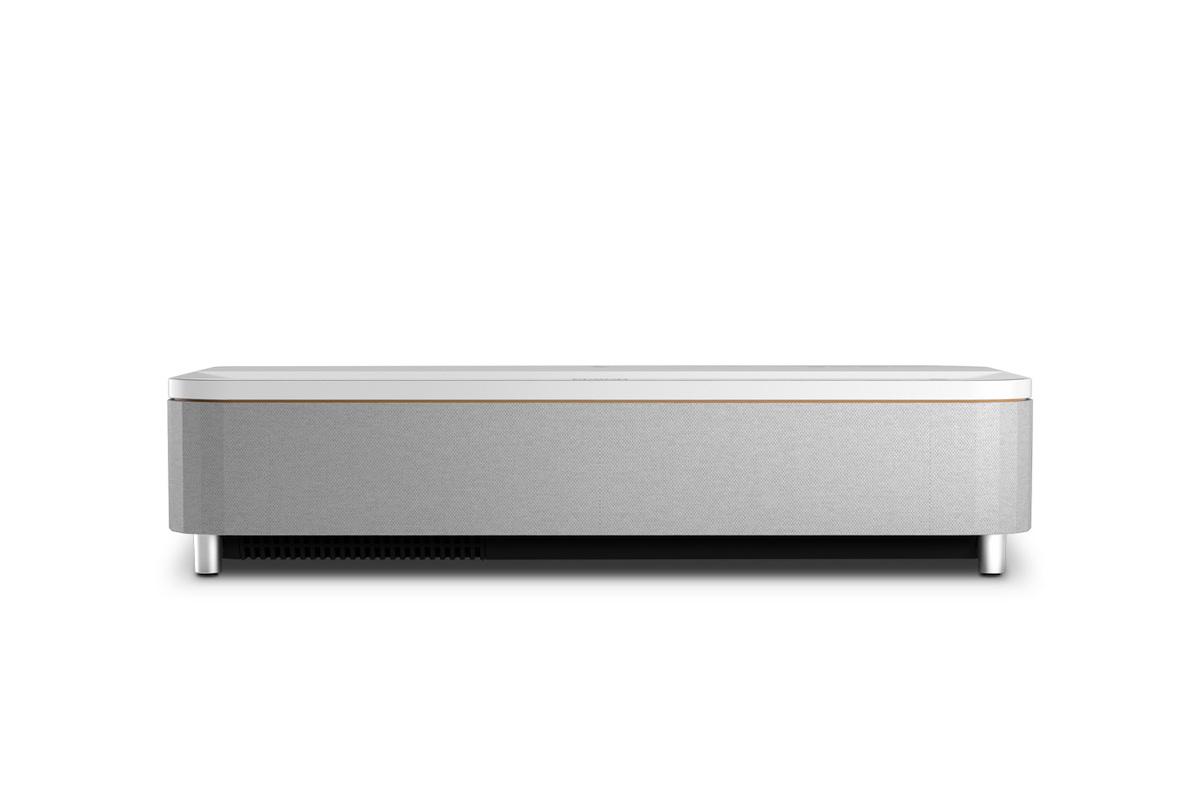
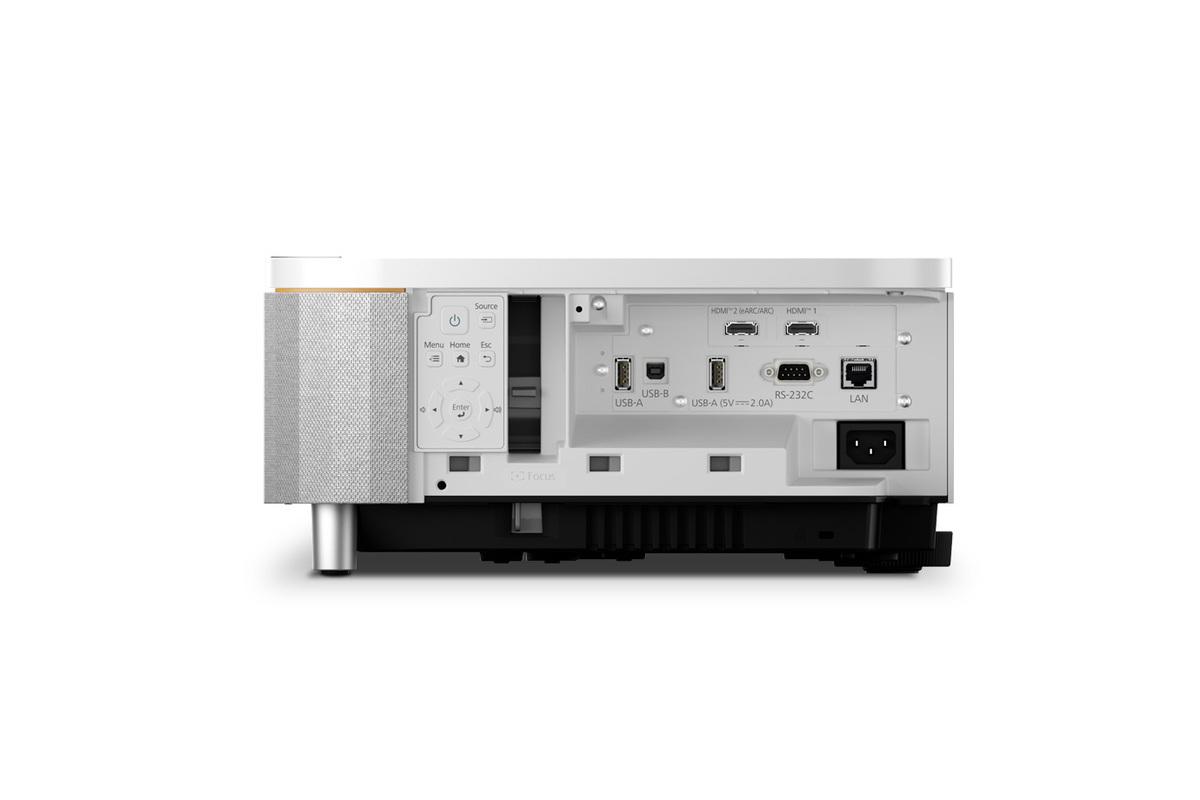
The QS100, arriving in early 2025, takes a completely different approach. Epson stripped away smart features and built-in audio to focus entirely on what they do best: incredibly bright, color-accurate projection with professional-grade integration capabilities. It's designed for people who want the absolute best image quality and don't mind handling streaming and audio through separate components.
Here's where the rubber meets the road in UST projector performance: brightness determines whether you can actually enjoy your projector during normal living room use. The difference between the PX3-PRO and QS100 here is substantial and important.
The Epson QS100 delivers 4,500 ANSI lumens while the Hisense PX3-PRO produces 3,000 lumens. That 1,500-lumen difference—50% more brightness—isn't just a number on a spec sheet. In practical terms, it means the QS100 can handle typical living room lighting conditions with minimal compromise, while the PX3-PRO requires more thoughtful lighting control for optimal viewing.
Why does this matter so much? Imagine watching a movie on a Saturday afternoon with some natural light filtering through your windows. The QS100 maintains vibrant colors and strong contrast even in these conditions. The PX3-PRO, while still watchable, might appear somewhat washed out by comparison. The difference becomes even more pronounced with HDR content, which benefits enormously from higher peak brightness levels.
Epson achieves this brightness advantage through their 3LCD laser technology, which uses three separate LCD panels (one each for red, green, and blue light) combined with a sophisticated laser light source. This architecture ensures that color brightness matches white brightness—a crucial factor that many projectors struggle with. The Hisense PX3-PRO uses a single-chip DLP design with a TriChroma RGB laser system, which produces excellent colors but simply can't match the raw light output of Epson's approach.
Both projectors excel at color reproduction, but they achieve it through different technologies that each have distinct advantages. The PX3-PRO uses what's called a TriChroma RGB laser system—essentially three separate lasers (red, green, blue) that create incredibly pure colors. Our research suggests this setup achieves exceptional color gamut coverage, reproducing 110% of the BT.2020 color space (which is the standard for 4K content) and nearly 100% of the DCI-P3 space used in commercial cinema.
The QS100, meanwhile, uses Epson's 3LCD technology with a laser phosphor system. While this doesn't quite achieve the same extreme color gamut numbers as the Hisense, it offers something equally valuable: complete elimination of the "rainbow effect." This is a phenomenon where some viewers see brief flashes of red, green, and blue colors, particularly on bright white objects. Single-chip DLP projectors like the PX3-PRO can occasionally exhibit this effect, though modern implementations have minimized it significantly.
In practical viewing, both projectors deliver stunning color performance that surpasses most TVs. The PX3-PRO might have a slight edge in color saturation and coverage, while the QS100 provides more natural, film-like colors that some viewers prefer.
High Dynamic Range (HDR) content—which includes most modern 4K movies and shows—presents both projectors with their biggest challenge and greatest opportunity to shine. HDR essentially provides a wider range of brightness levels and colors, creating more lifelike images with deeper shadows and brighter highlights.
The Hisense PX3-PRO supports both HDR10+ and Dolby Vision, which are the two most advanced HDR formats available. Dolby Vision is particularly important because it includes dynamic metadata—essentially frame-by-frame instructions that optimize the image for each scene. Most premium streaming content on Netflix, Disney+, and Apple TV+ uses Dolby Vision.
The Epson QS100 supports HDR10 and HLG (Hybrid Log Gamma, used for broadcast content) but notably lacks Dolby Vision support. However, it compensates with something called dynamic tone mapping, where its internal processor analyzes each frame and adjusts brightness and contrast in real-time. Combined with its significantly higher peak brightness, this often results in more impactful HDR performance despite the missing Dolby Vision support.
Here's the crucial insight: HDR performance depends heavily on peak brightness capability. The QS100's 50% brightness advantage often translates to more dramatic HDR impact, with brighter highlights and better detail in both dark and bright scenes. It's a classic case where hardware capability can sometimes matter more than format support.
Neither projector uses true native 4K panels—instead, both employ pixel shifting technology to achieve 4K-like resolution from lower-resolution base panels. This might sound like a compromise, but the reality is more nuanced.
The PX3-PRO uses Texas Instruments' XPR (eXpanded Pixel Resolution) technology, which takes a 1080p DLP chip and shifts each pixel four times per frame to create additional detail. The QS100 uses Epson's proprietary 4K PRO-UHD system, which shifts pixels from three 1080p LCD panels twice per frame.
In practical viewing, both systems deliver image sharpness that's virtually indistinguishable from native 4K at normal viewing distances. Expert reviews consistently note that you'd need to sit unusually close to discern any difference. The pixel shifting happens so quickly (thousands of times per second) that the human eye perceives a genuinely 4K-like image.
Gaming capabilities have become increasingly important in UST projectors as more people use large screens for console gaming. The Hisense PX3-PRO takes a clear lead here with full HDMI 2.1 implementation, supporting 4K gaming at 120Hz with Variable Refresh Rate (VRR) and Auto Low Latency Mode (ALLM). These features, essential for PlayStation 5 and Xbox Series X gaming, ensure smooth, responsive gameplay without the stuttering or lag that can plague slower display technologies.
The QS100 includes ALLM and supports 4K at 60Hz plus 2K at 120Hz—perfectly adequate for most gaming but not quite as comprehensive as the Hisense offering. Input lag measurements show both projectors performing well for gaming, though the PX3-PRO has a slight edge for competitive gaming scenarios.
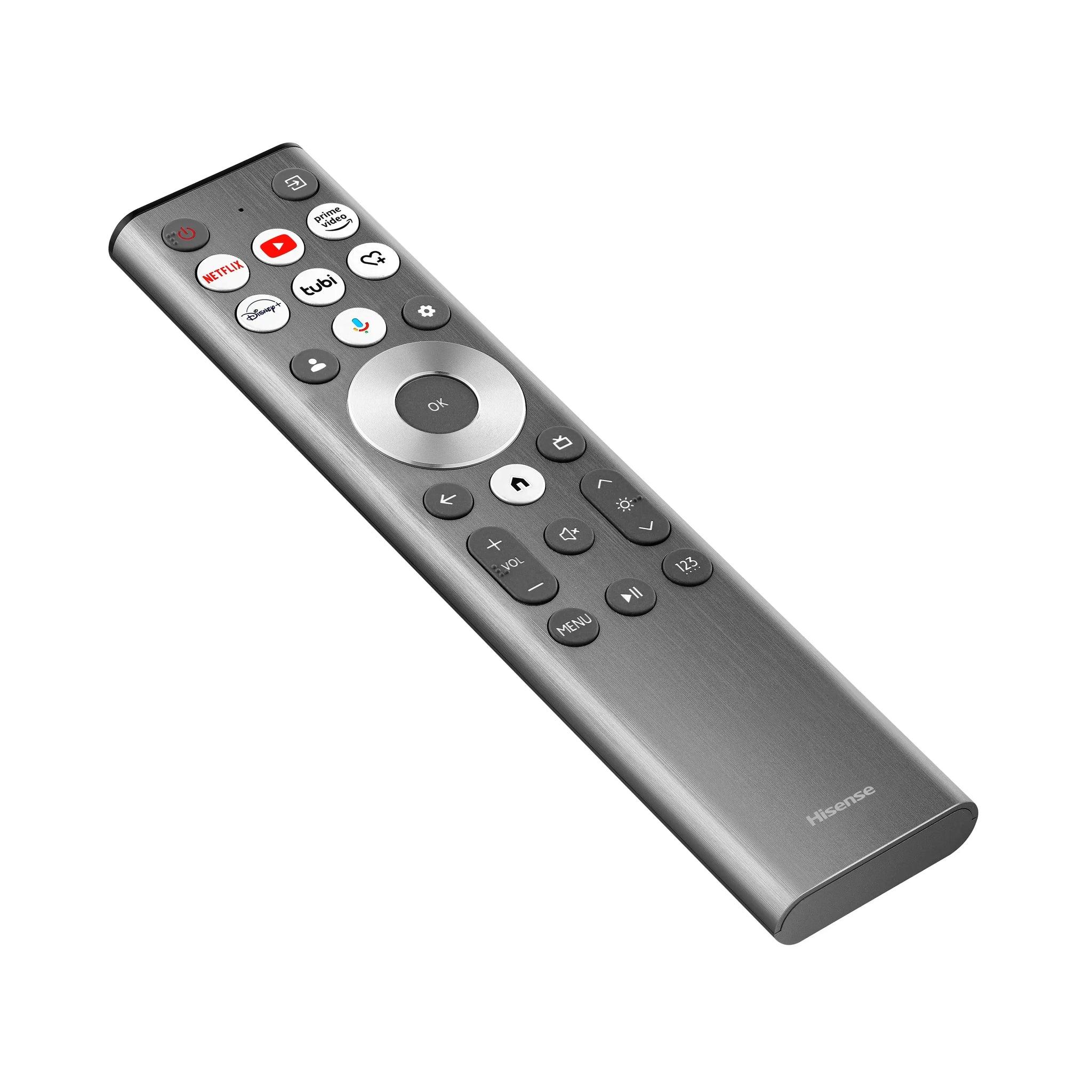
This is where the philosophical differences between these projectors become most apparent. The Hisense PX3-PRO includes a full Google TV implementation with access to Netflix, Disney+, Amazon Prime Video, and virtually every other streaming service you can imagine. It also packs 50-watt Harman Kardon speakers that provide genuinely impressive audio quality—certainly good enough for casual viewing and surprisingly robust for a projector.
The Epson QS100 deliberately omits all smart features and audio. There's no Android TV, no built-in apps, and no speakers. This isn't an oversight—it's a conscious design decision aimed at enthusiasts who prefer external streaming devices (like Apple TV 4K or NVIDIA Shield) and dedicated audio systems.
This difference significantly impacts the total ownership experience. With the PX3-PRO, you can unbox it, connect power and HDMI, and immediately start streaming Netflix. The QS100 requires additional devices and setup but offers more flexibility for custom configurations.
Both projectors handle the basic ultra short throw installation admirably, projecting 100+ inch images from just inches away from your wall or screen. However, they differ significantly in their approach to setup and integration.
The PX3-PRO focuses on consumer-friendly installation. It includes adjustable feet, straightforward menu systems, and automatic setup assistance. Most users can get it running optimally without professional help.
The QS100 offers professional-grade installation features including advanced geometry correction, web-based control interfaces, and integration with custom automation systems like Crestron and Control4. While this might be overkill for simple setups, it becomes invaluable in challenging installations or custom home theater environments.
At the time of writing, the Hisense PX3-PRO typically costs significantly less than the Epson QS100—often $1,500 to $2,000 less depending on sales and promotions. When you factor in that the Hisense includes smart features and audio that would cost several hundred dollars to add separately to the Epson, the value proposition becomes even more compelling for many buyers.
However, pure price comparison doesn't tell the whole story. The QS100's brightness advantage is substantial and may justify the premium for users who prioritize daytime viewing capability or have challenging lighting conditions. Similarly, the professional integration features add significant value for custom installation scenarios.
The Hisense PX3-PRO makes the most sense for users who want a complete entertainment solution with excellent gaming capabilities at a competitive price point. It's ideal for gamers who need HDMI 2.1 features, families who want simple setup and built-in streaming, and anyone who prefers the convenience of an all-in-one system. The included Dolby Vision support is particularly valuable for streaming enthusiasts who want the best possible Netflix and Disney+ experience.
The Epson QS100 is the better choice for users who prioritize maximum image quality, especially in bright environments. It's perfect for serious movie enthusiasts who want the brightest, most color-accurate image possible and don't mind using external devices for streaming and audio. The professional integration capabilities also make it ideal for custom home theater installations where the projector needs to work seamlessly with automation systems.
Both projectors represent excellent examples of how far UST technology has evolved, but they serve different priorities. The PX3-PRO delivers exceptional value as a complete entertainment package with modern gaming features and smart functionality built in. The QS100 provides unmatched brightness and professional-grade capabilities for users willing to pay more for pure projection performance.
Your choice ultimately comes down to whether you value convenience and comprehensive features (PX3-PRO) or maximum performance and professional flexibility (QS100). Either way, you're getting a projector that can transform your living room into a true big-screen entertainment destination—just with different approaches to getting you there.
The beauty of having such distinct options is that there's likely a clear winner for your specific situation. Consider your lighting conditions, budget, gaming needs, and preference for integrated versus modular systems. Both projectors will deliver an impressive big-screen experience that would have seemed impossible just a few years ago.
| Hisense PX3-PRO | Epson QS100 |
|---|---|
| Brightness - Most critical spec for daytime viewing and ambient light performance | |
| 3,000 ANSI lumens (good for controlled lighting, dimmer rooms) | 4,500 ANSI lumens (excellent for bright rooms, daytime viewing) |
| Display Technology - Affects color accuracy and rainbow effects | |
| Single-chip DLP with TriChroma RGB laser (excellent colors, occasional rainbow effect) | 3LCD with laser phosphor (no rainbow effect, consistent color/white brightness) |
| 4K Implementation - Both use pixel shifting, not native 4K | |
| Texas Instruments XPR 4-way pixel shifting from 1080p DLP chip | Epson 4K PRO-UHD 2-way pixel shifting from three 1080p LCD panels |
| HDR Support - Important for modern streaming content | |
| HDR10, HDR10+, Dolby Vision, IMAX Enhanced (comprehensive format support) | HDR10, HLG with Dynamic Tone Mapping (lacks Dolby Vision but brighter HDR impact) |
| Color Gamut - Affects color vibrancy and accuracy | |
| 110% BT.2020, 99.82% DCI-P3 (exceptional color coverage) | BT.2020 support (slightly lower coverage but more natural colors) |
| Gaming Features - Critical for console gaming | |
| Full HDMI 2.1: 4K/120Hz, VRR, ALLM (ideal for PS5/Xbox Series X) | HDMI 2.0 with ALLM: 4K/60Hz, 2K/120Hz (good for casual gaming) |
| Smart Features - Affects convenience and total cost | |
| Google TV built-in with Netflix, Disney+, all major apps | No smart features (requires external streaming device) |
| Audio System - Important for all-in-one convenience | |
| 50-watt Harman Kardon speakers with Dolby Atmos | No built-in speakers (designed for external audio systems) |
| Maximum Image Size - Determines screen size flexibility | |
| Up to 150 inches (excellent for most home setups) | Up to 160 inches (slightly larger maximum size) |
| Connectivity - Affects device compatibility | |
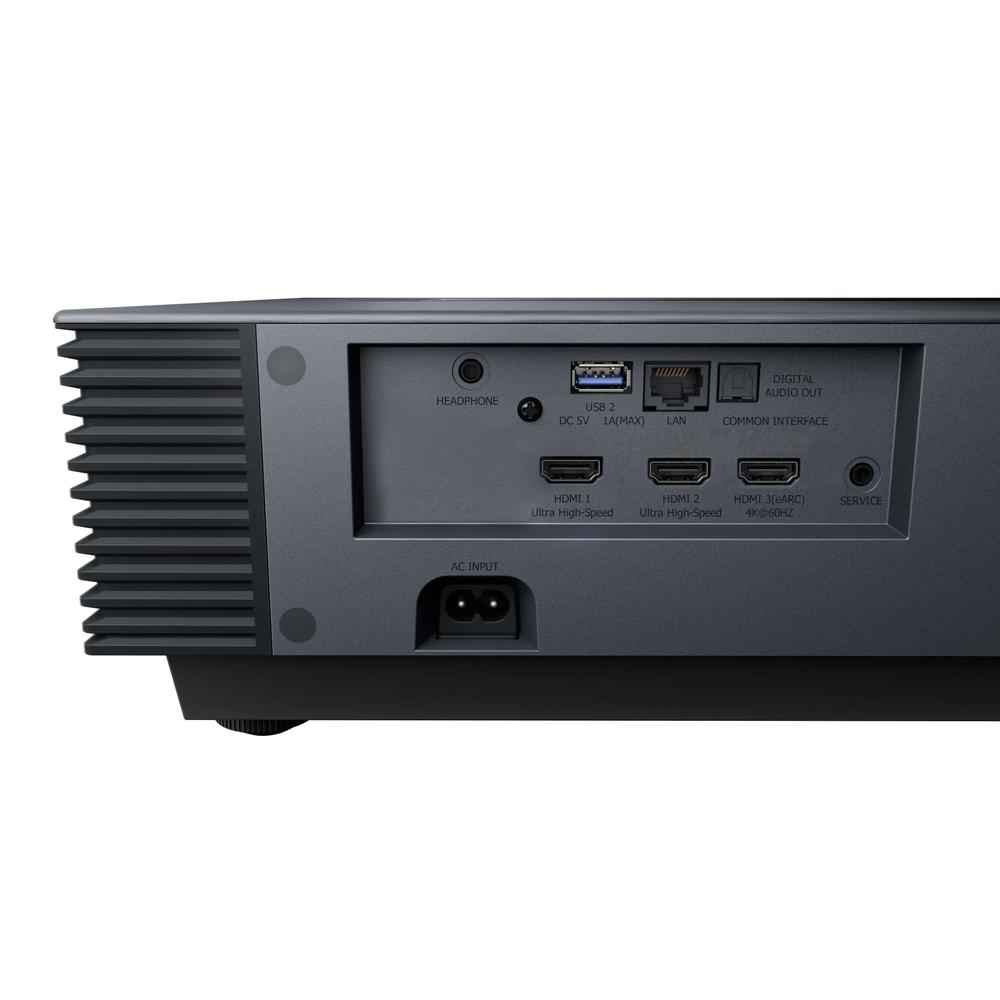
| 3 HDMI ports (2x HDMI 2.1, 1x HDMI 2.0 with eARC) | 2 HDMI 2.0 ports (one with eARC), professional control interfaces |
| Installation Approach - Determines setup complexity | |
| Consumer-friendly with app-based setup assistance | Professional-grade with advanced geometry correction, custom integration |
| Target User - Who each projector is designed for | |
| Home users wanting all-in-one entertainment with gaming | Enthusiasts and custom installers prioritizing maximum brightness |
| Value Proposition - Performance per dollar spent | |
| Complete package with smart features at lower cost | Premium brightness and professional features at higher cost |
The Epson QS100 is significantly brighter at 4,500 ANSI lumens compared to the Hisense PX3-PRO's 3,000 lumens. This 50% brightness advantage makes the Epson QS100 much better for watching movies and shows during the day or in rooms with ambient lighting, while the Hisense PX3-PRO performs best in darker, more controlled lighting conditions.
Only the Hisense PX3-PRO includes built-in streaming with Google TV, giving you access to Netflix, Disney+, Amazon Prime, and other apps without additional devices. The Epson QS100 has no smart features and requires an external streaming device like Apple TV, Roku, or Fire TV Stick to access streaming services.
The Hisense PX3-PRO is superior for gaming with full HDMI 2.1 support, enabling 4K gaming at 120Hz with Variable Refresh Rate (VRR) - perfect for PlayStation 5 and Xbox Series X. The Epson QS100 supports 4K at 60Hz and includes Auto Low Latency Mode but lacks the advanced gaming features of the Hisense PX3-PRO.
The Hisense PX3-PRO includes powerful 50-watt Harman Kardon speakers with Dolby Atmos support, providing excellent audio quality out of the box. The Epson QS100 has no built-in speakers and requires external audio equipment, making it ideal for users who want to use their own sound system.
The Hisense PX3-PRO supports more HDR formats including HDR10, HDR10+, Dolby Vision, and IMAX Enhanced. The Epson QS100 supports HDR10 and HLG but lacks Dolby Vision support. However, the Epson QS100's higher brightness often produces more impactful HDR performance despite having fewer format options.
Both the Hisense PX3-PRO and Epson QS100 are ultra short throw projectors that can be placed just inches from your wall or screen. They can project 100+ inch images while sitting on a TV stand or entertainment center, eliminating the need for ceiling mounting or long cable runs.
The Hisense PX3-PRO typically offers better overall value with its lower price point while including Google TV, Harman Kardon speakers, and comprehensive gaming features. The Epson QS100 costs more but provides significantly higher brightness and professional-grade features, making it better value for users who prioritize maximum image quality in bright rooms.
Neither the Hisense PX3-PRO nor Epson QS100 uses native 4K panels. Both employ pixel-shifting technology - the Hisense PX3-PRO uses Texas Instruments XPR 4-way shifting while the Epson QS100 uses Epson's 2-way shifting. Both deliver 4K-like image quality that's virtually indistinguishable from native 4K at normal viewing distances.
The Hisense PX3-PRO is more consumer-friendly with built-in apps reducing the need for external devices and simpler setup procedures. The Epson QS100 offers more advanced installation features like professional geometry correction and custom integration capabilities, making it better suited for complex installations but potentially more challenging for basic home use.
The Epson QS100 performs much better in bright living rooms due to its 4,500-lumen brightness, maintaining good image quality even with ambient lighting. The Hisense PX3-PRO at 3,000 lumens is still usable in moderately lit rooms but requires more lighting control for optimal viewing. For daytime viewing, the Epson QS100 is the clear winner.
Both projectors excel at color reproduction but through different approaches. The Hisense PX3-PRO uses TriChroma RGB lasers achieving 110% BT.2020 color coverage for exceptionally vibrant colors. The Epson QS100 uses 3LCD technology providing more natural, film-like colors with no rainbow effects. Color preference depends on whether you want more saturated (Hisense PX3-PRO) or natural (Epson QS100) color reproduction.
The Hisense PX3-PRO can project up to 150-inch images while the Epson QS100 supports up to 160 inches. Both sizes are more than adequate for typical home theater setups, with the 10-inch difference being negligible in most living rooms. The choice between these projectors should be based on other factors like brightness and features rather than maximum screen size.
We've done our best to create useful and informative comparisons to help you decide what product to buy. Our research uses advanced automated methods to create this comparison and perfection is not possible - please contact us for corrections or questions. These are the sites we've researched in the creation of this article: shop.hisense-usa.com - avsforum.com - youtube.com - projectorcentral.com - avsforum.com - youtube.com - projectorreviews.com - avsforum.com - projectorcentral.com - en.heimkinowelten.de - dreamediaav.com - projectorscreen.com - youtube.com - projectorcentral.com - projectorreviews.com - techradar.com - audioadvice.com - projectorreviews.com - avsforum.com - projectorcentral.com - mediaserver.goepson.com - projectorcentral.com - news.epson.com - epson.eu - epson.com - epson.eu - epson.com - projectorcentral.com - bestbuy.com

Privacy Policy
Terms and Conditions - Affiliate Policy
Home Security
© Copyright 2008-2026.
11816 Inwood Rd #1211, Dallas, TX 75244