

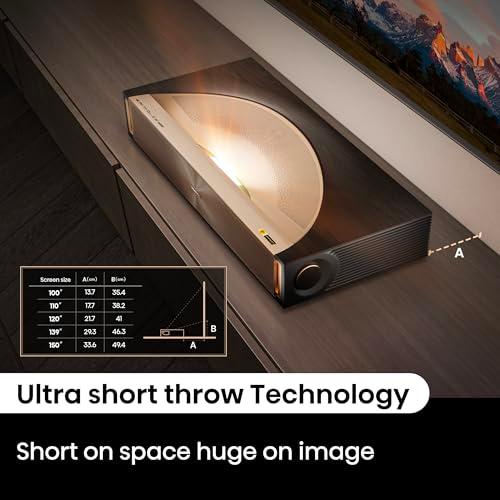
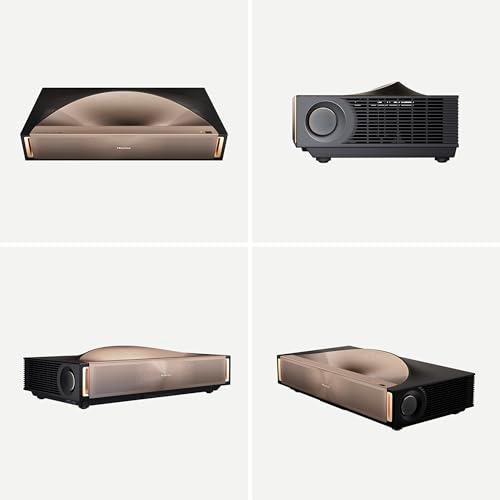
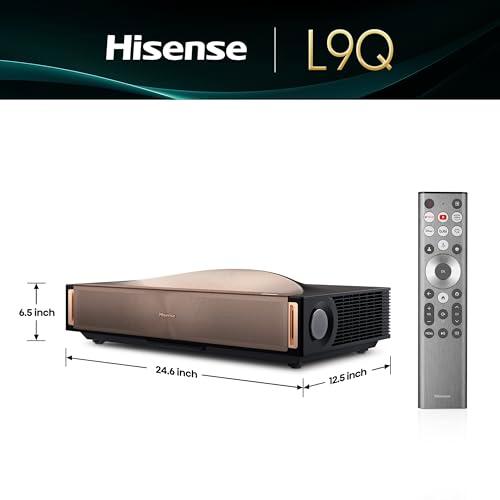


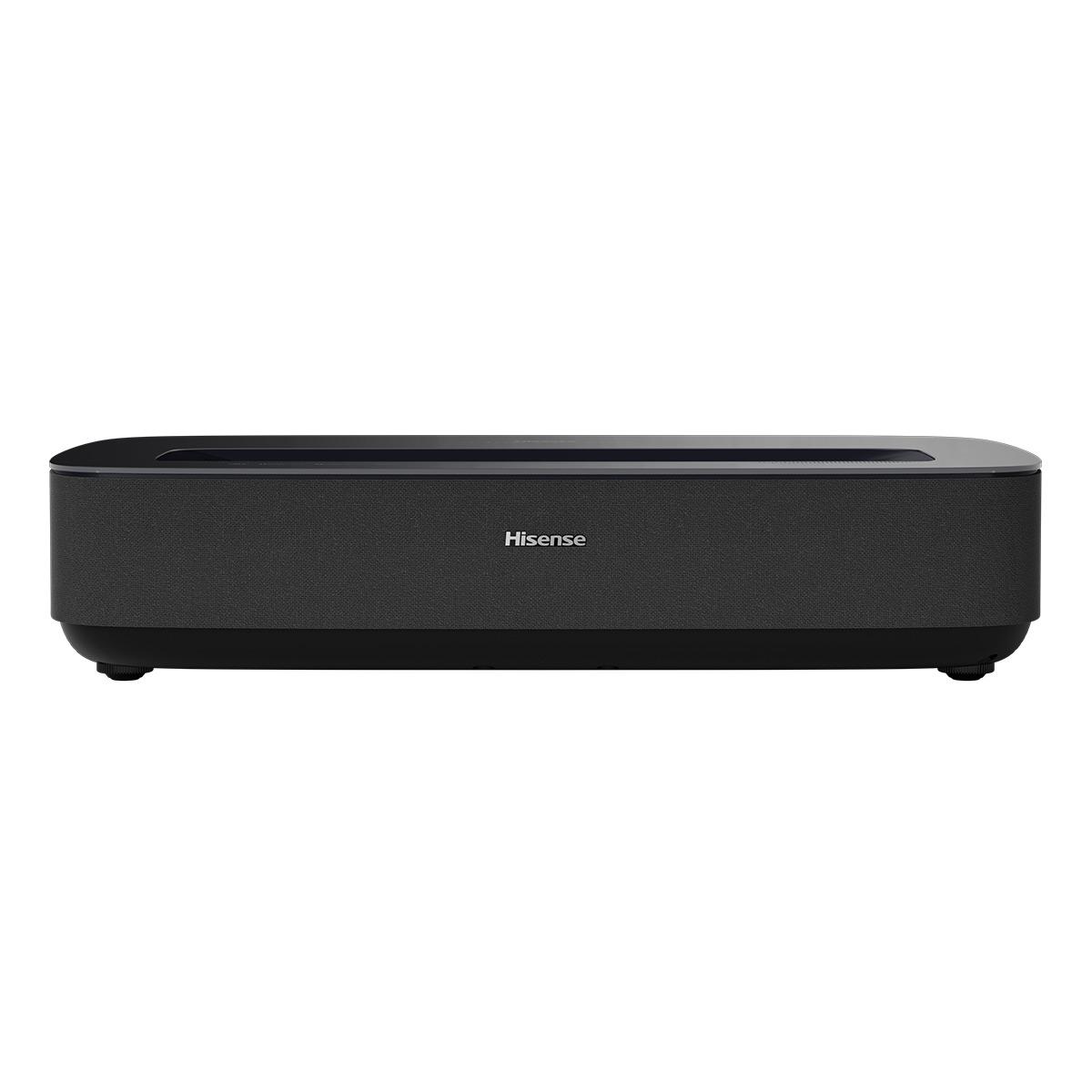
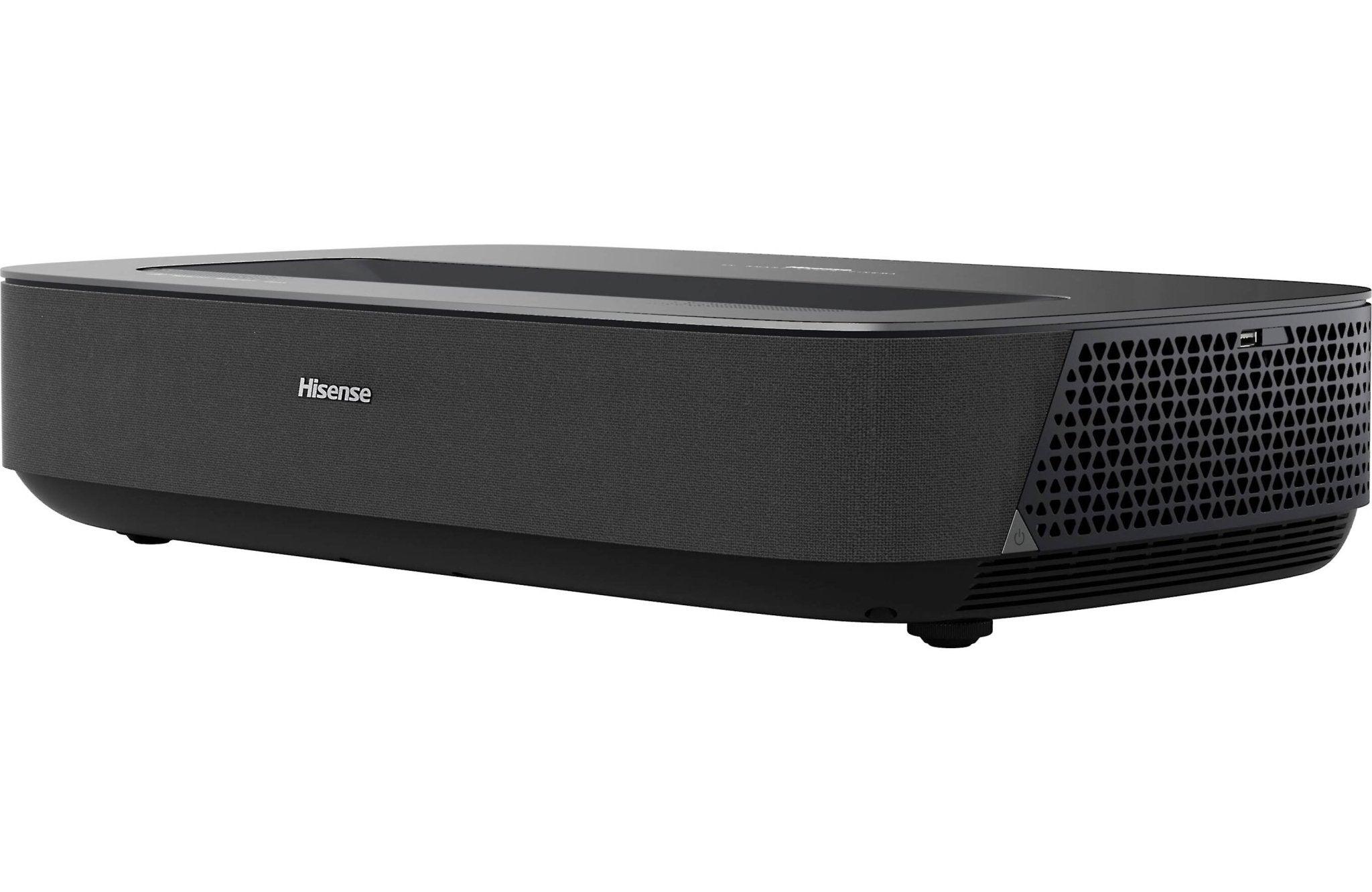
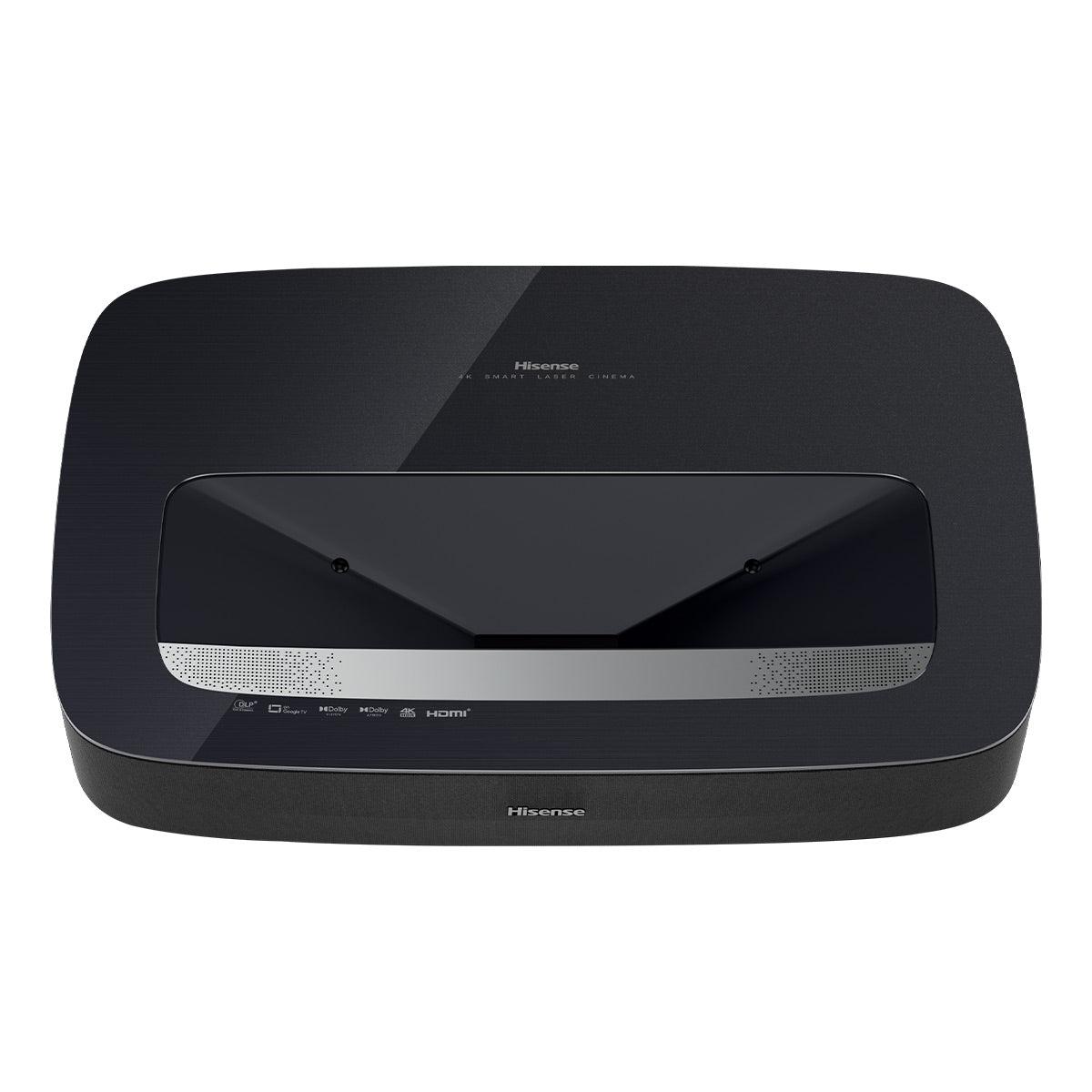
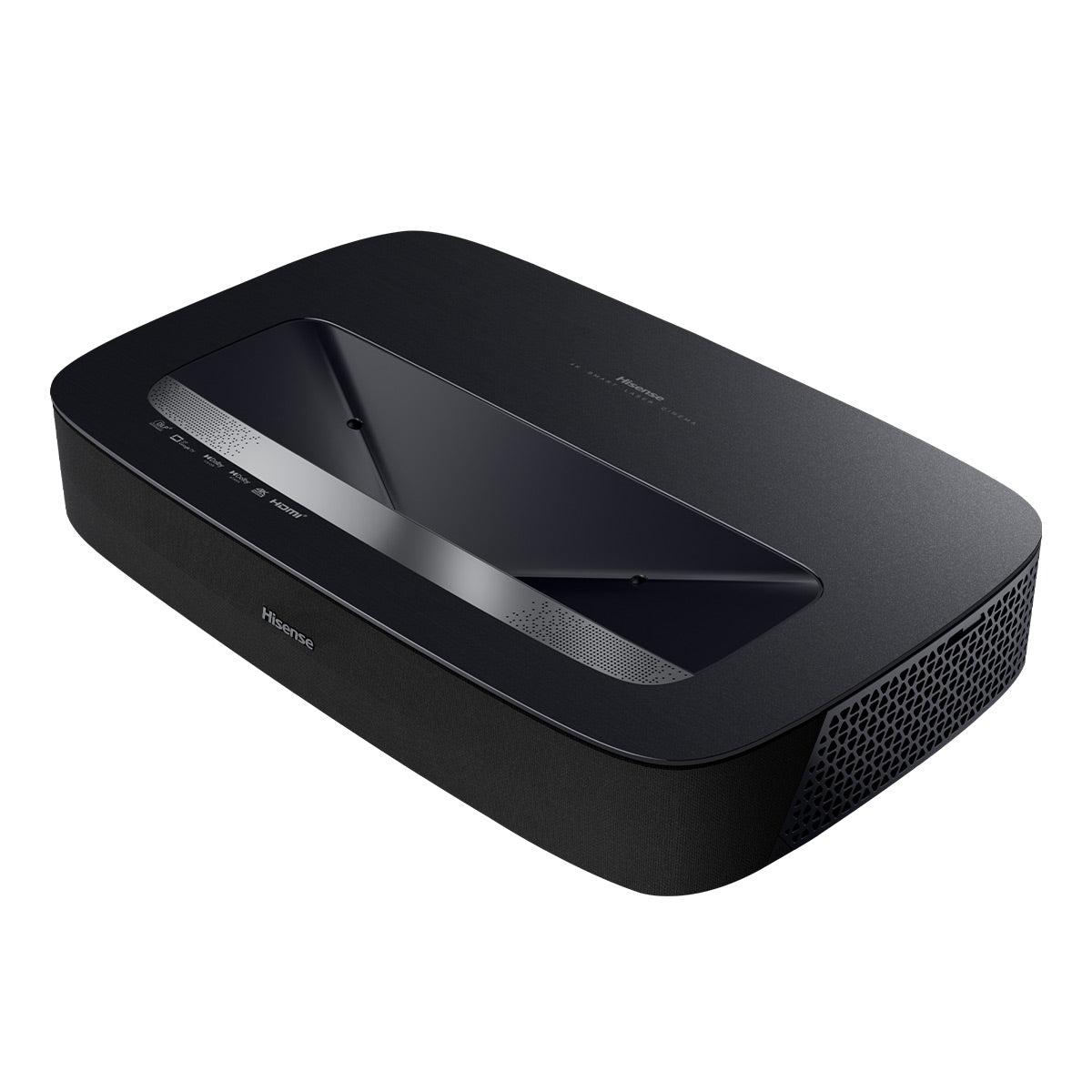
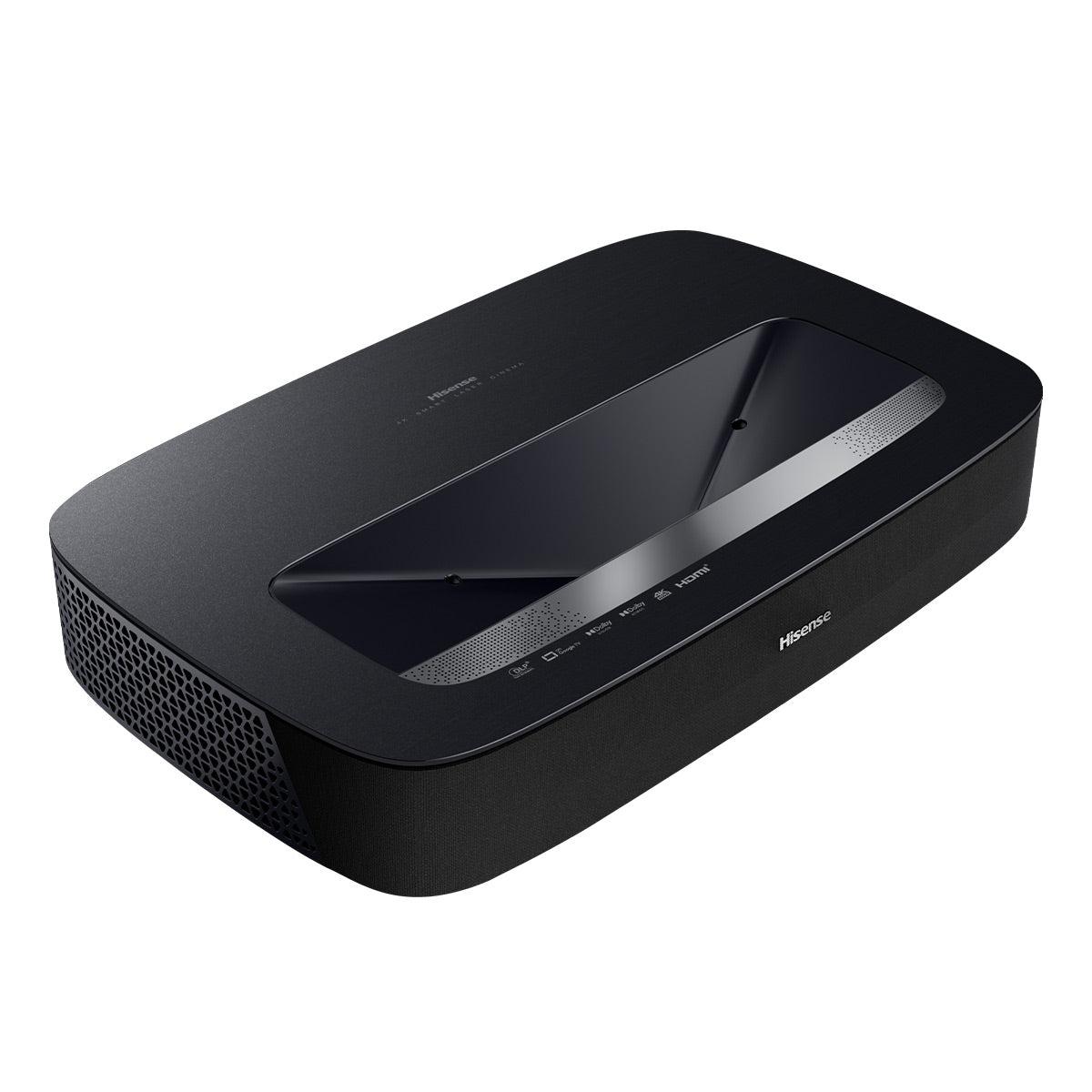
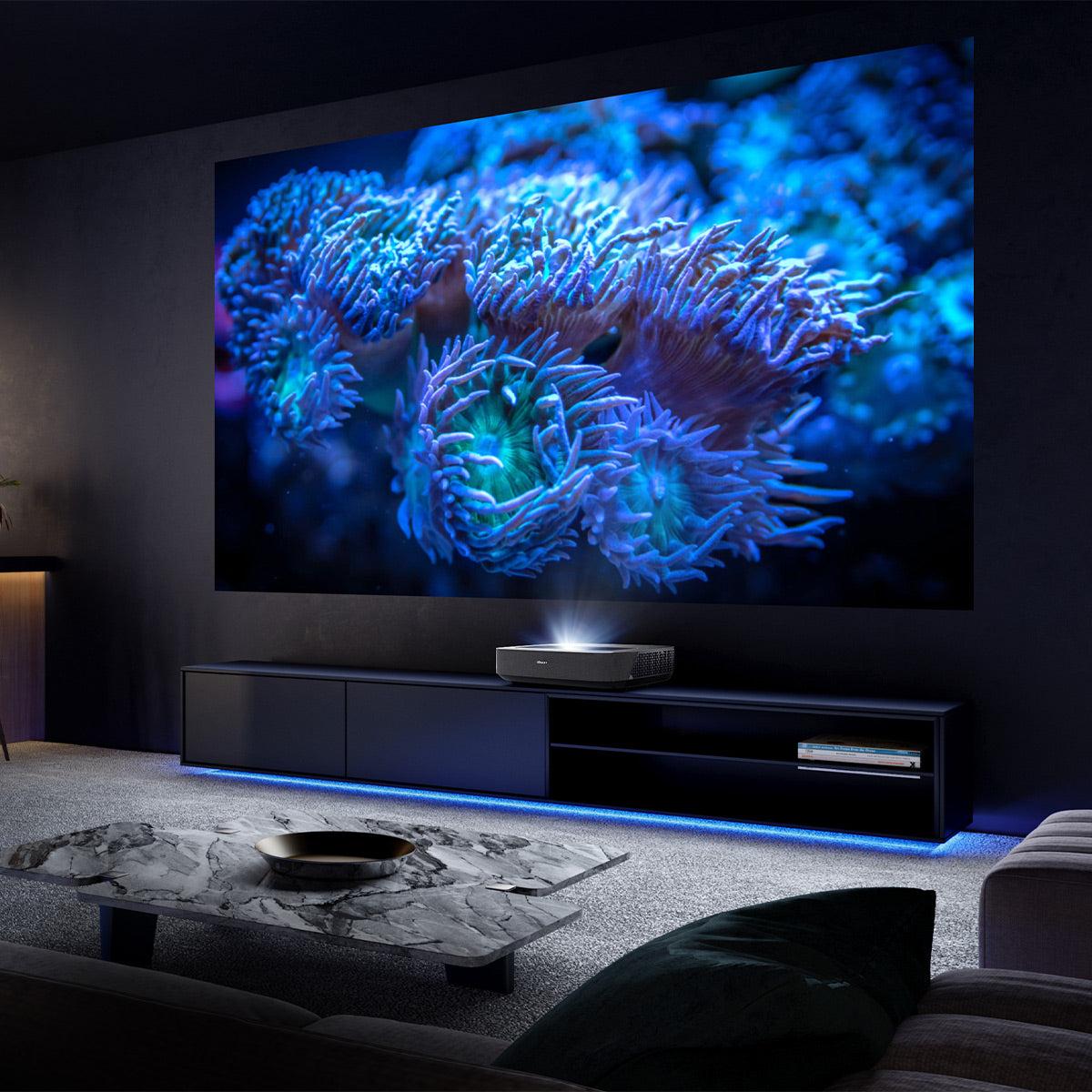
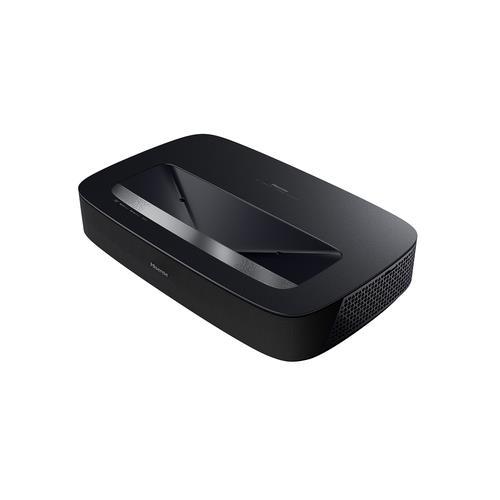
Ultra short throw projectors have completely changed how we think about big-screen entertainment at home. Instead of mounting a traditional projector on the ceiling and dealing with cables running across the room, these clever devices sit right next to your wall—almost like a fancy soundbar—and beam massive images from just inches away. It's genuinely impressive technology that makes 100+ inch screens practical in normal living rooms.
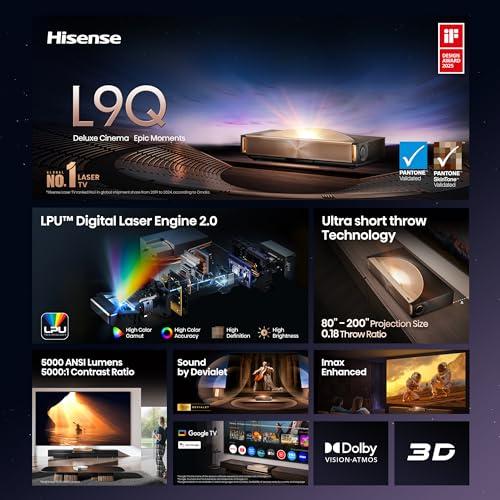
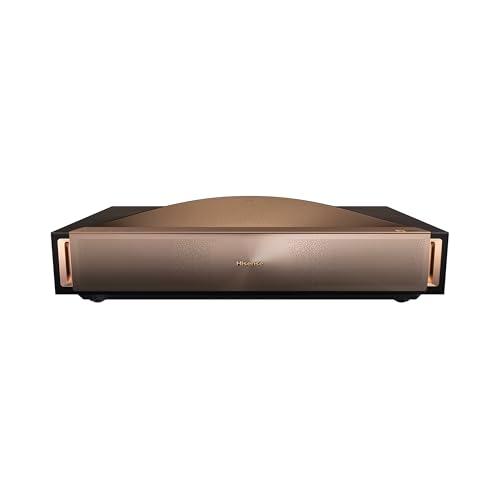
The two Hisense models we're comparing represent very different approaches to this technology. The Hisense L9Q, released in 2025, showcases cutting-edge triple laser technology at a premium price point, while the Hisense PL1, which launched in 2023, offers a more affordable entry into ultra short throw projection using proven blue laser phosphor systems.
Before diving into specifics, it's worth understanding what makes these projectors special. Ultra short throw (UST) projectors use specially designed ultra-wide-angle lenses and complex mirrors to project images at extremely sharp angles. Think of it like shining a flashlight almost parallel to a wall—the optics have to be incredibly precise to create a rectangular image instead of a distorted trapezoid.
The "throw ratio" tells you how close the projector needs to be to create a certain screen size. A 0.18:1 ratio (like the L9Q) means it projects a 100-inch image from about 5.4 inches away from the wall. This ultra-short distance is what makes these projectors so practical—no ceiling mounts, no cables across the room, and people can walk in front without casting shadows on the screen.
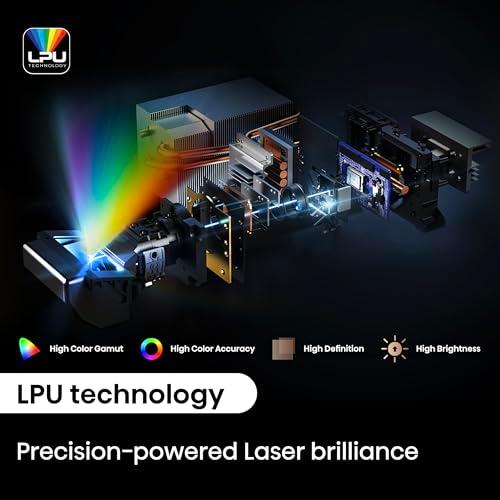
Both projectors use laser light sources instead of traditional lamp bulbs, but they take fundamentally different approaches. The PL1 uses what's called a blue laser phosphor system—essentially a powerful blue laser that hits a spinning phosphor wheel to create the full spectrum of colors. It's similar to how fluorescent lights work, where one type of light excites materials that glow in other colors.
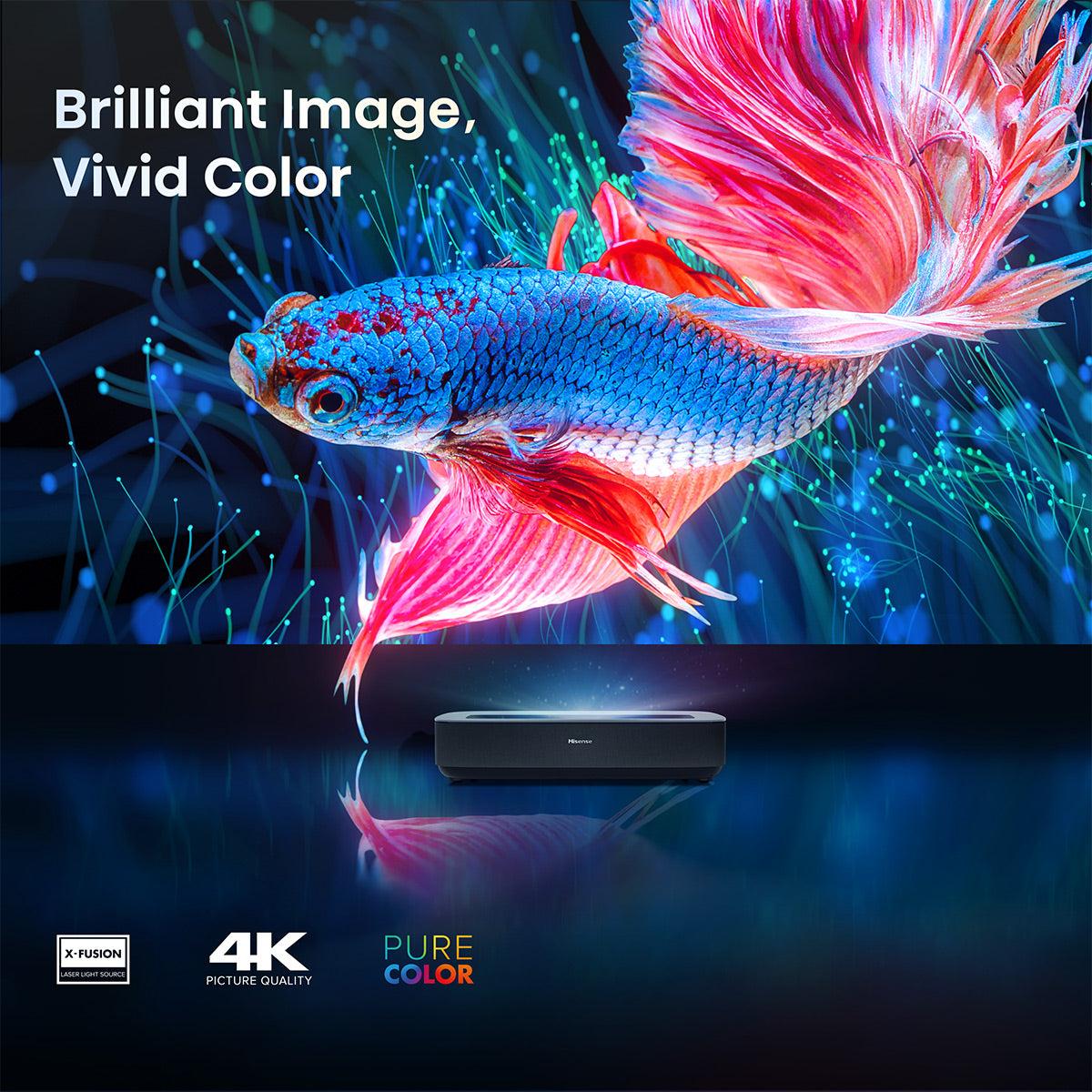
The L9Q, however, uses true triple laser technology with separate red, green, and blue lasers. This is like having three perfectly tuned light sources instead of one trying to do everything. The difference in color accuracy and saturation is immediately noticeable, especially with reds and greens that tend to look washed out on phosphor systems.
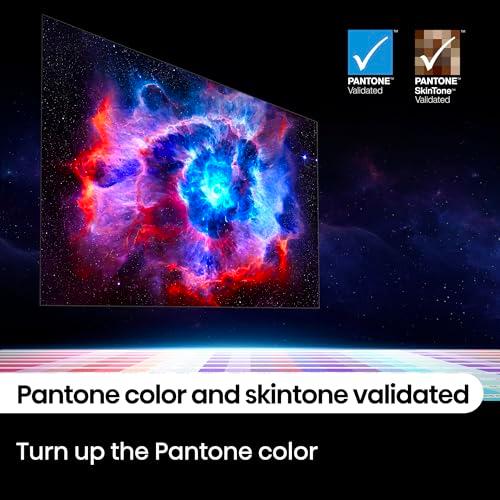
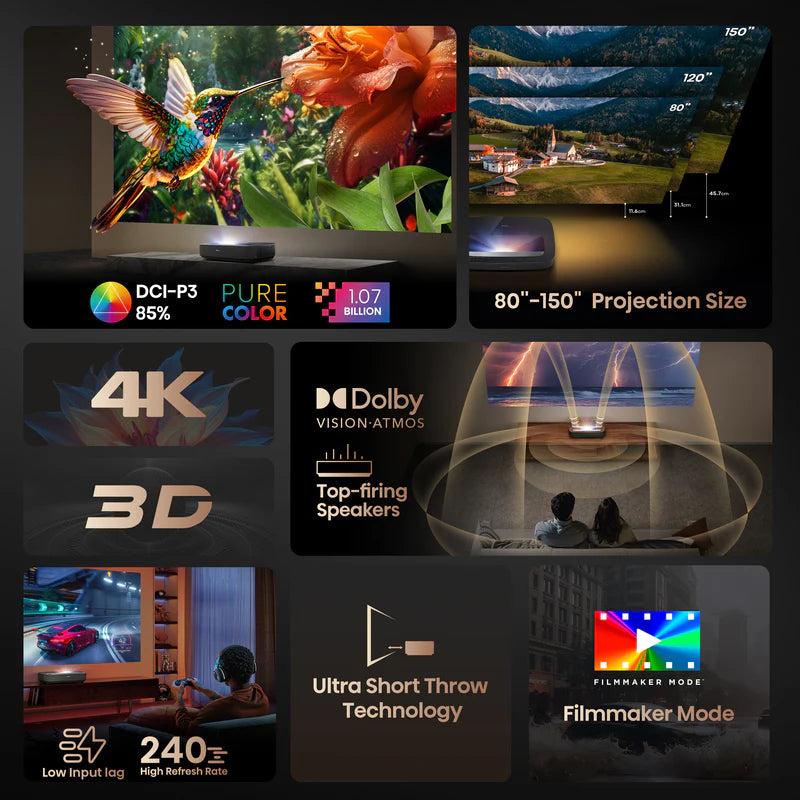
Based on our research into professional reviews and user feedback, the triple laser advantage becomes most apparent with vibrant content like animated movies or nature documentaries. The L9Q can display 110% of the BT.2020 color space—a technical standard that covers more colors than current HDR content even uses. It's future-proofing for content that doesn't fully exist yet. The PL1, covering 85% of DCI-P3, handles current movies and shows well but won't have the same color depth for next-generation content.
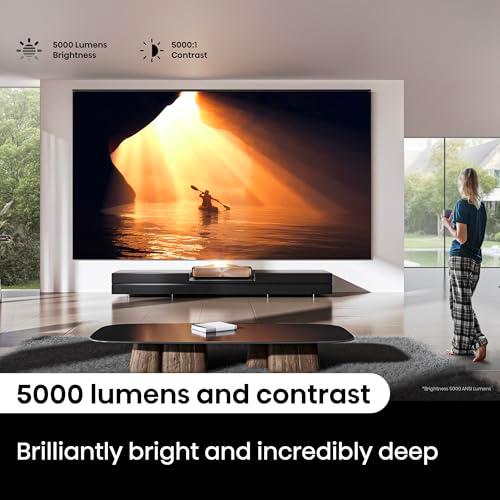
Here's where the biggest practical difference emerges. The L9Q produces 5,000 ANSI lumens compared to the PL1's 2,200 lumens. ANSI lumens measure actual usable brightness, not peak white output, so these numbers directly translate to real-world performance.
In practical terms, this brightness difference determines when and where you can use these projectors. The PL1 works great for evening viewing in rooms where you can control the lighting—dim the lights, close the blinds, and you get excellent image quality. But try watching it during a sunny afternoon with natural light streaming in, and the image starts looking washed out and gray.
The L9Q's extreme brightness changes the game entirely. You can watch movies in rooms with ambient lighting that would make the PL1 unwatchable. This isn't just a nice-to-have feature—it fundamentally changes how these devices integrate into daily life. Instead of being evening-only entertainment like traditional projectors, the L9Q functions more like a premium TV that happens to project giant images.
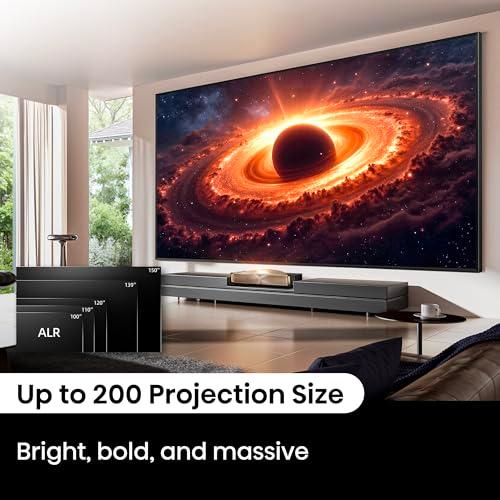
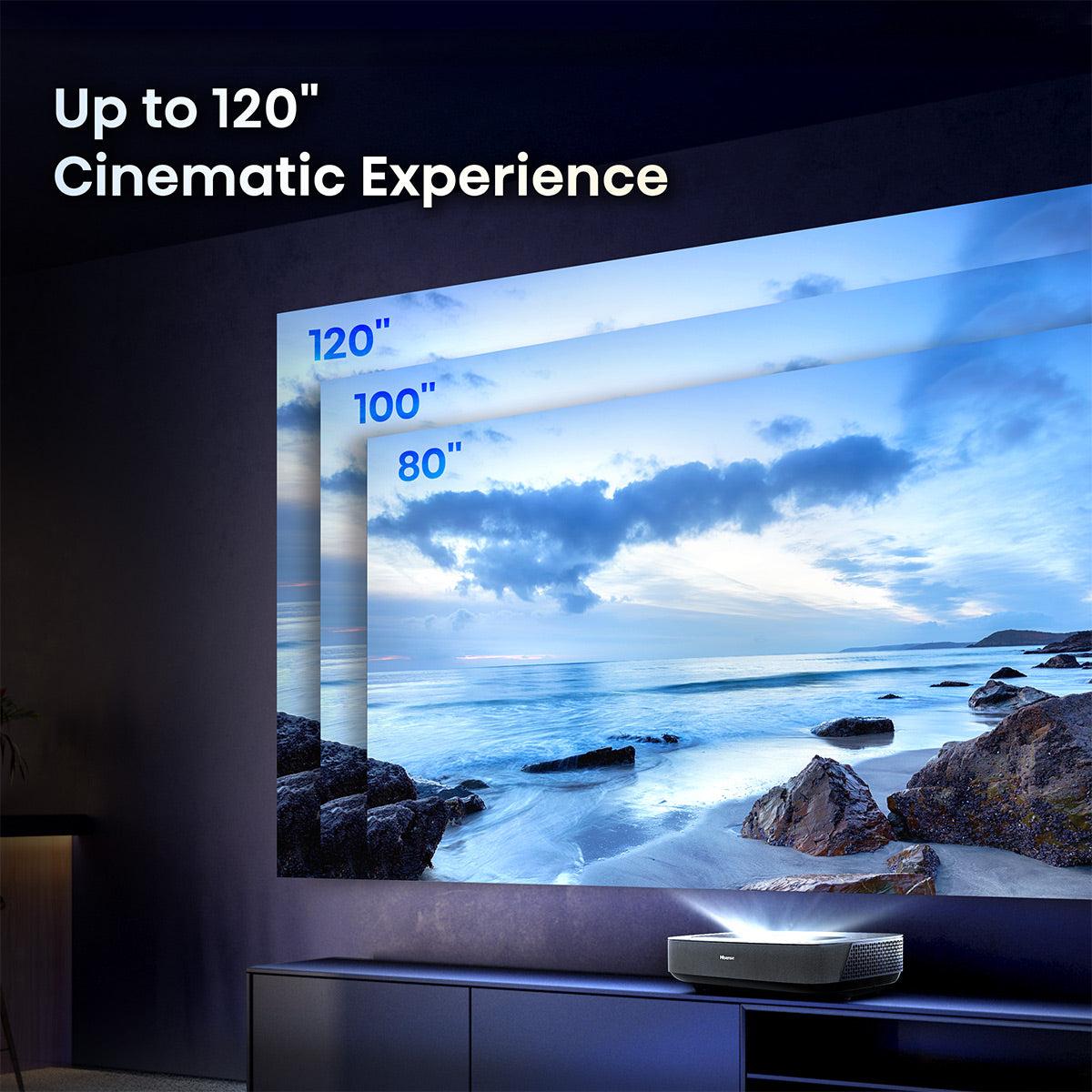
From reviewing user experiences, brightness also affects screen size flexibility. While the PL1 works well up to about 100 inches, pushing it to its maximum 120-inch capability often results in dim images unless you can achieve near-blackout conditions. The L9Q can confidently fill screens up to 200 inches while maintaining vibrant, punchy images.
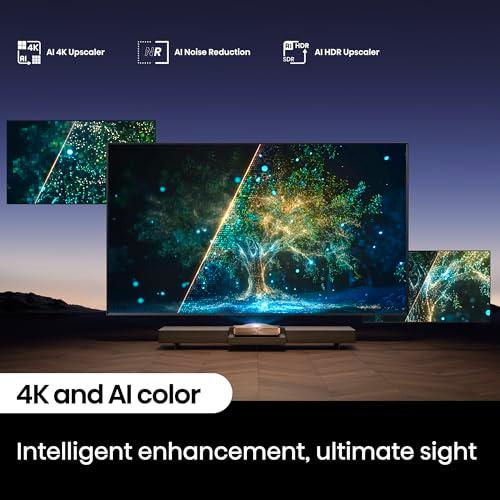
This is where technical marketing gets confusing, so let's break it down clearly. The L9Q features true native 4K resolution using a 0.47-inch DLP chip. Each pixel on the chip corresponds directly to a pixel in the final image—no tricks involved.
The PL1 uses pixel-shifting technology, starting with a native 1920x1080 chip that rapidly shifts each pixel to four different positions, creating the impression of 4K resolution. It's similar to how your smartphone camera might use computational photography to create better images than the sensor alone could produce.
In practical terms, pixel-shifting works very well for movies and TV shows. Most users can't distinguish between native 4K and well-implemented pixel-shifting when watching typical content. However, the differences become more apparent with computer-generated imagery, fine text, or highly detailed patterns. If you plan to use the projector for gaming, presentations, or as a computer display, native 4K provides noticeably sharper text and cleaner lines.
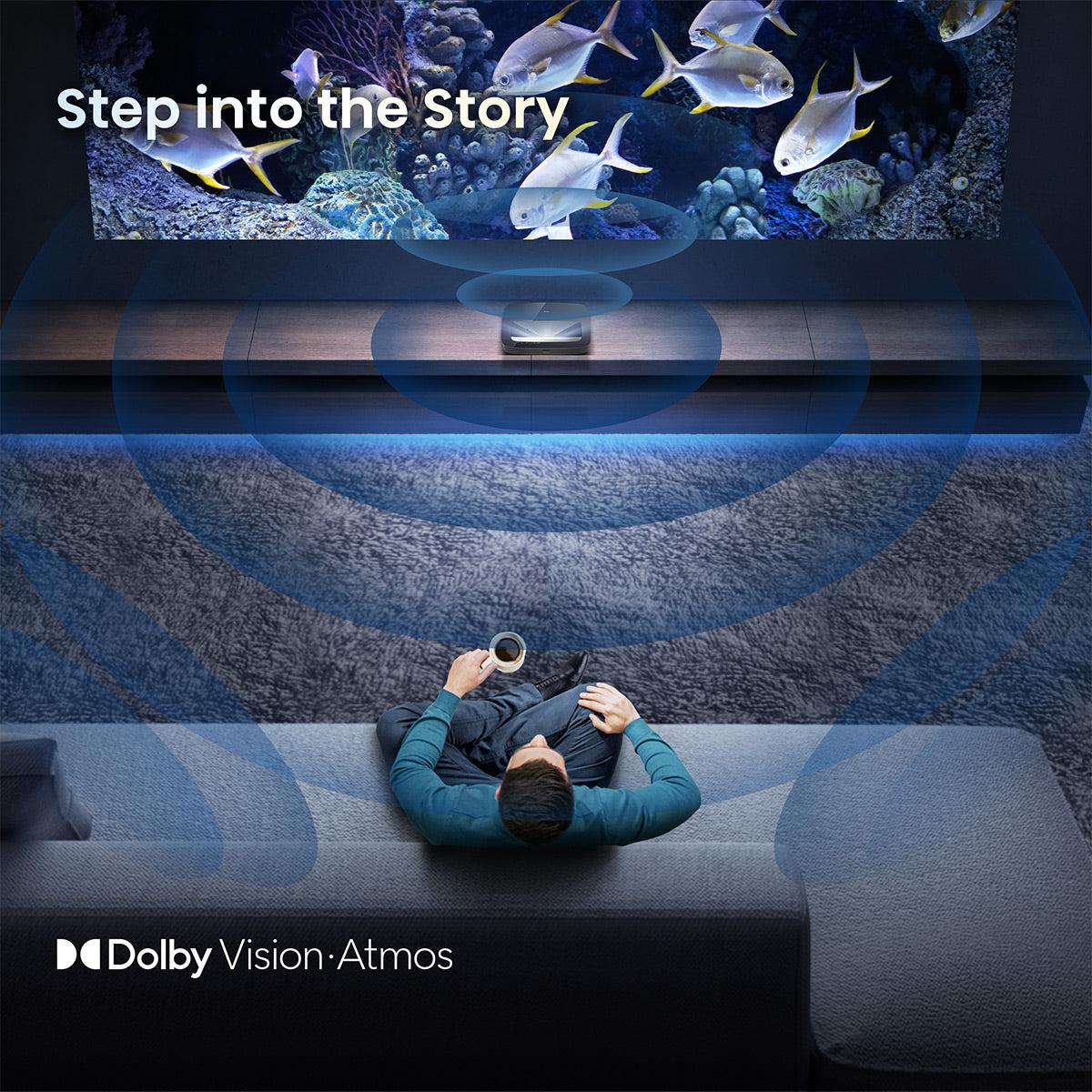
One of the most underappreciated aspects of UST projectors is their potential to include serious audio systems. Traditional projectors mounted on ceilings can't practically include powerful speakers, but UST projectors sit right where a soundbar would go.
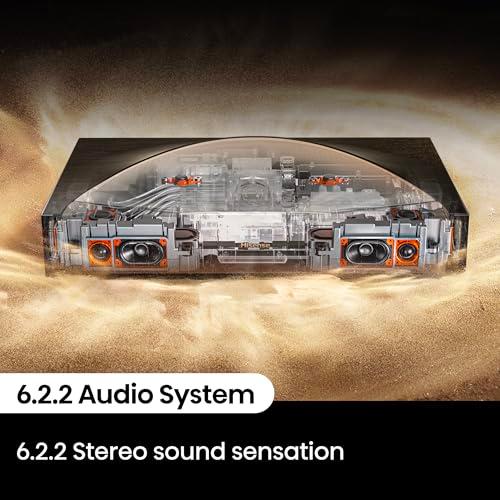
The L9Q takes full advantage of this positioning with its 6.2.2-channel Devialet sound system. Devialet is a French company known for extremely high-end audio equipment, and this isn't just badge engineering—it's a genuinely sophisticated setup with dedicated subwoofers and upward-firing speakers for height effects in Dolby Atmos content.
Based on professional reviews, this audio system eliminates the need for additional speakers in most rooms. The bass response rivals dedicated subwoofers, and the soundstage width actually benefits from the projector's wide form factor. For home theater enthusiasts, this represents significant value since a comparable separate sound system could easily cost $1,500-3,000.
The PL1's 30-watt stereo system with Dolby Atmos processing is more basic but still competent. It's adequate for casual viewing and certainly better than most TV speakers, but it lacks the bass depth and spatial imaging of the L9Q. Many PL1 owners end up adding a soundbar or separate speakers, which should factor into total cost considerations.
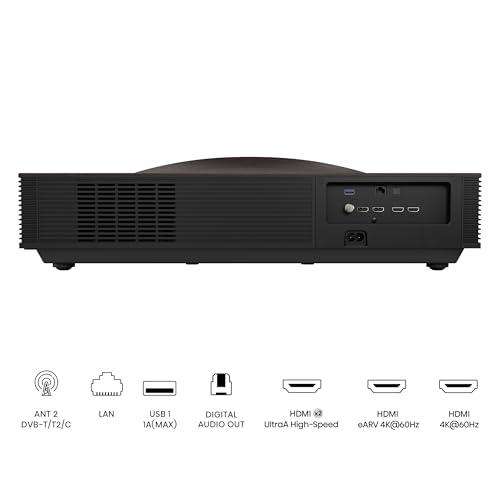
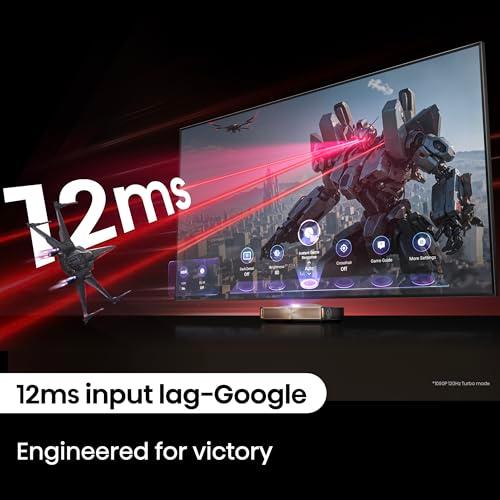
For gaming enthusiasts, input lag—the delay between controller input and on-screen response—matters significantly. The L9Q achieves 12ms input lag in game mode, which is excellent for a projector and competitive with gaming-focused TVs. Combined with HDMI 2.1 support and automatic low latency mode (ALLM), it provides a genuinely responsive gaming experience even for competitive online games.
The PL1's approximately 30ms input lag falls into the "acceptable for casual gaming" category. It's fine for single-player adventures, racing games, or turn-based strategy, but might feel sluggish for competitive shooters or fighting games where every millisecond counts.
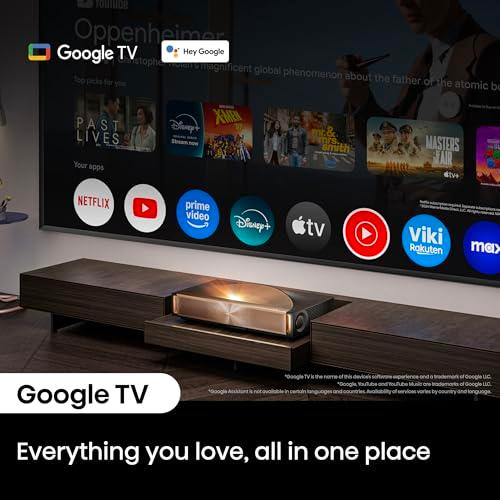
Both projectors run Google TV, which has become the most comprehensive smart TV platform. Unlike some projector manufacturers who treat smart features as an afterthought, Hisense has implemented full smart TV functionality with access to all major streaming services, voice control, and content recommendation engines.
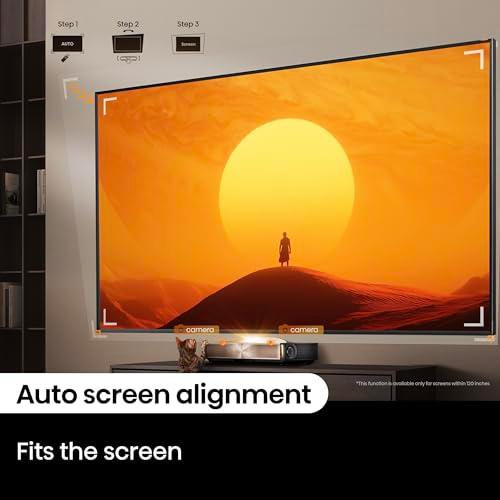
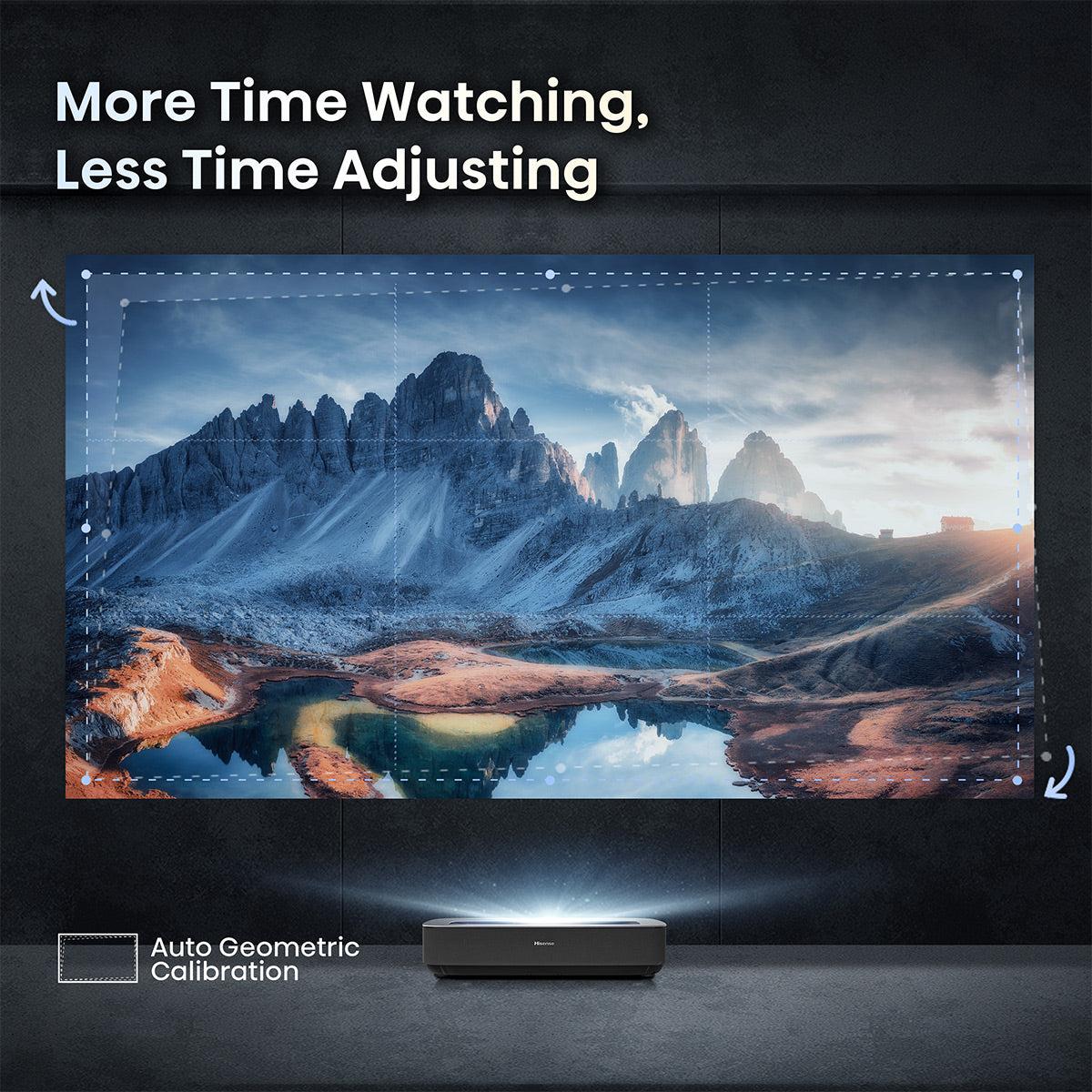
The L9Q includes some premium smart features like automatic screen fitting, which uses built-in cameras to detect your screen and automatically adjust the image geometry. This eliminates the tedious manual keystone correction that traditionally makes projector setup frustrating for non-technical users.
Ultra short throw projectors need to pair with specialized screens for optimal performance. These screens use ambient light-rejecting (ALR) technology—essentially microscopic ridges that reflect projected light toward viewers while absorbing light from other angles like ceiling fixtures or windows.
The L9Q's extreme brightness gives it more flexibility with screen choice and room conditions, but you'll still want a proper ALR screen to maximize its potential. The PL1 absolutely requires a good ALR screen to overcome ambient light effectively.
Installation involves more than just placing the projector and plugging it in. These devices need precise positioning—being off by even an inch can affect image geometry across a 100+ inch screen. Both projectors include adjustment features, but the L9Q's automatic calibration makes setup significantly easier.
At the time of writing, the L9Q costs roughly four times as much as the PL1, placing them in entirely different market segments. The L9Q competes with premium 85-100 inch TVs while offering much larger screen sizes. When you factor in the integrated high-end audio system, the price premium becomes more reasonable for its target market.
The PL1, especially at current sale prices, represents exceptional value in the ultra short throw category. It delivers a genuinely big-screen 4K HDR experience at a price point that was unthinkable just a few years ago.
However, total cost extends beyond the projector itself. Both require specialized screens ($500-2000+ depending on size and quality), and the PL1 may benefit from audio upgrades. When calculating value, consider the complete system cost, not just the projector price.
The UST projector category has evolved rapidly. The PL1, released in 2023, represented solid mainstream technology at that time. The L9Q, launching in 2025, showcases how quickly the category has advanced with triple laser systems becoming more accessible and brightness levels increasing dramatically.
From a future-proofing perspective, the L9Q's 110% BT.2020 color coverage and native 4K architecture position it better for next-generation content standards. The PL1's specifications handle current content well but may show limitations as streaming services expand their color gamuts and content resolution increases.
The L9Q makes sense for buyers who want flagship performance and have the budget to match. If you're replacing a premium large-screen TV, plan to use the projector during daytime hours, want screen sizes over 120 inches, or value integrated high-end audio, the price premium delivers corresponding benefits.
The L9Q also suits dedicated home theater installations where image quality and future-proofing justify the investment. For gaming enthusiasts who need low input lag or content creators who require accurate colors, it's the clear choice despite the higher price.
The PL1 excels as an entry point into ultra short throw projection or for buyers with specific constraints. If your budget limits you to under $3,000 total system cost, you primarily watch in controlled lighting conditions, don't need extreme brightness, or want to test the UST category before committing to premium models, it offers remarkable value.
The PL1 also works well for secondary viewing areas, guest rooms, or situations where good performance matters more than flagship specifications.
Consider your room's lighting conditions first. If you can't control ambient light during your primary viewing times, the L9Q's brightness advantage becomes essential rather than optional. For evening-only viewing in controllable spaces, both projectors work well.
Screen size aspirations matter significantly. While the PL1 can technically project 120-inch images, it performs best in the 80-100 inch range. If you want genuinely massive screens over 120 inches, the L9Q's brightness and color accuracy become more important.
Audio preferences also influence the decision. If you value high-quality integrated sound and want to avoid separate audio equipment, the L9Q's Devialet system adds substantial value. If you already have audio equipment or don't mind upgrading later, the PL1's basic system suffices initially.
Both projectors represent excellent examples of their respective market segments. The PL1 democratizes big-screen entertainment with solid performance at accessible pricing, while the L9Q pushes UST technology forward with flagship specifications for demanding users. Your choice depends primarily on budget, room conditions, and how the projector fits into your overall entertainment priorities.
The ultra short throw projector category continues evolving rapidly, but both models offer compelling advantages that should remain relevant for years. Choose based on your current needs and room requirements rather than trying to predict future technology developments.
| Hisense L9Q Triple Laser Ultra Short Throw Projector | Hisense PL1 Laser Cinema Projector |
|---|---|
| Laser Technology - Determines color accuracy and image vibrancy | |
| Triple laser (RGB) with separate red, green, blue lasers | Blue laser phosphor with spinning color wheel |
| Brightness - Critical for daytime viewing and large screens | |
| 5,000 ANSI lumens (excellent in bright rooms) | 2,200 ANSI lumens (requires controlled lighting) |
| Native Resolution - Affects text sharpness and fine detail | |
| True native 4K (3840 x 2160) | 1080p with pixel-shifting to 4K |
| Color Gamut - Future-proofing and color richness | |
| 110% BT.2020 (Pantone validated, exceptional colors) | 85% DCI-P3 (good for current content) |
| Maximum Screen Size - How big you can go | |
| Up to 200 inches | Up to 120 inches |
| Contrast Ratio - Depth of blacks and overall image pop | |
| 5,000:1 native contrast | 2,000,000:1 dynamic contrast |
| Audio System - Built-in sound quality and power | |
| 116W 6.2.2-channel Devialet system with subwoofers | 30W stereo Dolby Atmos |
| Gaming Input Lag - Responsiveness for gaming | |
| 12ms (excellent for competitive gaming) | ~30ms (adequate for casual gaming) |
| Throw Ratio - Distance needed from wall | |
| 0.18:1 (100" image from 5.4" away) | 0.25:1 (100" image from ~12" away) |
| HDR Format Support - Premium content compatibility | |
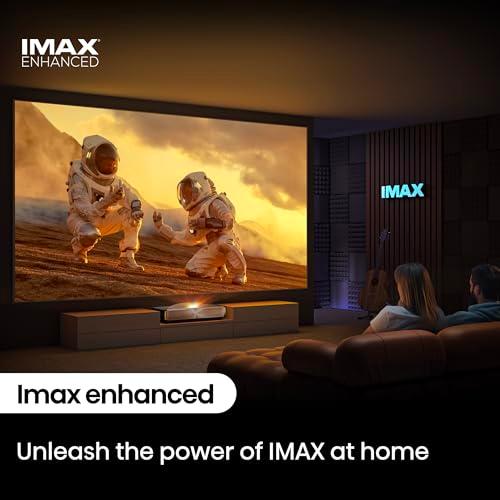
| Dolby Vision, HDR10+, HDR10, HLG, IMAX Enhanced | Dolby Vision, HDR10, HLG |
| Smart Platform - Streaming and apps | |
| Google TV with auto-calibration features | Google TV with standard features |
| Laser Lifespan - Maintenance-free operation | |
| 25,000+ hours | 20,000-25,000 hours |
| Target Market - Who should consider each | |
| Premium buyers wanting flagship performance | Budget-conscious first-time UST buyers |
The Hisense L9Q is significantly better for bright rooms with its 5,000 ANSI lumens compared to the Hisense PL1's 2,200 lumens. The L9Q can handle daytime viewing and ambient lighting that would wash out the PL1's image.
The Hisense L9Q offers superior picture quality with true triple laser technology, native 4K resolution, and 110% BT.2020 color coverage. The Hisense PL1 uses blue laser phosphor technology with pixel-shifting 4K and covers 85% DCI-P3, which is good but not as vibrant or detailed.
The Hisense L9Q can project up to 200 inches, while the Hisense PL1 maxes out at 120 inches. Both start at 80 inches minimum, but the L9Q's higher brightness makes larger screens more practical.
The Hisense L9Q has dramatically better audio with its 116W 6.2.2-channel Devialet sound system including subwoofers and height channels. The Hisense PL1 has a basic 30W stereo system that may require additional speakers for optimal home theater experience.
The Hisense L9Q is excellent for gaming with 12ms input lag, while the Hisense PL1 is adequate for casual gaming at around 30ms input lag. The L9Q is better suited for competitive gaming where responsiveness matters.
Both are ultra short throw projectors that sit very close to the wall. The Hisense L9Q has a 0.18:1 throw ratio, while the Hisense PL1 has a 0.25:1 ratio, meaning the L9Q can sit slightly closer for the same screen size.
The Hisense PL1 offers better value for budget-conscious buyers, providing solid 4K performance at a much lower price point. The Hisense L9Q offers premium value for those wanting flagship features like extreme brightness and professional audio.
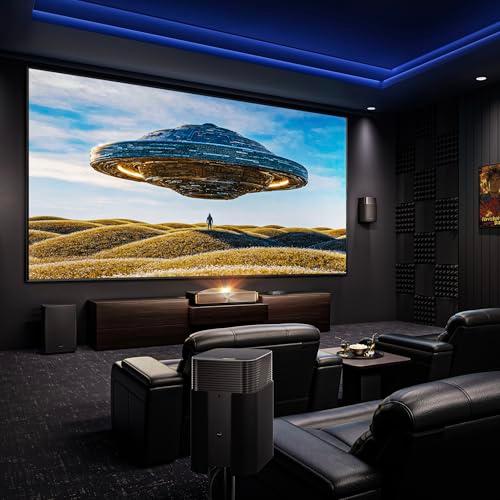
Both work for home theaters, but differently. The Hisense PL1 excels in dedicated dark home theater rooms, while the Hisense L9Q works better in multipurpose living spaces where you can't always control lighting.
Both the Hisense L9Q and Hisense PL1 run Google TV with access to Netflix, Disney+, and other streaming apps. The L9Q includes additional premium features like automatic screen calibration.
Both projectors use long-lasting laser light sources. The Hisense L9Q is rated for 25,000+ hours, while the Hisense PL1 offers 20,000-25,000 hours of maintenance-free operation.
The Hisense PL1 is better for first-time ultra short throw projector buyers due to its lower cost and easier entry into the category. The Hisense L9Q is better suited for buyers who know they want premium performance.
The Hisense PL1 works best with controlled lighting - dimmed lights or evening viewing. The Hisense L9Q handles various lighting conditions, including moderate ambient light during daytime use, making it more flexible for different viewing scenarios.
We've done our best to create useful and informative comparisons to help you decide what product to buy. Our research uses advanced automated methods to create this comparison and perfection is not possible - please contact us for corrections or questions. These are the sites we've researched in the creation of this article: chrismajestic.com - shop.hisense-usa.com - tomsguide.com - valueelectronics.com - techradar.com - whathifi.com - youtube.com - projectorscreen.com - projectorscreen.com - hisense-usa.com - youtube.com - projectorcentral.com - youtube.com - hisense-usa.com - manuals.plus - shop.avispl.com - hisense-usa.com - projectorscreen.com - dreamediaav.com - projectorcentral.com - trustedreviews.com - crutchfield.com - hometheaterhifi.com - projectorcentral.com - projectorreviews.com - vividstormscreen.com - bhphotovideo.com - shi.com - crutchfield.com

Privacy Policy
Terms and Conditions - Affiliate Policy
Home Security
© Copyright 2008-2026.
11816 Inwood Rd #1211, Dallas, TX 75244