

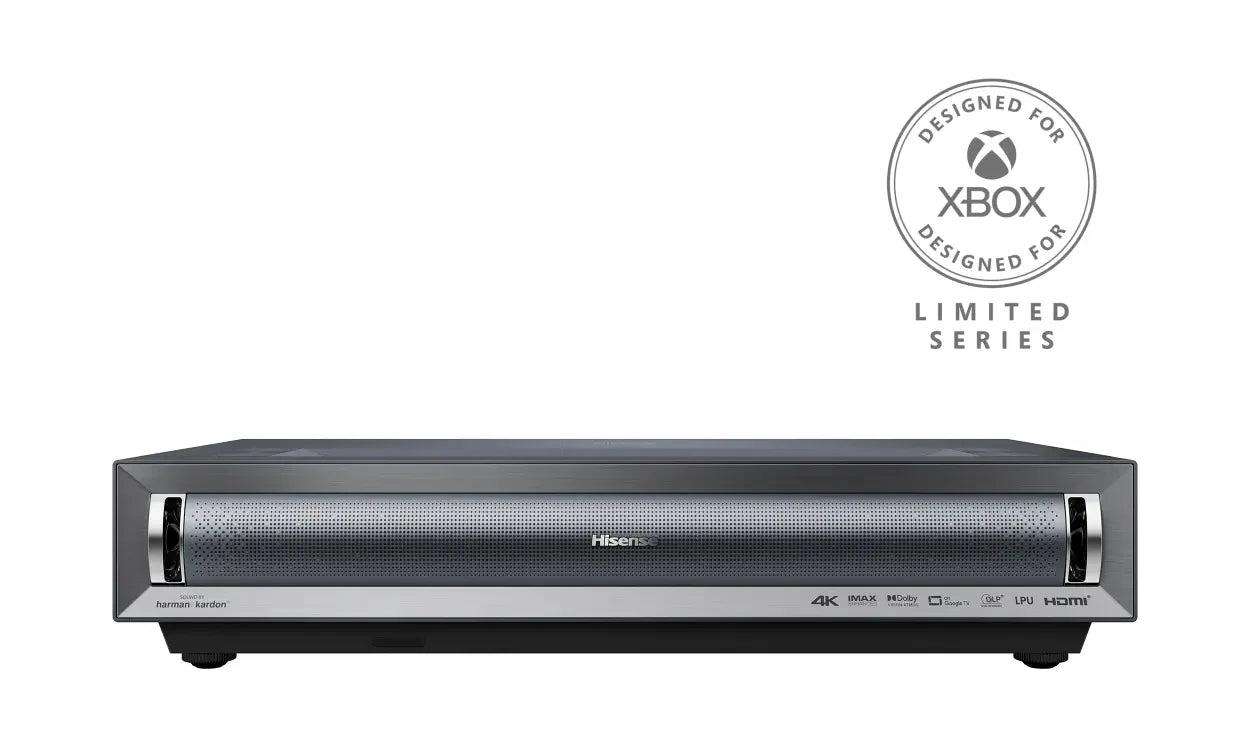
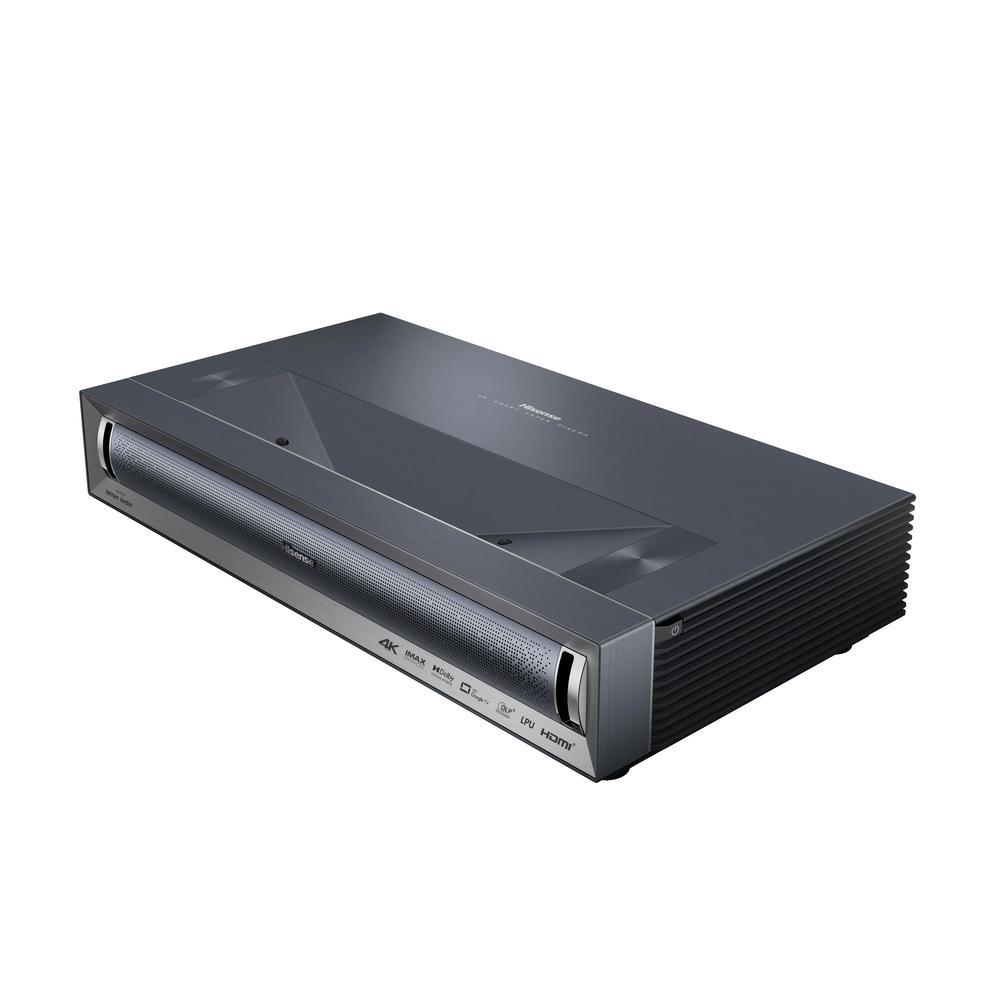
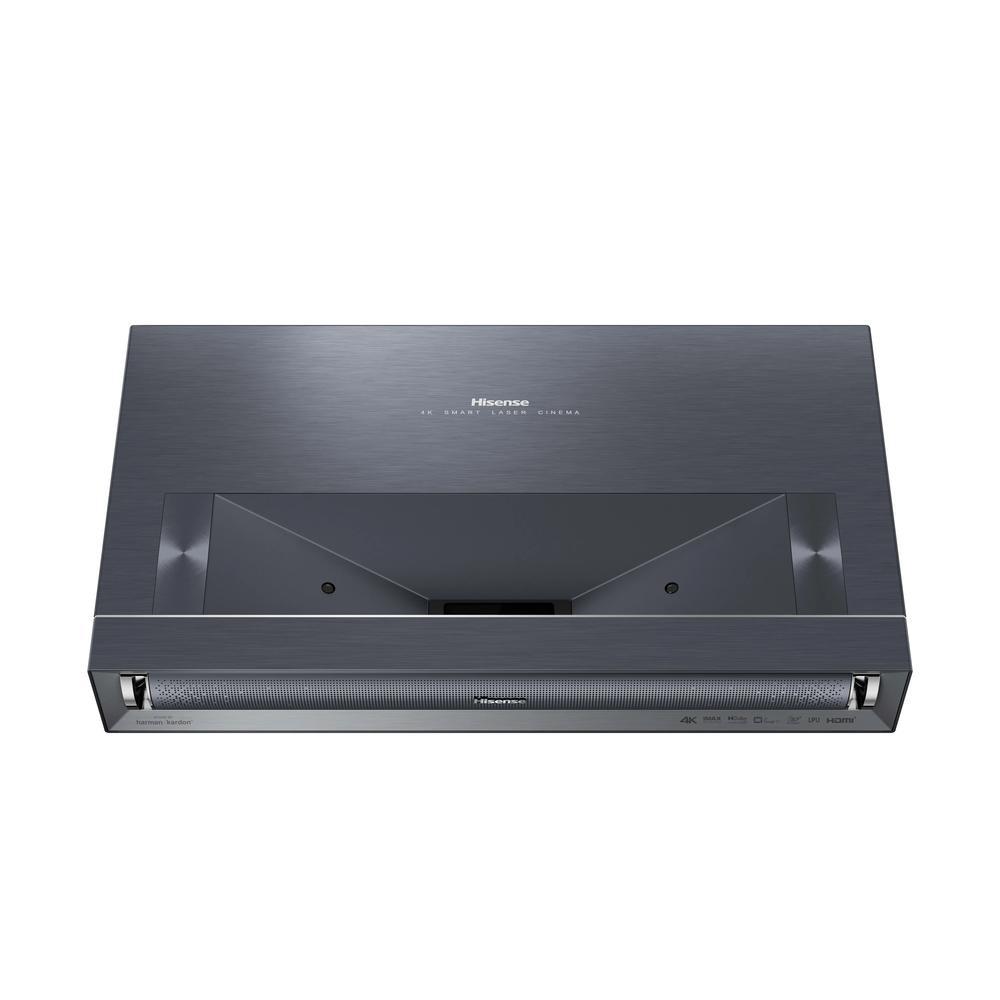
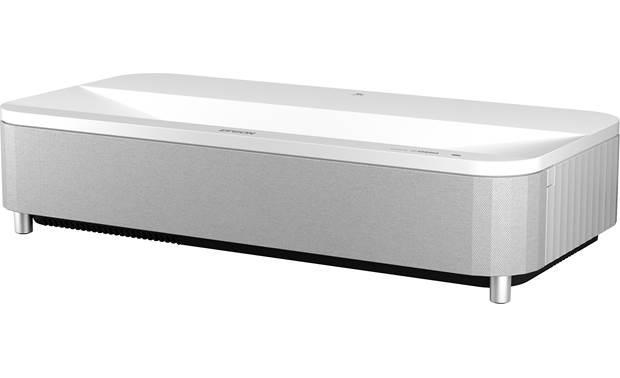
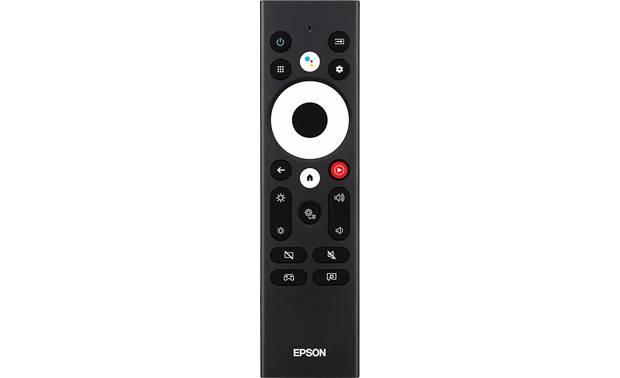
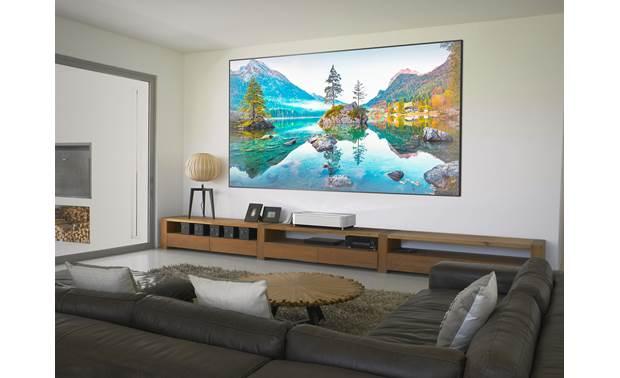
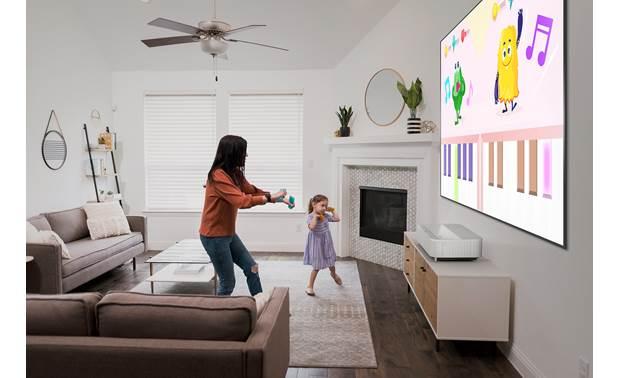
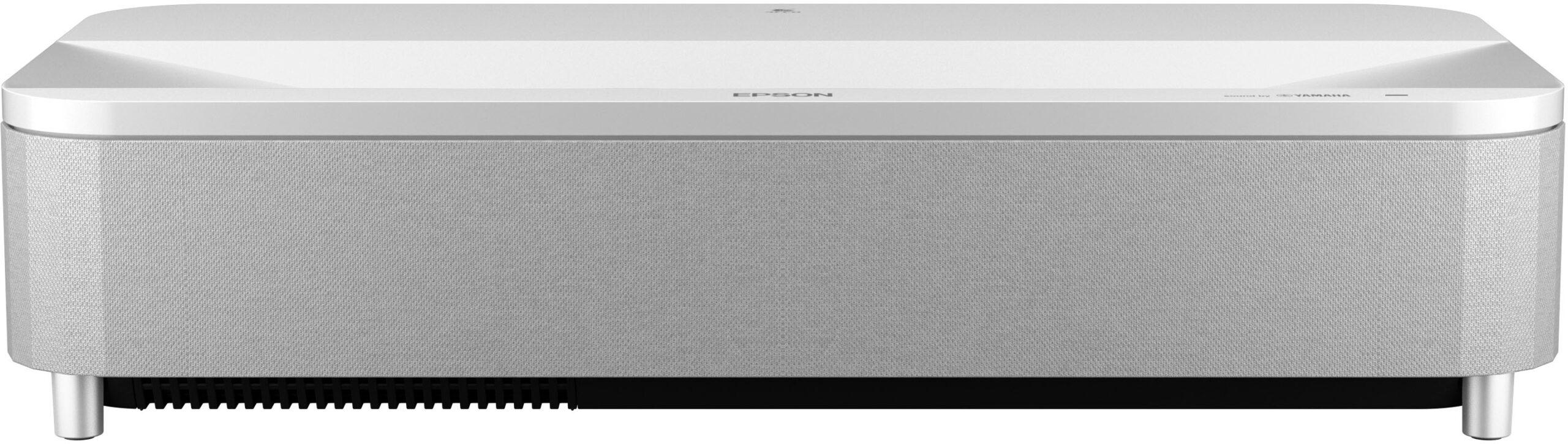
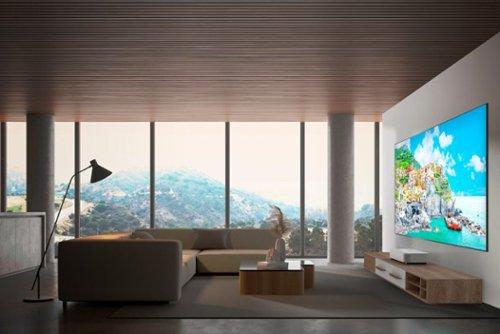
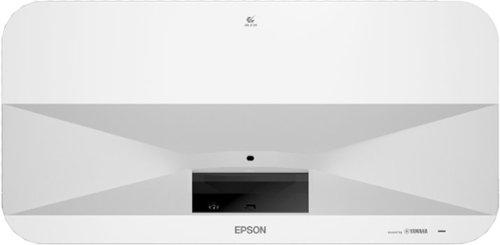
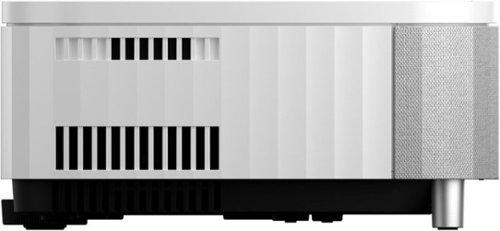
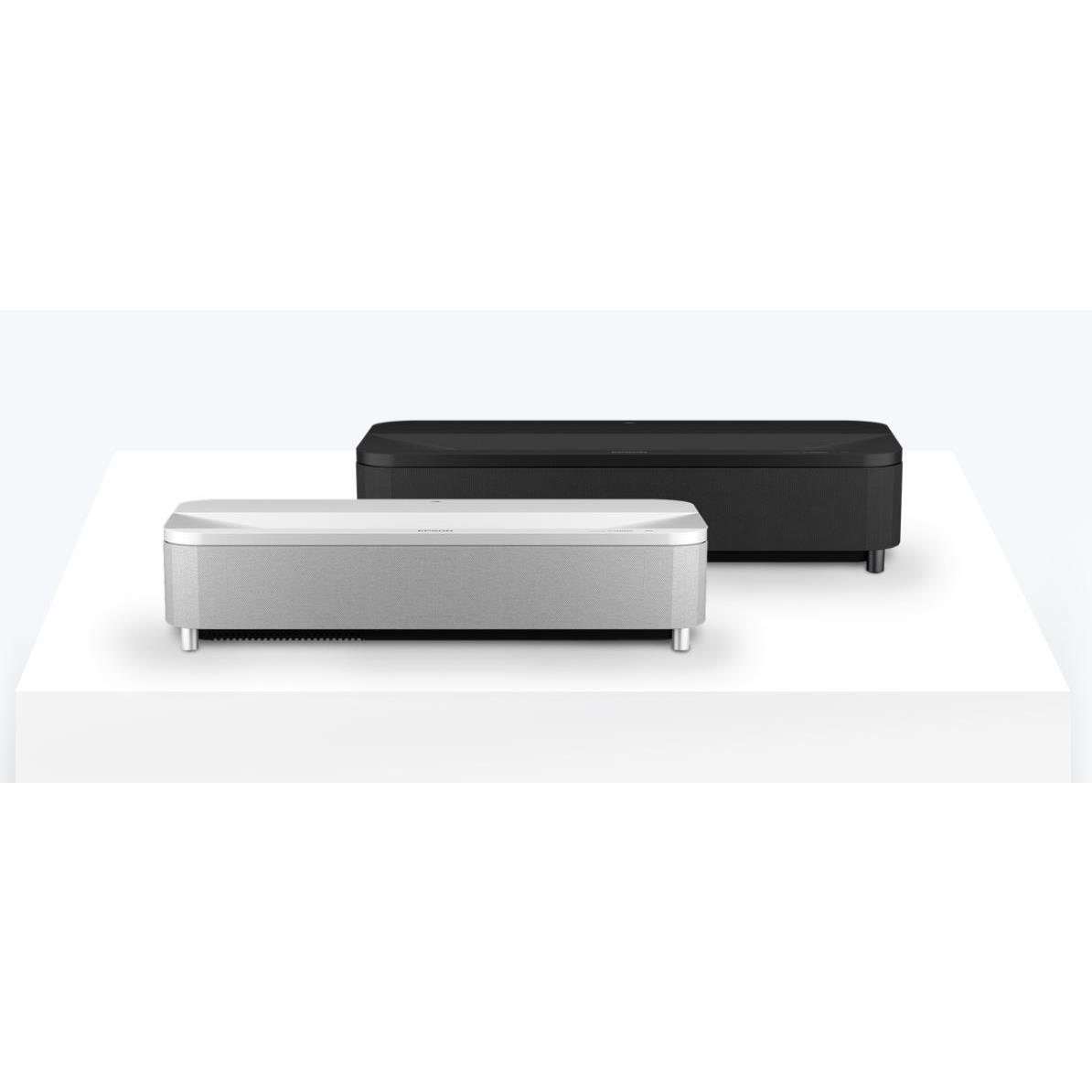
Ultra-short throw projectors have transformed how we think about home entertainment. Instead of mounting a bulky projector on your ceiling or placing it across the room, these innovative devices sit just inches from your wall and create massive 100-150" displays. It's like having an IMAX theater in your living room, but without the complicated installation or the need to rearrange all your furniture.
The technology represents a significant shift from traditional projection setups. Where conventional projectors require careful positioning and often create shadows when people walk in front of them, ultra-short throw (UST) models eliminate these issues entirely. They use specialized optics and laser light sources to project upward at extreme angles, creating cinema-sized images from remarkably close distances.
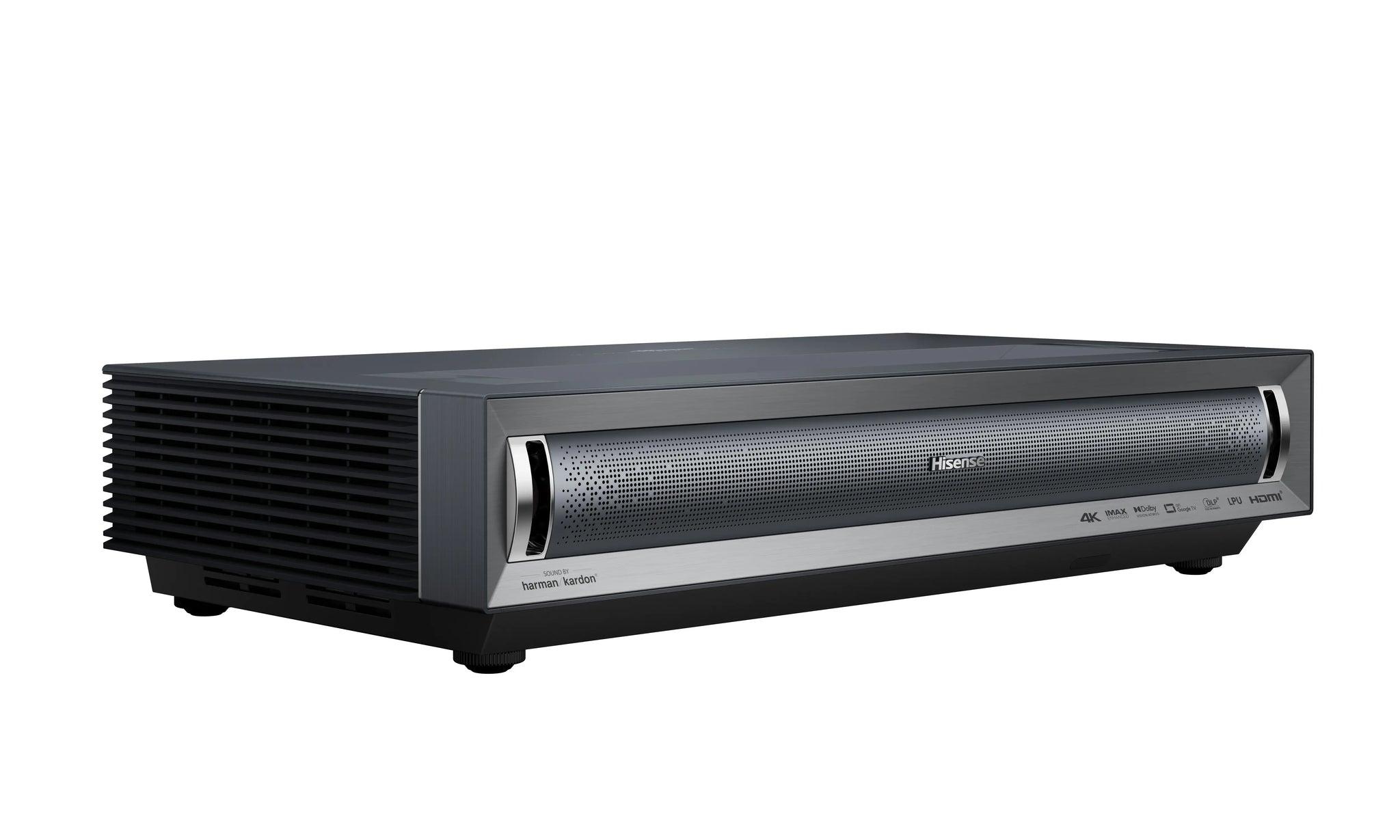
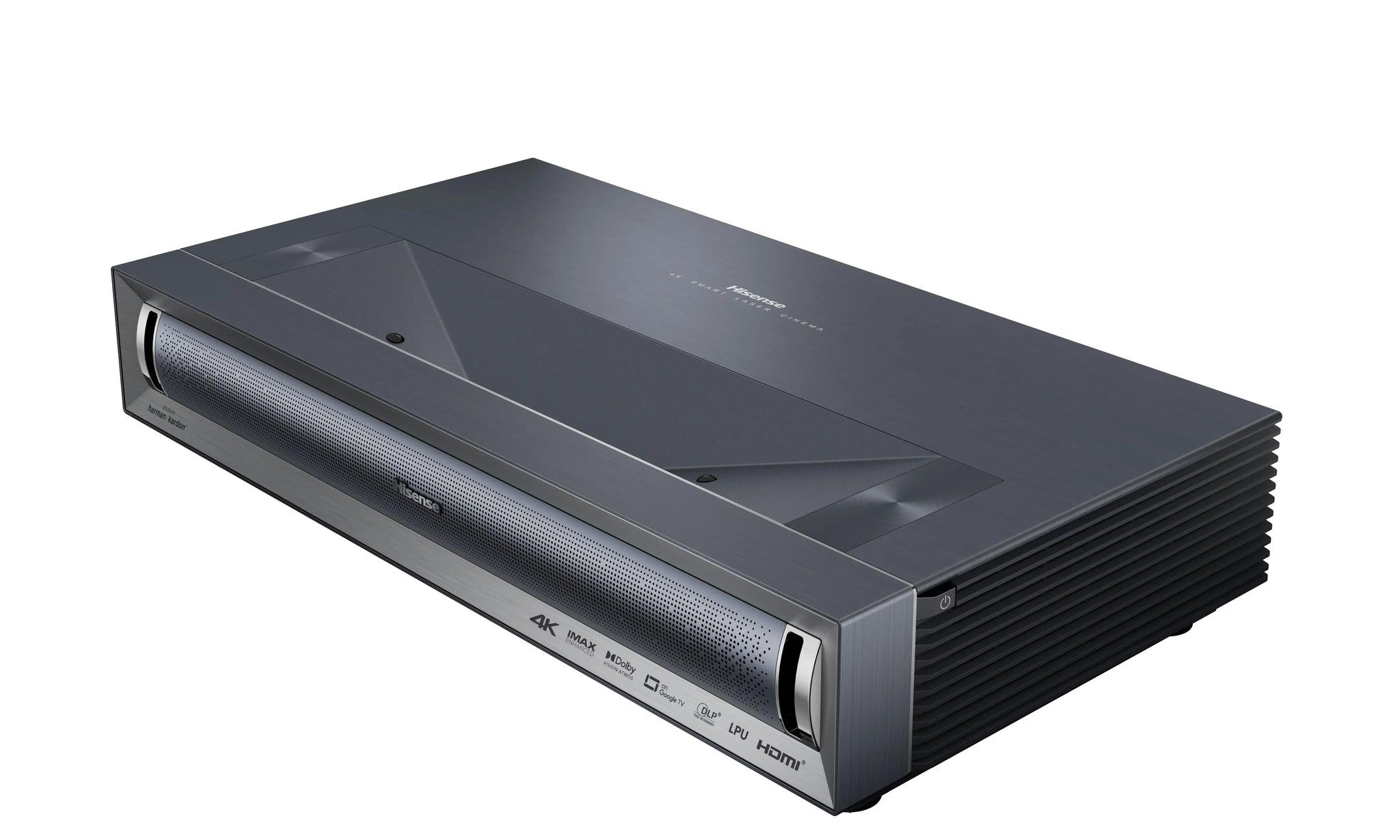
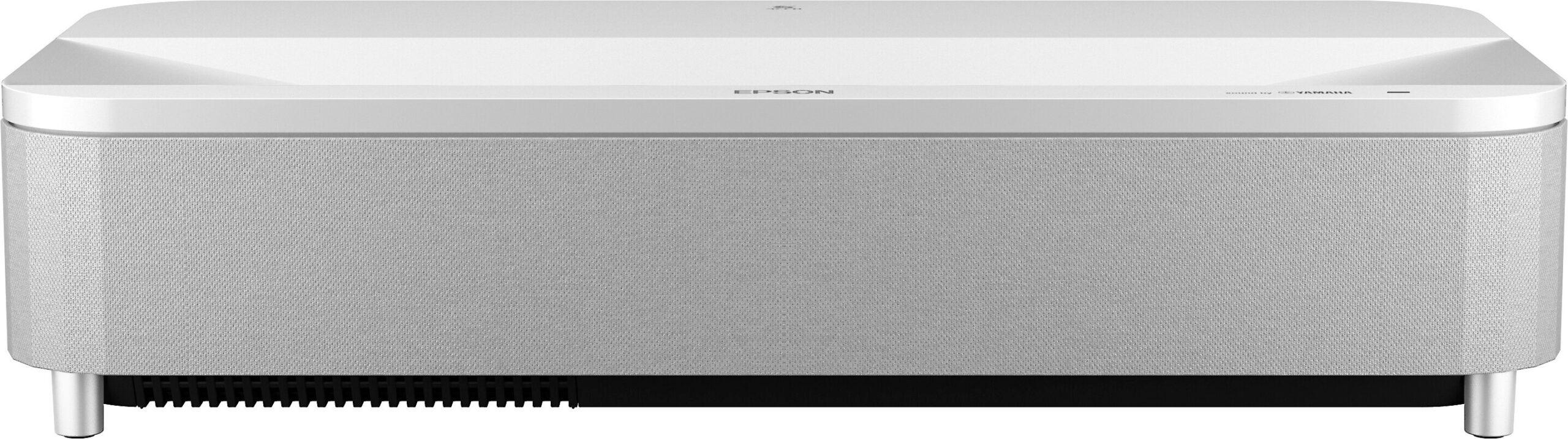
Two standout models have caught our attention: the Hisense PX3-PRO and the Epson EpiqVision Ultra LS800. Both released around 2022-2023, these projectors represent different approaches to achieving 4K home theater excellence. At the time of writing, they're priced competitively in the premium UST segment, with the Hisense PX3-PRO typically running a few hundred dollars less than the Epson LS800.
Before diving into the comparison, it's essential to understand the key technologies that differentiate these projectors. Both use laser light sources instead of traditional bulbs, which means they turn on instantly, last much longer (20,000+ hours), and maintain consistent brightness over their lifetime. However, they take fundamentally different approaches to creating the image.
The Hisense PX3-PRO uses what's called RGB triple-laser technology combined with a DLP (Digital Light Processing) chip. Think of DLP as millions of tiny mirrors that flip incredibly fast to create the image. The RGB laser means it uses separate red, green, and blue lasers to create every color you see on screen, similar to how your smartphone display works but with laser light instead of LEDs.
The Epson LS800 uses 3LCD technology with a single laser light source. Instead of separate colored lasers, it uses one blue laser that gets converted into other colors through phosphor materials. The 3LCD system then splits this light into red, green, and blue channels using separate LCD panels for each color before combining them into the final image.
Both projectors achieve 4K resolution through pixel-shifting technology rather than native 4K chips. This means they start with a lower resolution chip (1080p) and rapidly shift the pixels to create additional detail that approximates true 4K. While this sounds like a compromise, modern pixel-shifting has become sophisticated enough that the results are visually indistinguishable from native 4K for most content.
When it comes to UST projectors, brightness isn't just about having a vivid image—it's about usability. Unlike traditional projectors that work best in dark rooms, UST models are designed for living room environments where you can't always control the lighting.
The Epson LS800 delivers 4,000 ANSI lumens, which puts it among the brightest consumer projectors available. ANSI lumens is the standardized measurement that tells you how much light the projector actually puts on your screen, not just how much light the laser produces. This exceptional brightness means you can watch content comfortably even with windows open during the day or with room lights on.
The Hisense PX3-PRO produces 3,000 ANSI lumens, which is still impressive but represents about 25% less light output. In practical terms, this means it performs excellently in controlled lighting but may struggle more than the Epson in very bright rooms. However, 3,000 lumens is still bright enough for most home environments, especially if you can close curtains or dim lights slightly.
From our research into user experiences, the brightness difference becomes most apparent during sports viewing or daytime movie watching. The Epson LS800 maintains excellent image quality even with significant ambient light, while the Hisense PX3-PRO benefits from some light control for optimal performance.
This is where the fundamental technology differences create dramatically different experiences. The Hisense PX3-PRO's RGB triple-laser system represents the current pinnacle of projector color technology. By using separate red, green, and blue lasers, it can reproduce colors that single-laser systems simply cannot match.
The specifications tell the story: the Hisense PX3-PRO covers 110% of the BT.2020 color space, which is the standard for premium HDR content. BT.2020 represents the full range of colors that your eyes can distinguish in premium movie and TV content. When a projector exceeds 100% coverage, it means it can display colors even more saturated than what content creators intended, providing exceptional pop and vibrancy.
The Epson LS800 delivers excellent color performance through its 3LCD system, but it cannot match the color gamut breadth of true RGB lasers. However, Epson's strength lies in color accuracy and natural reproduction. The 3LCD technology ensures that colors appear smooth and realistic, without the occasional color separation artifacts that can affect single-chip DLP projectors with color wheels.
For HDR content, this difference becomes particularly important. HDR (High Dynamic Range) relies on both bright highlights and wide color gamuts to create realistic images. The Hisense PX3-PRO supports both HDR10+ and Dolby Vision, two competing HDR standards, and its laser system can actually reproduce the wide colors these formats demand. The Epson LS800 supports HDR content but may not display the full intended color range.
Contrast ratio—the difference between the brightest whites and darkest blacks—arguably matters more than resolution or color for perceived image quality. This is where projector technology gets complex because there are different ways to measure and achieve contrast.
The Hisense PX3-PRO achieves a native contrast ratio of 3,000:1, meaning its whites are 3,000 times brighter than its blacks without any electronic processing. This is impressive for a projector, especially considering most LCD TVs manage similar native contrast ratios. The DLP chip technology combined with laser light source enables it to produce genuinely deep blacks that make movies feel cinematic.
The Epson LS800 claims a dynamic contrast ratio exceeding 2,500,000:1, which sounds dramatically better but uses different measurement techniques. Dynamic contrast involves the projector automatically adjusting its light output based on scene content—dimming for dark scenes and brightening for light scenes. While this can improve perceived contrast, it's not the same as native contrast performance.
In practical viewing, the Hisense PX3-PRO tends to produce deeper, more convincing blacks, especially important for movie watching in darker rooms. The Epson LS800 compensates with its superior brightness, which can make images appear more dynamic in bright rooms even if the blacks aren't quite as deep.
Modern gaming has specific requirements that traditional home theater equipment often overlooks. Input lag—the delay between when your controller sends a signal and when the action appears on screen—can mean the difference between victory and defeat in competitive games. Equally important is support for the latest console features like 4K gaming at 120 frames per second.
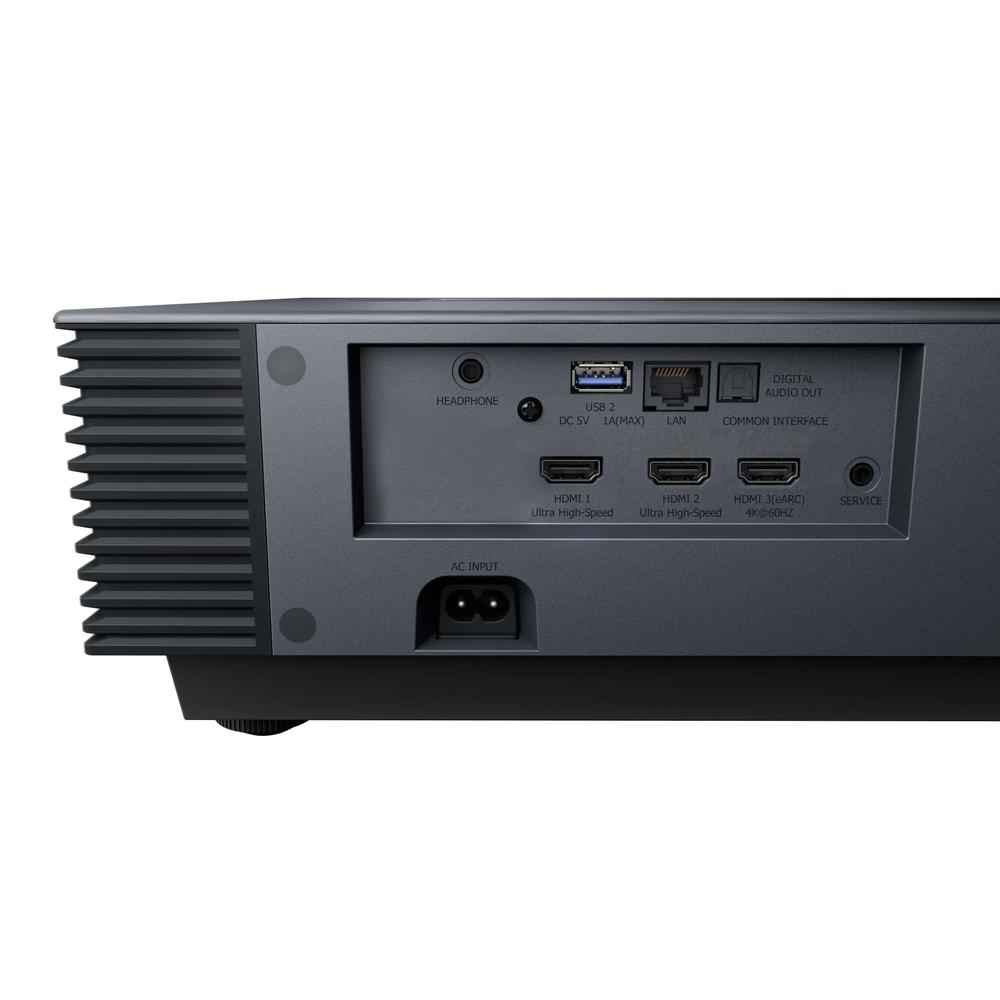
The Hisense PX3-PRO clearly leads in gaming features. It includes two full HDMI 2.1 ports capable of handling 4K signals at 120Hz, which means PlayStation 5 and Xbox Series X owners can experience games at their maximum capability. HDMI 2.1 also supports Variable Refresh Rate (VRR) and Auto Low Latency Mode (ALLM), which automatically optimize the projector for gaming when it detects game consoles.
The Epson LS800 focuses more on input lag reduction, achieving an impressive 16.7 milliseconds in its gaming mode. However, it lacks HDMI 2.1 support, limiting gaming to 4K at 60Hz maximum. For many games, this isn't a limitation, but it means you can't take full advantage of the latest console capabilities.
The gaming advantage extends beyond just specifications. The Hisense PX3-PRO's superior contrast helps with visibility in dark gaming environments, while its wider color gamut makes games with vibrant art styles more impressive. However, the Epson LS800's exceptional brightness can be beneficial for gaming in bright rooms or for multiplayer sessions where you can't darken the environment.
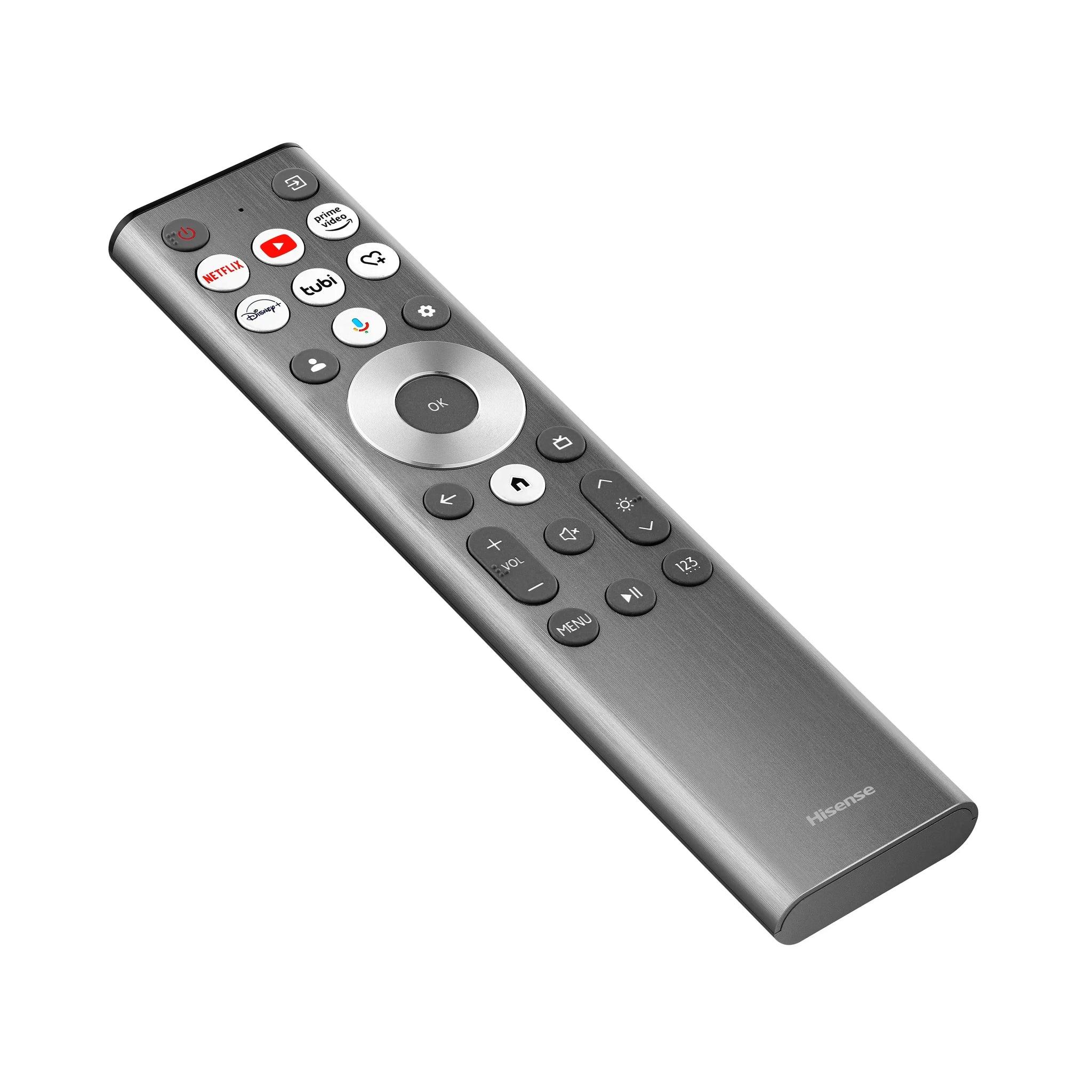
Both projectors include smart platforms that eliminate the need for external streaming devices, but they take different approaches. The Hisense PX3-PRO runs Google TV, which is Google's latest smart platform that combines the best aspects of Android TV with improved recommendations and interface design. Crucially, it includes official Netflix app support, which many projectors lack due to Netflix's strict hardware requirements.
The Epson LS800 uses Android TV 11, which is more basic than Google TV but still provides access to most major streaming services. However, like many projectors, it lacks official Netflix support, requiring users to cast content from phones or use external devices for full streaming access.
Google TV's advantage extends beyond app availability. Its interface learns your viewing habits and provides personalized recommendations across different streaming services. The voice search functionality works well for finding content, and the overall experience feels more like using a smart TV than a projector.
Most projector manufacturers treat audio as an afterthought, but these models take sound seriously. The Hisense PX3-PRO includes a 50-watt Harman Kardon sound system with Dolby Atmos support. Dolby Atmos creates three-dimensional sound that moves around and above you, providing a more immersive experience than traditional stereo audio.
The Epson LS800 features a 20-watt Yamaha 2.1 system with two full-range speakers and a dedicated subwoofer. While less powerful than the Hisense system, it's well-balanced and provides surprisingly good sound for casual viewing.
For serious home theater use, most enthusiasts will eventually add external audio systems. However, the quality of built-in speakers affects day-to-day usability and determines whether you need external speakers immediately or can wait for future upgrades.
UST projectors promise easy installation, but some models deliver on this better than others. The Hisense PX3-PRO includes motorized focus and automatic keystone correction, which means it can automatically adjust the image geometry and sharpness after placement. This significantly simplifies setup, especially if you occasionally need to move the projector for cleaning or room reconfiguration.
The Epson LS800 requires more manual adjustment but includes lens shift capabilities that allow for more flexible placement. Lens shift lets you move the projected image up, down, or sideways without moving the projector itself, which can be valuable in rooms with furniture or mounting constraints.
Both projectors work best with specialized ambient light rejecting (ALR) screens, which cost additional money but dramatically improve performance in bright rooms. These screens reject light coming from ceiling fixtures and windows while reflecting the projector's light back to viewers.
At the time of writing, the Hisense PX3-PRO typically costs several hundred dollars less than the Epson LS800 while offering arguably superior features for most users. The price difference becomes more significant when you consider that the Hisense includes more advanced gaming features, better color performance, and superior smart platform integration.
However, value extends beyond initial purchase price. Both projectors use laser light sources rated for 20,000+ hours of operation, which translates to over a decade of typical use. Neither requires expensive bulb replacements like traditional projectors. Epson's longer market presence provides more established service networks and parts availability, while Hisense represents newer technology that may have longer support lifecycles.
The Hisense PX3-PRO's HDMI 2.1 support makes it more future-proof for gaming and emerging content formats. As more streaming services begin offering 4K content at higher frame rates, this capability becomes increasingly valuable.
The decision between these projectors ultimately depends on your specific environment and priorities. The Epson LS800 makes sense if you have a very bright room that cannot be darkened effectively. Its exceptional 4,000-lumen output overcomes ambient light challenges that would compromise other projectors. It's also the better choice if you prioritize established brand reliability over cutting-edge features.
Choose the Hisense PX3-PRO if you want the most complete package for the money. Its superior color performance, gaming features, smart platform integration, and audio quality provide better overall value for most users. The slightly lower brightness isn't a significant compromise unless your room has exceptional ambient light challenges.
For dedicated home theater rooms where lighting can be controlled, the Hisense PX3-PRO delivers a more cinematic experience with deeper blacks and more accurate colors. For family rooms where the projector needs to compete with windows and overhead lighting, the Epson LS800 provides more consistent performance across different lighting conditions.
Gaming enthusiasts should strongly favor the Hisense PX3-PRO for its HDMI 2.1 support and gaming-optimized features. Content creators or anyone working with color-critical material will appreciate the RGB laser's superior color accuracy. Casual viewers who primarily watch streaming content and broadcast television may find the Epson LS800's brightness and reliability more valuable than the Hisense's advanced features.
Both projectors represent excellent values in the premium UST category, but they serve different priorities. The Hisense PX3-PRO pushes technological boundaries while maintaining competitive pricing, making it our pick for most buyers seeking the best overall experience.
| Hisense PX3-PRO | Epson EpiqVision Ultra LS800 |
|---|---|
| Brightness - Most critical spec for daytime viewing and bright rooms | |
| 3,000 ANSI lumens (excellent for most rooms, may need some light control) | 4,000 ANSI lumens (exceptional brightness, works well in very bright environments) |
| Laser Technology - Determines color accuracy and image quality | |
| RGB Triple Laser (separate red, green, blue lasers for superior color) | Single Blue Laser with Phosphor (good color, more economical design) |
| Color Gamut Coverage - How vivid and accurate colors appear | |
| 110% BT.2020 (industry-leading color range for HDR content) | Standard color gamut (good but not exceptional color range) |
| Resolution Technology - Image sharpness and detail | |
| 4K via DLP chip with 4-way pixel shifting | 4K PRO-UHD via 3LCD with pixel enhancement |
| Contrast Ratio - Difference between brightest whites and darkest blacks | |
| 3,000:1 native contrast (excellent deep blacks) | 2,500,000:1 dynamic contrast (brightness adjusts by scene) |
| Gaming Features - Support for modern consoles and competitive gaming | |
| HDMI 2.1 support for 4K/120Hz gaming, VRR, ALLM | 16.7ms input lag, limited to 4K/60Hz maximum |
| HDR Support - Enhanced contrast and color for premium content | |
| HDR10+, Dolby Vision, IMAX Enhanced certification | HDR10, HLG (basic HDR support) |
| Smart Platform - Built-in streaming and app ecosystem | |
| Google TV with official Netflix support | Android TV 11 without Netflix app |
| Audio System - Built-in speaker quality | |
| 50W Harman Kardon with Dolby Atmos | 20W Yamaha 2.1 system with subwoofer |
| HDMI Connectivity - Ports for gaming consoles and devices | |
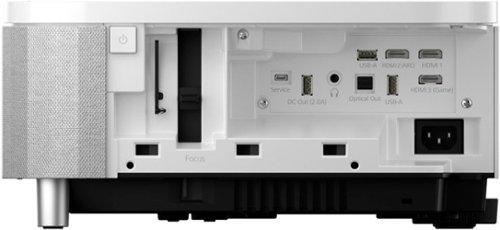
| 3 HDMI ports (2x HDMI 2.1, 1x HDMI 2.0 with eARC) | 3 HDMI 2.0 ports (1 with ARC support) |
| Setup Features - Ease of installation and adjustment | |
| Motorized focus, auto keystone correction | Manual focus, lens shift capability |
| Laser Life - Long-term reliability and maintenance | |
| 25,000 hours (approximately 12+ years of typical use) | 20,000 hours (approximately 10+ years of typical use) |
The Epson EpiqVision Ultra LS800 is significantly brighter at 4,000 ANSI lumens compared to the Hisense PX3-PRO at 3,000 ANSI lumens. This 33% brightness advantage makes the Epson LS800 better for rooms with lots of windows or ambient light, while the Hisense PX3-PRO works excellently in most home environments with some light control.
The Hisense PX3-PRO delivers superior color performance with its RGB triple-laser technology, covering 110% of the BT.2020 color space for exceptionally vibrant and accurate colors. The Epson LS800 provides good color reproduction through its 3LCD system but cannot match the wide color gamut of the Hisense PX3-PRO's laser technology.
The Hisense PX3-PRO is the clear winner for gaming with two HDMI 2.1 ports supporting 4K/120Hz gaming for PlayStation 5 and Xbox Series X. The Epson LS800 offers lower input lag at 16.7ms but is limited to 4K/60Hz gaming due to its HDMI 2.0 ports.
Only the Hisense PX3-PRO includes official Netflix app support through its Google TV platform. The Epson LS800 runs Android TV but lacks the Netflix app, requiring users to cast from mobile devices or use external streaming devices for Netflix access.
The Hisense PX3-PRO features superior audio with 50-watt Harman Kardon speakers and Dolby Atmos support for immersive sound. The Epson LS800 includes a 20-watt Yamaha 2.1 system with a subwoofer, which is decent but less powerful than the Hisense PX3-PRO's audio system.
The Hisense PX3-PRO achieves better native contrast with deeper blacks thanks to its DLP technology and 3,000:1 contrast ratio. While the Epson LS800 claims higher dynamic contrast ratios, the Hisense PX3-PRO delivers more convincing black levels for movie watching in darker rooms.
The Hisense PX3-PRO offers easier setup with motorized focus and automatic keystone correction that adjusts the image automatically. The Epson LS800 requires more manual adjustment but provides lens shift capability for flexible placement in challenging room layouts.
The Hisense PX3-PRO supports more HDR formats including HDR10+, Dolby Vision, and is IMAX Enhanced certified for premium content. The Epson LS800 supports basic HDR10 and HLG formats but lacks the advanced HDR capabilities of the Hisense PX3-PRO.
The Hisense PX3-PRO typically offers better value with superior gaming features, color accuracy, smart platform integration, and audio quality at a lower price point. The Epson LS800 provides exceptional brightness that may justify its higher cost for very bright room environments.
For dedicated home theater rooms, the Hisense PX3-PRO excels with superior color accuracy, deeper blacks, Dolby Vision support, and better audio. The Epson LS800 works better in multi-purpose family rooms where maximum brightness is needed to compete with ambient light.
The Hisense PX3-PRO laser is rated for 25,000 hours while the Epson LS800 laser lasts 20,000 hours. Both provide over a decade of typical use without requiring expensive bulb replacements like traditional projectors.
The Hisense PX3-PRO offers more advanced connectivity with two HDMI 2.1 ports plus one HDMI 2.0 port with eARC support, USB ports, and LAN connectivity. The Epson LS800 provides three HDMI 2.0 ports with one ARC port but lacks the advanced HDMI 2.1 features of the Hisense PX3-PRO.
We've done our best to create useful and informative comparisons to help you decide what product to buy. Our research uses advanced automated methods to create this comparison and perfection is not possible - please contact us for corrections or questions. These are the sites we've researched in the creation of this article: shop.hisense-usa.com - avsforum.com - youtube.com - projectorcentral.com - avsforum.com - youtube.com - projectorreviews.com - avsforum.com - projectorcentral.com - en.heimkinowelten.de - dreamediaav.com - techradar.com - danamic.org - projectorscreen.com - projectorcentral.com - epson.com - dreamediaav.com - dell.com - rtings.com - avsforum.com - audiogeneral.com - news.epson.com - projectorcentral.com

Privacy Policy
Terms and Conditions - Affiliate Policy
Home Security
© Copyright 2008-2026.
11816 Inwood Rd #1211, Dallas, TX 75244