

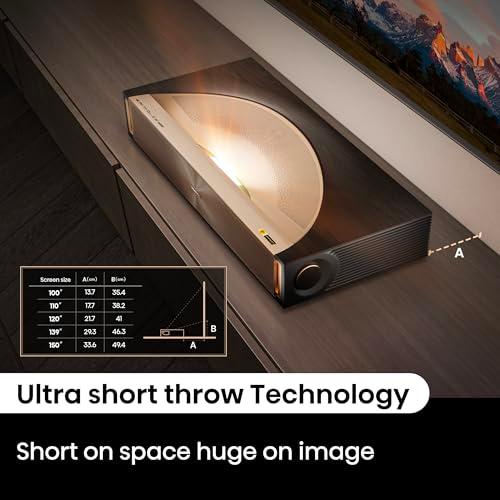
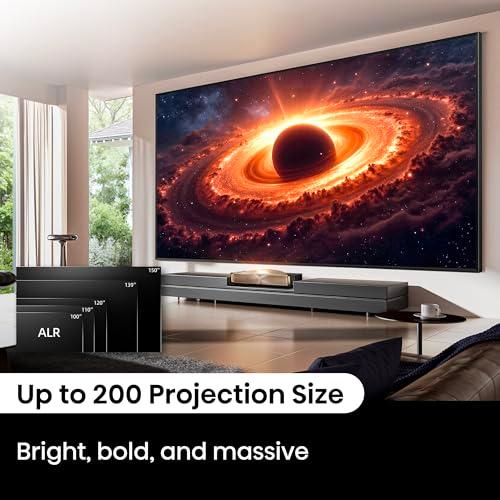
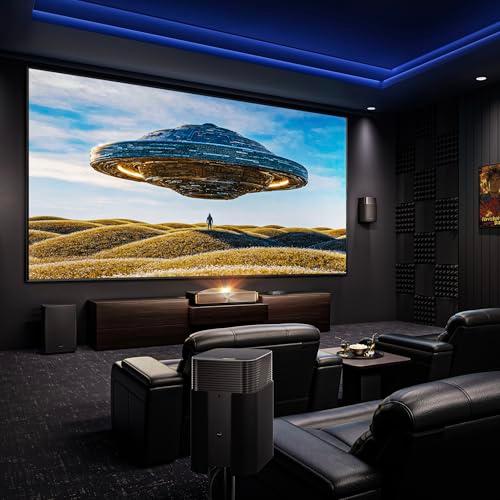


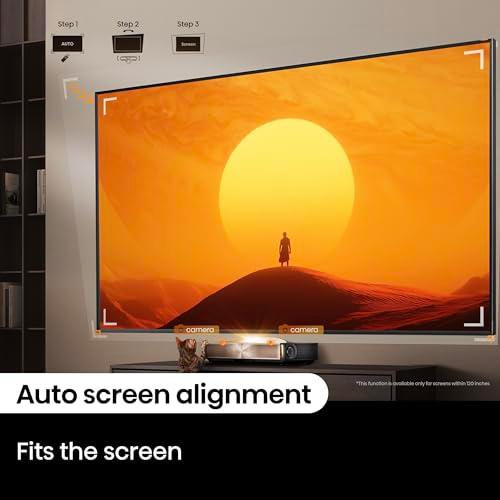
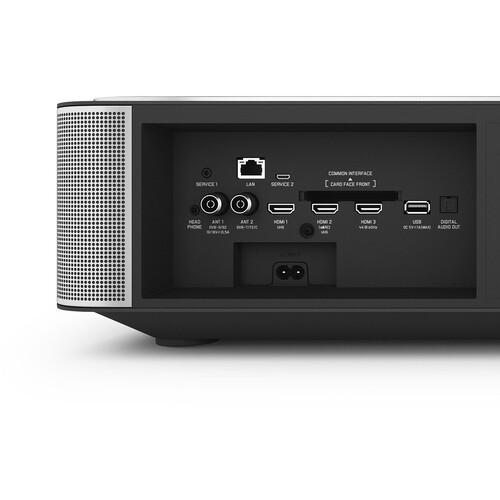
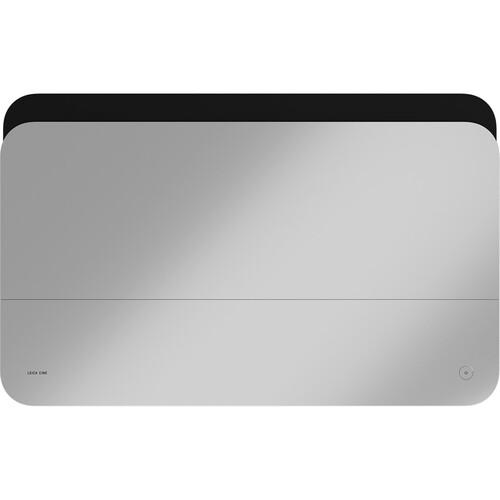
Ultra short throw projectors have completely changed how we think about home theater setups. Instead of mounting a projector on your ceiling and running cables across the room, these clever devices sit just inches from your wall and beam massive images—we're talking 100 to 200 inches—using complex mirrors and specialized lenses. It's like having a giant TV that takes up almost no space.
The category has exploded in recent years, with manufacturers pushing brightness levels and color accuracy to compete directly with large TVs. But here's the thing: not all ultra short throw (UST) projectors are created equal, and the differences matter more than you might think.
Today we're diving deep into two fascinating approaches to premium UST projection: the Hisense L9Q and the Leica Cine 1. These projectors represent completely different philosophies—one prioritizing raw performance and versatility, the other focusing on optical perfection and luxury craftsmanship. At the time of writing, they're both positioned in the premium segment, though the Leica commands a significantly higher price for what amounts to repackaged older technology with premium enhancements.
Before we compare these specific models, let's talk about what really matters in a UST projector. The biggest challenge these devices face is the extreme angle at which they project images. Traditional projectors shoot light straight ahead, but UST projectors fire light upward at a steep angle, bouncing it off mirrors to hit your wall or screen. This creates some unique engineering challenges.
Brightness is absolutely critical because ambient light is the enemy of projector image quality. Unlike a TV that generates its own light, projectors reflect light off surfaces, so room lighting washes out the image. The brighter your projector, the better it performs in normal living room conditions.
Optical quality becomes even more important with UST designs because of those complex light paths. Getting sharp focus across the entire image—especially at the edges—is genuinely difficult. Many UST projectors suffer from corner softness or focus uniformity issues that would be unacceptable in other display technologies.
Color accuracy matters because many laser projectors tend to oversaturate colors, particularly reds. This can make skin tones look unnatural or cause eye fatigue during long viewing sessions.
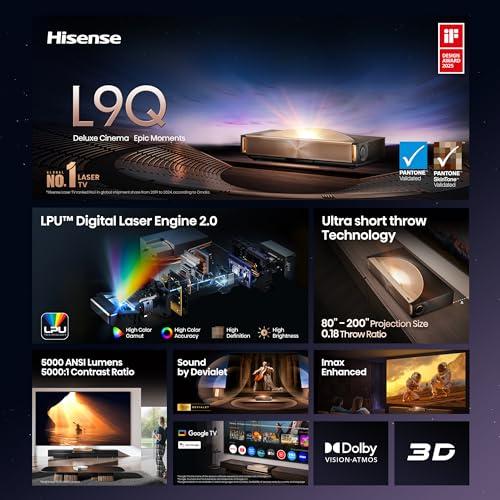
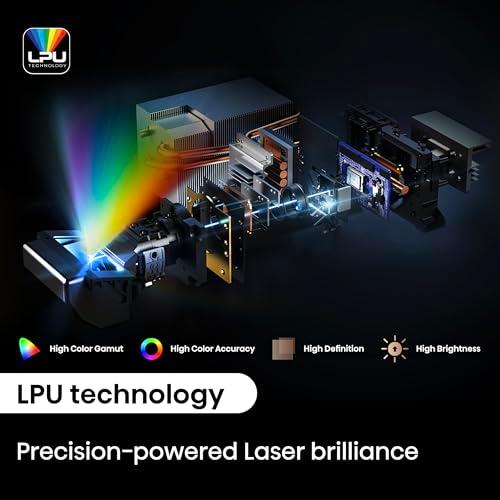
The Hisense L9Q, released in 2025, represents Hisense's latest flagship technology. It's built around their new LPU Digital Laser Engine 2.0 and prioritizes maximum brightness and versatility. Think of it as the Swiss Army knife approach—designed to excel in various room conditions and use cases.
The Leica Cine 1, launched in 2023, takes a completely different path. It's essentially Hisense's 2022 L9G platform that Leica acquired and enhanced with their legendary optical expertise. Rather than chasing the highest specifications, Leica focused on image quality and premium construction. It's the precision instrument approach.
This generational difference is important. Since 2022, we've seen significant improvements in laser projector technology, including better color processing, higher brightness capabilities, and more sophisticated smart features. The L9Q benefits from these advances, while the Leica Cine 1 represents refined 2022-era technology.
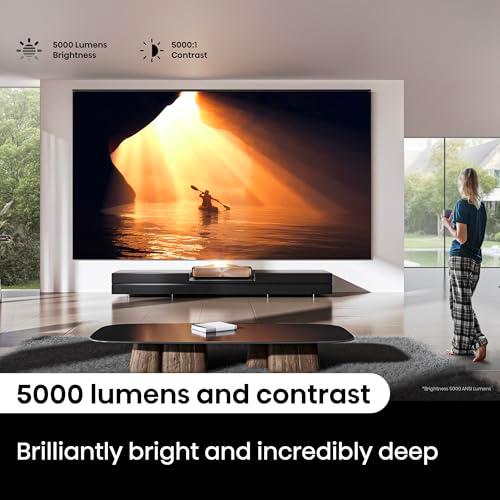
Let's start with the most dramatic difference: brightness. The Hisense L9Q produces 5,000 ANSI lumens, while the Leica Cine 1 manages about 2,500 ANSI lumens in real-world testing (despite claims of 3,000). That's literally double the light output.
ANSI lumens measure the actual light that reaches your screen across multiple points, giving you a realistic picture of projector performance. This isn't just a numbers game—this brightness difference transforms how and when you can use these projectors.
With the L9Q, you can watch movies on a sunny Saturday afternoon with windows open and still get a satisfying image. The projector has enough brightness headroom to overcome ambient light that would completely wash out dimmer projectors. This makes it genuinely competitive with large TVs in family room environments.
The Leica Cine 1, while still capable, really shines in controlled lighting conditions. It's more of a dedicated theater room projector that rewards you with exceptional image quality when you can manage the environment. In a dark room, the difference in brightness becomes less critical, but in mixed lighting, the L9Q's advantage is impossible to ignore.
The L9Q also achieves a 5,000:1 contrast ratio compared to the Leica's 1,000:1. Contrast ratio measures the difference between the brightest whites and darkest blacks a display can produce. Higher contrast creates more dramatic, lifelike images with better depth perception.
Here's where the Leica Cine 1 shows why it commands a premium price. The Summicron lens system, with its four aspherical elements manufactured to Leica's exacting standards, delivers what reviewers consistently describe as the sharpest UST image they've seen.
Aspherical lens elements are specially shaped glass pieces that help correct distortion and maintain focus across the entire image. Most projector lenses use simpler spherical elements that create compromises, especially at image edges. Leica's approach eliminates much of the corner softness that plagues other UST projectors.
The difference is immediately visible when comparing images side-by-side. The Leica Cine 1 maintains crisp detail from center to edge, while the L9Q, like most UST projectors, shows some softness in the corners. For critical viewers who notice these details, the Leica's optical superiority justifies its premium positioning.
Chromatic aberration—color fringing around high-contrast edges—is also significantly reduced in the Leica. This technical improvement makes text sharper and reduces visual artifacts that can be distracting during content consumption.
The L9Q offers more installation flexibility with its 0.18:1 throw ratio compared to the Leica's 0.25:1. Throw ratio tells you how far from the wall the projector needs to sit for a given screen size. The L9Q can create a 100-inch image from just 5.4 inches away, while the Leica needs about 10 inches of clearance. This difference can determine whether a projector fits your room layout.
The Hisense L9Q supports screen sizes from 80 to 200 inches, making it incredibly versatile. Moving to a new house? Different room? No problem—just adjust the projector position and you're ready to go. This flexibility is genuinely valuable for most consumers who might change their setup over time.
The Leica Cine 1 takes the opposite approach, offering fixed-focus versions optimized for either 100-inch or 120-inch screens. This might seem limiting, but there's a technical rationale: by optimizing the entire optical system for one specific size, Leica achieves better performance than a variable-focus design could match.
If you're absolutely certain about your screen size and won't change it, the Leica's approach delivers superior results. But for most people, the L9Q's flexibility is more practical and future-proof.
Both projectors use RGB triple-laser technology, which means they have separate red, green, and blue laser light sources instead of the traditional lamp-and-color-wheel setup. This eliminates the rainbow effect (brief flashes of color that some people see with single-chip DLP projectors) and enables wider color gamuts.
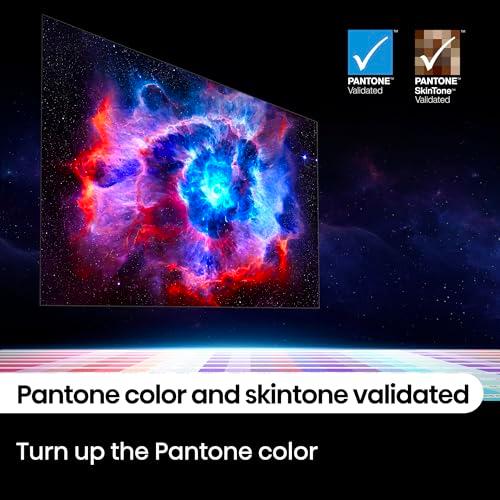
Color gamut describes how many colors a display can reproduce. Both projectors achieve approximately 110% of the BT.2020 color space, which is the standard for high-dynamic-range content. This wide color gamut means more vivid, lifelike colors than standard displays can produce.
However, having a wide color gamut doesn't automatically mean accurate colors. Many triple-laser projectors oversaturate content, particularly reds, making skin tones look unnatural. The Leica Cine 1 includes Leica Image Optimization (LIO), which specifically addresses these oversaturation issues and delivers more natural color reproduction.
Based on professional calibration testing, neither projector is particularly accurate out of the box—both benefit from professional calibration to achieve truly accurate colors. But the Leica shows better color control and more natural-looking images in its default modes.
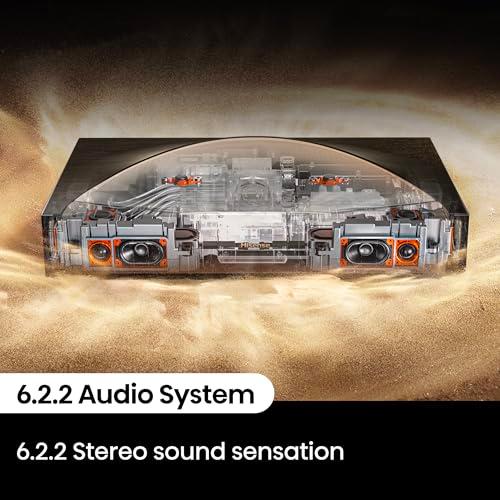
This is where the Hisense L9Q shows its premium positioning. The integrated 6.2.2-channel sound system, developed in partnership with French audio company Devialet, is genuinely impressive. It includes dedicated subwoofers, up-firing speakers for Dolby Atmos effects, and sophisticated audio processing.
The ".2" in 6.2.2 refers to the subwoofers, while the final "2" indicates height channels for three-dimensional audio effects. This system can genuinely fill a room with immersive sound that matches the large-screen experience.
The Leica Cine 1 includes Dolby Atmos capability but doesn't specify the same level of sophisticated multi-channel configuration. While adequate, it doesn't match the L9Q's audio ambitions.
For many people, having excellent built-in audio eliminates the need for a separate sound system, simplifying setup and reducing costs. The L9Q's audio system could easily replace a mid-range soundbar.
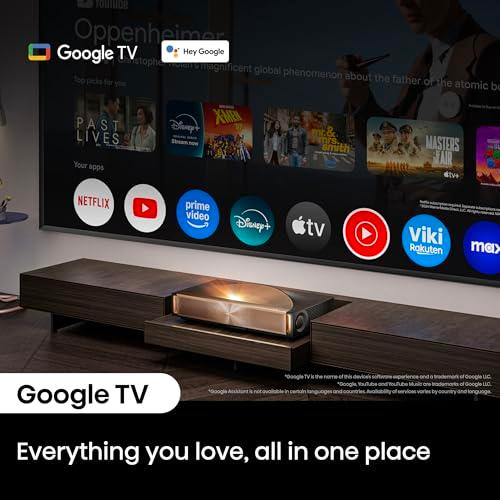
Both projectors run Google TV, providing access to Netflix, Disney+, YouTube, and other streaming services without external devices. However, the L9Q includes more advanced features like AI-powered picture enhancement that automatically optimizes image quality in real-time.
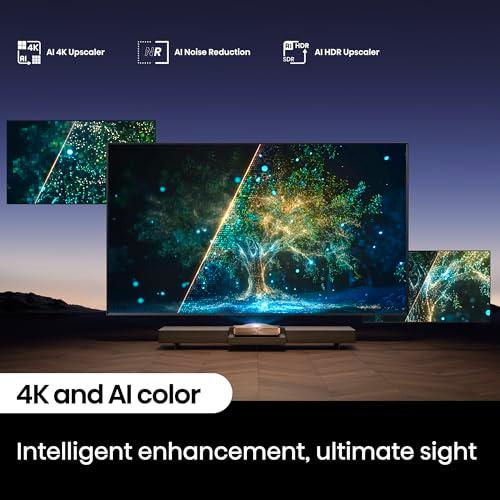
This AI processing upscales lower-resolution content, reduces noise, and optimizes HDR (high dynamic range) performance. HDR content has greater contrast between light and dark areas, creating more realistic images, but it requires careful processing to display properly.
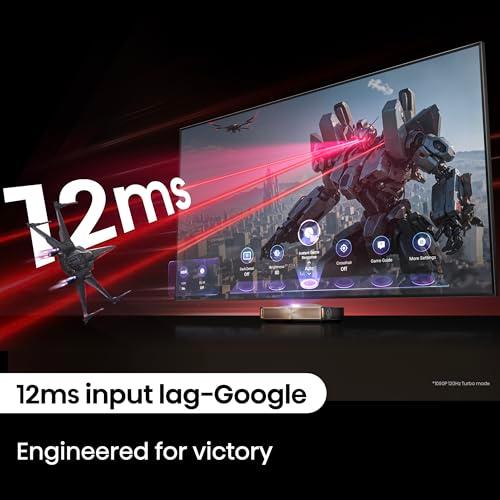
For gaming, the L9Q offers dedicated Game Mode with 12ms input lag. Input lag measures the delay between when you press a controller button and see the result on screen. For competitive gaming, lower is better, and 12ms is quite good for a projector.
The Leica Cine 1, being based on older platform technology, lacks these gaming optimizations and advanced processing features.
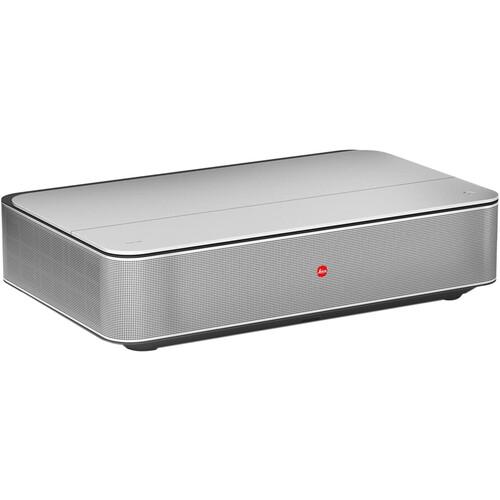
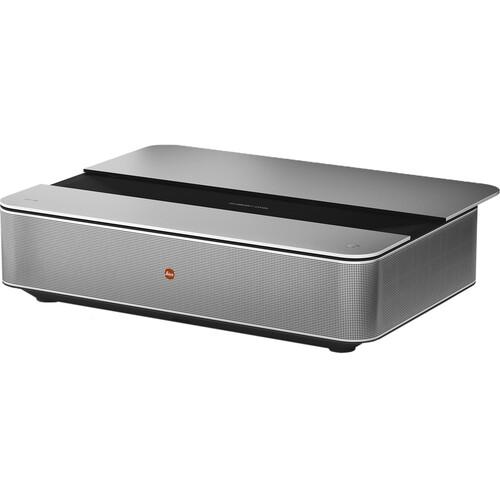
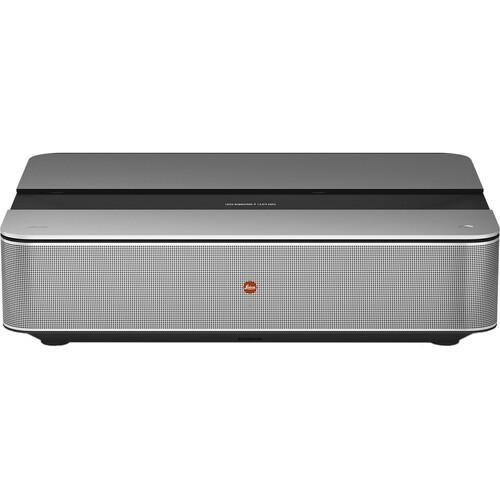
The Leica Cine 1 is undeniably gorgeous. The aluminum construction, motorized dust cover that automatically retracts when powered on, and precision-crafted details create an premium aesthetic that doubles as room décor. At 33 pounds, it feels substantial and well-engineered.
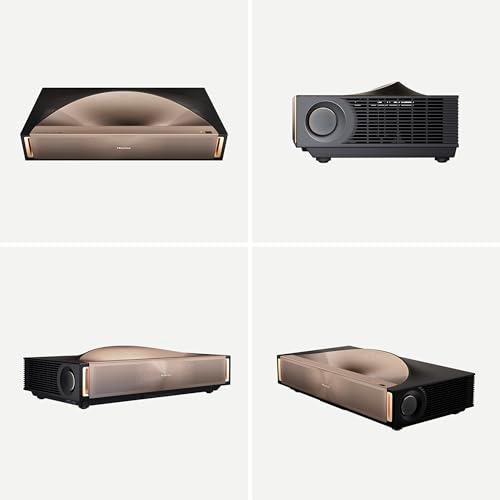
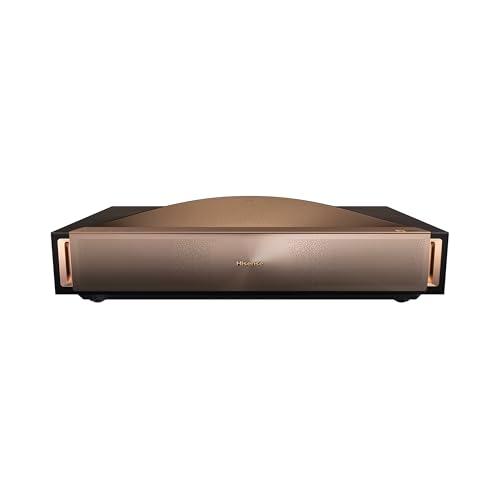
The L9Q takes a more modern approach with its Imperial Copper Gilt finish and diamond-cut detailing. It won an iF Design Award, recognizing its aesthetic achievement, but prioritizes contemporary luxury over classical elegance.
Both are attractive enough to display prominently in living spaces, though they represent different design philosophies—classical precision versus modern performance.
For dedicated home theater rooms with controlled lighting, the Leica Cine 1 makes a compelling case. Its superior optical quality creates the sharpest, most detailed image available from a UST projector. In a dark room, the brightness difference becomes less critical, while the optical advantages remain obvious.
However, most people don't have dedicated theater rooms. They want to watch content in family rooms, living rooms, or multipurpose spaces with variable lighting. In these real-world conditions, the L9Q's brightness advantage is transformative, making it practical for everyday use rather than just special occasions.
The L9Q's screen size flexibility also matters for home theater applications. Being able to adjust from 80 to 200 inches means you can optimize for your room size and viewing distance, while the Leica locks you into a specific configuration.
The Hisense L9Q is the clear choice for most people. Its combination of extreme brightness, versatile screen sizing, premium audio, and modern features makes it genuinely competitive with large TVs while offering much bigger screen sizes. At the time of writing, it provides better value by delivering cutting-edge 2025 technology at a more accessible price point.
Choose the L9Q if you want maximum brightness for daytime viewing, need screen size flexibility, value integrated premium audio, or prefer the latest technology and features. It's the practical choice that works in real-world living spaces.
The Leica Cine 1 serves a different market. It's for enthusiasts who prioritize optical perfection over raw specifications, have dedicated viewing spaces with controlled lighting, and value luxury construction and brand prestige. The premium price reflects genuine optical superiority and craftsmanship, but you're paying significantly more for what amounts to refined 2022-era technology.
Choose the Leica if image sharpness is your top priority, you have a dedicated theater room, you're committed to a specific screen size, and the premium price aligns with your budget and priorities.
The fundamental question is whether you prioritize versatility and modern performance (L9Q) or optical precision and luxury construction (Leica). For most home theater applications, the L9Q offers better overall value and more practical everyday performance, while the Leica Cine 1 delivers the ultimate image quality for those who can take full advantage of its strengths.
Both represent excellent approaches to UST projection, just optimized for different priorities and use cases. Your choice should align with your room conditions, viewing habits, and what aspects of the experience matter most to you.
| Hisense L9Q Triple Laser Ultra Short Throw Projector | Leica Cine 1 120" 4K Ultra Short Throw Laser Projector |
|---|---|
| Brightness - Critical for daytime viewing and bright rooms | |
| 5,000 ANSI lumens (exceptional for any lighting condition) | 2,500 ANSI lumens (requires controlled lighting for best results) |
| Optical Quality - Determines image sharpness and focus uniformity | |
| Good overall with some corner softness typical of UST projectors | Superior Summicron lens with excellent edge-to-edge sharpness |
| Screen Size Range - Flexibility for different rooms and future changes | |
| 80-200 inches (highly versatile, adjustable focus) | 100" or 120" only (fixed-focus versions, optimized for specific size) |
| Throw Ratio - Distance needed from wall to projector | |
| 0.18:1 (100" image from 5.4" away, very space-efficient) | 0.25:1 (100" image from ~10" away, requires more clearance) |
| Technology Generation - Impact on features and future-proofing | |
| 2025 flagship with latest LPU Digital Laser Engine 2.0 | 2023 model based on 2022 Hisense L9G platform technology |
| Audio System - Built-in sound quality and features | |
| 116W 6.2.2-channel Devialet system with Dolby Atmos | Standard Dolby Atmos integration, less sophisticated setup |
| Color Performance - Accuracy and vibrancy of displayed colors | |
| 110% BT.2020 color space, requires calibration for accuracy | 110% BT.2020 with Leica Image Optimization for more natural colors |
| Contrast Ratio - Difference between brightest whites and darkest blacks | |
| 5,000:1 native contrast (excellent depth and dimensionality) | 1,000:1 native contrast (adequate but less dramatic) |
| Gaming Performance - Input lag and gaming-specific features | |
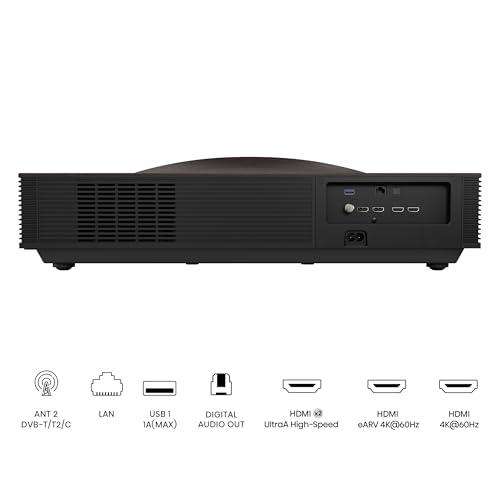
| 12ms input lag with dedicated Game Mode, HDMI 2.1 | Standard HDMI 2.1, no specific gaming optimizations mentioned |
| Smart Features - Built-in streaming and AI enhancements | |
| Google TV with AI picture enhancement and Auto Screen Fit | Google TV with standard features, no advanced AI processing |
| Build Quality - Construction materials and design aesthetics | |
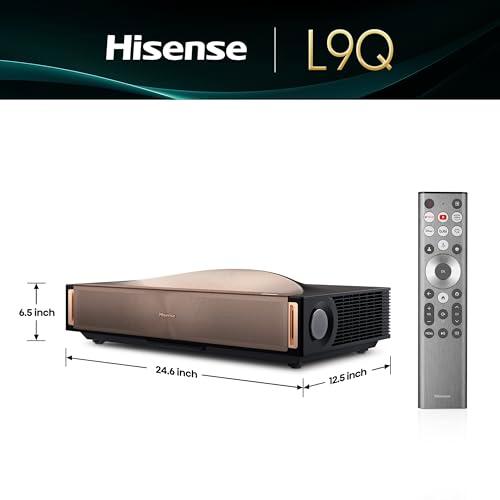
| Modern luxury design with Imperial Copper Gilt finish, 28.4 lbs | Premium aluminum construction with motorized dust cover, 33.3 lbs |
| Value Positioning - Performance per dollar at time of writing | |
| Excellent value for cutting-edge 2025 technology and versatility | Premium price for superior optics and luxury construction |
The Hisense L9Q is significantly brighter at 5,000 ANSI lumens compared to the Leica Cine 1 at 2,500 ANSI lumens. This means the L9Q can handle bright rooms and daytime viewing much better, while the Leica Cine 1 performs best in controlled lighting conditions.
The Leica Cine 1 has superior optical quality with its Summicron lens system, delivering sharper images and better edge-to-edge focus. However, the Hisense L9Q offers better overall performance with higher brightness and contrast (5,000:1 vs 1,000:1), making images more vibrant in typical home environments.
The Hisense L9Q supports screen sizes from 80-200 inches with adjustable focus, making it highly versatile for different rooms. The Leica Cine 1 comes in fixed-focus versions for either 100" or 120" screens, optimized for that specific size but lacking flexibility.
The Hisense L9Q has a 0.18:1 throw ratio, projecting a 100" image from just 5.4 inches away. The Leica Cine 1 has a 0.25:1 throw ratio, requiring about 10 inches of clearance for the same screen size. The L9Q is more space-efficient.
The Hisense L9Q features a superior 116W 6.2.2-channel audio system developed with Devialet, including subwoofers and Dolby Atmos support. The Leica Cine 1 has standard Dolby Atmos integration but lacks the sophisticated multi-channel setup of the L9Q.
The Hisense L9Q is better for gaming with its dedicated Game Mode offering 12ms input lag and HDMI 2.1 support. The Leica Cine 1 has HDMI 2.1 connectivity but lacks specific gaming optimizations, making the L9Q the clear choice for gamers.
The Hisense L9Q uses 2025 flagship technology with the latest LPU Digital Laser Engine 2.0 and AI-powered features. The Leica Cine 1 is based on 2022 Hisense L9G platform technology, making it less future-proof despite its premium enhancements.
Both the Hisense L9Q and Leica Cine 1 achieve 110% BT.2020 color space coverage using triple-laser technology. However, the Leica Cine 1 includes Leica Image Optimization for more natural color reproduction, while the L9Q may require calibration for optimal accuracy.
For dedicated home theaters with controlled lighting, the Leica Cine 1 excels with superior optical quality and sharpness. For multipurpose rooms or family spaces, the Hisense L9Q is better due to its higher brightness and versatility in various lighting conditions.
Both the Hisense L9Q and Leica Cine 1 run Google TV for streaming services. However, the L9Q includes advanced features like AI-powered picture enhancement and Auto Screen Fit technology, while the Leica Cine 1 offers standard smart TV functionality.
The Hisense L9Q generally offers better value with cutting-edge 2025 technology, higher brightness, screen size flexibility, and premium audio at a lower price point. The Leica Cine 1 commands a premium for superior optical quality and luxury construction but uses older platform technology.
The Leica Cine 1 features premium aluminum construction with a motorized dust cover and classical luxury aesthetics. The Hisense L9Q has modern luxury design with Imperial Copper Gilt finish and won an iF Design Award. Both are well-built, but the Leica emphasizes traditional luxury while the L9Q focuses on contemporary design.
We've done our best to create useful and informative comparisons to help you decide what product to buy. Our research uses advanced automated methods to create this comparison and perfection is not possible - please contact us for corrections or questions. These are the sites we've researched in the creation of this article: chrismajestic.com - shop.hisense-usa.com - tomsguide.com - valueelectronics.com - techradar.com - whathifi.com - youtube.com - projectorscreen.com - projectorscreen.com - hisense-usa.com - youtube.com - projectorcentral.com - youtube.com - hisense-usa.com - manuals.plus - shop.avispl.com - hisense-usa.com - projectorcentral.com - projectorreviews.com - leicacamerausa.com - projectorreviews.com - whathifi.com - leicacamerausa.com - bhphotovideo.com - projectorcentral.com - projectorscreen.com - crutchfield.com - leicarumors.com - projectorscreen.com

Privacy Policy
Terms and Conditions - Affiliate Policy
Home Security
© Copyright 2008-2026.
11816 Inwood Rd #1211, Dallas, TX 75244