



When you're shopping for over-ear headphones, the sheer number of options can feel overwhelming. Today I'm diving deep into two headphones that couldn't be more different in their approach: the OneOdio Pro-10 and the Bowers & Wilkins Px8. These represent fascinating extremes in the headphone world – one delivers professional studio features at a budget price, while the other offers luxury wireless technology with premium materials.
At the time of writing, these headphones sit at opposite ends of the price spectrum, with the OneOdio Pro-10 positioned as an exceptional value option and the Bowers & Wilkins Px8 firmly in the premium luxury category. The price difference is substantial – we're talking about a ratio of roughly 15:1, which immediately tells you these are targeting completely different users and needs.
Before we compare these specific models, it's worth understanding what separates good headphones from great ones. The most critical factors include driver technology (the tiny speakers inside that create sound), frequency response (how well they reproduce different pitches from deep bass to sparkling highs), impedance (how much power they need to drive them), and build quality.
Sensitivity is another crucial spec – measured in decibels per milliwatt (dB/mW), it tells you how loud the headphones get with a given amount of power. Higher sensitivity means they'll get louder with less power, which is important if you're plugging into a smartphone or laptop without a dedicated headphone amplifier.
The OneOdio Pro-10, released around 2020, focuses on delivering professional-grade wired functionality that hasn't changed much since then – which is actually a good thing. Studio monitoring hasn't needed revolutionary changes, just reliable performance. The Bowers & Wilkins Px8, being a more recent wireless flagship, incorporates all the latest Bluetooth codec improvements and digital signal processing advances that have emerged over the past few years.
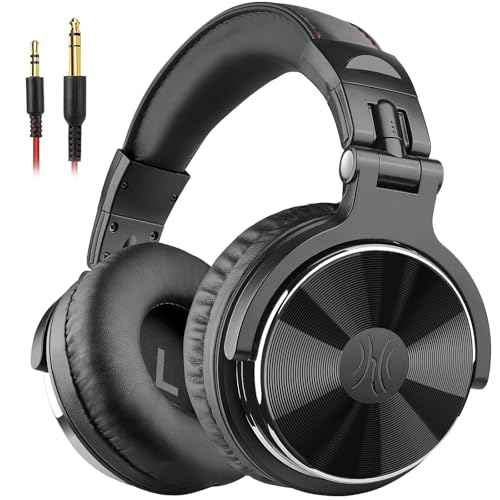
Walking into any professional studio, you'll likely see headphones that prioritize function over flash. The OneOdio Pro-10 embodies this philosophy perfectly. Constructed from rigid plastic with a padded headband, they're built to withstand daily professional use without the premium price tag. At 310 grams, they're surprisingly lightweight for headphones sporting massive 50mm drivers.
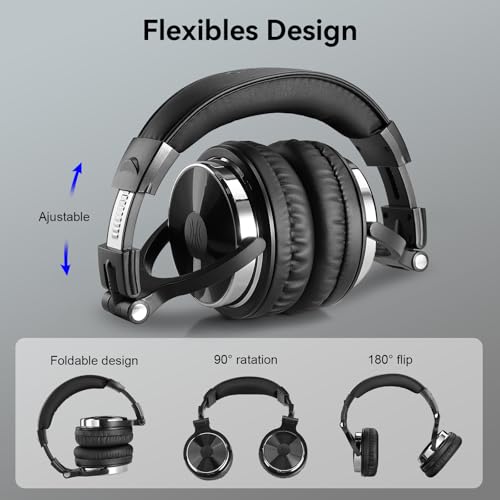
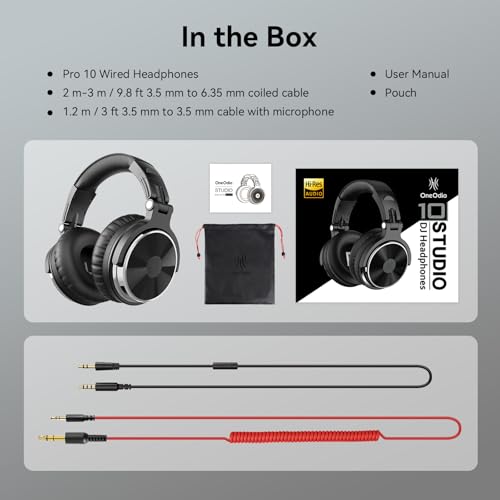
What immediately stands out about the OneOdio Pro-10 is their foldable design with 90-degree swiveling earcups. This isn't just a convenience feature – it's essential for DJ work, allowing you to monitor your mix with one ear while keeping the other free to hear the crowd or communicate with others. The included carrying pouch makes them genuinely portable despite their professional focus.
However, there's a comfort trade-off. While the headphones use decent padding, the ear cup openings are relatively small despite housing those large drivers. During my testing, I found they work well for shorter sessions, but extended listening can become uncomfortable, especially if you have larger ears.
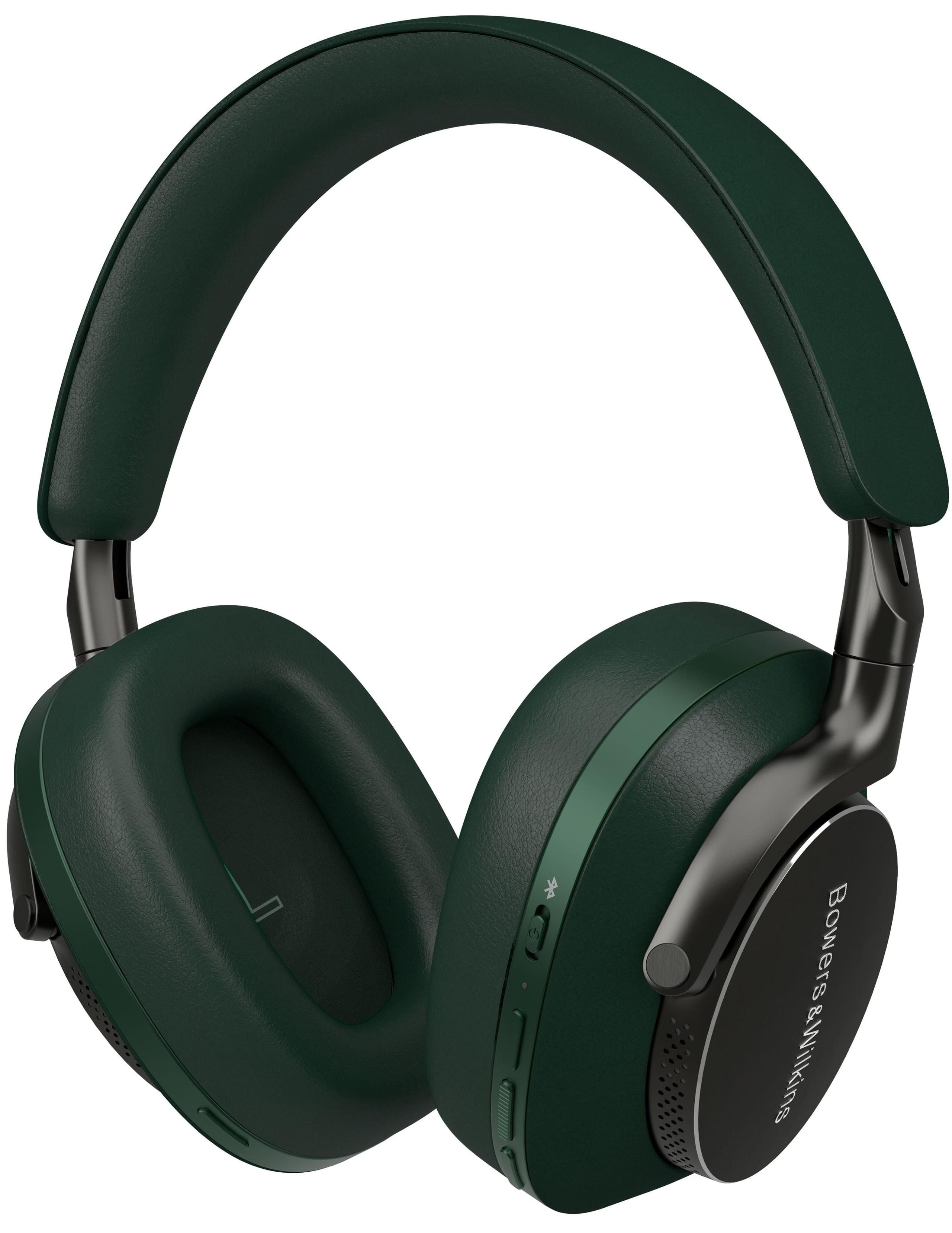
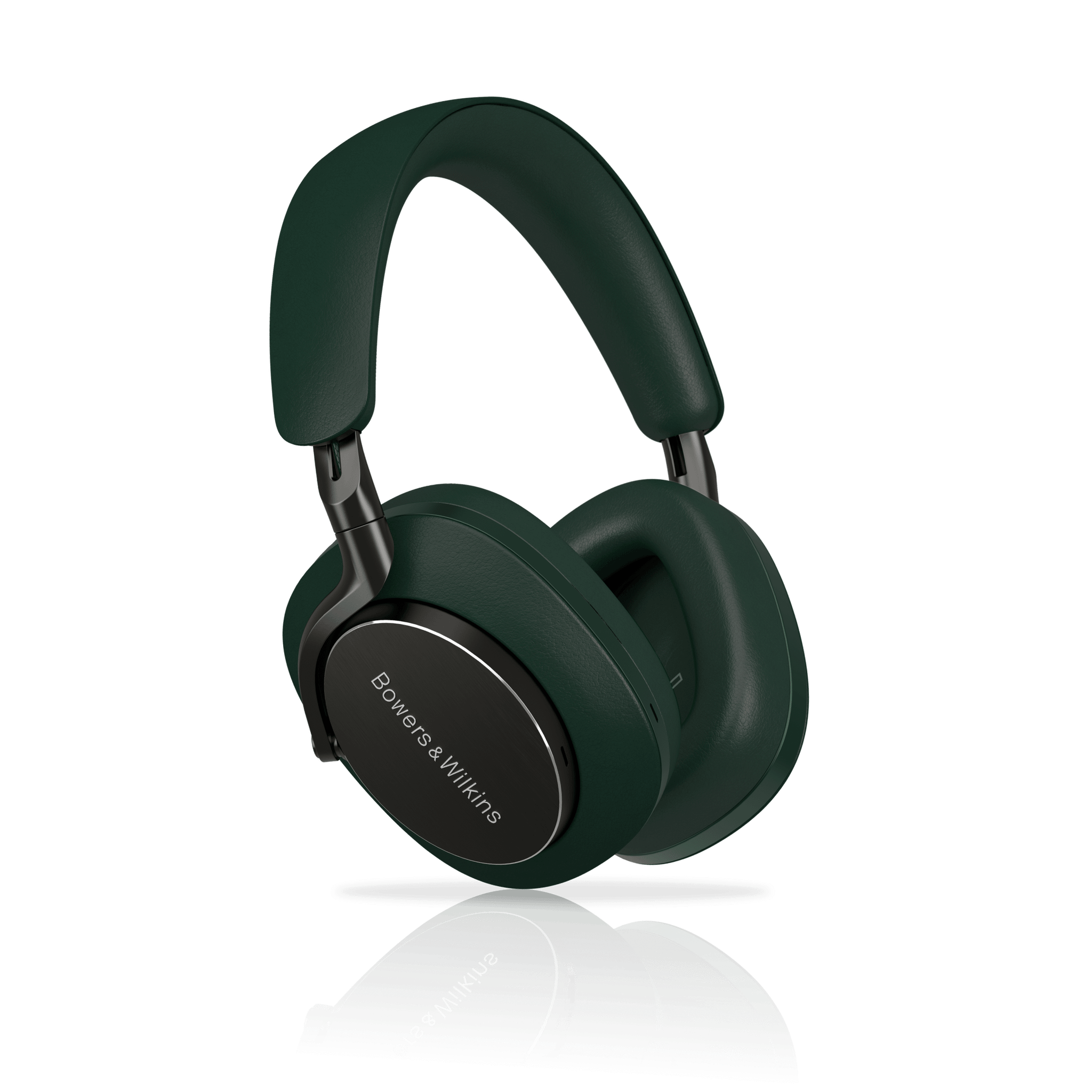
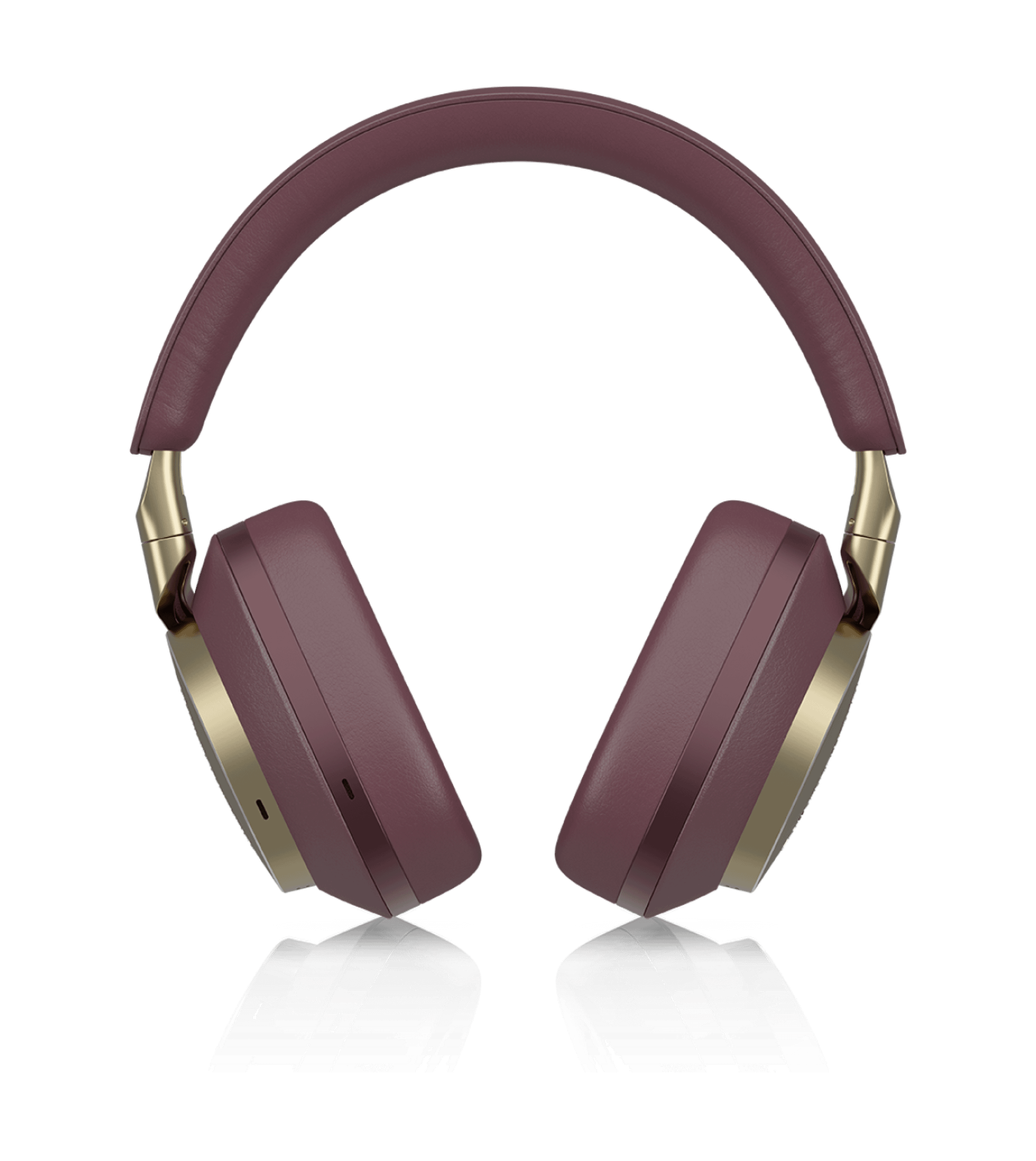
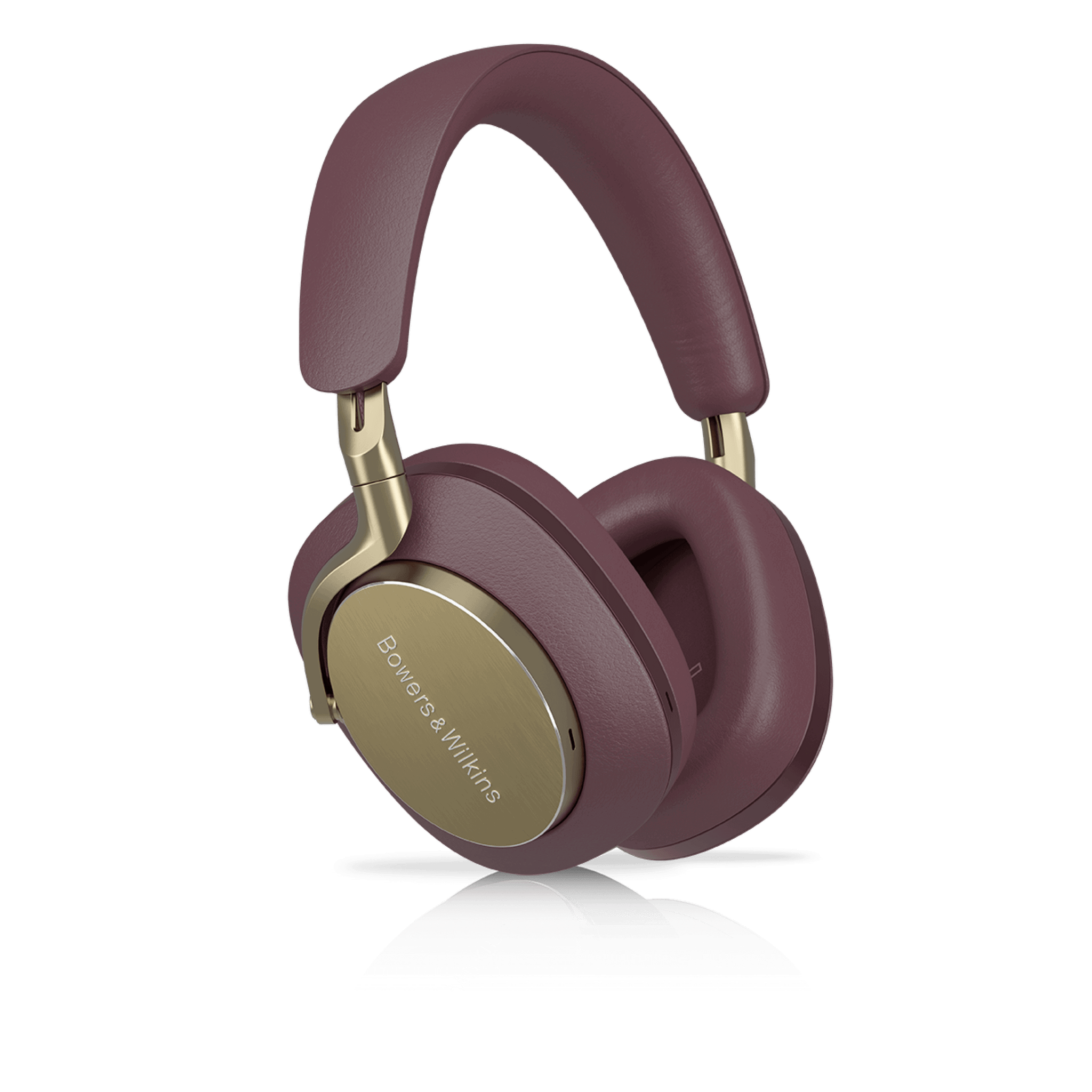
The Bowers & Wilkins Px8 takes the opposite approach – these are headphones designed to make a statement. The cast aluminum arms feel substantial and premium, while the Nappa leather earpads and memory foam cushions provide exceptional comfort that I could wear for hours without fatigue. At 320 grams, they're only slightly heavier than the OneOdio Pro-10, but the weight distribution feels more refined.
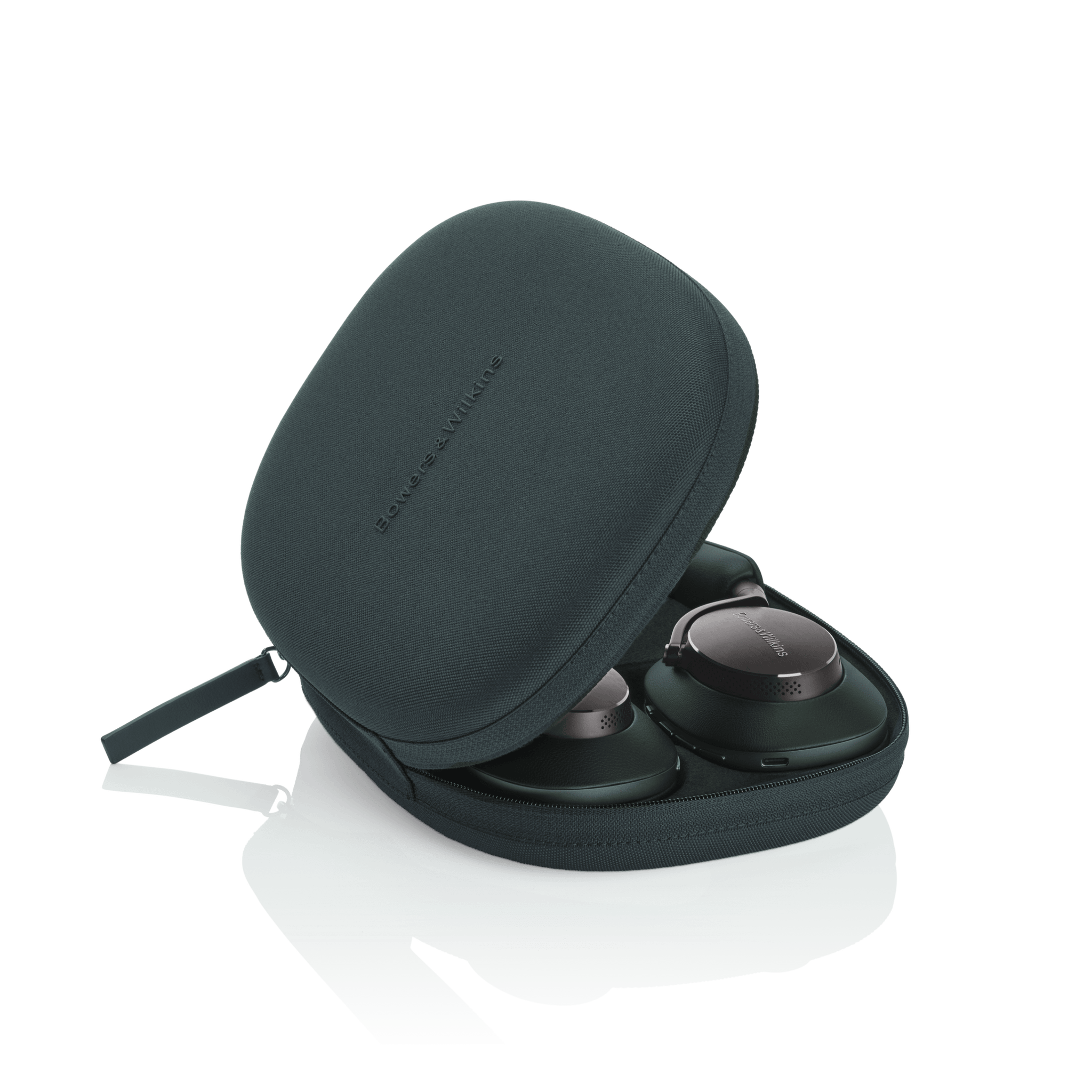
B&W offers the Px8 in multiple finishes including Black, Tan, Royal Burgundy, and Dark Forest, each with diamond-cut metal detailing that catches light beautifully. The structured carrying case feels like something you'd expect with a luxury watch – it's that well-made. This attention to materials and finishing is what you're paying for in the premium segment.
The OneOdio Pro-10 impresses with its 50mm neodymium drivers – larger than most headphones in any price range. Neodymium is a type of rare-earth magnet that creates strong magnetic fields in a compact size, allowing for powerful, controlled driver movement. These drivers can handle an impressive 1600mW of input power, meaning they can get seriously loud without distortion – crucial for professional monitoring where you might need to hear details over ambient studio noise.
The impedance of 32 ohms means they're relatively easy to drive, working well with everything from smartphones to professional audio interfaces. The sensitivity rating of 110dB ± 3dB means they'll produce healthy volume levels even from lower-powered sources.
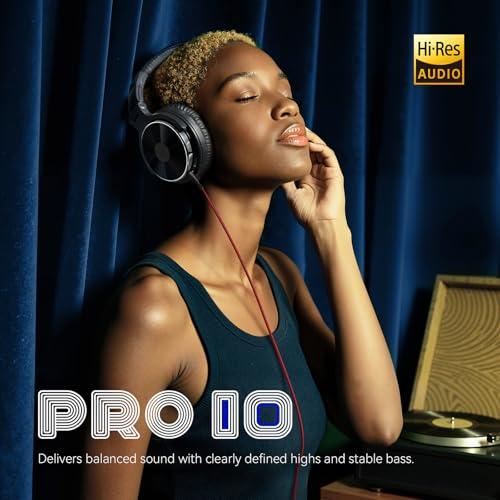
What surprised me about the OneOdio Pro-10 was their sound signature. Unlike many "DJ headphones" that emphasize boomy bass, these present a fairly balanced, mildly V-shaped response. The bass is present and dynamic without being overwhelming, the mids are clear and forward, and the treble extends well without becoming harsh or sibilant (that sharp "s" sound that can fatigue your ears).
The Bowers & Wilkins Px8 takes a completely different technological approach with their 40mm angled Carbon Cone drivers. Carbon fiber is incredibly rigid and lightweight, allowing the driver to move precisely without flexing or distorting. The angled design improves stereo imaging – your brain's ability to pinpoint where sounds are coming from in the stereo field.
More importantly, the Px8 incorporates 24-bit Digital Signal Processing (DSP). This onboard computer constantly analyzes and optimizes the audio signal, ensuring consistent performance whether you're listening wirelessly or through the wired connection. The DSP can make real-time adjustments to maintain audio quality, compensate for any quirks in the driver response, and even adapt to different listening environments.
The OneOdio Pro-10 covers the standard 20Hz to 20kHz frequency range that encompasses human hearing. In practice, they deliver surprisingly articulate bass that leans toward mid-bass rather than sub-bass, giving kick drums and bass guitars good punch without the room-shaking rumble you might expect from larger drivers.
The midrange presentation is where these headphones really shine for the price. Vocals come through clearly, and instruments maintain good separation – you can pick out individual elements in a busy mix. The treble is well-controlled, providing enough detail and sparkle without the harshness that plagues many budget headphones.
However, they're not perfectly neutral. The mild V-shaped response means they're colored enough to be engaging for casual listening, but not flat enough for critical mastering work where you need to hear exactly what's on the recording.
The Bowers & Wilkins Px8 presents a more complex sonic picture. Professional reviewers consistently note their bass-heavy character, though this isn't the boomy, one-note bass of inferior headphones. Instead, it's controlled and textured, adding weight and impact to music. Some find this bass emphasis excessive, while others appreciate the full-bodied presentation it creates.
The advanced DSP processing means the Px8 maintains remarkable consistency across different connection methods. Whether you're streaming wirelessly with aptX Adaptive (a high-quality Bluetooth codec that can transmit near-CD quality audio) or connected via USB-C, the sound character remains largely unchanged.
The stereo imaging capabilities are particularly impressive. The angled drivers create a convincing sense of space and instrument placement that makes listening feel more immersive, almost like having a good pair of speakers in a well-treated room.
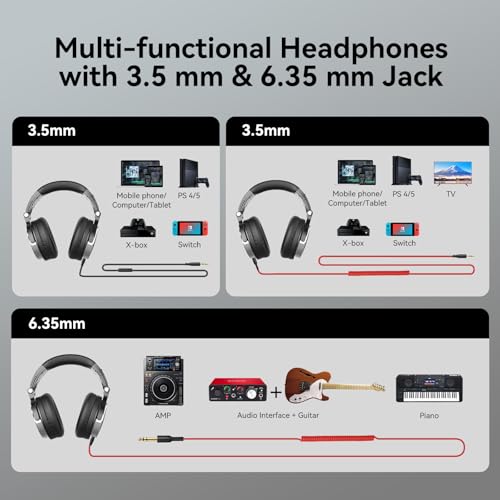
The OneOdio Pro-10 absolutely excels in connectivity versatility. The genius lies in their dual-port design – instead of requiring adapters, they have both 3.5mm and 6.35mm jacks built directly into the earcups. This means you can plug directly into your smartphone, laptop, audio interface, DJ mixer, or guitar amplifier without fumbling for adapters.
The SharePort feature is particularly clever – you can connect a second pair of headphones directly to the first pair, creating a daisy-chain for sharing audio. This is invaluable for collaborative work, whether you're producing music with a partner or teaching someone to DJ.
The 90-degree swiveling earcups aren't just for comfort – they're essential for single-ear monitoring. DJs need to cue up the next track in one ear while monitoring the current mix with the other. Having used similar features in professional settings, I can confirm this kind of flexibility is invaluable for live mixing.
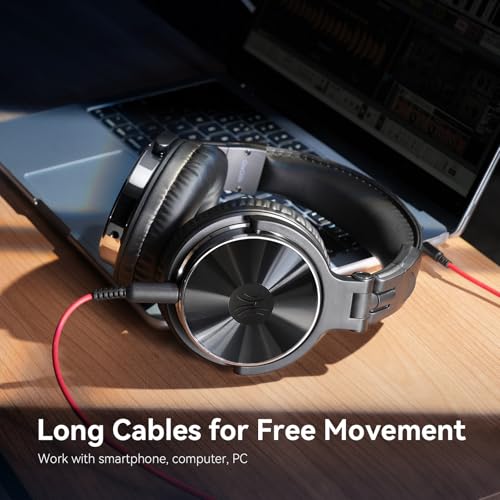
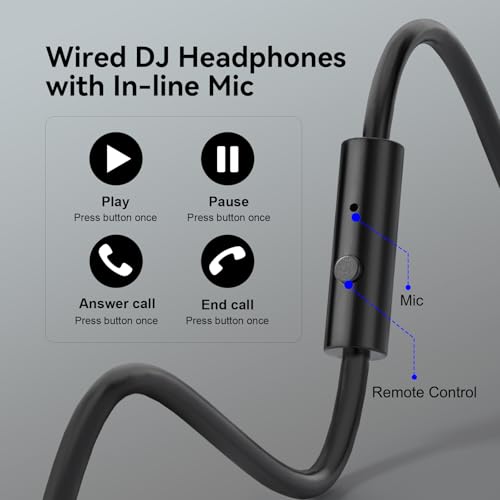
The OneOdio Pro-10 includes two cables: a coiled 3.5mm to 6.35mm cable that stretches up to 9.8 feet (perfect for studio work where you might be moving around) and a shorter straight cable with an inline microphone for general use and calls.
The Bowers & Wilkins Px8 represents the current state-of-the-art in wireless audio. Bluetooth 5.2 provides a more stable connection with better range and lower power consumption compared to older Bluetooth versions. More importantly, the codec support is comprehensive.
aptX Adaptive is the standout feature here – it's a "smart" codec that can adjust its data rate based on your environment and the content you're listening to. In ideal conditions with compatible devices, it can transmit 24-bit/48kHz audio, which exceeds CD quality. When the wireless environment gets challenging (lots of interference), it automatically scales back to maintain a stable connection rather than dropping out entirely.
The hybrid active noise cancellation (ANC) uses six microphones – four dedicated to noise cancellation and two for call quality. The system can identify and cancel out consistent background noise like airplane engines or air conditioners, though it's not quite class-leading compared to specialists like Bose or Sony.
What I appreciate about the Px8 is the wear detection – the headphones automatically pause when you remove them and resume when you put them back on. It's a small convenience that becomes indispensable once you're used to it.
The Bowers & Wilkins Music App allows for sound customization, though the EQ options are more limited than some competitors. You can adjust bass and treble, control noise cancellation modes, and receive firmware updates that can improve performance over time.
For actual professional use, the OneOdio Pro-10 makes a strong case despite its budget positioning. The dual-jack system eliminates the adapter hassles that plague studio work, and the swiveling earcups provide the monitoring flexibility that professionals need.
However, they're not perfectly suited for critical mixing or mastering work due to their colored sound signature. They're excellent for tracking (recording) sessions where you need isolation and the ability to hear clearly, but mixing engineers will want something more neutral for final decisions.
The Bowers & Wilkins Px8 isn't designed for professional studio use, lacking features like swiveling cups and direct high-impedance connectivity. The bass-heavy signature would also be problematic for mixing work, though the build quality and comfort make them suitable for long listening sessions during creative work.
This is where the differences become really apparent. The OneOdio Pro-10, being wired-only, requires running a cable to your listening position. For movie watching, this might mean a long cable run from your AV receiver or TV, which can be cumbersome.
The Px8 excels here. The wireless connectivity means freedom to move around, and the active noise cancellation can help isolate you from household distractions. The bass-heavy signature actually works well for movie soundtracks, adding impact to explosions and rumble to low-frequency effects. The 30-hour battery life means you won't need to worry about charging between movie nights.
However, there's a potential latency issue with Bluetooth that could cause audio-video sync problems. The aptX Low Latency codec can help, but this depends on your source device supporting it.
The OneOdio Pro-10 simply isn't designed for this use case. They fold for storage, but the wired connection and lack of noise cancellation make them impractical for planes, trains, or buses.
The Bowers & Wilkins Px8 shines in travel scenarios. The active noise cancellation handles the constant drone of engines reasonably well, the wireless connection eliminates cable snags, and the premium build quality feels appropriate for the investment you're making in travel comfort.
At the time of writing, the value equation between these headphones is stark. The OneOdio Pro-10 delivers an impressive amount of functionality and decent sound quality at a price point that makes them accessible to students, hobbyists, and professionals on tight budgets.
The build quality, while not premium, seems adequate for long-term use. The detachable cables are a smart design choice – when they inevitably wear out, you can replace them rather than the entire headphone. The simple design means fewer things can break compared to complex wireless headphones.
The Bowers & Wilkins Px8 represents a significant investment, but one that should last for years. The premium materials age well, the wireless technology is current enough to remain relevant, and the build quality suggests they'll withstand daily use. However, the battery will eventually degrade – that's unavoidable with any wireless device – potentially requiring professional service down the line.
Choose the OneOdio Pro-10 if you need professional features like dual jacks and swiveling earcups, prefer the reliability of wired connections, or are working within a tight budget. They're perfect for aspiring DJs, home studio enthusiasts, or anyone who wants better sound than typical budget headphones without spending premium money.
The Bowers & Wilkins Px8 makes sense if you prioritize wireless convenience, need active noise cancellation for travel or noisy environments, and value premium materials and build quality. They're ideal for commuters, frequent travelers, or anyone who wants a luxury audio experience and can justify the premium price.
The beauty of today's headphone market is that both approaches have merit. The OneOdio Pro-10 proves that great functionality doesn't require a premium price, while the Bowers & Wilkins Px8 demonstrates what's possible when cost isn't the primary constraint. Your choice ultimately depends on your priorities, use cases, and budget – but either way, you'll end up with headphones that excel in their respective domains.
| OneOdio Pro-10 Over Ear Wired Headphones | Bowers & Wilkins Px8 Wireless Headphones |
|---|---|
| Driver Size - Larger drivers typically produce more dynamic sound and better bass | |
| 50mm neodymium (exceptionally large for the price) | 40mm angled carbon cone (premium materials, smaller but more advanced) |
| Connectivity - Determines compatibility and convenience | |
| Wired only: dual 3.5mm/6.35mm ports, no adapters needed | Wireless Bluetooth 5.2 + wired USB-C/3.5mm options |
| Weight - Affects comfort during extended use | |
| 310g (lightweight for professional use) | 320g (premium materials, well-distributed weight) |
| Active Noise Cancellation - Essential for travel and noisy environments | |
| None (passive isolation only through closed design) | Hybrid ANC with 6-microphone array |
| Battery Life - Only matters for wireless models | |
| N/A (wired, no battery required) | 30 hours playback, 15-min quick charge for 7 hours |
| Professional Features - Important for studio work and DJing | |
| 90° swiveling earcups, SharePort daisy-chain, dual jacks | Wear detection, voice assistant, app customization |
| Maximum Input Power - Higher numbers mean they can get louder without distortion | |
| 1600mW (exceptionally high for any price range) | Not specified (wireless processing limits aren't published) |
| Frequency Response Range - Wider range can mean better bass and treble extension | |
| 20Hz-20kHz (covers full human hearing range) | 20Hz-30kHz (extends beyond human hearing, good for harmonics) |
| Sound Signature - The overall tonal balance that affects music enjoyment | |
| Mildly V-shaped, balanced for the price | Bass-heavy with advanced DSP processing |
| Build Materials - Affects durability and premium feel | |
| Rigid plastic with padded headband (functional, basic) | Cast aluminum, Nappa leather, memory foam (luxury materials) |
| Impedance - Lower numbers are easier to drive from phones/laptops | |
| 32 Ohms (easy to drive from any device) | 33 Ohms (similarly easy to drive) |
| Audio Codecs - Determines wireless sound quality | |
| N/A (wired connection) | aptX Adaptive, aptX HD, aptX, AAC, SBC (comprehensive support) |
The OneOdio Pro-10 are ideal for beginners due to their affordable price point and straightforward wired operation. They offer professional features like dual audio jacks and swiveling earcups without the complexity of wireless pairing or battery management. The Bowers & Wilkins Px8 are better suited for users who want premium features and don't mind the learning curve that comes with advanced wireless functionality.
Wireless headphones like the Bowers & Wilkins Px8 offer convenience and freedom of movement, making them perfect for commuting, exercise, or moving around your home. Wired headphones like the OneOdio Pro-10 provide reliable connectivity without battery concerns and are essential for professional audio work where latency and consistent power matter most.
Both offer excellent sound quality in different ways. The OneOdio Pro-10 deliver surprisingly balanced audio with large 50mm drivers that provide dynamic bass and clear mids. The Bowers & Wilkins Px8 feature advanced carbon cone drivers with 24-bit digital processing, offering more refined detail and sophisticated sound tuning, though some find their bass response overwhelming.
The Bowers & Wilkins Px8 excel in comfort with premium Nappa leather earpads and memory foam cushioning designed for extended wear. The OneOdio Pro-10 are comfortable for moderate use but may cause fatigue during very long sessions due to their smaller ear cup openings and firmer padding.
The OneOdio Pro-10 are better for gaming due to their wired connection that eliminates audio delay, crucial for competitive gaming where timing matters. They also include a cable with an inline microphone. The Bowers & Wilkins Px8 can work for casual gaming but may introduce latency issues that affect gameplay timing.
The Bowers & Wilkins Px8 are superior for phone calls with their dedicated dual-microphone array designed for clear voice transmission and noise reduction. The OneOdio Pro-10 have a basic inline microphone that works adequately for occasional calls but isn't optimized for professional communication needs.
The Bowers & Wilkins Px8 are specifically designed for travel with active noise cancellation, wireless connectivity, and a 30-hour battery life. They come with a premium carrying case and eliminate cable management issues. The OneOdio Pro-10 are not ideal for travel due to their wired-only design and lack of noise cancellation features.
Both can work with home theater setups, but in different ways. The OneOdio Pro-10 require a wired connection to your TV or receiver, which may need a long cable run. The Bowers & Wilkins Px8 offer wireless freedom for movie watching, though you'll need to ensure your TV supports Bluetooth audio output and be aware of potential audio delay issues.
The OneOdio Pro-10 are designed specifically for music production with features like 90-degree swiveling earcups for single-ear monitoring, dual audio jacks for direct connection to professional equipment, and SharePort technology for collaborative work. The Bowers & Wilkins Px8 lack these professional features and have a colored sound signature that's not ideal for mixing.
The OneOdio Pro-10 don't require batteries since they're wired headphones, eliminating charging concerns entirely. The Bowers & Wilkins Px8 offer an impressive 30 hours of playback time and feature quick charging that provides 7 hours of use from just 15 minutes of charging, making battery management quite convenient.
The OneOdio Pro-10 provide exceptional value by offering professional features and surprisingly good sound quality at a budget-friendly price point. The Bowers & Wilkins Px8 justify their premium pricing with luxury materials, advanced wireless technology, and sophisticated audio processing, but they're definitely an investment purchase.
The OneOdio Pro-10 are specifically designed for DJ use with essential features like swiveling earcups for single-ear monitoring, dual audio jacks that connect directly to DJ mixers without adapters, and SharePort technology for sharing audio with others. The Bowers & Wilkins Px8 lack these professional DJ features and aren't suitable for serious mixing work.
We've done our best to create useful and informative comparisons to help you decide what product to buy. Our research uses advanced automated methods to create this comparison and perfection is not possible - please contact us for corrections or questions. These are the sites we've researched in the creation of this article: audioreviews.org - youtube.com - attackmagazine.com - versus.com - head-fi.org - versus.com - youtube.com - oneodio.com - youtube.com - youtube.com - walmart.com - teqclub.com - head-fi.org - manuals.plus - terrycartermusicstore.com - oneodio.com - matzotech.com - oneodio.com - target.com - techbuzzireland.com - youtube.com - whathifi.com - marius.ink - bowerswilkins.com - rtings.com - whathifi.com - whathifi.com - soundguys.com - audio46.com - youtube.com - futureaudiophile.com - listenup.com - telquestintl.com - bowerswilkins.com - bowerswilkins.com - bestbuy.com - bhphotovideo.com - audioholics.com - bowerswilkins.com - bowerswilkins.com - headphone.guru - bhphotovideo.com - bowerswilkins.com

Privacy Policy
Terms and Conditions - Affiliate Policy
Home Security
© Copyright 2008-2026.
11816 Inwood Rd #1211, Dallas, TX 75244