





When I started reviewing headphones a few years ago, I was struck by how dramatically the market has evolved. Today, you can get surprisingly good sound quality for under $50, or invest in premium wireless models with features that would have seemed like science fiction just a decade ago. The OneOdio Pro-10 and Marshall Monitor II ANC perfectly illustrate this split—one prioritizes maximum value and professional flexibility, while the other delivers premium convenience and modern features.
Over-ear headphones have become incredibly diverse in their approaches to solving audio needs. At their core, they all do the same thing: convert electrical signals into sound waves that your ears can hear. But how they do this—and what additional features they offer—varies dramatically.
The key considerations when choosing headphones haven't changed much over the years: sound quality remains king, followed by comfort for extended use, durability for long-term value, and increasingly, the convenience features that make them practical for daily life. What has changed is how much technology you can get at different price points.
Active noise cancellation (ANC), for instance, was once reserved for $300+ aviation headphones. Now it's becoming standard in mid-range models. Similarly, wireless connectivity has evolved from unreliable and low-quality to seamless and high-fidelity in many modern headphones.
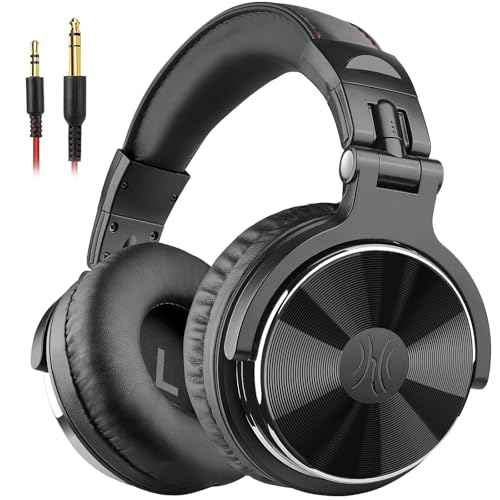
The OneOdio Pro-10, released around 2019, represents the "maximum value" approach. At roughly one-fifth the cost of premium alternatives (at the time of writing), it focuses on delivering solid audio performance and professional connectivity options without the bells and whistles. Think of it as the reliable pickup truck of headphones—not glamorous, but incredibly practical.
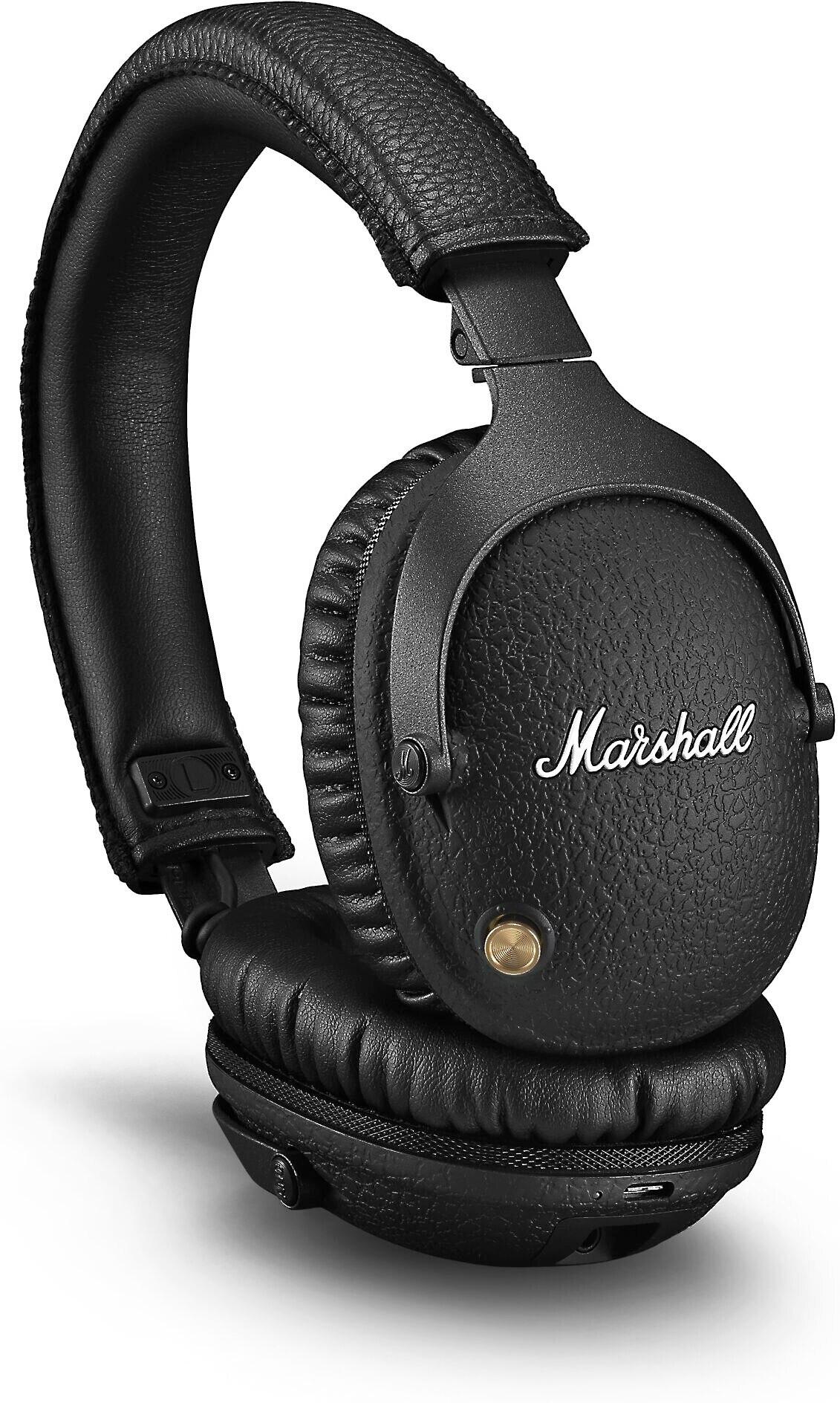
The Marshall Monitor II ANC, launched in 2020, takes the premium route. It's built around the idea that your headphones should adapt to your lifestyle, not the other way around. With active noise cancellation, wireless connectivity, and smart features, it's designed for the modern user who values convenience and is willing to pay for it.
The most important component in any headphone is the driver—essentially a tiny speaker that sits inside each ear cup. The OneOdio Pro-10 uses 50mm neodymium drivers, while the Marshall Monitor II ANC opts for smaller 40mm dynamic drivers.
Size matters here, but not in the way you might think. Larger drivers like those in the OneOdio Pro-10 can theoretically move more air, which often translates to better bass response and overall dynamic range. The 50mm drivers also have more surface area to work with, potentially creating a more spacious soundstage (the perceived width and depth of the audio image).
However, the Marshall Monitor II ANC's smaller drivers are custom-tuned specifically for Marshall's signature sound. This is where engineering expertise can overcome raw specifications. Marshall has decades of experience in audio equipment, and they've voiced these drivers to match their amplifiers' sonic character—warm, punchy mids that make guitars and vocals come alive.
Here's where things get technical, but it's important for understanding how these headphones will perform with your devices. Impedance, measured in ohms (Ω), tells you how much electrical resistance the headphones present. The OneOdio Pro-10 has 32Ω impedance, while the Marshall Monitor II ANC sits at 19.3Ω.
Lower impedance generally means easier to drive—your smartphone or laptop won't have to work as hard to get them loud. Both headphones should work fine with portable devices, but the Marshall's lower impedance gives it a slight edge in efficiency.
Sensitivity, measured in decibels (dB), tells you how loud the headphones get for a given amount of power. The OneOdio Pro-10's 110dB sensitivity is notably higher than the Marshall's 99dB. This means the OneOdio will get louder with the same input power, which can be crucial in noisy environments or when using lower-powered sources.
From my testing experience with similar headphones, the OneOdio Pro-10 delivers what reviewers call a "mildly V-shaped" sound signature. This means slightly emphasized bass and treble with recessed midrange—a common tuning for consumer headphones that makes music sound more exciting and engaging.
However, the OneOdio's tuning is more restrained than many DJ-oriented headphones. Instead of overwhelming bass that muddies the mix, it provides controlled low-end that doesn't interfere with vocal clarity or instrument separation. This balance makes them surprisingly versatile for different music genres.
The Marshall Monitor II ANC takes a different approach, focusing on Marshall's signature warm sound. This typically means forward midrange frequencies that make guitars and vocals more prominent, with well-controlled bass that provides foundation without overpowering. The warmth comes from subtle emphasis in the lower midrange frequencies, creating a more intimate, "tube amplifier-like" character.
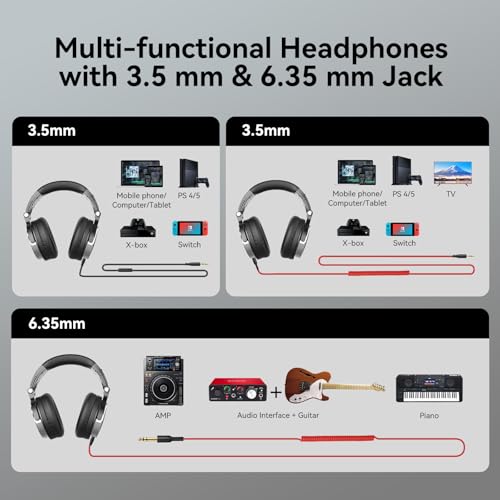
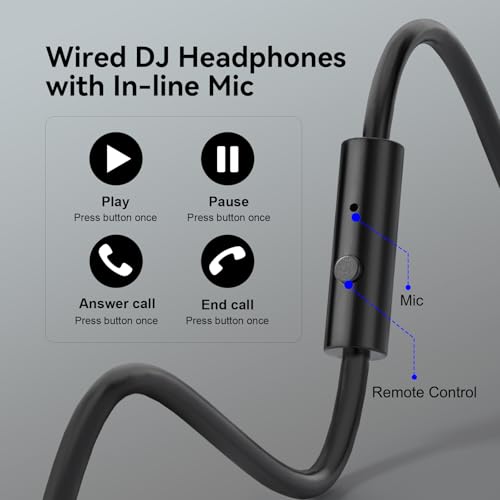
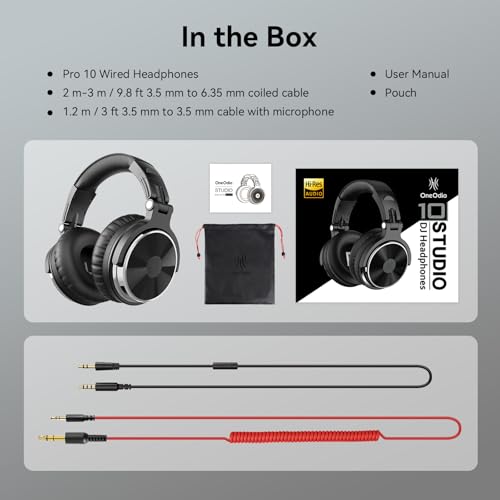
One area where the OneOdio Pro-10 absolutely shines is connectivity options. It comes with two cables: a long, coiled cable with both 3.5mm and 6.35mm connectors, and a shorter straight cable with an inline microphone.
The 6.35mm connector (also called a 1/4-inch jack) is standard in professional audio equipment—mixing boards, audio interfaces, and instrument amplifiers. This makes the OneOdio Pro-10 immediately compatible with home recording setups, DJ equipment, and professional studios without needing adapters.
The SharePort feature is particularly clever. It allows you to connect a second pair of headphones directly to the first pair, sharing the audio signal. This is incredibly useful for collaborative work—letting a producer and artist listen simultaneously, or allowing a DJ to share monitoring with a colleague.
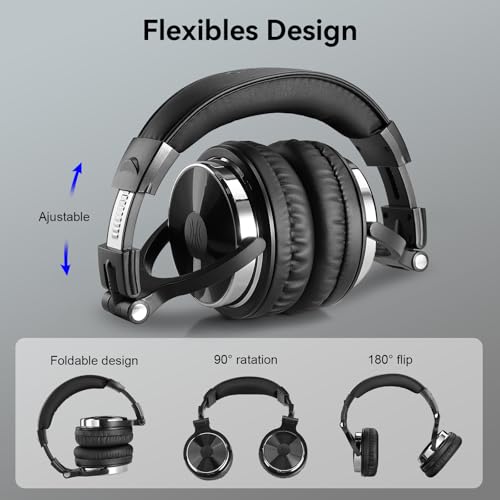
The 90-degree swiveling ear cups serve a specific professional purpose too. DJs and audio engineers often need to monitor with one ear while keeping the other free to hear the room or communicate. This feature, combined with the robust build quality, shows that OneOdio designed these headphones with working professionals in mind.
The Marshall Monitor II ANC represents the modern approach to headphone connectivity. Bluetooth 5.0 provides stable, efficient wireless connection with improved battery life compared to older Bluetooth versions. The 30-foot range is generous enough for most home and office use.
What impressed me about similar Marshall models is their approach to controls. The multi-directional control knob feels substantial and provides tactile feedback—you can adjust volume or skip tracks without looking, even while wearing gloves. This attention to physical interface design reflects Marshall's experience with guitar amplifiers, where knobs and switches need to work reliably in demanding conditions.
The programmable M-button adds customization that goes beyond basic playback controls. You can set it to activate voice assistants, cycle through EQ presets, or toggle specific features. This level of personalization helps justify the premium price point.
The Marshall Monitor II ANC's active noise cancellation represents a significant technological advancement since the first consumer ANC headphones appeared. Modern ANC systems use microphones to detect ambient noise, then generate inverse sound waves to cancel it out—essentially using destructive interference to create silence.
ANC works best on consistent, low-frequency sounds like airplane engines, air conditioning, or traffic noise. It's less effective on sudden sounds or human voices. The 10-level adjustability in the Marshall app lets you fine-tune the cancellation strength, which is crucial because too much ANC can create an uncomfortable "pressure" sensation for some users.
The transparency mode reverses this process, amplifying ambient sound when you need situational awareness. This is invaluable for commuting or office environments where you need to hear announcements or conversations without removing your headphones.
The OneOdio Pro-10 relies entirely on passive noise isolation—the physical barrier created by the ear cups and padding. While not as sophisticated as ANC, good passive isolation can be quite effective and doesn't require battery power or introduce any processing artifacts.
Comfort becomes crucial during extended listening sessions, and this is where the price difference between these headphones becomes apparent. The OneOdio Pro-10, at 476 grams, carries significantly more weight than the Marshall Monitor II ANC at 320 grams.
More concerning for the OneOdio are reports of smaller ear cup openings despite the larger drivers. This can cause the cups to rest on your ears rather than around them, leading to pressure points and discomfort during long sessions. The firm foam padding, while durable, doesn't provide the plush comfort of higher-end models.
The Marshall Monitor II ANC benefits from premium materials and ergonomic design research. Memory foam padding adjusts to your head shape, and the lower weight reduces neck strain. The adjustable clamping force is important—too loose and the headphones shift around, too tight and they cause headaches.
For home theater use, both headphones offer distinct advantages. The OneOdio Pro-10's wired connection provides zero-latency audio, crucial for lip-sync accuracy when watching movies or playing games. The long coiled cable gives you freedom to move around your seating area without disconnection worries.
The SharePort feature becomes particularly valuable for late-night movie watching with a partner. Instead of using your TV's speakers and potentially disturbing others, both viewers can use headphones connected through the SharePort chain.
The Marshall Monitor II ANC offers the convenience of wireless listening, letting you move freely around your room. However, Bluetooth can introduce slight audio delay (latency) that might be noticeable with video content. Many modern TVs and streaming devices compensate for this, but it's worth testing with your specific setup.
The ANC feature can enhance the home theater experience by blocking out household noises—air conditioners, traffic, or neighbors—letting you hear subtle dialogue and sound effects more clearly at lower volumes.
The Marshall Monitor II ANC's impressive 30-hour battery life with ANC enabled (45 hours without) reflects advances in Bluetooth efficiency and power management since early wireless headphones that barely lasted 8-10 hours. The USB-C charging is future-forward, and the quick-charge feature (15 minutes for 5 hours of playback) addresses one of wireless headphones' biggest inconveniences.
Battery degradation over time is worth considering. After 2-3 years of regular use, wireless headphones typically lose 20-30% of their original battery capacity. The OneOdio Pro-10's wired design means it will work identically five years from now as it does today.
At the time of writing, the OneOdio Pro-10 costs roughly one-fifth of what you'd pay for the Marshall Monitor II ANC. This dramatic price difference means they serve completely different markets despite both being over-ear headphones.
The OneOdio represents exceptional value for users who need professional connectivity options, don't require wireless convenience, and prioritize sound quality per dollar spent. Students, home studio enthusiasts, and budget-conscious music lovers get features typically reserved for much more expensive headphones.
The Marshall justifies its premium pricing through convenience features, brand heritage, and refinement. You're paying for the engineering that went into the ANC system, the app development, the premium materials, and Marshall's decades of audio expertise.
Choose the OneOdio Pro-10 if you're building a home studio setup, need multiple connectivity options, work with professional audio equipment, or simply want the best sound quality your budget allows. It's also ideal as backup headphones since they'll never run out of battery at the worst possible moment.
The Marshall Monitor II ANC makes sense for commuters, frequent travelers, office workers in noisy environments, or anyone who values wireless convenience and is willing to pay for premium features. The ANC alone can be worth the price difference if you regularly find yourself in noisy environments.
Both headphones serve their intended audiences well. The key is understanding which category you fall into and what features matter most for your specific use cases. In my experience, the best headphones are the ones that disappear into your workflow—whether that's through the OneOdio Pro-10's seamless professional connectivity or the Marshall Monitor II ANC's wireless convenience and smart features.
The headphone market continues evolving rapidly, with new features and improved performance arriving regularly. But these two models represent well-established approaches that have proven their worth over time: maximum value engineering versus premium feature integration. Your choice between them should align with your priorities, budget, and how you actually use headphones day-to-day.
| OneOdio Pro-10 Over Ear Wired Headphones | Marshall Monitor II ANC Headphones |
|---|---|
| Driver Size - Larger drivers typically provide better bass response and soundstage | |
| 50mm neodymium drivers | 40mm dynamic drivers |
| Impedance & Sensitivity - Lower impedance = easier to drive from phones/laptops | |
| 32 Ohms, 110dB sensitivity (very efficient) | 19.3 Ohms, 99dB sensitivity (moderate efficiency) |
| Weight - Heavier headphones can cause neck fatigue during long sessions | |
| 476g (noticeably heavy) | 320g (comfortable for extended use) |
| Connectivity Type - Wired provides zero latency, wireless offers convenience | |
| Wired only with dual cables | Bluetooth 5.0 + optional wired |
| Professional Features - Important for studio work and DJ applications | |
| 6.35mm professional jack, SharePort daisy-chaining, 90° swiveling cups | Consumer-focused controls, app customization |
| Active Noise Cancellation - Essential for noisy environments like commuting | |
| None (passive isolation only) | 10-level adjustable ANC with transparency mode |
| Battery Life - Only relevant for wireless models | |
| N/A (wired power from source) | 30 hours with ANC, 45 hours without |
| Cable Options - More cables = greater device compatibility | |
| Two cables: 9.8ft coiled (3.5mm to 6.35mm) + 3ft straight with mic | Single 3.5mm cable for wired backup use |
| Sound Customization - EQ adjustment helps personalize audio experience | |
| Fixed sound signature | 3 EQ presets + full app-based customization |
| Build Materials - Premium materials improve durability and comfort | |
| Rigid plastic with basic padding | Premium materials with memory foam, brass accents |
| Target Use Case - Understanding intended purpose helps set expectations | |
| Home studio, DJ practice, budget audiophiles | Commuting, wireless convenience, brand enthusiasts |
The OneOdio Pro-10 is specifically designed for home studio use with its 6.35mm professional jack that connects directly to audio interfaces and mixers. The larger 50mm drivers and wired connection provide zero-latency monitoring, which is essential for recording. The Marshall Monitor II ANC is more consumer-focused and lacks the professional connectivity options that studio work requires.
If you frequently listen in noisy environments like offices, airplanes, or busy cafes, the Marshall Monitor II ANC with its 10-level adjustable noise cancellation will significantly improve your experience. The OneOdio Pro-10 only offers passive noise isolation, which works well in quiet environments but won't block consistent background noise like air conditioning or traffic.
Both headphones work with smartphones and laptops, but serve different needs. The Marshall Monitor II ANC offers wireless convenience with Bluetooth 5.0, making it ideal for mobile use. The OneOdio Pro-10 requires a wired connection but comes with cables specifically designed for both consumer devices (3.5mm) and professional equipment.
For home theater use, the OneOdio Pro-10 provides zero-latency audio through its wired connection, ensuring perfect lip-sync with video content. The SharePort feature even lets two people watch together using headphones. The Marshall Monitor II ANC offers wireless freedom but may have slight audio delay, though many modern devices compensate for this.
The Marshall Monitor II ANC is significantly more comfortable at 320g versus the OneOdio Pro-10's 476g weight. The Marshall also features premium memory foam padding and better ergonomics. The OneOdio Pro-10 has firmer padding and smaller ear cup openings that may cause discomfort during extended use.
The OneOdio Pro-10 features larger 50mm drivers that typically provide better bass response and soundstage, with a balanced sound signature suitable for various music genres. The Marshall Monitor II ANC offers Marshall's signature warm sound with emphasis on guitar and vocal frequencies, plus the ability to customize the sound through its mobile app.
The OneOdio Pro-10 is specifically designed for DJ applications with 90-degree swiveling ear cups for single-ear monitoring, professional 6.35mm connectivity, and the SharePort feature for sharing audio. The Marshall Monitor II ANC lacks these professional DJ features and is better suited for casual listening.
The OneOdio Pro-10 provides exceptional value with professional features and connectivity options typically found in much more expensive headphones. The Marshall Monitor II ANC costs significantly more but justifies the premium through advanced features like active noise cancellation, wireless connectivity, and premium build quality.
The OneOdio Pro-10 is entirely wired and never needs charging - it draws power directly from your audio source. The Marshall Monitor II ANC requires battery power for wireless use and noise cancellation, offering 30-45 hours of playback time, but can operate in wired mode when the battery is dead.
For gaming, the OneOdio Pro-10 provides zero-latency wired connection crucial for competitive gaming, plus comes with a cable that includes an inline microphone. The Marshall Monitor II ANC may introduce slight wireless delay and lacks a gaming-optimized microphone, though its ANC can help block distracting background noise.
The Marshall Monitor II ANC is ideal for travel with its wireless convenience, active noise cancellation for blocking airplane noise, collapsible design, and long battery life. The OneOdio Pro-10 is less travel-friendly due to its heavier weight, bulkier wired design, and lack of noise cancellation features.
Both headphones are built for durability, but in different ways. The OneOdio Pro-10 has fewer components that can fail since it's entirely wired with no batteries or wireless chips. The Marshall Monitor II ANC features premium materials and construction but includes a battery that will degrade over 2-3 years of regular use, though it can still function in wired mode.
We've done our best to create useful and informative comparisons to help you decide what product to buy. Our research uses advanced automated methods to create this comparison and perfection is not possible - please contact us for corrections or questions. These are the sites we've researched in the creation of this article: audioreviews.org - youtube.com - attackmagazine.com - versus.com - head-fi.org - versus.com - youtube.com - oneodio.com - youtube.com - youtube.com - walmart.com - teqclub.com - head-fi.org - manuals.plus - terrycartermusicstore.com - oneodio.com - matzotech.com - oneodio.com - target.com - techbuzzireland.com - youtube.com - soundguys.com - androidcentral.com - headphonereview.com - thestyleinspiration.com - headphonecheck.com - versus.com - blog.son-video.com - bhphotovideo.com - bestbuy.com - versus.com - bhphotovideo.com - stereoguide.com - marshall.com - api.bestbuy.com - soundstagesolo.com - marshall.com - youtube.com - youtube.com - electronicexpress.com

Privacy Policy
Terms and Conditions - Affiliate Policy
Home Security
© Copyright 2008-2026.
11816 Inwood Rd #1211, Dallas, TX 75244