













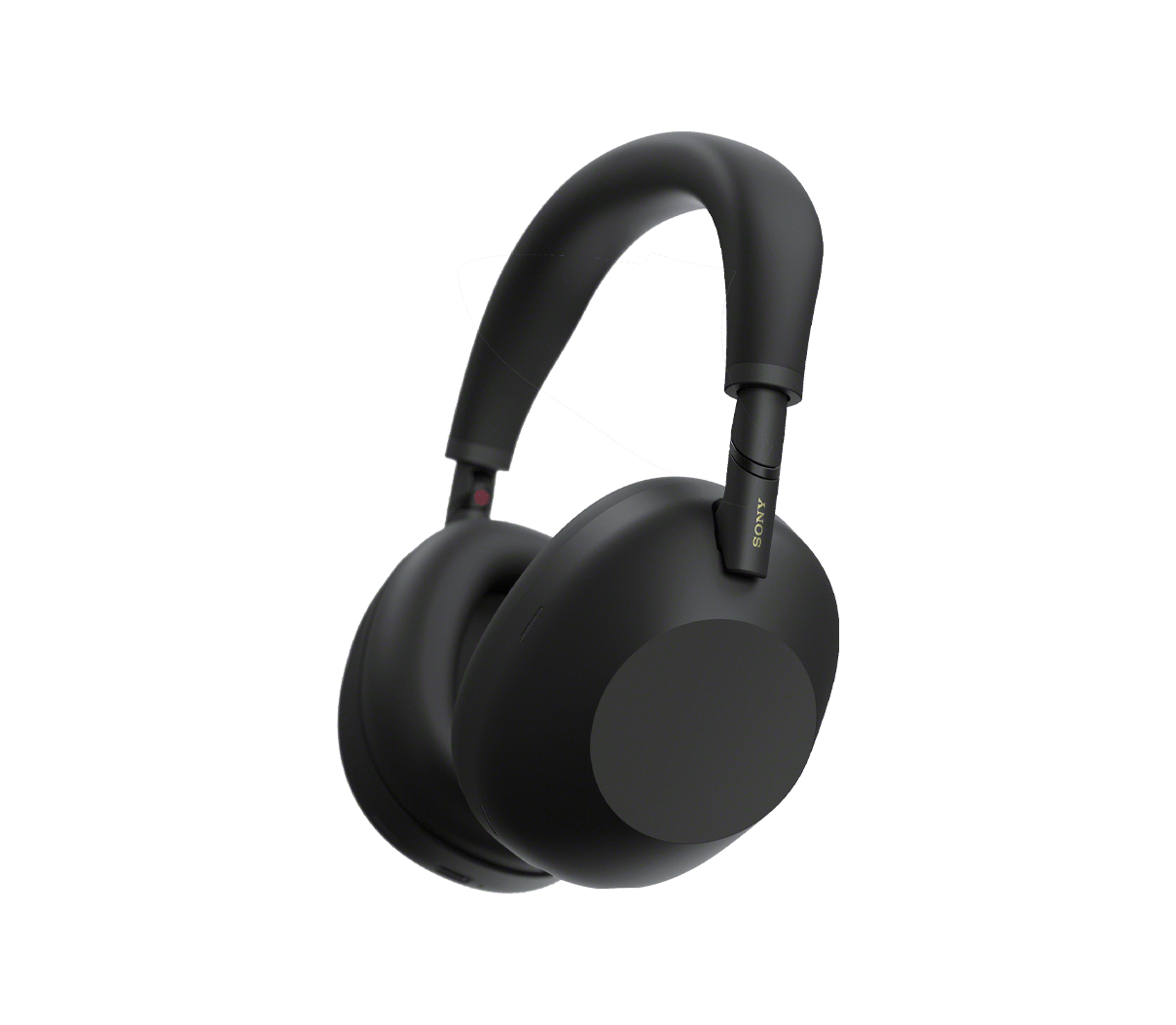

When shopping for headphones, you might find yourself comparing products that seem similar on the surface but represent completely different philosophies. That's exactly what happens when you look at the OneOdio Pro-10 and the Sony WH-1000XM6 – two over-ear headphones that couldn't be more different in their approach to delivering great audio.
At the time of writing, these headphones sit at opposite ends of the price spectrum, with the OneOdio Pro-10 positioned as an ultra-budget option while the Sony WH-1000XM6 commands premium pricing. But the price difference tells only part of the story. These products represent fundamentally different approaches to headphone design, and understanding these differences is crucial for making the right choice.
Before diving into specifics, let's talk about what really matters in headphones. The most important factors are audio quality (how good your music actually sounds), comfort (whether you can wear them for hours without pain), connectivity (how they connect to your devices), and noise management (how well they block or cancel unwanted sounds).
Modern headphones also need to consider convenience features – things like wireless connectivity, battery life, and smart controls that adapt to your environment. The challenge is that these features often come with trade-offs in cost, complexity, and sometimes even audio quality.
The headphone market has evolved dramatically over the past decade. Wireless technology, which was once plagued by poor audio quality and connectivity issues, has matured significantly. Meanwhile, budget wired headphones have gotten surprisingly good, offering audio quality that would have cost hundreds of dollars just a few years ago.
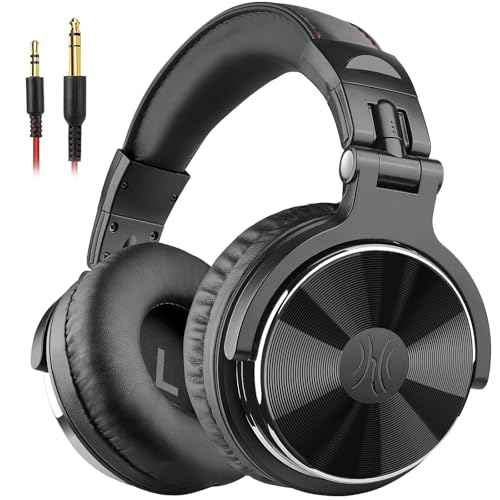
Released around 2020, the OneOdio Pro-10 represents the modern evolution of budget DJ and studio headphones. What makes these headphones interesting isn't just their low price point – it's how they've managed to deliver surprisingly balanced audio quality while maintaining the practical features that audio professionals need.
The Pro-10 uses 50mm neodymium drivers, which are relatively large for headphones in this price range. Driver size isn't everything in headphone design, but larger drivers generally have an easier time reproducing deep bass frequencies without distortion. Neodymium is a type of rare-earth magnet that's particularly strong, allowing the driver to be more responsive and efficient.
What's surprising about the OneOdio Pro-10 is its sound signature. Despite being marketed toward DJs – who typically prefer bass-heavy headphones for mixing – these actually deliver a fairly balanced sound. The frequency response covers the full audible spectrum from 20Hz to 20kHz, with a mild V-shaped signature that slightly emphasizes bass and treble while keeping the midrange clear.
This balanced approach makes them versatile. Unlike many budget "DJ" headphones that pump up the bass to the point where everything sounds muddy, the Pro-10 maintains clarity across all frequencies. The bass is present and punchy without overwhelming vocals or instruments, making them suitable for everything from hip-hop to classical music.
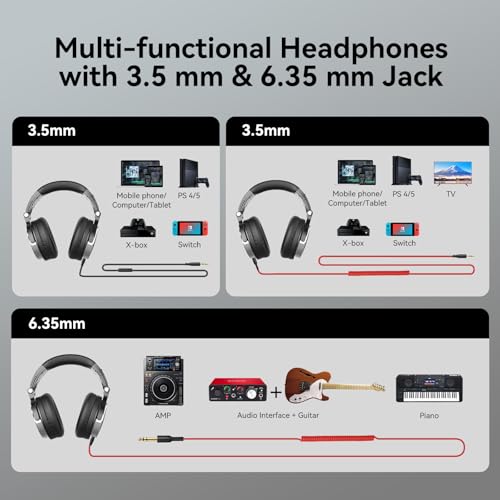
One of the Pro-10's standout features is its dual-port design. Most headphones have a single audio input, but these include both a 3.5mm port and a 6.35mm port on the ear cups themselves. This means you can plug directly into professional audio equipment like mixers and audio interfaces without needing adapters.
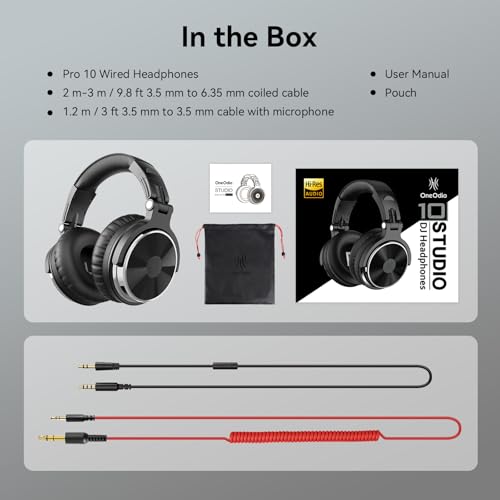
The included cables are thoughtfully designed too. You get a coiled cable that stretches from 2 to 9.8 feet – perfect for studio work where you need flexibility to move around. There's also a straight cable with an inline microphone for phone calls and general use. The SharePort feature is particularly clever: you can daisy-chain another pair of headphones directly into the Pro-10, allowing two people to listen to the same source without a splitter.
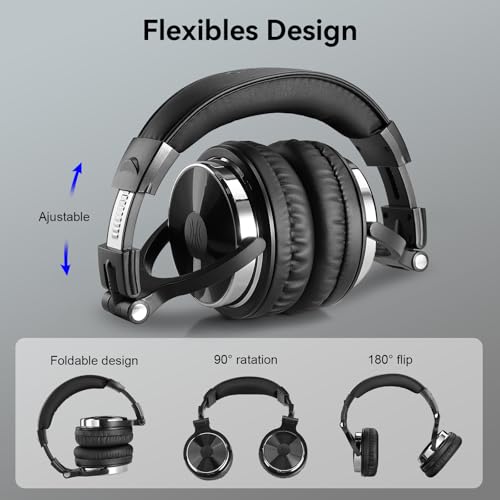
The 90-degree swiveling ear cups are another professional touch. This feature lets DJs monitor their mix with one ear while keeping the other ear free to hear the room – a technique called "cueing" that's essential for live mixing.
Comfort is where the OneOdio Pro-10 reveals its budget constraints. The ear cup openings are smaller than you'd expect for 50mm drivers, which can cause discomfort for people with larger ears. The padding, while adequate, is on the firm side and can cause pressure points during extended listening sessions.
The build quality is solid for the price, but it's clearly designed to hit a budget target. The materials are basic plastic throughout, though they don't feel flimsy or prone to breaking. For occasional use or shorter listening sessions, these limitations aren't deal-breakers, but they become more noticeable if you plan to wear them for hours at a time.
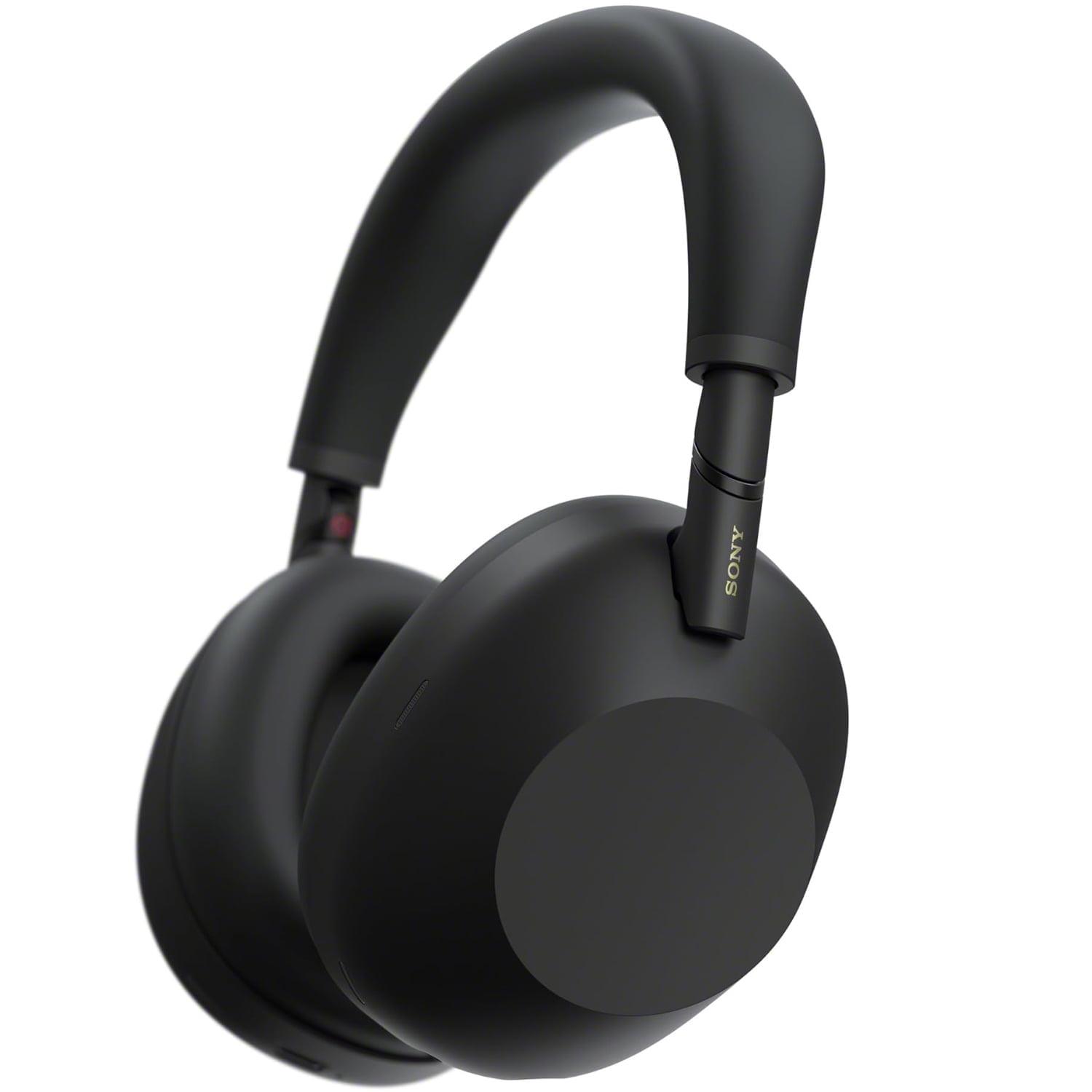
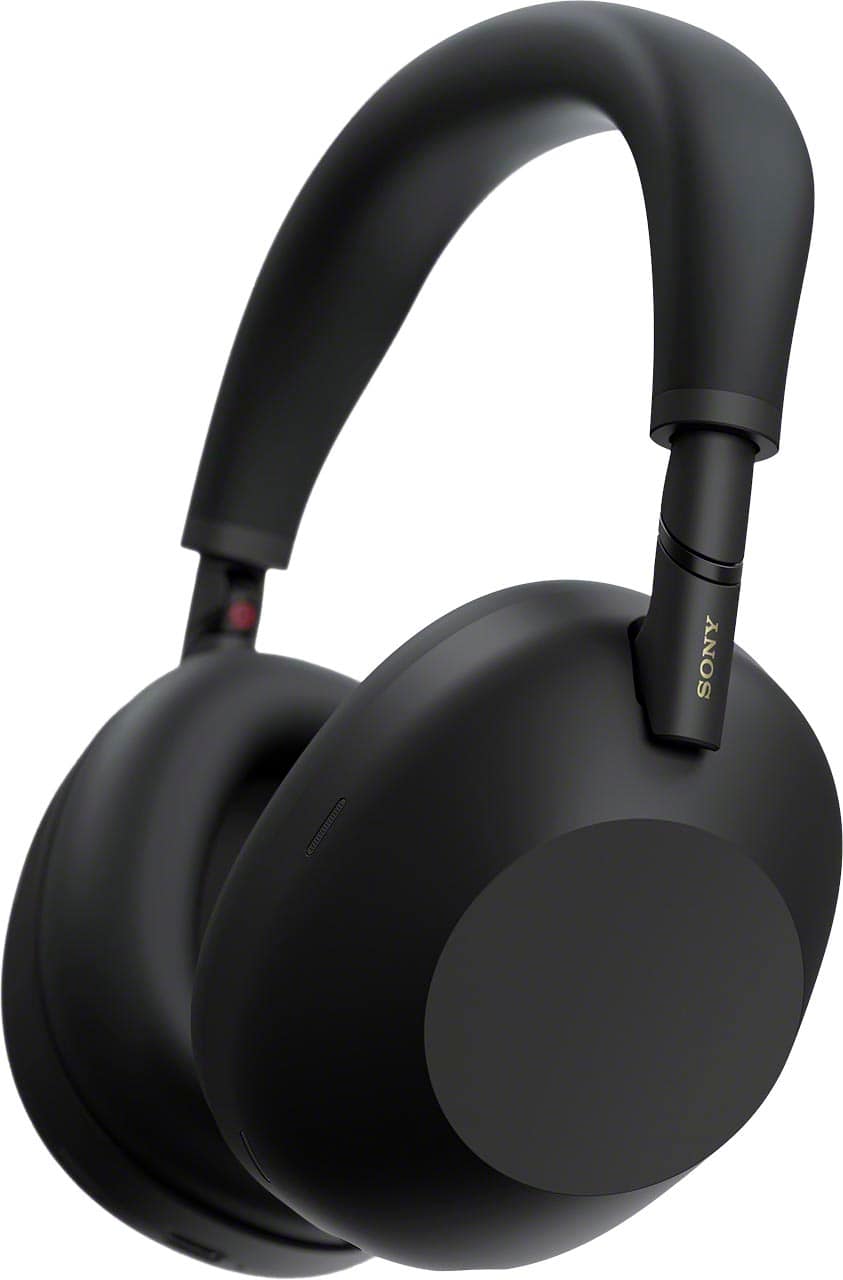
Sony's XM series represents the company's flagship approach to consumer headphones, and the WH-1000XM6, released in 2025, incorporates years of refinement in wireless audio technology. This latest generation builds on the success of previous XM models while addressing their weaknesses.
The Sony WH-1000XM6 takes a different approach to audio quality. Instead of competing on driver size, Sony focuses on precision engineering and signal processing. The 30mm drivers might seem small compared to the Pro-10's 50mm units, but they're paired with sophisticated digital signal processing (DSP) that can dramatically improve audio quality.
Sony collaborated with mastering engineers – the professionals who put the final polish on recorded music – to tune these headphones. The result is a sound signature that's more neutral and accurate than previous generations. The frequency response extends well beyond human hearing when using high-quality wireless codecs like LDAC, which can transmit up to three times more audio data than standard Bluetooth.
DSEE Extreme is Sony's AI-powered upscaling technology that analyzes your music in real-time and restores details lost during digital compression. When you stream music from Spotify or Apple Music, you're hearing compressed audio files that have had information removed to save bandwidth. DSEE Extreme intelligently fills in those gaps, making compressed music sound closer to the original recording.
The XM6 also includes a 10-band equalizer that lets you fine-tune the sound to your preferences. Unlike simple bass and treble controls, a 10-band EQ divides the frequency spectrum into specific ranges, giving you precise control over how your music sounds.
This is where the Sony WH-1000XM6 truly shines. The HD Noise Cancelling Processor QN3 represents Sony's most advanced approach to active noise cancellation (ANC). ANC works by using microphones to detect environmental noise, then generating "anti-noise" – sound waves that are exactly opposite to the detected noise, effectively canceling it out.
The XM6 uses 12 microphones – six per ear cup – to create an incredibly detailed picture of your acoustic environment. This is a 50% increase over previous generations, and it makes a noticeable difference in performance. The system can adapt in real-time to different noise environments, whether you're on a plane, in a coffee shop, or walking down a busy street.
Adaptive NC Optimizer continuously adjusts the noise cancellation based on factors like air pressure (important when flying), your head shape, and even whether you're wearing glasses. The system learns from your environment and automatically optimizes performance without any input from you.
Testing shows that the XM6 can reduce average environmental noise by about 87%, which is among the best performance available in consumer headphones. More importantly, it handles challenging mid-frequency noise that often defeats other ANC systems, like the whine of jet engines or air conditioning units.
The Sony WH-1000XM6 includes Bluetooth 5.3 with support for the latest audio codecs. Multipoint connection lets you connect to two devices simultaneously – your phone and laptop, for example – and seamlessly switch between them as needed.
Speak-to-Chat is one of those features that seems gimmicky until you use it. The headphones can detect when you start speaking and automatically pause your music while enabling transparency mode to let in ambient sound. When you finish talking, music resumes automatically. It's remarkably effective and becomes second nature quickly.
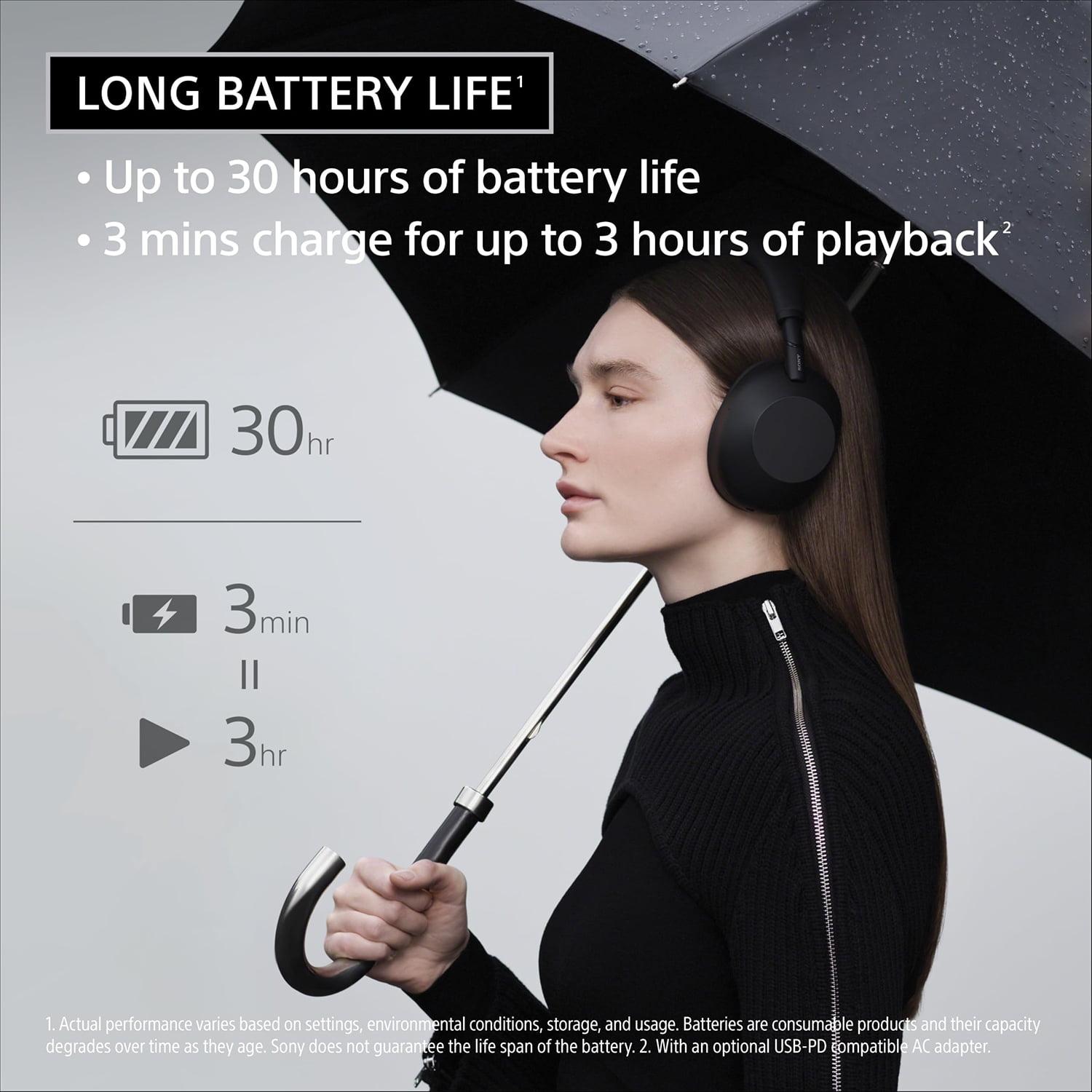
The battery life is impressive at 30 hours with noise cancellation enabled, extending to 40 hours with ANC turned off. Quick charging provides three hours of playback from just three minutes of charging, which is incredibly useful for travel.
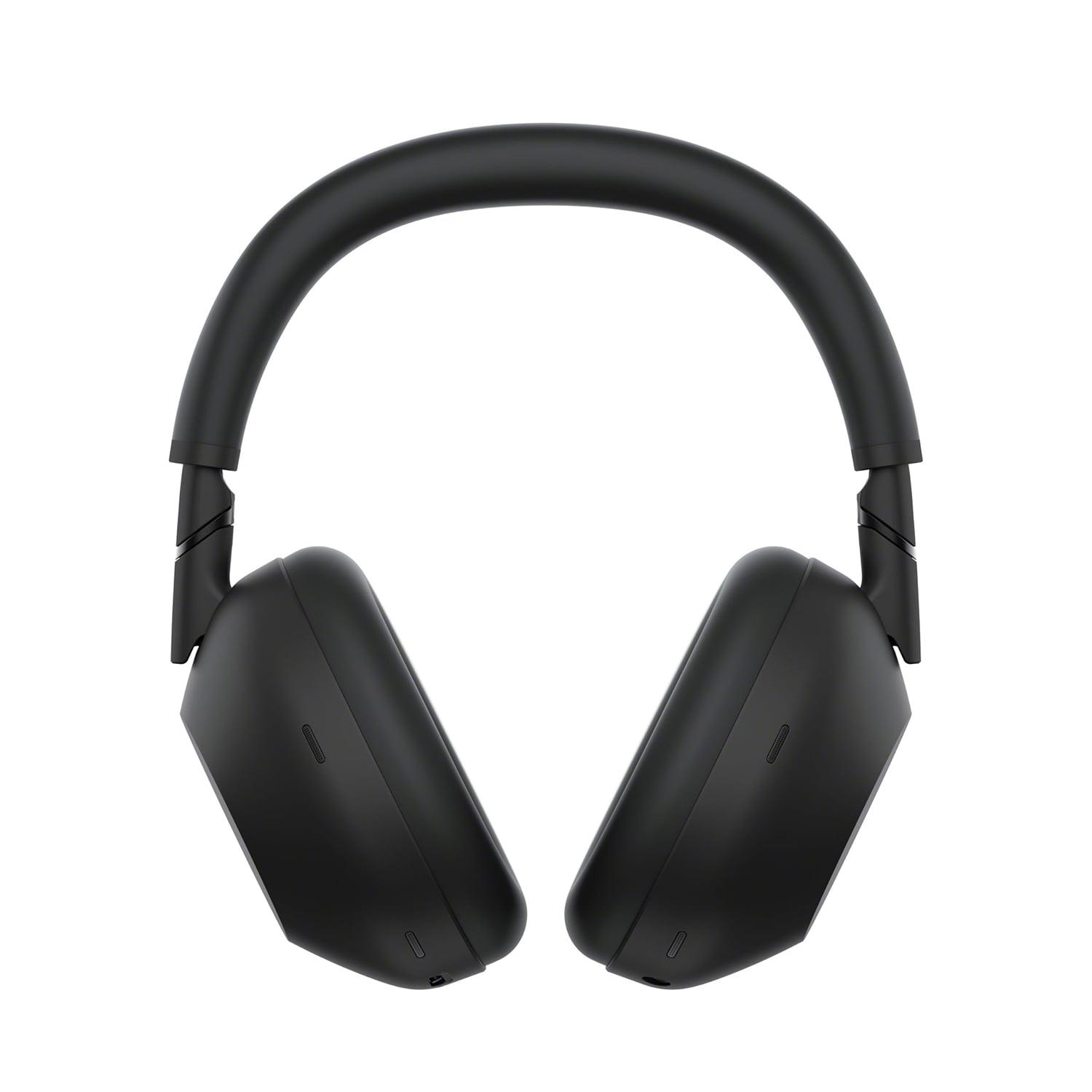
Sony has clearly invested in comfort engineering for the XM6. The headband is wider than previous generations, distributing weight more evenly across your head. The ear pads use soft synthetic leather that's both comfortable and effective at creating a seal for noise cancellation.
At 254 grams, these aren't the lightest headphones available, but the weight distribution is excellent. I've worn them for entire transcontinental flights without significant discomfort – something that wasn't possible with earlier generations of the XM series.
When comparing pure audio quality, the differences are more nuanced than you might expect. The OneOdio Pro-10 delivers surprisingly good sound for its price range, with clear mids, controlled bass, and decent detail retrieval. However, the Sony XM6 operates in a different league entirely.
The XM6's soundstage – the sense of space and instrument separation in your music – is significantly more developed. Orchestral music reveals individual instrument sections, while rock music lets you hear the physical space of the recording studio. The dynamic range, which is the difference between the quietest and loudest parts of music, is also superior on the Sony model.
For home theater use, the Sony WH-1000XM6 offers a more immersive experience with its spatial audio capabilities and 360 Reality Audio support. These technologies can create a surround-sound-like experience from stereo content, making movies and TV shows more engaging. The Pro-10, being purely wired, offers the advantage of zero latency – no delay between video and audio – which can be important for gaming or watching content where lip-sync is critical.
The noise management approaches couldn't be more different. The OneOdio Pro-10 relies entirely on passive noise isolation – physically blocking sound through the design of the ear cups and padding. This approach is simple, reliable, and requires no power, but it's limited in effectiveness, particularly against low-frequency noise like engine rumble.
The Sony XM6's active noise cancellation is transformative for certain use cases. On airplanes, trains, or in noisy offices, the difference is dramatic. The ANC doesn't just reduce noise – it can make a chaotic environment feel almost eerily quiet. However, ANC isn't perfect for all situations. It's most effective against constant, low-frequency noise and less effective against sudden sounds like voices or impacts.
This is where the fundamental philosophical difference becomes clear. The OneOdio Pro-10 represents the "it just works" approach. Plug them in, and they work immediately with any device that has a headphone jack. No pairing, no battery management, no compatibility issues.
The Sony XM6 offers convenience and features but adds complexity. Bluetooth connections can occasionally drop, batteries need charging, and software updates can change behavior. However, when everything works correctly – which is most of the time – the wireless experience is liberating.
For home theater use, both headphones have distinct advantages. The OneOdio Pro-10 connects directly to your TV, receiver, or streaming device without latency concerns. This makes them excellent for gaming or watching content where perfect audio-video sync is important. The wired connection also means consistent audio quality regardless of wireless interference in your home.
The Sony XM6 excels at creating an immersive home theater experience through its spatial audio processing and superior soundstage. The ability to move around freely without cables is particularly valuable for home use. However, you'll want to ensure your TV or streaming device supports low-latency Bluetooth codecs to avoid lip-sync issues.
For late-night viewing, the XM6's superior comfort makes it the better choice for extended viewing sessions, while its transparency mode lets you stay aware of your environment – useful if you need to listen for family members or delivery notifications.
The headphone market continues to evolve rapidly. The OneOdio Pro-10, released around 2020, represents the maturation of budget audio technology. While it may not receive software updates, its simplicity means it's unlikely to become obsolete.
The Sony XM6, being newer (2025), incorporates the latest wireless standards and receives regular software updates that can add features and improve performance. Sony's track record shows they typically support their flagship headphones for several years with meaningful updates.
Choose the OneOdio Pro-10 if you prioritize simplicity, reliability, and exceptional value. They're perfect for students, budget-conscious music lovers, or anyone who prefers the "plug and play" approach. They're also excellent as a backup pair or for situations where you can't risk battery depletion.
The Sony WH-1000XM6 makes sense when convenience, advanced features, and premium performance justify the significant price premium. They're ideal for frequent travelers, office workers in noisy environments, or anyone who values the latest audio technology.
At the time of writing, the price difference between these models is substantial – roughly eight to ten times more for the Sony model. This price gap reflects not just better audio quality, but an entirely different approach to headphone design and user experience.
Your lifestyle and priorities should guide this decision. If you spend hours commuting or working in noisy environments, the XM6's noise cancellation alone might justify the price difference. If you primarily listen at home or in quiet environments, the Pro-10's excellent audio quality might be all you need.
Both headphones represent successful approaches to their respective market segments. The OneOdio Pro-10 proves that great sound doesn't require a massive budget, while the Sony XM6 demonstrates how advanced technology can transform the listening experience. Understanding these different philosophies – and honestly assessing your own needs and budget – is key to making the right choice.
| OneOdio Pro-10 | Sony WH-1000XM6 |
|---|---|
| Driver Size - Larger drivers typically produce better bass response | |
| 50mm neodymium drivers (impressive for budget price) | 30mm drivers (smaller but precision-engineered) |
| Connectivity - Determines convenience and compatibility | |
| Wired only with dual ports (3.5mm + 6.35mm) | Bluetooth 5.3 wireless + wired option |
| Noise Cancellation - Critical for noisy environments like planes or offices | |
| Passive isolation only (blocks some sound physically) | Industry-leading ANC with 12 microphones (87% noise reduction) |
| Battery Life - Only matters for wireless models | |
| N/A (wired, no battery needed) | 30 hours with ANC on, 40 hours with ANC off |
| Sound Signature - How the headphones color your music | |
| Mild V-shaped, surprisingly balanced for DJ headphones | Neutral, co-tuned with mastering engineers |
| Comfort Features - Important for long listening sessions | |
| Basic padding, smaller ear cups may pinch larger ears | Premium materials, wider headband, extended wear optimized |
| Professional Features - Useful for audio work and DJing | |
| 90° swiveling cups, SharePort daisy-chaining, dual cables | 10-band EQ, DSEE Extreme upscaling, spatial audio |
| Weight - Affects long-term comfort | |
| Lightweight (exact weight not specified) | 254g, well-distributed for wireless headphones |
| Smart Features - Modern conveniences that adapt to your usage | |
| None (plug-and-play simplicity) | Speak-to-Chat, adaptive sound control, multipoint connection |
| Audio Quality Extras - Technologies that enhance sound | |
| Clean analog signal path, no processing | LDAC hi-res codec, real-time audio upscaling |
| Build Quality - Durability and premium feel | |
| Solid plastic construction for the price point | Premium materials with fingerprint-resistant coating |
| Use Case Flexibility - What situations each excels in | |
| Studio monitoring, DJ work, budget listening | Travel, commuting, premium home listening, calls |
The OneOdio Pro-10 offers exceptional value in the budget category, delivering surprisingly balanced audio quality that punches well above its price point. The Sony WH-1000XM6 justifies its premium pricing with industry-leading noise cancellation, wireless convenience, and superior audio processing. Your choice depends on whether you prioritize maximum value or premium features.
Wired headphones like the OneOdio Pro-10 offer reliability, no battery concerns, and zero audio latency, making them ideal for gaming, home theater, and professional audio work. Wireless headphones like the Sony WH-1000XM6 provide freedom of movement, smart features, and convenience for travel and daily use. Choose wired for simplicity and guaranteed performance, wireless for modern lifestyle convenience.
The Sony WH-1000XM6 delivers superior sound quality with precision-engineered 30mm drivers, advanced signal processing, and collaboration with mastering engineers. The OneOdio Pro-10 provides impressive audio quality for its price range with balanced sound and clear mids, but cannot match the Sony's detail retrieval, soundstage, and dynamic range.
Noise cancellation is transformative if you frequently use headphones in noisy environments like planes, trains, or busy offices. The Sony WH-1000XM6 offers industry-leading active noise cancellation that can reduce environmental noise by 87%. The OneOdio Pro-10 provides only passive noise isolation, which works adequately in quieter environments but won't block constant background noise effectively.
The Sony WH-1000XM6 is specifically designed for extended wear with premium materials, wider headband distribution, and soft synthetic leather ear pads. The OneOdio Pro-10 has basic padding and smaller ear cup openings that may cause discomfort during long sessions, especially for users with larger ears.
Both work well for gaming and movies but in different ways. The OneOdio Pro-10 offers zero latency with its wired connection, ensuring perfect audio-video sync for gaming and movies. The Sony WH-1000XM6 provides immersive spatial audio and superior comfort for extended viewing, though wireless connections may introduce slight latency depending on your device.
The OneOdio Pro-10 excels with professional audio gear, featuring dual ports (3.5mm and 6.35mm), 90-degree swiveling ear cups for DJ monitoring, and SharePort daisy-chaining capability. The Sony WH-1000XM6 can connect to professional equipment via wire but lacks the specialized features that audio professionals require.
The Sony WH-1000XM6 features premium construction with high-quality materials, fingerprint-resistant coating, and meticulous engineering. The OneOdio Pro-10 offers solid build quality for its price point using durable plastic construction that feels sturdy without premium materials or finish.
The OneOdio Pro-10 requires no battery as a wired headphone, eliminating battery life concerns entirely. The Sony WH-1000XM6 offers excellent battery performance with 30 hours of playback with noise cancellation on, plus quick charging that provides 3 hours of use from just 3 minutes of charging.
Wireless headphones like the Sony WH-1000XM6 are worth the premium if you value convenience, travel frequently, need noise cancellation, or want advanced features like adaptive sound control and multipoint connection. The OneOdio Pro-10 represents better pure value if you don't need wireless features and prefer the reliability of wired connections.
The Sony WH-1000XM6 excels across all music genres with its neutral tuning, wide soundstage, and customizable 10-band EQ that lets you tailor sound to any style. The OneOdio Pro-10 offers surprisingly balanced sound that works well for most genres, though it lacks the refinement and customization options of the premium Sony model.
Choose the OneOdio Pro-10 if you want exceptional value, prefer wired reliability, need professional audio features, or have a limited budget. Select the Sony WH-1000XM6 if you can invest in premium technology, need noise cancellation for travel or work, want wireless convenience, or prioritize the best possible audio quality and comfort.
We've done our best to create useful and informative comparisons to help you decide what product to buy. Our research uses advanced automated methods to create this comparison and perfection is not possible - please contact us for corrections or questions. These are the sites we've researched in the creation of this article: audioreviews.org - youtube.com - attackmagazine.com - versus.com - head-fi.org - versus.com - youtube.com - oneodio.com - youtube.com - youtube.com - walmart.com - teqclub.com - head-fi.org - manuals.plus - terrycartermusicstore.com - oneodio.com - matzotech.com - oneodio.com - target.com - techbuzzireland.com - youtube.com - moon-audio.com - soundguys.com - electronics.sony.com - recordingnow.com - tomsguide.com - electronics.sony.com - rtings.com - recordingnow.com - youtube.com - soundguys.com - whathifi.com - bhphotovideo.com - sony.com - sony.com - bestbuy.com - youtube.com - sony.eu - soundguys.com - audio46.com - electronics.sony.com

Privacy Policy
Terms and Conditions - Affiliate Policy
Home Security
© Copyright 2008-2026.
11816 Inwood Rd #1211, Dallas, TX 75244