

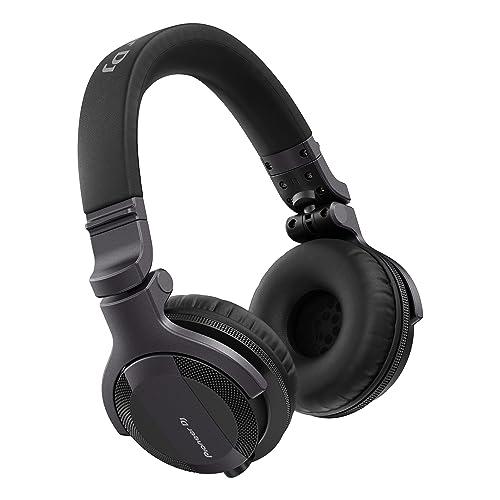
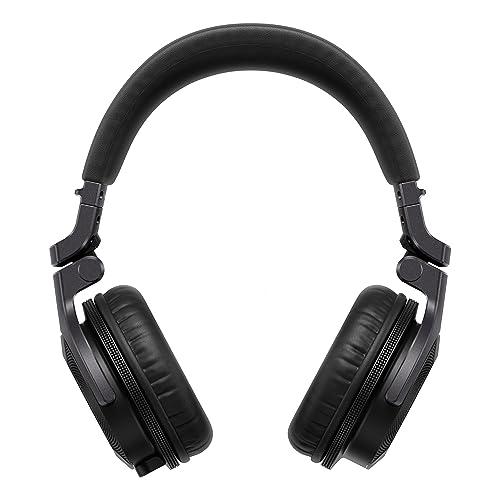
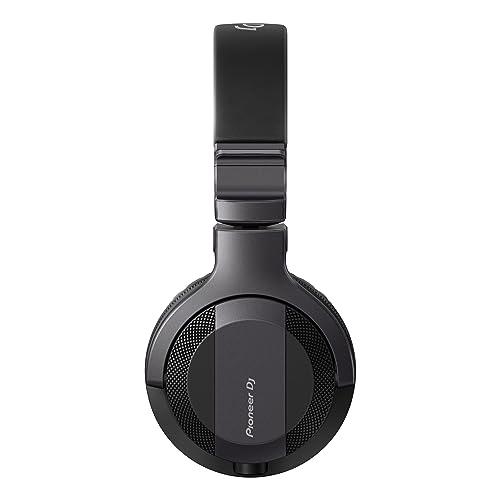
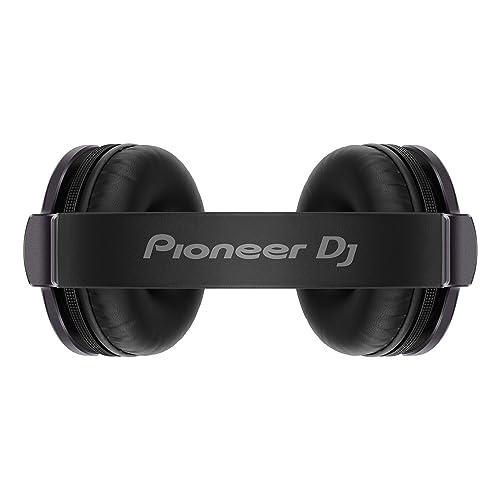




When you're shopping for DJ or studio headphones, you're entering a world where every detail matters. The difference between good and great headphones can mean the difference between a seamless mix and a train wreck on the dance floor. Today, we're diving deep into two headphones that approach this challenge from completely different angles: the Pioneer DJ HDJ-CUE1 and the OneOdio Pro-10.
Before we jump into specifics, let's talk about what makes DJ headphones special. Unlike regular consumer headphones that prioritize comfort and pleasant sound, DJ headphones are built for work. They need to isolate you from screaming crowds, let you hear the subtle details that help you beatmatch (align the tempo of two songs), and survive being thrown into gear bags night after night.
The main things to consider are sound accuracy – how faithfully the headphones reproduce what's actually in your music files – build quality for surviving professional use, comfort for those four-hour sets, noise isolation to block out external sound, and connectivity options for different equipment. Professional features like swiveling ear cups, which let you monitor with one ear while keeping the other free to hear the crowd, separate the pros from the consumer models.
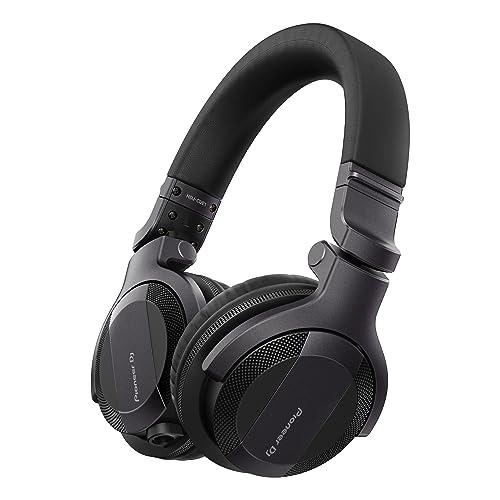
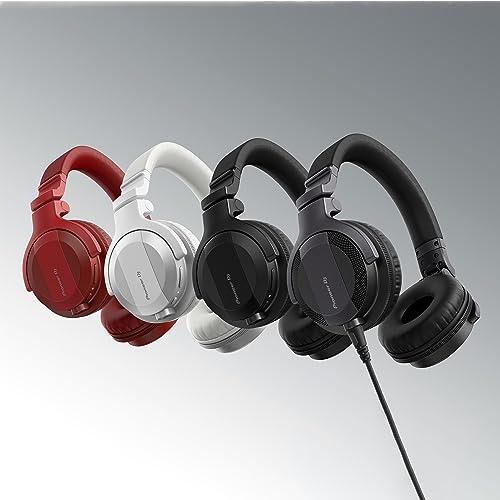
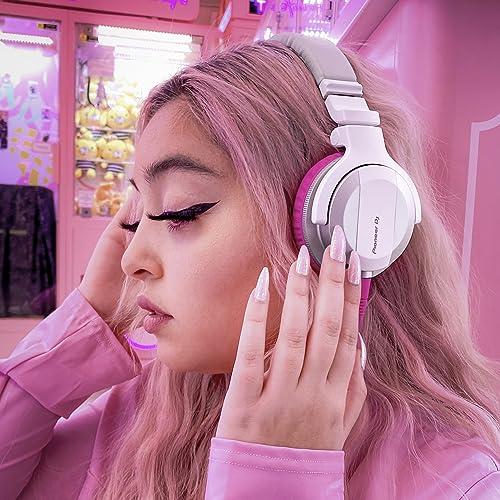
The Pioneer HDJ-CUE1 launched in 2017 as Pioneer's entry-level offering, inheriting design DNA from their professional HDJ-X series. Pioneer has been a dominant force in DJ equipment for decades, and they understood that many aspiring DJs couldn't justify spending $300+ on their flagship models. The HDJ-CUE1 was their answer – professional features at a more accessible price point.
The OneOdio Pro-10, released around 2019, came from a different approach entirely. OneOdio focused on delivering impressive specifications and features typically found in much more expensive headphones, targeting both DJs and general audio enthusiasts. They prioritized value engineering – getting maximum performance per dollar spent.
Since their releases, both products have remained largely unchanged, which actually speaks to their solid fundamental designs. However, the market around them has evolved significantly. The rise of bedroom DJs during the pandemic increased demand for quality home studio equipment, while streaming platforms have pushed more people toward DJ software like Serato and Virtual DJ.
This is where things get really interesting, because these headphones take completely different approaches to sound reproduction.
The Pioneer HDJ-CUE1 uses 40mm dynamic drivers tuned specifically for DJ applications. The frequency response spans 5Hz to 30kHz, but what matters isn't just the numbers – it's how they've shaped the sound curve. Pioneer borrowed tuning from their professional HDJ-X5 model, emphasizing the low-end frequencies where kick drums and bass lines live. This isn't just about making bass sound "thumpy" – it's about giving you the sonic information you need to beatmatch accurately.
When you're mixing two tracks, you need to hear exactly when the kick drums align. The HDJ-CUE1 accentuates these frequencies, making it easier to detect timing differences. The bass response has what Pioneer calls "real punch," which translates to tight, controlled low-end that doesn't muddy up the midrange where vocals and melodies sit.
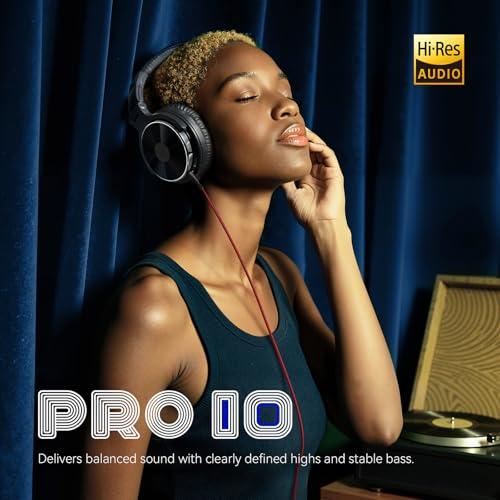
The OneOdio Pro-10 takes a different path with larger 50mm neodymium drivers. Larger drivers generally move more air and can produce more bass, but size isn't everything – it's how they're tuned that matters. The Pro-10's frequency response extends from 20Hz to 40kHz, and users consistently describe the sound signature as "surprisingly balanced" rather than overly bass-heavy like many DJ-marketed headphones.
This difference is crucial. The OneOdio Pro-10 offers what's called a "mild V-shape" – slightly emphasized bass and treble with present but not forward midrange. This makes music sound more exciting and detailed for general listening, but it's less specialized for DJ-specific tasks like cueing and beatmatching.
Both headphones share 32-ohm impedance, making them equally easy to drive from DJ mixers, phones, and audio interfaces. However, the OneOdio Pro-10 produces 110 dB/mW compared to the Pioneer's 104 dB/mW. In practical terms, this means the OneOdio can get louder with the same input power – useful in noisy environments but potentially dangerous if you're not careful about hearing protection.
The Pioneer handles up to 2000mW of input power versus the OneOdio's 1600mW rating. While you'll likely never push either to these limits, higher power handling generally indicates more robust voice coils and better thermal management in the drivers.
Here's where the price difference becomes most apparent, and where your intended use case really matters.
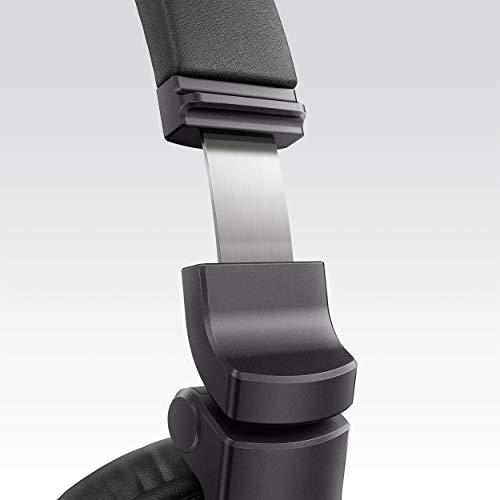
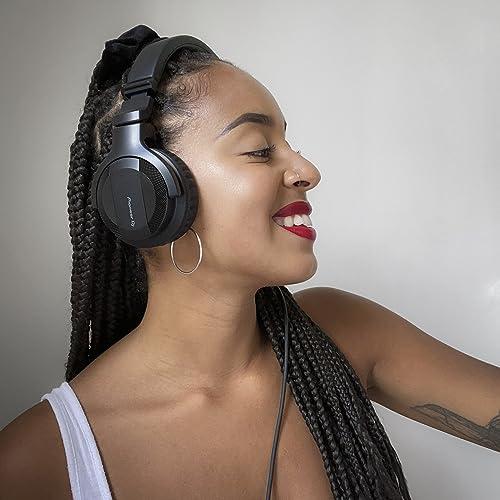
The Pioneer HDJ-CUE1 weighs just 215 grams without cables – about the same as a smartphone. This lightweight design uses what Pioneer calls "extra-strong metal sliders" in the headband adjustment mechanism. Every moving part has supposedly passed their internal durability testing, which makes sense given Pioneer's reputation in professional DJ gear.
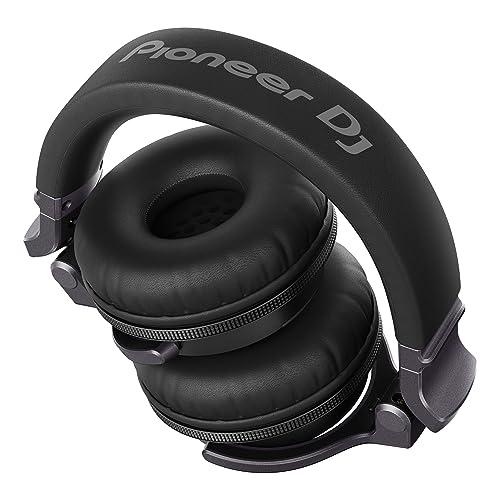
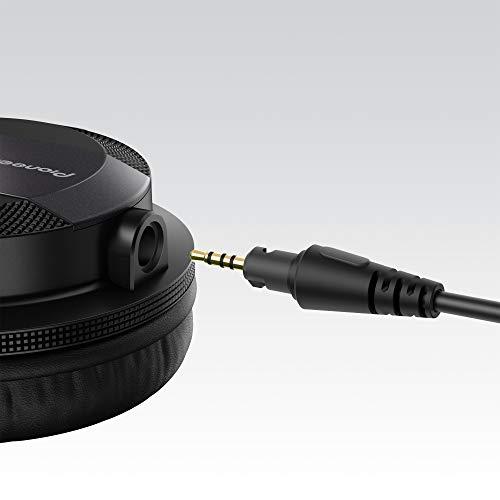
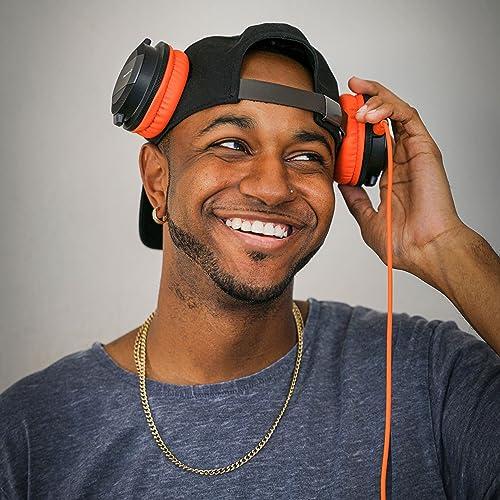
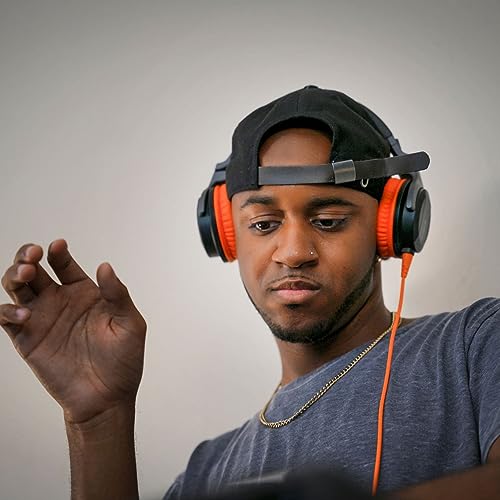
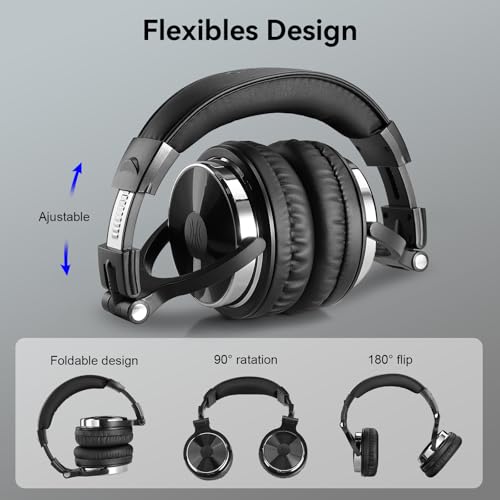
The ear cups rotate 90 degrees, a feature borrowed directly from professional models. This isn't just a gimmick – it's essential for DJ monitoring. You can push one cup behind your ear to monitor the crowd while cueing the next track in the other ear. The bayonet connector system for the cable creates a more secure connection than typical 3.5mm jacks, reducing the chance of accidental disconnection mid-set.
The OneOdio Pro-10 weighs 310 grams – nearly 50% heavier than the Pioneer. While the construction feels solid for the price point, users consistently report that the ear cup openings are smaller than expected despite the larger 50mm drivers. The padding is described as "firm," which can become uncomfortable during extended sessions.
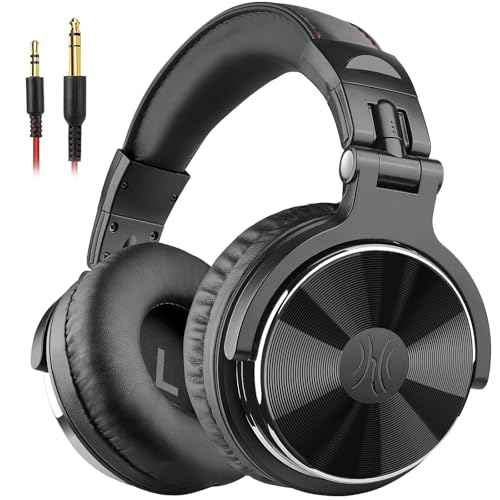
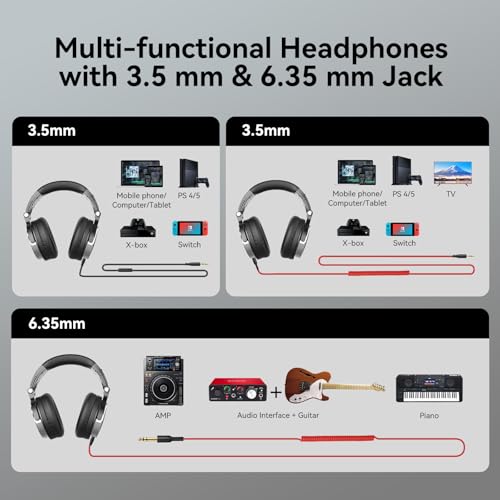
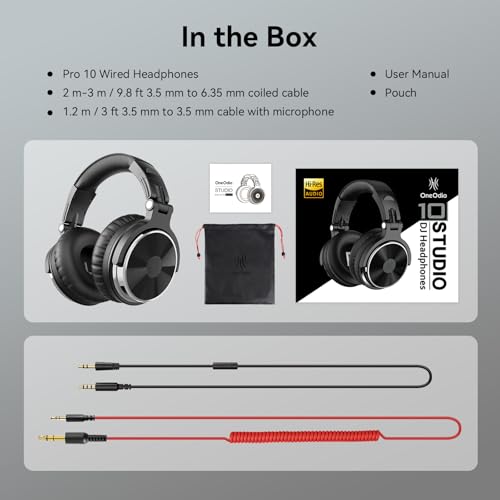
However, the OneOdio does offer some interesting build features. The dual-port system – one 3.5mm and one 6.35mm jack built into the headphones – eliminates the need for adapters. You can literally plug into professional equipment and consumer devices without carrying extra dongles.
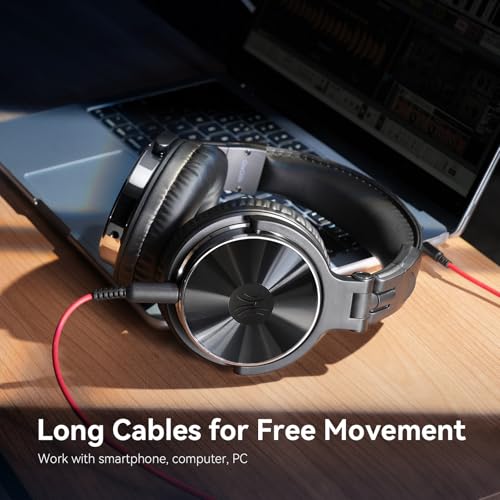
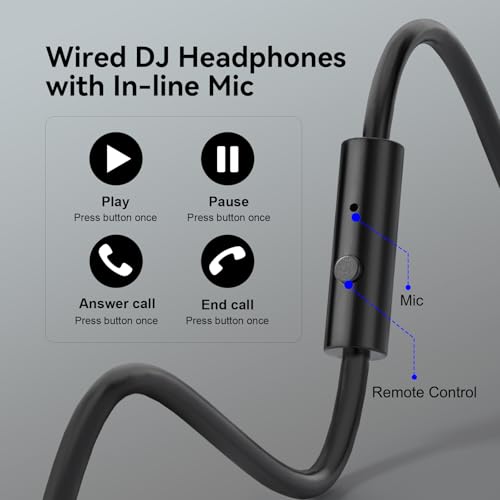
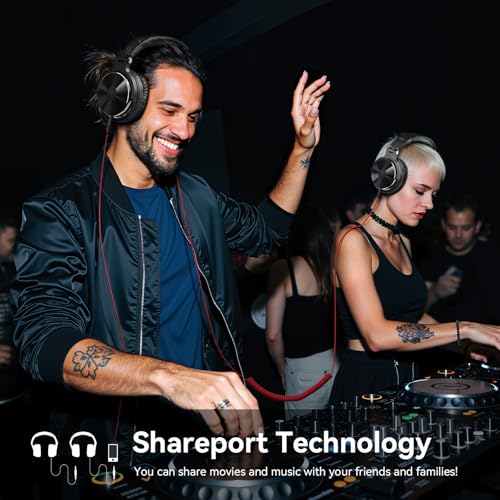
This is where the OneOdio Pro-10 really shines. The included cables are genuinely impressive: a professional coiled cable that extends from 2 to 9.8 feet, and a straight cable with an integrated microphone for calls and gaming. The SharePort function lets you daisy-chain another pair of headphones directly – perfect for collaborative production work or DJ practice with a friend.
The Pioneer HDJ-CUE1 includes a single 1.2-meter coiled cable that extends to 1.8 meters. It's well-made with an L-shaped connector to reduce strain, but you'll need to purchase a 6.35mm adapter separately – an oversight that's frustrating at this price point.
Comfort becomes critical during those four-hour wedding receptions or all-night production sessions. The weight difference here is significant and noticeable.
At 215 grams, the Pioneer HDJ-CUE1 disappears on your head after a few minutes. The on-ear design and flexible headband distribute weight evenly. Some users report the initial fit feeling tight, but this typically improves with use as the headband adjusts to your head shape.
The OneOdio Pro-10's extra 95 grams might not sound like much, but it creates noticeable neck fatigue during extended use. The smaller ear cup openings are particularly problematic – despite housing larger drivers, the actual opening that your ear sits in is smaller than the Pioneer's. This can create pressure points and heat buildup.
For home studio work where you might wear headphones for several hours while producing or practicing, the Pioneer's comfort advantage becomes a significant factor in your workflow and enjoyment.
Both headphones offer passive noise isolation – they don't have active noise cancellation like high-end consumer models, but they physically block external sound through their closed-back design and ear cup seal.
The Pioneer HDJ-CUE1 excels here, providing what reviewers consistently call "extremely well" performing noise isolation. This is crucial for DJ applications where you need to focus on cueing tracks while surrounded by loud music and crowd noise.
The OneOdio Pro-10 offers decent isolation, but users note that you need to "press them in for good isolation," suggesting the seal isn't as consistent or effective. For bedroom DJs or home studio use, this might be adequate, but it's a limitation in louder environments.
While neither headphone is specifically designed for home theater use, both can work in this application with some caveats.
The OneOdio Pro-10 actually works better for movie watching thanks to its more balanced sound signature and included microphone cable for gaming. The larger drivers provide good dynamic range for action movies, and the dual-port system means easy connection to various home theater components.
The Pioneer HDJ-CUE1's bass-heavy tuning can make dialog less clear in movies, though it certainly makes action sequences more exciting. The professional cable might require adapters for some home theater equipment.
For dedicated home theater use, both headphones have limitations compared to models specifically designed for that application, but the OneOdio edges ahead due to its more neutral tuning and connectivity options.
At the time of writing, the price gap between these headphones is substantial – the OneOdio Pro-10 costs roughly half what the Pioneer HDJ-CUE1 commands. This creates an interesting value proposition question.
The OneOdio Pro-10 delivers impressive specifications and features for its price point. The dual connectivity, larger drivers, SharePort function, and included accessories represent exceptional value for casual users or those exploring DJ applications without major investment.
However, the Pioneer HDJ-CUE1 justifies its higher price through specialized professional features, superior build quality, and DJ-optimized tuning. For someone serious about DJ performance, the extra cost translates to better long-term value through durability and professional capability.
You're serious about DJ performance, even at a beginner level. The professional features, comfort during long sessions, and DJ-optimized sound signature make the higher price worthwhile. If you're planning to perform at events, even small ones, the superior noise isolation and professional build quality become essential.
The Pioneer also makes sense if you prioritize comfort above all else. That 95-gram weight difference becomes significant during multi-hour sessions, whether you're practicing, performing, or producing music.
You want excellent audio quality for multiple applications at a budget price point. The balanced sound signature works well for music listening, casual production work, and light DJ applications. The connectivity options eliminate adapter hassles, and the SharePort feature adds unique functionality.
The OneOdio also makes sense for home studio use where weight and professional features matter less than sound quality and value. If you're exploring whether you want to pursue DJing seriously, the lower investment makes sense while you figure out your interests.
These headphones represent two valid but different approaches to the DJ headphone market. The Pioneer HDJ-CUE1 is a focused professional tool that does specific things extremely well, while the OneOdio Pro-10 offers broader appeal and exceptional value for multiple use cases.
Your choice ultimately depends on your priorities: specialized professional performance versus versatile value. Both will serve their intended users well, but understanding these fundamental differences ensures you'll be happy with your choice for years to come.
In my experience, the most common mistake is underestimating the importance of comfort and build quality for serious use. While the OneOdio's features and value are genuinely impressive, the Pioneer's professional focus pays dividends if you plan to use these headphones regularly for DJ applications. However, if you're primarily looking for great-sounding headphones that can occasionally handle DJ duties, the OneOdio's broader appeal and lower price make it an excellent choice.
| Pioneer DJ HDJ-CUE1 | OneOdio Pro-10 |
|---|---|
| Driver Size - Larger drivers typically produce more bass and volume | |
| 40mm dynamic drivers | 50mm neodymium drivers |
| Weight - Critical for comfort during long DJ sessions | |
| 215g (significantly lighter for extended use) | 310g (95g heavier, causes fatigue over time) |
| Frequency Response - Range of sound reproduction from bass to treble | |
| 5Hz-30kHz (better sub-bass extension) | 20Hz-40kHz (wider treble extension) |
| Sound Tuning - How the headphones color the audio for different uses | |
| Bass-heavy DJ optimization for beatmatching | Mild V-shaped, balanced for general listening |
| Build Quality - Durability for professional vs casual use | |
| Professional-grade with metal sliders, passed durability testing | Budget construction with rigid plastic, adequate for price |
| Ear Cup Design - Professional monitoring capabilities | |
| 90° swiveling cups for one-ear DJ monitoring | 90° swiveling but smaller openings despite larger drivers |
| Cable System - Connectivity and professional features | |
| Single coiled cable, requires separate 6.35mm adapter | Dual ports (3.5mm + 6.35mm), two cables included with mic |
| Noise Isolation - Blocking external sound in loud environments | |
| Excellent passive isolation for club/venue use | Decent isolation, requires pressing for good seal |
| Impedance & Sensitivity - How easy to drive and maximum volume | |
| 32Ω, 104 dB/mW | 32Ω, 110 dB/mW (can get louder) |
| Target Use Case - Primary intended application | |
| Professional DJ monitoring and beatmatching | Versatile studio/DJ/listening with budget focus |
| Unique Features - Standout capabilities | |
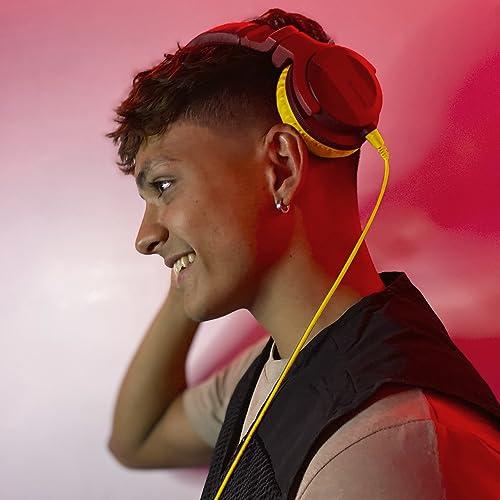
| Customizable colored cables/earpads, Pioneer pro heritage | SharePort daisy-chaining, dual connectivity, microphone cable |
For beginner DJs, the Pioneer DJ HDJ-CUE1 is generally the better choice despite being more expensive. The HDJ-CUE1 offers professional DJ-specific features like optimized sound tuning for beatmatching, superior noise isolation for loud environments, and lightweight comfort for extended mixing sessions. However, if budget is a primary concern, the OneOdio Pro-10 provides good entry-level performance at a significantly lower price point.
The Pioneer DJ HDJ-CUE1 has a bass-heavy sound signature specifically tuned for DJ applications, emphasizing kick drums and low frequencies needed for beatmatching. The OneOdio Pro-10 offers a more balanced, mild V-shaped sound that works better for general music listening and casual production work. The Pioneer is more specialized, while the OneOdio is more versatile.
The Pioneer DJ HDJ-CUE1 is significantly more comfortable for extended use, weighing only 215g compared to the OneOdio Pro-10's 310g. The weight difference becomes noticeable during long DJ sets or production sessions. Additionally, the HDJ-CUE1 has better-designed ear cups, while the OneOdio Pro-10 has smaller ear cup openings that can cause discomfort over time.
Both headphones can work for home studio use, but they serve different purposes. The OneOdio Pro-10 is better suited for general home studio work due to its more balanced sound signature and versatile connectivity options. The Pioneer DJ HDJ-CUE1 is optimized specifically for DJ monitoring rather than studio reference work, though it can still be used for production.
The OneOdio Pro-10 has superior connectivity with dual built-in ports (3.5mm and 6.35mm), eliminating the need for adapters. It also includes two cables: a professional coiled cable and a straight cable with microphone. The Pioneer DJ HDJ-CUE1 comes with one coiled cable and requires purchasing a separate 6.35mm adapter for professional equipment.
The OneOdio Pro-10 is better for gaming and calls because it includes a cable with an integrated microphone and has a more balanced sound signature suitable for gaming audio. The Pioneer DJ HDJ-CUE1 lacks a microphone and its bass-heavy tuning may not be ideal for gaming, though it can still be used for this purpose.
The Pioneer DJ HDJ-CUE1 has superior build quality with professional-grade construction, metal-reinforced sliders, and components that have passed rigorous durability testing. The OneOdio Pro-10 offers adequate build quality for its price point but uses budget materials and construction methods that aren't designed for professional use.
While neither is specifically designed for home theater, the OneOdio Pro-10 works better for movies due to its more balanced sound signature that doesn't overemphasize bass, making dialogue clearer. The Pioneer DJ HDJ-CUE1 can make action scenes more exciting but may muddy dialogue due to its bass-heavy tuning.
The Pioneer DJ HDJ-CUE1 provides significantly better passive noise isolation, which is essential for DJ use in loud club environments. The OneOdio Pro-10 offers decent isolation but requires pressing the cups against your ears for optimal performance, making it less suitable for very noisy environments.
The Pioneer DJ HDJ-CUE1 offers customizable colored cables and earpads, plus professional DJ heritage and specialized sound tuning. The OneOdio Pro-10 features a unique SharePort function for daisy-chaining multiple headphones, dual connectivity ports, and comes with more accessories including a microphone cable.
This depends on your needs. The OneOdio Pro-10 offers exceptional value for casual users, providing impressive features and sound quality at a budget price. The Pioneer DJ HDJ-CUE1 provides better value for serious DJs who need professional features, durability, and specialized performance, justifying its higher price through superior build quality and targeted functionality.
Consider both factors together. Pioneer has decades of experience in professional DJ equipment and the HDJ-CUE1 benefits from this expertise with proven reliability and professional features. The OneOdio Pro-10 focuses on delivering impressive specifications and features at a competitive price point. Choose Pioneer if you prioritize proven professional performance, or OneOdio if you want maximum features and value for general use.
We've done our best to create useful and informative comparisons to help you decide what product to buy. Our research uses advanced automated methods to create this comparison and perfection is not possible - please contact us for corrections or questions. These are the sites we've researched in the creation of this article: bestbuy.com - pioneerdjstore.com - rtings.com - idjnow.com - youtube.com - pioneerdj.com - soundguys.com - pioneerdj.com - digitaldjtips.com - pioneerdj.com - guitarcenter.com - empirepro.com - idjnow.com - emiaudio.com - pioneerdj.com - sfm.ca - sweetwater.com - pioneerdj.com - pioneerdj.com - pioneerdj.com - audioreviews.org - youtube.com - attackmagazine.com - versus.com - head-fi.org - versus.com - youtube.com - oneodio.com - youtube.com - youtube.com - walmart.com - teqclub.com - head-fi.org - manuals.plus - terrycartermusicstore.com - oneodio.com - matzotech.com - oneodio.com - target.com - techbuzzireland.com - youtube.com

Privacy Policy
Terms and Conditions - Affiliate Policy
Home Security
© Copyright 2008-2026.
11816 Inwood Rd #1211, Dallas, TX 75244