

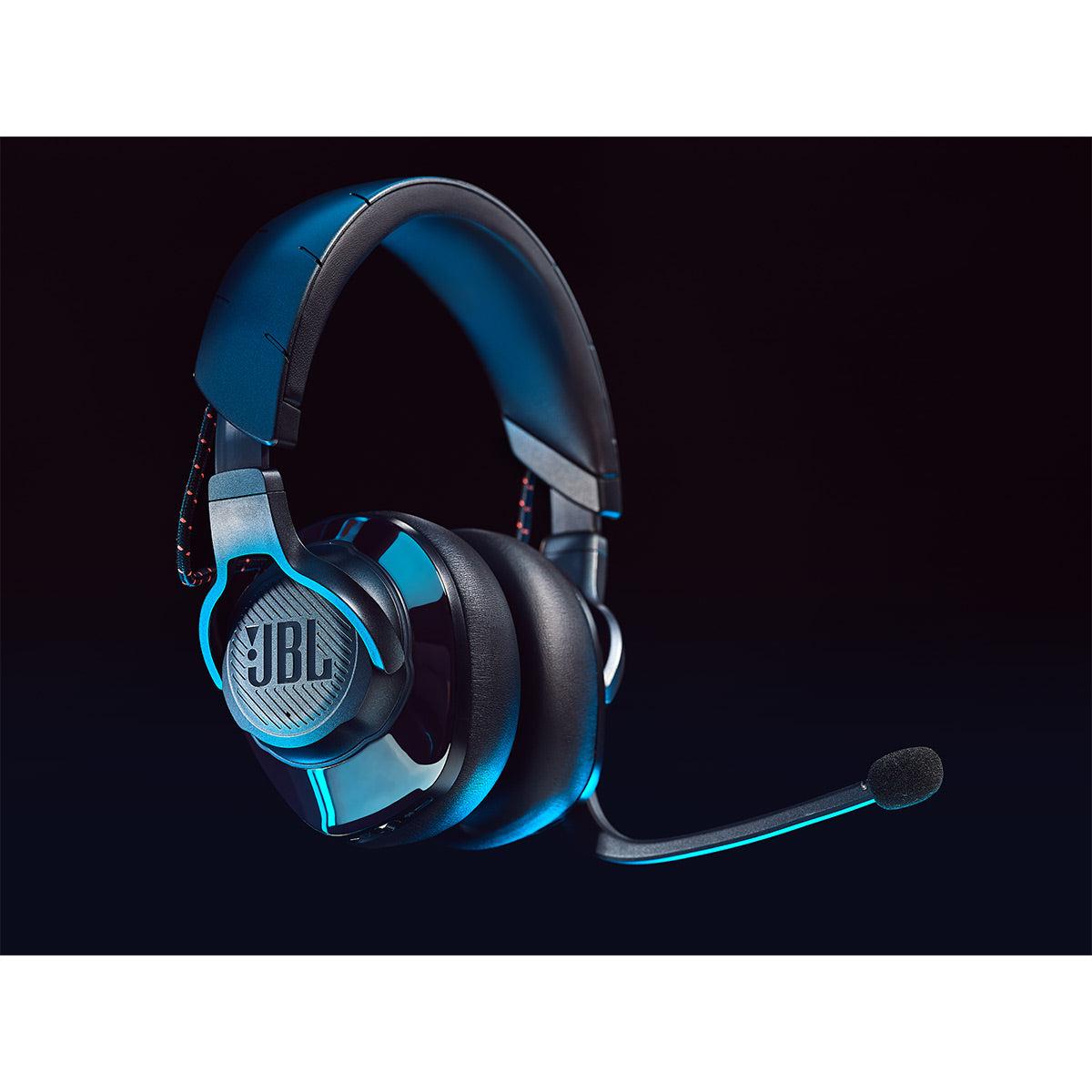
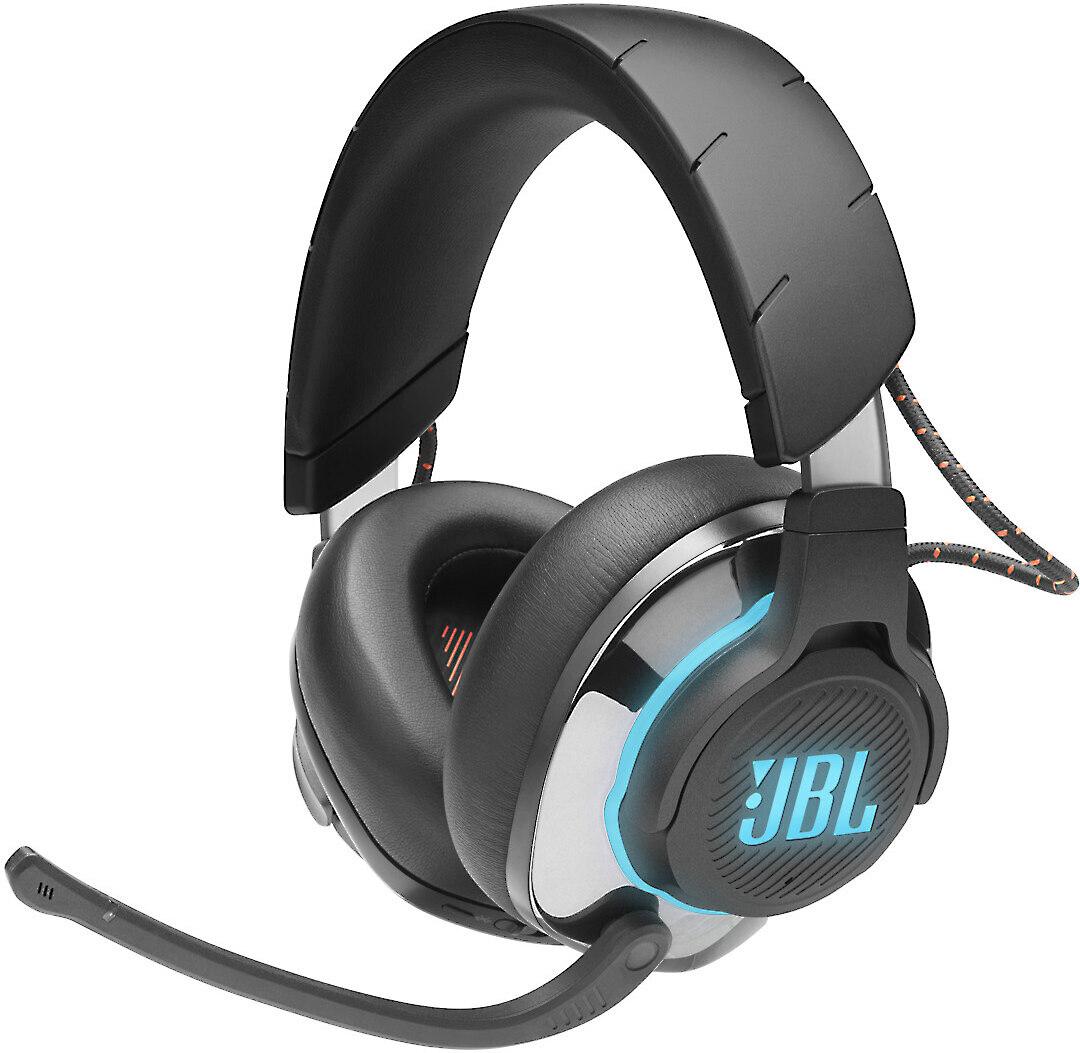
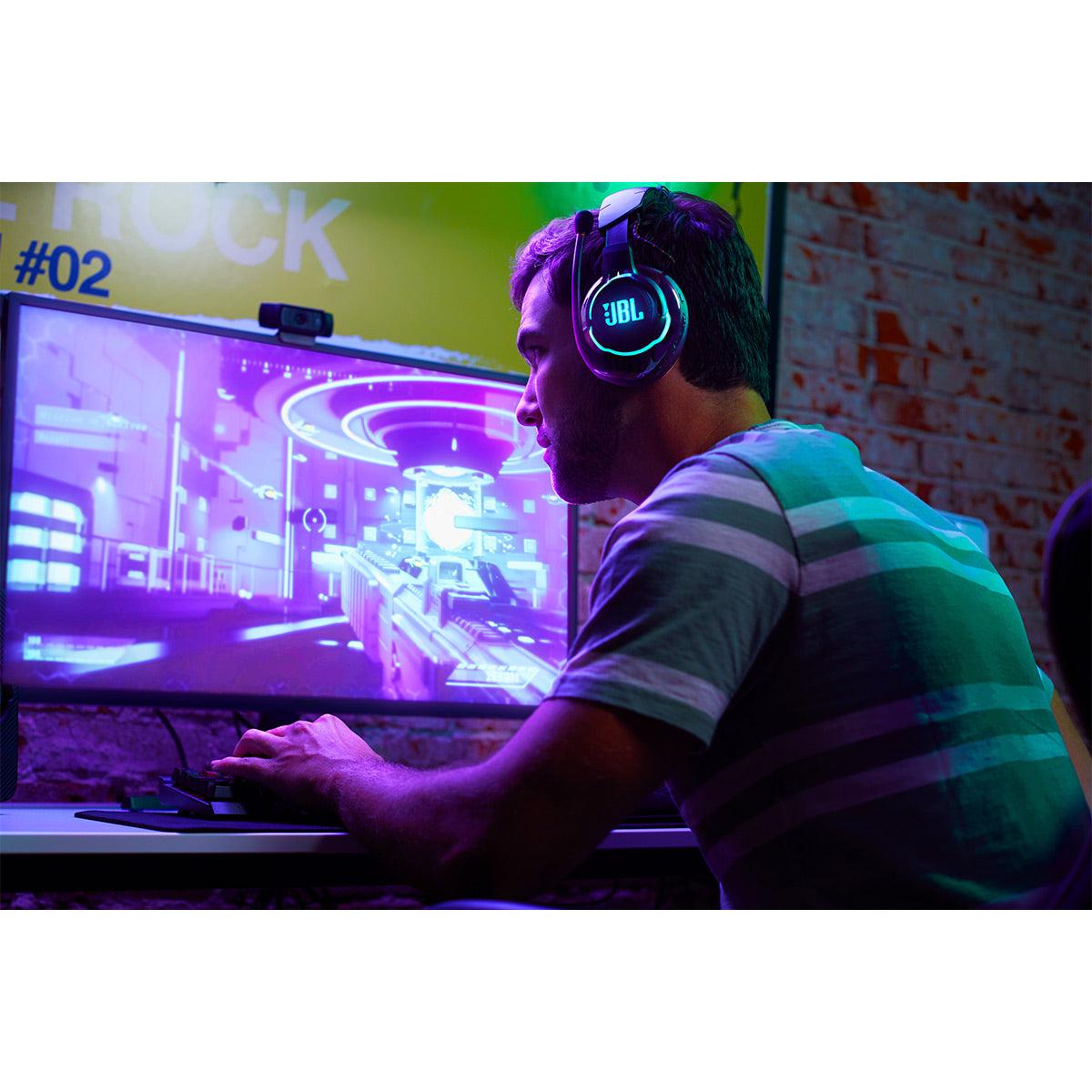
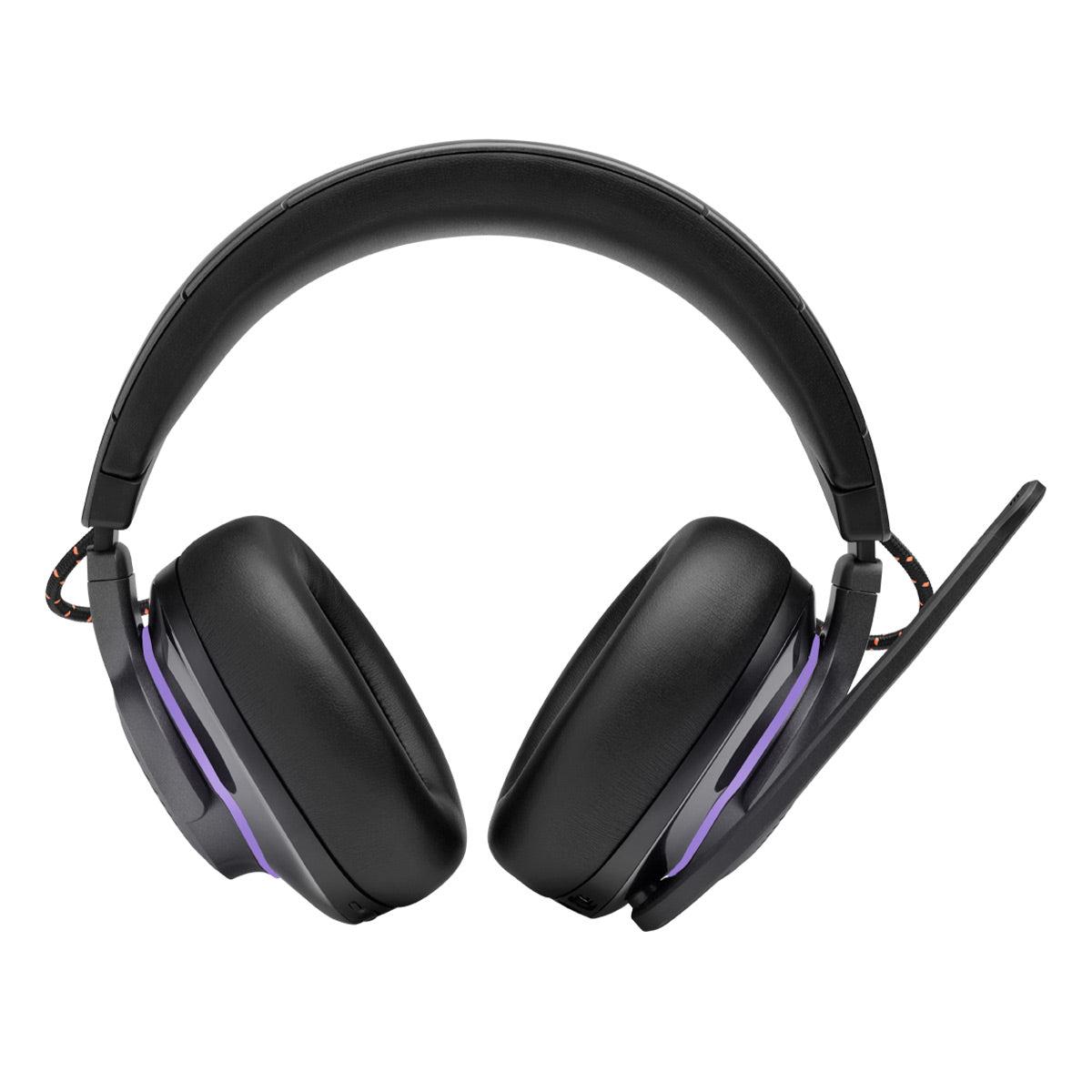
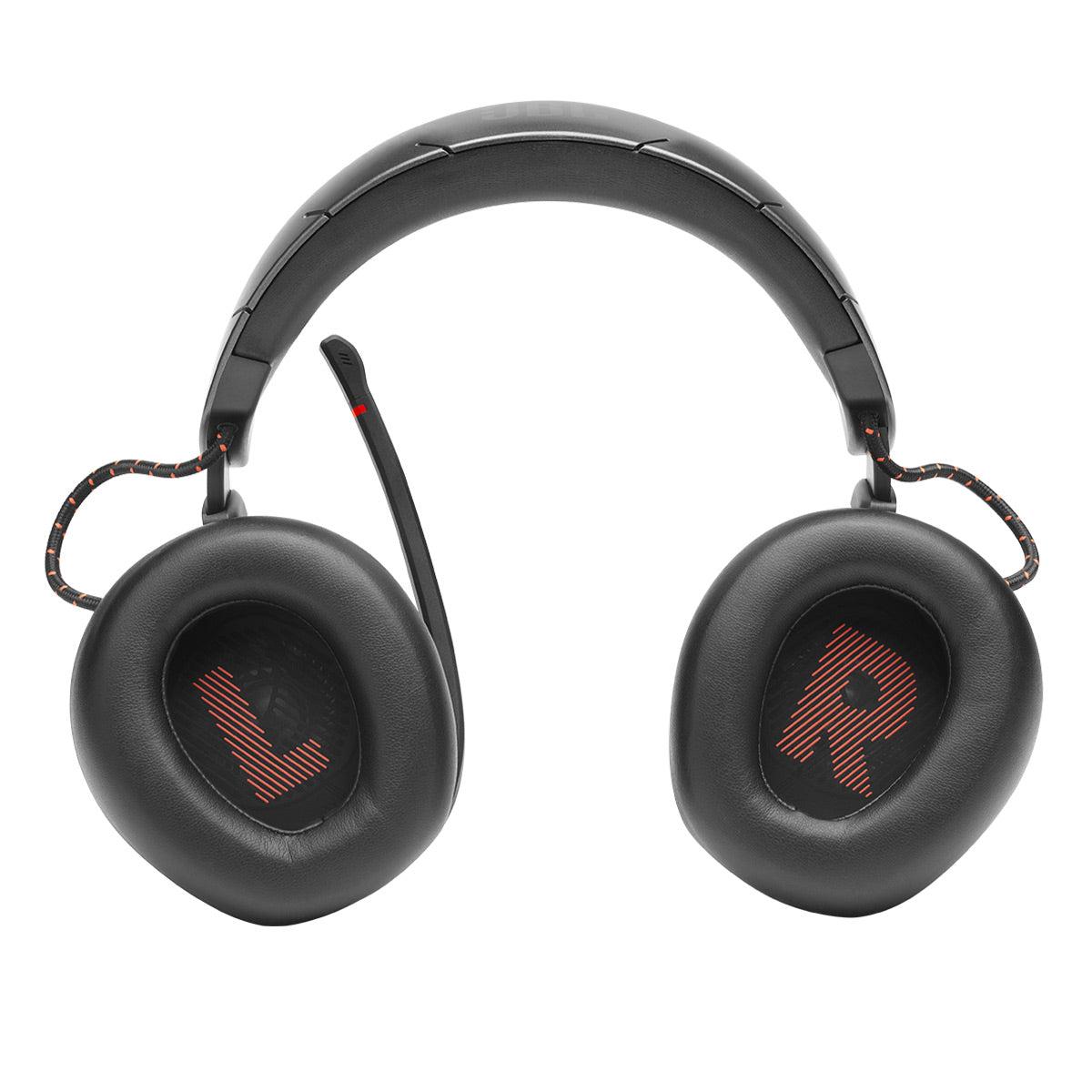
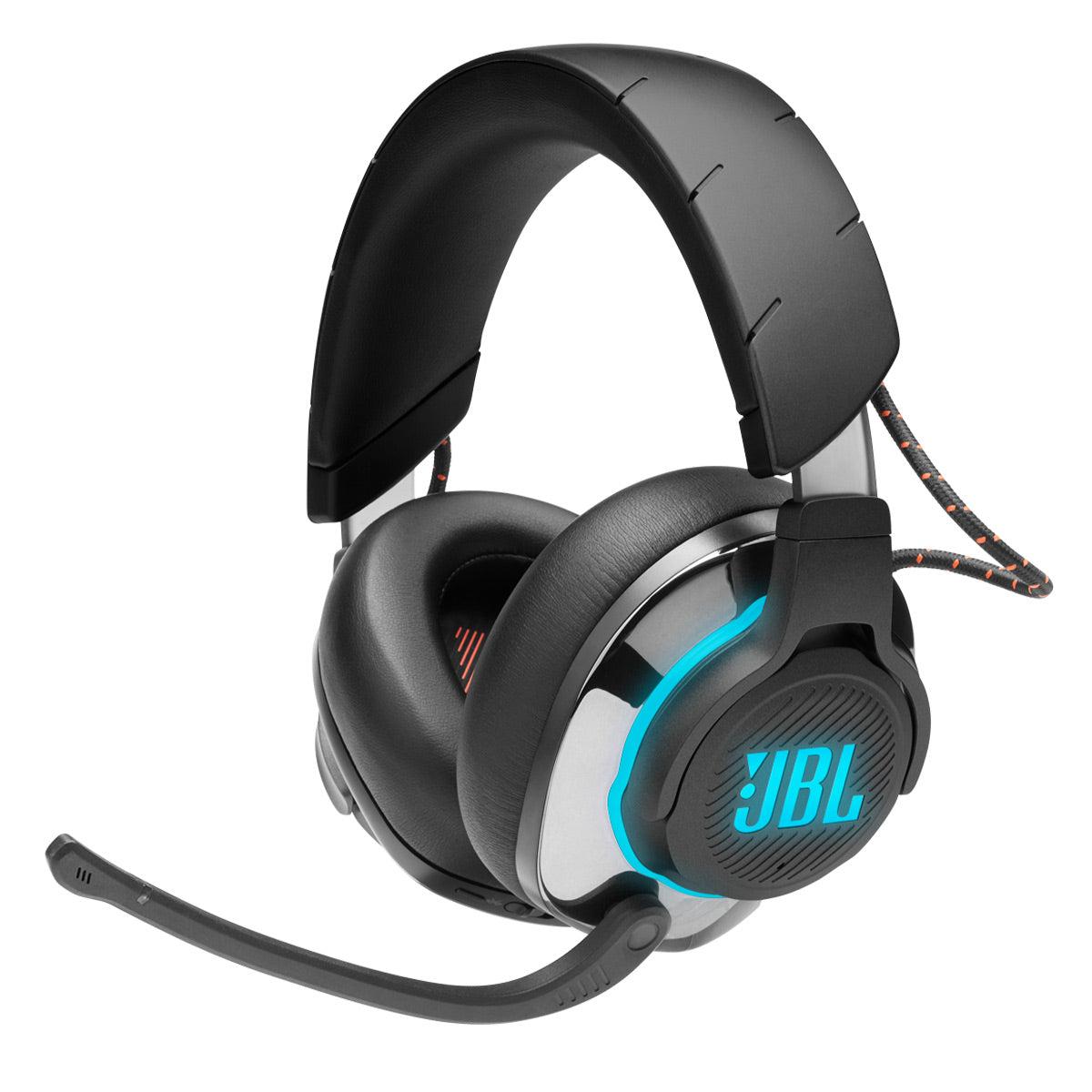
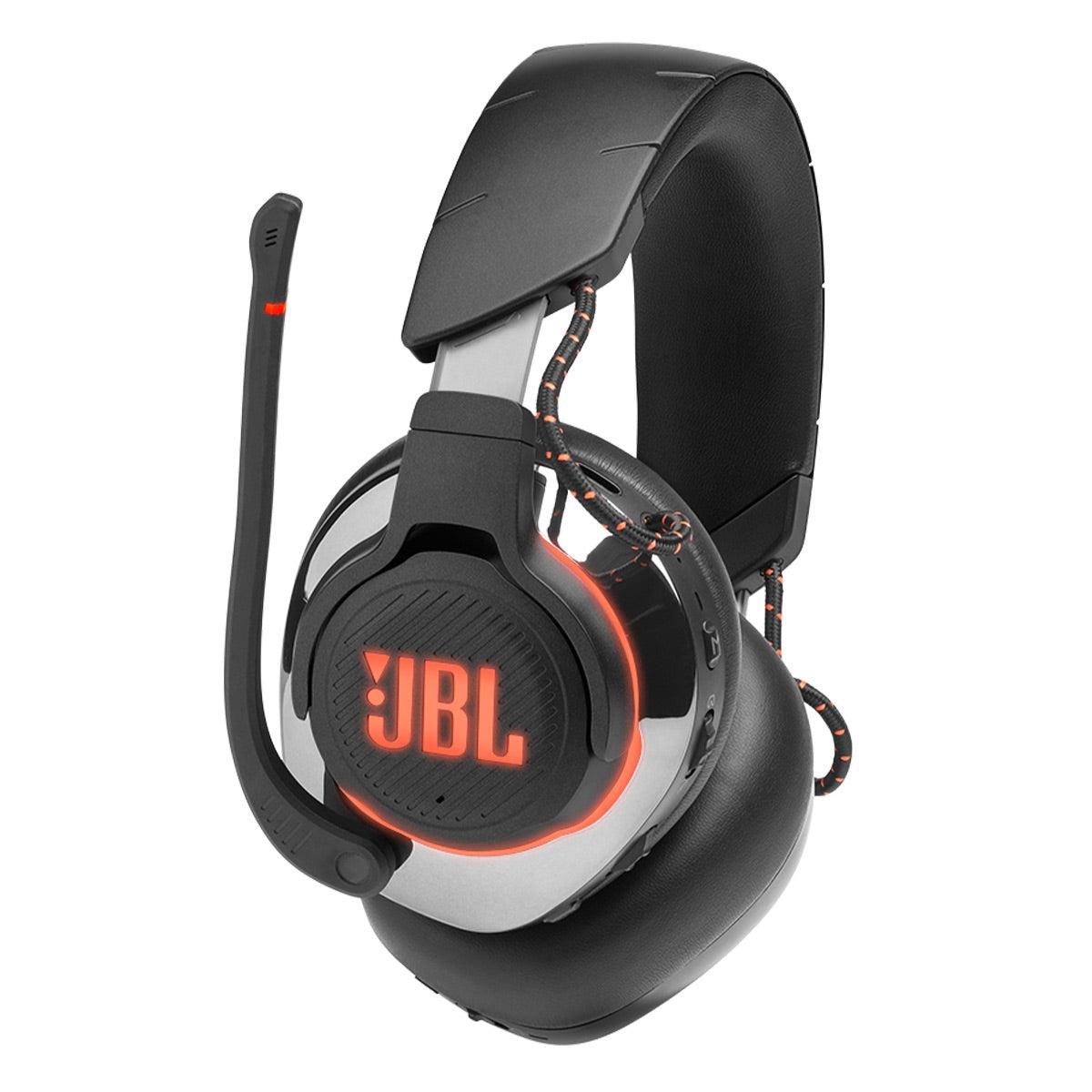
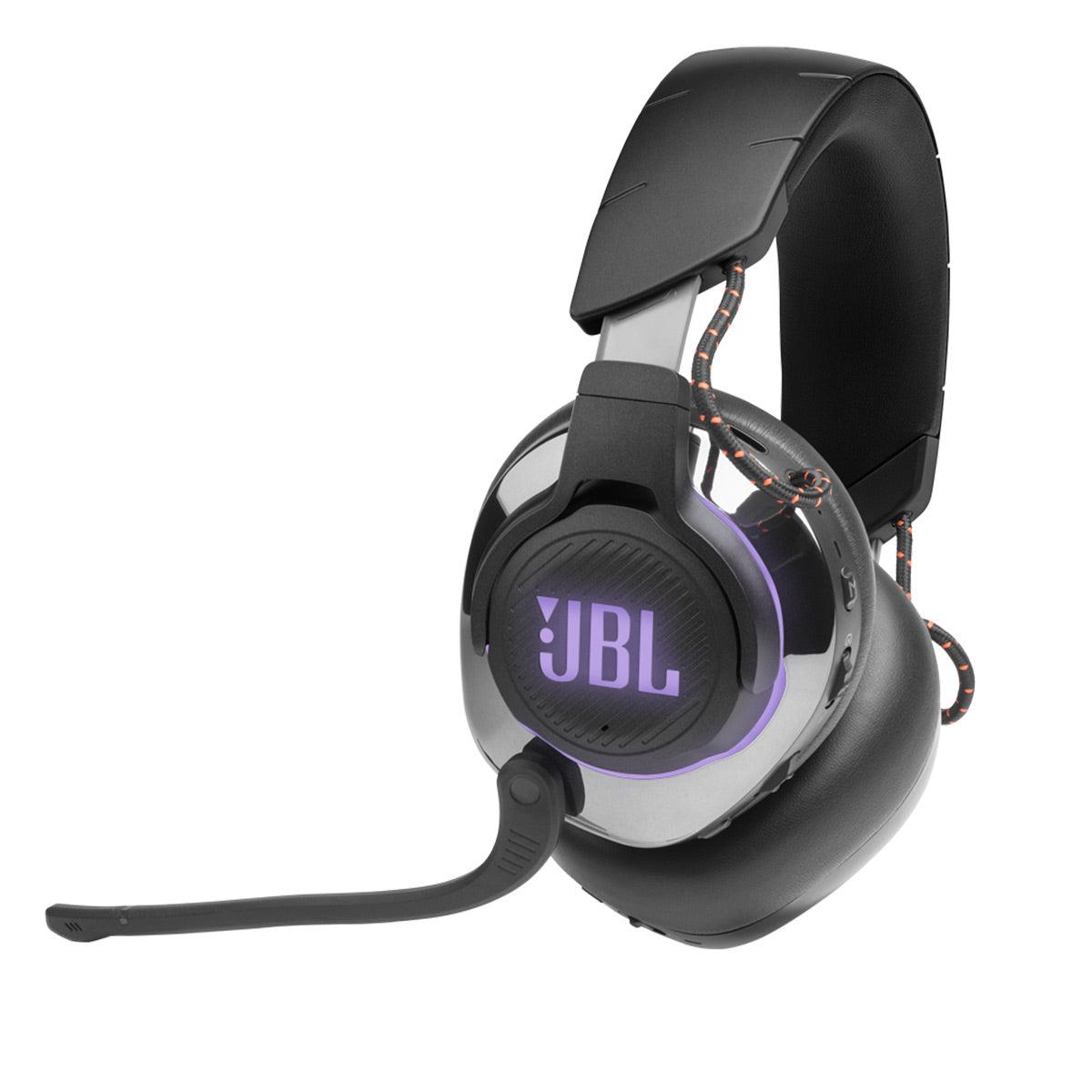
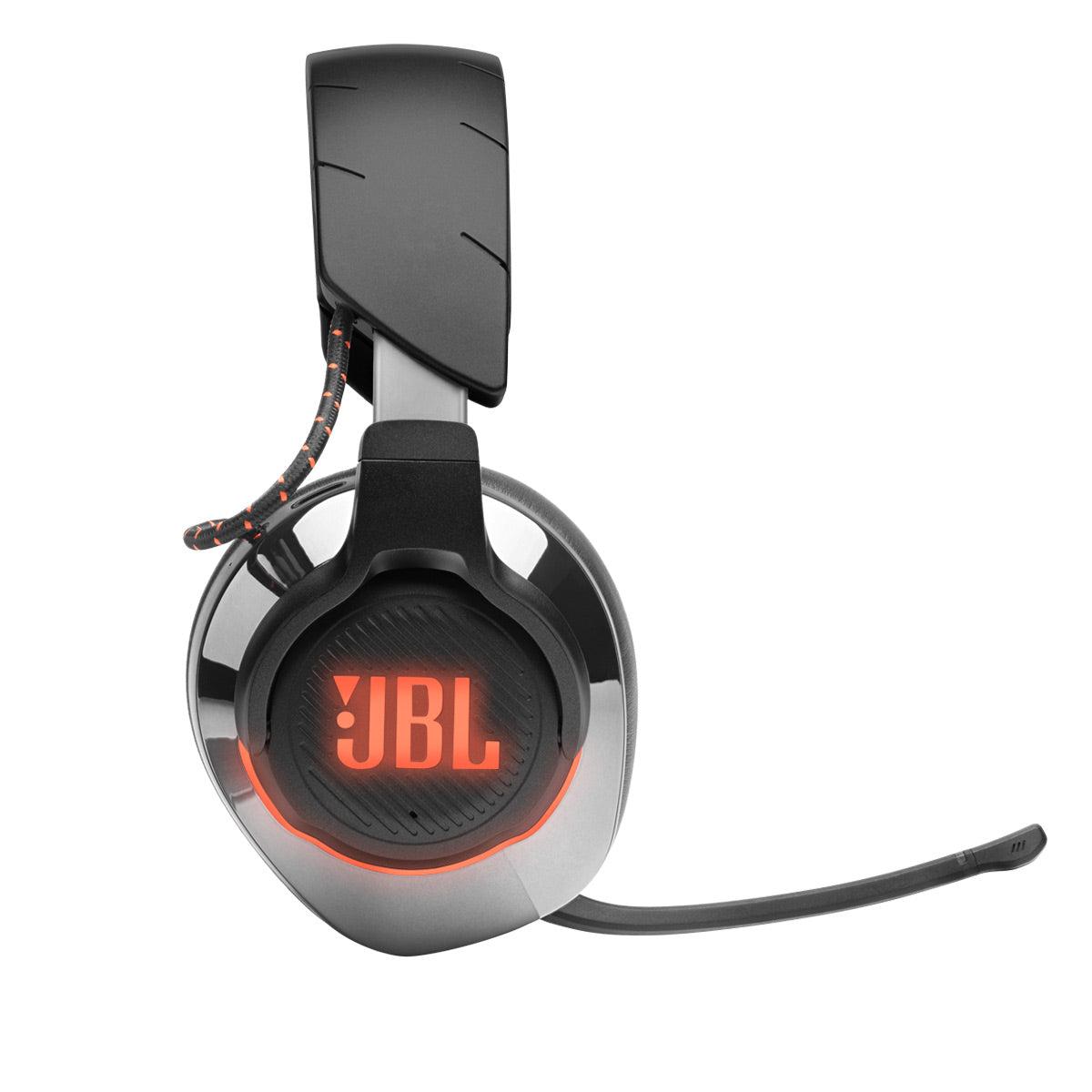
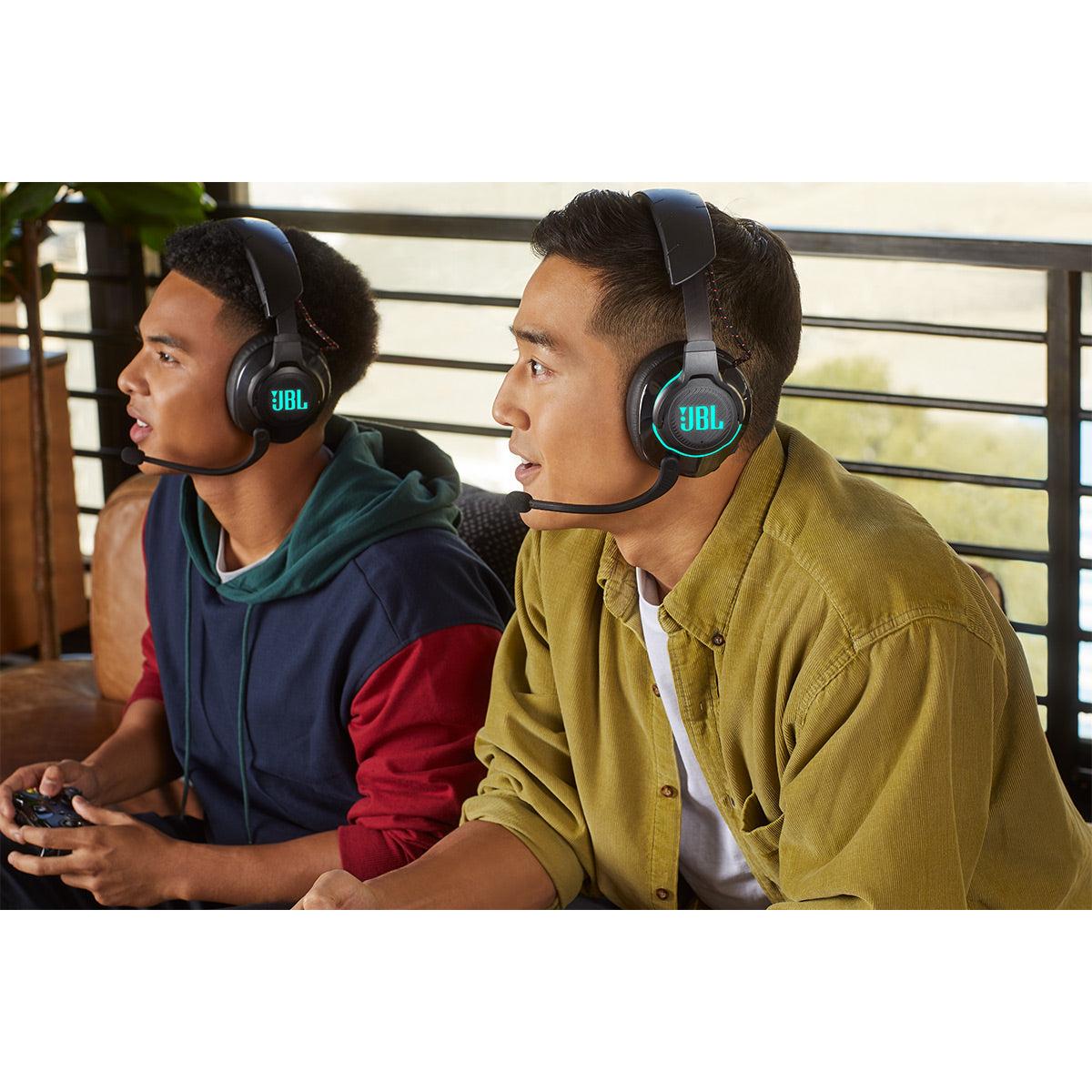
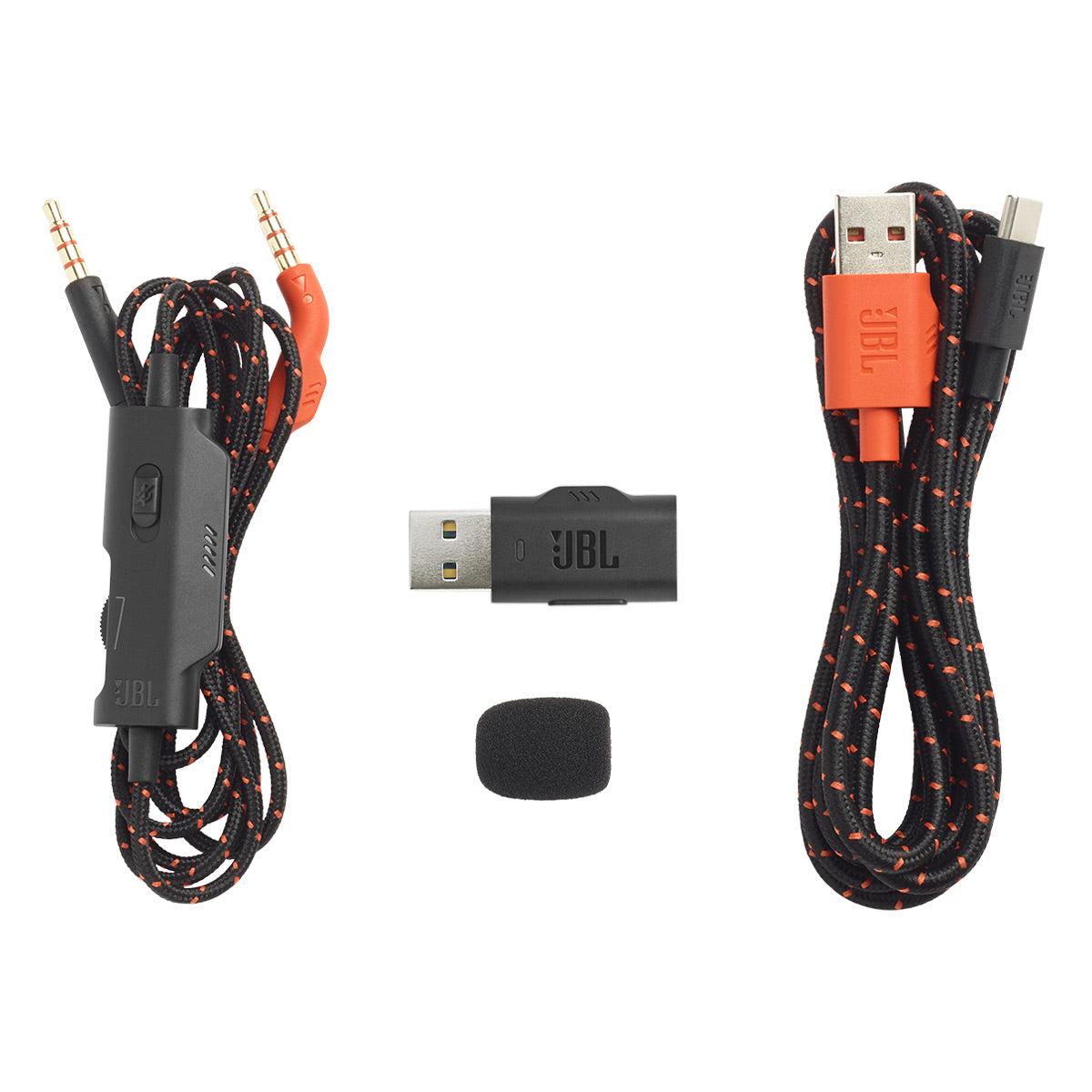
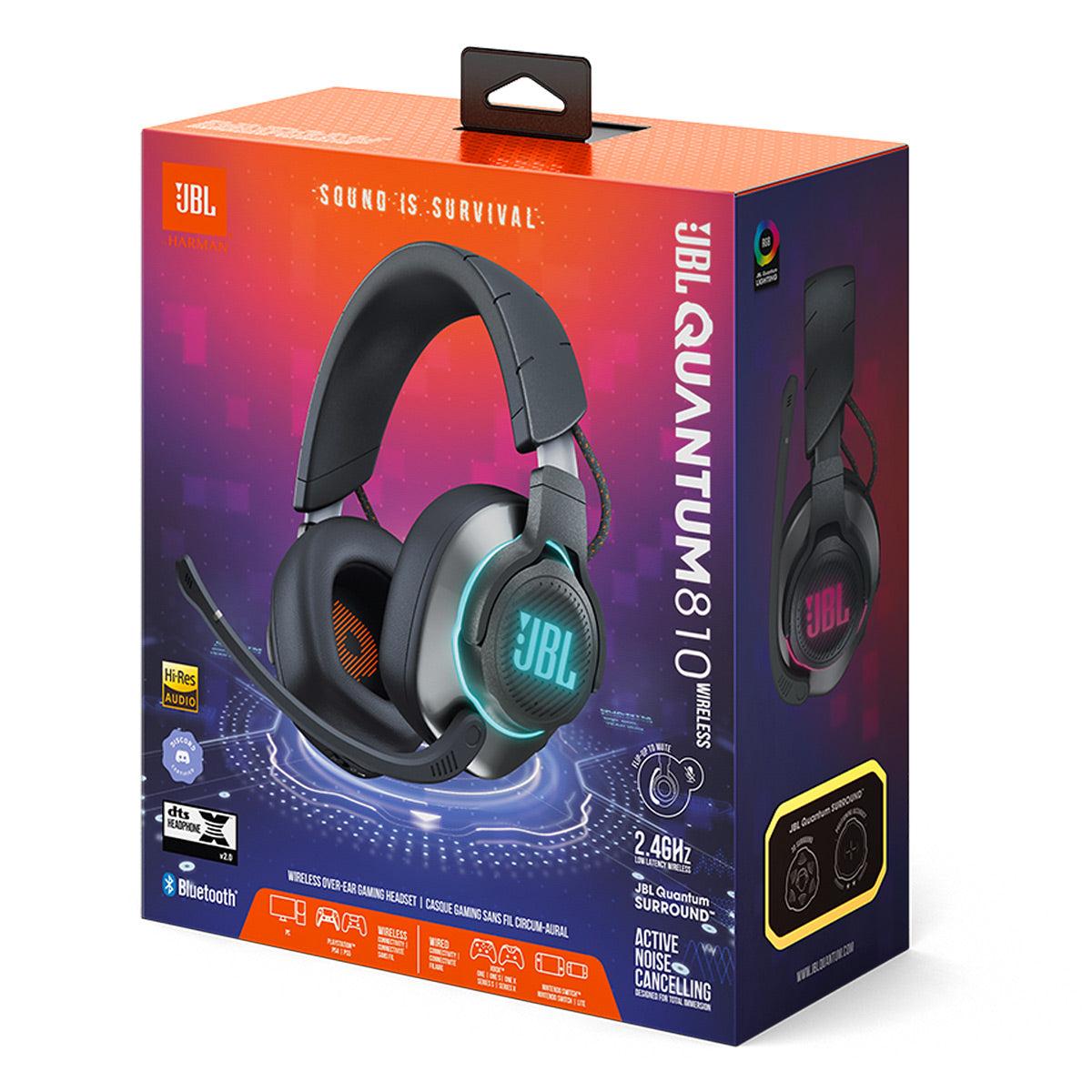
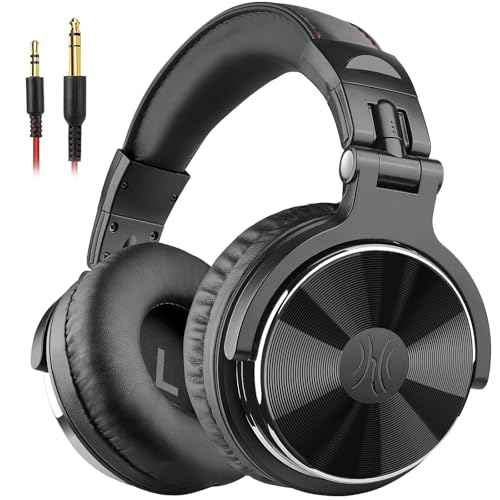


When I first started researching headphones seriously, I quickly realized that not all over-ear headphones are created equal. The JBL Quantum 810 Wireless Gaming Headset and OneOdio Pro-10 Over Ear Wired Headphones perfectly illustrate this point – despite both featuring 50mm drivers and over-ear designs, they're built for completely different worlds. At the time of writing, these products represent a fascinating value comparison: one costs roughly seven times more than the other, but serves an entirely different purpose.
The Quantum 810 launched in 2022 as JBL's flagship gaming headset, packed with wireless technology and gaming-specific features. The Pro-10, released around the same time, targets budget-conscious users who want professional-grade audio without the premium price tag. Understanding which approach suits your needs can save you both money and frustration.
Gaming headsets like the JBL Quantum 810 are engineered around a simple premise: competitive advantage through audio. When you're playing a first-person shooter, hearing an enemy's footsteps from the correct direction can mean the difference between victory and defeat. This drives several key design decisions.
First, gaming headsets prioritize spatial audio processing – technology that creates a convincing 3D soundscape from stereo drivers. The Quantum 810 uses both JBL's proprietary QuantumSURROUND technology and DTS Headphone:X Version 2.0. DTS Headphone:X is particularly interesting because it processes multichannel audio (like 5.1 or 7.1 surround sound) and renders it through regular stereo headphones, creating the illusion that sounds are coming from specific locations around you.
Second, they need excellent microphones for team communication. The boom microphone on the Quantum 810 features unidirectional pickup patterns, meaning it focuses on sound directly in front of it while rejecting noise from other directions. This is crucial when you're in a noisy environment but need crystal-clear voice chat with teammates.
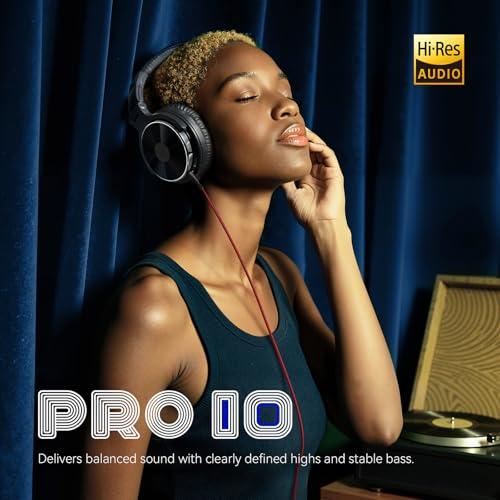
Professional audio headphones like the OneOdio Pro-10 follow a completely different philosophy. Instead of enhancing certain frequencies for excitement, they aim for neutral frequency response – reproducing audio exactly as it was recorded. This matters enormously if you're mixing music, editing podcasts, or simply want to hear your favorite songs as the artist intended.
The Pro-10 achieves this through careful driver tuning and acoustic design. Its 50mm neodymium drivers use powerful magnets (neodymium is much stronger than traditional ferrite magnets) to provide precise control over the driver cone movement. This translates to cleaner bass response and better overall accuracy.
Understanding frequency response is crucial for choosing the right headphones. Measured in Hertz (Hz), it represents the range of sound frequencies a headphone can reproduce. Human hearing typically spans 20Hz to 20,000Hz (20kHz), from deep bass rumbles to the highest treble sparkles.
The JBL Quantum 810 boasts an impressive 20Hz-40kHz response in passive mode, earning Hi-Res Audio certification. This extended high-frequency response (beyond human hearing) isn't just marketing – it affects how harmonics and overtones interact within the audible range, potentially improving overall sound quality and detail retrieval.
However, raw specifications don't tell the whole story. The Quantum 810 uses a gaming-optimized V-shaped signature, meaning it enhances both bass and treble while slightly recessing midrange frequencies. This makes explosions more impactful and helps important gaming sounds like gunshots and footsteps cut through the mix. For music listening, this can make vocals sound slightly distant, though many users actually prefer this "exciting" sound signature.
The OneOdio Pro-10 takes a different approach with what reviewers consistently describe as a balanced, mild V-shape. This means it has some bass emphasis for musicality but maintains clearer midrange reproduction. The result is more natural-sounding vocals and instruments, making it better suited for critical listening and audio work.
Both headphones use 50mm drivers, but their implementation differs significantly. The Quantum 810 incorporates JBL's QuantumSOUND technology, which involves careful acoustic tuning and digital signal processing to optimize performance for gaming scenarios. With a maximum input power handling of 30mW, it's designed to work efficiently with the built-in amplification from gaming devices and wireless receivers.
The Pro-10, with its 1600mW maximum input power handling, can handle much higher volume levels and works well with professional audio equipment that might output higher power levels. Its 32-ohm impedance makes it easy to drive from smartphones and laptops, while still providing good dynamics when connected to dedicated headphone amplifiers.
Sensitivity is another crucial spec that affects how loud headphones can get with a given amount of power. The Pro-10 rates at 110±3dB sensitivity, while the Quantum 810 hits 95dB SPL. Higher sensitivity generally means the headphones will get louder with less power, which is why the Pro-10 works so well with portable devices despite its professional aspirations.
The JBL Quantum 810 represents the current state-of-the-art in gaming wireless technology. Its dual wireless implementation is particularly clever: 2.4GHz RF connectivity provides the low-latency connection essential for gaming, while Bluetooth 5.2 handles general device connectivity and multi-device use.
The 2.4GHz connection deserves special attention. Unlike Bluetooth, which compresses audio and introduces latency (delay between source and headphones), the 2.4GHz RF connection provides lossless audio transmission with minimal delay. This matters enormously in competitive gaming where audio-visual sync affects reaction times.
The 43-hour battery life (without RGB lighting) is genuinely impressive for a wireless headset with active noise cancellation. However, activating the RGB lighting drops this to around 8 hours – a significant trade-off that highlights the power requirements of purely aesthetic features. The play-and-charge capability means you never have to stop gaming, though this does generate some heat during extended sessions.
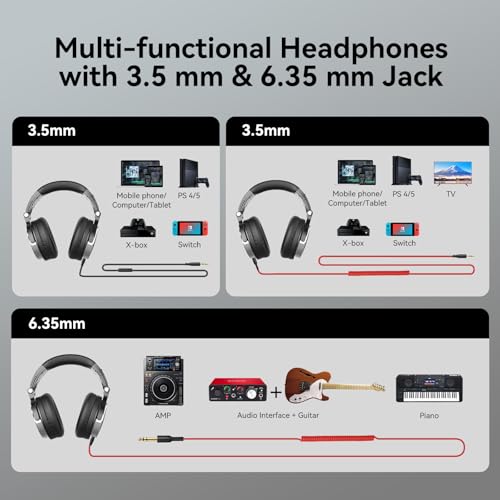
The OneOdio Pro-10 embraces wired connectivity with purpose-built features that wireless can't match. Its dual-port design includes both 3.5mm and 6.35mm jacks, allowing direct connection to professional audio equipment without adapters. This matters for studio work where adapters can introduce noise or become points of failure.
The SharePort daisy-chain feature is brilliantly simple: you can connect another pair of headphones directly to the Pro-10 for shared listening. This eliminates the need for splitter cables and maintains signal quality better than most passive splitting solutions.
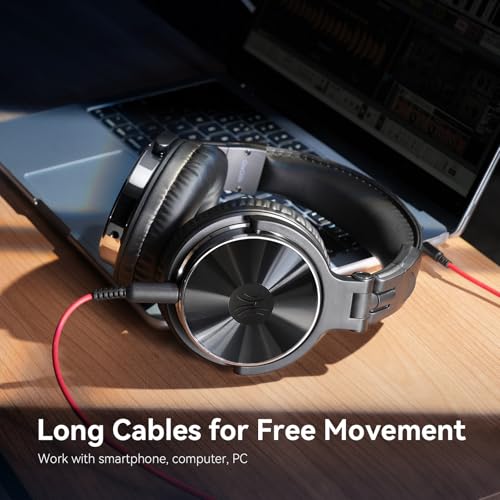
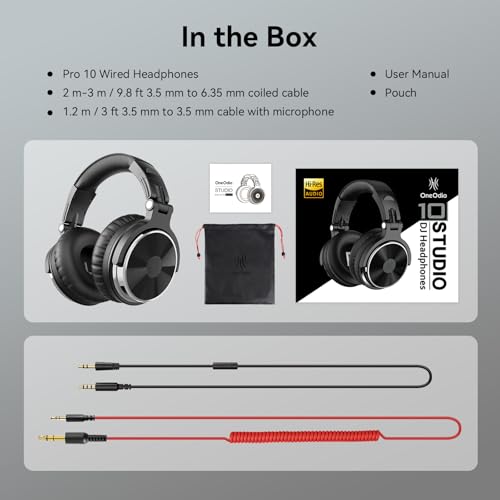
The included cables show thoughtful design: a coiled 3.5mm-to-6.35mm cable that extends up to 9.8 feet for studio flexibility, and a straight 3.5mm-to-3.5mm cable with inline microphone for general device compatibility. The coiled cable automatically retracts when not stretched, reducing desk clutter – a small detail that makes daily use more pleasant.
The boom microphone on the JBL Quantum 810 operates in a different league from typical gaming headset mics. Its unidirectional pickup pattern with voice-focusing technology means it captures your voice clearly while rejecting keyboard clacking, mouse clicks, and background noise. The 100Hz-10kHz frequency response is specifically tuned for voice reproduction, cutting out unnecessary low-end rumble while maintaining vocal clarity.
The flip-to-mute functionality provides both visual and audio confirmation, so you always know when you're muted. This seems basic, but I've seen countless streamers accidentally broadcast private conversations because their mute status wasn't clear. The Discord certification ensures compatibility with the platform most gamers use for voice chat.
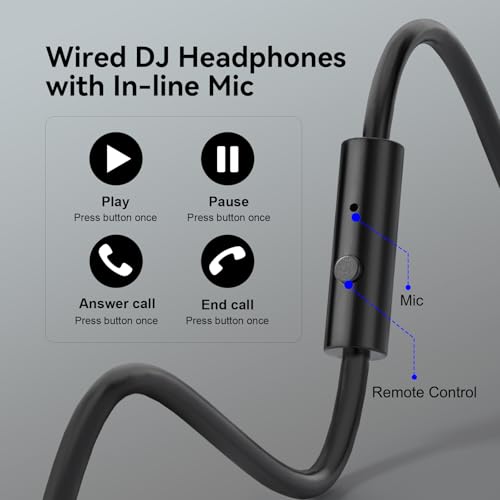
The OneOdio Pro-10 includes a standard inline microphone on its 3.5mm cable. While adequate for phone calls and video conferences, it lacks the noise rejection and voice optimization of dedicated boom microphones. This reflects its target market – users who need occasional communication capability rather than constant team coordination.
Comfort during long gaming sessions involves more than just padding. The Quantum 810 uses memory foam ear cushions wrapped in leather, which provides good sealing for noise isolation but can trap heat during extended use. At 410 grams, it's reasonably lightweight for a wireless headset with active noise cancellation, though some users report the ear pads running slightly warm compared to competitors.
The adjustable headband distributes weight well, and the clamping force is calibrated for gaming – tight enough to stay put during intense moments, but not so tight as to cause pressure headaches during marathon sessions.
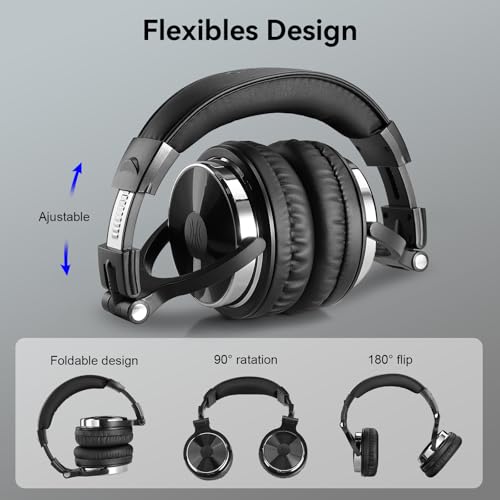
The OneOdio Pro-10 follows traditional studio headphone design principles with its foldable construction and 90-degree swiveling earcups. This swivel feature enables single-ear monitoring, crucial for DJs and audio engineers who need to cue tracks or monitor mixes with one ear while keeping the other free to hear the room.
However, the smaller ear cup openings and firmer foam padding reflect its professional heritage rather than gaming comfort priorities. Users with larger ears may find extended wearing less comfortable than the Quantum 810, though the lighter weight helps offset this concern.
The JBL Quantum 810 incorporates Active Noise Cancellation specifically tuned for gaming environments. Unlike ANC systems optimized for airplane travel, gaming ANC focuses on reducing consistent background noise (air conditioning, computer fans) while preserving important audio cues. The TalkThru feature allows environmental sounds to pass through when needed, letting you hear doorbell rings or family members without removing the headset.
The OneOdio Pro-10 relies entirely on passive noise isolation through its closed-back design and ear pad sealing. This approach has advantages: no battery drain, no electronic artifacts, and consistent performance regardless of power levels. For studio work, this can actually be preferable since it doesn't alter the audio signal in any way.
The JBL Quantum 810 requires JBL's QuantumENGINE software to unlock its full potential. This PC-only software provides extensive customization options: EQ presets for different game genres, RGB lighting control, microphone settings, and surround sound configuration.
The software integration means the Quantum 810 works best as part of a PC gaming setup. Console users miss out on many advanced features, though basic wireless functionality remains available across PlayStation, Xbox, and Nintendo Switch platforms.
The OneOdio Pro-10 needs no software, drivers, or configuration. This simplicity can be refreshing – you plug it in, and it works exactly as designed on any device with an audio output. There's something to be said for this approach in our increasingly complex digital world.
For home theater use, both headphones offer different advantages. The JBL Quantum 810 excels with movie watching thanks to its DTS Headphone:X processing, which creates convincing surround sound from stereo sources. Action movies benefit enormously from the enhanced bass response and spatial positioning.
However, the OneOdio Pro-10 provides more accurate sound reproduction for audiophile movie watching, where you want to hear the soundtrack exactly as the director intended. Its neutral response won't artificially enhance explosions, but it will present dialogue and music with greater fidelity.
At the time of writing, the price difference between these headphones is substantial – the Quantum 810 costs roughly seven times more than the Pro-10. This price gap reflects their different target markets rather than proportional quality differences.
The JBL Quantum 810 justifies its premium pricing through comprehensive feature integration: wireless convenience, gaming-optimized audio processing, professional-grade microphone, active noise cancellation, and extensive software customization. For serious gamers or content creators, these features provide genuine competitive advantages and workflow improvements.
The OneOdio Pro-10 represents exceptional value in the budget audio category, offering sound quality that rivals headphones costing several times more. Its professional build quality and versatile connectivity make it suitable for a wide range of applications beyond casual listening.
Choose the JBL Quantum 810 if you:
Choose the OneOdio Pro-10 if you:
Consider alternatives if you need wireless convenience without gaming features, gaming performance at a mid-range price point, or professional audio quality with wireless capability.
The choice ultimately comes down to whether you're investing in a comprehensive gaming solution or seeking exceptional audio value. Both approaches have merit – the key is matching your needs with the right philosophy and feature set. The Quantum 810 excels as a premium gaming peripheral, while the Pro-10 shines as a versatile, budget-friendly audio tool that punches well above its weight class.
| JBL Quantum 810 Wireless Gaming Headset | OneOdio Pro-10 Over Ear Wired Headphones |
|---|---|
| Audio Driver Size - Larger drivers typically produce better bass and soundstage | |
| 50mm Hi-Res certified dynamic drivers | 50mm neodymium drivers |
| Frequency Response - Wider range captures more audio detail | |
| 20Hz-40kHz (passive mode), Hi-Res Audio certified | 20Hz-20kHz (standard audio range) |
| Connectivity - Determines device compatibility and convenience | |
| 2.4GHz wireless, Bluetooth 5.2, 3.5mm wired | Wired only (3.5mm and 6.35mm dual ports) |
| Battery Life - Critical for wireless headsets | |
| Up to 43 hours (8 hours with RGB lighting) | N/A (wired connection) |
| Microphone Quality - Essential for gaming communication and calls | |
| Professional boom mic with flip-to-mute, Discord certified | Basic in-line microphone on cable |
| Active Noise Cancellation - Blocks distracting background noise | |
| Yes, gaming-optimized ANC with TalkThru mode | No, passive noise isolation only |
| Sound Signature - Affects how music and games sound | |
| Gaming-optimized V-shaped (enhanced bass/treble) | Balanced, mild V-shaped (neutral for mixing) |
| Surround Sound Processing - Creates 3D audio positioning | |
| JBL QuantumSURROUND + DTS Headphone:X v2.0 | None (stereo only) |
| Weight - Affects comfort during long sessions | |
| 410g (14.5 oz) | Significantly lighter (exact weight not specified) |
| Special Features - Unique capabilities that justify cost difference | |
| RGB lighting, game/chat balance dial, multi-device connectivity | SharePort daisy-chaining, 90° swiveling earcups, foldable design |
| Software Integration - Customization and optimization options | |
| JBL QuantumENGINE (PC only) for EQ, RGB, mic settings | None required (plug-and-play) |
| Professional Use Cases - Beyond gaming and general listening | |
| Content creation, streaming, competitive gaming | Audio mixing, DJ monitoring, studio work |
| Platform Compatibility - Which devices get full features | |
| Full features on PC; basic wireless on PlayStation/Switch | Universal compatibility with any audio source |
The JBL Quantum 810 Wireless Gaming Headset is specifically designed for gaming with features like low-latency 2.4GHz wireless connectivity, DTS Headphone:X surround sound processing, and a professional boom microphone for team communication. The OneOdio Pro-10 Over Ear Wired Headphones can work for gaming but lacks gaming-specific features like spatial audio processing and dedicated gaming microphones.
Wireless headphones like the JBL Quantum 810 offer convenience and freedom of movement with up to 43 hours of battery life, making them ideal for gaming and multimedia use. Wired headphones like the OneOdio Pro-10 provide consistent audio quality without battery concerns and work with any device that has an audio jack, making them more reliable for professional audio work.
The OneOdio Pro-10 Over Ear Wired Headphones offer more neutral, balanced sound reproduction that's better suited for accurate music listening and mixing. The JBL Quantum 810 Wireless Gaming Headset uses a gaming-optimized sound signature with enhanced bass and treble that can make music sound more exciting but less accurate to the original recording.
The JBL Quantum 810 excels at calls with its professional-grade boom microphone that features noise cancellation and flip-to-mute functionality. The OneOdio Pro-10 includes a basic in-line microphone suitable for casual phone calls but isn't optimized for professional communication or streaming.
The JBL Quantum 810 Wireless Gaming Headset features memory foam ear cushions with leather wrapping designed for extended gaming sessions, though some users report they can run warm. The OneOdio Pro-10 Over Ear Wired Headphones is lighter weight but has smaller ear cup openings and firmer padding that may be less comfortable for users with larger ears.
The JBL Quantum 810 works wirelessly with PlayStation and Nintendo Switch (when docked), but requires a wired connection for Xbox and Nintendo Switch handheld mode. The OneOdio Pro-10 works with all gaming consoles through wired connections using the included 3.5mm cable, offering universal compatibility.
The JBL Quantum 810 Wireless Gaming Headset provides an immersive home theater experience with DTS Headphone:X surround sound processing that creates convincing 3D audio from movies and TV shows. The OneOdio Pro-10 offers more accurate sound reproduction without enhancement, which some users prefer for audiophile movie watching.
The JBL Quantum 810 features premium materials with memory foam padding and durable construction designed for gaming use, plus RGB lighting and advanced wireless components. The OneOdio Pro-10 offers solid build quality with a foldable design, professional-grade materials, and 90-degree swiveling earcups, despite its lower price point.
The OneOdio Pro-10 Over Ear Wired Headphones includes dual audio ports (3.5mm and 6.35mm) that connect directly to mixers, audio interfaces, and professional equipment without adapters. The JBL Quantum 810 is primarily designed for consumer devices and gaming setups, requiring adapters for professional audio connections.
The JBL Quantum 810 Wireless Gaming Headset features active noise cancellation specifically tuned for gaming environments, plus a TalkThru mode for hearing your surroundings when needed. The OneOdio Pro-10 relies on passive noise isolation through its closed-back design and ear pad sealing, which doesn't require power but isn't as effective.
The JBL Quantum 810 requires JBL QuantumENGINE software on PC to access advanced features like EQ customization, RGB lighting control, and surround sound settings. The OneOdio Pro-10 Over Ear Wired Headphones works plug-and-play with no software required, making it compatible with any device immediately.
The OneOdio Pro-10 provides exceptional value with professional-grade audio quality and build at a budget-friendly price point, making it ideal for users who want great sound without premium features. The JBL Quantum 810 justifies its higher cost through comprehensive gaming features, wireless convenience, and advanced technology for users who need those specific capabilities.
We've done our best to create useful and informative comparisons to help you decide what product to buy. Our research uses advanced automated methods to create this comparison and perfection is not possible - please contact us for corrections or questions. These are the sites we've researched in the creation of this article: techradar.com - youtube.com - gamingtrend.com - gamingaustralia.com.au - youtube.com - jbl.com - jbl.com - youtube.com - harmanaudio.com - versus.com - microcenter.com - crutchfield.com - jbl.com - mm.jbl.com - cdwg.com - jbl.com - en.jblthailand.com - nfm.com - jblonlinestore.com - scribd.com - harmanaudio.com - samsung.com - audioreviews.org - youtube.com - attackmagazine.com - versus.com - head-fi.org - versus.com - youtube.com - oneodio.com - youtube.com - youtube.com - walmart.com - teqclub.com - head-fi.org - manuals.plus - terrycartermusicstore.com - oneodio.com - matzotech.com - oneodio.com - target.com - techbuzzireland.com - youtube.com

Privacy Policy
Terms and Conditions - Affiliate Policy
Home Security
© Copyright 2008-2026.
11816 Inwood Rd #1211, Dallas, TX 75244