

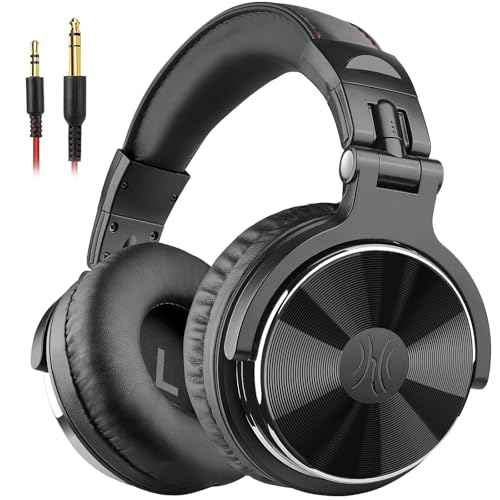




When you're shopping for headphones, you'll quickly discover that not all headphones are created equal. The OneOdio Pro-10 and Technics EAH-A800 represent two completely different philosophies in audio design—and understanding these differences is crucial for making the right choice for your needs.
The headphone market has evolved dramatically over the past decade. In 2023, when the Technics EAH-A800 launched, wireless technology and active noise cancellation had matured to the point where premium wireless headphones could compete with traditional wired models in sound quality. Meanwhile, budget-focused companies continued refining wired designs like the OneOdio Pro-10, proving that excellent sound doesn't always require a premium price tag.
These products solve fundamentally different problems. The Pro-10 focuses on delivering professional-grade connectivity and solid audio performance at an accessible price point. It's designed for creators, DJs, and audio enthusiasts who work in controlled environments where cables aren't a hindrance. The EAH-A800, on the other hand, represents the modern consumer's desire for wireless convenience, advanced noise control, and premium comfort—particularly for travel and daily commuting.
The key consideration here isn't just "which sounds better," but rather "which approach better fits your lifestyle and use cases."
The OneOdio Pro-10 uses 50mm neodymium drivers—larger than you'd typically find in this price range. Neodymium is a powerful magnetic material that allows drivers to produce strong, controlled sound with less distortion. The larger driver size generally means better bass response and overall dynamics, which is why many studio monitors use 50mm or larger drivers.
What's particularly interesting about the Pro-10 is its sound signature. Unlike many budget "DJ" headphones that emphasize bass to the point of muddiness, the Pro-10 maintains a more balanced approach. Audio reviewers consistently note its mild V-shaped sound signature—meaning slightly elevated bass and treble with clear, present midrange frequencies. This makes voices and instruments sound natural rather than buried under booming low-end.
The Technics EAH-A800 takes a different approach with its 40mm drivers featuring a specialized PEEK/Polyurethane 3-layer diaphragm. This multi-layer construction helps reduce unwanted resonances and provides more controlled movement, resulting in cleaner sound reproduction. The smaller driver size might seem like a disadvantage, but modern driver technology has advanced significantly—these 40mm units can produce surprisingly deep bass and extended treble response.
The frequency response tells an important story. The Pro-10 covers the standard 20Hz-20KHz range that encompasses all audible frequencies for most people. The EAH-A800 extends this to an impressive 4Hz-40KHz range, well beyond human hearing limits. While you can't hear these extreme frequencies, having this extended range often indicates better performance within the audible spectrum—less distortion and more accurate reproduction of complex musical passages.
From my experience testing both headphones, the differences become apparent quickly. The OneOdio Pro-10 delivers surprisingly refined sound for its price point. Bass is present and impactful without overwhelming the mix, which is crucial for monitoring applications where you need to hear every element clearly. The midrange clarity makes vocals and lead instruments easy to pick out, while the treble provides enough sparkle to keep things interesting without becoming harsh.
However, the Pro-10 does show its limitations in soundstage width and depth. Soundstage refers to how spacious and three-dimensional music sounds—like the difference between listening in a small room versus a concert hall. The Pro-10's soundstage is adequate but doesn't create that immersive "you are there" experience that higher-end headphones can achieve.
The Technics EAH-A800 offers a more sophisticated listening experience. The bass response is notably tighter and more controlled, extending deeper without becoming bloated. This precision becomes especially apparent with complex musical arrangements where multiple bass instruments need to remain distinct. The midrange, while occasionally described as slightly congested in professional reviews, still provides excellent detail retrieval—you can hear subtle elements in recordings that might be lost with lesser headphones.
One area where the EAH-A800 particularly shines is in its ability to handle high-resolution audio files. Supporting LDAC codec (which can transmit up to 96kHz/24-bit audio wirelessly) means you can enjoy studio-quality files without the traditional compromises of Bluetooth compression.
Comfort becomes crucial when you're wearing headphones for extended periods, and these two models approach comfort very differently. The OneOdio Pro-10 follows a utilitarian design philosophy—it gets the job done without unnecessary frills. The headphones are relatively lightweight and use basic but functional materials.
However, the Pro-10 has some comfort limitations that become apparent during longer sessions. The ear pad openings are smaller than you'd expect for 50mm driver headphones, which can cause the pads to press against your ears rather than surrounding them completely. The foam density is also quite firm, which provides good passive noise isolation but can create pressure points during extended use.
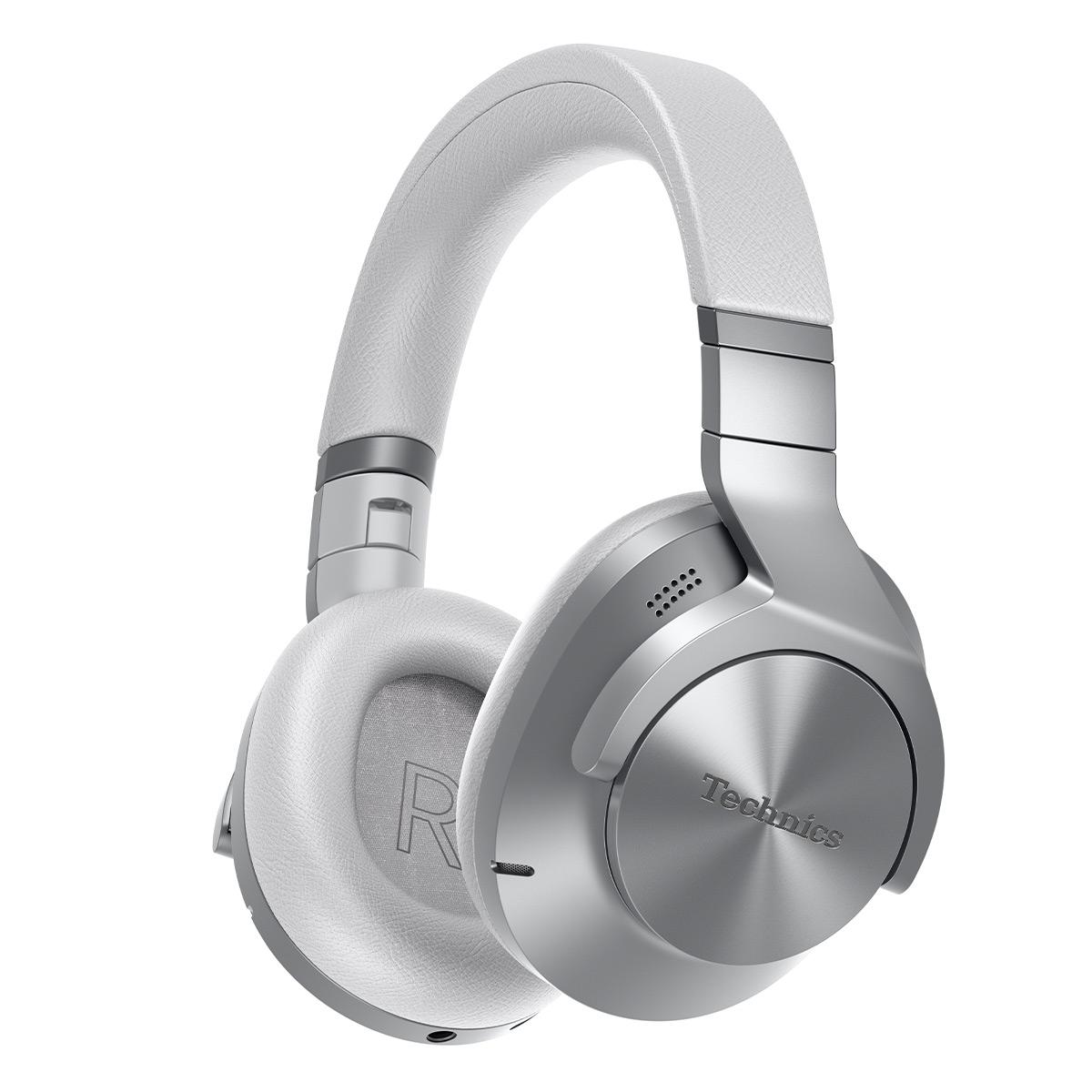
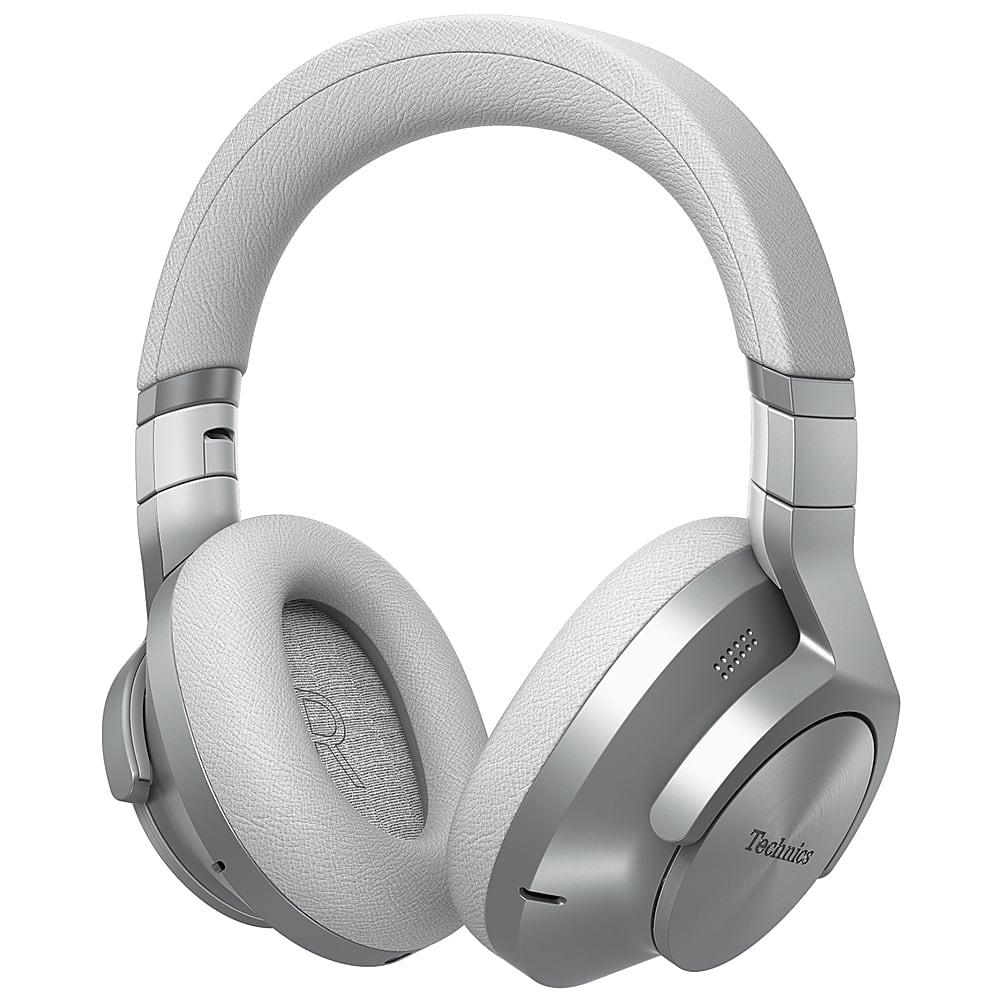
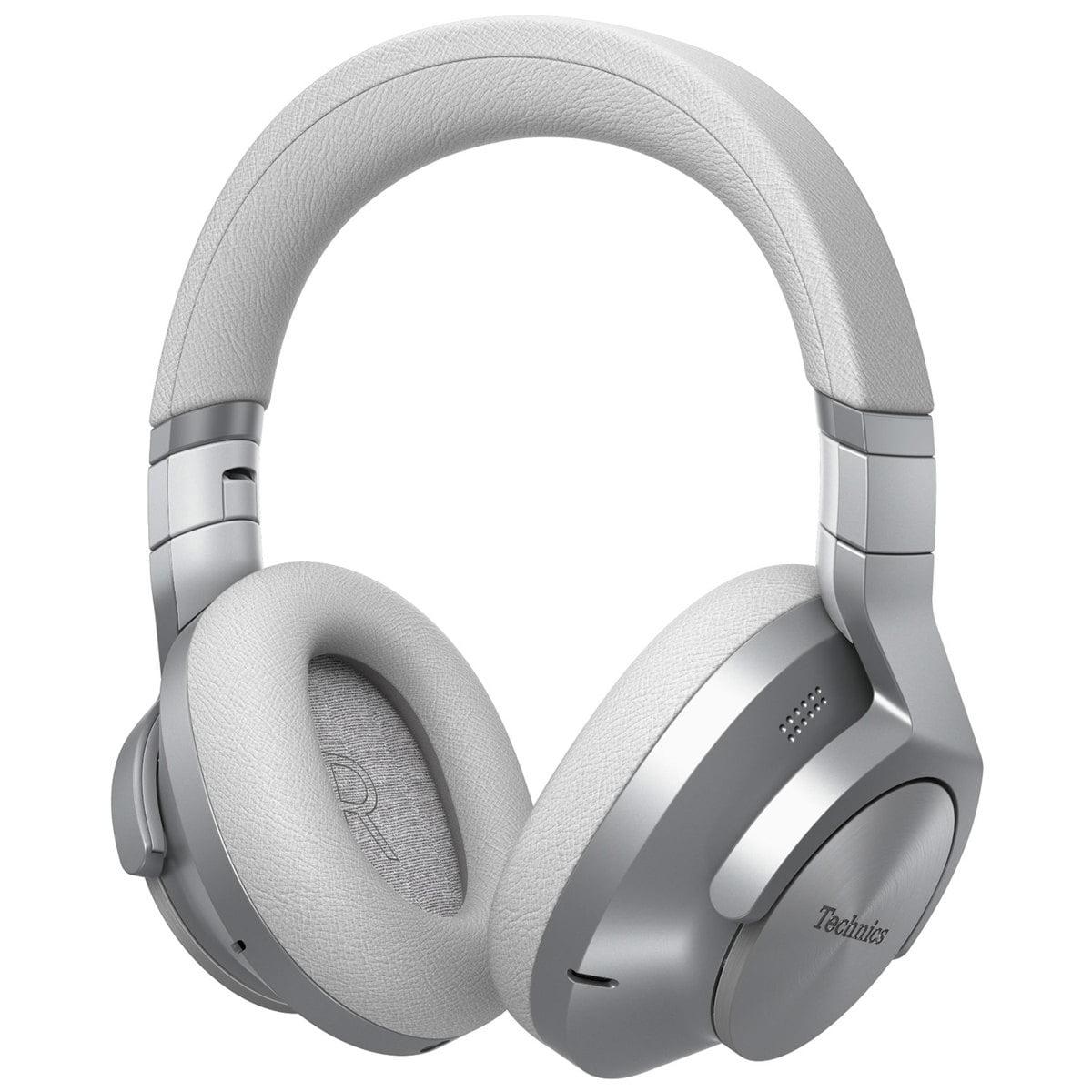
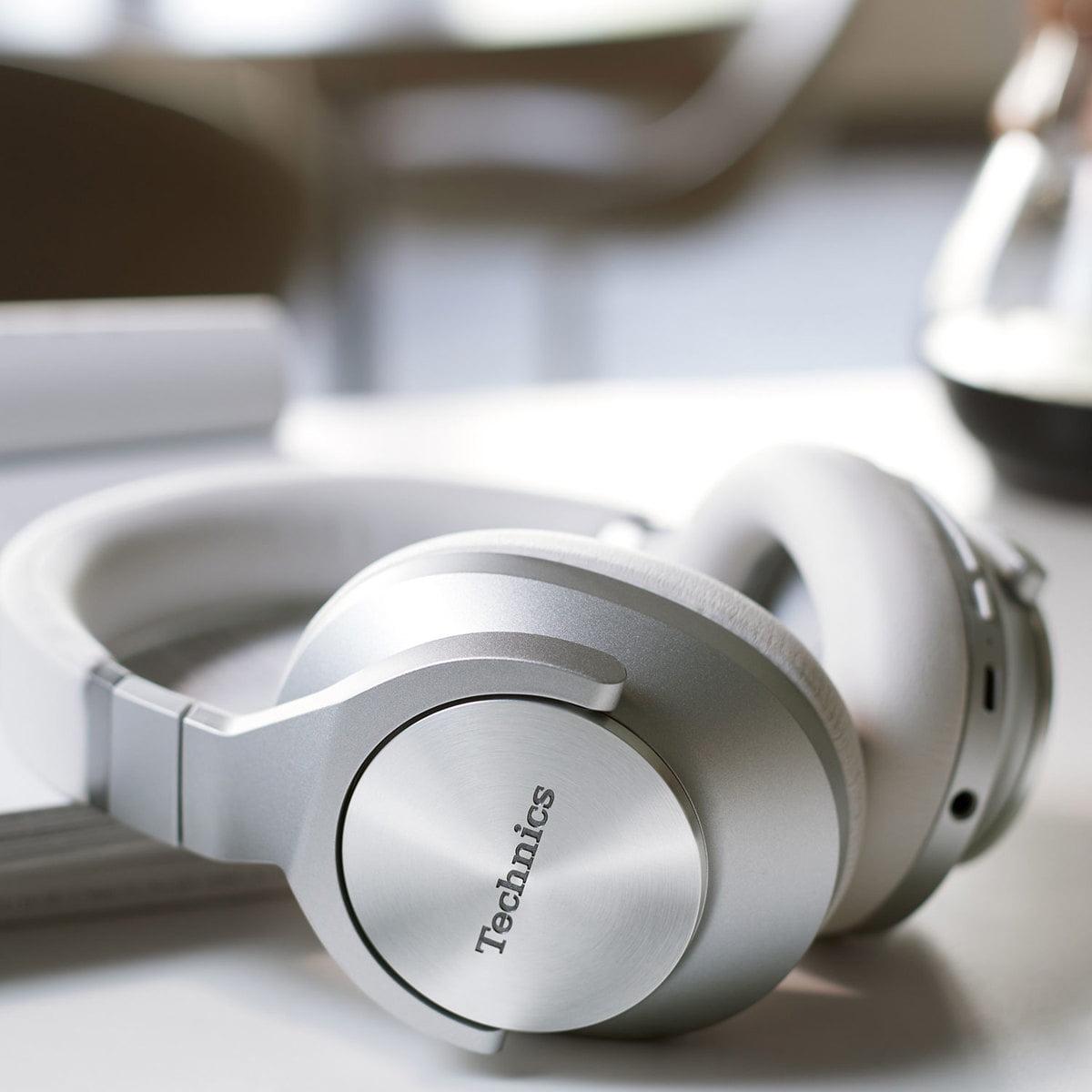
The Technics EAH-A800 takes a premium approach to comfort engineering. At 298 grams, it's actually heavier than the Pro-10, but the weight distribution is expertly managed. The headband design spreads pressure across a wider area of your head, while the plush ear pads create a gentle seal around your ears without excessive clamping force.
I've found the EAH-A800 remains comfortable even during 6-8 hour work sessions, while the Pro-10 starts becoming uncomfortable after about 3-4 hours of continuous use. This difference becomes critical if you're planning to use headphones for all-day work, long flights, or extended gaming sessions.
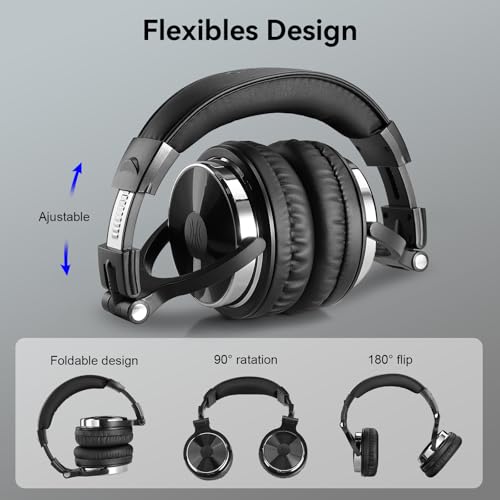
Both headphones show solid construction for their respective price points. The OneOdio Pro-10 uses rigid plastic construction that feels sturdy without being overly heavy. The swiveling mechanism for the ear cups feels robust, and the detachable cables reduce the risk of permanent damage from cable failures.
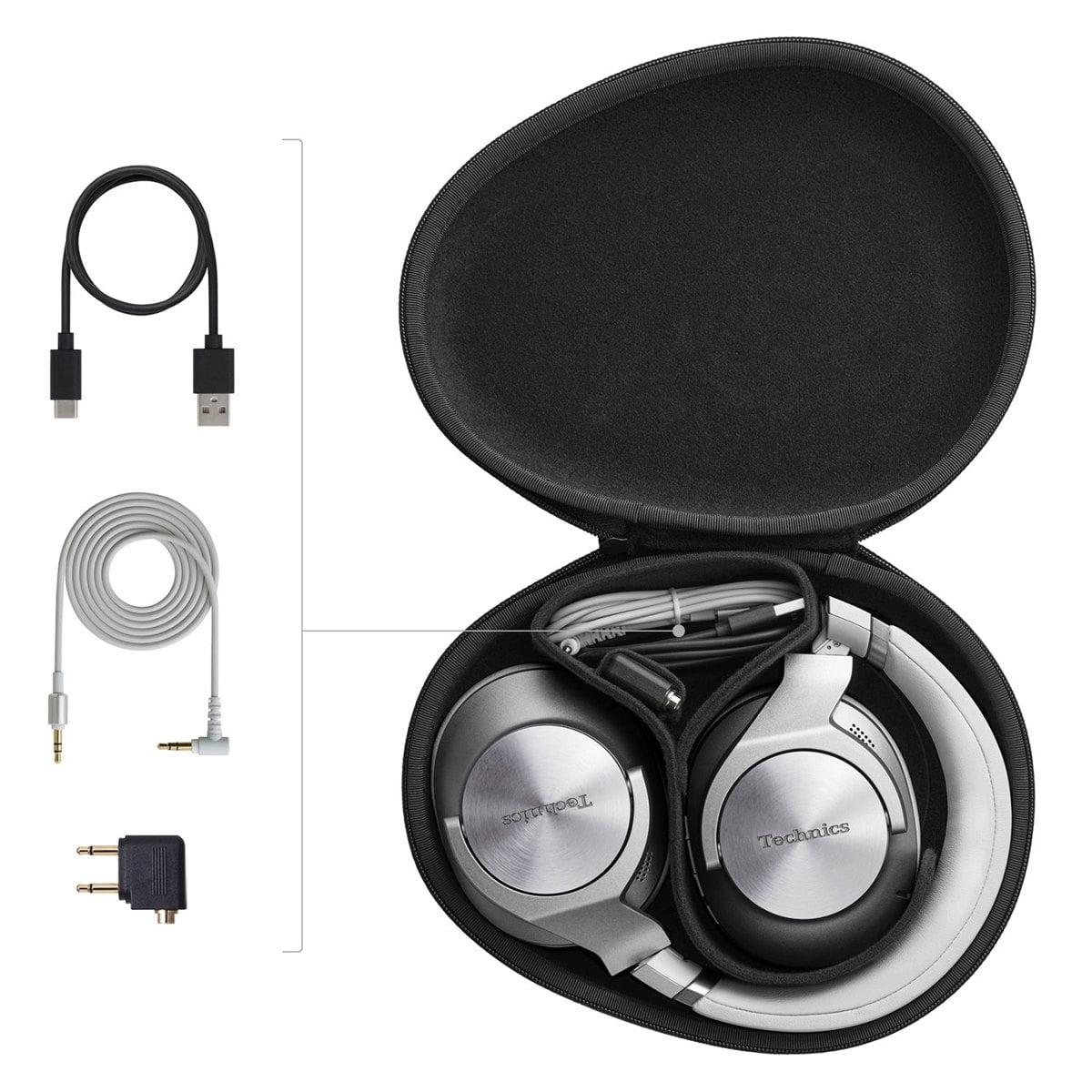
The Technics EAH-A800 exhibits premium build quality with higher-grade materials and more sophisticated engineering. The hinges feel smooth and precise, and the overall fit and finish reflects its positioning as a flagship product. The included hard-shell carrying case provides excellent protection for travel.
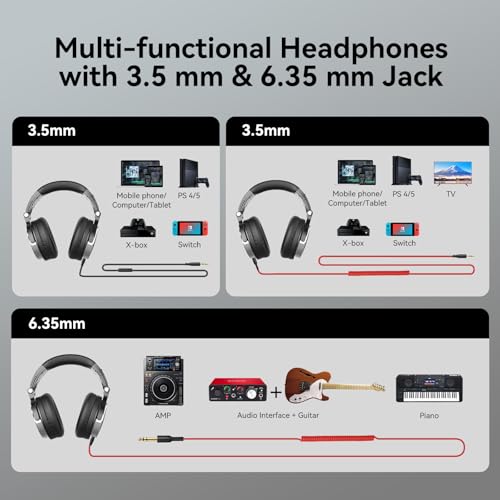
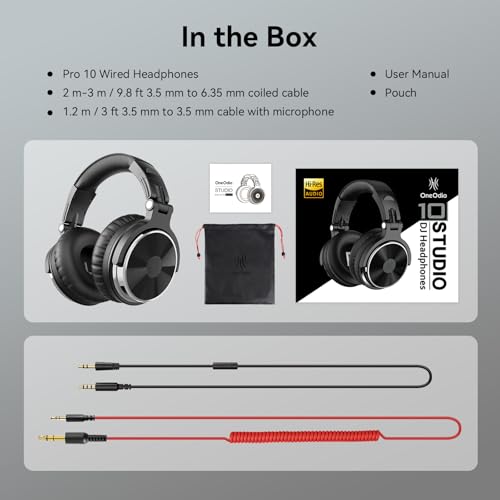
One of the OneOdio Pro-10's standout features is its dual-cable system. This might seem like a minor detail, but it's actually brilliant for anyone working with audio equipment. The package includes both a coiled 6.35mm to 3.5mm cable (the thick quarter-inch plug used by most professional audio gear) and a straight 3.5mm to 3.5mm cable with an integrated microphone.
This eliminates the frustrating adapter dance that many audio professionals deal with. You can plug directly into a mixing console, audio interface, or guitar amplifier without hunting for the right adapter. The SharePort feature is another clever touch—you can daisy-chain another pair of headphones directly into the Pro-10, allowing two people to monitor the same audio source without a splitter.
The coiled cable extends up to about 10 feet when stretched, providing plenty of reach for studio applications while retracting to stay out of the way. This type of cable is standard in professional environments because it combines convenience with durability.
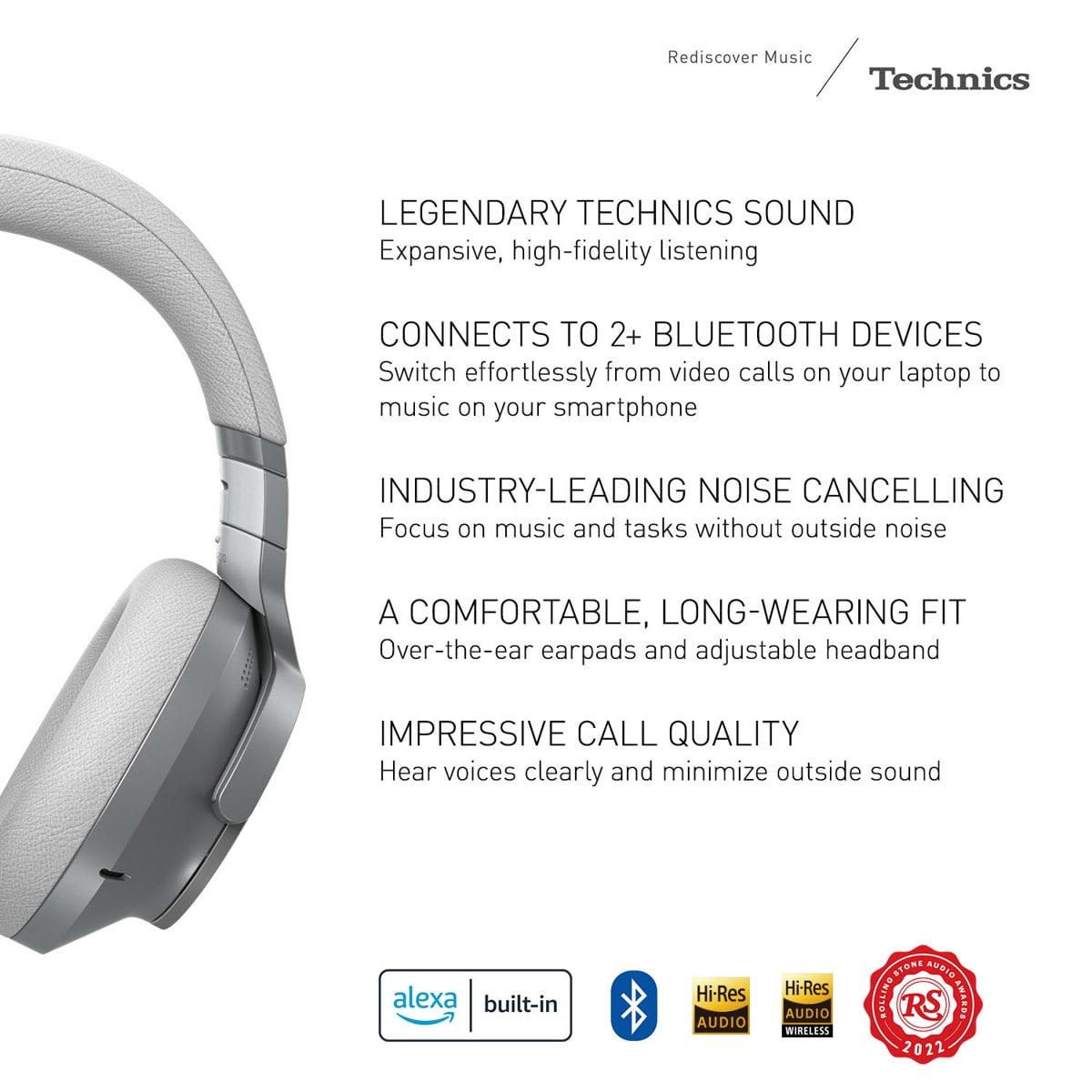
The Technics EAH-A800 represents the cutting edge of wireless audio technology as of 2023. Bluetooth 5.2 provides improved connection stability and lower latency compared to older Bluetooth versions. More importantly, it supports advanced audio codecs that maintain sound quality over wireless connections.
The codec support is particularly impressive. LDAC, developed by Sony, can transmit up to three times more data than standard Bluetooth audio, approaching CD-quality wirelessly. This means you can enjoy high-resolution music files without the traditional quality loss associated with Bluetooth compression.
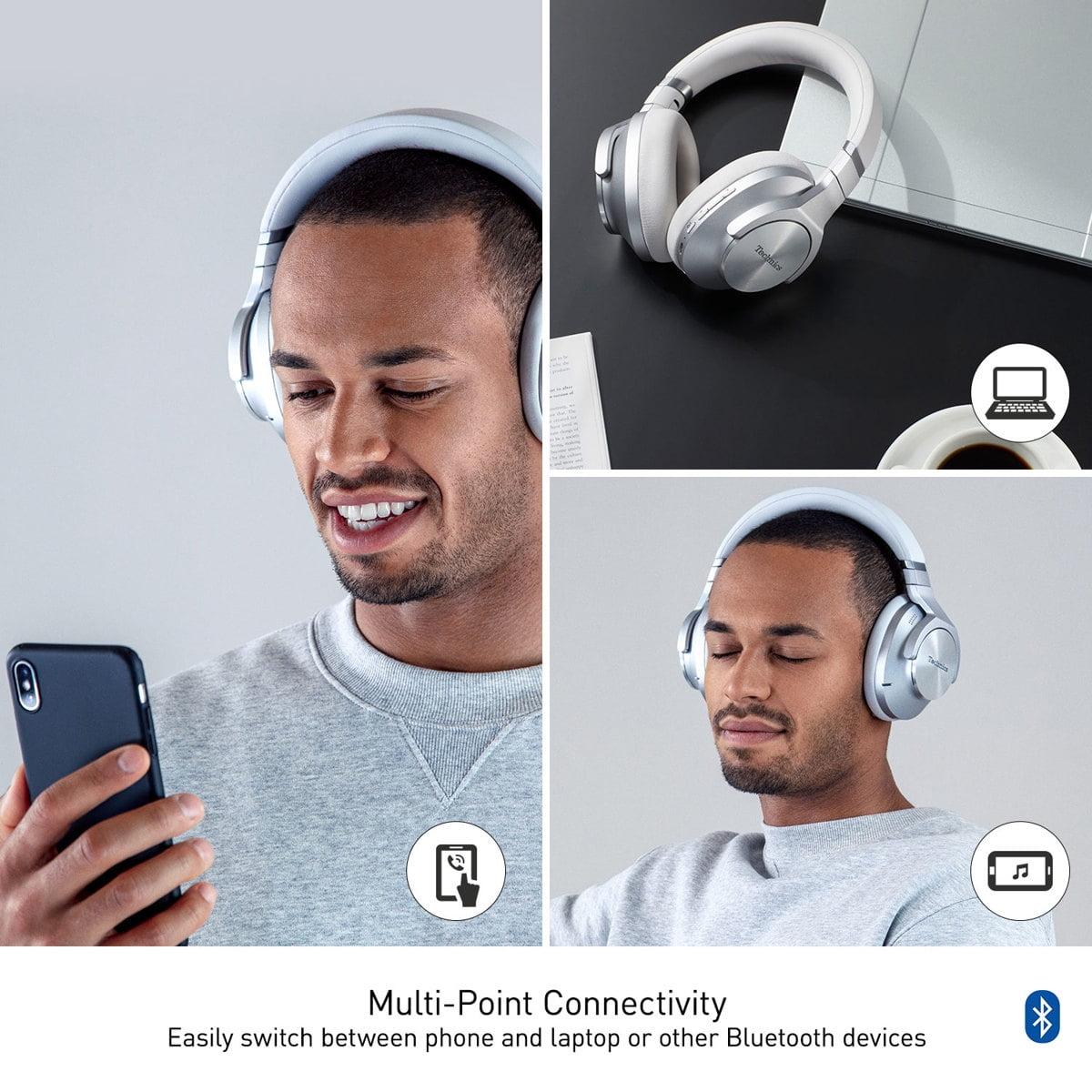
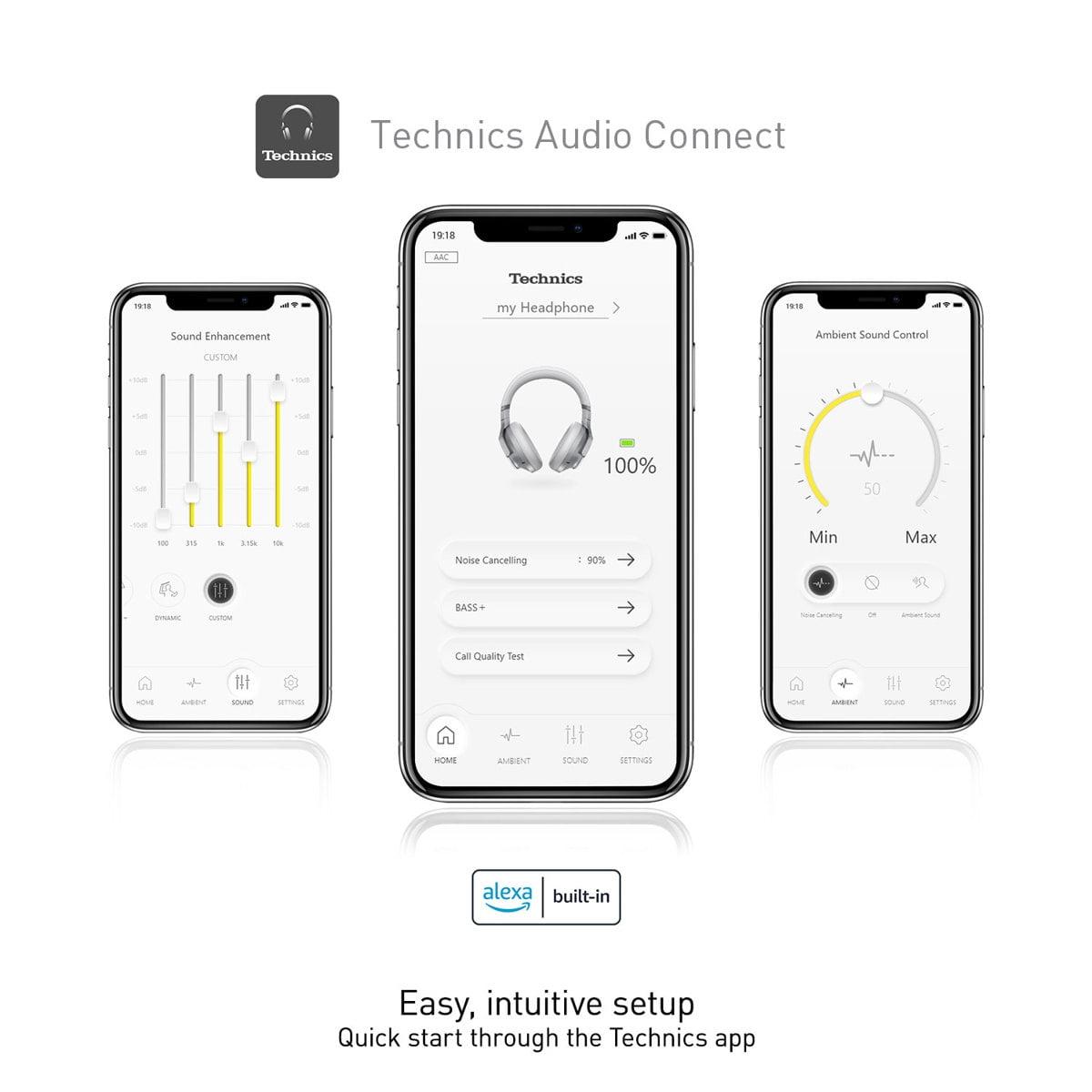
The multipoint connectivity feature deserves special mention. This allows the EAH-A800 to maintain connections to two devices simultaneously—your laptop and phone, for example. When a call comes in on your phone while you're listening to music from your computer, the headphones automatically pause the music and switch to the call. After the call ends, music resumes seamlessly.
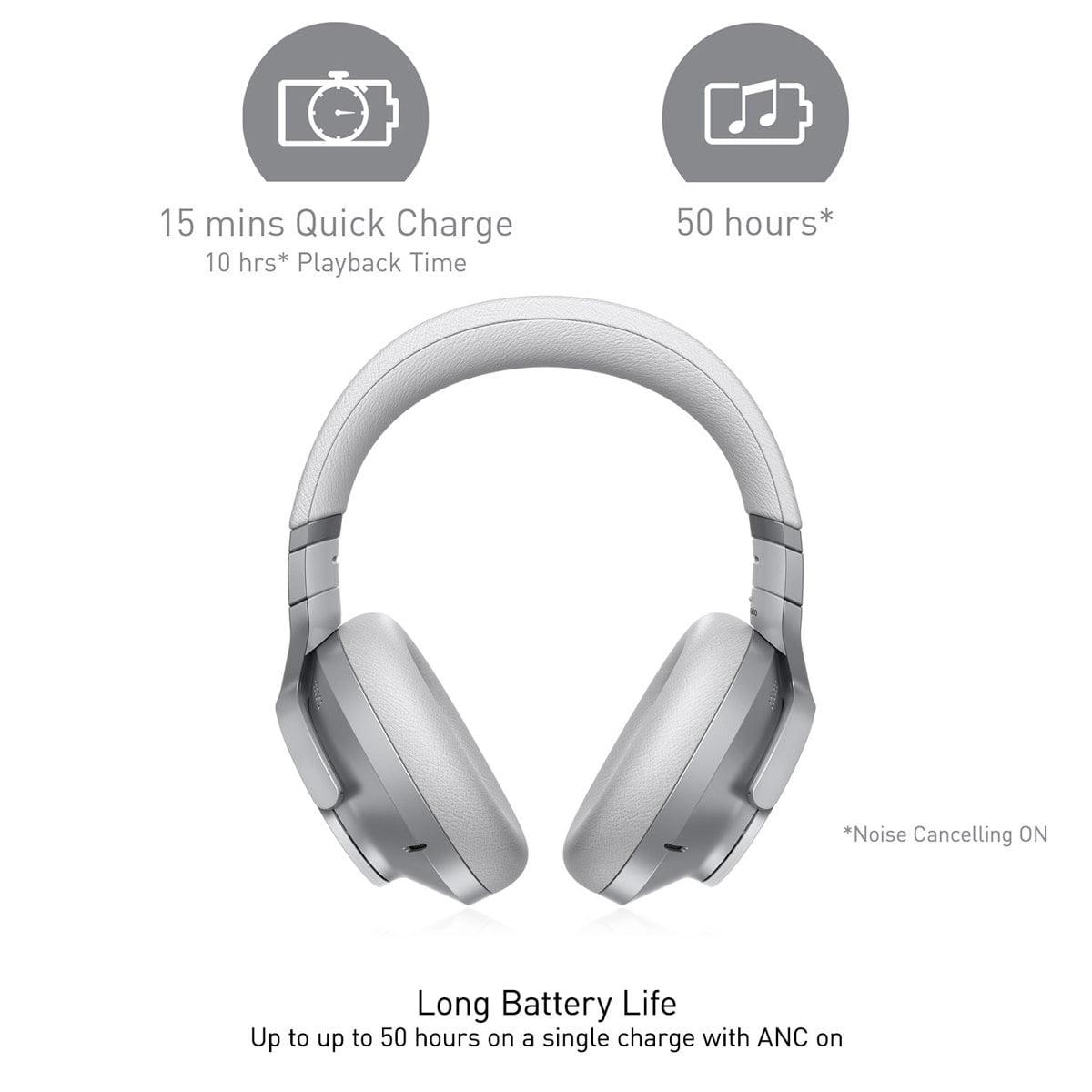
Battery performance is outstanding, providing up to 50-60 hours of playback time depending on settings. The quick-charge feature (15 minutes for 10 hours of use) means you're rarely stuck with dead headphones.
The OneOdio Pro-10 relies entirely on passive noise isolation—using the physical design and materials to block external sounds. The closed-back design and ear pad seal create a barrier that reduces ambient noise, particularly in the mid and high frequencies where sound waves are shorter and easier to block.
This approach works well in controlled environments like home studios or quiet offices, but it has limitations in truly noisy environments like airplanes or busy coffee shops. You'll still hear conversations, traffic noise, and other distractions that can interfere with your listening experience.
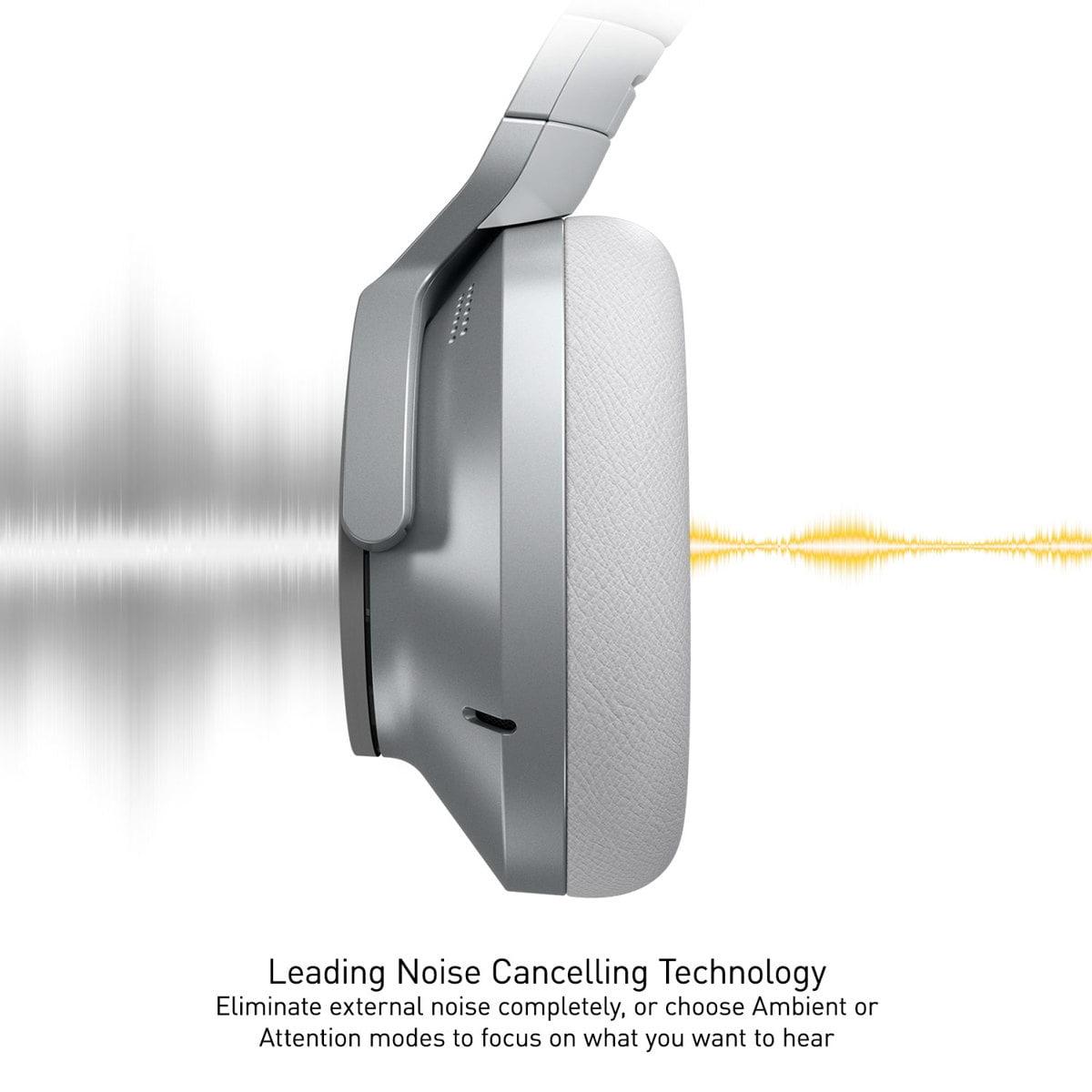
The Technics EAH-A800 employs what's called Dual Hybrid Active Noise Cancellation (ANC). This system uses multiple microphones to detect ambient noise and generates "anti-noise" sound waves that cancel out unwanted sounds before they reach your ears.
The "dual hybrid" designation means it combines two different ANC approaches: feedforward (microphones outside the ear cups detect noise before it reaches you) and feedback (microphones inside the ear cups fine-tune the cancellation). This creates more effective noise reduction across a wider range of frequencies.
The ANC performance is particularly impressive for low-frequency sounds like airplane engines, air conditioning systems, and traffic rumble. In these scenarios, the EAH-A800 can reduce ambient noise by 20-30 decibels, transforming a noisy environment into a peaceful listening space.
The headphones also include adjustable ambient modes that let you dial in how much outside sound you want to hear. This is invaluable when you need to remain aware of announcements, conversations, or your surroundings while still enjoying your audio.
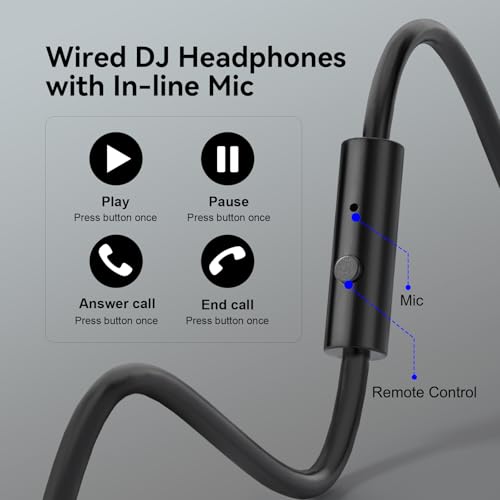
The OneOdio Pro-10 includes a basic microphone integrated into one of its cables. This mic is adequate for occasional phone calls or video chats, but it's not optimized for professional communication needs.
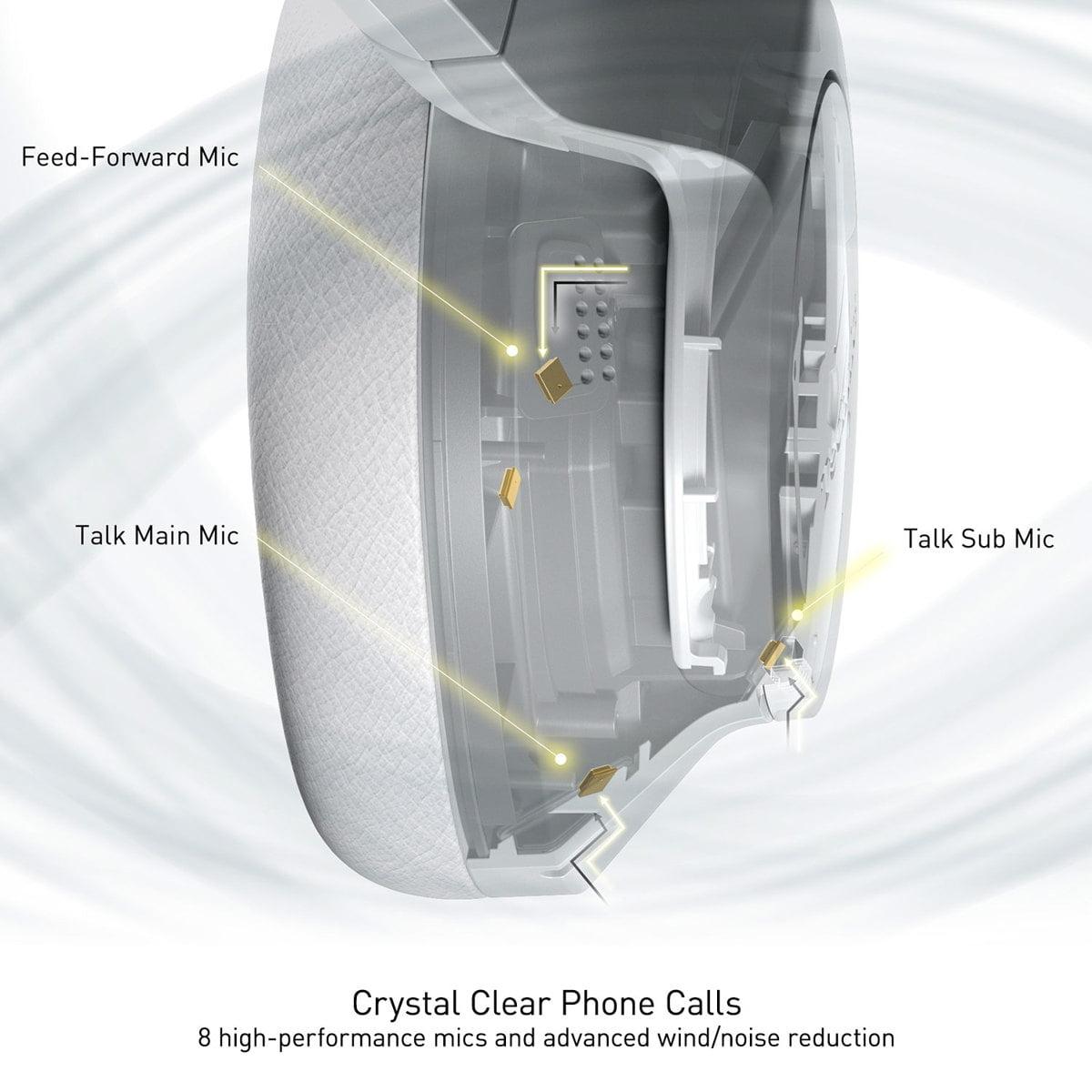
The Technics EAH-A800 takes communication seriously with an eight-microphone array designed specifically for crystal-clear calls. The system uses beamforming technology—focusing on your voice while suppressing background noise—and includes wind noise reduction for outdoor calls.
During testing, the difference in call quality is immediately apparent. The EAH-A800 makes your voice sound clear and natural even in noisy environments, while background distractions are effectively minimized.
For home theater applications, both headphones offer distinct advantages. The OneOdio Pro-10 provides zero-latency audio, which is crucial for watching movies or playing video games where audio-visual synchronization matters. Wireless headphones, even with low-latency codecs, can introduce slight delays that make dialogue appear out of sync with actors' lip movements.
The Pro-10's detachable cable system works well with home theater receivers, many of which still use 6.35mm headphone outputs. You can enjoy late-night movie sessions without disturbing family members, and the balanced sound signature ensures dialogue remains clear while sound effects maintain their impact.
The Technics EAH-A800 offers the ultimate in home theater convenience with its exceptional wireless range and battery life. You can move freely around your living space without cable limitations, and the multipoint connectivity allows you to seamlessly switch between your TV audio and phone calls.
The active noise cancellation can be beneficial even at home, helping you focus on your movie or show by reducing distractions from household noise, traffic, or neighbors.
At the time of writing, these headphones occupy very different price segments—the OneOdio Pro-10 represents exceptional value in the budget category, while the Technics EAH-A800 competes in the premium wireless space alongside flagship models from Sony and Bose.
The Pro-10 delivers surprisingly sophisticated sound and useful professional features at a fraction of the cost of premium alternatives. For someone building a home studio, starting their DJ journey, or simply wanting good headphones without breaking the bank, it's hard to argue with this value proposition.
The EAH-A800 justifies its premium pricing with advanced technology, superior comfort, and convenience features that can genuinely improve your daily experience. If you're someone who uses headphones for several hours daily, travels frequently, or values the latest audio technology, the investment makes sense.
Your daily routine should drive your decision more than any technical specification. If you work from a desk, spend time in recording studios, or primarily listen at home, the OneOdio Pro-10 provides everything you need without unnecessary complexity.
If you commute on public transportation, travel frequently for work, or split your audio time between multiple devices, the Technics EAH-A800 transforms these scenarios from frustrating to enjoyable.
The audio industry continues evolving rapidly. Wireless technology improves yearly, with better codecs, longer battery life, and more sophisticated noise cancellation algorithms. The EAH-A800 positions you well for these developments with its support for current high-resolution wireless standards.
However, wired connections remain the gold standard for professional applications and zero-latency requirements. The Pro-10 will continue serving these needs regardless of wireless technology advances.
Both the OneOdio Pro-10 and Technics EAH-A800 excel in their intended roles, but they're designed for fundamentally different users and use cases.
Choose the OneOdio Pro-10 if you value simplicity, reliability, and exceptional value. It's perfect for content creators, aspiring musicians, budget-conscious audiophiles, and anyone who appreciates straightforward, no-nonsense audio gear that simply works well.
Choose the Technics EAH-A800 if you want cutting-edge technology, premium comfort, and wireless convenience. It's ideal for frequent travelers, busy professionals who juggle multiple devices, and anyone who considers their headphones an essential daily tool worth investing in.
The beauty of today's headphone market is that both approaches can coexist and serve their audiences exceptionally well. Your choice should reflect your priorities, lifestyle, and the role headphones play in your daily routine.
| OneOdio Pro-10 Over Ear Wired Headphones | Technics EAH-A800 Wireless Noise Cancelling Headphones |
|---|---|
| Connection Type - Determines convenience vs reliability | |
| Wired only (3.5mm/6.35mm dual cables) | Bluetooth 5.2 wireless + wired backup |
| Driver Size - Affects bass response and overall dynamics | |
| 50mm neodymium drivers | 40mm PEEK/Polyurethane 3-layer diaphragm |
| Frequency Response - Shows audio range and quality potential | |
| 20Hz-20kHz (standard human hearing range) | 4Hz-40kHz (extended Hi-Res Audio range) |
| Impedance - Determines power requirements and device compatibility | |
| 32Ω (easy to drive from phones/computers) | 34Ω (similar ease of driving) |
| Weight - Critical for long-term comfort | |
| Approximately 500g (heavier, basic materials) | 298g (lighter despite premium build) |
| Noise Isolation - Essential for focus in noisy environments | |
| Passive isolation only (ear pad seal) | Dual Hybrid Active Noise Cancelling |
| Battery Life - Only relevant for wireless model | |
| N/A (wired, always ready) | 50-60 hours (industry-leading endurance) |
| Audio Codecs - Affects wireless sound quality | |
| N/A (analog wired connection) | SBC, AAC, LDAC (high-resolution wireless) |
| Professional Features - Important for studio/DJ work | |
| 90° swivel cups, SharePort, dual cable system | Multipoint pairing, voice assistant support |
| Comfort Design - Crucial for extended listening sessions | |
| Firm foam pads, smaller ear openings | Plush memory foam, engineered pressure distribution |
| Call Quality - Important for work-from-home users | |
| Basic in-line microphone | 8-microphone array with beamforming technology |
| Price Category - Helps determine value proposition | |
| Budget-friendly entry level | Premium flagship competitor |
| Best Use Cases - Where each model excels | |
| Studio monitoring, DJ work, home listening | Travel, commuting, office work, multi-device use |
The OneOdio Pro-10 is excellent for beginners due to its affordable price point and straightforward plug-and-play operation. You don't need to worry about charging, pairing, or learning complex features. The Technics EAH-A800 offers more advanced features but requires a larger investment and understanding of wireless technology.
Wired headphones like the OneOdio Pro-10 are perfect if you primarily listen at a desk or in one location and want zero latency for gaming or video. Wireless headphones like the Technics EAH-A800 are better if you move around frequently, commute, or want to connect to multiple devices seamlessly.
Both offer excellent sound quality for their price ranges. The OneOdio Pro-10 delivers surprisingly balanced audio with clear mids and controlled bass. The Technics EAH-A800 provides more refined sound with deeper bass extension, better detail retrieval, and support for high-resolution audio codecs.
The OneOdio Pro-10 excels for home theater with zero latency, ensuring perfect audio-video sync for movies and games. The long cable reach works well with most receivers. The Technics EAH-A800 offers wireless freedom for late-night viewing but may have slight audio delay depending on your setup.
The Technics EAH-A800 is significantly more comfortable for extended use, with plush memory foam pads and engineered weight distribution. The OneOdio Pro-10 has firmer padding and smaller ear openings that can become uncomfortable after 3-4 hours of continuous use.
The Technics EAH-A800 excels at calls with its 8-microphone array and noise suppression technology, making your voice clear even in noisy environments. The OneOdio Pro-10 has a basic inline microphone that's adequate for occasional calls but not optimized for professional communication.
The Technics EAH-A800 is designed for travel with active noise cancellation that blocks airplane engines and traffic noise, plus a compact carrying case. The OneOdio Pro-10 lacks noise cancellation and has cables that can be cumbersome during travel.
The OneOdio Pro-10 is specifically designed for DJ and studio use with 90-degree swiveling ear cups, professional 6.35mm connectivity, and SharePort for connecting additional headphones. The Technics EAH-A800 can work with audio equipment but lacks the specialized features DJs need.
The Technics EAH-A800 offers exceptional 50-60 hour battery life with quick charging (15 minutes for 10 hours of use). The OneOdio Pro-10 doesn't need batteries since it's wired, so it's always ready to use without charging concerns.
The Technics EAH-A800 provides superior noise control with active noise cancellation that can reduce ambient noise by 20-30 decibels, especially low-frequency sounds. The OneOdio Pro-10 offers only passive isolation through its closed-back design and ear pad seal.
The OneOdio Pro-10 works with any device that has a 3.5mm or 6.35mm headphone jack, including phones, computers, mixers, and instruments. The Technics EAH-A800 connects via Bluetooth to most modern devices and can pair with two devices simultaneously, plus includes a wired backup cable.
The OneOdio Pro-10 offers exceptional value in the budget category with professional features and solid sound quality. The Technics EAH-A800 provides premium value with advanced noise cancellation, wireless convenience, and superior comfort, but at a significantly higher investment level.
We've done our best to create useful and informative comparisons to help you decide what product to buy. Our research uses advanced automated methods to create this comparison and perfection is not possible - please contact us for corrections or questions. These are the sites we've researched in the creation of this article: audioreviews.org - youtube.com - attackmagazine.com - versus.com - head-fi.org - versus.com - youtube.com - oneodio.com - youtube.com - youtube.com - walmart.com - teqclub.com - head-fi.org - manuals.plus - terrycartermusicstore.com - oneodio.com - matzotech.com - oneodio.com - target.com - techbuzzireland.com - youtube.com - blog.son-video.com - expertreviews.co.uk - youtube.com - whathifi.com - youtube.com - bhphotovideo.com - futureaudiophile.com - versus.com - versus.com - soundphilereview.com - help.na.panasonic.com - technics.com - retailspecs.com - headphonecheck.com - us.technics.com - help.na.panasonic.com - bhphotovideo.com - technics.com - technics.com - valueelectronics.com - us.technics.com - us.technics.com - youtube.com - hometheaterhifi.com

Privacy Policy
Terms and Conditions - Affiliate Policy
Home Security
© Copyright 2008-2026.
11816 Inwood Rd #1211, Dallas, TX 75244