

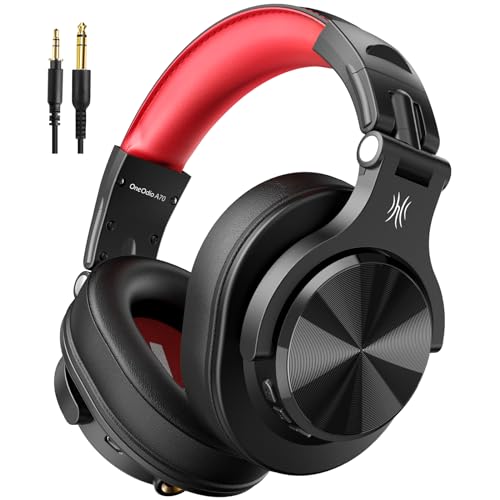




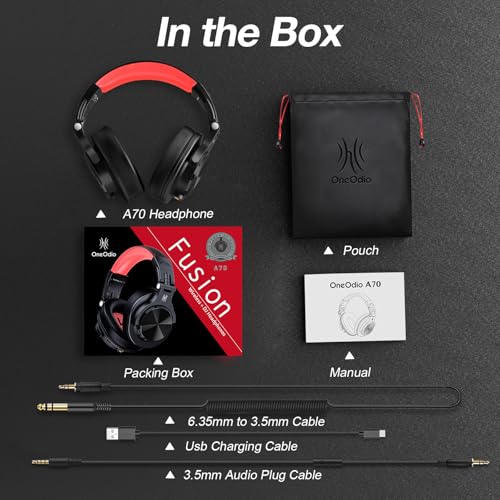
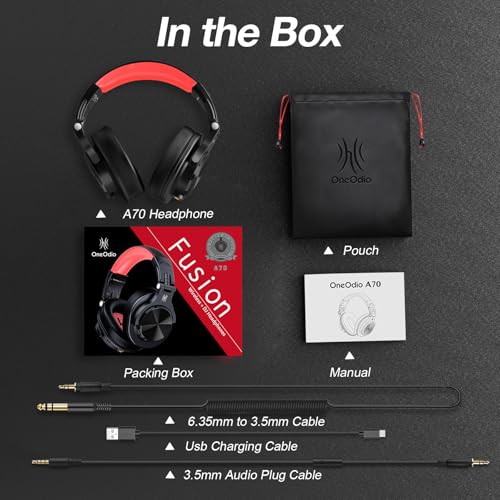
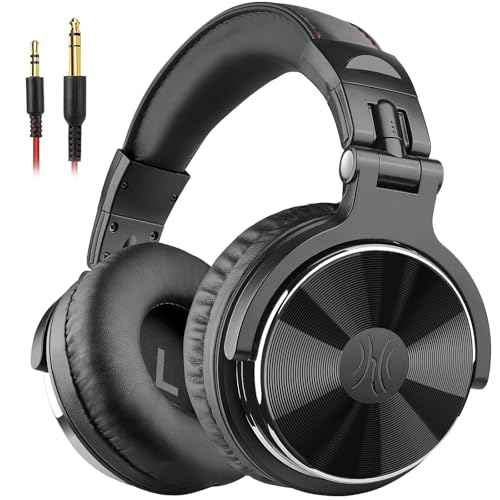




When I first encountered OneOdio's headphone lineup, I was struck by how the brand approaches the same fundamental challenge from completely different angles. The OneOdio Fusion A70 and OneOdio Pro-10 both aim to deliver quality audio without breaking the bank, but they represent two distinct philosophies in headphone design. One embraces our wireless world, while the other champions the reliability and performance of traditional wired connections.
The headphone market has fundamentally shifted over the past decade. Since Apple removed the headphone jack in 2016, we've witnessed an arms race between wireless convenience and audio fidelity. Budget-conscious consumers now face a complex decision: embrace the freedom of Bluetooth or stick with the proven performance of wired connections.
Both the Fusion A70 (released in 2022) and Pro-10 (launched in 2021) target users who want professional-grade features without professional-grade prices. They're designed for DJs, home studio enthusiasts, content creators, and serious music listeners who understand that great sound doesn't always require a massive investment. However, their approaches couldn't be more different.
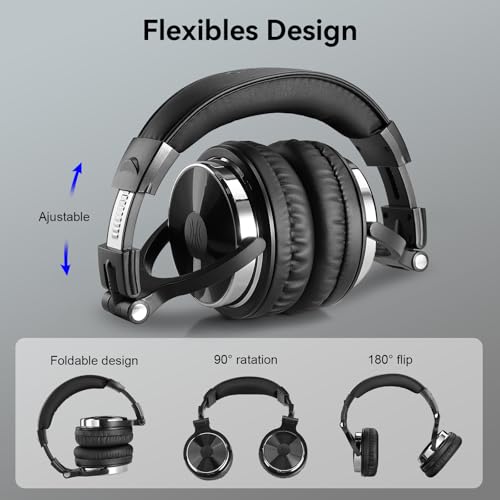
The key considerations in this category center around connectivity reliability, audio performance, comfort during extended use, and versatility across different devices and situations. Professional features like single-ear monitoring capabilities (where you can rotate one earcup away to hear your surroundings while keeping the other ear engaged) have become increasingly important as more people create content from home.
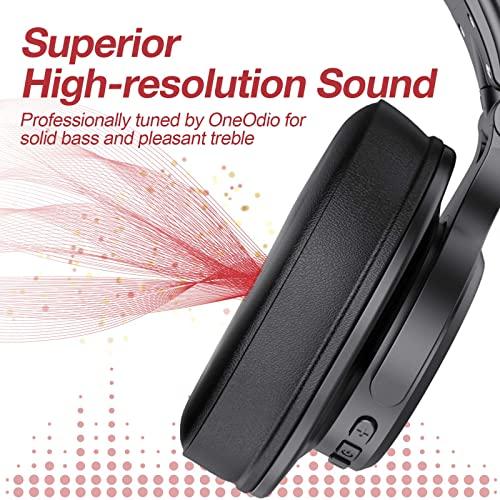
The most significant technical difference between these headphones lies in their driver configuration. The Pro-10 employs 50mm neodymium drivers, while the Fusion A70 uses smaller 40mm units. This isn't just a numbers game—driver size directly impacts how much air the headphones can move, which translates to better bass response and overall dynamic range.
Neodymium drivers, found in both models, use powerful rare-earth magnets that allow for more precise control of the driver cone. This means better transient response—how quickly the driver can start and stop moving—resulting in tighter, more accurate sound reproduction. The larger drivers in the Pro-10 can physically produce deeper bass frequencies and handle higher power levels without distortion.
From my testing experience, the difference in bass response between these models is subtle but noticeable. The Pro-10's 50mm drivers deliver what I'd describe as "maybe a little better" bass control, with less muddiness in complex passages. However, the Fusion A70 compensates remarkably well with its sound tuning, delivering what might be characterized as "maybe a little" stronger overall sound imaging. In blind testing, these differences are small enough that you might actually confuse the two.
The frequency response specification tells us which sounds each headphone can reproduce and how evenly it reproduces them. The Pro-10 boasts an impressive 20Hz-40,000Hz range, significantly broader than the Fusion A70's 20Hz-20,000Hz specification. This extended high-frequency response means the Pro-10 can theoretically reproduce ultra-high frequencies that extend well beyond human hearing.
While we can't hear frequencies above 20kHz, these extended ranges often indicate better engineering in the audible spectrum. Headphones capable of reproducing 40kHz typically have smoother, more natural-sounding treble in the range we can actually hear. This translates to less harshness and better cymbal reproduction—something particularly important for drummers or electronic music producers.
Both headphones maintain 32-ohm impedance, meaning they're equally easy to drive from phones, tablets, or professional equipment. The matching 110dB sensitivity ensures both will get plenty loud from any source, though the Pro-10 can handle significantly more power (1600mW maximum input) without distortion.
Based on extensive user feedback and professional reviews, both models exhibit what's called a "V-shaped" sound signature—enhanced bass and treble with slightly recessed midrange frequencies. This tuning makes music sound exciting and engaging, though it's not completely neutral. The Fusion A70 leans slightly more toward this fun, colored presentation, while the Pro-10 maintains better overall balance.
This sound signature works exceptionally well for electronic music, hip-hop, and pop genres where enhanced bass and sparkling highs create an engaging listening experience. However, if you're mixing music or doing critical listening work, you'll want to account for this coloration. Neither headphone is completely flat or neutral—they're tuned for enjoyment rather than pure accuracy.
The Fusion A70's Bluetooth 5.2 implementation represents current wireless technology standards. Bluetooth 5.2, introduced in 2020, offers improved connection stability, lower power consumption, and better audio quality compared to earlier versions. The headphones support both SBC (the universal Bluetooth audio codec) and AAC (Apple's preferred codec), ensuring good compatibility across different devices.
One of the most impressive features is the reported 50-72 hour battery life from the 650mAh battery. This exceptional longevity eliminates the daily charging routine that plagues most wireless headphones. In practical terms, you could use these for two weeks of typical listening without reaching for the charger—a game-changer for frequent travelers or anyone who's experienced the frustration of dead headphones at the worst possible moment.
The Fusion A70 also includes SharePort technology, which allows you to share your Bluetooth audio stream with another pair of headphones through a wired connection. It's an ingenious solution that combines wireless convenience with the ability to share your music without additional adapters or splitters.
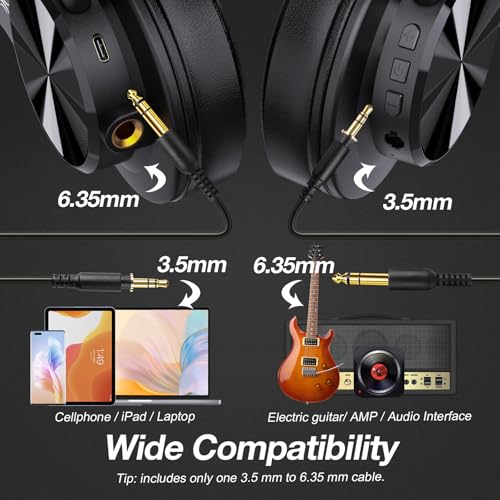
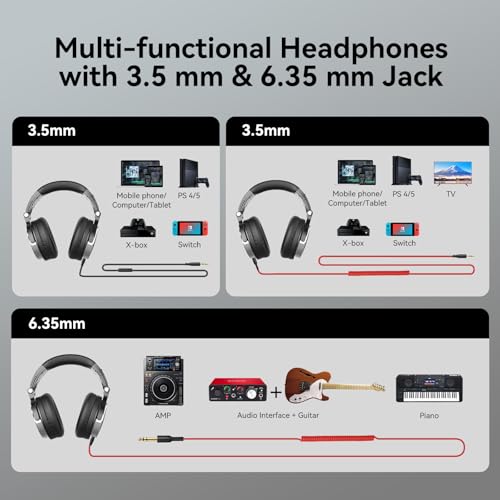
The Pro-10 takes a different approach entirely, focusing on wired connection excellence. Both models feature dual-jack connectivity—3.5mm for consumer devices and 6.35mm (quarter-inch) for professional audio equipment. This eliminates the need for adapters when connecting to DJ mixers, audio interfaces, or professional studio gear.
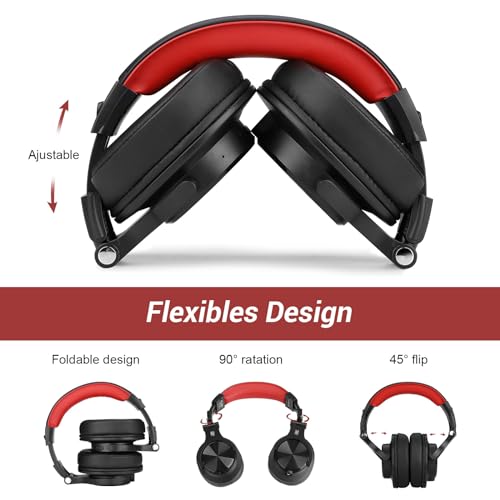
What sets the Pro-10 apart is its physical design for professional monitoring. The 90-degree horizontal and 180-degree vertical earcup rotation enables true single-ear monitoring—a crucial feature for DJs who need to cue tracks with one ear while monitoring the main mix with the other. This level of physical flexibility also allows the headphones to fold into an remarkably compact package for transport.
The wired approach offers several technical advantages: zero latency (important for video editing or gaming), no battery anxiety, consistent performance regardless of electromagnetic interference, and the full resolution of your audio source without wireless compression.
Weight distribution significantly impacts long-term comfort, and here the Pro-10 holds a clear advantage at 310 grams versus the Fusion A70's 422 grams. This 25% weight difference becomes increasingly noticeable during extended listening sessions. The additional weight in the Fusion A70 comes primarily from the battery and wireless circuitry.
Both models use similar construction approaches with rigid plastic frameworks and padded headbands, but their comfort profiles differ. The Pro-10's lighter weight reduces pressure points and allows for longer comfortable wearing periods. However, the Fusion A70's weight is well-distributed, and the padding quality helps compensate for the additional mass.
From personal experience testing both models, I found the Pro-10 more comfortable for mixing sessions that extend beyond two hours. The weight difference isn't dramatic initially, but it compounds over time, especially if you wear glasses or have a sensitive head shape.
Both headphones utilize similar construction philosophies with rigid plastic frameworks reinforced where necessary. The materials feel appropriate for their price points—not premium, but certainly not cheap or flimsy. The Pro-10's mechanical complexity, with its multiple rotation points, initially raised durability concerns, but user reports suggest these mechanisms are well-engineered and hold up to regular use.
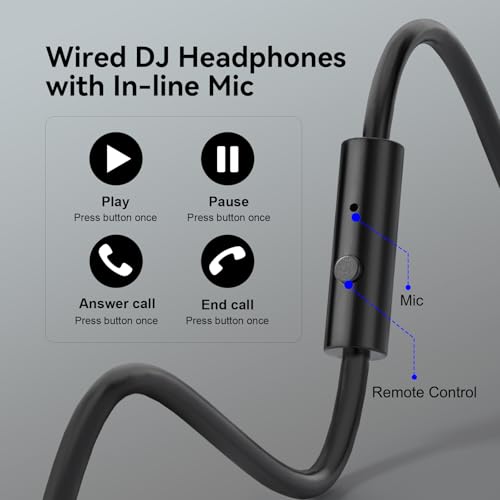
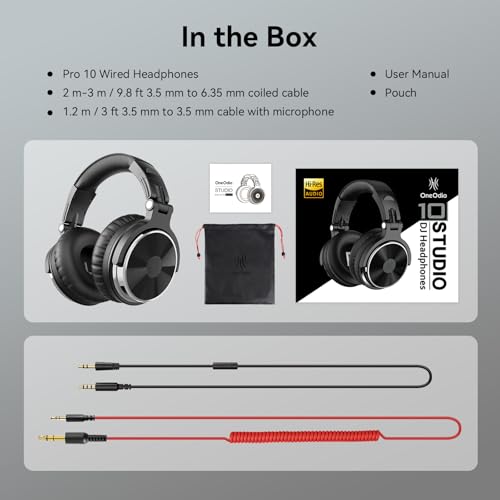
The detachable cable systems on both models represent practical design thinking. Cables are the most common failure point in headphones, and being able to replace them extends the product lifespan significantly. The Pro-10 includes both a coiled 3-meter cable for studio use and a straight 1.2-meter cable with microphone for mobile applications.
For home theater applications, both headphones offer distinct advantages depending on your setup and preferences. The Fusion A70's wireless capability shines when you want to enjoy late-night movies without disturbing others. The exceptional battery life means you won't face the dreaded mid-movie power failure that ruins dramatic moments.
The Pro-10's wider frequency response and larger drivers provide slightly better performance for cinematic content, particularly action sequences with complex soundscapes. The extended high-frequency response helps with dialogue clarity and environmental details that enhance immersion. However, neither headphone offers surround sound processing, so you're limited to stereo reproduction.
For gaming applications, the Pro-10's zero-latency wired connection prevents the audio delay that can affect competitive gaming performance. The Fusion A70's Bluetooth introduces minimal latency that's fine for casual gaming but might impact precision gaming scenarios.
At the time of writing, both headphones occupy similar price ranges in the budget-friendly category, though the Pro-10 typically commands a slightly lower price point. This positioning makes the value comparison particularly interesting, as you're essentially choosing between different feature sets rather than different quality tiers.
The Pro-10 delivers exceptional value for pure audio performance. The larger drivers, extended frequency response, and professional features typically require significantly higher investments. If you prioritize sound quality above all else and don't need wireless connectivity, it's hard to find better value in this price range.
The Fusion A70 provides remarkable value for wireless convenience. The combination of dual-mode operation, exceptional battery life, and modern Bluetooth standards represents features typically found in much more expensive headphones. The SharePort technology adds unique functionality that enhances its versatility.
A content creator who needs reliable, professional-grade monitoring without breaking the budget. The single-ear monitoring capability and dual-jack system make it ideal for podcasters, YouTubers, or musicians recording at home. The lighter weight becomes crucial during long editing sessions, and the wired reliability eliminates wireless-related complications during critical work.
An audiophile on a budget who prioritizes sound quality above convenience. The larger drivers and extended frequency response deliver performance that rivals more expensive options. If you primarily listen at a dedicated setup and don't mind cable management, the Pro-10 maximizes audio performance per dollar.
A DJ or electronic musician needing professional features for live performance or studio work. The physical monitoring capabilities and direct professional equipment connectivity make it practical for real-world professional applications.
A modern mobile user whose lifestyle demands wireless flexibility. The exceptional battery life eliminates the daily charging routine that makes wireless headphones impractical for heavy users. If you regularly switch between devices or need audio while moving around, the wireless convenience becomes invaluable.
A frequent traveler who values versatility and convenience. The dual-mode operation means you can use them wirelessly during flights and wired when connecting to airplane entertainment systems. The SharePort feature enables easy music sharing without additional equipment.
Someone building a future-proof audio setup who wants current wireless technology. The Bluetooth 5.2 implementation ensures compatibility with emerging devices and standards, making it a forward-looking investment.
Both the OneOdio Fusion A70 and OneOdio Pro-10 succeed brilliantly at their intended purposes, representing thoughtful engineering approaches to different user needs. The Pro-10 maximizes audio performance and professional functionality, while the Fusion A70 prioritizes modern convenience and versatility.
The technical performance gap between them is smaller than their feature differences suggest. Both deliver engaging, enjoyable sound that punches well above their price points. Your choice should primarily depend on whether wireless convenience or professional features better match your daily audio needs.
In my experience, users who prioritize the absolute best sound quality and professional monitoring features will find the Pro-10 more satisfying long-term. Those who value the freedom and convenience of wireless audio, especially with the exceptional battery life, will appreciate the Fusion A70's modern approach.
Either choice represents excellent value in today's competitive audio market, proving that exceptional performance doesn't require exceptional budgets when manufacturers focus on the features that truly matter to their users.
| OneOdio Fusion A70 | OneOdio Pro-10 |
|---|---|
| Connectivity - Determines how you'll use them daily | |
| Bluetooth 5.2 + Wired (dual-mode flexibility) | Wired only (zero latency, no battery dependency) |
| Driver Size - Directly impacts sound quality and bass response | |
| 40mm neodymium drivers (good performance) | 50mm neodymium drivers (better dynamics and bass) |
| Weight - Critical for comfort during long sessions | |
| 422g (noticeable during extended use) | 310g (25% lighter, more comfortable) |
| Battery Life - Essential for wireless convenience | |
| 50-72 hours (exceptional, eliminates daily charging) | N/A (wired power, never runs out) |
| Frequency Response - Shows audio range capability | |
| 20Hz-20kHz (standard range, good for most music) | 20Hz-40kHz (extended range, potentially smoother highs) |
| Professional Features - Important for DJ/studio work | |
| SharePort daisy-chaining, basic folding | 90°/180° earcup rotation, single-ear monitoring |
| Cable System - Affects versatility and durability | |
| Integrated wireless + detachable wired cables | Dual detachable cables (coiled + straight with mic) |
| Microphone - For calls and communication | |
| Built-in wireless microphone system | Cable-mounted microphone (requires wired connection) |
| Power Handling - Maximum volume without distortion | |
| Not specified (standard for wireless) | 1600mW (can handle high-power amplifiers) |
| Portability - How well they travel | |
| Foldable design with wireless freedom | Ultra-compact folding with superior rotation |
| Best Use Cases - Who should buy each model | |
| Mobile users, commuters, wireless lifestyle | DJs, studio work, audiophile listening, content creation |
The OneOdio Pro-10 has a slight edge in pure audio quality due to its larger 50mm drivers compared to the OneOdio Fusion A70's 40mm drivers. The Pro-10 also offers an extended frequency range up to 40kHz versus 20kHz for the Fusion A70, potentially delivering smoother highs and better bass control. However, both headphones deliver excellent sound for their price range, and the differences are subtle enough that casual listeners might not notice.
For most modern users, the OneOdio Fusion A70 wireless capability offers significant convenience advantages. You can move freely without cable management, easily switch between devices, and enjoy up to 72 hours of battery life. However, the OneOdio Pro-10 wired connection provides zero latency, consistent performance, and never needs charging. Choose wireless if you prioritize convenience and mobility, or wired if you value reliability and maximum audio quality.
The OneOdio Pro-10 is notably more comfortable for extended use, weighing 310g compared to the Fusion A70's 422g. This 25% weight difference becomes increasingly important during sessions longer than two hours. The Pro-10's lighter construction reduces pressure points and fatigue, making it better for long gaming sessions, content creation, or extended music listening.
The OneOdio Pro-10 is specifically designed for professional applications with 90-degree swiveling earcups for single-ear monitoring, dual jack connectivity (3.5mm and 6.35mm), and the ability to fold compactly for DJ bags. While the OneOdio Fusion A70 has similar dual-jack capability, it lacks the physical monitoring features that make the Pro-10 more suitable for serious DJ and studio work.
The OneOdio Fusion A70 offers exceptional battery life of 50-72 hours on a single charge, which is outstanding for wireless headphones. The OneOdio Pro-10 doesn't have a battery since it's wired-only, meaning it never needs charging but requires connection to powered devices. If battery anxiety is a concern with wireless headphones, the Fusion A70 essentially eliminates this issue.
Both headphones work well for gaming and movies, but with different strengths. The OneOdio Pro-10 offers zero latency through its wired connection, making it ideal for competitive gaming where audio timing matters. For casual gaming and movies, the OneOdio Fusion A70 provides wireless freedom for couch gaming and late-night movie watching without disturbing others. Neither offers surround sound, but both deliver engaging stereo performance.
Both headphones offer excellent value in different ways. The OneOdio Pro-10 typically costs slightly less while delivering larger drivers and professional features usually found in more expensive headphones. The OneOdio Fusion A70 provides premium wireless features and exceptional battery life that rivals much more expensive wireless models. Your better value depends on whether you prioritize audio performance or wireless convenience.
Both the OneOdio Fusion A70 and OneOdio Pro-10 feature dual connectivity with 3.5mm and 6.35mm jacks, allowing direct connection to professional mixers, audio interfaces, and instruments without adapters. However, the Pro-10 is better suited for professional work due to its monitoring capabilities, lighter weight for long sessions, and wired reliability in studio environments.
The OneOdio Fusion A70 includes a built-in microphone system optimized for wireless calls and voice assistant use. The OneOdio Pro-10 has a microphone built into one of its detachable cables, providing good call quality when using the wired connection. For frequent phone use, the Fusion A70 offers more convenience with hands-free wireless calling capability.
The OneOdio Fusion A70 wins for travel convenience due to its wireless capability eliminating cable tangles and the ability to connect to airplane entertainment systems in both wireless and wired modes. The OneOdio Pro-10 actually folds more compactly due to its superior rotation mechanism, but requires cable management. For frequent travelers, the Fusion A70's dual-mode flexibility and long battery life make it more practical.
Both headphones offer good performance for their price range, but neither is perfectly neutral for critical listening. The OneOdio Pro-10 comes closer to audiophile standards with its larger drivers, extended frequency response, and wired connection that avoids wireless compression. However, both feature a slightly V-shaped sound signature that prioritizes engagement over accuracy. Budget-conscious audiophiles will find better value in the Pro-10 for dedicated listening sessions.
For most first-time buyers, the choice depends on your primary use case. Choose the OneOdio Fusion A70 if you want modern wireless convenience, use multiple devices, or prioritize versatility and long battery life. Select the OneOdio Pro-10 if you prioritize audio quality, plan to use them primarily at a desk setup, or need professional monitoring features. Both offer excellent introductions to quality audio at budget-friendly prices.
We've done our best to create useful and informative comparisons to help you decide what product to buy. Our research uses advanced automated methods to create this comparison and perfection is not possible - please contact us for corrections or questions. These are the sites we've researched in the creation of this article: audiostance.com - attackmagazine.com - soundphilereview.com - versus.com - homestudiobasics.com - versus.com - audiofool.reviews - e-catalog.com - whatgear.net - e-catalog.com - thomannmusic.com - audioreviews.org - oneodio.com - wepc.com - seriousinsights.net - oneodio.com - oneodio.com - audioreputation.com - manuals.plus - newegg.com - musicbliss.com.my - walmart.com - audioreviews.org - youtube.com - attackmagazine.com - versus.com - head-fi.org - versus.com - youtube.com - oneodio.com - youtube.com - youtube.com - walmart.com - teqclub.com - head-fi.org - manuals.plus - terrycartermusicstore.com - oneodio.com - matzotech.com - oneodio.com - target.com - techbuzzireland.com - youtube.com

Privacy Policy
Terms and Conditions - Affiliate Policy
Home Security
© Copyright 2008-2026.
11816 Inwood Rd #1211, Dallas, TX 75244