






When I first started exploring headphones seriously, I quickly discovered that the market splits into two very different worlds. On one side, you have budget-friendly wired models that focus on delivering solid audio quality without breaking the bank. On the other, premium wireless headphones promise convenience and cutting-edge features at a much higher price point. The OneOdio Pro-10 and Bose QuietComfort Wireless Headphones perfectly represent this divide—and understanding their differences can help you make the right choice for your needs.
The headphone landscape has evolved dramatically over the past decade. What used to be a simple choice between cheap and expensive has become a complex ecosystem of specialized products. Today's buyers need to consider not just sound quality, but also connectivity options, battery life, noise cancellation technology, and intended use cases.
At the budget end, manufacturers like OneOdio focus on maximizing audio performance per dollar spent. They achieve this by keeping designs simple, using proven driver technology, and avoiding expensive features like active noise cancellation (ANC). These headphones typically target specific user groups—DJs, home studio enthusiasts, and anyone who needs reliable wired connectivity.
Premium brands like Bose take a different approach entirely. They invest heavily in advanced signal processing, noise cancellation algorithms, and premium materials. The goal isn't just good sound—it's creating an entire listening experience that justifies a significantly higher price tag.
The OneOdio Pro-10 launched around 2020 as part of OneOdio's strategy to offer professional-grade features at consumer-friendly prices. At the time of writing, these headphones cost roughly what you'd spend on a nice dinner for two, making them incredibly accessible to students, aspiring musicians, and budget-conscious audio enthusiasts.
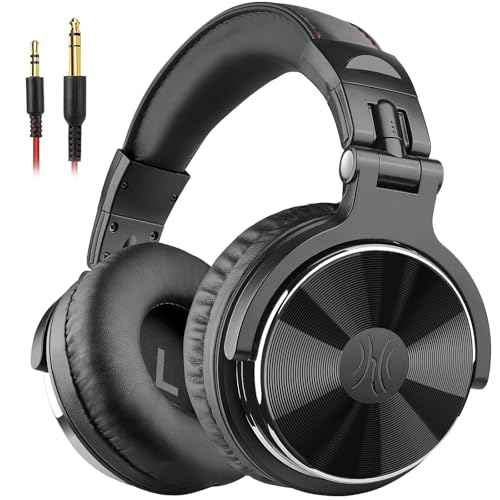
What sets the Pro-10 apart isn't just its low price—it's the thoughtful design choices that maximize versatility. The headphones feature 50mm neodymium drivers, which are the magnetic components that convert electrical signals into sound waves. Neodymium magnets are stronger than traditional ferrite magnets, allowing for more precise driver control and better sound quality in the same size package.
The impedance rating of 32 ohms is particularly clever. Impedance measures how much electrical resistance the headphones present to your audio source—lower impedance means easier to drive with smartphones and laptops, while higher impedance typically requires dedicated amplifiers but can offer better sound quality. At 32 ohms, the Pro-10 strikes a perfect balance, working well with everything from phones to professional audio interfaces.
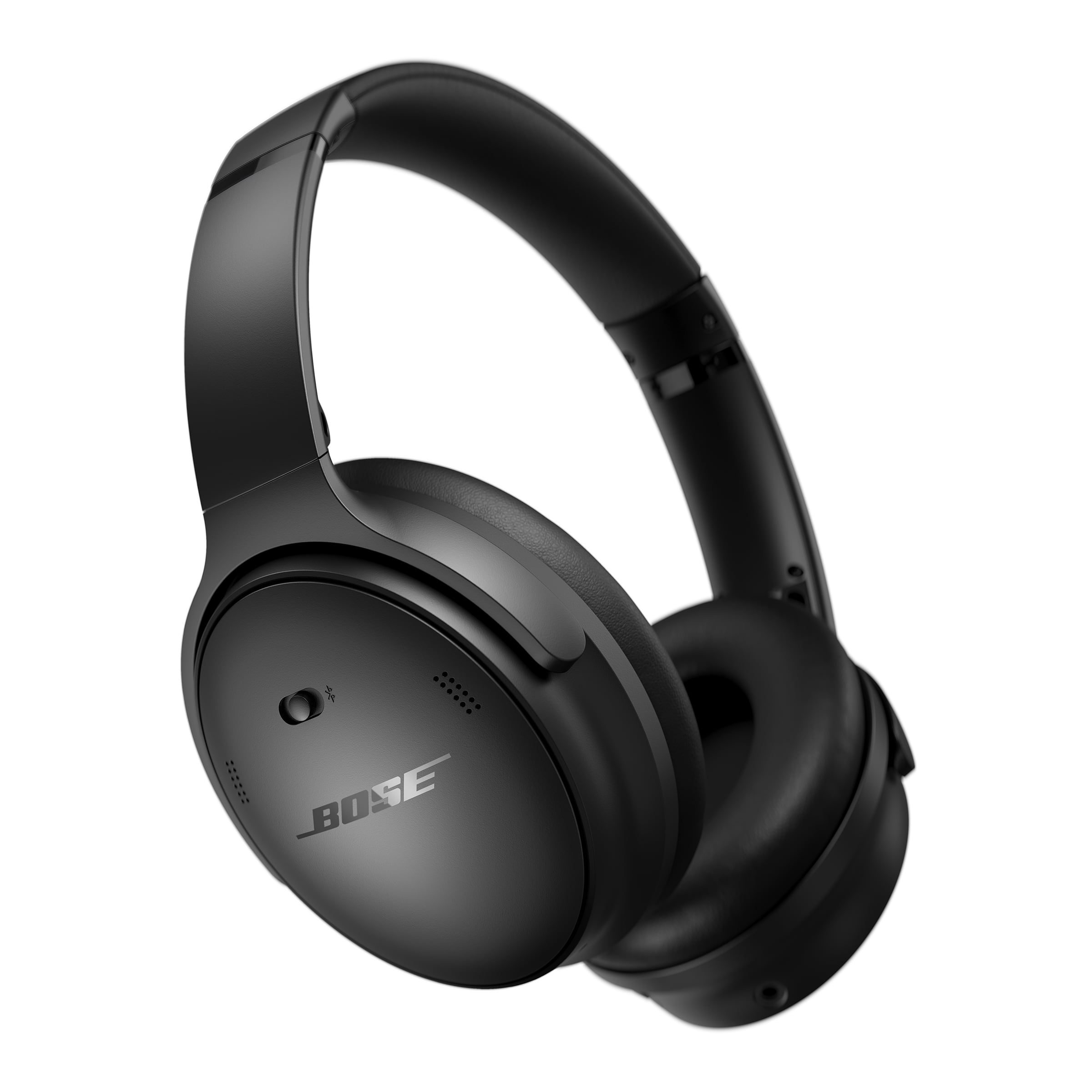
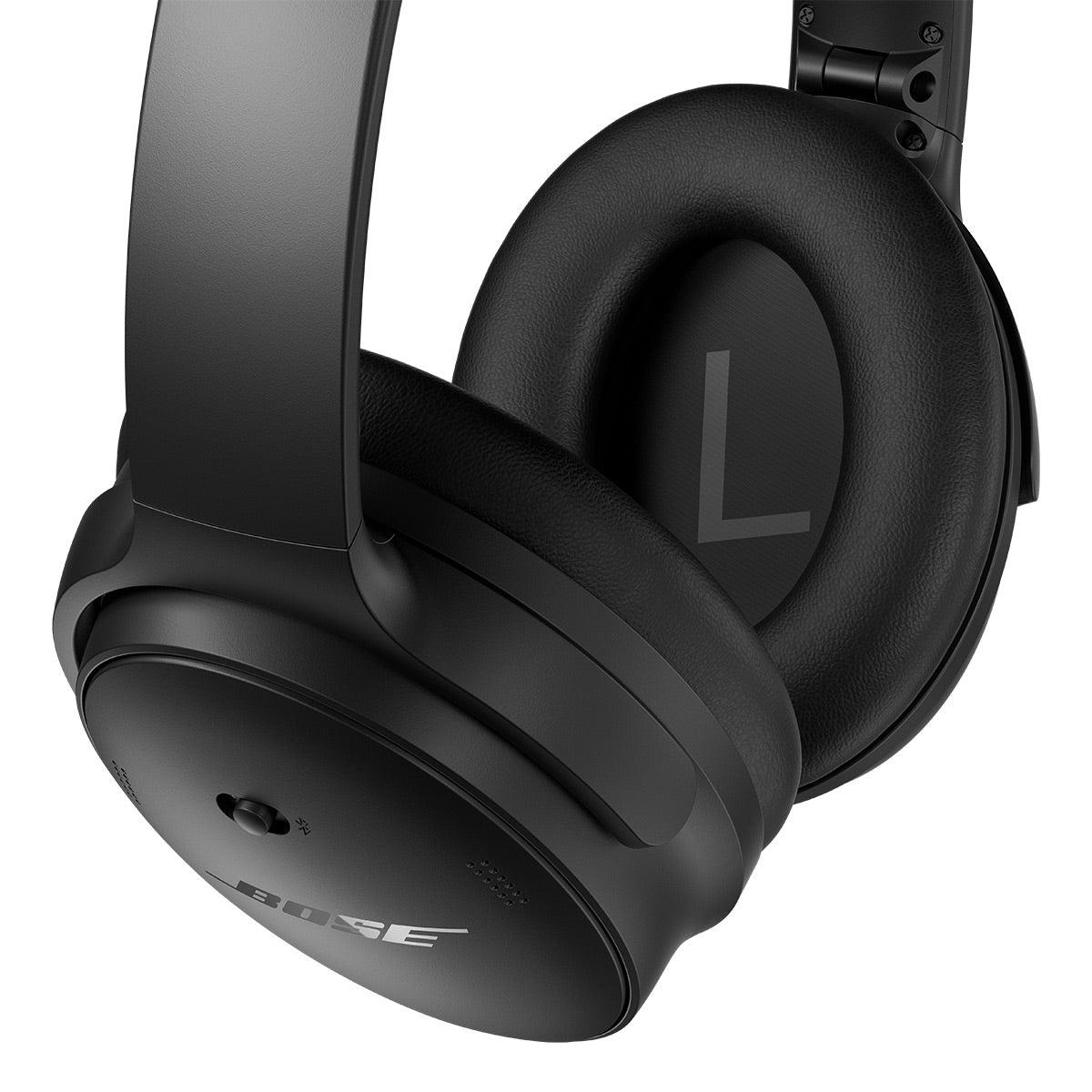
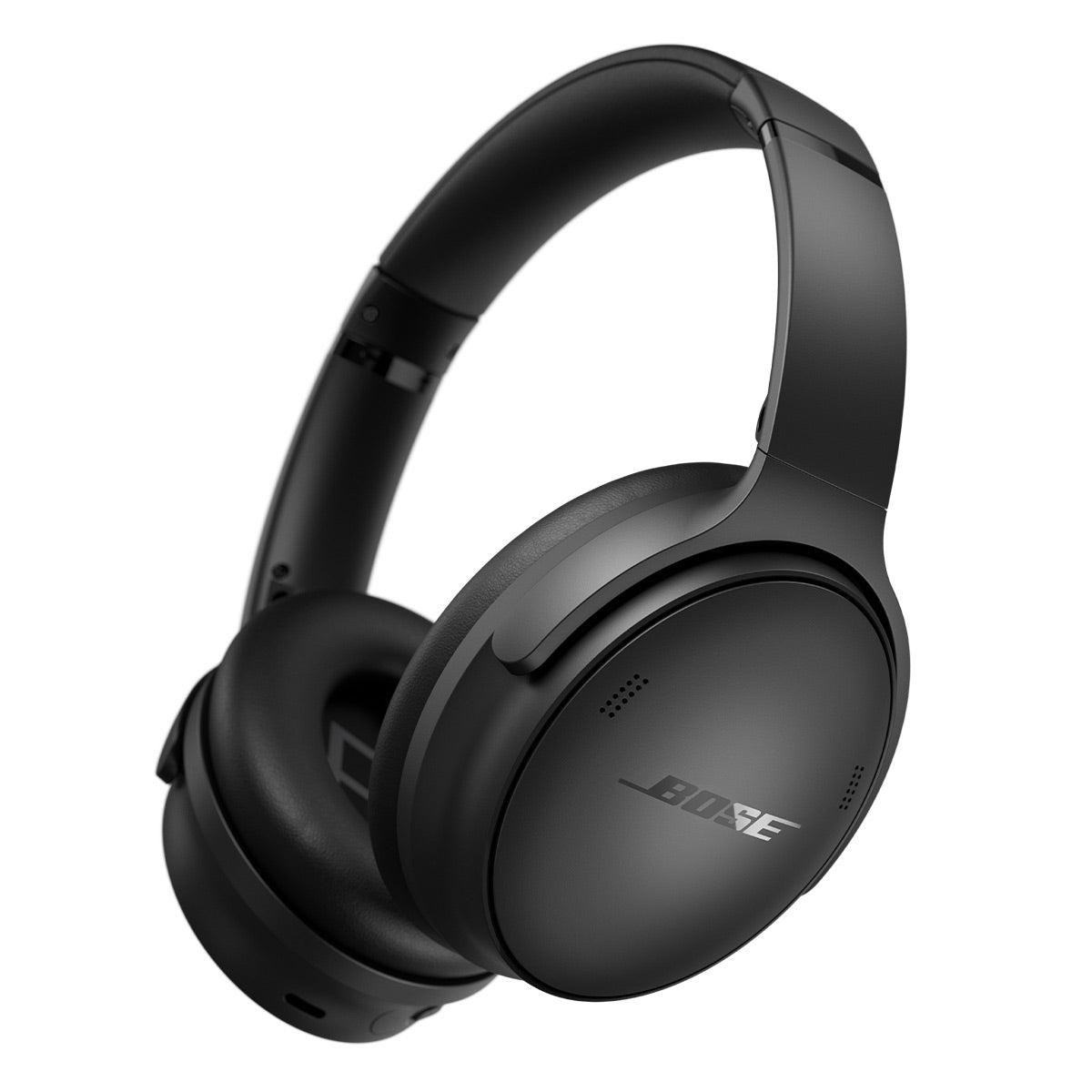
The Bose QuietComfort line has been evolving since the early 2000s, but the current wireless model represents decades of refinement in active noise cancellation technology. Released in 2023, these headphones cost roughly six times more than the OneOdio Pro-10 at the time of writing, positioning them firmly in premium territory.
Bose's reputation was built on noise cancellation, and for good reason. Their ANC system uses multiple microphones placed both inside and outside each earcup to constantly monitor ambient sound. The headphones then generate an inverse sound wave—essentially the mirror opposite of incoming noise—to cancel it out. This process happens thousands of times per second, creating an almost eerie silence that frequent travelers have come to love.
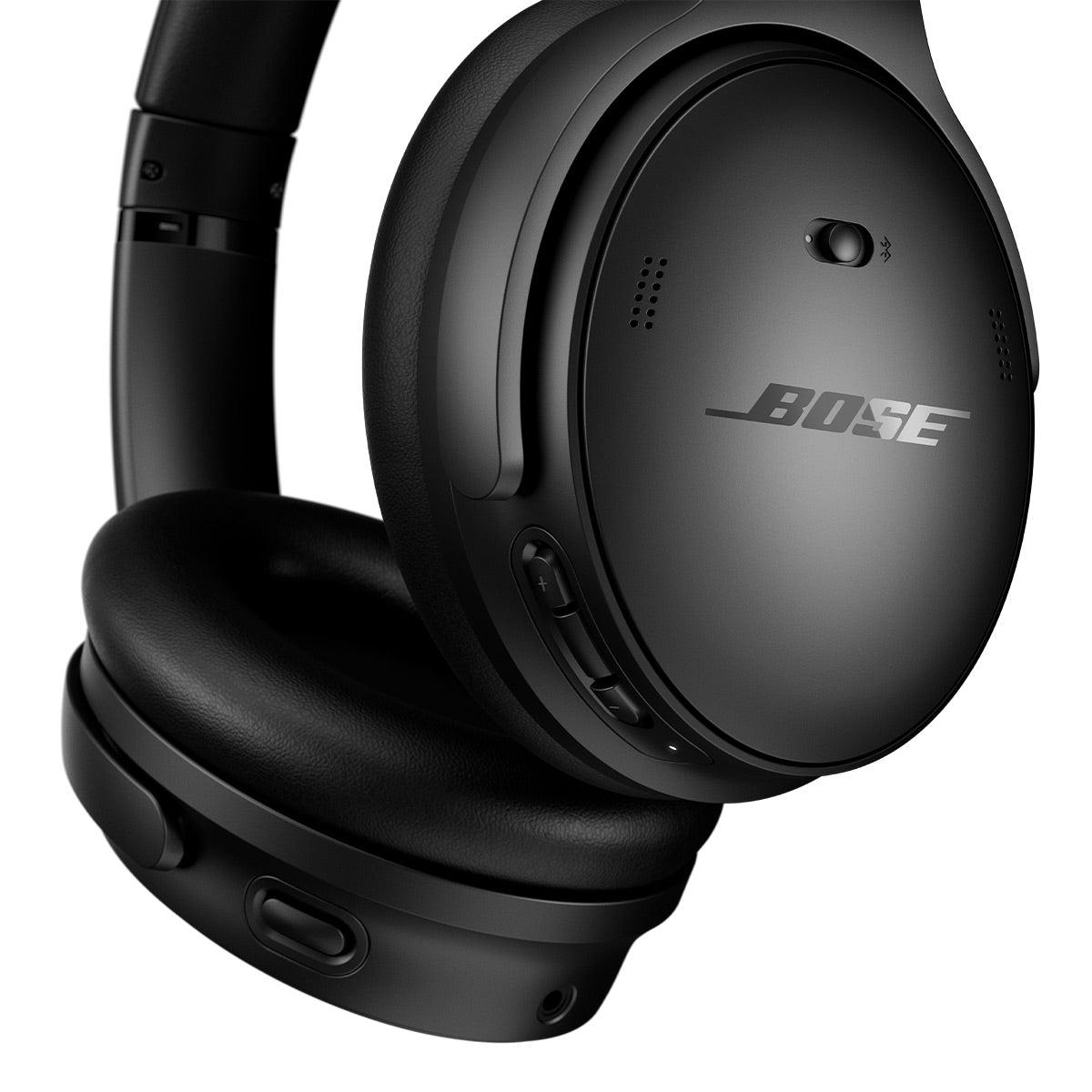
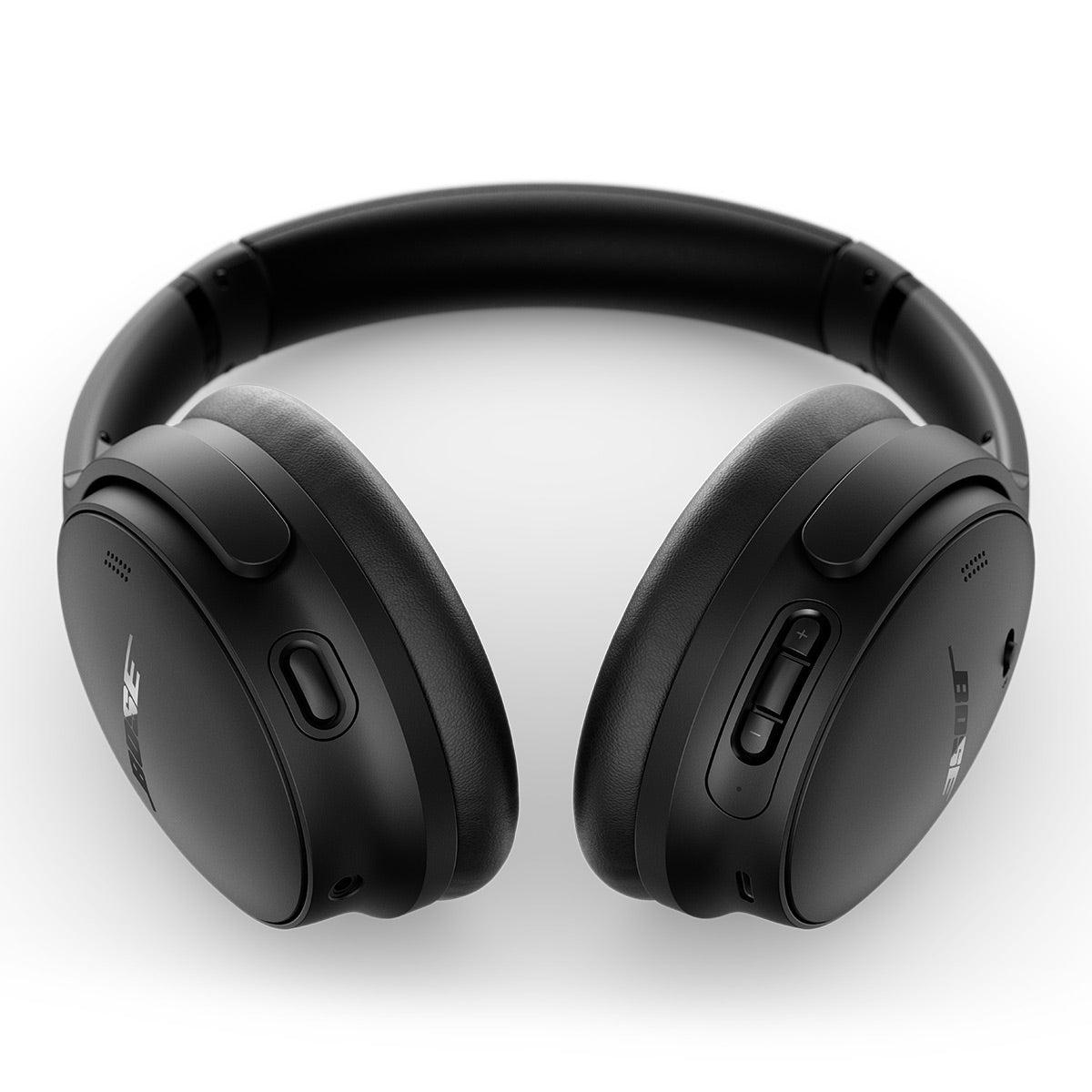
The QuietComfort also represents Bose's evolution toward wireless connectivity. While earlier models required wired connections, the modern version emphasizes Bluetooth connectivity with features like multipoint pairing, which lets you connect to two devices simultaneously and switch between them seamlessly.
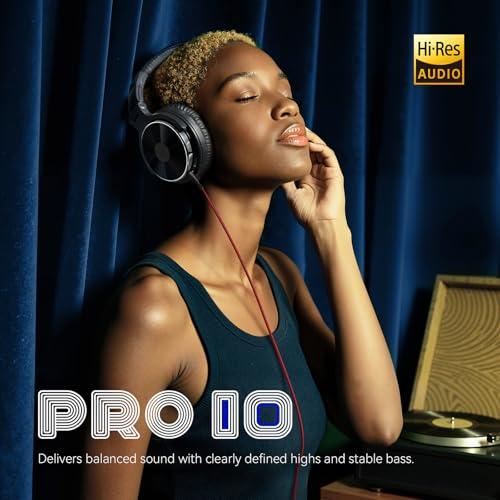
Audio quality comparison between these headphones is fascinating because they're optimized for completely different priorities. The OneOdio Pro-10 aims for accuracy and neutrality—qualities that matter when you're monitoring audio or trying to hear exactly what's in a recording. Professional reviews consistently praise its surprisingly balanced sound signature, avoiding the excessive bass boost that many budget headphones use to create an initial "wow" factor.
The frequency response of 20Hz to 20kHz covers the full range of human hearing, and the 50mm drivers provide enough surface area to move air efficiently across this spectrum. What's particularly impressive is the maximum input power handling of 1600mW, which means these headphones can get very loud without distorting—useful for DJ applications where you might need to hear your cue over loud club speakers.
The Bose QuietComfort takes a different approach, optimizing for listening enjoyment rather than clinical accuracy. Reviews describe the sound as "rich, punchy, and full-bodied"—characteristics that make music feel more engaging and emotionally involving. Bose achieves this through careful tuning that emphasizes warmth and presence, particularly in the midrange where vocals live.
Importantly, the QuietComfort maintains this sound quality even with noise cancellation active. This is harder than it sounds—ANC systems can introduce artifacts or change the frequency response, but Bose's decades of experience show in their ability to keep the audio clean while blocking external noise.
This is where the biggest performance gap exists between our two contenders. The OneOdio Pro-10 relies entirely on passive noise isolation—physical blocking of sound waves through the headphone design and ear cushion seal. Closed-back headphones like these create a sealed chamber around your ear, preventing sound from leaking in or out.
Passive isolation works reasonably well for consistent, high-frequency noise like computer fans or air conditioning. However, it struggles with low-frequency sounds like airplane engines, traffic rumble, or the hum of office HVAC systems. These longer sound waves can actually pass through solid materials more easily than higher frequencies.
The Bose QuietComfort adds active noise cancellation to this passive foundation, creating a dramatically different experience. ANC is most effective against consistent, low-frequency noise—exactly what passive isolation struggles with. The result is profound silence that can feel almost supernatural if you've never experienced it before.
I've found ANC particularly transformative during air travel. Where the Pro-10 might reduce engine noise by 15-20 decibels through passive isolation, the QuietComfort can achieve 30+ decibel reduction in the same frequency ranges. That's the difference between mildly annoying background noise and virtual silence.
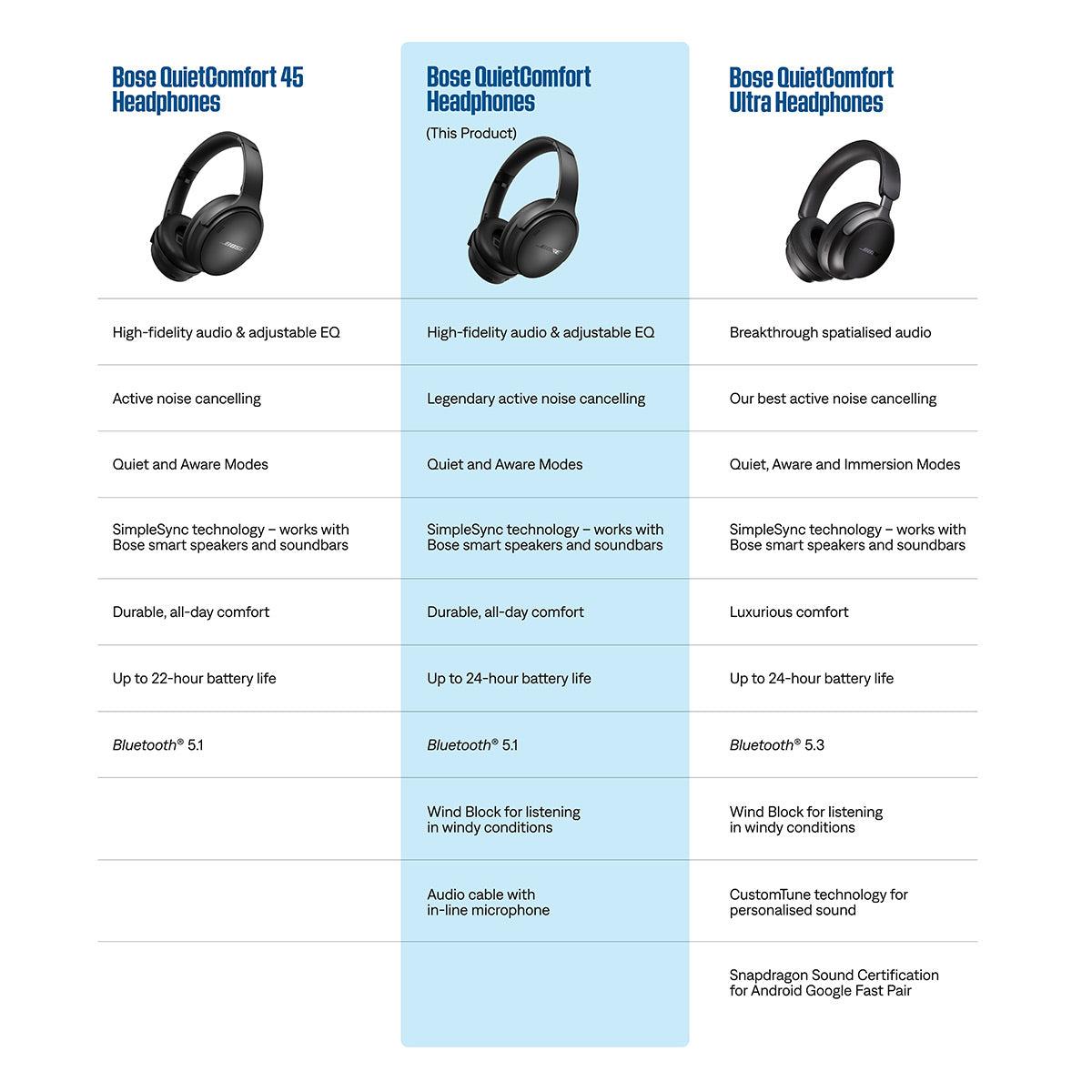
The QuietComfort also offers different noise cancellation modes. "Quiet Mode" provides maximum noise blocking, while "Aware Mode" uses the external microphones to pipe in ambient sound, letting you hear announcements or conversations without removing the headphones. Custom modes allow fine-tuning the balance between isolation and awareness.
Comfort becomes crucial when you're planning to wear headphones for hours at a time. The OneOdio Pro-10 uses a straightforward approach with padded ear cushions and an adjustable headband. For the price point, the comfort is adequate for gaming sessions or studio work lasting a few hours.
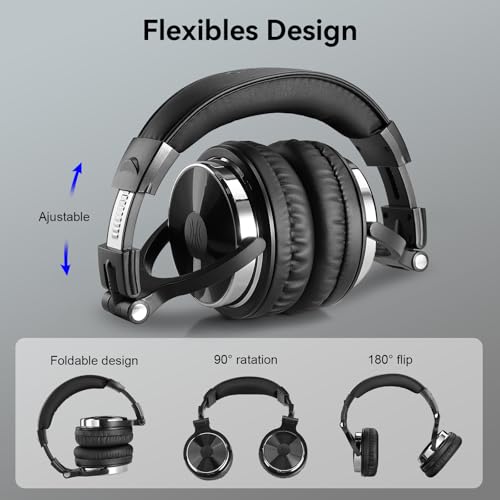
However, the smaller ear cup openings can become problematic during extended use, particularly if you have larger ears. The foam padding, while sufficient for short sessions, doesn't have the premium feel or long-term comfort of higher-end materials. The 90-degree swiveling earcups are brilliant for DJ use—allowing single-ear monitoring while keeping the other ear free—but this feature matters less for general listening.
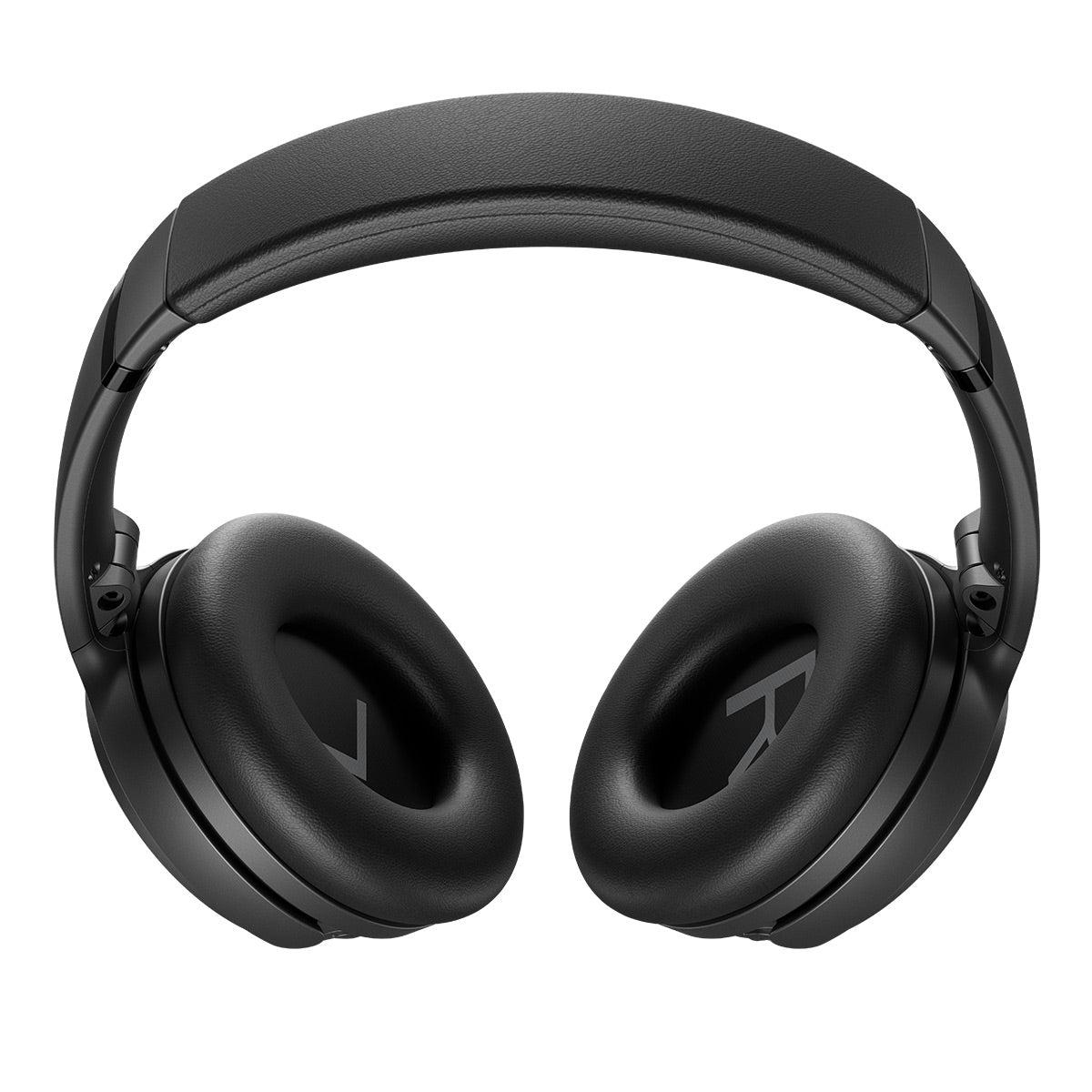
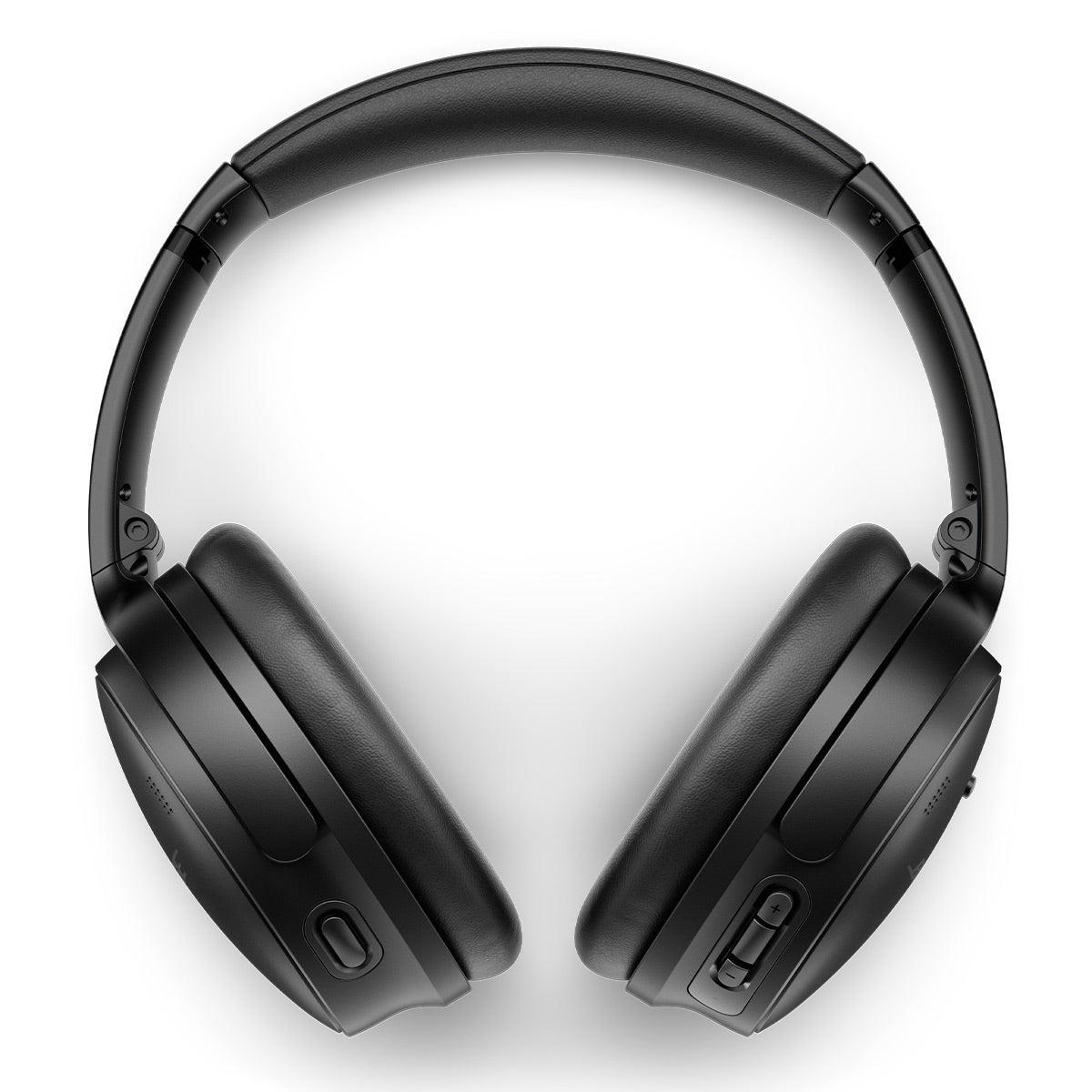
The Bose QuietComfort prioritizes all-day comfort through premium materials and ergonomic design. The protein leather ear cushions feel significantly more luxurious and create a better seal around your ears. At 236 grams, they're light enough for extended wear while still feeling substantial and well-built.
The headband design distributes weight evenly, and the clamping force is carefully calibrated—tight enough to maintain a good seal for ANC effectiveness, but loose enough to avoid fatigue. I've worn these for entire transcontinental flights without the discomfort that often develops with cheaper headphones.
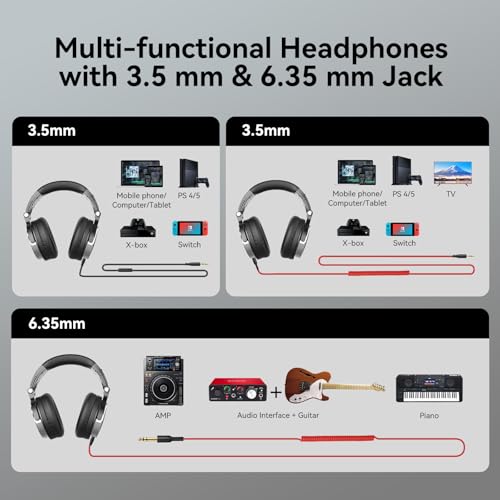
Here we see another fundamental philosophical difference. The OneOdio Pro-10 embraces wired connectivity as a feature, not a limitation. The dual-port design—featuring both 3.5mm and 6.35mm connections—means these headphones work with virtually any audio equipment without adapters.
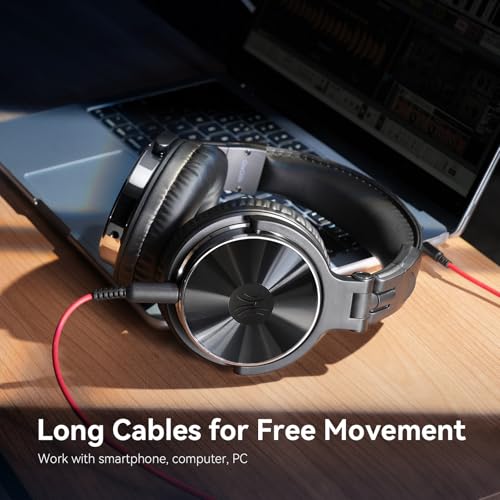
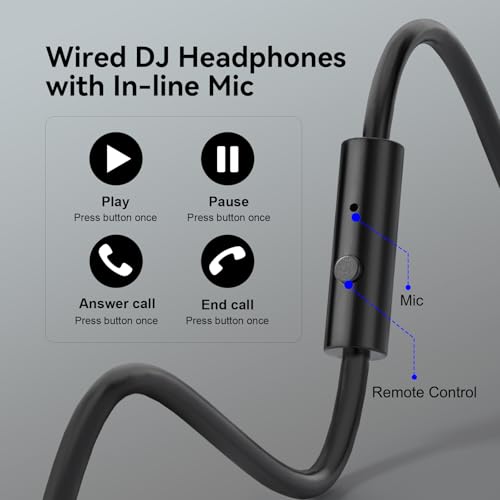
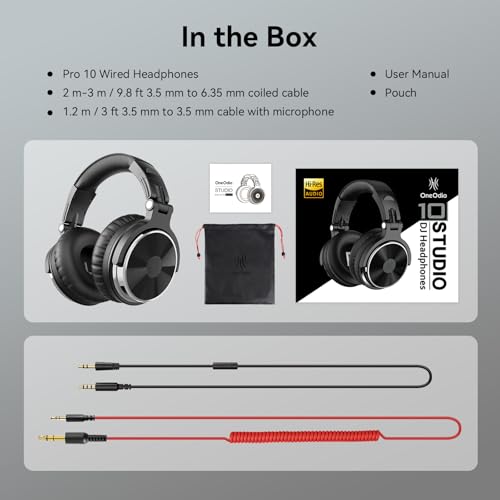
The included cables are thoughtfully chosen: a coiled cable stretching up to 9.8 feet for studio use, and a straight cable with inline microphone for general device compatibility. The SharePort function even lets you daisy-chain multiple headphones from a single source—useful for collaborative mixing or sharing audio with friends.
Battery life isn't a concern because there's no battery. This reliability can be refreshing in our increasingly battery-dependent world. You'll never experience the frustration of dead headphones during a critical listening session or important call.
The Bose QuietComfort lives in the wireless world, offering 24 hours of battery life with ANC active. While this isn't the longest in the premium category at the time of writing, it's sufficient for most users' daily needs. The quick-charge feature provides several hours of use from just 15 minutes of charging—helpful when you've forgotten to charge overnight.
Bluetooth multipoint connectivity deserves special mention. This feature lets the QuietComfort maintain active connections to two devices simultaneously—perhaps your laptop and smartphone. Audio automatically switches between devices based on what's playing, creating a seamless experience across your digital ecosystem.
The Pro-10's design reflects its professional audio heritage in subtle but important ways. The impedance rating of 32 ohms and sensitivity of 110dB ± 3dB create a sweet spot for compatibility. These specifications mean the headphones are efficient enough to be driven adequately by smartphone headphone outputs while still benefiting from dedicated amplification when available.
The 90-degree swiveling earcups aren't just a comfort feature—they're essential for DJ monitoring. Being able to lift one earcup to hear the room while keeping the other ear on your cue signal is fundamental to beatmatching and crowd reading. This feature alone makes the Pro-10 suitable for applications where the QuietComfort simply wouldn't work.
The dual-cable approach also shows professional thinking. Studio and DJ equipment commonly uses 6.35mm (1/4-inch) connections, while consumer devices stick to 3.5mm (1/8-inch). Having both options means never needing adapters that can introduce connection problems or signal degradation.
The QuietComfort's ANC system represents sophisticated digital signal processing. The headphones continuously analyze incoming sound across multiple frequency bands, applying different cancellation strategies based on the type of noise detected. Low-frequency, consistent sounds like airplane engines receive aggressive cancellation, while sudden, high-frequency sounds are handled differently to avoid artifacts.
The "Wind Block" feature demonstrates this sophistication. Wind noise creates turbulence over the external microphones that can actually make ANC counterproductive, creating whooshing sounds worse than the original wind. Wind Block automatically detects these conditions and adjusts the ANC algorithm accordingly.
The adjustable EQ accessible through the Bose app adds another layer of customization. While not as comprehensive as some competitors, it allows meaningful adjustment of bass, midrange, and treble response to match personal preferences or compensate for hearing differences.
For home theater use, both headphones offer distinct advantages depending on your setup and preferences. The OneOdio Pro-10 excels when connected directly to AV receivers or home theater PCs. The 6.35mm connection option means direct compatibility with many receivers' headphone outputs, while the high power handling allows for the dynamic range that movie soundtracks demand.
The balanced sound signature of the Pro-10 works well for dialogue clarity—crucial for understanding movie conversations without subtitles. The lack of excessive bass boost means sound effects won't overpower speech, a common problem with more consumer-tuned headphones.
However, wired connection limits your movement around the room, and there's no built-in microphone for gaming chat or video calls—increasingly important for home entertainment setups.
The Bose QuietComfort offers the obvious advantage of wireless freedom, letting you move around your living space without cable constraints. The ANC can be valuable even at home, blocking out HVAC noise, neighborhood sounds, or family conversations that might interfere with movie immersion.
The built-in microphone supports voice chat for gaming or video calls, making these headphones more versatile for modern home entertainment that blends traditional media consumption with interactive content.
Since the Pro-10 launched around 2020, the budget headphone market has become increasingly competitive, but the core value proposition remains strong. Wired headphones have actually gained some appreciation as users grow tired of battery management and Bluetooth connectivity issues.
The QuietComfort represents Bose's 2023 refinement of technologies they've been developing for decades. The wireless version shows how the company has adapted to changing consumer preferences while maintaining their noise cancellation leadership.
Looking forward, the Pro-10 has natural longevity through its wired design—no batteries to degrade, no wireless standards to become obsolete. The QuietComfort depends more on Bose's continued software support and the longevity of current Bluetooth standards.
The choice between these headphones ultimately comes down to understanding your primary use cases and priorities.
Choose the OneOdio Pro-10 if you're a student or aspiring content creator working with limited budgets, if you need reliable connectivity to multiple audio devices, if you're learning DJ skills or home recording, or if you prefer not managing another device's battery life. These headphones offer exceptional value for their price point at the time of writing and provide surprisingly good audio quality that competes with models costing several times more.
The Bose QuietComfort makes sense if you frequently travel or work in noisy environments, if you prioritize all-day comfort for extended listening sessions, if you want the convenience of wireless connectivity with premium features, or if you can justify the significantly higher cost for the improved experience they provide.
Consider your listening environment carefully. If you mainly listen in quiet spaces like a home office or bedroom, the Pro-10's passive isolation might be sufficient, making the QuietComfort's ANC less valuable. But if you commute on public transportation, work in open offices, or travel frequently, the noise cancellation becomes transformative enough to justify the premium.
Both headphones excel in their respective categories, but they serve fundamentally different user needs. The OneOdio Pro-10 maximizes audio quality and versatility per dollar spent, while the Bose QuietComfort optimizes for convenience, comfort, and noise-free listening at a premium price point. Understanding which philosophy aligns with your needs and budget will guide you toward the right choice.
| OneOdio Pro-10 | Bose QuietComfort Wireless Headphones |
|---|---|
| Price Category - Determines target market and value expectations | |
| Budget-friendly (~$40 range) | Premium (~$220 range) |
| Connectivity - Affects compatibility and convenience | |
| Wired only (3.5mm + 6.35mm dual ports) | Wireless Bluetooth + optional wired |
| Driver Size - Impacts bass response and overall sound quality | |
| 50mm neodymium drivers | Proprietary drivers (size not specified) |
| Noise Cancellation - Critical for noisy environments | |
| Passive isolation only | Industry-leading active noise cancellation |
| Battery Life - Essential for wireless models | |
| No battery required (wired) | 24 hours with ANC active |
| Weight - Affects long-term comfort | |
| Lightweight (exact weight not specified) | 236g (0.52 lbs) |
| Impedance - Determines power requirements and compatibility | |
| 32 ohms (easy to drive from phones/laptops) | Not specified (optimized for wireless) |
| Frequency Response - Shows audio range capability | |
| 20Hz-20kHz (full human hearing range) | Not specified (consumer-tuned) |
| Maximum Power Handling - Important for volume and distortion limits | |
| 1,600mW (very high for budget headphones) | Not specified |
| Special Features - Unique capabilities that justify the purchase | |
| 90° swiveling earcups, SharePort daisy-chain, dual cables | Multiple ANC modes, multipoint Bluetooth, app EQ |
| Target Use Cases - Who these headphones serve best | |
| DJs, home studios, budget audiophiles, students | Travelers, office workers, premium consumers |
| Comfort Duration - How long you can wear them comfortably | |
| Good for 2-4 hour sessions | Optimized for all-day wear |
| Sound Signature - What the audio emphasis is | |
| Balanced/neutral (good for monitoring) | Warm and engaging (consumer-friendly) |
| Included Accessories - What comes in the box | |
| 2 cables, carry bag | Premium case, USB-C cable, 3.5mm cable |
The OneOdio Pro-10 offers exceptional value in the budget category, delivering surprisingly balanced sound quality and professional features at a fraction of the cost of premium alternatives. The Bose QuietComfort justifies its higher price with industry-leading noise cancellation, premium comfort, and wireless convenience. If you're budget-conscious and don't need wireless features, the OneOdio Pro-10 provides incredible bang for your buck.
Wired headphones like the OneOdio Pro-10 offer reliability, no battery concerns, and direct compatibility with audio equipment. Wireless models like the Bose QuietComfort provide freedom of movement and modern conveniences like multipoint connectivity. Choose wired if you prioritize reliability and work with audio equipment; choose wireless if you value convenience and portability.
Active noise cancellation in the Bose QuietComfort is transformative for frequent travelers, office workers, or anyone in consistently noisy environments. The OneOdio Pro-10 only offers passive isolation, which works adequately in quieter spaces but can't compete with ANC for blocking low-frequency noise like airplane engines or traffic.
The Bose QuietComfort is specifically designed for all-day comfort with premium materials and ergonomic engineering. The OneOdio Pro-10 offers decent comfort for 2-4 hour sessions but may become uncomfortable during extended use due to firmer padding and smaller ear cup openings.
Both headphones work for gaming, but serve different needs. The OneOdio Pro-10 includes a cable with inline microphone and offers reliable wired connection with no latency. The Bose QuietComfort provides wireless convenience and built-in microphone but may have slight audio delay in some gaming scenarios.
The OneOdio Pro-10 delivers surprisingly balanced, neutral sound that's excellent for hearing music as intended by the artist. The Bose QuietComfort offers a warmer, more engaging sound signature that many find more enjoyable for casual listening. Both provide quality audio, but with different tuning philosophies.
For home theater, the OneOdio Pro-10 excels with direct connection to AV receivers and balanced sound that maintains dialogue clarity. The Bose QuietComfort offers wireless freedom and can block household noise, but may introduce slight latency with some TV setups. Both work well, depending on whether you prioritize connection reliability or wireless convenience.
The OneOdio Pro-10 features solid construction for its price point with durable plastic and robust hinges. The Bose QuietComfort uses premium materials throughout and offers superior long-term durability. Both are well-built for their respective price categories, but the Bose offers noticeably higher quality materials.
The OneOdio Pro-10 works with any device that has a headphone jack and is easy to drive at 32 ohms impedance. The Bose QuietComfort offers seamless wireless connectivity with modern devices and can connect to two devices simultaneously. Choose based on whether you prefer universal wired compatibility or modern wireless features.
The OneOdio Pro-10 is designed for professional applications with 90-degree swiveling earcups for DJ monitoring, dual connectivity ports for studio equipment, and neutral sound signature for accurate audio representation. The Bose QuietComfort is optimized for consumer listening rather than professional monitoring work.
Both headphones include microphones, but with different approaches. The OneOdio Pro-10 has an inline microphone on one of its cables that provides decent call quality. The Bose QuietComfort features a built-in microphone system optimized for wireless calls, though performance can vary in very noisy environments.
For beginners on a budget who want to learn about good audio quality, the OneOdio Pro-10 offers an excellent introduction to balanced sound and professional features. If comfort and ease of use are priorities and budget allows, the Bose QuietComfort provides a premium experience with user-friendly features like automatic noise cancellation and simple wireless connectivity.
We've done our best to create useful and informative comparisons to help you decide what product to buy. Our research uses advanced automated methods to create this comparison and perfection is not possible - please contact us for corrections or questions. These are the sites we've researched in the creation of this article: audioreviews.org - youtube.com - attackmagazine.com - versus.com - head-fi.org - versus.com - youtube.com - oneodio.com - youtube.com - youtube.com - walmart.com - teqclub.com - head-fi.org - manuals.plus - terrycartermusicstore.com - oneodio.com - matzotech.com - oneodio.com - target.com - techbuzzireland.com - youtube.com - techradar.com - whathifi.com - bose.com - rtings.com - recordingnow.com - bose.com - ottorinobruni.com - whathifi.com - costco.com - recordingnow.com - youtube.com - bose.com - bestbuy.com - global.bose.com - boselatam.com - projectorscreen.com - bose.com - bose.com - bose.com

Privacy Policy
Terms and Conditions - Affiliate Policy
Home Security
© Copyright 2008-2026.
11816 Inwood Rd #1211, Dallas, TX 75244