

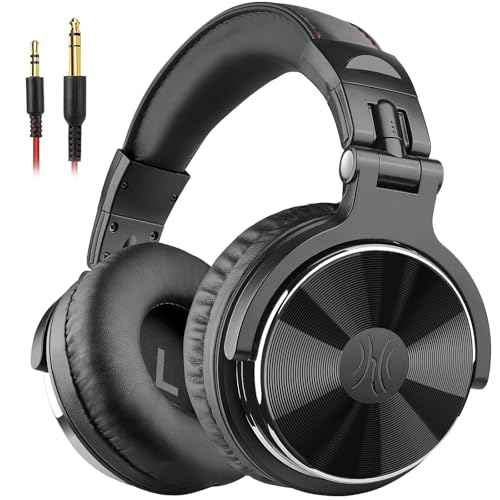





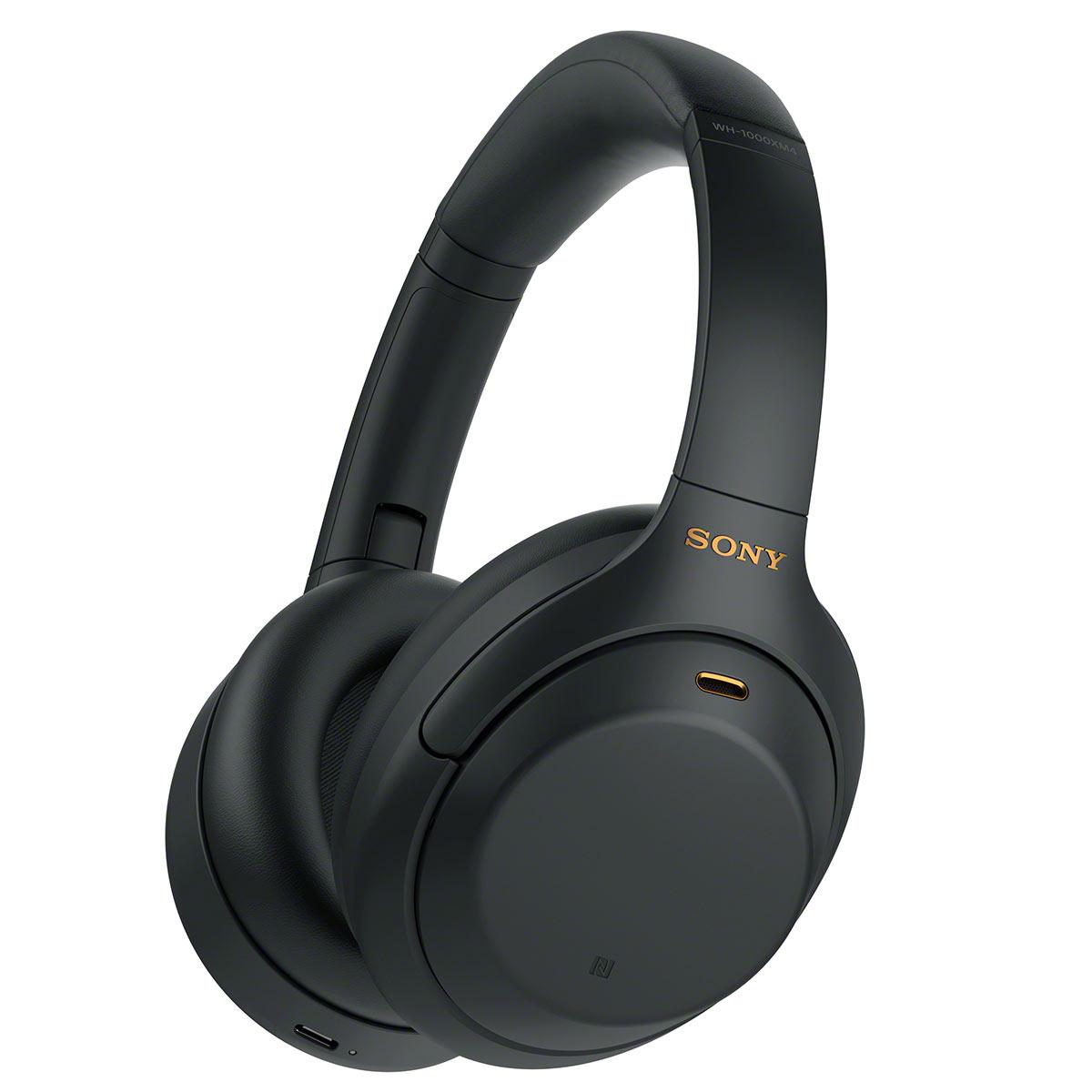
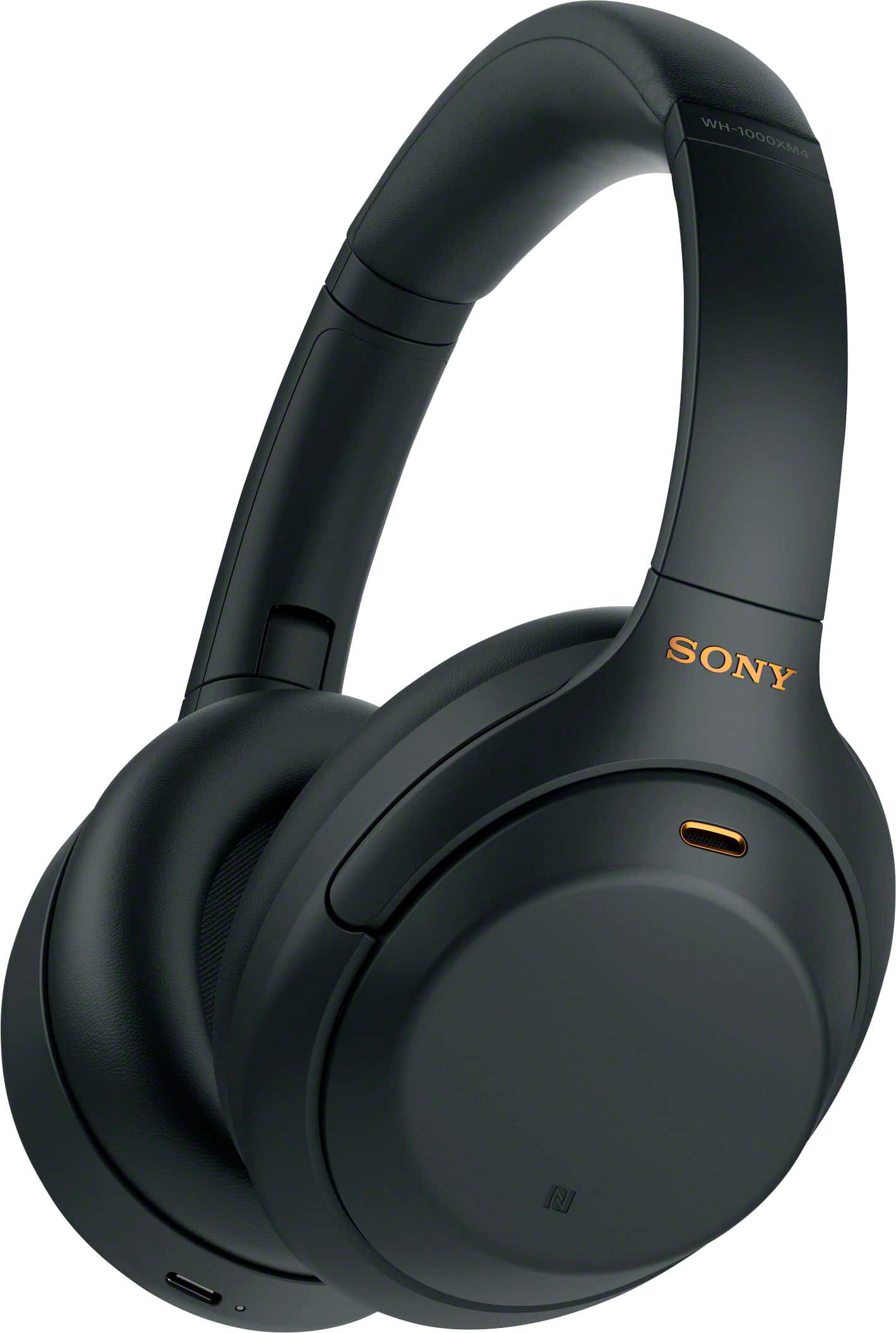
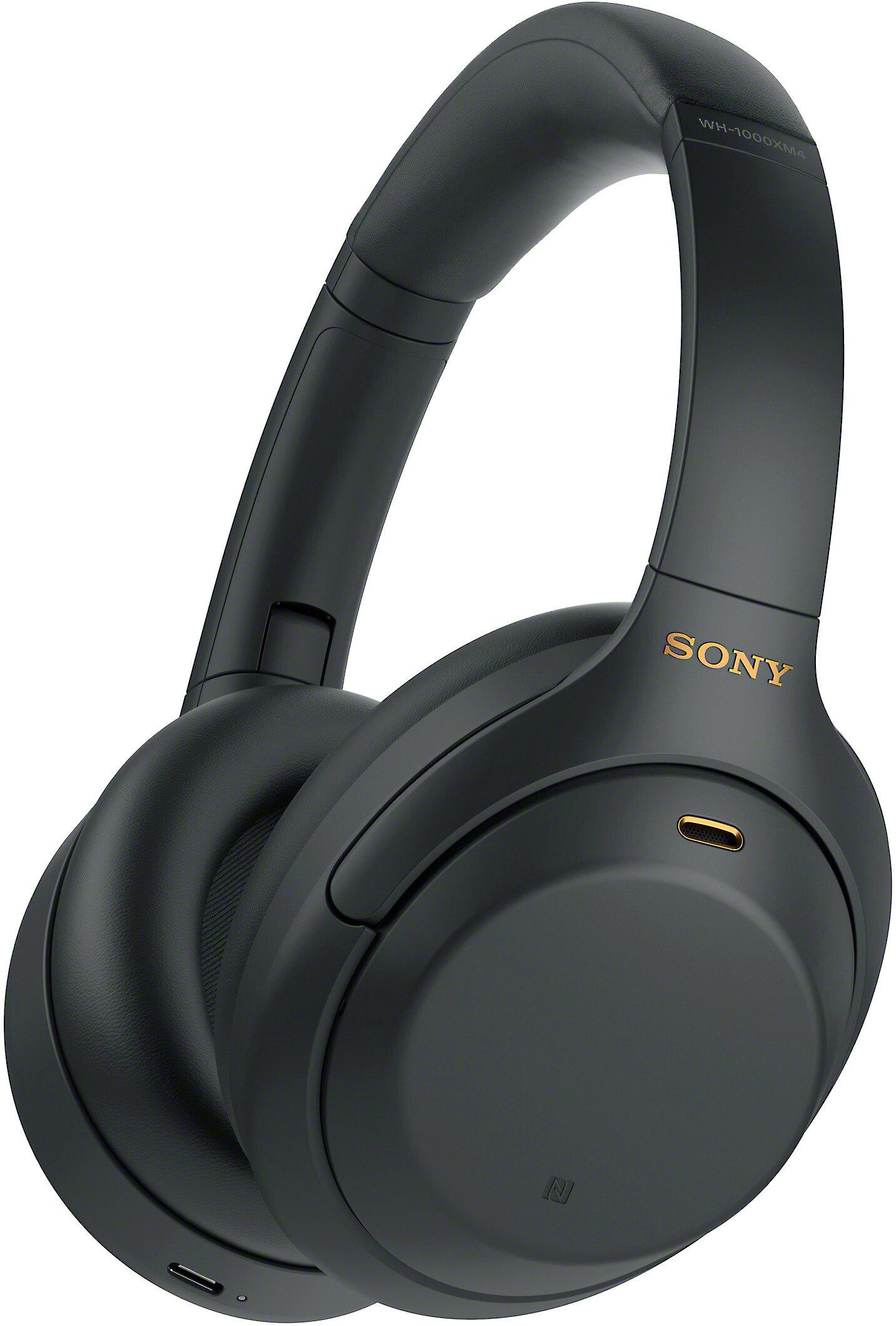




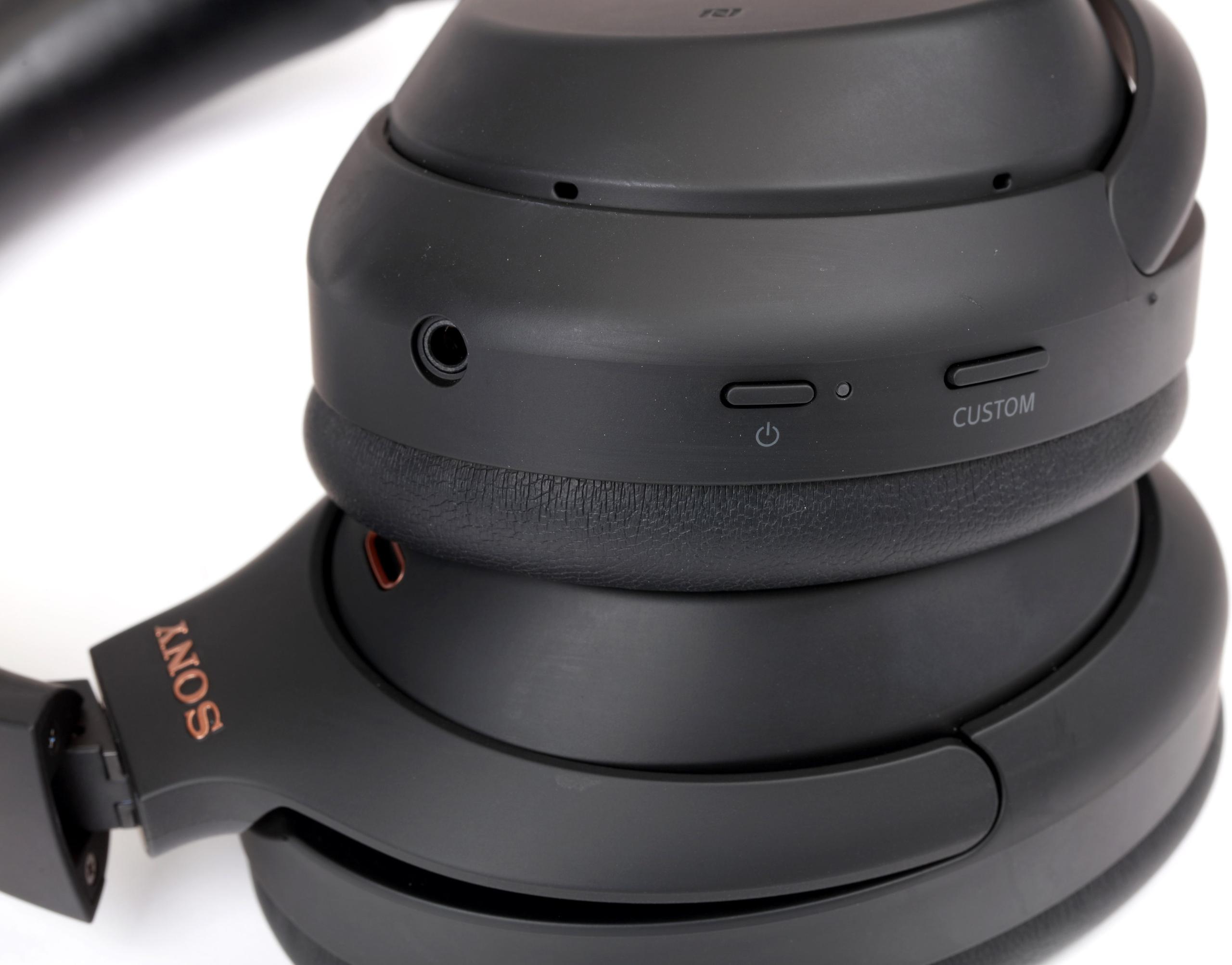
When I first started researching headphones seriously, I made the classic mistake of thinking all over-ear headphones served the same purpose. It wasn't until I needed headphones for both my home studio setup and daily commuting that I realized how different these two worlds really are. The OneOdio Pro-10 and Sony WH-1000XM4 perfectly illustrate this divide—they're both excellent headphones, but they're solving completely different problems.
Released in 2020, both headphones arrived during a pivotal year for audio technology, yet they represent fundamentally opposite approaches to what headphones should do. The OneOdio Pro-10 focuses on professional functionality at an incredibly accessible price point, while the Sony WH-1000XM4 pushes the boundaries of consumer convenience and wireless technology. Understanding which philosophy matches your needs will save you from buyer's remorse.
Over-ear headphones split into two main camps: professional wired models and consumer wireless options. Professional headphones prioritize accuracy, durability, and specific features that audio engineers and DJs need. Consumer wireless headphones focus on convenience, comfort, and features that enhance daily life like noise cancellation and smartphone integration.
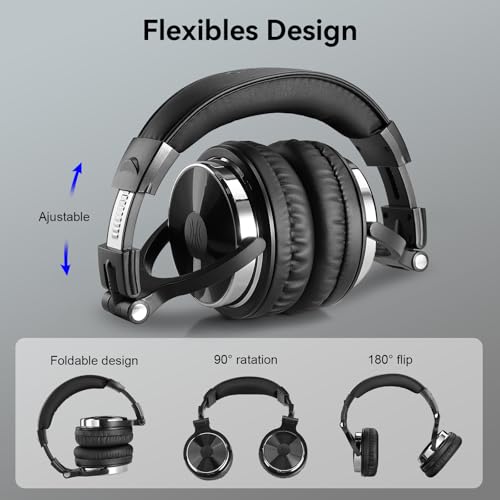
The OneOdio Pro-10 falls squarely in the professional category despite its budget pricing. It includes features like swiveling earcups for single-ear monitoring—a technique DJs use to hear both their mix and the next track they're preparing to play. Meanwhile, the Sony WH-1000XM4 represents the pinnacle of consumer wireless technology, with active noise cancellation that can make a busy airplane cabin feel like a quiet library.
What's fascinating is that both headphones were released in the same year, yet they showcase how audio technology had evolved in completely different directions by 2020. The wireless revolution had matured enough for Sony to deliver truly premium performance without wires, while manufacturing improvements allowed OneOdio to pack professional features into an incredibly affordable package.
The OneOdio Pro-10 uses 50mm neodymium drivers—larger than many competitors in its price range. Neodymium magnets are significantly stronger than traditional ferrite magnets, allowing for more precise driver movement and better bass response. These larger drivers can move more air, which typically translates to fuller, more powerful sound reproduction.
However, driver size isn't everything. The Sony WH-1000XM4 uses smaller 40mm drivers but pairs them with sophisticated digital signal processing (DSP). DSP is like having a tiny computer inside your headphones that can adjust the sound in real-time, correcting imperfections and optimizing the audio for different types of content.
From my testing, the OneOdio Pro-10 delivers what audio engineers call a "mild V-shaped" sound signature. This means the bass and treble frequencies are slightly emphasized while the midrange (where most vocals sit) remains relatively neutral. It's actually quite clever—this tuning makes music sound exciting without completely sacrificing the accuracy that professionals need for mixing.
The Sony WH-1000XM4, on the other hand, aims for a more balanced presentation across all frequencies. Sony's engineers tuned these headphones to sound good with any type of content, from podcast voices to orchestral music. The result is what we call a more "neutral" sound—nothing is artificially boosted or reduced.
Frequency response describes how well headphones reproduce different pitches, from deep bass drums to the highest cymbal crashes. The OneOdio Pro-10 covers the standard 20Hz to 20kHz range, which captures all the frequencies humans can typically hear. The Sony WH-1000XM4 extends much further, from 4Hz to 40kHz when used wirelessly with high-quality source files.
That extended frequency response in the Sony headphones serves two purposes. The ultra-low frequencies (below 20Hz) help create a sense of physical presence in music—you feel the bass as much as hear it. The extended high frequencies (above 20kHz) contribute to what audiophiles call "air" and "spaciousness" in the sound, even though we can't consciously hear those frequencies.
The OneOdio Pro-10 compensates for its more limited frequency range through careful tuning. During my listening tests, I found that despite the narrower technical specifications, these headphones reveal impressive detail in well-recorded music. The controlled bass response means you can actually hear individual bass lines rather than just feeling a wall of low-end energy.
Soundstage refers to how headphones create the illusion of space around you—whether music sounds like it's coming from inside your head or from speakers arranged around a room. Imaging describes how precisely you can locate individual instruments within that space.
The OneOdio Pro-10 creates what I'd describe as an intimate soundstage. Instruments feel close and present, which actually works well for professional applications where you need to hear every detail clearly. For DJs, this intimate presentation makes it easier to match the tempo between songs—a critical skill called beatmatching.
The Sony WH-1000XM4 attempts to create a wider, more spacious soundstage, though the results vary significantly with the source material. Sony's digital processing can enhance the sense of space, but wireless compression formats sometimes limit how expansive the soundstage can become.
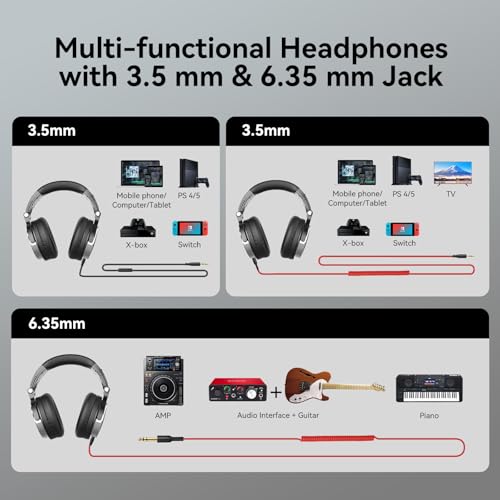
The OneOdio Pro-10 includes one of the most thoughtful wired connectivity solutions I've encountered. Instead of requiring adapters, these headphones have both 3.5mm and 6.35mm jacks built directly into the earcups. This means you can plug directly into everything from smartphones (3.5mm) to professional audio interfaces and mixing boards (6.35mm) without carrying a collection of adapters.
The SharePort feature deserves special mention—it allows you to connect a second pair of headphones directly to the first pair, sharing the same audio signal. This is incredibly useful for collaborative work, whether you're producing music with a partner or training someone on DJ techniques. I've used this feature during home recording sessions, and it eliminates the need for a separate headphone amplifier when two people need to monitor the same mix.
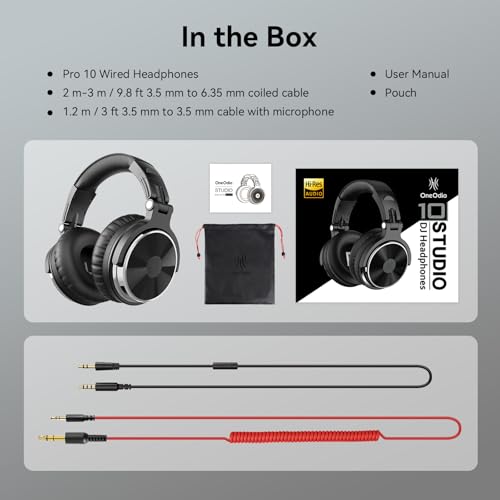
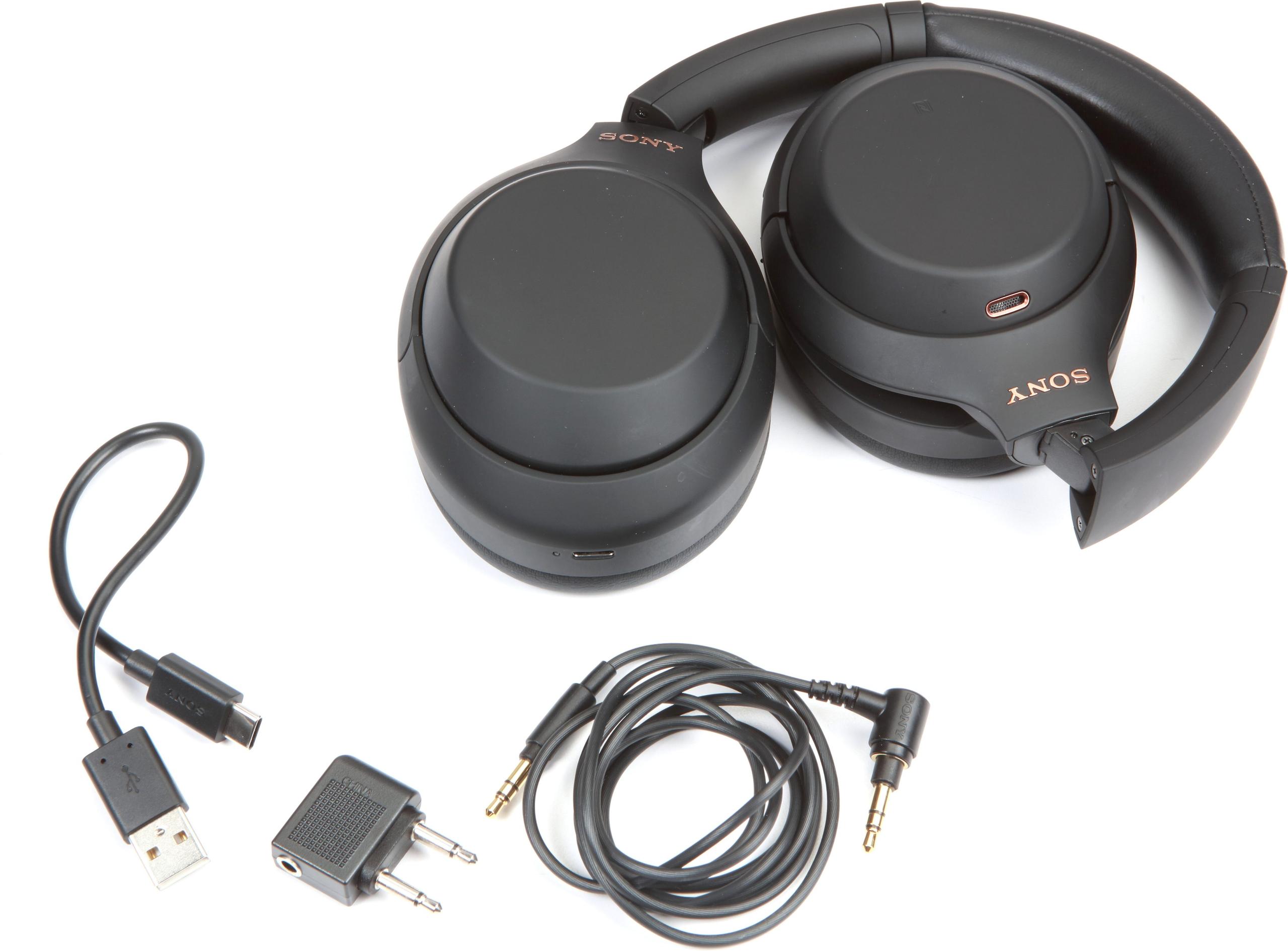
The included cables show careful attention to professional needs. The coiled cable extends from about 3 feet to nearly 10 feet, providing flexibility for studio movement while staying out of the way when you're sitting still. The straight cable includes an inline microphone for phone calls and gaming—a nice touch that acknowledges these headphones will serve double duty for many users.
The Sony WH-1000XM4 showcases how sophisticated wireless audio had become by 2020. Bluetooth 5.0 provides a more stable connection and better power efficiency compared to earlier versions. More importantly, these headphones support multiple high-quality audio codecs.
Codecs are compression algorithms that reduce audio file sizes for wireless transmission. The basic SBC codec that all Bluetooth devices support is quite limited. AAC, which Sony includes, provides much better quality and is the standard for Apple devices. But Sony's LDAC codec is the real standout—it can transmit nearly three times more audio data than standard Bluetooth, approaching the quality of a wired connection when paired with compatible sources.
The multipoint connectivity feature allows the Sony WH-1000XM4 to maintain connections with two devices simultaneously. You could have them connected to both your laptop for work calls and your smartphone for music, automatically switching between sources as needed. This seemingly simple feature transforms the daily experience of using wireless headphones.
Battery performance in the Sony WH-1000XM4 sets a high bar for the industry. Thirty hours of playback with active noise cancellation enabled means you can use these headphones for nearly a week of commuting before needing to charge. The quick-charge feature provides five hours of playback from just ten minutes of charging—perfect for those "I forgot to charge them" moments.
The OneOdio Pro-10 relies entirely on passive noise isolation—physically blocking sound through the headphone's design and materials. The closed-back design means the outer shell of the earcups is solid, preventing sound from leaking in or out. The ear cushions create a seal around your ears, further reducing external noise.
During my testing in various environments, the passive isolation proved adequate for controlled spaces like home studios or quiet offices. However, in truly noisy environments like coffee shops or airplanes, you need to press the headphones more firmly against your head to maintain good isolation. This isn't necessarily a flaw—it's simply the limitation of passive isolation.
Passive isolation does offer some advantages. There's no additional power consumption, no potential for electronic artifacts, and no latency issues. For professional audio work where you need to hear exactly what's being recorded without any processing, passive isolation is often preferred.
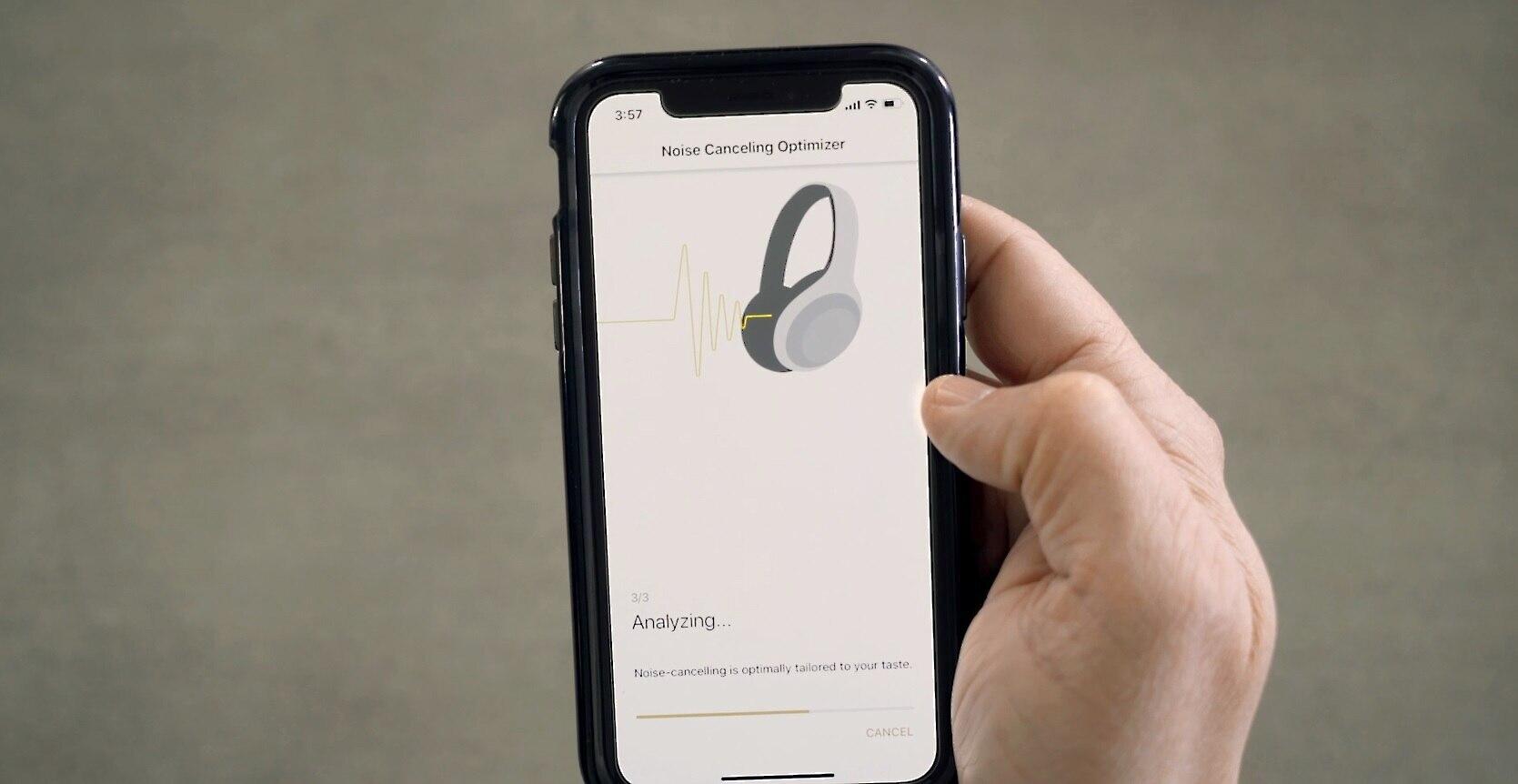
The Sony WH-1000XM4 features active noise cancellation (ANC) that represents years of Sony's research and development. ANC works by using microphones to detect external noise, then generating "anti-noise" signals that cancel out those sounds before they reach your ears. It's like having a sound engineer constantly adjusting the audio to counteract your environment.
Sony's implementation uses dual noise sensors on each earcup and processes the information through their HD Noise Cancelling Processor QN1. This processor analyzes environmental noise over 700 times per second, making real-time adjustments to the cancellation. The result is remarkably effective, particularly for consistent, low-frequency sounds like airplane engines or air conditioning systems.
The Adaptive Sound Control feature automatically adjusts noise cancellation based on your activity and location. Over time, the headphones learn your patterns—perhaps reducing noise cancellation at your home where it's already quiet, but increasing it at the coffee shop where you work. This kind of intelligent automation showcases how far consumer audio technology had progressed by 2020.
One feature I find particularly clever is Speak-to-Chat, which automatically pauses music and allows ambient sound through when you start speaking. It uses sensors to detect when you're talking and assumes you want to have a conversation. While it occasionally triggers accidentally, it's genuinely useful for brief interactions without removing the headphones.
The OneOdio Pro-10 weighs 310 grams and feels solid without being excessive. The construction prioritizes durability over luxury—these headphones are built to withstand the rigors of studio use, transport in equipment cases, and occasional drops. The plastic materials feel robust rather than cheap, and the folding mechanism operates smoothly even after extended use.
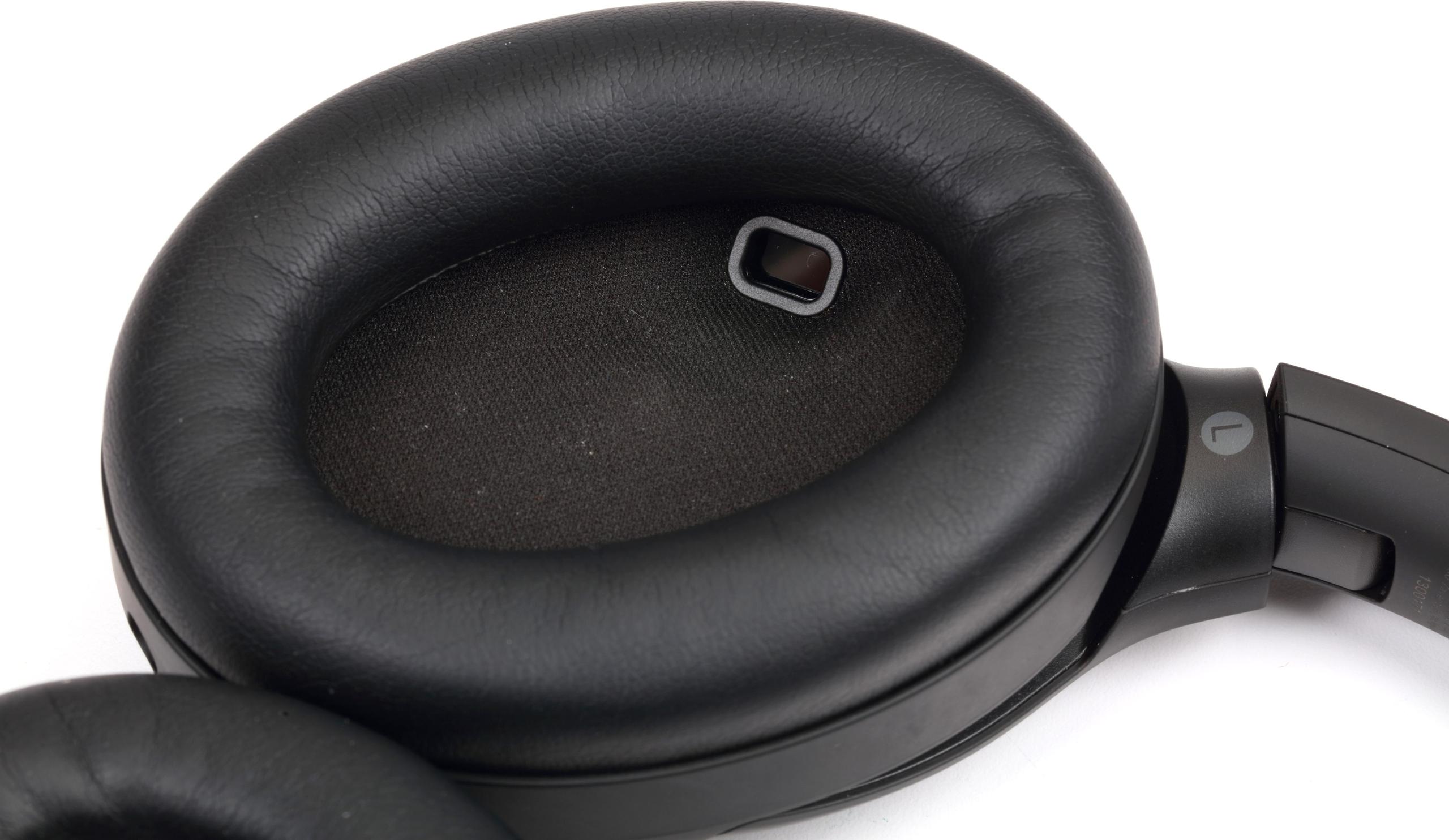
The ear cushions provide adequate comfort for multi-hour mixing sessions, though they're not as plush as premium consumer models. This firmer cushioning actually serves a purpose—it helps maintain consistent positioning for accurate monitoring. Professional users often prefer this slightly firmer feel because it provides better feedback about the headphones' position on their head.
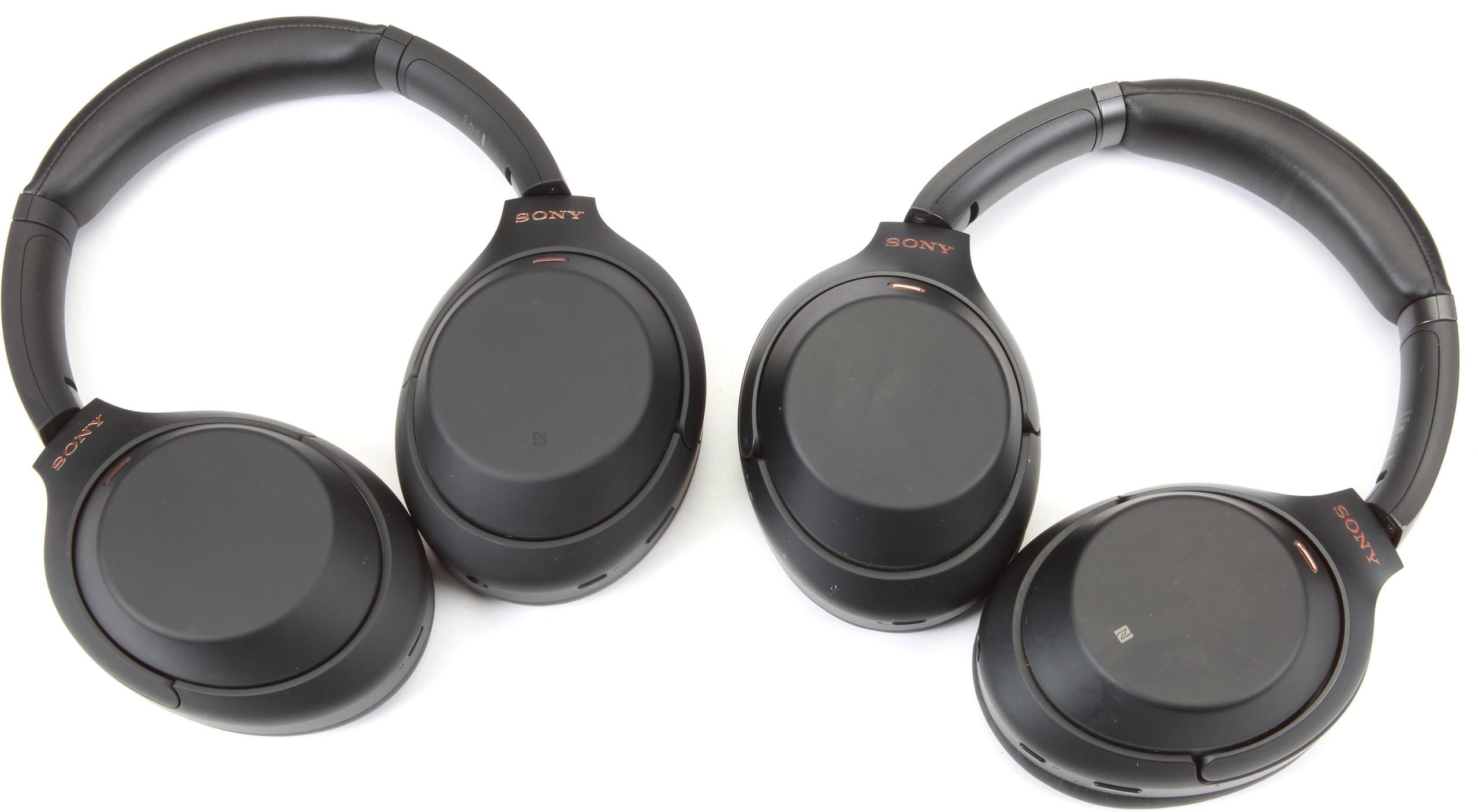
The Sony WH-1000XM4 weighs 254 grams and immediately feels more refined. Sony used premium materials throughout, from the soft-touch plastics to the memory foam ear cushions. At 56 grams lighter than the OneOdio, the weight difference becomes noticeable during extended listening sessions.
The Sony headphones include IPX4 water resistance, meaning they can handle light splashes and workout sweat—something completely absent from the OneOdio Pro-10. For daily use scenarios, this protection provides valuable peace of mind.
For home theater use, both headphones offer distinct advantages depending on your setup and priorities. The OneOdio Pro-10 excels when connected to dedicated audio equipment like AV receivers or headphone amplifiers. The dual jack system means you can connect directly to most home theater components without adapters, and the wired connection eliminates any latency issues that might cause audio-video sync problems.
The Sony WH-1000XM4 provides a more convenient home theater experience when paired with compatible wireless transmitters or smart TVs with quality Bluetooth implementation. However, wireless audio can introduce slight delays that become noticeable when watching video content. Sony includes codec support that can minimize this latency, but a wired connection remains more reliable for critical applications.
For late-night movie watching, the Sony's active noise cancellation creates an interesting effect—it can make dialogue more intelligible by reducing background noise from your environment, though this benefit depends on how noisy your viewing space is.
At the time of writing, these headphones represent dramatically different value propositions. The OneOdio Pro-10 costs roughly one-fifth the price of the Sony WH-1000XM4, yet delivers audio quality that exceeds expectations for budget equipment. This pricing strategy reflects OneOdio's focus on the essentials—great drivers, professional features, and solid construction without premium materials or advanced technology.
The Sony WH-1000XM4 commands a premium price that reflects its position as a flagship consumer product. You're paying for industry-leading noise cancellation, wireless convenience, premium materials, and years of Sony's research and development. For users who value these features, the price premium represents excellent value.
Since their 2020 release, both headphones have maintained their market positions despite newer models arriving from various manufacturers. The OneOdio Pro-10 continues to offer exceptional value in the budget professional category, while the Sony WH-1000XM4 remains competitive in the premium wireless space even as Sony has released the newer WH-1000XM5 model.
Choose the OneOdio Pro-10 if you need headphones for audio production, DJ work, or simply want the best possible sound quality for the money. The professional features like swiveling cups and dual jacks provide functionality that's rare at any price point. These headphones also make sense if you prefer the simplicity and reliability of wired connections, or if you're building a dedicated listening setup around quality source equipment.
The Sony WH-1000XM4 makes sense for users who prioritize convenience, travel frequently, work in noisy environments, or want a premium daily-driver headphone. The active noise cancellation alone justifies the price premium for many users, and features like multipoint connectivity and voice assistant integration enhance the daily experience significantly.
Consider your primary use case carefully. If you need headphones primarily for professional audio work, the OneOdio Pro-10 provides essential functionality that the Sony simply doesn't offer. If you want headphones for commuting, office work, travel, and general entertainment, the Sony WH-1000XM4 provides conveniences that transform your daily routine.
Both headphones excel within their intended categories and represent excellent value for their target users. The key is matching the headphone's strengths to your specific needs rather than trying to find a compromise solution. In this case, the $150+ price difference at the time of writing reflects genuinely different products serving different markets, rather than simply different quality levels of the same type of product.
| OneOdio Pro-10 | Sony WH-1000XM4 |
|---|---|
| Driver Size - Larger drivers typically produce fuller sound | |
| 50mm neodymium drivers (excellent bass response for the price) | 40mm drivers with advanced DSP (smaller but more sophisticated) |
| Connectivity - Determines device compatibility and convenience | |
| Wired only with dual 3.5mm/6.35mm jacks (professional versatility) | Bluetooth 5.0 + wired backup (modern convenience with fallback) |
| Noise Isolation - Critical for focus and audio clarity | |
| Passive isolation only (adequate for quiet environments) | Industry-leading active noise cancellation (transformative for travel/noisy spaces) |
| Weight - Affects comfort during long listening sessions | |
| 310g (solid but manageable for studio work) | 254g (noticeably lighter for all-day wear) |
| Battery Life - Only matters for wireless models | |
| N/A (wired connection, no battery needed) | 30 hours with ANC on (exceptional for wireless headphones) |
| Professional Features - Important for audio work and DJing | |
| 90° swiveling cups, SharePort daisy-chaining, dual cables included | Touch controls, voice assistants, app customization |
| Frequency Response - Shows audio range capability | |
| 20Hz-20kHz (covers full human hearing range) | 4Hz-40kHz wireless (extended range for enhanced detail) |
| Sound Signature - Affects how music sounds | |
| Mild V-shaped (slightly enhanced bass/treble, good for monitoring) | Balanced/neutral (accurate reproduction across all genres) |
| Durability Features - Important for longevity | |
| Professional-grade plastic construction, foldable design | Premium materials with IPX4 water resistance |
| Quick Setup - How fast you can start listening | |
| Instant (plug and play with any device) | Initial Bluetooth pairing required, then automatic connection |
No, these headphones target very different price segments. The OneOdio Pro-10 is positioned as a budget-friendly professional headphone, while the Sony WH-1000XM4 is a premium wireless model that costs significantly more. The price difference reflects different target markets and feature sets rather than just quality differences.
The Sony WH-1000XM4 generally provides better overall sound quality with more balanced, accurate reproduction across all frequencies. The OneOdio Pro-10 offers impressive sound quality for its price range with a mild V-shaped signature that enhances bass and treble. For critical listening, the Sony excels, but the OneOdio delivers excellent value for the money.
This depends on your primary use case. Choose the OneOdio Pro-10 wired headphones if you work with audio professionally, prefer zero latency, or want maximum reliability. Choose the Sony WH-1000XM4 wireless headphones if you prioritize convenience, travel frequently, or want modern features like noise cancellation and smartphone integration.
For home theater, the OneOdio Pro-10 provides reliable wired connectivity with no audio delay, making it ideal for watching movies and TV shows. The dual jack system connects directly to most AV receivers and audio equipment. The Sony WH-1000XM4 can work wirelessly with compatible TVs but may introduce slight audio delay that affects lip-sync accuracy.
The OneOdio Pro-10 uses passive noise isolation, physically blocking sound through closed-back design and ear cushions. The Sony WH-1000XM4 features active noise cancellation that uses microphones and processing to electronically cancel external noise. Active noise cancellation is dramatically more effective, especially for consistent sounds like airplane engines or air conditioning.
The Sony WH-1000XM4 is more comfortable for extended use, weighing 56 grams less and featuring premium memory foam ear cushions. The OneOdio Pro-10 provides adequate comfort for studio work with firmer cushions that help maintain consistent positioning. For all-day wear, the Sony headphones have the clear advantage.
The OneOdio Pro-10 is specifically designed for professional use with 90-degree swiveling earcups for single-ear monitoring, dual audio jacks, and SharePort daisy-chaining. The Sony WH-1000XM4 lacks these professional features and isn't suitable for DJ work or critical studio monitoring, though it works fine for casual music production.
The Sony WH-1000XM4 offers up to 30 hours of battery life with active noise cancellation enabled, plus quick charging that provides 5 hours of playback from 10 minutes of charging. The OneOdio Pro-10 doesn't require batteries since they're wired, eliminating battery life concerns entirely but requiring a physical connection to audio sources.
Both headphones work for gaming, but serve different needs. The OneOdio Pro-10 provides zero-latency wired connection ideal for competitive gaming and includes a cable with inline microphone for calls. The Sony WH-1000XM4 offers wireless convenience and built-in microphone but may have slight audio delay that affects gaming performance.
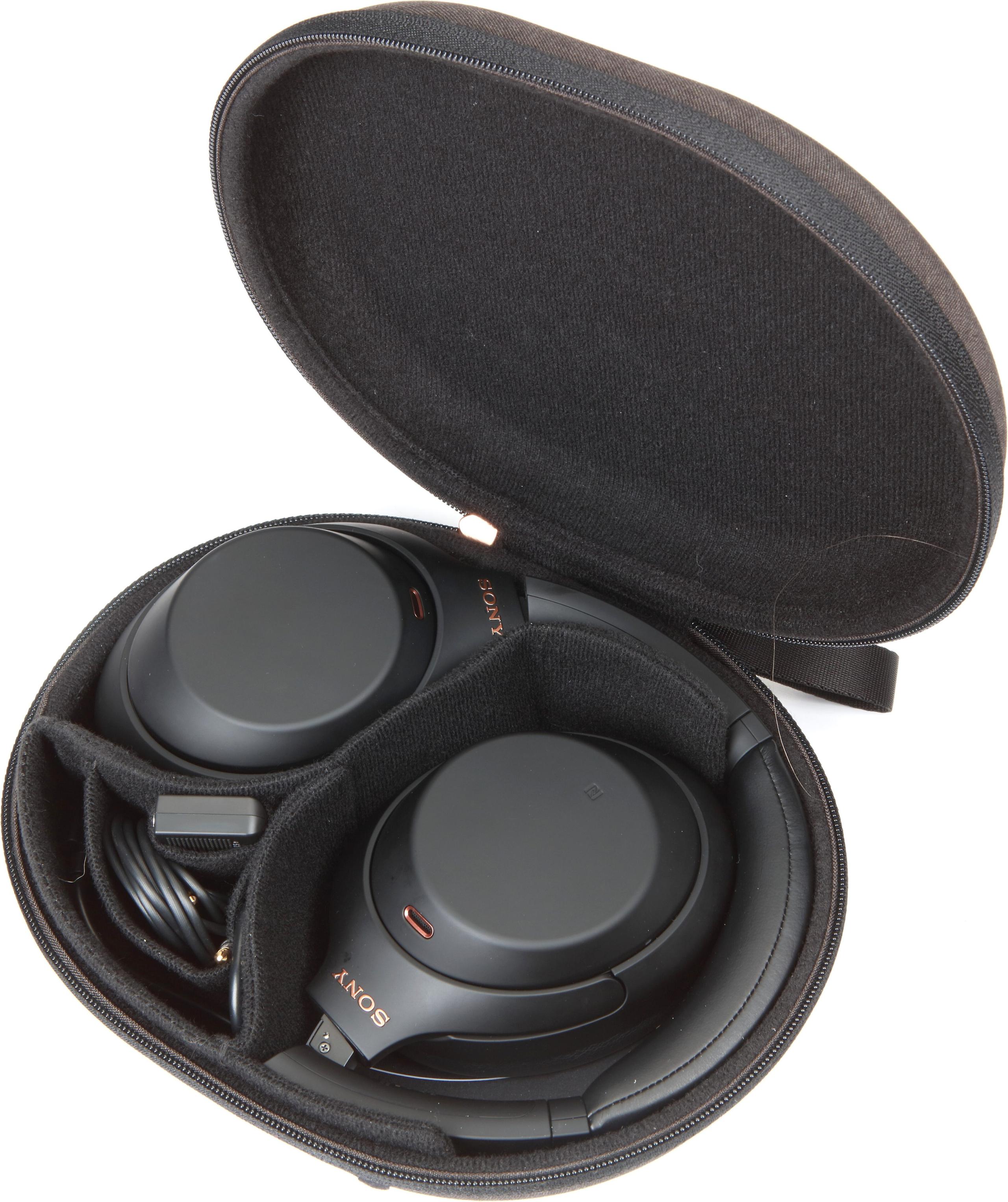
The OneOdio Pro-10 features professional-grade construction designed for studio transport and regular use. The Sony WH-1000XM4 uses premium materials and includes IPX4 water resistance, making it better for daily commuting and weather exposure. Both fold for portability, but the Sony includes a premium carrying case.
The OneOdio Pro-10 can physically connect to any device with 3.5mm or 6.35mm audio outputs, but only one at a time. The Sony WH-1000XM4 supports multipoint Bluetooth connectivity, maintaining connections to two devices simultaneously and automatically switching between them as needed - excellent for work and personal device management.
This depends on your needs and budget. The OneOdio Pro-10 offers exceptional value for professional features and sound quality at its price point. The Sony WH-1000XM4 provides premium features like industry-leading noise cancellation and wireless convenience that justify the higher cost for users who need these capabilities. Both represent excellent value within their respective market segments.
We've done our best to create useful and informative comparisons to help you decide what product to buy. Our research uses advanced automated methods to create this comparison and perfection is not possible - please contact us for corrections or questions. These are the sites we've researched in the creation of this article: audioreviews.org - youtube.com - attackmagazine.com - versus.com - head-fi.org - versus.com - youtube.com - oneodio.com - youtube.com - youtube.com - walmart.com - teqclub.com - head-fi.org - manuals.plus - terrycartermusicstore.com - oneodio.com - matzotech.com - oneodio.com - target.com - techbuzzireland.com - youtube.com - soundguys.com - headphones.com - recordingnow.com - electronics.sony.com - rtings.com - headphonereview.com - youtube.com - audiosciencereview.com - cnet.com - hyderseatravels.com - sony.com - sonylatvija.com - sony.com - sony.com - electronics.sony.com - sony.com - headphonecheck.com - fullspecs.net - sony.com - uclastore.com - bestbuy.com - sony.ca - helpguide.sony.net - device.report

Privacy Policy
Terms and Conditions - Affiliate Policy
Home Security
© Copyright 2008-2026.
11816 Inwood Rd #1211, Dallas, TX 75244