








When you're shopping for over-ear headphones, the sheer number of options can feel overwhelming. Should you go with a budget wired pair or splurge on premium wireless headphones? Today, we'll compare two headphones that represent these different philosophies: the OneOdio Pro-10 and the Sennheiser Momentum 4 Wireless. At the time of writing, these products sit at opposite ends of the price spectrum, making this comparison particularly valuable for understanding what you get when you spend more money.
Over-ear headphones, also called circumaural headphones, completely surround your ears rather than sitting on top of them. This design creates a seal that provides better sound isolation and typically more comfortable long-term wear than on-ear models. The market ranges from basic models under $50 to audiophile-grade options exceeding $500.
When shopping for over-ear headphones, you'll encounter several key considerations. Sound quality remains paramount – after all, these are devices designed to reproduce music, podcasts, and other audio content. Comfort becomes crucial if you plan to wear them for hours at a time. Build quality determines how long your investment will last, while connectivity options affect how and where you can use them.
The OneOdio Pro-10, released around 2020, represents the budget wired category with professional aspirations. Meanwhile, the Sennheiser Momentum 4 Wireless, launched in 2022, embodies the premium wireless approach with consumer-focused features. These products showcase how dramatically headphone technology and design priorities can differ even within the same basic category.
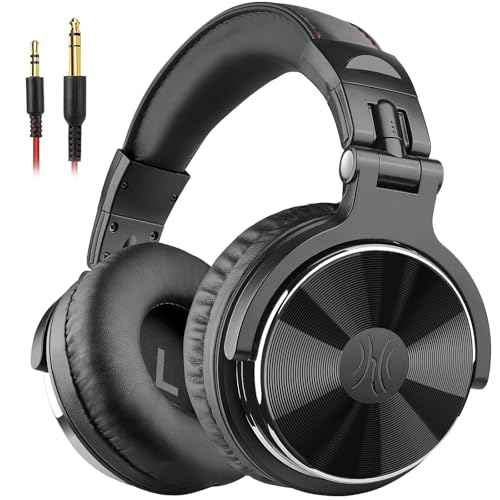
The OneOdio Pro-10 positions itself as an entry-level professional headphone. At the time of writing, it costs roughly the same as a nice dinner for two, making it incredibly accessible. OneOdio designed these headphones primarily for budding DJs and home studio enthusiasts who need professional connectivity without the professional price tag.
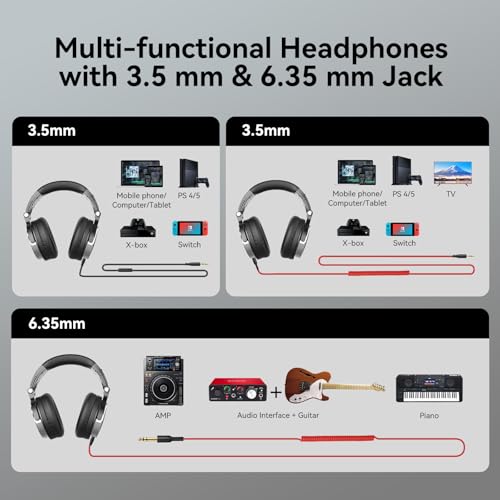
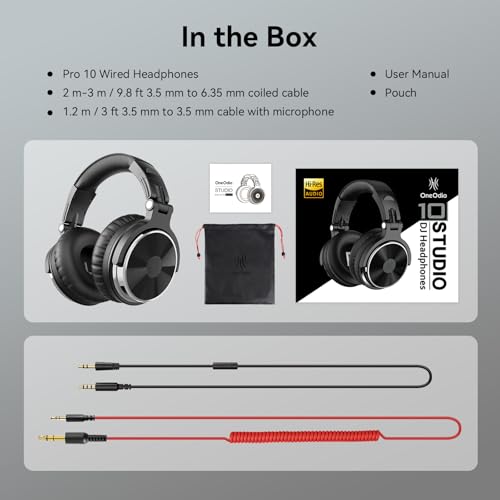
What makes the Pro-10 interesting is its dual-port design. Most headphones have a single audio input, but the Pro-10 includes both 3.5mm and 6.35mm (quarter-inch) jacks built into the ear cups. This means you can plug directly into DJ mixers, audio interfaces, keyboards, and other professional equipment without adapters. The headphones also feature a "SharePort" – essentially a daisy-chain connection that lets you plug another pair of headphones directly into yours for shared listening.
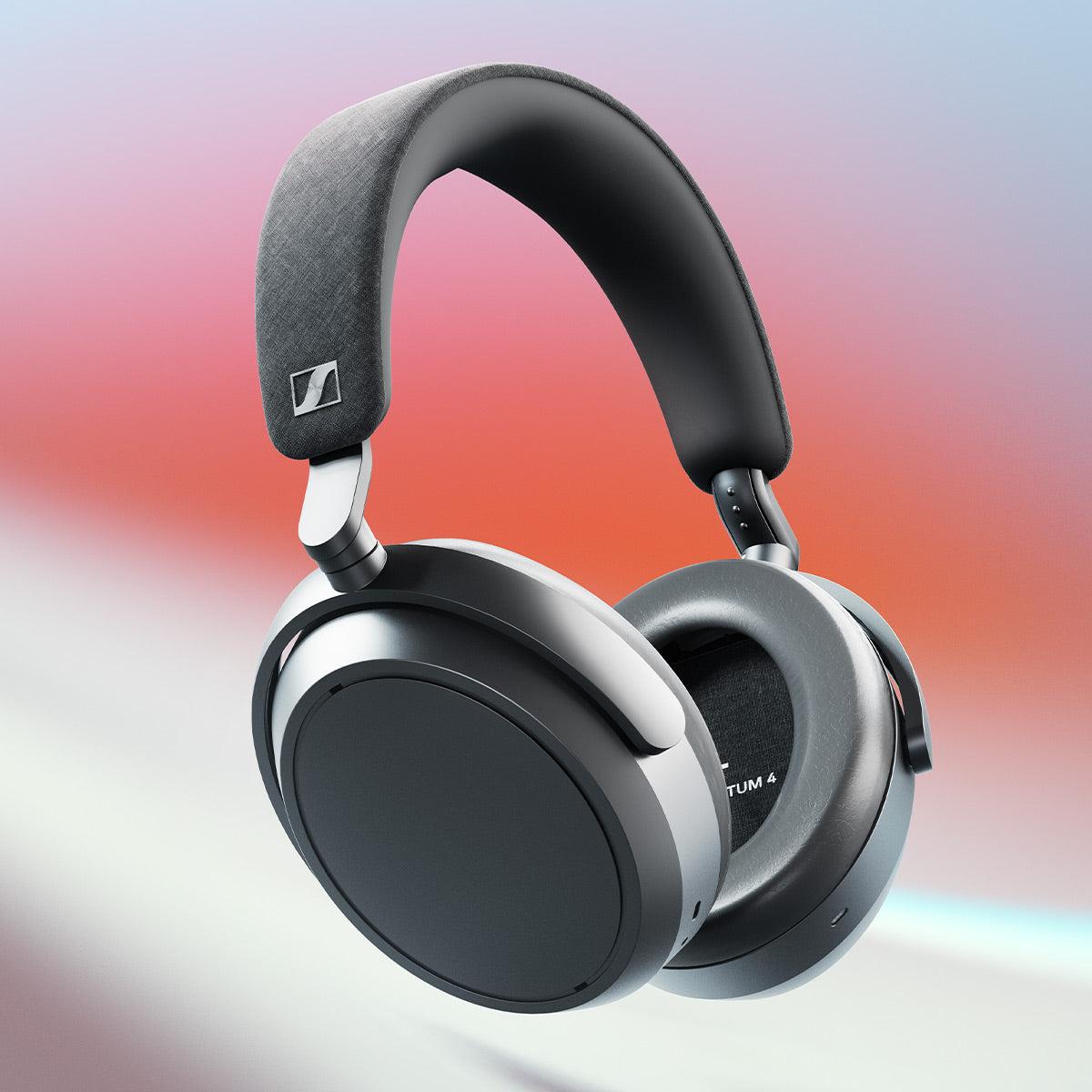
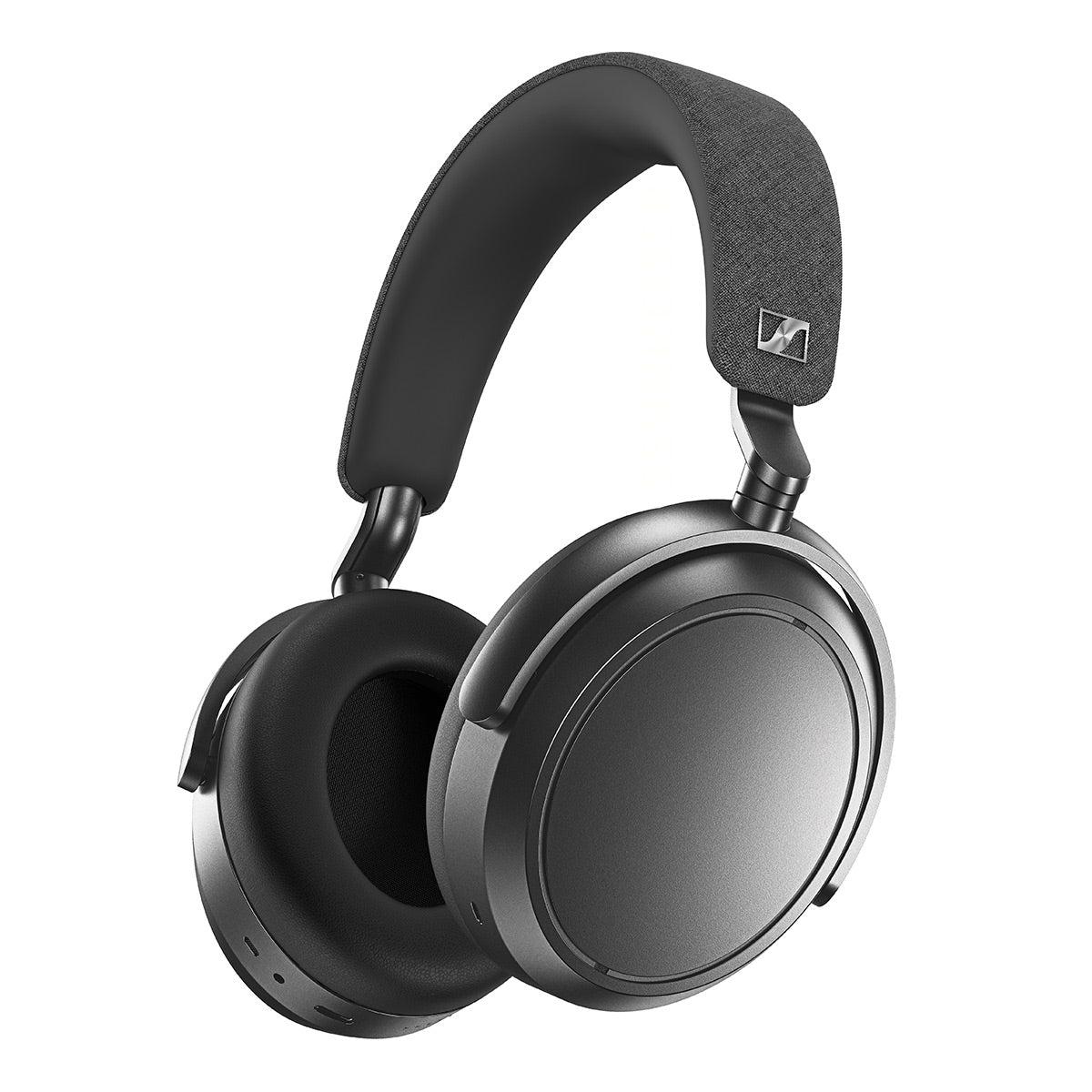
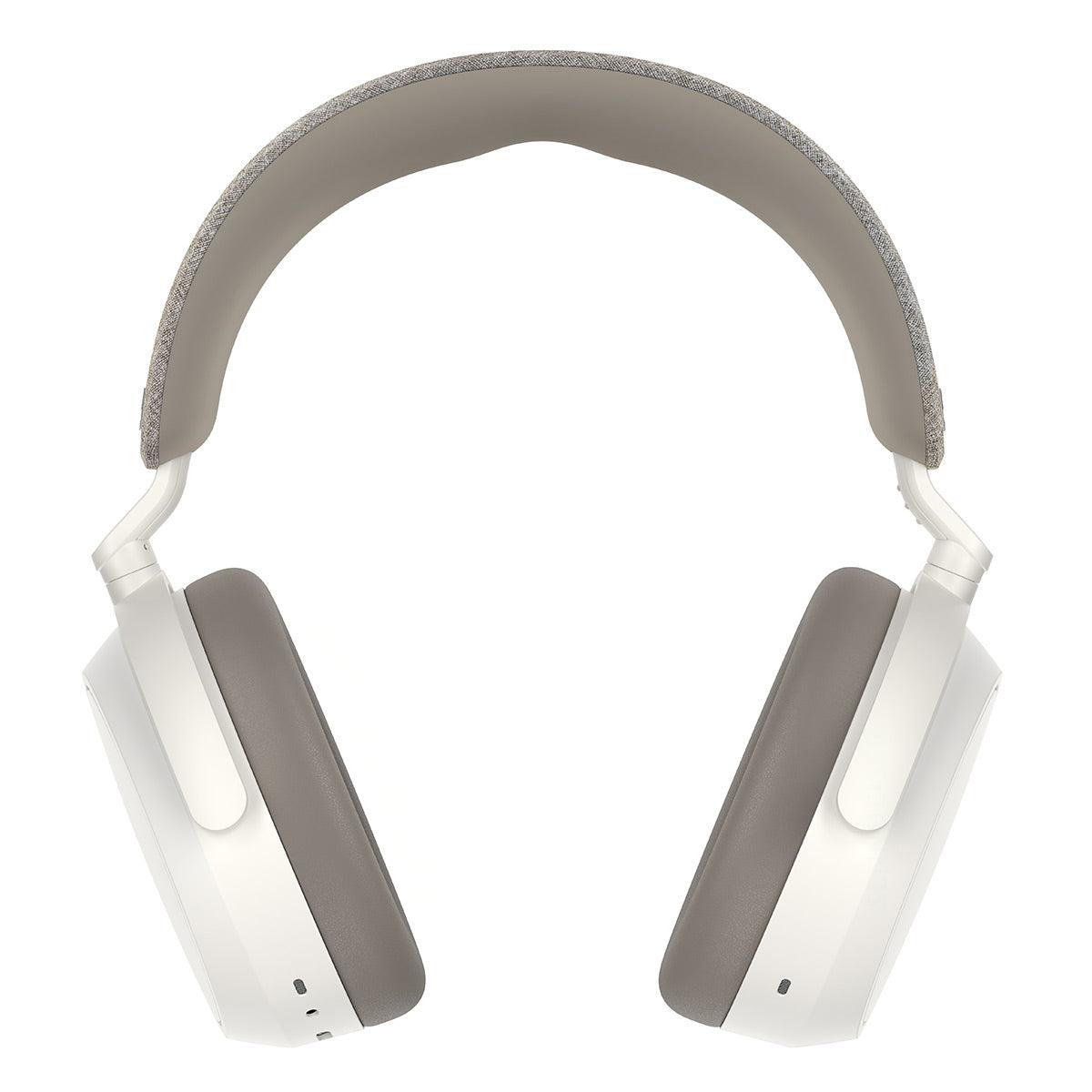
The Sennheiser Momentum 4 Wireless takes an entirely different approach. Released in 2022, it represents Sennheiser's vision of what a premium consumer headphone should be in the wireless era. At the time of writing, it costs roughly eight times more than the Pro-10, positioning it firmly in premium territory.
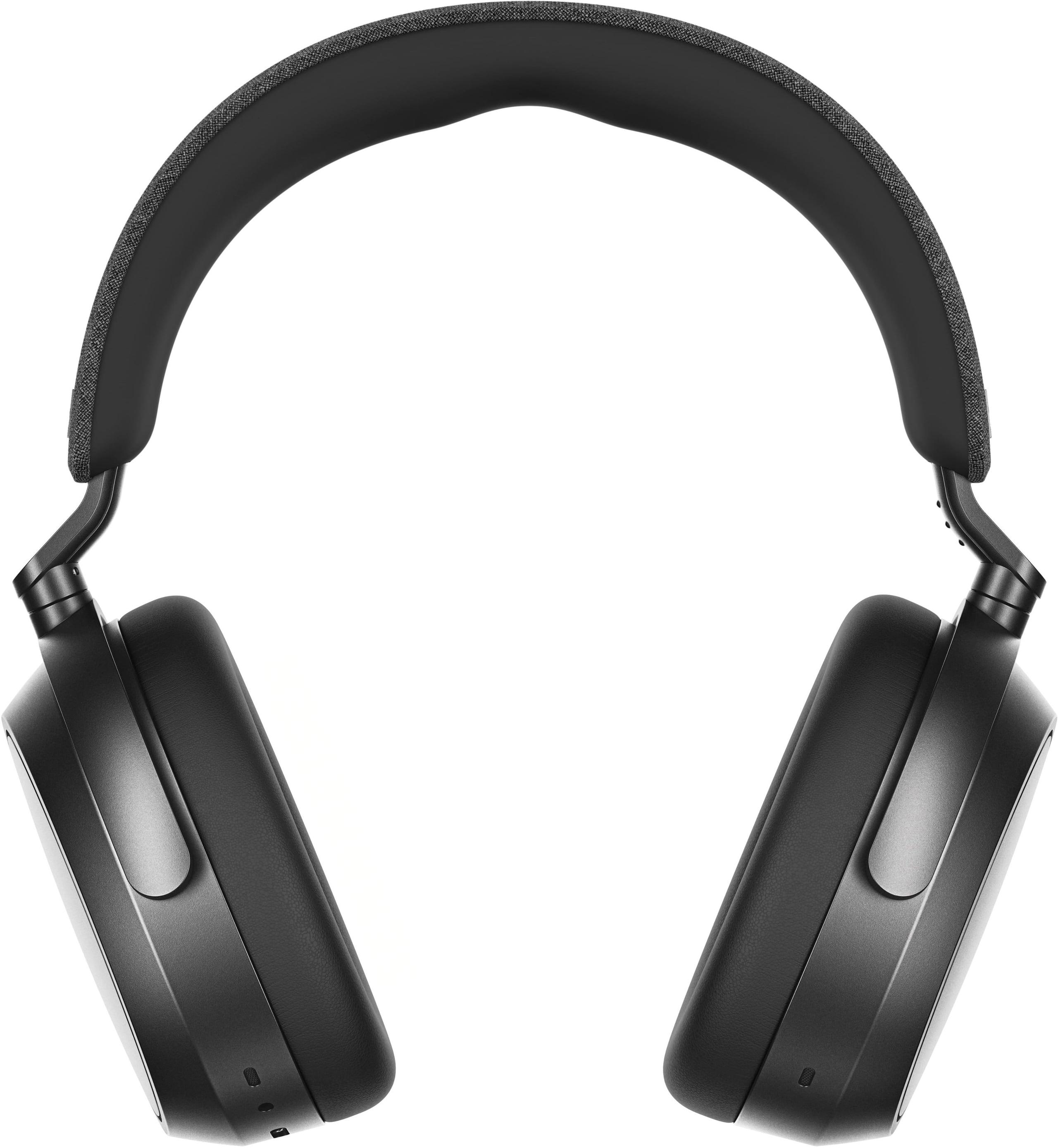
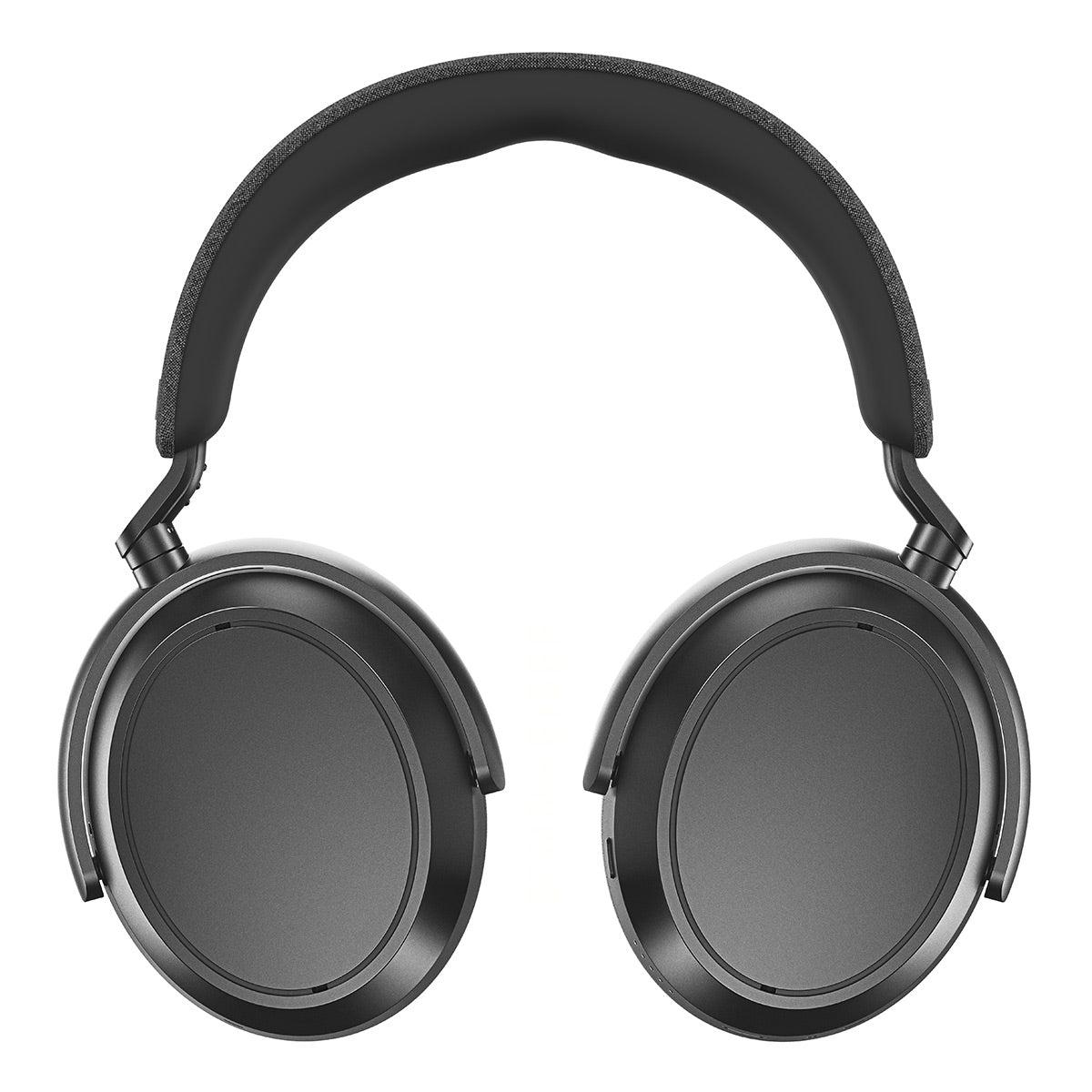
The Momentum 4 focuses on convenience and advanced features. It offers active noise cancellation (ANC), which uses microphones and digital processing to reduce ambient noise. The headphones include touch controls on the ear cup, automatically pause when you take them off, and can connect to multiple Bluetooth devices simultaneously. Perhaps most impressively, they deliver up to 60 hours of wireless playback – nearly a week of typical daily use.
The OneOdio Pro-10 uses 50mm neodymium drivers, which are relatively large for headphones in this price range. Neodymium magnets are stronger than traditional ferrite magnets, allowing for more efficient sound reproduction and better bass response. The larger driver size typically means the headphones can move more air, potentially creating more impactful bass and a wider soundstage.
However, driver size isn't everything. The Sennheiser Momentum 4 uses smaller 42mm drivers but benefits from decades of acoustic engineering expertise. Sennheiser has tuned these drivers to deliver what they call their "Signature Sound" – a balanced presentation that emphasizes clarity and detail across the frequency spectrum.
In practice, the Pro-10 delivers surprisingly balanced sound for its price point. Many budget "DJ" headphones suffer from excessive bass that overwhelms the midrange and treble. The Pro-10 avoids this trap, offering what reviewers describe as a "mild V-shaped" sound signature. This means the bass and treble are slightly emphasized compared to the midrange, creating an engaging sound without becoming fatiguing during long listening sessions.
The Momentum 4 provides superior overall fidelity, which you'd expect given the price difference. It offers better resolution – meaning you can hear more detail in complex musical passages – and improved timbre, which is how natural instruments and voices sound. The Momentum 4 also provides customizable sound through Sennheiser's smartphone app, including an EQ and a "Sound Personalization" feature that adapts to your hearing profile.
Frequency response measures how well headphones reproduce different pitches, from deep bass to high treble. The Pro-10 covers 20Hz to 20kHz, which encompasses the full range of human hearing. However, the Momentum 4 extends this range to 6Hz-22kHz, potentially providing deeper bass and more detailed treble reproduction.
Impedance, measured in ohms, indicates how much electrical resistance the headphones present to your audio source. The Pro-10 has a 32-ohm impedance, making it easy to drive from smartphones, computers, and portable devices. The Momentum 4 presents 60 ohms when used wirelessly, though this matters less since it has its own built-in amplification.
Sensitivity, measured in decibels (dB), tells you how loud the headphones will play for a given amount of power. The Pro-10 offers 110dB sensitivity, while the Momentum 4 provides 106dB. Both are sufficiently sensitive for all common use cases, though the Pro-10's higher sensitivity means it will play slightly louder from low-power sources.
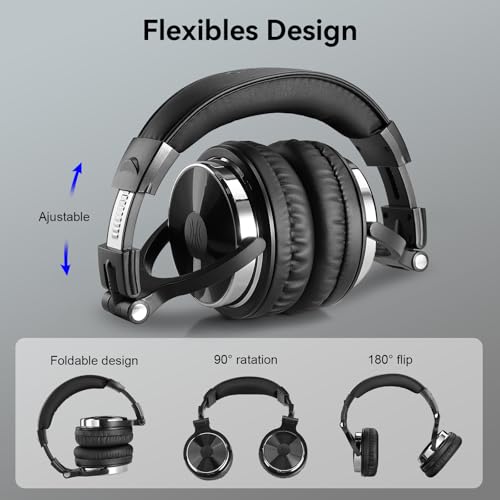
Comfort becomes crucial when you're wearing headphones for hours at a time, whether you're mixing tracks, editing video, or just enjoying music. The OneOdio Pro-10 uses a lightweight design with 90-degree swiveling ear cups. This swivel feature is particularly useful for DJs who need to monitor with one ear while keeping the other ear free to hear the crowd or cue the next track.
However, the Pro-10 has a significant limitation: small ear cup openings. Despite using 50mm drivers, the actual opening that fits around your ear is considerably smaller than you'd find on premium headphones. This can cause discomfort for people with larger ears, as the ear cups may press against your ears rather than fully surrounding them.
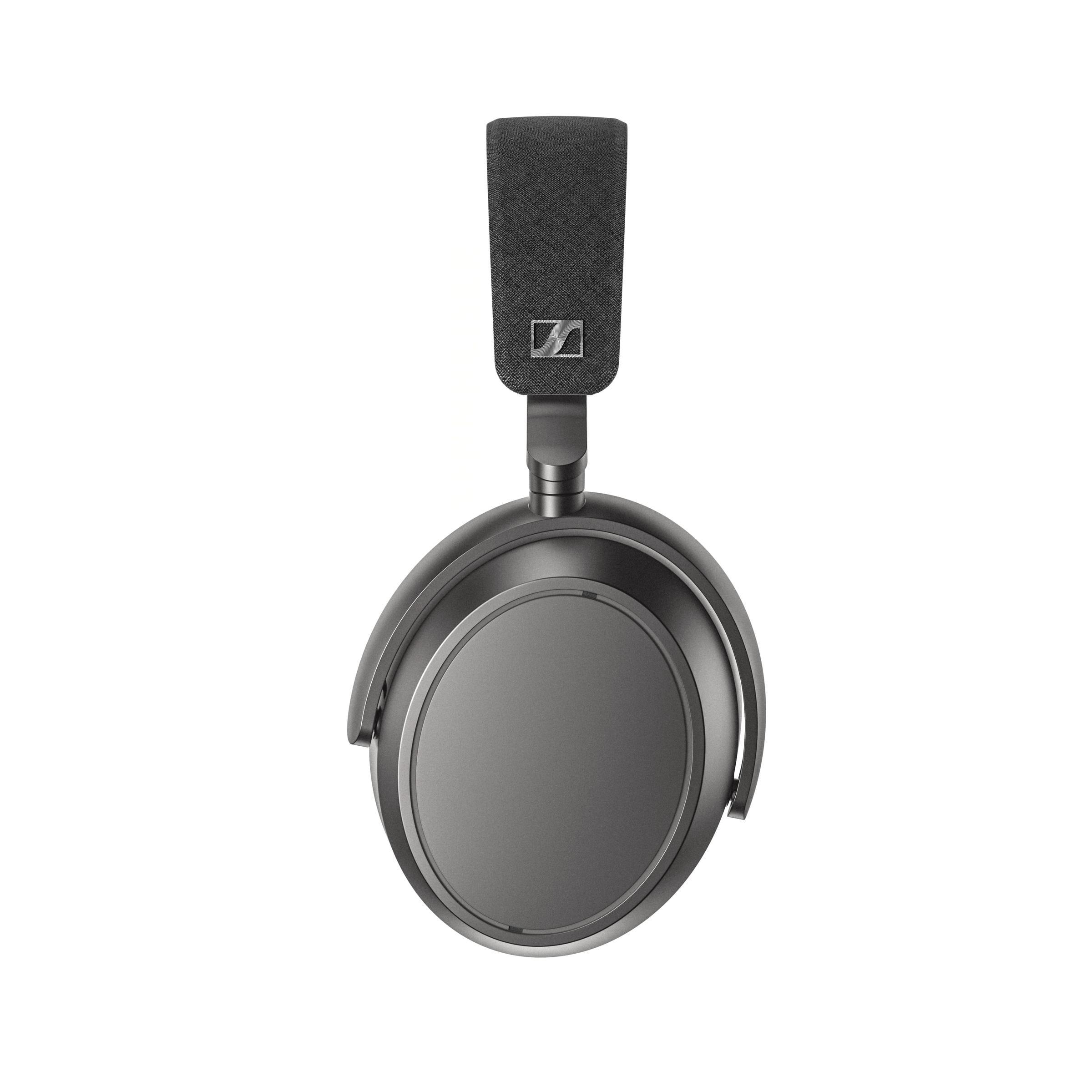
The Sennheiser Momentum 4 addresses this with larger, more accommodating ear cups lined with premium materials. The headphones use a combination of fabric and leatherette padding that feels more luxurious and provides better long-term comfort. At 293 grams, they're heavier than the Pro-10, but the weight is well-distributed across a padded headband.
The Pro-10 uses what reviewers describe as "rigid tough plastic" construction. While this sounds cheap, it's actually quite practical for a headphone designed for DJ use, where durability matters more than premium aesthetics. The headphones fold flat for transport and come with detachable cables, making them relatively travel-friendly.
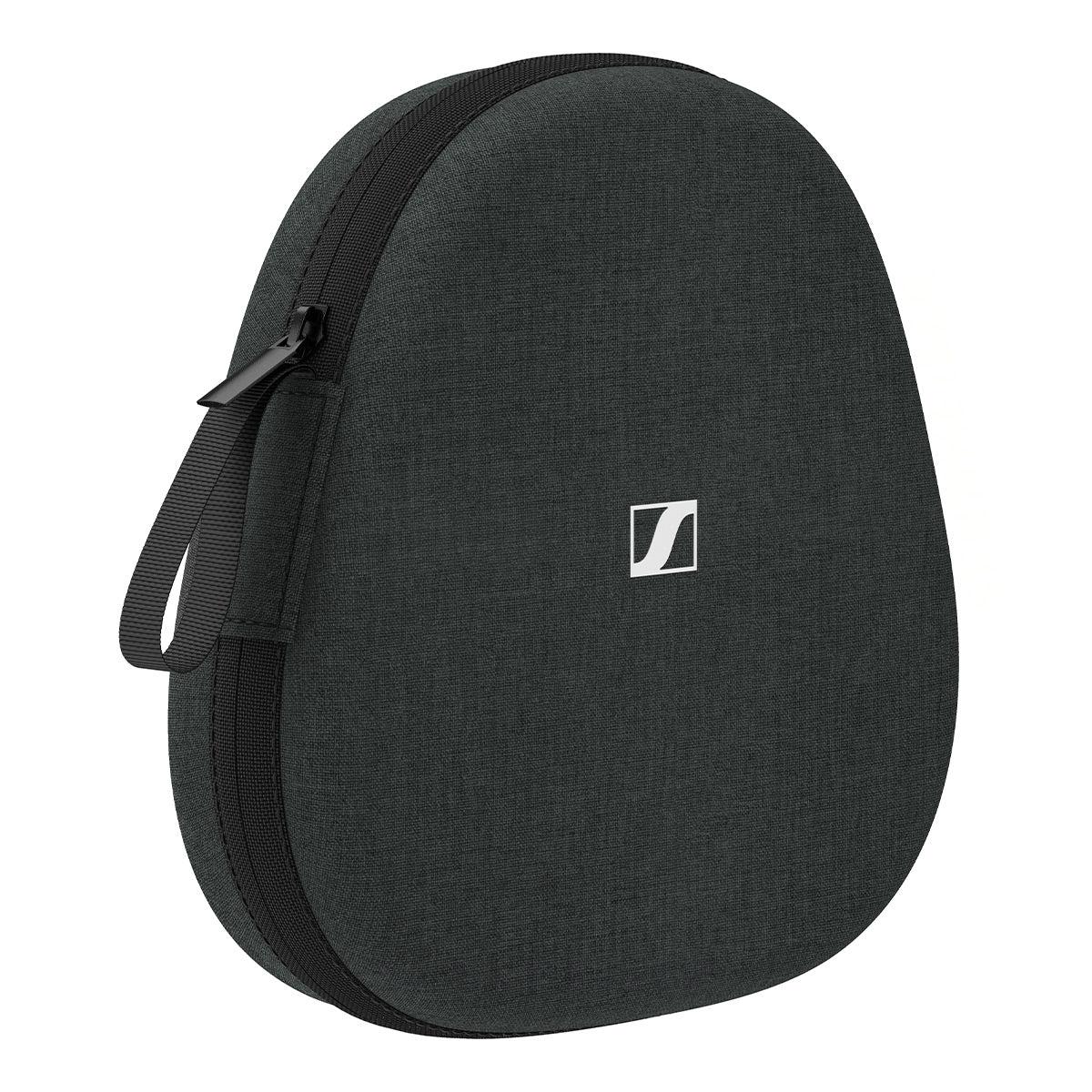
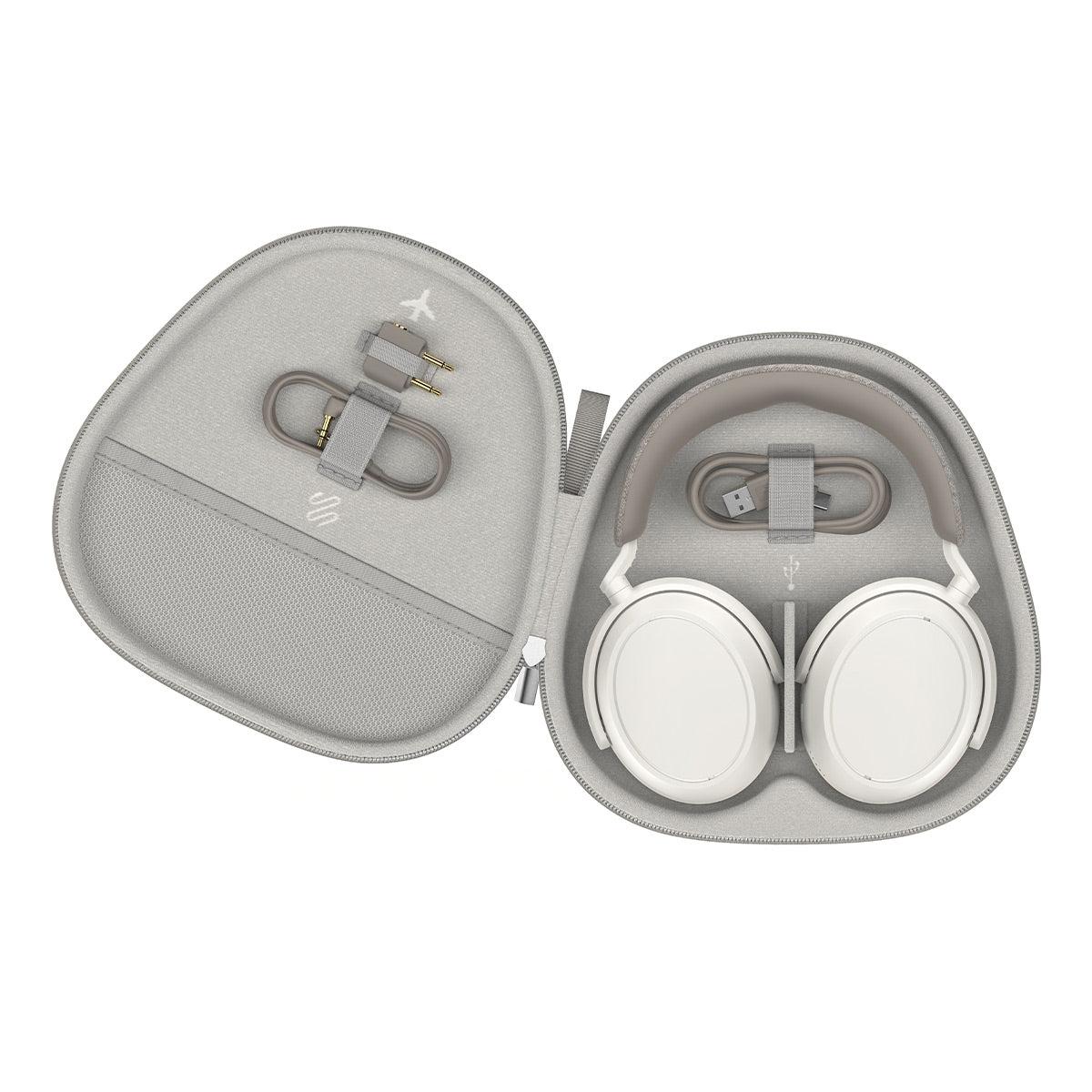
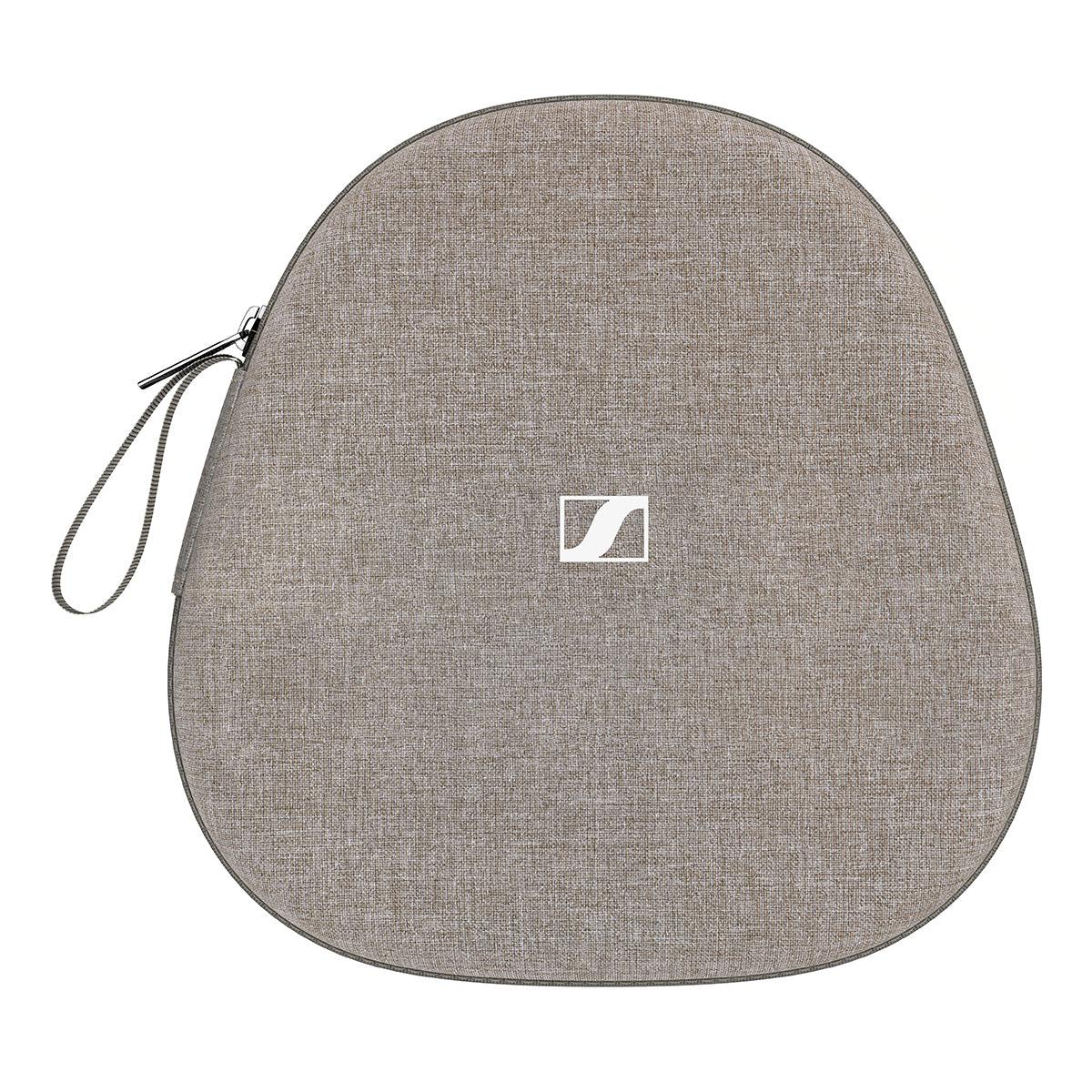
The Momentum 4 employs premium materials including metal construction elements and fabric detailing. Sennheiser includes a hard carrying case, which not only protects your investment but also signals the premium positioning of the product. The build quality reflects the higher price point, with tighter tolerances and more refined finishing throughout.
The OneOdio Pro-10 shines in its connectivity options. The dual-port design (3.5mm and 6.35mm) eliminates the need for adapters when connecting to professional audio equipment. This might seem like a small detail, but adapters are easy to lose and can introduce connection problems or signal degradation.
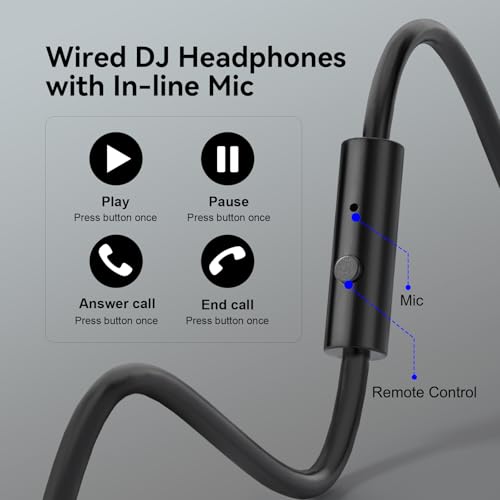
The headphones include two cables: a coiled cable that stretches from 2-3 meters (similar to what you'd find on professional studio headphones) and a straight cable with an inline microphone for phone calls and gaming. The coiled cable is particularly practical for DJ use, as it stays out of the way when you're not using its full length but extends when needed.
Perhaps most uniquely, the Pro-10 includes a SharePort feature. This lets you plug another pair of headphones directly into yours, sharing the audio signal without needing a separate headphone splitter. It's a clever feature that's particularly useful for collaborative work or sharing music with friends.
The Sennheiser Momentum 4 represents the opposite approach, embracing wireless technology fully. It uses Bluetooth 5.2, the latest version available at the time of its release, which provides more stable connections and better power efficiency compared to earlier Bluetooth versions.
The headphones support multiple high-quality audio codecs, including aptX Adaptive. Codecs determine how audio is compressed for wireless transmission – better codecs mean less compression and higher quality. aptX Adaptive is particularly clever because it can adjust the compression level based on your environment and connection quality, prioritizing either audio quality or connection stability as needed.
Modern wireless features include multipoint connectivity, which lets you connect to two devices simultaneously. You might have your headphones connected to both your computer and phone, automatically switching to take calls while pausing your music. The Momentum 4 also includes touch controls on the right ear cup for managing playback, adjusting volume, and activating voice assistants.
One of the most significant advantages of the Sennheiser Momentum 4 is its adaptive active noise cancellation. ANC works by using external microphones to detect ambient noise, then generating inverse sound waves to cancel it out. It's particularly effective against consistent, low-frequency noise like airplane engines, air conditioning, or traffic.
The Momentum 4 uses what Sennheiser calls "Hybrid Adaptive ANC," which means it uses multiple microphones and adjusts the cancellation based on your environment. When you're in a quiet room, it applies less processing to maintain audio quality. In louder environments, it increases the cancellation strength.
The headphones also include a Transparency Mode, which uses the same microphones to let ambient sound through. This is useful when you need situational awareness – perhaps when walking in traffic or having a quick conversation without removing your headphones.
The Momentum 4 includes several "smart" features that enhance user experience. Auto-pause detects when you remove the headphones and automatically stops your music, resuming when you put them back on. Auto on/off powers the headphones up when you pick them up and powers them down after periods of inactivity to save battery.
The Sennheiser Smart Control app provides extensive customization options. Beyond basic EQ, it includes Sound Personalization, which analyzes your listening preferences and adjusts the sound accordingly. The app also provides battery level information, codec status, and various sound modes optimized for different content types.
The OneOdio Pro-10 never needs charging because it's entirely passive – it draws power from whatever device you plug it into. This means it's always ready to use, never dies at inconvenient moments, and has one less thing to worry about in your daily routine.
The Momentum 4 offers an impressive 60 hours of wireless playback with ANC enabled, which was industry-leading at the time of its release. To put this in perspective, if you listen for 2 hours daily, you'd need to charge them roughly once per month. Quick charging provides 4 hours of playback from just 5 minutes of charging, which helps when you've forgotten to charge them overnight.
This exceptional battery life represents a significant improvement over earlier wireless headphones, which typically offered 20-30 hours. The improvement comes from more efficient Bluetooth chips, better battery technology, and optimized power management software.
For aspiring DJs and music producers, the OneOdio Pro-10 offers genuine professional connectivity at an accessible price. The dual ports mean you can connect directly to DJ mixers, audio interfaces, keyboards, and other professional equipment. The 90-degree swiveling ear cups support single-ear monitoring – a crucial technique for DJs who need to hear both the current track playing to the audience and the next track they're cueing up.
The zero-latency nature of wired connections also matters for professional applications. When you're recording music, editing video, or DJing live, any delay between your actions and what you hear can be problematic. Wireless headphones, even good ones, introduce small delays that can interfere with timing-critical work.
However, for creative professionals who've moved beyond entry-level work, the Sennheiser Momentum 4 might be worth the investment. The superior comfort during long editing sessions, combined with the wireless freedom to move around your studio, can improve productivity. The better sound quality also helps when making critical mixing decisions.
For home theater use, both headphones have merits but serve different scenarios. The Pro-10 works well if you have a receiver or audio system with a dedicated headphone output. Many home theater receivers include both 3.5mm and 6.35mm headphone jacks, making the Pro-10's dual connectivity useful.
The Momentum 4 excels for modern streaming setups where you're watching content on tablets, smartphones, or laptops. The wireless connection means you're not tethered to your viewing device, and the long battery life means you won't have charging interruptions during movie marathons. The ANC also helps if you're watching in noisy environments or need to keep volume low to avoid disturbing others.
However, wireless headphones introduce latency that can cause lip-sync issues with video content. The Momentum 4 supports low-latency codecs that minimize this problem, but it's still something to consider for serious home theater use.
This is where the Sennheiser Momentum 4 truly shines. The active noise cancellation transforms noisy commutes, airplane travel, and busy offices into peaceful listening environments. The wireless design eliminates the frustration of tangled cables on crowded trains or planes.
The OneOdio Pro-10 can work for travel, especially given its folding design and included carrying pouch. However, the lack of noise cancellation and the need to manage cables make it less convenient for mobile use.
When evaluating headphone performance, several characteristics matter more than others. Frequency response – how evenly the headphones reproduce different frequencies – affects whether music sounds balanced or colored. The Pro-10 delivers surprising balance for its price, while the Momentum 4 offers superior accuracy across the spectrum.
Soundstage describes how spacious and three-dimensional music sounds. Good soundstage makes it easier to locate different instruments in a mix and creates a more immersive listening experience. The Momentum 4 excels here, partly due to its superior driver design and acoustic engineering.
Detail retrieval refers to how much subtle information you can hear in music – the reverb tail of a piano, the texture of a singer's voice, or the subtle percussion in the background. Again, the Momentum 4 provides notably better detail retrieval, which becomes more apparent when listening to high-quality recordings.
While specifications provide useful comparisons, real-world performance often differs from technical measurements. The Pro-10 proves that good tuning can overcome modest specifications. Despite using basic drivers and materials, careful acoustic design creates surprisingly good sound quality.
The Momentum 4 demonstrates how advanced engineering can extract maximum performance from drivers. The combination of premium materials, sophisticated digital signal processing, and decades of acoustic experience creates performance that exceeds what the basic specifications might suggest.
Since the OneOdio Pro-10 launched around 2020, we've seen improvements in driver materials, acoustic design software, and manufacturing precision that have trickled down to budget headphones. However, the basic approach – wired connectivity with professional features – remains relevant for users who prioritize reliability and zero latency.
The Sennheiser Momentum 4, released in 2022, incorporates several years of wireless technology improvements. The Bluetooth 5.2 implementation, advanced codec support, and sophisticated ANC represent the state of the art at launch. Since then, we've seen incremental improvements in battery life and processing power, but the fundamental design remains current.
Budget constraints are your primary concern, but you still want decent sound quality. The Pro-10 delivers far more performance than its price suggests, making it an excellent choice for students, beginners, or anyone wanting good headphones without spending significantly.
You need professional connectivity for DJ work, music production, or studio applications. The dual ports and SharePort features provide functionality typically found on much more expensive headphones.
You prefer the simplicity and reliability of wired connections. There's no charging to worry about, no Bluetooth pairing issues, and no battery degradation over time.
You're learning DJ techniques or starting in audio production. The Pro-10 provides an authentic professional experience at a price that won't break the bank if you decide the hobby isn't for you.
You can comfortably afford the premium price and want superior audio quality. The Momentum 4 provides significantly better sound across all metrics – clarity, detail, soundstage, and tonal balance.
Wireless convenience is important for your lifestyle. Whether commuting, traveling, or just moving around your home, the wireless freedom and exceptional battery life provide genuine utility.
You want modern features like active noise cancellation, touch controls, and smartphone integration. These features can meaningfully improve your daily listening experience.
Comfort during extended listening sessions is crucial. The Momentum 4 is simply more comfortable for long-term wear, making it better for people who wear headphones for hours at a time.
Many users find the OneOdio Pro-10 performs well enough to delay more expensive purchases while they determine their specific preferences and needs. It's an excellent way to explore better sound quality without major financial commitment. Later, when you understand exactly what you want in premium headphones, you can make a more informed upgrade decision.
The headphone market offers options between these extremes, but comparing these two products illuminates the fundamental trade-offs between budget and premium, wired and wireless, professional and consumer-focused design. Your choice should align with your budget, use cases, and whether you prioritize the reliability and professional features of wired connectivity or the convenience and advanced features of premium wireless headphones.
At the time of writing, both products represent strong values within their respective categories. The Pro-10 maximizes performance per dollar while providing genuine professional utility, while the Momentum 4 justifies its premium pricing through superior materials, advanced features, and refined audio performance. Understanding these different approaches will help you make the right choice for your specific needs and budget.
| OneOdio Pro-10 Over Ear Wired Headphones | Sennheiser Momentum 4 Wireless Headphones |
|---|---|
| Driver Size - Affects bass response and overall sound power | |
| 50mm neodymium drivers (impressive for budget price) | 42mm dynamic drivers (premium engineering compensates for smaller size) |
| Frequency Response - Shows how well headphones reproduce different pitches | |
| 20Hz–20kHz (covers full human hearing range) | 6Hz–22kHz (extends beyond human hearing for potential better bass/treble) |
| Impedance - Determines how easy headphones are to drive from devices | |
| 32 Ohms (very easy to drive from phones/computers) | 60 Ohms passive / 470 Ohms active (built-in amp handles this automatically) |
| Weight - Critical for comfort during long listening sessions | |
| Lightweight (exact weight not specified) | 293 grams (heavier but well-distributed) |
| Connectivity - Major difference in use cases and convenience | |
| Wired only with dual 3.5mm/6.35mm ports plus SharePort | Bluetooth 5.2 wireless with aptX Adaptive codec support |
| Battery Life - Only applies to wireless models | |
| N/A (wired, always ready to use) | 60 hours wireless playback (industry-leading at time of release) |
| Noise Cancellation - Important for commuting and noisy environments | |
| Passive isolation only (relies on ear cup seal) | Hybrid Adaptive Active Noise Cancellation with Transparency Mode |
| Professional Features - Matters for DJ/studio use | |
| 90° swiveling earcups, dual ports, SharePort daisy-chaining | Touch controls, auto-pause/resume, voice assistant integration |
| Included Accessories - Affects overall value and usability | |
| Portable bag, 3.5mm cable, 6.35mm coiled cable | Hard carry case, USB-C cable, 3.5mm aux cable, airplane adapter |
| Smart Features - Modern conveniences that enhance daily use | |
| None (simple wired operation) | Auto on/off, Smart Pause, multipoint Bluetooth, companion app with EQ |
| Build Materials - Affects durability and premium feel | |
| Rigid plastic construction (durable but basic) | Premium fabric details with metal elements (luxurious materials) |
| Comfort Design - Critical for extended wear | |
| Small ear cup openings may not fit larger ears | Larger, more accommodating ear cups with premium padding |
The OneOdio Pro-10 is specifically designed for beginners, offering professional-grade connectivity and surprisingly good sound quality at an entry-level price point. While the Sennheiser Momentum 4 Wireless delivers superior audio quality, the Pro-10 provides excellent value for those just starting out in audio or unsure about their long-term headphone needs.
The OneOdio Pro-10 uses wired connections that provide zero latency, no charging requirements, and direct compatibility with professional audio equipment. The Sennheiser Momentum 4 Wireless offers wireless freedom, active noise cancellation, and modern smart features, but requires regular charging and may have slight audio delays for video content.
The Sennheiser Momentum 4 Wireless delivers significantly better sound quality with superior clarity, detail retrieval, and a wider soundstage. However, the OneOdio Pro-10 provides surprisingly balanced audio for its price range, avoiding the excessive bass typical of budget headphones.
The Sennheiser Momentum 4 Wireless justifies its higher price through premium materials, 60-hour battery life, active noise cancellation, and advanced features like touch controls and app customization. Whether it's worth the extra cost depends on your budget and how much you value wireless convenience over the reliable simplicity of the OneOdio Pro-10.
The Sennheiser Momentum 4 Wireless offers superior long-term comfort with larger ear cups, premium padding materials, and better weight distribution. The OneOdio Pro-10 is lightweight but has smaller ear cup openings that may cause discomfort for users with larger ears during extended wear.
The OneOdio Pro-10 is specifically designed for DJ use with dual 3.5mm/6.35mm ports, 90-degree swiveling ear cups for single-ear monitoring, and SharePort functionality for connecting multiple headphones. The Sennheiser Momentum 4 Wireless isn't ideal for professional DJ work due to wireless latency, though it works well for casual music production and content creation.
The Sennheiser Momentum 4 Wireless excels for commuting with its active noise cancellation, wireless design that eliminates cable tangles, and exceptional 60-hour battery life. The OneOdio Pro-10 can work for travel but lacks noise cancellation and requires cable management, making it less convenient for mobile use.
The OneOdio Pro-10 has low 32-ohm impedance and high sensitivity, making it easy to drive directly from smartphones, computers, and portable devices without additional amplification. The Sennheiser Momentum 4 Wireless has built-in amplification for wireless use and doesn't require external amplifiers.
Both headphones work for gaming, but serve different needs. The OneOdio Pro-10 includes a cable with an inline microphone and provides zero-latency wired connection crucial for competitive gaming. The Sennheiser Momentum 4 Wireless offers superior sound quality and comfort but may have slight wireless delays that could affect competitive gaming performance.
For home theater, the OneOdio Pro-10 works well with receivers that have headphone outputs, especially those with 6.35mm jacks. The Sennheiser Momentum 4 Wireless is excellent for streaming content on tablets, phones, or laptops, though wireless latency might cause lip-sync issues with some video sources despite low-latency codec support.
The OneOdio Pro-10 includes a portable bag, 3.5mm audio cable, and 6.35mm coiled cable for professional equipment. The Sennheiser Momentum 4 Wireless comes with a premium hard carry case, USB-C charging cable, 3.5mm auxiliary cable, and airplane adapter, reflecting its higher-end positioning.
Both headphones offer good durability for their price ranges. The OneOdio Pro-10 has fewer components that can fail (no batteries or electronics) and detachable cables for easy replacement. The Sennheiser Momentum 4 Wireless uses premium materials and includes a 2-year warranty, but wireless headphones eventually need battery replacement and may become obsolete as Bluetooth standards evolve.
We've done our best to create useful and informative comparisons to help you decide what product to buy. Our research uses advanced automated methods to create this comparison and perfection is not possible - please contact us for corrections or questions. These are the sites we've researched in the creation of this article: audioreviews.org - youtube.com - attackmagazine.com - versus.com - head-fi.org - versus.com - youtube.com - oneodio.com - youtube.com - youtube.com - walmart.com - teqclub.com - head-fi.org - manuals.plus - terrycartermusicstore.com - oneodio.com - matzotech.com - oneodio.com - target.com - techbuzzireland.com - youtube.com - recordingnow.com - recordingnow.com - soundguys.com - tomsguide.com - headphones.com - thegreatestsong.com - forum.headphones.com - loudnwireless.com - bloomaudio.com - loudnwireless.com - sennheiser-hearing.com - bhphotovideo.com - audio46.com - techpowerup.com - moon-audio.com - bloomaudio.com - pianoclack.com - gsmarena.com - rtings.com

Privacy Policy
Terms and Conditions - Affiliate Policy
Home Security
© Copyright 2008-2026.
11816 Inwood Rd #1211, Dallas, TX 75244