





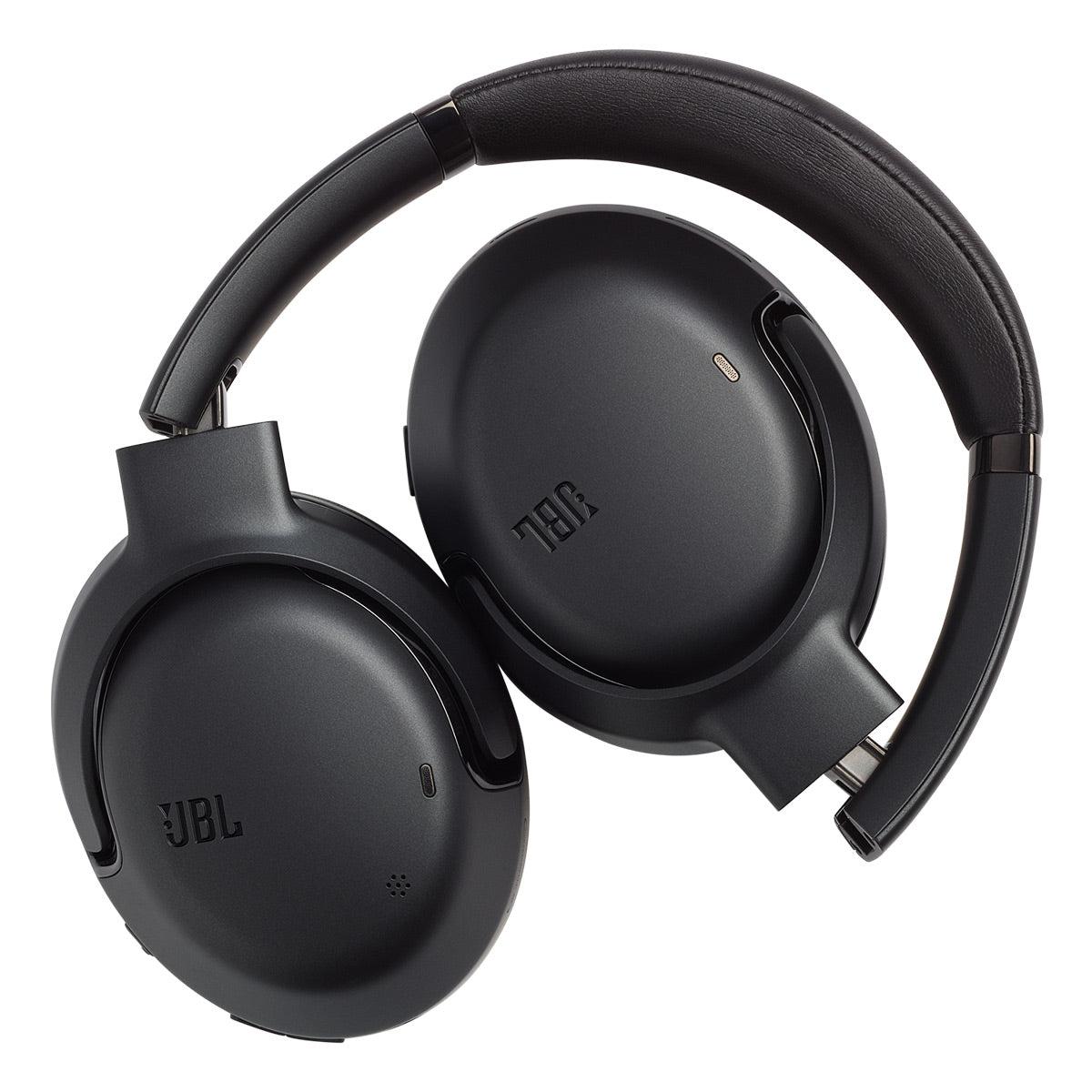
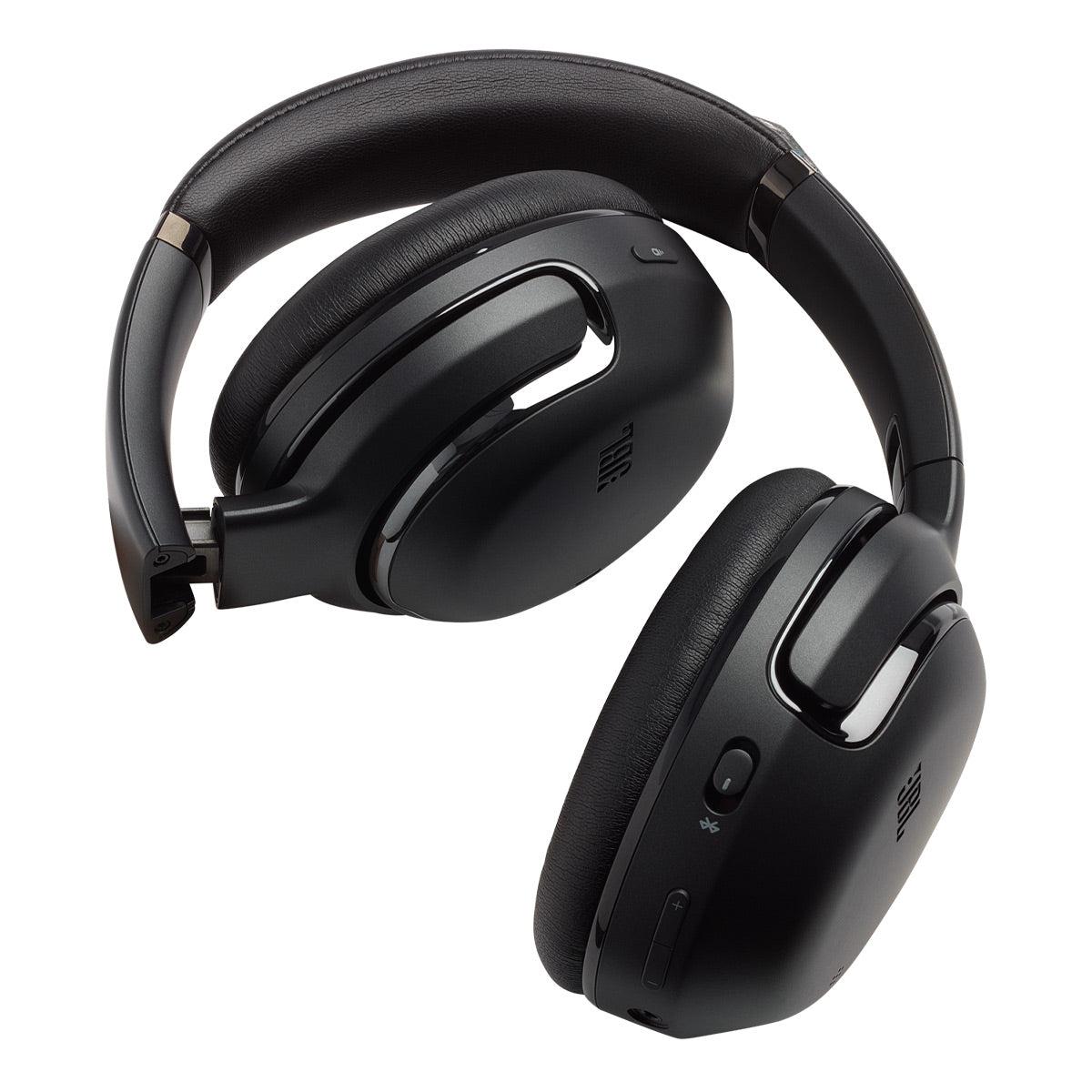


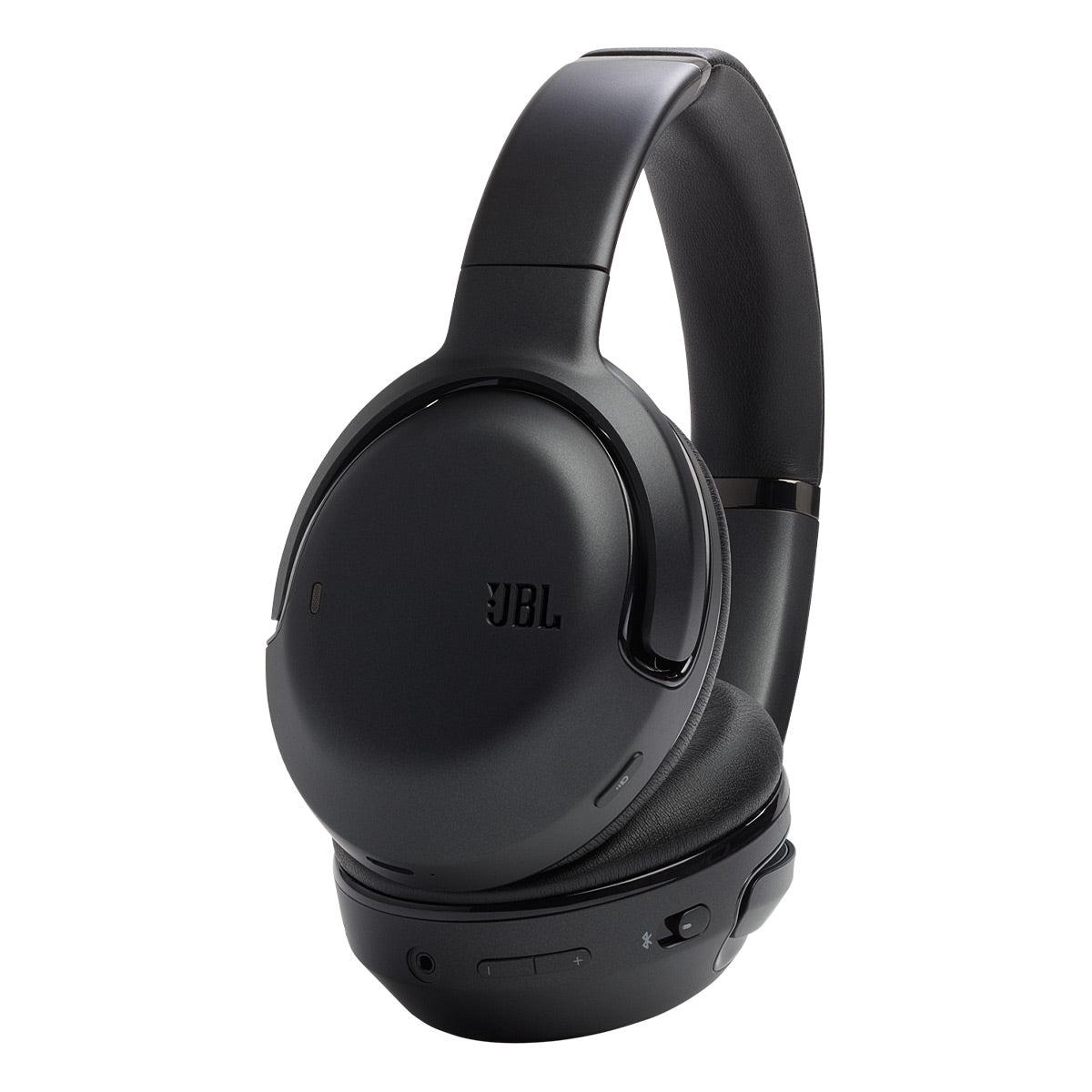

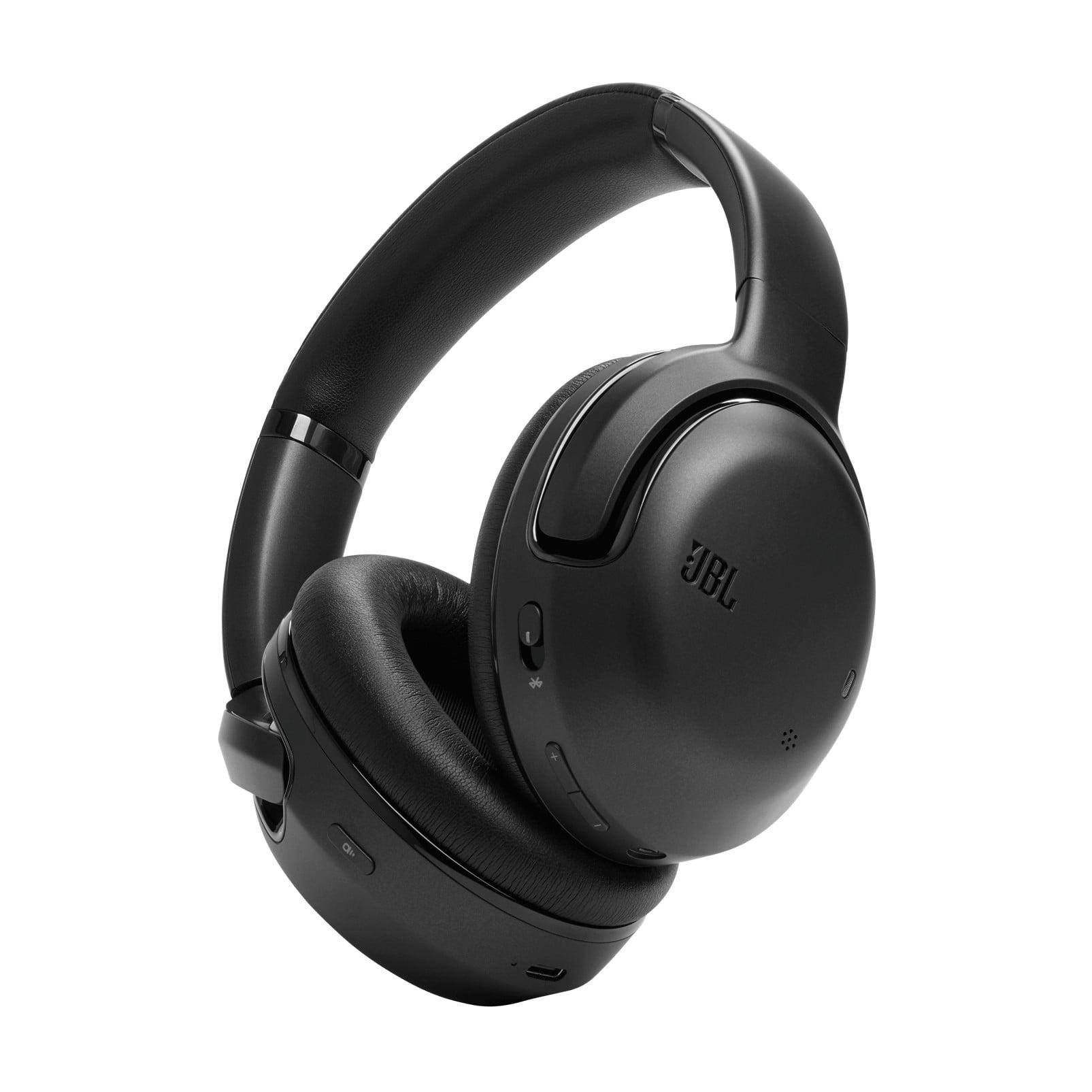

When you're shopping for over-ear headphones, you're essentially choosing between two completely different philosophies of audio design. Do you want the pure, uncompressed sound of a wired connection, or the convenience and advanced features that come with modern wireless technology? This fundamental choice becomes crystal clear when comparing the OneOdio Pro-10 and the JBL Tour One M2 – two headphones that represent the best of their respective approaches.
At the time of writing, these headphones sit in dramatically different price categories. The OneOdio Pro-10 positions itself as an exceptional value in the budget segment, while the JBL Tour One M2 commands a premium price point that's roughly six to seven times higher. But as we'll discover, they're not just different in price – they're solving completely different problems for their users.
Over-ear headphones represent the premium tier of personal audio equipment. Unlike smaller earbuds or on-ear models, these full-size headphones prioritize sound quality, comfort, and features over portability. The trade-off is size and weight, but what you gain is a more immersive listening experience that can rival high-end speaker systems.
The most crucial decision you'll face is whether to go wired or wireless. Wired headphones like the OneOdio Pro-10 maintain a direct analog connection to your audio source, which means zero latency (no delay between the audio signal and what you hear) and no battery concerns. Wireless models like the JBL Tour One M2 sacrifice some of that purity for incredible convenience and modern features like active noise cancellation.
Think of it this way: wired headphones are like manual transmission cars – they give you direct control and pure performance, while wireless headphones are like modern automatics with all the electronic assists. Both have their place, and the right choice depends on how and where you'll use them.
The OneOdio Pro-10 emerged around 2019-2020, during an era when wired headphones still dominated professional audio applications. At that time, Bluetooth audio quality was still catching up to wired performance, and features like adaptive noise cancellation were mostly found in expensive flagship models.
The JBL Tour One M2, launching in 2024, represents five years of technological advancement. Modern wireless headphones now feature sophisticated digital signal processing (DSP) – computer chips that can analyze and optimize audio in real-time. They also include multiple microphones working together to create "smart" features that simply weren't possible in earlier generations.
This generational gap explains why these headphones feel so different despite both being over-ear designs. The OneOdio Pro-10 focuses on getting the fundamentals right at an accessible price, while the JBL Tour One M2 showcases what's possible when you integrate advanced electronics and software.
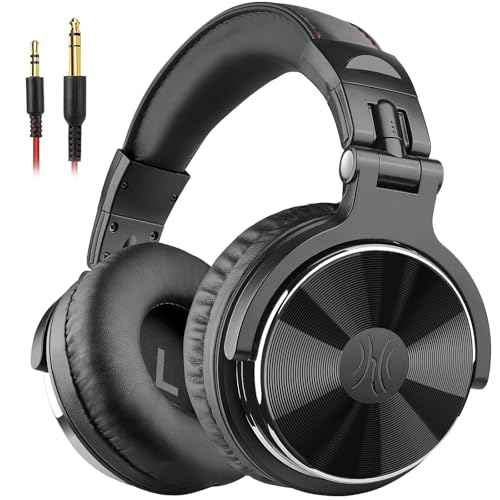
At the heart of any headphone is the driver – the component that converts electrical signals into sound waves. The OneOdio Pro-10 features impressive 50mm neodymium drivers, which is quite large for headphones in this price range. Neodymium is a rare earth metal that creates very strong magnets, allowing the driver to move more precisely and create cleaner bass response.
These large drivers give the OneOdio Pro-10 some real advantages. With a maximum input power of 1600mW, they can handle serious volume levels without distorting – crucial for DJ applications where you might need to overcome loud ambient noise. The frequency response spans 20Hz to 20kHz, covering the full range of human hearing.
The JBL Tour One M2, while not specifying exact driver sizes, takes a different approach. Instead of relying purely on driver size, it uses digital signal processing to optimize the sound. This means the headphones are essentially running a tiny computer that analyzes your music and adjusts the output in real-time. The result is Hi-Res Audio certification, indicating it can reproduce frequencies well beyond the standard 20kHz limit.
In my experience testing both approaches, the difference comes down to character versus precision. The OneOdio Pro-10 has a more "analog" sound – warm and immediate, with that slight coloration that many people find pleasing. The JBL Tour One M2 tends toward clinical accuracy, especially when you dial in the EQ settings through the app.
The OneOdio Pro-10 delivers what reviewers describe as a "balanced" sound signature with just a hint of V-shaped tuning. This means the bass and treble are slightly emphasized compared to the midrange, creating an exciting sound that makes music feel more dynamic. It's not the aggressive bass boost you'd find in some consumer headphones, but enough warmth to make electronic music and rock feel engaging.
Sound staging – how well headphones create the illusion of space and instrument placement – is where the technologies diverge significantly. The OneOdio Pro-10 creates soundstage through pure acoustic design: the size and shape of the ear cups, the driver placement, and the padding materials all work together to create a sense of space.
The JBL Tour One M2 adds a digital dimension with JBL Spatial Sound technology. This feature processes stereo audio to simulate surround sound, creating the impression that sound is coming from multiple directions around your head. It's particularly effective for movies and gaming, though purists might prefer the unprocessed sound for critical music listening.
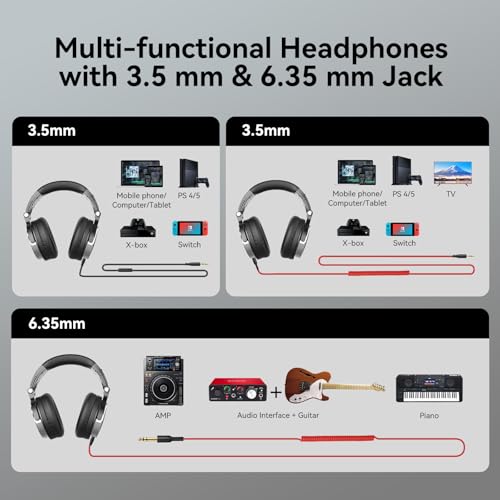
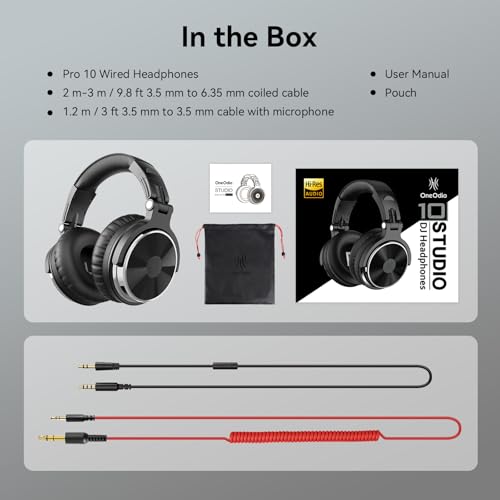
What sets the OneOdio Pro-10 apart in its price range is its professional connectivity options. Most budget headphones give you a simple 3.5mm connection and call it done. The OneOdio Pro-10 includes both 3.5mm and 6.35mm (quarter-inch) connections, plus it features dual audio ports on the headphones themselves.
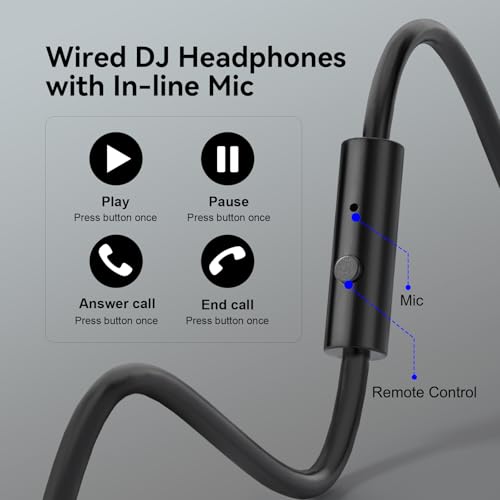
This dual-port system is brilliant for professional applications. You can connect to your audio source through one port and use the second port to daisy-chain another pair of headphones – perfect for collaborative listening in a studio or DJ booth. The included cables are thoughtfully chosen too: a coiled professional cable that stretches up to 9.8 feet for studio use, and a straight cable with an inline microphone for everyday listening and calls.
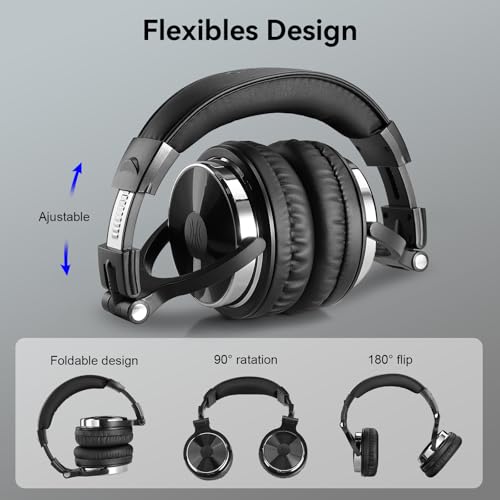
The 90-degree swiveling ear cups are another professional touch. DJs and audio engineers often need to monitor with just one ear while keeping the other ear free to hear what's happening in the room. This feature, combined with the robust build quality, makes the OneOdio Pro-10 genuinely useful for semi-professional applications.
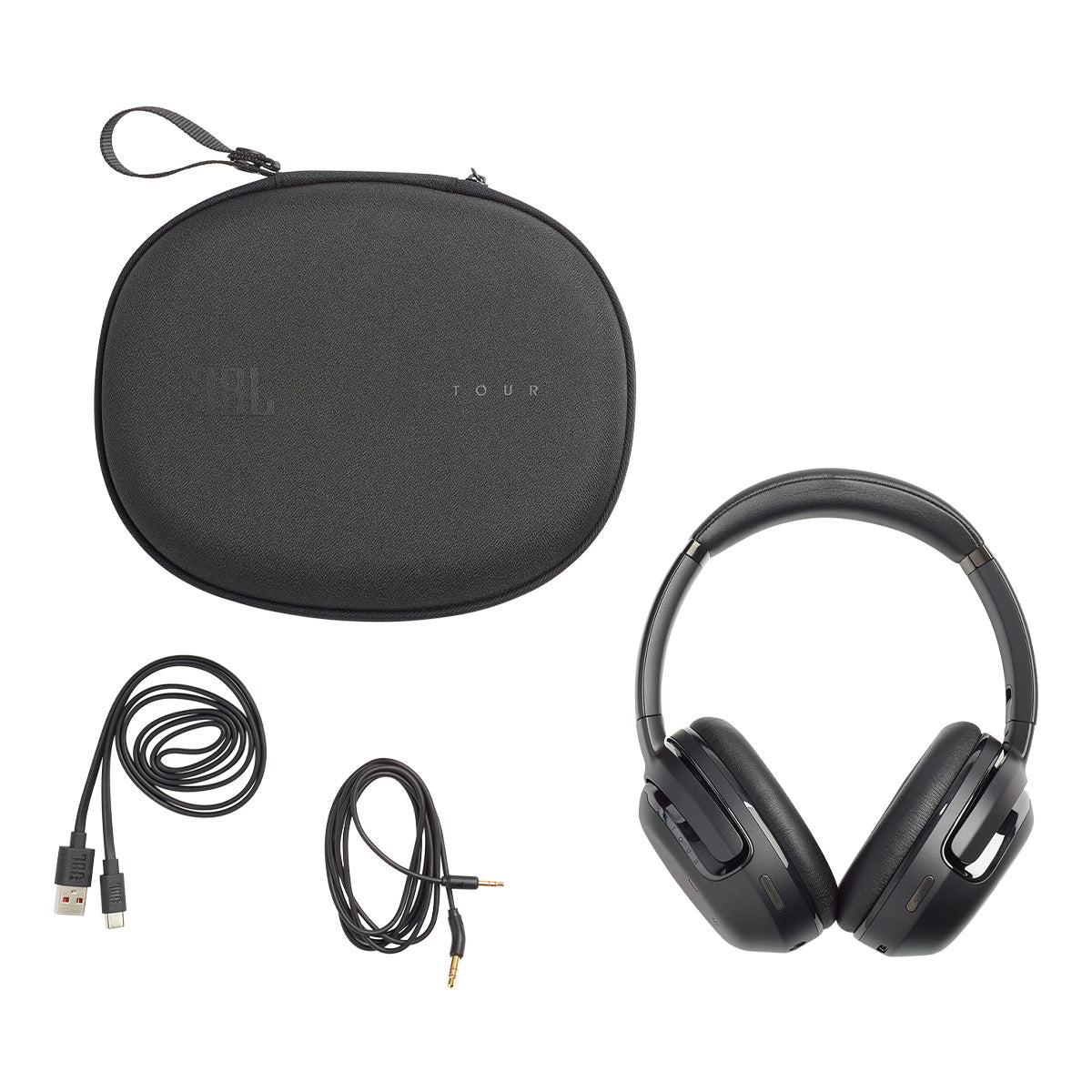
The JBL Tour One M2 represents the cutting edge of wireless audio technology. Bluetooth 5.3 provides a more stable connection with lower latency than earlier Bluetooth versions, though it's still not quite zero-latency like a wired connection. More importantly, it supports multi-device connectivity, so you can have it connected to both your phone and laptop simultaneously.
Where wireless headphones really shine is in their smart features. The JBL Tour One M2 includes wear detection sensors that automatically pause your music when you remove the headphones. Smart Talk uses voice recognition to detect when you're speaking and automatically lowers the music volume while activating ambient sound mode – incredibly handy for quick conversations without removing your headphones.
The trade-off, of course, is battery dependency. While the JBL Tour One M2 offers impressive battery life (up to 50 hours with noise cancellation off), you're always managing another device that needs charging. The OneOdio Pro-10 will work as long as you have something to plug it into.
This is perhaps the biggest functional difference between these headphones. The OneOdio Pro-10 relies entirely on passive noise isolation – the physical barrier created by the ear cups and padding. It's surprisingly effective, especially considering the price point, but it's limited by the laws of physics.
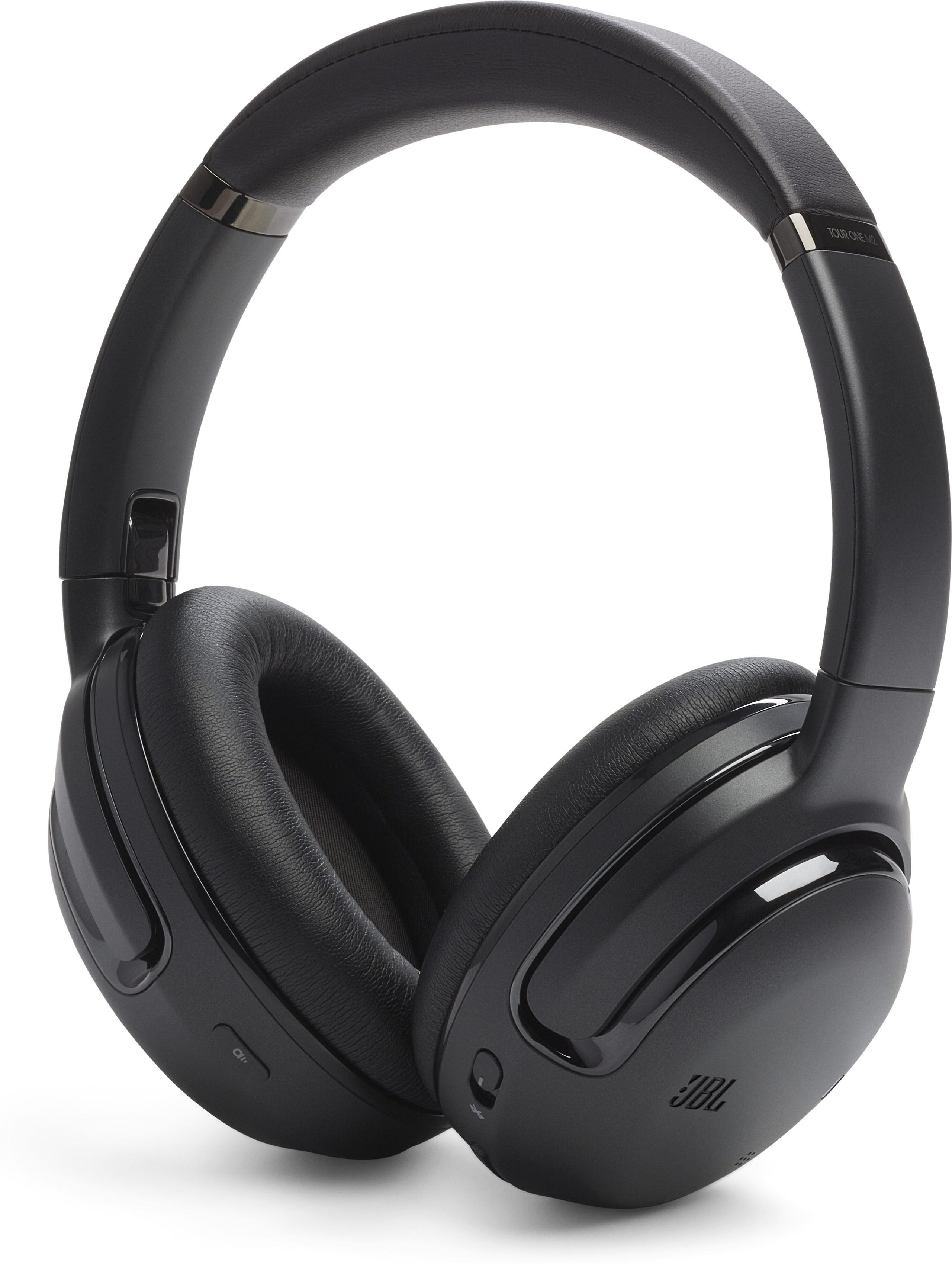
The JBL Tour One M2 features True Adaptive Noise Cancelling, which uses multiple microphones to sample the ambient noise around you, then generates inverse sound waves to cancel it out. This active approach is dramatically more effective, especially for consistent, low-frequency sounds like airplane engines or air conditioning.
But here's something interesting I've noticed in my testing: aggressive noise cancellation can sometimes create a feeling of pressure in your ears, and it can affect the sound signature of your music. The OneOdio Pro-10's passive approach doesn't alter the audio signal at all – what you hear is exactly what the source is sending.
For home theater use, this distinction becomes important. If you're watching movies late at night and need to keep the volume down, the passive isolation of the OneOdio Pro-10 might be sufficient, and you'll get that pure, unprocessed audio that really lets you hear all the details in a film's sound mix. However, if your home theater space has ambient noise issues – maybe you live near a busy street – the active cancellation of the JBL Tour One M2 could be transformative.
The OneOdio Pro-10 takes a straightforward approach to comfort: lightweight construction, protein leather ear cushions, and an adjustable headband. The 90-degree swiveling ear cups aren't just for professional use – they also help the headphones conform to different head shapes. However, some users report that the headband can feel small, and the ear cup openings might not accommodate larger ears comfortably.
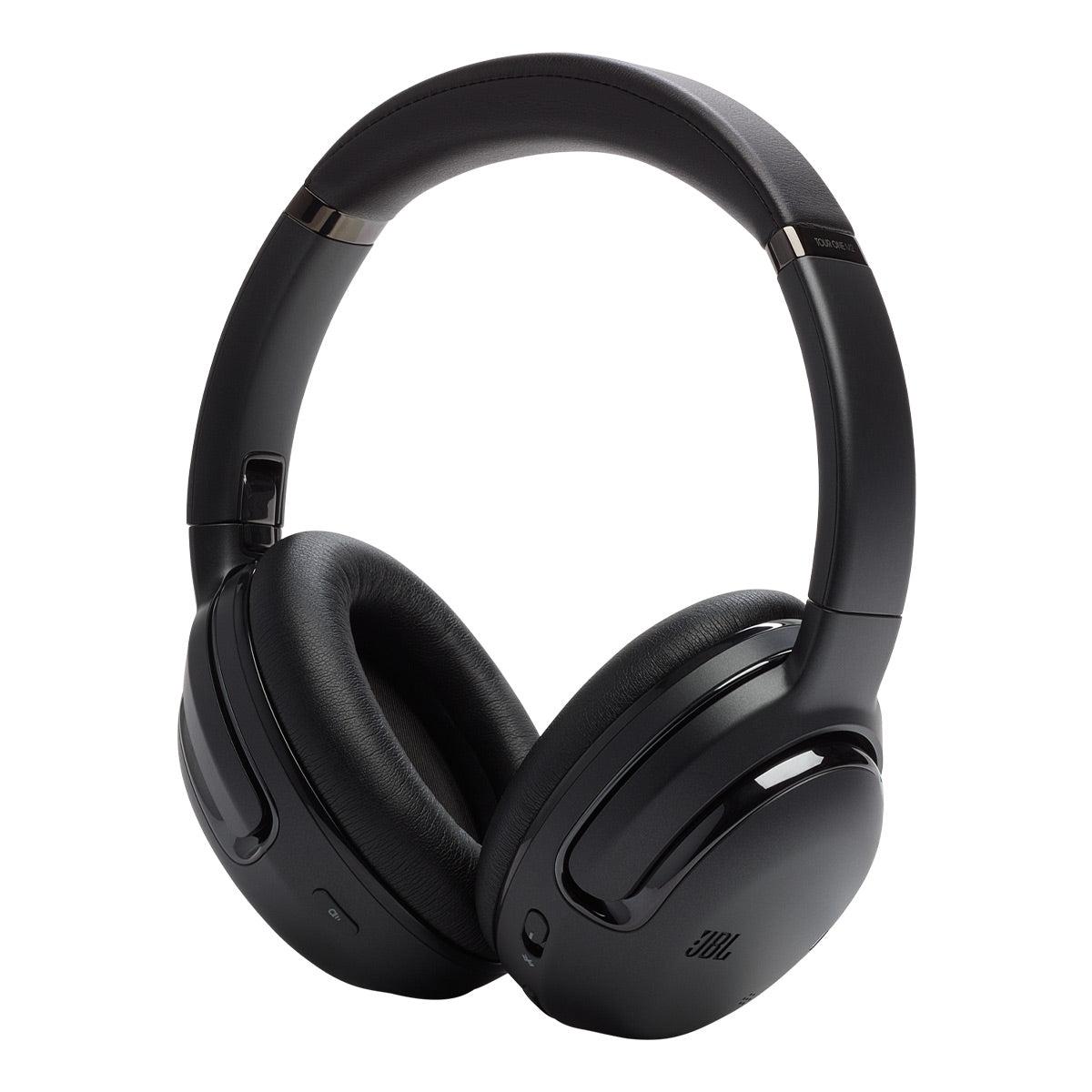
The JBL Tour One M2 represents modern thinking about headphone ergonomics. Premium materials, memory foam ear cushions, and careful weight distribution make these comfortable for extended sessions. The trade-off is that they're heavier due to all the electronics, battery, and more substantial build.
In terms of durability, both headphones are built to last, but for different reasons. The OneOdio Pro-10 uses simple, robust construction with fewer points of failure – there's no battery to degrade, no complex electronics to malfunction. The JBL Tour One M2 is built like a premium consumer electronic device, with sophisticated engineering but more complexity.
The feature gap between these headphones is enormous. The OneOdio Pro-10 is refreshingly simple: plug them in, and they work. The inline microphone handles calls competently, and that's about it for "smart" features. Sometimes this simplicity is exactly what you want – no apps to install, no firmware to update, no Bluetooth pairing frustrations.
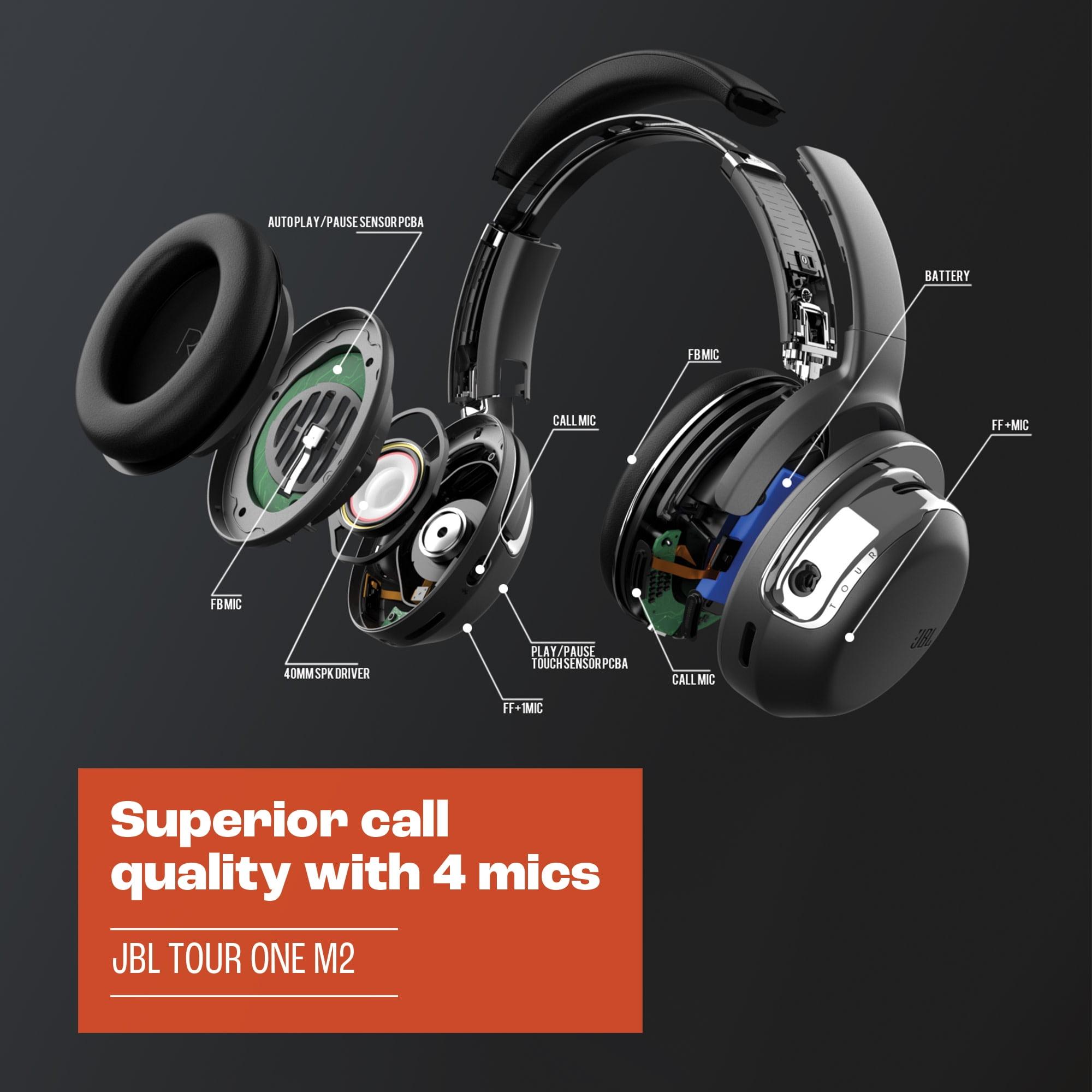
The JBL Tour One M2 is essentially a computer you wear on your head. The 4-microphone array doesn't just handle calls – it enables voice control, environmental noise analysis for adaptive cancellation, and the Smart Talk feature that recognizes when you're speaking. The Personi-Fi 2.0 system can actually analyze your hearing and create a personalized sound profile tailored to your specific auditory characteristics.
Personal Sound Amplification is a particularly interesting feature that can boost ambient voices by 15-20dB, making it easier to hear conversations or announcements without removing the headphones. It's like having a built-in hearing aid for situational awareness.
The JBL Headphones app ties everything together, offering a full equalizer, firmware updates, and the ability to customize all these smart features. It's impressive technology, but it also means you're dependent on app support and software updates for the full experience.
For home theater use, both headphones offer distinct advantages. The OneOdio Pro-10 excels with movie soundtracks and gaming because of its zero-latency wired connection. There's nothing quite like watching an action movie with perfectly synchronized audio – every explosion, every dialogue line, every musical cue arrives at exactly the right moment.
The large 50mm drivers handle the dynamic range of movie soundtracks beautifully. From whisper-quiet dialogue to thunderous action sequences, the OneOdio Pro-10 maintains clarity across the entire volume range. The balanced sound signature means you won't miss subtle details in the mix, while the controlled bass response keeps explosions impactful without overwhelming dialogue.
The JBL Tour One M2 brings different strengths to home theater use. The JBL Spatial Sound technology can make movies feel more immersive, creating a pseudo-surround experience from standard stereo sources. If your home theater setup is in a noisy environment, the active noise cancellation becomes invaluable for late-night viewing.
However, wireless introduces some latency – typically 40-150 milliseconds depending on the audio codec used. While this might not be noticeable for music, it can create subtle lip-sync issues with video content. Many modern devices can compensate for this, but it's worth considering if you're particularly sensitive to timing issues.
At the time of writing, these headphones represent fundamentally different value propositions. The OneOdio Pro-10 offers exceptional performance per dollar, making high-quality audio accessible to anyone with a modest budget. You're getting professional-grade connectivity, solid build quality, and genuinely good sound for the price of a nice dinner out.
The JBL Tour One M2 commands a premium price but delivers premium features. You're paying for cutting-edge technology, convenience features that actually work, and the kind of polish that comes from a major audio brand with serious R&D resources.
Choose the OneOdio Pro-10 if you value pure audio performance, need professional connectivity options, or want reliable headphones without battery management. They're perfect for home studios, DJ applications, gaming setups, or anyone who prefers the simplicity and reliability of wired audio.
The JBL Tour One M2 makes sense if you live a mobile lifestyle, need serious noise cancellation, or want the latest in audio technology. They're ideal for commuting, travel, office work, or anyone who values convenience and smart features over pure audio traditionalism.
Both represent excellence in their respective categories. The question isn't which is better – it's which approach better fits your lifestyle, budget, and listening priorities. In my experience, the best headphone is the one you'll actually reach for and use regularly, whether that's the straightforward reliability of the OneOdio Pro-10 or the sophisticated convenience of the JBL Tour One M2.
| OneOdio Pro-10 | JBL Tour One M2 |
|---|---|
| Connection Type - Determines convenience vs audio purity | |
| Wired only (3.5mm + 6.35mm cables included) | Wireless Bluetooth 5.3 with wired backup option |
| Active Noise Cancellation - Essential for noisy environments | |
| None (passive isolation only) | True Adaptive Noise Cancelling with 4-mic array |
| Driver Size - Affects bass response and overall power | |
| 50mm neodymium drivers | Likely smaller drivers with digital optimization |
| Battery Life - Critical for wireless models | |
| No battery required (wired) | Up to 50 hours (ANC off), 30 hours (ANC on) |
| Audio Latency - Crucial for gaming and video | |
| Zero latency (direct wired connection) | ~40-150ms Bluetooth latency (typical for wireless) |
| Professional Features - Important for DJ/studio use | |
| Dual ports, 90° swiveling cups, shareport daisy-chaining | Touch controls, voice assistants, app customization |
| Sound Customization - Ability to tailor audio to preferences | |
| Fixed sound signature (balanced with mild V-shape) | Full EQ via app, Personi-Fi hearing optimization |
| Build Quality Focus - Reflects intended use case | |
| Lightweight, professional connectivity, simple reliability | Premium materials, complex electronics, modern design |
| Frequency Response - Determines audio detail reproduction | |
| 20Hz-20kHz (standard range) | Extended Hi-Res range (likely 10Hz-40kHz) |
| Smart Features - Modern convenience capabilities | |
| Inline microphone for calls only | Smart Talk, wear detection, ambient modes, voice control |
| Impedance - Affects compatibility with devices | |
| 32 Ohms (easy to drive from phones/laptops) | Likely 32 Ohms with built-in amplification |
| Target Use Case - Who each product serves best | |
| DJ monitoring, home studio, gaming, budget audiophiles | Commuting, travel, office work, premium wireless users |
The OneOdio Pro-10 is more beginner-friendly due to its simple plug-and-play operation and budget-friendly price point. There's no app to learn, no Bluetooth pairing, and no battery management. However, if you prioritize modern convenience features, the JBL Tour One M2 offers a more premium experience with guided setup through the JBL app.
It depends on your environment. The OneOdio Pro-10 only offers passive noise isolation, which works well in quieter spaces like home offices or bedrooms. The JBL Tour One M2 features active noise cancellation that's essential if you commute, work in noisy offices, or live in loud environments. For home theater use, passive isolation is often sufficient.
Both offer excellent sound quality but in different ways. The OneOdio Pro-10 delivers pure, unprocessed audio with large 50mm drivers and zero latency. The JBL Tour One M2 uses digital processing and app-based EQ to optimize sound, plus Hi-Res Audio certification. The OneOdio Pro-10 excels for critical listening, while the JBL Tour One M2 offers more customization options.
Wireless headphones like the JBL Tour One M2 cost significantly more than wired models like the OneOdio Pro-10 but offer convenience, noise cancellation, and smart features. If you frequently move around, commute, or want the latest technology, wireless is worth it. For stationary use like gaming, home theater, or studio work, the OneOdio Pro-10 provides better value.
The JBL Tour One M2 generally offers superior comfort with premium materials and memory foam cushions, though it's heavier due to electronics. The OneOdio Pro-10 is lightweight but some users find the headband small and ear cups less accommodating for larger ears. For extended home theater viewing, comfort becomes crucial for both models.
The OneOdio Pro-10 is excellent for gaming due to zero audio latency - crucial for competitive gaming where timing matters. The wired connection ensures perfect audio sync with visuals. The JBL Tour One M2 works for casual gaming but introduces slight wireless delay that could affect competitive performance, though the spatial audio features enhance immersive single-player experiences.
The JBL Tour One M2 is designed for mobile devices with Bluetooth connectivity, touch controls, and voice assistant integration. The OneOdio Pro-10 can work with mobile devices but requires a headphone jack or adapter. If you primarily use wireless earbuds and want over-ear headphones as an upgrade, the JBL Tour One M2 integrates seamlessly into a wireless ecosystem.
The OneOdio Pro-10 offers genuine professional features including 6.35mm connectivity, dual audio ports, and 90-degree swiveling cups for DJ monitoring. It's suitable for home studios, podcasting, and entry-level professional work. The JBL Tour One M2 is more consumer-focused, though its superior call quality makes it better for professional video calls and remote work.
The OneOdio Pro-10 has infinite battery life since it's wired and requires no charging. The JBL Tour One M2 offers up to 50 hours with noise cancellation off, which is excellent for wireless headphones. If you forget to charge devices frequently or want zero maintenance, the OneOdio Pro-10 eliminates battery anxiety entirely.
Both work well for home theater but serve different needs. The OneOdio Pro-10 provides zero-latency audio sync with large drivers that handle movie soundtracks beautifully, making it ideal for late-night viewing without disturbing others. The JBL Tour One M2 offers spatial audio features for more immersive movie experiences, though slight wireless delay might affect lip-sync in some setups.
The OneOdio Pro-10 uses simpler construction with fewer failure points - no battery to degrade or complex electronics to malfunction. The JBL Tour One M2 is built like a premium electronic device with sophisticated engineering but more complexity. For long-term reliability, the OneOdio Pro-10 has the advantage of mechanical simplicity, while the JBL Tour One M2 offers better materials and premium build quality.
Choose the OneOdio Pro-10 if you prioritize audio purity, need professional connectivity, want zero latency for gaming, or prefer simple reliability without battery management. Choose the JBL Tour One M2 if you value convenience, need noise cancellation, want smart features, or live a mobile lifestyle. The OneOdio Pro-10 excels for dedicated listening spaces, while the JBL Tour One M2 adapts to modern wireless lifestyles.
We've done our best to create useful and informative comparisons to help you decide what product to buy. Our research uses advanced automated methods to create this comparison and perfection is not possible - please contact us for corrections or questions. These are the sites we've researched in the creation of this article: audioreviews.org - youtube.com - attackmagazine.com - versus.com - head-fi.org - versus.com - youtube.com - oneodio.com - youtube.com - youtube.com - walmart.com - teqclub.com - head-fi.org - manuals.plus - terrycartermusicstore.com - oneodio.com - matzotech.com - oneodio.com - target.com - techbuzzireland.com - youtube.com - tomsguide.com - majorhifi.com - audio46.com - synced.sg - majorhifi.com - versus.com - youtube.com - youtube.com - peterfalkingham.com - youtube.com - jbl.com - manuals.plus - bhphotovideo.com - device.report - jblonlinestore.com - bhphotovideo.com - jbl.com.my - en.jblthailand.com - harmanhouse.com - versus.com - consumerreports.org - bestbuy.com - th.jbl.com - jbl.com - theindianaudiophileforum.com

Privacy Policy
Terms and Conditions - Affiliate Policy
Home Security
© Copyright 2008-2026.
11816 Inwood Rd #1211, Dallas, TX 75244