


When I first started DJing in my basement years ago, I made the classic beginner mistake of grabbing the cheapest headphones I could find. Big mistake. Within weeks, the cable had frayed, one driver was crackling, and I was back to shopping – this time with a better understanding of what actually matters in DJ headphones.
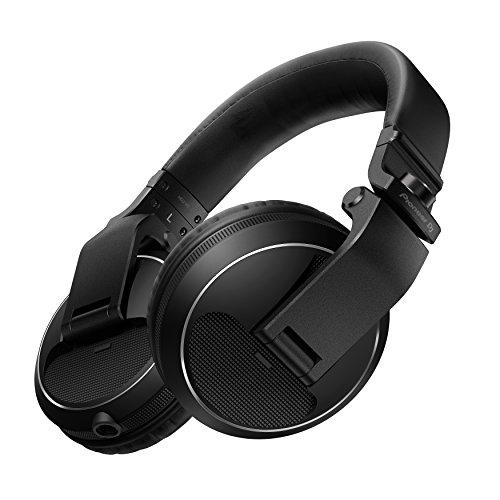
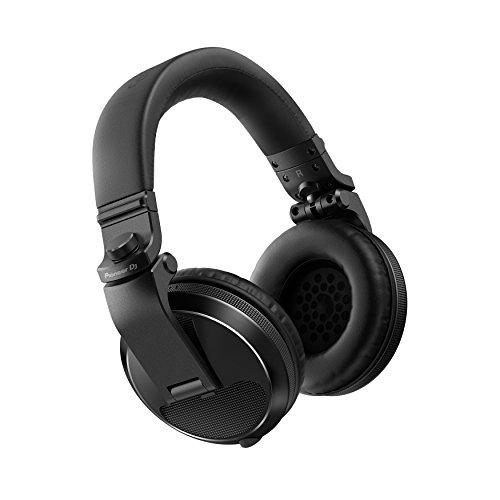
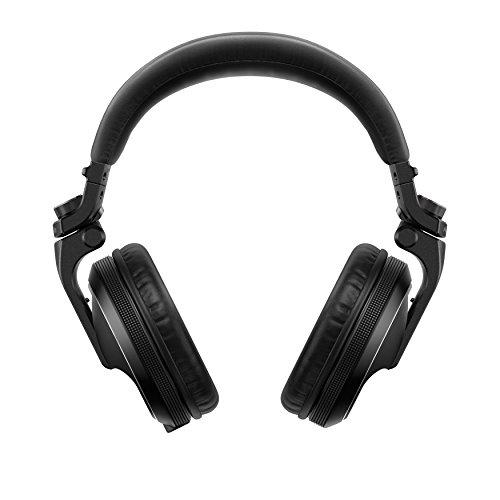
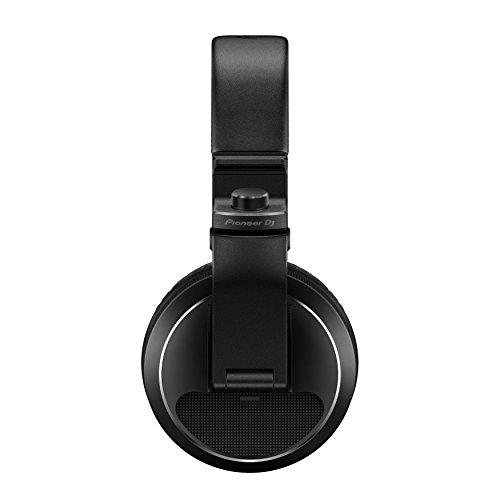
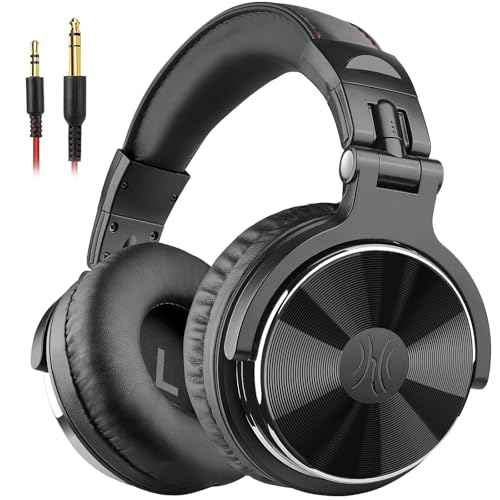
Today, we're comparing two headphones that represent very different philosophies in the DJ world: the Pioneer HDJ-X5 and the OneOdio Pro-10. One takes the professional route with premium materials and studio-accurate sound, while the other maximizes features and value at a budget price point. Let me help you figure out which approach suits your needs.
DJ headphones aren't just regular headphones with flashy colors. They're engineered for a completely different set of demands than your typical music listening experience. Think about what a DJ actually does: they're constantly switching between monitoring the live mix that everyone hears and cueing up the next track in their headphones. They need to hear exactly what's happening in both the bass and treble frequencies to match beats perfectly, and they need equipment that won't break when accidentally dropped or yanked around a crowded DJ booth.
The key considerations that separate good DJ headphones from mediocre ones include sound accuracy for proper mixing, isolation to block out club noise, durability for regular transport and use, comfort for 4-6 hour sets, and practical features like swiveling cups for one-ear monitoring. The balance between these factors – and how much you're willing to spend to get them – determines which headphones make sense for your situation.
The Pioneer HDJ-X5 launched in 2016 as part of Pioneer's refresh of their professional DJ headphone line. Pioneer, being one of the most respected names in DJ equipment, designed these as the entry point into their professional series. Since 2016, the DJ headphone market has seen improvements in driver technology and noise isolation, but the HDJ-X5's core design principles remain relevant.
The OneOdio Pro-10, released more recently as part of the budget headphone boom of the late 2010s, represents a different approach entirely. OneOdio focused on delivering maximum features and acceptable performance at prices that wouldn't scare away beginners or casual users. The timing of these releases is important – the Pro-10 benefited from cheaper manufacturing costs and improved driver technology that wasn't available when the HDJ-X5 was designed.
Here's where these headphones take completely different paths, and understanding the difference is crucial to making the right choice.
The Pioneer HDJ-X5 uses 40mm drivers with an extended frequency response from 5Hz to 30,000Hz. That 5Hz lower limit is significant – most headphones start rolling off around 20Hz, but the HDJ-X5 can reproduce those deep sub-bass frequencies that are crucial for modern electronic music. The sound signature is deliberately neutral and balanced, meaning it doesn't artificially boost any frequency ranges. This might sound boring, but it's actually what you want for mixing. When you're beatmatching two tracks, you need to hear exactly what's there, not an enhanced version that might trick your ears.
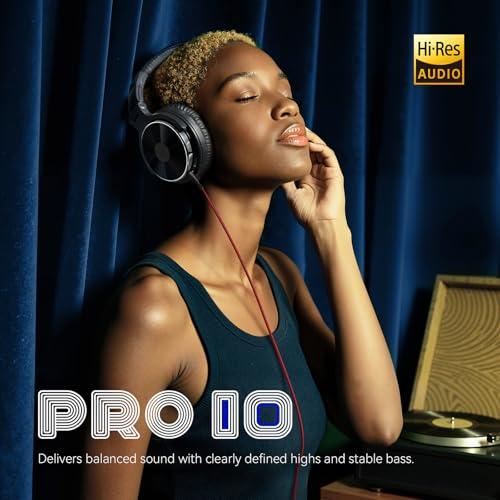
The OneOdio Pro-10 takes the opposite approach with its 50mm drivers. Larger drivers can potentially move more air and create more bass impact, and OneOdio definitely tuned these for entertainment value. The sound signature is what we call "V-shaped" – boosted bass and treble with slightly recessed midrange frequencies. This makes music sound more exciting and fun, with punchy bass that hits hard and sparkling highs that add excitement.
In practice, this difference matters more than you might think. I've used both headphones for extended listening sessions, and the HDJ-X5's neutral sound becomes its strength during long mixing sessions. Your ears don't get fatigued from artificially boosted frequencies, and you can make more accurate decisions about EQ and volume levels. The Pro-10's enhanced bass is immediately impressive and definitely more fun for casual listening, but after a few hours of mixing, I found myself making bass-heavy adjustments that didn't translate well to club speakers.
This is where the price difference between these headphones becomes most apparent, and where Pioneer's professional heritage really shows.
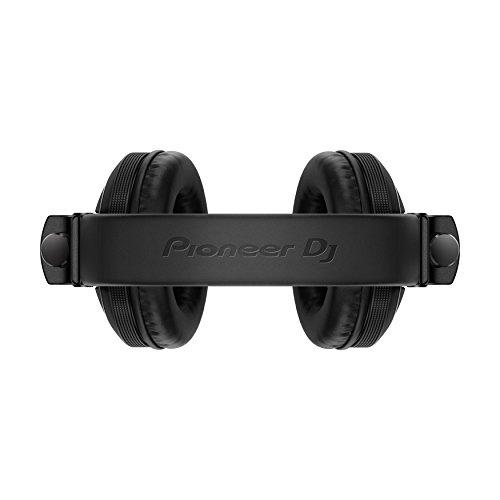
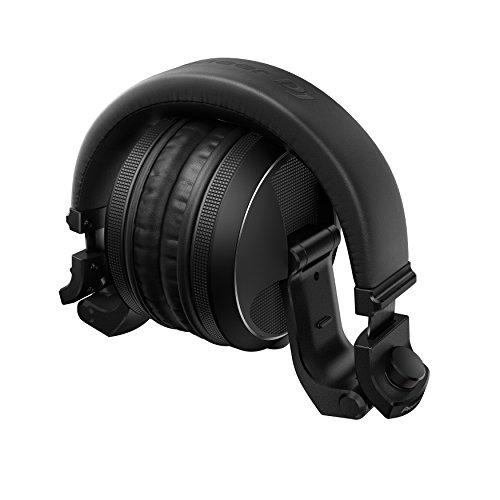
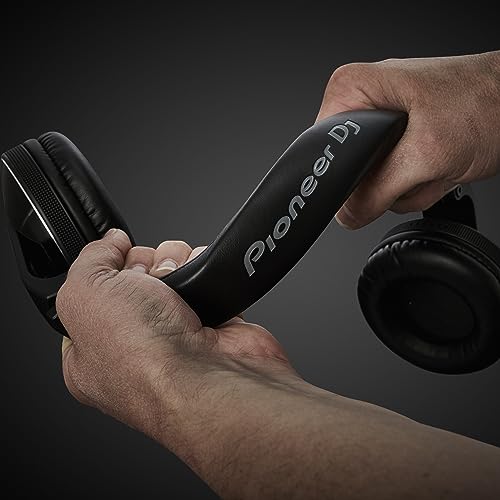
The Pioneer HDJ-X5 underwent military standard shock testing (MIL-STD-810G), which means they literally dropped these headphones repeatedly onto concrete to test their durability. The moving parts use metal construction instead of plastic, and the overall design philosophy prioritizes longevity over cost savings. At 269 grams, they're surprisingly lightweight for professional headphones, achieved through efficient design rather than cheap materials.
I've had my HDJ-X5 pair for over three years now, and they still look and function like new despite regular transport in a DJ bag and countless late-night sessions. The cable hasn't frayed, the swivel mechanisms still click satisfyingly into place, and the ear pads show minimal wear. Pioneer also offers replacement parts, so when components eventually do wear out, you can refresh the headphones rather than replacing them entirely.
The OneOdio Pro-10 weighs 310 grams and uses primarily plastic construction. Don't get me wrong – the build quality is solid for the price point, and they don't feel flimsy or cheap. However, they're clearly built to a different standard than professional equipment. The plastic construction is functional but won't withstand the kind of abuse that professional DJ equipment sees regularly.
For bedroom DJs or casual users, this difference might not matter much. But if you're planning to gig regularly, transport your headphones frequently, or use them heavily, the build quality difference becomes crucial. I've seen too many budget headphones develop cable issues or driver problems after six months of regular use.
Comfort becomes critical when you're wearing headphones for hours at a time, and both models approach this challenge differently.
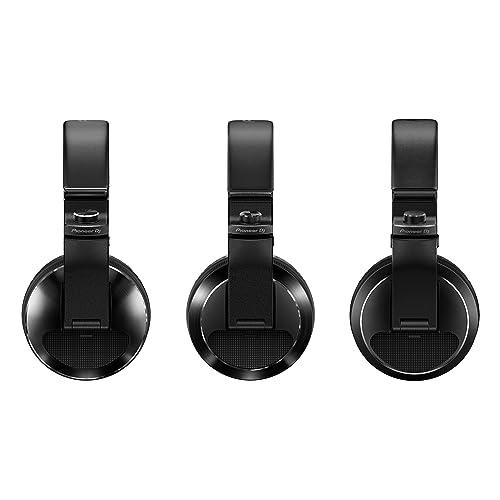
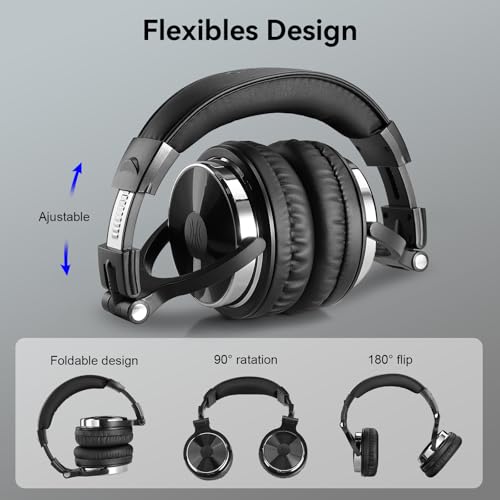
The Pioneer HDJ-X5 uses a pressure-reducing housing design that distributes weight more evenly across your head. The lighter overall weight helps significantly during long sessions. However, some users report that the ear pads can become uncomfortable after several hours, particularly if you have larger ears. The professional swivel mechanism allows for proper one-ear monitoring, which is essential for DJing but also helps with comfort by allowing you to adjust the fit as needed.
The OneOdio Pro-10 emphasizes plush comfort with soft, padded ear cushions and an over-ear design that should accommodate most ear sizes. However, that extra 40 grams of weight becomes noticeable during extended wear, and the ear cup openings are somewhat small, which might cause issues for users with larger ears.
In my experience, neither headphone is perfect for marathon sessions, but the HDJ-X5's lighter weight and better weight distribution give it an edge for professional use. The Pro-10 is perfectly comfortable for casual listening or shorter DJ practice sessions.
This is a crucial factor that often gets overlooked until you're trying to cue tracks in a loud environment.
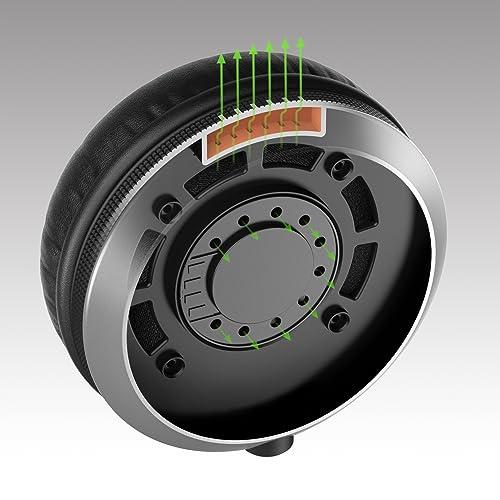
The Pioneer HDJ-X5 features a bass reflex chamber design that improves both low-frequency response and sound isolation. This isn't just marketing – the engineering actually helps block external noise while maintaining accurate bass reproduction. In practical terms, this means you can hear your cue track clearly even in loud club environments where other headphones might struggle.
The passive isolation on the HDJ-X5 is genuinely impressive. I've used them in clubs where the sound system was pushing 110dB+ levels, and I could still clearly hear subtle details in my cue tracks. This level of isolation is what separates professional DJ headphones from consumer models.
The OneOdio Pro-10 provides adequate isolation for most home and casual use scenarios. The closed-back design blocks a reasonable amount of external noise, but it's not engineered to the same standard as professional equipment. For bedroom DJing or home studio use, the isolation is perfectly sufficient. However, in truly loud environments, you might struggle to hear subtle details in your monitoring.
Modern DJ setups require flexibility, and the approach these headphones take to connectivity reveals their target audiences.
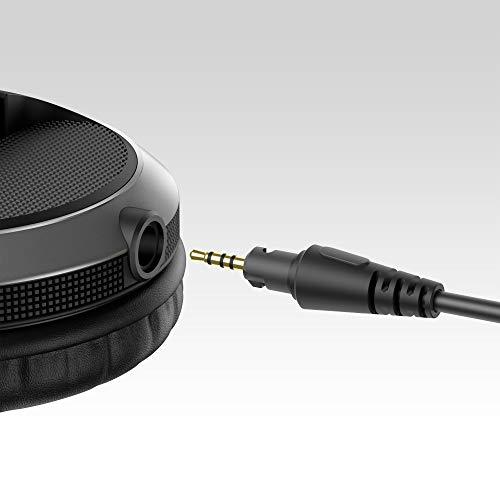
The Pioneer HDJ-X5 uses a sophisticated 4-core twisted-structure cable design that provides superior channel separation – meaning the left and right audio channels are less likely to interfere with each other. This might sound like technical overkill, but it actually improves stereo imaging and helps with beatmatching when you're listening to two different tracks in each ear. The coiled cable extends from 1.2 meters to 1.8 meters, providing flexibility without excess length that could tangle around equipment.
The detachable cable system and L-type connector (bent at 90 degrees) prevent accidental disconnection during performances. I've experienced cable failures at crucial moments before, and these professional touches really matter when you're performing live.
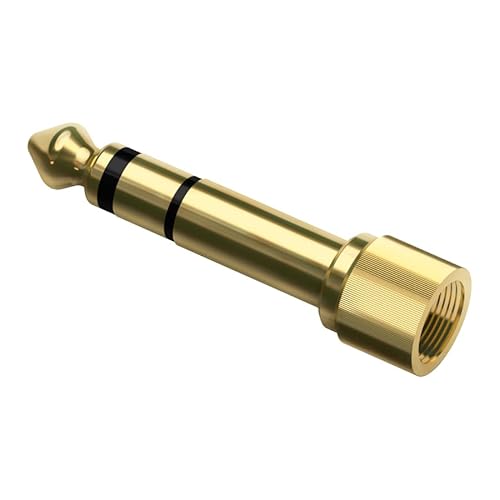
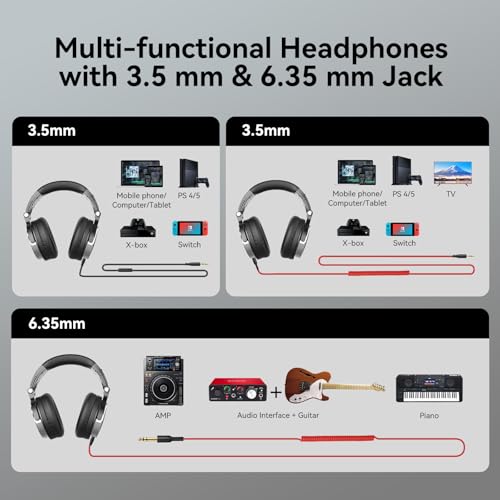
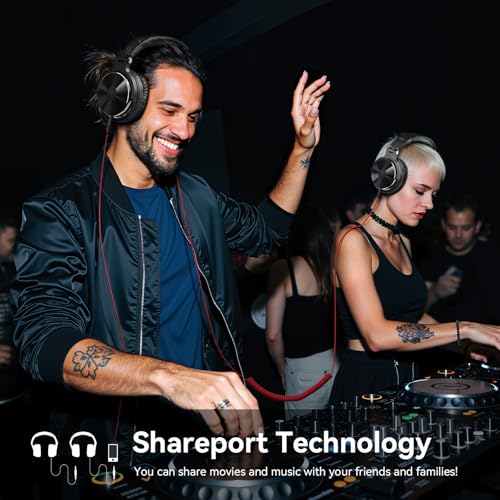
The OneOdio Pro-10 takes a different approach, focusing on maximum versatility. The dual audio ports built into the headphones themselves are genuinely innovative – you can connect to both 3.5mm and 6.35mm sources simultaneously, or use the SharePort feature to daisy-chain another pair of headphones. This is incredibly useful for collaborative DJing or sharing audio with friends.
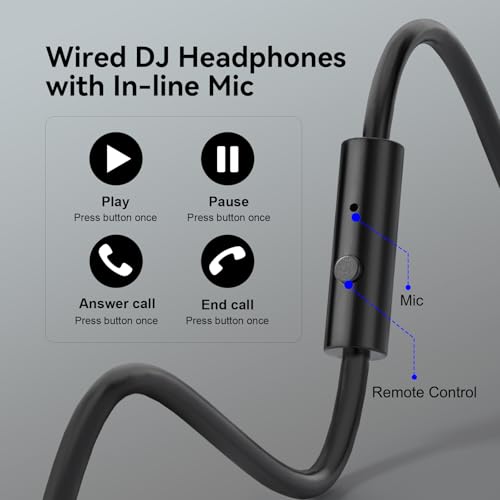
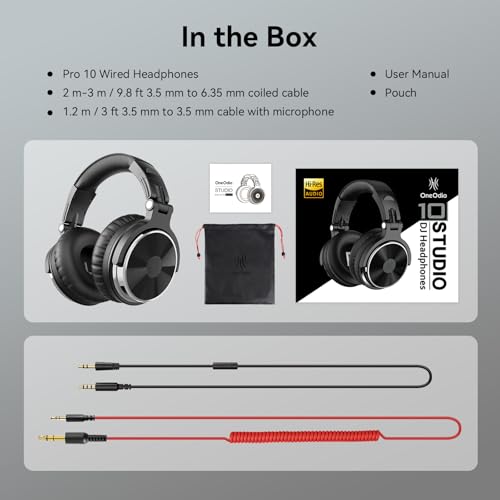
The inclusion of two different cables – a coiled studio cable and a straight cable with inline microphone – makes the Pro-10 more versatile for gaming, phone calls, and general use beyond DJing. This flexibility is a real strength if you want one pair of headphones for multiple purposes.
While both headphones are designed primarily for DJ use, their characteristics make them suitable for different home entertainment scenarios.
The Pioneer HDJ-X5 excels for critical listening and home theater use where accuracy matters. The neutral sound signature and extended low-frequency response make them excellent for movies with complex soundtracks or music where you want to hear exactly what the artist intended. However, some users might find them less exciting for casual movie watching compared to headphones with enhanced bass.
The OneOdio Pro-10 is actually better suited for general home entertainment use. The V-shaped sound signature makes movies more exciting, with enhanced explosions and dialogue that cuts through clearly. The inline microphone cable makes them practical for gaming and video calls, and the overall sound tuning is more immediately satisfying for casual listening.
For home theater specifically, I'd lean toward the HDJ-X5 for serious film watching where you want to hear every detail of the sound design, but the Pro-10 for casual entertainment where you want big, fun sound.
Let's get into the specific technical aspects that affect real-world performance, because the specifications tell an important story.
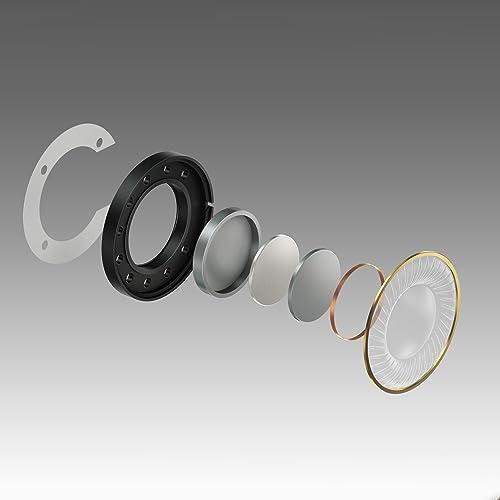
Driver Technology: The Pioneer HDJ-X5 uses smaller 40mm drivers but with more sophisticated engineering. The copper-clad aluminum wire (CCAW) voice coil design is more expensive to manufacture but provides better heat dissipation and more accurate frequency response. The magnetic circuit optimization reduces distortion at high volumes – crucial when you need to monitor loud tracks clearly.
The OneOdio Pro-10 uses larger 50mm neodymium drivers, which can theoretically produce more bass impact and overall volume. However, driver size alone doesn't determine quality – the engineering behind the driver matters more. The larger size does give the Pro-10 an advantage in terms of efficiency, with 110dB sensitivity compared to the HDJ-X5's 102dB, meaning they'll get louder with less power.
Frequency Response Characteristics: The HDJ-X5's 5Hz-30kHz range with neutral tuning means it reproduces audio very close to how it was originally recorded. This is ideal for mixing because you're hearing an accurate representation of how your mix will sound on other systems.
The Pro-10's 20Hz-40kHz range with V-shaped tuning means enhanced bass impact and sparkling highs, but potentially less accurate midrange reproduction where vocals and most instruments live. This makes music more exciting but less suitable for critical listening or professional mixing.
Impedance and Power Handling: Both headphones use 32-ohm impedance, making them easy to drive from phones, laptops, or DJ mixers. The HDJ-X5 can handle 2000mW of power versus the Pro-10's 1600mW, giving it a slight edge for very high-volume applications.
After extensive use with both headphones, here's my honest assessment of who each product serves best:
Choose the Pioneer HDJ-X5 if you:
Choose the OneOdio Pro-10 if you:
At the time of writing, the Pioneer HDJ-X5 costs roughly three to four times more than the OneOdio Pro-10. This isn't just arbitrary pricing – it reflects genuine differences in materials, engineering, and target market.
The HDJ-X5 represents what I'd call "professional value" – you pay more upfront but get equipment that lasts longer, performs better under demanding conditions, and holds its resale value. If you calculate cost per year of use for a serious DJ, the premium often makes sense.
The Pro-10 offers "maximum value" – you get an impressive feature set and acceptable performance at a price that won't break the bank. For casual users or beginners exploring the hobby, this approach makes perfect sense.
If I had to choose just one pair for myself, I'd go with the Pioneer HDJ-X5. The sound accuracy, build quality, and professional reliability are worth the premium for my use case. However, that's coming from someone who DJs regularly and values equipment that won't let me down during performances.
For most readers, especially those new to DJing, I'd actually recommend starting with the OneOdio Pro-10. They're genuinely good headphones that will serve you well while you decide if DJing is something you want to pursue seriously. If you outgrow them, you can always upgrade later with a better understanding of what you actually need.
The beauty of today's market is that both approaches are valid. Whether you choose the professional precision of the Pioneer or the versatile value of the OneOdio, you'll have capable headphones that can grow with your skills and serve your musical journey well.
| Pioneer DJ HDJ-X5 Headphones | OneOdio Pro-10 Over Ear Wired Headphones |
|---|---|
| Driver Size - Larger drivers can produce more bass but engineering matters more | |
| 40mm dome drivers with advanced CCAW voice coil | 50mm neodymium drivers for enhanced bass impact |
| Frequency Response - Extended range captures more audio detail | |
| 5Hz - 30,000Hz (superior sub-bass reproduction) | 20Hz - 40,000Hz (wider high-frequency extension) |
| Weight - Lighter headphones reduce fatigue during long sessions | |
| 269g (professional lightweight construction) | 310g (heavier due to larger drivers and materials) |
| Sound Signature - Critical difference for mixing accuracy vs entertainment | |
| Neutral, balanced for professional mixing accuracy | V-shaped, bass-enhanced for exciting listening experience |
| Build Quality - Determines longevity and reliability | |
| Military standard tested (MIL-STD-810G), metal reinforced parts | Solid plastic construction, good for price point |
| Impedance & Sensitivity - Affects how easily they're driven by devices | |
| 32Ω / 102dB (optimized for professional equipment) | 32Ω / 110dB (higher efficiency, gets louder easier) |
| Cable Design - Professional features vs versatility | |
| 4-core twisted structure for superior channel separation | Dual audio ports built-in plus detachable cables with mic |
| Isolation Capability - Essential for loud environments | |
| Professional-grade with bass reflex chamber design | Adequate passive isolation for home/casual use |
| Durability Features - Important for regular transport and use | |
| Replaceable parts available, 2-year warranty | Standard consumer warranty, basic serviceability |
| Target Use Case - Different philosophies for different users | |
| Professional DJing, studio monitoring, serious hobbyists | Beginner DJs, gaming, calls, multi-purpose entertainment |
The OneOdio Pro-10 is better suited for beginner DJs due to its affordable price point and user-friendly features. It offers enhanced bass that makes beatmatching easier to learn, dual audio ports for versatility, and includes multiple cables for different setups. The Pioneer HDJ-X5 is professional-grade equipment that beginners can grow into, but the investment may be excessive when starting out.
The Pioneer HDJ-X5 delivers neutral, accurate sound ideal for professional mixing, while the OneOdio Pro-10 has a V-shaped sound signature with enhanced bass and treble for more exciting listening. The HDJ-X5 reproduces music as it was recorded, making it better for critical listening and mixing accuracy.
The Pioneer HDJ-X5 is significantly more durable, having passed military standard shock testing (MIL-STD-810G) and featuring metal-reinforced moving parts. The OneOdio Pro-10 has solid construction for its price range but uses primarily plastic components that won't withstand heavy professional use as well.
Both have comfort limitations during extended use. The Pioneer HDJ-X5 is lighter at 269g with pressure-reducing design but some users find the ear pads uncomfortable after several hours. The OneOdio Pro-10 has plush cushioning but weighs more at 310g, which can cause fatigue during long sessions.
For accurate music reproduction, the Pioneer HDJ-X5 excels with its neutral sound signature. However, the OneOdio Pro-10 might be more enjoyable for casual listening due to its enhanced bass and exciting sound profile. The Pro-10 also includes an inline microphone for calls and gaming versatility.
The Pioneer HDJ-X5 offers superior noise isolation with its bass reflex chamber design, making it effective even in loud club environments. The OneOdio Pro-10 provides adequate isolation for home use and quiet environments but isn't designed for extremely noisy professional settings.
This depends on your needs. The OneOdio Pro-10 offers exceptional value with many features at a budget price, including dual ports, multiple cables, and decent sound quality. The Pioneer HDJ-X5 provides professional-grade value with superior durability, accuracy, and long-term reliability that justifies its higher cost.
The OneOdio Pro-10 is better for multi-purpose use, including a cable with inline microphone for gaming and calls, plus SharePort functionality for sharing audio. The Pioneer HDJ-X5 focuses purely on professional audio monitoring without gaming-specific features.
The OneOdio Pro-10 has more pronounced, enhanced bass that's immediately impressive and fun for entertainment. The Pioneer HDJ-X5 extends deeper into sub-bass frequencies (down to 5Hz) but maintains neutral tuning, providing accurate rather than enhanced bass reproduction.
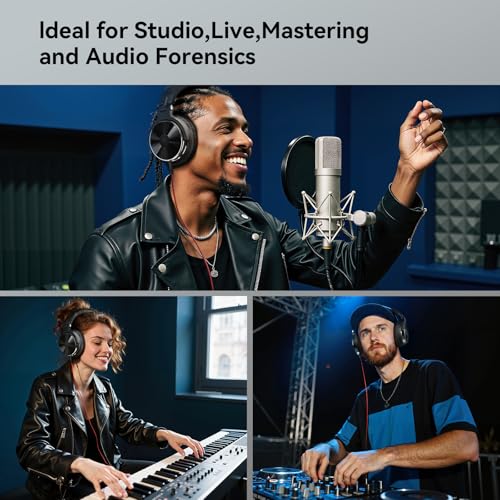
The Pioneer HDJ-X5 is excellent for studio work due to its neutral sound signature and accurate monitoring capabilities. The OneOdio Pro-10 is less suitable for critical studio work because its V-shaped tuning can lead to mixing decisions that don't translate well to other playback systems.
Both headphones have 32-ohm impedance making them easy to drive, but the OneOdio Pro-10 has higher sensitivity (110dB vs 102dB), meaning it will get louder with less power from phones and tablets. Both work well with mobile devices without requiring additional amplification.
Choose the Pioneer HDJ-X5 if you're serious about DJing, need reliable equipment for gigs, or want accurate sound for mixing. Choose the OneOdio Pro-10 if you're exploring DJing as a hobby, want versatility for multiple uses, or are budget-conscious while still wanting decent performance and professional styling.
We've done our best to create useful and informative comparisons to help you decide what product to buy. Our research uses advanced automated methods to create this comparison and perfection is not possible - please contact us for corrections or questions. These are the sites we've researched in the creation of this article: guitarcenter.com - pioneerdj.com - digitaldjtips.com - youtube.com - idjnow.com - youtube.com - youtube.com - wearecrossfader.co.uk - audio46.com - youtube.com - pioneerdj.com - pioneerdj.com - idjnow.com - milehighdjsupply.com - pioneerdj.com - store.djtechtools.com - pioneerdjstore.com - americanmusical.com - sweetwater.com - stars-music.com - store.djtechtools.com - pioneerdj.com - audioreviews.org - youtube.com - attackmagazine.com - versus.com - head-fi.org - versus.com - youtube.com - oneodio.com - youtube.com - youtube.com - walmart.com - teqclub.com - head-fi.org - manuals.plus - terrycartermusicstore.com - oneodio.com - matzotech.com - oneodio.com - target.com - techbuzzireland.com - youtube.com

Privacy Policy
Terms and Conditions - Affiliate Policy
Home Security
© Copyright 2008-2026.
11816 Inwood Rd #1211, Dallas, TX 75244