

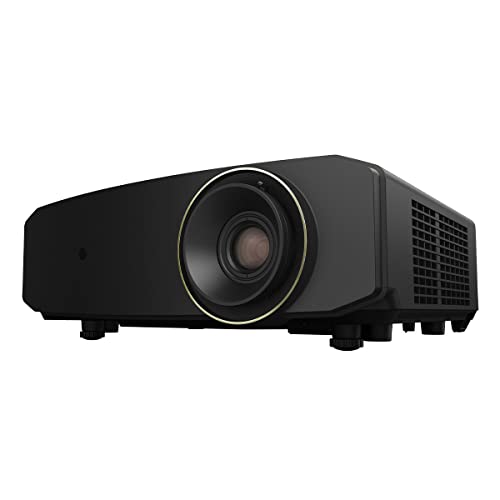
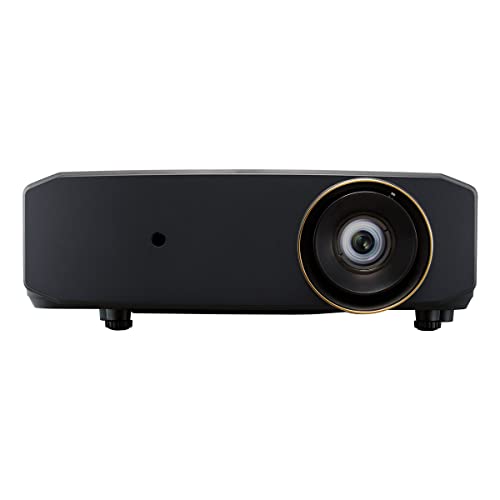
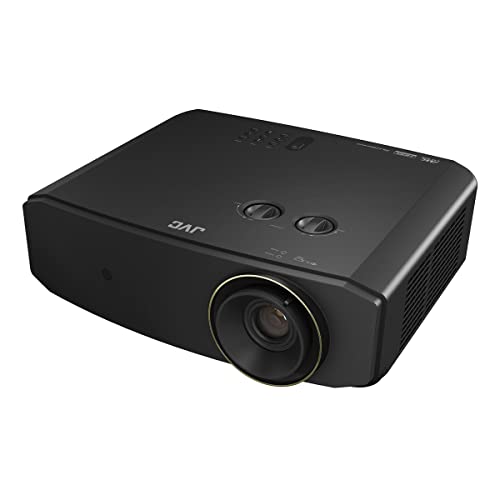
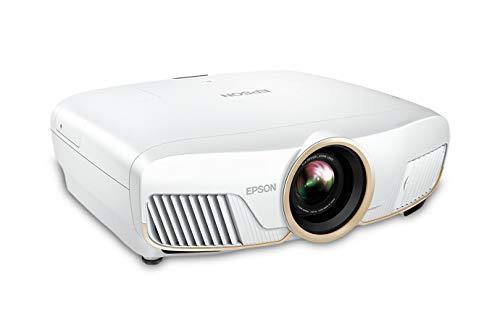
When you're ready to transform your living room or basement into a true home theater, the projector you choose makes all the difference. Two standout options in the premium home theater space are the JVC LX-NZ30 and the Epson Home Cinema 5050UB. Both deliver impressive 4K-enhanced images, but they take completely different approaches to get there.
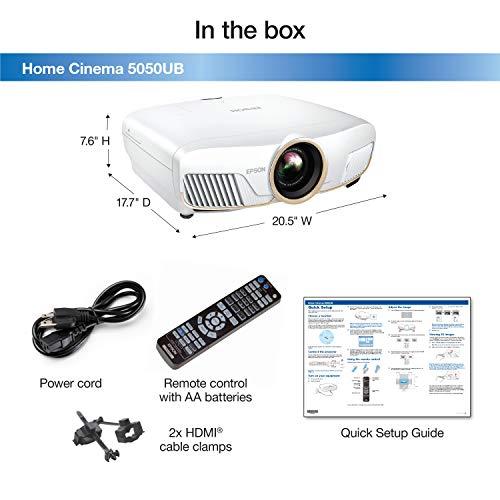
The JVC LX-NZ30, released in 2023, represents the newer wave of laser-powered projectors, while the Epson Home Cinema 5050UB has been a home theater favorite since its 2019 launch, using traditional lamp technology refined over decades. At the time of writing, both fall into the premium home theater category with prices typically ranging from $3,000 to $4,500, making this decision a significant investment that deserves careful consideration.
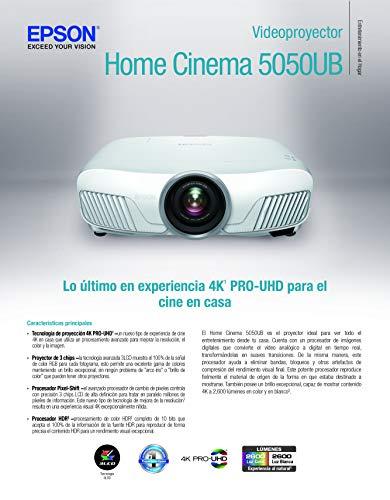
Before diving into the specifics, it's important to understand what you're actually getting with these "4K" projectors. Neither the JVC LX-NZ30 nor the Epson Home Cinema 5050UB uses native 4K chips – those would cost significantly more. Instead, both employ pixel-shifting technology, which takes a native 1080p image and rapidly shifts those pixels to create the appearance of 4K resolution.
Think of pixel-shifting like a magician's sleight of hand, but for your eyes. The projector shows you the first half of a 4K image, then microseconds later shifts those same pixels diagonally to show you the second half. Your brain combines these rapidly alternating images into what appears to be a full 4K picture. While purists might argue it's not "true" 4K, the practical difference is minimal at normal viewing distances – you'll see sharp, detailed images that look convincingly 4K.
The key considerations when choosing between these projectors include brightness for different room conditions, contrast performance for deep blacks, color accuracy for lifelike images, installation flexibility, and increasingly important for many buyers, gaming performance with modern consoles.
The most significant difference between these projectors lies in how they generate light, and this choice affects everything from maintenance to image quality.
The JVC LX-NZ30 uses what JVC calls BLU-Escent laser technology. Instead of a traditional bulb that burns out, it uses a blue laser diode that excites phosphor materials to create white light. This isn't just a gimmick – it fundamentally changes how the projector operates.
The laser produces 3,300 lumens of brightness and is rated for 20,000 hours of operation. To put that in perspective, if you watched movies for three hours every single night, the laser would last over 18 years. During that entire time, you'll never change a bulb, never see brightness fade, and the projector turns on instantly without any warm-up period.
Perhaps most importantly, the laser can dynamically adjust its output in real-time. When a scene calls for deep blacks, the laser can dim or shut off completely in specific areas, creating what JVC calls "infinite dynamic contrast." This means the difference between the brightest whites and darkest blacks can be dramatically enhanced on a scene-by-scene basis.
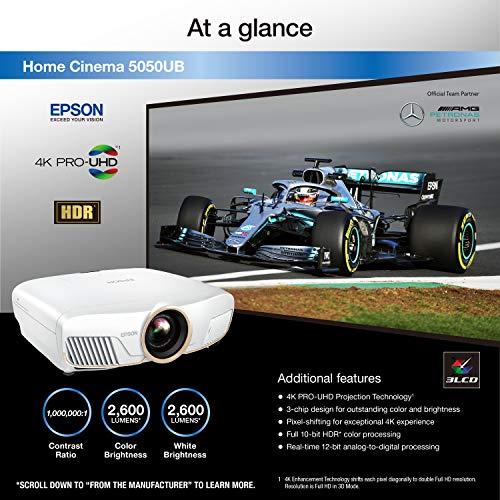
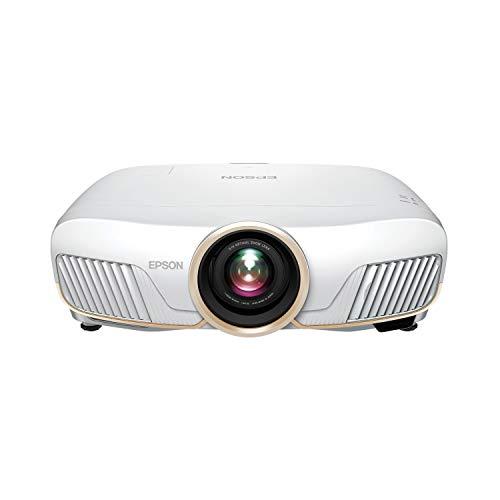
The Epson Home Cinema 5050UB takes the traditional route with a 250-watt Ultra High Efficiency (UHE) lamp. While this might sound outdated compared to laser technology, Epson has spent decades perfecting lamp-based systems, and the results speak for themselves.
This lamp produces 2,600 lumens and typically lasts between 3,500 to 5,000 hours depending on usage mode. While you'll eventually need to replace the lamp (usually costing $200-400), the Epson's lamp system has some advantages. Lamp-based projectors often produce more natural skin tones and have been optimized for color accuracy over many generations of development.
The Epson also incorporates something called UltraBlack technology – a proprietary filter system that controls light polarization to prevent internal light leakage. This results in exceptionally deep blacks that many reviewers consider superior to most single-chip DLP projectors, even those with laser light sources.
Beyond the light source, these projectors use completely different display technologies, each with distinct advantages.
The JVC LX-NZ30 uses a single-chip DLP (Digital Light Processing) system with a 0.47-inch DMD chip. DLP technology works by using millions of tiny mirrors that tilt thousands of times per second to create images. It's incredibly precise and produces sharp, detailed images with excellent motion handling.
However, single-chip DLP systems can occasionally produce what's called the "rainbow effect" – brief flashes of red, green, and blue that some viewers notice during rapid eye movements or high-contrast scenes. Most people never see this, but it's worth being aware of if you're sensitive to visual artifacts.
The Epson Home Cinema 5050UB uses a 3LCD system with three separate 0.74-inch chips – one each for red, green, and blue light. This architecture completely eliminates any possibility of rainbow artifacts because all three colors are processed simultaneously rather than sequentially.
The 3LCD design typically produces more accurate colors out of the box and handles color gradients more smoothly. It's particularly excellent at reproducing natural skin tones and subtle color variations that make movies look more lifelike.
Brightness might be the most misunderstood specification in projectors. More isn't always better, but having enough brightness for your room is crucial.
The JVC LX-NZ30 delivers 3,300 lumens, making it significantly brighter than the Epson Home Cinema 5050UB's 2,600 lumens. This 700-lumen difference translates to meaningful real-world advantages in rooms with ambient light.
If your theater setup is in a living room where you occasionally watch with some lights on, or if you have windows that let in light during daytime viewing, the JVC's extra brightness becomes essential. The projector can overcome ambient light that would wash out the Epson's image, maintaining color saturation and contrast even in less-than-ideal conditions.
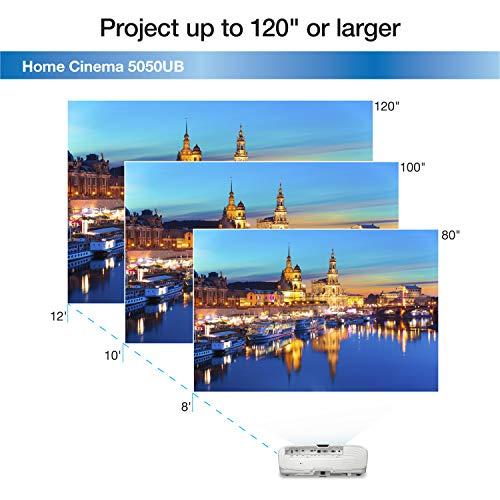
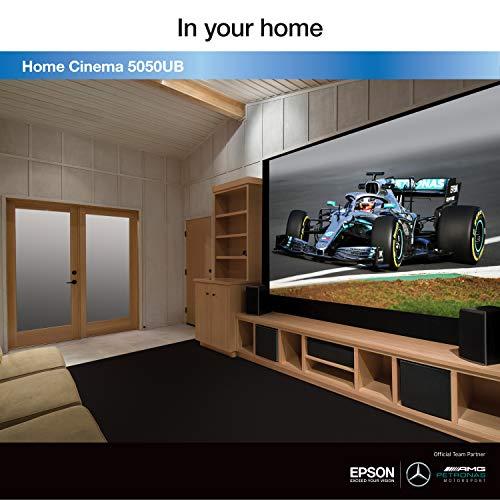
However, in a dedicated dark theater room, excessive brightness can actually work against you. The Epson's 2,600 lumens prove perfectly adequate for screen sizes up to 150 inches in dark conditions, and the lower brightness can contribute to better black levels and more comfortable extended viewing.
Contrast ratio – the difference between the brightest whites and darkest blacks – might be even more important than brightness for creating convincing, cinematic images. This is where the fundamental differences between these projectors become most apparent.
The Epson Home Cinema 5050UB consistently receives praise for its exceptional black levels in dark rooms. The combination of 3LCD technology and UltraBlack filtering creates blacks that appear truly black rather than dark gray. When you're watching a space scene or a dark movie like "Blade Runner 2049," those black areas of the screen seem to disappear, creating a sense of depth and immersion that's crucial for the theater experience.
The Epson achieves a rated dynamic contrast ratio of 1,000,000:1, but more importantly, its native contrast (without dynamic adjustments) measures impressively well in real-world testing. This means even static scenes with both bright and dark elements look natural and dimensional.
The JVC LX-NZ30 approaches contrast differently with its infinite dynamic contrast specification. The laser can instantly adjust output based on scene content, potentially creating deeper blacks than would be possible with static contrast alone. However, DLP technology inherently struggles with native black levels compared to 3LCD, so even with dynamic laser dimming, the blacks may appear slightly gray compared to the Epson in the darkest room conditions.
That said, the JVC's dynamic contrast works exceptionally well in real-world content. The laser's ability to respond instantly to scene changes creates impressive depth and punch that many viewers prefer, especially in brighter viewing environments where the Epson's black level advantage becomes less noticeable.
Color reproduction reveals another philosophical difference between these projectors. The Epson Home Cinema 5050UB prioritizes accuracy, while the JVC LX-NZ30 emphasizes impact and vibrancy.
The Epson covers approximately 75% of the BT.2020 wide color gamut that's used for 4K HDR content. More importantly, it delivers exceptional color accuracy out of the box, with many professional calibrators noting minimal adjustment needed for reference-level performance. The 3LCD architecture naturally produces smooth color gradients and realistic skin tones that make movies look natural and lifelike.
For HDR content, the Epson provides 16-step HDR tone mapping adjustment, allowing you to fine-tune how HDR highlights and colors appear based on your specific room and preferences. This level of control, combined with full 10-bit color processing, ensures you're seeing all the color information that filmmakers intended.
The JVC LX-NZ30 covers 100% of the standard Rec. 709 color space and offers good BT.2020 compatibility. Its colors tend to be more vibrant and punchy than the Epson's, which some viewers prefer for the "wow factor" when showing off their system. The Auto Tone Mapping feature automatically optimizes HDR content, reducing the need for manual adjustment but providing less fine-tuned control.
Gaming performance has become increasingly important as PlayStation 5 and Xbox Series X consoles push higher frame rates and demand lower input lag.
The JVC LX-NZ30 clearly leads in gaming capabilities. It supports 1080p at up to 240Hz for ultra-smooth motion and incredibly responsive gameplay, with input lag as low as 6.25 milliseconds at these high refresh rates. For 4K gaming, it handles 60Hz with approximately 25ms of input lag, which is excellent for a home theater projector.
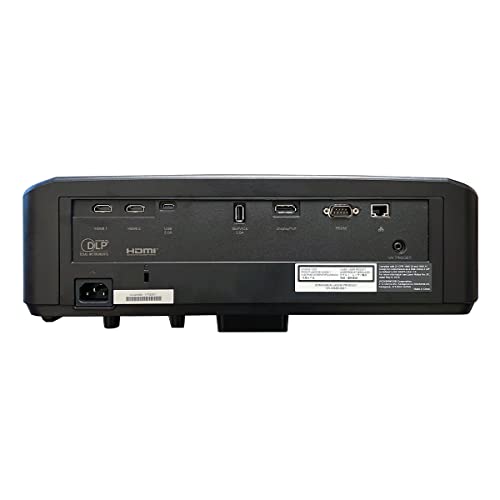
The projector includes a DisplayPort 1.2a input and USB-C connectivity, making it easy to connect gaming PCs and modern devices. The laser light source's instant response also means no delay when switching between bright and dark scenes – crucial for competitive gaming where you need to spot enemies in shadows quickly.
The Epson Home Cinema 5050UB offers adequate gaming performance but is clearly designed with movie watching as the priority. Input lag measures around 22-30ms, which is perfectly fine for casual and single-player gaming but not ideal for competitive online play. More significantly, it's limited to 60Hz at all resolutions, missing out on the high refresh rate advantages that modern consoles and gaming PCs can provide.
Both projectors offer excellent installation flexibility, but with different approaches that suit different needs.
The JVC LX-NZ30 provides a 1.6x manual zoom lens with significant lens shift capabilities – 60% vertical and 23% horizontal. The manual controls might seem old-fashioned, but they offer precise, repeatable adjustments that won't drift over time. This makes the JVC particularly well-suited for permanent installations where you set it once and leave it alone.
The Epson Home Cinema 5050UB goes the motorized route with a 2.1x zoom range and even more extensive lens shift – up to 96% vertical and 47% horizontal. The motorized system includes lens memory, allowing you to save different zoom and shift settings for various aspect ratios. If you frequently switch between 16:9 content and wider 2.35:1 movies, the Epson's lens memory makes these transitions seamless.
Both projectors can throw large images – the JVC handles screens from 95 to 200 inches, while the Epson manages 50 to 300 inches. For most home theaters, either range provides plenty of flexibility for optimal screen sizing.
When evaluating value, you need to consider both upfront costs and long-term ownership expenses. At the time of writing, the JVC LX-NZ30 typically commands a premium over the Epson Home Cinema 5050UB, but the total cost of ownership tells a more complex story.
The JVC's laser light source eliminates lamp replacement costs entirely over its 20,000-hour lifespan. If you're a heavy user watching 3-4 hours daily, lamp-based projectors like the Epson will require 2-3 lamp replacements during the JVC's lifetime, potentially adding $400-1,200 in maintenance costs.
However, if you're a more casual user watching movies primarily on weekends, the Epson's lower initial cost might outweigh the eventual lamp replacement expenses. The Epson also maintains its value well and has an established service network, making it a safer choice for buyers concerned about long-term support.
After extensive research into user experiences and professional reviews, clear patterns emerge about who should choose which projector.
Choose the JVC LX-NZ30 if you're setting up a multi-purpose room where complete light control isn't always possible. The extra brightness makes movie watching enjoyable even with some ambient light, and the gaming performance makes it an excellent choice for families with Xbox or PlayStation consoles. The zero-maintenance laser operation appeals to users who want to "set it and forget it" without worrying about lamp replacements.
The JVC also makes sense for enthusiasts who watch a lot of content and value the convenience of instant-on operation and consistent brightness over many years. Its dynamic contrast and vibrant colors create impressive "demo" moments when showing off your system to guests.
Choose the Epson Home Cinema 5050UB if you have a dedicated dark theater room and prioritize absolute image quality over convenience features. The superior black levels and color accuracy create a more cinematic, film-like experience that serious movie enthusiasts appreciate. The 3D capability adds value for collectors of 3D content, and the motorized lens with memory suits users who frequently adjust settings.
The Epson represents better value for buyers who primarily watch movies, don't need cutting-edge gaming features, and are comfortable with periodic maintenance in exchange for potentially superior image quality in optimal conditions.
Both the JVC LX-NZ30 and Epson Home Cinema 5050UB represent excellent approaches to home theater projection, but they serve different priorities and use cases.
The JVC embodies the modern, convenience-focused approach with laser reliability, high brightness for flexible room usage, and excellent gaming performance. It's the projector for users who want great performance with minimal fuss and maximum versatility.
The Epson represents the traditional home theater purist approach, optimized for the best possible image quality in ideal dark room conditions. It rewards users who can control their environment and prioritize cinematic accuracy over convenience features.
Neither projector is objectively better – they're both outstanding within their intended use cases. Your choice should depend on your room, usage patterns, and personal priorities. Consider your lighting conditions first, gaming needs second, and maintenance preferences third. Either projector will deliver years of impressive home theater experiences when properly matched to your specific situation.
| JVC LX-NZ30 | Epson Home Cinema 5050UB |
|---|---|
| Brightness - Critical for room flexibility and ambient light performance | |
| 3,300 ANSI lumens (excellent for mixed lighting conditions) | 2,600 ANSI lumens (ideal for dedicated dark theaters) |
| Light Source Technology - Affects maintenance costs and longevity | |
| BLU-Escent laser (20,000 hours, zero maintenance) | UHE lamp (3,500-5,000 hours, requires periodic replacement) |
| Display Technology - Determines color reproduction and potential artifacts | |
| Single-chip DLP 0.47" (sharp motion, possible rainbow effect) | 3-chip 3LCD 0.74" (no rainbow effect, superior color accuracy) |
| Contrast Performance - Essential for deep blacks and cinematic image depth | |
| Infinite dynamic contrast with laser dimming | 1,000,000:1 dynamic contrast with UltraBlack technology |
| 4K Enhancement Method - How each achieves 4K-like resolution | |
| 4K e-shift pixel shifting from native 1080p | 4K PRO-UHD pixel shifting from native 1080p |
| Gaming Performance - Important for console and PC gaming | |
| 6.25ms input lag, supports 1080p/240Hz and 4K/60Hz | 22-30ms input lag, limited to 60Hz at all resolutions |
| HDR Format Support - Compatibility with high dynamic range content | |
| HDR10, HLG with Auto Tone Mapping | HDR10, HLG with 16-step manual tone mapping |
| Color Gamut Coverage - Determines color accuracy and vibrancy | |
| 100% Rec. 709, BT.2020 compatible | ~75% BT.2020, exceptional out-of-box accuracy |
| Lens System - Affects installation flexibility and convenience | |
| 1.6x manual zoom, ±60% vertical/±23% horizontal shift | 2.1x motorized zoom with lens memory, ±96% vertical/±47% horizontal shift |
| Connectivity Options - Modern device compatibility | |
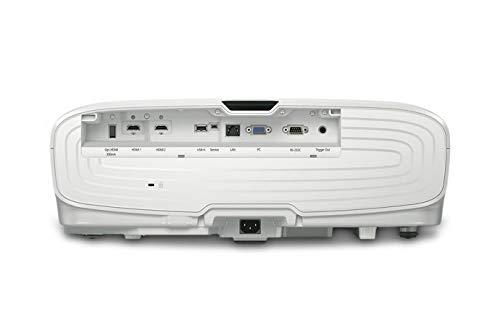
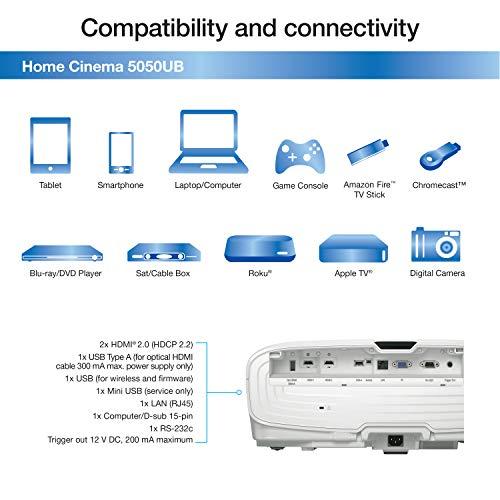
| 2x HDMI 2.0, DisplayPort 1.2a, USB-C | 2x HDMI 2.0, USB-A (no DisplayPort or USB-C) |
| Noise Level - Important for quiet movie watching | |
| 29-34 dB (more noticeable during operation) | Lower noise levels (specific specs vary by mode) |
| 3D Capability - For 3D movie collections | |
| No 3D support | Active 3D support with RF glasses |
| Image Size Range - Flexibility for different room sizes | |
| 95" to 200" diagonal | 50" to 300" diagonal |
| Best Use Case - Who should choose each projector | |
| Mixed-use rooms, gaming enthusiasts, convenience-focused users | Dedicated dark theaters, movie purists, color accuracy prioritizers |
The JVC LX-NZ30 is significantly better for rooms with ambient light, delivering 3,300 lumens compared to the Epson Home Cinema 5050UB's 2,600 lumens. This 700-lumen difference means the JVC can maintain color saturation and contrast even when you can't achieve complete darkness, making it ideal for living rooms or multi-purpose spaces.
Neither the JVC LX-NZ30 nor Epson Home Cinema 5050UB uses native 4K chips. Both employ pixel-shifting technology that enhances their native 1080p resolution to create a 4K-like image. While not technically true 4K, the visual difference is minimal at normal viewing distances, and both deliver sharp, detailed images that most viewers find convincingly 4K.
The Epson Home Cinema 5050UB typically delivers superior black levels in dark room conditions thanks to its 3LCD technology and UltraBlack filtering system. While the JVC LX-NZ30 offers infinite dynamic contrast through laser dimming, DLP technology inherently struggles with native black levels compared to the Epson's 3-chip design.
The JVC LX-NZ30 uses a laser light source rated for 20,000 hours with zero maintenance required. The Epson Home Cinema 5050UB uses a traditional lamp lasting 3,500-5,000 hours depending on usage mode, requiring periodic replacement at a cost of $200-400 per lamp.
The JVC LX-NZ30 is superior for gaming, offering input lag as low as 6.25ms and support for 1080p at 240Hz and 4K at 60Hz. The Epson Home Cinema 5050UB has adequate but not optimal gaming performance with 22-30ms input lag and is limited to 60Hz at all resolutions.
The JVC LX-NZ30 uses single-chip DLP technology with tiny mirrors that create sharp images but may occasionally produce rainbow artifacts for sensitive viewers. The Epson Home Cinema 5050UB uses 3LCD technology with separate chips for red, green, and blue, eliminating rainbow effects entirely and typically producing more accurate colors.
The Epson Home Cinema 5050UB generally provides superior color accuracy out of the box, covering approximately 75% of the BT.2020 color space with exceptional natural color reproduction. The JVC LX-NZ30 offers more vibrant, punchy colors that cover 100% of Rec. 709 but may be less accurate without calibration.
Both offer excellent flexibility, but differently. The JVC LX-NZ30 provides 1.6x manual zoom with ±60% vertical and ±23% horizontal lens shift. The Epson Home Cinema 5050UB offers 2.1x motorized zoom with lens memory and more extensive shift range of ±96% vertical and ±47% horizontal.
Yes, both the JVC LX-NZ30 and Epson Home Cinema 5050UB support HDR10 and HLG formats. The JVC features Auto Tone Mapping for automatic optimization, while the Epson provides 16-step manual HDR tone mapping for more precise control over HDR appearance.
The Epson Home Cinema 5050UB typically operates more quietly than the JVC LX-NZ30, which produces 29-34 dB of fan noise depending on the mode. The noise difference can be noticeable during quiet movie scenes, making the Epson preferable for dedicated home theaters where minimal noise is important.
Only the Epson Home Cinema 5050UB supports 3D content with active 3D technology and RF glasses. The JVC LX-NZ30 does not include 3D capability, which may be important for collectors of 3D movies or those who want this feature for future use.
Long-term value depends on usage patterns. The JVC LX-NZ30 eliminates lamp replacement costs over its 20,000-hour lifespan, making it more economical for heavy users. The Epson Home Cinema 5050UB has a lower initial cost but requires periodic lamp replacements, potentially making it more affordable for casual users who watch movies occasionally.
We've done our best to create useful and informative comparisons to help you decide what product to buy. Our research uses advanced automated methods to create this comparison and perfection is not possible - please contact us for corrections or questions. These are the sites we've researched in the creation of this article: t3.com - crutchfield.com - stuff.tv - projectorcentral.com - projectorreviews.com - data.heimkinowelt.at - bestbuy.com - eu.jvc.com - projectorreviews.com - listenup.com - youtube.com - eu.jvc.com - dreamediaav.com - projectorreviews.com - projectorscreen.com - projectorcentral.com - device.report - technologyinteriors.com - rtings.com - audiogurus.com - hometechnologyreview.com - projectorscreen.com - youtube.com - thesmarthomehookup.com - techgearlab.com - rtings.com - projectorreviews.com - projectorreviews.com - projectorreviews.com - projectorcentral.com - avsforum.com - avsforum.com - rtings.com - avsforum.com - audiogeneral.com - hifiheaven.net - manuals.plus - crutchfield.com - mediaserver.goepson.com - projectorcentral.com - epson.com - bestbuy.com - projectorreviews.com - projectorcentral.com

Privacy Policy
Terms and Conditions - Affiliate Policy
Home Security
© Copyright 2008-2026.
11816 Inwood Rd #1211, Dallas, TX 75244