

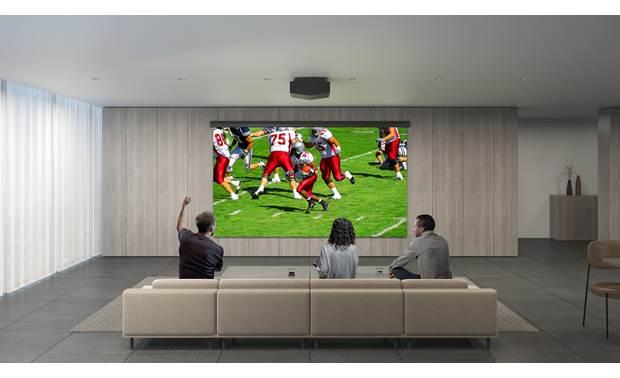
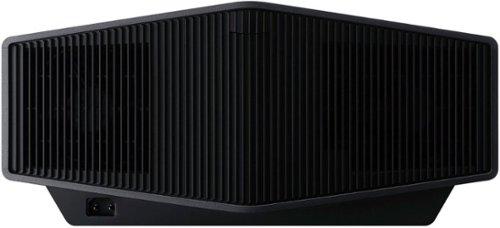
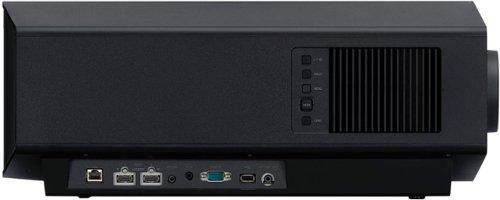
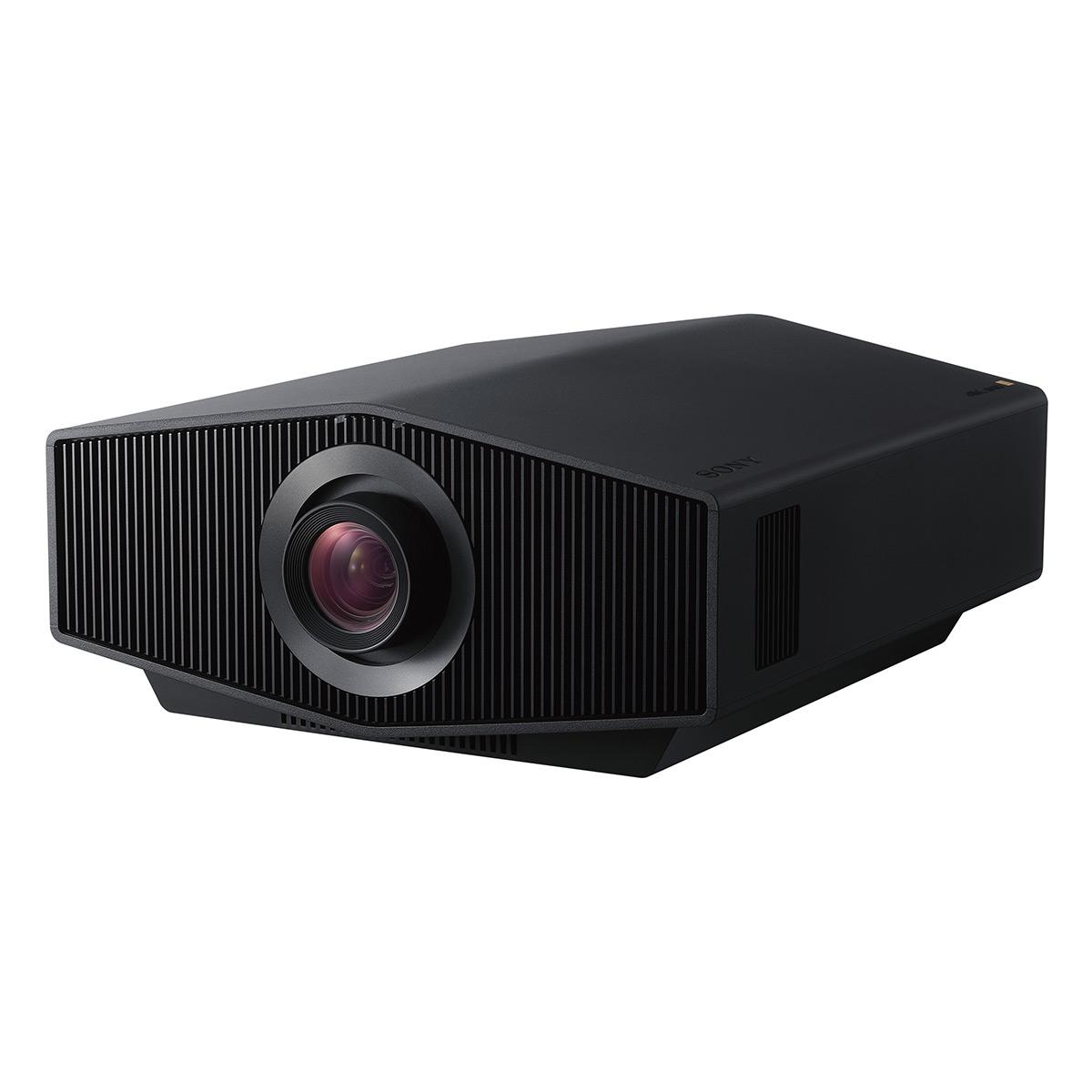
When you're ready to transform your living room or dedicated theater into a cinema-worthy experience, 4K laser projectors represent the pinnacle of home projection technology. These aren't your grandfather's slide projectors—we're talking about sophisticated devices that can throw crystal-clear images up to 200 inches across while maintaining brightness and color accuracy that rivals commercial movie theaters.
The laser projector market has exploded since 2020, with manufacturers finally solving the cost and reliability issues that kept this technology out of reach for most home theater enthusiasts. Today, we're comparing two projectors that represent very different approaches to achieving cinematic excellence: the JVC LX-NZ30 and the Sony VPL-XW7000ES.
Before diving into the comparison, let's establish what makes laser projectors special. Traditional projectors use metal halide or LED lamps that gradually dim over time and need replacement every 2,000-5,000 hours—roughly every 2-4 years for regular users. Laser projectors eliminate this headache entirely, maintaining consistent brightness for 20,000+ hours. That's potentially 20 years of movie nights without changing a bulb.
The "4K" designation is where things get interesting. True 4K means 3,840 × 2,160 pixels—over 8 million individual picture elements. However, some projectors achieve 4K through "pixel shifting" or "e-shift" technology, where a lower-resolution chip rapidly moves pixels to create the appearance of higher resolution. Both approaches can produce stunning results, but native 4K typically offers superior fine detail reproduction.
HDR (High Dynamic Range) support is equally crucial. HDR content contains brightness information that extends far beyond what standard video can display, allowing for more realistic highlights, deeper shadows, and more vibrant colors. How well a projector handles HDR often separates good projectors from great ones.
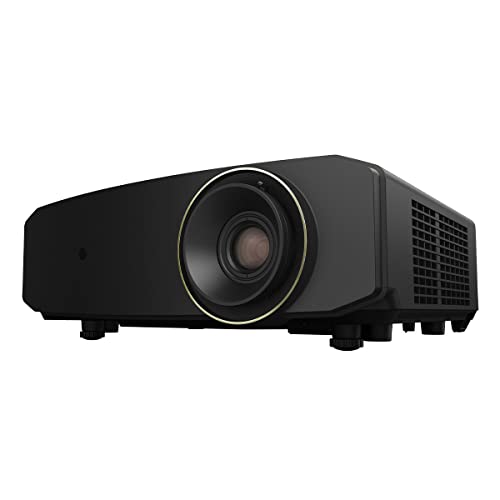
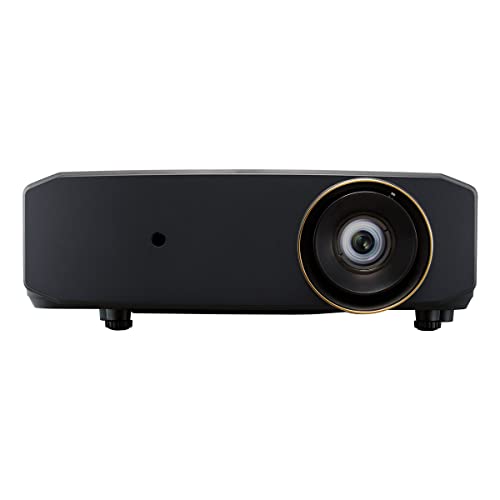
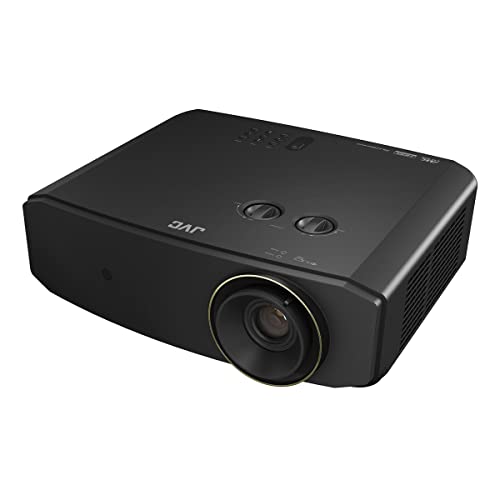
The JVC LX-NZ30, released in 2023, represents JVC's effort to democratize laser projection technology. At a significantly lower price point than premium alternatives, it promises to deliver legitimate 4K laser performance without the traditional premium pricing.
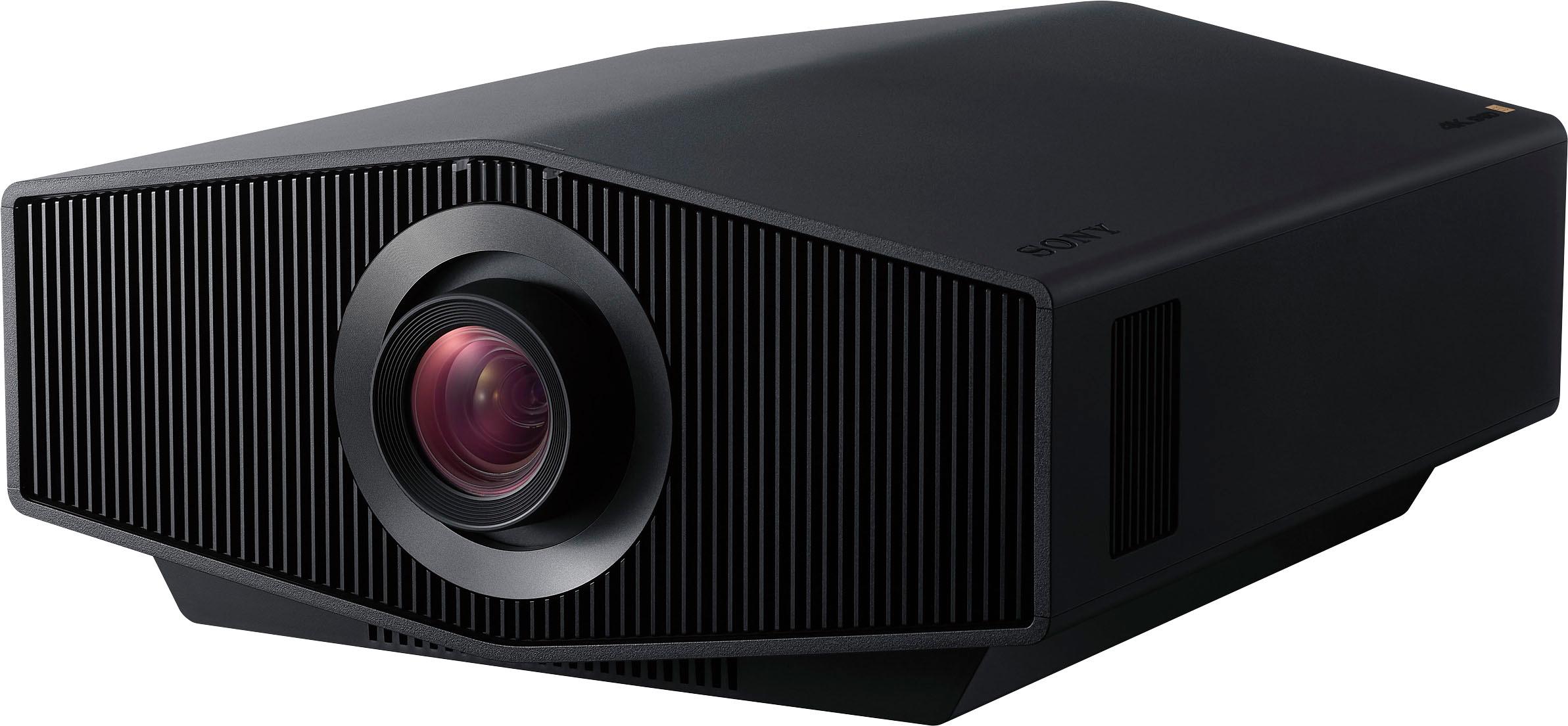
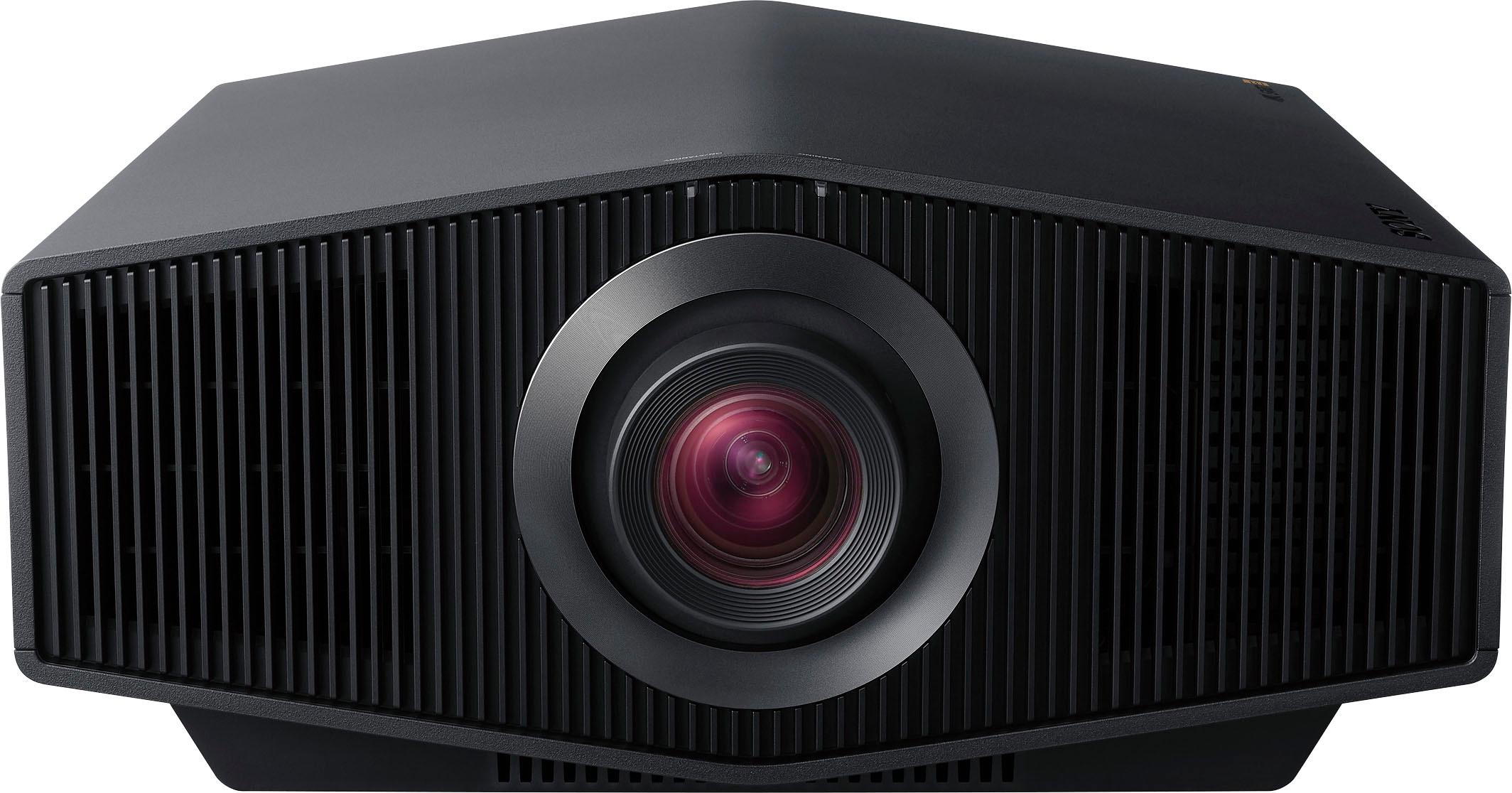
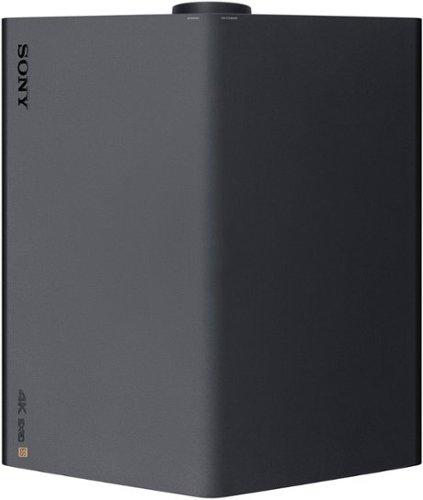
The Sony VPL-XW7000ES, launched in 2022, embodies Sony's flagship approach to home cinema projection. This projector incorporates technologies developed for Sony's professional cinema projectors and their award-winning BRAVIA television processors.
Here's where the fundamental difference between these projectors becomes apparent. The Sony VPL-XW7000ES uses a native 4K SXRD (Silicon X-tal Reflective Display) panel—essentially a reflective liquid crystal display that produces all 8.3 million pixels simultaneously. This approach delivers exceptional detail reproduction, especially in fine textures like fabric weaves, architectural details, and skin textures.
The JVC LX-NZ30 employs a 0.47-inch DLP (Digital Light Processing) chip with 4K e-shift technology. This system uses approximately 2 million tiny mirrors that tilt thousands of times per second to reflect light, while simultaneously shifting the entire image by half a pixel diagonally. This effectively quadruples the apparent resolution, creating a 4K image from a 1080p chip.
In practical terms, both approaches produce images that most viewers would classify as legitimate 4K. The Sony's native approach provides a slight edge in rendering fine details—you might notice sharper text, more defined facial pores, or clearer architectural textures. However, the JVC's e-shift technology has matured significantly, and at normal viewing distances (1.5 times the screen width), the difference becomes largely academic.
What's more noticeable is the overall image character. The Sony VPL-XW7000ES produces images with exceptional three-dimensional depth and a slightly "sharper" presentation that some viewers find more immediately impressive. The JVC LX-NZ30 offers a more natural, film-like presentation that feels less processed and more cinematic.
Both projectors deliver similar rated brightness—around 3,200-3,300 ANSI lumens—but handle that brightness very differently. ANSI lumens measure the projector's light output across a standardized pattern, providing a more realistic brightness measurement than peak lumens ratings.
The Sony VPL-XW7000ES excels at managing its brightness to create stunning HDR imagery. Its X1 Ultimate processor, borrowed from Sony's premium televisions, analyzes each scene in real-time and adjusts brightness, contrast, and color on an object-by-object basis. When watching a sunset scene, for example, the processor might boost the sun's brightness while maintaining natural skin tones in the foreground and preserving shadow detail in darker areas.
This sophisticated processing creates images with remarkable "pop"—colors appear more saturated, highlights more brilliant, and the overall image more three-dimensional. The Sony covers 95% of the DCI-P3 color space, which is the standard used in commercial cinemas, ensuring colors appear as filmmakers intended.
The JVC LX-NZ30 takes a different approach with its Auto Tone Mapping feature. Rather than aggressive scene-by-scene analysis, this system reads the HDR metadata embedded in content and automatically adjusts the projector's settings to optimize the entire piece of content. This approach produces more consistent results across different types of content and requires less manual tweaking from users.
The JVC's dynamic laser dimming system can instantly adjust brightness on a scene-by-scene basis, creating what the company calls "infinite contrast." In dark scenes, the laser output drops dramatically, producing deeper blacks than would be possible with a constant light source.
Gaming capabilities reveal perhaps the most significant performance gap between these projectors, largely due to their different release timeframes and target audiences.
The JVC LX-NZ30 clearly targets gaming enthusiasts. It supports 1080p input signals up to 240Hz—meaning it can display 240 individual frames per second. For competitive gamers, this translates to incredibly smooth motion and reduced input lag (the delay between pressing a button and seeing the result on screen). The projector's input lag drops as low as 6.25 milliseconds at 1080p/240Hz, which rivals dedicated gaming monitors.
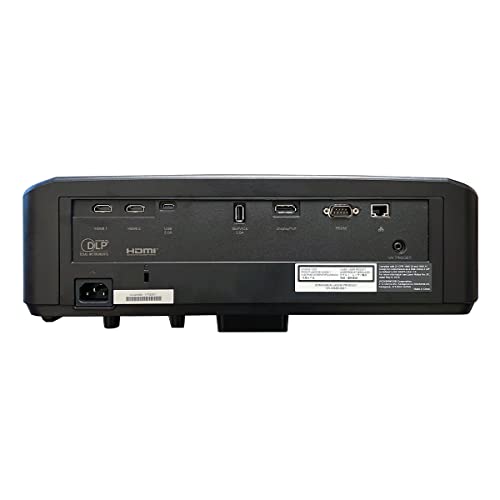
The inclusion of DisplayPort 1.2a and USB-C connections further emphasizes the gaming focus, as these connections are commonly found on gaming PCs. The JVC LX-NZ30 can handle 4K signals at 60Hz, which covers most current console gaming scenarios.
The Sony VPL-XW7000ES, designed primarily for movie viewing, offers more basic gaming support. It handles 4K at 60Hz with respectable input lag under 21 milliseconds, which is acceptable for most console gaming but not competitive PC gaming. The lack of high refresh rate support means fast-paced games won't appear as smooth as on the JVC.
Installation requirements often determine projector choice more than image quality differences. Both projectors mount on ceilings or tables, but offer different levels of placement flexibility.
The Sony VPL-XW7000ES provides superior installation flexibility with its 2.1x powered zoom lens. This means you can adjust the image size by more than double without moving the projector—useful when you're not sure about final screen size or when physical constraints limit projector placement. The powered lens shift (±85% vertical, ±36% horizontal) allows significant image repositioning without introducing geometric distortion.
The Picture Position Memory feature stores five different lens configurations, allowing quick switching between different aspect ratios or zoom settings. This proves valuable when watching different content types or accommodating different seating arrangements.
The JVC LX-NZ30 offers more basic but still adequate installation flexibility. Its 1.6x manual zoom lens covers most installation scenarios, while the manual lens shift (±60% vertical, ±23% horizontal) handles typical ceiling mounting requirements. The manual controls reduce potential mechanical failures and keep costs down.
At 13.9 pounds versus the Sony's approximately 28 pounds, the JVC LX-NZ30 places less stress on mounting hardware and proves easier for DIY installation.
Beyond specifications, how do these projectors perform in actual home environments? Our research into user experiences and professional reviews reveals some interesting patterns.
The Sony VPL-XW7000ES consistently receives praise for its "wow factor"—the immediate visual impact that makes viewers audibly react to the image quality. This projector excels at creating images that feel more vivid and three-dimensional than real life, which some viewers prefer for the enhanced cinematic experience.
However, this impressive processing occasionally requires manual adjustment. The Dynamic HDR Enhancer can sometimes create blown-out highlights in very bright scenes, requiring users to tweak settings based on content type. The sophisticated processing also means more complex menu systems and setup procedures.
The JVC LX-NZ30 earns praise for its "set and forget" operation. The Auto Tone Mapping typically produces pleasing results across different content without manual intervention. Users appreciate the projector's natural color reproduction and film-like presentation, which feels less processed and more authentic.
The trade-off appears in fine detail reproduction. While the JVC produces excellent images, side-by-side comparisons reveal the Sony's advantage in rendering subtle textures and three-dimensional depth.
Both projectors use sophisticated cooling systems to manage their high-output laser light sources, but with different results. The Sony VPL-XW7000ES operates notably quieter, typically around 24dB in normal operation. This near-silent operation proves crucial in dedicated home theaters where any fan noise becomes distracting during quiet movie scenes.
The JVC LX-NZ30 operates at 34dB in normal mode, dropping to 29dB in eco mode. While not exceptionally loud, this represents audible fan noise that some users find noticeable, particularly when the projector is ceiling-mounted directly above seating areas.
At the time of writing, these projectors occupy dramatically different price segments. The JVC LX-NZ30 typically costs roughly one-fifth the price of the Sony VPL-XW7000ES, making the value comparison complex.
The JVC delivers approximately 80-85% of the Sony's image quality at 20% of the cost—an exceptional value proposition that brings legitimate laser 4K performance within reach of enthusiasts who previously couldn't justify premium projector pricing.
The Sony justifies its premium pricing through measurably superior performance in key areas: native 4K resolution, exceptional HDR processing, superior installation flexibility, quieter operation, and comprehensive three-year warranty coverage.
The decision between these projectors ultimately depends on your specific situation and priorities.
Choose the JVC LX-NZ30 if you want excellent 4K laser performance at an accessible price point. This projector particularly suits gaming enthusiasts who need high refresh rate support, users with moderate-sized screens (under 150 inches), and anyone who prefers natural color reproduction with minimal setup complexity. The JVC represents the sweet spot for most home theater enthusiasts—providing premium features without premium pricing.
Choose the Sony VPL-XW7000ES if you demand the absolute best image quality and have the budget to match. This projector excels with very large screens, challenging installation requirements, and situations where the finest detail reproduction matters. The Sony particularly suits dedicated home theaters with full light control and users who appreciate advanced calibration capabilities.
The gaming consideration alone might determine your choice. If you're a serious PC gamer who values high refresh rates and low input lag, the JVC LX-NZ30 offers capabilities the Sony simply cannot match.
For most users, the JVC LX-NZ30 provides exceptional value and performance that will satisfy all but the most demanding videophiles. The Sony VPL-XW7000ES offers measurably superior performance, but at a premium that's difficult to justify unless you specifically need its advantages or have a generous budget for the absolute best available technology.
Both projectors represent excellent choices within their respective market segments, offering years of maintenance-free operation and image quality that approaches commercial cinema standards. Your choice should align with your budget, intended use, and performance priorities rather than any inherent superiority of one approach over the other.
| JVC LX-NZ30 | Sony VPL-XW7000ES |
|---|---|
| Display Technology - Core difference affecting image sharpness and detail | |
| Single-chip 0.47" DLP with 4K e-shift pixel shifting | Native 4K SXRD panel with 8.3 million discrete pixels |
| Resolution - How much fine detail you'll actually see | |
| 1920×1080 native, enhanced to 4K via e-shift (excellent for most viewers) | True 3840×2160 native 4K (superior texture detail and sharpness) |
| Brightness - Critical for screen size and ambient light handling | |
| 3,300 ANSI lumens (great for screens up to 150") | 3,200 ANSI lumens (optimized light management for larger screens) |
| Gaming Performance - Essential for PC and console gaming | |
| Supports 1080p@240Hz, 6.25ms input lag (exceptional for competitive gaming) | 4K@60Hz max, 21ms input lag (adequate for casual console gaming) |
| Lens Flexibility - How easy installation will be | |
| 1.6x manual zoom, ±60% vertical/±23% horizontal shift | 2.1x powered zoom, ±85% vertical/±36% horizontal shift |
| HDR Processing - How dynamic and realistic your movies will look | |
| Auto Tone Mapping (consistent, automatic optimization) | X1 Ultimate processor with object-based HDR (more dramatic but requires tweaking) |
| Color Coverage - How vibrant and accurate colors appear | |
| 100% Rec. 709, BT.2020 compatible (excellent for home viewing) | 95% DCI-P3 cinema standard (professional-grade color accuracy) |
| Noise Level - Important for quiet movie scenes | |
| 34dB normal / 29dB eco (audible fan noise) | ~24dB (nearly silent operation) |
| Weight & Size - Affects mounting options and installation ease | |
| 13.9 lbs, compact design (easy DIY ceiling mount) | ~28 lbs, larger chassis (may require professional installation) |
| Gaming Connectivity - PC gaming and modern device compatibility | |
| DisplayPort 1.2a, USB-C, 2× HDMI 2.0 (excellent PC gaming support) | 2× HDMI 2.0 only (basic console gaming connectivity) |
| Warranty Coverage - Long-term ownership protection | |
| 1 year parts & labor (standard coverage) | 3 years parts & labor (premium support and peace of mind) |
| Best Use Cases - Who should choose this projector | |
| Budget-conscious enthusiasts, gamers, screens under 150", natural image preference | Large installations, premium home theaters, maximum detail priority, professional calibration needs |
The JVC LX-NZ30 is significantly better for gaming, especially competitive PC gaming. It supports 1080p at 240Hz with input lag as low as 6.25ms, while the Sony VPL-XW7000ES maxes out at 4K/60Hz with 21ms input lag. The JVC LX-NZ30 also includes DisplayPort and USB-C connections that gamers prefer.
The Sony VPL-XW7000ES uses a native 4K SXRD panel that delivers superior fine detail and texture reproduction, while the JVC LX-NZ30 uses 4K e-shift pixel shifting technology. The Sony produces sharper, more three-dimensional images, but the JVC LX-NZ30 offers a more natural, film-like presentation that many viewers prefer.
Both projectors deliver similar brightness at around 3,200-3,300 lumens. However, the Sony VPL-XW7000ES has better light management and processing that makes it more suitable for very large screens over 150 inches. For screens under 150 inches, the JVC LX-NZ30 provides excellent brightness performance.
The Sony VPL-XW7000ES typically costs 4-5 times more than the JVC LX-NZ30. This significant price difference makes the JVC an exceptional value proposition, delivering about 80-85% of the Sony's image quality at roughly 20% of the cost.
The Sony VPL-XW7000ES offers superior installation flexibility with its 2.1x powered zoom lens and extensive lens shift range (±85% vertical, ±36% horizontal). The JVC LX-NZ30 is lighter and more compact, making it easier for DIY installation, but has more limited lens adjustment options.
Yes, both the JVC LX-NZ30 and Sony VPL-XW7000ES support HDR10 and HLG formats. The Sony uses advanced X1 Ultimate processing for more dramatic HDR effects, while the JVC LX-NZ30 features Auto Tone Mapping for consistent, automatic HDR optimization without manual tweaking.
The Sony VPL-XW7000ES is significantly quieter at around 24dB, making it nearly silent during operation. The JVC LX-NZ30 operates at 34dB in normal mode (29dB in eco mode), which is audible but not excessively loud for most home theater setups.
Both projectors feature laser light sources rated for approximately 20,000 hours of operation. This means virtually maintenance-free operation for 15-20 years of typical home use, eliminating the need for expensive lamp replacements that traditional projectors require every 2-4 years.
The Sony VPL-XW7000ES covers 95% of the DCI-P3 cinema color standard, providing professional-grade color accuracy. The JVC LX-NZ30 covers 100% of Rec. 709 with BT.2020 compatibility, which is excellent for home viewing but not quite as extensive as the Sony's color coverage.
The Sony VPL-XW7000ES includes a comprehensive 3-year parts and labor warranty, while the JVC LX-NZ30 comes with a standard 1-year warranty. The Sony's extended warranty provides additional peace of mind for such a significant investment.
For a dedicated home theater with full light control, the Sony VPL-XW7000ES delivers superior performance with its native 4K resolution, exceptional HDR processing, and nearly silent operation. However, the JVC LX-NZ30 still provides excellent home theater performance at a much more accessible price point.
Yes, both the JVC LX-NZ30 and Sony VPL-XW7000ES can display 4K streaming content from Netflix, Disney+, and other platforms. The Sony VPL-XW7000ES may show slightly better detail in streamed content due to its native 4K panel, while the JVC LX-NZ30 provides excellent upscaling and processing for all content types.
We've done our best to create useful and informative comparisons to help you decide what product to buy. Our research uses advanced automated methods to create this comparison and perfection is not possible - please contact us for corrections or questions. These are the sites we've researched in the creation of this article: t3.com - crutchfield.com - stuff.tv - projectorcentral.com - projectorreviews.com - data.heimkinowelt.at - bestbuy.com - eu.jvc.com - projectorreviews.com - listenup.com - youtube.com - eu.jvc.com - dreamediaav.com - projectorreviews.com - projectorscreen.com - projectorcentral.com - device.report - technologyinteriors.com - whathifi.com - electronics.sony.com - us.puretheatre.com - pro.sony - stereonet.com - pro.sony - valueelectronics.com - projectorreviews.com - pro.sony - leisuretheory.com

Privacy Policy
Terms and Conditions - Affiliate Policy
Home Security
© Copyright 2008-2026.
11816 Inwood Rd #1211, Dallas, TX 75244