

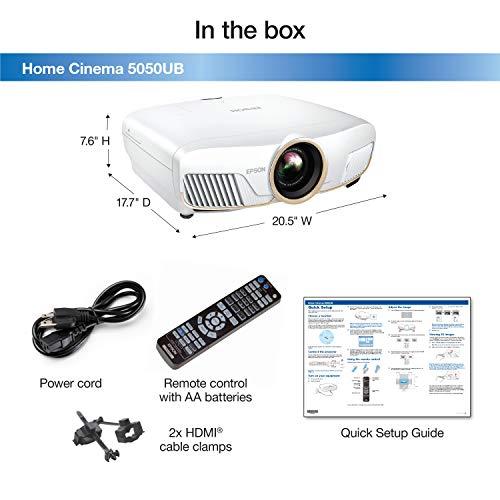
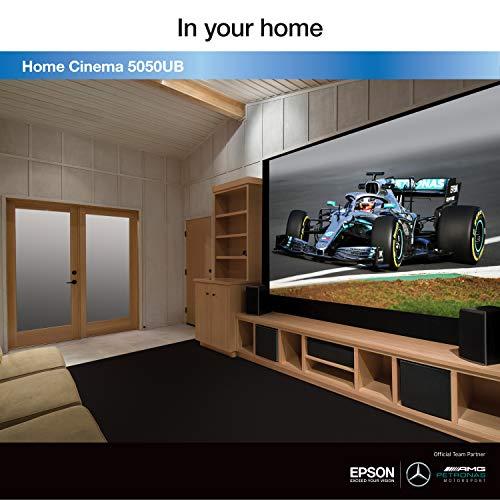
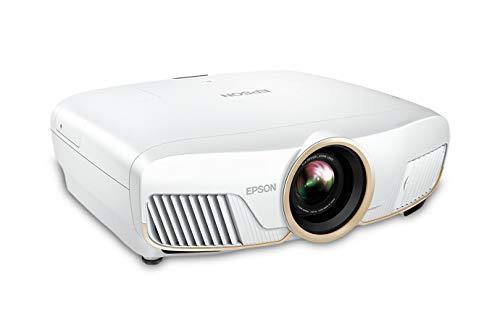
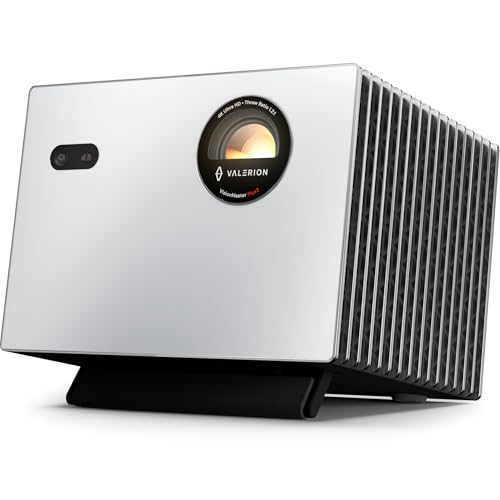


Home theater projectors have come a long way from the bulky, dim units of the past. Today's models can transform your living room or dedicated theater into a cinema-quality experience, but choosing the right one requires understanding some key differences in technology and approach. The Epson Home Cinema 5050UB and Valerion StreamMaster Plus 2 represent two distinct philosophies in projector design, and at the time of writing, they're separated by over $1,000 in price—making the choice between them particularly interesting.
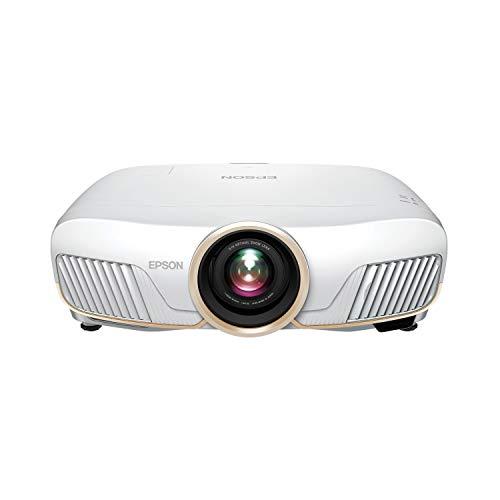
The Epson 5050UB, released several years ago, embodies the traditional approach to high-performance home theater projection. It focuses purely on image quality using proven 3LCD technology and manual controls that appeal to cinema enthusiasts. The Valerion StreamMaster Plus 2, launching in 2024, represents the modern smart projector approach with RGB laser technology, built-in streaming, and gaming-focused features.
Before diving into specifics, it's worth understanding what makes these projectors tick. Both use different core technologies that affect everything from color reproduction to maintenance requirements.
The Epson 5050UB uses 3LCD technology, which means it has three separate LCD panels—one each for red, green, and blue light. Think of it like having three tiny transparent screens that combine to create the final image. This design eliminates the "rainbow effect" (brief flashes of color that some people see with certain projectors) and provides consistent color across the entire image.
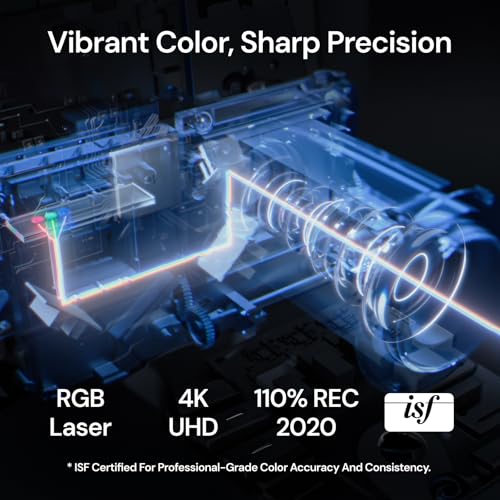
The Valerion StreamMaster Plus 2 uses DLP (Digital Light Processing) technology with a single chip covered in microscopic mirrors that tilt thousands of times per second to create the image. It's powered by an RGB laser system, which uses three separate lasers for red, green, and blue light instead of a traditional lamp with color filters.
Both projectors use "pixel shifting" to achieve 4K resolution from lower-resolution chips. This technology rapidly shifts the image by half a pixel to effectively double the perceived resolution. While not "true" 4K like you'd find in some expensive models, the results are impressively sharp and detailed.
Here's where these projectors diverge most dramatically, and it's probably the single most important factor for image quality. Contrast ratio measures the difference between the darkest blacks and brightest whites a projector can produce—and this difference is huge between our two contenders.
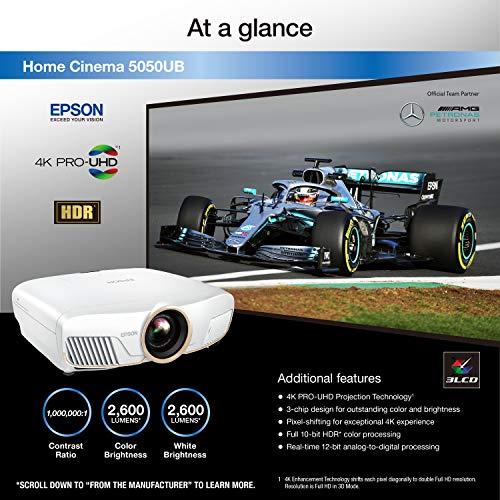
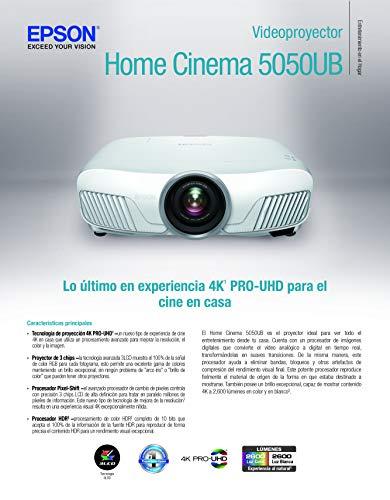
The Epson 5050UB achieves an exceptional 1,000,000:1 dynamic contrast ratio through its proprietary UltraBlack technology. This isn't just marketing speak—it uses a special compensation filter that controls light polarization to prevent light leakage inside the projector. Combined with an Auto Iris that dynamically adjusts the aperture based on scene content, the result is blacks that look truly dark, even in challenging movie scenes.
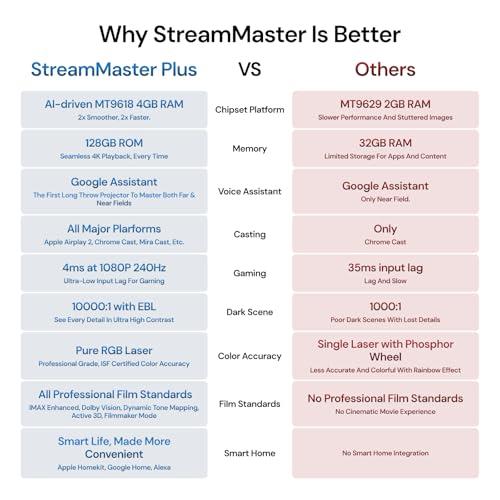
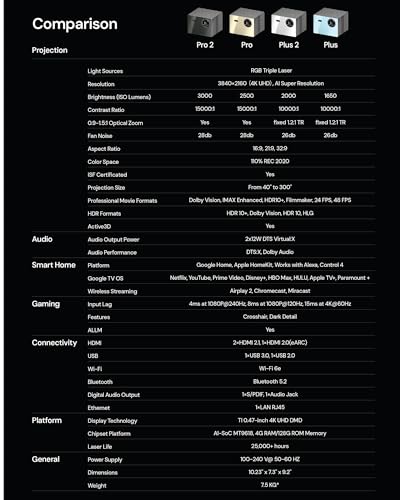
The Valerion StreamMaster Plus 2 offers a more modest 10,000:1 contrast ratio, though it can reach 50,000:1 with its Enhanced Black Level (EBL) mode activated. While this is respectable for the price range, it's a significant performance gap that becomes immediately apparent when watching movies with dark scenes.
In practical terms, this means the Epson delivers that premium cinema experience where space scenes look like deep voids and shadow details remain visible without looking washed out. The Valerion produces good blacks for its price range, but they appear more grayish in comparison—though most viewers won't notice this unless comparing side-by-side.
This contrast advantage makes the Epson 5050UB the clear winner for dedicated home theaters with controlled lighting, where its superior black levels can really shine.
Color reproduction showcases where these projectors take completely different paths, and surprisingly, the less expensive Valerion actually has some advantages here.
The Valerion StreamMaster Plus 2's RGB laser system covers 110% of the Rec.2020 color space—that's the new standard for HDR content that encompasses a much wider range of colors than older displays could show. This wide color gamut (the range of colors a display can reproduce) means more vivid greens, deeper reds, and richer blues, especially in HDR content from Netflix, Disney+, and 4K Blu-rays.
The Epson 5050UB covers about 75% of the Rec.2020 space but excels within its range with exceptional color accuracy right out of the box. It includes professional-grade calibration controls like 8-point white balance adjustment and full color tuning, allowing enthusiasts to fine-tune the image to perfection.
The difference is philosophical: the Valerion prioritizes vibrant, eye-catching colors that make modern HDR content pop, while the Epson focuses on natural, film-accurate colors that reproduce the director's intent. Neither approach is wrong—it depends on your preferences and content.
For streaming HDR movies and gaming, the Valerion's wider color gamut provides more impact. For traditional cinema viewing and older content, the Epson's accuracy and superior contrast create a more authentic experience.
High Dynamic Range (HDR) content—which includes brighter highlights and more color information than standard video—has become increasingly important as streaming services expand their HDR libraries. This is where the Valerion StreamMaster Plus 2 pulls significantly ahead.
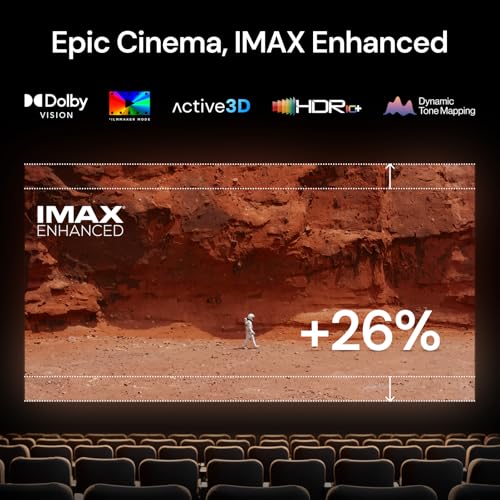
The Valerion supports HDR10, HDR10+, Dolby Vision, and even IMAX Enhanced—basically every HDR format you're likely to encounter. Its dynamic tone mapping automatically adjusts the image based on the specific content, optimizing brightness and contrast for each scene. This means HDR movies from Netflix, Amazon Prime, and Disney+ will look their best without manual tweaking.
The Epson 5050UB supports HDR10 and HLG but lacks Dolby Vision—the premium HDR format used by many streaming services and 4K Blu-rays. While it processes 10-bit HDR information excellently and includes manual HDR adjustments, you'll miss out on the enhanced experience that Dolby Vision provides for compatible content.
Given how much streaming content now includes HDR, this represents a significant practical advantage for the Valerion, especially for users who primarily stream rather than collect physical media.
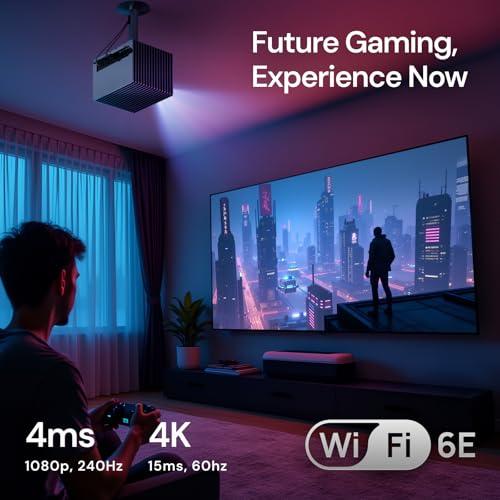
If gaming matters to you, the Valerion StreamMaster Plus 2 wins decisively. Its input lag—the delay between pressing a controller button and seeing the result on screen—measures just 4ms at 1080p/240Hz and 15ms at 4K/60Hz. These are excellent numbers that rival dedicated gaming monitors.
The Epson 5050UB manages 22.5ms at 4K/60Hz, which is adequate for casual gaming but noticeably slower for competitive or fast-paced games. More importantly, the Valerion includes Auto Low Latency Mode (ALLM), which automatically switches to game mode when it detects a console, and specialized gaming modes optimized for different game genres.
The Valerion also supports HDR gaming features and has the connectivity to handle modern consoles at their best performance levels. If you're planning to use your projector with a PlayStation 5, Xbox Series X, or gaming PC, the choice is clear.
This might be the biggest philosophical difference between these projectors. The Epson 5050UB includes zero smart features—no Wi-Fi, no Bluetooth, no built-in apps. It's purely a display that requires external devices for all content sources.
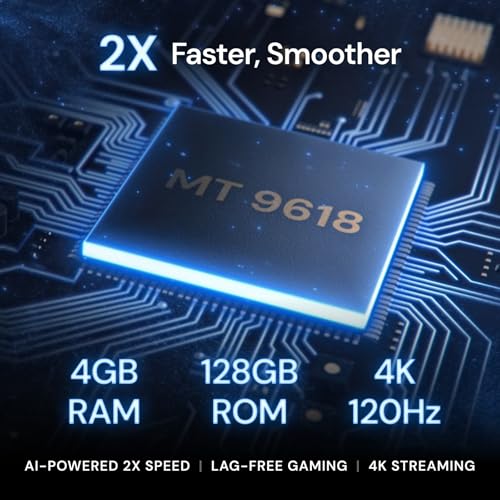
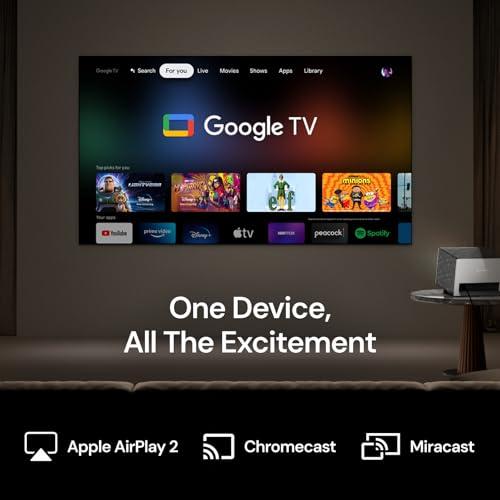
The Valerion StreamMaster Plus 2 runs Google TV with 4GB of RAM and 128GB of storage, essentially functioning as a giant Android TV. It includes Netflix, Disney+, YouTube, and other streaming apps built-in, plus Google Assistant voice control, AirPlay 2 for iPhone users, and Chromecast for easy content sharing from phones and tablets.
For many users, this difference alone justifies choosing the Valerion. The convenience of having everything built-in, controlled by one remote, cannot be overstated. You can say "Hey Google, play Stranger Things on Netflix" and it happens—no additional devices needed.
However, some enthusiasts prefer the Epson's approach. External streaming devices like Apple TV 4K or NVIDIA Shield often provide better performance and more frequent updates than built-in smart platforms. They also prevent potential obsolescence—your projector won't become "dumb" if the manufacturer stops supporting its smart features years down the line.
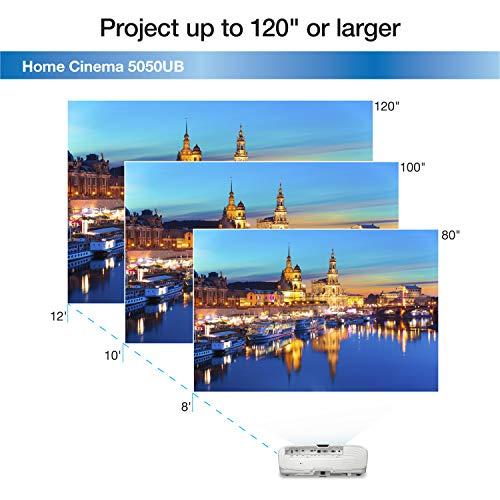
The Epson 5050UB offers superior installation flexibility through its motorized lens shift, zoom, and focus controls. Lens shift allows you to move the image up, down, left, or right without moving the projector—crucial for achieving the perfect screen alignment in custom installations. The 2.1x zoom means you can place the projector in a wider range of positions while maintaining your desired screen size.
The Valerion StreamMaster Plus 2 uses a fixed 1.2:1 throw ratio, meaning your placement options are more limited. However, it compensates with automatic keystone correction (fixing trapezoid distortion when the projector isn't perfectly aligned) and automatic focus, making setup simpler for typical installations.
For custom home theaters with ceiling mounts and specific placement requirements, the Epson's flexibility is invaluable. For living room or basement setups where the projector sits on a shelf or table, the Valerion's automation is more convenient.
The total cost of ownership tells an interesting story. While the Epson 5050UB costs significantly more upfront at the time of writing, it also requires lamp replacements every 3,500-5,000 hours of use, with replacement lamps costing several hundred dollars.
The Valerion StreamMaster Plus 2's RGB laser is rated for 25,000 hours with no maintenance required. Over a decade of use, this difference could save you $800-1,500 in lamp costs while providing more consistent brightness throughout the projector's life.
Lasers also reach full brightness instantly (no warm-up time) and maintain consistent color temperature over time, unlike lamps that shift color as they age.
Based on extensive research of professional reviews and user feedback, the decision comes down to priorities and usage scenarios.
Choose the Epson Home Cinema 5050UB if:
You're building a dedicated home theater with controlled lighting and want the absolute best image quality for movies. The superior contrast performance really shines in dark rooms, creating that premium cinema experience that justifies the higher cost. You prefer using external streaming devices and value having full manual control over the image. The installation flexibility is important for your room layout, and you don't mind occasional lamp replacements for optimal performance.
Cinema enthusiasts consistently praise the Epson's natural color reproduction and exceptional black levels. It's the choice for purists who want their projector to disappear and let the content speak for itself.
Choose the Valerion StreamMaster Plus 2 if:
You want a versatile projector that excels at everything—movies, gaming, streaming—without breaking the bank. The built-in smart features and wide color gamut make it perfect for mixed-use spaces where convenience matters. Gaming performance is important to you, or you primarily stream HDR content that benefits from the wide color coverage.
Users consistently highlight the Valerion's ease of setup, comprehensive feature set, and excellent value proposition. It's the practical choice that delivers impressive performance across all use cases while costing significantly less overall.
After analyzing extensive professional reviews and user feedback, both projectors succeed in their intended roles. The Epson 5050UB remains the image quality champion for dedicated home theaters, while the Valerion StreamMaster Plus 2 offers better overall value and versatility for most users.
The Epson is the enthusiast's choice—it does one thing (displaying movies) exceptionally well and assumes you'll handle everything else with external devices. The Valerion is the practical choice that delivers very good image quality while excelling in areas the Epson ignores entirely: smart features, gaming, and modern HDR formats.
For most buyers at the time of writing, the Valerion StreamMaster Plus 2 represents better value. You get 80-90% of the Epson's image quality, comprehensive smart features, better gaming performance, wider HDR support, and lower long-term costs—all for significantly less money upfront.
However, if you're building a dedicated theater room with a substantial budget and image quality is your primary concern, the Epson 5050UB's superior contrast performance justifies its premium price. The difference in black levels and overall cinematic presentation is immediately apparent in dark viewing environments.
The projector market continues evolving rapidly, with laser technology becoming more affordable and smart features becoming standard. Both of these models represent the current state of their respective approaches, but the trend clearly favors the comprehensive, feature-rich philosophy embodied by the Valerion for mainstream buyers.
| Epson Home Cinema 5050UB | Valerion StreamMaster Plus 2 |
|---|---|
| Display Technology - Affects color quality and rainbow effects | |
| 3LCD (three-chip) eliminates rainbow effect | Single-chip DLP with minimal rainbow effect |
| Resolution - Both use pixel-shifting for 4K enhancement | |
| 1080p native with 4K PRO-UHD pixel-shifting | 4K UHD with pixel-shifting enhancement |
| Brightness - Critical for room lighting flexibility | |
| 2,600 lumens (excellent for dark rooms) | 2,000 ISO lumens (good for controlled lighting) |
| Contrast Ratio - Most important spec for image depth and blacks | |
| 1,000,000:1 with UltraBlack technology (exceptional) | 10,000:1 base, 50,000:1 with EBL mode (good) |
| Color Gamut - Determines color vibrancy, especially for HDR | |
| ~75% Rec.2020 coverage (accurate, natural colors) | 110% Rec.2020 coverage (vibrant, wide colors) |
| HDR Support - Essential for modern streaming content | |
| HDR10, HLG only (missing Dolby Vision) | HDR10, HDR10+, Dolby Vision, IMAX Enhanced (complete) |
| Light Source - Affects maintenance and longevity | |
| 250W UHE lamp (3,500-5,000 hour life, replacement needed) | RGB triple laser (25,000 hours, no replacement) |
| Gaming Performance - Input lag determines responsiveness | |
| 22.5ms at 4K/60Hz (adequate for casual gaming) | 4ms at 1080p/240Hz, 15ms at 4K/60Hz (excellent) |
| Smart Features - Built-in streaming and connectivity | |
| None (requires external streaming devices) | Google TV OS with full app support and voice control |
| Installation Flexibility - Placement and setup options | |
| Motorized lens shift, zoom, focus (professional flexibility) | Fixed throw ratio with auto keystone/focus (simple setup) |
| Connectivity - Ports and modern device support | |
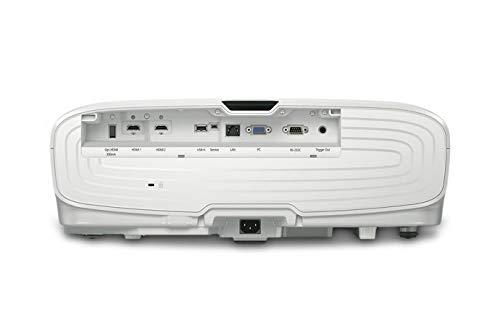
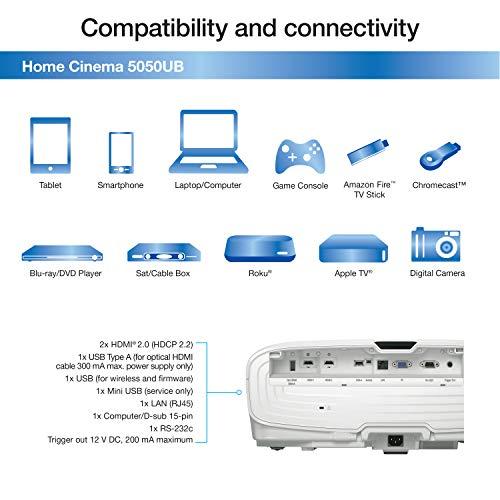
| 2x HDMI 2.0 (one with HDCP 2.2) | 2x HDMI 2.1, Wi-Fi, Bluetooth, extensive connectivity |
| Total Cost of Ownership - Initial price plus ongoing expenses | |
| Higher upfront cost plus lamp replacements over time | Lower upfront cost with no maintenance expenses |
| Best For - Target user and use case | |
| Dedicated home theaters prioritizing ultimate image quality | Versatile multi-purpose rooms wanting comprehensive features |
For dedicated home theaters with controlled lighting, the Epson Home Cinema 5050UB is superior due to its exceptional 1,000,000:1 contrast ratio and UltraBlack technology that delivers truly dark blacks. However, the Valerion StreamMaster Plus 2 offers better overall value with comprehensive smart features, wider color gamut, and complete HDR format support including Dolby Vision.
The Epson Home Cinema 5050UB uses 3LCD technology with a traditional lamp, focusing purely on image quality with no smart features. The Valerion StreamMaster Plus 2 uses DLP with RGB laser technology and includes Google TV OS with built-in streaming apps, making it a complete entertainment hub.
The Epson Home Cinema 5050UB significantly outperforms the Valerion StreamMaster Plus 2 in contrast, delivering 1,000,000:1 dynamic contrast versus the Valerion's 10,000:1 base contrast. This makes the Epson much better for dark room movie viewing where deep blacks are crucial.
Only the Valerion StreamMaster Plus 2 has built-in streaming with Google TV OS, Netflix, Disney+, and other apps pre-installed. The Epson Home Cinema 5050UB has no smart features and requires external streaming devices like Apple TV or Roku.
The Valerion StreamMaster Plus 2 is significantly better for gaming with 4ms input lag at 1080p/240Hz and 15ms at 4K/60Hz, plus Auto Low Latency Mode and gaming-specific features. The Epson Home Cinema 5050UB has 22.5ms input lag, adequate only for casual gaming.
The Valerion StreamMaster Plus 2 supports all major HDR formats: HDR10, HDR10+, Dolby Vision, and IMAX Enhanced. The Epson Home Cinema 5050UB only supports HDR10 and HLG, missing the premium Dolby Vision format used by many streaming services.
The Valerion StreamMaster Plus 2 has a wider color gamut covering 110% of Rec.2020 for more vibrant colors, especially in HDR content. The Epson Home Cinema 5050UB covers less color space but offers superior color accuracy and professional calibration controls for natural, film-accurate reproduction.
The Epson Home Cinema 5050UB uses a traditional lamp that needs replacement every 3,500-5,000 hours of use. The Valerion StreamMaster Plus 2 uses RGB laser technology rated for 25,000 hours with no lamp replacements needed, reducing long-term maintenance costs.
The Epson Home Cinema 5050UB is brighter at 2,600 lumens compared to the Valerion StreamMaster Plus 2's 2,000 ISO lumens. However, both projectors perform best in rooms with controlled lighting, and the brightness difference is less important than contrast for overall image quality.
The Epson Home Cinema 5050UB offers superior installation flexibility with motorized lens shift, zoom, and focus controls, plus lens memory for different aspect ratios. The Valerion StreamMaster Plus 2 has a fixed throw ratio but includes automatic keystone correction and focus for easier setup.
The Valerion StreamMaster Plus 2 typically offers better overall value with comprehensive smart features, wider HDR format support, excellent gaming performance, and no lamp replacement costs. The Epson Home Cinema 5050UB justifies its higher cost only for dedicated home theater enthusiasts prioritizing ultimate contrast and black levels.
Both the Epson Home Cinema 5050UB and Valerion StreamMaster Plus 2 use pixel-shifting technology rather than native 4K panels. The Epson shifts 1080p pixels while the Valerion shifts from a higher base resolution, but both deliver sharp, detailed 4K-enhanced images that satisfy most viewers' expectations for 4K content.
We've done our best to create useful and informative comparisons to help you decide what product to buy. Our research uses advanced automated methods to create this comparison and perfection is not possible - please contact us for corrections or questions. These are the sites we've researched in the creation of this article: rtings.com - audiogurus.com - hometechnologyreview.com - projectorscreen.com - youtube.com - thesmarthomehookup.com - techgearlab.com - rtings.com - projectorreviews.com - projectorreviews.com - projectorreviews.com - projectorcentral.com - avsforum.com - avsforum.com - rtings.com - avsforum.com - audiogeneral.com - hifiheaven.net - manuals.plus - crutchfield.com - mediaserver.goepson.com - projectorcentral.com - epson.com - bestbuy.com - projectorreviews.com - projectorcentral.com - bestbuy.com - valerion.com - youtube.com - valerion.com - youtube.com - projectorcentral.com - youtube.com - valerion.com - avsforum.com - neowin.net - hometheatershack.com - avsforum.com - bestbuy.com - projector-database.com

Privacy Policy
Terms and Conditions - Affiliate Policy
Home Security
© Copyright 2008-2026.
11816 Inwood Rd #1211, Dallas, TX 75244