

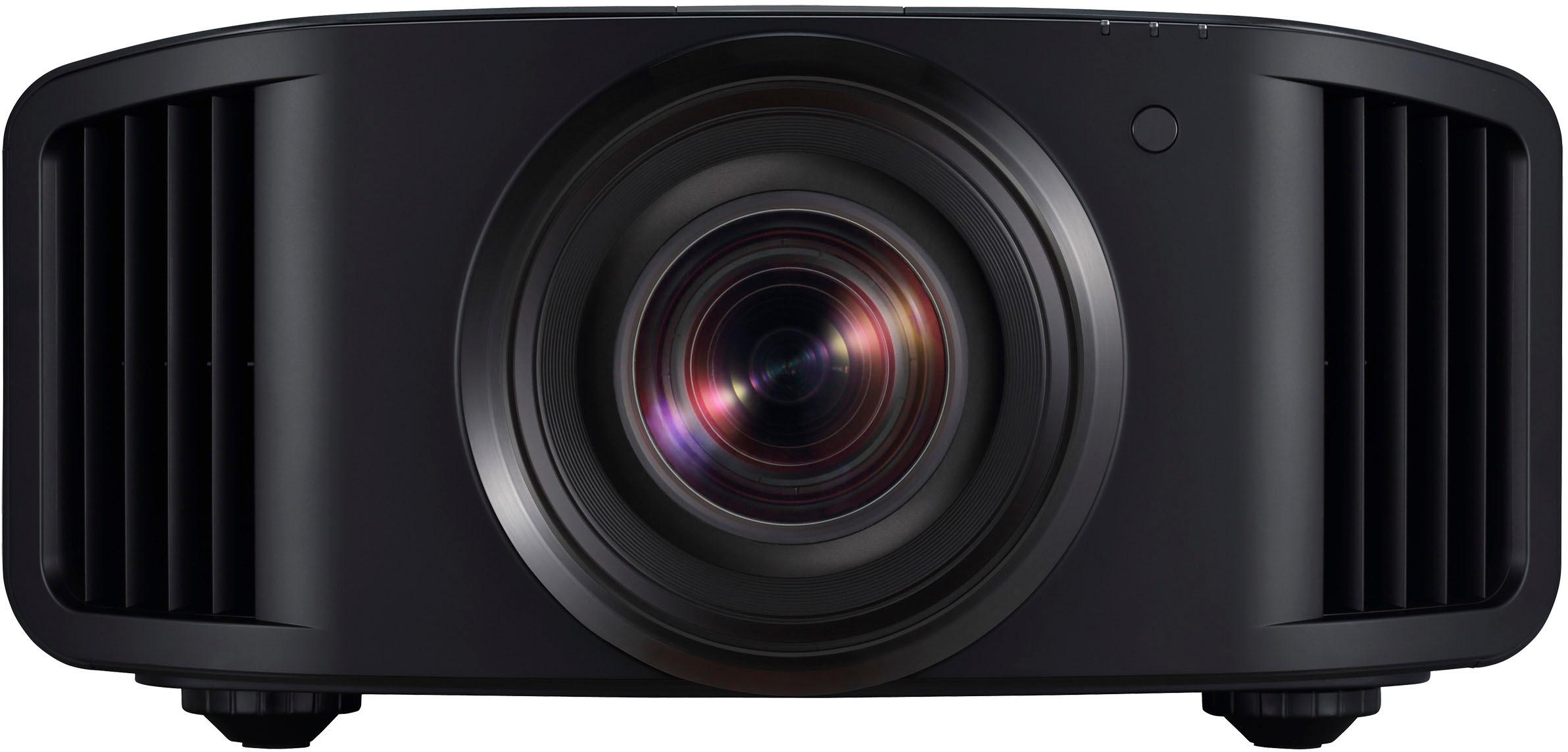
When you're ready to transform your living space into a proper home theater, the projector you choose becomes the heart of the entire experience. After spending considerable time researching these two very different approaches to home projection, I've found that the choice between the Epson Home Cinema 5050UB and JVC DLA-NZ9 really comes down to understanding what you value most: incredible performance at a reasonable price, or the absolute pinnacle of projection technology regardless of cost.
Before diving into these specific models, it's worth understanding what separates a great projector from merely a good one. The most critical factors that will determine your viewing experience are brightness (measured in lumens), contrast ratio (the difference between the darkest blacks and brightest whites), color accuracy, and resolution capability.
Brightness determines how well your projector performs with ambient light in the room. Higher brightness means you can watch content without making your space completely dark, though dedicated home theaters typically benefit from controlled lighting regardless. Contrast ratio is often more important than raw brightness for creating that cinematic "pop" that makes images feel three-dimensional rather than flat.
Color accuracy involves how faithfully the projector reproduces the colors that filmmakers intended, while resolution determines how sharp and detailed the image appears. Modern projectors use various technologies to achieve these goals, and understanding these differences helps explain why two projectors can have such different price points while both delivering excellent results.
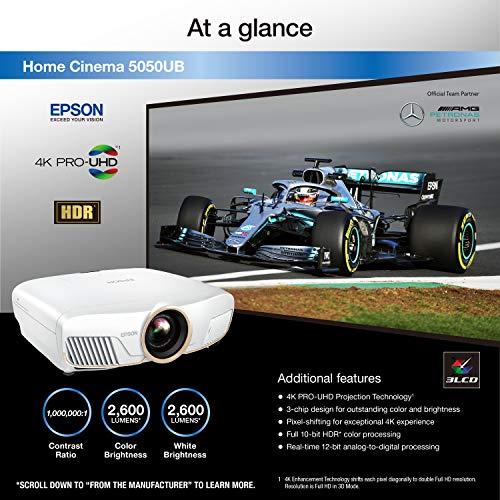
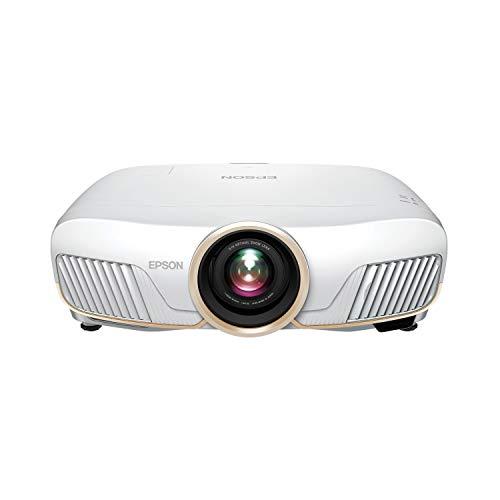
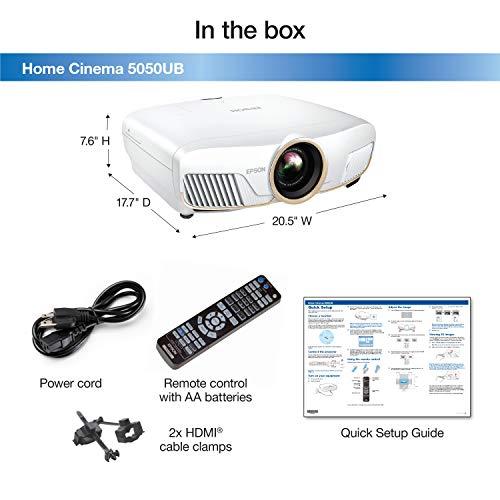
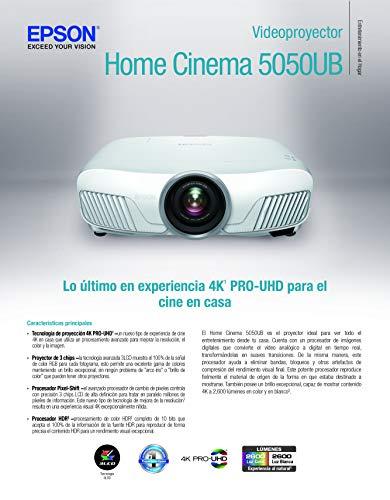
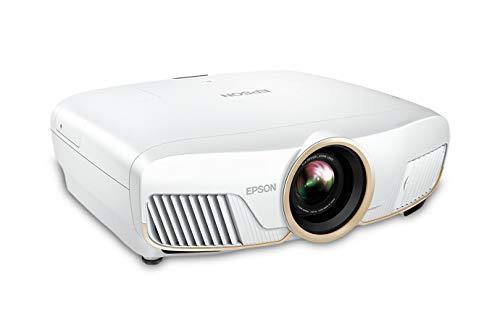
The Epson Home Cinema 5050UB, released in 2019, represents what I consider the sweet spot for serious home theater enthusiasts who want professional-level features without professional-level pricing. At the time of writing, it sits in the upper mid-range category, offering performance that would have cost many times more just a few years earlier.
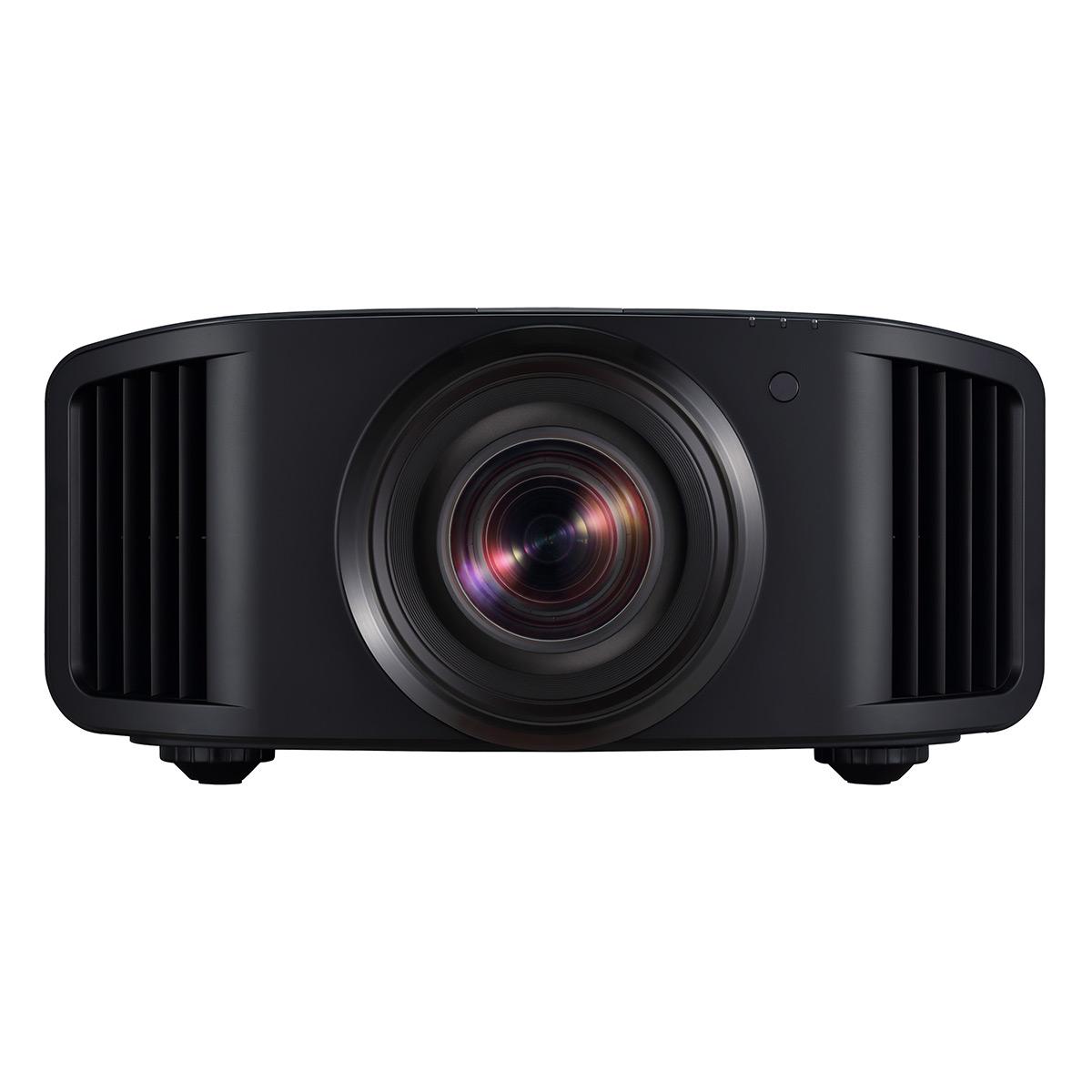
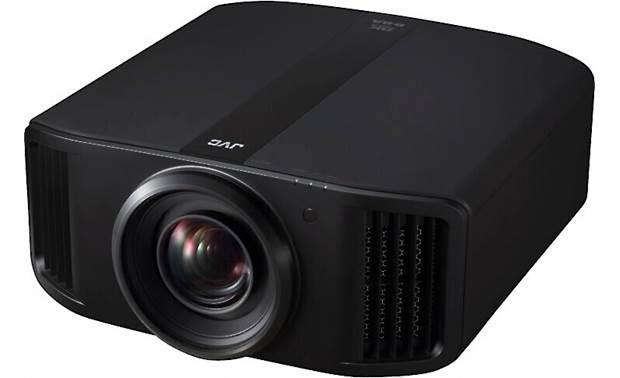
The JVC DLA-NZ9, launched in 2021, takes an entirely different approach. This flagship model represents JVC's no-compromise vision of what home projection should be, incorporating cutting-edge laser technology and true 8K capability that positions it in the premium luxury category.
The fundamental difference in philosophy shows immediately: Epson focused on delivering maximum value by using proven LCD technology with clever enhancements, while JVC built their projector around their proprietary D-ILA technology and next-generation features that anticipate future content standards.
The Epson 5050UB uses what's called 3LCD technology with three separate LCD panels—one each for red, green, and blue light. This approach eliminates the "rainbow effect" that some single-chip projectors can produce, where you might notice brief flashes of color when moving your eyes quickly across bright scenes. More importantly, 3LCD technology maintains full color brightness in all viewing modes, which means colors stay vibrant even when you adjust other picture settings.
To achieve 4K-like resolution from its native 1080p panels, Epson employs pixel-shifting technology. Think of this as rapidly moving each pixel diagonally by half a pixel width, effectively doubling the perceived resolution. While this isn't true 4K in the technical sense—it can't resolve single-pixel test patterns that native 4K displays can—the subjective sharpness improvement is substantial for real-world content viewing.
The JVC DLA-NZ9 takes a more direct approach with three native 4K D-ILA chips, each capable of true 4096 x 2160 resolution. D-ILA (Direct Drive Image Light Amplifier) is JVC's proprietary variant of liquid crystal on silicon (LCoS) technology, known for producing exceptionally smooth images without the pixel structure that's sometimes visible with LCD panels.
But JVC goes further with their 8K/e-shiftX technology, which shifts pixels in four directions at 240Hz to create over 35 million addressable pixels. This enables the projector to accept and display genuine 8K content at 8192 x 4320 resolution—making it one of the first consumer projectors capable of this feat.
The brightness difference between these projectors tells an interesting story about their intended use. The Epson 5050UB delivers 2,600 lumens of both color and white brightness, which is genuinely impressive for its class. This brightness level means you can enjoy excellent image quality even in rooms with some ambient light, making it perfect for family rooms or multi-purpose spaces where complete darkness isn't always practical.
The JVC DLA-NZ9 produces 3,000 lumens from its BLU-Escent laser light source, but here's where the story gets interesting. While the JVC is brighter on paper, D-ILA technology is inherently less efficient in bright environments compared to LCD. The JVC really shines in dark, controlled theater environments where its superior contrast can work its magic.
The laser light source in the JVC provides two major advantages: it maintains consistent brightness throughout its 20,000-hour lifespan, and it eliminates the need for lamp replacements entirely. The Epson uses a traditional high-pressure mercury lamp that will need replacement every 3,500 to 5,000 hours, depending on usage patterns and brightness settings.
This is where these two projectors really diverge, and understanding contrast performance is crucial for appreciating what you're getting. Both projectors claim 100,000:1 native contrast ratios, but they achieve this through very different means and with very different real-world results.
The Epson 5050UB uses what Epson calls UltraBlack technology—a proprietary compensation filter that controls light polarization to reduce internal light leakage. Combined with a high-speed auto iris that dynamically adjusts based on image content, it can achieve impressive black levels for LCD technology. In practice, this means dark scenes have genuine depth rather than appearing washed out or gray.
The JVC DLA-NZ9 approaches contrast through the inherent advantages of D-ILA technology. D-ILA panels can achieve much deeper black levels than traditional LCD because of how they control light at the pixel level. Expert reviews consistently praise JVC's D-ILA projectors for producing blacks that rival OLED televisions—a remarkable achievement for projection technology.
The practical difference is significant. While the Epson delivers excellent contrast for its price point, the JVC produces those reference-quality blacks that make dark movie scenes feel genuinely immersive rather than simply watchable.
Color performance reveals another philosophical difference between these projectors. The Epson 5050UB produces colors that are immediately impressive—vibrant, saturated, and punchy in a way that makes content pop off the screen. This is partly due to 3LCD technology's inherent color brightness advantage, which maintains color intensity across all brightness levels.
The Epson covers wide color gamuts including DCI-P3 (the cinema standard) and offers full 10-bit color processing. It also includes 16-step Precision HDR adjustment, allowing you to fine-tune how HDR content appears based on your preferences and room conditions.
The JVC DLA-NZ9 takes a more reference-oriented approach. With its Cinema Filter engaged, it can reproduce nearly 100% of the DCI-P3 color space with exceptional accuracy. This means colors appear exactly as filmmakers intended them, which sometimes means they're more subtle than the immediately impressive colors from LCD projectors.
The JVC supports HDR10+ with Frame Adapt HDR Generation 2 and Theater Optimizer—advanced processing that analyzes each frame of HDR content and adjusts the tone mapping in real time. This results in HDR performance that adapts to the specific characteristics of each scene, rather than applying a one-size-fits-all approach.
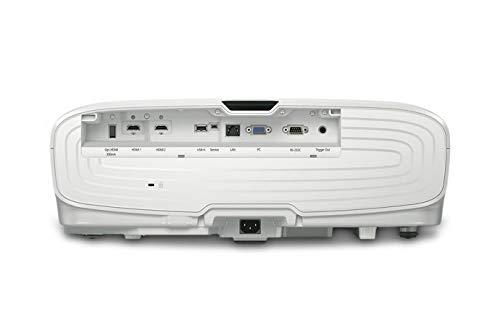
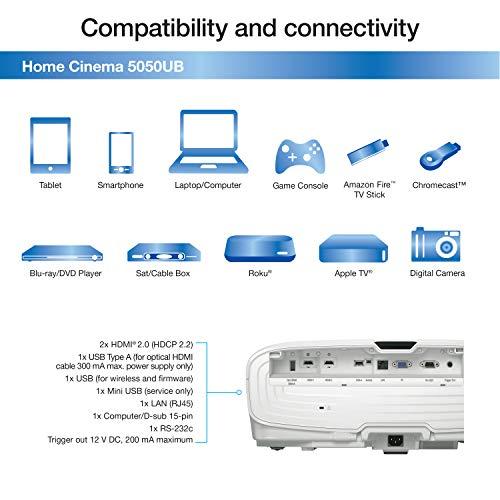
Here's where the generational difference between these projectors becomes most apparent. The Epson 5050UB, released in 2019, includes HDMI 2.0 inputs that support 4K content at 60Hz. Input lag measures around 22-30 milliseconds, which is acceptable for casual gaming but not ideal for competitive play.
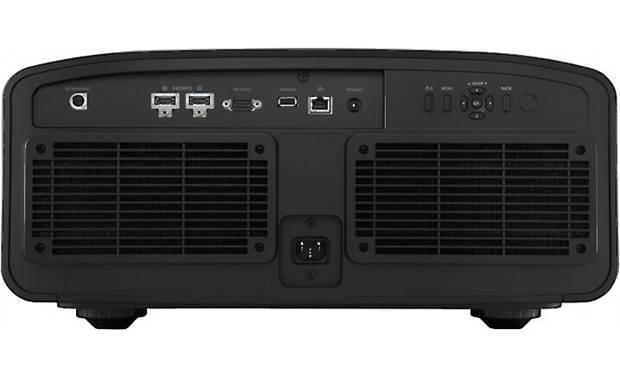
The JVC DLA-NZ9 was designed with next-generation gaming in mind. Its dual 48Gbps HDMI 2.1 inputs support 4K gaming at 120Hz, which is perfect for PlayStation 5 and Xbox Series X consoles. The projector also includes a dedicated Low Latency mode that optimizes processing for reduced input lag.
For anyone planning to use their projector for gaming, especially with modern consoles, the JVC's capabilities represent a significant advantage. The ability to display 4K games at 120Hz with reduced latency creates a much more responsive gaming experience.
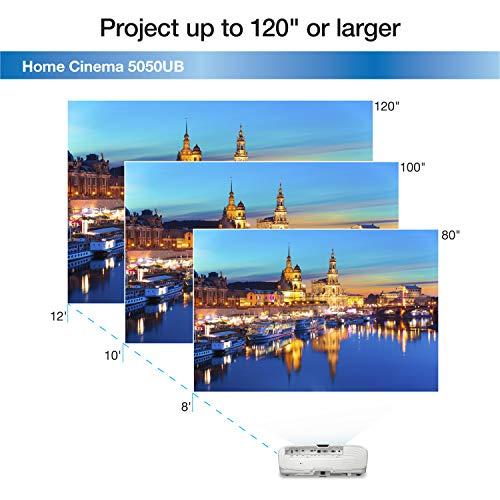
Both projectors offer excellent installation flexibility, but with different practical implications. The Epson 5050UB weighs about 22 pounds and can be mounted using standard projector mounts. Its 2.1x motorized zoom and extensive lens shift (±96% vertical, ±47% horizontal) provide significant placement flexibility.
The JVC DLA-NZ9 is a much more substantial piece of equipment at nearly 56 pounds, requiring heavy-duty mounting solutions. However, its premium 100mm all-glass lens with 18 elements and full aluminum barrel is designed specifically to resolve fine detail across the entire image area—something that becomes crucial when displaying true 4K or 8K content.
Both projectors include lens memory functions, which let you save different zoom, focus, and lens shift settings for various aspect ratios. This is particularly useful if you watch both standard 16:9 content and ultra-wide 2.35:1 movies on the same screen.
At the time of writing, these projectors represent vastly different investment levels. The Epson 5050UB sits in the mid-range enthusiast category, while the JVC DLA-NZ9 commands premium luxury pricing—roughly eight times the cost of the Epson.
From a pure performance-per-dollar perspective, the Epson is difficult to beat. It delivers image quality that was considered reference-level just a few years ago, with excellent brightness, good contrast, and vibrant colors that work well in various viewing environments.
The JVC justifies its premium through absolute performance leadership and future-ready features. If budget isn't a primary constraint, the JVC delivers image quality that approaches commercial cinema standards, with true 4K resolution, exceptional contrast, reference-accurate colors, and 8K capability for emerging content.
There's also the long-term cost consideration. While the JVC has a much higher upfront cost, its 20,000-hour laser eliminates lamp replacement expenses that the Epson will incur every few years.
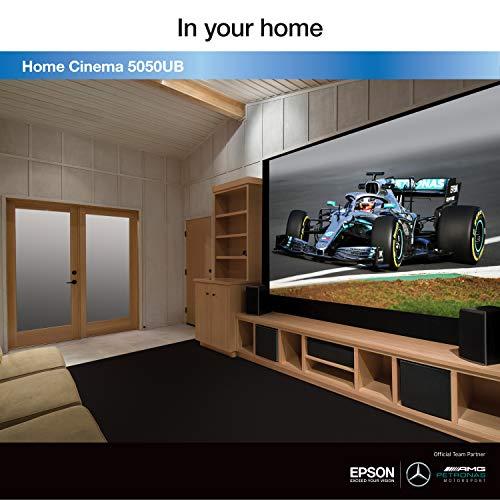
Your physical space significantly influences which projector makes sense. The Epson 5050UB excels in versatile environments—family rooms, bonus rooms, or dedicated theaters that sometimes need ambient lighting. Its high color brightness means it maintains good color saturation even when you can't achieve complete darkness.
The JVC DLA-NZ9 reaches its full potential in dedicated, light-controlled theater environments. While it performs well in various conditions, you won't appreciate its superior contrast and color accuracy without proper light control. If you're building a dedicated theater space with proper acoustic treatment and light control, the JVC's capabilities become much more meaningful.
After extensive research into user experiences and expert opinions, clear patterns emerge about who should choose which projector.
Choose the Epson Home Cinema 5050UB if you want flagship-level features without flagship pricing. It's perfect for enthusiasts who appreciate high-quality images but need versatility for different viewing conditions. The Epson works excellently for mixed usage—movies, sports, casual gaming—in rooms that aren't completely optimized for projection.
Choose the JVC DLA-NZ9 if you're building a no-compromise home theater and want the absolute best image quality available. It's ideal for cinephiles who prioritize contrast, color accuracy, and future-ready features like 8K capability and high-refresh gaming. The JVC makes sense when you have a dedicated theater space and the budget to match your aspirations.
The decision often comes down to whether you're looking for excellent performance at great value, or the absolute pinnacle of home projection technology. Both projectors excel at their intended roles, but they serve very different audiences and use cases.
In my evaluation, the Epson represents the better choice for most people building their first serious home theater, while the JVC is the clear winner for those seeking reference-quality performance regardless of cost. Understanding your space, usage patterns, and long-term goals will guide you toward the right choice for your specific situation.
| Epson Home Cinema 5050UB | JVC DLA-NZ9 |
|---|---|
| Display Technology - Determines image quality fundamentals | |
| 3LCD with pixel-shifting for 4K enhancement | Native 4K D-ILA with 8K e-shiftX capability |
| Native Resolution - True detail capability without enhancement | |
| 1920 x 1080 (enhanced to 4K via pixel-shifting) | 4096 x 2160 (true 4K, expandable to 8K) |
| Brightness - Critical for ambient light performance | |
| 2,600 lumens (excellent for mixed lighting rooms) | 3,000 lumens (optimized for dark theaters) |
| Contrast Ratio - Most important for cinematic black levels | |
| 100,000:1 native with UltraBlack technology | 100,000:1 native with superior D-ILA blacks |
| Light Source - Affects maintenance and longevity | |
| UHP lamp (3,500-5,000 hour lifespan) | BLU-Escent laser (20,000 hour maintenance-free) |
| HDR Support - Essential for modern content | |
| HDR10 with 16-step precision adjustment | HDR10+ with Frame Adapt HDR Generation 2 |
| Gaming Features - Important for console compatibility | |
| HDMI 2.0, 4K/60Hz, ~25ms input lag | HDMI 2.1, 4K/120Hz, low latency mode |
| Color Gamut Coverage - Determines color accuracy | |
| Wide color gamut with vibrant 3LCD colors | 100% DCI-P3 with cinema-reference accuracy |
| Lens System - Affects installation flexibility | |
| 2.1x motorized zoom with extensive lens shift | Premium 100mm all-glass lens, 2x zoom |
| Weight and Size - Installation considerations | |
| 22 lbs (standard mounting compatible) | 56 lbs (requires heavy-duty mounting) |
| Noise Level - Important for quiet theater environments | |
| 20-31 dB depending on mode | 24 dB minimum (quieter laser operation) |
| Warranty Coverage - Protection for your investment | |
| 2-year standard warranty | 3-year warranty with advanced replacement |
| Target Market - Best suited for different users | |
| Enthusiast home theater with versatile room use | Premium dedicated theater with controlled lighting |
| Key Strength - What each does exceptionally well | |
| Outstanding value with flagship features at mid-range pricing | Reference-quality image with true 4K/8K and future-ready features |
For dedicated home theaters with controlled lighting, the JVC DLA-NZ9 delivers superior performance with true 4K resolution, exceptional black levels, and reference-quality color accuracy. However, the Epson Home Cinema 5050UB offers excellent home theater performance at a much lower price point, making it the better choice for most buyers who want flagship features without premium pricing.
The primary difference is display technology and price positioning. The Epson 5050UB uses 3LCD technology with pixel-shifting to create 4K-enhanced images, while the JVC DLA-NZ9 features native 4K D-ILA chips with true 8K capability. The JVC represents premium flagship performance, while the Epson focuses on delivering maximum value in the enthusiast segment.
The Epson Home Cinema 5050UB performs better in rooms with ambient light despite having slightly lower peak brightness. Its 3LCD technology maintains vibrant colors even in brighter conditions, making it more versatile for family rooms or multi-purpose spaces. The JVC DLA-NZ9 is optimized for dark theater environments where its superior contrast can shine.
Both support 4K gaming, but with important differences. The Epson 5050UB handles 4K gaming at 60Hz through HDMI 2.0 with decent input lag for casual gaming. The JVC DLA-NZ9 excels for serious gaming with HDMI 2.1 support for 4K/120Hz gaming, low latency mode, and compatibility with next-generation consoles like PlayStation 5 and Xbox Series X.
The JVC DLA-NZ9 delivers significantly superior contrast and black levels thanks to its D-ILA technology, which produces deep blacks comparable to OLED displays. While the Epson Home Cinema 5050UB offers good contrast with its UltraBlack technology and dynamic iris, it cannot match the JVC's reference-quality dark scene performance.
The JVC DLA-NZ9 uses a maintenance-free laser light source rated for 20,000 hours of operation. The Epson 5050UB requires lamp replacement every 3,500-5,000 hours. While the Epson has lower upfront costs, the JVC eliminates ongoing lamp replacement expenses over its lifetime.
The Epson Home Cinema 5050UB provides exceptional value, delivering flagship-level features at a mid-range price point. It offers roughly 80% of the image quality of premium projectors for a fraction of the cost. The JVC DLA-NZ9 offers better absolute performance but at a significant price premium that's only justified for no-compromise theater setups.
Only the JVC DLA-NZ9 can display true 8K content through its 8K/e-shiftX technology, making it future-ready for emerging 8K media. The Epson 5050UB is limited to 4K-enhanced content through pixel-shifting and cannot process native 8K signals.
The Epson Home Cinema 5050UB is easier to install at 22 pounds with standard mounting requirements and straightforward setup. The JVC DLA-NZ9 weighs 56 pounds and requires heavy-duty mounting solutions, though both offer motorized lens adjustments and extensive installation flexibility once properly mounted.
The Epson 5050UB produces immediately impressive, vibrant colors that work well for varied content types. The JVC DLA-NZ9 focuses on reference-accurate color reproduction with 100% DCI-P3 coverage and cinema-grade calibration. The Epson emphasizes color impact, while the JVC prioritizes color accuracy.
Both projectors operate relatively quietly, with the JVC DLA-NZ9 slightly quieter at 24dB minimum due to its efficient laser cooling system. The Epson Home Cinema 5050UB ranges from 20-31dB depending on brightness mode, with acceptable noise levels for most home theater environments.
The Epson 5050UB excels in versatile spaces like family rooms, bonus rooms, or theaters that sometimes have ambient light. The JVC DLA-NZ9 performs best in dedicated, light-controlled theater environments where you can fully appreciate its superior contrast and color accuracy. Choose the Epson for flexibility or the JVC for ultimate performance in optimal conditions.
We've done our best to create useful and informative comparisons to help you decide what product to buy. Our research uses advanced automated methods to create this comparison and perfection is not possible - please contact us for corrections or questions. These are the sites we've researched in the creation of this article: rtings.com - audiogurus.com - hometechnologyreview.com - projectorscreen.com - youtube.com - thesmarthomehookup.com - techgearlab.com - rtings.com - projectorreviews.com - projectorreviews.com - projectorreviews.com - projectorcentral.com - avsforum.com - avsforum.com - rtings.com - avsforum.com - audiogeneral.com - hifiheaven.net - manuals.plus - crutchfield.com - mediaserver.goepson.com - projectorcentral.com - epson.com - bestbuy.com - projectorreviews.com - projectorcentral.com - whathifi.com - soundandvision.com - worldwidestereo.com - projectorreviews.com - worldwidestereo.com - us.jvc.com - crutchfield.com - abtvaustin.com - valueelectronics.com - projectorcentral.com

Privacy Policy
Terms and Conditions - Affiliate Policy
Home Security
© Copyright 2008-2026.
11816 Inwood Rd #1211, Dallas, TX 75244