

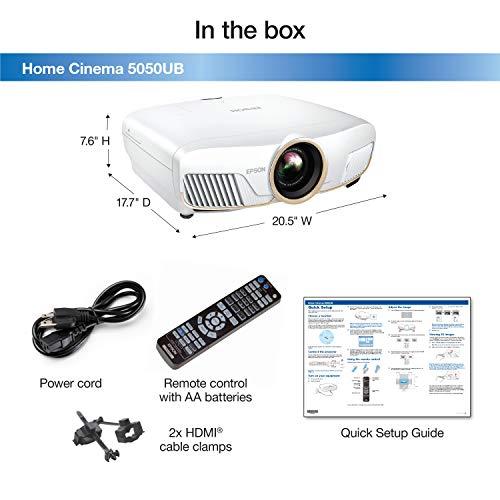
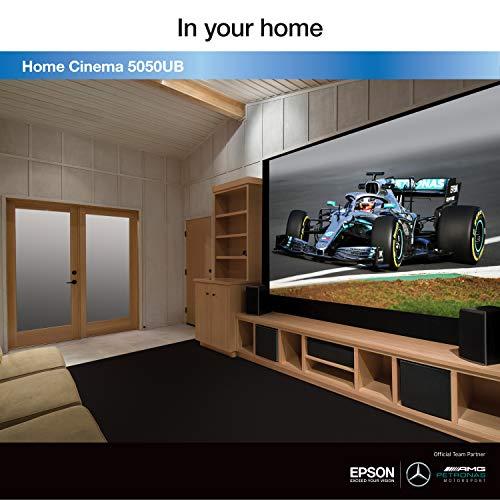
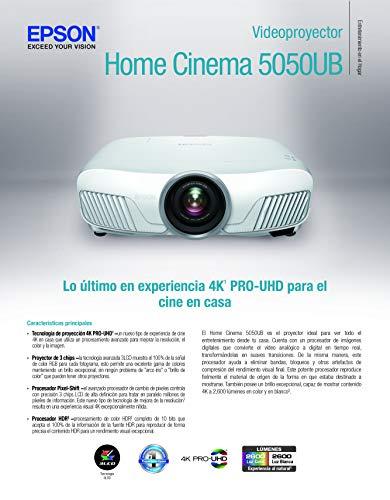
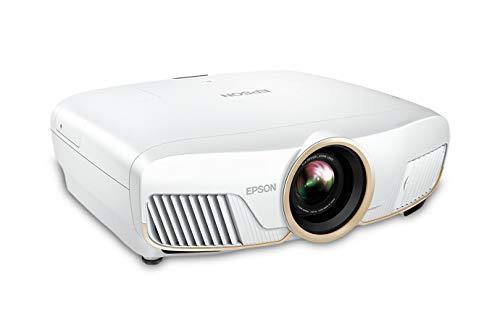
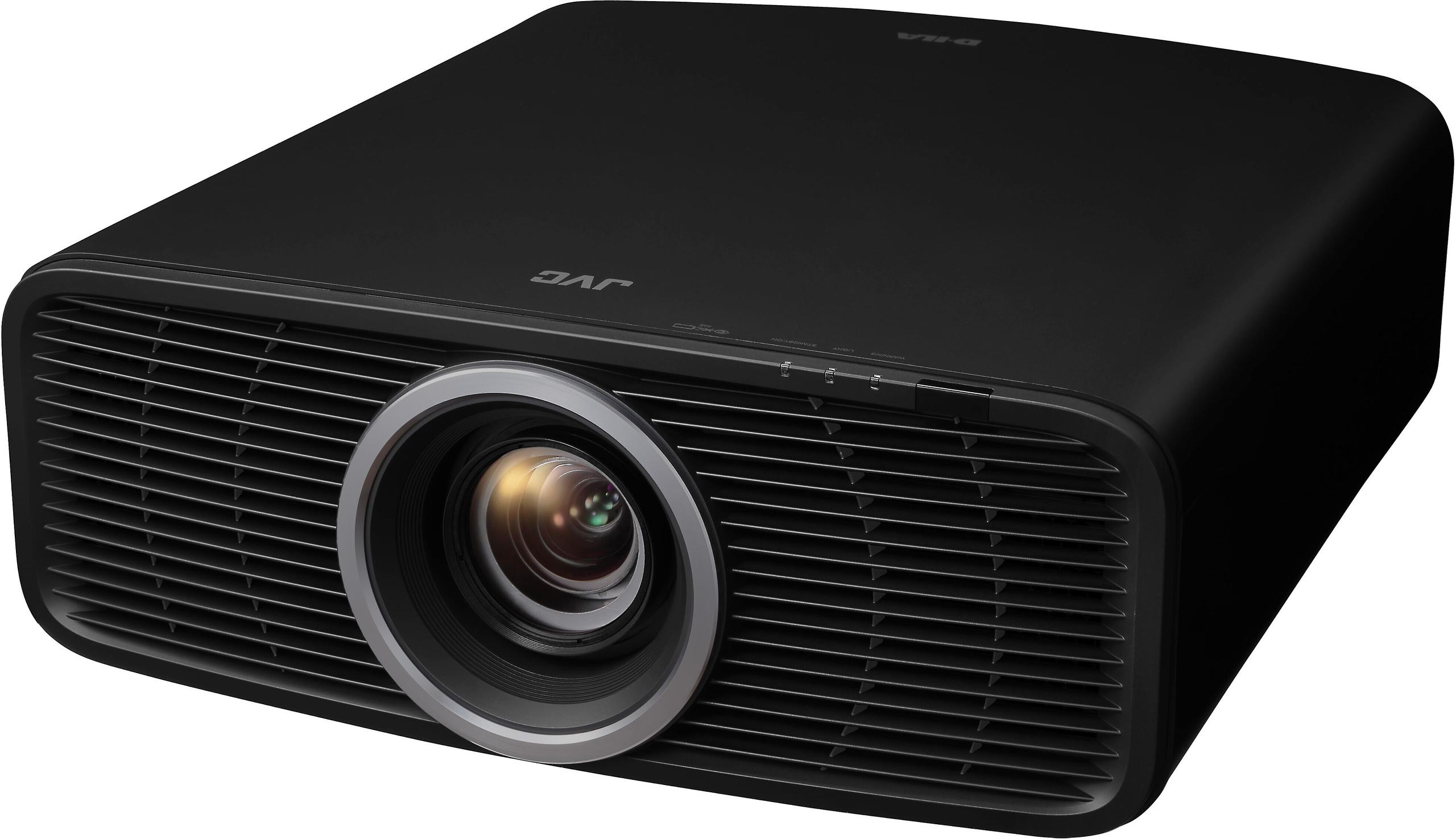
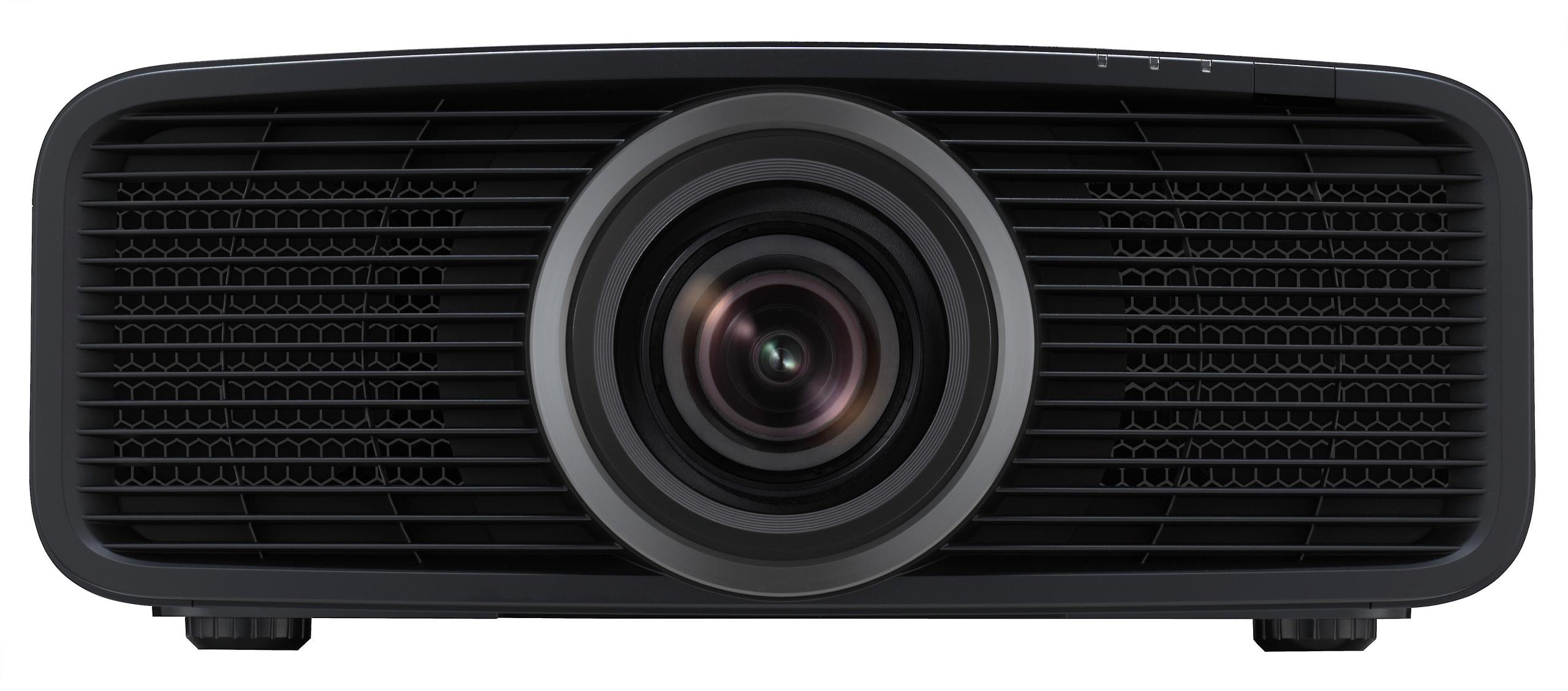
When you're ready to transform your living room or basement into a proper home theater, the projector you choose becomes the heart of the entire experience. We're comparing two excellent options that represent different philosophies in premium projection: the Epson Home Cinema 5050UB, which uses clever pixel-shifting technology to create 4K-like images from a 1080p base, and the JVC DLA-NZ700, which delivers true native 4K resolution through advanced laser technology.
At the time of writing, these projectors are separated by roughly $5,500 in price—a substantial difference that reflects fundamentally different approaches to achieving cinema-quality images in your home. The question isn't just which one performs better, but whether the premium option justifies its significantly higher cost for your specific situation.
Premium home theater projectors occupy a sweet spot between consumer-friendly models and professional cinema equipment. They typically cost between $3,000 and $10,000, targeting serious enthusiasts who want the largest possible screen experience without compromising on image quality.
The key considerations that separate these projectors from cheaper alternatives include native resolution capabilities, contrast performance (how deep blacks can get while maintaining bright highlights), color accuracy across the entire spectrum, and long-term reliability. Unlike portable projectors or basic home models, premium units assume you're building a dedicated viewing space where image quality matters more than convenience features.
What makes this comparison particularly interesting is that both projectors can display 4K content beautifully, but they achieve this through completely different technical approaches—and those differences have real-world implications for your viewing experience.
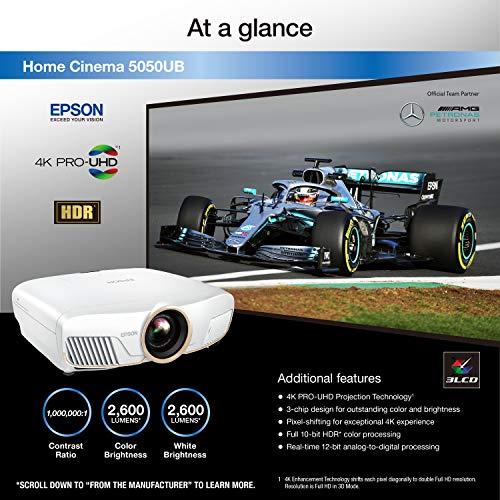
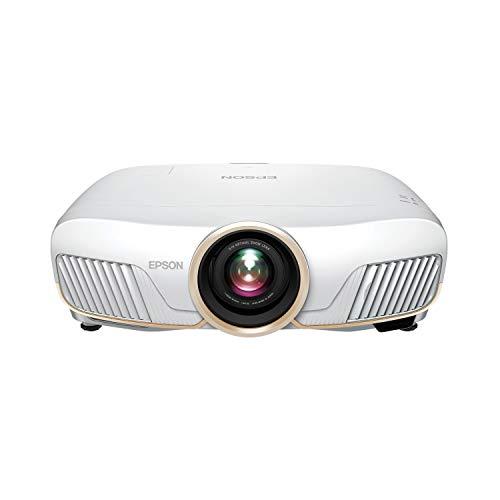
The Epson Home Cinema 5050UB, released in 2019, represents the pinnacle of what's called "4K enhancement" technology. Rather than using a native 4K imaging chip, it employs three 1080p LCD panels combined with a high-speed pixel-shifting mechanism. This system literally moves pixels diagonally by half a pixel width thousands of times per second, effectively doubling the apparent resolution to create what Epson calls "4K PRO-UHD."
This pixel-shifting approach is remarkably effective. In practice, the 5050UB produces images that appear genuinely 4K to most viewers at typical seating distances. However, it's not technically native 4K—if you displayed a test pattern with single-pixel details, the projector couldn't resolve every individual element. For real-world content like movies and TV shows, this limitation rarely matters.
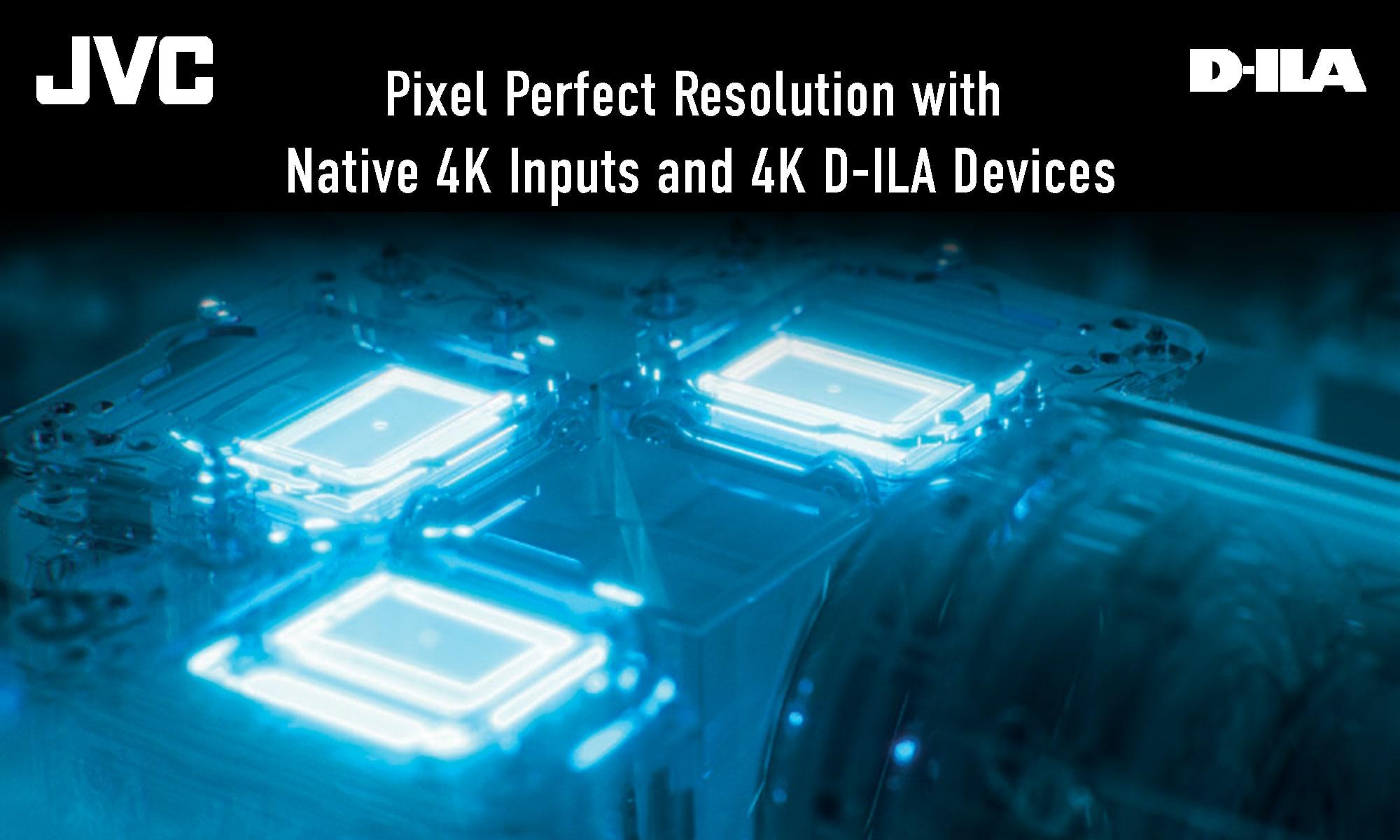
The JVC DLA-NZ700, launched in 2024, takes the opposite approach with true native 4K resolution. Its 0.69-inch D-ILA (Direct-drive Image Light Amplification) chips physically contain over 8.8 million individual pixels arranged in a 4096×2160 grid. D-ILA technology is essentially JVC's version of LCD technology, but with significantly better contrast characteristics than traditional LCD panels.
This native resolution advantage becomes most apparent in detailed scenes—architectural shots with fine lines, text overlays, or complex patterns where every pixel matters. The JVC can display these elements with perfect clarity, while pixel-shifting systems sometimes show subtle softness or artifacts.
Perhaps the most significant practical difference between these projectors lies in their light sources, which directly impacts both performance and long-term costs.
The Epson 5050UB uses a traditional Ultra High Efficiency (UHE) lamp—essentially a very bright, specialized light bulb. This 250-watt lamp produces an impressive 2,600 lumens of brightness, making it suitable for rooms that can't achieve complete darkness. However, traditional lamps have inherent limitations: they gradually dim over their 3,500-5,000 hour lifespan, they require several minutes to warm up and cool down, and they need periodic replacement at a cost of several hundred dollars.
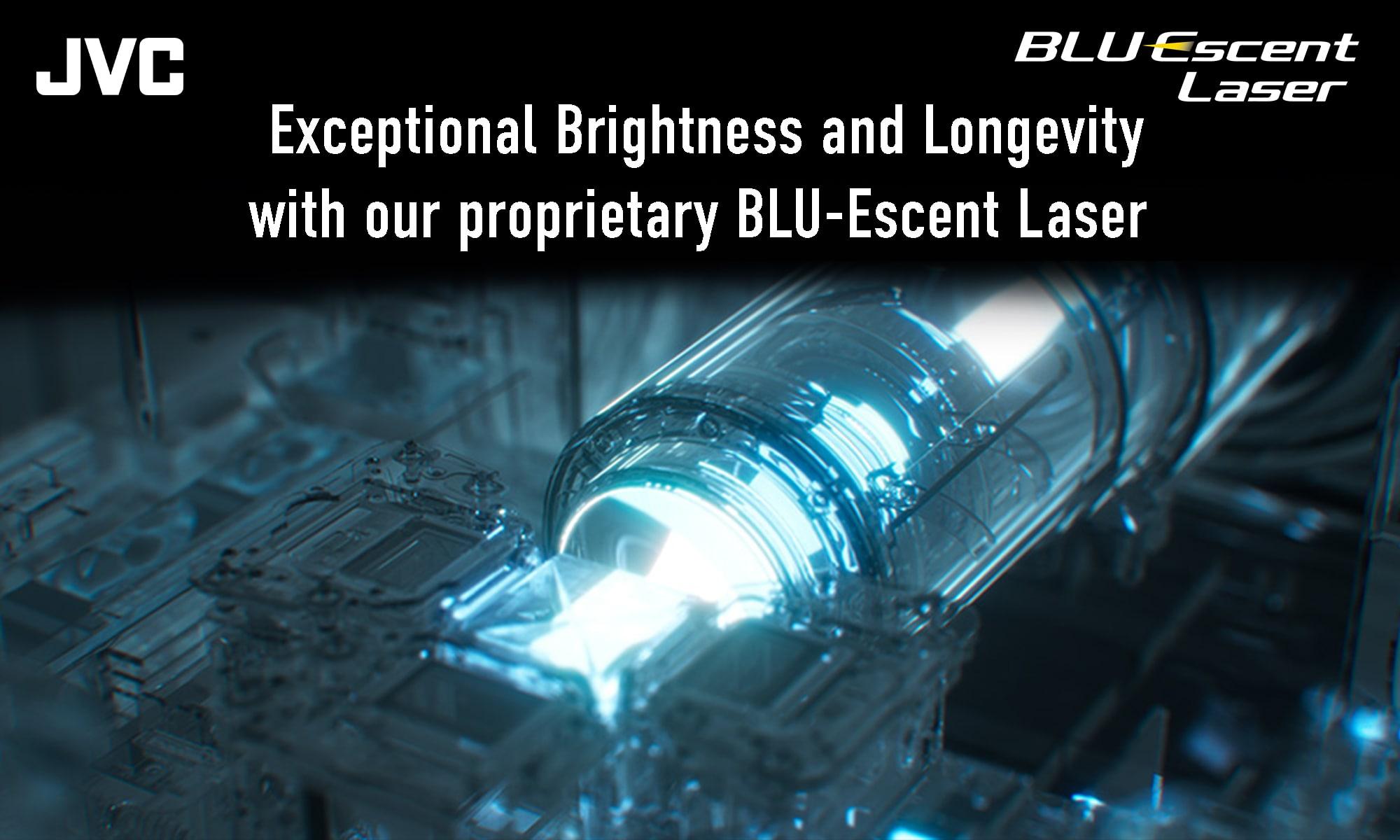
The JVC DLA-NZ700 employs JVC's proprietary BLU-Escent laser technology, using blue laser diodes to generate light. This laser system produces 2,300 lumens—slightly less than the Epson—but offers transformational advantages in usability. Lasers provide instant on/off operation, maintain consistent brightness throughout their 20,000+ hour lifespan, and require zero maintenance. The laser also enables more precise control over light output, with 101 discrete brightness levels compared to traditional step-based lamp dimming.
From a total cost of ownership perspective, the laser's advantages compound over time. While replacement lamps for the Epson might cost $300-400 every few years, the JVC's laser should outlast multiple traditional projectors without any maintenance costs.
Contrast ratio—the difference between the darkest blacks and brightest whites a projector can simultaneously display—arguably matters more than any other specification for cinematic image quality. This is where these two projectors show their most significant performance differences.
The JVC DLA-NZ700 achieves an 80,000:1 native contrast ratio through its D-ILA technology. D-ILA panels can block light more effectively than traditional LCD, resulting in genuinely deep blacks that preserve shadow detail without crushing darker elements in the image. Real-world testing suggests the JVC often exceeds its rated specifications, with some measurements approaching 90,000:1 native contrast.
Native contrast means the projector achieves these black levels without any mechanical assistance—it's purely the imaging technology's ability to control light passage. This results in stable, consistent performance across all content types.
The Epson 5050UB claims a dramatically higher 1,000,000:1 contrast ratio, but this figure represents dynamic contrast achieved through iris adjustments and lamp dimming. The projector's UltraBlack technology does genuinely improve LCD's inherent contrast limitations, but the base native contrast remains much lower than the JVC.
Dynamic contrast systems work by analyzing the image content and mechanically adjusting light output—closing an iris during dark scenes or dimming the lamp for better blacks. While effective, this approach can sometimes create visible brightness shifts during transitions or scenes with mixed light levels.
In practical terms, the JVC's superior native contrast translates to more convincing nighttime scenes, better shadow detail in bright scenes, and an overall sense of image depth that's difficult to achieve with dynamic contrast alone.
High Dynamic Range (HDR) content represents the current frontier in home video, offering expanded contrast and color compared to traditional Standard Dynamic Range (SDR) material. Both projectors handle HDR well, but with different strengths.
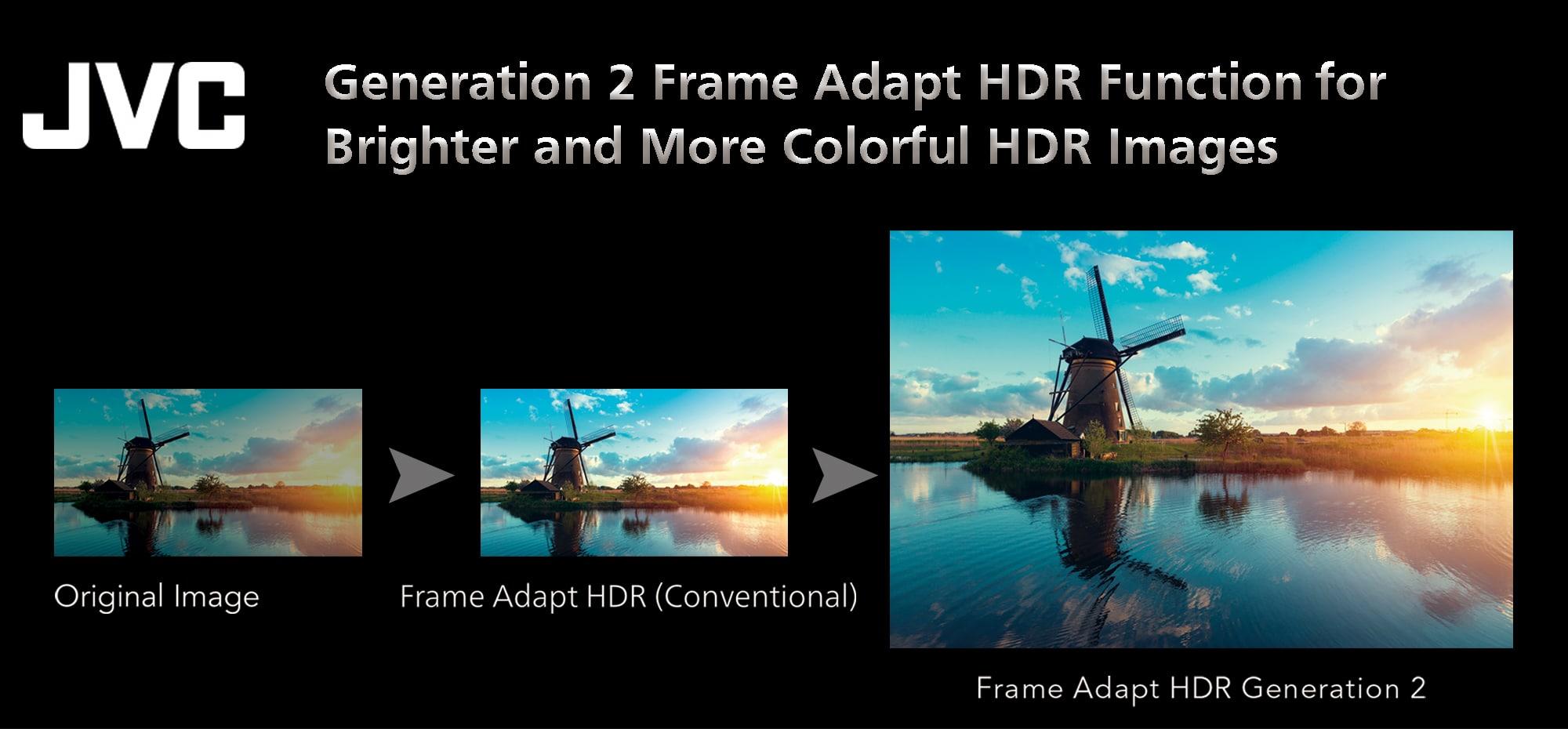
The JVC DLA-NZ700 supports HDR10, HLG (Hybrid Log-Gamma), and crucially, HDR10+. HDR10+ provides dynamic metadata—information that optimizes the image on a scene-by-scene basis rather than using static settings for entire movies. JVC's Frame Adapt HDR technology analyzes this metadata and adjusts tone mapping in real-time, producing more accurate HDR representation than static tone curves.
The projector's Deep Black Tone Control further enhances HDR performance by extending dark tone detail without crushing shadows—particularly valuable since projectors inherently have lower peak brightness than HDR TVs, requiring more sophisticated tone mapping to maintain the director's intent.
The Epson 5050UB handles HDR10 and HLG content with its Precision HDR Adjustment system, offering 16-step control over HDR tone mapping. While not as sophisticated as the JVC's dynamic system, it provides enough flexibility to optimize most HDR content for the projector's capabilities.
Both projectors cover wide color gamuts, with the JVC offering 12-bit color processing compared to the Epson's 10-bit system. In practice, both deliver excellent color accuracy, though the JVC has slight advantages in color gradation smoothness.
Premium projectors need to accommodate various room configurations, and both models offer extensive installation flexibility through their lens systems.
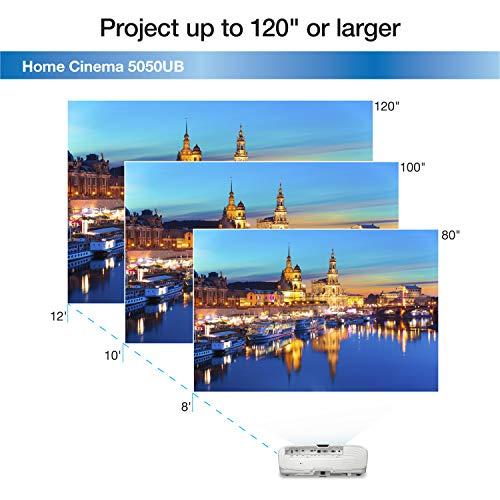
The Epson 5050UB provides a 2.1:1 motorized zoom range—meaning you can double the image size without moving the projector. Its lens shift capabilities are particularly impressive: ±96% vertical and ±47% horizontal adjustment. This extreme flexibility means you can place the projector significantly off-center or above/below the screen and still achieve perfect image alignment. The Epson can also project images up to 300 inches diagonal, making it suitable for very large installations.
The JVC DLA-NZ700 offers a more modest 1.6:1 zoom ratio but compensates with an 80mm high-quality lens featuring 15 optical elements. Its lens shift provides ±70% vertical and ±28% horizontal adjustment—less than the Epson but sufficient for most installations. The JVC's maximum image size is 200 inches, which covers the vast majority of home theater applications.
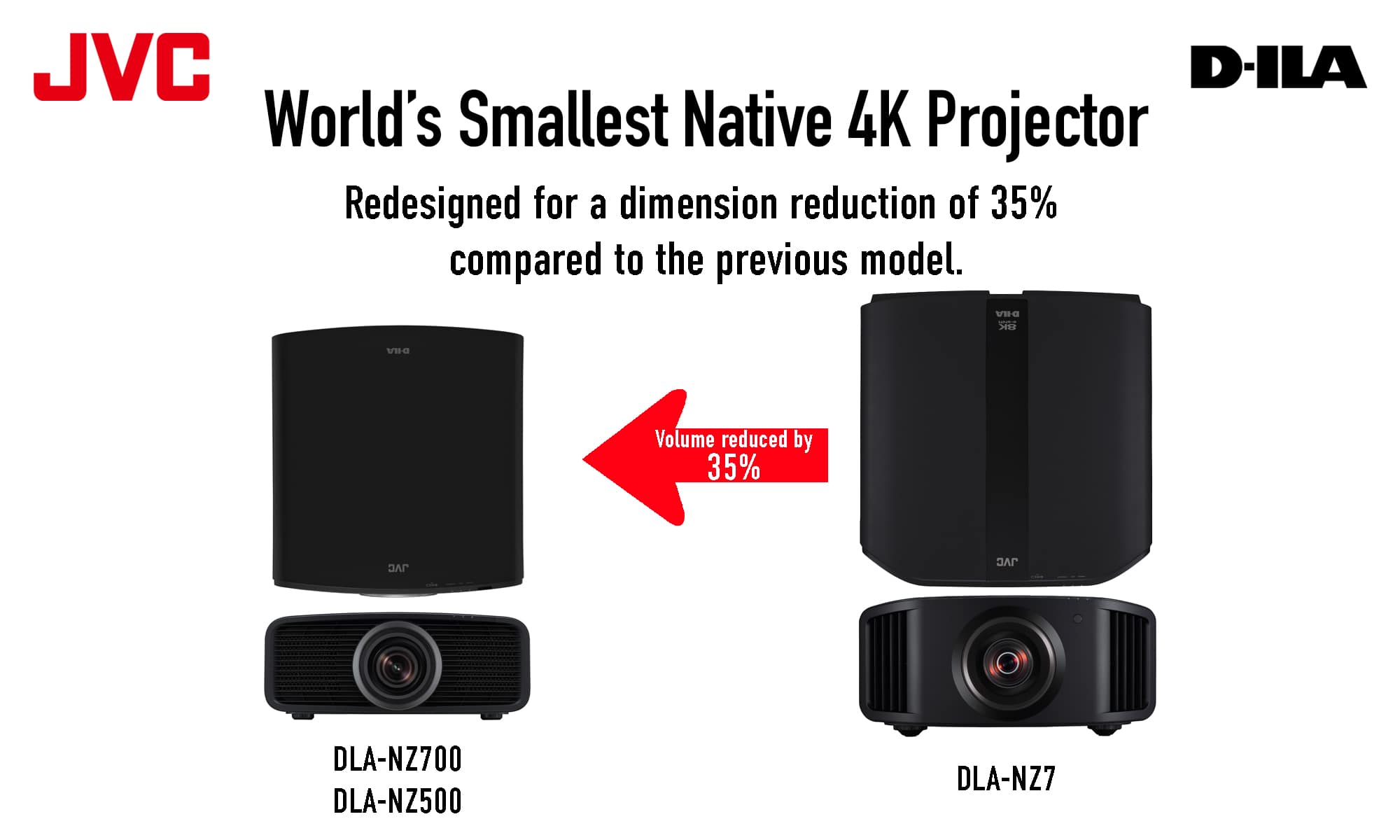
Perhaps more importantly, the JVC represents JVC's smallest native 4K projector ever, making it easier to integrate into rooms where space is at a premium. Its compact design also simplifies ceiling mounting and reduces visual intrusion.
The brightness difference between these projectors—300 lumens in favor of the Epson—has real-world implications for room flexibility.
The Epson 5050UB at 2,600 lumens can handle rooms with some ambient light, making it suitable for multi-purpose spaces that serve as both family rooms and theaters. This higher brightness also helps when projecting very large images where every lumen counts.
The JVC DLA-NZ700 at 2,300 lumens provides adequate brightness for most applications, but its optimal performance emerges in properly light-controlled environments. In its calibrated "Natural" mode, the JVC produces around 1,700 lumens—sufficient for screens up to 130-140 inches in dark rooms, but requiring good light control for best results.
However, brightness isn't everything. The JVC's superior contrast means its images often appear more vibrant and punchy than the Epson's even at lower absolute brightness levels, because contrast contributes significantly to perceived image quality.
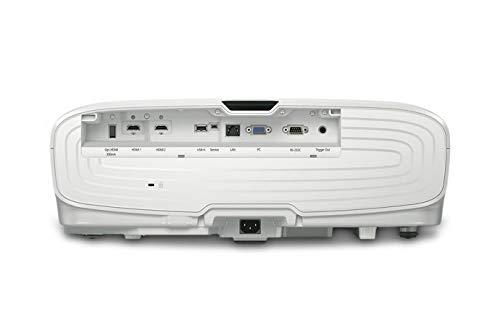
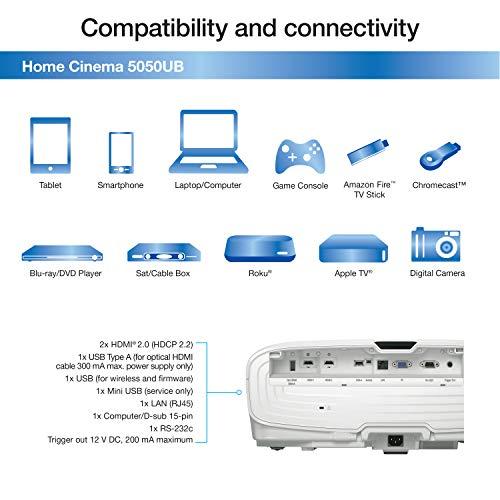
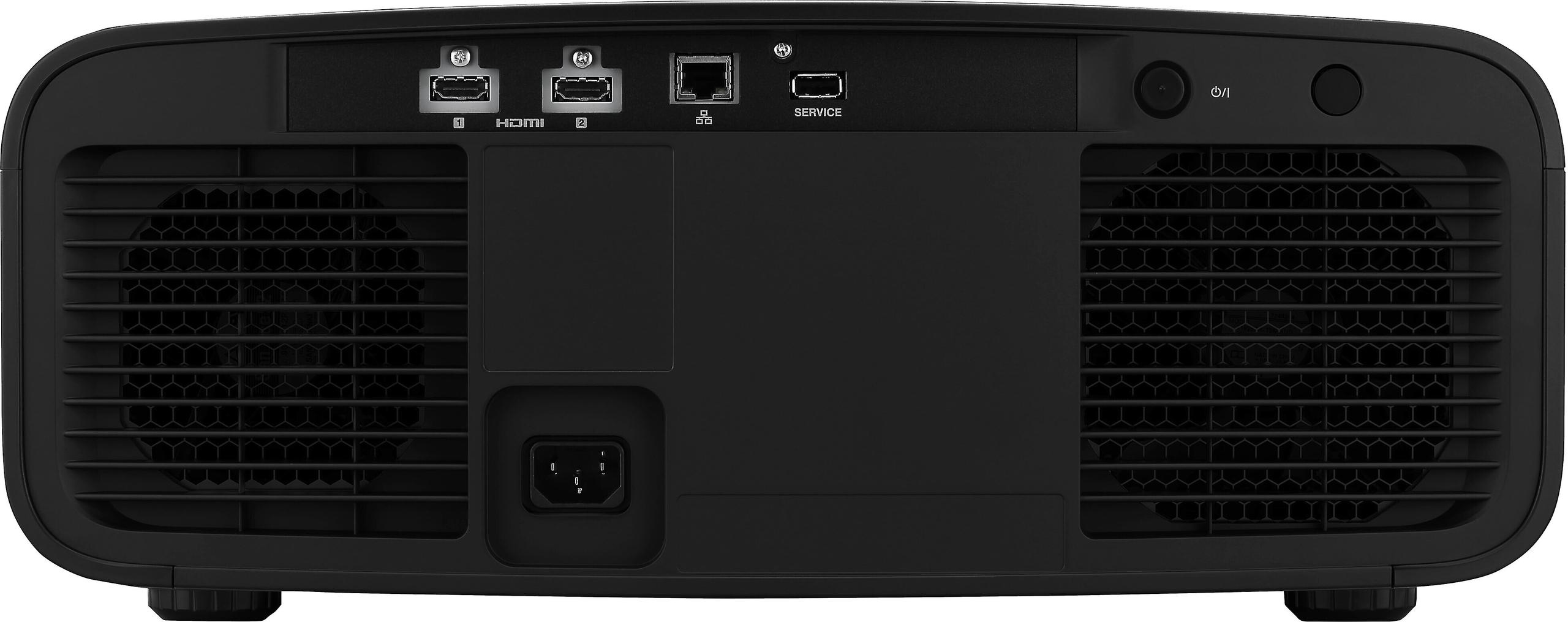
Neither projector includes meaningful built-in audio—both assume you're building a proper surround sound system. The JVC DLA-NZ700 provides two HDMI 2.0 inputs, which handle 4K/60Hz content but lack HDMI 2.1 features like 4K/120Hz for next-generation gaming consoles. It also includes network connectivity for remote control and monitoring.
The Epson 5050UB similarly focuses on display functionality rather than smart features, requiring external sources for streaming content. Both projectors integrate well with home automation systems through their control interfaces.
Gaming performance varies significantly between these models. The Epson 5050UB offers approximately 22.5ms input lag, which is acceptable for casual gaming but not ideal for competitive play. The JVC DLA-NZ700 lacks dedicated gaming optimizations and doesn't support 4K/120Hz inputs, limiting its appeal for serious gamers with PlayStation 5 or Xbox Series X consoles.
For movie-focused home theaters, these gaming limitations rarely matter. For mixed-use installations where gaming plays a significant role, the Epson offers slightly better compatibility.
When evaluating these projectors, it's crucial to consider total cost of ownership rather than just initial purchase price. At the time of writing, the JVC DLA-NZ700 costs roughly $5,500 more than the Epson 5050UB—a substantial premium that represents nearly doubling your investment.
However, over a 10-year ownership period, the JVC's laser light source eliminates lamp replacement costs that could total $1,200-1,600 for the Epson. The JVC also consumes about 25% less power, providing modest but consistent electricity savings.
More importantly, the JVC maintains consistent performance throughout its lifespan, while the Epson's lamp gradually dims, requiring periodic recalibration and eventually showing color shifts as the lamp ages.
The Epson Home Cinema 5050UB makes the most sense for enthusiasts who want excellent large-screen performance without premium pricing. It's ideal for multi-purpose rooms that can't achieve complete darkness, installations requiring very large screen sizes (200+ inches), or anyone who wants to experience premium projection without the luxury-level investment.
The Epson delivers roughly 85% of ultimate projection performance at about 40% of the premium price point. For many users, this represents exceptional value, especially considering its higher brightness and installation flexibility.
The JVC DLA-NZ700 targets purists building dedicated home theaters where image quality justifies premium pricing. Its native 4K resolution, superior contrast, advanced HDR processing, and maintenance-free operation appeal to users who view their projector as a long-term investment in their primary entertainment system.
The JVC makes particular sense for installations where quiet operation matters, rooms with excellent light control to maximize contrast advantages, and users who prioritize the latest technology and want to avoid the ongoing maintenance cycle of lamp-based projectors.
Both projectors deliver excellent performance, but they serve different priorities. The Epson 5050UB provides outstanding value and versatility, making premium projection accessible without compromising significantly on image quality. The JVC DLA-NZ700 represents the current state-of-the-art in home theater projection, offering measurably superior performance for users willing to invest in the ultimate viewing experience.
Your choice ultimately depends on your room conditions, budget priorities, and how much image quality improvements matter to your viewing enjoyment. The Epson satisfies the vast majority of projection needs excellently, while the JVC pushes into reference-quality territory that justifies its premium for serious home theater enthusiasts.
| Epson Home Cinema 5050UB | JVC DLA-NZ700 |
|---|---|
| 4K Resolution Technology - Critical for image sharpness and detail | |
| Pixel-shifting 4K enhancement from 1080p base (excellent perceived sharpness) | True native 4K with 8.8M physical pixels (maximum detail resolution) |
| Light Source Technology - Affects maintenance, consistency, and longevity | |
| Traditional UHE lamp (3,500-5,000 hour life, requires replacement) | BLU-Escent laser (20,000+ hour life, maintenance-free) |
| Brightness Output - Determines room lighting flexibility | |
| 2,600 lumens (better for rooms with ambient light) | 2,300 lumens (requires good light control for optimal performance) |
| Native Contrast Ratio - Most important spec for black levels and image depth | |
| Dynamic contrast up to 1,000,000:1 with iris (good blacks via mechanical assist) | 80,000:1 native contrast (exceptional blacks without mechanical assistance) |
| HDR Support - Essential for modern content quality | |
| HDR10, HLG with 16-step tone mapping adjustment | HDR10, HDR10+, HLG with dynamic scene-by-scene optimization |
| Lens Zoom Range - Affects installation placement flexibility | |
| 2.1:1 motorized zoom (more placement options) | 1.6:1 motorized zoom with premium 80mm lens |
| Lens Shift Capability - Critical for off-center mounting | |
| ±96% vertical, ±47% horizontal (extreme flexibility) | ±70% vertical, ±28% horizontal (good flexibility) |
| Maximum Screen Size - Important for large theater rooms | |
| Up to 300 inches diagonal | Up to 200 inches diagonal |
| Operating Noise Level - Matters for quiet viewing environments | |
| 20-31 dB depending on lamp mode | ~20 dB (whisper-quiet laser operation) |
| Power Consumption - Ongoing electricity costs | |
| 373W normal mode, 283W eco mode | 280W (25% more efficient than Epson) |
| Color Processing Depth - Affects color gradation smoothness | |
| 10-bit color processing | 12-bit color processing |
| Release Year & Technology Generation - Indicates current vs legacy tech | |
| 2019 model with mature 3LCD pixel-shifting | 2024 model with latest D-ILA and laser technology |
| Total Cost of Ownership - Including lamp replacements over 10 years | |
| Higher due to 3-4 lamp replacements (~$1,200-1,600 additional) | Lower long-term costs with maintenance-free laser |
The JVC DLA-NZ700 delivers superior 4K image quality with true native 4K resolution (4096×2160 physical pixels), while the Epson Home Cinema 5050UB uses pixel-shifting technology to enhance 1080p to 4K-like quality. For most viewing distances and content, both look excellent, but the JVC shows noticeably sharper detail in complex scenes, fine text, and architectural shots where every pixel matters.
The Epson Home Cinema 5050UB produces 2,600 lumens compared to the JVC DLA-NZ700 at 2,300 lumens. This 300-lumen advantage makes the Epson better suited for rooms with some ambient light, while the JVC performs best in properly darkened home theater environments.
For dedicated dark home theaters, the JVC DLA-NZ700 is the superior choice. Its 80,000:1 native contrast ratio produces deeper blacks and better shadow detail than the Epson Home Cinema 5050UB. The JVC also operates whisper-quiet and offers maintenance-free laser operation, making it ideal for serious home theater installations.
The JVC DLA-NZ700 achieves 80,000:1 native contrast through its D-ILA technology, while the Epson Home Cinema 5050UB uses dynamic contrast up to 1,000,000:1 with mechanical iris adjustments. The JVC's native contrast provides more consistent, natural-looking blacks without the brightness fluctuations that dynamic systems can sometimes exhibit.
The Epson Home Cinema 5050UB requires lamp replacement every 3,500-5,000 hours of use, with replacement lamps costing several hundred dollars. The JVC DLA-NZ700 uses a maintenance-free laser light source rated for 20,000+ hours with no replacement needed, making it essentially maintenance-free for most users' lifetimes.
The JVC DLA-NZ700 offers superior HDR with support for HDR10, HDR10+, and HLG formats, plus dynamic scene-by-scene tone mapping. The Epson Home Cinema 5050UB handles HDR10 and HLG well with 16-step adjustment controls, but lacks the advanced HDR10+ support and dynamic optimization found in the JVC.
The Epson Home Cinema 5050UB provides more installation flexibility with 2.1:1 zoom ratio and extreme lens shift (±96% vertical, ±47% horizontal). The JVC DLA-NZ700 offers 1.6:1 zoom and ±70% vertical, ±28% horizontal shift, which is still excellent but less flexible than the Epson. Both feature fully motorized lens systems.
The JVC DLA-NZ700 operates at approximately 20 dB, making it whisper-quiet thanks to its efficient laser design. The Epson Home Cinema 5050UB runs at 20-31 dB depending on lamp mode, with audible fan noise at higher brightness settings but quiet operation in eco mode.
The Epson Home Cinema 5050UB can project up to 300-inch diagonal screens, making it suitable for very large installations. The JVC DLA-NZ700 maxes out at 200-inch diagonal screens, which covers the vast majority of home theater applications but limits extremely large venue use.
Both projectors offer decent gaming performance, with the Epson Home Cinema 5050UB providing approximately 22.5ms input lag suitable for casual gaming. The JVC DLA-NZ700 lacks HDMI 2.1 and 4K/120Hz support, limiting its appeal for next-generation console gaming. Neither is optimized for competitive gaming scenarios.
While the JVC DLA-NZ700 costs significantly more upfront, its laser light source eliminates lamp replacement costs over time. The Epson Home Cinema 5050UB offers excellent immediate value but requires ongoing lamp replacements every few years. For long-term installations, the JVC may offer better total cost of ownership despite higher initial investment.
The Epson Home Cinema 5050UB works well in multi-purpose rooms with some ambient light thanks to its higher 2,600-lumen output. The JVC DLA-NZ700 performs optimally in dedicated theater rooms with excellent light control, where its superior contrast and native 4K resolution can be fully appreciated.
We've done our best to create useful and informative comparisons to help you decide what product to buy. Our research uses advanced automated methods to create this comparison and perfection is not possible - please contact us for corrections or questions. These are the sites we've researched in the creation of this article: rtings.com - audiogurus.com - hometechnologyreview.com - projectorscreen.com - youtube.com - thesmarthomehookup.com - techgearlab.com - rtings.com - projectorreviews.com - projectorreviews.com - projectorreviews.com - projectorcentral.com - avsforum.com - avsforum.com - rtings.com - avsforum.com - audiogeneral.com - hifiheaven.net - manuals.plus - crutchfield.com - mediaserver.goepson.com - projectorcentral.com - epson.com - bestbuy.com - projectorreviews.com - projectorcentral.com - simplehomecinema.com - soundapproach.com - jvc.com - projectorreviews.com - valueelectronics.com - youtube.com - crutchfield.com - stereonet.com - projectorcentral.com - manual3.jvckenwood.com

Privacy Policy
Terms and Conditions - Affiliate Policy
Home Security
© Copyright 2008-2026.
11816 Inwood Rd #1211, Dallas, TX 75244