

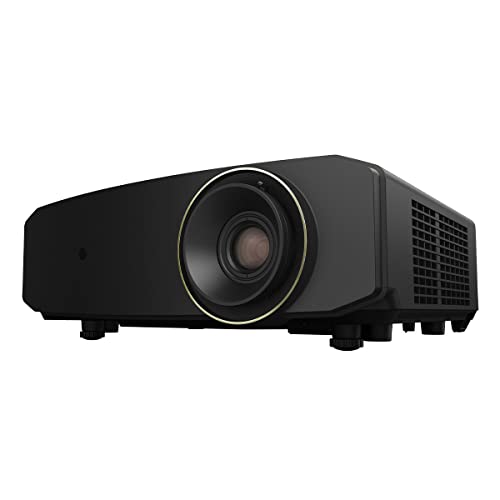
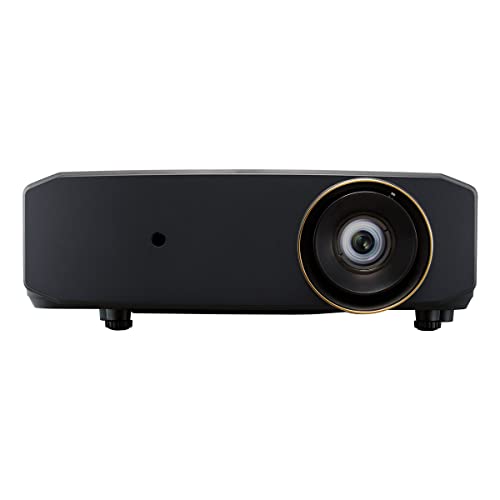
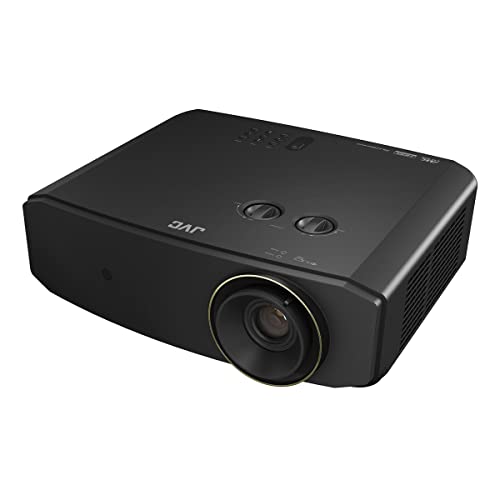

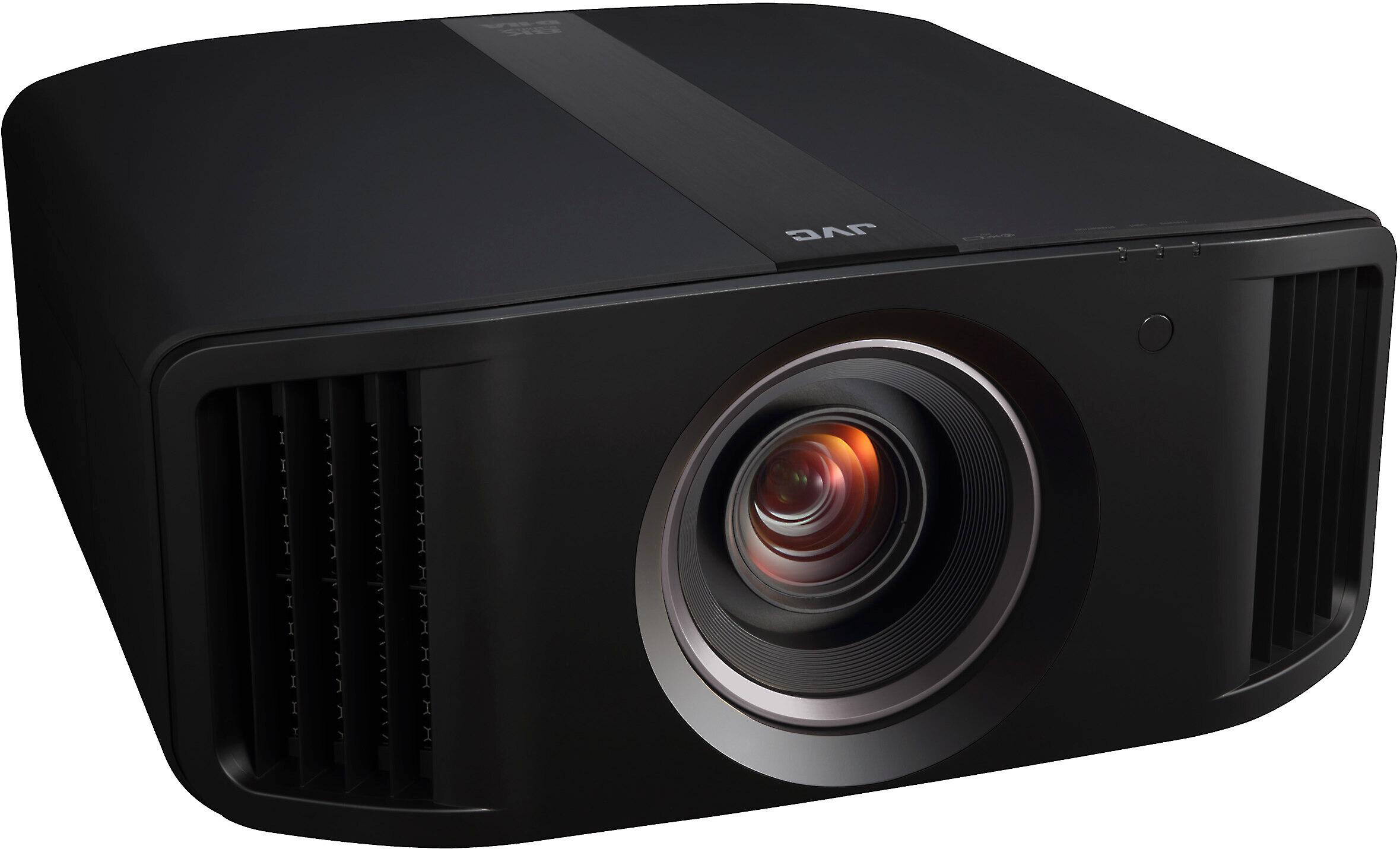
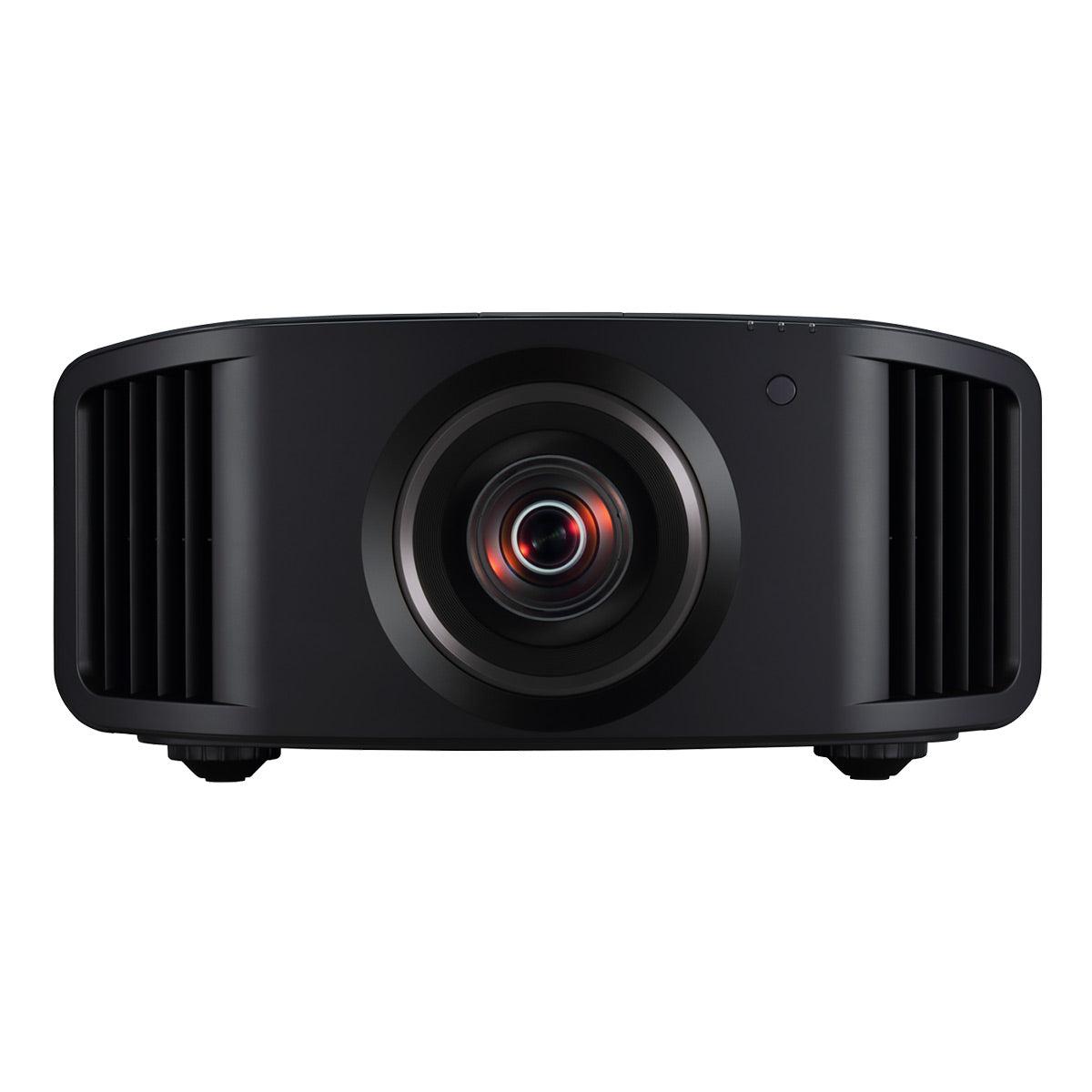
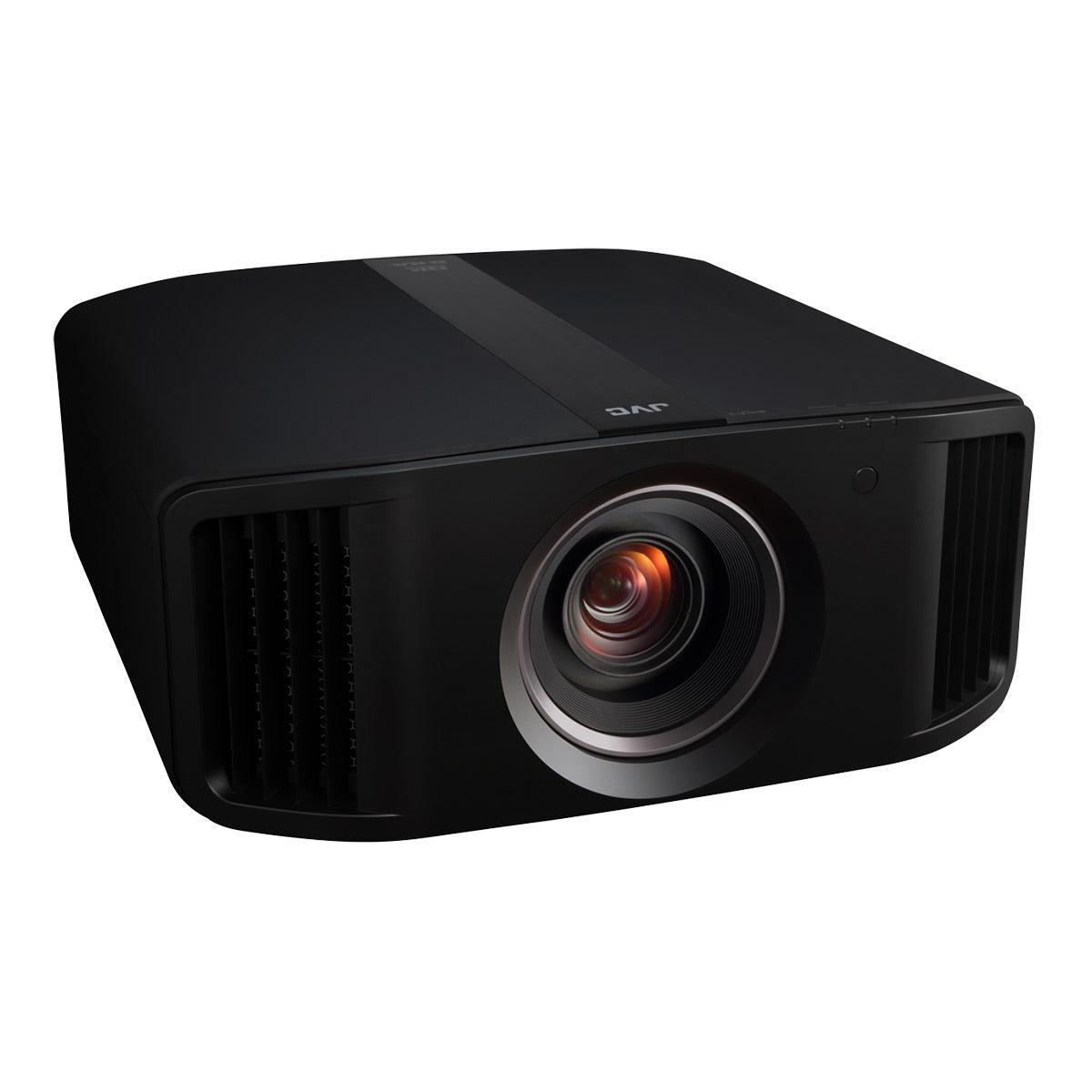
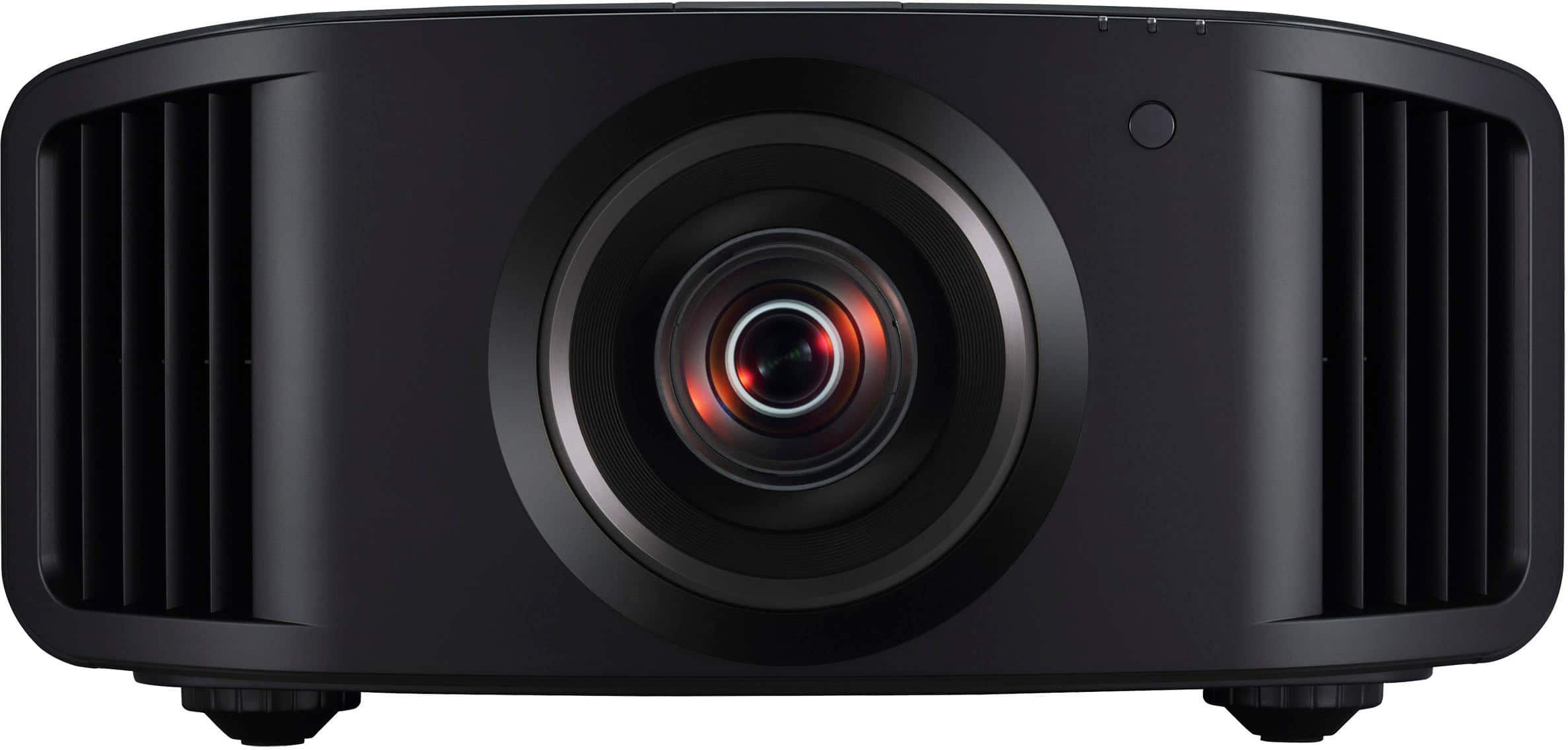
When JVC released both the LX-NZ30 and DLA-NZ800 in 2024, they essentially drew a line in the sand between two very different approaches to home theater projection. One prioritizes versatility and gaming performance, while the other chases the absolute pinnacle of cinematic image quality. Understanding which projector fits your needs requires diving deep into what makes each one tick.
Home theater projectors have evolved dramatically over the past few years, and these two JVC models represent opposite ends of the performance spectrum. The LX-NZ30 breaks new ground as JVC's first gaming-focused projector, packing 3,300 lumens of brightness into a relatively compact package. Meanwhile, the DLA-NZ800 represents the company's flagship technology, featuring true 8K resolution and contrast performance that would make movie theater operators jealous.
Both use laser light sources instead of traditional bulbs, which means they'll last about 20,000 hours before needing replacement—roughly 10 years of regular use. This eliminates the ongoing cost and hassle of lamp replacements that plagued older projectors. But beyond that shared foundation, these projectors couldn't be more different in their approach.
The fundamental divide comes down to display technology. The LX-NZ30 uses a single-chip DLP (Digital Light Processing) system, where millions of tiny mirrors flip back and forth to create the image. This technology excels at brightness and sharp, punchy images but has traditionally struggled with deep black levels. The DLA-NZ800 uses JVC's proprietary D-ILA technology (Direct Drive Image Light Amplifier), which is similar to LCD but with much better contrast performance. Think of it as the difference between a bright, vivid smartphone screen and a premium OLED TV's deep blacks.
If you're serious about gaming on a big screen, the LX-NZ30 might be the most impressive projector released in years. Input lag—the delay between when you press a button and when the action appears on screen—is crucial for competitive gaming. Most projectors struggle to get below 50 milliseconds, but the LX-NZ30 achieves an almost unbelievable 6.25ms at 1080p resolution running at 240Hz.
To put that in perspective, many gaming monitors can't beat that number. The projector supports refresh rates up to 240Hz at 1080p, which means buttery-smooth motion in fast-paced games like first-person shooters or racing games. For 4K gaming, it handles 60Hz with about 25ms of lag—still excellent for most gaming scenarios.
The DLA-NZ800 takes a different approach to gaming. It supports 4K at 120Hz, which is becoming the new standard for PlayStation 5 and Xbox Series X games. It also includes Auto Low Latency Mode (ALLM), which automatically switches the projector to its fastest processing mode when it detects a gaming signal. However, our research suggests input lag around 40-50ms in gaming mode, which is good but not exceptional.
The LX-NZ30 also includes a DisplayPort input alongside its HDMI connections, which is almost unheard of on projectors. This allows direct connection to gaming PCs with potentially even lower latency than HDMI can achieve. For serious PC gamers who want to experience titles like Counter-Strike or Overwatch on a massive screen, this feature alone might justify the purchase.
Here's where things get interesting, and where the price difference between these projectors becomes apparent. The DLA-NZ800 uses three separate imaging chips (one each for red, green, and blue) compared to the LX-NZ30's single chip that handles all colors. This immediately gives the flagship model advantages in color accuracy and eliminates the "rainbow effect"—brief flashes of color that some people notice with single-chip DLP projectors.
The contrast story is even more dramatic. Contrast ratio measures the difference between the brightest whites and deepest blacks a projector can produce. The LX-NZ30 relies on dynamic contrast, using its laser to dim or brighten the entire image based on the content. While effective, this means darker scenes might look grayish rather than truly black.
The DLA-NZ800 achieves a native contrast ratio of 100,000:1 without any dynamic processing tricks. This translates to inky blacks that make movie scenes feel more three-dimensional and realistic. When we look at expert reviews and user experiences, the difference is immediately apparent in dark scenes—think of the difference between watching a movie in a bright room versus a dedicated theater.
Brightness, measured in lumens, determines how well a projector performs in different lighting conditions. The LX-NZ30 outputs 3,300 lumens, making it bright enough for rooms with some ambient light or for driving very large screens. You could use this projector in a living room with windows, though you'd still want to dim the lights for the best experience.
The DLA-NZ800 produces 2,700 lumens—still plenty for most situations, but it really shines (pun intended) in dedicated theater rooms where you can control the lighting. The extra brightness of the LX-NZ30 makes it more versatile for different room types, while the DLA-NZ800 assumes you're building a serious home theater setup.
This brightness difference also affects screen size recommendations. The LX-NZ30 can comfortably drive screens up to 200 inches diagonal even with some room lighting. The DLA-NZ800 works best with screens in the 100-150 inch range unless you have perfect light control.
The resolution difference between these projectors is significant on paper, but the real-world impact deserves careful consideration. The LX-NZ30 uses 4K e-shift technology, which takes a native 1080p image and uses precise pixel shifting to create a 4K output. While not "true" 4K like a high-end TV, the result is remarkably close to native 4K at normal viewing distances.
The DLA-NZ800 goes much further with Gen2 8K/e-shiftX technology, starting with native 4K chips and shifting pixels to achieve an 8K output resolution of 8192 x 4320 pixels. This represents four times more detail than standard 4K.
But here's the practical reality: there's almost no native 8K content available as of 2024. Netflix, Amazon Prime, and Disney+ all max out at 4K. Even 8K cameras and gaming systems are extremely rare. The 8K capability is essentially future-proofing, betting that content will catch up over the projector's 10+ year lifespan.
More importantly, the DLA-NZ800's upscaling engine makes current 4K content look noticeably better. The additional processing power and advanced algorithms create sharper, more detailed images even from standard 4K sources. So while you're not getting 8K content today, you are getting better 4K performance.
High Dynamic Range (HDR) represents one of the most significant improvements in video quality in decades. Instead of the limited brightness range of standard video, HDR can display much brighter highlights and deeper shadows simultaneously, creating more realistic and impactful images.
The LX-NZ30 supports HDR10 and HLG (Hybrid Log Gamma), which covers most HDR content from streaming services and Blu-ray discs. Its Auto Tone Mapping feature analyzes each piece of content and adjusts the projector's settings automatically. Given the projector's high brightness output, HDR highlights can really pop, creating that "wow" factor when the sun glints off a car in an action movie.
The DLA-NZ800 takes HDR much more seriously, supporting HDR10, HDR10+, HLG, and even Dolby Vision. HDR10+ and Dolby Vision include dynamic metadata—essentially instructions that tell the projector how to display each scene for optimal impact. The projector's Frame Adapt HDR technology analyzes content frame by frame, adjusting brightness and color in real-time for the best possible image.
The practical difference is substantial. While both projectors produce impressive HDR, the DLA-NZ800 delivers more nuanced, accurate HDR that preserves detail in both the brightest and darkest parts of the image simultaneously. The LX-NZ30 tends to favor overall brightness, which can wash out some subtle details but creates more punch in bright scenes.
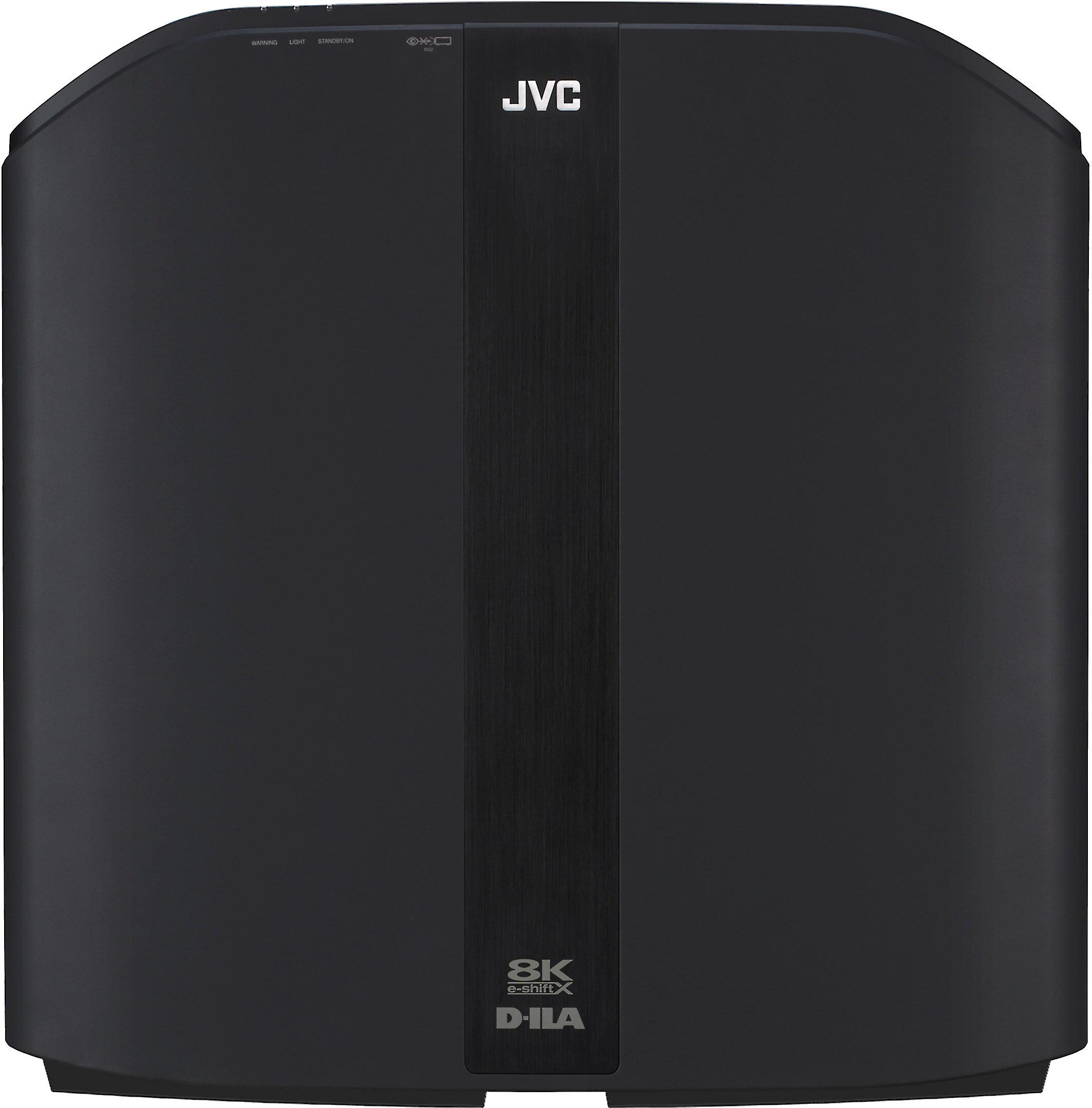
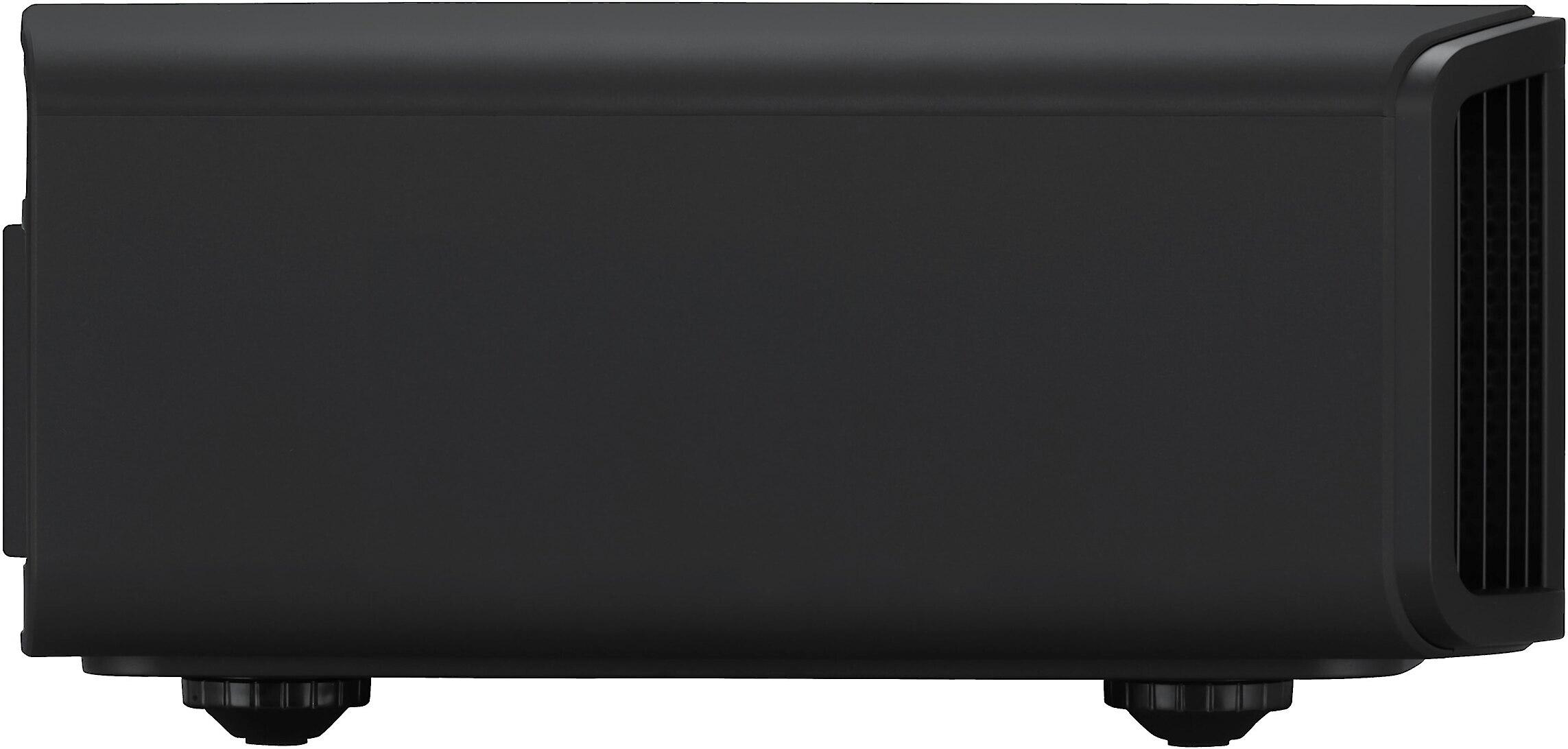
The physical differences between these projectors tell you a lot about their intended use. The LX-NZ30 weighs just under 14 pounds and measures roughly 16 inches wide, making it portable enough to move between rooms or even take to friends' houses. Its lens offers 1.6x zoom and generous lens shift capabilities (60% vertical, 23% horizontal), meaning you can place it in less-than-perfect positions and still get a properly aligned image.
The DLA-NZ800 is built like a precision instrument, with a premium 65mm all-glass lens and motorized zoom, focus, and lens shift controls. It includes lens memory, so you can store different settings for various screen formats—useful if you watch both widescreen movies and standard TV content. The build quality feels substantial and professional, designed for permanent installation in a dedicated theater room.
Fan noise is worth considering since projectors need cooling. The LX-NZ30 runs noticeably louder, especially in high-brightness mode, though it's still reasonable for most rooms. The DLA-NZ800 runs quieter, which is important in the hushed environment of a dedicated theater.
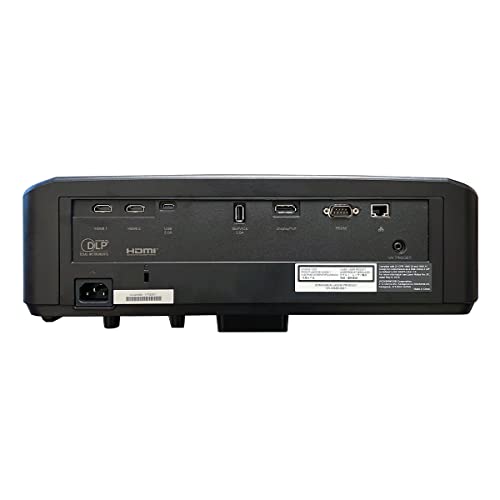
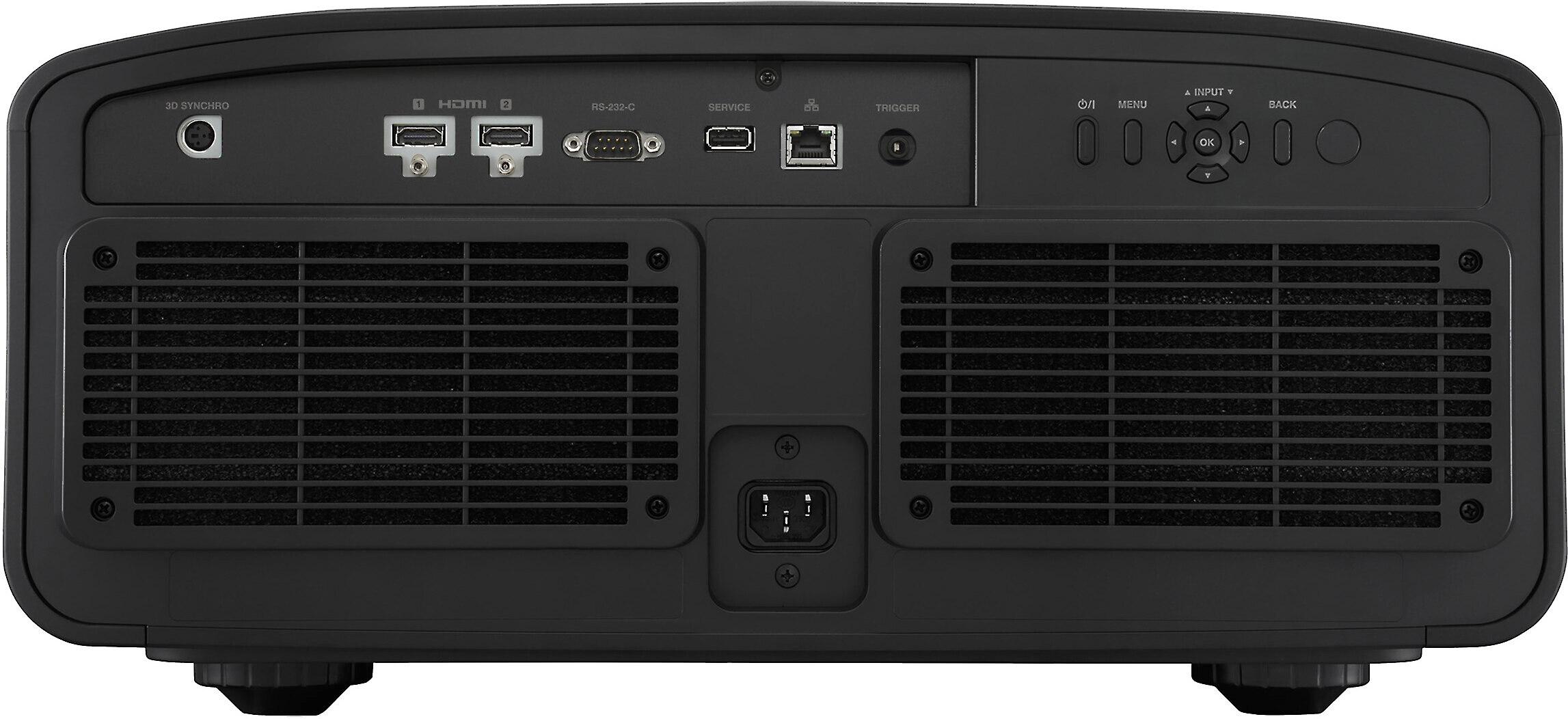
Both projectors include dual HDMI inputs, but the capabilities differ significantly. The LX-NZ30 uses HDMI 2.0, which handles 4K at 60Hz with HDR but can't manage the 4K at 120Hz that the latest gaming consoles support. However, its DisplayPort input provides an alternative path for high-refresh PC gaming.
The DLA-NZ800 features two full-bandwidth 48Gbps HDMI 2.1 inputs, supporting everything current and future devices can throw at it: 8K at 60Hz, 4K at 120Hz, and Variable Refresh Rate (VRR) for compatible gaming systems. These inputs are genuinely future-proof.
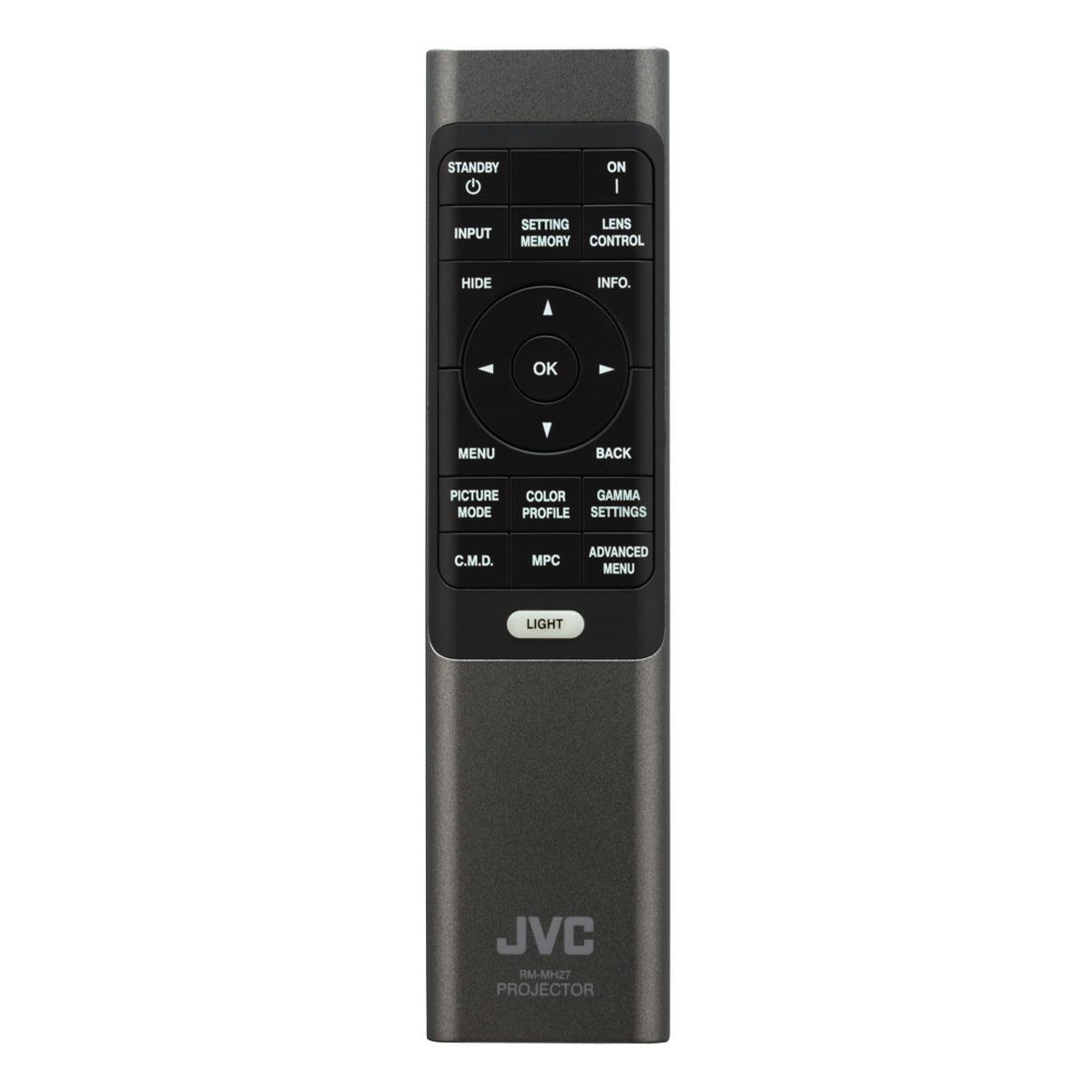
Both include network connectivity for remote control and integration with home automation systems, plus RS-232 serial connections for professional installation scenarios.
At the time of writing, these projectors occupy very different price tiers, with the DLA-NZ800 costing roughly four times as much as the LX-NZ30. This price difference reflects their different target markets and capabilities.
The LX-NZ30 delivers exceptional value for money, offering 4K HDR performance with outstanding gaming capabilities at a price point that makes large-screen entertainment accessible. You're getting professional-grade brightness, good image quality, and unique gaming features that no other projector in its price range can match.
The DLA-NZ800 justifies its premium pricing through ultimate image quality, 8K capability, and comprehensive HDR support. For dedicated home theater enthusiasts, the contrast performance alone might justify the investment. The question becomes whether the image quality improvement is worth the significant price premium.
Choose the LX-NZ30 if you want a versatile projector that excels in multiple scenarios. It's perfect for family rooms, basements, or any space where you might watch movies, sports, and games on the same screen. The high brightness makes it forgiving of room lighting, and the gaming performance is simply unmatched. This is the projector for someone who wants big-screen entertainment without building a dedicated theater room.
The DLA-NZ800 is for serious home theater enthusiasts who want the absolute best image quality available. If you're building or already have a dedicated theater room with controlled lighting, and you prioritize image quality above all else, this projector delivers reference-level performance. It's also the better choice if you want maximum future-proofing with 8K capability and comprehensive HDR support.
For most people, the LX-NZ30 offers better overall value and versatility. But for the home theater perfectionist who demands the ultimate viewing experience and has the room and budget to support it, the DLA-NZ800 represents the current pinnacle of projection technology.
The choice ultimately comes down to your priorities: versatility and gaming performance versus ultimate image quality and future-proofing. Both projectors excel in their intended roles, making either a smart choice depending on your specific needs and viewing environment.
| JVC LX-NZ30 4K HDR Laser Projector | JVC DLA-NZ800 8K Home Theater Projector |
|---|---|
| Display Technology - Fundamentally different approaches to image creation | |
| Single 0.47" DLP chip with e-shift (brighter, punchier colors) | Three 0.69" D-ILA chips (superior contrast and color accuracy) |
| Resolution Capability - Future-proofing consideration | |
| 4K (3840 x 2160) via e-shift from native 1080p | 8K (8192 x 4320) via Gen2 8K/e-shiftX from native 4K chips |
| Brightness Output - Critical for room lighting tolerance | |
| 3,300 ANSI lumens (excellent for rooms with ambient light) | 2,700 ANSI lumens (requires controlled lighting for best results) |
| Contrast Performance - Determines black level depth and image realism | |
| Infinite dynamic contrast (blacks appear dark gray) | 100,000:1 native contrast (true inky blacks) |
| Gaming Performance - Input lag and refresh rate capabilities | |
| 6.25ms lag at 1080p/240Hz, DisplayPort connectivity | 4K/120Hz support with Auto Low Latency Mode |
| HDR Format Support - Compatibility with premium content | |
| HDR10, HLG with Auto Tone Mapping | HDR10, HDR10+, HLG, Dolby Vision with Frame Adapt HDR |
| Physical Size - Installation flexibility and portability | |
| Compact: 16" x 5.9" x 15.5", 13.9 lbs (semi-portable) | Large premium build with motorized lens (permanent installation) |
| Lens Features - Installation flexibility and image adjustment | |
| 1.6x zoom, ±60% vertical/±23% horizontal lens shift (manual) | 2x motorized zoom/focus, ±80% vertical/±34% horizontal shift with memory |
| HDMI Connectivity - Future device compatibility | |
| 2x HDMI 2.0 (4K/60Hz max) plus DisplayPort 1.2a | 2x HDMI 2.1 (48Gbps, 8K/60Hz, 4K/120Hz capable) |
| Target Use Case - Best suited environments | |
| Multi-purpose rooms, gaming setups, bright environments | Dedicated home theaters, light-controlled premium installations |
| Value Proposition - Performance per dollar consideration | |
| Exceptional 4K performance with unique gaming capabilities at accessible pricing | Ultimate image quality and 8K future-proofing at premium pricing |
The JVC LX-NZ30 is significantly better for gaming, offering exceptional 6.25ms input lag at 1080p/240Hz and DisplayPort connectivity for PC gaming. While the JVC DLA-NZ800 supports 4K/120Hz gaming, its input lag is higher at around 40-50ms. For competitive gaming and high refresh rates, the LX-NZ30 is the clear winner.
The core difference is display technology and target use. The JVC LX-NZ30 uses single-chip DLP technology with 3,300 lumens for versatile, bright room use, while the JVC DLA-NZ800 uses three-chip D-ILA technology with superior contrast for dedicated home theaters. One prioritizes brightness and gaming, the other emphasizes ultimate image quality.
The JVC LX-NZ30 is brighter at 3,300 lumens compared to the DLA-NZ800's 2,700 lumens. This makes the LX-NZ30 better for rooms with ambient light or daytime viewing, while the DLA-NZ800 performs best in light-controlled environments.
Yes, both support 4K, but differently. The JVC LX-NZ30 uses 4K e-shift technology from a native 1080p chip, while the JVC DLA-NZ800 offers true 8K capability (8192 x 4320) using Gen2 8K/e-shiftX from native 4K chips. The DLA-NZ800 provides higher resolution and better future-proofing.
The JVC DLA-NZ800 has dramatically better contrast with a 100,000:1 native contrast ratio, producing true black levels. The LX-NZ30 relies on dynamic contrast and produces dark gray blacks typical of DLP technology. For home theater enthusiasts prioritizing contrast, the DLA-NZ800 is superior.
Both work for home theaters but serve different needs. The JVC DLA-NZ800 is specifically designed for dedicated home theaters with superior contrast, 8K capability, and comprehensive HDR support. The LX-NZ30 works well in multi-purpose home theater spaces that aren't fully light-controlled.
The JVC LX-NZ30 supports HDR10 and HLG with Auto Tone Mapping. The JVC DLA-NZ800 offers more comprehensive HDR support including HDR10, HDR10+, HLG, and Dolby Vision with advanced Frame Adapt HDR processing. The DLA-NZ800 provides superior HDR performance overall.
The JVC LX-NZ30 is much more portable, weighing only 13.9 pounds with compact dimensions of 16" x 5.9" x 15.5". The DLA-NZ800 is a larger, heavier premium projector designed for permanent installation. Choose the LX-NZ30 if portability matters.
No, both the JVC LX-NZ30 and JVC DLA-NZ800 use laser light sources rated for 20,000 hours of operation, eliminating lamp replacement costs and maintenance. This represents approximately 10 years of regular use without needing new light sources.
The JVC LX-NZ30 offers exceptional value with 4K HDR performance, outstanding gaming capabilities, and high brightness at a much lower price point. The DLA-NZ800 costs significantly more but delivers ultimate image quality and 8K capability. Value depends on your priorities and budget.
Both can drive large screens, but the JVC LX-NZ30 is better suited for very large screens up to 200 inches due to its higher brightness output. The DLA-NZ800 works best with screens in the 100-150 inch range unless you have perfect light control in your viewing environment.
Choose the JVC LX-NZ30 for versatile use in bright rooms, gaming priority, or budget consciousness. Select the JVC DLA-NZ800 for dedicated home theaters where you want ultimate image quality, 8K future-proofing, and have a premium budget. Consider your room lighting, primary use case, and budget when deciding between these JVC projectors.
We've done our best to create useful and informative comparisons to help you decide what product to buy. Our research uses advanced automated methods to create this comparison and perfection is not possible - please contact us for corrections or questions. These are the sites we've researched in the creation of this article: t3.com - crutchfield.com - stuff.tv - projectorcentral.com - projectorreviews.com - data.heimkinowelt.at - bestbuy.com - eu.jvc.com - projectorreviews.com - listenup.com - youtube.com - eu.jvc.com - dreamediaav.com - projectorreviews.com - projectorscreen.com - projectorcentral.com - device.report - technologyinteriors.com - techradar.com - valueelectronics.com - stereonet.com - youtube.com - sound-advice.online - eu.jvc.com - shop.avispl.com - audioadvice.com - paulsonsav.com - nfm.com

Privacy Policy
Terms and Conditions - Affiliate Policy
Home Security
© Copyright 2008-2026.
11816 Inwood Rd #1211, Dallas, TX 75244