

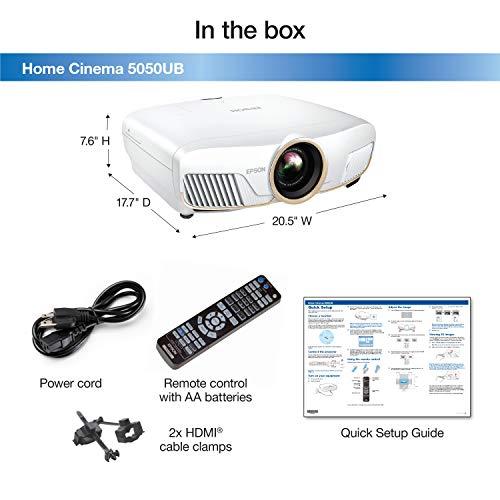
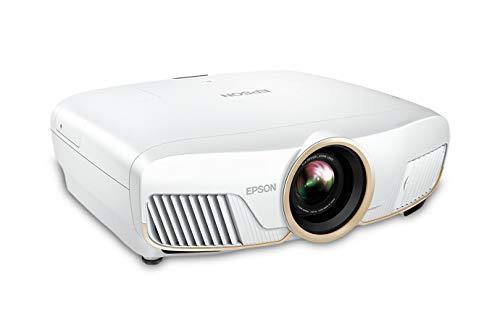
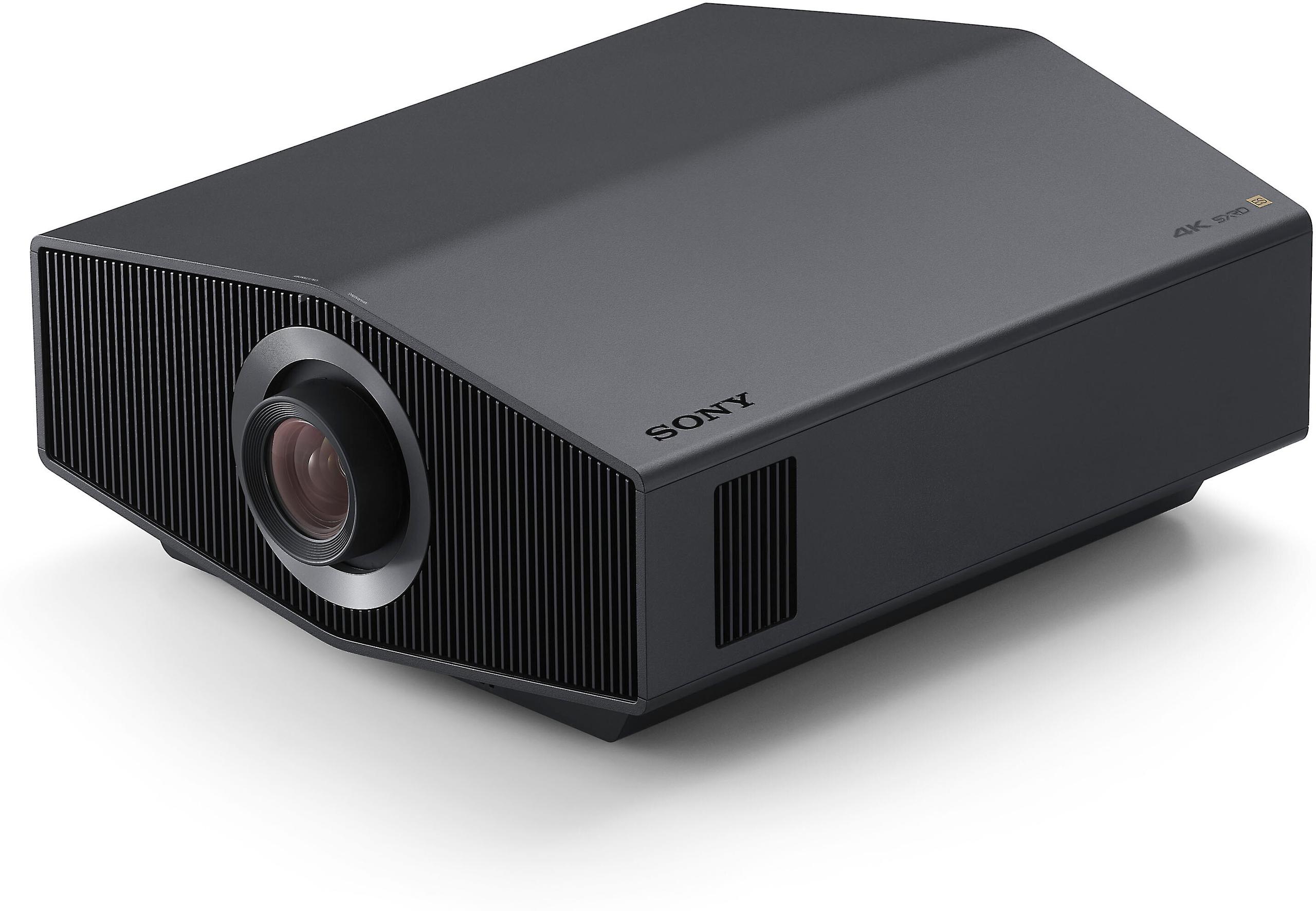
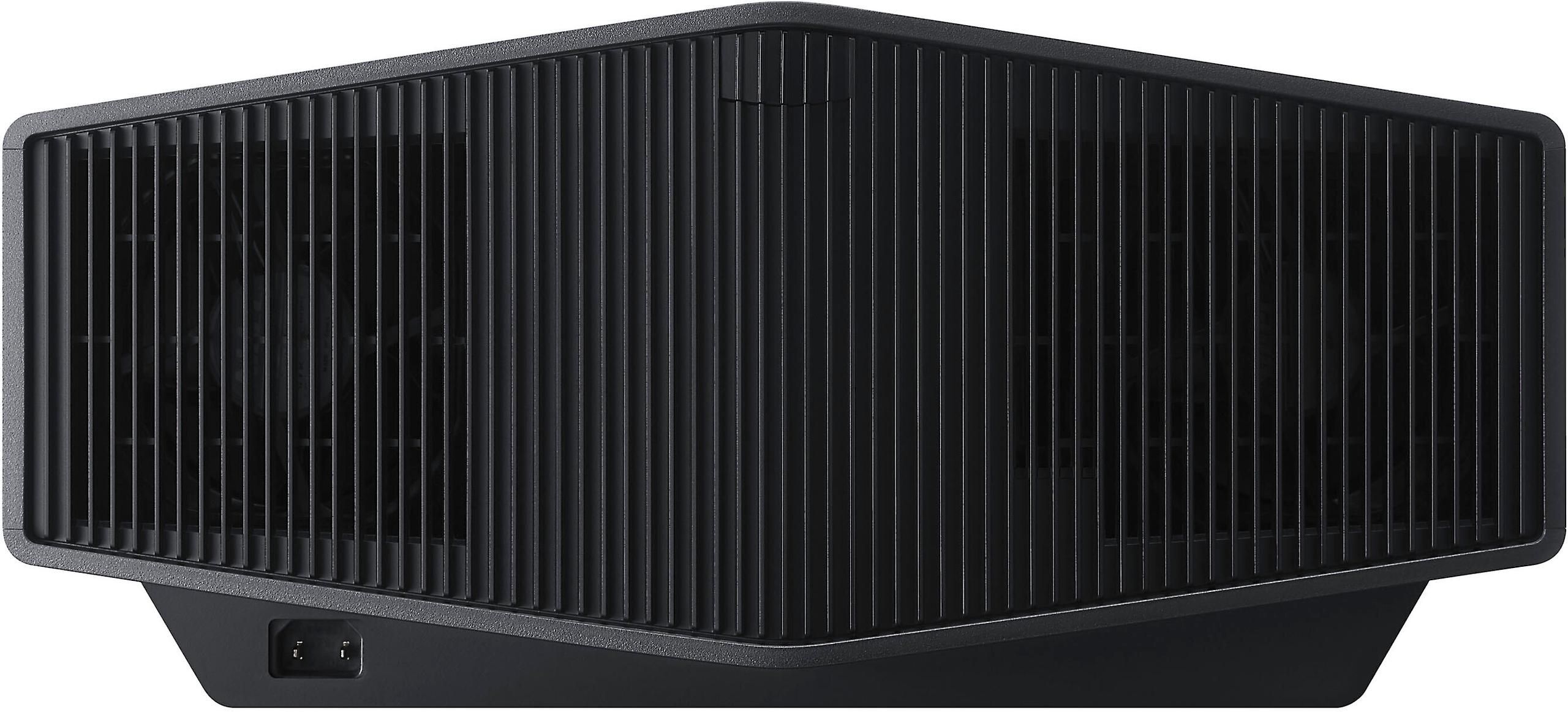
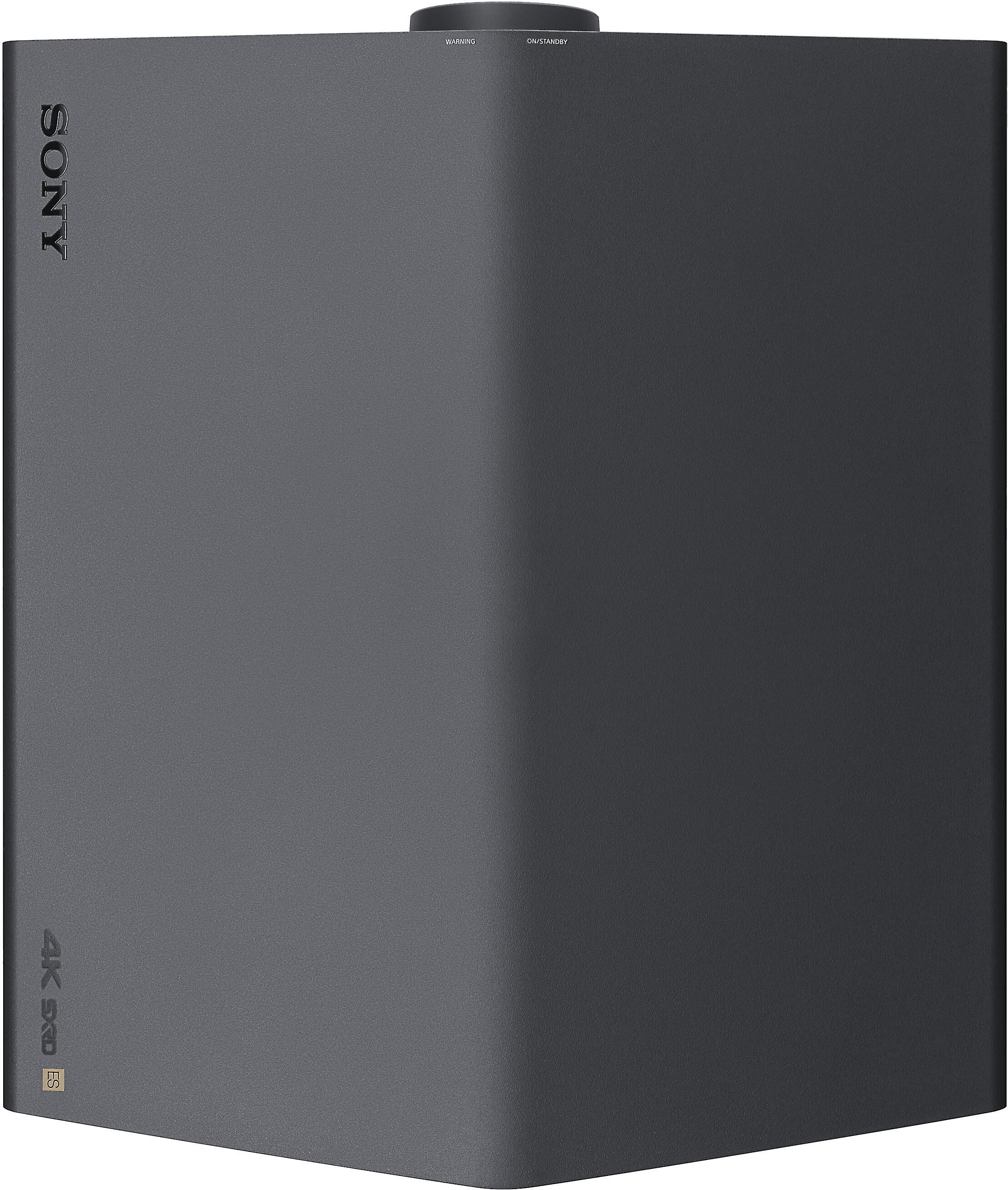
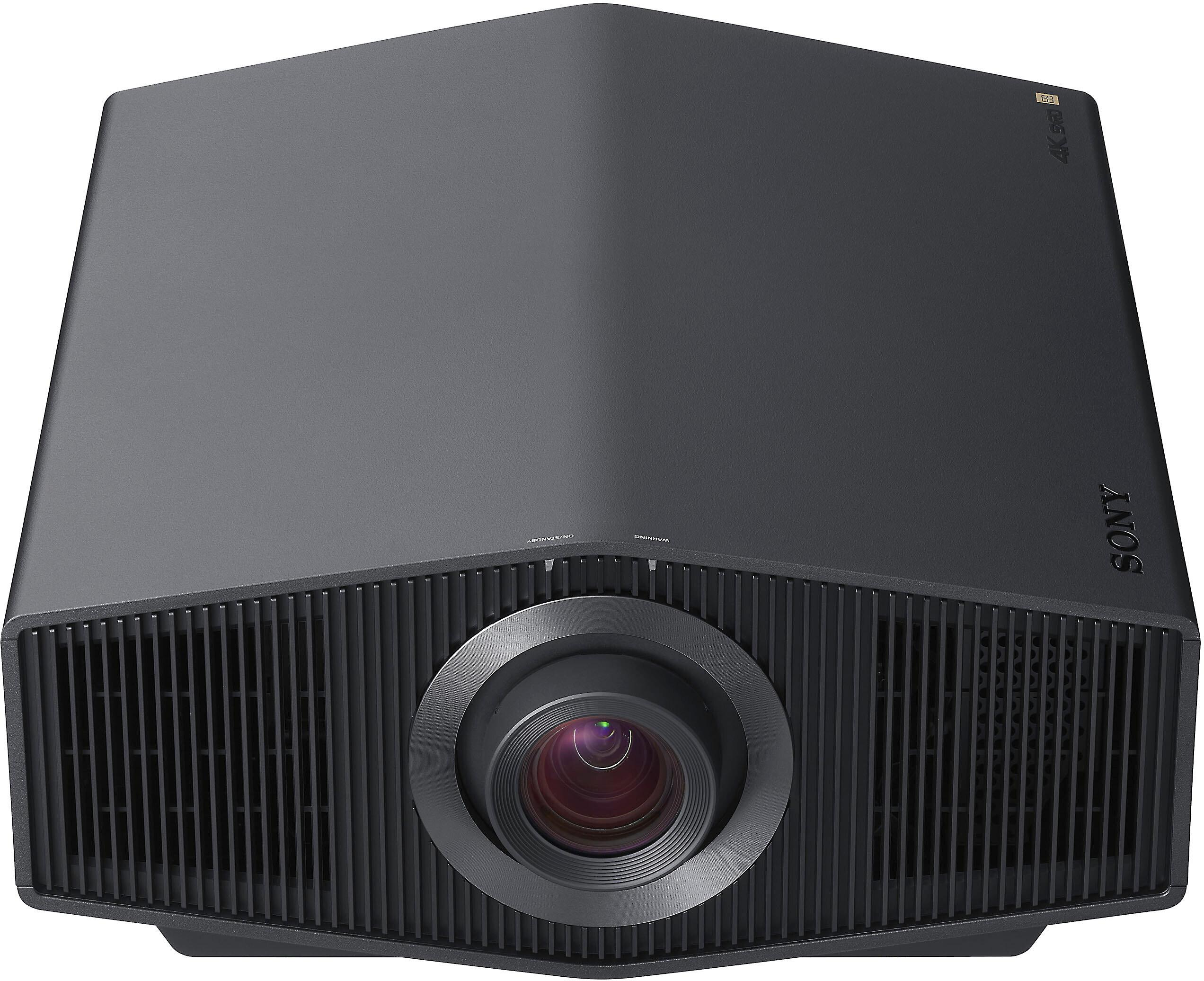
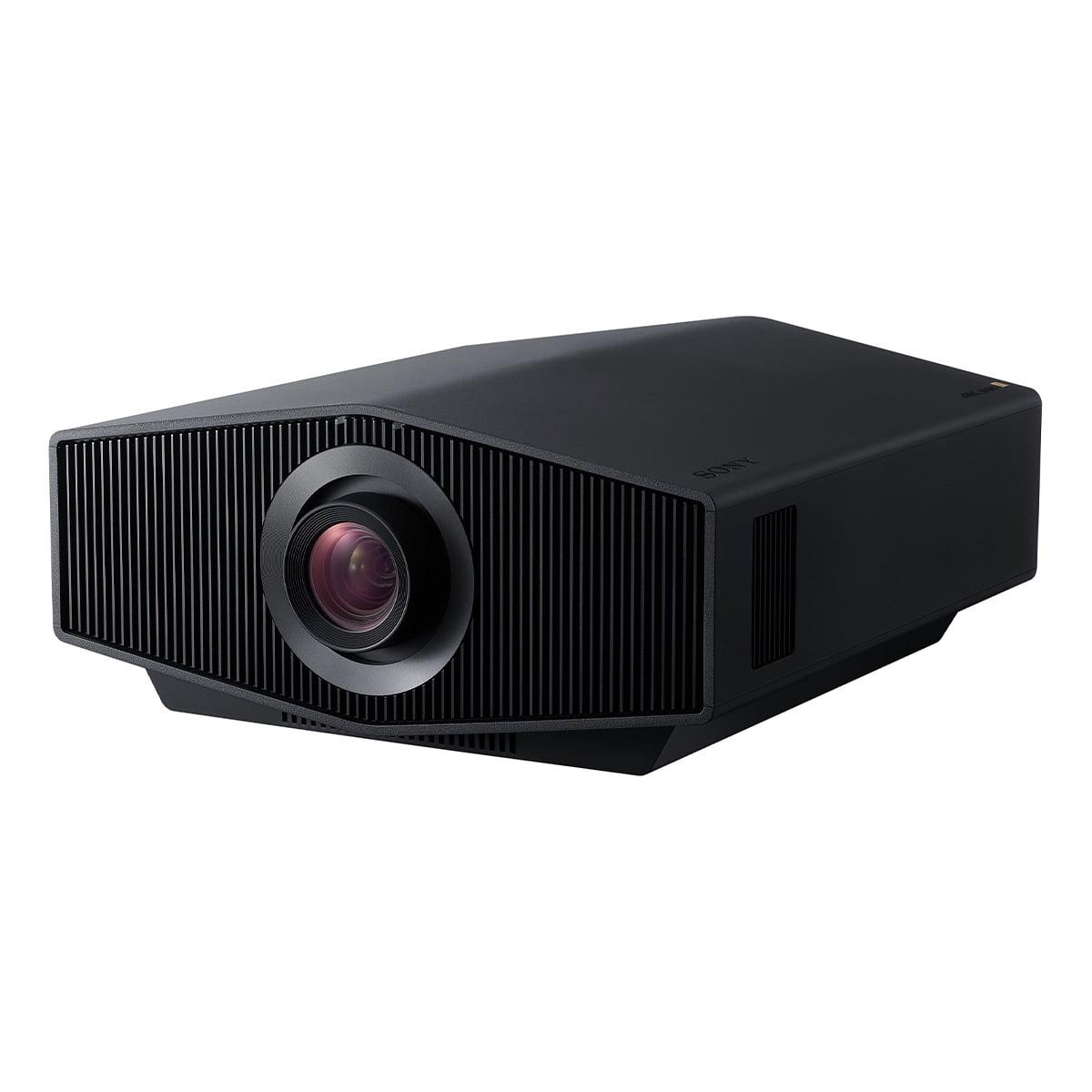
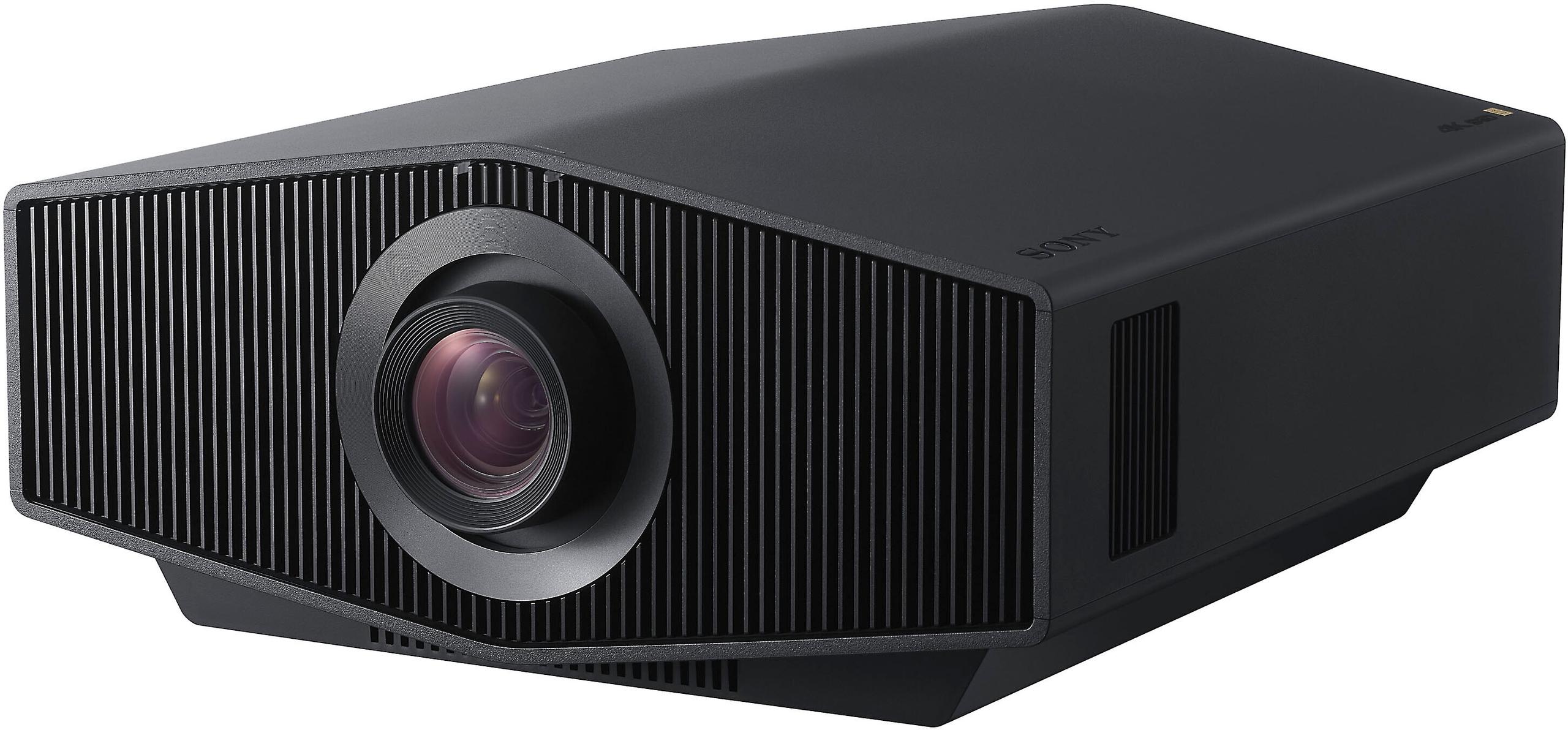

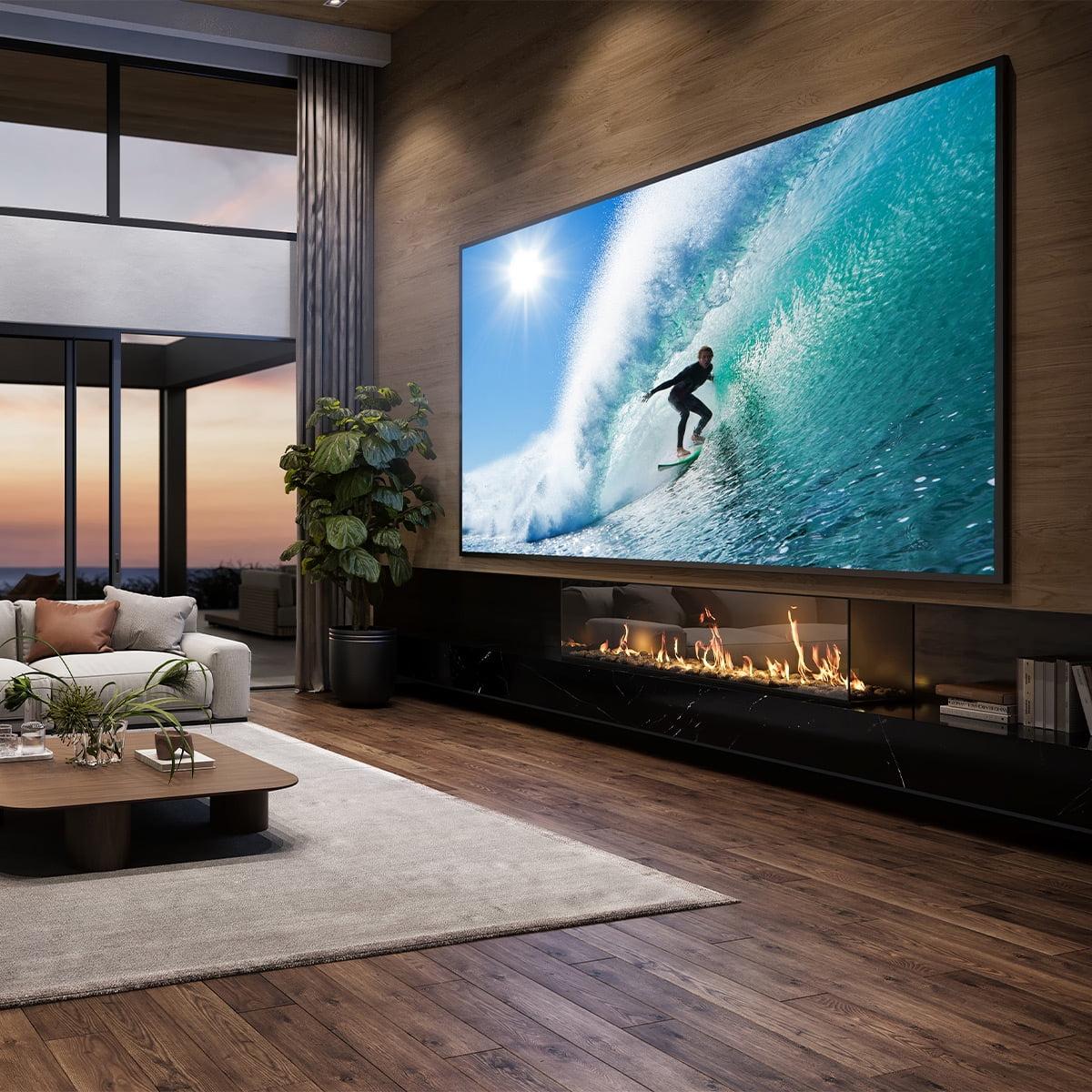
When it comes to home theater projectors, few decisions are as stark as choosing between the Epson Home Cinema 5050UB and the Sony BRAVIA Projector 9. These two projectors represent completely different philosophies: exceptional value versus no-compromise performance. At the time of writing, the price difference between them spans an order of magnitude, making this less about direct competition and more about understanding what you actually need for your home theater.
Before diving into specifics, it's worth understanding what makes a great home theater projector. Unlike TVs, projectors need to throw light across a room to create massive images—often 100 inches or larger. This creates unique challenges around brightness, contrast (the difference between the darkest blacks and brightest whites), and color accuracy.
The most important performance metrics for home theater are contrast ratio, color gamut coverage (how much of the visible color spectrum the projector can display), HDR implementation (High Dynamic Range processing that makes bright scenes brighter and dark scenes darker), and input lag for gaming. Brightness, measured in lumens, determines how well your projector performs with ambient light and larger screen sizes.
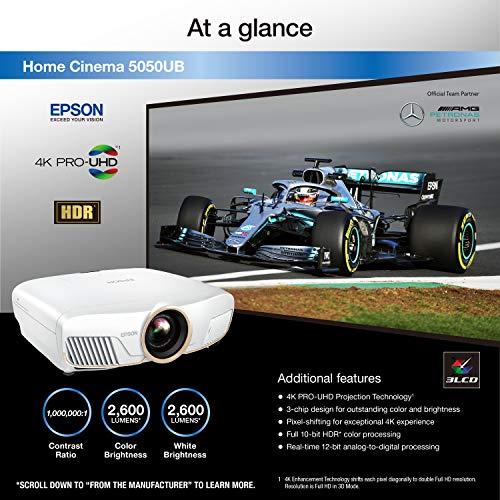
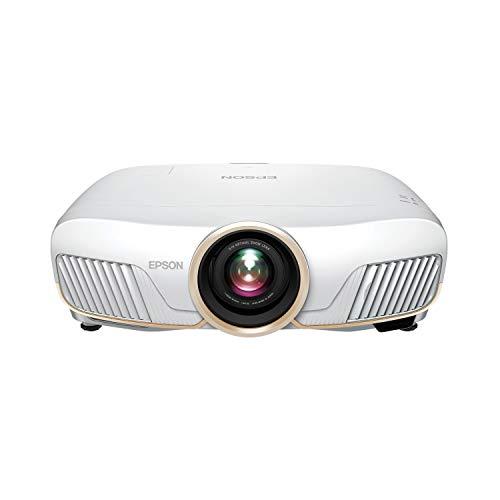
The Epson 5050UB, released in 2019, uses what's called a lamp-based 3LCD system. Think of 3LCD like having three separate projectors—one for red, one for green, one for blue—all working together. This eliminates the "rainbow effect" you might see with single-chip projectors, where fast-moving objects show brief color fringing.
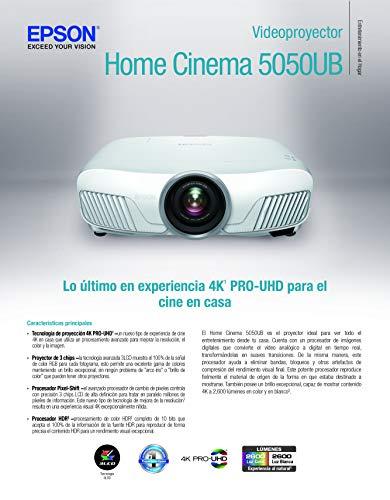
However, here's where it gets interesting: the Epson isn't actually a native 4K projector. Instead, it uses something called pixel-shifting technology, where each pixel gets moved diagonally by half a pixel width incredibly quickly. This effectively doubles the resolution from its native 1080p panel to create what Epson calls "4K PRO-UHD." It's not true 4K, but for most content and viewing distances, the difference is nearly impossible to spot.
The Sony BRAVIA Projector 9, being much newer, takes the premium route with genuine native 4K resolution—no pixel-shifting required. It uses SXRD technology (Sony's version of LCD) with true 3840 x 2160 pixels. More importantly, it uses a laser light source instead of a traditional bulb, which brings significant advantages in longevity and performance consistency.
This is where things get fascinating. Despite being a fraction of the cost, the Epson 5050UB delivers genuinely exceptional contrast performance through something called UltraBlack technology. This proprietary system uses a compensation filter to control light polarization within the projector, effectively preventing light leakage that would wash out dark scenes.
In real-world testing, the Epson consistently delivers measured contrast ratios around 8000:1, which is remarkable for any projector, let alone one in this price category. When you're watching a movie like "Blade Runner 2049" or any film with dramatic lighting, those deep blacks make the bright highlights pop with genuine cinematic impact.
The Sony BRAVIA Projector 9 counters with XR Deep Black technology, which uses frame-by-frame laser dimming control. Instead of a static filter system, the Sony actively adjusts laser output based on each individual frame. This allows it to maintain deep blacks while preserving color accuracy in dark scenes—something that can be challenging with static contrast enhancement systems.
Both approaches work exceptionally well, but they feel different. The Epson's blacks have an almost film-like quality that many videophiles prefer for movie watching, while the Sony's more dynamic approach excels with varied content including gaming and HDR material.
Here's where the Sony starts justifying its premium positioning. At 3400 lumens versus the Epson's 2600 lumens, that 800-lumen difference translates to real-world advantages. You can drive larger screens effectively, handle more ambient light, and most importantly, implement HDR tone mapping without as much compression.
HDR content contains brightness information that far exceeds what any projector can actually display. Both projectors need to "tone map" this content—essentially deciding how to compress that extended brightness range into what the projector can actually produce. The Sony's higher brightness gives it more headroom to work with, resulting in HDR images that feel more impactful and closer to the creator's intent.
The Epson includes excellent HDR processing with 16-step precision adjustment, letting you fine-tune the tone curve in real-time. It's a more hands-on approach that appeals to enthusiasts who enjoy optimizing their setup. The Sony's XR Dynamic Tone Mapping analyzes brightness frame-by-frame automatically, requiring less user intervention but potentially offering more sophisticated processing.
Color performance is where both projectors truly shine, though they achieve it differently. The Epson 5050UB covers an impressive 97% of the DCI-P3 color space (the standard used for digital cinema) through additional color filtering in its optical path. This wide color gamut means you're seeing colors closer to what filmmakers intended, with rich reds, deep blues, and vibrant greens that don't look oversaturated.
The Sony achieves similar coverage through XR Triluminos Pro technology, which uses sophisticated processing to reproduce subtle color variations. Where the Sony particularly excels is in color accuracy out of the box—it requires minimal calibration to achieve reference-quality color reproduction.
Both projectors support 10-bit color processing, meaning they can display over a billion distinct colors rather than the 16.7 million of standard 8-bit displays. This translates to smoother color gradients and more natural-looking skin tones.
Gaming represents perhaps the clearest differentiator between these projectors. The Epson 5050UB, with its HDMI 2.0 inputs, maxes out at 4K/60Hz with about 22.5ms of input lag. For most gaming, this is excellent—responsive enough for single-player adventures and most competitive games.
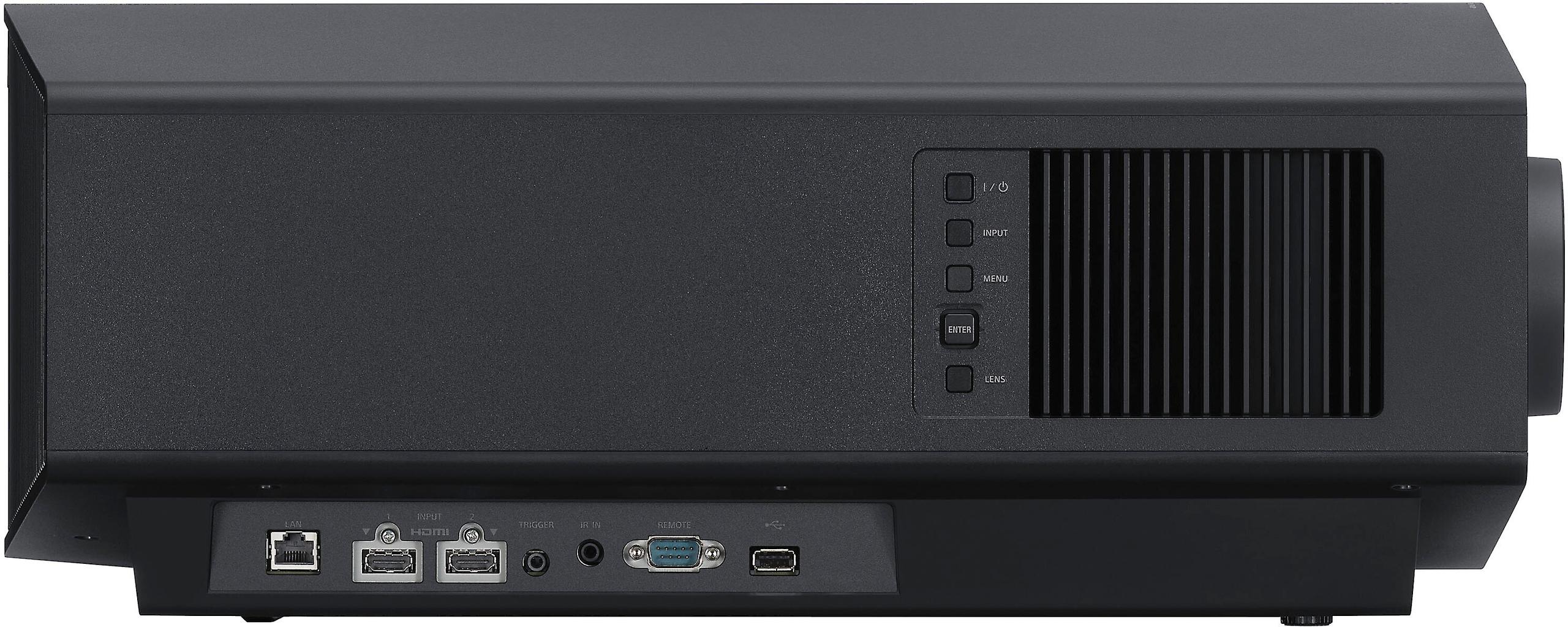
The Sony BRAVIA Projector 9, however, brings next-generation capabilities with HDMI 2.1 inputs supporting 4K/120Hz. More impressively, it achieves just 12ms of input lag at 120Hz, which rivals dedicated gaming monitors. The Auto Low Latency Mode (ALLM) automatically switches the projector into its fastest mode when it detects gaming content, eliminating the need to manually toggle settings.
For PlayStation 5 or Xbox Series X gaming, the Sony unlocks the full potential of these consoles, while the Epson limits you to 60Hz modes. If gaming is a priority and you have next-gen consoles, this difference is significant.
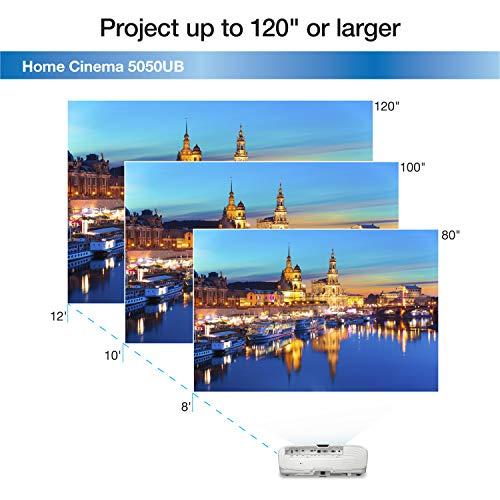
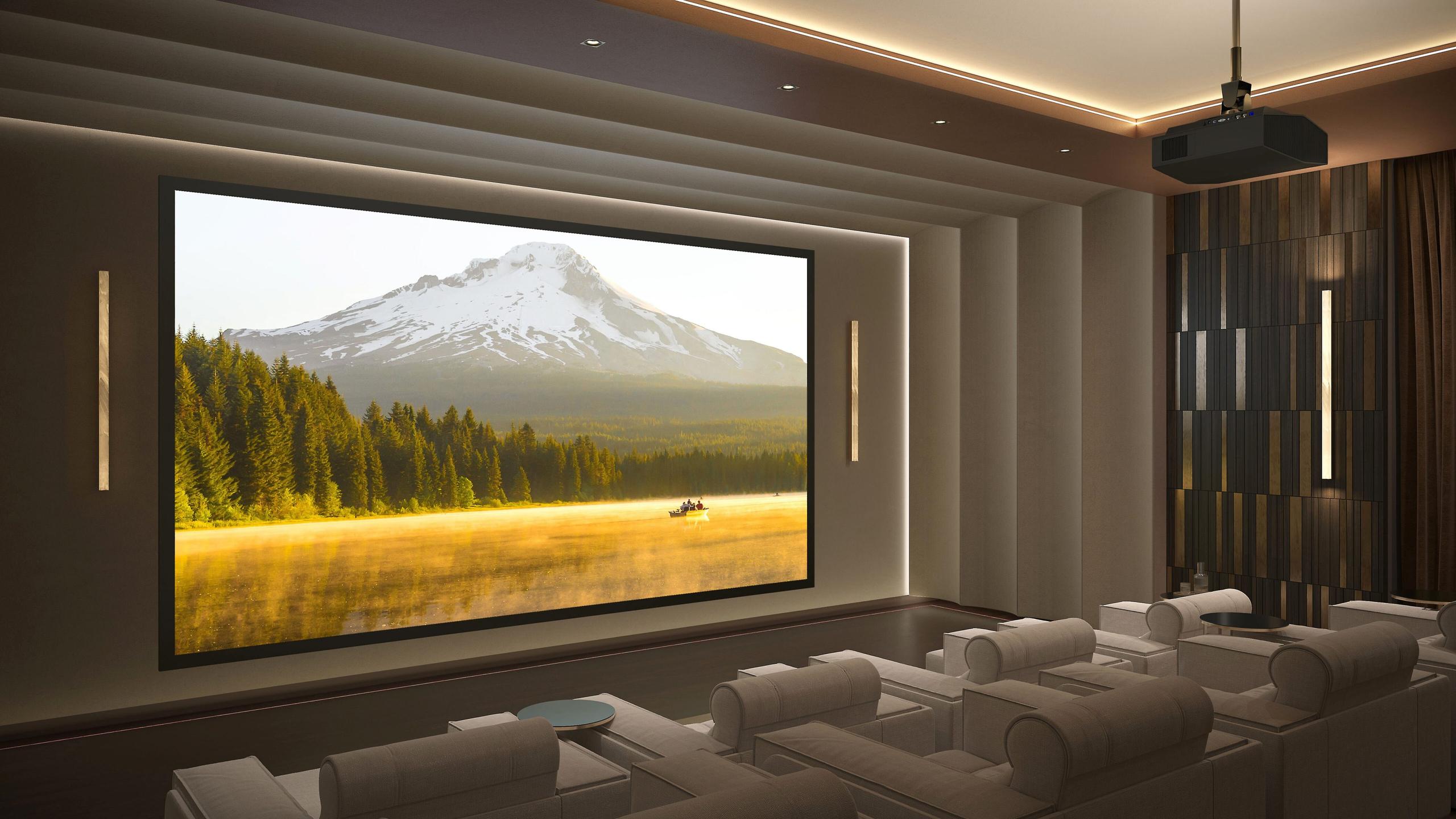
Both projectors offer identical installation flexibility with extensive lens shift capabilities—you can move the image up to 96% vertically and 47% horizontally without keystoning (geometric distortion). This means you can ceiling-mount the projector in various positions without perfectly centering it on your screen.
The fundamental ownership difference comes down to light sources. The Epson's lamp-based design requires bulb replacements every 3,500-5,000 hours depending on usage mode. Replacement bulbs typically cost several hundred dollars, adding to long-term ownership costs but keeping the initial investment lower.
The Sony's laser light source potentially lasts 20,000 hours with gradual degradation rather than sudden failure. While this eliminates maintenance hassles and long-term replacement costs, it front-loads all the expense into the initial purchase.
At the time of writing, the price difference between these projectors is substantial—the Sony costs roughly ten times more than the Epson. This creates an interesting value equation: the Epson delivers approximately 85-90% of the Sony's image quality for about 10% of the cost.
For most home theater enthusiasts, the Epson 5050UB represents exceptional value. Its combination of outstanding contrast, wide color gamut, and solid HDR processing creates genuinely cinematic images that satisfy even critical viewers. The pixel-shifting technology, while not true 4K, produces remarkably sharp images that most people cannot distinguish from native 4K at typical viewing distances.
The Sony BRAVIA Projector 9 justifies its premium through genuine native 4K resolution, superior brightness, next-generation gaming features, and maintenance-free laser operation. For those building dedicated home theaters without budget constraints, it offers reference-quality performance that will remain relevant for many years.
The Epson 5050UB makes sense for the majority of home theater enthusiasts. If you're setting up a dedicated theater room, primarily watch movies in dark conditions, and want exceptional image quality without breaking the bank, it's hard to argue against the Epson. The contrast performance alone rivals projectors costing many times more, and the overall package delivers genuinely cinematic experiences.
Choose the Epson if you're comfortable with periodic bulb replacements, don't need 4K/120Hz gaming, and want to maximize image quality per dollar spent. It's particularly excellent for movie enthusiasts who prioritize contrast and color accuracy over absolute brightness.
The Sony BRAVIA Projector 9 targets a different audience entirely. If budget isn't a primary constraint and you want absolute reference quality, future-proof connectivity, and maintenance-free operation, the Sony delivers. Its true native 4K resolution, superior brightness, and advanced processing represent the current state-of-the-art in home theater projection.
Choose the Sony if you're building a no-compromise installation, need maximum brightness for large screens or ambient light conditions, require 4K/120Hz gaming capabilities, or simply want the best available technology regardless of cost.
Both projectors excel in their intended markets, but they serve fundamentally different audiences. The Epson Home Cinema 5050UB proves that exceptional home theater experiences don't require enormous budgets—its combination of technologies delivers performance that was unimaginable at this price point just a few years ago.
The Sony BRAVIA Projector 9 represents the premium end of the market, where cost becomes secondary to absolute performance. Its advanced features and reference-quality image make it suitable for the most demanding installations.
For most readers, the Epson provides the better overall value proposition. The performance difference, while real, doesn't justify the massive price premium for typical home theater use. However, if you have the budget and demand the absolute best, the Sony delivers without compromise.
The choice ultimately depends on your priorities: exceptional value with minor compromises, or premium performance regardless of cost. Both approaches have merit, but understanding which philosophy aligns with your needs and budget will guide you to the right decision for your home theater.
| Epson Home Cinema 5050UB | Sony BRAVIA Projector 9 |
|---|---|
| Native Resolution - True 4K vs Enhanced 1080p | |
| 1080p with 4K pixel-shifting enhancement | Native 4K (3840 x 2160) SXRD panels |
| Light Source Technology - Affects maintenance and longevity | |
| 250W UHE lamp (3,500-5,000 hour lifespan) | Laser light source (20,000+ hour lifespan) |
| Brightness Output - Critical for screen size and ambient light | |
| 2,600 lumens (excellent for dark rooms) | 3,400 lumens (800 more lumens for larger screens) |
| Contrast Technology - Makes the biggest visual impact | |
| UltraBlack technology (8000:1 measured contrast) | XR Deep Black with frame-by-frame laser dimming |
| Color Gamut Coverage - Determines color richness and accuracy | |
| 97% DCI-P3 coverage via color filtering | 95%+ DCI-P3 via XR Triluminos Pro processing |
| HDMI Connectivity - Important for gaming and future-proofing | |
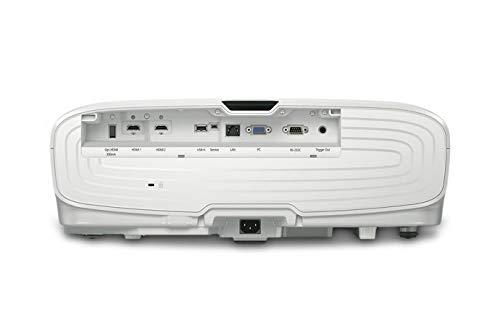
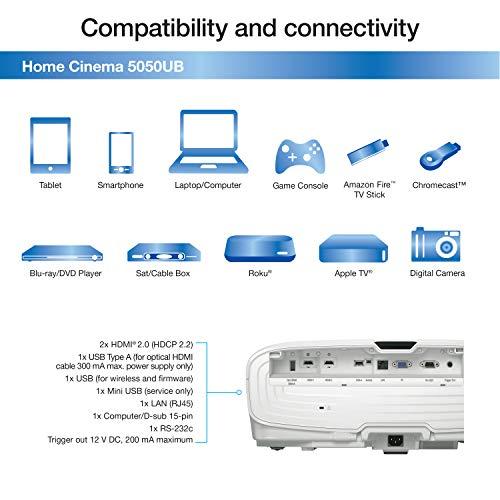
| 2x HDMI 2.0 (4K/60Hz max) | 2x HDMI 2.1 (4K/120Hz capable) |
| Gaming Performance - Input lag affects responsiveness | |
| 22.5ms input lag at 4K/60Hz | 12ms input lag at 4K/120Hz with ALLM |
| HDR Processing - Enhances dynamic range in compatible content | |
| HDR10/HLG with 16-step manual adjustment | XR Dynamic Tone Mapping with frame analysis |
| Installation Flexibility - Determines placement options | |
| ±96% vertical, ±47% horizontal lens shift | ±96% vertical, ±47% horizontal lens shift |
| Processor Technology - Affects image enhancement capabilities | |
| Dedicated 4K enhancement and HDR processors | XR Processor adapted from flagship TVs |
| Release Year - Indicates technology generation | |
| 2019 (mature, proven technology) | 2024 (latest generation features) |
| Target Market - Who each projector is designed for | |
| Home theater enthusiasts seeking exceptional value | Premium installations demanding reference quality |
The Sony BRAVIA Projector 9 offers superior overall performance with true native 4K resolution, higher brightness (3,400 vs 2,600 lumens), and advanced processing. However, the Epson Home Cinema 5050UB delivers exceptional value with outstanding contrast performance that rivals much more expensive projectors. For most home theater enthusiasts, the Epson provides 85-90% of the performance at a fraction of the cost.
The fundamental difference is resolution technology and price positioning. The Epson Home Cinema 5050UB uses pixel-shifting to enhance 1080p to 4K-like detail, while the Sony BRAVIA Projector 9 features genuine native 4K panels. The Sony also uses a maintenance-free laser light source versus the Epson's traditional lamp that requires periodic replacement.
Both projectors excel at contrast, but through different technologies. The Epson 5050UB uses UltraBlack technology achieving measured 8000:1 contrast ratios with exceptional black levels. The Sony BRAVIA Projector 9 employs XR Deep Black with frame-by-frame laser dimming. While the Sony has slight technical advantages, the Epson delivers remarkably similar contrast performance at a much lower price point.
The Sony BRAVIA Projector 9 costs roughly ten times more than the Epson Home Cinema 5050UB while delivering about 10-15% better overall performance. The Sony justifies its premium through true 4K resolution, laser longevity, superior brightness, and next-gen gaming features. However, for most users, the Epson provides exceptional value with performance that satisfies even critical viewers.
The Sony BRAVIA Projector 9 is significantly better for gaming, especially with next-generation consoles. It supports 4K/120Hz via HDMI 2.1 with just 12ms input lag and Auto Low Latency Mode. The Epson Home Cinema 5050UB is limited to 4K/60Hz with 22.5ms lag, which is still good for most gaming but can't match the Sony's cutting-edge capabilities.
The Sony BRAVIA Projector 9 handles ambient light better with 3,400 lumens versus 2,600 on the Epson Home Cinema 5050UB. Both projectors perform best in controlled lighting, but the Sony's extra 800 lumens provide more flexibility for rooms with some ambient light or larger screen sizes exceeding 120 inches.
The Epson Home Cinema 5050UB requires lamp replacements every 3,500-5,000 hours, with bulbs typically costing several hundred dollars. The Sony BRAVIA Projector 9 uses a maintenance-free laser lasting 20,000+ hours with gradual degradation rather than sudden failure. The Sony eliminates ongoing maintenance but front-loads all costs into the initial purchase.
Both projectors deliver excellent color performance. The Epson 5050UB covers 97% of DCI-P3 color space through color filtering, while the Sony BRAVIA Projector 9 achieves 95%+ coverage via XR Triluminos Pro processing. The Epson has slightly wider gamut coverage, but the Sony offers superior out-of-box accuracy requiring minimal calibration.
Yes, both handle HDR well but differently. The Epson Home Cinema 5050UB supports HDR10/HLG with 16-step manual tone curve adjustment for enthusiast tweaking. The Sony BRAVIA Projector 9 uses XR Dynamic Tone Mapping that analyzes brightness frame-by-frame automatically. The Sony's higher brightness provides more HDR headroom for better highlight detail.
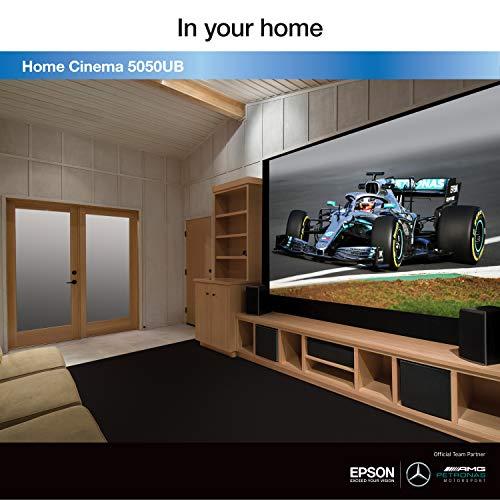
The Sony BRAVIA Projector 9 is better suited for very large screens due to its 3,400-lumen brightness maintaining image quality at greater sizes. The Epson Home Cinema 5050UB can handle large screens but may require more controlled lighting conditions. Both offer identical throw ratios and lens shift for flexible installation.
This depends on your priorities. The Epson 5050UB offers exceptional short-term value with outstanding performance per dollar, though lamp replacements add long-term costs. The Sony BRAVIA Projector 9 provides better long-term value for those who can afford the initial investment, with no maintenance costs and future-proof features that will remain relevant longer.
The Epson Home Cinema 5050UB excels in dedicated dark theater rooms where its exceptional contrast performance shines brightest. The Sony BRAVIA Projector 9 is more versatile, working well in both dedicated theaters and multi-purpose rooms with some ambient light. Both require controlled lighting for optimal performance, but the Sony offers more flexibility in varied lighting conditions.
We've done our best to create useful and informative comparisons to help you decide what product to buy. Our research uses advanced automated methods to create this comparison and perfection is not possible - please contact us for corrections or questions. These are the sites we've researched in the creation of this article: rtings.com - audiogurus.com - hometechnologyreview.com - projectorscreen.com - youtube.com - thesmarthomehookup.com - techgearlab.com - rtings.com - projectorreviews.com - projectorreviews.com - projectorreviews.com - projectorcentral.com - avsforum.com - avsforum.com - rtings.com - avsforum.com - audiogeneral.com - hifiheaven.net - manuals.plus - crutchfield.com - mediaserver.goepson.com - projectorcentral.com - epson.com - bestbuy.com - projectorreviews.com - projectorcentral.com - projectorcentral.com - worldwidestereo.com - formovie.com - electronics.sony.com - sonypremiumhome.com - thesonyshop.ca - crutchfield.com - youtube.com - valueelectronics.com - greatsoundsav.com - pro.sony - skybygramophone.com - avsforum.com - projectorcentral.com - projectorscreenstore.com

Privacy Policy
Terms and Conditions - Affiliate Policy
Home Security
© Copyright 2008-2026.
11816 Inwood Rd #1211, Dallas, TX 75244