

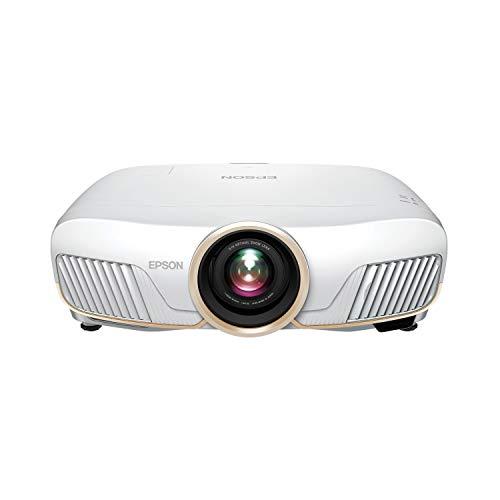
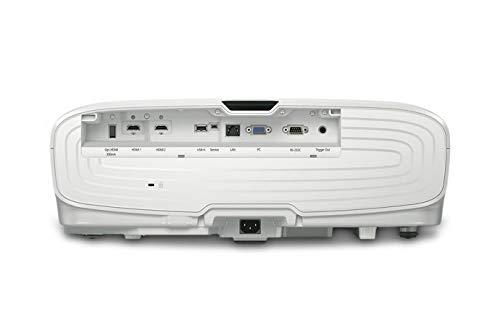
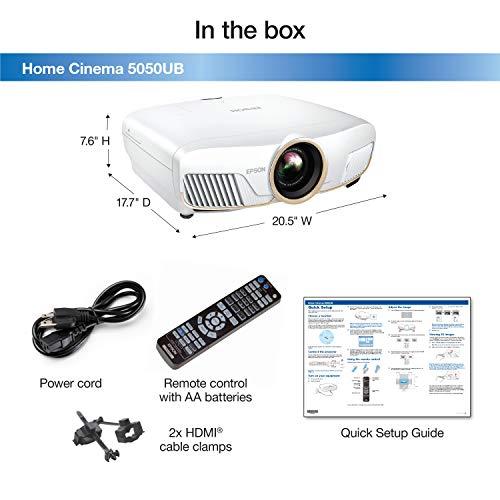
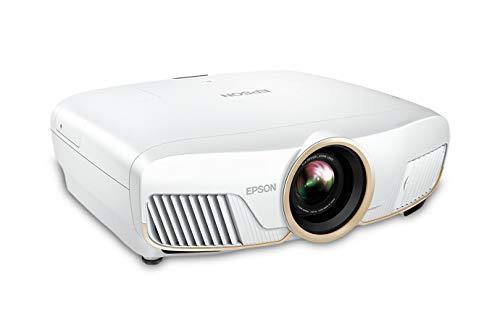
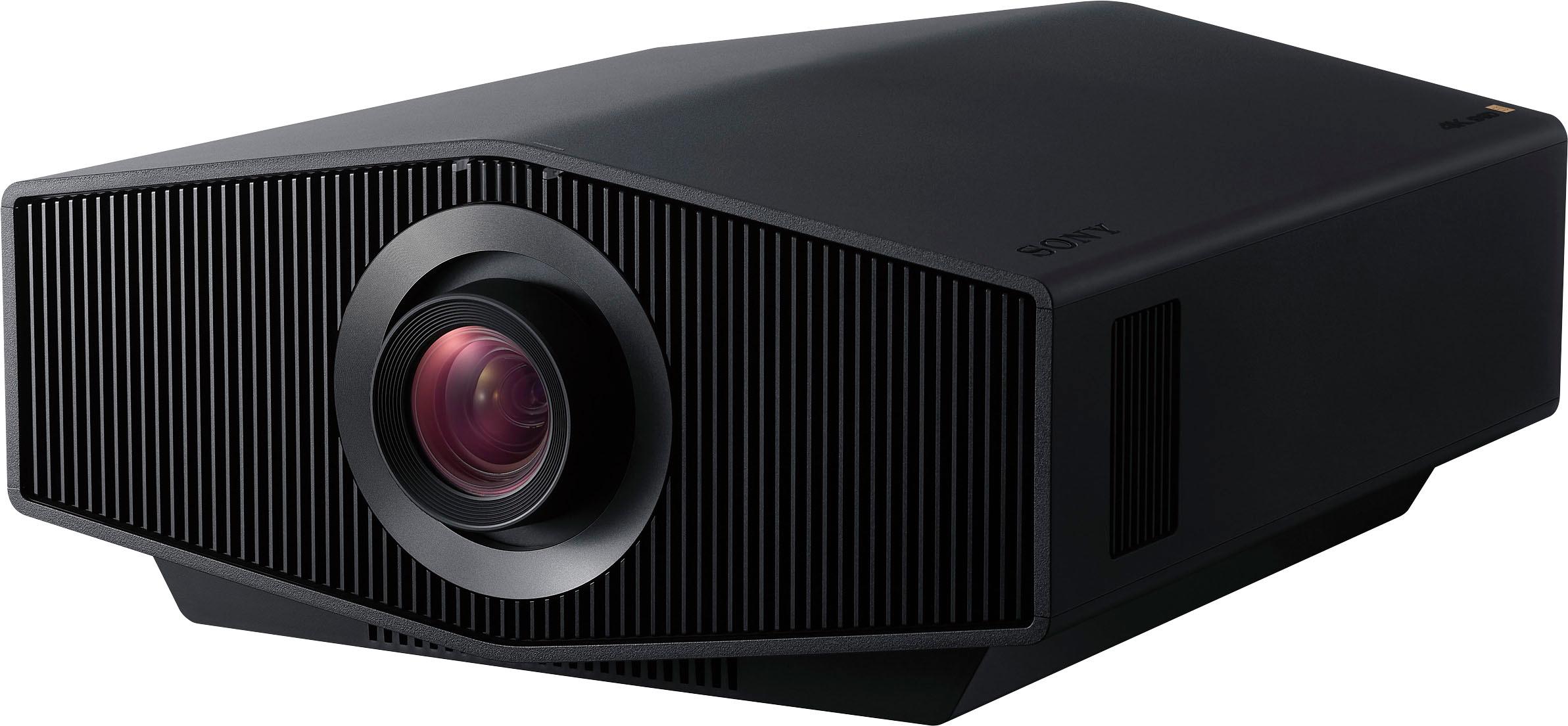
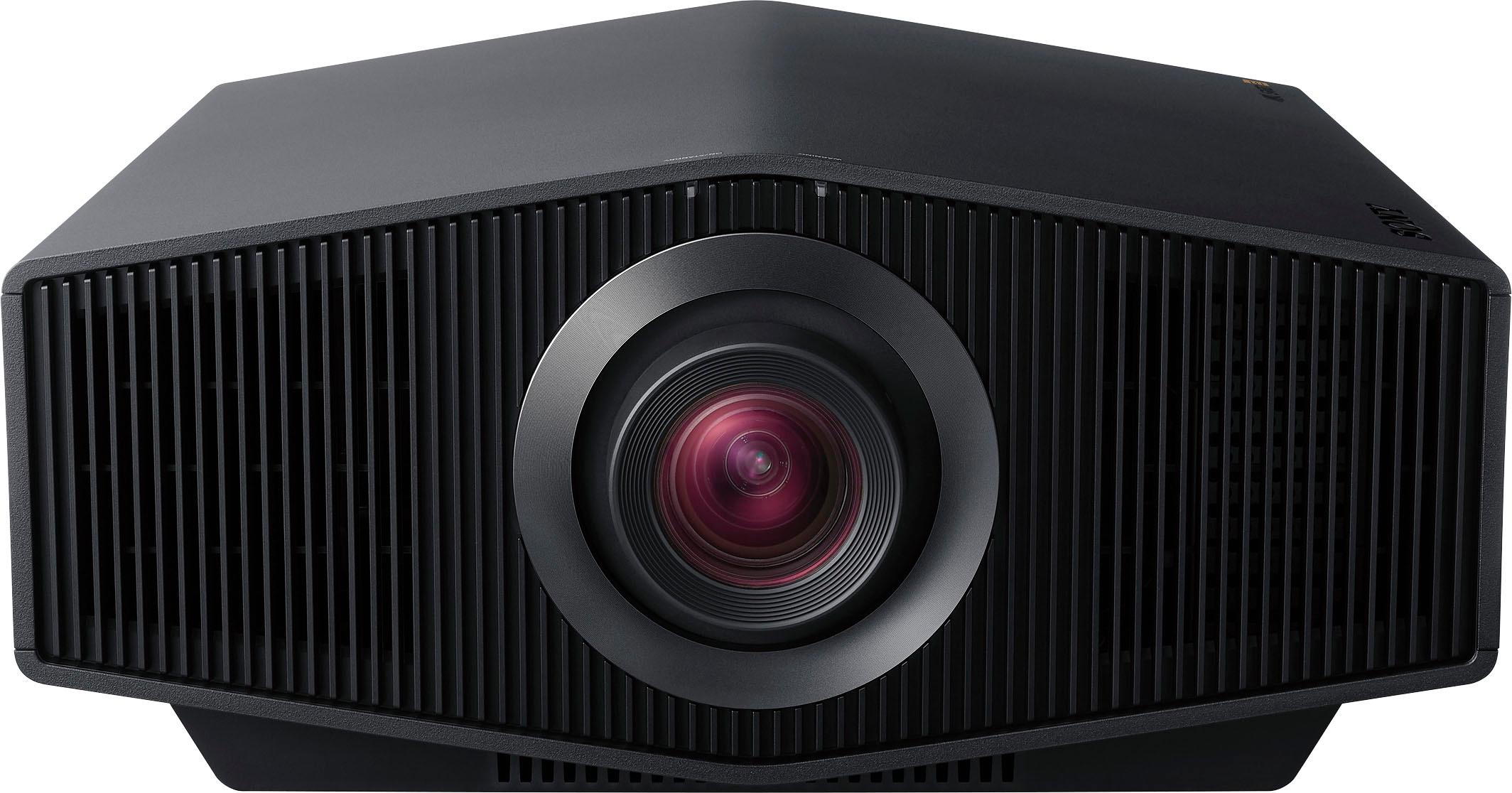
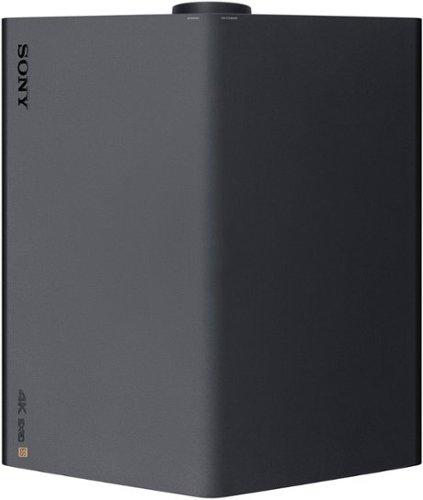
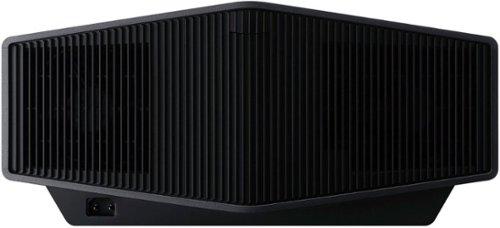
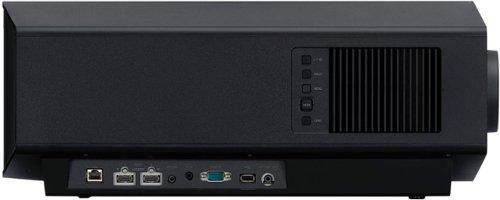
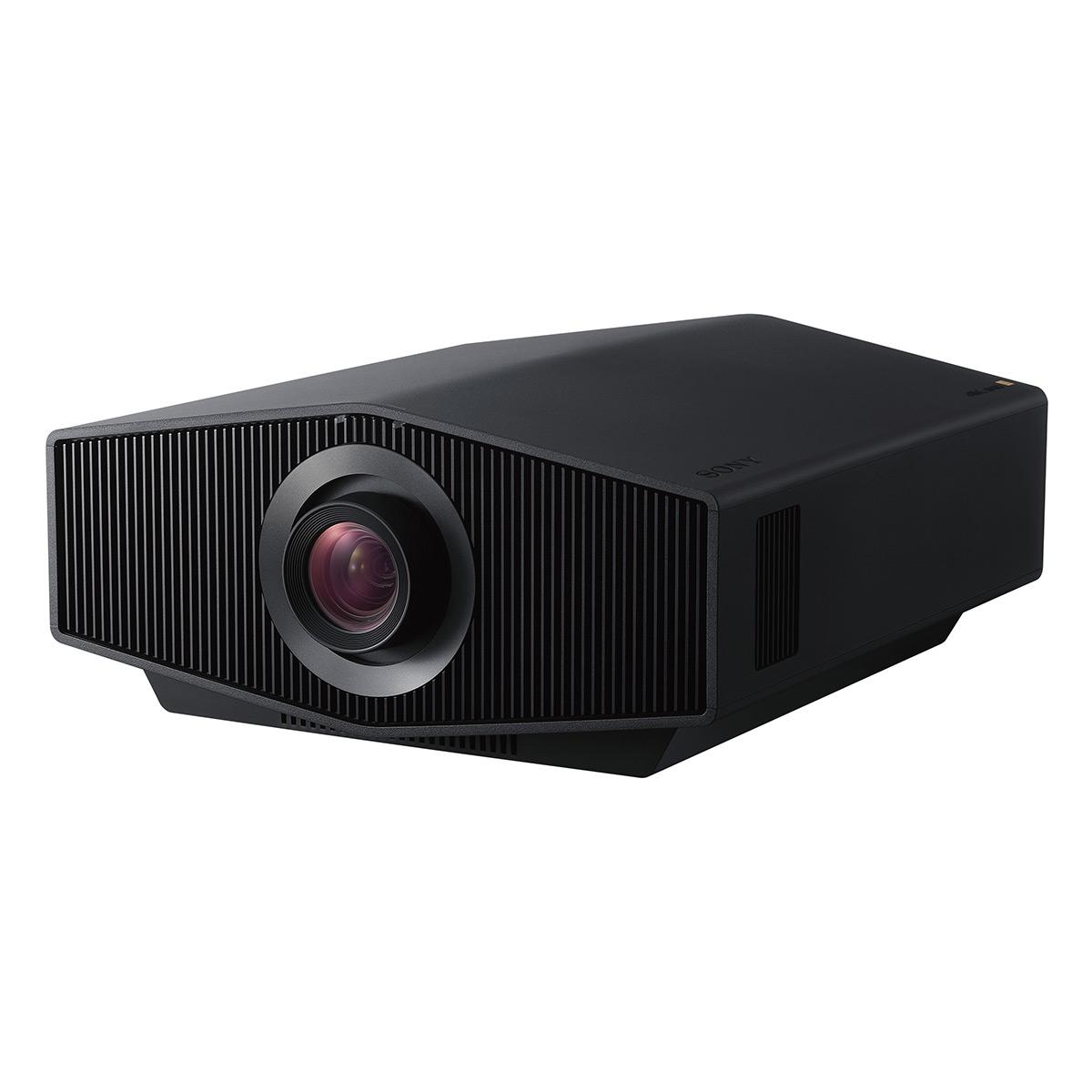
When you're ready to transform your living room or basement into a proper home theater, choosing the right projector can feel overwhelming. The market spans from basic models under $500 to reference-grade units costing more than a luxury car. Today we're examining two projectors that represent dramatically different philosophies: the Epson Home Cinema 5050UB, a lamp-based workhorse that delivers premium features at an accessible price, and the Sony VPL-XW7000ES, a laser-powered flagship that showcases cutting-edge projection technology.
At the time of writing, these projectors sit at opposite ends of the price spectrum—the Epson 5050UB typically retails for under $2,500, while the Sony XW7000ES commands nearly $28,000. That's more than a 10x price difference, which immediately raises the question: what exactly are you getting for that premium?
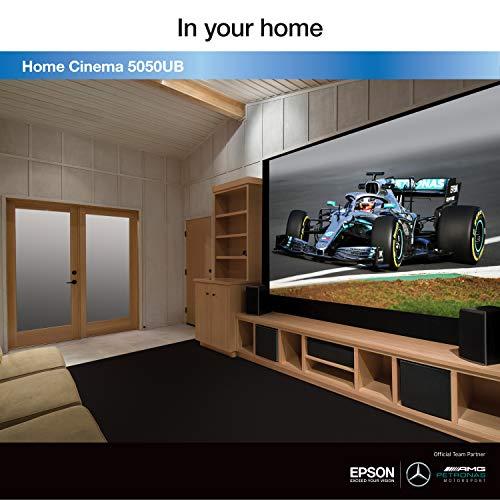
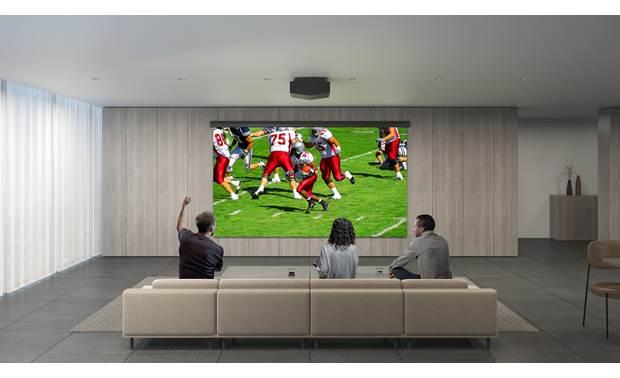
Before diving into the comparison, let's establish what makes a great home theater projector. Unlike computer monitors or TVs that you view from a few feet away, projectors create massive images—typically 100 to 150 inches diagonally—that fill your field of vision completely. This creates a truly cinematic experience that's impossible to replicate with even the largest flat-panel displays.
The key performance factors for home theater projectors include image sharpness and detail, color accuracy (how realistic skin tones and natural objects appear), contrast ratio (the difference between the brightest whites and deepest blacks), brightness measured in lumens (how well the image holds up in rooms with some ambient light), and HDR performance (how well the projector displays the expanded brightness and color range of modern content).
Modern projectors also need excellent installation flexibility since most people can't redesign their rooms around the projector. Features like motorized lens shift (electronically moving the image position without physically moving the projector), motorized zoom and focus, and lens memory (saving different settings for various content types) make setup much easier.
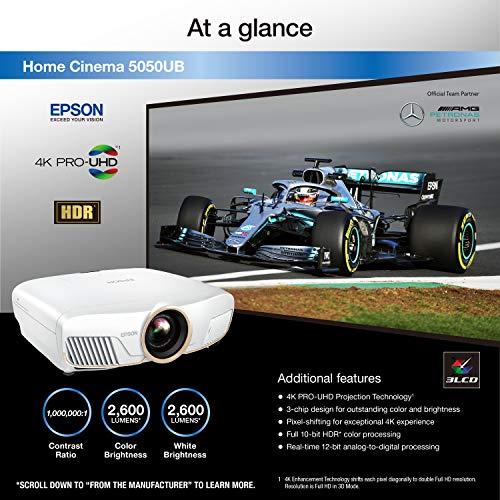
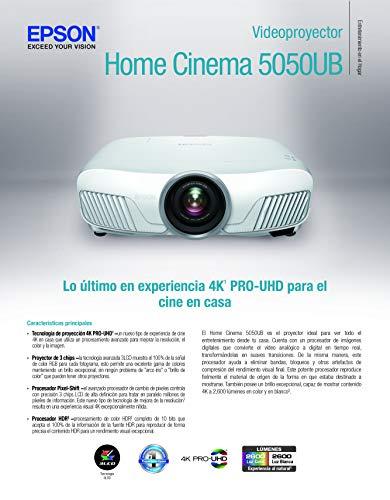
The fundamental difference between these projectors lies in how they create images. The Epson 5050UB uses 3LCD technology, where light passes through three separate LCD panels—one each for red, green, and blue. These panels work together to create the final image, with each panel handling 1920x1080 pixels. To achieve 4K-like detail, Epson employs what they call "pixel shifting" or "e-shift" technology, where an optical element rapidly shifts the image diagonally by half a pixel multiple times per frame, effectively doubling the perceived resolution.
The Sony XW7000ES, released in 2022 as part of Sony's complete projector lineup refresh, uses SXRD (Silicon X-tal Reflective Display) technology. This is Sony's version of LCoS (Liquid Crystal on Silicon), where liquid crystals are layered over a reflective silicon backing. Crucially, the Sony features a true native 4K panel with a physical resolution of 3840x2160—meaning every single 4K pixel exists as an actual pixel on the imaging chip.
Think of it this way: the Epson is like having an artist who paints a picture twice as fast as normal, creating the illusion of more detail through rapid brushstrokes. The Sony has twice as many brushes, allowing it to paint every detail with precise accuracy. Both approaches work well, but they produce subtly different results.
Perhaps the most significant technological difference lies in how these projectors generate light. The Epson 5050UB uses a traditional 250-watt UHE (Ultra High Efficiency) lamp that produces light through an electrical arc in a pressurized mercury vapor bulb. These lamps typically last 3,500 to 5,000 hours depending on brightness settings, after which they need replacement.
The Sony XW7000ES represents the newer generation of laser projectors. Instead of a bulb, it uses an array of laser diodes combined with phosphor materials to generate light. Sony rates this system for 20,000 hours of operation—roughly 10-15 years of typical home theater use—with minimal brightness degradation over time.
From a practical standpoint, lamp replacement isn't just about cost (typically $300-400 for quality replacement lamps). There's also the inconvenience of installation downtime, the gradual brightness loss as lamps age, and the environmental impact of mercury-containing bulbs. Laser systems eliminate these concerns entirely while providing more consistent light output and instant on/off operation.
Based on extensive reviews and user feedback, the image quality differences between these projectors are immediately apparent. The Sony XW7000ES consistently receives praise for what reviewers describe as "mesmerizing" image quality, with razor-sharp detail that surpasses typical cinema experiences. The native 4K SXRD panel resolves fine details that the Epson's pixel-shifting technology simply cannot match, particularly in areas like individual hair strands, fabric textures, and architectural details.
However, the Epson 5050UB shouldn't be underestimated. Its advanced e-shift technology creates remarkably detailed images that clearly surpass standard 1080p projection. For typical viewing distances and content, many viewers find the difference less dramatic than specifications might suggest. The Epson excels particularly in dark room environments where its UltraBlack technology—a proprietary filter system that controls light polarization—delivers impressive contrast ratios up to 1,000,000:1.
The Sony takes contrast performance even further with what it claims as infinite contrast through its laser dimming system. This allows the projector to completely shut off light in specific image areas, creating true blacks that were impossible with traditional lamp-based systems. Combined with Dynamic HDR Enhancer technology, the Sony delivers HDR performance that rivals much more expensive reference projectors.
Color reproduction represents another area where these projectors take different approaches. The Sony XW7000ES covers 95% of the DCI-P3 color space—the standard used in digital cinemas—and delivers remarkably natural, accurate colors straight out of the box. Its X1 Ultimate processor, borrowed from Sony's flagship BRAVIA televisions, analyzes individual objects in each frame and optimizes their color and contrast in real-time.
The Epson 5050UB can produce vibrant, eye-catching colors but may exhibit slight color tints (often greenish or bluish) in certain scenes without proper calibration. However, once calibrated, the Epson delivers excellent color accuracy that satisfies most home theater enthusiasts. Its 3LCD technology eliminates the "rainbow effect" that some people notice with single-chip DLP projectors, making it comfortable for extended viewing sessions.
For HDR content, the differences become more pronounced. The Sony excels with complex HDR scenes, maintaining detail in both bright highlights and deep shadows simultaneously. Users consistently report superior performance in challenging content like bright cloud formations against dark skies or dimly lit interior scenes with bright windows. The Epson supports HDR formats but lacks the sophisticated processing and dynamic range to fully exploit HDR content's potential.
Brightness specifications tell only part of the story, but they're crucial for determining room compatibility. The Sony XW7000ES delivers 3,200 lumens compared to the Epson's 2,600 lumens. More importantly, the Sony's laser system maintains consistent brightness throughout its lifespan, while lamp-based projectors gradually dim over time.
This brightness advantage makes the Sony more versatile in rooms with ambient light. It can deliver stunning HDR images even on larger screens in family rooms with some lighting, whereas the Epson performs best in dedicated theater environments with controlled lighting.
However, the Epson 5050UB offers a significant advantage in noise levels, operating at just 20-31 dB compared to the Sony's 26 dB minimum. In quiet, dedicated theater rooms, this difference can be meaningful during soft dialogue scenes or contemplative moments in films.
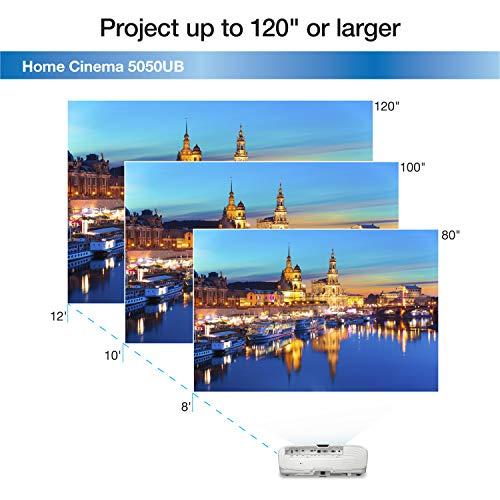
Both projectors excel in installation flexibility, featuring motorized zoom, focus, and lens shift capabilities that make setup much easier than manual adjustment systems. The Epson 5050UB can project images up to 300 inches diagonal, while the Sony XW7000ES maxes out at 200 inches—still enormous by any practical measure.
The Sony benefits from a more compact, modern design that's 20% smaller and 30% lighter than its predecessors, making it easier to integrate into contemporary living spaces. Both projectors include lens memory functions that save different zoom, focus, and lens shift settings, allowing quick switching between different aspect ratios like standard 16:9 content and ultra-wide 2.35:1 cinematic formats.
For gaming enthusiasts, both projectors deliver respectable input lag performance—the Epson at 22.5ms and the Sony at 21ms. These figures are suitable for casual and single-player gaming, though competitive gamers might prefer dedicated gaming displays with sub-10ms response times.
The Epson 5050UB includes some features the Sony lacks, including 3D support with active shutter glasses and built-in smart TV functionality. For viewers who still enjoy 3D content or prefer integrated streaming without external devices, these features add value.
The Sony XW7000ES focuses purely on display performance but includes superior home automation integration, supporting Control4, Crestron, Savant, and AMX systems for custom installations.
The dramatic price difference between these projectors means evaluating long-term value requires looking beyond initial purchase price. The Epson 5050UB will require lamp replacements every 3,500-5,000 hours of use, adding several hundred dollars over its lifespan. However, even accounting for multiple lamp replacements, the total cost remains a fraction of the Sony's initial investment.
The Sony XW7000ES essentially eliminates maintenance costs with its 20,000-hour laser system and three-year warranty. For commercial installations or users who prioritize convenience and long-term reliability, this can justify the premium pricing.
Energy consumption also differs meaningfully—the Epson draws 373 watts while the Sony requires 420 watts. Over thousands of hours of operation, this translates to measurable differences in electricity costs, though still relatively minor compared to the initial price gap.
The Epson Home Cinema 5050UB represents exceptional value for home theater enthusiasts seeking professional-grade features without flagship pricing. Its combination of motorized lens controls, impressive contrast performance, comprehensive color processing, and reliable 3LCD technology delivers a cinema experience that satisfies most viewers. The pixel-shifting 4K enhancement produces images that clearly surpass standard 1080p while remaining affordable for middle-class budgets.
This projector excels in dedicated theater rooms with controlled lighting, where its excellent contrast and color accuracy shine. The quieter operation and 3D support add versatility, making it ideal for families who want premium home theater performance without breaking the bank.
The Sony VPL-XW7000ES targets a different audience entirely—those seeking absolute reference-level performance and long-term reliability. Its native 4K resolution, superior HDR processing, laser light source, and exceptional build quality justify the premium for videophiles and custom installation clients who demand the best possible experience.
The Sony makes sense for larger, brighter rooms where its superior brightness and dynamic range capabilities provide clear advantages. It's also the logical choice for users who view projection as a long-term investment and prefer minimal maintenance requirements.
Ultimately, both projectors excel within their respective market segments. The Epson 5050UB delivers 80-90% of flagship performance at roughly 10% of the cost, making it the clear value champion. The Sony XW7000ES provides that final 10-20% of performance improvement that enthusiasts crave, along with peace of mind that comes from cutting-edge technology and rock-solid reliability.
For most home theater applications, the Epson offers the better balance of performance, features, and value. But for those who can appreciate and afford the difference, the Sony represents the current pinnacle of home theater projection technology.
| Epson Home Cinema 5050UB | Sony VPL-XW7000ES |
|---|---|
| Native Resolution - Determines true detail capability | |
| 1080p with pixel-shifting 4K enhancement | True native 4K (3840x2160) |
| Light Source Technology - Affects maintenance and longevity | |
| Traditional lamp (3,500-5,000 hour lifespan) | Laser (20,000 hour lifespan) |
| Brightness - Critical for room lighting flexibility | |
| 2,600 lumens (excellent for dark rooms) | 3,200 lumens (better for ambient light) |
| Contrast Ratio - Determines black level performance | |
| 1,000,000:1 with UltraBlack technology | Infinite contrast with laser dimming |
| Display Technology - Affects color accuracy and rainbow effects | |
| 3LCD (no rainbow effect, good colors) | SXRD (superior color accuracy, no rainbow effect) |
| HDR Performance - Important for modern content quality | |
| HDR10/HLG support with basic processing | Advanced HDR with Dynamic HDR Enhancer |
| Color Gamut Coverage - Determines color vibrancy and accuracy | |
| DCI-P3 support with good accuracy | 95% DCI-P3 coverage with cinema-grade accuracy |
| Lens Flexibility - Important for installation options | |
| 2.1x motorized zoom, ±96% vertical/±47% horizontal shift | 2.1x motorized zoom, ±85% vertical/±36% horizontal shift |
| Maximum Screen Size - Determines large screen capability | |
| Up to 300 inches diagonal | Up to 200 inches diagonal |
| Noise Level - Critical for quiet viewing environments | |
| 20-31 dB (quieter operation) | 26 dB (moderate noise level) |
| Gaming Performance - Input lag for responsive gaming | |
| 22.5ms input lag (good for casual gaming) | 21ms input lag (good for casual gaming) |
| 3D Support - For 3D movie enthusiasts | |
| Full 3D support with active glasses | No 3D support |
| Smart Features - Built-in streaming capabilities | |
| Built-in smart TV features | No built-in streaming (display only) |
| Maintenance Requirements - Long-term ownership considerations | |
| Periodic lamp replacements needed | Virtually maintenance-free laser system |
| Home Automation Integration - For custom installations | |
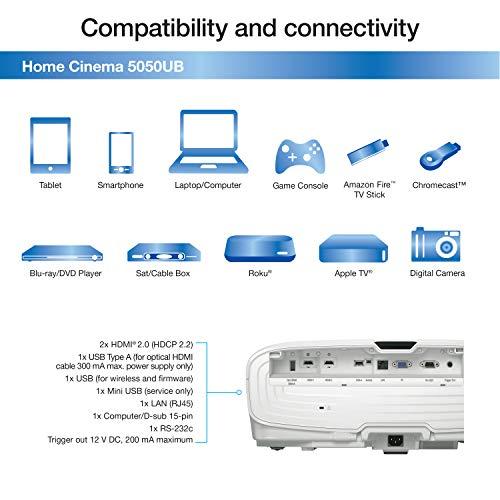
| Basic RS-232 control | Advanced integration (Control4, Crestron, Savant, AMX) |
| Weight and Size - Installation and portability considerations | |
| 24.7 lbs, traditional projector size | 30.9 lbs, 20% more compact design |
| Warranty Coverage - Protection for your investment | |
| Standard manufacturer warranty | 3-year comprehensive warranty |
The Sony VPL-XW7000ES delivers superior picture quality with its true native 4K SXRD panel and advanced image processing. It produces sharper details, more accurate colors, and better contrast than the Epson Home Cinema 5050UB. However, the Epson 5050UB still provides excellent image quality with its pixel-shifting 4K enhancement technology, offering impressive performance at a much lower price point.
The Epson 5050UB uses a traditional lamp that lasts 3,500-5,000 hours and requires periodic replacement, while the Sony XW7000ES features a laser light source rated for 20,000 hours of maintenance-free operation. Laser projectors provide consistent brightness over their lifespan, instant on/off capability, and eliminate the ongoing costs and hassle of lamp replacements.
The Sony VPL-XW7000ES produces 3,200 lumens compared to the Epson 5050UB's 2,600 lumens, making the Sony better suited for rooms with some ambient light. However, both projectors perform best in dedicated home theater rooms with controlled lighting for optimal contrast and color accuracy.
Yes, both projectors support 4K content but use different technologies. The Sony XW7000ES features true native 4K resolution with a physical 3840x2160 panel, while the Epson 5050UB uses pixel-shifting technology to enhance 1080p panels and create 4K-like detail. Both can accept and display 4K HDR content effectively.
Both the Epson 5050UB and Sony XW7000ES offer similar gaming performance with input lag around 21-22.5ms, making them suitable for casual gaming. Neither projector is optimized for competitive gaming, but both provide enjoyable gaming experiences for console players in home theater setups.
The Sony VPL-XW7000ES achieves superior contrast with its laser dimming system that can create true blacks by completely shutting off light in dark image areas. The Epson 5050UB offers impressive 1,000,000:1 contrast with its UltraBlack technology, but cannot match the Sony's dynamic range capabilities, especially in HDR content.
The Epson Home Cinema 5050UB operates more quietly at 20-31 dB compared to the Sony XW7000ES's 26 dB minimum noise level. For dedicated home theater rooms where silence during quiet movie scenes is important, the Epson's quieter operation can be a meaningful advantage.
Both projectors support HDR10 and HLG formats, but the Sony XW7000ES provides significantly better HDR performance with its Dynamic HDR Enhancer technology and superior brightness range. The Epson 5050UB can display HDR content but lacks the advanced processing to fully exploit HDR's expanded dynamic range.
The Epson 5050UB can project images up to 300 inches diagonal, while the Sony XW7000ES maxes out at 200 inches. Both projectors offer 2.1x motorized zoom and extensive lens shift capabilities for flexible installation in various room sizes and configurations.
The Epson Home Cinema 5050UB provides exceptional value, delivering premium home theater features and excellent image quality at a fraction of the cost of flagship projectors. The Sony XW7000ES offers superior performance and long-term reliability but commands a significant price premium that may only be justified for the most demanding home theater enthusiasts.
The Epson 5050UB includes full 3D support with active shutter glasses, making it ideal for 3D movie enthusiasts. The Sony XW7000ES does not support 3D content, focusing instead on delivering the best possible 2D image quality with its advanced processing and native 4K resolution.
The Epson 5050UB will require lamp replacements every few years, adding ongoing maintenance costs throughout its lifespan. The Sony VPL-XW7000ES eliminates these concerns with its 20,000-hour laser system and comprehensive warranty, making it essentially maintenance-free for 10-15 years of typical home theater use.
We've done our best to create useful and informative comparisons to help you decide what product to buy. Our research uses advanced automated methods to create this comparison and perfection is not possible - please contact us for corrections or questions. These are the sites we've researched in the creation of this article: rtings.com - audiogurus.com - hometechnologyreview.com - projectorscreen.com - youtube.com - thesmarthomehookup.com - techgearlab.com - rtings.com - projectorreviews.com - projectorreviews.com - projectorreviews.com - projectorcentral.com - avsforum.com - avsforum.com - rtings.com - avsforum.com - audiogeneral.com - hifiheaven.net - manuals.plus - crutchfield.com - mediaserver.goepson.com - projectorcentral.com - epson.com - bestbuy.com - projectorreviews.com - projectorcentral.com - whathifi.com - electronics.sony.com - us.puretheatre.com - pro.sony - stereonet.com - pro.sony - valueelectronics.com - projectorreviews.com - pro.sony - leisuretheory.com

Privacy Policy
Terms and Conditions - Affiliate Policy
Home Security
© Copyright 2008-2026.
11816 Inwood Rd #1211, Dallas, TX 75244