

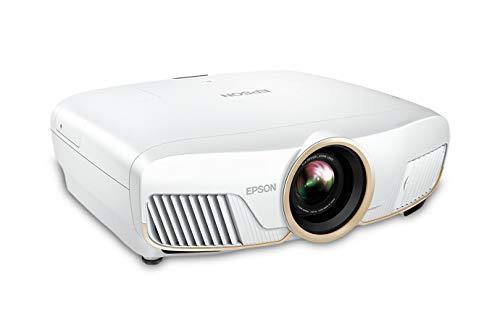

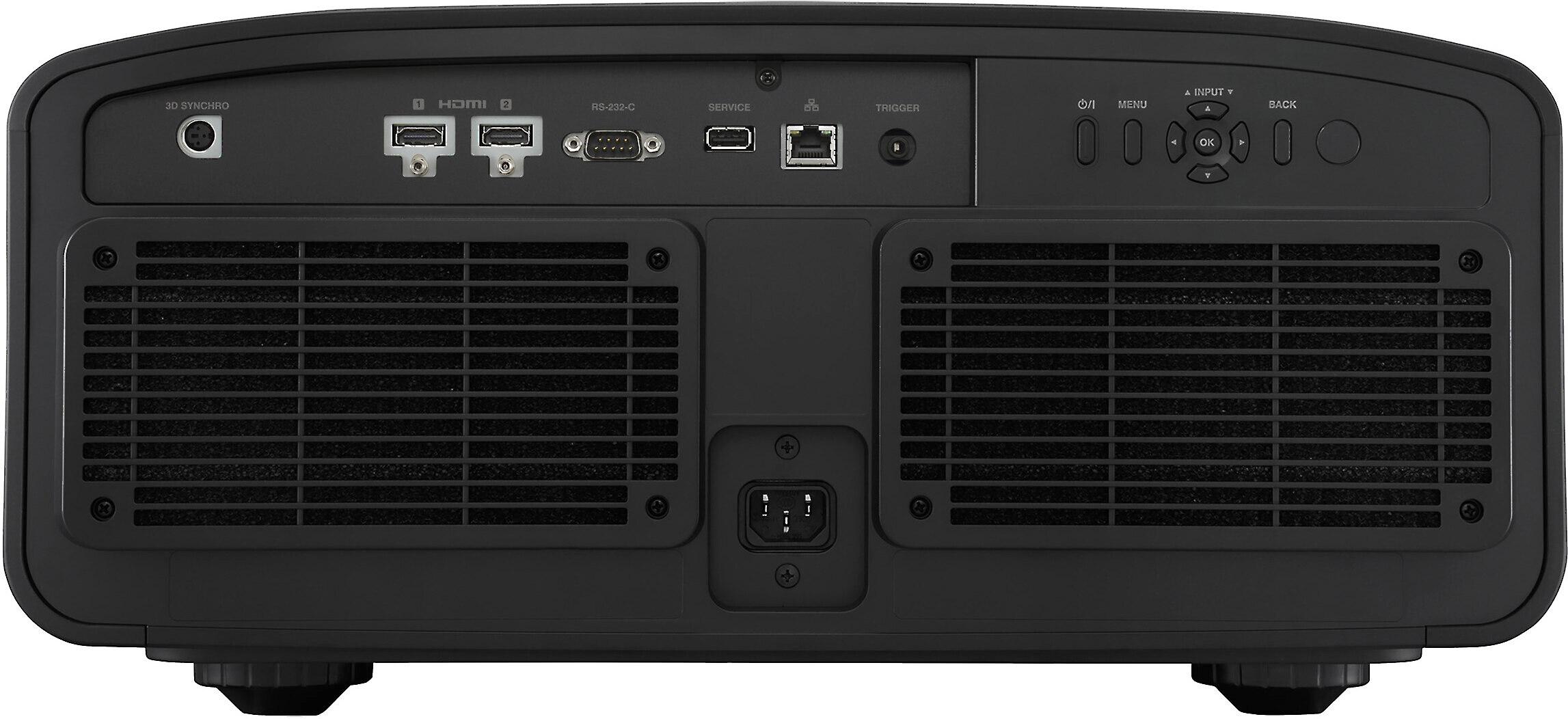
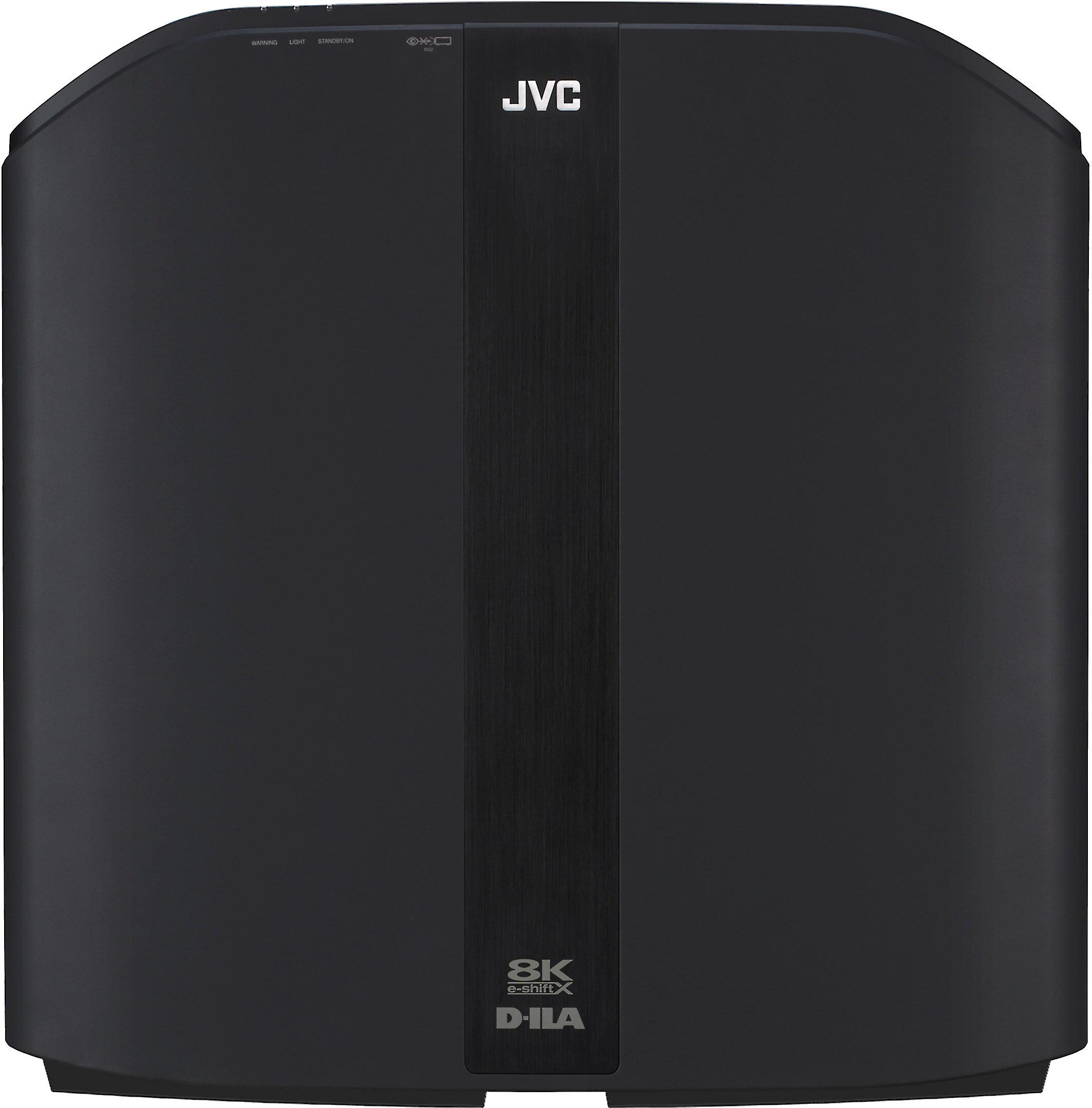
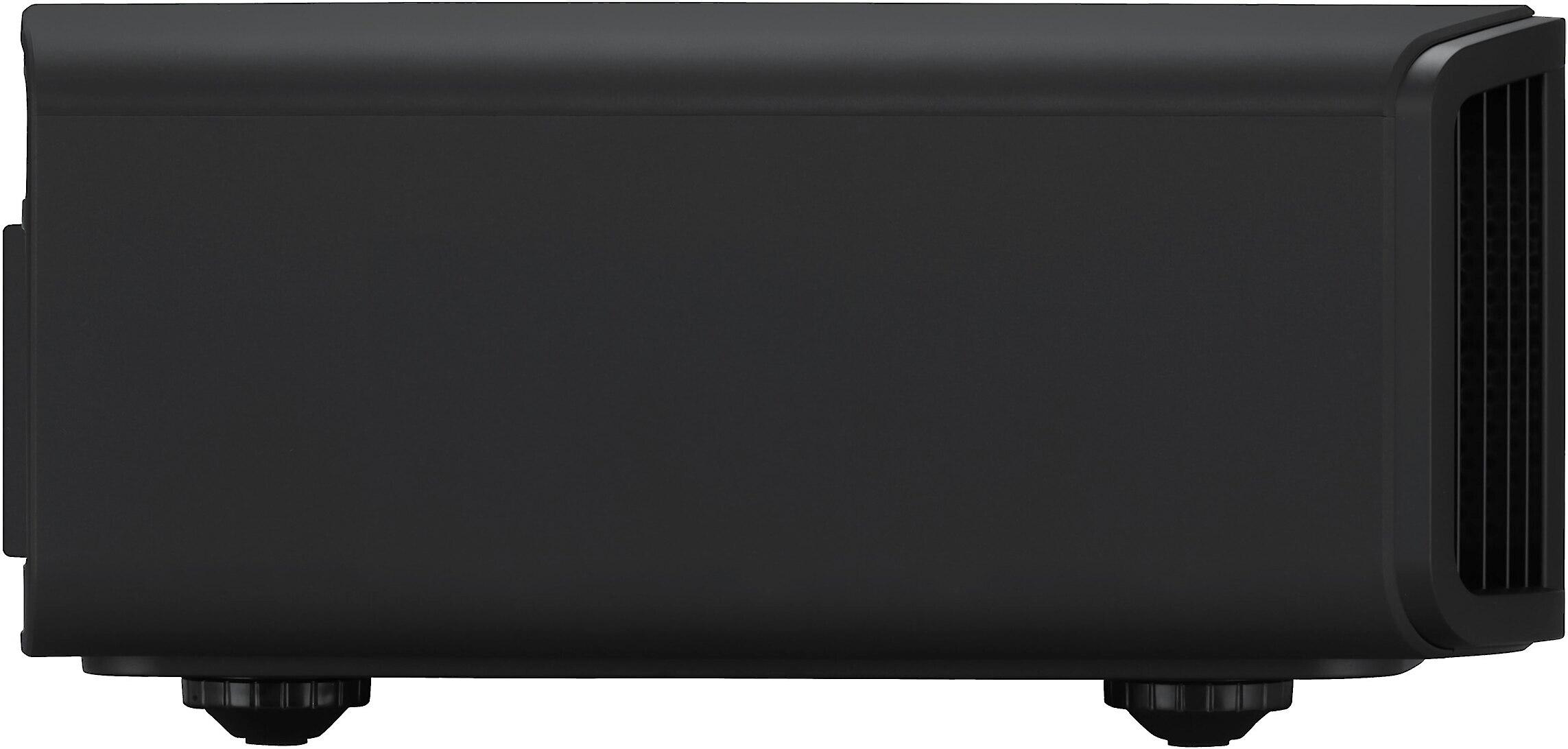
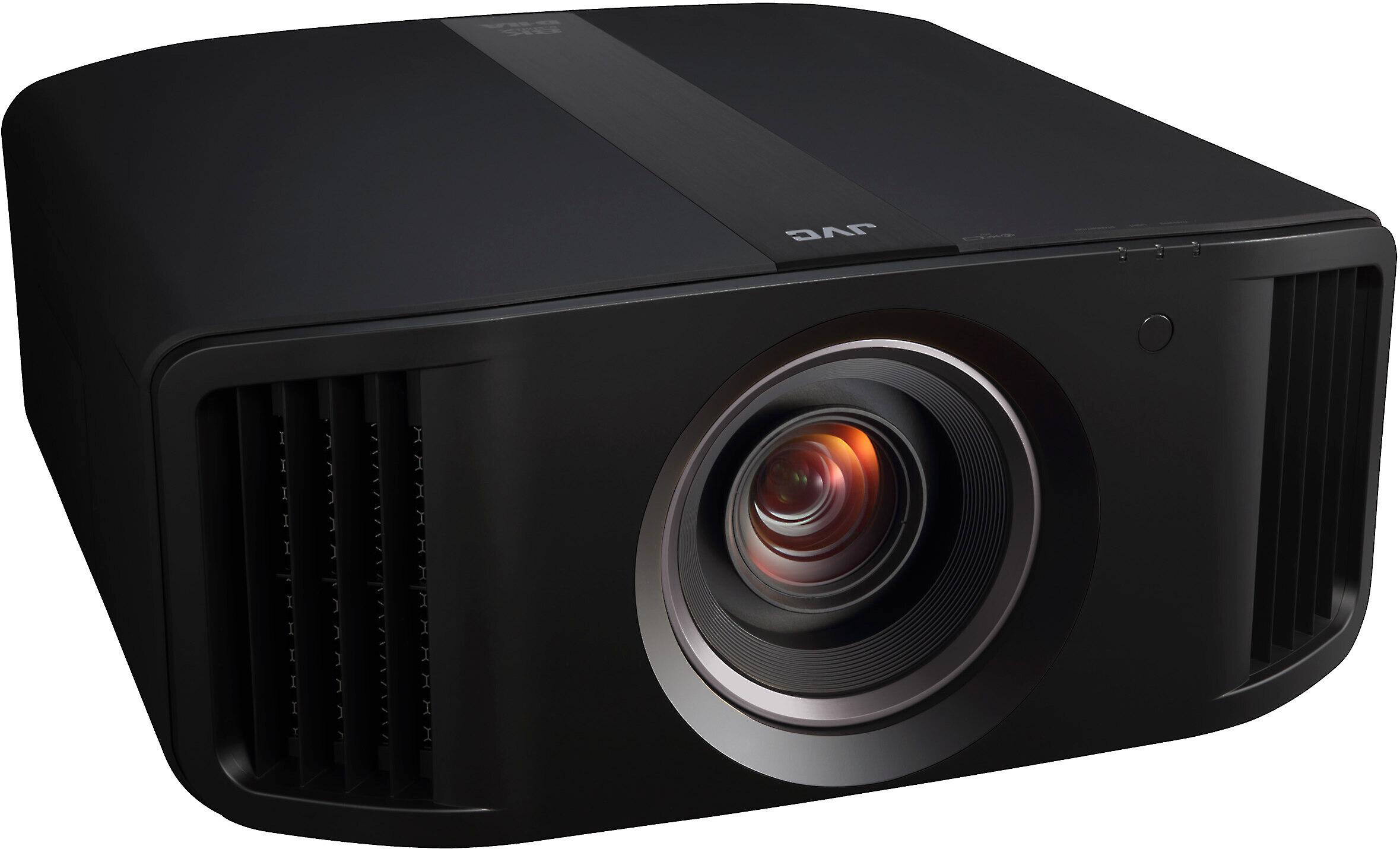
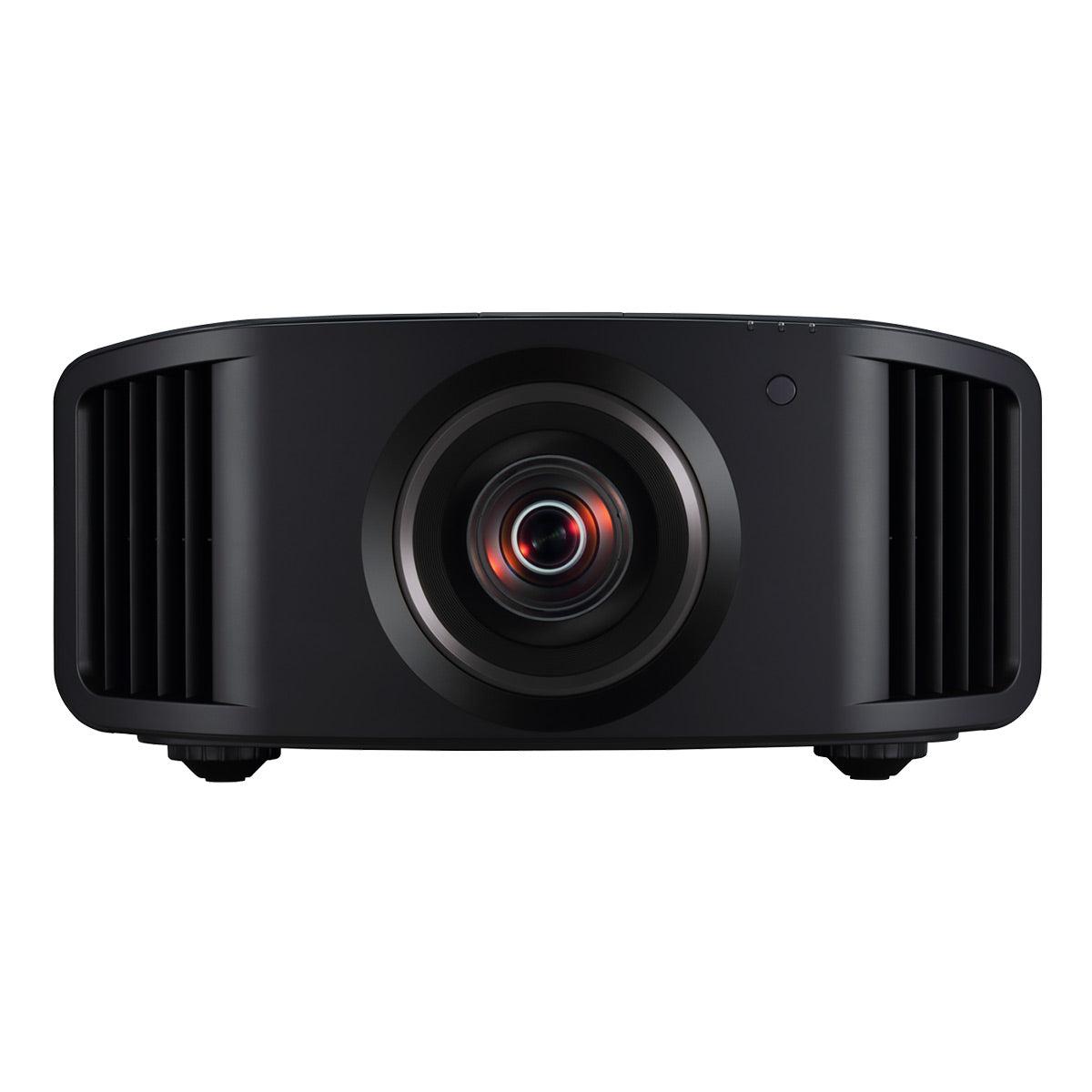
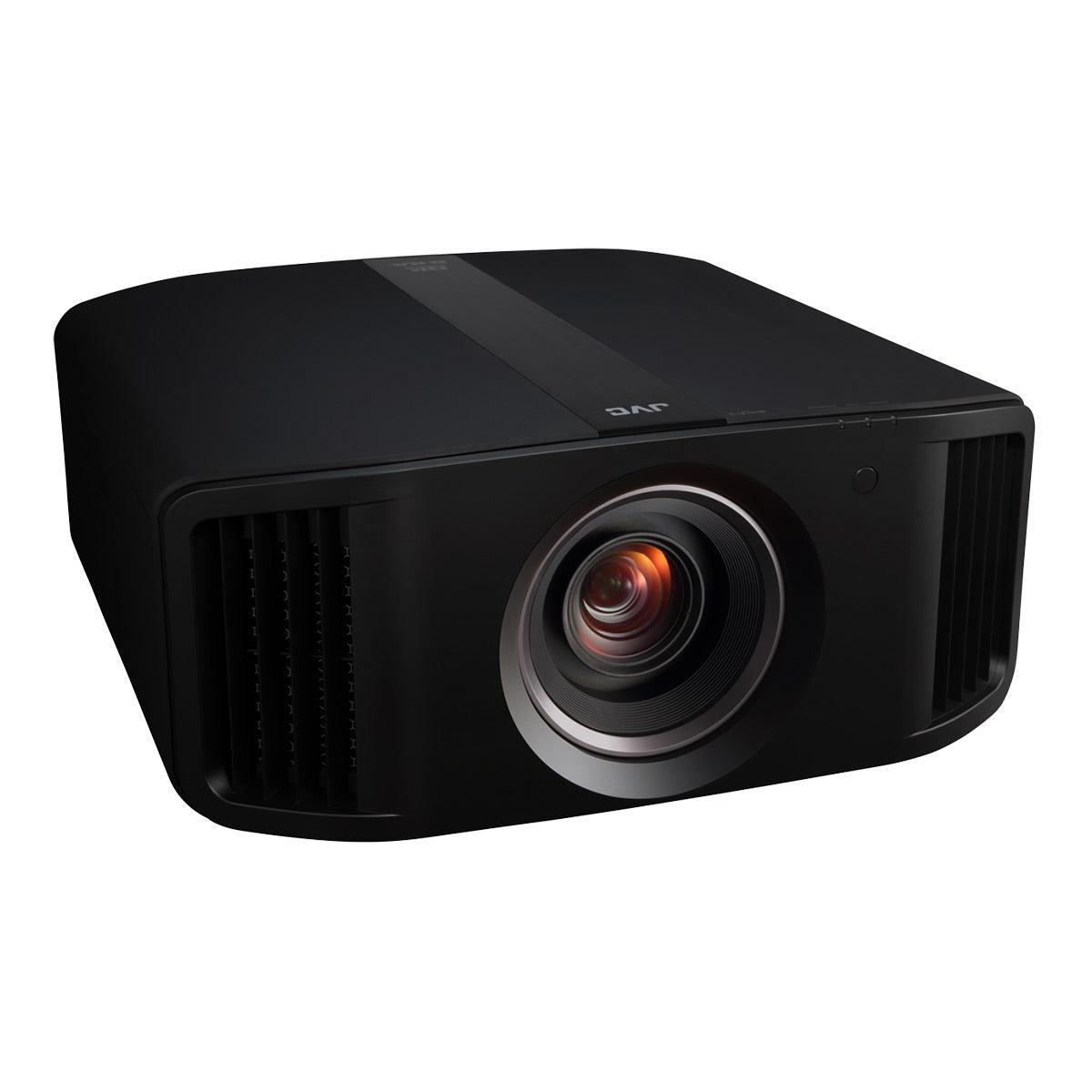
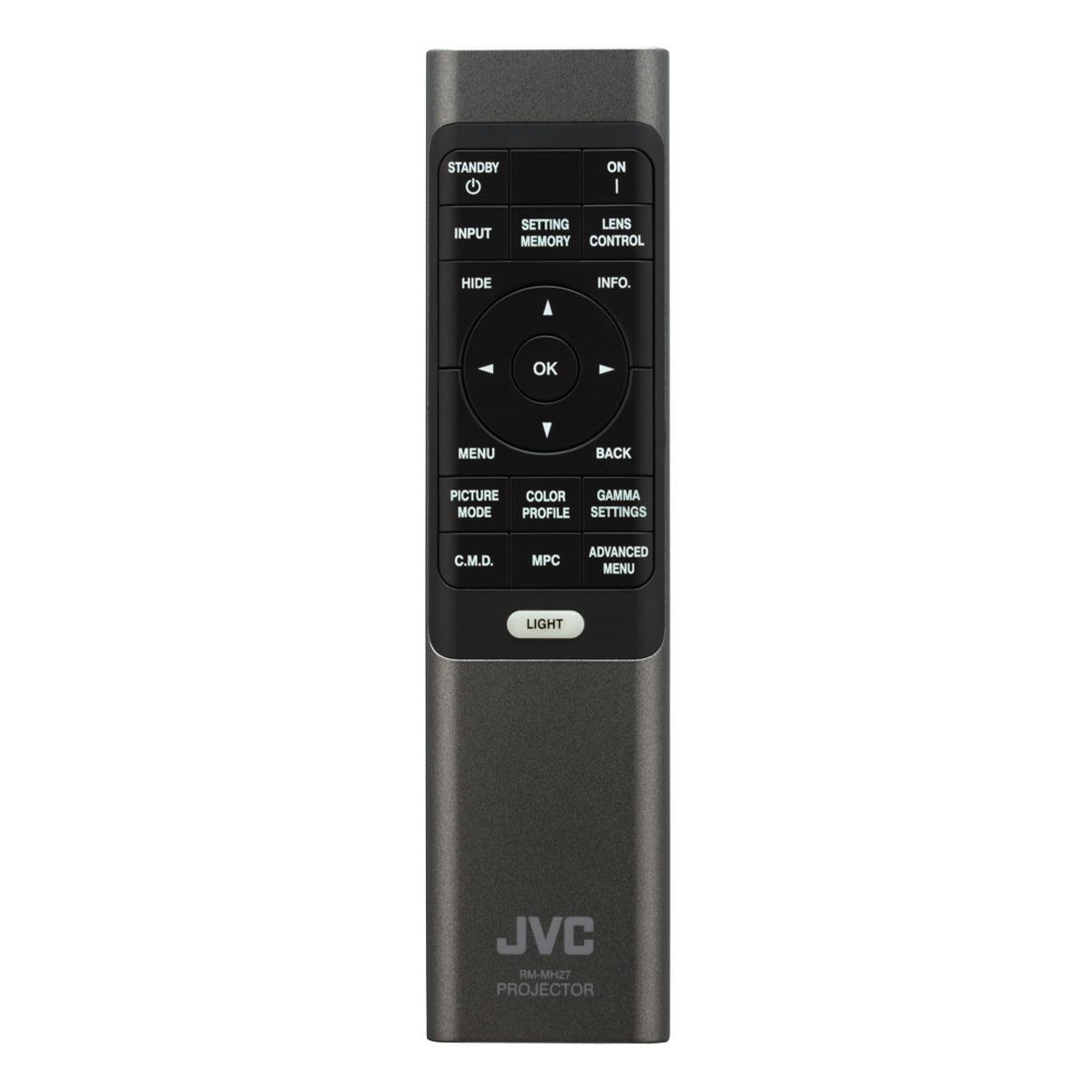
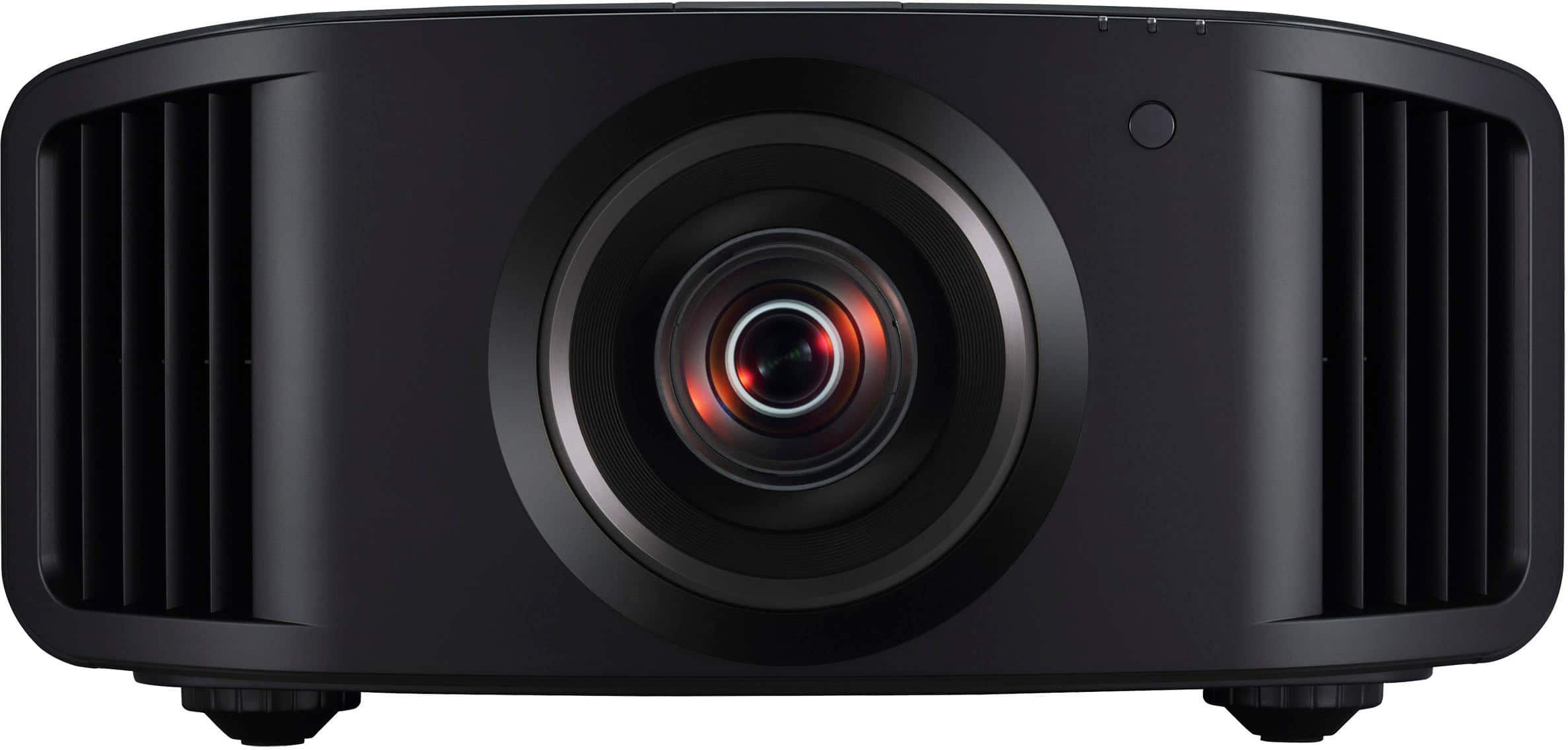
When you're ready to transform your living space into a proper home theater, the projector you choose becomes the heart of the entire experience. At the time of writing, two projectors that frequently come up in serious home theater discussions represent completely different approaches to achieving that cinematic magic: the Epson Home Cinema 5050UB and the JVC DLA-NZ800. These aren't just different models—they're fundamentally different philosophies about home projection, separated by thousands of dollars and targeting distinctly different audiences.
Before diving into these specific models, it's worth understanding what makes a great home theater projector. Unlike the portable projectors you might use for presentations, these machines are designed for one purpose: delivering the most cinematic experience possible in your home.
The key factors that separate good projectors from great ones include native resolution (how many actual pixels the projector can display), contrast ratio (the difference between the darkest blacks and brightest whites), color accuracy, brightness levels, and the type of light source used. Each of these elements contributes to how immersive and realistic your movies, shows, and games will look on the big screen.
What's particularly interesting about comparing the Epson 5050UB and JVC NZ800 is that they represent two completely different price tiers and technological approaches, yet both aim to deliver exceptional home theater experiences.
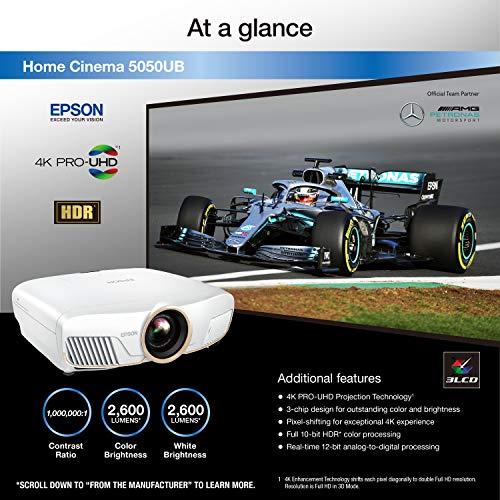
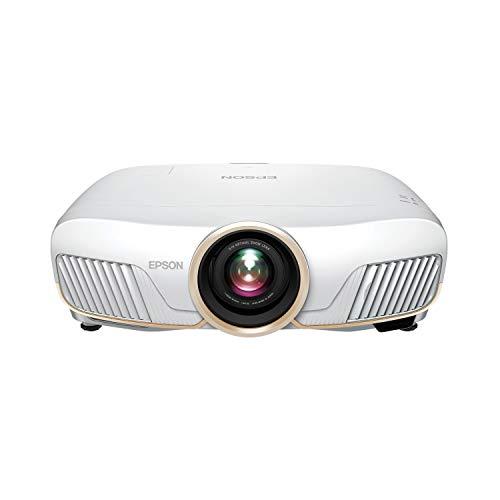
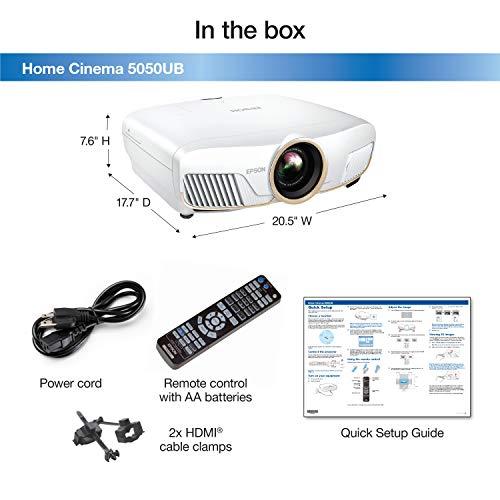
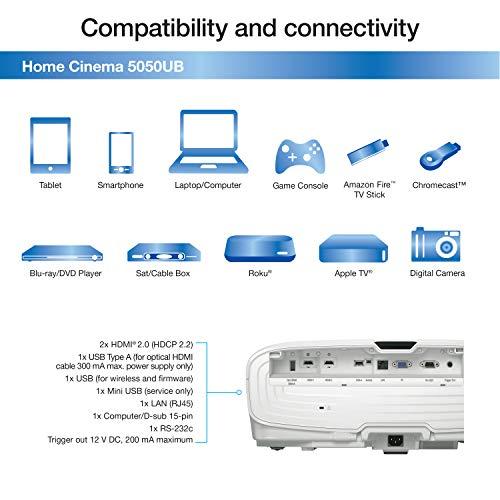
The Epson Home Cinema 5050UB, released in 2019, remains one of the most popular choices for DIY home theater enthusiasts. Despite being several years old, it continues to hold its ground because Epson nailed the fundamentals: excellent contrast, vibrant colors, and flexible installation options at a price point that doesn't require a second mortgage.
The JVC DLA-NZ800, on the other hand, arrived in 2024 as JVC's latest statement piece in premium home theater projection. It represents the cutting edge of what's possible when cost becomes less of a concern than absolute performance.
The price difference between these projectors is substantial—the Epson typically sells for around one-fifth the cost of the JVC. This immediately raises the question: what exactly are you getting for that significant price premium, and is it worth it?
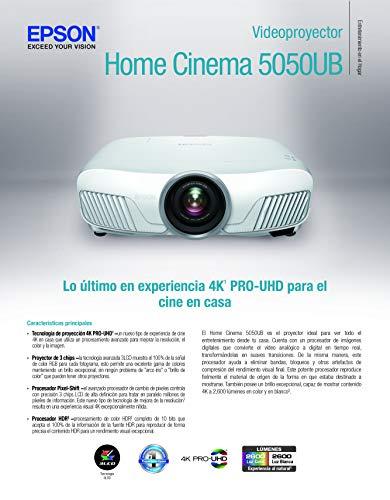
Let's start with resolution, because this is where the fundamental difference between these projectors becomes clear. The Epson 5050UB uses what Epson calls "4K PRO-UHD" technology, which is essentially a very sophisticated form of pixel shifting applied to native 1080p panels.
Here's how it works: the projector takes each pixel and shifts it diagonally by half a pixel width, essentially displaying the image twice in slightly different positions. This creates the appearance of higher resolution by doubling the number of pixels your eye perceives. It's clever engineering that genuinely improves image sharpness compared to standard 1080p projection.
The JVC NZ800 takes a completely different approach with true native 4K D-ILA panels. Each of its three imaging chips contains 4,096 by 2,160 actual pixels—no shifting required. But JVC doesn't stop there. They've added their Gen2 8K/e-shiftX technology, which shifts these native 4K pixels to create an 8,192 by 4,320 pixel image.
The practical difference is significant. While the Epson delivers impressively sharp images that satisfy most viewers, the JVC provides the kind of razor-sharp detail that makes you notice things in movies you've never seen before. Text appears crisp and readable even at large screen sizes, and fine details in textures and patterns remain distinct rather than soft.
If resolution is the foundation, contrast ratio is the soul of great projection. This is where both projectors shine, but in different ways.
The Epson 5050UB achieves its impressive contrast through what they call "UltraBlack" technology. This involves a special compensation filter that controls light polarization, combined with a dynamic auto iris that constantly adjusts based on image content. The result is a claimed 1,000,000:1 dynamic contrast ratio, which sounds astronomical but is achieved through these active adjustments.
What matters more than the numbers is how this translates to real viewing. The Epson delivers genuinely deep blacks that make dark movie scenes feel atmospheric rather than washed out. When you're watching something like "Blade Runner 2049" or "Dune," those moody, shadowy scenes maintain their dramatic impact instead of looking gray.
The JVC NZ800 approaches contrast differently, focusing on what's called native contrast—the inherent ability of the projector to produce dark blacks without any dynamic adjustments. Its third-generation D-ILA panels achieve a 100,000:1 native contrast ratio, which means even in the projector's most basic operating mode, it maintains this level of contrast performance.
In practice, this translates to blacks that appear truly black rather than dark gray, even in scenes with mixed lighting. The difference becomes particularly apparent in HDR content, where the projector needs to simultaneously display very bright highlights and deep shadows within the same frame.
The Epson 5050UB uses a traditional ultra-high-performance (UHP) lamp, a 250-watt bulb that provides the projector's illumination. These lamps typically last between 3,500 and 5,000 hours depending on usage mode, after which they need replacement. While this adds to long-term ownership costs, lamp-based projectors have the advantage of proven reliability and relatively quick warm-up times.
The JVC NZ800 employs what JVC calls a "BLU-Escent" laser light source. This isn't a single laser but rather a sophisticated system that uses blue laser diodes to excite phosphor materials, creating the full spectrum of colors needed for projection. The claimed lifespan is 20,000 hours—essentially the lifetime of the projector for most users.
Beyond longevity, the laser light source offers several practical advantages. It operates more quietly than lamp-based systems, maintains consistent brightness over its lifetime, and doesn't require warm-up or cool-down periods. You can turn the projector on and immediately have full brightness, then shut it off without waiting.
High Dynamic Range (HDR) content has become the standard for premium video, offering expanded contrast and color ranges that make images more lifelike. How well a projector handles HDR often determines how future-proof your investment will be.
The Epson 5050UB supports HDR10 and HLG formats with 10-bit color processing. It includes a 16-step precision HDR adjustment that lets users fine-tune how HDR content appears. While effective, the tone mapping (the process of adapting HDR content to the projector's capabilities) is relatively straightforward.
The JVC NZ800 takes HDR processing to another level with support for HDR10+ and what JVC calls "Gen2 Frame Adapt HDR." This system analyzes each scene or even each frame of HDR content in real-time, adjusting the tone mapping dynamically to optimize brightness, color, and detail retention.
The practical result is HDR content that looks more natural and detailed, particularly in challenging scenes that mix very bright and very dark elements. Based on expert reviews, the JVC's HDR processing performs at a level typically found in dedicated video processors that cost thousands of dollars on their own.
Both projectors offer motorized lens systems, but with different strengths. The Epson 5050UB provides exceptional installation flexibility with lens shift ranges of ±96% vertical and ±47% horizontal. This means you can mount the projector well above or to the side of your screen and still achieve perfect image alignment without keystone correction, which can degrade image quality.
The JVC NZ800 offers ±80% vertical and ±34% horizontal lens shift, which is still very good but not quite as flexible as the Epson. However, the JVC compensates with superior lens quality—a 17-element, all-glass design with a 65mm diameter housed in an aluminum barrel. This premium construction delivers sharper images across the entire screen, particularly at the edges.
The Epson's 3LCD design ensures that color brightness equals white brightness, eliminating the "rainbow effect" that can occur with single-chip projectors. It covers the full DCI-P3 color space, which is the standard for digital cinema, delivering vibrant and accurate colors straight out of the box.
The JVC NZ800 achieves approximately 85-90% of the UHDA-P3 color space in normal operation, with an optional Cinema Filter that can extend this to full DCI-P3 coverage at the cost of about 30% brightness. What the JVC lacks in absolute color gamut coverage, it makes up for with superior color processing—18-bit gamma processing creates smoother color gradations and more natural-looking images.
Based on extensive research into user experiences and professional reviews, both projectors excel in their intended environments, but those environments are quite different.
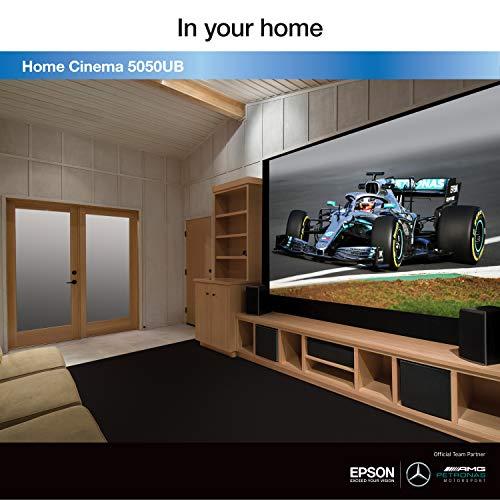
The Epson 5050UB works beautifully in dual-purpose rooms where you might watch movies with some ambient light present. Its 2,600-lumen output and excellent color brightness make it versatile enough for family movie nights in a living room setting, while still delivering serious home theater performance in darker environments.
The JVC NZ800 is designed for dedicated, light-controlled home theaters. Its superior native contrast and resolution really shine when you can eliminate ambient light and focus purely on image quality. In these conditions, the difference in image depth and detail becomes immediately apparent.
Both projectors support 4K gaming at 60Hz, though neither offers the 4K/120Hz capability that the latest game consoles can utilize. Input lag measurements put both in the acceptable range for casual gaming, though serious competitive gamers might want to look elsewhere.
The JVC's laser light source provides some gaming advantages—no warm-up time means you can jump into games immediately, and the consistent brightness ensures colors remain accurate during long gaming sessions.
When considering long-term costs, the picture becomes more complex. The Epson 5050UB requires lamp replacements every few years, with each replacement costing several hundred dollars. Over a 10-year period, you might spend the equivalent of 15-20% of the projector's original cost on lamps.
The JVC NZ800 eliminates this concern entirely with its 20,000-hour laser life. For most users, this represents the entire useful life of the projector. Factor in the superior build quality and 3-year warranty with first-year advance replacement, and the total cost of ownership gap narrows somewhat, though the JVC still represents a significant premium.
The choice between these projectors ultimately comes down to your priorities, budget, and viewing environment.
Choose the Epson Home Cinema 5050UB if you want excellent home theater performance without the premium price tag. It's perfect for enthusiasts who understand that great projection doesn't require spending a fortune, and it works well in various room environments. The combination of strong contrast, good color accuracy, and installation flexibility makes it a standout choice for most home theater setups.
Choose the JVC DLA-NZ800 if you're building a dedicated home theater and want reference-quality performance. The native 4K resolution, exceptional contrast, advanced HDR processing, and laser longevity justify the premium for those who prioritize absolute image quality above all else.
Both projectors represent the best of their respective categories. The Epson proves that exceptional home theater doesn't require unlimited budgets, while the JVC demonstrates what's possible when engineering excellence takes precedence over cost constraints. Your choice should align with both your budget and your vision for the ultimate home theater experience.
The reality is that most people will be thrilled with either projector in the right environment. The Epson offers 90% of the performance for 20% of the cost, while the JVC delivers that final 10% of performance for those who consider it essential. Understanding which category you fall into will make your decision clear.
| Epson Home Cinema 5050UB | JVC DLA-NZ800 |
|---|---|
| Native Resolution - Foundation of image sharpness and detail | |
| 1080p with 4K pixel-shifting enhancement | True native 4K (4096×2160) with 8K e-shift |
| Contrast Ratio - Critical for deep blacks and dramatic scenes | |
| 1,000,000:1 dynamic contrast with UltraBlack technology | 100,000:1 native contrast (no dynamic adjustments needed) |
| Light Source Technology - Affects longevity and operating costs | |
| Traditional UHP lamp (3,500-5,000 hour lifespan) | BLU-Escent laser (20,000 hour lifespan) |
| Brightness Output - Determines room lighting flexibility | |
| 2,600 lumens (excellent for most home theaters) | 2,700 lumens (similar performance with better efficiency) |
| HDR Processing - Essential for modern streaming and UHD content | |
| HDR10/HLG with 16-step precision adjustment | HDR10+ with Gen2 Frame Adapt real-time tone mapping |
| Color Gamut Coverage - Impacts color vibrancy and accuracy | |
| Full DCI-P3 color space coverage | 85-90% UHDA-P3 (expandable to full DCI-P3 with filter) |
| Lens Shift Range - Installation flexibility without image degradation | |
| ±96% vertical, ±47% horizontal (exceptional flexibility) | ±80% vertical, ±34% horizontal (very good flexibility) |
| Maximum Screen Size - How big you can go | |
| Up to 300 inches diagonal | 60-200 inches diagonal (optimized range) |
| Operating Noise Level - Important for quiet movie watching | |
| 31 dB in high mode, 20 dB in eco mode | 24 dB (consistently quieter operation) |
| 3D Support - For those who enjoy 3D movies | |
| Full HD 3D with RF active shutter glasses | Full HD 3D with brighter, more comfortable viewing |
| Warranty Coverage - Protection for your investment | |
| Standard manufacturer warranty | 3-year warranty with 1st year advance replacement |
| Release Year - Technology generation and future-proofing | |
| 2019 (mature, proven technology) | 2024 (latest generation with modern features) |
| Target Market - Who each projector is designed for | |
| DIY home theater enthusiasts seeking great value | Dedicated theater rooms prioritizing reference quality |
The JVC DLA-NZ800 delivers superior home theater performance with native 4K resolution, exceptional contrast, and advanced HDR processing. However, the Epson Home Cinema 5050UB offers excellent cinematic quality at a much lower price point, making it the better value choice for most home theater setups.
The biggest difference is resolution technology. The Epson 5050UB uses pixel-shifting to enhance 1080p to 4K-like quality, while the JVC NZ800 features true native 4K panels with 8K enhancement. The JVC also uses a laser light source versus the Epson's traditional lamp.
Both excel at contrast, but differently. The JVC DLA-NZ800 achieves 100,000:1 native contrast without any adjustments, while the Epson Home Cinema 5050UB reaches 1,000,000:1 dynamic contrast through its UltraBlack technology and auto iris system.
The Epson 5050UB uses a replaceable lamp lasting 3,500-5,000 hours, requiring periodic replacement. The JVC NZ800 features a laser light source with a 20,000-hour lifespan, essentially lasting the projector's entire useful life without replacement.
Both projectors output similar brightness levels around 2,600-2,700 lumens. The Epson Home Cinema 5050UB may perform slightly better in rooms with ambient light due to its 3LCD technology ensuring equal color and white brightness.
Yes, both support 4K and HDR content. The Epson 5050UB handles HDR10 and HLG with 16-step adjustment, while the JVC DLA-NZ800 offers more advanced HDR10+ support with real-time tone mapping for superior HDR performance.
The Epson Home Cinema 5050UB offers greater installation flexibility with ±96% vertical lens shift, making placement easier in various room configurations. The JVC NZ800 has excellent but slightly less flexible lens shift at ±80% vertical.
Both projectors support 4K gaming at 60Hz with acceptable input lag for casual gaming. The JVC DLA-NZ800 has a slight advantage with no warm-up time thanks to its laser light source, allowing immediate gaming sessions.
The Epson 5050UB covers the full DCI-P3 color space out of the box with excellent color accuracy. The JVC NZ800 achieves 85-90% UHDA-P3 coverage but offers superior color processing with 18-bit gamma for smoother gradations.
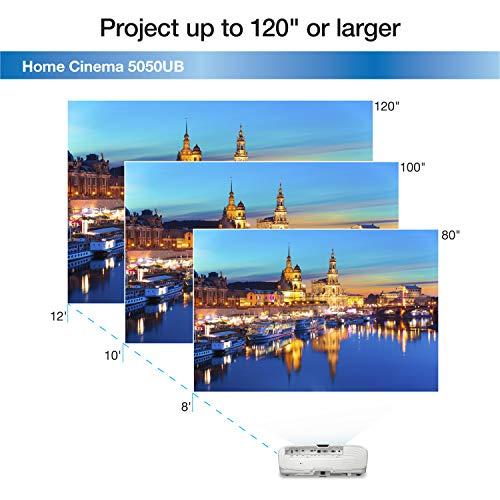
The Epson Home Cinema 5050UB supports screens up to 300 inches, offering great flexibility for various room sizes. The JVC DLA-NZ800 is optimized for 60-200 inch screens, focusing on premium image quality within this range.
The Epson 5050UB provides exceptional performance-per-dollar upfront but requires lamp replacements every few years. The JVC NZ800 has a much higher initial cost but eliminates lamp replacement expenses with its 20,000-hour laser life.
Choose the Epson Home Cinema 5050UB if you want excellent home theater performance at a reasonable cost and need installation flexibility. Choose the JVC DLA-NZ800 if you have a dedicated theater room and prioritize absolute reference-quality imaging with native 4K resolution.
We've done our best to create useful and informative comparisons to help you decide what product to buy. Our research uses advanced automated methods to create this comparison and perfection is not possible - please contact us for corrections or questions. These are the sites we've researched in the creation of this article: rtings.com - audiogurus.com - hometechnologyreview.com - projectorscreen.com - youtube.com - thesmarthomehookup.com - techgearlab.com - rtings.com - projectorreviews.com - projectorreviews.com - projectorreviews.com - projectorcentral.com - avsforum.com - avsforum.com - rtings.com - avsforum.com - audiogeneral.com - hifiheaven.net - manuals.plus - crutchfield.com - mediaserver.goepson.com - projectorcentral.com - epson.com - bestbuy.com - projectorreviews.com - projectorcentral.com - techradar.com - valueelectronics.com - stereonet.com - youtube.com - sound-advice.online - eu.jvc.com - shop.avispl.com - audioadvice.com - paulsonsav.com - nfm.com

Privacy Policy
Terms and Conditions - Affiliate Policy
Home Security
© Copyright 2008-2026.
11816 Inwood Rd #1211, Dallas, TX 75244