

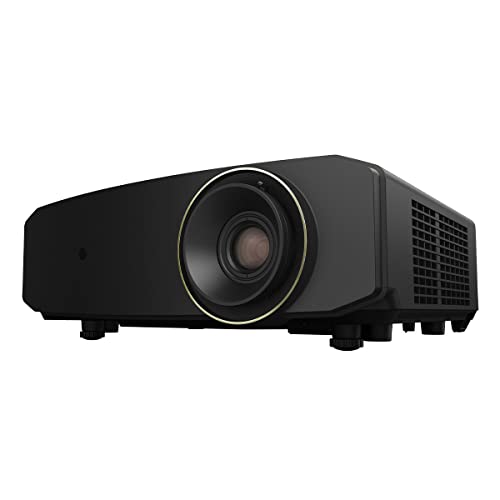
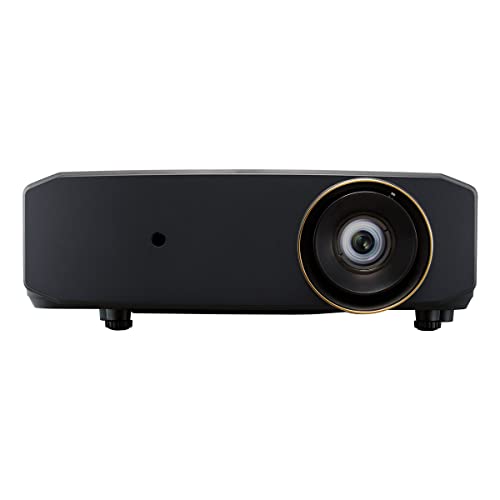
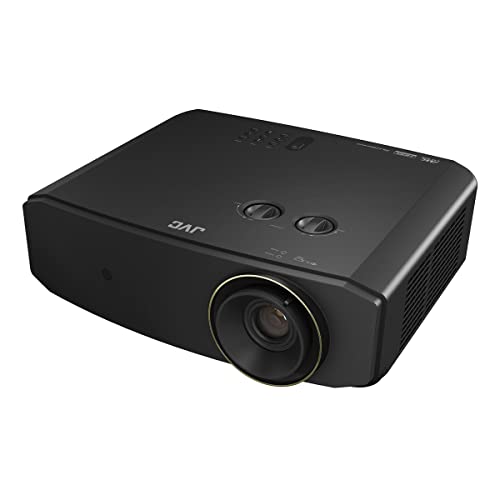
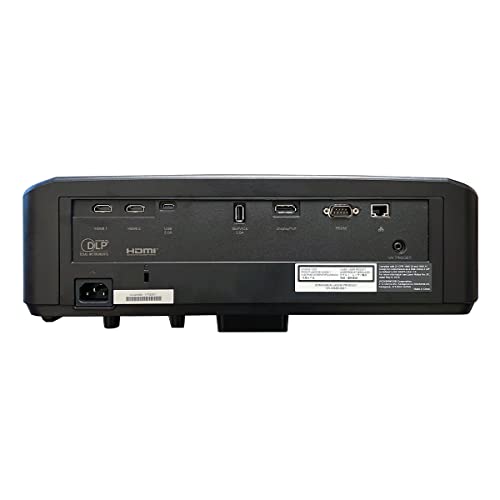
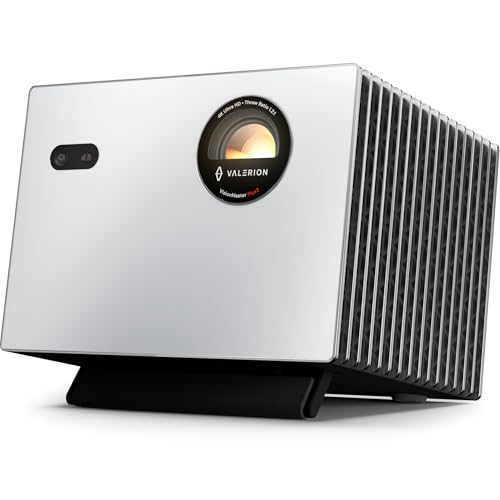


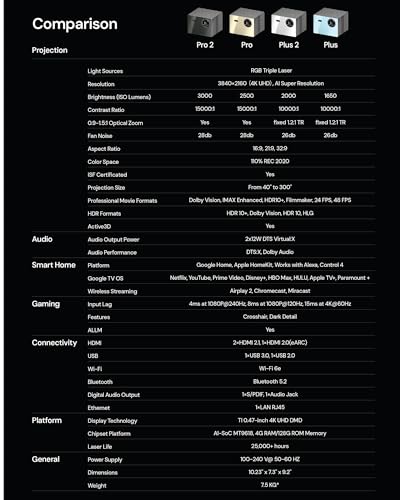
When it comes to creating a cinematic experience at home, 4K projectors have become increasingly accessible and impressive. But choosing between models can feel overwhelming, especially when comparing established brands against newer players in the market. Today, we're examining two very different approaches to 4K projection: the professional-grade JVC LX-NZ30 and the feature-packed Valerion StreamMaster Plus 2.
These projectors represent distinctly different philosophies. The JVC LX-NZ30, released in 2023, embodies traditional cinema-quality projection with professional brightness and proven reliability. Meanwhile, the Valerion StreamMaster Plus 2 takes a modern approach, prioritizing smart features, gaming performance, and value-oriented pricing. At the time of writing, the JVC commands a significantly higher price point—roughly 75% more expensive than the Valerion—which makes the value comparison particularly interesting.
Before diving into specifics, it's worth understanding what separates good projectors from great ones. The most critical factors are brightness (measured in lumens), which determines how well the projector works in rooms with ambient light, and contrast ratio, which affects how deep blacks appear and how vibrant colors look.
Light source technology has evolved dramatically over the past few years. Traditional lamp-based projectors require bulb replacements every 2,000-4,000 hours and gradually dim over time. Modern laser projectors like both models we're discussing eliminate this maintenance headache entirely, lasting 20,000-25,000 hours with consistent brightness throughout their lifespan.
The term "4K" itself deserves explanation. True native 4K means the projector's chip physically contains 8.3 million pixels (3840 x 2160 resolution). However, many excellent projectors use pixel-shifting technology, where a native 1080p chip rapidly moves pixels to create the appearance of 4K resolution. This approach can produce images virtually indistinguishable from native 4K at typical viewing distances, though purists may prefer true 4K chips.
For home theater use specifically, factors like HDR (High Dynamic Range) support, color accuracy, and motion handling become crucial. HDR allows displays to show a wider range of brightness levels and colors, making images appear more lifelike and dramatic.
The JVC LX-NZ30 represents JVC's decades of experience in professional cinema projection, adapted for home use. Its standout feature is genuine brightness—3,300 ANSI lumens—which places it among the brighter home theater projectors available. This brightness comes from JVC's BLU-Escent laser technology, which uses blue laser diodes to excite phosphor materials, creating full-spectrum light.
What makes this brightness particularly valuable is its consistency. Unlike lamp-based projectors that gradually dim, the JVC LX-NZ30 maintains its full brightness output throughout its 20,000-hour lifespan. This means you can confidently use it in family rooms with some ambient light, not just darkened basement theaters.
The projector uses 4K E-shift technology, JVC's implementation of pixel shifting. The native chip resolution is 1920 x 1080, but it rapidly shifts pixels diagonally by half-pixel increments to create a 3840 x 2160 image. Based on our research into user experiences and professional reviews, this approach produces impressively sharp images that satisfy even discerning viewers at normal seating distances.
One of the JVC LX-NZ30's most sophisticated features is its infinite dynamic contrast ratio through laser dimming. Traditional projectors use mechanical irises to block light for darker scenes, but this creates lag and can be distracting. The JVC instantly modulates laser output, creating deeper blacks and more dramatic contrast without mechanical delays.
The projector's lens system offers substantial flexibility with 1.6x zoom and extensive lens shift—60% vertical and 23% horizontal. This means you can position the projector well above or below screen center and significantly off to one side while maintaining a perfectly rectangular, undistorted image. For challenging room layouts, this flexibility proves invaluable.
However, the JVC LX-NZ30 makes some notable compromises. It supports only basic HDR formats (HDR10 and HLG), missing newer standards like HDR10+ and Dolby Vision that provide scene-by-scene optimization. It also lacks built-in smart features entirely, requiring external streaming devices for Netflix, Amazon Prime, or other services.
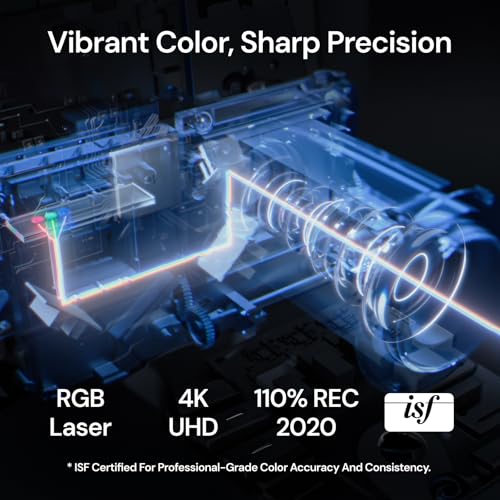
The Valerion StreamMaster Plus 2 takes an entirely different approach, prioritizing modern features and exceptional value. At its heart is an RGB triple laser system delivering 2,000 ISO lumens. While lower than the JVC's output, this brightness level works excellently in controlled lighting conditions and offers some significant advantages.
RGB lasers directly produce red, green, and blue light rather than converting blue laser light through phosphors. This approach can create an exceptionally wide color gamut—the Valerion StreamMaster Plus 2 covers 110% of the BT.2020 standard, compared to the JVC's 100% Rec.709 coverage. In practical terms, this means more vibrant, saturated colors that pop off the screen.
The projector uses what appears to be true 4K processing rather than pixel shifting, though the exact chip specifications aren't detailed in available documentation. What's clear from user reports is that the image quality impresses consistently, with sharp detail and excellent upscaling of lower-resolution content through AI enhancement features.
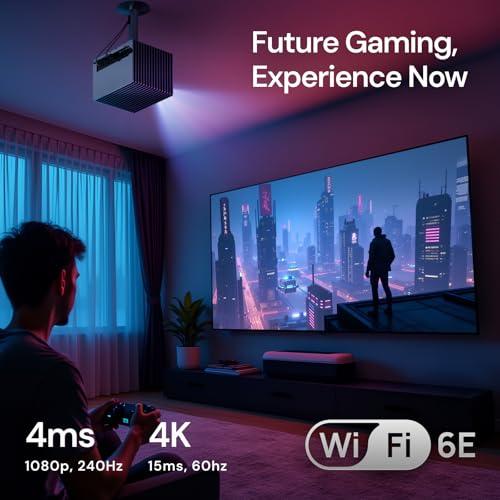
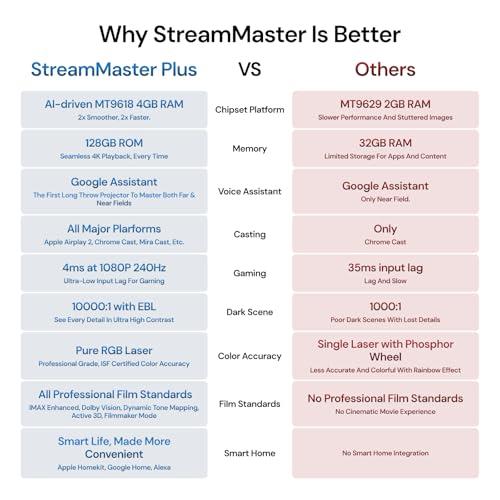
Where the Valerion StreamMaster Plus 2 truly shines is gaming performance. Its 4ms input lag at optimal settings makes it among the most responsive projectors available. It supports Auto Low Latency Mode (ALLM), automatically switching to gaming mode when it detects gaming signals, and includes HDR10+ Gaming support for the latest console features.
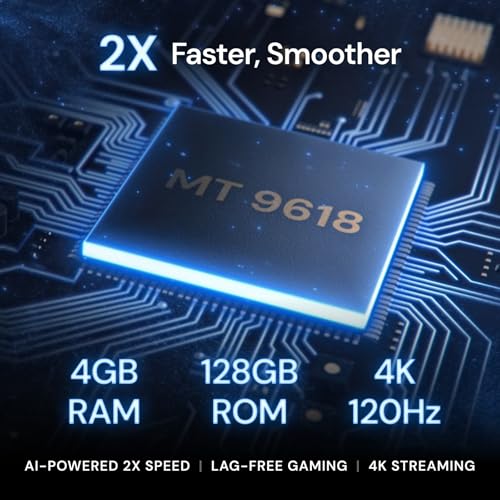
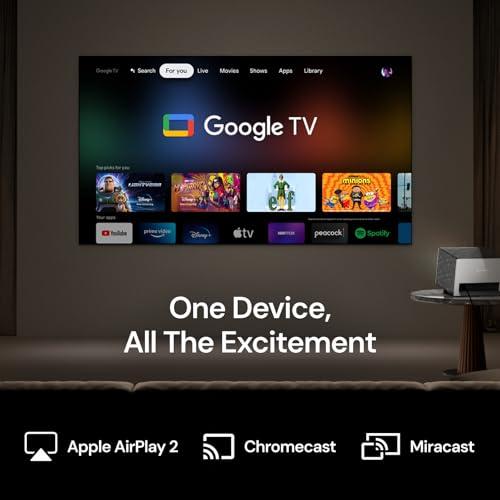
The built-in Google TV system transforms this projector into a complete entertainment center. With 4GB of RAM and 128GB of storage, it handles streaming apps smoothly without external devices. The system supports modern conveniences like voice control through Google Assistant and wireless casting from phones and tablets.
Enhanced Black Level (EBL) technology helps the Valerion StreamMaster Plus 2 achieve deep blacks despite its moderate brightness. This feature dynamically adjusts contrast and can work at various brightness settings, not just maximum output. User reviews consistently praise the black level performance as exceeding expectations for the price category.
The brightness difference between these projectors significantly impacts their ideal use cases. The JVC LX-NZ30's 3,300 lumens allows comfortable viewing with table lamps on or during daytime hours with curtains drawn. Based on professional reviews, it maintains good color saturation and contrast even at high brightness levels.
The Valerion StreamMaster Plus 2's 2,000 lumens requires more attention to room lighting but offers compensating advantages. RGB laser technology typically produces more saturated colors than phosphor-based systems, and user reports suggest the image quality in properly darkened rooms rivals much more expensive projectors.
For perspective, most dedicated home theaters benefit from any ambient light control, so the Valerion's brightness limitation may be less significant than it initially appears.
Color accuracy represents a key differentiator. The JVC LX-NZ30 focuses on cinema-standard Rec.709 color reproduction with professional calibration capabilities. Its Auto Tone Mapping feature analyzes HDR content and optimizes display characteristics automatically, though it's limited to HDR10 and HLG formats.
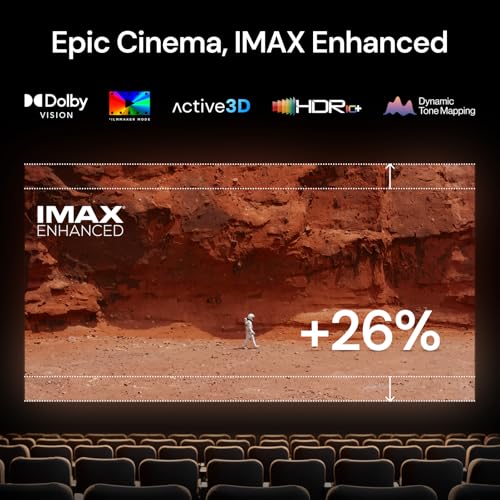
The Valerion StreamMaster Plus 2 supports the full range of modern HDR standards: HDR10, HDR10+, Dolby Vision, and even IMAX Enhanced. This comprehensive support means better compatibility with streaming services and UHD Blu-ray discs. The wider BT.2020 color gamut creates more vivid, saturated images that many viewers prefer, though purists might favor the JVC's more restrained, cinema-accurate approach.
Gaming performance strongly favors the Valerion StreamMaster Plus 2. Its 4ms input lag competes with dedicated gaming monitors, while the JVC LX-NZ30 offers respectable but not exceptional gaming performance. The Valerion's ALLM support and gaming-specific picture modes provide a more polished gaming experience.
Motion handling—how smoothly the projector displays movement—affects both gaming and movie watching. DLP projectors like both models typically handle motion well compared to LCD alternatives, but the Valerion's MEMC (Motion Estimation/Motion Compensation) processing provides additional smoothing options.
The JVC LX-NZ30 clearly wins in installation flexibility. Its zoom lens and extensive lens shift accommodate challenging room layouts without image distortion. Professional installers particularly appreciate these features when working around architectural constraints.
The Valerion StreamMaster Plus 2 uses a fixed lens with limited positioning options, requiring more precise placement. However, its lighter weight and simpler setup partially offset this limitation, especially for temporary or portable setups.
The contrast in smart features couldn't be starker. The JVC LX-NZ30 includes no streaming capabilities, requiring external devices like Apple TV, Roku, or game consoles for content. This approach appeals to enthusiasts who prefer dedicated components and may already own high-quality streaming devices.
The Valerion StreamMaster Plus 2 eliminates this need entirely with its Google TV integration. The system includes access to major streaming apps, voice control, and wireless connectivity features. Built-in speakers provide adequate audio for casual viewing, though serious home theater setups will benefit from external audio systems regardless of projector choice.
At the time of writing, the price difference between these projectors is substantial—the JVC costs roughly 75% more than the Valerion. This premium buys you higher brightness, professional installation flexibility, and JVC's established reputation for reliability and color accuracy.
The Valerion StreamMaster Plus 2 delivers impressive performance per dollar, including smart features that would cost $100-200 as separate devices. For users creating dedicated home theaters with controlled lighting, its performance approaches much more expensive projectors.
Have ambient light challenges: The extra brightness proves invaluable in family rooms, basements with light leakage, or spaces where complete darkness isn't practical.
Value installation flexibility: If your room layout requires creative projector placement, the lens zoom and shift capabilities justify the premium.
Prefer component separation: Some enthusiasts enjoy selecting separate streaming devices, audio systems, and video sources rather than all-in-one solutions.
Plan professional installation: The JVC LX-NZ30's professional features and controls integrate well with custom home theater systems.
Have good light control: In properly darkened rooms, its performance rivals much more expensive projectors while saving significant money.
Game frequently: The ultra-low input lag and gaming optimizations make this among the best projectors for console and PC gaming.
Want simplicity: The built-in Google TV eliminates complexity and additional devices, particularly appealing for first-time projector buyers.
Prioritize value: The combination of 4K performance, comprehensive HDR support, and smart features at this price point offers exceptional value.
Both projectors succeed in their respective approaches, but they serve different audiences. The JVC LX-NZ30 justifies its premium through professional-grade brightness and flexibility, making it ideal for challenging installations or rooms with ambient light. Its cinema-focused approach appeals to traditionalists who prioritize image accuracy over modern conveniences.
The Valerion StreamMaster Plus 2 represents the modern projector approach—comprehensive features, gaming optimization, and smart integration at an accessible price. For users with appropriate room conditions, it delivers remarkably high performance per dollar.
In most home theater scenarios with reasonable light control, the Valerion provides better overall value. However, if maximum brightness is essential for your viewing environment or you require extensive installation flexibility, the JVC's premium becomes justifiable.
The projector market continues evolving rapidly, with laser technology becoming standard and smart features increasingly expected. Both models represent solid choices within their respective philosophies, ensuring years of excellent viewing experiences regardless of which direction you choose.
| JVC LX-NZ30 | Valerion StreamMaster Plus 2 |
|---|---|
| Brightness - Critical for ambient light performance | |
| 3,300 ANSI lumens (excellent for bright rooms) | 2,000 ISO lumens (requires controlled lighting) |
| 4K Technology - Image sharpness approach | |
| 4K E-shift pixel shifting from native 1080p | True 4K processing with AI upscaling |
| Light Source - Longevity and color characteristics | |
| BLU-Escent laser (20,000 hours, phosphor-based) | RGB Triple Laser (25,000 hours, direct color) |
| Color Gamut - Saturation and vibrancy range | |
| 100% Rec.709 (cinema-accurate colors) | 110% BT.2020 (exceptionally wide, vivid colors) |
| HDR Support - Future-proofing for streaming content | |
| HDR10, HLG only (basic compatibility) | HDR10+, Dolby Vision, IMAX Enhanced (comprehensive) |
| Gaming Performance - Input lag for responsive play | |
| Low latency mode available | 4ms input lag with ALLM support |
| Installation Flexibility - Placement options | |
| 1.6x zoom, ±60% vertical/±23% horizontal lens shift | Fixed lens, limited positioning flexibility |
| Smart Features - Built-in streaming capability | |
| None (requires external streaming devices) | Google TV with 4GB RAM, built-in apps |
| Audio System - Built-in sound | |
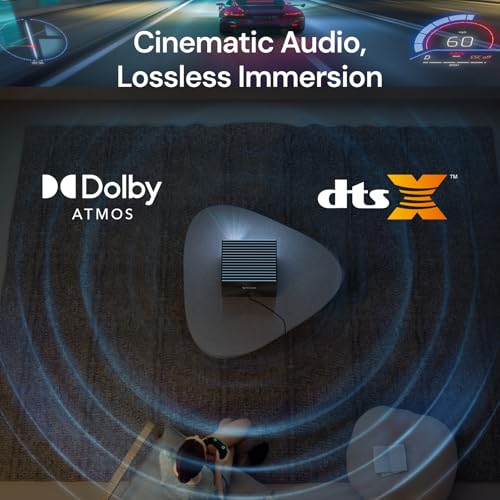
| No speakers (external audio required) | 12W × 2 speakers with Atmos support |
| Contrast Technology - Black level performance | |
| Infinite dynamic contrast via laser dimming | 10,000:1 with Enhanced Black Level (EBL) |
| Weight & Portability - Setup convenience | |
| 13.9 lbs (desktop/ceiling mount focused) | 16.5 lbs (more portable, flexible placement) |
| Professional Features - Advanced controls | |
| DisplayPort, RS-232, manual lens controls | Bluetooth remote, voice control, wireless casting |
| Value Proposition - Performance per dollar | |
| Premium price for maximum brightness and flexibility | Exceptional value with comprehensive modern features |
The JVC LX-NZ30 is significantly better for bright rooms with its 3,300 ANSI lumens output, compared to the Valerion StreamMaster Plus 2's 2,000 ISO lumens. The JVC can handle ambient light from windows or room lighting much more effectively, making it ideal for family rooms or spaces where you can't achieve complete darkness.
The Valerion StreamMaster Plus 2 includes built-in Google TV with access to Netflix, Amazon Prime, and other streaming apps, so no external devices are needed. The JVC LX-NZ30 has no smart features and requires external streaming devices like Apple TV, Roku, or gaming consoles for content.
The Valerion StreamMaster Plus 2 is superior for gaming with 4ms input lag, Auto Low Latency Mode (ALLM), and HDR10+ Gaming support. The JVC LX-NZ30 offers respectable gaming performance but lacks these gaming-specific optimizations and has higher input lag.
The JVC LX-NZ30 delivers cinema-accurate colors with 100% Rec.709 coverage, ideal for movie watching. The Valerion StreamMaster Plus 2 produces more vibrant, saturated colors with 110% BT.2020 coverage thanks to its RGB laser technology, which many viewers prefer for the "wow factor."
The Valerion StreamMaster Plus 2 supports HDR10+, Dolby Vision, and IMAX Enhanced for comprehensive compatibility with streaming services and UHD Blu-rays. The JVC LX-NZ30 only supports basic HDR10 and HLG formats, limiting its future-proofing for newer content.
The JVC LX-NZ30 offers much more placement flexibility with 1.6x zoom and extensive lens shift (±60% vertical, ±23% horizontal), allowing installation well off-center from the screen. The Valerion StreamMaster Plus 2 has a fixed lens requiring more precise positioning directly in front of the screen.
Neither projector requires lamp replacements. Both the JVC LX-NZ30 and Valerion StreamMaster Plus 2 use laser light sources rated for 20,000-25,000 hours of use with consistent brightness throughout their lifespan.
The Valerion StreamMaster Plus 2 offers exceptional value with comprehensive smart features, gaming optimization, and built-in audio at a significantly lower price point. The JVC LX-NZ30 costs considerably more but justifies the premium with higher brightness and professional installation flexibility.
The Valerion StreamMaster Plus 2 includes 12W × 2 built-in speakers adequate for casual viewing. The JVC LX-NZ30 has no built-in audio and requires external speakers or a sound system for any audio output.
For a properly darkened home theater, the Valerion StreamMaster Plus 2 delivers excellent performance at better value with comprehensive HDR support and smart features. The JVC LX-NZ30 excels if your theater has light control challenges or requires flexible projector placement.
Both projectors deliver sharp 4K images. The JVC LX-NZ30 uses proven E-shift pixel shifting technology that's virtually indistinguishable from native 4K at normal viewing distances. The Valerion StreamMaster Plus 2 uses true 4K processing with AI enhancement for crisp, detailed images.
The Valerion StreamMaster Plus 2 is easier for most users with its built-in Google TV, voice control, and wireless connectivity. The JVC LX-NZ30 requires more setup complexity with external devices but offers professional-grade manual controls preferred by enthusiasts and custom installers.
We've done our best to create useful and informative comparisons to help you decide what product to buy. Our research uses advanced automated methods to create this comparison and perfection is not possible - please contact us for corrections or questions. These are the sites we've researched in the creation of this article: t3.com - crutchfield.com - stuff.tv - projectorcentral.com - projectorreviews.com - data.heimkinowelt.at - bestbuy.com - eu.jvc.com - projectorreviews.com - listenup.com - youtube.com - eu.jvc.com - dreamediaav.com - projectorreviews.com - projectorscreen.com - projectorcentral.com - device.report - technologyinteriors.com - bestbuy.com - valerion.com - youtube.com - valerion.com - youtube.com - projectorcentral.com - youtube.com - valerion.com - avsforum.com - neowin.net - hometheatershack.com - avsforum.com - bestbuy.com - projector-database.com

Privacy Policy
Terms and Conditions - Affiliate Policy
Home Security
© Copyright 2008-2026.
11816 Inwood Rd #1211, Dallas, TX 75244