

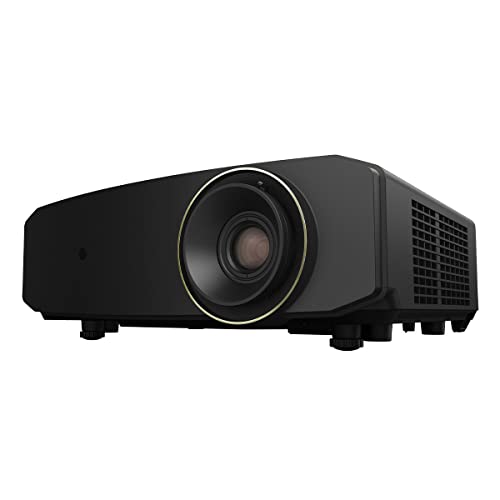
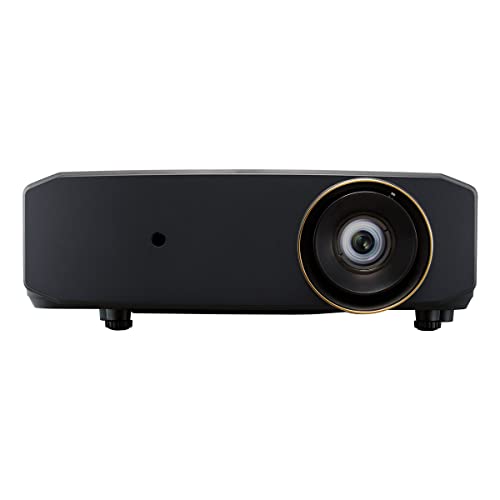
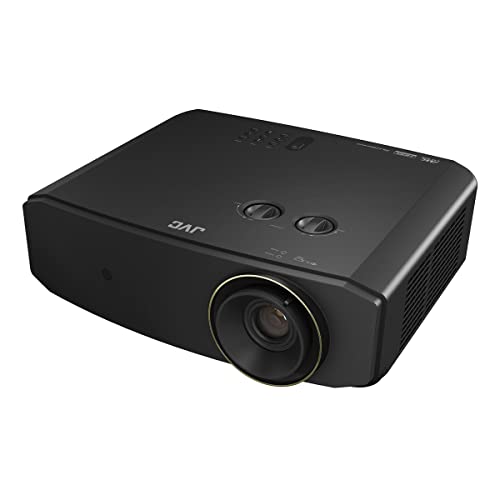
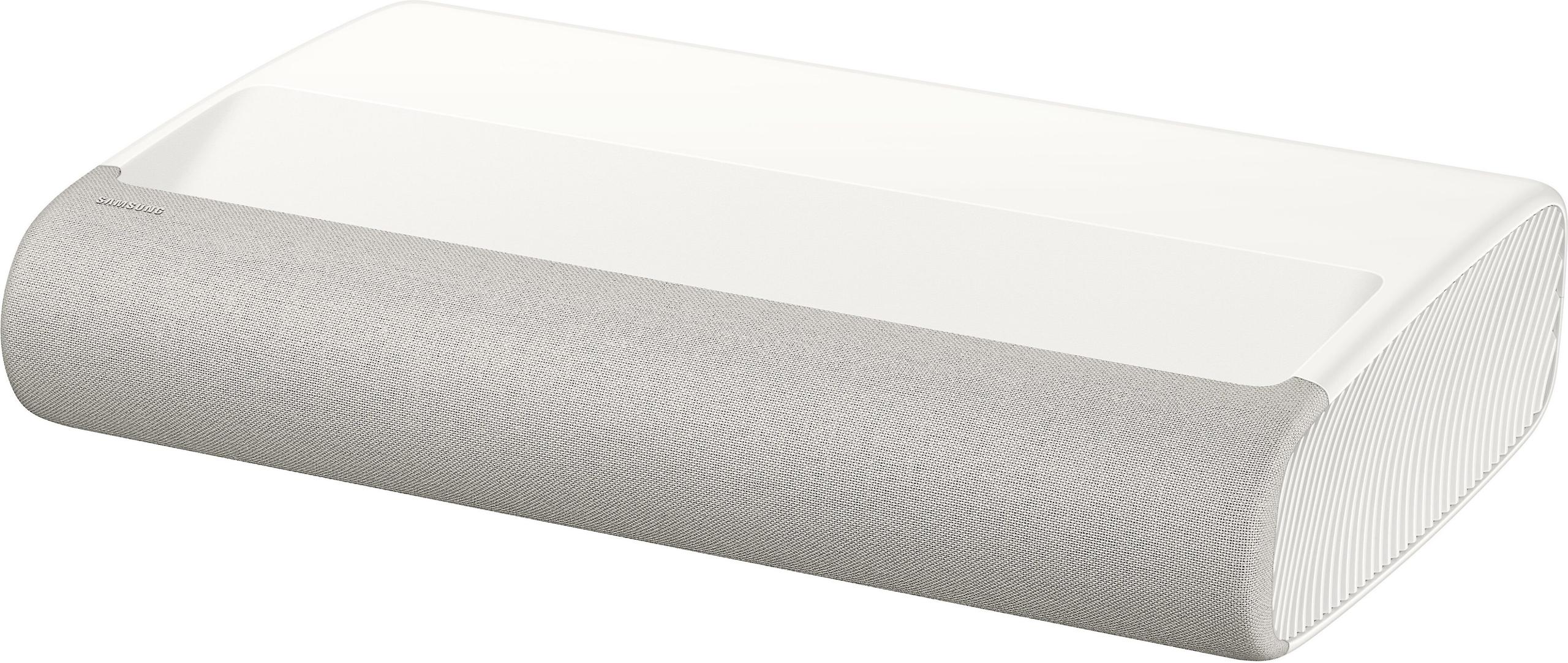
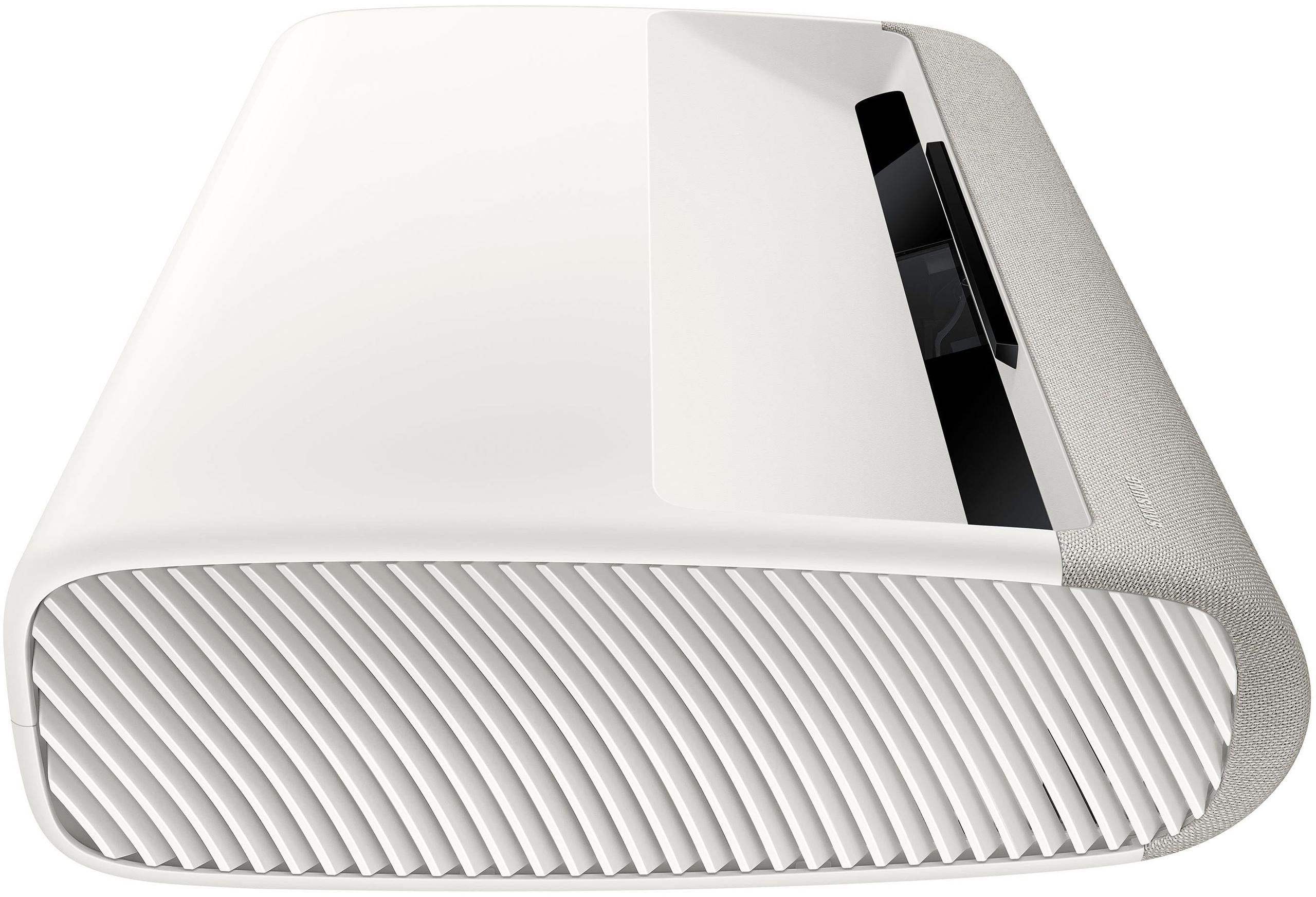
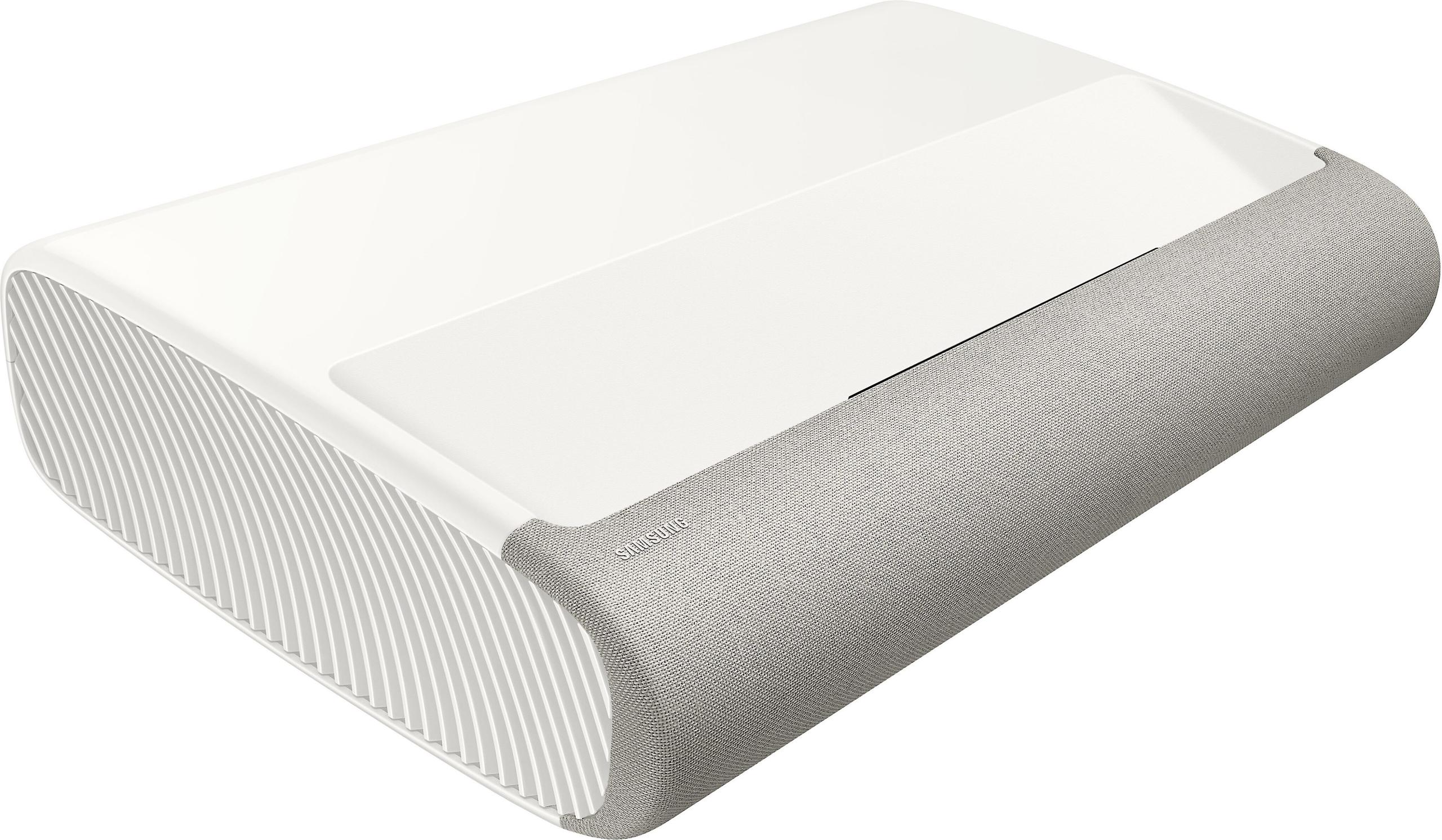
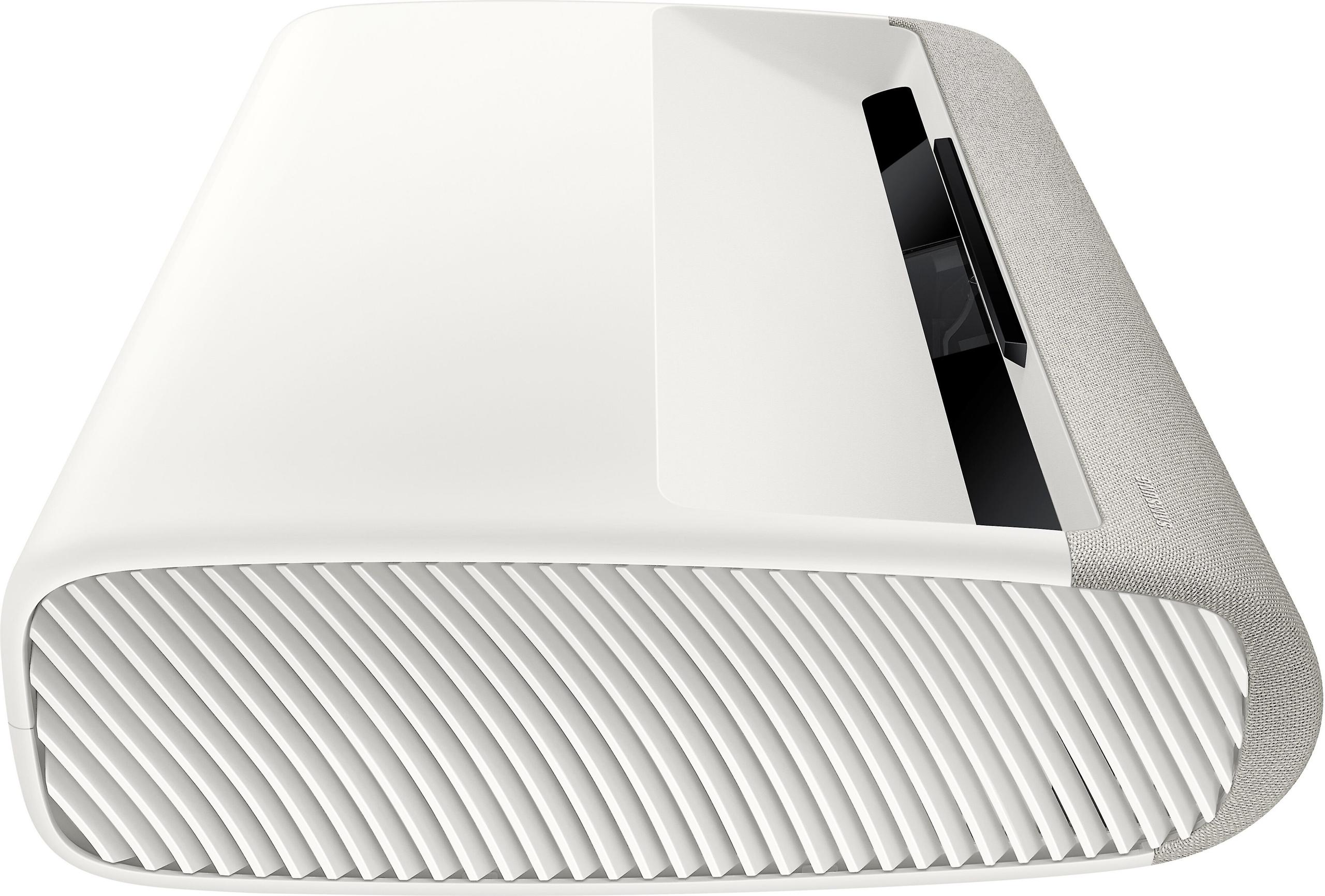
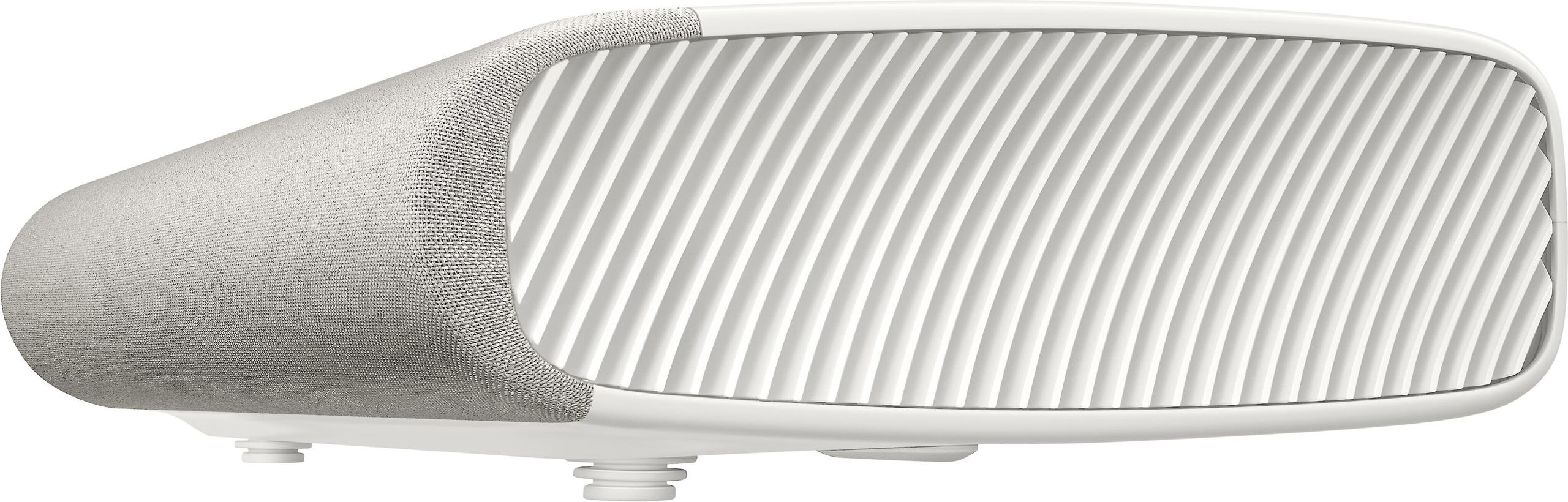
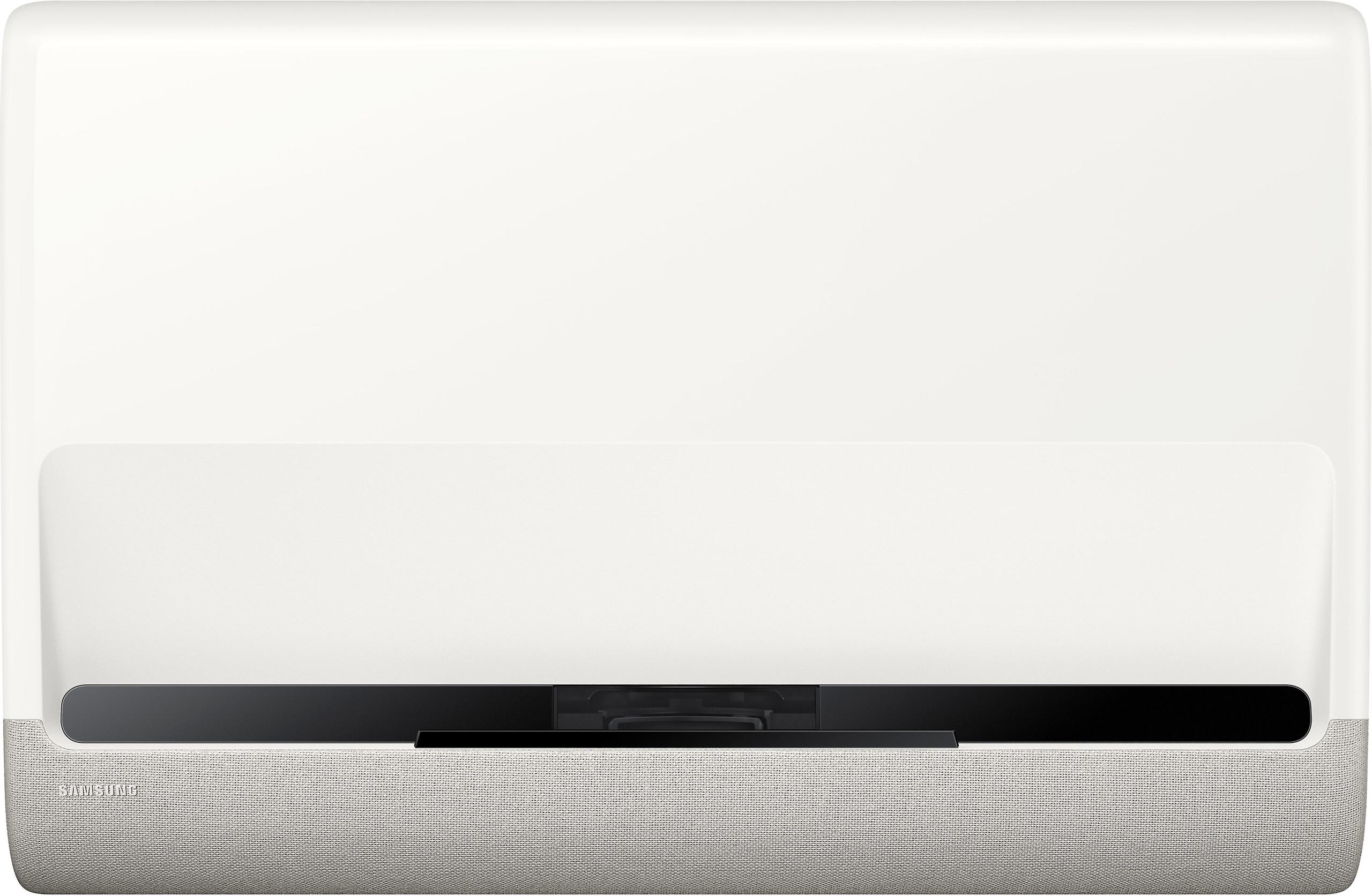
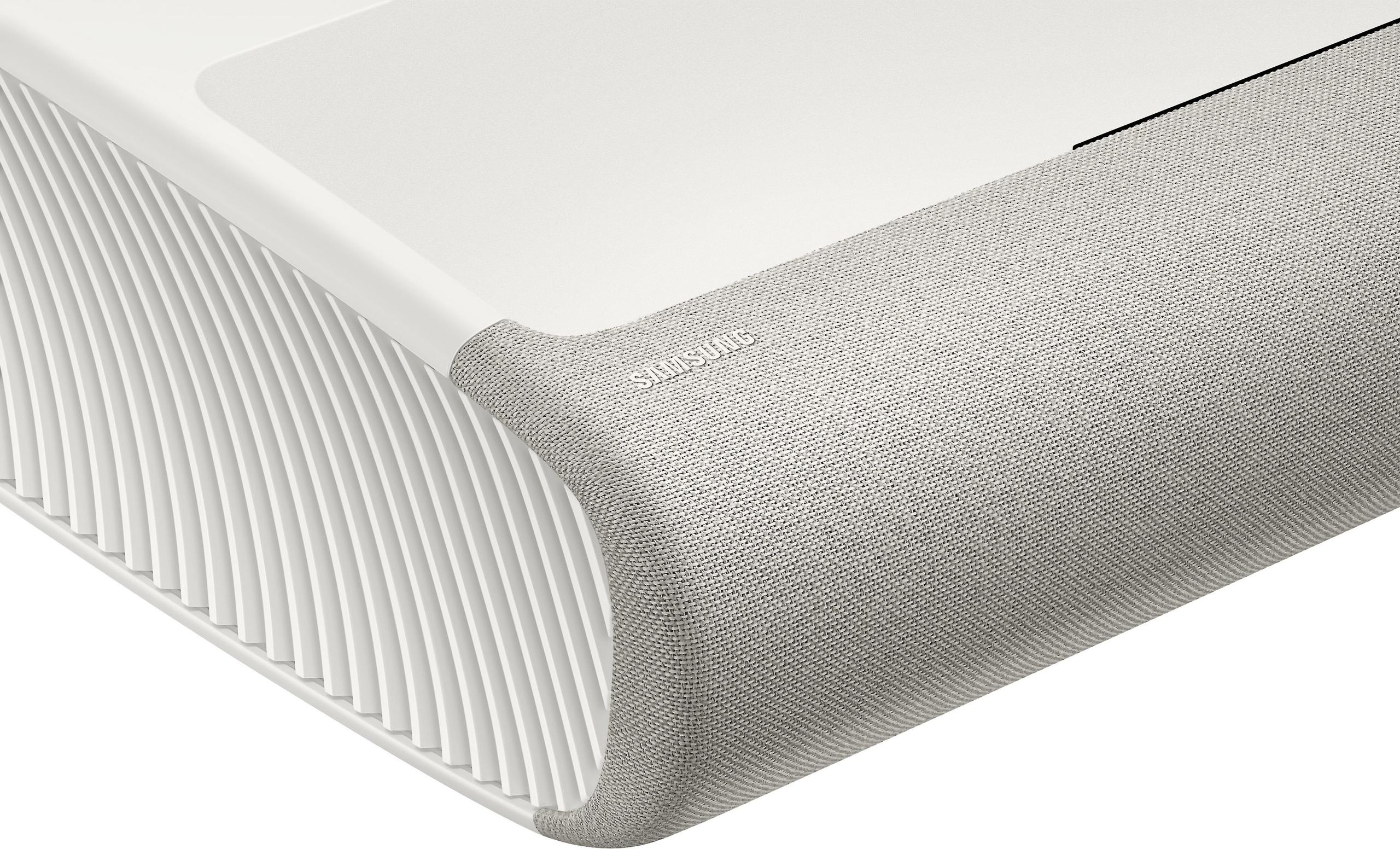
The world of home projection has split into two distinct camps, and choosing between them can feel overwhelming. On one side, you have traditional projectors like the JVC LX-NZ30 that mount on your ceiling and throw images across the room. On the other, ultra-short throw models like the Samsung Premiere 9 sit just inches from your wall, acting more like supersized TVs than classic projectors.
Both approaches use laser light sources instead of traditional bulbs, which means no more lamp replacements every few thousand hours. But that's where the similarities end. These projectors serve fundamentally different needs, and understanding which camp you belong in will save you from buyer's remorse.
The 4K laser projector market has evolved dramatically since around 2020. Traditional projectors have embraced laser technology to solve their biggest weakness: lamp maintenance. Meanwhile, ultra-short throw projectors emerged as "laser TVs," promising to replace your living room TV with a massive screen that doesn't dominate your furniture layout.
The JVC LX-NZ30, released in 2023, represents the traditional approach refined. It uses JVC's BLU-Escent laser technology—essentially a blue laser that hits phosphor materials to create the full color spectrum. This method keeps costs reasonable while delivering the benefits of laser lighting: instant on/off, consistent brightness over 20,000 hours, and no lamp replacements.
The Samsung Premiere 9, also from the 2023-2024 timeframe, takes the premium ultra-short throw approach. It uses three separate lasers—red, green, and blue—to create what's called an RGB triple laser system. This method costs more but delivers superior color accuracy and a wider color gamut (the range of colors the projector can display).
Here's where things get technically interesting. The Samsung Premiere 9 claims 154% coverage of the DCI-P3 color space, which is the standard used in movie theaters. To put this in perspective, most TVs cover around 90-100% of DCI-P3, so Samsung's claim is impressive if accurate. The RGB triple laser system achieves this by using pure laser colors instead of filtered white light or phosphor conversion.
The JVC LX-NZ30, meanwhile, covers 100% of the older Rec.709 standard, which is still the baseline for most content. While this sounds less impressive on paper, JVC has decades of projection expertise, and their color processing often makes content look more natural than the specs suggest.
From our research into user and professional reviews, the Samsung definitely delivers more vibrant, saturated colors that pop off the screen. This works great for HDR content and sports, where you want that wow factor. However, some reviewers noted that skin tones occasionally looked oversaturated, requiring calibration to achieve accuracy.
The JVC takes a more conservative approach that tends to look correct out of the box. If you're the type who wants to dial in picture settings, the JVC LX-NZ30 offers more traditional calibration controls. If you want impressive visuals without tinkering, the Samsung Premiere 9 delivers immediately.
Both projectors support HDR (High Dynamic Range), but they differ in which formats they handle. HDR makes bright scenes brighter and dark scenes darker, creating more realistic images. Think of the difference between looking at a photo on your phone versus seeing the actual sunset—HDR tries to bridge that gap.
The Samsung Premiere 9 supports HDR10+, which includes dynamic metadata. This means the projector receives scene-by-scene instructions on how to display content, potentially offering better performance than standard HDR10. The JVC LX-NZ30 sticks with HDR10 and HLG (Hybrid Log Gamma, used for broadcast TV).
Neither supports Dolby Vision, the premium HDR format found on many streaming services and UHD Blu-rays. This is disappointing at these price points, especially for the Samsung. However, HDR10 remains the most widely supported format, so you won't miss out on most HDR content.
In real-world performance, the Samsung's higher brightness (3,450 lumens vs 3,300) gives it an edge for HDR highlights. Bright explosions, sunlight, and fire effects appear more impactful. The JVC counters with better contrast due to its DLP (Digital Light Processing) chip technology, which can achieve true blacks by completely shutting off pixels.
If gaming matters to you, the JVC LX-NZ30 wins decisively. It offers input lag as low as 6.25 milliseconds at 1080p resolution—that's competitive with gaming monitors. For context, anything under 40ms is considered good for gaming, and many projectors struggle to get under 50ms.
The JVC LX-NZ30 also supports high refresh rates, including 1080p at 240Hz for competitive gaming and 4K at 60Hz for console gaming. It includes a DisplayPort input, which is rare on projectors but valuable for PC gaming setups.
The Samsung Premiere 9 takes a different approach with its Gaming Hub, which allows cloud gaming from services like Xbox Game Pass without needing a console. This is convenient for casual gaming but won't satisfy serious gamers who need low latency and high refresh rates. Samsung doesn't publish specific input lag figures for the Premiere 9, which usually means they're not competitive.
This is where projector technology really matters. The JVC LX-NZ30 uses single-chip DLP technology, which can achieve what manufacturers call "infinite contrast" by completely turning off the light for black pixels. In practice, this means deeper blacks and more realistic shadow detail in dark scenes.
The Samsung Premiere 9 claims a 2,000,000:1 contrast ratio, which sounds impressive but uses dynamic measurement techniques that don't reflect real-world performance. Ultra-short throw projectors generally struggle with black levels due to their optical design and the ambient light reflection from sitting so close to the screen.
Based on reviewer consensus, if you're watching movies in a light-controlled room, the JVC LX-NZ30 provides a more cinematic experience with better shadow detail. The Samsung Premiere 9 works better in brighter rooms where deep blacks matter less than overall brightness and color vibrancy.
The installation differences between these projectors fundamentally change how you use them. The JVC LX-NZ30 needs to be positioned 9-16 feet from your screen for a 100-inch image, depending on the zoom setting. It offers extensive lens shift—meaning you can move the image up, down, left, or right without moving the projector—making installation more forgiving.
This traditional setup works great in dedicated home theaters where you can control the room layout. You can ceiling mount the projector, run cables through walls, and optimize everything for the best viewing experience. The 1.6x zoom lens means you have flexibility in projector placement, and the ability to project up to 200 inches makes it suitable for large dedicated theaters.
The Samsung Premiere 9 revolutionizes this approach by sitting just inches from the wall. A 100-inch screen requires only 4.4 inches of space, making it practical for living rooms where a traditional projector would be impossible. You can place it on a TV stand or credenza, and it won't interfere with your room's existing layout.
However, this convenience comes with limitations. You're locked into screen sizes between 100-130 inches, and the ultra-short throw optical path is more sensitive to screen quality and room setup. You'll likely need an ALR (Ambient Light Rejecting) screen to get the best performance, which adds cost but significantly improves contrast and color in bright rooms.
This difference perfectly illustrates the philosophical split between these projectors. The Samsung Premiere 9 includes a 40-watt, 2.2.2 channel Dolby Atmos sound system with upward-firing speakers. For most users, this built-in audio is genuinely impressive and eliminates the need for a separate sound system.
The JVC LX-NZ30 includes no speakers, following the traditional home theater approach where you choose your own audio solution. This might seem like a disadvantage, but it allows you to invest in higher-quality audio components or integrate with existing systems.
From our evaluation of user feedback, the Samsung's built-in audio genuinely surprises people with its quality. The upward-firing speakers create a sense of height that works well with the large screen. However, serious home theater enthusiasts will eventually want to upgrade to a dedicated system, making the built-in speakers a temporary convenience.
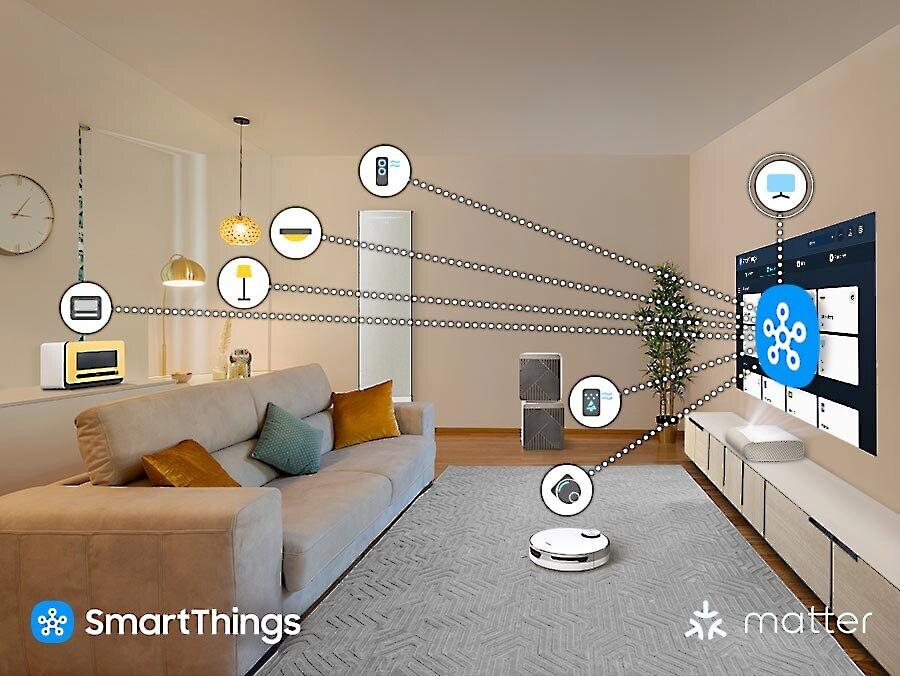
The Samsung Premiere 9 runs Tizen OS, Samsung's smart TV platform, giving you direct access to Netflix, Amazon Prime, Disney+, and other streaming services. The Gaming Hub allows cloud gaming, and voice control works with Alexa, Google Assistant, and Bixby. This creates an all-in-one entertainment solution that's particularly appealing if you're replacing a smart TV.
The JVC LX-NZ30 deliberately avoids smart features, requiring external streaming devices like an Apple TV, Roku, or game console. This approach has advantages: smart TV platforms become obsolete, but external devices can be upgraded. You also avoid potential security issues and software bugs that can plague smart projectors.
At the time of writing, this represents a classic trade-off between convenience and longevity. The Samsung offers immediate gratification but might feel dated in five years. The JVC maintains flexibility but requires additional devices and complexity.
While exact pricing fluctuates, at the time of writing, the JVC LX-NZ30 typically costs significantly less than the Samsung Premiere 9—often $2,000-3,000 less. However, the total cost story is more complex.
With the JVC LX-NZ30, you'll need a screen ($300-2000 depending on size and quality), audio system ($500-3000+ for decent surround sound), and streaming device ($50-200). Professional installation might add another $500-1000. Your total investment could range from $4,500 to $8,000 or more.
The Samsung Premiere 9 includes smart features and audio, potentially requiring only an ALR screen purchase ($800-2000 for quality options). However, its higher base price means your total investment might be similar to a well-equipped JVC system.
The value equation depends on your priorities. The JVC LX-NZ30 offers more performance per dollar for dedicated theater setups. The Samsung Premiere 9 provides convenience and integration that's hard to quantify but genuinely valuable for many users.
Based on our analysis of reviews and user feedback, clear patterns emerge for ideal users of each projector.
Choose the JVC LX-NZ30 if you're building a dedicated home theater, prioritize gaming performance, want flexibility in screen sizes and installation, or prefer component-based systems you can upgrade over time. It's also the better choice if you're budget-conscious initially but willing to build your system gradually.
The Samsung Premiere 9 makes sense for living room installations, users who want all-in-one convenience, those prioritizing streaming and casual gaming over serious movie watching, or anyone dealing with ambient light conditions. It's particularly appealing if you want the large screen experience without renovating your room or dealing with complex installations.
These projectors represent two valid but different approaches to large-screen entertainment. The JVC LX-NZ30 serves the traditional home theater market with performance-focused features and installation flexibility. The Samsung Premiere 9 reimagines the projector as a TV replacement with integrated convenience features.
Neither approach is inherently better—they solve different problems. Your room, usage patterns, and priorities should drive the decision. The JVC rewards enthusiasts willing to invest time and money in a proper setup. The Samsung delivers immediate gratification for users who want large-screen entertainment without the complexity.
Consider your long-term plans carefully. If you're building toward a dedicated theater room, the JVC LX-NZ30 provides a foundation you can build upon. If you want to transform your living room entertainment experience today, the Samsung Premiere 9 offers a compelling all-in-one solution.
Both projectors represent the maturation of laser projection technology, offering years of reliable service without lamp replacement concerns. Your choice ultimately depends on whether you value performance flexibility or integrated convenience—both are valid paths to large-screen entertainment excellence.
| JVC LX-NZ30 4K HDR Laser Projector | Samsung Premiere 9 LPU9D 130" 4K UHD Triple Laser Projector |
|---|---|
| Projector Type - Determines installation flexibility and room requirements | |
| Standard throw (ceiling/shelf mount, 9-16ft from screen) | Ultra-short throw (sits inches from wall like a TV stand) |
| Brightness - Critical for ambient light performance | |
| 3,300 ANSI lumens (good for controlled lighting) | 3,450 ISO lumens (better for bright living rooms) |
| Light Source Technology - Affects color accuracy and longevity | |
| BLU-Escent blue laser + phosphor (20,000 hour life) | RGB triple laser system (pure red, green, blue lasers) |
| Screen Size Range - Flexibility in display size | |
| 80" to 200" (highly flexible with zoom lens) | 100" to 130" (limited by ultra-short throw design) |
| Color Gamut - Impact on color vibrancy and accuracy | |
| 100% Rec.709 (standard coverage, natural colors) | 154% DCI-P3 (wide gamut, more vibrant colors) |
| HDR Support - Premium content compatibility | |
| HDR10, HLG (missing HDR10+ and Dolby Vision) | HDR10+, HDR10, HLG (dynamic metadata advantage) |
| Gaming Performance - Input lag and refresh rate capabilities | |
| 6.25ms input lag, 1080p/240Hz, 4K/60Hz (excellent) | Input lag not specified, basic gaming features (limited) |
| Contrast Ratio - Dark scene performance | |
| Infinite (true DLP blacks, excellent for dark rooms) | 2,000,000:1 dynamic (good but not true blacks) |
| Built-in Audio - Integrated sound system | |
| None (requires separate audio system) | 40W 2.2.2 Dolby Atmos with upward-firing speakers |
| Smart Features - Built-in streaming and apps | |
| None (requires external streaming device) | Full Tizen OS with Netflix, Gaming Hub, voice control |
| Installation Flexibility - Lens adjustments and placement options | |
| 1.6x zoom, ±60% vertical/±23% horizontal lens shift | Fixed ultra-short throw (minimal adjustment options) |
| Connectivity - Input options for various devices | |
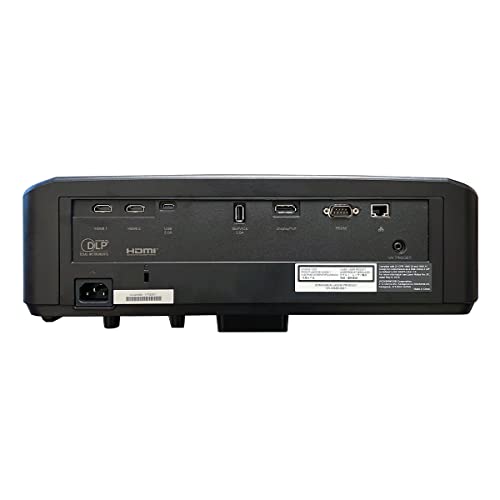
| 2x HDMI 2.0, DisplayPort 1.2a, RS-232, LAN | 2x HDMI 2.0, USB-C, built-in WiFi (no DisplayPort) |
| Ideal Room Type - Best use case scenario | |
| Dedicated home theater with light control | Living room TV replacement with ambient light |
| Target User - Who benefits most from this approach | |
| Gaming enthusiasts and home theater purists | Convenience-focused users wanting all-in-one solution |
The JVC LX-NZ30 is significantly better for gaming with its ultra-low 6.25ms input lag and support for high refresh rates up to 1080p/240Hz and 4K/60Hz. It also includes a DisplayPort input for PC gaming. The Samsung Premiere 9 focuses more on casual cloud gaming through its Gaming Hub rather than competitive gaming performance.
The JVC LX-NZ30 is a standard throw projector that needs to be mounted 9-16 feet from your screen, typically on the ceiling or a rear shelf. The Samsung Premiere 9 is ultra-short throw, sitting just inches from the wall like a TV stand, making it perfect for living rooms where ceiling mounting isn't practical.
The Samsung Premiere 9 handles bright rooms better with its 3,450 lumens of brightness and ultra-short throw design that minimizes ambient light interference. The JVC LX-NZ30 works best in light-controlled environments, though its 3,300 lumens can handle moderate ambient light.
The Samsung Premiere 9 includes a built-in 40W Dolby Atmos sound system that eliminates the need for separate speakers for most users. The JVC LX-NZ30 has no built-in speakers, so you'll need to add your own audio system, which offers more flexibility but increases total cost.
The Samsung Premiere 9 delivers wider color coverage with 154% DCI-P3 gamut thanks to its RGB triple laser system, producing more vibrant colors. The JVC LX-NZ30 covers 100% Rec.709 with more natural, film-accurate colors that many home theater enthusiasts prefer.
Yes, the Samsung Premiere 9 runs Samsung's Tizen OS with built-in Netflix, Amazon Prime, Disney+, and other streaming apps, plus voice control. The JVC LX-NZ30 requires an external streaming device like Apple TV, Roku, or game console for smart features.
The JVC LX-NZ30 offers much more flexibility, displaying anywhere from 80 to 200 inches depending on your room and projector placement. The Samsung Premiere 9 is limited to 100-130 inch screens due to its ultra-short throw design constraints.
The JVC LX-NZ30 excels in dedicated home theaters with its superior contrast ratio, true black levels from DLP technology, and flexible installation options. It's designed for light-controlled environments where image quality takes priority over convenience features.
Both the JVC LX-NZ30 and Samsung Premiere 9 use laser light sources rated for approximately 20,000 hours of operation, eliminating traditional lamp replacement costs and providing years of maintenance-free viewing.
The Samsung Premiere 9 supports HDR10+ with dynamic metadata for scene-by-scene optimization, while the JVC LX-NZ30 supports HDR10 and HLG. Neither supports Dolby Vision, though both handle the most common HDR formats effectively.
The Samsung Premiere 9 offers simpler installation, sitting on furniture like a TV with minimal setup required. The JVC LX-NZ30 typically requires ceiling mounting, screen installation, and cable management but provides more customization options with its zoom lens and extensive lens shift capabilities.
The JVC LX-NZ30 typically costs significantly less upfront but requires additional purchases for screens, audio, and streaming devices. The Samsung Premiere 9 costs more initially but includes smart features and audio, potentially making the total investment comparable depending on your specific needs and room setup.
We've done our best to create useful and informative comparisons to help you decide what product to buy. Our research uses advanced automated methods to create this comparison and perfection is not possible - please contact us for corrections or questions. These are the sites we've researched in the creation of this article: t3.com - crutchfield.com - stuff.tv - projectorcentral.com - projectorreviews.com - data.heimkinowelt.at - bestbuy.com - eu.jvc.com - projectorreviews.com - listenup.com - youtube.com - eu.jvc.com - dreamediaav.com - projectorreviews.com - projectorscreen.com - projectorcentral.com - device.report - technologyinteriors.com - sound-advice.online - valueelectronics.com - bhphotovideo.com - instylehifi.com.au - trustedreviews.com - target.com - pcrichard.com - projectorscreen.com - videoandaudiocenter.com - target.com - avsforum.com - projectorscreen.com

Privacy Policy
Terms and Conditions - Affiliate Policy
Home Security
© Copyright 2008-2026.
11816 Inwood Rd #1211, Dallas, TX 75244