

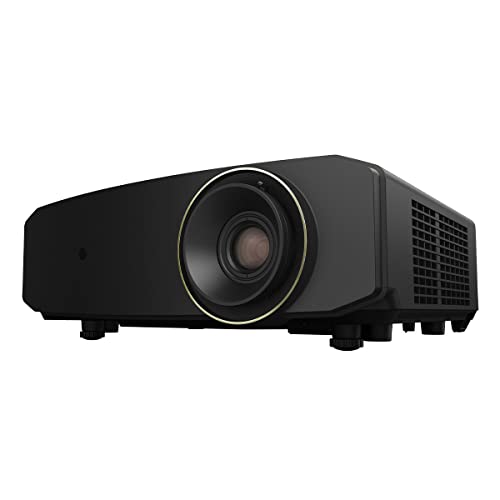
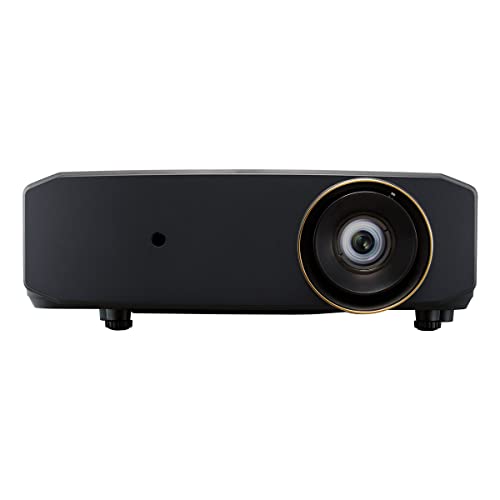
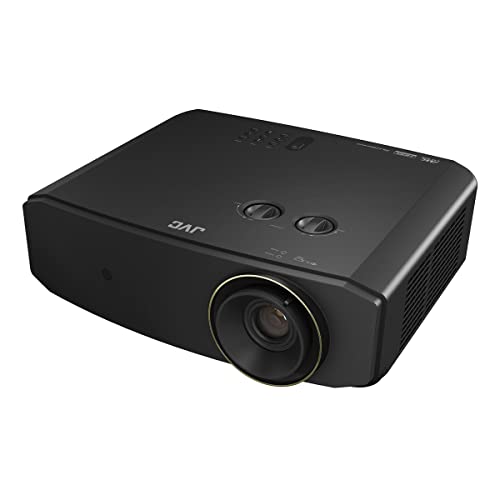
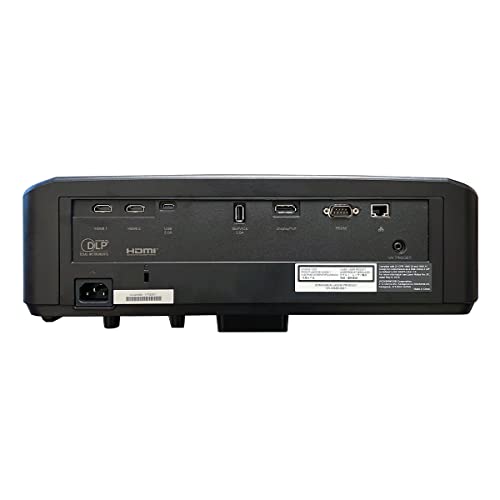
The world of home projection has transformed dramatically over the past few years, with laser technology finally making premium 4K projectors accessible to more enthusiasts. JVC, a company with decades of projection expertise, offers two compelling laser projectors that take remarkably different approaches to the same goal: delivering stunning large-screen entertainment at home.
The JVC LX-NZ30, released in 2023, represents JVC's aggressive push into gaming-focused projection, while the JVC DLA-NZ700, launched in 2024, showcases the company's latest cinema technology in a more compact and affordable package. At first glance, both are 4K laser projectors from the same manufacturer, but they're designed for fundamentally different users and use cases.
Before diving into the comparison, it's worth understanding what makes laser projectors special. Traditional projectors use mercury lamps that dim over time, require warm-up periods, and need replacement every 2,000-5,000 hours. Laser projectors eliminate these headaches with solid-state light sources lasting 20,000+ hours while maintaining consistent brightness. They turn on instantly, offer better color reproduction, and provide precise brightness control that can adjust thousands of times per second for superior contrast.
The two main technologies competing in this space are DLP (Digital Light Processing) and D-ILA (JVC's version of liquid crystal on silicon). DLP uses millions of tiny mirrors that tilt to reflect light, while D-ILA uses liquid crystals that twist to control light transmission. Each has distinct advantages: DLP typically offers higher brightness and sharper pixels, while D-ILA excels at contrast and color accuracy.
The JVC LX-NZ30 breaks the mold of what we expect from home theater projectors. Where most manufacturers focus primarily on movie performance, JVC designed the NZ30 with gamers as the primary audience, and it shows in every specification.
At the heart of the LX-NZ30 is a single-chip DLP system using a 0.47-inch DMD (Digital Micromirror Device) with pixel-shifting technology. This might sound like a compromise—and technically it is—but the implementation is remarkably clever. The projector rapidly shifts each pixel by half a pixel width diagonally, effectively creating four sub-pixels from each physical pixel. This "e-shift" technology delivers 3,840 x 2,160 resolution that's virtually indistinguishable from native 4K at normal viewing distances.
What sets this projector apart is its gaming performance. The LX-NZ30 achieves an almost unbelievable 6.25ms input lag at 1080p/240Hz—that's competitive with dedicated gaming monitors. For context, most projectors struggle to get below 30ms, and many TV-focused models hover around 50-100ms. This ultra-low latency comes from JVC's dedicated gaming processing pipeline that bypasses unnecessary video processing when speed matters most.
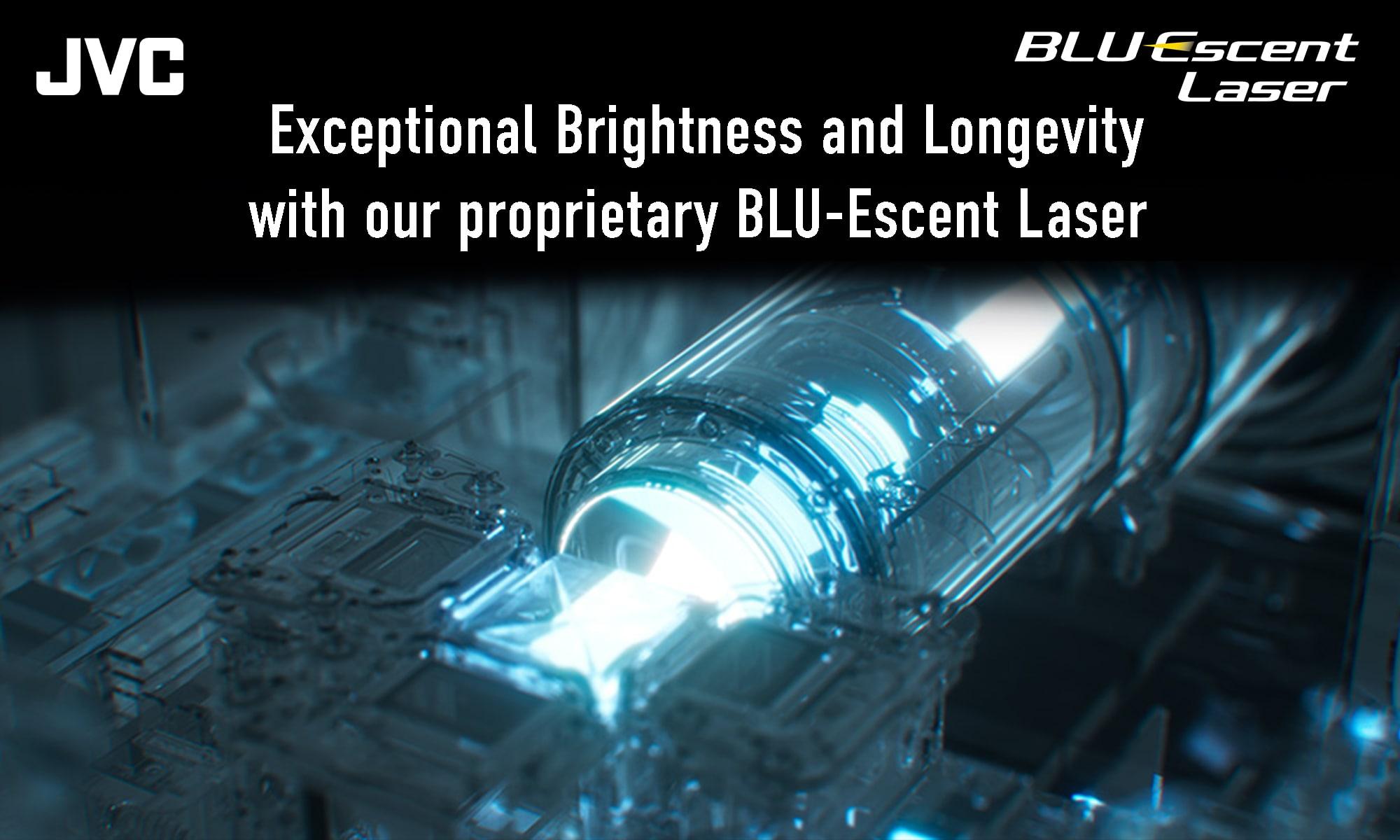
The brightness story is equally impressive. The LX-NZ30 pumps out 3,300 lumens using JVC's BLU-Escent laser technology, which combines blue laser diodes with phosphor coating to create the full color spectrum. This approach delivers exceptional brightness efficiency—about twice the lumens per watt compared to older laser designs. In practical terms, this means you can game or watch movies in rooms with ambient light without the washed-out image that plagues dimmer projectors.
The laser system also enables dynamic brightness control that adjusts thousands of times per second. When a scene transitions from bright explosions to dark corridors in a game, the laser power instantly adapts, creating what JVC calls "infinite dynamic contrast." While this sounds like marketing speak, the technology genuinely improves perceived contrast by making dark scenes darker without sacrificing highlight detail.
Installation flexibility is solid if not spectacular. The LX-NZ30 offers a 1.6x manual zoom lens with ±60% vertical and ±23% horizontal lens shift. This gives you reasonable placement options, though you'll need to physically adjust the lens rather than using a remote. The projector covers throw distances from about 8 feet to 22 feet for screen sizes up to 200 inches.
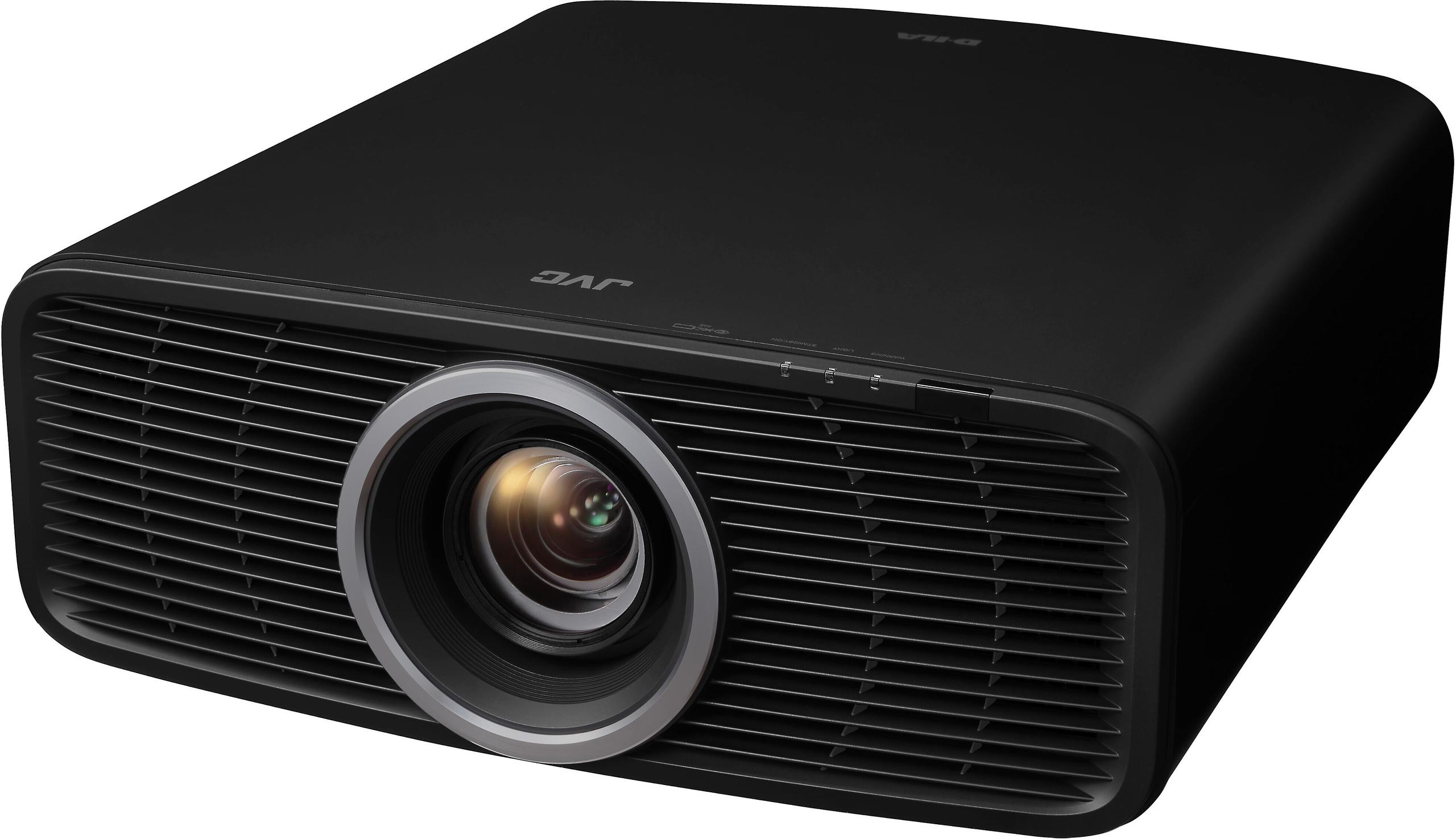
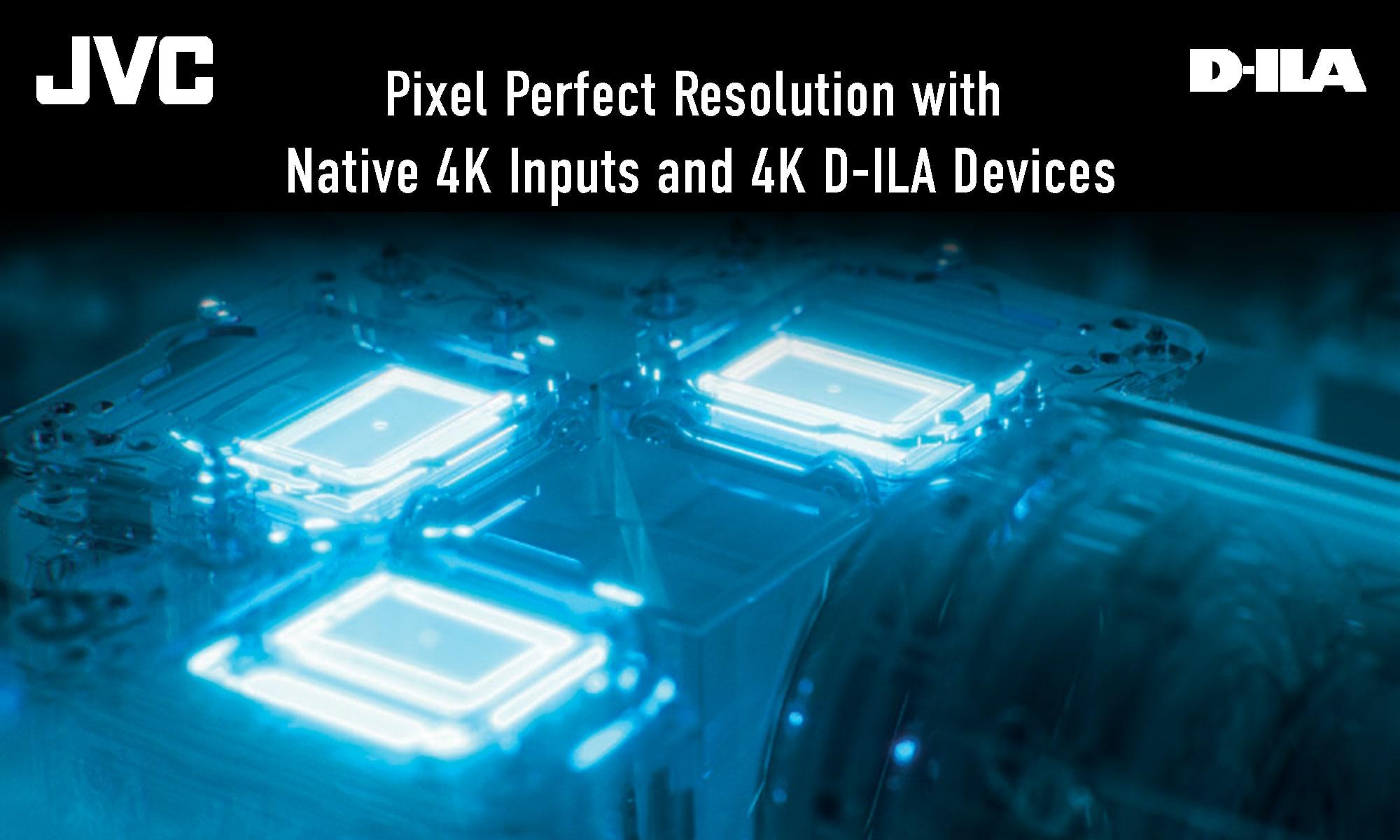
The JVC DLA-NZ700, released in 2024, represents JVC's commitment to reference-level cinema reproduction. This projector uses an entirely different technological approach, employing three separate 0.69-inch D-ILA panels—one each for red, green, and blue light. This three-chip design delivers true native 4K resolution (4,096 x 2,160 pixels) without any pixel-shifting tricks.
The DLA-NZ700 is built around JVC's third-generation D-ILA chipset, the same technology found in their flagship models. These chips deliver an exceptional 80,000:1 native contrast ratio, meaning the difference between the brightest whites and darkest blacks is enormous. In real-world testing by professional reviewers, this translates to measured ANSI contrast ratios approaching 500:1—nearly double what most competing projectors achieve.
The laser system in the DLA-NZ700 prioritizes color accuracy over raw brightness, outputting 2,300 lumens with exceptional color reproduction. The projector covers 98% of the DCI-P3 color gamut when using JVC's cinema filter, which is the professional standard used in commercial theaters. This means you're seeing colors as filmmakers intended, with the rich reds, deep blues, and subtle skin tones that make movies come alive.
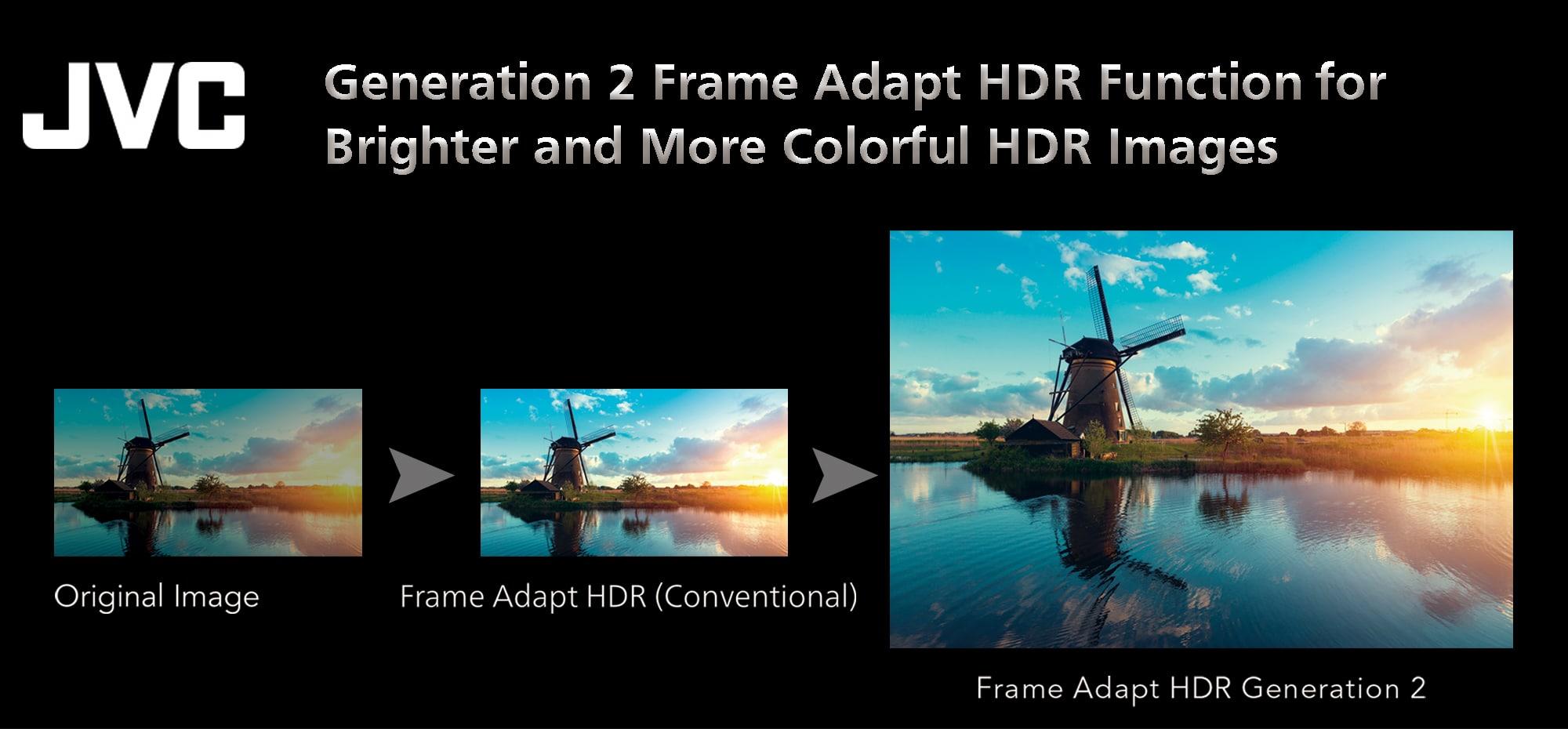
One of the most significant advances in the DLA-NZ700 is Frame Adapt HDR with dynamic tone mapping. HDR (High Dynamic Range) content contains brightness information that tells displays how bright or dark each scene should be. The NZ700 reads this metadata and adjusts its laser output frame by frame, ensuring that bright explosions don't blow out detail while dark scenes maintain shadow information. The projector supports HDR10+, HDR10, and HLG formats, covering virtually all HDR content you'll encounter.
The DLA-NZ700 also introduces Deep Black Tone Control, which enhances shadow detail by applying sophisticated algorithms to dark areas of the image. This technology works alongside the projector's manual iris, which can stop down the lens aperture by up to 15 stops for even deeper blacks when scenes demand it.
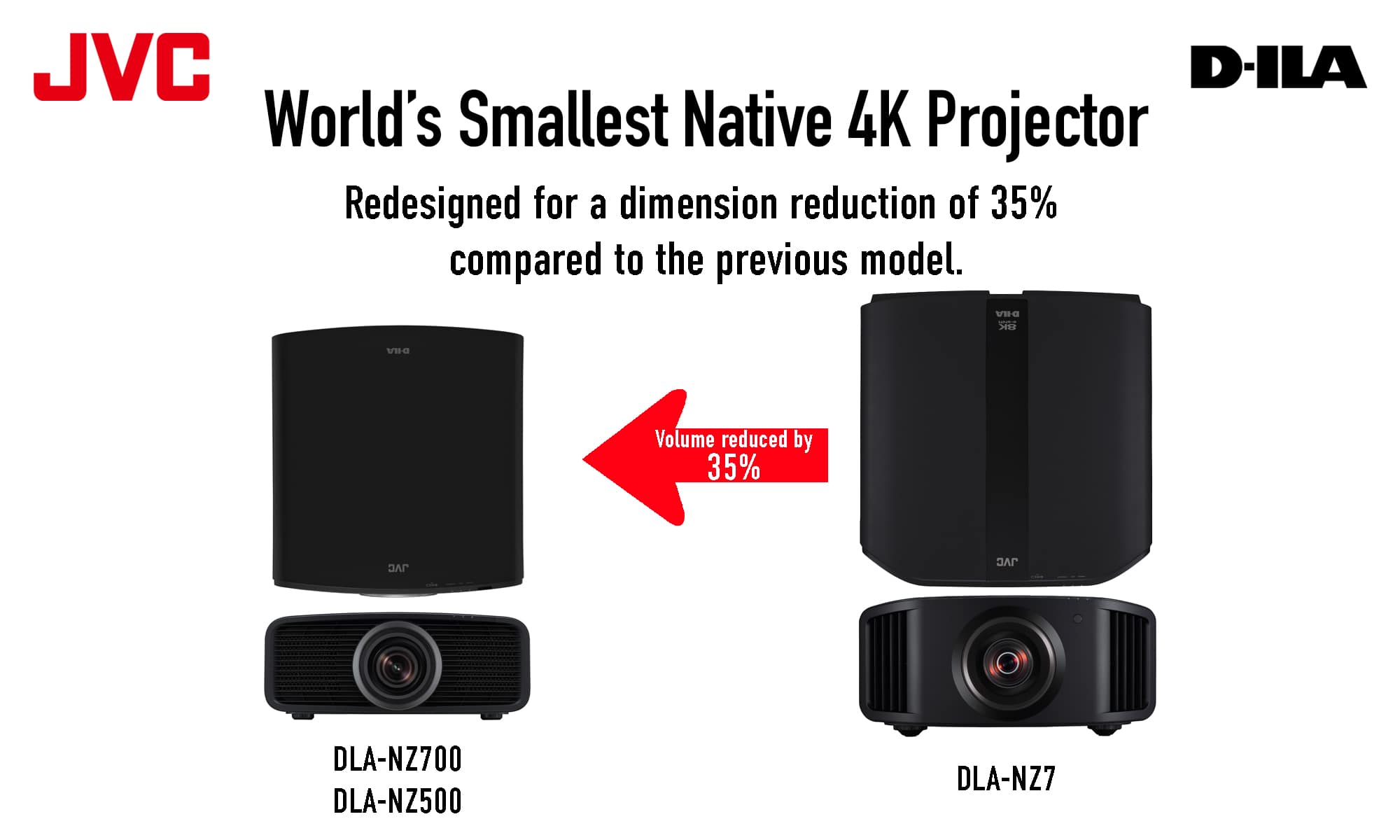
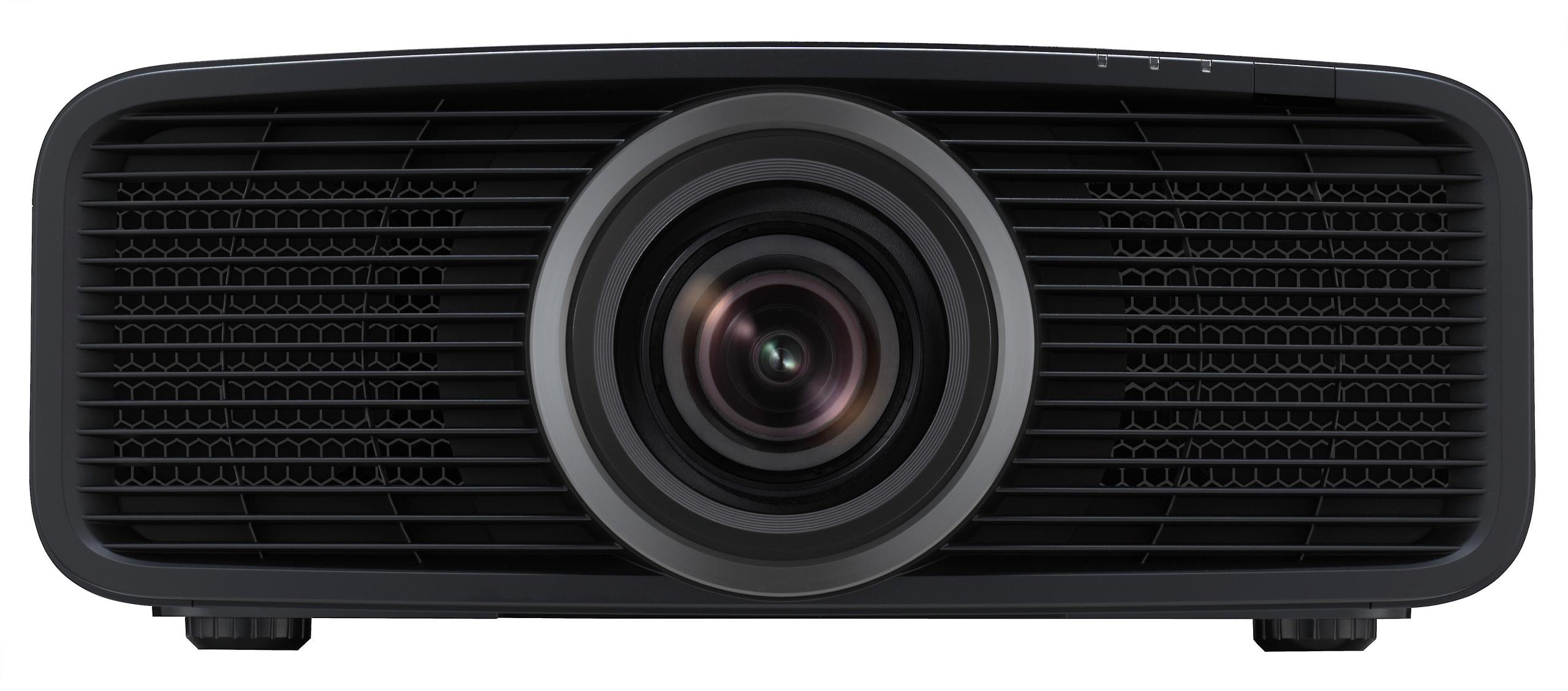
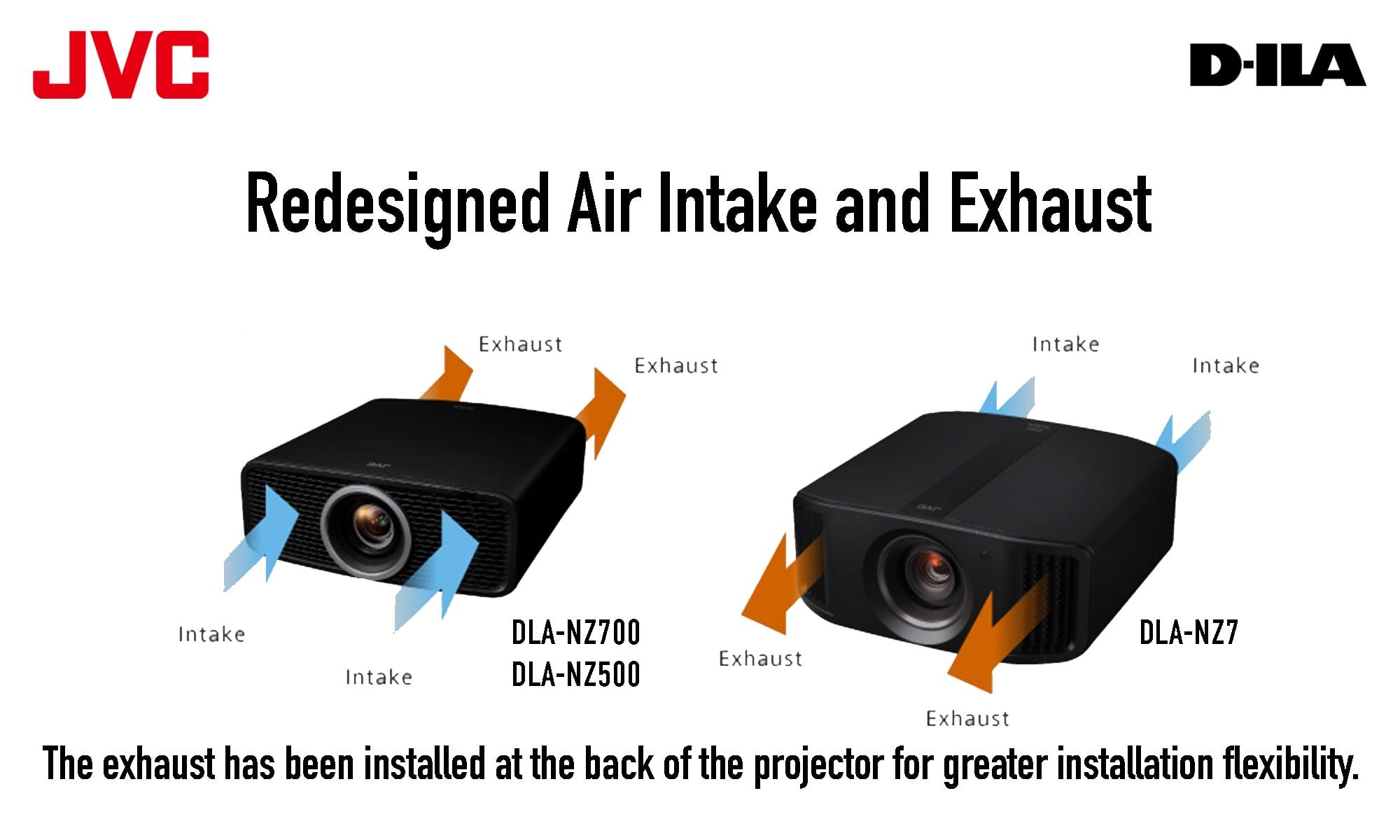
Installation is where the DLA-NZ700 truly shines. The fully motorized lens offers 1.6x zoom with ±70% vertical and ±28% horizontal lens shift—all controlled by remote. Five preset installation modes let you save different lens positions and picture settings, perfect if you need to switch between different screen sizes or aspect ratios. Despite packing all this technology, the projector is 35% smaller than JVC's previous generation, making it much easier to integrate into home theater setups.
For gaming, the LX-NZ30 is in a league of its own. The 6.25ms input lag at 240Hz is genuinely competitive with high-end gaming monitors, while the DLA-NZ700 offers standard projector latency suitable only for casual gaming. The NZ30's support for 1080p/240Hz also makes it future-proof for high refresh rate gaming, while the NZ700 tops out at 4K/60Hz.
This performance difference stems from fundamental design philosophy. The LX-NZ30 includes dedicated gaming processing modes that bypass video enhancement circuits when low latency is paramount. The DLA-NZ700 prioritizes image quality processing over speed, making it unsuitable for competitive gaming but perfectly adequate for single-player adventures where visual fidelity matters more than response time.
For movie watching, the DLA-NZ700 delivers a significantly superior experience in controlled lighting conditions. The native 4K resolution provides sharper detail than pixel-shifting, particularly noticeable in fine textures like fabric, hair, or architectural details. The superior contrast ratio creates images with genuine depth—dark scenes actually look dark rather than the gray-ish blacks common to single-chip DLP projectors.
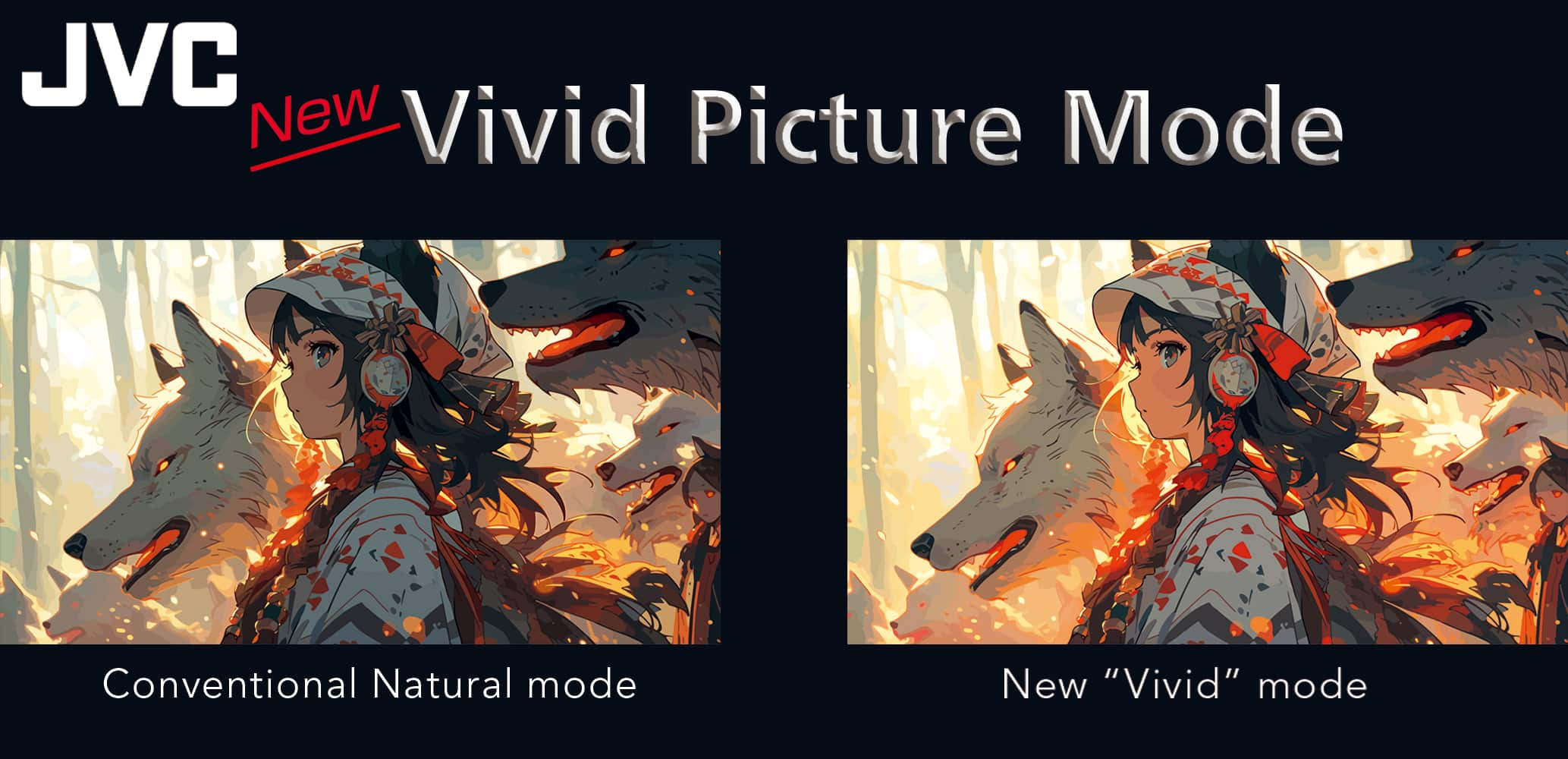
Color accuracy is another major advantage. The DLA-NZ700 with its cinema filter delivers colors that match professional mastering monitors, while the LX-NZ30 tends toward a more vibrant, consumer-friendly presentation that pops but isn't always accurate. For serious film enthusiasts, this difference is immediately apparent in skin tones and subtle color gradations.
The DLA-NZ700's HDR performance is also more sophisticated. While both projectors handle HDR content well, the NZ700's frame-by-frame tone mapping creates more nuanced highlights and shadows. Scenes with mixed lighting—like someone standing in a doorway with bright sunlight behind them—show better detail in both the bright background and shadowed foreground.
The LX-NZ30's 3,300-lumen output gives it a significant advantage in brighter rooms or for larger screen sizes. This extra brightness means you can enjoy content during daytime hours or in rooms with some ambient lighting without the washed-out image that dimmer projectors suffer from.
The DLA-NZ700's 2,300 lumens is adequate for dedicated home theaters with good light control but struggles in multi-purpose rooms. However, in the right environment, the lower brightness actually helps the projector achieve its exceptional contrast performance. Too much brightness can actually hurt perceived contrast, as it raises the black floor of the image.
In a purpose-built home theater with blackout curtains and acoustic treatments, the DLA-NZ700 is the clear choice. Its superior contrast and color accuracy create a cinema-like experience that justifies the higher price point (at the time of writing, the NZ700 commands a significant premium over the NZ30). The motorized lens and installation flexibility also make it easier to achieve a perfectly aligned image in a permanent setup.
The cinema filter, which reduces brightness slightly but expands color gamut, is worth using in these environments. Professional reviewers note only about a 15% brightness loss when engaging the filter—much less than previous JVC models—making the trade-off easily worthwhile for the improved color reproduction.
For family rooms, game rooms, or other spaces where the projector needs to perform well with ambient light, the LX-NZ30 makes more sense. Its extra 1,000 lumens of brightness maintain image quality even with table lamps on or during daytime viewing. The gaming performance is a significant bonus if anyone in the household enjoys video games.
The LX-NZ30 also handles the varied content mix of a family room better. Its punchy, vibrant image presentation works well for everything from animated movies to sports broadcasts, while the DLA-NZ700's more accurate but subdued presentation might seem underwhelming without proper room treatment.
For dedicated gaming setups, the LX-NZ30 is essentially without competition among projectors. The combination of ultra-low input lag, high refresh rate support, and bright output creates an immersive gaming experience that large TVs can't match. The 240Hz support future-proofs the setup for next-generation consoles and high-end PC gaming.
Both projectors benefit from JVC's 20,000-hour laser lifespan, which should provide 10-15 years of typical use without maintenance. However, their installation requirements differ significantly.
The DLA-NZ700 demands more careful setup but rewards that effort with superior image quality. Its motorized lens adjustments mean you can fine-tune the image from your seat, while the multiple memory presets accommodate different viewing scenarios. The compact size also makes ceiling mounting less intrusive.
The LX-NZ30 is more forgiving of suboptimal placement thanks to its higher brightness, though you'll miss the convenience of motorized adjustments. The manual lens means initial setup requires physical access to the projector, but once dialed in, most users won't need frequent adjustments.
These projectors represent two distinct philosophies in home projection, and choosing between them depends on your priorities and viewing environment.
The JVC LX-NZ30 is the projector for users who want maximum versatility and gaming performance. Its exceptional brightness handles various room conditions, while the ultra-low input lag makes it genuinely suitable for competitive gaming. The pixel-shifting 4K is convincing enough that most viewers won't miss native resolution, and the overall package offers excellent value for a bright, flexible laser projector.
The JVC DLA-NZ700 is for cinema purists with dedicated viewing spaces. Its native 4K resolution, exceptional contrast, and professional color accuracy create a reference-quality image that justifies its premium pricing for serious enthusiasts. The advanced HDR processing and installation flexibility make it a long-term investment in home cinema quality.
If you primarily game or need a projector that works well in various lighting conditions, the LX-NZ30 delivers better practical value. If you've invested in a proper home theater and prioritize image quality above all else, the DLA-NZ700 provides a genuinely cinematic experience that few projectors can match.
The choice ultimately comes down to whether you value versatility and gaming performance (LX-NZ30) or uncompromising cinema quality (DLA-NZ700). Both excel in their intended roles—just make sure you choose the one that matches your viewing priorities and room setup.
| JVC LX-NZ30 4K HDR Laser Projector | JVC DLA-NZ700 4K Laser Projector |
|---|---|
| Brightness - Critical for room flexibility and screen size | |
| 3,300 lumens (excellent for bright rooms and large screens) | 2,300 lumens (requires controlled lighting for best results) |
| Display Technology - Affects image quality and sharpness | |
| Single-chip DLP with 4K pixel-shifting (e-shift technology) | Native 4K D-ILA with three 0.69" chips (true 4K resolution) |
| Contrast Ratio - Determines black levels and image depth | |
| Dynamic contrast with laser dimming (good blacks for DLP) | 80,000:1 native contrast (exceptional blacks and depth) |
| Input Lag - Critical for gaming performance | |
| 6.25ms at 1080p/240Hz (competitive gaming ready) | Standard projector lag ~30-50ms (casual gaming only) |
| Gaming Support - High refresh rate capabilities | |
| 1080p/240Hz and 4K/60Hz (future-proof for gaming) | 4K/60Hz maximum (no high refresh rate support) |
| HDR Support - Modern content compatibility | |
| HDR10, HLG with Auto Tone Mapping (solid HDR performance) | HDR10+, HDR10, HLG with Frame Adapt dynamic mapping (superior HDR) |
| Color Accuracy - Important for cinema viewing | |
| Consumer-friendly vibrant colors (punchy but not reference) | 98% DCI-P3 with cinema filter (professional color accuracy) |
| Lens Features - Installation flexibility | |
| Manual 1.6x zoom/focus with ±60%/±23% lens shift | Fully motorized 1.6x zoom with ±70%/±28% lens shift |
| Size and Installation - Physical considerations | |
| Standard projector size with manual adjustments | 35% smaller than previous generation with remote control |
| Primary Use Case - Best suited for | |
| Gaming, bright rooms, versatile family entertainment | Dedicated home theater, cinema enthusiasts, controlled lighting |
| Laser Lifespan - Long-term maintenance | |
| 20,000 hours BLU-Escent laser (maintenance-free) | 20,000 hours BLU-Escent laser (maintenance-free) |
| Value Positioning - Price-to-performance consideration | |
| Better brightness-per-dollar for versatile use | Premium pricing for reference-level cinema quality |
The JVC LX-NZ30 is significantly better for gaming with its ultra-low 6.25ms input lag at 1080p/240Hz, making it competitive with gaming monitors. The JVC DLA-NZ700 has standard projector input lag around 30-50ms, which is fine for casual gaming but not suitable for competitive play.
The JVC LX-NZ30 outputs 3,300 lumens, making it excellent for bright rooms and large screens. The JVC DLA-NZ700 produces 2,300 lumens, which requires controlled lighting conditions for optimal performance but helps achieve better contrast ratios.
The JVC DLA-NZ700 delivers superior movie quality with native 4K resolution, 80,000:1 contrast ratio, and professional color accuracy covering 98% DCI-P3. The LX-NZ30 uses pixel-shifting for 4K and offers good image quality but can't match the DLA-NZ700's cinema-grade performance.
Yes, both support 4K but differently. The JVC LX-NZ30 uses pixel-shifting technology to create 4K from a 1080p chip, while the JVC DLA-NZ700 has true native 4K resolution with three separate imaging chips for sharper detail.
The JVC LX-NZ30 performs much better in bright rooms due to its 3,300-lumen output, compared to the DLA-NZ700's 2,300 lumens. The extra brightness helps maintain image quality with ambient light present.
The JVC DLA-NZ700 offers exceptional 80,000:1 native contrast for deep blacks and rich image depth. The LX-NZ30 uses dynamic laser dimming for good contrast performance but cannot match the DLA-NZ700's black levels.
The JVC DLA-NZ700 is ideal for dedicated home theaters with its superior contrast, native 4K resolution, professional color accuracy, and advanced HDR processing. The controlled lighting environment maximizes its image quality advantages over the LX-NZ30.
Both support HDR, but the JVC DLA-NZ700 offers more advanced HDR with HDR10+, HDR10, and HLG support plus frame-by-frame tone mapping. The LX-NZ30 supports HDR10 and HLG with Auto Tone Mapping for good but less sophisticated HDR performance.
The JVC DLA-NZ700 provides superior installation flexibility with fully motorized lens controls, ±70% vertical and ±28% horizontal lens shift, plus five memory presets. The LX-NZ30 has manual adjustments with ±60% vertical and ±23% horizontal lens shift.
Both the JVC LX-NZ30 and JVC DLA-NZ700 feature 20,000-hour BLU-Escent laser light sources, providing approximately 10-15 years of typical use without requiring lamp replacements or maintenance.
Value depends on your needs. The JVC LX-NZ30 offers better brightness-per-dollar and gaming performance for versatile use. The DLA-NZ700 provides superior cinema quality and features that justify its premium for serious home theater enthusiasts.
Yes, both handle large screens well. The JVC LX-NZ30 is better for very large screens (up to 200 inches) due to its higher brightness. The JVC DLA-NZ700 also supports large screens but may require careful room light control to maintain optimal image quality.
We've done our best to create useful and informative comparisons to help you decide what product to buy. Our research uses advanced automated methods to create this comparison and perfection is not possible - please contact us for corrections or questions. These are the sites we've researched in the creation of this article: t3.com - crutchfield.com - stuff.tv - projectorcentral.com - projectorreviews.com - data.heimkinowelt.at - bestbuy.com - eu.jvc.com - projectorreviews.com - listenup.com - youtube.com - eu.jvc.com - dreamediaav.com - projectorreviews.com - projectorscreen.com - projectorcentral.com - device.report - technologyinteriors.com - simplehomecinema.com - soundapproach.com - jvc.com - projectorreviews.com - valueelectronics.com - youtube.com - crutchfield.com - stereonet.com - projectorcentral.com - manual3.jvckenwood.com

Privacy Policy
Terms and Conditions - Affiliate Policy
Home Security
© Copyright 2008-2026.
11816 Inwood Rd #1211, Dallas, TX 75244