

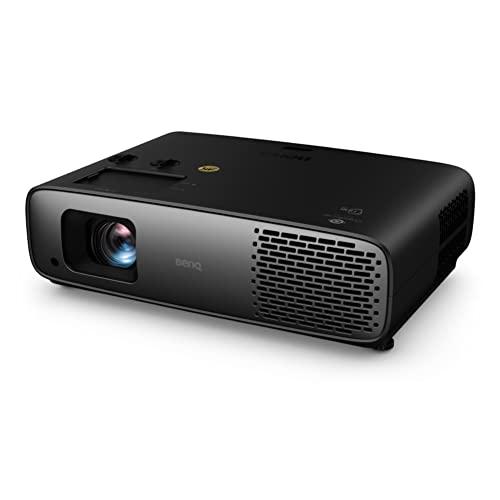
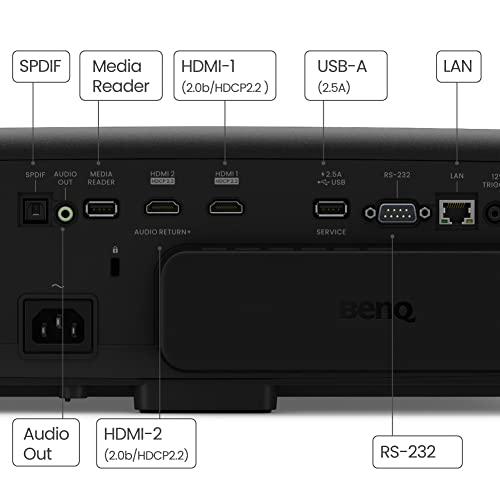
Shopping for a 4K home theater projector can feel overwhelming, especially when you're looking at two excellent but very different options like the BenQ HT4550i and Epson Home Cinema 5050UB. At the time of writing, these projectors sit in similar price ranges but take completely different approaches to delivering that big-screen cinema experience you're after.
The fundamental question isn't just which projector is "better"—it's which one fits your specific needs, room setup, and viewing habits. After researching extensive user reviews and expert evaluations, I've found that both projectors excel in different scenarios, and understanding these differences will help you make the right choice for your home theater.
Before diving into the specifics, let's clarify what makes a projector truly suitable for home theater use. Unlike business projectors that prioritize brightness above all else, home theater projectors focus on color accuracy, contrast performance, and creating that cinematic experience you'd get at a premium movie theater.
The term "4K" in projectors can be misleading. True native 4K projectors use chips that physically contain 8.3 million individual pixels (3840 x 2160). However, most consumer projectors, including both the BenQ HT4550i and Epson 5050UB, use "pixel-shifting" technology. This means they start with a 1080p chip (about 2 million pixels) but rapidly shift those pixels to different positions, effectively creating the detail level of 4K. While purists might scoff, pixel-shifting has become so refined that the difference between it and native 4K is nearly impossible to detect during normal viewing.
The two main display technologies you'll encounter are DLP (Digital Light Processing) and 3LCD. DLP uses millions of tiny mirrors that flip back and forth incredibly fast to create images, while 3LCD splits light into red, green, and blue components, processes each color separately, then recombines them. Each approach has distinct advantages that become important when choosing between our two projectors.
Released in 2023, the BenQ HT4550i represents the latest evolution in single-chip DLP projector design. What immediately sets it apart is its 4-LED light engine—a significant departure from traditional lamp-based projectors.
Traditional projectors use high-pressure mercury or metal halide lamps that gradually dim over time and need replacement every few thousand hours. The BenQ HT4550i eliminates this entirely with its 4-LED system using red, green, blue, and white LEDs. This isn't just about convenience—it's about consistent performance. While a traditional lamp might lose 20-30% of its brightness after two years of use, LEDs maintain nearly constant output for 20,000 to 30,000 hours. That translates to roughly 15-20 years of typical home use without any maintenance.
The LED system also enables the projector to reach full brightness instantly, unlike lamps that need warm-up time. More importantly, the precise control over individual LED colors allows for exceptional color accuracy that doesn't drift over time.
The BenQ HT4550i uses a 0.65-inch DLP chip with XPR (eXpanded Pixel Resolution) technology. Here's how it works: the projector takes your 4K input signal and uses the DLP chip to display it in two phases, shifting the pixels diagonally by half a pixel width between phases. Your eye blends these two images together, perceiving the full 4K detail.
This pixel-shifting happens so fast (at 240Hz) that it's completely invisible during normal viewing. The result is genuinely sharp 4K images that resolve significantly more detail than standard 1080p, though they may not quite match the ultimate sharpness of true native 4K projectors costing many times more.
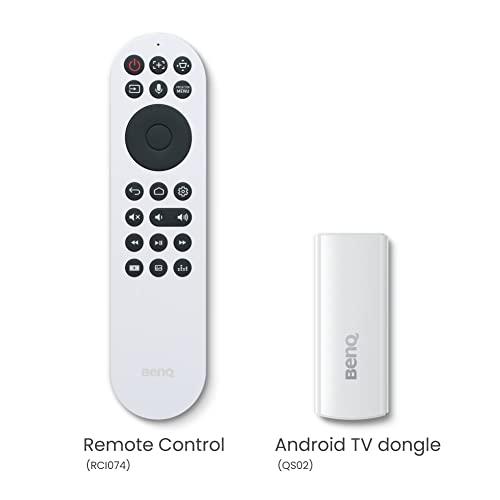
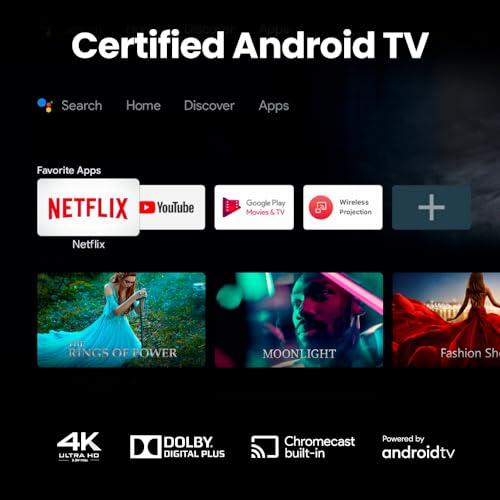
One area where the BenQ HT4550i clearly leads is convenience. The integrated Android TV system means you can stream Netflix, Disney+, Amazon Prime, and other services directly without additional devices. This might seem minor, but it eliminates cable clutter and the need for separate streaming boxes.
For gaming enthusiasts, the projector's performance is exceptional. Input lag—the delay between when you press a button and see the result on screen—measures just 8.7ms at 1080p/240Hz and 17.9ms at 4K/60Hz. These numbers rival dedicated gaming monitors and make the projector suitable even for competitive gaming.
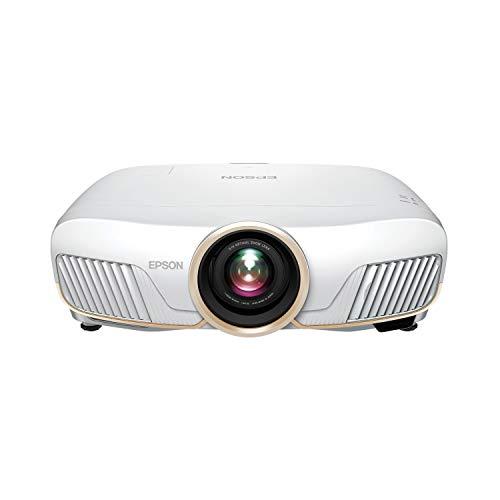
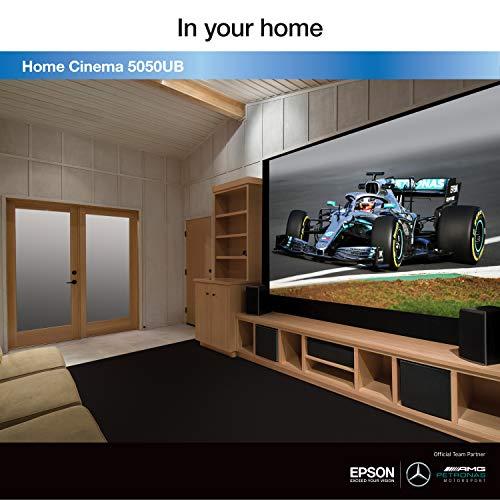
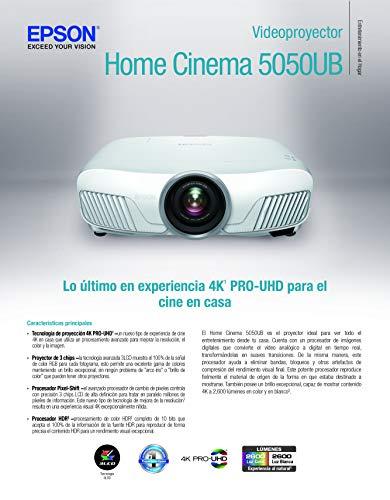
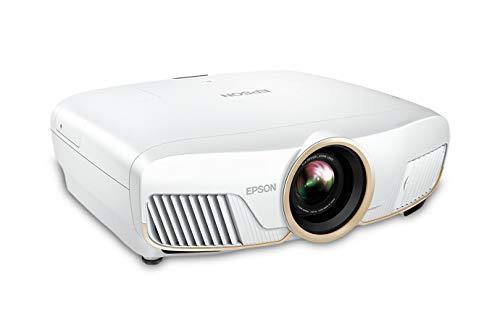
The Epson Home Cinema 5050UB, while not as recent as the BenQ, represents the refinement of Epson's proven 3LCD technology. Rather than chasing the latest trends, Epson focused on perfecting the fundamentals of image quality.
The most significant difference between the Epson 5050UB and the BenQ HT4550i is their core display technology. While the BenQ uses a single DLP chip that creates colors sequentially (showing red, then green, then blue in rapid succession), the Epson processes all three colors simultaneously using separate LCD panels for each color.
This parallel processing eliminates the "rainbow effect"—brief flashes of red, green, and blue that some people notice with single-chip DLP projectors, especially during fast eye movements or high-contrast scenes. If you've ever seen rainbow artifacts on a DLP projector, you'll never experience them with the Epson 5050UB.
The 3LCD design also produces exceptionally smooth color gradations. Where DLP projectors might show subtle banding in gradual color transitions (like sunsets or skin tones), the Epson renders these transitions seamlessly.
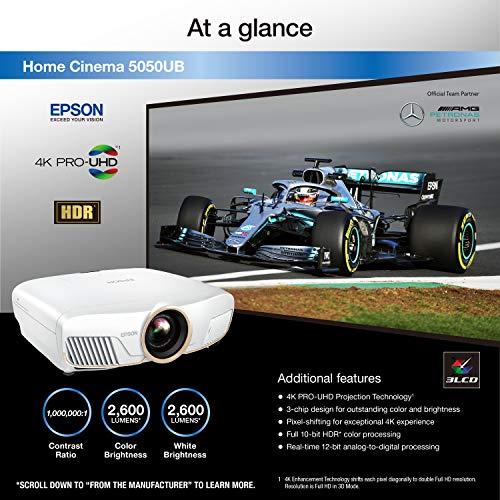
The Epson 5050UB's standout feature is its contrast performance, particularly in dark scenes. The projector uses Epson's UltraBlack technology, which includes a special filter that controls light polarization to reduce internal light leakage—the main culprit behind weak black levels in most projectors.
Combined with a dynamic iris that constantly adjusts the light output based on scene content, the projector achieves genuinely deep blacks that rival much more expensive models. In a properly darkened room, the difference between the Epson's blacks and those of typical projectors is immediately obvious.
This superior contrast performance makes the Epson 5050UB particularly compelling for movie enthusiasts who prioritize that cinematic experience above all else.
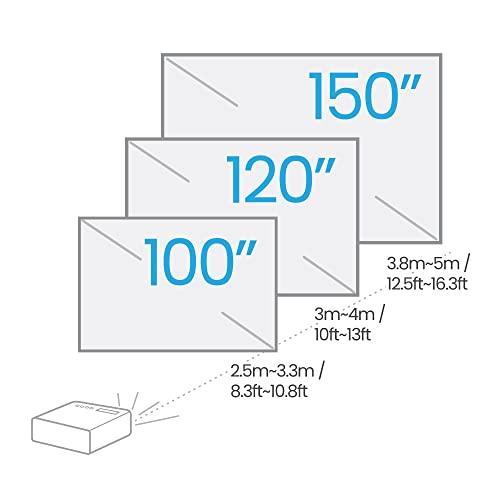
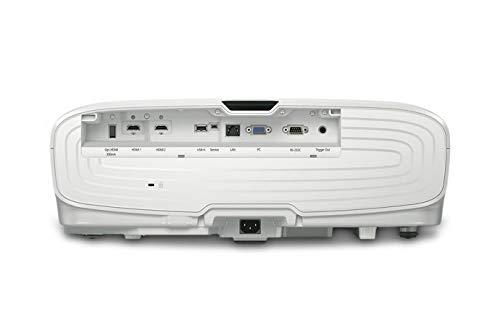
Installation flexibility is another area where the Epson 5050UB excels. The fully motorized lens system includes 2.1x zoom, extensive lens shift capabilities (96% vertical, 47% horizontal), and lens memory functions. This means you can mount the projector in a wide range of positions relative to your screen and still achieve perfect image alignment.
The lens memory feature is particularly clever—you can save different zoom and focus settings for various aspect ratios. Watch a 16:9 TV show, press a button, and the projector automatically adjusts for a 2.35:1 movie format.
Brightness measurements tell an interesting story. The BenQ HT4550i delivers approximately 3,200 ANSI lumens, while the Epson 5050UB provides around 2,600 ANSI lumens. In practical terms, this 600-lumen difference means the BenQ can handle more ambient light in your viewing room.
However, there's a crucial long-term consideration. The BenQ's LED output remains consistent throughout its lifetime, while the Epson's lamp-based system gradually dims. After 2,000-3,000 hours of use, the Epson may have lost 20-30% of its initial brightness, potentially falling below 2,000 lumens. The BenQ, meanwhile, will still be delivering its full 3,200 lumens after 20,000 hours.
This brightness advantage makes the BenQ HT4550i more suitable for family rooms or spaces where you can't achieve complete light control. The Epson 5050UB performs best in dedicated home theater rooms with proper light management.
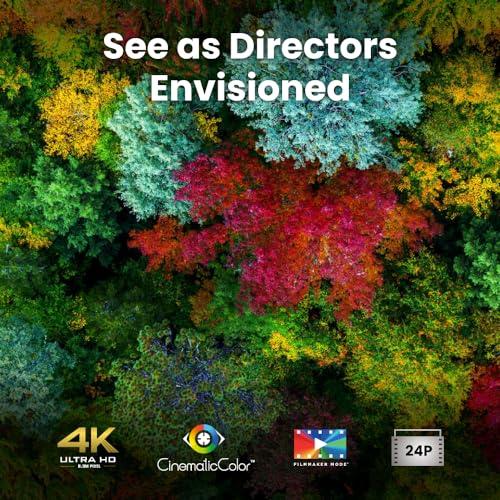
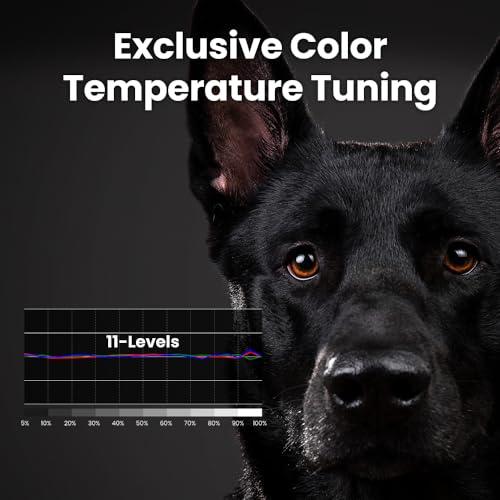
Both projectors achieve exceptional color accuracy out of the box, covering the full DCI-P3 color space that's becoming the standard for modern content. However, they maintain this accuracy differently over time.
The BenQ HT4550i benefits from its LED light source, which doesn't shift in color temperature or intensity as it ages. The factory calibration that delivers excellent color accuracy on day one remains consistent years later.
The Epson 5050UB also ships with excellent calibration, but lamp-based projectors inherently change color characteristics as their bulbs age. While the initial accuracy is superb, you might notice subtle shifts after extensive use, particularly in the final months before lamp replacement.
High Dynamic Range content represents one of the biggest improvements in modern video, offering brighter highlights and deeper shadows than standard content. Both projectors handle HDR well, but with different strengths.
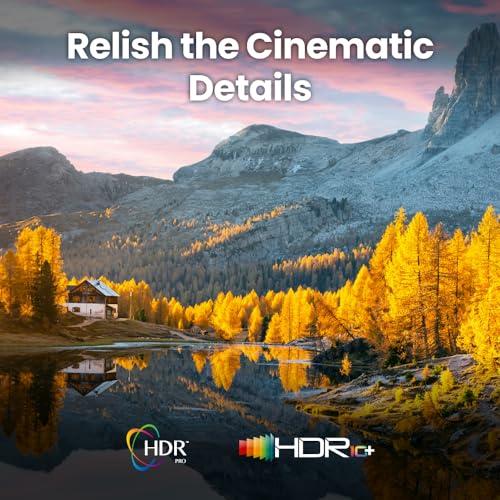
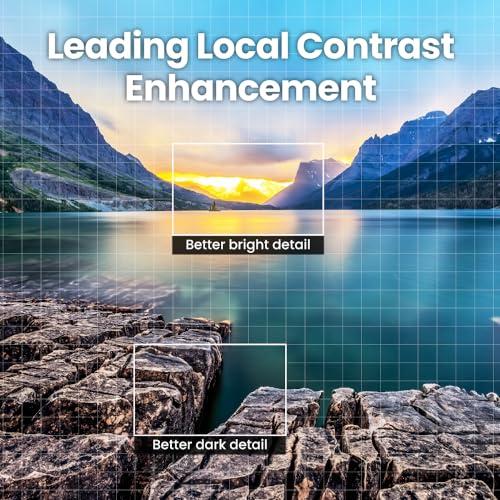
The BenQ HT4550i's higher brightness and advanced zone-based tone mapping (using over 1,000 adjustment zones) enables it to render brighter HDR highlights more convincingly. Its HDR-PRO technology intelligently adapts HDR content to the projector's capabilities, ensuring you see all the detail that was intended.
The Epson 5050UB's approach emphasizes the shadow detail side of HDR. Its superior black levels mean that the dark portions of HDR scenes reveal more subtle details and gradations. The projector includes 16-step HDR adjustment controls, allowing fine-tuning for different types of content.
In bright rooms, the BenQ's HDR presentation will appear more impactful. In properly darkened theaters, the Epson's HDR offers more nuanced shadow detail and overall contrast.
This is where the fundamental difference between LED and lamp technology becomes crucial for your wallet and convenience.
The BenQ HT4550i requires essentially zero maintenance. No lamp replacements, no filter cleaning schedules, no gradual degradation of performance. You install it once and enjoy consistent performance for decades.
The Epson 5050UB follows the traditional projector maintenance cycle. Expect to replace the lamp every 3,500-5,000 hours (depending on brightness settings) at a cost of $200-300 per replacement. Over a 15-year ownership period, you might need 6-8 lamp replacements, plus periodic filter maintenance.
At the time of writing, the BenQ HT4550i carries a price premium over the Epson 5050UB, but this premium is typically offset by lamp costs within 3-4 years of ownership.
If gaming is part of your projector plans, the BenQ HT4550i is clearly superior. Its 8.7ms input lag at 1080p/240Hz rivals gaming monitors and makes fast-paced competitive games perfectly playable. The projector also supports variable refresh rates and includes specific gaming picture modes optimized for different game types.
The Epson 5050UB, with input lag around 22-30ms, remains adequate for casual gaming but isn't ideal for competitive play or fast-paced action games where every millisecond counts.
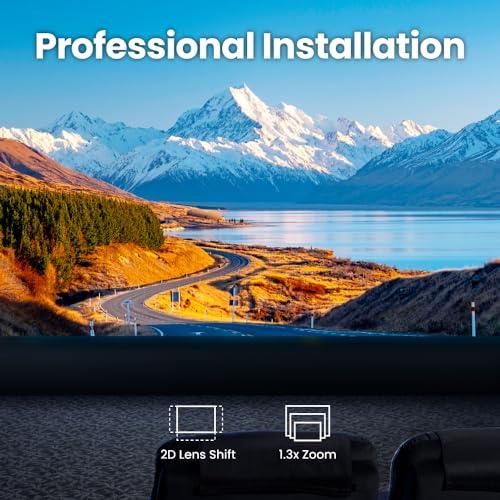
Room requirements differ significantly between these projectors. The BenQ HT4550i's compact size (14.6 pounds) and straightforward installation make it suitable for DIY mounting, though its more limited lens shift requires more precise positioning.
The Epson 5050UB's larger size (24.7 pounds) and extensive motorized adjustments offer more installation flexibility but may require professional mounting. However, once installed, its superior lens shift and zoom capabilities mean you can achieve perfect screen alignment from a wider range of mounting positions.
Based on extensive research into user experiences and expert evaluations, clear usage patterns emerge for each projector.
Choose the BenQ HT4550i if you:
Choose the Epson 5050UB if you:
Both projectors represent excellent choices, but they excel in different scenarios. The BenQ HT4550i embodies modern projector technology—bright, convenient, maintenance-free, and versatile. It's the better choice for most people, especially those wanting a projector that adapts to various uses and room conditions.
The Epson 5050UB represents the pinnacle of traditional projector engineering, offering superior cinema quality in properly controlled environments. For dedicated movie enthusiasts with darkened theaters, its image quality advantages justify the ongoing maintenance requirements.
Consider your room, your usage patterns, and your long-term plans. If you want the convenience of modern technology with excellent all-around performance, the BenQ HT4550i delivers. If you're building a serious home theater and want the absolute best movie experience, the Epson 5050UB remains a compelling choice despite its traditional technology.
The projector market continues evolving rapidly, with LED and laser technologies increasingly replacing traditional lamps. The BenQ HT4550i represents this evolution, while the Epson 5050UB shows how refined traditional technology can still deliver exceptional results. Your choice depends on whether you value cutting-edge convenience or proven cinema excellence.
| BenQ HT4550i 4K HDR LED Home Theater Projector | Epson Home Cinema 5050UB 4K PRO-UHD 3-Chip Projector |
|---|---|
| Display Technology - Affects rainbow effects and color smoothness | |
| Single-chip DLP with XPR pixel shifting | 3-chip 3LCD (eliminates rainbow effect completely) |
| Light Source - Determines maintenance costs and brightness consistency | |
| 4-LED system (20,000-30,000 hour lifespan, no replacement needed) | Traditional lamp (requires $200-300 replacement every 3,500-5,000 hours) |
| Brightness - Critical for room flexibility and ambient light handling | |
| 3,200 ANSI lumens (consistent throughout lifespan) | 2,600 ANSI lumens (gradually dims as lamp ages) |
| Contrast Performance - Most important for deep blacks and cinematic experience | |
| 2,000,000:1 dynamic contrast with multi-zone enhancement | 1,000,000:1 dynamic contrast with superior UltraBlack native performance |
| 4K Resolution Method - How each achieves 4K from 1080p chips | |
| XPR pixel shifting on 0.65" DLP chip (excellent sharpness) | 4K PRO-UHD2 diagonal pixel shifting (good detail enhancement) |
| Gaming Performance - Input lag determines competitive gaming viability | |
| 8.7ms at 1080p/240Hz, 17.9ms at 4K/60Hz (excellent for gaming) | 22-30ms input lag (adequate for casual gaming only) |
| Installation Flexibility - Affects projector placement options | |
| 1.3x zoom, ±15% horizontal/0-60% vertical lens shift | 2.1x motorized zoom, ±47% horizontal/±96% vertical lens shift |
| Smart Features - Built-in streaming capabilities | |
| Android TV with Netflix 4K HDR, Google Assistant | No built-in smart features (requires external streaming device) |
| Size and Weight - Installation complexity and mounting requirements | |
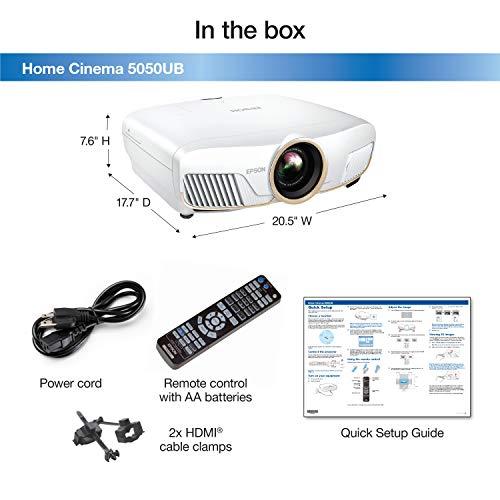
| 14.6 lbs, compact design (easier DIY installation) | 24.7 lbs, larger footprint (may require professional mounting) |
| Color Accuracy - Out-of-box performance and long-term stability | |
| 100% DCI-P3, factory calibrated, maintains accuracy over LED lifespan | 100% DCI-P3, excellent initial accuracy but may shift as lamp ages |
| HDR Support - High dynamic range capability | |
| HDR10, HDR10+, HLG with advanced tone mapping | HDR10, HLG with 16-step precision adjustment |
| Noise Level - Important for quiet viewing environments | |
| 28 dB (ECO mode), 32 dB (Normal mode) | 31 dB typical operation |
| Total Cost of Ownership - 10-year ownership including maintenance | |
| Higher upfront cost but zero maintenance expenses | Lower initial price but $1,200-1,800 in lamp replacement costs |
Both are excellent home theater projectors, but they excel in different scenarios. The BenQ HT4550i offers higher brightness and modern LED technology that's maintenance-free, making it better for rooms with some ambient light. The Epson 5050UB delivers superior contrast and deeper blacks in dark rooms, plus eliminates DLP rainbow effects completely with its 3LCD technology.
The BenQ HT4550i uses single-chip DLP technology, which can produce rainbow artifacts for some viewers but offers excellent sharpness. The Epson 5050UB uses 3LCD technology with separate chips for red, green, and blue, completely eliminating rainbow effects and providing smoother color transitions.
The BenQ HT4550i requires virtually no maintenance thanks to its LED light source lasting 20,000-30,000 hours. The Epson 5050UB uses a traditional lamp that needs replacement every 3,500-5,000 hours, costing $200-300 each time.
Neither projector has a native 4K chip. Both the BenQ HT4550i and Epson 5050UB use pixel-shifting technology to create 4K images from 1080p chips. The BenQ's XPR system generally produces slightly sharper results than the Epson's 4K PRO-UHD enhancement.
The BenQ HT4550i is significantly brighter at 3,200 ANSI lumens compared to the Epson 5050UB's 2,600 lumens. More importantly, the BenQ maintains consistent brightness throughout its lifespan while the Epson gradually dims as its lamp ages.
The BenQ HT4550i is excellent for gaming with just 8.7ms input lag at high refresh rates and supports up to 240Hz gaming. The Epson 5050UB has higher input lag around 22-30ms, making it adequate for casual gaming but not ideal for competitive play.
The Epson 5050UB delivers superior black levels and native contrast performance thanks to its 3LCD technology and UltraBlack features. While the BenQ HT4550i has impressive dynamic contrast, it can't match the Epson's deep blacks in dark room viewing.
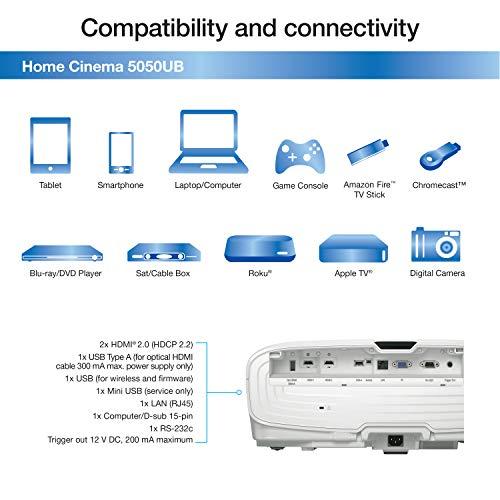
Only the BenQ HT4550i includes built-in Android TV with Netflix, Disney+, and other streaming apps. The Epson 5050UB has no smart features and requires an external streaming device like Apple TV or Roku.
The BenQ HT4550i is more compact and lighter, making DIY installation easier. However, the Epson 5050UB offers much more flexible placement options with its extensive motorized lens shift and 2.1x zoom, though it may require professional mounting due to its weight.
The BenQ HT4550i's higher brightness makes it suitable for family rooms or spaces with some ambient light control. The Epson 5050UB performs best in dedicated home theater rooms with complete darkness to showcase its superior contrast.
While the BenQ HT4550i typically costs more upfront, its maintenance-free LED design often provides better long-term value. The Epson 5050UB has lower initial cost but ongoing lamp replacement expenses that add up significantly over time.
The BenQ HT4550i may show rainbow effects for sensitive viewers due to its DLP technology, though many people never notice this. The Epson 5050UB completely eliminates rainbow artifacts with its 3LCD design but may show slight color uniformity variations across the screen.
We've done our best to create useful and informative comparisons to help you decide what product to buy. Our research uses advanced automated methods to create this comparison and perfection is not possible - please contact us for corrections or questions. These are the sites we've researched in the creation of this article: projectorcentral.com - benq.com - rtings.com - youtube.com - soundandvision.com - rtings.com - hometheaterhifi.com - projectorscreen.com - projectorreviews.com - projectorscreen.com - youtube.com - rtings.com - projectorscreen.com - versus.com - youtube.com - projectorcentral.com - snapav.com - benq.com - benq.com - rtings.com - audiogurus.com - hometechnologyreview.com - projectorscreen.com - youtube.com - thesmarthomehookup.com - techgearlab.com - rtings.com - projectorreviews.com - projectorreviews.com - projectorreviews.com - projectorcentral.com - avsforum.com - avsforum.com - avsforum.com - audiogeneral.com - hifiheaven.net - manuals.plus - crutchfield.com - mediaserver.goepson.com - projectorcentral.com - epson.com - bestbuy.com - projectorreviews.com - projectorcentral.com

Privacy Policy
Terms and Conditions - Affiliate Policy
Home Security
© Copyright 2008-2026.
11816 Inwood Rd #1211, Dallas, TX 75244