

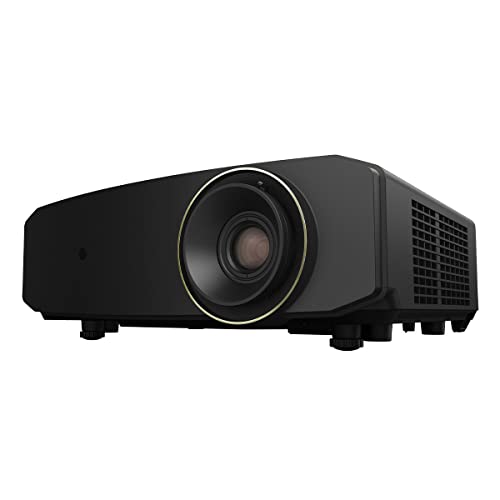
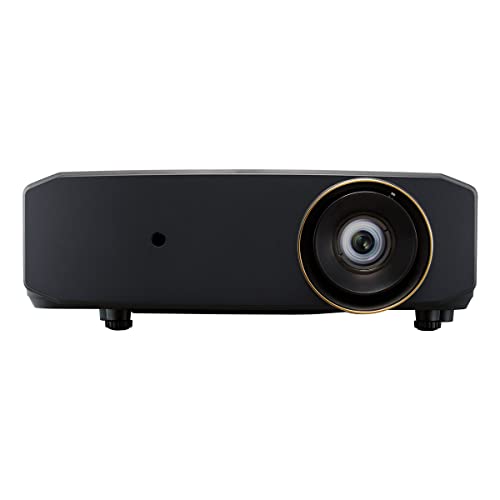
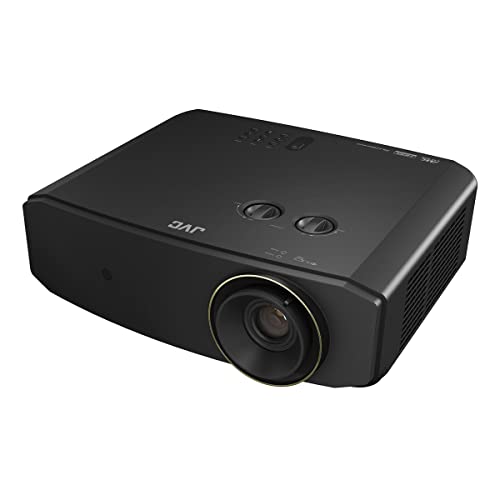
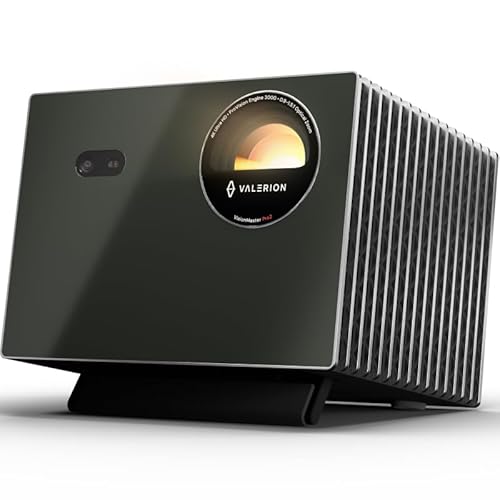
The 4K laser projector market has exploded since 2020, transforming from a niche luxury into an increasingly accessible alternative to massive TVs. If you're considering making the jump to a 100+ inch screen experience, you're probably weighing two very different approaches: the cinema-focused JVC LX-NZ30 and the versatile Valerion VisionMaster Pro 2. Both launched in 2023 and represent the current state of laser projection technology, but they're built for completely different users.
Understanding which projector fits your needs requires digging into the technical details that actually matter. After researching extensive user feedback and professional reviews, it's clear these projectors take fundamentally different approaches to achieving 4K images. The JVC LX-NZ30 prioritizes raw cinema performance, while the Valerion VisionMaster Pro 2 focuses on versatility and modern features. Let's break down what that means for your viewing experience.
Before diving into specifics, it's crucial to understand what makes these projectors tick. Both the JVC LX-NZ30 and Valerion VisionMaster Pro 2 use DLP (Digital Light Processing) technology with a 0.47-inch DMD chip – essentially a tiny mirror array that flips millions of times per second to create images. Neither has native 4K resolution; instead, they use pixel-shifting technology to create the appearance of 4K from a 1080p base.
Think of pixel-shifting like a magician's sleight of hand. The projector rapidly moves each pixel to four different positions, effectively quadrupling the detail you see. The JVC LX-NZ30 uses proprietary "e-shift" technology that moves pixels in precise 0.5-pixel increments, while the Valerion VisionMaster Pro 2 uses standard XPR pixel-shifting. In practice, both produce convincing 4K images, but JVC's approach tends to render finer details more accurately.
The laser light source is where these projectors really shine compared to traditional lamp-based models. Lasers last 20,000-25,000 hours versus 2,000-4,000 for lamps, provide instant on/off capability, and maintain consistent brightness throughout their lifespan. No more planning movie nights around lamp warm-up time or dealing with dimming images as bulbs age.
The most critical difference between these projectors lies in their image philosophy. The JVC LX-NZ30 employs JVC's proprietary BLU-Escent laser technology – a blue laser combined with phosphor wheels to create white light. This approach is specifically tuned for cinema accuracy, delivering 100% of the Rec. 709 color standard that movies are mastered in.
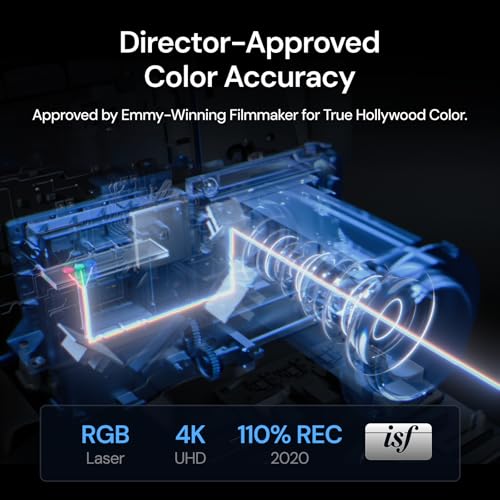
In contrast, the Valerion VisionMaster Pro 2 uses an RGB triple-laser system with separate red, green, and blue lasers. This allows it to achieve an impressive 110% coverage of the much wider Rec. 2020 color space. What does this mean practically? The Valerion produces more saturated, vibrant colors that really pop, especially in HDR content. Colors look more intense and eye-catching, which many viewers prefer for diverse content types.
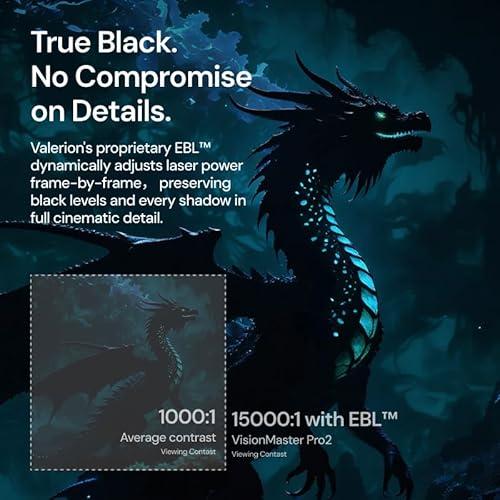
However, the JVC LX-NZ30 has a significant ace up its sleeve: infinite dynamic contrast. Through real-time laser dimming, it can completely shut off the laser during pure black scenes, achieving a theoretical ∞:1 contrast ratio. When a scene cuts to complete darkness, you get true black rather than the dark gray that plagues most projectors. This creates a more cinematic experience with deeper shadows and more realistic nighttime scenes.
Based on user feedback, the contrast difference is noticeable in dark room viewing. The JVC delivers inkier blacks that make space scenes and dark movie moments more immersive. The Valerion, while still producing good contrast for a DLP projector, can't match this performance in very dark content.
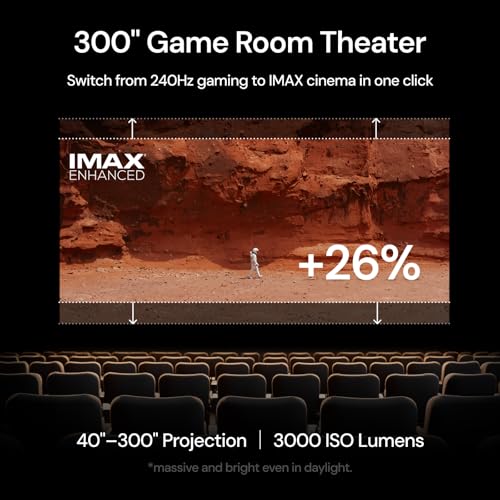
Brightness tells another story entirely. The JVC LX-NZ30 pumps out 3,300 lumens compared to the Valerion's 3,000 lumens. While this seems minor on paper, that extra brightness matters for larger screens or rooms with ambient light. The JVC can effectively drive screens up to 200 inches while maintaining adequate brightness, whereas the Valerion works best with screens under 150 inches for optimal impact.
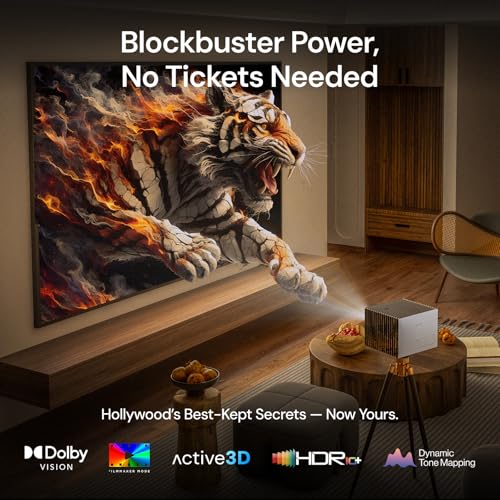
HDR (High Dynamic Range) support reveals perhaps the biggest philosophical divide between these projectors. The Valerion VisionMaster Pro 2 supports the latest HDR standards including Dolby Vision and HDR10+, which use dynamic metadata to adjust brightness and contrast scene by scene. This means each scene is optimized individually, potentially delivering more accurate highlights and shadows throughout a movie.
The JVC LX-NZ30 sticks with HDR10 and HLG support, using its Auto Tone Mapping feature to optimize content. While not as advanced as Dolby Vision's scene-by-scene approach, JVC's implementation is well-regarded for consistency. The projector reads the maximum content light level (MaxCLL) and maximum frame-average light level (MaxFALL) data embedded in HDR10 content and adjusts accordingly.
From a practical standpoint, the HDR difference matters most for streaming content. Netflix, Disney+, and Amazon Prime Video increasingly offer Dolby Vision content that will look more accurate on the Valerion. However, if you primarily watch UHD Blu-rays or use HDR10 sources, the JVC's implementation is excellent and may actually provide more consistent results without the occasional tone mapping artifacts that can plague dynamic HDR formats.
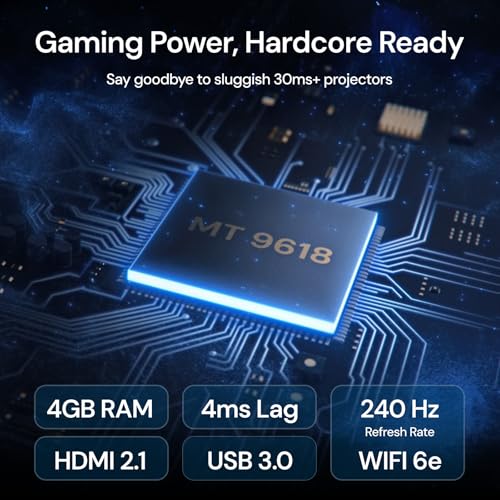
Gaming reveals the starkest difference between these projectors' target audiences. The Valerion VisionMaster Pro 2 is clearly designed with modern gaming in mind, supporting 1080p at 240Hz with just 4ms of input lag. This ultra-low latency makes it suitable for competitive gaming where every millisecond matters. It also supports ALLM (Auto Low Latency Mode), which automatically switches to game mode when it detects a console signal.
The JVC LX-NZ30 takes a more traditional approach, offering excellent 4K gaming at 60Hz with 25ms input lag, and 1080p gaming at 120Hz with 6.25ms lag. While not as cutting-edge as the Valerion's specs, these numbers are still very good for projector gaming. The JVC's approach favors image quality over ultra-high refresh rates.
For context, most gamers won't notice input lag under 30ms, and anything under 15ms feels responsive. The Valerion clearly wins for esports and competitive gaming, while the JVC is perfectly adequate for casual and single-player gaming where image quality matters more than millisecond precision.
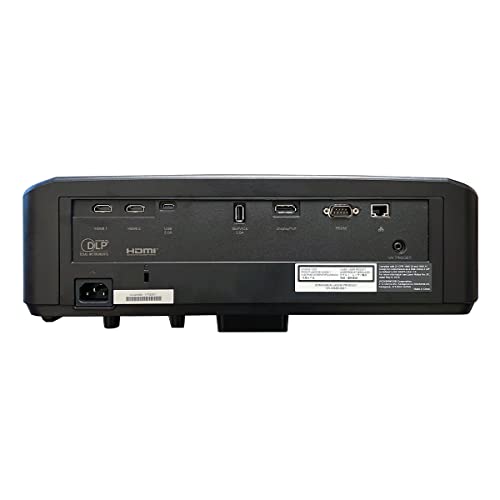
The connectivity story reinforces this divide. The Valerion includes HDMI 2.1 ports necessary for next-generation console features, while the JVC uses HDMI 2.0 ports that handle current-generation gaming well but may limit future compatibility.
Installation requirements often determine which projector actually works in your space. The JVC LX-NZ30 provides extensive lens shift capabilities – ±60% vertical and ±23% horizontal – meaning you can place the projector significantly off-center from your screen and still get a perfectly rectangular image. This flexibility is invaluable for ceiling installations where running cables to the optimal position isn't practical.
The 1.6x manual zoom range on the JVC also provides more placement options. You can position it closer or farther from your screen while maintaining the same image size, which is crucial for room layout flexibility. Combined with its higher brightness, the JVC works well in challenging installations where the projector must be placed at suboptimal angles or distances.
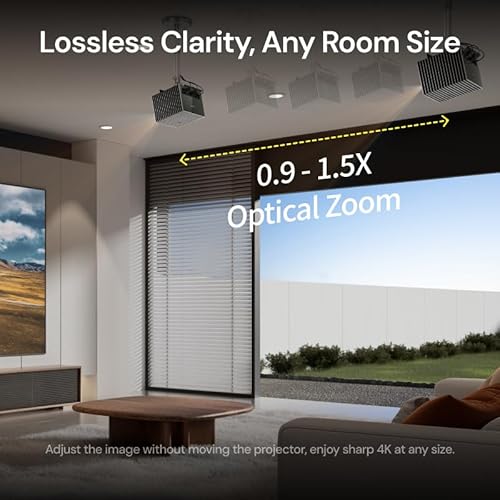
The Valerion VisionMaster Pro 2 lacks lens shift but compensates with other user-friendly features. Its optical zoom (unusual for lifestyle projectors) is motorized rather than manual, and it includes autofocus capability. The auto-keystone correction can digitally adjust for angular placement, though this comes at the cost of some image quality compared to optical lens shift.
Noise levels significantly impact the viewing experience, especially for closer seating. The Valerion operates at just 28dB, which is whisper-quiet and won't interfere with dialogue or quiet movie scenes. The JVC runs at 34dB in normal mode, dropping to 29dB in eco mode. While not loud, this difference is noticeable in quiet rooms and may influence seating distance decisions.
The smart feature divide reflects each projector's core philosophy. The JVC LX-NZ30 includes zero smart features – no built-in apps, no Wi-Fi, no voice control. This approach appeals to enthusiasts who prefer external streaming devices and don't want their projector cluttered with features that may become obsolete. It's also more reliable long-term since there are no software updates or app compatibility issues to worry about.
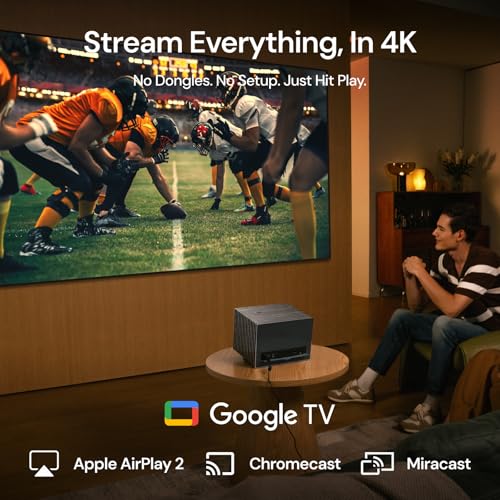
The Valerion VisionMaster Pro 2 embraces the smart TV experience with Google TV OS, providing access to Netflix, Prime Video, Disney+, and other major streaming platforms. It includes Wi-Fi 6e, Bluetooth 5.2, and supports AirPlay 2 and Chromecast for wireless streaming. The voice control integration with Google Assistant and Alexa makes it feel like a modern entertainment hub rather than just a projector.
This smart feature difference significantly impacts the total cost of ownership. With the JVC, you'll need an Apple TV, Nvidia Shield, or similar streaming device, adding $100-200 to your setup. The Valerion handles streaming internally, potentially saving money and reducing cable clutter.
However, built-in smart features come with trade-offs. Apps may become outdated, streaming services might drop support for older hardware, and software bugs can affect the entire projector experience. The JVC's external device approach provides more flexibility and upgrade paths over time.
Neither projector includes speakers that match their visual performance, which is typical for quality projectors. The Valerion VisionMaster Pro 2 includes dual 12W speakers with DTS:X support that work adequately for casual viewing but pale compared to a proper sound system. The JVC LX-NZ30 eschews built-in audio entirely, assuming you'll use external speakers.
For home theater integration, the JVC provides more professional connectivity options including RS-232C control ports and 12V triggers for motorized screens and other automation. The Valerion offers modern connectivity like eARC HDMI for soundbar integration and smart home compatibility with Control4, Google Home, and Apple HomeKit.
At the time of writing, these projectors occupy similar price ranges with the JVC LX-NZ30 commanding a premium of several hundred dollars over the Valerion VisionMaster Pro 2. The pricing reflects their different value propositions: the JVC charges more for specialized cinema performance, while the Valerion provides more features for less money.
The Valerion delivers better value for most users by including smart features, superior gaming capabilities, and modern connectivity that would cost extra with the JVC. However, the JVC provides value through superior brightness, proven reliability, and installation flexibility that may be worth the premium for serious enthusiasts.
Long-term value considerations favor different aspects of each projector. The Valerion offers a longer 25,000-hour laser life versus 20,000 for the JVC, potentially extending its useful lifespan. However, the JVC's simpler design with fewer electronic components and no smart features may prove more reliable over time.
After extensive research into user experiences and expert opinions, clear usage patterns emerge for each projector. The JVC LX-NZ30 serves dedicated home theater enthusiasts who prioritize image quality above all else. If you have a light-controlled room, plan to use screens larger than 120 inches, and already own quality streaming devices, the JVC's superior brightness and contrast make it the better choice.
The Valerion VisionMaster Pro 2 suits versatile users who want one device to handle multiple entertainment needs. Gamers, families with diverse viewing habits, and anyone wanting modern smart features will appreciate its comprehensive feature set. It's particularly compelling for users who don't want to research and purchase additional streaming devices.
Room characteristics often determine the best choice. The JVC excels in dedicated theater rooms with controlled lighting and optimal seating arrangements. Its higher brightness and infinite contrast work best when you can eliminate ambient light and sit at appropriate distances. The Valerion works better in living rooms or multi-purpose spaces where convenience and versatility matter more than ultimate performance.
Based on the consensus from user reviews, the Valerion VisionMaster Pro 2 provides better overall value for most buyers. Its combination of gaming performance, smart features, and vibrant image quality addresses more use cases than the JVC's specialized approach. However, serious movie enthusiasts and those building dedicated theater rooms will likely prefer the JVC LX-NZ30's uncompromising focus on cinema-quality projection.
The choice ultimately depends on whether you want a versatile entertainment device or a specialized cinema tool. Both represent excellent examples of modern laser projection technology, just aimed at different audiences with different priorities.
| JVC LX-NZ30 4K HDR Laser Projector | Valerion VisionMaster Pro 2 Projector |
|---|---|
| Brightness - Critical for screen size and ambient light tolerance | |
| 3,300 lumens (excellent for large screens up to 200") | 3,000 lumens (good for screens up to 150") |
| Display Technology - How 4K resolution is achieved | |
| Native 1080p with JVC e-shift pixel-shifting | Native 1080p with XPR pixel-shifting |
| Light Source - Determines color accuracy and lifespan | |
| BLU-Escent laser phosphor (cinema-optimized) | RGB triple-laser (vibrant colors) |
| Laser Lifespan - Long-term ownership costs | |
| 20,000 hours | 25,000 hours |
| Contrast Ratio - Critical for dark room performance | |
| Infinite (dynamic laser dimming for true blacks) | Good DLP contrast with Enhanced Black Level |
| Color Gamut - Impact on color vibrancy | |
| 100% Rec.709, BT.2020 compatible (cinema accurate) | 110% Rec.2020 (exceptionally vibrant colors) |
| HDR Support - Compatibility with premium content | |
| HDR10, HLG with Auto Tone Mapping | Dolby Vision, HDR10+, HDR10, HLG |
| Gaming Performance - Input lag at key resolutions | |
| 6.25ms at 1080p/120Hz, 25ms at 4K/60Hz | 4ms at 1080p/240Hz, 8ms at 1080p/120Hz |
| Gaming Features - Modern console compatibility | |
| Basic low-latency mode, 2× HDMI 2.0 | ALLM, crosshair assist, HDMI 2.1 support |
| Installation Flexibility - Placement options | |
| Extensive lens shift (±60% vertical, ±23% horizontal) | No lens shift, relies on keystone correction |
| Zoom Range - Room layout adaptability | |
| 1.6× manual zoom/focus | 0.9-1.5× motorized optical zoom |
| Smart Features - Built-in streaming capability | |
| None (requires external streaming device) | Google TV OS with Netflix, Prime Video, etc. |
| Connectivity - Modern device compatibility | |
| 2× HDMI 2.0, DisplayPort, RS-232C, LAN | 2× HDMI 2.1, 1× HDMI 2.0 (eARC), USB-C, Wi-Fi 6e |
| Noise Level - Impact on viewing experience | |
| 34dB normal, 29dB eco (noticeable in quiet rooms) | 28dB (whisper quiet operation) |
| 3D Support - Legacy content compatibility | |
| No 3D capability | Full HD active 3D with DLP-Link |
| Audio System - Built-in sound quality | |
| No built-in speakers | Dual 12W speakers with DTS:X |
| Target Use Case - Best suited for | |
| Dedicated home theaters, large screens, cinema purists | Versatile living rooms, gaming, smart TV replacement |
For dedicated home theaters, the JVC LX-NZ30 is the superior choice due to its higher brightness (3,300 lumens), infinite contrast ratio through dynamic laser dimming, and cinema-optimized BLU-Escent laser technology. The JVC LX-NZ30 delivers true blacks and handles large screens up to 200 inches effectively. However, the Valerion VisionMaster Pro 2 offers better value for multi-purpose rooms with its vibrant colors, smart features, and quieter operation.
The main differences lie in their design philosophy: the JVC LX-NZ30 focuses on pure cinema performance with superior brightness, contrast, and installation flexibility, while the Valerion VisionMaster Pro 2 emphasizes versatility with built-in smart features, gaming optimization, and modern connectivity. The JVC uses proprietary e-shift technology and BLU-Escent lasers, while the Valerion employs RGB triple-laser technology for more vibrant colors.
The Valerion VisionMaster Pro 2 is significantly better for gaming, offering ultra-low 4ms input lag at 1080p/240Hz and support for modern features like ALLM (Auto Low Latency Mode) and HDMI 2.1 connectivity. The JVC LX-NZ30 provides decent gaming performance with 6.25ms lag at 1080p/120Hz, but lacks the advanced gaming features and high refresh rate support that competitive gamers need.
Only the Valerion VisionMaster Pro 2 includes built-in streaming with Google TV OS, providing access to Netflix, Prime Video, Disney+, and other major platforms. The JVC LX-NZ30 has no smart features and requires an external streaming device like Apple TV or Nvidia Shield. This makes the Valerion more convenient but the JVC more future-proof since external devices can be easily upgraded.
The JVC LX-NZ30 is brighter at 3,300 lumens compared to the Valerion VisionMaster Pro 2's 3,000 lumens. While this 300-lumen difference seems small, the JVC can effectively drive larger screens and perform better in rooms with ambient light. The higher brightness makes the JVC LX-NZ30 better suited for screens over 150 inches.
The Valerion VisionMaster Pro 2 supports more advanced HDR formats including Dolby Vision and HDR10+, which provide scene-by-scene optimization for better image quality. The JVC LX-NZ30 supports HDR10 and HLG with Auto Tone Mapping, which is excellent but not as advanced. For streaming content with Dolby Vision, the Valerion will provide more accurate HDR performance.
Picture quality depends on your priorities. The JVC LX-NZ30 delivers superior contrast with true blacks through dynamic laser dimming and more accurate cinema colors. The Valerion VisionMaster Pro 2 produces more vibrant, saturated colors with 110% Rec.2020 coverage that many viewers prefer. For dark room movie watching, choose the JVC; for varied content and brighter rooms, the Valerion may look more impressive.
The Valerion VisionMaster Pro 2 has a longer-rated laser life at 25,000 hours compared to the JVC LX-NZ30's 20,000 hours. Both far exceed traditional lamp projectors and represent roughly 10-15 years of typical use. The 5,000-hour difference favors the Valerion for long-term ownership costs, though both projectors should last well beyond their rated specifications.
Installation difficulty varies by room layout. The JVC LX-NZ30 offers extensive lens shift (±60% vertical, ±23% horizontal) and 1.6x zoom, making it more flexible for challenging ceiling installations. The Valerion VisionMaster Pro 2 lacks lens shift but includes autofocus and auto-keystone correction for easier tabletop setup. Professional installers prefer the JVC while casual users may find the Valerion more user-friendly.
The Valerion VisionMaster Pro 2 is significantly quieter at 28dB, making it whisper-quiet during operation. The JVC LX-NZ30 operates at 34dB in normal mode (29dB in eco mode), which is noticeable in quiet rooms. For close seating or sound-sensitive viewers, the Valerion's quieter operation provides a better viewing experience without fan noise distraction.
The Valerion VisionMaster Pro 2 typically offers better overall value by including smart TV features, superior gaming performance, premium HDR support, and longer laser life at a lower price point. The JVC LX-NZ30 provides value through superior brightness, professional installation flexibility, and proven cinema-grade performance. Most buyers will find better value in the Valerion, while serious home theater enthusiasts may prefer the JVC's specialized capabilities.
Only the Valerion VisionMaster Pro 2 supports 3D playback using Full HD active 3D with DLP-Link compatible glasses. The JVC LX-NZ30 has no 3D capability. While 3D content is less common now, the Valerion provides this legacy feature for users with existing 3D movie collections or those who want maximum compatibility with various content types.
We've done our best to create useful and informative comparisons to help you decide what product to buy. Our research uses advanced automated methods to create this comparison and perfection is not possible - please contact us for corrections or questions. These are the sites we've researched in the creation of this article: t3.com - crutchfield.com - stuff.tv - projectorcentral.com - projectorreviews.com - data.heimkinowelt.at - bestbuy.com - eu.jvc.com - projectorreviews.com - listenup.com - youtube.com - eu.jvc.com - dreamediaav.com - projectorreviews.com - projectorscreen.com - projectorcentral.com - device.report - technologyinteriors.com - projectorreviews.com - valerion.com - projectorcentral.com - soundandvision.com - valerion.com - projektoren-datenbank.com - rtings.com - youtube.com - techradar.com - valueelectronics.com - projectorcentral.com - hometechnologyreview.com - youtube.com - loprototypetech.com - hometheatershack.com - hometechnologyreview.com - bestbuy.com - en.homecinesolutions.fr

Privacy Policy
Terms and Conditions - Affiliate Policy
Home Security
© Copyright 2008-2026.
11816 Inwood Rd #1211, Dallas, TX 75244