

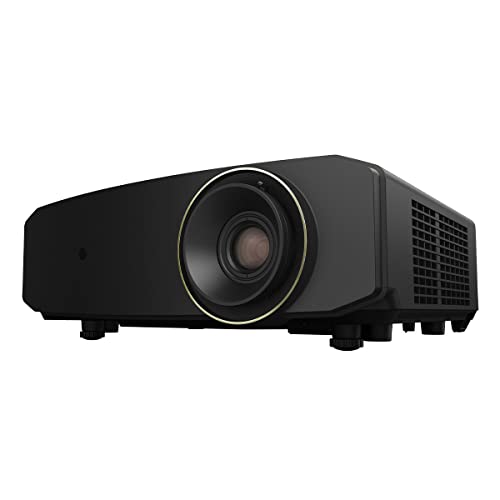
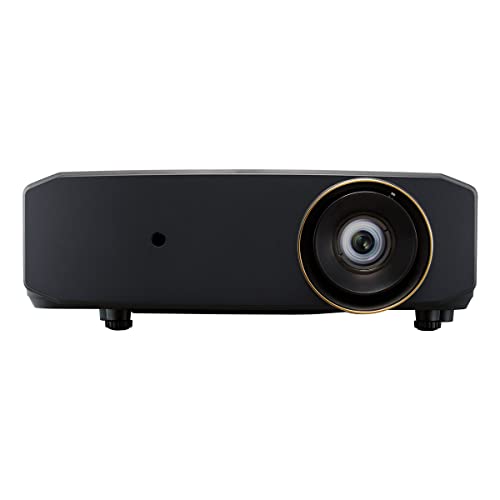
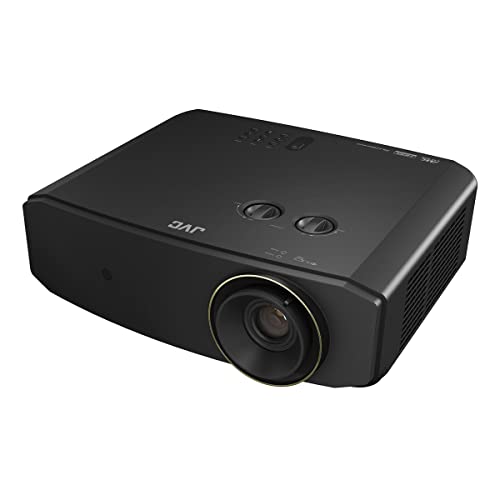
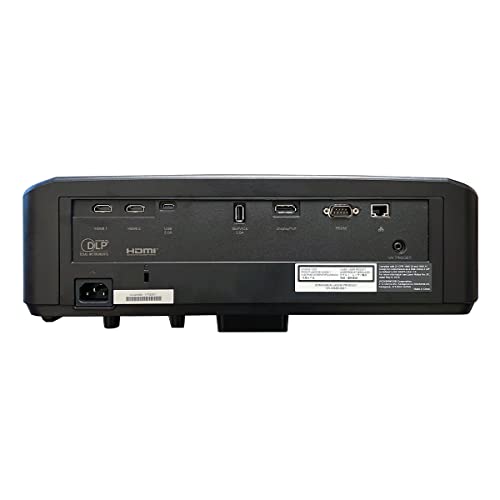
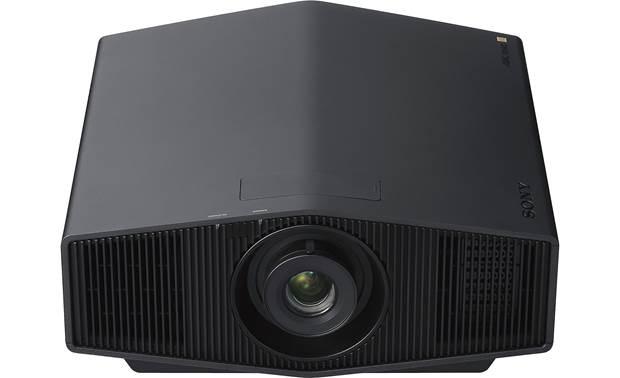
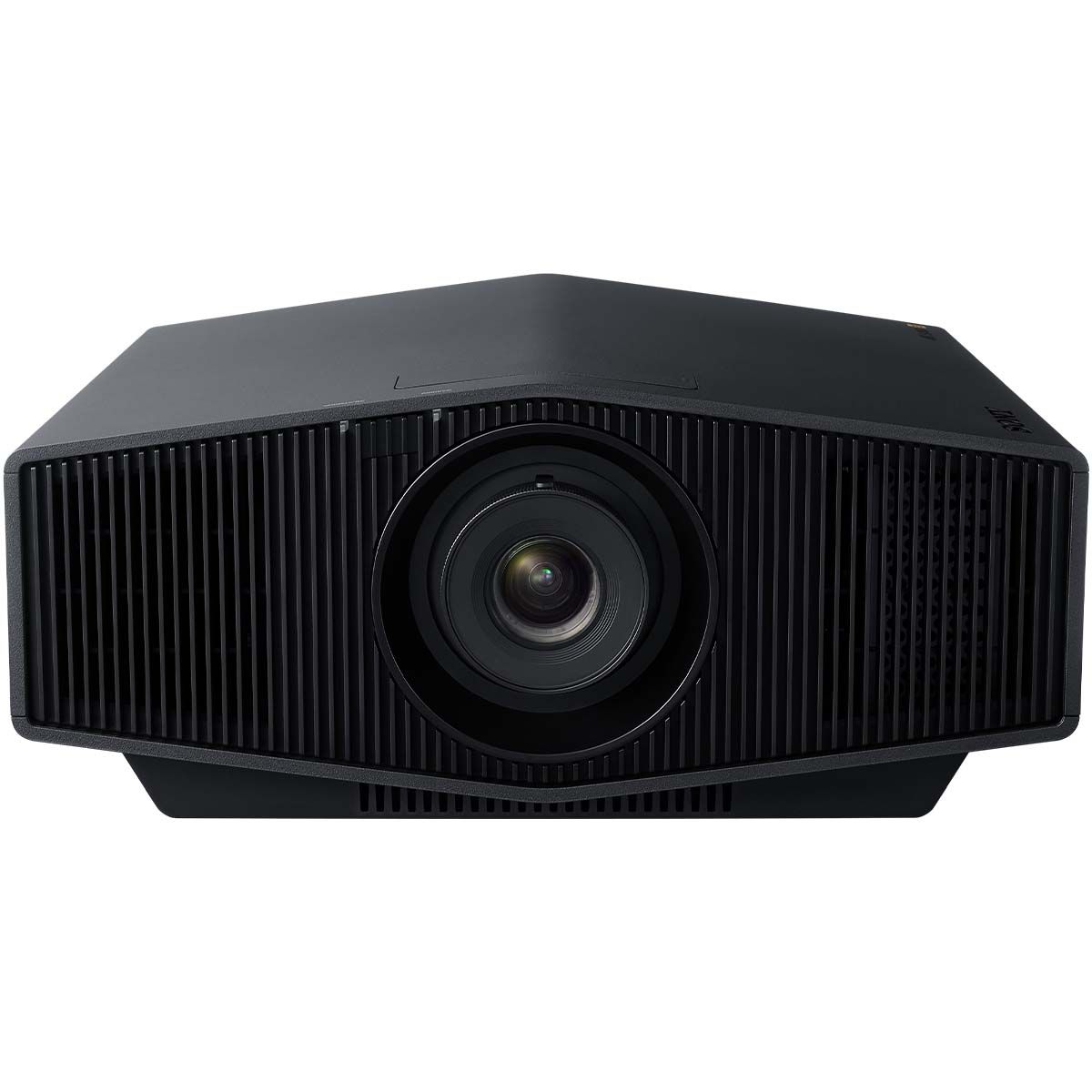
The world of home theater projection has transformed dramatically over the past few years. Gone are the days of constantly replacing expensive lamp bulbs every 2,000 hours. Today's laser projectors promise 20,000 hours of maintenance-free operation—that's over a decade of movie nights without touching the light source. But with this revolution comes choices, and two projectors perfectly illustrate the different paths manufacturers are taking.
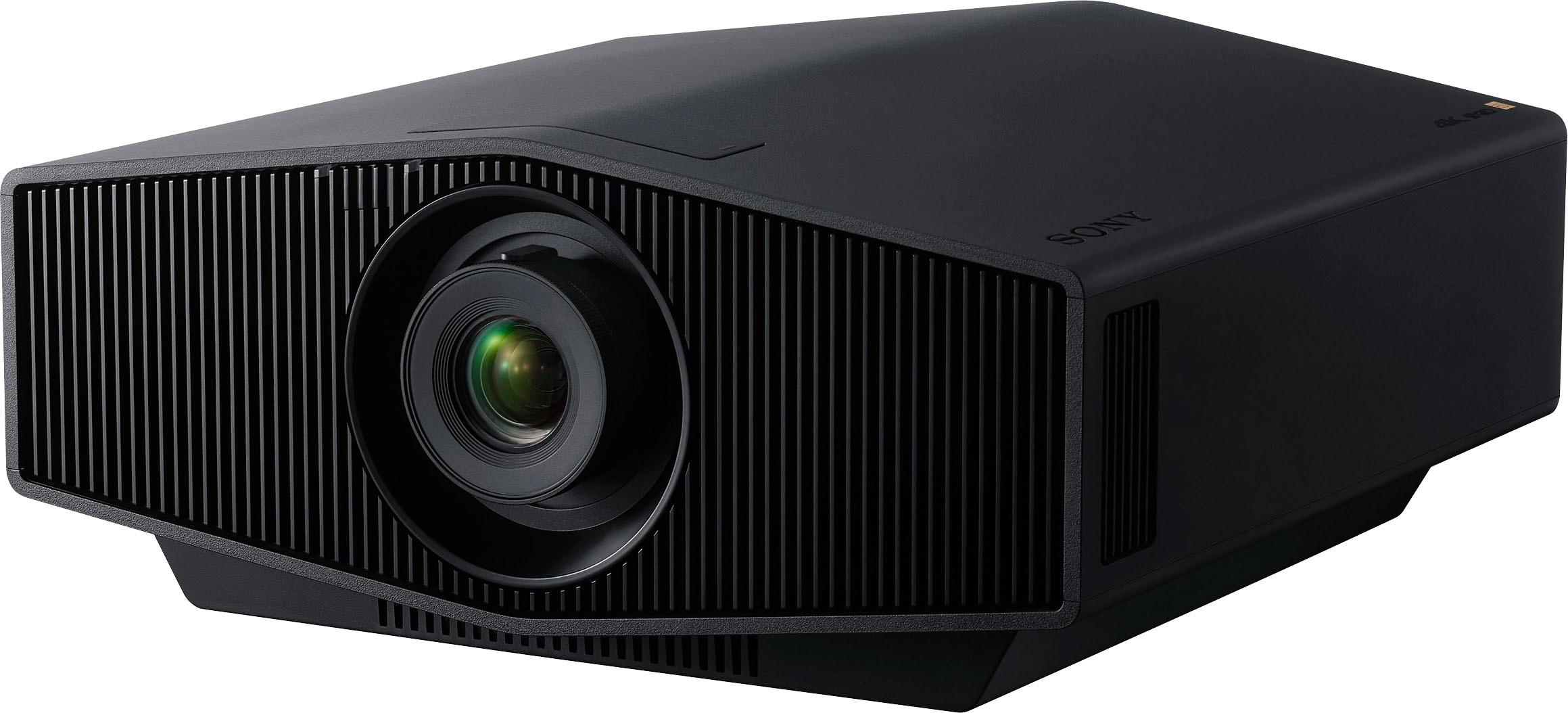
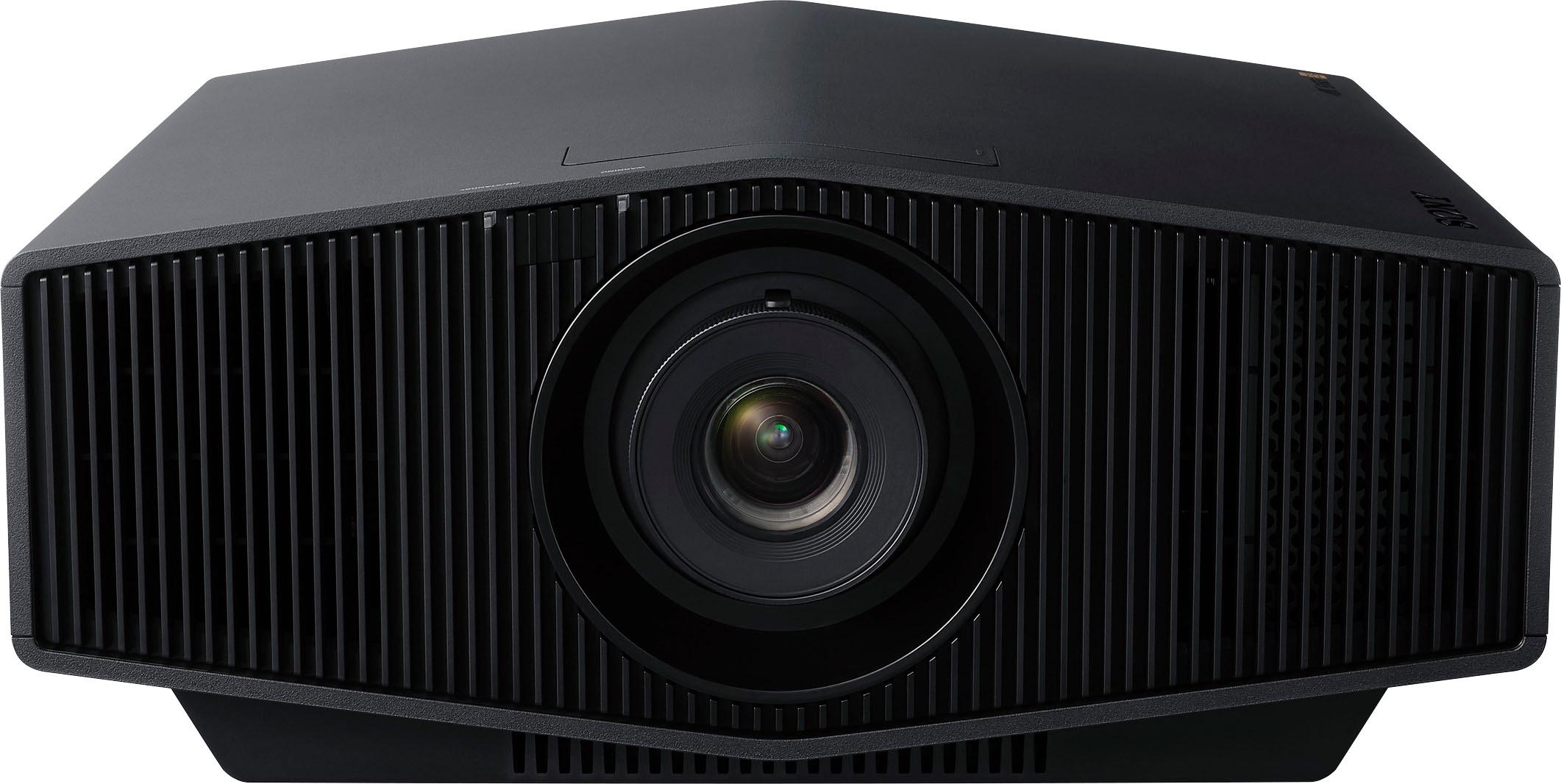
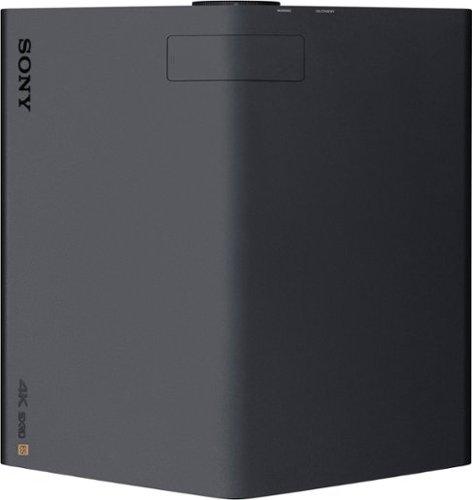
The JVC LX-NZ30, released in 2023, represents the democratization of laser projection—bringing premium features to a broader audience without the traditional premium price tag. Meanwhile, the Sony VPL-XW5000ES, launched in 2022, embodies the pursuit of reference-quality imaging that serious home theater enthusiasts demand. At the time of writing, these projectors sit in distinctly different price tiers, with the JVC positioned as a compelling mid-range option and the Sony commanding premium pricing.
Understanding which approach suits your needs requires diving into what makes each projector unique, and more importantly, how those differences translate to real-world performance in your home theater.
Perhaps the most fundamental difference between these projectors lies in how they achieve 4K resolution, and this distinction shapes everything from image quality to pricing.
The Sony VPL-XW5000ES uses what's called "native 4K" through its SXRD technology. Think of SXRD (Silicon X-tal Reflective Display) as Sony's version of LCoS (Liquid Crystal on Silicon)—a technology that uses three separate panels, one each for red, green, and blue light. Each panel contains a genuine 3840×2160 array of pixels, meaning every single pixel you see on screen corresponds to an actual physical pixel on the projection panel. This results in 8.3 million individual pixels working together to create the image.
The JVC LX-NZ30 takes a different approach with what's called "enhanced 4K" or "4K e-shift." This projector uses a single DLP (Digital Light Processing) chip with native 1920×1080 resolution—essentially a very high-quality 1080p panel. However, JVC's e-shift technology rapidly moves this image diagonally by half a pixel width, effectively displaying the image twice in slightly different positions. This pixel-shifting technique quadruples the apparent resolution, creating a 4K output from the 1080p source.
From our research into professional reviews and user experiences, the practical difference is more nuanced than you might expect. The Sony's native 4K delivers superior detail in fine textures, text, and intricate patterns—elements where each individual pixel matters most. You'll notice this particularly in architectural details, fabric textures, or when reading text overlays. The JVC's e-shift technology, however, produces remarkably convincing 4K quality that satisfies most viewers at typical home theater viewing distances. The key limitation appears when you sit closer to the screen than recommended, where the pixel-shifting becomes more apparent.
For most home theater setups with proper viewing distances (roughly 1.5 times the screen width), both approaches deliver satisfying 4K experiences, but the Sony maintains an edge in absolute detail reproduction.
This is where the philosophical differences between these projectors become most apparent. The JVC LX-NZ30 delivers an impressive 3,300 ANSI lumens, while the Sony VPL-XW5000ES produces 2,000 lumens. That 65% difference in light output fundamentally changes where and how you can use each projector.
ANSI lumens measure the actual light output across the entire projected image, not just peak brightness in one spot. Think of it like the difference between a powerful flashlight (concentrated brightness) and room lighting (distributed brightness). For projectors, ANSI lumens tell you how bright your entire screen will be.
The JVC's higher brightness makes it remarkably versatile. You can use it in living rooms with some ambient light, during daytime hours with curtains drawn, or on larger screens where you need more light to maintain image intensity. Based on user reports, the JVC maintains vibrant, punchy images even on 150" screens in rooms that aren't completely dark. This flexibility is crucial for families who want a projector that works for both casual viewing and serious movie nights.
The Sony's 2,000 lumens might seem limiting, but it's actually quite strategic. Lower brightness allows for better black level performance—those deep, dark areas that make space scenes and shadow details look realistic rather than washed out gray. The Sony is designed for dedicated home theaters where you can control lighting completely, and in those environments, 2,000 lumens provides plenty of brightness while preserving the contrast that makes images look three-dimensional and cinematic.
Here's where the fundamental technology differences really matter. The Sony VPL-XW5000ES uses SXRD panels that can block light almost completely, achieving what reviewers consistently describe as "inky blacks." When a scene calls for darkness—think space sequences, cave scenes, or nighttime exteriors—the Sony can make those areas truly dark, creating a sense of depth and realism that's essential for the cinematic experience.
The JVC LX-NZ30, like most single-chip DLP projectors, struggles with absolute black levels. Instead of true black, you'll see very dark gray. This is a limitation of DLP technology, where the mirrors that create the image can't block light completely. However, JVC's dynamic laser dimming helps somewhat—the projector can reduce laser intensity in dark scenes, improving the perceived contrast.
From professional calibration reports and user experiences, this difference is most noticeable in dark viewing environments. If you're setting up a dedicated home theater with controlled lighting, the Sony's superior blacks create a more immersive experience. But if you're using the projector in a room with some ambient light, the JVC's brightness advantage often outweighs its black level limitations.
Both projectors cover extensive color ranges, but they approach color reproduction differently. The Sony VPL-XW5000ES covers 95% of the DCI-P3 color space—the standard used in commercial movie theaters. This means colors appear as filmmakers intended, with the TRILUMINOS PRO color engine ensuring accurate skin tones and natural color gradations.
The JVC LX-NZ30 covers 100% of the Rec. 709 color space (the standard for HD content) and offers BT.2020 compatibility for future HDR content. While its color gamut isn't quite as wide as the Sony's, the JVC tends to produce more vibrant, saturated colors that many users find appealing for sports, gaming, and animated content.
The Sony's X1 Ultimate processor brings advanced color processing borrowed from Sony's premium televisions. Its Object-based HDR Remaster analyzes individual objects in each frame and adjusts their color and contrast independently—a sophisticated approach that creates more realistic, nuanced images. The JVC's Auto Tone Mapping is less sophisticated but still effective, automatically adjusting HDR content for optimal brightness and contrast.
For gaming enthusiasts, the JVC LX-NZ30 dominates this comparison. With input lag as low as 6.25 milliseconds and support for 1080p at 240Hz, it's genuinely competitive with dedicated gaming monitors. Input lag is the delay between when your controller sends a signal and when that action appears on screen—crucial for fast-paced gaming where split-second reactions matter.
The JVC also supports 4K gaming at 60Hz and includes dedicated low-latency modes that prioritize response time over image processing. For console gamers using PlayStation 5 or Xbox Series X, or PC gamers wanting a massive screen experience, the JVC delivers performance that won't handicap your gameplay.
The Sony VPL-XW5000ES lacks these gaming optimizations. While it can display games beautifully, it's designed primarily for movie watching rather than interactive entertainment.
Both projectors offer extensive installation options, but with different philosophies. The JVC LX-NZ30 emphasizes simplicity and flexibility. At under 14 pounds, it's easy to move or temporarily set up. Its manual 1.6x zoom lens and generous lens shift (60% vertical, 23% horizontal) make it forgiving to install—you don't need perfect placement to achieve a properly aligned image.
The Sony VPL-XW5000ES takes the premium approach with a motorized 2.1x zoom lens and extensive lens shift capabilities. Its Picture Position Memory can store five different lens settings, making it ideal for users who switch between different aspect ratios (like 16:9 movies and 2.35:1 cinema formats). However, at 28 pounds, it requires more substantial mounting and professional installation consideration.
The Sony also operates exceptionally quietly at 24 dB—barely audible in a quiet room. The JVC ranges from 29-34 dB depending on brightness mode, which is still quiet but potentially noticeable during very quiet movie scenes.
At the time of writing, these projectors represent distinctly different value propositions. The JVC LX-NZ30 delivers approximately 80% of the performance at roughly 60% of the cost, making it exceptional value for users who want laser projection benefits without premium pricing.
You're getting a maintenance-free laser light source, genuine 4K performance (via e-shift), excellent brightness, and gaming capabilities that few projectors in any price range can match. The trade-offs—enhanced rather than native 4K, limited black levels, and simpler processing—are reasonable compromises for the price difference.
The Sony VPL-XW5000ES justifies its premium pricing with native 4K resolution, reference-quality black levels, sophisticated processing, and motorized convenience features. You're paying for the ultimate image quality and the peace of mind that comes with Sony's three-year warranty and established service network.
For dedicated home theater rooms—spaces designed specifically for movie watching with controlled lighting and acoustic treatment—the Sony VPL-XW5000ES makes compelling sense. Its superior black levels and color accuracy create the immersive experience that home theater enthusiasts seek. The motorized lens features become genuinely useful when switching between different movie formats.
But most people don't have dedicated home theaters. They have living rooms, basements, or bonus rooms that serve multiple purposes. For these multipurpose spaces, the JVC LX-NZ30 offers better practical performance. Its brightness handles ambient light gracefully, its compact size doesn't dominate the room, and its gaming capabilities serve families with diverse entertainment needs.
Choose the JVC LX-NZ30 if you want the laser projection experience without premium pricing, if your room has any ambient light, if gaming matters to you, or if you value flexibility and ease of setup. It's the smart choice for most people stepping up to laser projection.
Choose the Sony VPL-XW5000ES if you're creating a dedicated home theater, if you prioritize absolute image quality over versatility, if you want native 4K resolution, or if you view this as a long-term investment where the premium features justify the higher cost.
Both projectors represent the current state of laser projection technology, just aimed at different users and use cases. The JVC democratizes premium features, while the Sony pushes the boundaries of home theater image quality. Your choice depends on whether you prioritize accessibility and versatility or absolute performance and refinement.
Either way, you're getting a maintenance-free projector that will deliver years of large-screen entertainment—a significant step up from the lamp-based projectors that dominated this category just a few years ago.
| JVC LX-NZ30 | Sony VPL-XW5000ES |
|---|---|
| 4K Resolution Technology - Determines image sharpness and detail quality | |
| Enhanced 4K via e-shift (pixel-shifting from native 1080p) | True native 4K with 8.3 million physical pixels |
| Brightness Output - Critical for ambient light performance and screen size flexibility | |
| 3,300 ANSI lumens (excellent for living rooms with some light) | 2,000 ANSI lumens (optimized for dark home theaters) |
| Display Technology - Affects contrast, color accuracy, and black levels | |
| Single-chip DLP with BLU-Escent laser | 3-chip SXRD with Z-Phosphor laser |
| Black Level Performance - Essential for cinematic contrast in dark scenes | |
| Dark gray blacks typical of DLP (adequate for bright rooms) | Deep, inky blacks ideal for home theater immersion |
| Gaming Performance - Input lag and refresh rate capabilities | |
| 6.25ms input lag, supports 1080p@240Hz and 4K@60Hz | Standard input lag, no high refresh rate gaming features |
| Color Gamut Coverage - Determines color vibrancy and accuracy | |
| 100% Rec. 709, BT.2020 compatible | 95% DCI-P3 cinema standard with TRILUMINOS PRO |
| Lens System - Installation flexibility and convenience | |
| 1.6x manual zoom, ±60% vertical/±23% horizontal shift | 2.1x motorized zoom with Picture Position Memory |
| Weight and Size - Portability and mounting requirements | |
| 13.9 lbs (easy to move and install) | 28 lbs (requires substantial mounting) |
| Noise Level - Important for quiet movie scenes | |
| 29-34 dB depending on mode | 24 dB exceptionally quiet operation |
| Warranty Coverage - Long-term support and peace of mind | |
| 1 year parts and labor | 3 years parts and labor |
| Laser Light Source Lifespan - Maintenance-free operation period | |
| 20,000 hours (over 10 years of typical use) | 20,000 hours (over 10 years of typical use) |
| Target Use Case - Best application for each projector | |
| Versatile multipurpose rooms, gaming, bright environments | Dedicated home theaters, reference-quality movie viewing |
The JVC LX-NZ30 is significantly better for bright rooms with its 3,300 ANSI lumens compared to the Sony VPL-XW5000ES's 2,000 lumens. The JVC can handle ambient light from windows or room lighting while maintaining vibrant image quality, making it ideal for living rooms and multipurpose spaces.
The Sony VPL-XW5000ES uses true native 4K with 8.3 million physical pixels, while the JVC LX-NZ30 uses enhanced 4K through pixel-shifting technology. Native 4K provides superior detail in fine textures and text, but the JVC's e-shift technology still delivers excellent 4K quality that satisfies most viewers at proper viewing distances.
The JVC LX-NZ30 is far superior for gaming with its 6.25ms input lag, support for 1080p at 240Hz, and dedicated low-latency gaming modes. The Sony VPL-XW5000ES lacks these gaming optimizations and is designed primarily for movie watching rather than interactive entertainment.
The Sony VPL-XW5000ES delivers significantly better black levels with deep, inky blacks thanks to its SXRD technology. The JVC LX-NZ30 produces dark grays rather than true blacks, which is typical of single-chip DLP projectors but less noticeable in rooms with ambient light.
The JVC LX-NZ30 offers exceptional value, delivering approximately 80% of the performance at a significantly lower cost. You get laser reliability, 4K performance, excellent brightness, and gaming capabilities. The Sony VPL-XW5000ES justifies its premium pricing with native 4K, reference-quality blacks, and sophisticated processing.
Both the JVC LX-NZ30 and Sony VPL-XW5000ES feature laser light sources rated for 20,000 hours of operation. This translates to over 10 years of typical use without any maintenance or bulb replacements, making both projectors virtually maintenance-free.
The JVC LX-NZ30 is easier to install at just 13.9 pounds with manual zoom and generous lens shift capabilities. The Sony VPL-XW5000ES weighs 28 pounds and requires more substantial mounting, but offers motorized lens controls and Picture Position Memory for premium convenience features.
The Sony VPL-XW5000ES includes a comprehensive 3-year parts and labor warranty, while the JVC LX-NZ30 comes with a standard 1-year warranty. Sony's longer warranty coverage provides better long-term peace of mind and reflects their established service network.
The Sony VPL-XW5000ES is better suited for dedicated home theaters with its superior black levels, native 4K resolution, and exceptionally quiet 24dB operation. The controlled lighting environment of a home theater allows you to fully appreciate the Sony's contrast performance and color accuracy.
The Sony VPL-XW5000ES operates at an exceptionally quiet 24dB, making it barely audible during quiet movie scenes. The JVC LX-NZ30 runs at 29-34dB depending on the brightness mode, which is still quiet but potentially noticeable in very quiet environments.
The Sony VPL-XW5000ES provides superior HDR performance with its X1 Ultimate processor, Object-based HDR Remaster, and 95% DCI-P3 color coverage. The JVC LX-NZ30 offers solid HDR with Auto Tone Mapping and dynamic laser adjustment, but the Sony's processing is more sophisticated for reference-quality results.
The JVC LX-NZ30 excels with larger screens up to 200 inches thanks to its higher brightness output, making it ideal for big-screen experiences even in rooms with some ambient light. The Sony VPL-XW5000ES works best with screens up to 150 inches in dark environments where its superior contrast can be fully appreciated.
We've done our best to create useful and informative comparisons to help you decide what product to buy. Our research uses advanced automated methods to create this comparison and perfection is not possible - please contact us for corrections or questions. These are the sites we've researched in the creation of this article: t3.com - crutchfield.com - stuff.tv - projectorcentral.com - projectorreviews.com - data.heimkinowelt.at - bestbuy.com - eu.jvc.com - projectorreviews.com - listenup.com - youtube.com - eu.jvc.com - dreamediaav.com - projectorreviews.com - projectorscreen.com - projectorcentral.com - device.report - technologyinteriors.com - whathifi.com - pro.sony - projectorscreen.com - bestbuy.com - bestbuy.com - bestbuy.com - bestbuy.com - pro.sony - abt.com - projectorreviews.com - merlinstv.com - hometheaterhifi.com

Privacy Policy
Terms and Conditions - Affiliate Policy
Home Security
© Copyright 2008-2026.
11816 Inwood Rd #1211, Dallas, TX 75244