

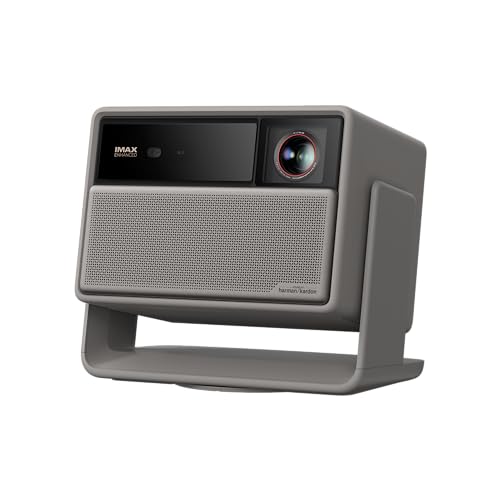
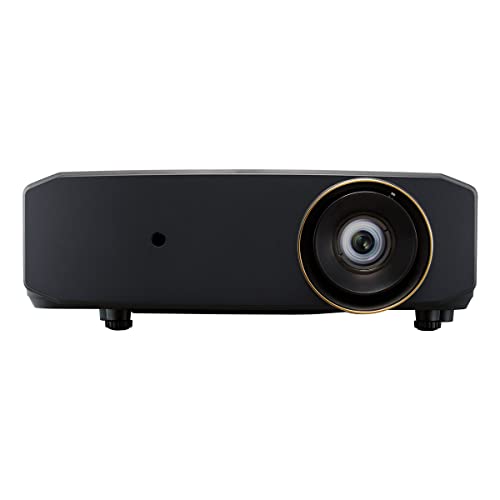
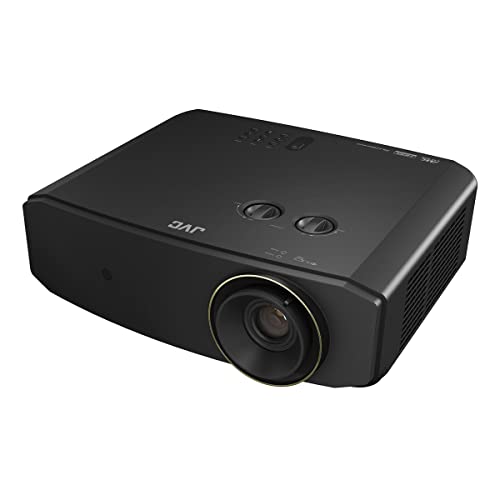
Home theater enthusiasts have never had better options for creating cinema-quality experiences at home, and laser projectors have become the gold standard for serious movie watchers and gamers. Today we're comparing two compelling options that take dramatically different approaches: the XGIMI Horizon 20 Max and the JVC LX-NZ30. Both launched in 2024, but they represent opposite philosophies in projector design—one prioritizing convenience and brightness, the other focusing on specialized performance and professional integration.
Before diving into specifics, it's worth understanding what makes laser projectors special. Unlike traditional lamp-based projectors that dim over time and require expensive bulb replacements every few thousand hours, laser projectors use solid-state light sources that last 20,000+ hours without degradation. That's roughly 10-15 years of typical home use without any maintenance.
The technology has evolved rapidly since 2020. Early laser projectors were dim, expensive, and limited to professional installations. But advances in laser efficiency and cost reduction have brought exceptional brightness and color accuracy to consumer-friendly price points. The models we're examining represent the current peak of this evolution.
Both projectors use single-chip DLP technology with pixel-shifting to achieve 4K resolution. This means they start with a native 1080p chip but rapidly shift pixels to create the appearance of true 4K detail. While not technically "native 4K," the results are visually indistinguishable from true 4K at normal viewing distances. Think of it like how your smartphone camera uses computational photography to create better images than the hardware alone could produce.
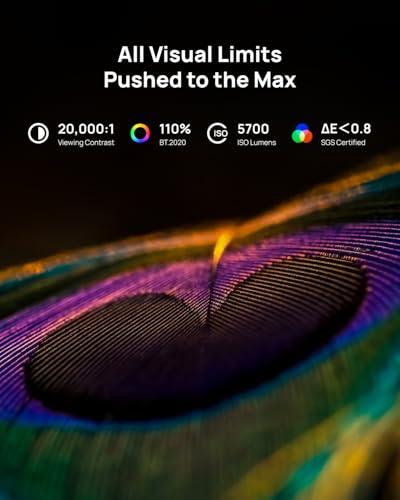
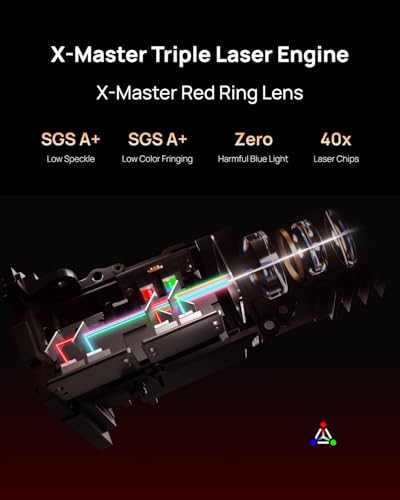
The most significant difference between these projectors is brightness output, and it fundamentally changes how and where you can use them. The XGIMI Horizon 20 Max produces an impressive 5,700 lumens using its RGB triple laser engine, while the JVC LX-NZ30 delivers 3,300 lumens from its BLU-Escent laser system.
This 73% brightness advantage isn't just a number on a spec sheet—it transforms the viewing experience. Traditional home theater wisdom says you need a completely dark room for projector viewing, but the XGIMI Horizon 20 Max challenges that assumption. Based on user reports and professional reviews, it maintains vivid colors and sharp details even with moderate ambient light, like what you'd have in a living room with curtains drawn during the day.
The JVC LX-NZ30, while still bright by historical standards, requires more controlled lighting conditions. It's designed for dedicated home theater spaces where you can control every light source. This isn't necessarily a weakness—many enthusiasts prefer the ritual of dimming lights for movie watching—but it does limit flexibility.
From a technical standpoint, the XGIMI's RGB laser system generates light more efficiently across the visible spectrum, while JVC's BLU-Escent technology uses blue lasers with phosphor conversion. Both approaches have merit, but the RGB system's higher efficiency translates directly to that brightness advantage.
Despite the brightness difference, both projectors deliver excellent image quality, though they excel in different areas. The XGIMI Horizon 20 Max achieves remarkable color accuracy with a delta E (color difference measurement) below 0.8 across all major color standards. In practical terms, this means colors look exactly as content creators intended, whether you're watching movies, sports, or playing games.
The JVC LX-NZ30 takes a different approach, focusing on contrast performance through dynamic laser dimming. This technology adjusts the laser output in real-time based on image content, creating deeper blacks and more dramatic contrast ratios. JVC markets this as "infinite contrast," and while that's marketing speak, the practical result is excellent black level performance that many users find superior to the XGIMI.
This creates an interesting trade-off: the XGIMI Horizon 20 Max offers more accurate colors and better performance in bright rooms, while the JVC LX-NZ30 provides superior contrast and black levels in dark environments. For most home theater content, both deliver exceptional quality, but the choice depends on your viewing environment and priorities.
High Dynamic Range (HDR) support represents one of the clearest differentiators between these projectors. HDR technology expands the range of colors and brightness levels that content can display, creating more realistic and vibrant images. Think of the difference between a cloudy day and bright sunshine—HDR captures those dramatic differences that standard video cannot.
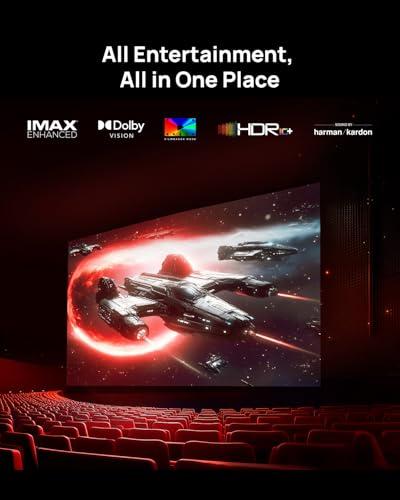
The XGIMI Horizon 20 Max supports virtually every HDR standard available: Dolby Vision, HDR10+, HDR10, HLG, and even IMAX Enhanced certification. Dolby Vision is particularly important because it's used by Netflix, Disney+, Apple TV+, and other premium streaming services. This format includes frame-by-frame instructions that optimize brightness and color for each scene, creating the best possible image quality.
The JVC LX-NZ30 only supports HDR10 and HLG, missing the advanced dynamic formats. While it includes Auto Tone Mapping technology that intelligently adjusts HDR content, it can't access the sophisticated metadata that makes Dolby Vision content look spectacular.
For anyone who streams premium content regularly, this difference is significant. The XGIMI Horizon 20 Max will automatically optimize Netflix's latest blockbusters, Disney's animated features, and premium streaming content in ways the JVC simply cannot match.
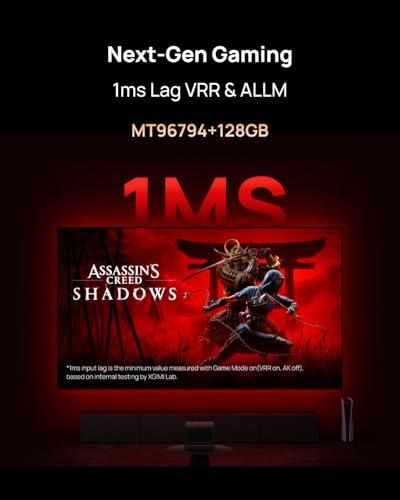
Both projectors target gaming enthusiasts, but they approach gaming performance differently. The XGIMI Horizon 20 Max achieves remarkable 1-millisecond input lag at 1080p/240Hz, which is faster than many dedicated gaming monitors. Input lag is the delay between pressing a controller button and seeing the result on screen, and 1ms is essentially instantaneous for human perception.
The JVC LX-NZ30 delivers 6.25ms input lag, which is still excellent for projection technology but noticeably slower than the XGIMI. However, JVC's focus on high refresh rate support means it handles 240Hz gaming exceptionally well, and some users prefer its motion handling for fast-paced competitive games.
The XGIMI Horizon 20 Max includes HDMI 2.1 connectivity with Variable Refresh Rate (VRR) support, which synchronizes the projector's refresh rate with your gaming system to eliminate screen tearing and stuttering. It also supports Auto Low Latency Mode (ALLM), which automatically switches to gaming mode when it detects a gaming signal.
For serious gamers, especially those playing competitive online games, the XGIMI's sub-millisecond latency provides a measurable advantage. However, both projectors offer gaming performance that surpasses most TVs and traditional projectors by substantial margins.
Perhaps nowhere is the philosophical difference between these projectors more apparent than in setup and installation. The XGIMI Horizon 20 Max includes ISA 5.0 (Intelligent Screen Adaptation), which automatically handles focus, keystone correction (fixing trapezoid distortion), obstacle avoidance, and even wall color calibration. This means you can essentially place it on a table, point it at a wall, and get a perfect image within minutes.
The system is sophisticated enough to detect and avoid obstacles like ceiling fans or wall-mounted artwork, adjusting the image accordingly. It even compensates for wall color, so you get accurate colors whether projecting onto white paint, gray screens, or slightly off-white surfaces.
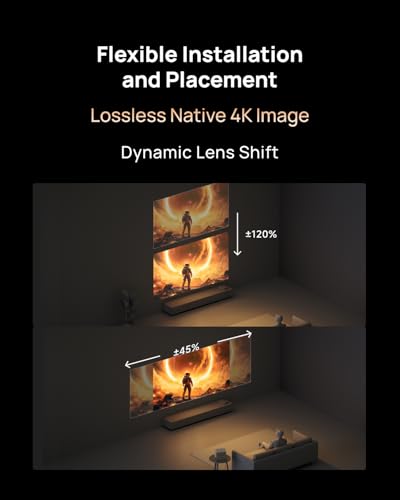
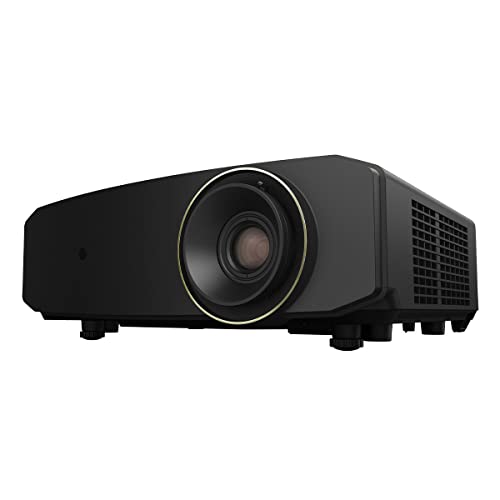
The JVC LX-NZ30 takes a more traditional approach requiring manual adjustment of focus, zoom, and geometric correction. It includes extensive lens shift capabilities (vertical ±60%, horizontal ±23%) and professional mounting options, but setup requires technical knowledge or professional installation.
This reflects each projector's target audience: the XGIMI Horizon 20 Max aims to make high-quality projection accessible to mainstream users, while the JVC LX-NZ30 targets enthusiasts who either have technical expertise or plan to hire professional installers.
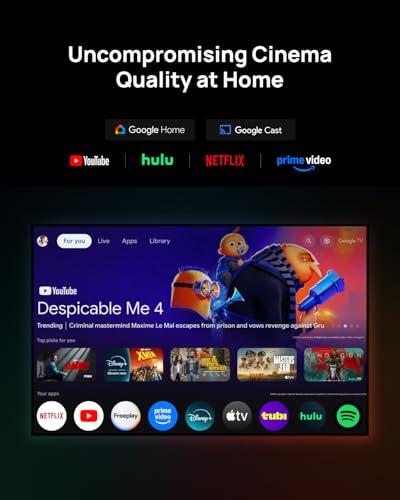
The XGIMI Horizon 20 Max includes a complete Google TV smart platform with access to Netflix, YouTube, Disney+, and thousands of other apps. It also includes built-in Harman Kardon speakers that, while not replacing a dedicated sound system, provide surprisingly robust audio for an all-in-one solution. The projector includes 4GB of RAM and 128GB of storage, making it essentially a powerful Android TV device that happens to project giant images.
The JVC LX-NZ30 includes no smart features, requiring external streaming devices like Apple TV, Roku, or gaming consoles for content. This isn't necessarily a disadvantage—many enthusiasts prefer dedicated streaming devices for better performance and more frequent updates—but it does require additional equipment and complexity.
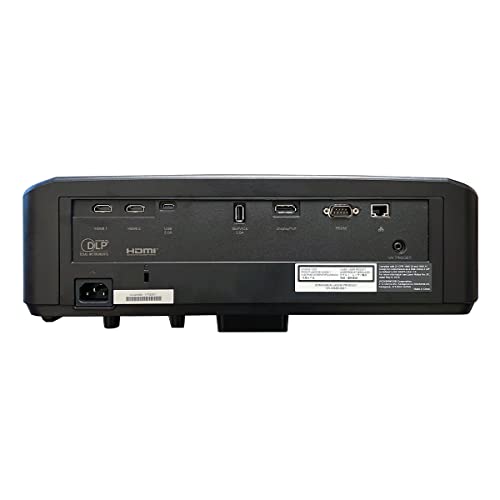
Connectivity differs significantly as well. The XGIMI Horizon 20 Max includes HDMI 2.1 with eARC (enhanced Audio Return Channel) for connecting to sound systems, while the JVC LX-NZ30 offers DisplayPort connectivity that gaming PC users will appreciate, plus RS-232C connections for integration with professional control systems.
At the time of writing, the XGIMI Horizon 20 Max costs several hundred dollars less than the JVC LX-NZ30, but the value difference extends beyond initial purchase price. The XGIMI includes everything needed for complete functionality: smart TV platform, speakers, automatic calibration, and even a built-in adjustable stand. Add a quality projection screen, and you have a complete entertainment system.
The JVC LX-NZ30 requires additional components for equivalent functionality: a streaming device ($50-200), audio system ($200-1000+), mounting hardware ($50-150), and potentially professional calibration services ($200-500). The total system cost can easily exceed the XGIMI by $1,000 or more.
However, this component-based approach offers advantages for users who already have quality audio systems or prefer specific streaming devices. The JVC integrates seamlessly with existing high-end home theater setups without duplicating functionality you already own.
Based on extensive user feedback and professional reviews, both projectors excel in properly designed home theater environments, but they serve different use cases. The XGIMI Horizon 20 Max transforms spaces that weren't designed as dedicated theaters—living rooms, bedrooms, basements—into impressive viewing environments. Its brightness and automatic calibration make it forgiving of less-than-ideal conditions.
The JVC LX-NZ30 shines in dedicated theater rooms with controlled lighting, quality screens, and professional installation. Users consistently report exceptional black levels and contrast performance that rivals much more expensive projectors. However, they also note that it requires more careful setup and room preparation to achieve its best performance.
For screen sizes, both projectors handle 100-200 inch images excellently, with the XGIMI maintaining better performance at larger sizes due to its higher brightness. The JVC performs best in the 100-150 inch range where its lower brightness still provides adequate image intensity.
Both projectors represent significant advances over 2022-2023 models in their respective categories. The XGIMI Horizon 20 Max benefits from XGIMI's rapid innovation in laser technology and smart features, incorporating lessons learned from earlier Horizon models. The RGB laser system represents a meaningful upgrade over previous phosphor-based designs in the company's lineup.
The JVC LX-NZ30 continues JVC's tradition of incremental but meaningful improvements in projection technology, with enhanced processing power and gaming optimization compared to earlier LX-series models. JVC's BLU-Escent technology has matured significantly since its introduction, offering better efficiency and longevity.
Both projectors should remain relevant for 5-7 years, though the XGIMI Horizon 20 Max's HDMI 2.1 support and comprehensive HDR compatibility provide better future-proofing for emerging content standards and gaming technologies.
The XGIMI Horizon 20 Max makes sense for users who want the flexibility to use their projector in various rooms and lighting conditions. If you're setting up in a living room, basement, or any space where you can't achieve complete darkness, its superior brightness is essential. The comprehensive smart features and automatic setup make it ideal for users who want great performance without technical complexity.
It's particularly compelling for gamers who demand the lowest possible input lag and support for next-generation gaming features. The 3D capability adds versatility for users interested in stereoscopic gaming or movies.
The JVC LX-NZ30 serves users with dedicated home theater spaces who prioritize image quality over convenience. If you have a light-controlled room, existing audio equipment, and either technical expertise or professional installation, it delivers exceptional contrast and black levels that many find superior to brighter alternatives.
It's also the better choice for users who prefer component-based systems where they can choose specific streaming devices, audio equipment, and calibration approaches rather than accepting an all-in-one solution.
The XGIMI Horizon 20 Max represents the future of consumer projection technology: bright, smart, and accessible enough for mainstream adoption while delivering enthusiast-level performance. Its combination of exceptional brightness, comprehensive features, and competitive pricing makes it the more compelling choice for most users.
The JVC LX-NZ30 maintains relevance for specific use cases where its strengths matter most: dedicated theaters with existing infrastructure and users who prioritize ultimate contrast performance over convenience features.
For anyone setting up their first serious projection system or upgrading from a lamp-based projector, the XGIMI Horizon 20 Max offers better value, more flexibility, and superior real-world performance. The JVC LX-NZ30 remains a solid choice for the smaller group of users whose specific needs align with its strengths, but for the majority of buyers, XGIMI's approach better serves modern home entertainment needs.
| XGIMI Horizon 20 Max 4K Projector | JVC LX-NZ30 4K HDR Laser Projector |
|---|---|
| Brightness - Determines room lighting flexibility and daytime usability | |
| 5,700 ISO lumens (excellent for bright rooms, living spaces) | 3,300 ANSI lumens (requires controlled lighting, dedicated theater) |
| Light Source Technology - Affects color quality and maintenance | |
| RGB Triple Laser (superior color accuracy, 20,000+ hour life) | BLU-Escent Laser (excellent contrast, 20,000+ hour life) |
| Native Resolution - How sharp the image actually is | |
| 1080p with XPR pixel-shifting to 4K (visually indistinguishable from native 4K) | 1080p with e-shift to 4K (visually indistinguishable from native 4K) |
| HDR Support - Premium streaming content compatibility | |
| Dolby Vision, HDR10+, HDR10, HLG, IMAX Enhanced (comprehensive) | HDR10, HLG only (basic support, missing premium formats) |
| Gaming Input Lag - Critical for competitive gaming | |
| 1ms at 1080p@240Hz, 3ms at 4K@60Hz (exceptional for gaming) | 6.25ms at high refresh rates (very good but slower) |
| Smart TV Features - Eliminates need for streaming devices | |
| Google TV with full app ecosystem, 4GB RAM, 128GB storage | None (requires external streaming device) |
| Built-in Audio - Convenience for all-in-one setup | |
| Dual 12W Harman Kardon speakers (surprisingly good quality) | None (requires external audio system) |
| Setup Automation - Ease of installation and calibration | |
| ISA 5.0 auto-focus, keystone, obstacle avoidance, wall adaptation | Manual setup with geometric correction tools |
| Lens Flexibility - Installation positioning options | |
| Vertical ±120%, Horizontal ±45% shift with optical zoom | Vertical ±60%, Horizontal ±23% shift with 1.6x zoom |
| Gaming Connectivity - Next-gen console compatibility | |
| HDMI 2.1 with VRR, ALLM, eARC support | HDMI 2.0 only, DisplayPort 1.2a for PC gaming |
| Contrast Performance - Black levels and image depth | |
| 20,000:1 static, 1,000,000:1 dynamic (good but not exceptional) | Infinite dynamic with laser dimming (superior black levels) |
| 3D Support - Stereoscopic content viewing | |
| Full 3D support with compatible glasses | No 3D capability |
| Weight and Portability - Movement between rooms | |
| 11.9 lbs with built-in adjustable stand | 13.1 lbs, requires separate mounting hardware |
| Professional Integration - Custom installation features | |
| Consumer-focused with automatic features | RS-232C control, professional connectivity options |
| Color Accuracy - Professional and photo work suitability | |
| ΔE<0.8 across all major standards, 110% BT.2020 coverage | 100% Rec. 709, BT.2020 compatible (no specific accuracy rating) |
The XGIMI Horizon 20 Max is significantly brighter at 5,700 lumens compared to the JVC LX-NZ30 at 3,300 lumens. This 73% brightness advantage means the XGIMI Horizon 20 Max can perform well in living rooms with ambient light, while the JVC LX-NZ30 requires a darker, more controlled environment for optimal viewing.
Both the XGIMI Horizon 20 Max and JVC LX-NZ30 use pixel-shifting technology rather than native 4K. The XGIMI uses XPR pixel-shifting while the JVC uses e-shift technology. Both start with 1080p chips but create 4K-like detail that's visually indistinguishable from true 4K at normal viewing distances.
The XGIMI Horizon 20 Max offers superior gaming performance with 1ms input lag at 1080p@240Hz and HDMI 2.1 connectivity with Variable Refresh Rate support. The JVC LX-NZ30 provides 6.25ms input lag, which is still excellent but slower than the XGIMI. Both support high refresh rates up to 240Hz.
The XGIMI Horizon 20 Max includes Google TV with built-in streaming apps and Harman Kardon speakers, making it a complete entertainment system. The JVC LX-NZ30 requires external streaming devices and audio systems, as it has no smart TV features or built-in speakers.
The XGIMI Horizon 20 Max supports comprehensive HDR formats including Dolby Vision, HDR10+, HDR10, HLG, and IMAX Enhanced. The JVC LX-NZ30 only supports basic HDR10 and HLG formats, missing the advanced Dolby Vision used by Netflix, Disney+, and other premium streaming services.
The XGIMI Horizon 20 Max features automatic setup with ISA 5.0 technology that handles focus, keystone correction, and obstacle avoidance automatically. The JVC LX-NZ30 requires manual adjustment and professional installation for optimal results, making the XGIMI Horizon 20 Max much more user-friendly.
The XGIMI Horizon 20 Max provides better overall value as it includes smart TV features, speakers, automatic calibration, and a built-in stand. The JVC LX-NZ30 requires additional purchases for streaming devices, audio systems, and mounting hardware, significantly increasing the total system cost.
Both projectors excel in dedicated home theaters, but serve different needs. The JVC LX-NZ30 offers superior contrast and black levels in dark rooms, while the XGIMI Horizon 20 Max provides more flexibility with its higher brightness and comprehensive features for various viewing environments.
The JVC LX-NZ30 delivers superior contrast performance with infinite dynamic contrast through laser dimming technology, creating deeper blacks and more dramatic contrast ratios. The XGIMI Horizon 20 Max offers good contrast at 20,000:1 static ratio but cannot match the JVC's black level performance.
Only the XGIMI Horizon 20 Max supports 3D content viewing with compatible glasses. The JVC LX-NZ30 does not include 3D capability, limiting entertainment options for users interested in stereoscopic content.
The JVC LX-NZ30 offers more professional integration features including RS-232C control, DisplayPort connectivity, and extensive manual adjustment options. The XGIMI Horizon 20 Max focuses on consumer convenience with automatic features, making the JVC better suited for custom installation environments.
Both the XGIMI Horizon 20 Max and JVC LX-NZ30 feature laser light sources rated for 20,000+ hours of operation, equivalent to 10-15 years of typical home use without any maintenance or bulb replacements. This represents a major advantage over traditional lamp-based projectors that require expensive bulb changes every few thousand hours.
We've done our best to create useful and informative comparisons to help you decide what product to buy. Our research uses advanced automated methods to create this comparison and perfection is not possible - please contact us for corrections or questions. These are the sites we've researched in the creation of this article: dustinabbott.net - projectorcentral.com - youtube.com - us.xgimi.com - youtube.com - tweaktown.com - youtube.com - us.xgimi.com - youtube.com - youtube.com - thesmarthomehookup.com - youtube.com - us.xgimi.com - global.xgimi.com - projector-database.com - t3.com - crutchfield.com - stuff.tv - projectorcentral.com - projectorreviews.com - data.heimkinowelt.at - bestbuy.com - eu.jvc.com - projectorreviews.com - listenup.com - youtube.com - eu.jvc.com - dreamediaav.com - projectorreviews.com - projectorscreen.com - projectorcentral.com - device.report - technologyinteriors.com

Privacy Policy
Terms and Conditions - Affiliate Policy
Home Security
© Copyright 2008-2026.
11816 Inwood Rd #1211, Dallas, TX 75244