

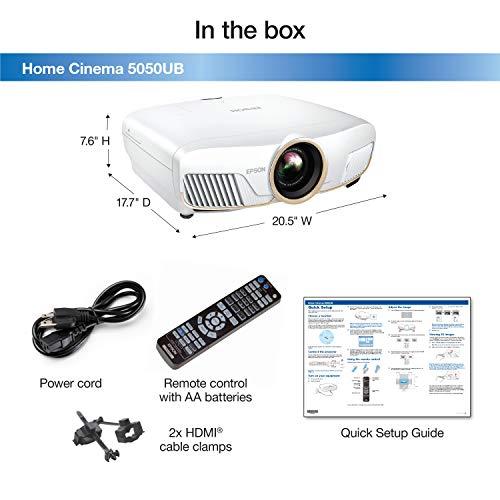
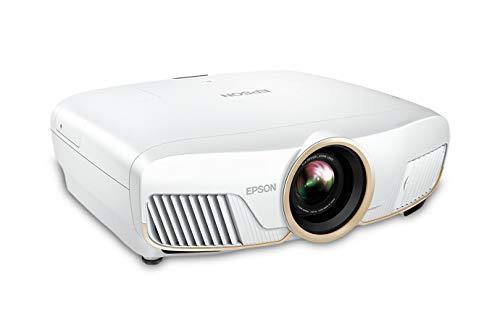
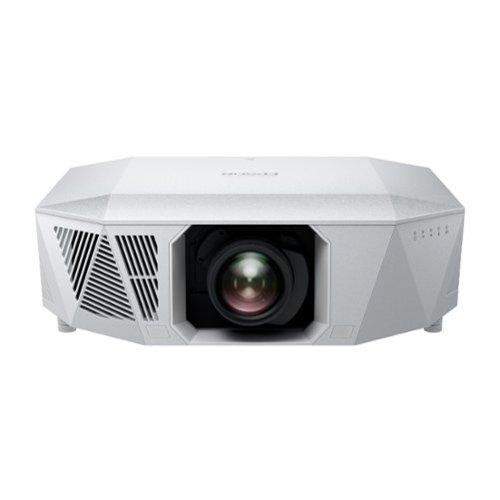
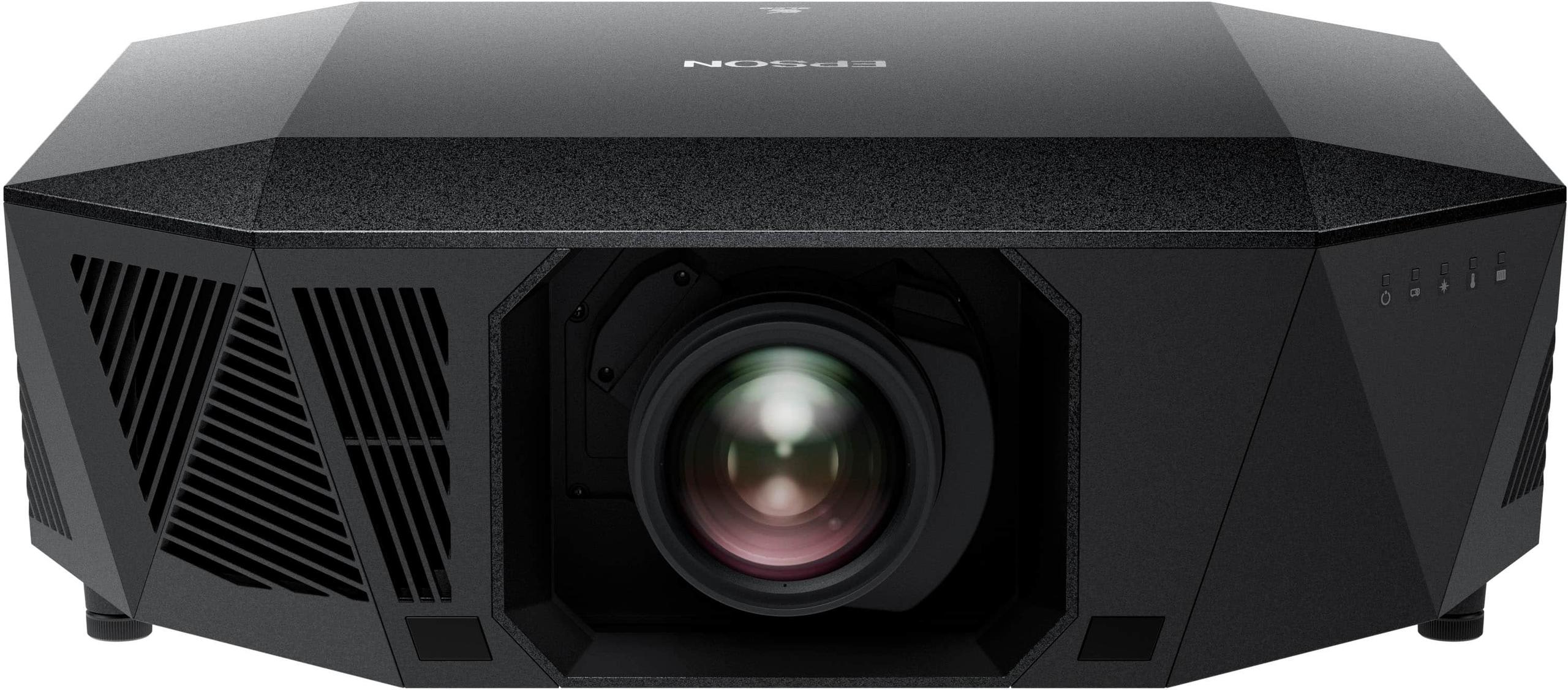
When you're shopping for a serious projector, you'll quickly discover that not all 4K models are created equal. Some are designed for cozy movie nights in dark rooms, while others can light up an entire auditorium. The Epson Home Cinema 5050UB and Epson QL7000 represent two completely different philosophies in projection technology, even though they share the same manufacturer and both claim 4K capabilities.
Understanding these differences isn't just about specs on paper – it's about matching the right tool to your specific needs and environment. Let's dive deep into what makes these projectors tick and help you figure out which one belongs in your space.
The projector world has evolved dramatically over the past decade. What used to be a simple choice between "bright" and "cheap" has expanded into specialized categories, each optimized for different viewing environments and use cases.
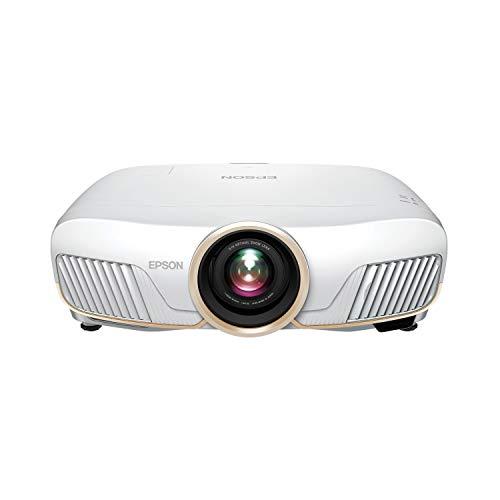
Home theater projectors prioritize what looks good in a dark room. They focus on deep black levels, accurate colors, and creating that cinematic experience we all crave. Think of them as the equivalent of a high-end OLED TV, but capable of creating massive images. The Epson 5050UB, released in 2019, exemplifies this approach with its emphasis on contrast and color accuracy.
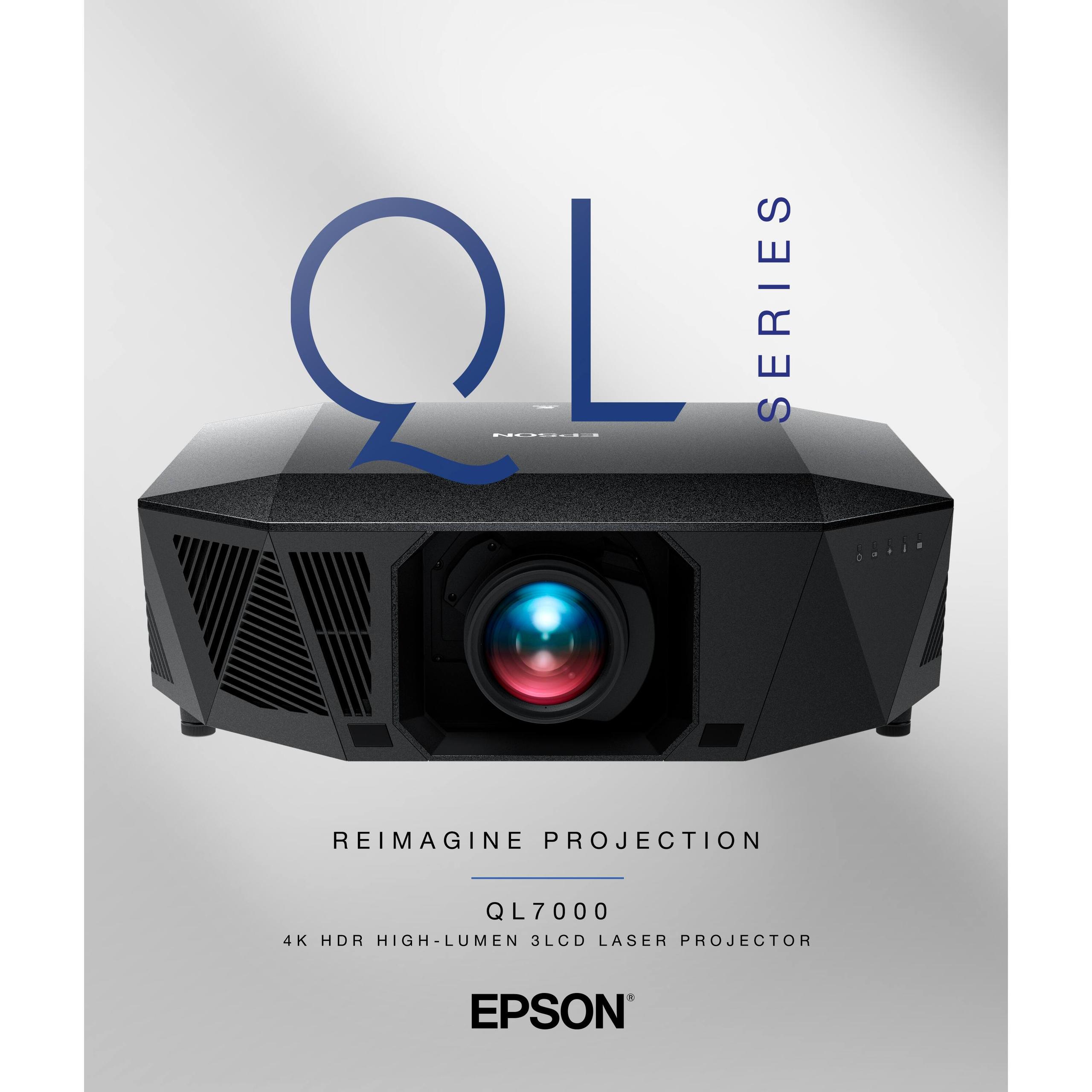
Professional installation projectors, on the other hand, are built to solve different problems entirely. They need to work in challenging environments – conference rooms with fluorescent lighting, sports bars with windows, or massive home entertainment spaces where controlling every light source isn't practical. The Epson QL7000, introduced in 2024, represents the cutting edge of this category with technology that seemed impossible just a few years ago.
The key factors that separate these categories include brightness output (measured in lumens – basically how much light the projector can produce), contrast ratio (the difference between the brightest whites and darkest blacks), color accuracy, and installation flexibility. But perhaps most importantly, they differ in their fundamental approach to image quality: optimizing for dark rooms versus battling ambient light.
The Epson 5050UB sits at the top of Epson's consumer home theater line, positioned as a premium option that brings professional-grade features to dedicated movie rooms. At the time of writing, it's priced in the mid-range premium category – expensive enough to be a serious investment, but accessible to enthusiasts who want exceptional performance without breaking into truly high-end territory.
The Epson QL7000, however, plays in an entirely different league. This is Epson's flagship professional model, with pricing that reflects its specialized nature – we're talking about a projector that costs roughly ten times more than the 5050UB. But this isn't just about premium positioning; it's solving fundamentally different problems with radically different technology.
The most dramatic difference between these projectors is brightness, and this single specification changes everything about how and where you can use them.
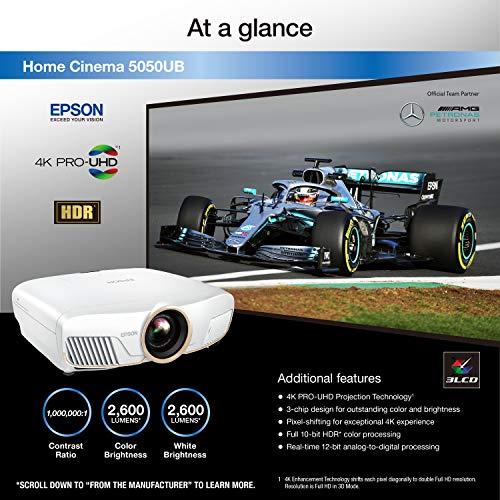
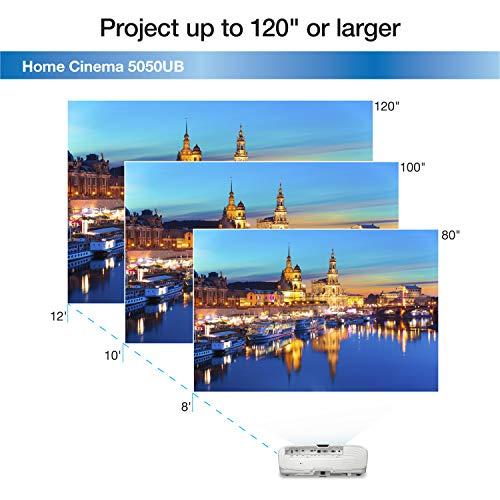
The 5050UB produces 2,600 lumens of brightness, which is actually quite respectable for a home theater projector. In a properly darkened room, this is more than enough to create stunning images on screens up to 150 inches diagonally. I've found that many people underestimate how much light 2,600 lumens actually provides in a controlled environment – it's bright enough that you might actually want to use the projector's eco mode to dial things back for extended movie sessions.
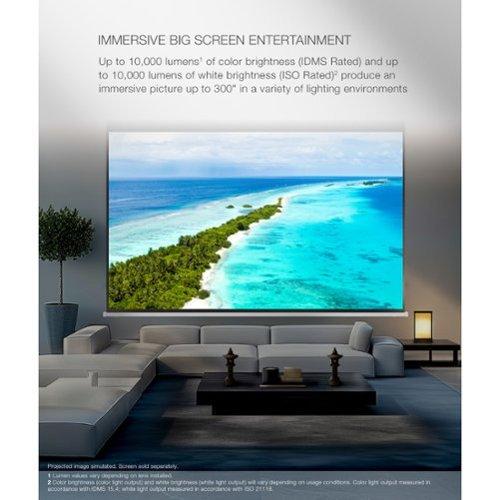
The QL7000, however, produces over 10,000 lumens – nearly four times brighter. To put this in perspective, that's bright enough to create a watchable image on a 300-inch screen in a room with normal lighting. We're talking about brightness levels that would be uncomfortable to look at directly, channeled through precision optics to create images that maintain quality even when competing with ambient light.
This brightness difference isn't just about bigger numbers – it fundamentally changes what these projectors can do. The 5050UB creates intimate, cinematic experiences in controlled environments. The QL7000 brings big-screen entertainment to spaces where traditional projectors would be completely washed out.
Understanding how these projectors create their light helps explain their different strengths and limitations.
The 5050UB uses a traditional lamp-based system – specifically a 250-watt UHE (Ultra High Efficiency) lamp. This technology has been refined over decades to provide excellent color quality and reasonable lifespan, typically lasting 3,500 to 5,000 hours depending on usage mode. The lamp produces a broad spectrum of light that, when processed through Epson's 3LCD system, creates natural-looking colors and smooth gradations.
However, lamp-based projectors require periodic maintenance. Every few years, you'll need to replace the lamp, which involves both the cost of the replacement bulb and the minor inconvenience of installation. The upside is that lamp technology is mature and predictable – you know what to expect in terms of performance and maintenance.
The QL7000 takes a completely different approach with its Multi-Array Laser Diode system. Instead of a single lamp, it uses multiple laser diodes that can produce precise colors and maintain consistent brightness over time. This laser system is rated for 20,000 hours of operation – potentially two decades of typical use without any maintenance.
Laser technology brings additional benefits beyond longevity. Lasers reach full brightness instantly (no warm-up period), maintain consistent color temperature throughout their lifespan, and can be more precisely controlled for features like dynamic contrast adjustment. The trade-off is complexity and cost – laser projection systems require sophisticated cooling and control electronics.
While brightness gets most of the attention in projector discussions, contrast ratio – the difference between the brightest whites and darkest blacks – is often more important for perceived image quality, especially in dark-room viewing.
The 5050UB achieves up to 1,000,000:1 contrast ratio using Epson's UltraBlack technology. This proprietary system uses a special filter to control light polarization and reduce stray light that would otherwise leak through and wash out dark scenes. In practice, this means shadow details remain visible while dark scenes feel appropriately dramatic rather than flat and gray.
For home theater use, this level of contrast performance is crucial. When you're watching a movie like "Blade Runner 2049" with its mix of bright neon and deep shadows, the 5050UB can render both extremes convincingly. The blacks feel genuinely dark rather than that grayish color that cheaper projectors produce.
The QL7000 achieves an even higher contrast ratio of over 5,000,000:1, but its implementation serves a different purpose. Rather than optimizing for pure black levels in a dark room, this contrast system is designed to maintain image quality when fighting ambient light. It's less about creating the deepest possible blacks and more about ensuring that dark portions of the image remain visible and detailed even when room lighting would normally wash them out.
Both projectors market themselves as 4K, but neither uses native 4K imaging panels – and this deserves explanation because it affects what you can expect from image sharpness.
True native 4K projectors use imaging chips with 3,840 × 2,160 individual pixels. These are expensive to manufacture and typically found only in projectors costing $50,000 or more. Instead, both the 5050UB and QL7000 use pixel-shifting technology to create 4K-level detail from lower-resolution panels.
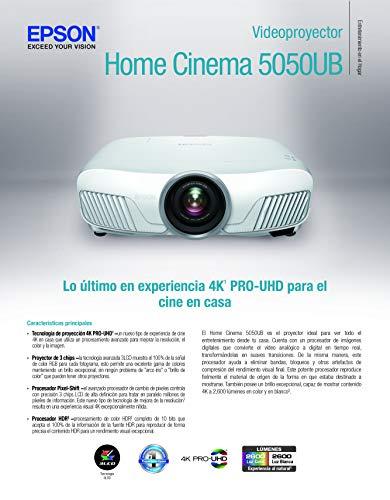
The 5050UB uses what Epson calls 4K PRO-UHD, which takes a native 1080p image (1,920 × 1,080 pixels) and rapidly shifts each pixel diagonally by half a pixel width. This effectively doubles the resolution information displayed, creating what appears to be a much sharper image than standard 1080p.
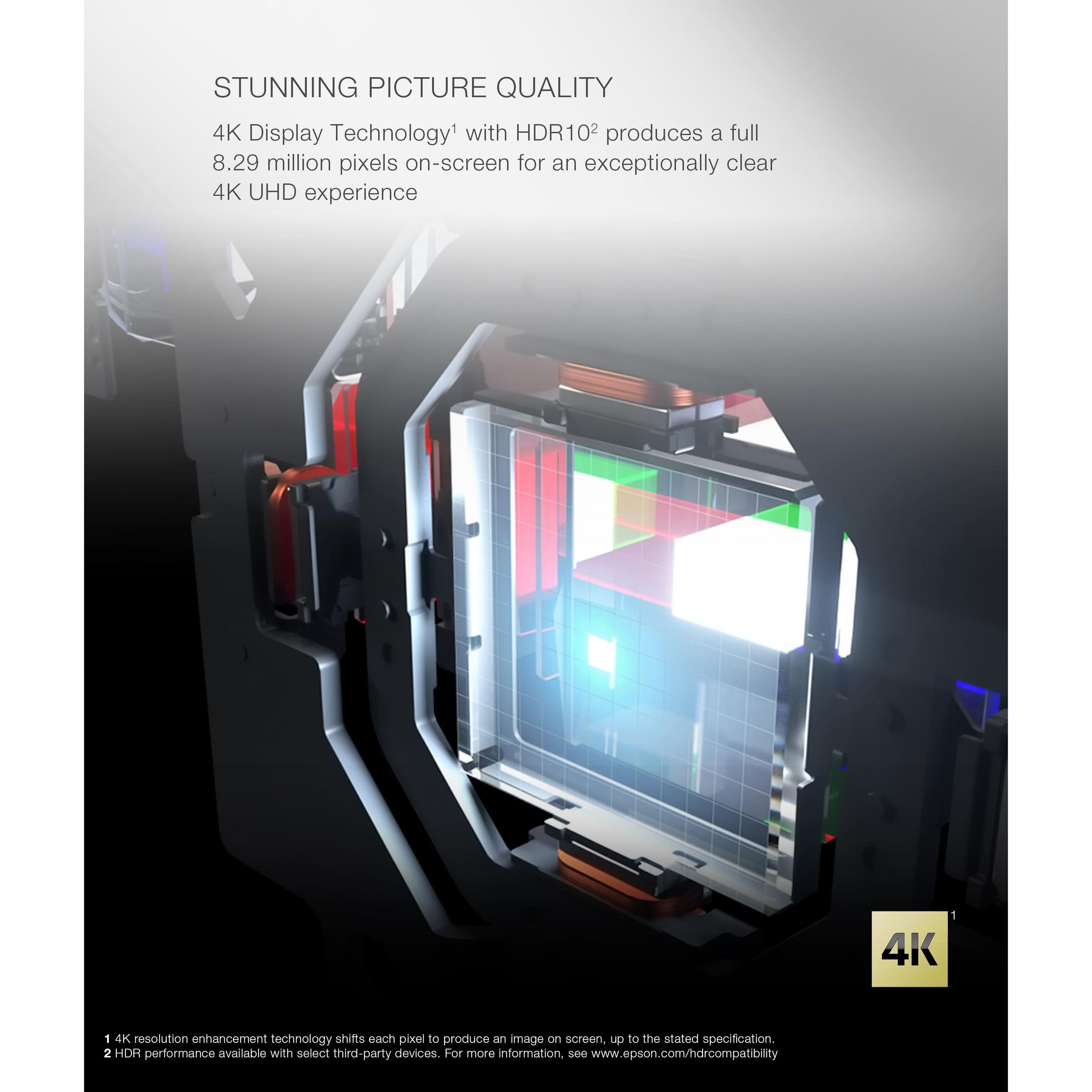
The QL7000 uses similar pixel-shifting technology but implements it through Epson's newer 4K eShift system, claiming to produce 8.29 million pixels on screen. While this isn't technically the same as native 4K, both systems produce images that are dramatically sharper than traditional 1080p projection and satisfy most viewers' expectations for 4K detail.
In practical viewing, the pixel-shifting approach works well. Fine details in movies, text clarity, and overall sharpness are noticeably better than 1080p, and the difference compared to native 4K becomes apparent only when viewing test patterns or sitting unusually close to large screens.
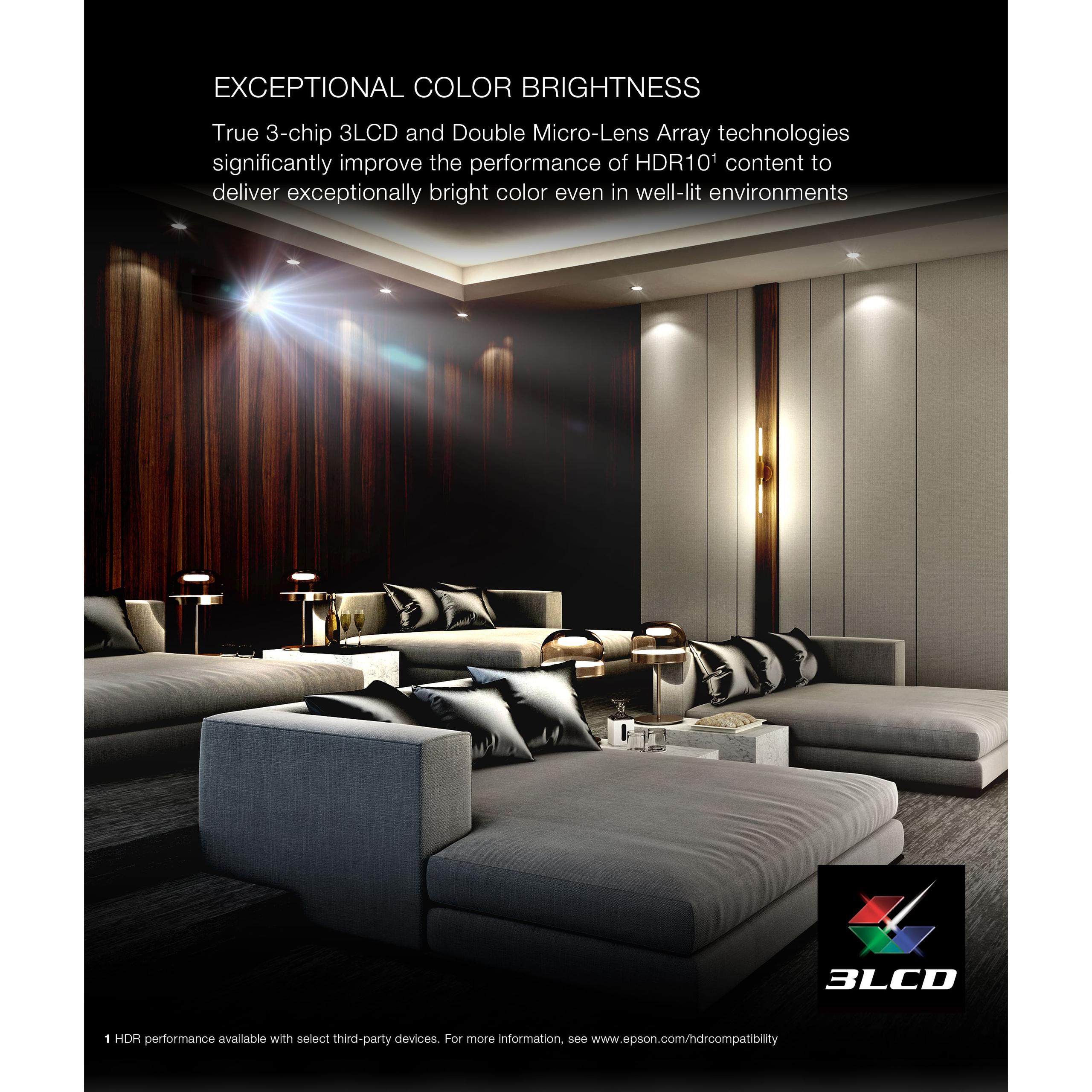
Both projectors use Epson's 3LCD technology, which provides inherent advantages in color reproduction compared to competing DLP (Digital Light Processing) systems used by many other manufacturers.
The 3LCD system splits light into separate red, green, and blue components, processes each color channel individually, then recombines them to create the final image. This parallel processing means colors can be displayed simultaneously rather than sequentially, eliminating the "rainbow effect" (brief color separation flashes) that some people notice with DLP projectors.
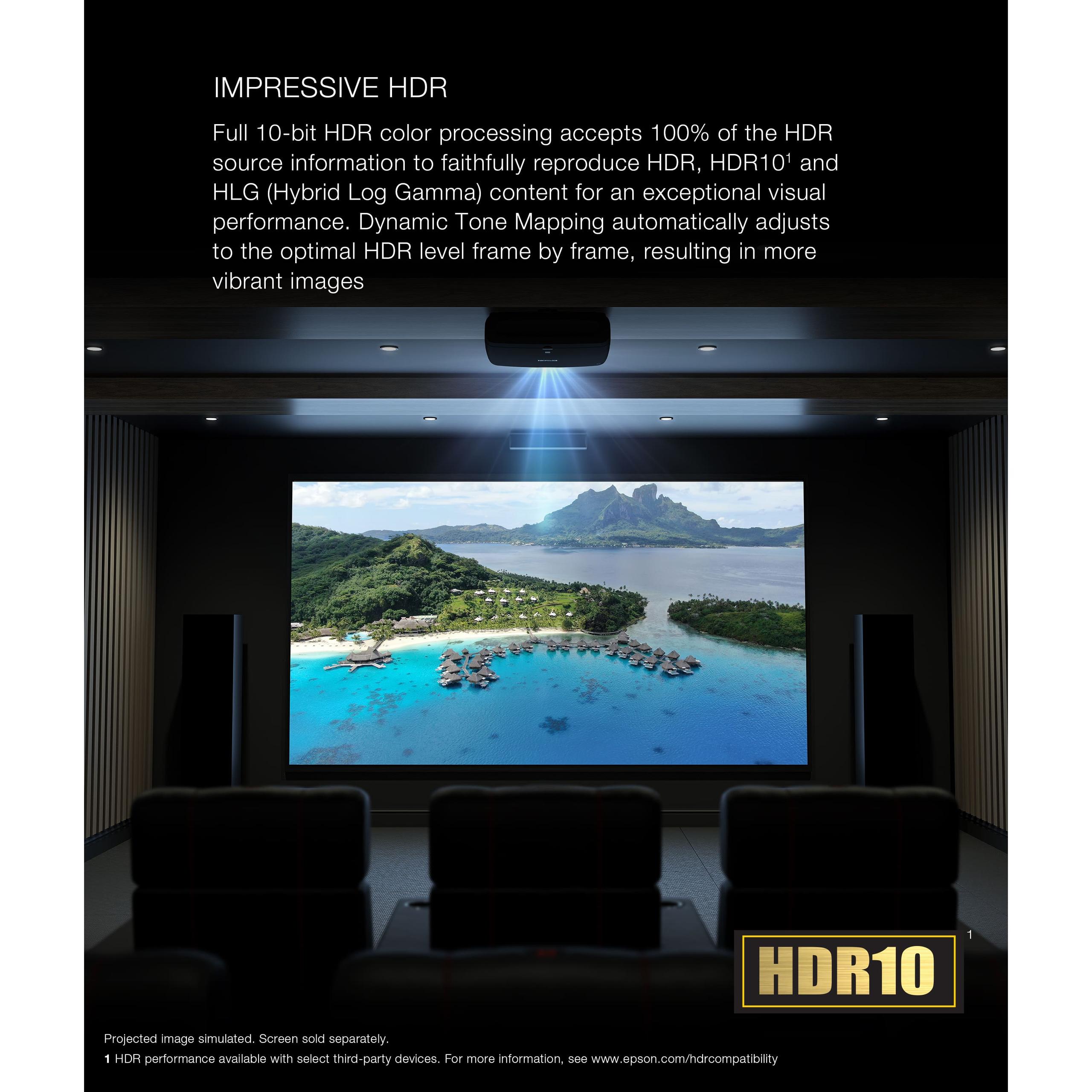
The 5050UB covers nearly the entire Rec. 709 color space (the standard for HDTV) and provides good coverage of the wider Rec. 2020 color space used for 4K HDR content. Out of the box, colors are typically quite accurate, requiring only minor calibration for optimal performance. The projector supports HDR10 and HLG formats, though like most projectors in its class, it doesn't support Dolby Vision.
The QL7000 maintains excellent color accuracy even at its extreme brightness levels, which is actually quite challenging. Many high-brightness projectors sacrifice color accuracy to achieve maximum light output, but the QL7000 maintains approximately 8,250 ANSI lumens even in picture modes optimized for color accuracy, not just its peak brightness in "Dynamic" mode.
Both projectors support 10-bit color processing, which helps with smooth color gradations and reduces visible banding in scenes with subtle color transitions – think sunsets or shadow details.
Gaming capabilities reveal another significant difference between these projectors, particularly for users with modern consoles or gaming PCs.
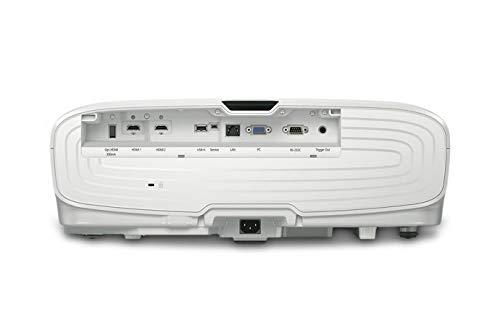
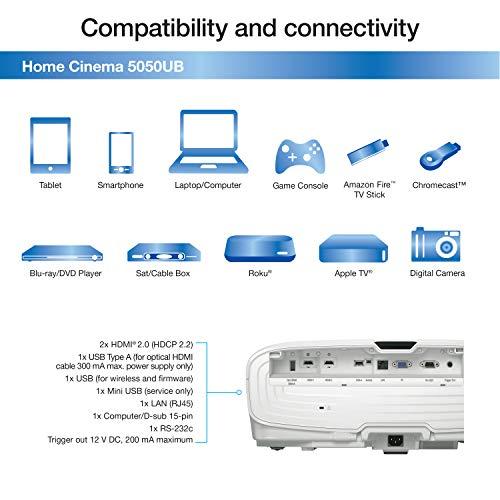
The 5050UB, released in 2019, reflects the connectivity standards of its era. It includes two HDMI 2.0 ports, limiting it to 4K at 60Hz maximum refresh rate. Input lag – the delay between when a gaming system sends a signal and when it appears on screen – measures around 22-30 milliseconds. This is acceptable for casual gaming and single-player experiences but not ideal for competitive gaming where every millisecond matters.
The QL7000, being a 2024 model, includes dual HDMI 2.1 ports that support 4K at 120Hz, a significant upgrade for gaming. More importantly, it features Auto Low Latency Mode (ALLM) and achieves input lag of approximately 19.6 milliseconds. For gaming enthusiasts with PlayStation 5, Xbox Series X, or high-end gaming PCs, these improvements are substantial.
The 120Hz support isn't just about faster refresh rates – it also enables better frame rate matching for 24Hz movie content and can reduce motion blur in fast-paced scenes.
Installation requirements differ significantly between these projectors, affecting both initial setup and long-term flexibility.
The 5050UB includes everything needed for installation: a motorized 2.1× zoom lens with focus and shift capabilities. The lens shift range is impressive – up to 96% vertical and 47% horizontal adjustment – meaning you can mount the projector quite far off-center from your screen and still achieve perfect alignment. Lens memory allows you to save different zoom and shift settings, useful if you want to switch between different aspect ratios (like 16:9 for TV and 2.35:1 for movies).
This all-in-one approach makes the 5050UB relatively straightforward to install and use. Most home theater enthusiasts can handle the installation themselves or work with local AV installers familiar with standard projector mounting.
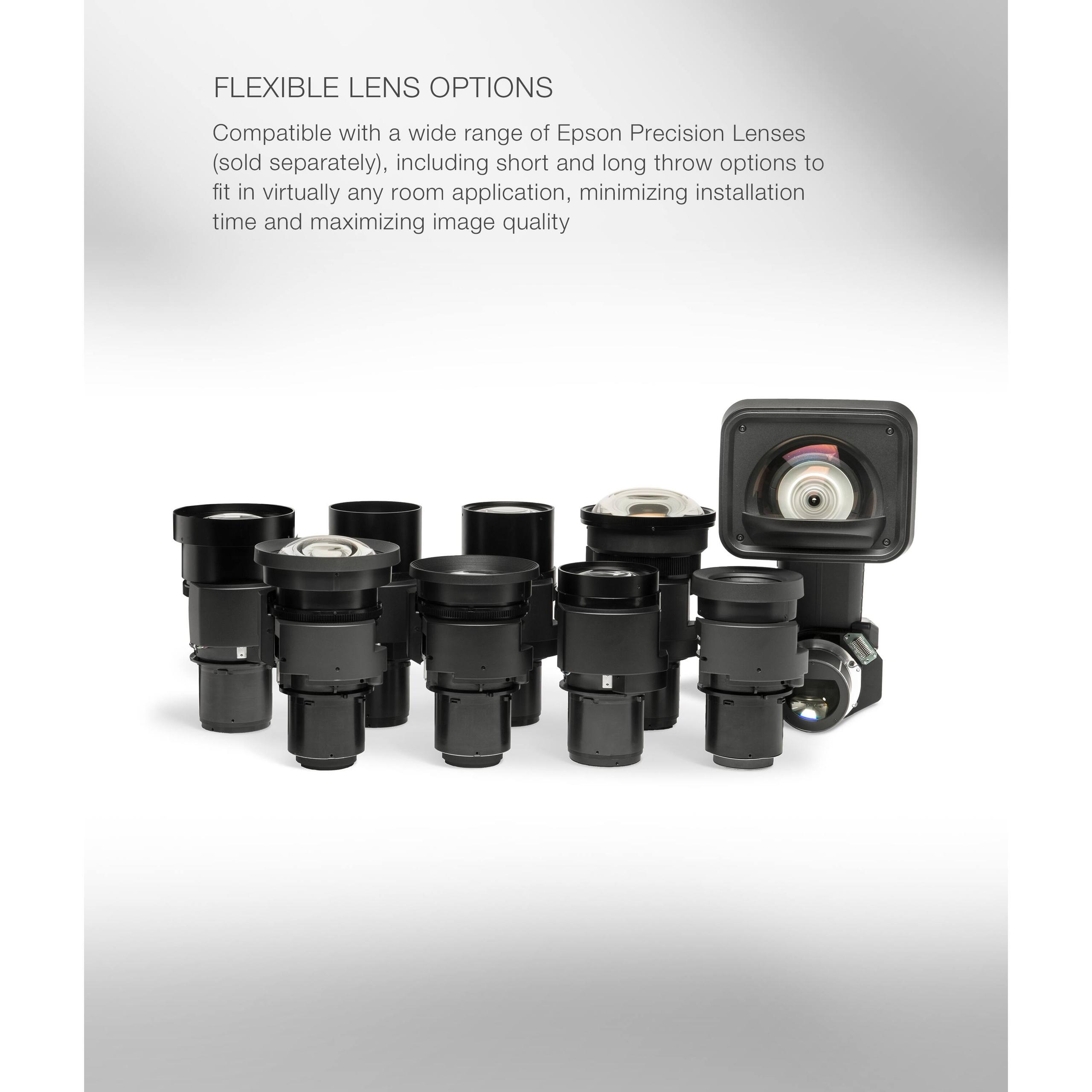
The QL7000 takes a different approach: it's sold as "body only" without any lens. You must separately purchase one of Epson's precision lenses, which can cost anywhere from a few thousand to over $8,000 depending on throw distance and zoom range requirements. This might seem like an unnecessary complication, but it provides ultimate flexibility to design optimal solutions for unusual spaces.
Need to project from 5 feet away? There's a lens for that. Need to mount 62 feet from the screen? Also available. This modular approach is essential for professional installations but adds complexity and cost to the purchase process.
The total cost of ownership extends beyond initial purchase price, and this is where the different technologies show their distinct advantages and drawbacks.
The 5050UB requires lamp replacement every 3,500-5,000 hours of use. For someone watching 3-4 hours per day, this translates to lamp replacement every 3-4 years. Replacement lamps typically cost a few hundred dollars, and installation is straightforward – usually just removing a panel and swapping the lamp module.
Over a 10-year period, you might spend $800-1,200 on lamp replacements, bringing the total cost of ownership to roughly 25-40% above the initial purchase price. This is predictable and manageable for most home theater enthusiasts.
The QL7000 eliminates lamp replacement concerns with its 20,000-hour laser system. At typical usage rates, this could last 15-20 years without any maintenance requirements. However, the initial investment is substantially higher, and if the laser system does eventually fail outside of warranty, repair costs would likely be significant.
Understanding when each projector excels helps clarify which might be right for your situation.
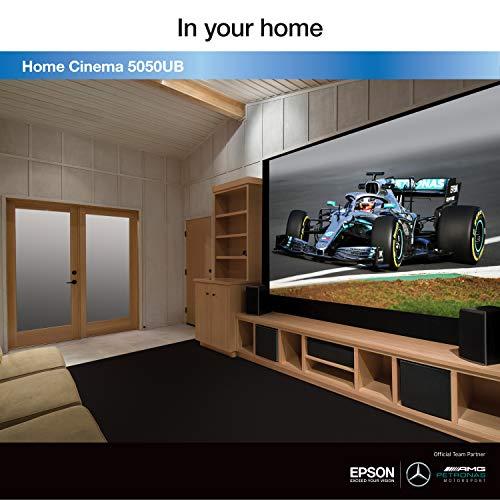
The 5050UB thrives in dedicated home theaters. If you have a room where you can control lighting, install blackout curtains, and optimize the environment for movie watching, this projector delivers exceptional results. It's perfect for the classic home theater setup: comfortable seating, a 120-150 inch screen, surround sound, and the ability to dim the lights for an immersive experience.
I'd particularly recommend the 5050UB for movie enthusiasts who prioritize that cinematic experience – deep blacks, accurate colors, and the feeling that you're watching something special rather than just TV on a bigger screen. It's also ideal for users who want high-end features without the complexity and cost of professional-grade equipment.
The QL7000 solves different problems entirely. This projector makes sense for multi-purpose rooms where controlling lighting isn't practical or desirable. Think of a great room that serves as both living space and entertainment center, where you want the option to watch sports with friends during the day or host movie nights without transforming the space into a dedicated theater.
The QL7000 also suits users who want truly massive screens – 250+ inches – where the extra brightness is necessary even in controlled lighting conditions. And for gaming enthusiasts with modern consoles who want the absolute best performance, the 120Hz capability and low input lag make it a compelling choice despite the high cost.
Choosing between these projectors comes down to honestly assessing your space, usage patterns, and priorities.
Choose the 5050UB if:
Choose the QL7000 if:
The reality is that most home theater enthusiasts will be better served by the 5050UB. It delivers 80-90% of the image quality of much more expensive projectors while remaining practical for typical home installations. The QL7000 is genuinely exceptional, but it's solving problems that most users simply don't have.
However, if you do have those specific needs – extreme brightness requirements, massive screens, or challenging installation conditions – the QL7000 provides capabilities that simply weren't available to consumers until recently. It represents the current pinnacle of projection technology, with pricing that reflects both its advanced engineering and specialized market position.
Both projectors excel within their intended domains, and understanding which domain matches your needs is the key to making the right choice.
| Epson Home Cinema 5050UB | Epson QL7000 |
|---|---|
| Brightness - Determines what lighting conditions you can use the projector in | |
| 2,600 lumens (requires controlled lighting for best results) | 10,000+ lumens (works well even with ambient light) |
| Light Source Technology - Affects maintenance requirements and longevity | |
| 250W UHE lamp (3,500-5,000 hour lifespan, requires periodic replacement) | Multi-Array Laser (20,000 hour lifespan, virtually maintenance-free) |
| Native Resolution - Both use pixel-shifting rather than true 4K panels | |
| 4K PRO-UHD (1080p with 2-phase pixel shift) | 4K eShift (produces 8.29 million pixels on screen) |
| Contrast Ratio - Critical for deep blacks and shadow detail | |
| Up to 1,000,000:1 with UltraBlack technology | Over 5,000,000:1 optimized for ambient light performance |
| Maximum Screen Size - Based on brightness and throw distance capabilities | |
| Up to 300 inches (optimal performance under 200 inches) | Up to 300 inches (maintains quality even at maximum size) |
| Gaming Performance - Important for console and PC gaming | |
| HDMI 2.0, 4K@60Hz max, 22-30ms input lag | HDMI 2.1, 4K@120Hz, ALLM support, 19.6ms input lag |
| Lens System - Affects installation flexibility and total cost | |
| Included 2.1x motorized zoom with lens shift and memory | Body only - lens sold separately (adds flexibility but increases cost) |
| Color Processing - Impacts color accuracy and HDR performance | |
| 10-bit processing, HDR10/HLG support, excellent Rec. 709 coverage | 10-bit processing, HDR10/HLG support, maintains color accuracy at high brightness |
| Ideal Room Conditions - Where each projector performs best | |
| Dedicated home theater with controlled lighting | Multi-purpose rooms with ambient light, commercial installations |
| Target User - Who should consider each projector | |
| Home theater enthusiasts prioritizing cinematic experience | Users needing extreme brightness or professional installation features |
| Price Category - Relative positioning in the market | |
| Premium home theater segment | Professional/commercial grade pricing |
| Total Cost of Ownership - Including maintenance over time | |
| Moderate initial cost plus periodic lamp replacements | High initial cost but minimal long-term maintenance |
The Epson Home Cinema 5050UB is specifically designed for home theater use and excels in controlled lighting environments. It offers superior contrast performance and deep black levels that create an authentic cinematic experience. The Epson QL7000 is designed for professional installations and may be overkill for most dedicated home theaters, though it offers exceptional performance if you have a very large screen or can't fully control room lighting.
The primary difference is brightness and intended use. The Epson Home Cinema 5050UB produces 2,600 lumens and is optimized for dark room viewing, while the Epson QL7000 delivers over 10,000 lumens for use in rooms with ambient light. The QL7000 also uses laser technology instead of a traditional lamp, eliminating maintenance requirements.
The Epson QL7000 is dramatically better for bright rooms, producing nearly four times more light than the 5050UB. Its extreme brightness allows it to maintain image quality even with room lights on, while the Epson Home Cinema 5050UB requires controlled lighting to perform at its best.
Neither projector uses native 4K panels. Both the Epson Home Cinema 5050UB and Epson QL7000 use pixel-shifting technology to create 4K-level detail from lower resolution panels. The visual result is significantly sharper than 1080p and satisfies most viewers' expectations for 4K quality.
The Epson QL7000 offers superior gaming performance with HDMI 2.1 ports supporting 4K at 120Hz, Auto Low Latency Mode, and lower input lag at 19.6ms. The Epson Home Cinema 5050UB is limited to 4K at 60Hz with higher input lag around 22-30ms, making it adequate for casual gaming but not ideal for competitive play.
The Epson Home Cinema 5050UB requires lamp replacement every 3,500-5,000 hours of use, typically every 3-4 years with regular viewing. The Epson QL7000 uses laser technology rated for 20,000 hours, potentially lasting 15-20 years without any maintenance requirements.
Both the Epson Home Cinema 5050UB and Epson QL7000 can technically project up to 300 inches. However, the 5050UB performs optimally on screens under 200 inches in controlled lighting, while the QL7000 can maintain excellent image quality on massive 300-inch screens even in challenging lighting conditions.
The Epson Home Cinema 5050UB provides exceptional value for dedicated home theater use, delivering high-end performance at a fraction of the cost. The Epson QL7000 commands a significant premium but offers specialized capabilities that justify the cost for users who need extreme brightness or professional installation features.
Yes, both the Epson Home Cinema 5050UB and Epson QL7000 support HDR10 and HLG formats with 10-bit color processing. Neither supports Dolby Vision, but both handle HDR content well with the 5050UB offering slightly better HDR performance in dark room conditions.
The Epson Home Cinema 5050UB includes a motorized zoom lens with focus and shift capabilities, making it ready to install out of the box. The Epson QL7000 is sold "body only" without a lens, requiring a separate lens purchase that adds significant cost but provides ultimate installation flexibility.
The Epson Home Cinema 5050UB typically runs quieter, especially in eco mode at around 20-31 dB. The Epson QL7000 requires more substantial cooling due to its high brightness output, though both projectors are reasonably quiet for their respective categories.
Choose the Epson Home Cinema 5050UB if you have a dedicated theater room with controlled lighting, want excellent value for cinematic viewing, and prefer straightforward installation. Select the Epson QL7000 if you need projection in bright rooms, want massive screen sizes over 200 inches, require cutting-edge gaming features, or need professional-grade performance regardless of cost.
We've done our best to create useful and informative comparisons to help you decide what product to buy. Our research uses advanced automated methods to create this comparison and perfection is not possible - please contact us for corrections or questions. These are the sites we've researched in the creation of this article: rtings.com - audiogurus.com - hometechnologyreview.com - projectorscreen.com - youtube.com - thesmarthomehookup.com - techgearlab.com - rtings.com - projectorreviews.com - projectorreviews.com - projectorreviews.com - projectorcentral.com - avsforum.com - avsforum.com - rtings.com - avsforum.com - audiogeneral.com - hifiheaven.net - manuals.plus - crutchfield.com - mediaserver.goepson.com - projectorcentral.com - epson.com - bestbuy.com - projectorreviews.com - projectorcentral.com - youtube.com - epson.com - projectorscreen.com - projectorscreen.com - theaudiosolutions.com - fmaudiovideo.com - thesoundcounsel.com - worldwidestereo.com - hifiheaven.net - thepowercentre.ca

Privacy Policy
Terms and Conditions - Affiliate Policy
Home Security
© Copyright 2008-2026.
11816 Inwood Rd #1211, Dallas, TX 75244