

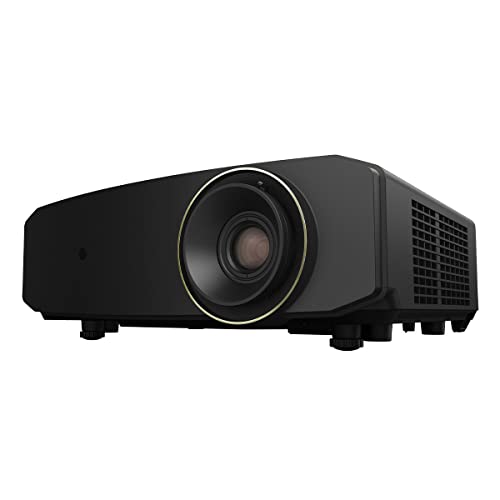
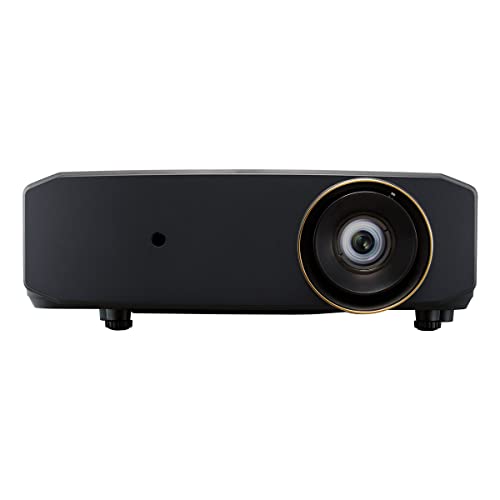
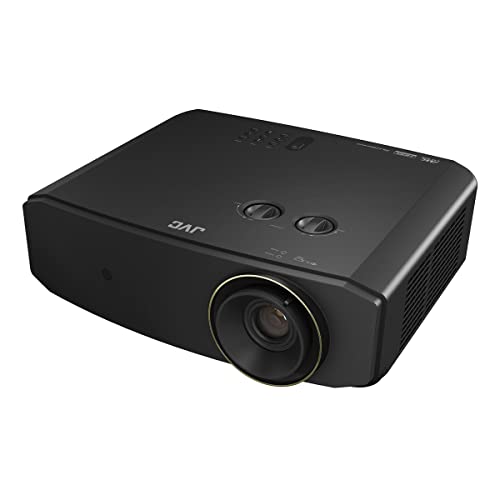
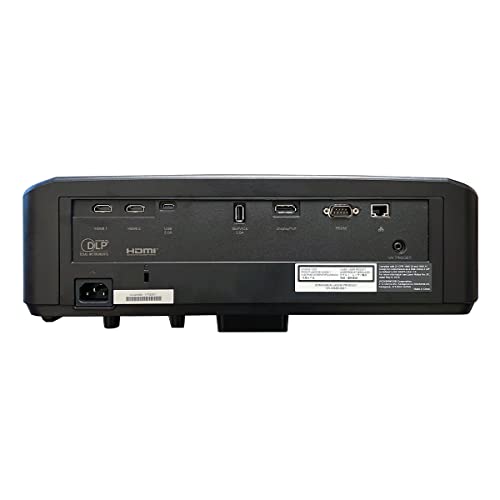
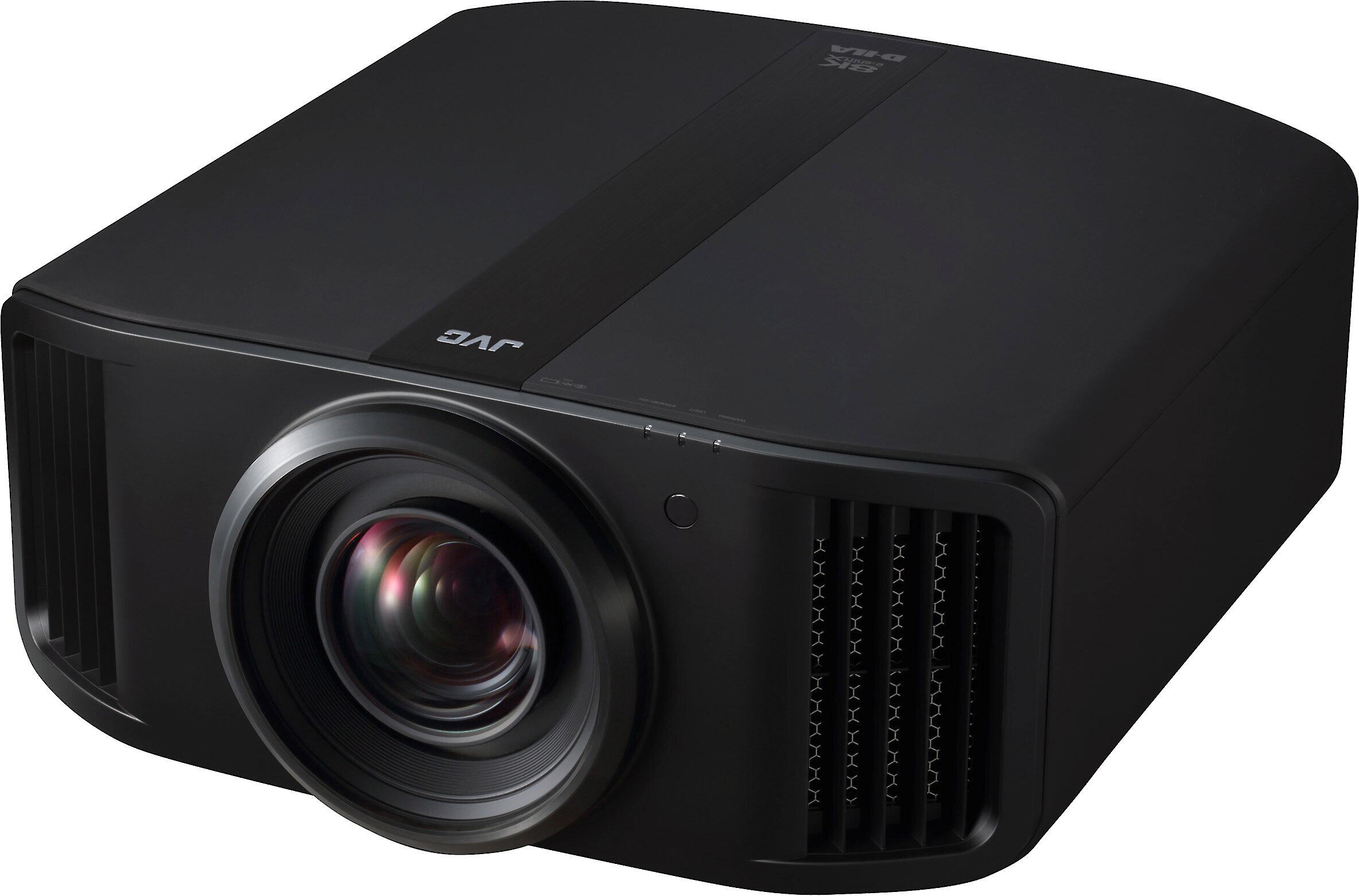

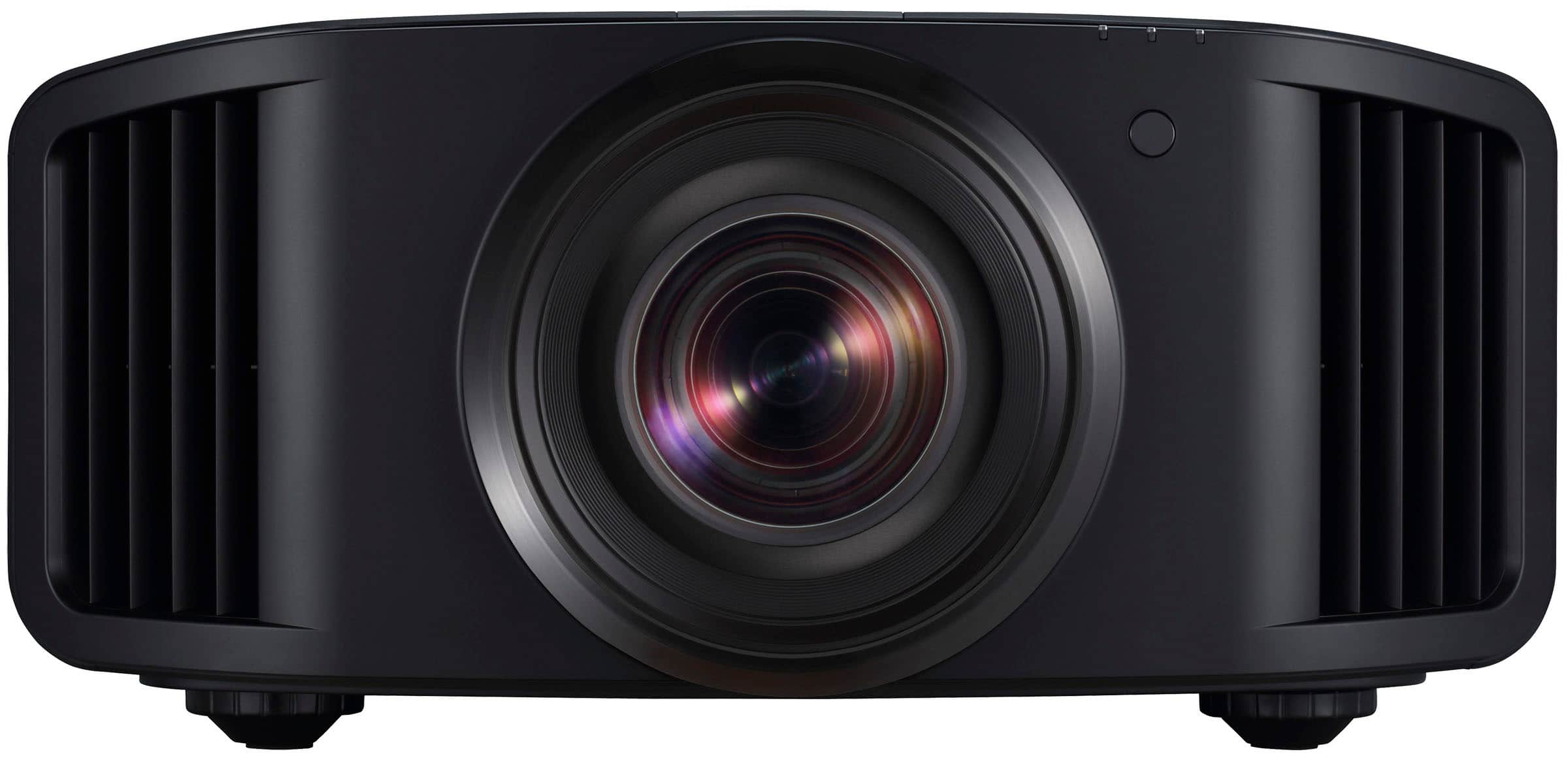
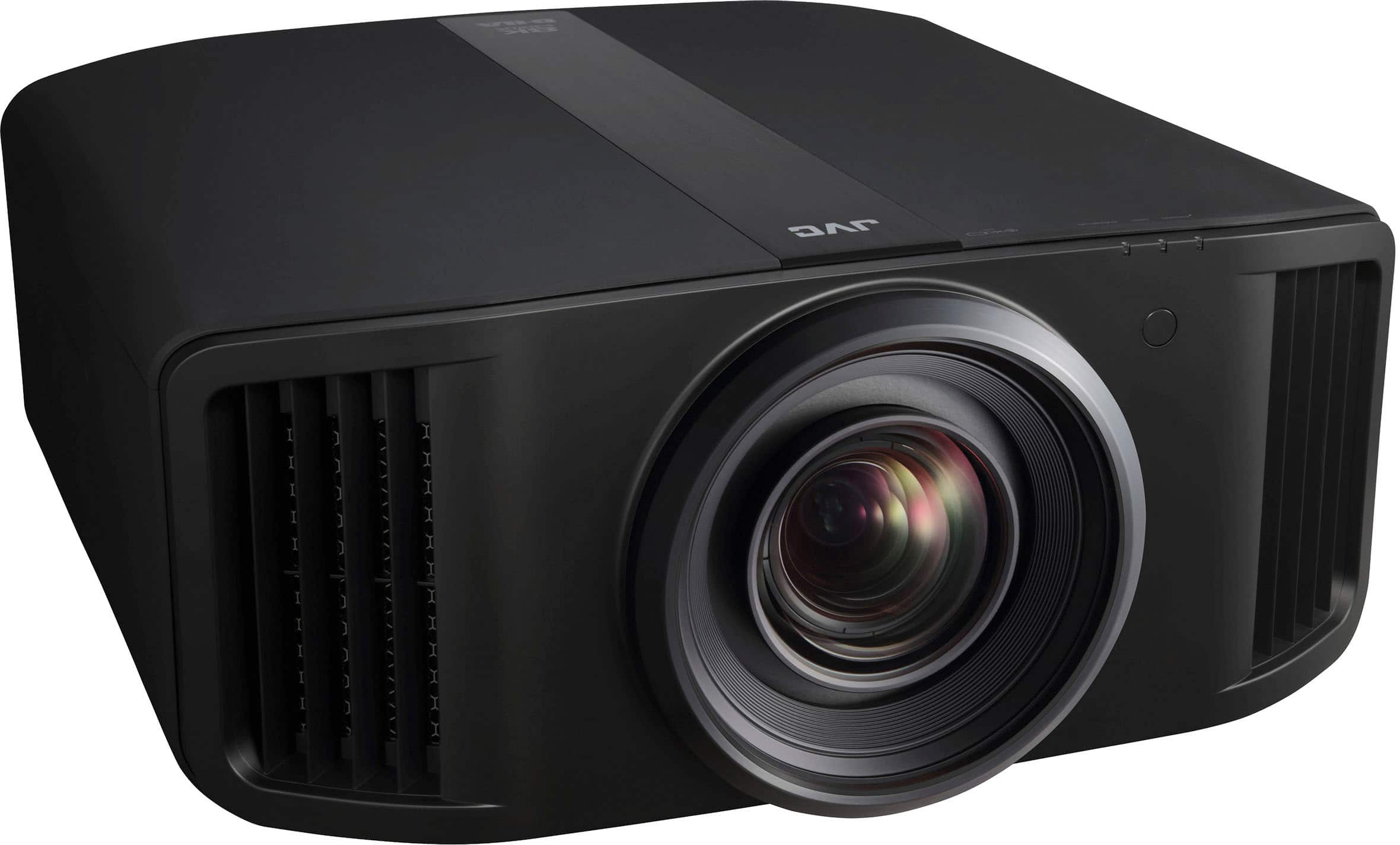
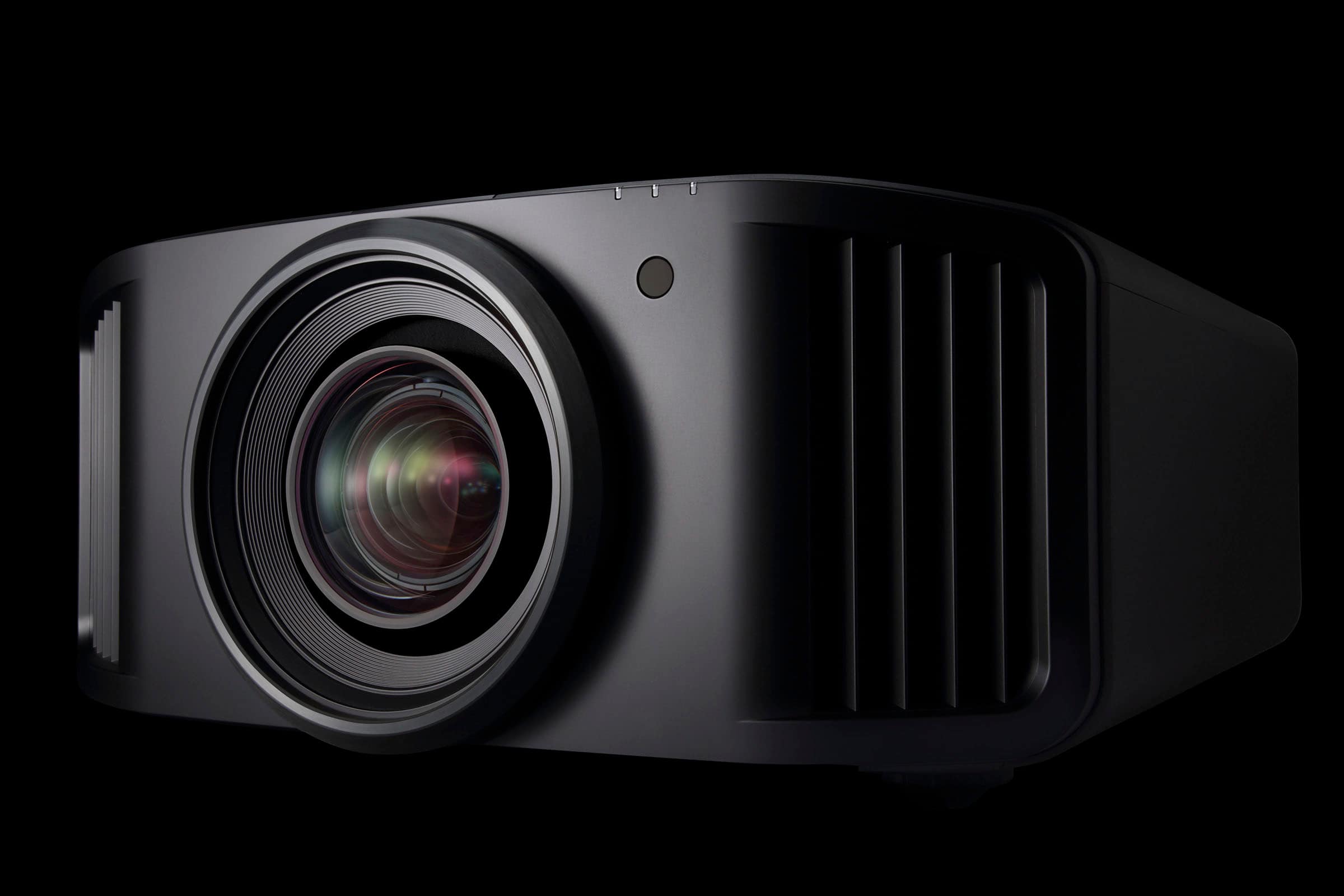
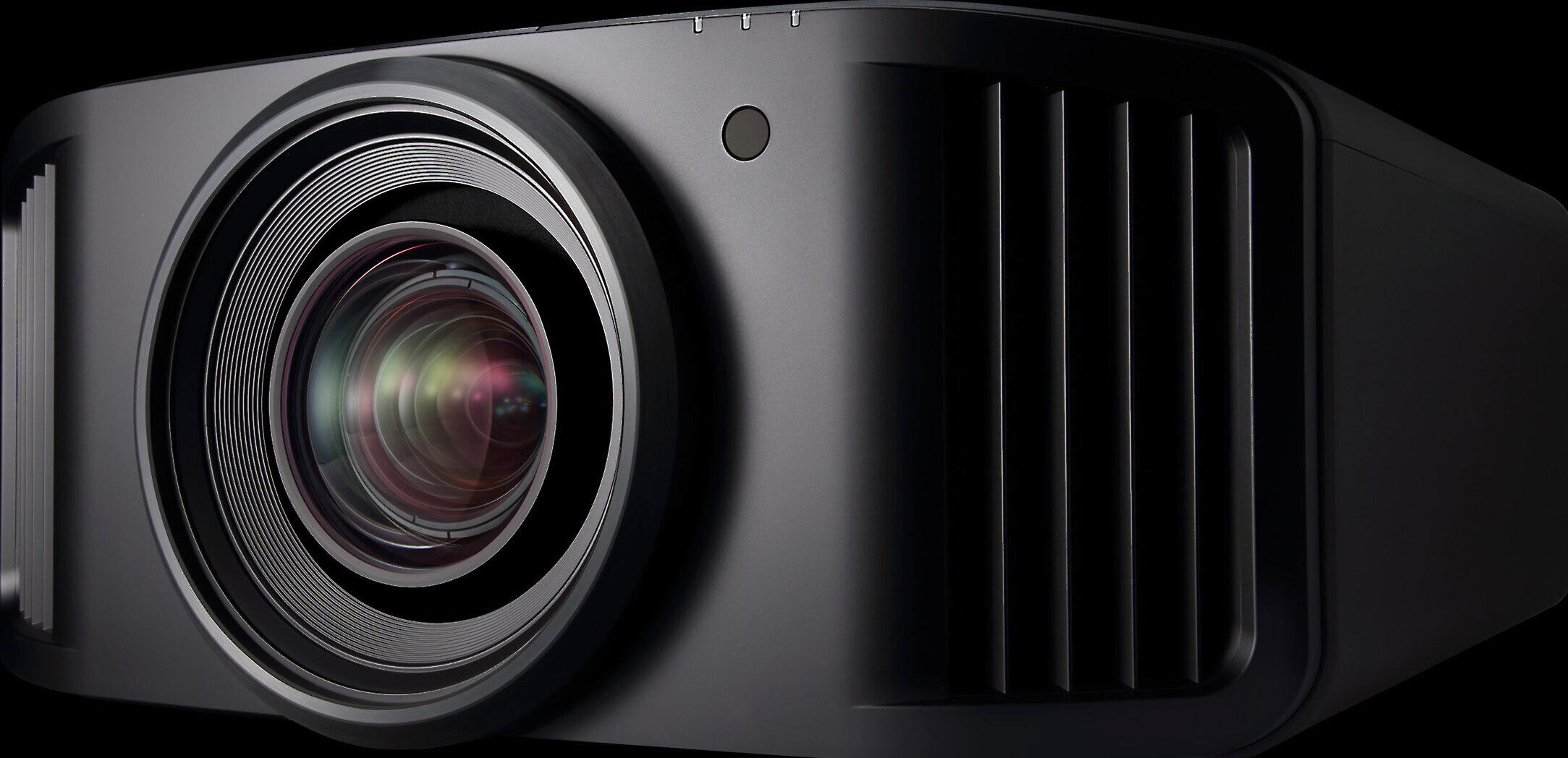
When you're ready to transform your living space into a proper home theater, choosing the right projector can feel overwhelming. JVC offers two compelling options that represent very different approaches to home cinema: the LX-NZ30 and the flagship DLA-NZ900. At the time of writing, these projectors sit at opposite ends of JVC's lineup, with the LX-NZ30 targeting mainstream buyers while the DLA-NZ900 aims squarely at enthusiasts with deep pockets.
The fundamental question isn't just which projector is better—it's which one makes sense for your specific situation, room, and budget. After researching extensive reviews and analyzing the technical specifications, I've found that both projectors excel in their respective categories, but they're designed for completely different users and environments.
Before diving into these specific models, it's worth understanding what separates great projectors from mediocre ones. Unlike TVs, projectors need to work across various screen sizes, lighting conditions, and room configurations. The most critical factors are contrast ratio (how deep the blacks look compared to bright whites), color accuracy, brightness uniformity, and installation flexibility.
Modern projectors use different technologies to create images. Single-chip DLP projectors like the LX-NZ30 use millions of tiny mirrors that flip rapidly to create pixels, while three-chip systems like the DLA-NZ900 use separate imaging chips for red, green, and blue light. Each approach has distinct advantages that become apparent in real-world use.
The shift to laser light sources has been transformative for the projector industry. Unlike traditional lamps that dim over time and need replacement every 2,000-4,000 hours, laser projectors maintain consistent brightness for 20,000+ hours. This means you could watch three hours of content every night for over 15 years without any maintenance—a game-changer for total ownership costs.
Released in recent years as JVC's entry into the mainstream 4K laser market, the LX-NZ30 represents something of a breakthrough moment. At a fraction of the cost of premium models, it delivers genuine 4K resolution and laser longevity that was previously reserved for much more expensive projectors.
The LX-NZ30 uses what's called pixel-shifting technology, specifically Texas Instruments' XPR (eXpanded Pixel Resolution) system. While the projector's native resolution is actually 1080p (1920×1080), it rapidly shifts each pixel diagonally by half a pixel width, effectively doubling the resolution in both directions. This happens so quickly—thousands of times per second—that your eyes perceive a full 4K (3840×2160) image.
This isn't marketing trickery; when done properly, pixel-shifted 4K is visually indistinguishable from native 4K at normal viewing distances. The key advantage is cost—manufacturing a single high-quality imaging chip is far less expensive than producing three separate chips, which is why the LX-NZ30 can hit such an aggressive price point.
Based on extensive review analysis, the LX-NZ30 consistently impresses with its brightness uniformity and color reproduction. At 3,300 ANSI lumens, it produces enough light to handle screens up to 200 inches even with some ambient lighting present. This makes it practical for family rooms and multi-purpose spaces where you might not have complete light control.
The BLU-Escent laser system (JVC's proprietary combination of blue laser and phosphor) allows for instantaneous brightness adjustment. Unlike lamp-based projectors that take time to warm up and cool down, the LX-NZ30 can adjust its light output frame by frame, creating what's effectively an infinite dynamic contrast ratio. When a scene calls for deep blacks, the laser dims accordingly; when bright highlights appear, it instantly ramps up.
For gaming enthusiasts, the LX-NZ30 offers something rare in the projector world: truly low input lag. In its optimized gaming mode, it can process 1080p signals with just 6.25 milliseconds of delay—competitive with dedicated gaming monitors. This responsiveness, combined with support for 4K at 60Hz and 1080p at 240Hz, makes it surprisingly capable for both console and PC gaming on massive screens.
The single-chip DLP design does come with trade-offs. Black levels, while improved by the laser dimming, still appear as dark gray rather than true black when viewed in completely dark rooms. This is inherent to DLP technology—there's always some light leaking through even when pixels are "off." For viewers coming from OLED TVs, this difference is immediately noticeable during dark movie scenes.
Installation flexibility is another limitation. While the LX-NZ30 offers decent lens shift (the ability to adjust image position without moving the projector), its range is more modest than professional models. The manual zoom and focus require physical access to the projector, which can be problematic for ceiling-mounted installations.
Released in 2024, the DLA-NZ900 represents JVC's latest flagship technology and over two decades of D-ILA development. This isn't just a more expensive version of the LX-NZ30—it's a fundamentally different approach to image creation that targets the most demanding home theater applications.
The DLA-NZ900 uses three separate 0.69-inch D-ILA imaging devices, each with a native resolution of 4096×2160 pixels. D-ILA (Direct Drive Image Light Amplifier) technology uses liquid crystal panels that can be controlled at the individual pixel level, allowing for precise light modulation and exceptional contrast ratios.
What makes this particularly impressive is JVC's second-generation 8K e-shiftX technology. Rather than just shifting pixels in two directions like traditional 4K enhancement, this system shifts in four diagonal directions, creating a displayed resolution of 8192×4320. The result is an image density that approaches what you'd see in commercial cinema installations.
The difference between pixel-shifted and native 4K becomes most apparent with fine details and text. Native 4K processing means each individual pixel of 4K source material gets dedicated processing power, resulting in better edge definition and more accurate color boundaries.
Where the DLA-NZ900 truly separates itself is contrast performance. With a native contrast ratio of 150,000:1, it can simultaneously display bright highlights and true blacks in the same frame. This isn't just a specifications game—it fundamentally changes how movies look and feel.
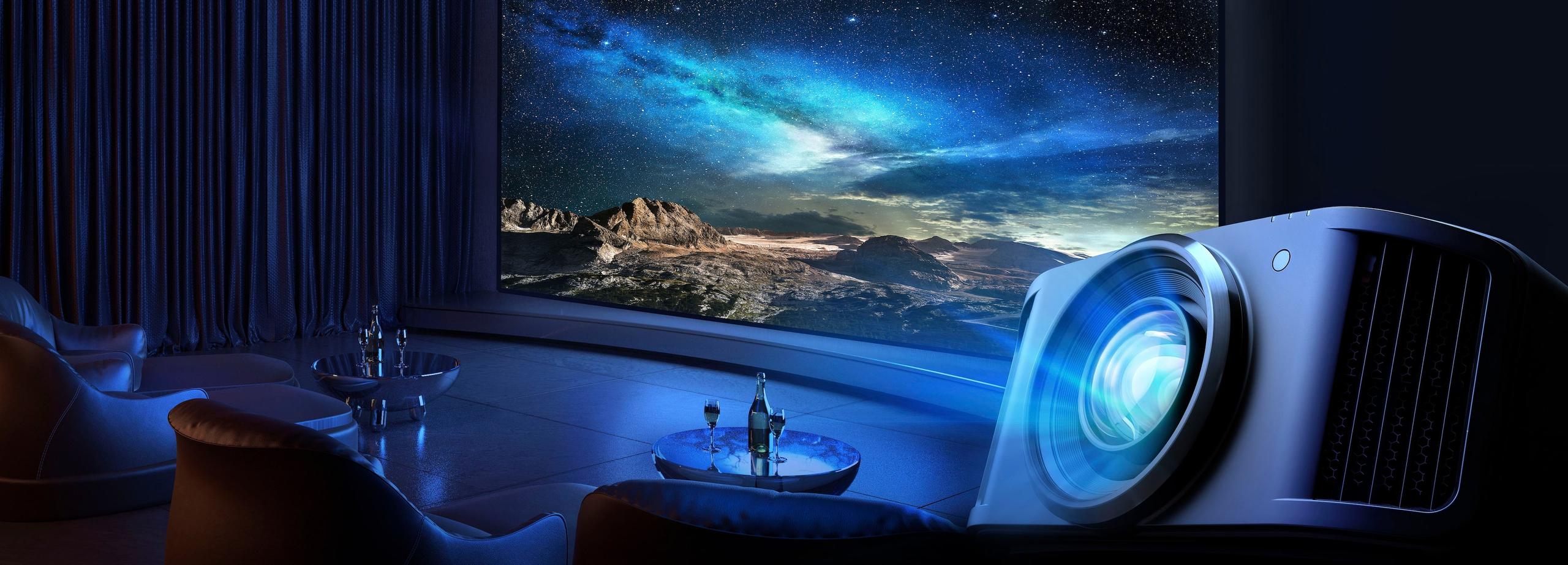
In practice, this means watching a space scene where stars pop brilliantly against a pitch-black void, or seeing subtle shadow details in dark movie scenes that would be completely crushed on lesser projectors. The third-generation D-ILA chips include improved liquid crystal alignment that reduces light leakage even further than previous generations.
Combined with the laser light source's infinite dynamic contrast capability, the DLA-NZ900 can create images that genuinely rival what you'd experience in premium commercial theaters. This level of contrast performance is what separates reference-grade projectors from mainstream models.
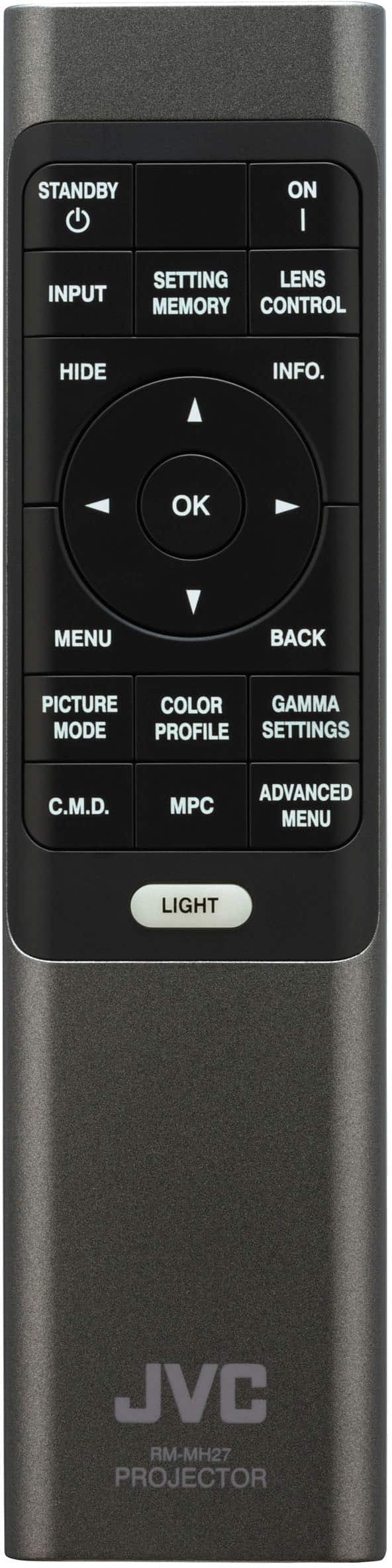
The DLA-NZ900 includes motorized lens controls with memory positions, allowing for different aspect ratios or zoom settings that can be recalled instantly. The lens shift range is extensive—up to 100% vertical and 43% horizontal—meaning you can place the projector almost anywhere in a room and still get a perfectly aligned image.
Ten installation presets store combinations of lens position, color settings, and image adjustments, making it practical to optimize for different content types or viewing conditions. This level of flexibility is essential for custom theater installations where the projector might be hidden in a separate equipment room.
The DLA-NZ900 includes Frame Adapt HDR with Theatre Optimizer, which analyzes each frame of HDR content and adjusts brightness and color mapping in real-time. This isn't just about making HDR brighter—it's about maintaining the creative intent across different display capabilities and room conditions.
The color processing covers more than 100% of the DCI-P3 color space used in commercial cinema, ensuring that movies look exactly as their creators intended. This wide color gamut, combined with the projector's contrast capabilities, creates images with a three-dimensional quality that's hard to describe until you experience it.
In side-by-side comparisons, the difference between these projectors depends heavily on viewing conditions and content. The LX-NZ30 produces remarkably sharp, detailed images that satisfy most viewers, especially on screens under 150 inches. Its pixel-shifting 4K is convincing and the color accuracy is excellent for the price category.
The DLA-NZ900 reveals its advantages with challenging content—complex patterns, fine text, and scenes with extreme contrast ranges. The native 4K processing provides better edge definition, and the superior contrast ratio makes every image appear more three-dimensional and immersive.
For HDR content, both projectors benefit from laser light sources, but the DLA-NZ900's advanced tone mapping and wider color gamut create more impactful HDR experiences. Bright highlights have more punch, and the improved black levels prevent dark details from disappearing.
Both projectors output 3,300 ANSI lumens, making them suitable for screens up to 200+ inches. However, they work best in different environments. The LX-NZ30 handles ambient light well, making it practical for family rooms and multi-purpose spaces. Its brightness uniformity is consistently praised in reviews.
The DLA-NZ900 benefits from light-controlled environments where its superior contrast ratio can shine. While it can certainly handle some ambient light, you'll get the most dramatic improvement in dedicated theater rooms with dark walls and controlled lighting.
For gaming, the LX-NZ30 takes a clear lead with input lag as low as 6.25ms in optimized modes. This responsiveness, combined with high refresh rate support, makes it genuinely competitive for serious gaming on massive screens.
The DLA-NZ900 offers respectable gaming performance with input lag around 30-38ms, which is acceptable for casual gaming but not ideal for competitive play. Its strength lies in making games look cinematic rather than responsive.
At the time of writing, these projectors represent vastly different value propositions. The LX-NZ30 delivers exceptional bang-for-buck, bringing laser longevity and 4K capability to mainstream pricing. When you factor in the 20,000-hour laser life and no lamp replacement costs, the total ownership expense becomes very attractive.
The DLA-NZ900 commands a significant premium—roughly seven times the cost of the LX-NZ30. This pricing reflects the sophisticated three-chip imaging system, precision optics, and extensive feature set. For buyers in this category, the question isn't whether it's worth the money, but whether they can fully utilize its capabilities.
The warranty difference is notable: the LX-NZ30 includes standard one-year coverage, while the DLA-NZ900 comes with three years of protection plus first-year advanced replacement. This reflects JVC's confidence in their flagship model and provides peace of mind for such a substantial investment.
The LX-NZ30 weighs just under 14 pounds and can be set up by most homeowners. Its compact size makes it easy to position, though the manual lens adjustments require physical access for fine-tuning. This simplicity is actually an advantage for many installations.
The DLA-NZ900 weighs nearly 56 pounds and really benefits from professional installation. The motorized lens controls and extensive adjustment options can optimize any installation, but setup complexity increases accordingly. Most buyers in this category work with custom installers anyway.
Your budget is focused on the projector itself rather than a complete theater system. The LX-NZ30 delivers most of the visual impact at a fraction of the cost, leaving money for screens, seating, and audio components.
You're building a multi-purpose room where the projector needs to handle various lighting conditions. Its brightness and ambient light handling make it practical for family spaces.
Gaming is a priority alongside movies. The low input lag and high refresh rate support make it uniquely capable among home theater projectors.
You prefer simpler installations and don't need motorized adjustments or complex calibration options.
You're building a dedicated theater room with controlled lighting and can fully appreciate the contrast and color advantages.
Screen size exceeds 200 inches, where the superior optics and processing power become more apparent.
You're working with professional installers who can optimize the extensive adjustment options.
Image quality takes priority over all other considerations, and budget allows for the premium.
You want future-proofing with 8K capability and the latest processing technologies.
Both projectors succeed brilliantly within their intended markets. The LX-NZ30 democratizes laser projection technology, bringing 4K performance and 20,000-hour longevity to mainstream buyers. It's the projector I'd recommend to most people building their first serious home theater.
The DLA-NZ900 represents the current state-of-the-art in home theater projection, with image quality that rivals commercial cinema installations. It's for buyers who demand the absolute best and have the budget and environment to fully utilize its capabilities.
Your choice ultimately depends on your priorities, room, and budget. If you're excited about the idea of 4K laser projection and want excellent performance without breaking the bank, the LX-NZ30 delivers remarkable value. If you're building a reference-grade theater and want uncompromising image quality, the DLA-NZ900 represents the pinnacle of what's currently possible in home projection.
Both represent JVC's commitment to bringing their laser and imaging expertise to different market segments, ensuring there's an excellent option whether you're spending moderately or investing heavily in your home theater dreams.
| JVC LX-NZ30 | JVC DLA-NZ900 |
|---|---|
| Display Technology - Determines image quality and black level performance | |
| Single-chip DLP with 0.47" DMD, pixel-shifting to 4K | Three-chip D-ILA with native 4K processing, 8K e-shiftX |
| Native Resolution - Higher native resolution provides better detail rendering | |
| 1920 x 1080 (achieves 4K through pixel shifting) | 4096 x 2160 per chip (true native 4K) |
| Displayed Resolution - What you actually see on screen | |
| 3840 x 2160 (4K e-shift) | 8192 x 4320 (8K e-shiftX) |
| Contrast Ratio - Most important for deep blacks and image depth | |
| Infinite dynamic contrast (typical DLP black levels) | 150,000:1 native, infinite dynamic (reference-grade blacks) |
| Brightness - Determines screen size and ambient light tolerance | |
| 3,300 ANSI lumens | 3,300 ANSI lumens |
| Light Source Lifespan - Affects long-term ownership costs | |
| 20,000 hours BLU-Escent laser | 20,000 hours BLU-Escent laser |
| Lens System - Impacts installation flexibility and image quality | |
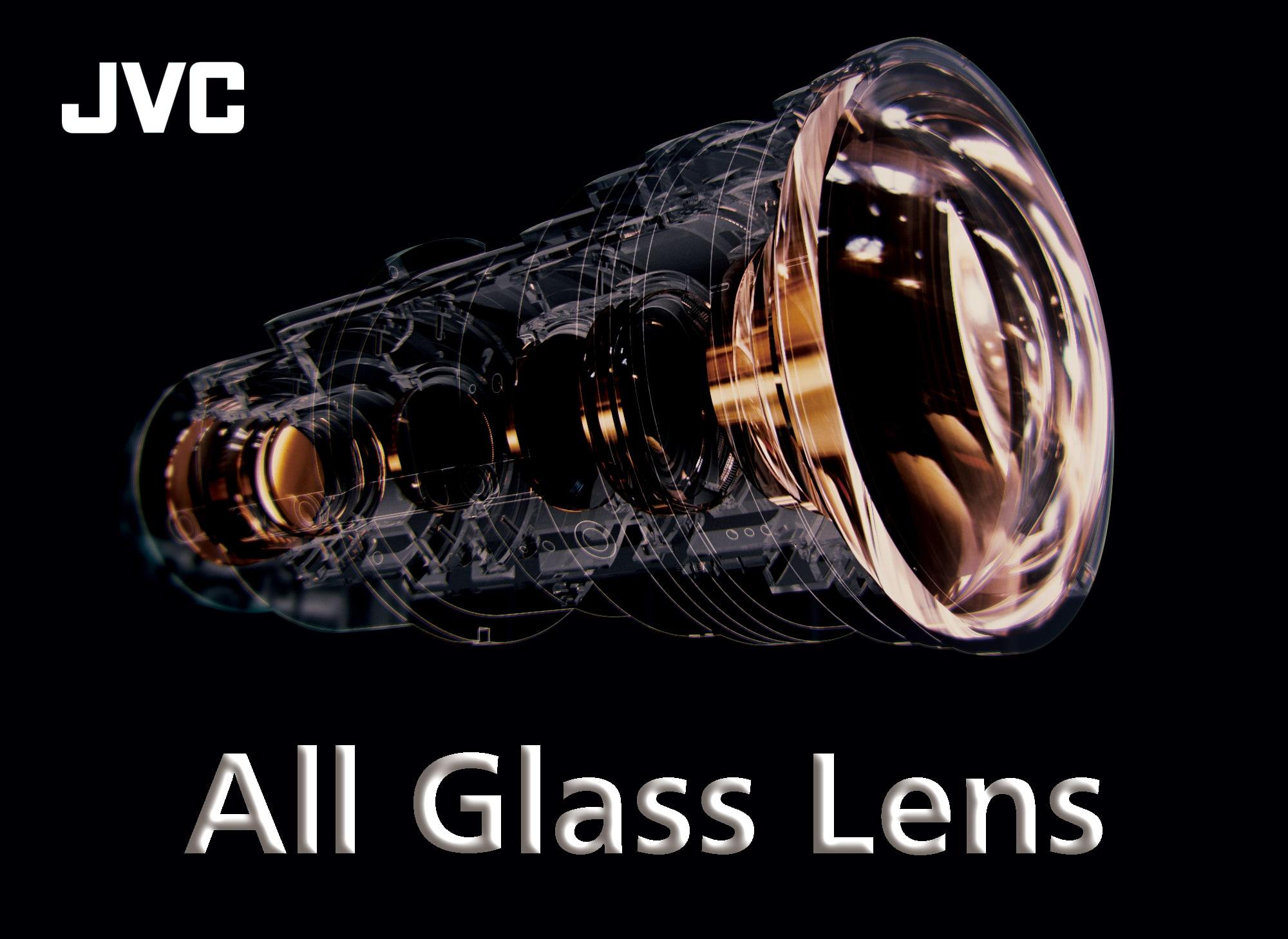
| Manual 1.6x zoom/focus | Motorized 2x zoom with memory, 100mm all-glass |
| Lens Shift Range - Determines projector placement flexibility | |
| ±23% horizontal, ±60% vertical (manual) | ±43% horizontal, ±100% vertical (motorized) |
| Gaming Performance - Input lag and refresh rate capabilities | |
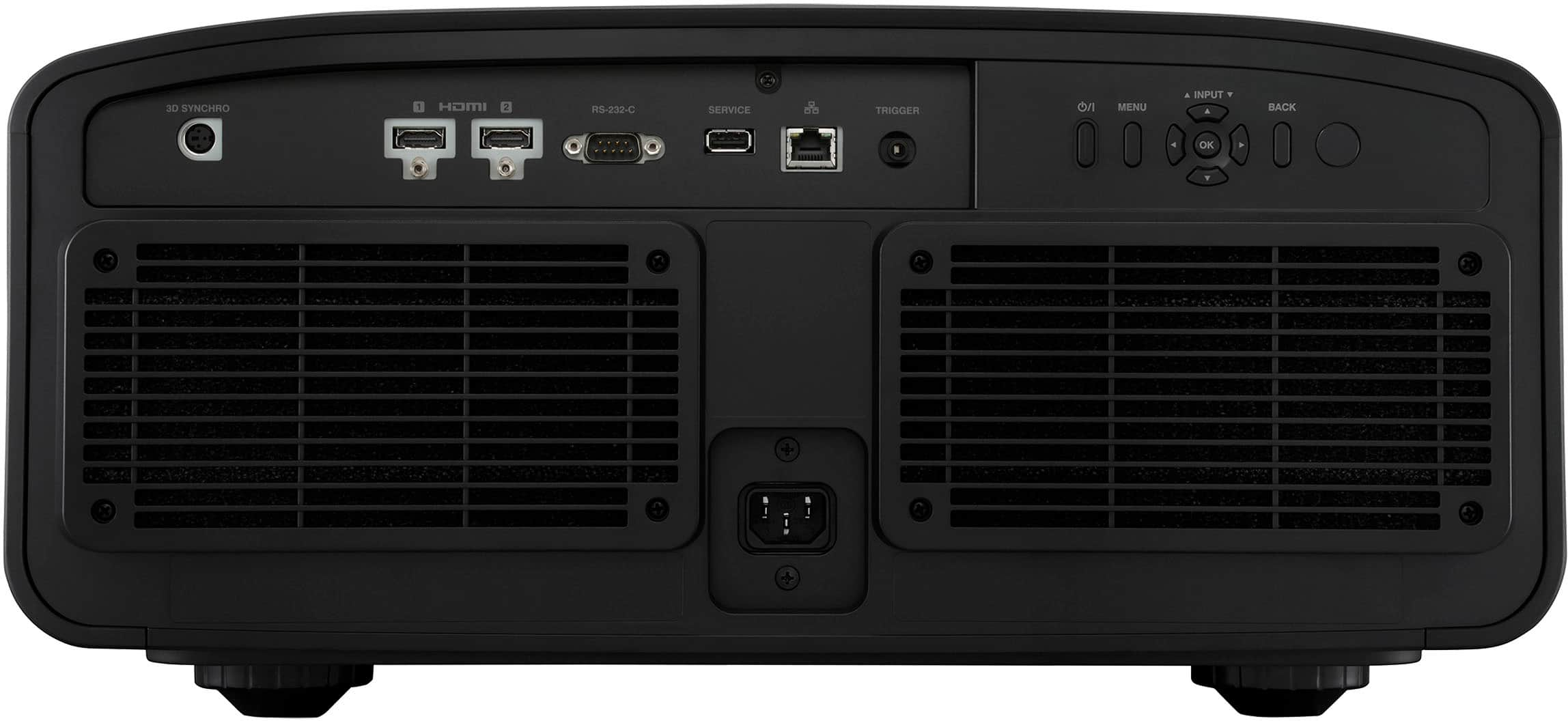
| 6.25ms lag, supports 1080p/240Hz, 4K/60Hz | 30-38ms lag, supports 4K/120Hz via HDMI 2.1 |
| 3D Support - Important for 3D movie collections | |
| No 3D capability | Full 3D support (Frame Packing, Side-by-Side) |
| Weight and Size - Affects installation complexity | |
| 13.9 lbs, compact desktop/ceiling mount | 55.7 lbs, requires robust ceiling mount |
| HDMI Connectivity - Future-proofing and bandwidth | |
| HDMI 2.0 (18 Gbps) | HDMI 2.1 (48 Gbps) |
| Recommended Screen Size - Optimal performance range | |
| 95" to 200" diagonal | 60" to 300" diagonal |
| Warranty Coverage - Protection for your investment | |
| 1 year parts and labor | 3 years with first-year advanced replacement |
| Target Audience - Who each projector serves best | |
| First-time buyers, gamers, mixed-use rooms | Dedicated theaters, enthusiasts, unlimited budgets |
The primary difference is display technology and price positioning. The JVC LX-NZ30 uses single-chip DLP with pixel-shifting to create 4K images, making it an affordable entry into laser projection. The JVC DLA-NZ900 uses three native 4K D-ILA chips with 8K enhancement, delivering reference-grade image quality at a premium price point.
The JVC LX-NZ30 is significantly better for gaming with input lag as low as 6.25ms and support for 1080p at 240Hz. The JVC DLA-NZ900 has higher input lag around 30-38ms, making it less suitable for competitive gaming but acceptable for casual play.
Yes, both the JVC LX-NZ30 and JVC DLA-NZ900 output 3,300 ANSI lumens using JVC's BLU-Escent laser technology. However, the DLA-NZ900's superior contrast ratio makes images appear more vibrant and three-dimensional in dark rooms.
The JVC DLA-NZ900 has dramatically better black levels with a native contrast ratio of 150,000:1, producing true blacks that rival OLED displays. The JVC LX-NZ30 has typical DLP black levels that appear as dark gray rather than true black.
Yes, but differently. The JVC LX-NZ30 uses pixel-shifting technology to display 4K from a native 1080p chip, which looks excellent at normal viewing distances. The JVC DLA-NZ900 processes native 4K content with dedicated chips and can display enhanced 8K resolution.
The JVC LX-NZ30 is much easier to install at just 13.9 pounds with straightforward setup requirements. The JVC DLA-NZ900 weighs 55.7 pounds and typically requires professional installation due to its complexity and motorized lens systems.
No, both the JVC LX-NZ30 and JVC DLA-NZ900 use laser light sources rated for 20,000 hours of operation, eliminating the need for lamp replacements and reducing long-term maintenance costs.
Both projectors handle ambient light reasonably well due to their 3,300-lumen output, but the JVC LX-NZ30 is specifically designed for mixed-use environments and family rooms. The JVC DLA-NZ900 performs best in dedicated, light-controlled theater rooms.
The JVC LX-NZ30 is optimized for screens between 95-200 inches diagonal. The JVC DLA-NZ900 can handle much larger installations from 60-300 inches, with superior performance on very large screens due to its advanced optics.
Yes, both the JVC LX-NZ30 and JVC DLA-NZ900 support HDR10 and other HDR formats. However, the DLA-NZ900 includes advanced Frame Adapt HDR processing and wider color gamut coverage for superior HDR performance.
The JVC LX-NZ30 offers exceptional value for mainstream buyers, delivering laser reliability and 4K performance at an accessible price point. The JVC DLA-NZ900 provides reference-grade performance for enthusiasts willing to invest significantly more for the ultimate image quality.
Only the JVC DLA-NZ900 supports 3D content with multiple format compatibility including Frame Packing and Side-by-Side. The JVC LX-NZ30 does not include 3D capability, focusing instead on 2D performance and gaming features.
We've done our best to create useful and informative comparisons to help you decide what product to buy. Our research uses advanced automated methods to create this comparison and perfection is not possible - please contact us for corrections or questions. These are the sites we've researched in the creation of this article: t3.com - crutchfield.com - stuff.tv - projectorcentral.com - projectorreviews.com - data.heimkinowelt.at - bestbuy.com - eu.jvc.com - projectorreviews.com - listenup.com - youtube.com - eu.jvc.com - dreamediaav.com - projectorreviews.com - projectorscreen.com - projectorcentral.com - device.report - technologyinteriors.com - projectorcentral.com - valueelectronics.com - crutchfield.com - projectorreviews.com - soundapproach.com - houseofstereo.com - puretheatre.com - projectorscreen.com - projectorcentral.com - stereonet.com

Privacy Policy
Terms and Conditions - Affiliate Policy
Home Security
© Copyright 2008-2026.
11816 Inwood Rd #1211, Dallas, TX 75244