

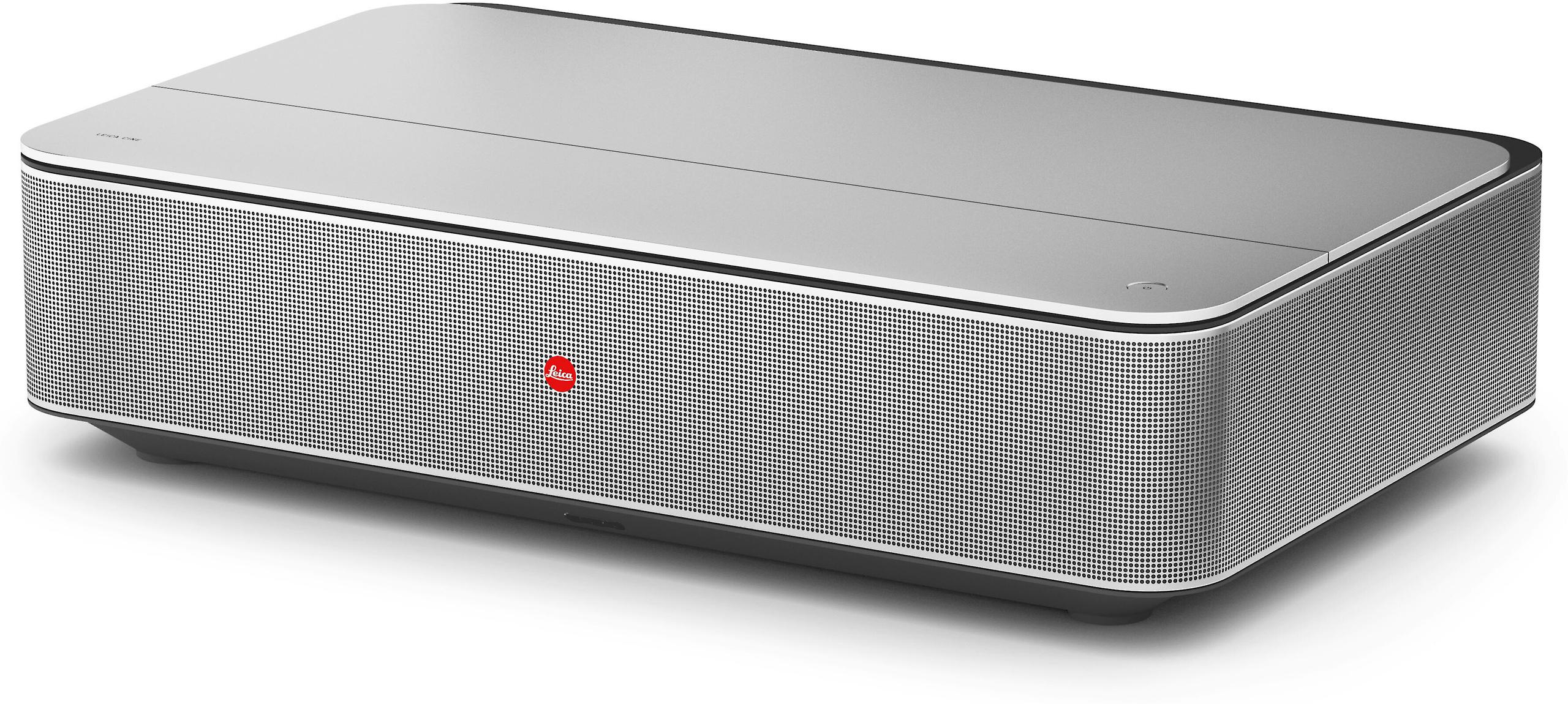
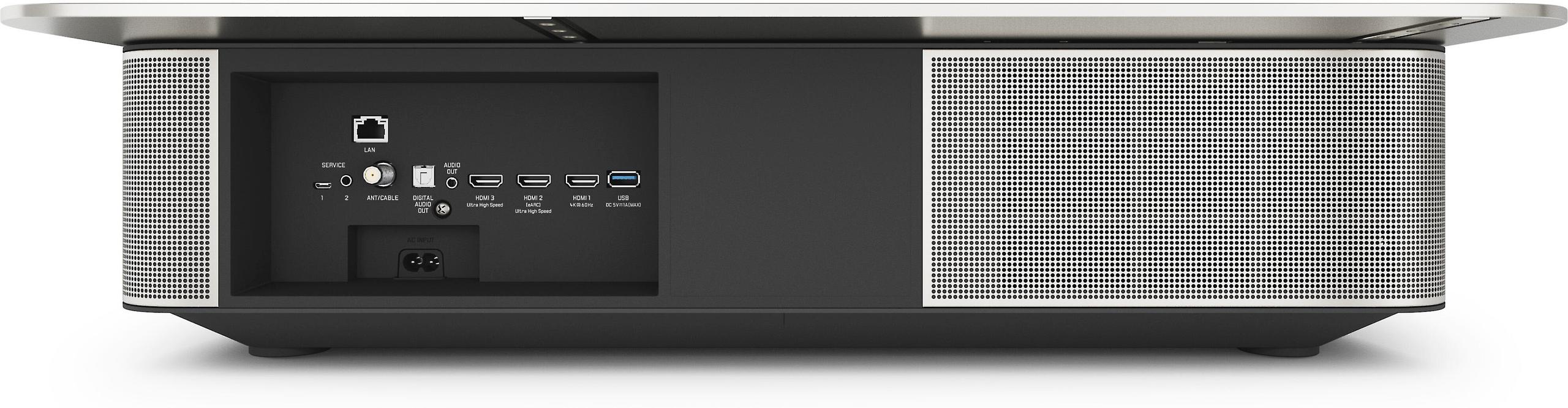
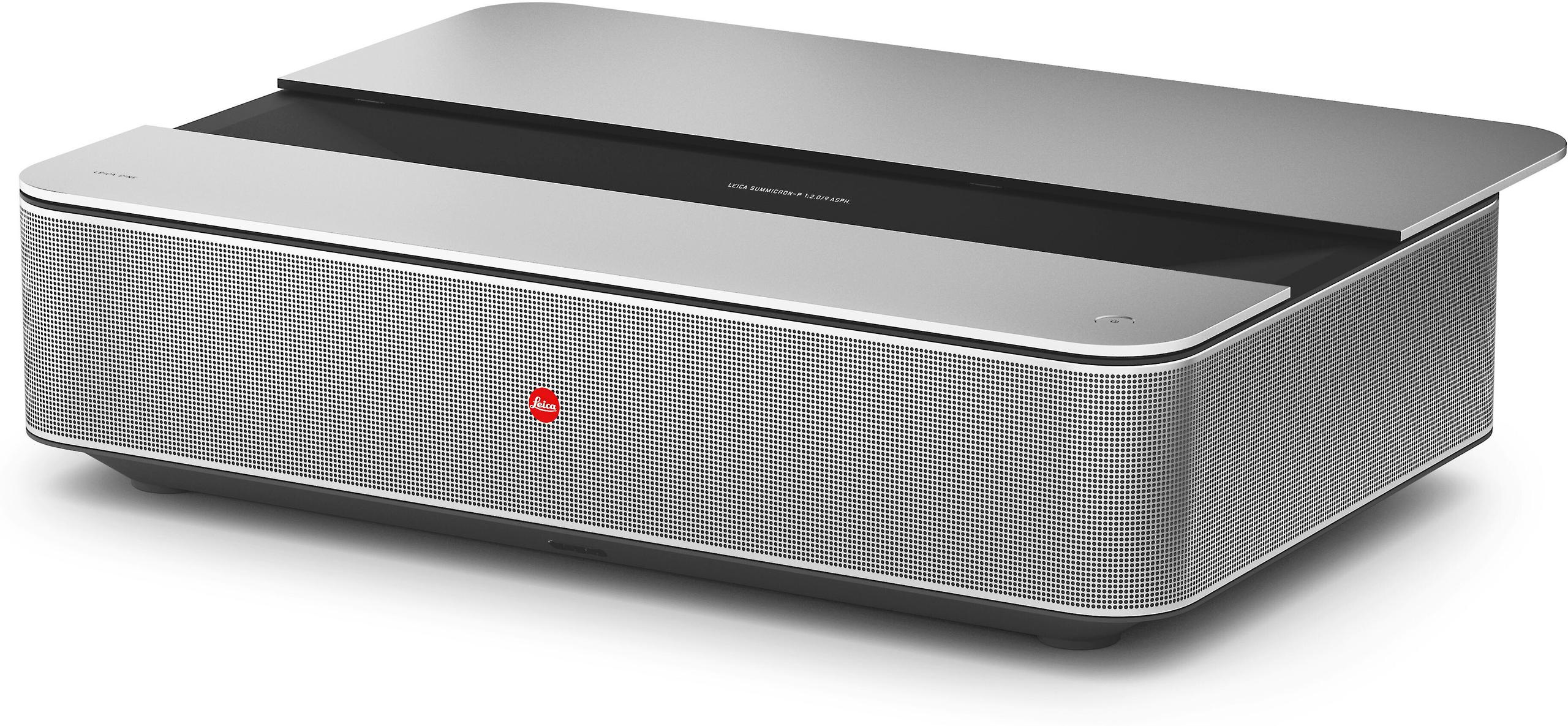
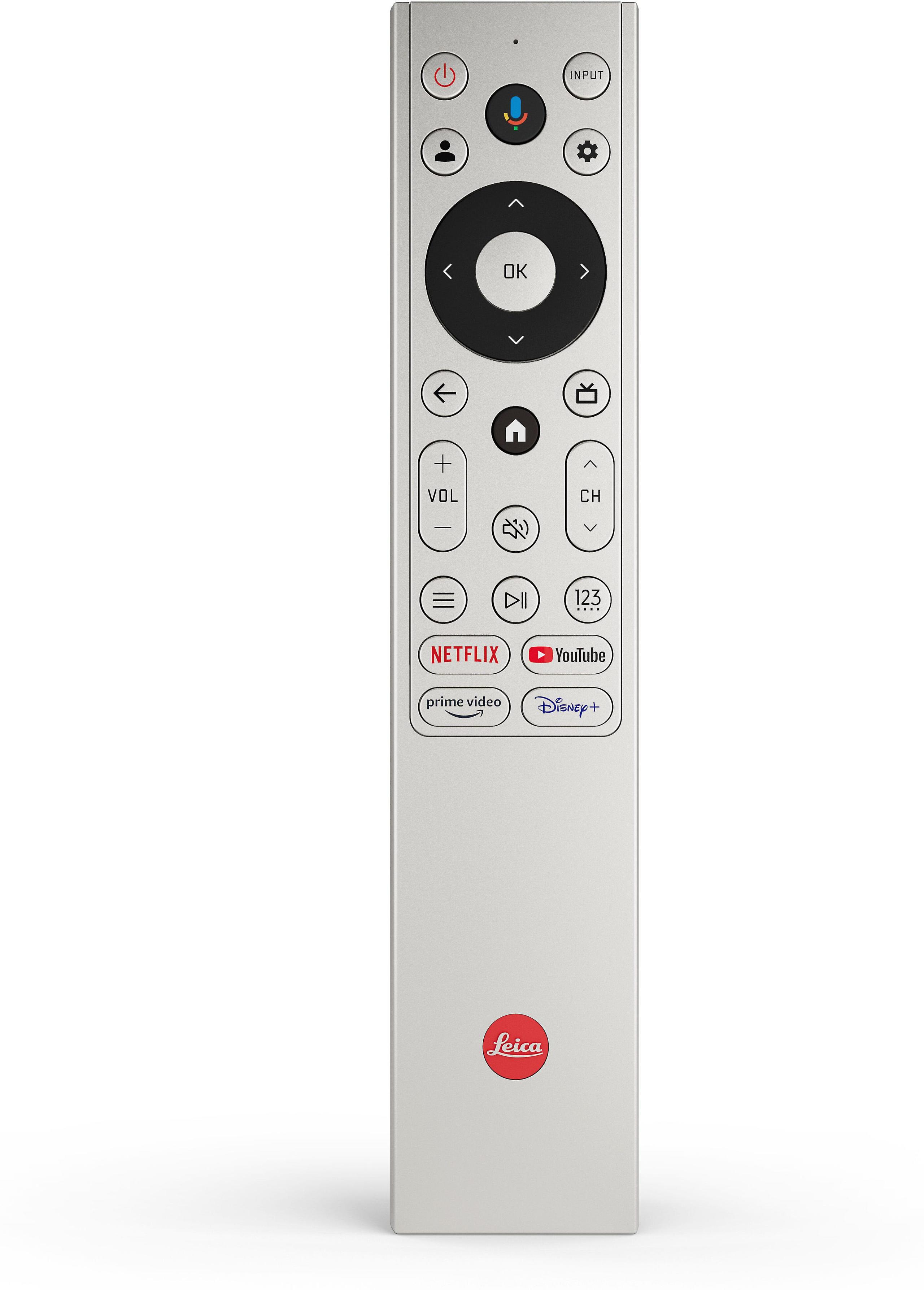
When you're shopping for a 4K laser projector, you'll quickly discover there are two completely different approaches to getting that massive screen experience. The traditional route requires mounting a projector across the room from your screen, while ultra-short throw (UST) technology lets you place the projector just inches from your wall. These aren't just different installation methods—they represent fundamentally different philosophies about home theater.
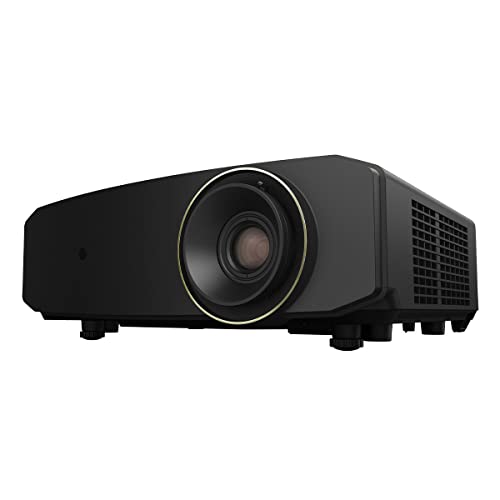
The JVC LX-NZ30 exemplifies the traditional approach with its flexible placement and gaming-focused features, while the Leica Cine 1 represents the premium UST category with its space-saving design and luxury engineering. At the time of writing, these projectors sit at opposite ends of the value spectrum, making this comparison particularly interesting for understanding what you get when you pay more.
The shift to laser light sources has transformed the projector market since around 2020. Unlike traditional bulbs that dim over time and need replacement every 3,000-5,000 hours, laser systems maintain consistent brightness for 20,000+ hours. This means you can watch four hours of content daily for over a decade without meaningful brightness degradation.
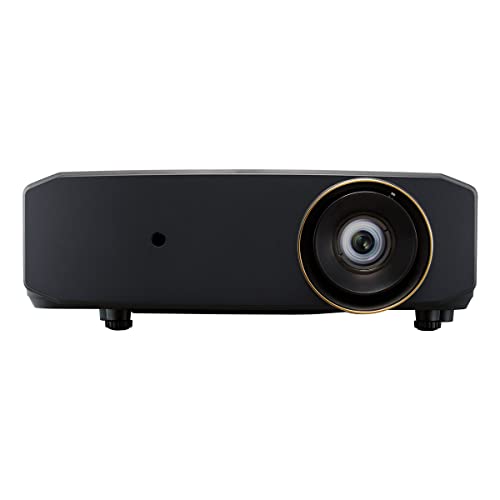
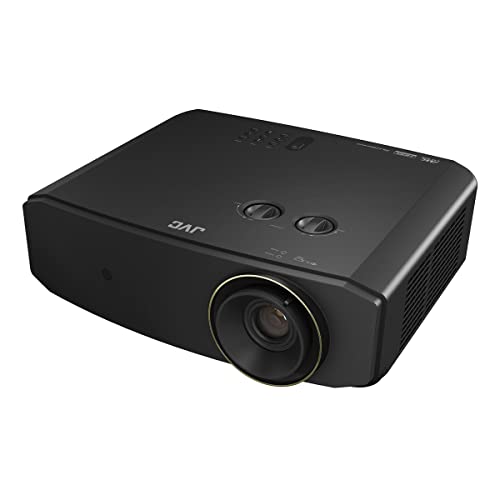
Traditional throw projectors like the JVC LX-NZ30 require substantial room depth—typically 12-20 feet between the projector and screen. They offer maximum flexibility in screen sizes and can adapt to various room configurations through zoom and lens shift features. Think of lens shift as the projector's ability to move the image up, down, left, or right without physically relocating the unit, which is crucial for perfect alignment.
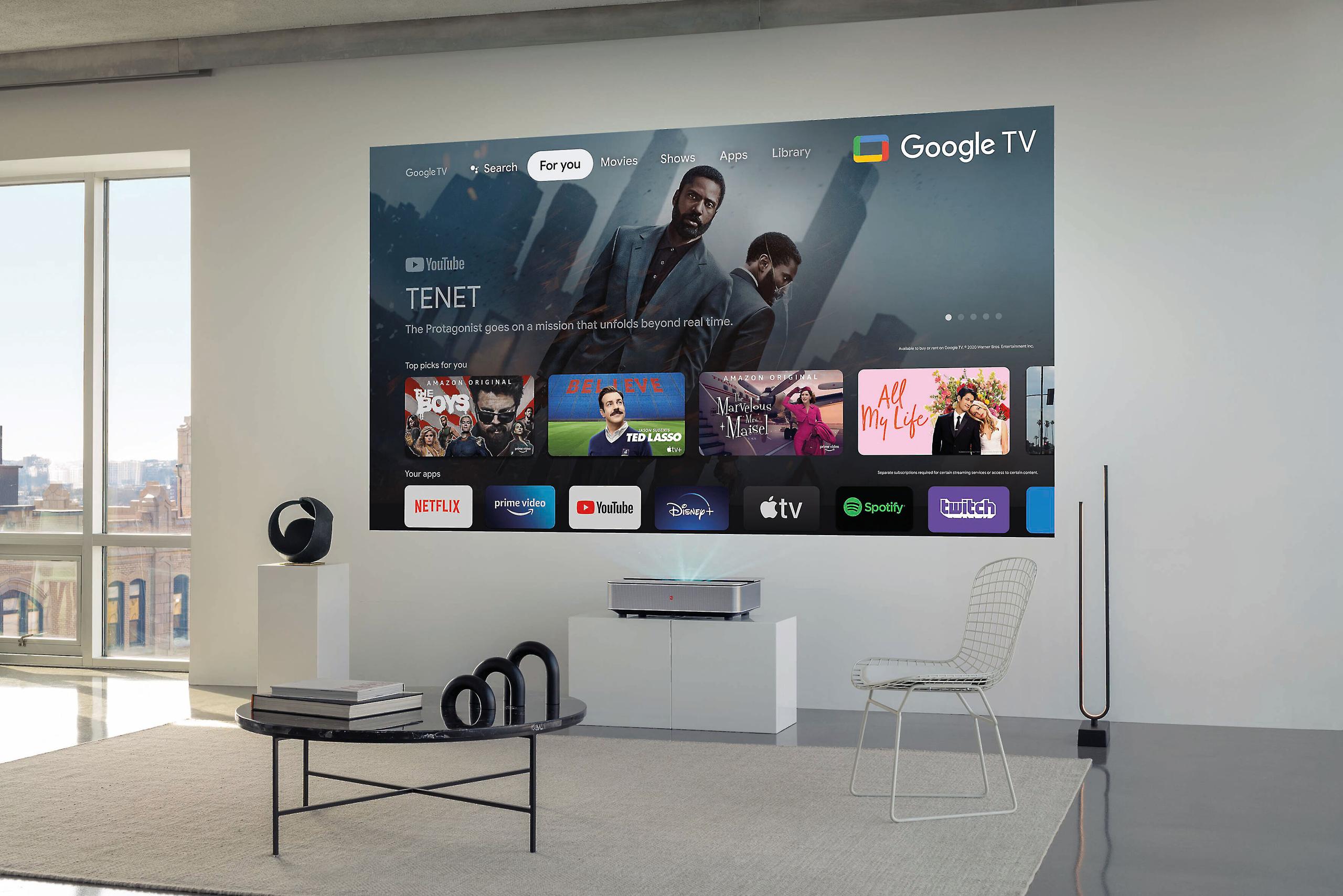
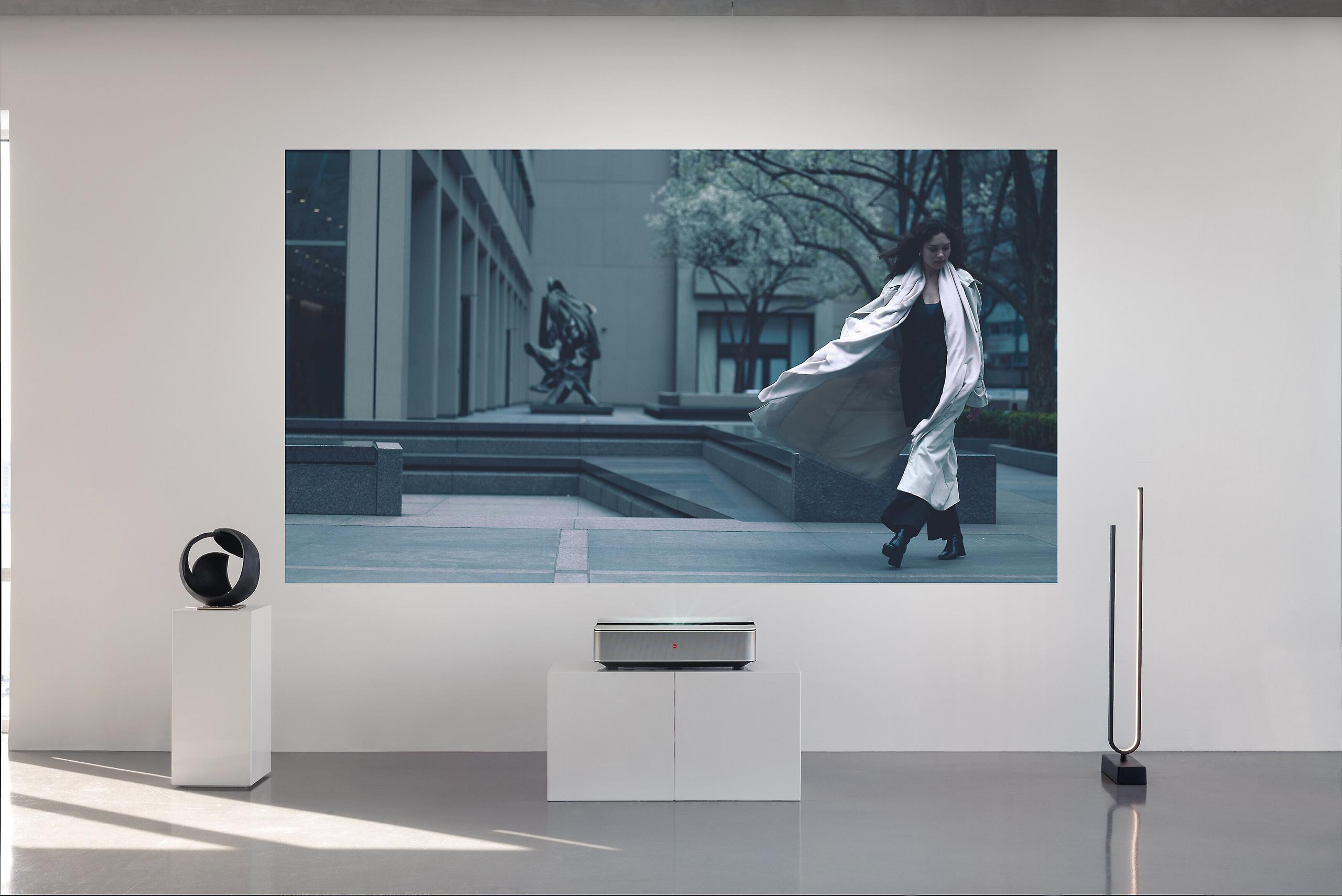
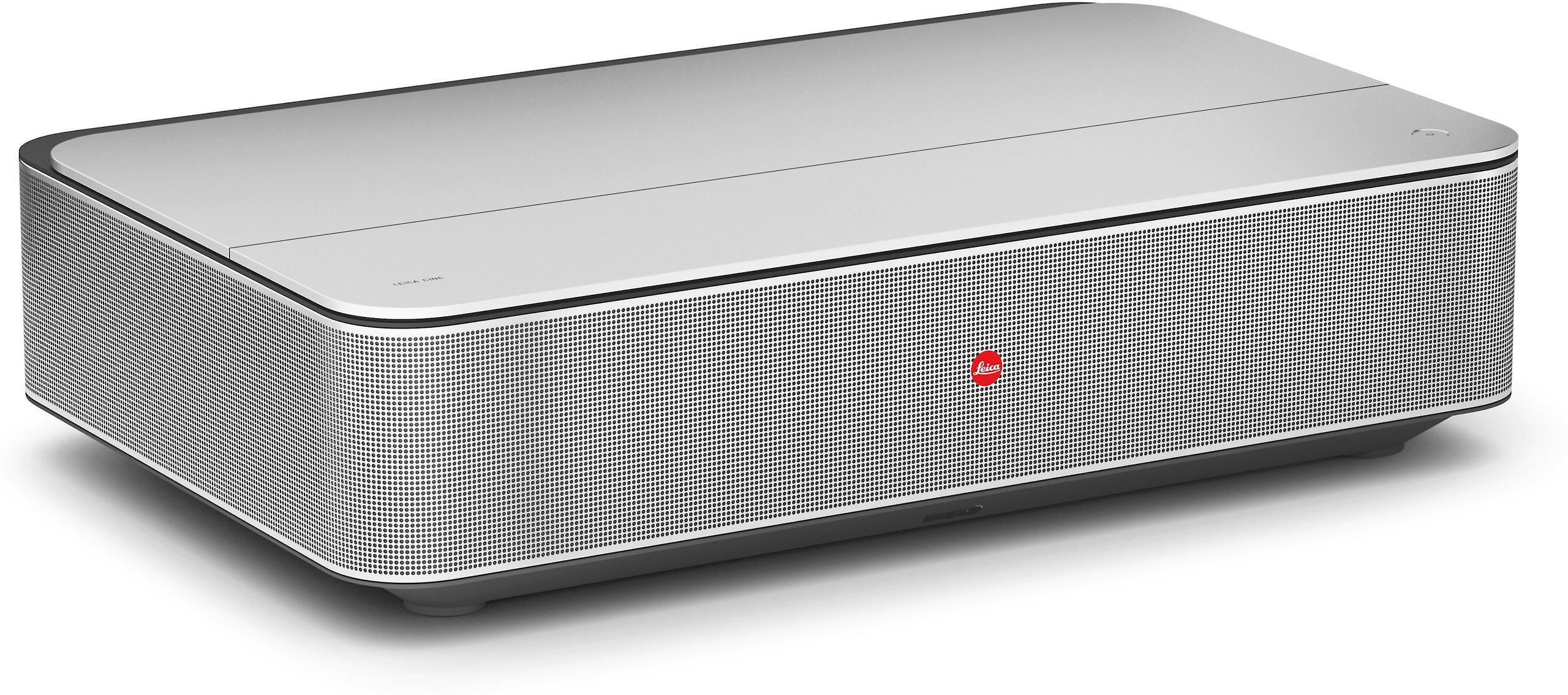
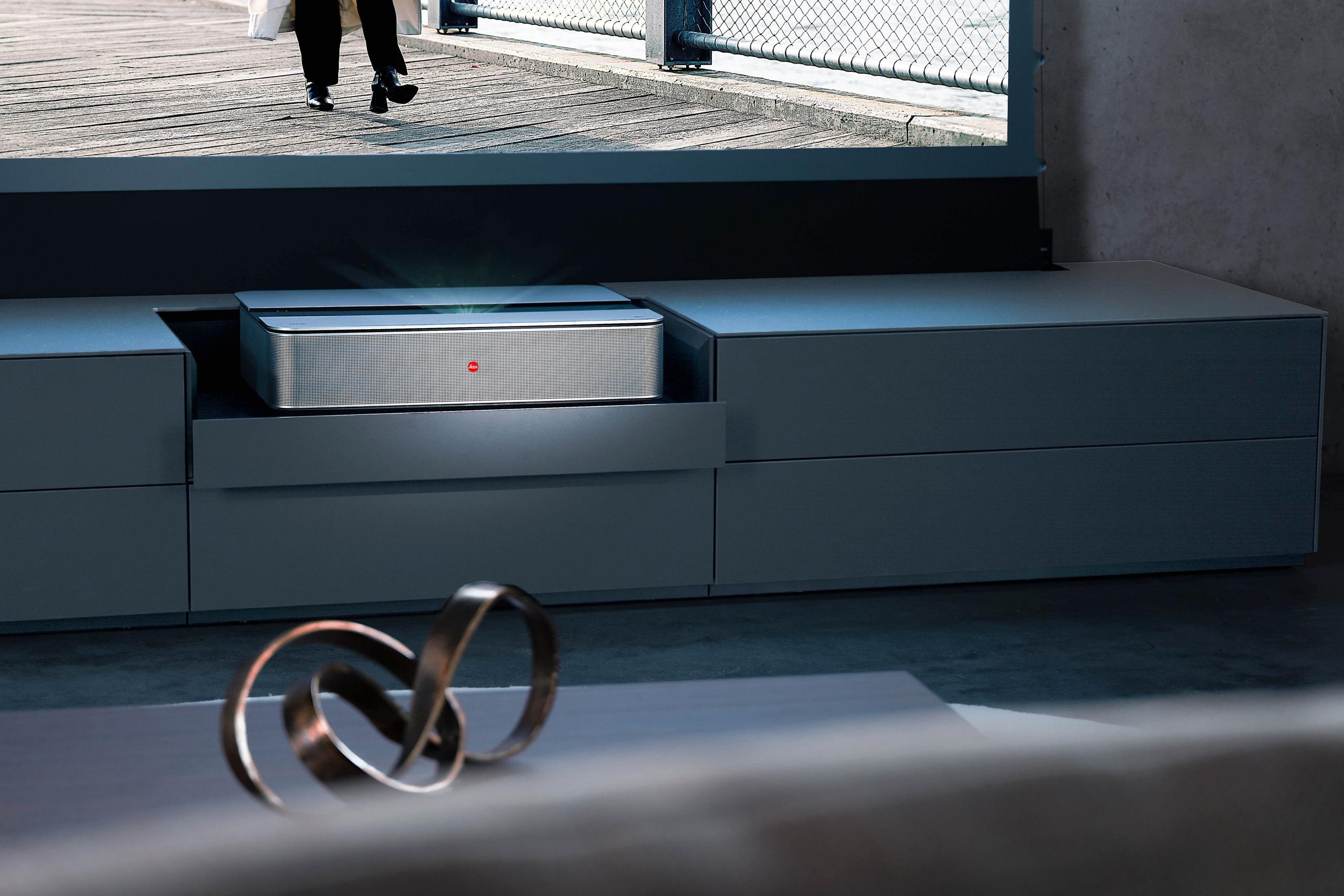
Ultra-short throw projectors like the Leica Cine 1 flip this concept entirely. They sit close to your wall—sometimes just inches away—and use complex mirror systems to project upward and create large images. This eliminates ceiling mounting, reduces shadows when people walk by, and works brilliantly in apartments or rooms where traditional installation isn't practical.
The key trade-off centers on flexibility versus convenience. Traditional projectors adapt to your room; UST projectors require your room to adapt to them.
The JVC LX-NZ30, released in 2023, uses DLP (Digital Light Processing) technology—essentially millions of tiny mirrors that flip thousands of times per second to create images. What makes this interesting is JVC's implementation: they start with a native 1080p chip but use "e-shift" technology to create 4K resolution.
E-shift works by rapidly shifting pixels diagonally by half a pixel width, effectively quadrupling the perceived resolution. While this isn't "native" 4K like you'd find in premium projectors, the visual result is remarkably close to true 4K at normal viewing distances. Most viewers can't distinguish the difference, especially when watching typical content from 10-15 feet away.
The JVC's BLU-Escent laser system represents a clever engineering approach. Instead of using separate red, green, and blue lasers (which are expensive), it uses a blue laser that excites phosphor materials to create the full color spectrum. This keeps costs reasonable while delivering the longevity benefits of laser technology.
One standout feature is Dynamic Laser Dimming, which can completely shut off the laser during dark scenes. This creates an "infinite" contrast ratio on paper—when there's no light output, blacks are truly black. In practice, DLP technology still has limitations with black levels, but the dynamic dimming helps significantly.
The Leica Cine 1 takes a fundamentally different approach with its triple RGB laser system. This means separate red, green, and blue lasers create the color spectrum, typically resulting in wider color gamuts and more accurate colors than phosphor-based systems. The 25,000-hour laser lifespan exceeds the JVC's 20,000-hour rating.
The optical engineering here is where Leica's camera lens heritage shines. The Summicron lens system uses four aspherical lens elements—these are precisely curved glass pieces that correct for the distortions inherent in ultra-short throw projection. Most UST projectors struggle with image sharpness toward the screen edges, but Leica's lens engineering maintains clarity across the entire 120-inch image.
This fixed lens approach means no zoom capability, but it eliminates the optical compromises that come with variable focal lengths. You get maximum image quality, but only at one specific distance from the wall.
Based on our research into expert reviews and user feedback, the resolution difference between these projectors is more nuanced than the specs suggest. The JVC LX-NZ30 consistently receives praise for its motion handling and color processing. JVC has decades of projector experience, and it shows in how smoothly the unit handles fast-moving content like sports or action movies.
The e-shift technology works particularly well with native 4K content from streaming services or UHD Blu-rays. When the projector receives a 4K signal, it has real pixel information to work with, and the shifting algorithm enhances detail effectively. With lower-resolution content, JVC's upscaling algorithms perform admirably, though they can't create detail that wasn't there originally.
The Leica Cine 1 approaches image quality differently through its native 4K processing and premium lens system. Reviews consistently highlight the edge-to-edge sharpness that's often problematic in UST designs. The geometric accuracy—meaning straight lines stay straight and circles remain circular—exceeds most UST competitors due to the aspherical lens correction.
Where the Leica particularly excels is color accuracy. The factory calibration results in what many reviewers describe as the most accurate out-of-box color performance they've seen in a laser TV. This matters because most people won't calibrate their projectors professionally, so accurate default settings provide immediate benefits.
Both projectors deliver substantial brightness—around 3,000-3,300 lumens—but how they handle ambient light differs significantly. The JVC LX-NZ30 benefits from traditional projection geometry where ambient light affects both the screen and projector equally. In a dedicated theater room with good light control, this works beautifully.
However, the Leica Cine 1's UST design creates inherent advantages in bright rooms. When paired with an ALR (Ambient Light Rejecting) screen, the short throw angle allows the screen's specialized coating to reflect ambient light away from viewers while preserving the projected image. This is physics working in your favor—ceiling lights hit the screen at different angles than the projector, so the screen can discriminate between wanted and unwanted light.
User reports consistently indicate that UST projectors with ALR screens maintain better image quality in rooms with windows or ambient lighting than traditional projectors at similar brightness levels.
This is where understanding projector limitations becomes crucial. The JVC LX-NZ30 achieves impressive contrast through Dynamic Laser Dimming, but DLP technology inherently struggles with deep blacks. What you get are very dark grays rather than true blacks, which becomes noticeable in dark movie scenes or when watching in completely dark rooms.
Expert reviews note that while the dynamic laser dimming helps significantly, the JVC still can't match the black levels of premium LCD or D-ILA projectors. However, for the price point, the contrast performance exceeds expectations and works well for mixed-use environments.
The Leica Cine 1 handles contrast differently, optimizing for living room environments rather than cave-dark theaters. The triple laser system maintains consistent performance, and while it doesn't claim infinite contrast ratios, reviews suggest the overall image "pop" and perceived contrast work well in typical viewing environments.
This difference significantly impacts long-term usability. The JVC LX-NZ30 supports HDR10 and HLG formats with excellent auto tone mapping. The tone mapping reads metadata from HDR content and automatically adjusts brightness and color to optimize the image. However, it lacks support for HDR10+ and Dolby Vision—newer formats becoming increasingly common on streaming platforms.
The Leica Cine 1 supports the full HDR spectrum: HDR10, HDR10+, Dolby Vision, and HLG. This comprehensive support means compatibility with all current and likely future HDR content. Given that premium content increasingly uses Dolby Vision (Netflix, Disney+, Apple TV+), this represents a meaningful advantage for the Leica.
If gaming matters to you, the JVC LX-NZ30 clearly leads this category. Input lag—the delay between controller input and screen response—measures as low as 6.25 milliseconds at 1080p. For context, competitive gamers prefer under 20ms, so 6.25ms is exceptionally responsive.
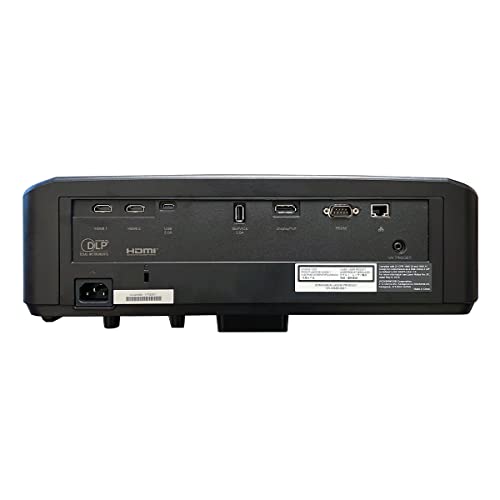
The JVC also supports high refresh rates: 1080p at 240Hz, 4K at 60Hz, and 1080p at 120Hz. The DisplayPort and USB-C connections accommodate gaming PCs and modern consoles effectively. This makes it one of the best projectors available for serious gaming.
The Leica Cine 1 offers moderate gaming performance with 35.3ms input lag at 60Hz. This works fine for casual gaming but won't satisfy competitive players who notice the difference.
Installing the JVC LX-NZ30 requires planning and often professional help. You need ceiling mounting or a rear shelf at the proper distance, which means measuring throw ratios and accounting for the 1.6X zoom range. The lens shift capabilities (±60% vertical, ±23% horizontal) provide substantial flexibility, but you still need proper placement initially.
Consider the practical aspects: running power and HDMI cables to the ceiling, ensuring adequate ventilation, and accounting for fan noise. The JVC operates at 29-34dB depending on the brightness mode—audible but not intrusive in most rooms.
Professional installation typically costs several hundred to over a thousand dollars depending on complexity, ceiling height, and wire routing requirements.
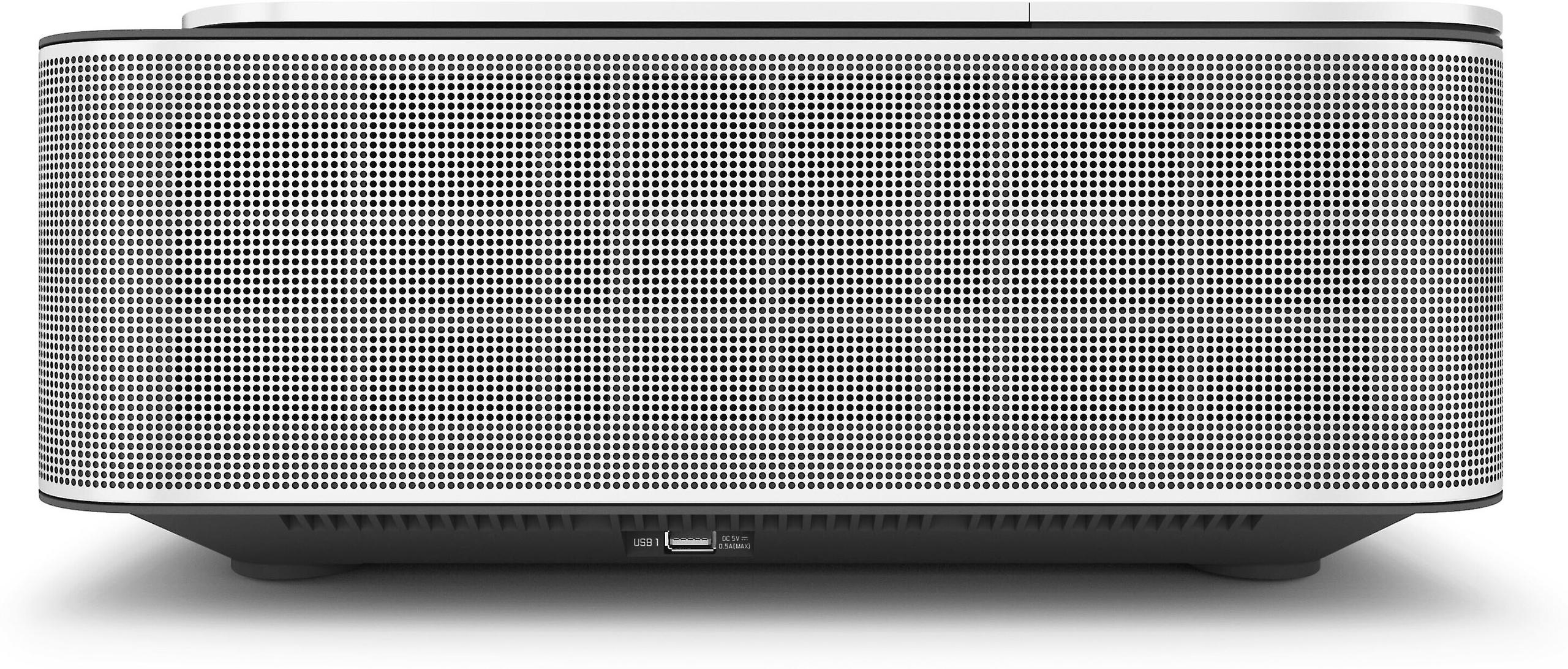
The Leica Cine 1 transforms the installation experience. Place it on a TV stand or low cabinet 14.3 inches from your wall, plug it in, and you're watching. No ceiling work, minimal cable management, and the integrated Dolby Atmos speakers eliminate separate audio equipment for many users.
This convenience extends beyond initial setup. Moving homes becomes dramatically easier—no ceiling mounts to remove or professional deinstallation needed. For renters or people who relocate frequently, this represents significant practical value.
However, the fixed lens means no flexibility in screen size. You get exactly 120 inches at exactly 14.3 inches distance. This works perfectly for many living rooms but won't adapt if you change your setup later.
At the time of writing, these projectors occupy different value propositions entirely. The JVC LX-NZ30 represents accessible laser projection—bringing 20,000-hour maintenance-free operation and 4K imaging to a broader audience. When you factor in the gaming optimization and flexible installation options, it delivers substantial capability for the investment.
However, total ownership costs matter. Add professional installation, ceiling mounts, long HDMI cables, and a separate audio system, and the real-world cost increases significantly beyond the projector's price.
The Leica Cine 1 costs substantially more initially—roughly three times the JVC's price—but includes premium lens engineering, comprehensive HDR support, integrated high-quality audio, and smart TV functionality. The longer laser lifespan and minimal installation costs help justify the premium over time.
Think of it this way: the JVC requires building a projection system around it, while the Leica is a complete system ready to use.
Modern projectors increasingly compete with large TVs, which means smart features matter. The JVC LX-NZ30 focuses purely on projection—no built-in streaming, no smart TV interface, no speakers. You'll need external devices for streaming content and audio equipment for sound.
This approach has advantages: dedicated streaming devices often perform better than built-in smart systems, and separate audio typically sounds superior. However, it requires more components and complexity.
The Leica Cine 1 includes Google TV with access to major streaming platforms, AirPlay 2 support, and comprehensive app ecosystem. The integrated Dolby Atmos speakers (2x15W + 2x10W) provide surprisingly capable audio for most rooms. While audiophiles might prefer separate systems, the integrated approach works well for many users.
Choose the JVC LX-NZ30 if you have a dedicated theater room or basement space with adequate depth, prioritize gaming performance, or prefer building a custom system with separate components. The flexibility in screen sizes (95-200 inches) and zoom/shift capabilities accommodate various room layouts. The lower initial investment makes sense if you already own or plan to invest in separate audio equipment.
The JVC particularly suits enthusiasts who enjoy the setup process and want maximum customization options. If you're converting a basement, spare bedroom, or purpose-built theater space, the traditional approach often delivers superior results.
Choose the Leica Cine 1 if you want the simplest path to large-screen entertainment in a living room or multipurpose space. The space constraints of apartments, condos, or open floor plans make UST projection revolutionary. The comprehensive HDR support matters if you consume a lot of premium streaming content, and the integrated audio eliminates complexity for many installations.
The Leica makes most sense for users who value convenience, have space limitations, or want premium image quality without the complexity of traditional projection systems.
Both projectors represent the maturation of laser projection technology, but they serve different audiences and use cases. The JVC LX-NZ30 democratizes traditional theater projection with gaming optimization and flexible installation. The Leica Cine 1 reimagines projection for modern living spaces with premium engineering and integrated convenience.
Consider your room, budget, priorities, and tolerance for complexity. Both deliver impressive 4K laser projection, but through fundamentally different approaches that suit different lifestyles and viewing preferences.
| JVC LX-NZ30 | Leica Cine 1 |
|---|---|
| Projection Type - Determines room requirements and installation complexity | |
| Traditional throw (12.6-19.7 feet from screen) | Ultra-short throw (14.3 inches from wall) |
| Native Resolution - Affects image sharpness and detail clarity | |
| 1080p with e-shift to 4K (virtually indistinguishable from native 4K at normal distances) | True native 4K processing with premium optics |
| Brightness - Critical for ambient light performance and screen size flexibility | |
| 3,300 ANSI lumens (excellent for dark rooms, good for semi-lit spaces) | 3,000 ANSI lumens (optimized for UST efficiency with ALR screens) |
| Screen Size Range - Flexibility for different room layouts | |
| 95" to 200" (1.6X zoom provides flexibility) | Fixed 120" only (no zoom adjustment) |
| Laser Lifespan - Long-term maintenance and replacement costs | |
| 20,000 hours BLU-Escent laser | 25,000 hours triple RGB laser system |
| HDR Support - Future-proofing for premium streaming content | |
| HDR10 and HLG only (missing newer formats) | HDR10, HDR10+, Dolby Vision, HLG (comprehensive support) |
| Gaming Performance - Input lag and refresh rate for responsive gaming | |
| Excellent: 6.25ms lag, 240Hz at 1080p, dedicated gaming modes | Moderate: 35.3ms lag, suitable for casual gaming only |
| Audio System - Built-in sound capability | |
| No speakers (requires external audio system) | Integrated Dolby Atmos speakers (2x15W + 2x10W) |
| Installation Requirements - Setup complexity and professional installation needs | |
| Ceiling mount or rear shelf, cable management, professional installation recommended | Simple tabletop placement, minimal setup required |
| Lens Flexibility - Image positioning and room adaptation | |
| Manual zoom and extensive lens shift (±60% vertical, ±23% horizontal) | Fixed Leica Summicron lens with no adjustment capability |
| Smart Features - Built-in streaming and connectivity | |
| Basic connectivity only (requires external streaming devices) | Google TV, AirPlay 2, comprehensive app ecosystem |
| Color Gamut - Color accuracy and vibrancy | |
| 100% Rec. 709, BT.2020 compatible | 100% BT.2020 coverage with triple laser precision |
| Contrast Performance - Black levels and dynamic range | |
| Infinite dynamic contrast with laser dimming (limited by DLP gray floor) | 2,000,000:1 dynamic contrast optimized for living rooms |
| Best Use Case - Ideal installation scenario | |
| Dedicated theater rooms with controlled lighting and gaming priority | Living rooms, apartments, and spaces requiring convenience |
The JVC LX-NZ30 is a traditional throw projector that needs 12-20 feet of distance from your screen, while the Leica Cine 1 is an ultra-short throw projector that sits just 14.3 inches from your wall. This fundamental difference affects everything from installation complexity to room requirements.
The Leica Cine 1 is ideal for small spaces since it only requires 14.3 inches from the wall to create a 120-inch image. The JVC LX-NZ30 needs much more room depth and ceiling mounting, making it impractical for most apartments or compact living spaces.
Yes, but differently. The JVC LX-NZ30 uses e-shift technology to create 4K images from a 1080p chip, while the Leica Cine 1 processes true native 4K. Both deliver sharp 4K images, though the Leica's native approach provides slightly better detail clarity.
The JVC LX-NZ30 produces 3,300 lumens compared to the Leica Cine 1's 3,000 lumens. However, the Leica's ultra-short throw design works better with ambient light rejecting screens, making it more effective in bright rooms despite the lower lumen rating.
The JVC LX-NZ30 is excellent for gaming with 6.25ms input lag and support for 240Hz refresh rates. The Leica Cine 1 has higher input lag at 35.3ms, making it suitable for casual gaming but not ideal for competitive players.
No, the JVC LX-NZ30 has no built-in audio and requires external speakers or a sound system. The Leica Cine 1 includes integrated Dolby Atmos speakers, providing good sound quality without additional equipment.
The Leica Cine 1 supports HDR10, HDR10+, Dolby Vision, and HLG formats, while the JVC LX-NZ30 only supports HDR10 and HLG. This gives the Leica better compatibility with premium streaming content from Netflix, Disney+, and other services.
The JVC LX-NZ30 laser is rated for 20,000 hours, while the Leica Cine 1 offers 25,000 hours. Both provide maintenance-free operation for 10+ years of typical viewing, eliminating the need for bulb replacements.
The JVC LX-NZ30 supports screen sizes from 95 to 200 inches with its 1.6x zoom lens, providing excellent flexibility. The Leica Cine 1 is fixed at 120 inches with no zoom adjustment, limiting size options but optimizing image quality.
The Leica Cine 1 is much easier to install—simply place it on a TV stand near your wall. The JVC LX-NZ30 typically requires ceiling mounting, cable management, and often professional installation, adding complexity and cost.
The JVC LX-NZ30 is better suited for dedicated theater rooms where you can control lighting and have adequate room depth. Its superior gaming performance and larger screen capability make it ideal for serious home theater setups. The Leica Cine 1 works better in multipurpose living spaces.
The JVC LX-NZ30 works with standard projection screens, though ALR screens help in brighter rooms. The Leica Cine 1 performs best with specialized ultra-short throw ALR screens that reject ambient light while preserving image quality, though these screens add to the total cost.
We've done our best to create useful and informative comparisons to help you decide what product to buy. Our research uses advanced automated methods to create this comparison and perfection is not possible - please contact us for corrections or questions. These are the sites we've researched in the creation of this article: t3.com - crutchfield.com - stuff.tv - projectorcentral.com - projectorreviews.com - data.heimkinowelt.at - bestbuy.com - eu.jvc.com - projectorreviews.com - listenup.com - youtube.com - eu.jvc.com - dreamediaav.com - projectorreviews.com - projectorscreen.com - projectorcentral.com - device.report - technologyinteriors.com - trustedreviews.com - leicacamerausa.com - hometechnologyreview.com - projectorreviews.com - richersounds.com - whathifi.com - crutchfield.com - projectorcentral.com - cdn11.bigcommerce.com - leicarumors.com - leica-camera.com

Privacy Policy
Terms and Conditions - Affiliate Policy
Home Security
© Copyright 2008-2026.
11816 Inwood Rd #1211, Dallas, TX 75244