

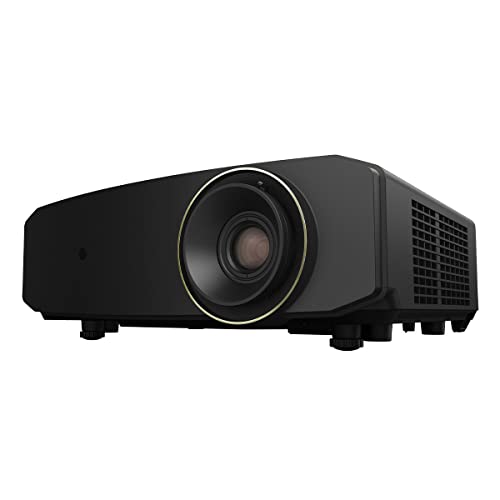
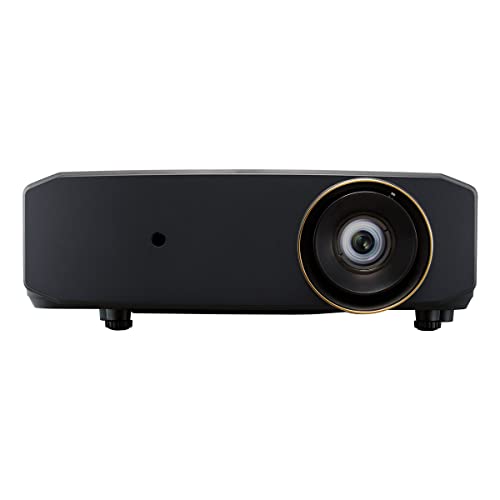
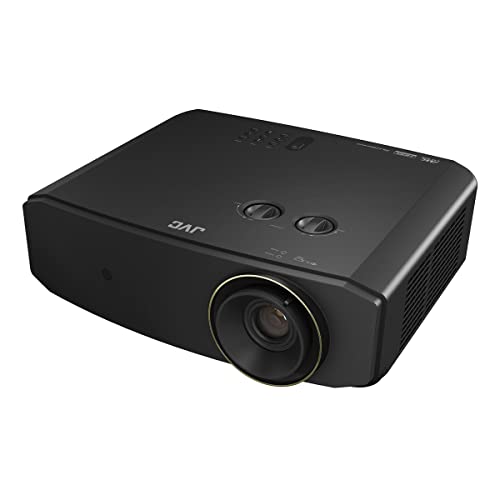
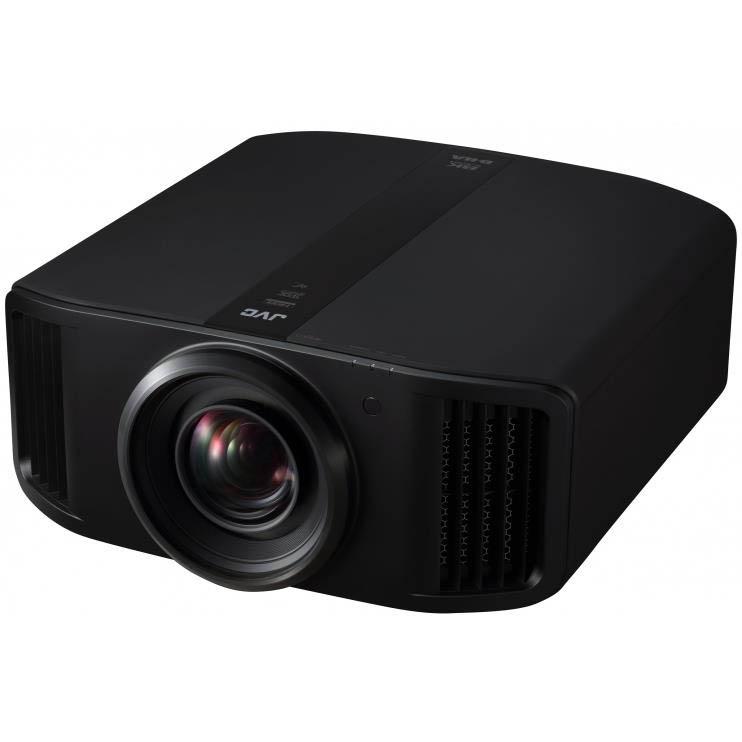
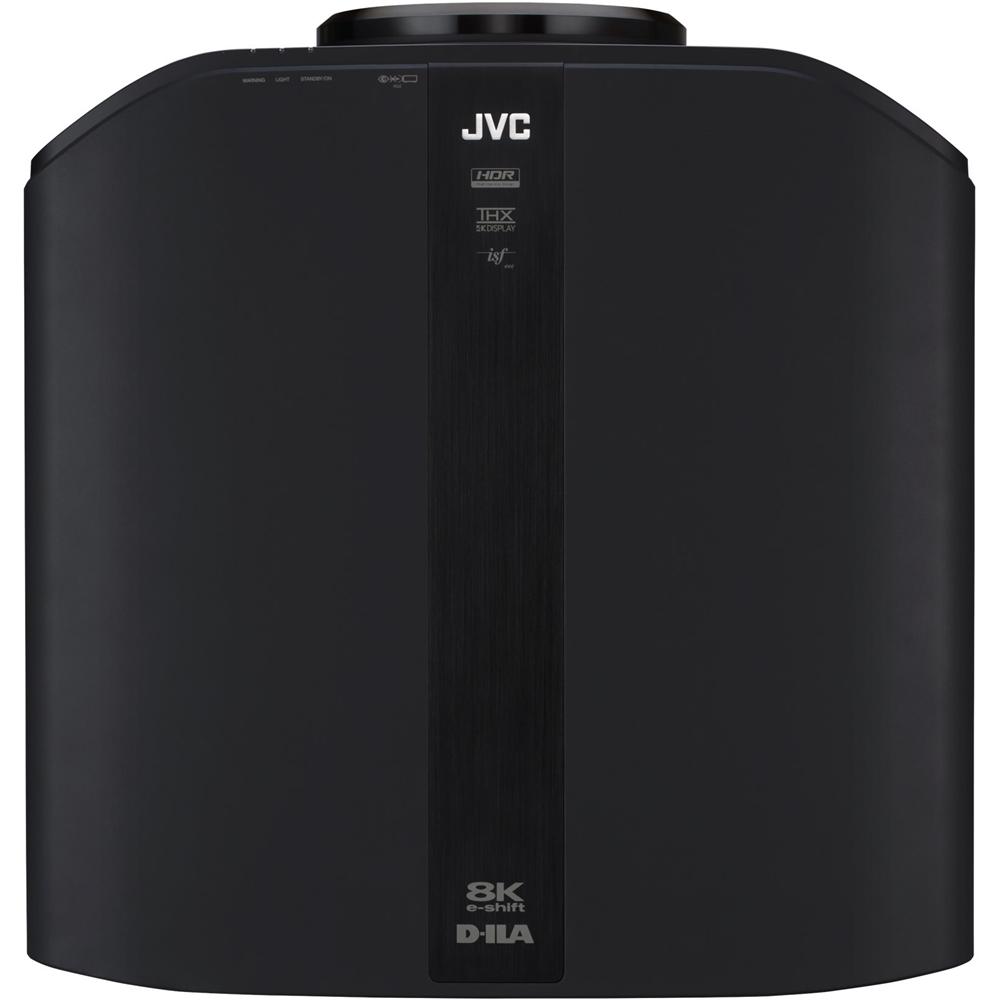
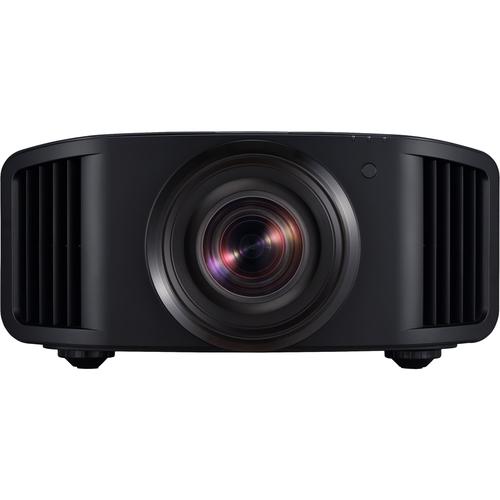
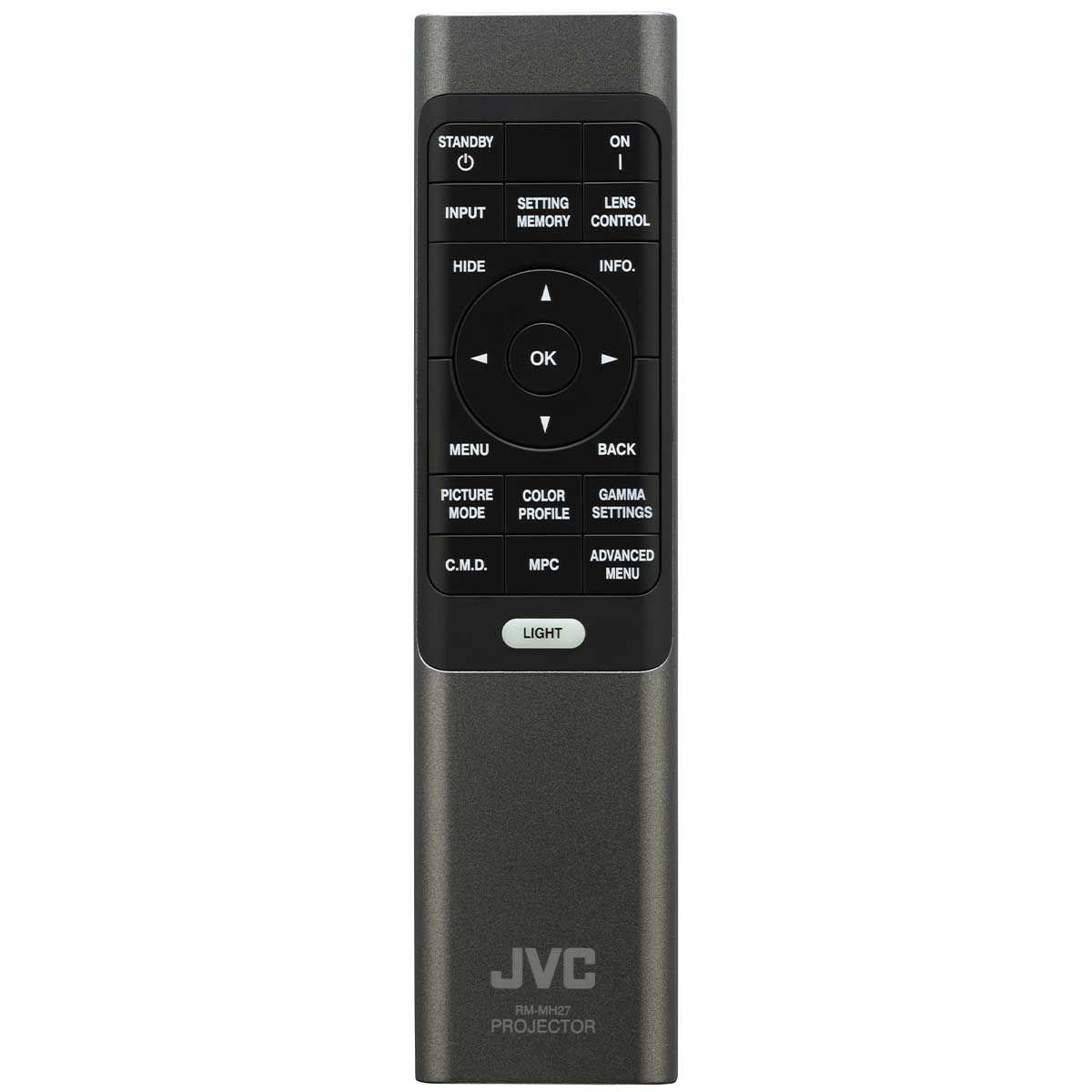
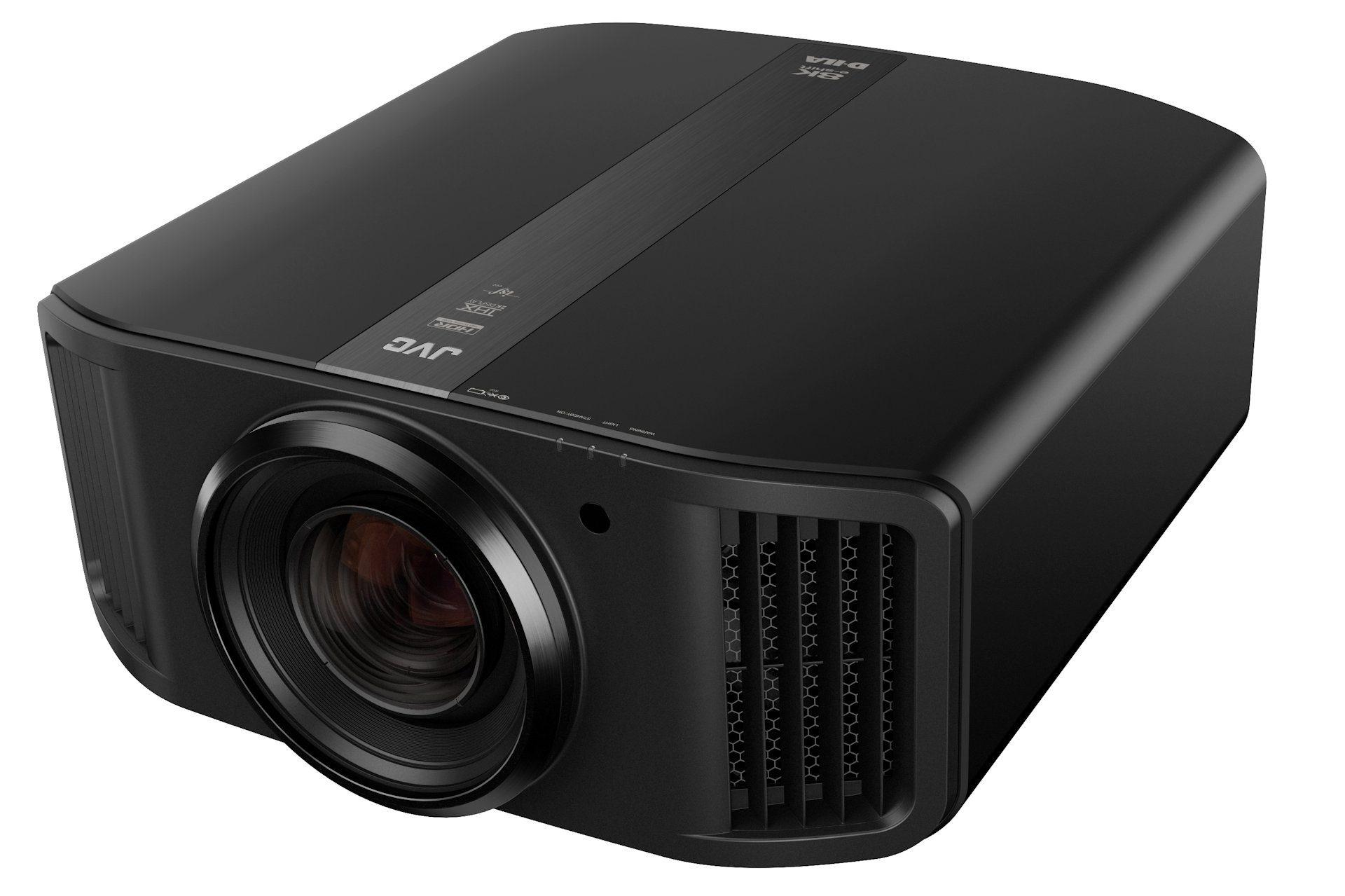
When you're shopping for a home theater projector, you'll quickly discover that JVC offers some fascinating options that take completely different approaches to creating stunning big-screen images. The JVC LX-NZ30 and JVC DLA-NX9 represent two distinct philosophies in projection technology—one prioritizing modern convenience and value, the other chasing absolute image quality regardless of complexity or cost.
At the time of writing, these projectors sit at dramatically different price points, with the LX-NZ30 positioned as a premium mid-range option while the DLA-NX9 commands flagship pricing that's roughly five times higher. But price alone doesn't tell the whole story. Let's dive into what makes each projector special and help you figure out which one deserves a spot in your entertainment setup.
Before we compare these specific models, it's worth understanding what separates good projectors from great ones. The most critical factors are image sharpness, how well blacks look in dark scenes, color accuracy, and brightness—which determines whether you can use it in rooms with ambient light.
The technology behind these capabilities has evolved significantly. The LX-NZ30, released in 2023, benefits from recent advances in laser light sources that eliminate the need for bulb replacements while providing instant brightness control. The DLA-NX9, originally launched in 2018, represents the pinnacle of JVC's D-ILA technology—a unique imaging system that creates some of the best contrast ratios you can buy.
The JVC LX-NZ30 uses what's called a single-chip DLP (Digital Light Processing) system with a 0.47-inch imaging chip that has a native resolution of 1920×1080—basically Full HD. But here's where it gets interesting: JVC adds their e-shift technology, which rapidly moves pixels by half a pixel diagonally to create what appears to be a 4K image at 3840×2160 resolution.
Think of e-shift like taking four overlapping photos and combining them to create more detail. While it's not the same as having native 4K chips, the results are remarkably convincing for most viewing scenarios. The real magic happens with the BLU-Escent laser light source, which produces an impressive 3,300 lumens of brightness and can instantly adjust its output for perfect contrast in each scene.
The DLA-NX9 takes a fundamentally different approach with three separate 0.69-inch D-ILA chips—one each for red, green, and blue—with native 4K resolution of 4096×2160. D-ILA (Direct Drive Image Light Amplifier) is JVC's proprietary technology that's similar to LCD but with significantly better contrast ratios because it doesn't need the backlight that creates grayish blacks in typical LCD displays.
But JVC doesn't stop there. They add 8K e-shift processing that pushes the perceived resolution all the way up to 8192×4320—true 8K territory. The DLA-NX9 also includes Multiple Pixel Control (MPC), an advanced processing system that analyzes incoming video and enhances details that might have been lost during filming or compression.
In terms of raw detail reproduction, the DLA-NX9 clearly wins, especially on larger screens over 120 inches. The combination of native 4K chips, larger imaging devices, and 8K processing creates noticeably sharper images with better fine detail rendering. When you're watching high-quality 4K content, the difference becomes apparent in textures, facial details, and complex scenes with lots of visual information.
The LX-NZ30 holds its own remarkably well for a single-chip design. The e-shift technology is genuinely effective, and for most viewers on screens up to about 120 inches, the difference in sharpness isn't dramatic. Where you'll notice it most is in text rendering, fine patterns, and when you're sitting relatively close to a large screen.
This is where the technology differences become most apparent. The DLA-NX9 achieves a native contrast ratio of 100,000:1, meaning the brightest whites are 100,000 times brighter than the darkest blacks. Combined with dynamic iris control, it can reach claimed contrast ratios over 1,000,000:1. What this means in practical terms is that dark movie scenes look truly dark, with shadow details that remain visible without the grayish "lifted blacks" that plague lesser projectors.
The LX-NZ30 uses its laser light source to achieve what JVC calls "infinite" dynamic contrast by dimming the laser output in dark scenes. While this works well and provides excellent scene-to-scene contrast adjustments, it can't match the inherent black level performance of D-ILA technology. In side-by-side comparisons in dark rooms, the DLA-NX9 produces noticeably deeper blacks and better shadow detail.
Both projectors exceed the standard Rec. 709 color space that covers most HD content, but they approach color reproduction differently. The DLA-NX9 aims for cinema-grade accuracy, approaching the DCI-P3 color standard used in commercial theaters. It includes professional calibration options and cinema filters that make it suitable for reference applications where color accuracy is paramount.
The LX-NZ30 optimizes its colors for consumer appeal, producing vibrant, punchy images that look immediately impressive. While it maintains good color accuracy for HDR content, it's tuned more for "wow factor" than absolute precision. For most home viewing, this approach actually works better, making colors pop in a way that feels engaging rather than clinical.
Here's where the LX-NZ30 shines—literally. Its 3,300-lumen output makes it exceptional for rooms where you can't achieve complete darkness. You can comfortably watch it in family rooms with some ambient light, making it practical for everyday use rather than just dedicated movie nights.
The DLA-NX9 produces 2,200 lumens, which is still substantial but requires more controlled lighting conditions to achieve its best performance. In a properly darkened home theater, this is plenty of light, but it struggles to overcome ambient light without washing out the image quality that makes it special.
This brightness difference fundamentally changes how you can use these projectors. The LX-NZ30 works in multi-purpose rooms, while the DLA-NX9 demands a dedicated theater environment to show its capabilities.
Both projectors support HDR (High Dynamic Range) content, but with different approaches. The DLA-NX9 features Frame Adapt HDR technology, which analyzes the brightness and contrast requirements of individual frames and adjusts the tone mapping accordingly. Combined with its superior native contrast, this creates more nuanced HDR rendering, particularly in challenging scenes that mix very bright and very dark elements.
The LX-NZ30 includes Auto Tone Mapping that reads HDR10 metadata to optimize the image automatically. While effective, it operates more on a scene-by-scene basis rather than the frame-by-frame precision of the DLA-NX9. However, the laser's instant brightness response helps compensate, providing excellent HDR performance that most viewers will find highly satisfying.
This is where the LX-NZ30 leaves the DLA-NX9 in the dust. Released in 2023, it includes dedicated gaming features like low-latency mode that supports 4K at 60Hz and 1080p at 120Hz with minimal input lag. It even supports 1080p at 240Hz for competitive gaming scenarios.
The DLA-NX9, designed in 2018 primarily for movie watching, lacks these gaming optimizations entirely. While it can display gaming content, it offers no latency reduction or high refresh rate support. For anyone who games regularly, this alone might determine your choice.
The physical differences between these projectors are dramatic. The LX-NZ30 weighs just under 14 pounds and measures roughly 16×6×15 inches, making it genuinely portable. You could move it between rooms, take it outside for movie nights, or easily install it on a ceiling mount without structural concerns.
The DLA-NX9 is a different beast entirely at 48 pounds and much larger dimensions. This requires careful mounting planning and likely professional installation. However, it compensates with superior lens flexibility, including motorized 2× zoom, extensive motorized lens shift, and memory settings that can store 10 different configurations for various content types or screen formats.
The LX-NZ30 provides manual zoom and lens shift that's adequate for most installations but requires more precise initial positioning since adjustments involve physical access to the projector.
This consideration significantly impacts the total cost of ownership. The LX-NZ30's laser light source is rated for approximately 20,000 hours—potentially decades of typical use—without any maintenance or replacement. It also provides instant on/off operation and consistent brightness throughout its lifespan.
The DLA-NX9 uses a traditional 265W lamp that lasts 3,500-4,500 hours depending on usage mode. Replacement lamps typically cost several hundred dollars, and heavy users might need multiple replacements over the projector's lifetime. Factor in warm-up and cool-down requirements, and the maintenance differences become significant.
You want excellent 4K performance without the complexity and cost of a flagship model. It's perfect for multi-purpose rooms where complete light control isn't possible, and the gaming features make it ideal for households where the projector serves double duty for movies and gaming. The laser light source eliminates maintenance headaches, and the compact size provides installation flexibility that the larger model can't match.
At its price point (significantly lower than the DLA-NX9 at the time of writing), it represents exceptional value for users who want high-quality projection without premium costs. The brightness advantage alone makes it usable in scenarios where the DLA-NX9 wouldn't work well.
If you have a dedicated home theater with controlled lighting and you prioritize absolute image quality above all else, the DLA-NX9 delivers performance that justifies its premium positioning. The superior contrast ratios, native 4K resolution, and 8K processing create images that approach commercial cinema quality.
It's also the choice for very large screens (150+ inches) where the resolution advantages become more apparent. The extensive lens flexibility makes it ideal for challenging installations where projector placement is constrained.
For most buyers in 2024, the LX-NZ30 represents the smarter choice. It delivers roughly 80% of the image quality at about 20% of the cost while adding modern features like gaming support and maintenance-free operation. Unless you specifically need the DLA-NX9's superior contrast and resolution for a dedicated theater setup, the value proposition strongly favors the newer laser model.
The technology landscape has shifted significantly since 2018, with laser projectors becoming more mainstream and gaming becoming a more important use case. The LX-NZ30 reflects these trends, offering a more practical solution for modern home entertainment needs.
However, if you're building a serious home theater and image quality trumps all other considerations, the DLA-NX9 remains one of the finest projectors ever made. Just be prepared for the additional complexity, cost, and installation requirements that come with flagship performance.
The choice ultimately comes down to your specific situation: room lighting, screen size, usage patterns, and budget priorities. Both projectors excel in their intended roles, but they're designed for fundamentally different users and applications.
| JVC LX-NZ30 | JVC DLA-NX9 |
|---|---|
| Display Technology - Determines image quality fundamentals and maintenance needs | |
| Single-chip 0.47" DLP with BLU-Escent laser (maintenance-free, 20,000 hours) | Three-chip 0.69" D-ILA with 265W lamp (requires replacement every 3,500-4,500 hours) |
| Native Resolution - Higher native resolution provides sharper detail on large screens | |
| 1920×1080 (Full HD native, 4K via e-shift pixel shifting) | 4096×2160 (True 4K native, 8K via e-shift processing) |
| Maximum Resolution Output - What you actually see on screen | |
| 4K UHD (3840×2160) with enhanced detail processing | 8K (8192×4320) with Multiple Pixel Control upscaling |
| Brightness - Critical for room lighting compatibility | |
| 3,300 ANSI lumens (excellent for rooms with ambient light) | 2,200 ANSI lumens (requires controlled lighting for best performance) |
| Contrast Ratio - Determines black levels and shadow detail quality | |
| Infinite dynamic (laser dimming), good but not reference-grade blacks | 100,000:1 native, 1,000,000:1 dynamic (superior black levels for cinema experience) |
| Gaming Performance - Important for console and PC gaming | |
| Low-latency mode, 4K@60Hz, 1080p@120Hz, 1080p@240Hz support | No gaming optimizations, designed purely for cinematic content |
| Installation Flexibility - Affects placement options and setup complexity | |
| 13.9 lbs, manual 1.6× zoom, ±60% vertical/±23% horizontal lens shift | 48 lbs, motorized 2× zoom, ±100% vertical/±43% horizontal lens shift with memory |
| HDR Processing - Enhances dynamic range for modern content | |
| Auto Tone Mapping for HDR10/HLG with laser brightness control | Frame Adapt HDR with frame-by-frame analysis and superior native contrast |
| Connectivity - Modern input compatibility | |
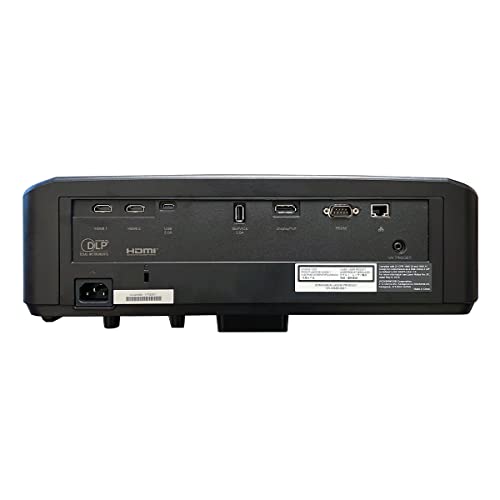
| 2× HDMI 2.0, DisplayPort 1.2a, USB-C, gaming-focused inputs | 2× HDMI 2.0, RS-232C, professional control integration |
| Long-Term Operating Costs - Total ownership expenses beyond initial purchase | |
| Minimal (laser rated for 20,000 hours, no bulb replacements) | Higher (lamp replacements every few years at several hundred dollars each) |
| Target Use Case - Best application scenarios | |
| Multi-purpose rooms, gaming, casual home theater, flexible installation | Dedicated home theaters, large screens 150"+, reference-quality viewing |
| Value Proposition - Performance per dollar at time of writing | |
| Exceptional value with modern features and low maintenance | Premium pricing for ultimate image quality and professional features |
The JVC LX-NZ30 is significantly better for beginners due to its simpler setup, maintenance-free laser light source, and compact size that doesn't require professional installation. The DLA-NX9 is a complex, professional-grade projector that demands expertise in calibration and dedicated theater room setup.
The core difference is technology approach: the LX-NZ30 uses modern laser technology with single-chip DLP for convenience and value, while the DLA-NX9 uses premium three-chip D-ILA technology with traditional lamp for maximum image quality. This translates to different price points, maintenance requirements, and performance characteristics.
The JVC LX-NZ30 is much better for bright rooms with its 3,300-lumen output, allowing comfortable viewing with ambient light present. The DLA-NX9 produces 2,200 lumens and requires controlled lighting or complete darkness to achieve its best performance.
The JVC LX-NZ30 is specifically designed for gaming with low-latency modes supporting 4K@60Hz and 1080p@120Hz. The DLA-NX9 has no gaming optimizations and focuses entirely on cinematic reproduction, making it poor for gaming applications.
The JVC LX-NZ30 is much better suited for outdoor use due to its compact 13.9-pound design, high brightness output, and instant on/off operation. The DLA-NX9 weighs 48 pounds, requires warm-up time, and is designed for permanent installation.
Choose the laser-based JVC LX-NZ30 for convenience, lower maintenance costs, instant operation, and consistent brightness over time. Choose the lamp-based DLA-NX9 only if you prioritize absolute image quality above convenience and are willing to manage ongoing lamp replacement costs.
We've done our best to create useful and informative comparisons to help you decide what product to buy. Our research uses advanced automated methods to create this comparison and perfection is not possible - please contact us for corrections or questions. These are the sites we've researched in the creation of this article: t3.com - crutchfield.com - stuff.tv - projectorcentral.com - projectorreviews.com - data.heimkinowelt.at - bestbuy.com - eu.jvc.com - projectorreviews.com - listenup.com - youtube.com - eu.jvc.com - dreamediaav.com - projectorreviews.com - projectorscreen.com - projectorcentral.com - device.report - technologyinteriors.com - youtube.com - projectorscreen.com - avsforum.com - crutchfield.com - avnirvana.com - flanners.com - projectorcentral.com - soundandvision.com - jvc.com - eu.jvc.com - directappliance.com

Privacy Policy
Terms and Conditions - Affiliate Policy
Home Security
© Copyright 2008-2026.
11816 Inwood Rd #1211, Dallas, TX 75244