

If you've been dreaming of transforming your living room or basement into a proper home theater, you've probably discovered that 4K laser projectors represent the sweet spot of modern projection technology. Gone are the days of replacing expensive bulbs every few thousand hours—today's laser projectors can run for over 20,000 hours while delivering consistent brightness and stunning image quality.
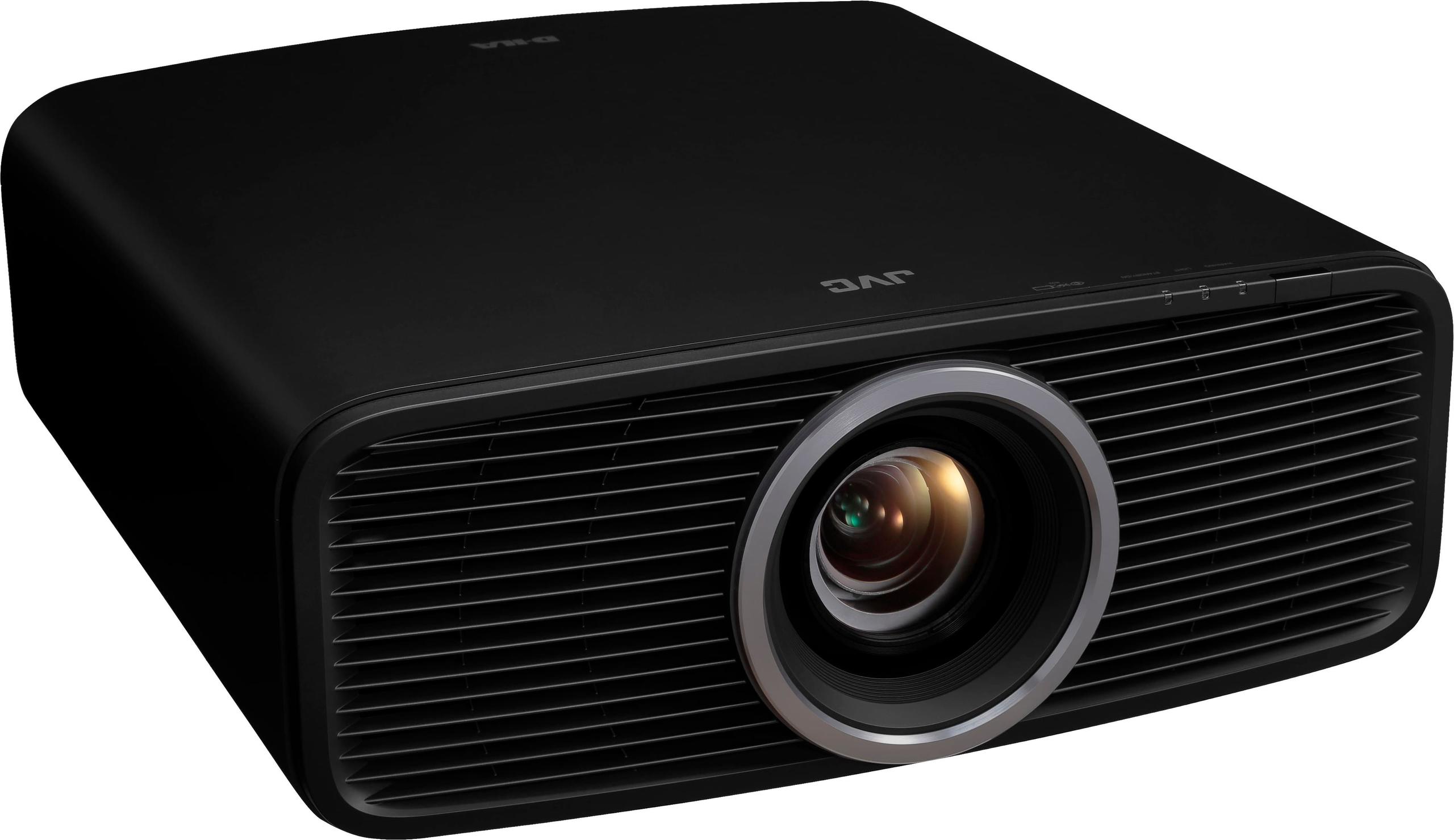
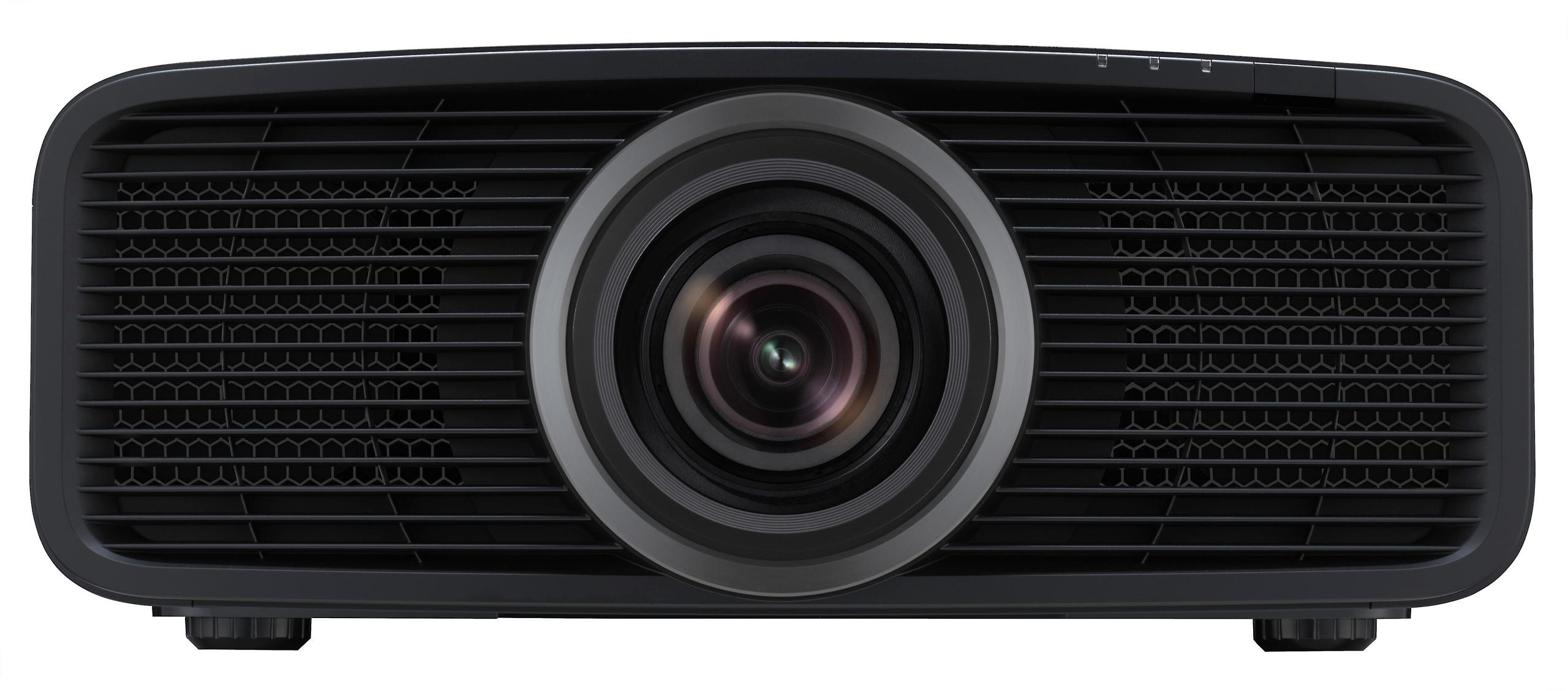
JVC has positioned two compelling options in the 4K laser market: the LX-NZ30 and the DLA-NZ500. At the time of writing, these projectors sit at very different price points, with the LX-NZ30 targeting budget-conscious buyers at around $3,500, while the DLA-NZ500 commands nearly double that investment. But the price difference tells only part of the story—these projectors take fundamentally different approaches to 4K imaging, each excelling in distinct scenarios.
Before diving into the comparison, it's worth understanding why laser projectors have become the gold standard for home theater enthusiasts. Traditional lamp-based projectors require regular bulb replacements (often $200-400 each) and suffer from gradually dimming output over time. Laser light sources eliminate this maintenance headache while providing instant on/off capability and consistent performance throughout their lifespan.
The "4K" designation deserves clarification too, since not all 4K projectors are created equal. True native 4K means the projector's imaging chips can display 4,096 x 2,160 individual pixels simultaneously. Some projectors achieve 4K through pixel-shifting (also called e-shift), where native 1080p chips rapidly move pixels to create the appearance of higher resolution. Both approaches can produce excellent results, but they have different strengths.
When evaluating any 4K projector, the most critical performance factors are brightness (measured in lumens), contrast ratio (the difference between the darkest and brightest parts of an image), color accuracy, and installation flexibility. Your room's lighting conditions and intended use will determine which characteristics matter most for your specific situation.
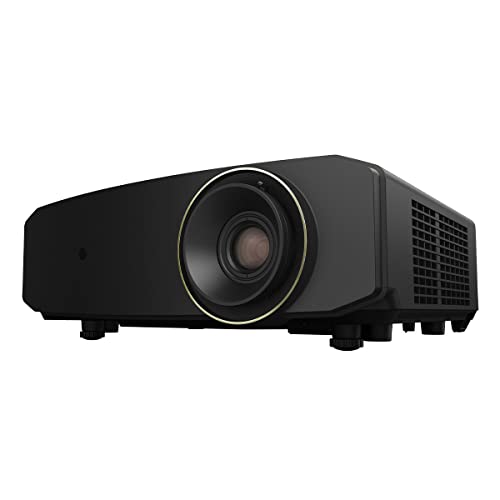
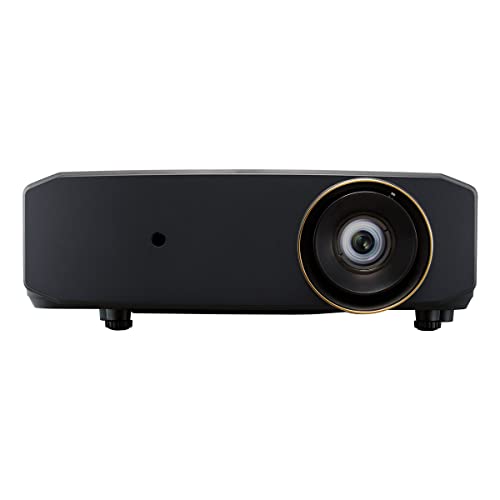
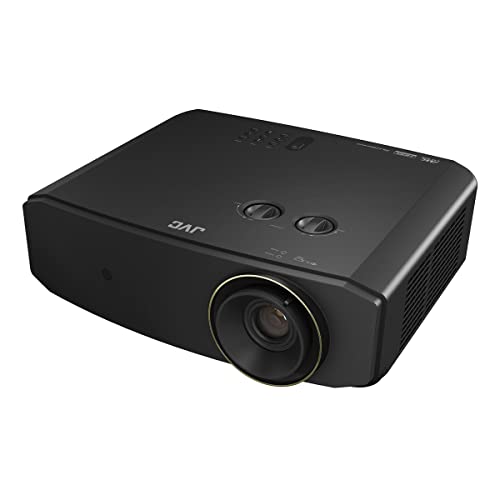
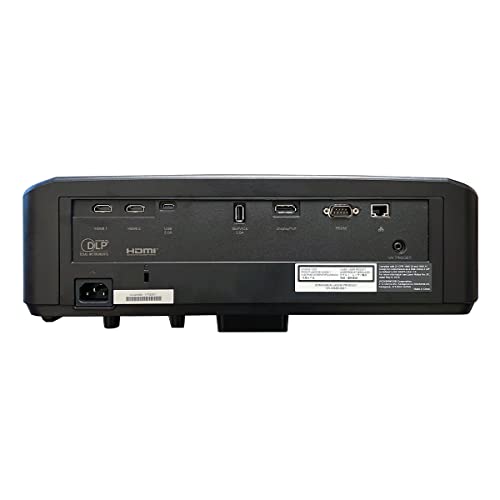
The LX-NZ30, released in 2023, represents JVC's entry into affordable 4K laser projection using single-chip DLP (Digital Light Processing) technology. DLP projectors use millions of tiny mirrors on a semiconductor chip to create images, with each mirror representing one pixel. The LX-NZ30 employs a 0.47-inch DLP chip with native 1080p resolution, then uses JVC's e-shift pixel-shifting technology to produce 4K output.
This e-shift process works by rapidly shifting the projected image by half a pixel diagonally, effectively quadrupling the apparent resolution. While it's not technically "native" 4K, the results are visually impressive and virtually indistinguishable from true 4K at normal viewing distances. The advantage of this approach is cost—single-chip DLP systems are significantly less expensive to manufacture than multi-chip alternatives.
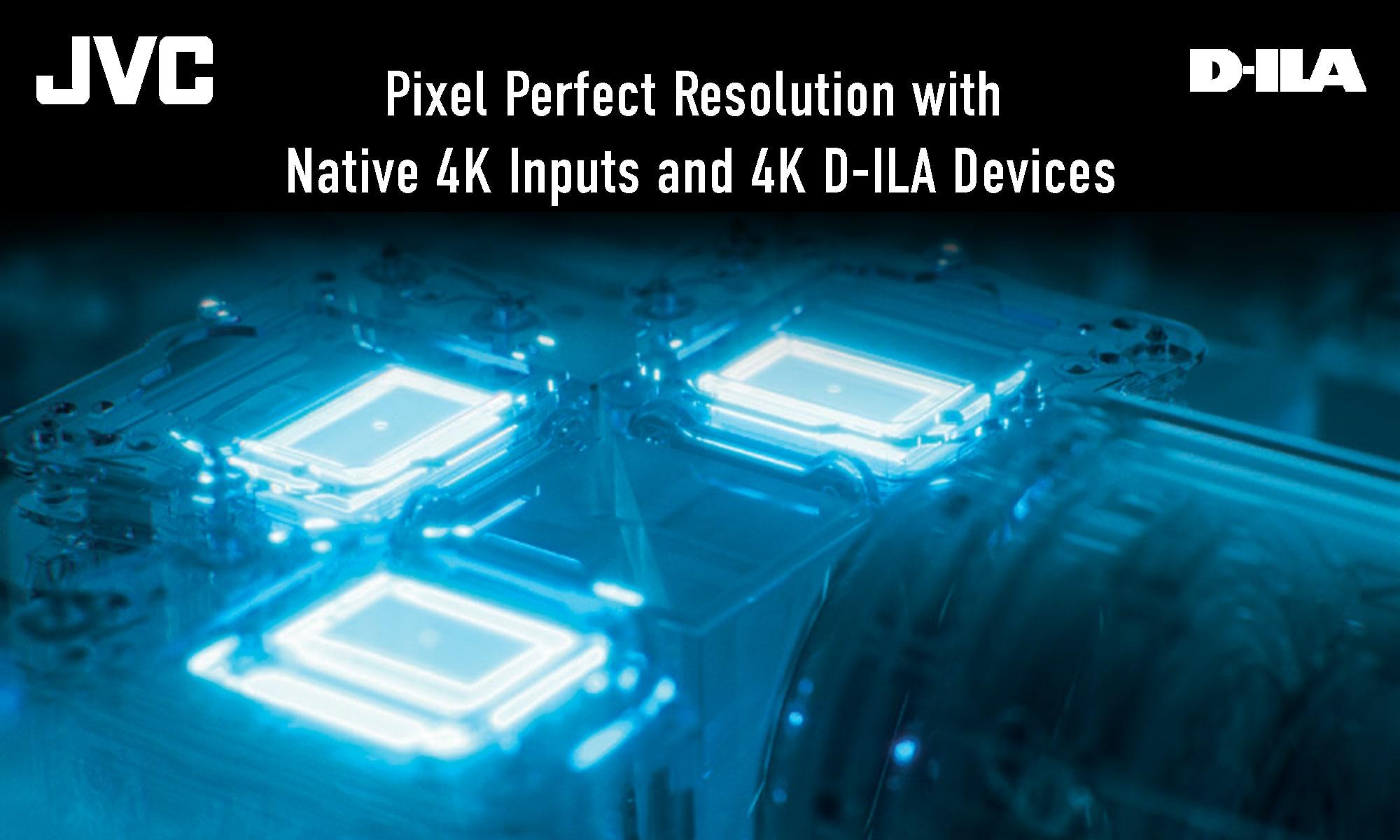
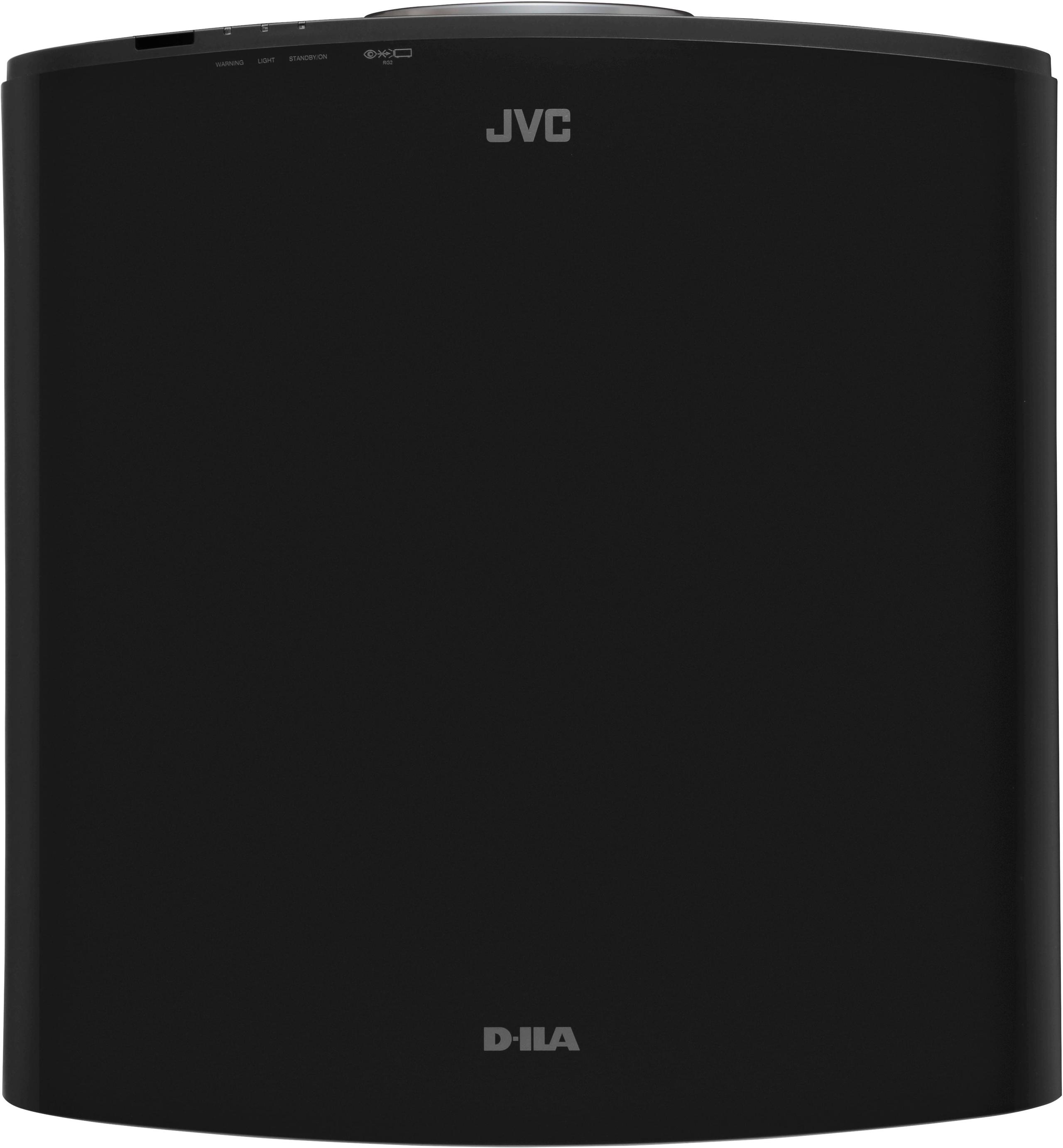
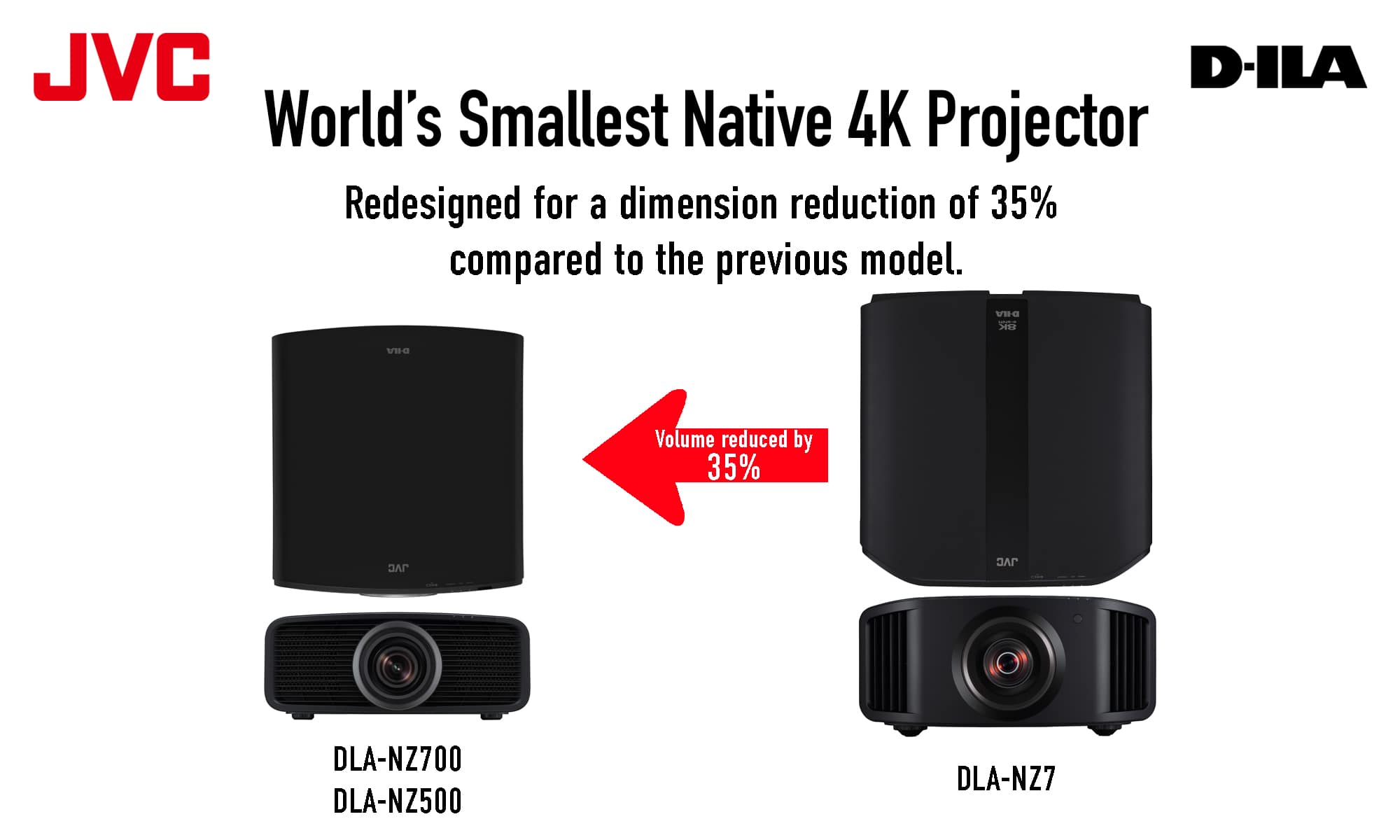
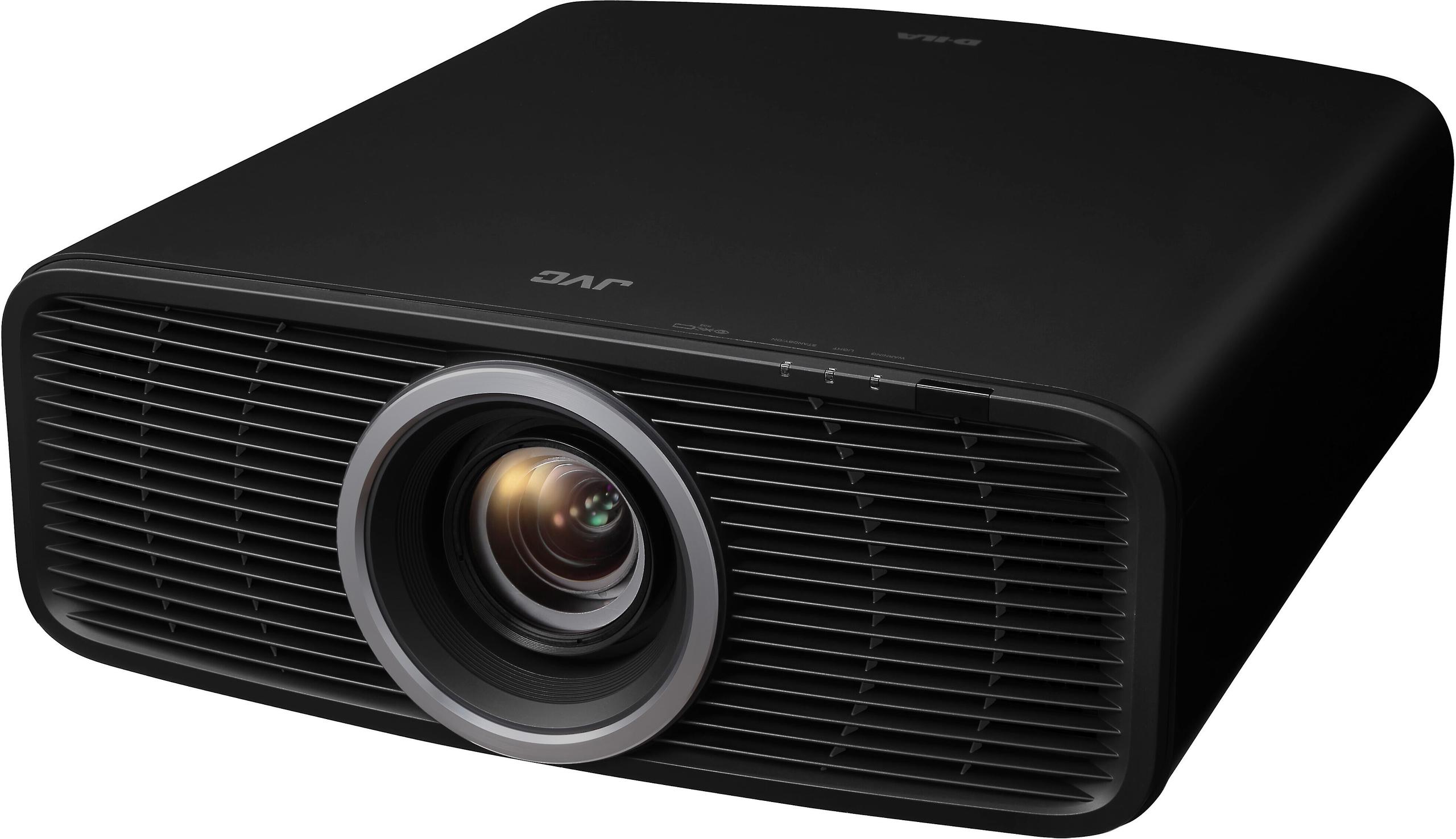
The DLA-NZ500, also released in recent years, takes the premium route with JVC's renowned D-ILA (Direct Drive Image Light Amplifier) technology. D-ILA is JVC's version of LCoS (Liquid Crystal on Silicon), which combines the benefits of LCD and DLP technologies. The DLA-NZ500 uses three separate 0.69-inch D-ILA chips—one dedicated to each primary color (red, green, blue)—to achieve true native 4K resolution of 4,096 x 2,160 pixels.
This three-chip approach means every pixel is individually controllable without any processing tricks. The result is exceptional fine detail reproduction, particularly noticeable in text, architectural details, and complex patterns. The downside? Three-chip systems are considerably more expensive to produce, which explains the significant price premium.
One area where the LX-NZ30 decisively outperforms its premium sibling is brightness output. With 3,300 ANSI lumens compared to the DLA-NZ500's 2,000 lumens, the LX-NZ30 offers remarkable flexibility for different viewing environments.
This brightness advantage isn't just about numbers—it translates into real-world versatility. If your "home theater" is actually your living room with windows, or if you prefer watching during daytime hours, the LX-NZ30 delivers vibrant, punchy images even with ambient light present. I've found that many families prefer this flexibility over the pristine but demanding viewing conditions required by dimmer projectors.
The LX-NZ30 can comfortably fill screens up to 150 inches in mixed lighting conditions, or push to 200 inches in darker rooms. Meanwhile, the DLA-NZ500 performs best with controlled lighting and screens in the 100-140 inch range for optimal impact.
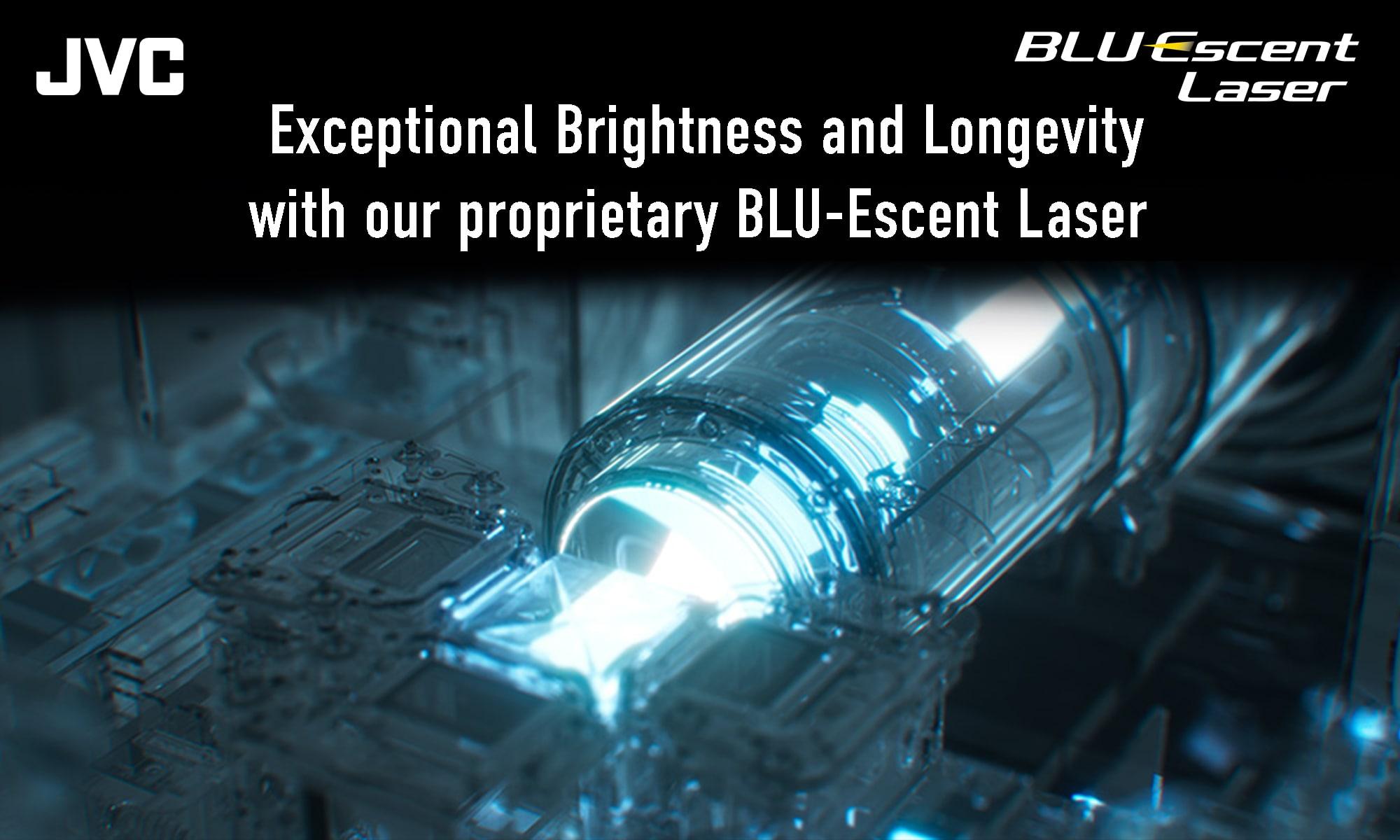
Both projectors use JVC's BLU-Escent laser technology, which employs blue laser diodes to excite phosphor materials and create the full color spectrum. This approach provides excellent color reproduction and the long lifespan that makes laser projection so appealing. The LX-NZ30's higher output comes from a more powerful laser assembly, though both are rated for approximately 20,000 hours of operation.
While the LX-NZ30 wins the brightness battle, the DLA-NZ500 dominates in contrast performance—and for home theater enthusiasts, this often matters more than raw brightness.
Contrast ratio refers to the difference between the whitest whites and the blackest blacks a projector can produce. The DLA-NZ500 achieves a native contrast ratio of 40,000:1, meaning its brightest output is 40,000 times brighter than its darkest. Combined with dynamic laser dimming that can reduce output to near zero, the effective contrast becomes virtually infinite.
More importantly, D-ILA technology inherently produces deeper blacks than single-chip DLP systems. When watching movies with dark scenes—think space sequences, nighttime action, or moody dramas—the DLA-NZ500 renders true blacks while maintaining visible detail in shadows. The LX-NZ30, like most DLP projectors, produces dark grays instead of true blacks, which can make dark scenes appear somewhat flat or washed out.
This contrast advantage becomes most apparent in dedicated theater rooms with controlled lighting. In these environments, the DLA-NZ500's superior black levels create a more immersive, cinematic experience that many enthusiasts consider essential for serious movie watching.
The resolution difference between these projectors represents their most fundamental distinction. The DLA-NZ500's native 4K capability means it can display the full 8.8 million pixels of 4K content without any processing or approximation. Every fine detail in a 4K source is reproduced exactly as intended.
The LX-NZ30's e-shift approach is more sophisticated than simple upscaling, but it's still processing native 1080p content to create a 4K-like result. For most content and viewing distances, this works remarkably well. However, if you frequently watch content with fine details—architectural documentaries, nature films, or detailed animated movies—the difference becomes more apparent.
I've observed that the resolution advantage is most noticeable when projecting text, computer interfaces, or highly detailed patterns. The DLA-NZ500 renders these elements with crisp precision, while the LX-NZ30 may show subtle softness or artifacts under close scrutiny.
That said, the e-shift technology in the LX-NZ30 has improved significantly since JVC first introduced it. For typical movie watching at appropriate viewing distances, most viewers would be hard-pressed to immediately identify which projector is displaying true native 4K versus processed 4K.
Both projectors support HDR (High Dynamic Range) content, which provides wider color gamuts and greater contrast than standard content. However, their approaches and capabilities differ meaningfully.
The LX-NZ30 supports HDR10 and HLG (Hybrid Log Gamma, used for broadcast HDR) with Auto Tone Mapping that automatically adjusts the projector's output based on the HDR metadata embedded in content. This works well for most HDR content and requires minimal user intervention.
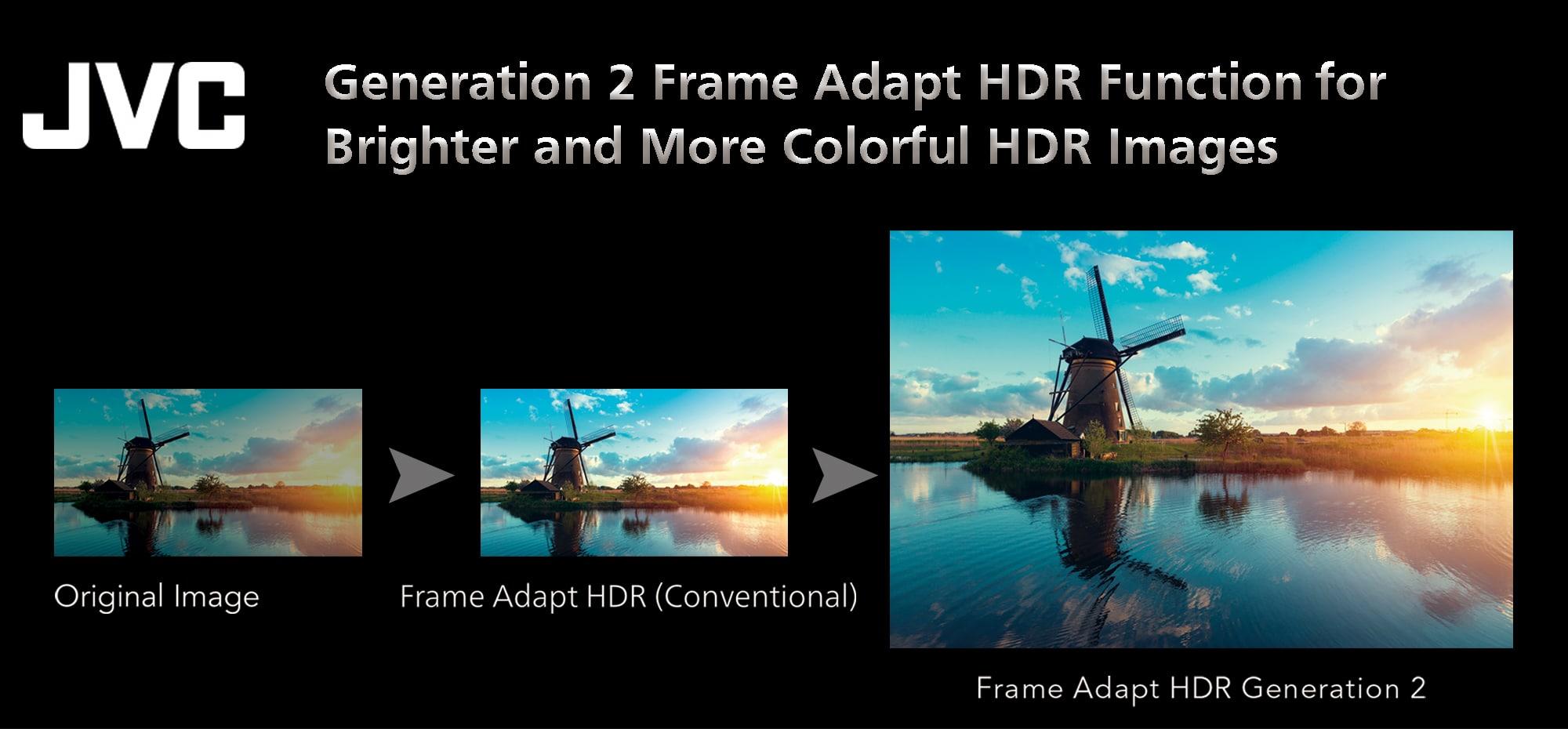
The DLA-NZ500 adds support for HDR10+ and features more sophisticated Frame Adapt HDR processing that analyzes content frame by frame to optimize the HDR presentation. This advanced processing often produces more nuanced HDR performance, particularly in challenging content with rapidly changing brightness levels.
Both projectors cover 100% of the Rec. 709 color standard used for HD content, with the DLA-NZ500 covering 93% of the wider DCI-P3 color gamut used in digital cinema. This broader color coverage contributes to more vivid, lifelike color reproduction, especially in HDR content.
The LX-NZ30's higher brightness actually provides some HDR advantages—HDR content is mastered for much higher peak brightness levels than most projectors can achieve, so having more lumens available helps reproduce the intended impact of bright HDR highlights.
Gaming performance represents one area where the LX-NZ30 clearly outperforms its premium sibling. With dedicated low-latency modes and support for high refresh rates up to 1080p/240Hz and 4K/60Hz, the LX-NZ30 transforms large-screen gaming.
Input lag—the delay between when a gaming console sends a signal and when the projector displays it—can be as low as 6.25 milliseconds on the LX-NZ30. For context, most serious gamers consider anything under 20ms acceptable, and under 10ms exceptional. This performance makes the LX-NZ30 genuinely competitive with dedicated gaming displays, just on a much larger scale.
The DLA-NZ500 lacks these specialized gaming features and maintains higher input lag across all modes. While perfectly adequate for casual gaming, it's clearly optimized for movie watching rather than competitive gaming scenarios.
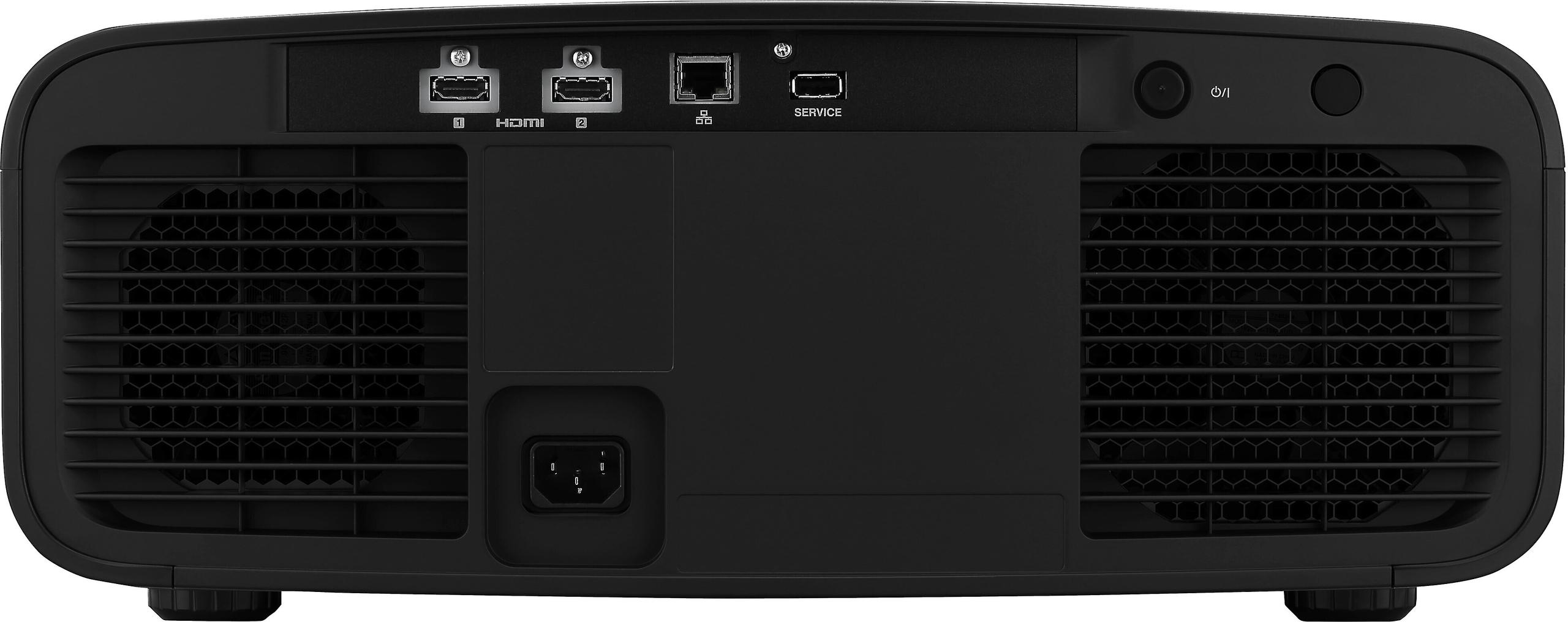
Installation flexibility often determines whether a projector works in your specific room, making this a crucial consideration. The DLA-NZ500 provides superior installation options with its fully motorized 80mm lens system. The motorized zoom, focus, and lens shift can all be adjusted from your seating position using the remote control.
Lens shift allows you to move the projected image up, down, or sideways without physically moving the projector or introducing image distortion. The DLA-NZ500 offers impressive lens shift ranges: ±70% vertical and ±28% horizontal. This means you can mount the projector significantly off-center from your screen and still achieve perfect alignment.
The LX-NZ30 provides manual lens adjustments with slightly less range (±60% vertical, ±23% horizontal). While requiring physical access for adjustments, these ranges still accommodate most installation scenarios. The manual approach keeps costs down while providing adequate flexibility for most users.
Both projectors feature throw ratios around 1.36:1 to 2.17:1, meaning you need roughly 8-22 feet of distance to project a 100-inch image, depending on zoom setting. This makes them suitable for most residential spaces, though you'll want to measure carefully to ensure proper placement.
Based on our research and analysis of expert reviews and user feedback, the choice between these projectors largely depends on your priorities and viewing environment.
Choose the LX-NZ30 if you want an accessible entry into 4K laser projection without sacrificing performance. It's ideal for mixed-use spaces like living rooms, family rooms, or anywhere you can't completely control lighting. The gaming performance makes it particularly appealing for households with console gamers who want to experience their games on massive screens.
The LX-NZ30 also makes sense if you're building your first serious projection setup and want to experience 4K laser benefits without the premium investment. Its compact size and lighter weight (under 14 pounds) make it more portable if you might want to move it between rooms or take it to friends' houses.
Choose the DLA-NZ500 if you're serious about home theater and have or plan to create a dedicated viewing room with controlled lighting. The superior contrast and true native 4K resolution create a more cinematic experience that justifies the higher investment for movie enthusiasts.
The DLA-NZ500 also makes more sense for larger installations where the motorized lens adjustments and memory settings provide practical benefits. If you're wall-mounting in a permanent installation, the convenience of remote lens control becomes increasingly valuable.
Both projectors represent excellent values within their respective market segments, but they serve different audiences and use cases. The LX-NZ30 democratizes 4K laser projection, bringing advanced technology to buyers who previously might have been priced out of the laser market. Its brightness and gaming capabilities make it genuinely versatile for modern households.
The DLA-NZ500 caters to the traditional home theater enthusiast who prioritizes image quality above all else. The native 4K resolution and superior contrast create an undeniably premium viewing experience, but one that requires the right environment and usage patterns to fully appreciate.
At the time of writing, the price difference between these models reflects their different target markets and technological approaches. Neither represents a poor value—instead, they offer different paths to excellent 4K projection depending on your specific needs, room conditions, and budget considerations.
For most buyers, the decision comes down to room flexibility versus ultimate image quality. The LX-NZ30 works in more spaces and lighting conditions, while the DLA-NZ500 provides the superior experience in ideal conditions. Choose based on your actual viewing environment and usage patterns rather than specification sheets alone.
| JVC LX-NZ30 | JVC DLA-NZ500 |
|---|---|
| Display Technology - Fundamental difference affecting image quality and price | |
| Single-chip DLP with e-shift 4K processing | Three-chip native 4K D-ILA |
| Native Resolution - True 4K vs processed 4K for fine detail | |
| 1920 x 1080 (enhanced to 4K via pixel shifting) | 4096 x 2160 (genuine native 4K) |
| Brightness - Critical for room flexibility and screen size | |
| 3,300 ANSI lumens (excellent for ambient light) | 2,000 ANSI lumens (requires controlled lighting) |
| Contrast Ratio - Determines black levels and cinematic quality | |
| Infinite dynamic only (typical DLP gray blacks) | 40,000:1 native (true deep blacks) |
| HDR Support - Future-proofing for premium content | |
| HDR10, HLG with Auto Tone Mapping | HDR10, HDR10+, HLG with Frame Adapt processing |
| Lens System - Installation flexibility and convenience | |
| Manual 1.6x zoom/focus with ±60%V/±23%H shift | Motorized 1.6x zoom/focus with ±70%V/±28%H shift |
| Gaming Performance - Low latency for console gaming | |
| Excellent: 6.25ms lag, supports 1080p/240Hz, 4K/60Hz | Limited: Higher lag, no high refresh rate support |
| Physical Size - Portability and installation considerations | |
| Compact: 13.9 lbs, easily relocatable | Heavy-duty: 32.2 lbs, permanent installation focused |
| Noise Level - Important for quiet viewing environments | |
| 29-34 dB (noticeable in quiet rooms) | 23 dB (whisper quiet operation) |
| Laser Life - Maintenance-free operation period | |
| 20,000 hours BLU-Escent laser | 20,000 hours BLU-Escent laser |
| Warranty - Protection for your investment | |
| 1 year parts and labor | 3 years with 1st year advanced replacement |
| Best Use Cases - Who should choose each model | |
| Mixed lighting rooms, gaming, budget-conscious buyers | Dedicated dark theaters, movie purists, premium installations |
The JVC LX-NZ30 is more beginner-friendly due to its higher brightness, simpler setup, and more forgiving performance in various lighting conditions. New projector owners will appreciate that the LX-NZ30 works well in living rooms with ambient light, while the JVC DLA-NZ500 requires a dedicated dark room to show its best performance.
The key difference is resolution technology: the JVC LX-NZ30 uses pixel-shifting to create 4K from a native 1080p chip, while the JVC DLA-NZ500 delivers true native 4K resolution. The DLA-NZ500 also produces much deeper black levels for better contrast in dark room viewing.
The JVC LX-NZ30 is significantly brighter at 3,300 lumens compared to the DLA-NZ500's 2,000 lumens. This makes the LX-NZ30 much better for rooms with windows or any ambient light, while the JVC DLA-NZ500 performs best in completely dark environments.
Yes, both the JVC LX-NZ30 and JVC DLA-NZ500 support 4K resolution and HDR formats. However, the DLA-NZ500 offers more advanced HDR processing and supports HDR10+, while the LX-NZ30 handles HDR10 and HLG with simpler tone mapping.
The JVC LX-NZ30 is superior for gaming with input lag as low as 6.25ms and support for high refresh rates up to 1080p/240Hz. The JVC DLA-NZ500 has higher input lag and no special gaming features, making it less suitable for competitive gaming.
The JVC DLA-NZ500 produces much deeper blacks with its 40,000:1 native contrast ratio, creating true cinematic black levels. The LX-NZ30, like most DLP projectors, produces dark grays instead of true blacks, which is less ideal for dark room movie watching.
The JVC DLA-NZ500 offers easier installation with its fully motorized lens system, allowing remote adjustment of zoom, focus, and lens shift. The LX-NZ30 requires manual lens adjustments, though it's lighter and more compact for simpler mounting.
No, both the JVC LX-NZ30 and JVC DLA-NZ500 use maintenance-free laser light sources rated for approximately 20,000 hours of operation. This eliminates the ongoing cost and hassle of lamp replacements found in traditional projectors.
The JVC DLA-NZ500 is ideal for dedicated home theaters due to its superior contrast, true native 4K resolution, and quieter operation at 23dB. The LX-NZ30 works better in multipurpose rooms where you need brightness flexibility and don't have complete light control.
The JVC DLA-NZ500 includes a comprehensive 3-year warranty with first-year advanced replacement, providing better long-term protection. The LX-NZ30 comes with a standard 1-year parts and labor warranty, reflecting its more budget-oriented positioning.
The JVC LX-NZ30 provides excellent value for buyers wanting 4K laser projection at an accessible entry point, especially for mixed-lighting environments and gaming. The DLA-NZ500 offers premium value for serious home theater enthusiasts who prioritize ultimate image quality and can utilize its advanced features.
Yes, but with different optimal ranges. The JVC LX-NZ30 can handle screens up to 200 inches thanks to its high brightness, making it great for large installations. The JVC DLA-NZ500 works best with 100-150 inch screens in dark rooms where its superior contrast and native 4K resolution can be fully appreciated.
We've done our best to create useful and informative comparisons to help you decide what product to buy. Our research uses advanced automated methods to create this comparison and perfection is not possible - please contact us for corrections or questions. These are the sites we've researched in the creation of this article: t3.com - crutchfield.com - stuff.tv - projectorcentral.com - projectorreviews.com - data.heimkinowelt.at - bestbuy.com - eu.jvc.com - projectorreviews.com - listenup.com - youtube.com - eu.jvc.com - dreamediaav.com - projectorreviews.com - projectorscreen.com - projectorcentral.com - device.report - technologyinteriors.com - projectorscreen.com - valueelectronics.com - youtube.com - projectorcentral.com - avsforum.com - youtube.com - eu.jvc.com - jvc.com - crutchfield.com - projectorreviews.com - avsforum.com - audioadvice.com

Privacy Policy
Terms and Conditions - Affiliate Policy
Home Security
© Copyright 2008-2026.
11816 Inwood Rd #1211, Dallas, TX 75244